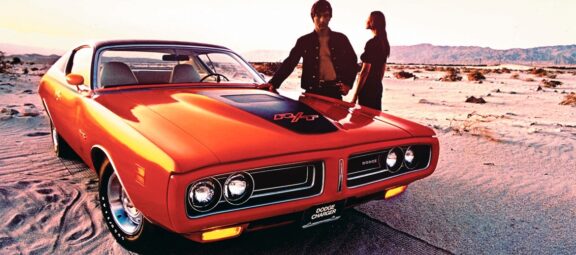
60 Years of the Dodge Charger – GEN III 1971-74
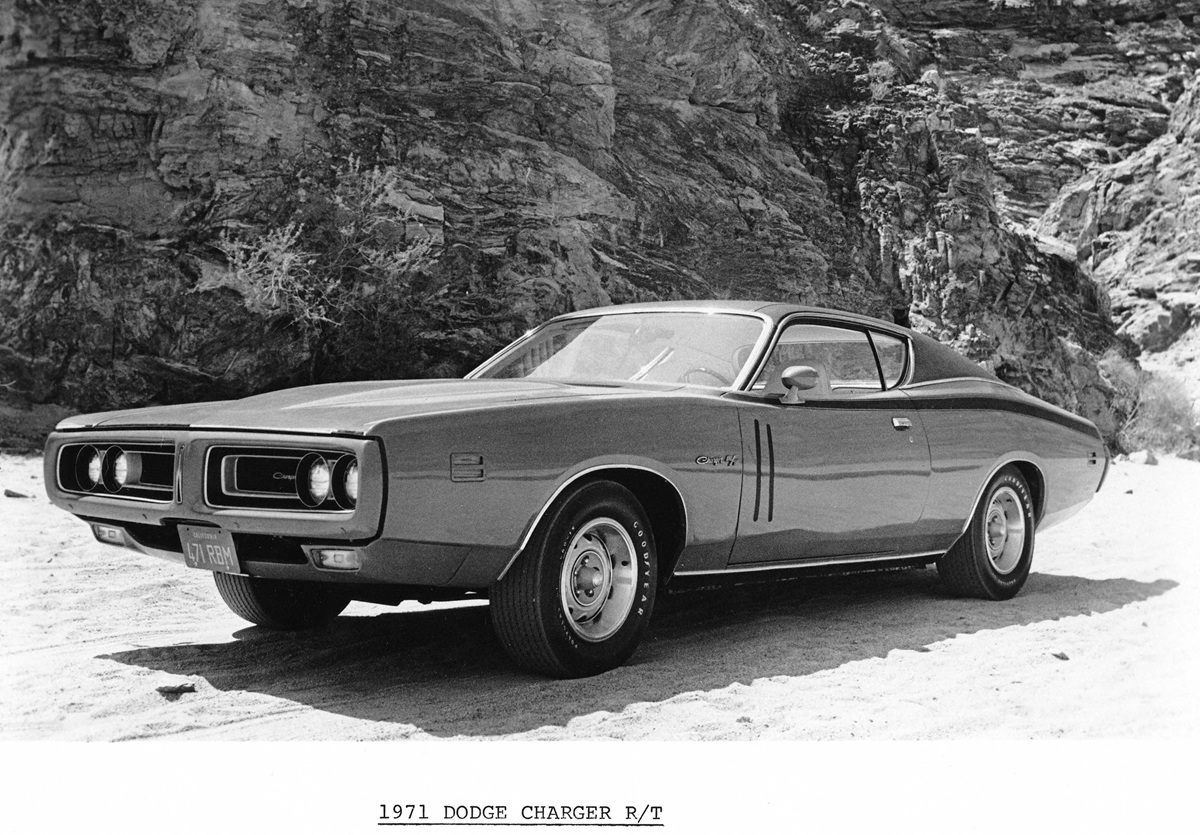
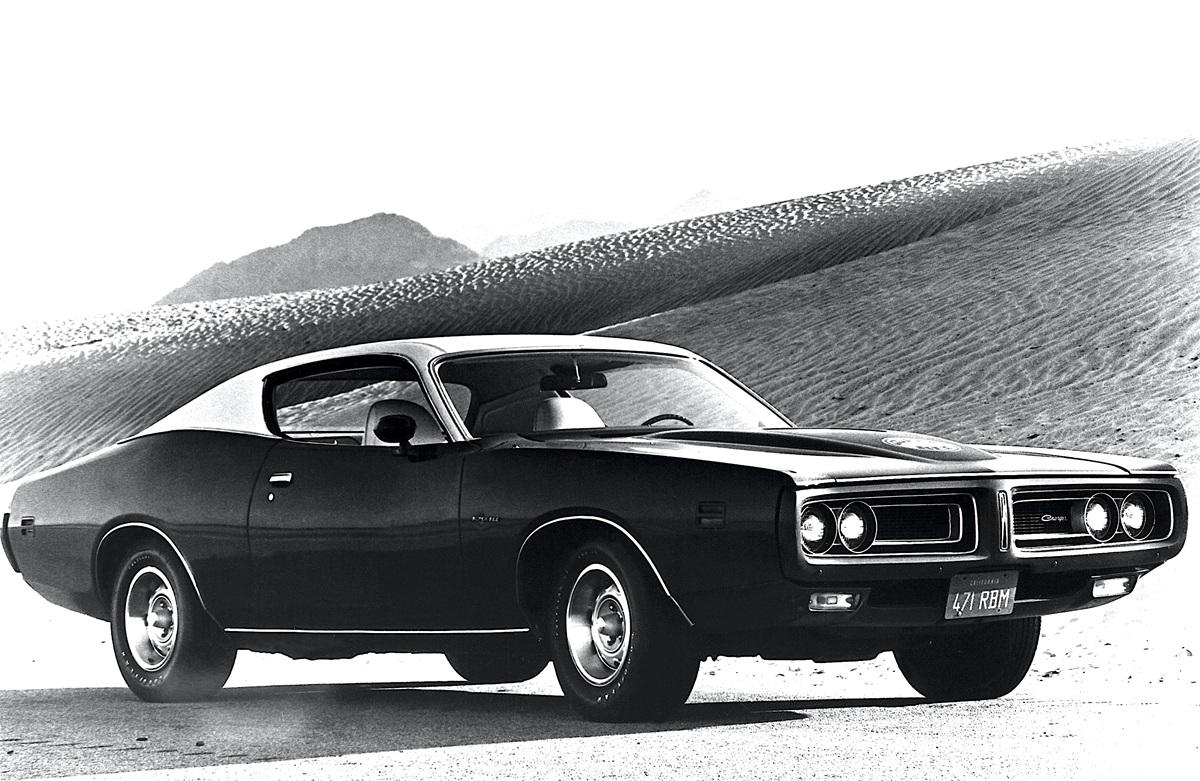
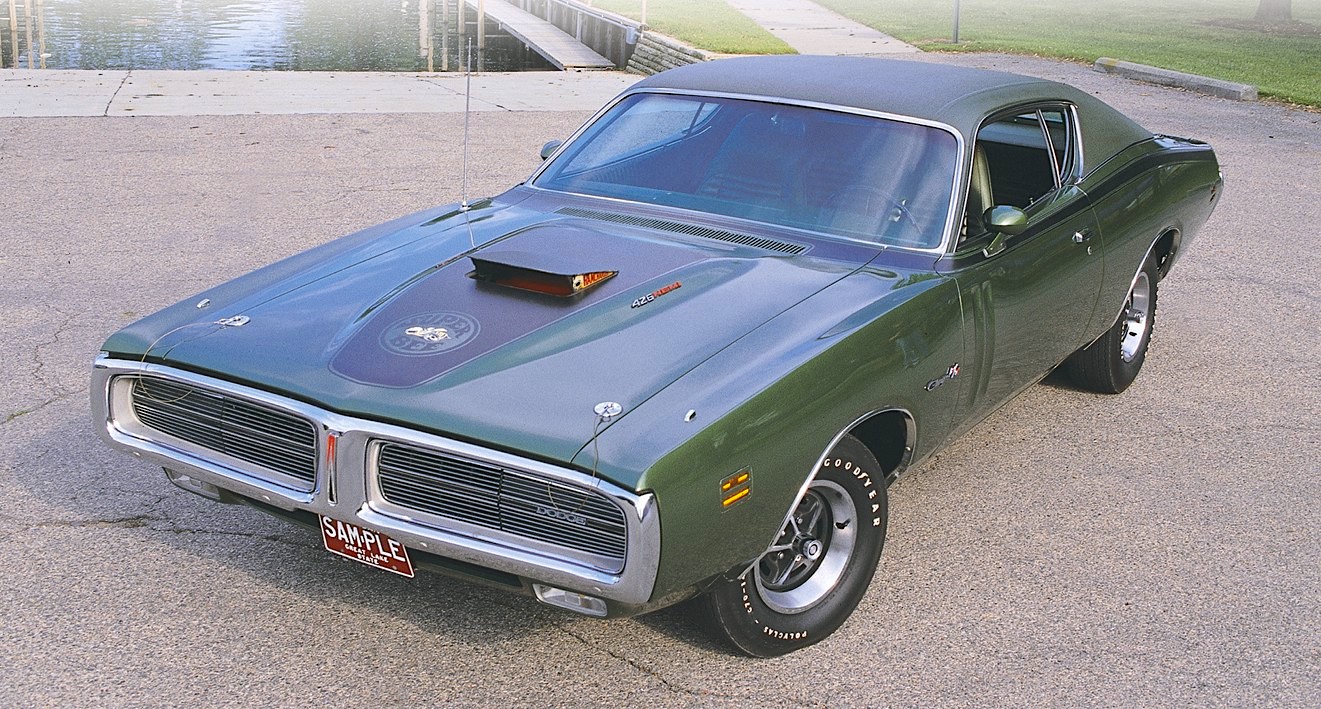
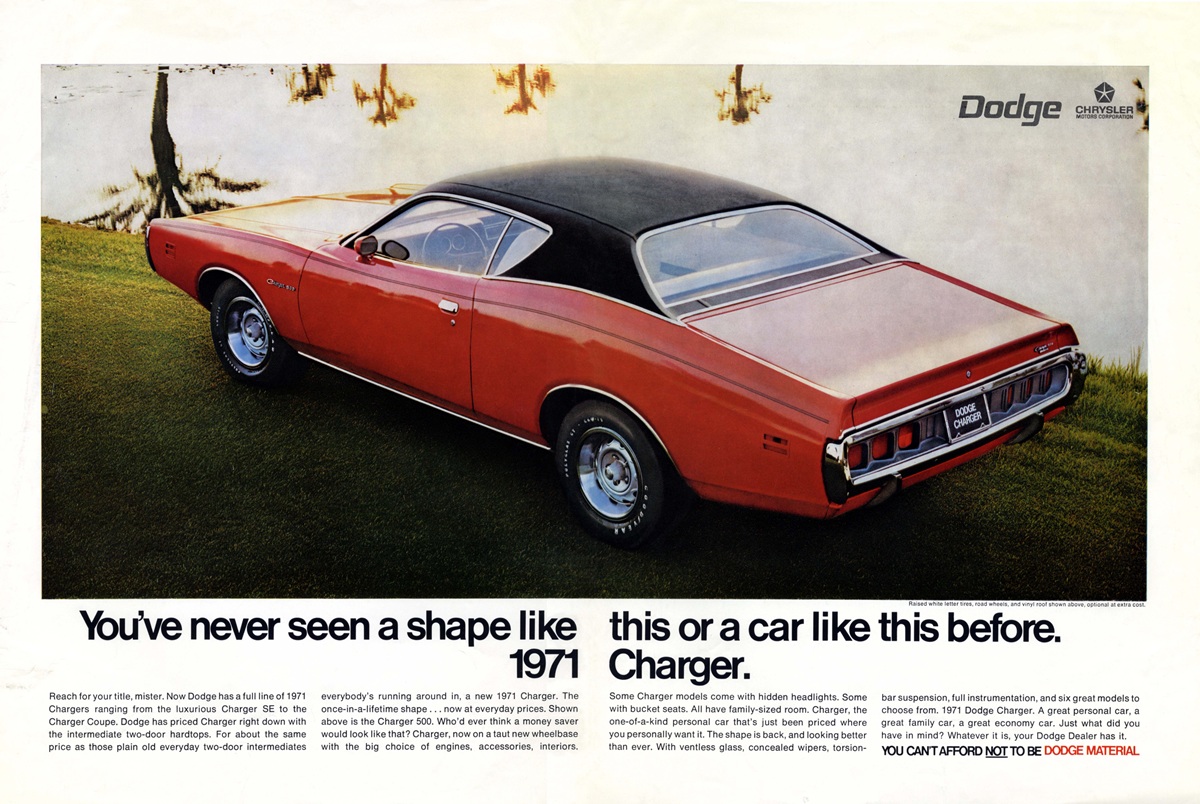
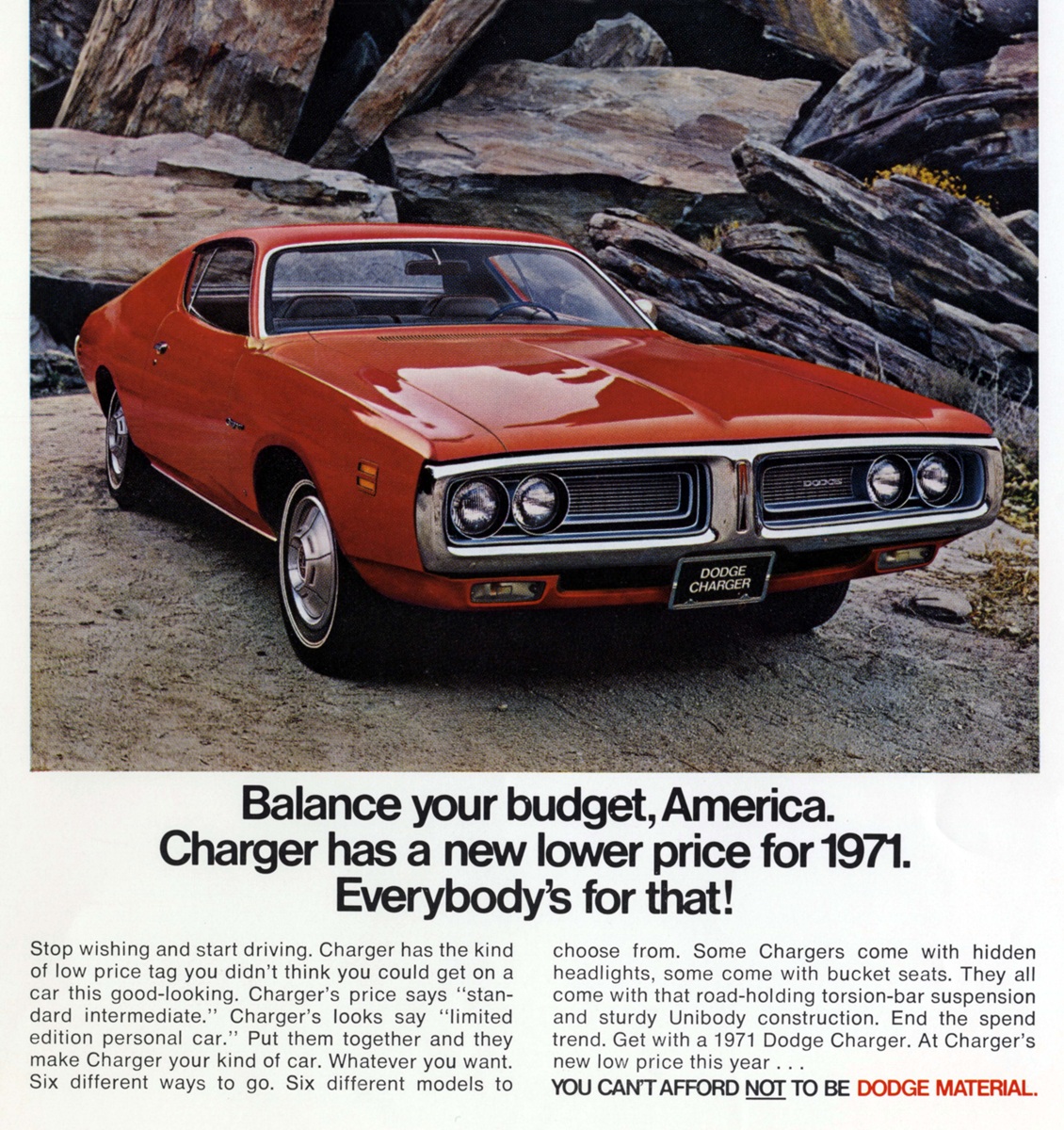
As the 1960s gave way to the 1970s, the Charger underwent another major makeover for 1971. Known as the GEN III iteration among hardcore Mopar® enthusiasts, the new Charger was even more swoopy, riding on a shorter 115-inch wheelbase. Its iconic design looked even more like a “Coke Bottle” and the designers kept Charger’s traditional performance image. The Charger’s trademarked concealed headlight remained standard in the upscale Special Edition (SE) models, but it was now optional on the R/T and Super Bee. Speaking of the Super Bee, this performance nameplate vacated the Coronet line and got stuck on the new Charger. It came standard with the 383 V8 Magnum big block rated at 300 horsepower. However, the 340 V8 small block was now available for the first time in the Charger. This was in response to the insurance industry putting the smackdown on massive engines over 400 cubic inches with big horsepower. 1971 also marked the first year Charger was available with an optional “Ramcharger” fresh air scoop incorporated on the “Power Bulge” hood optional on R/T and Super Bee models. The optional 426 Street HEMI® V8 stuck around for 1971 before being shown the door. The ground-thumping 440 Six Pack was also had its “mic drop” in ’71, but a handful did escaped into a handful of 1972 Charger Rallye models.
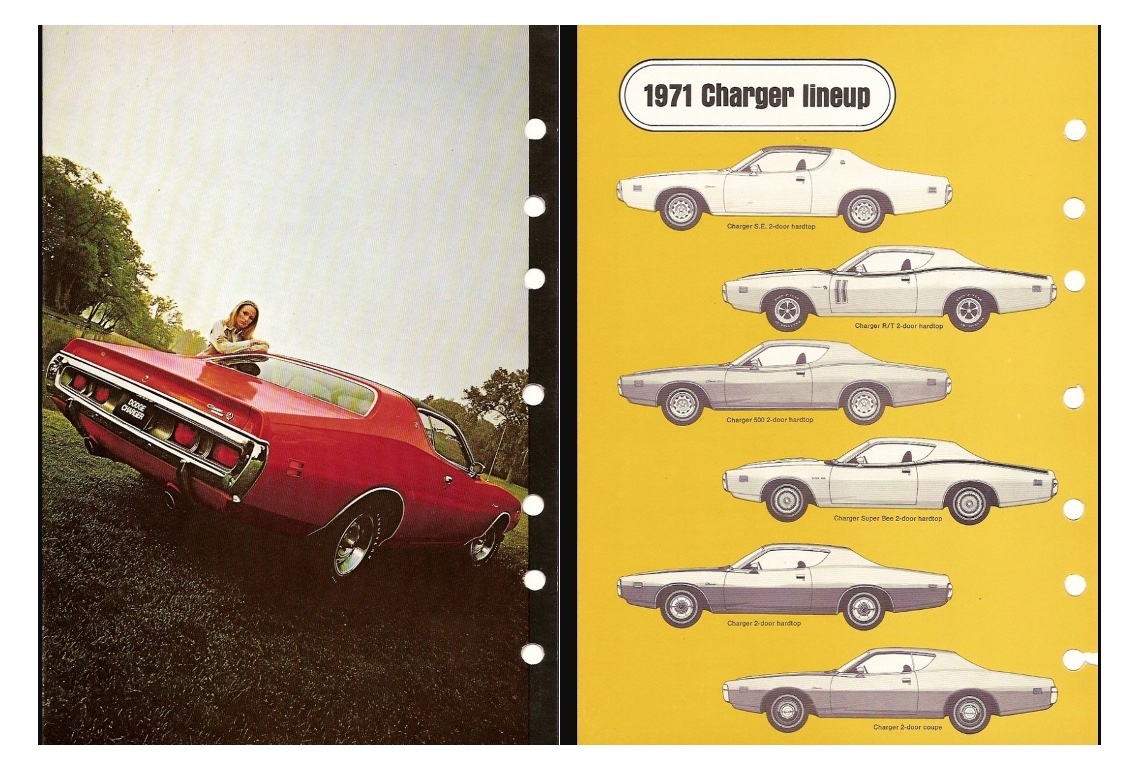
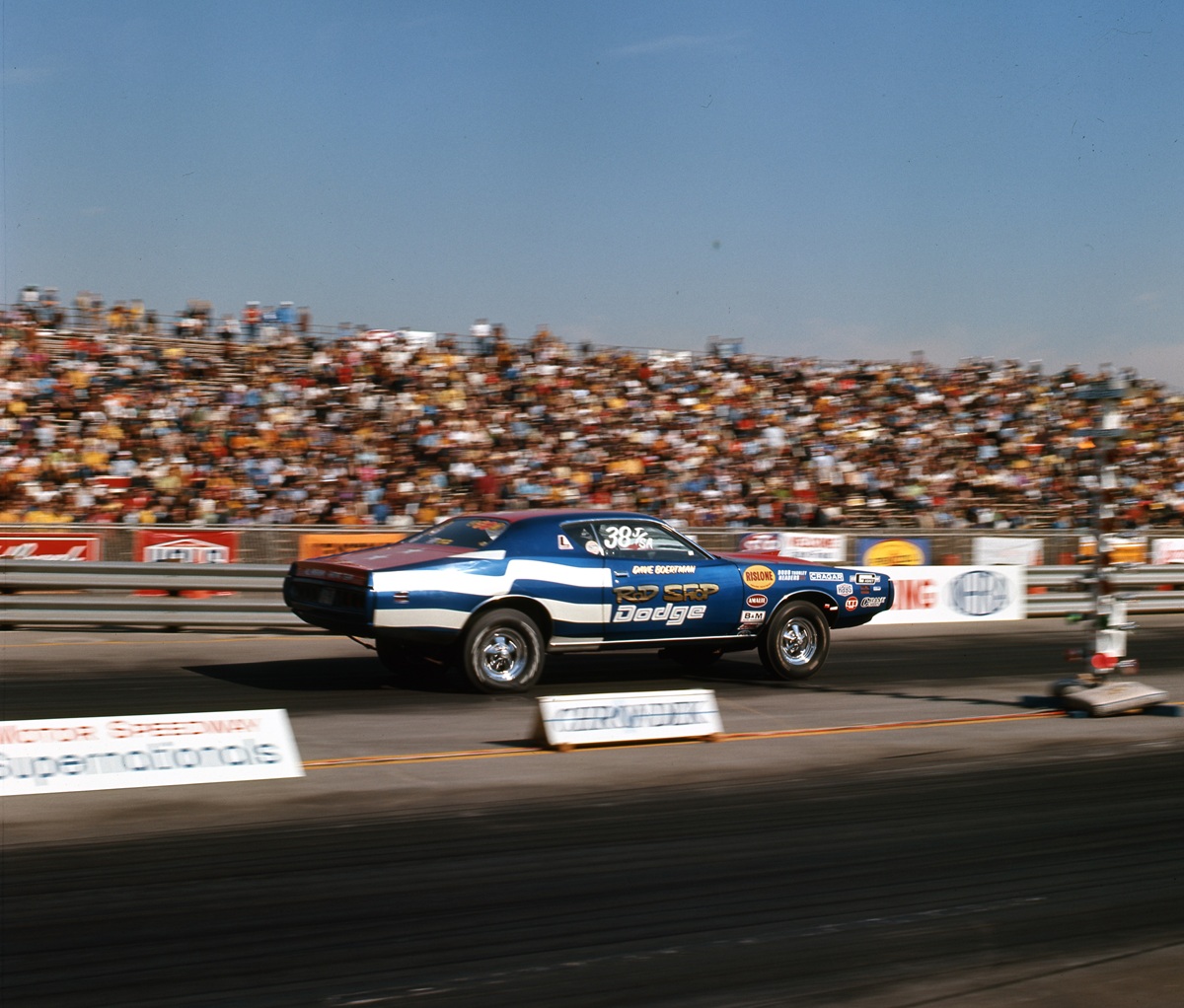
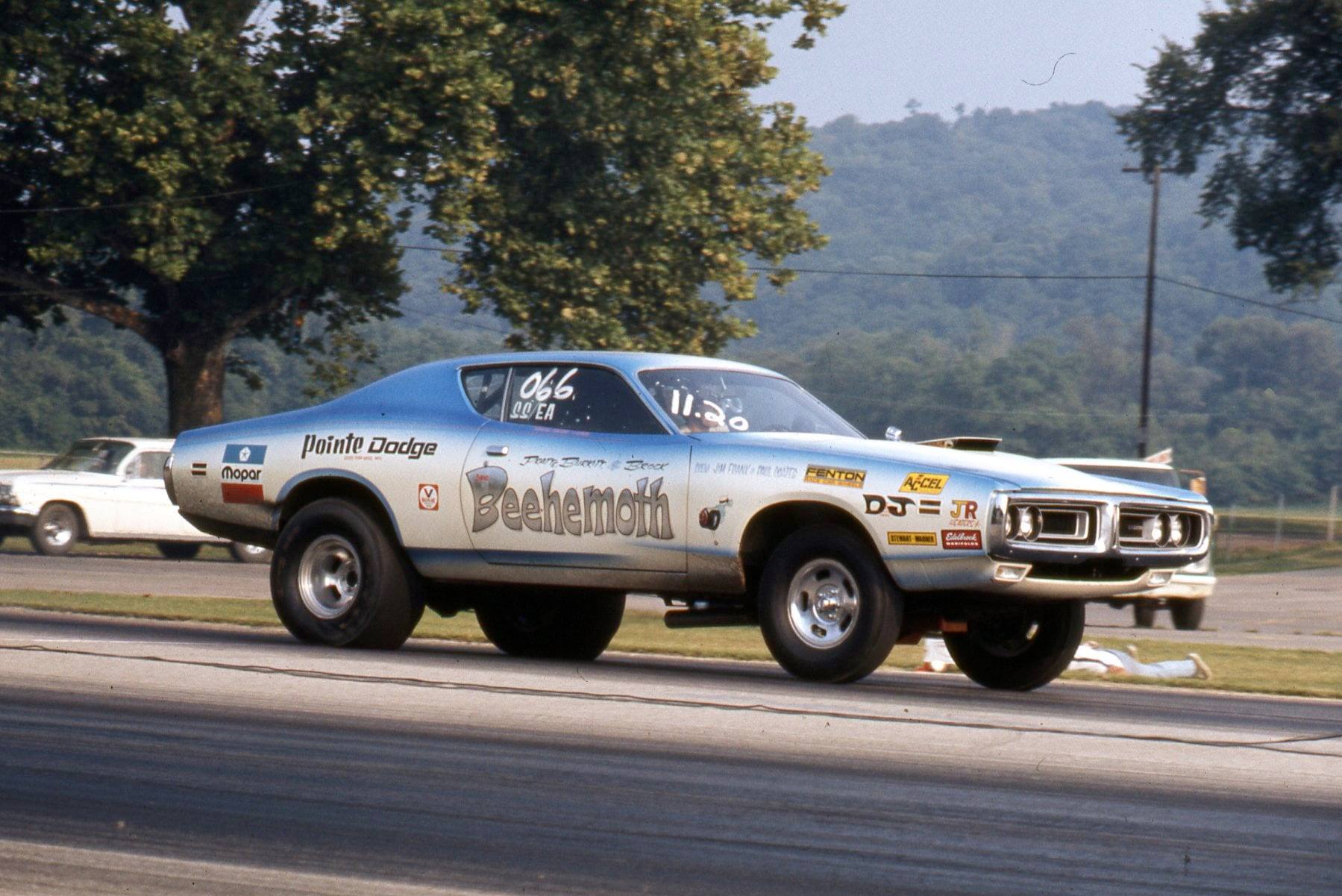
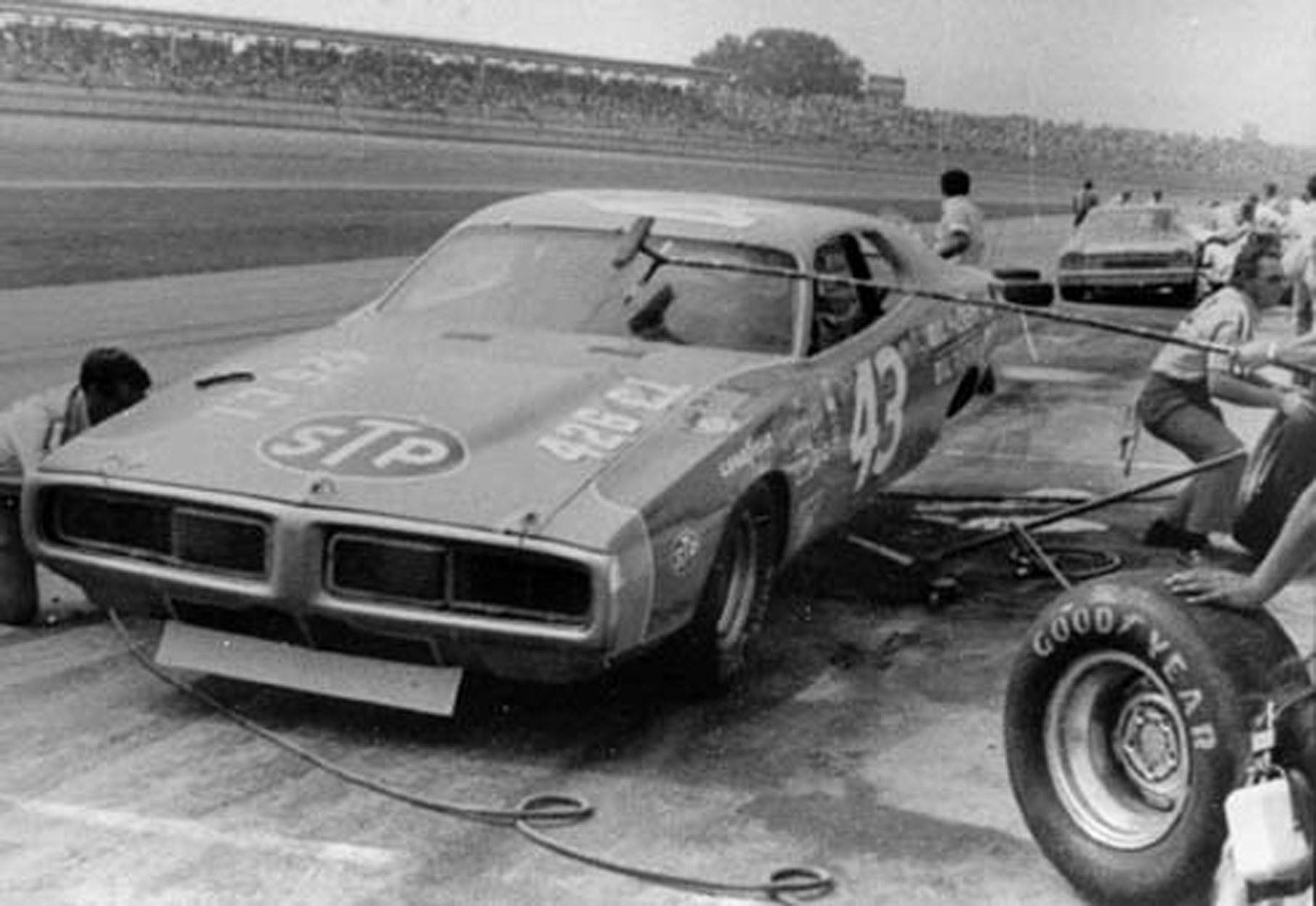
Despite the new styling, a vast array of colors, options, engines and other features, sales of the 1971 Charger came in around 80,000 units. This included the base version, luxurious and well-appointed “SE” and “500” models, and the high-performance R/T and Super Bee machines. The third-generation Charger also successfully competed in NASCAR that year as many key drivers adapted to the new body quickly. This was a relief as the Stock Car racing organization was taking an unfavorable view of the 1969 Charger Daytona and 1970 Plymouth Superbird, and NASCAR would eventually ban these “Wing Cars” in 1972. On the drag strips, it was a different story. While the new Charger had too much weight, width and mass to compete in the heads-up Pro Stock class, many of them found a home in NHRA’s Super Stock and Stock Eliminator categories and are still racing today.
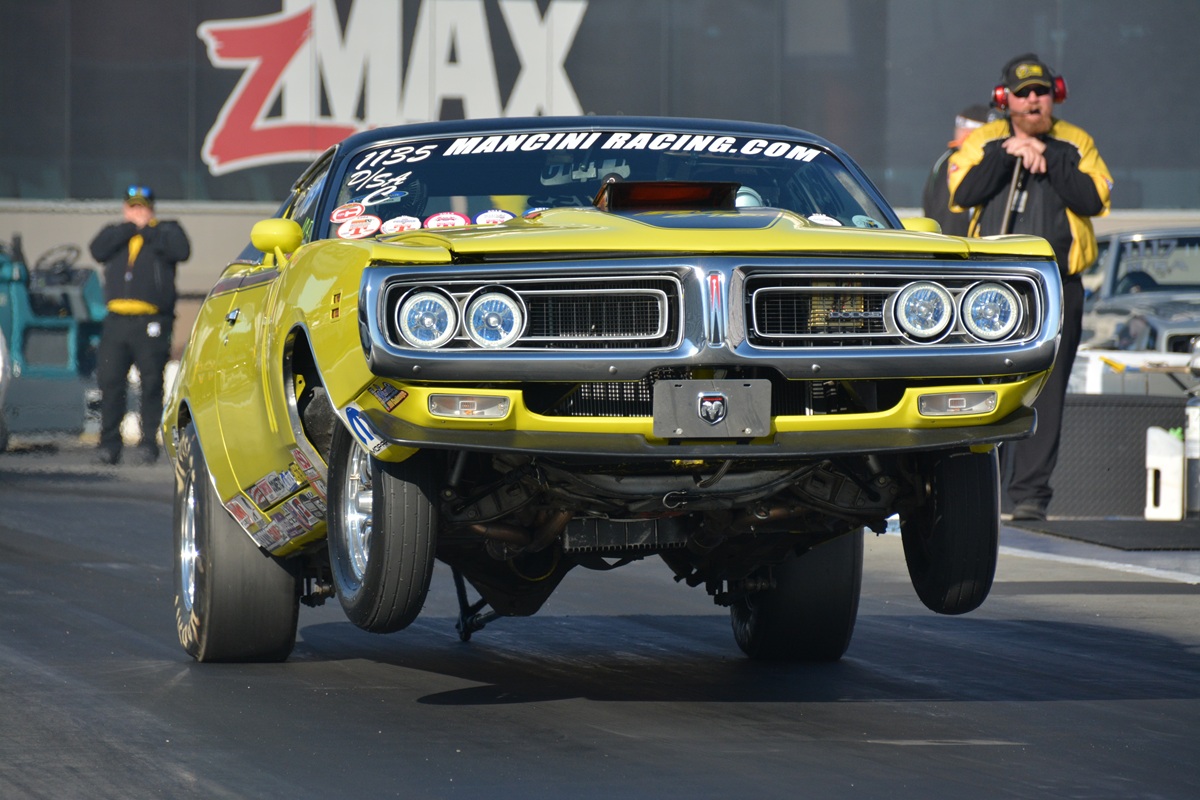
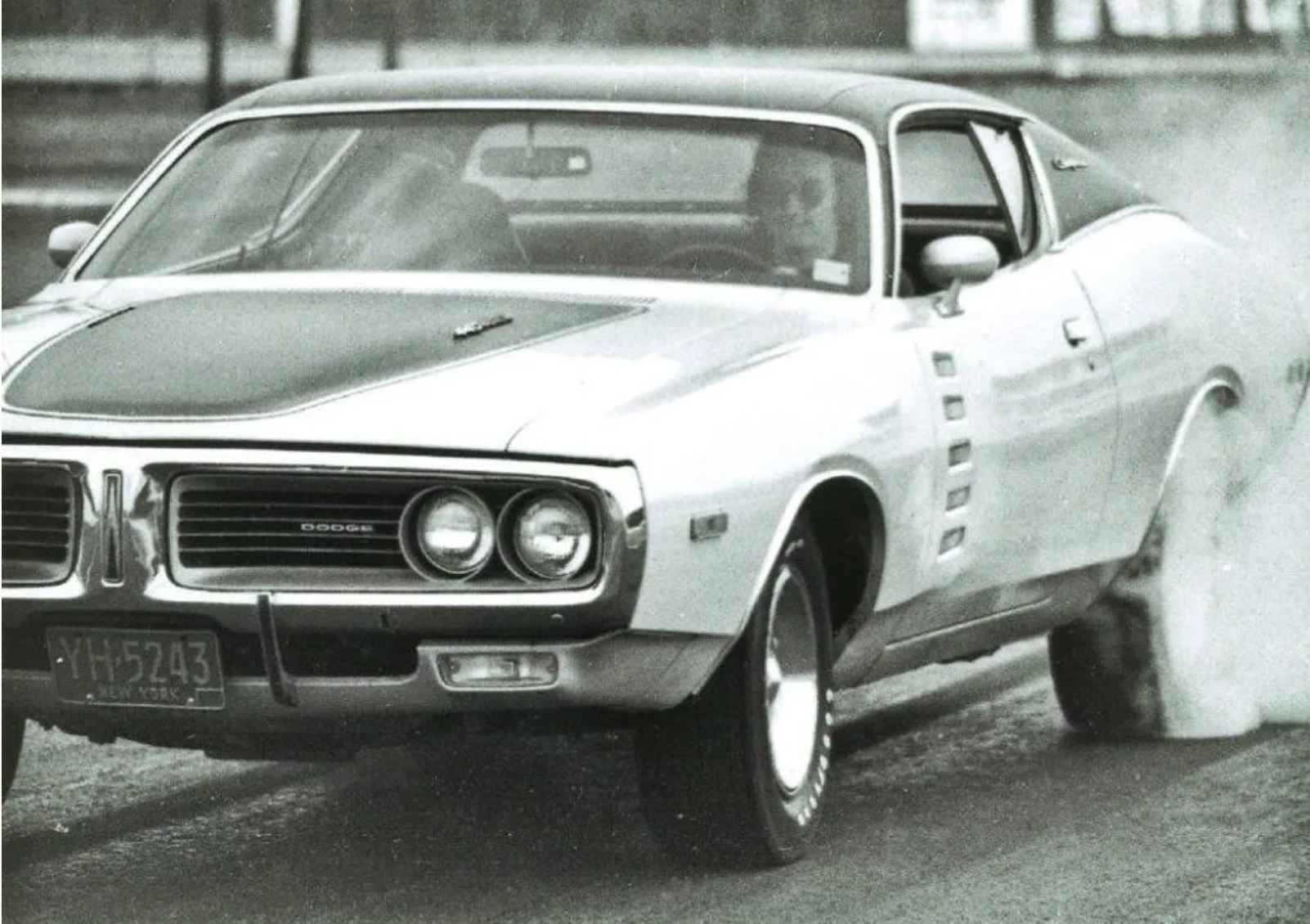
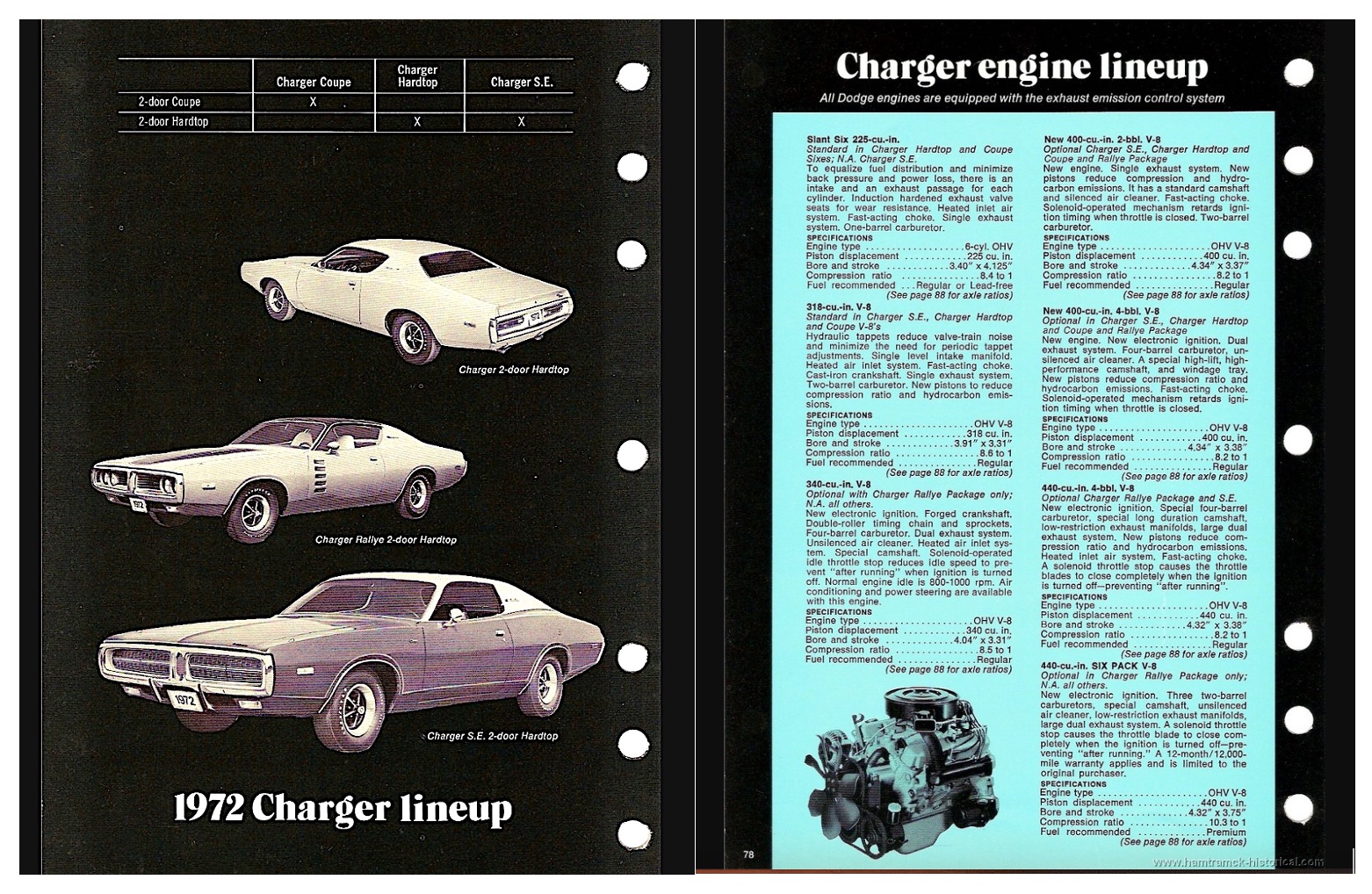
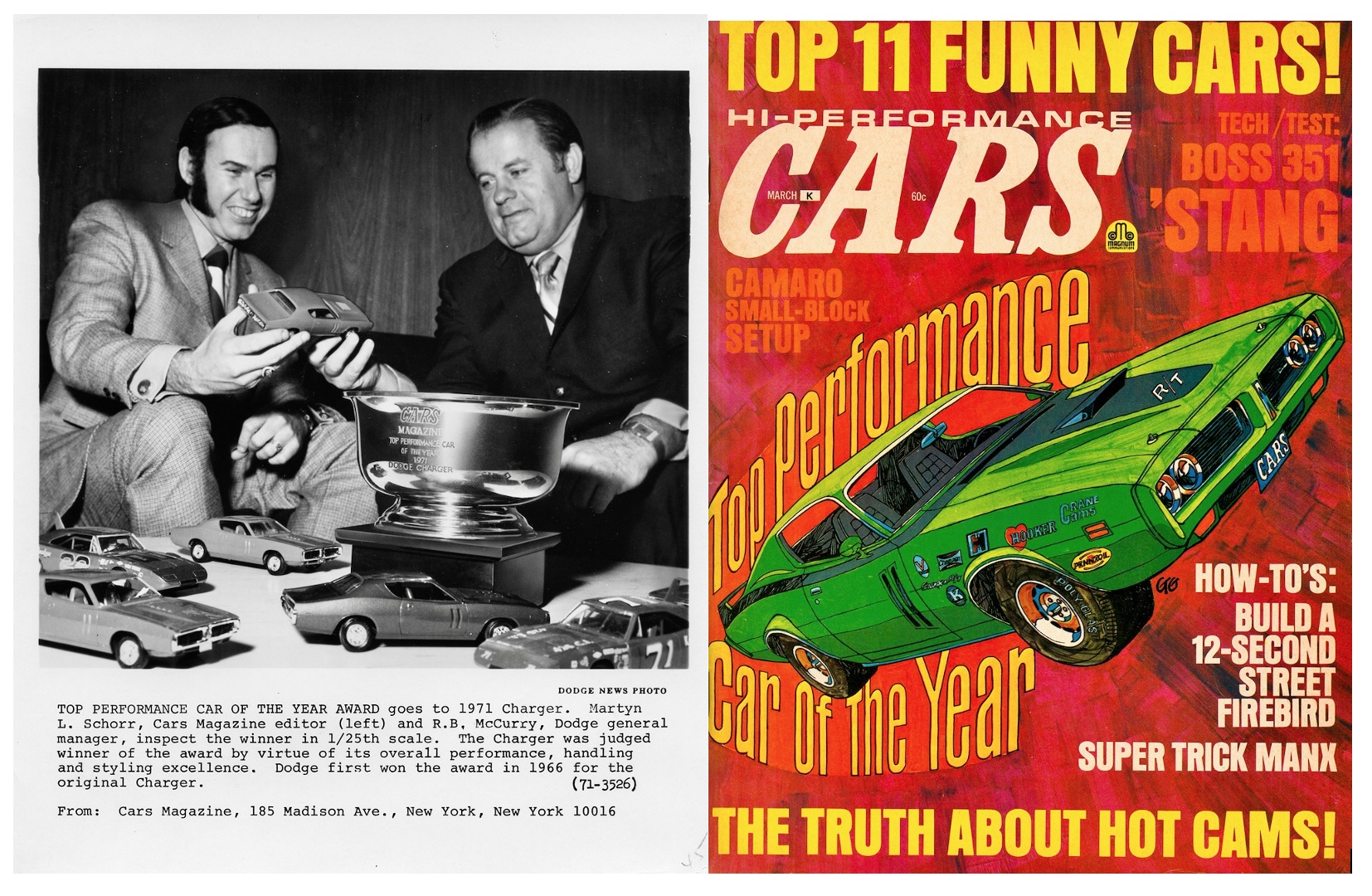
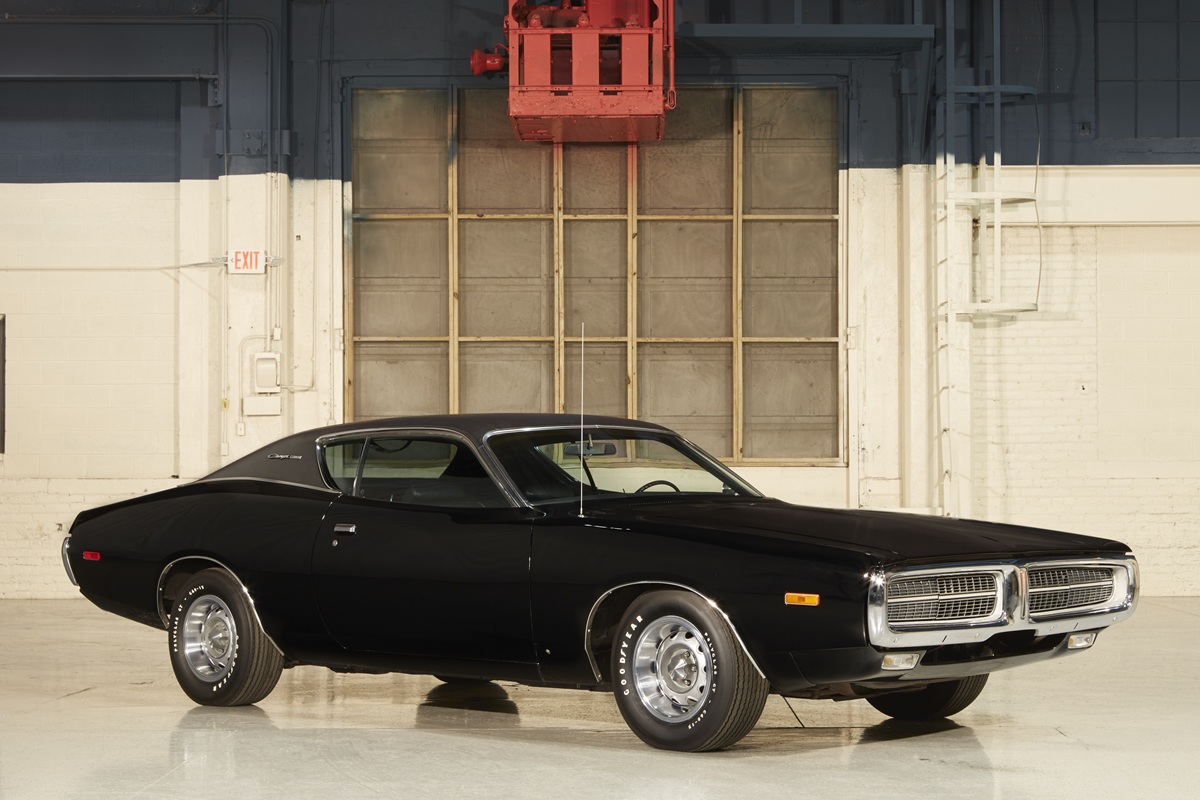
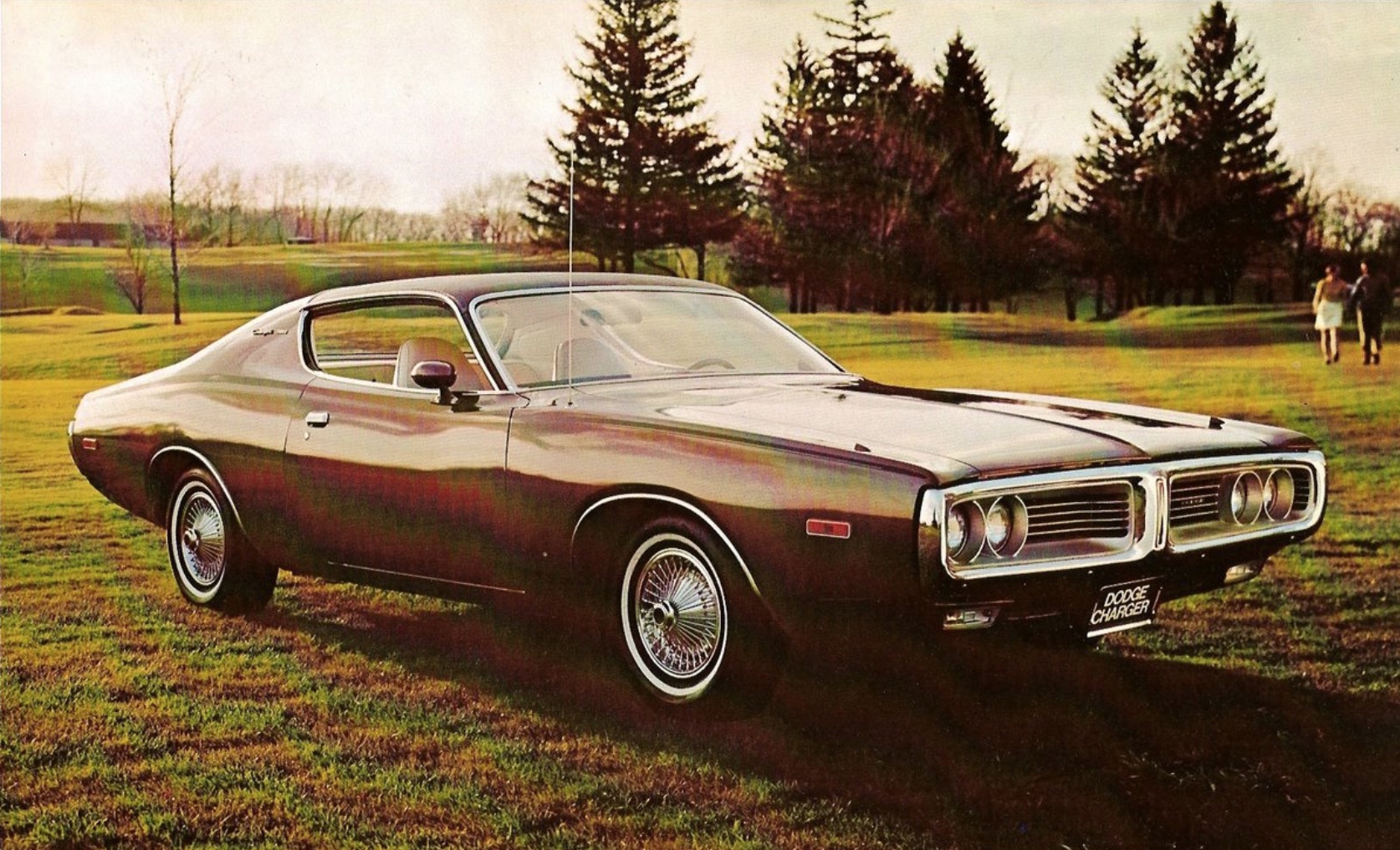
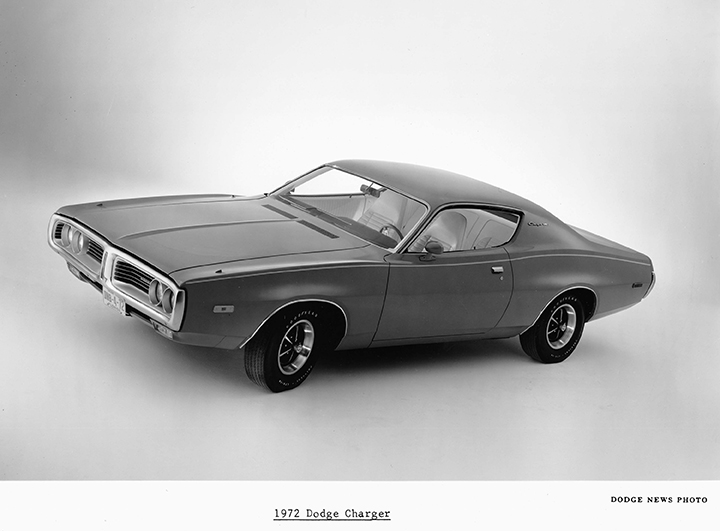
Many hobbyists feel 1971 was the last true year for muscle cars, but someone failed to tell that to the Charger. New for 1972 were electronic ignition, front and rear sway bars, and improved brakes. However, the engines were now straddled with more smog equipment, less compression and reduced horsepower. Now, a realistic SAE “net” horsepower rating rather than “gross” was adopted by the industry. The massive big blocks could still be had by checking-off the right boxes on the order sheet. A new 400-cubic-inch V8 was introduced in ’72. Available in both two-barrel and four-barrel varieties as a replacement for the 383. The 400 Magnum performance version was rated at 260 net horsepower, but it never had the same cache as the 383 Magnum; it still got the job done. While 0 to 60 and quarter-mile times were down slightly from the 1971 models, the 1972 Charger could still fry its Goodyear Polyglas tires and run with its contemporaries as hotfoot journalist Joe Oldham of Hi-Performance CARS magazine discovered back in ’72.
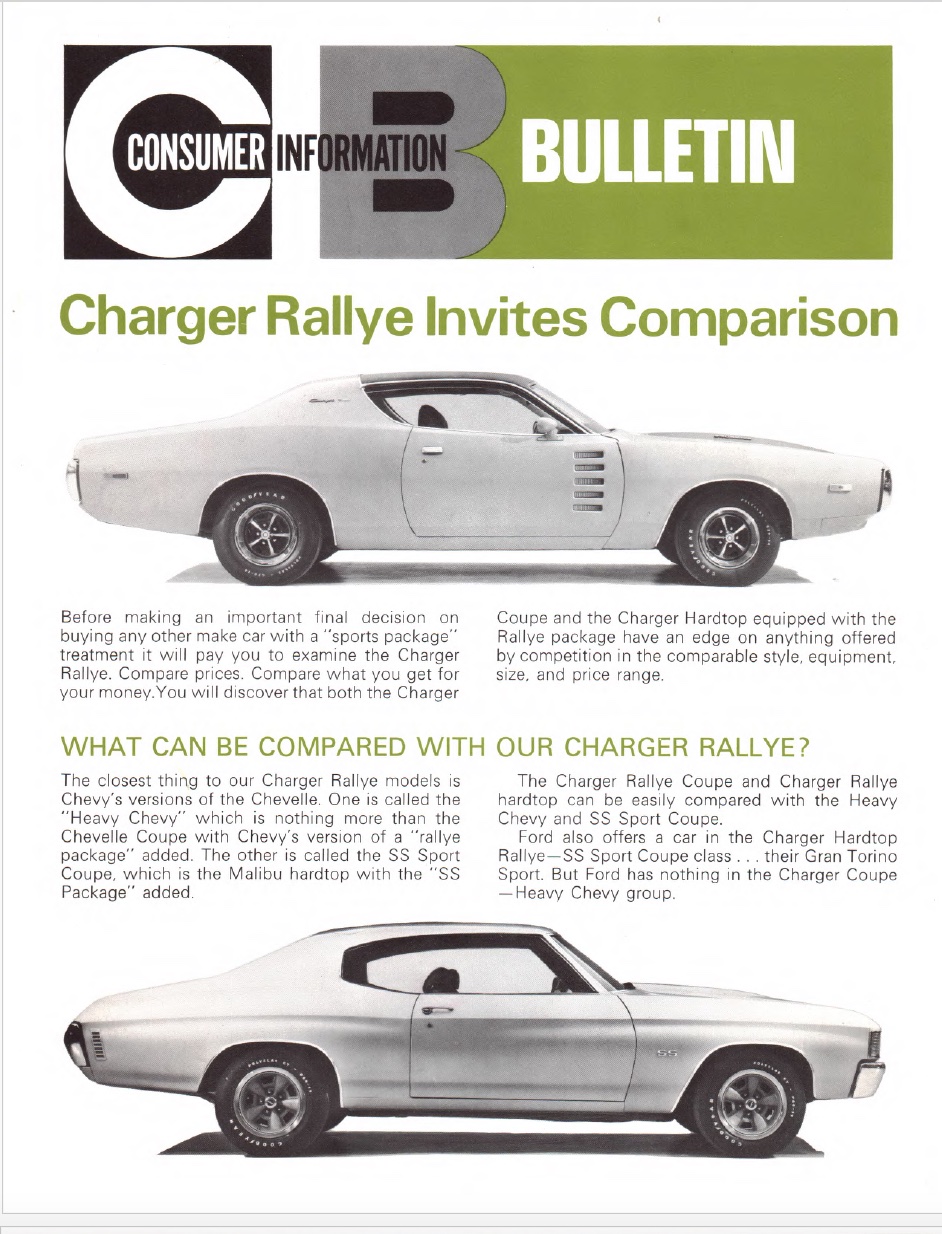
From a styling standpoint, the ’72 models still looked great, and while the “R/T” nameplate was dead, the “Rallye” package did an admirable job in keeping the Charger’s performance image alive. Some of the high-impact exterior colors were still available and on the Rallye models, the “Power Bulge” hood with black performance treatment, Dark Argent front grille, simulated door louvers and louvered taillights came standard.
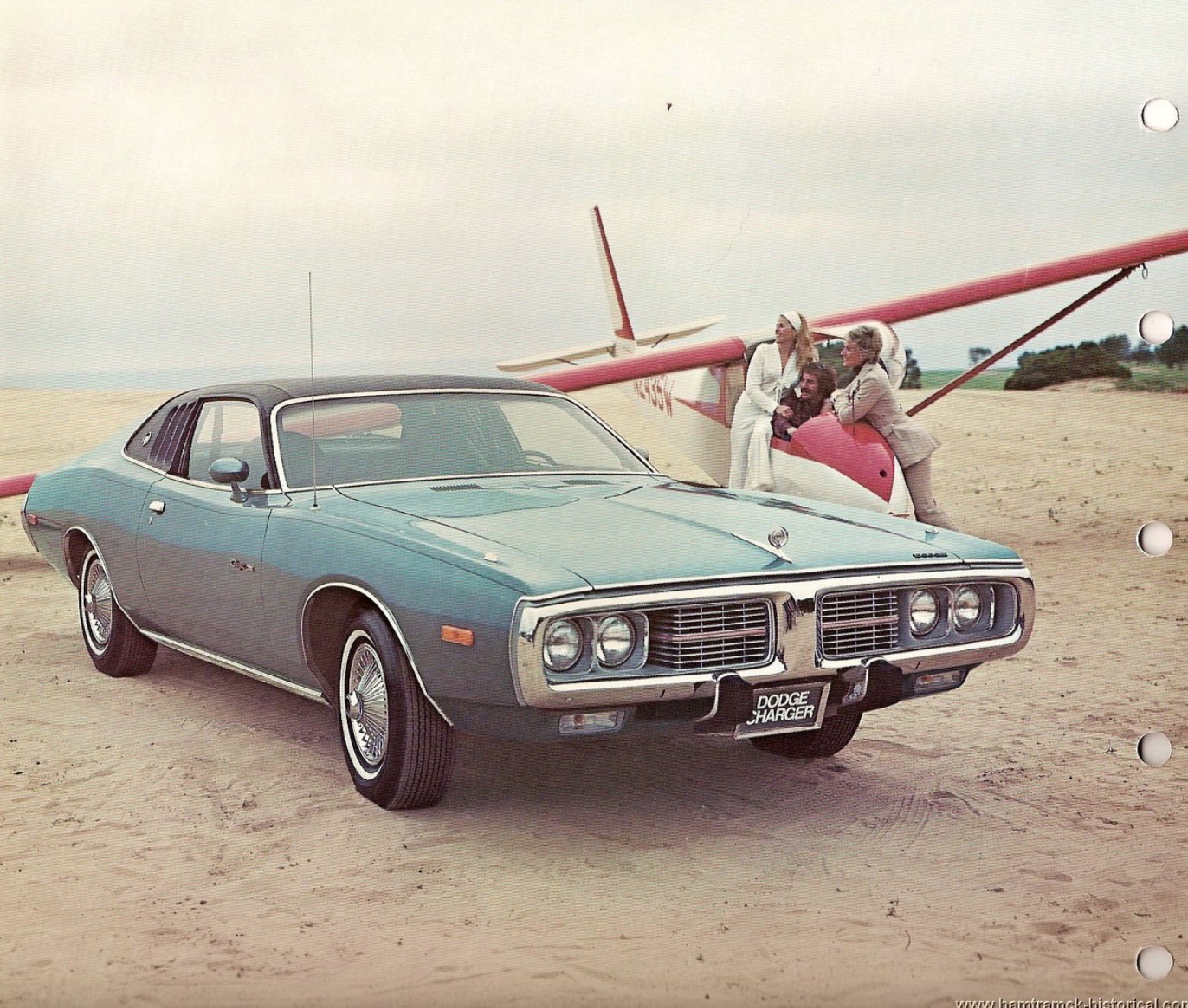
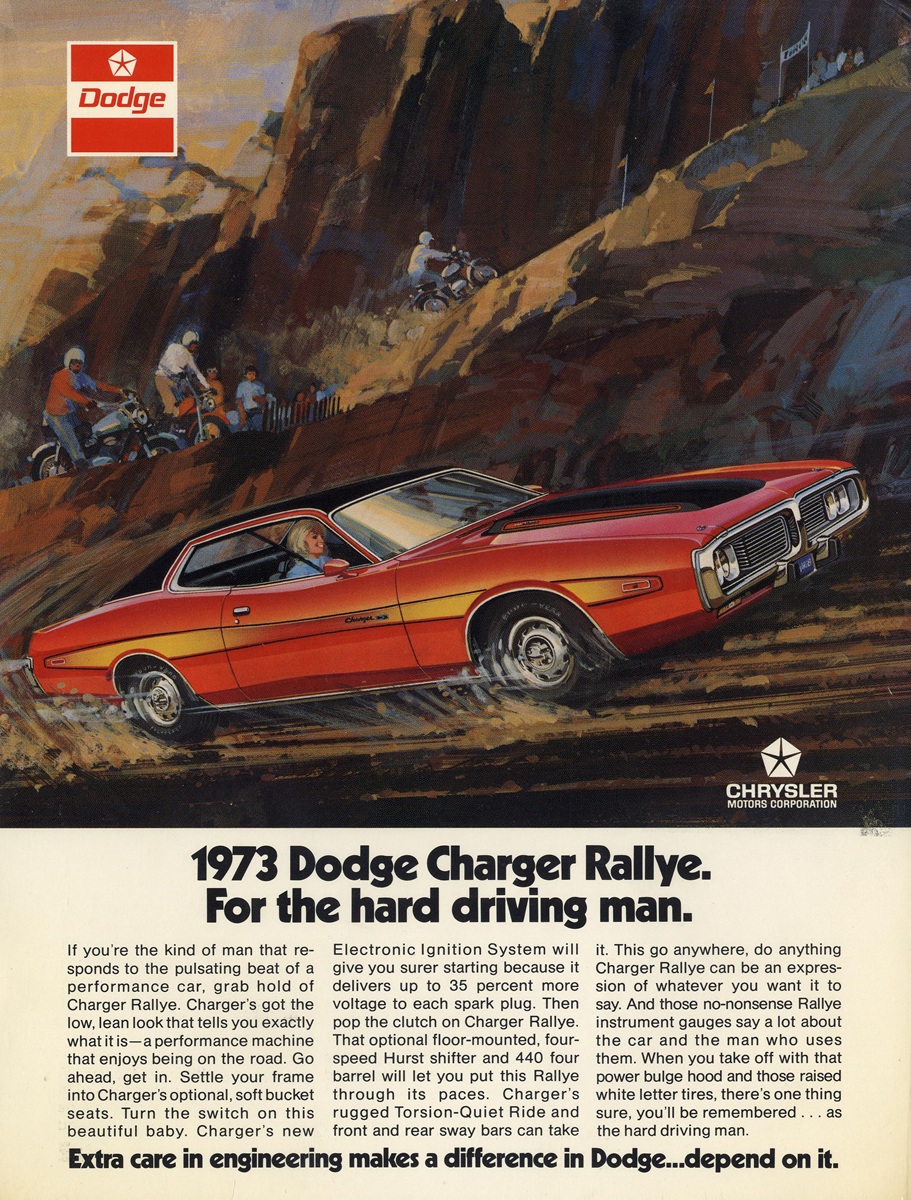
When 1973 came around, the Charger had a minor exterior makeover on the front grille, taillights and C-pillar that changed the Charger’s sideview looks but kept it semi-fastback design. New federally mandated impact-absorbing front and rear bumpers were new, but Chrysler’s designers made sure they wouldn’t disrupt the look of the Charger. A new full-length reflective red gradient body side stripe was optional on Charger Rallye and Charger Coupe. The chassis and suspension were also improved with a new front K-member and revised engine mounts that eliminated even road harshness while improving ride quality and steering feel. From a marketing standpoint, Dodge called this “Torsion-Quiet”, which included revised torsion bars and rear leaf springs. To further enhance quiet quality, front and rear rubber isolators and chassis mounts were used throughout the chassis and suspension mounting areas.
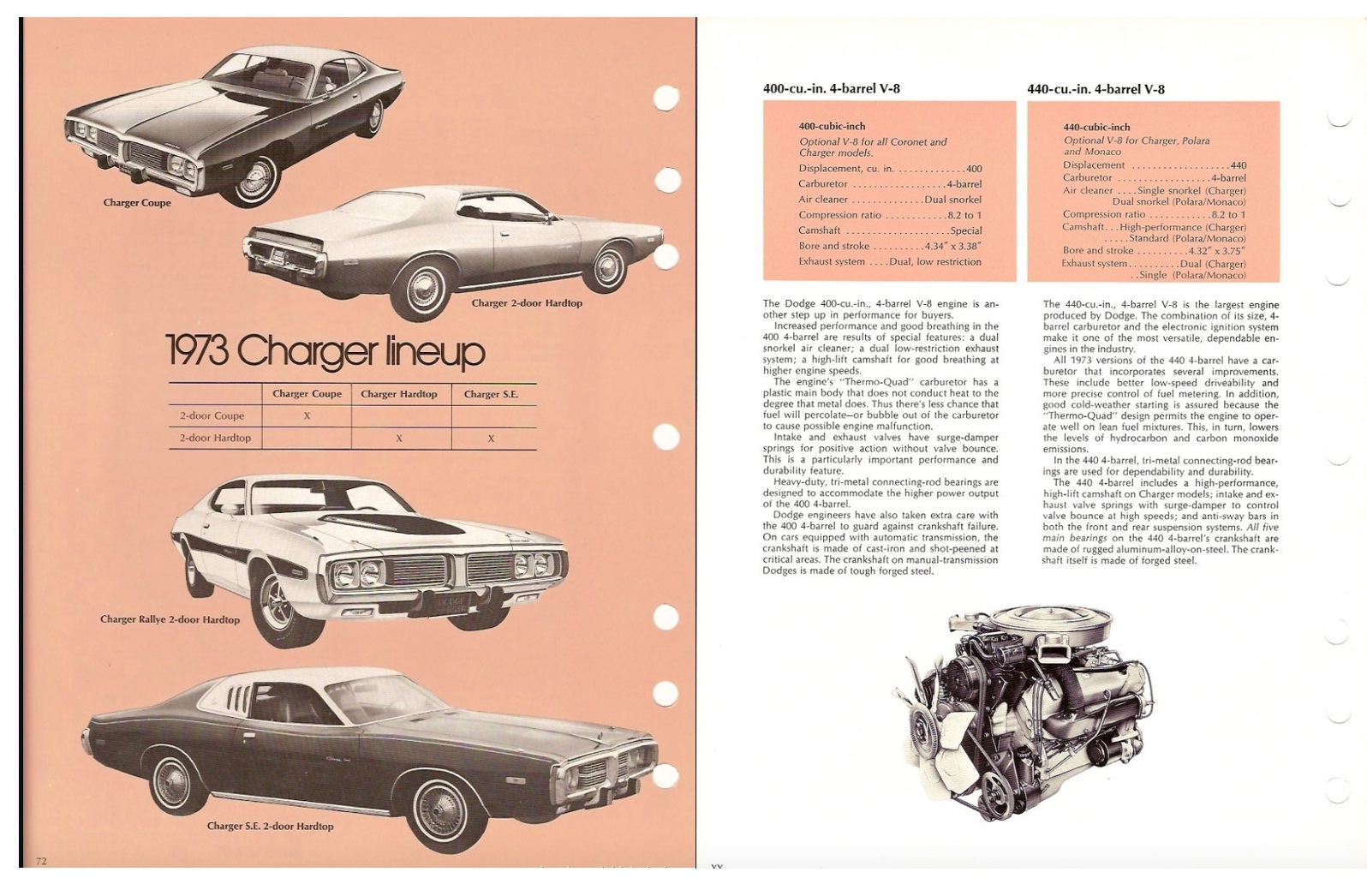
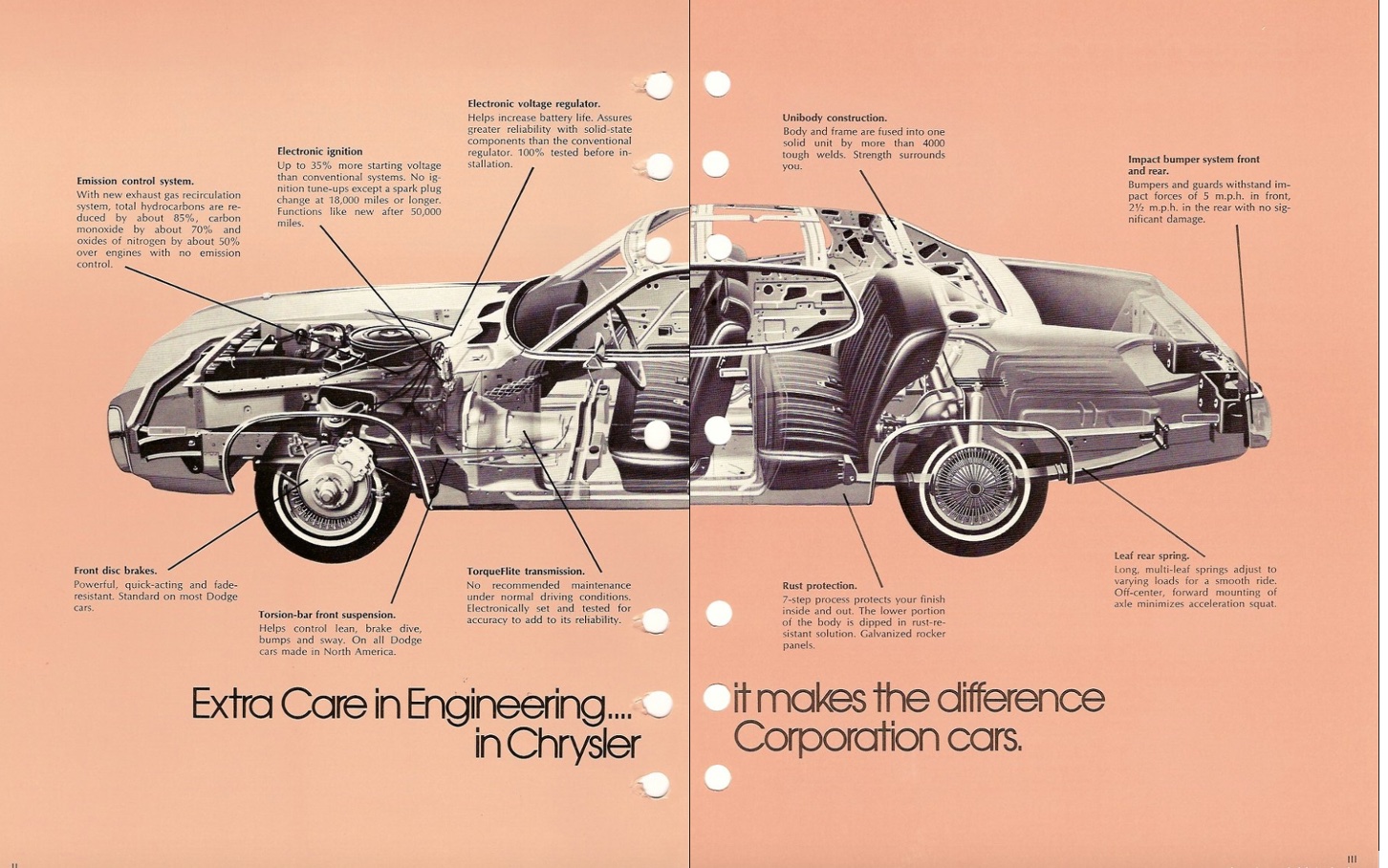
The engine was basically the same as the 1972 model, but revisions were made to the 440 big block. The Holley 4160 carburetor was replaced with the Carter Thermoquad for improved emissions, while the other performance engines, such as the 340 and 400 four-barrel, shuffled along, but now with more power robbing smog equipment hung on them. Regardless, sales of the 1973 Charger were huge, as approximately over 100,000 units were sold, making it one of the most successful years in the Charger’s history.
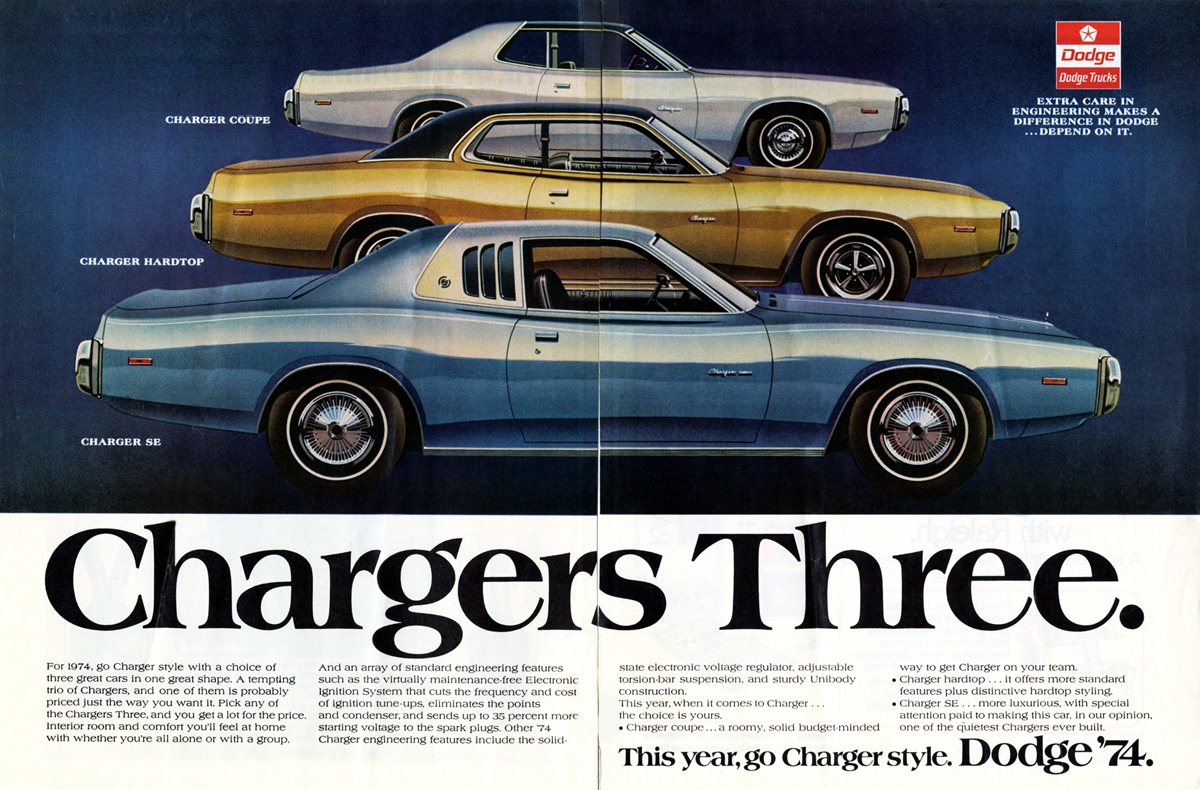
When 1974 rolled around, the current Charger’s “expiration date” was getting closer. This would also be the final year of the mammoth 440 in the Charger lineup, and the product planners knew a major transformation was coming for 1975. Very few changes were implemented on the 1974 Charger from the 1973 model. Other than the high-winding 340 engine being replaced with the 360, there were minor interior, exterior and engineering upgrades; the cars looked identical.
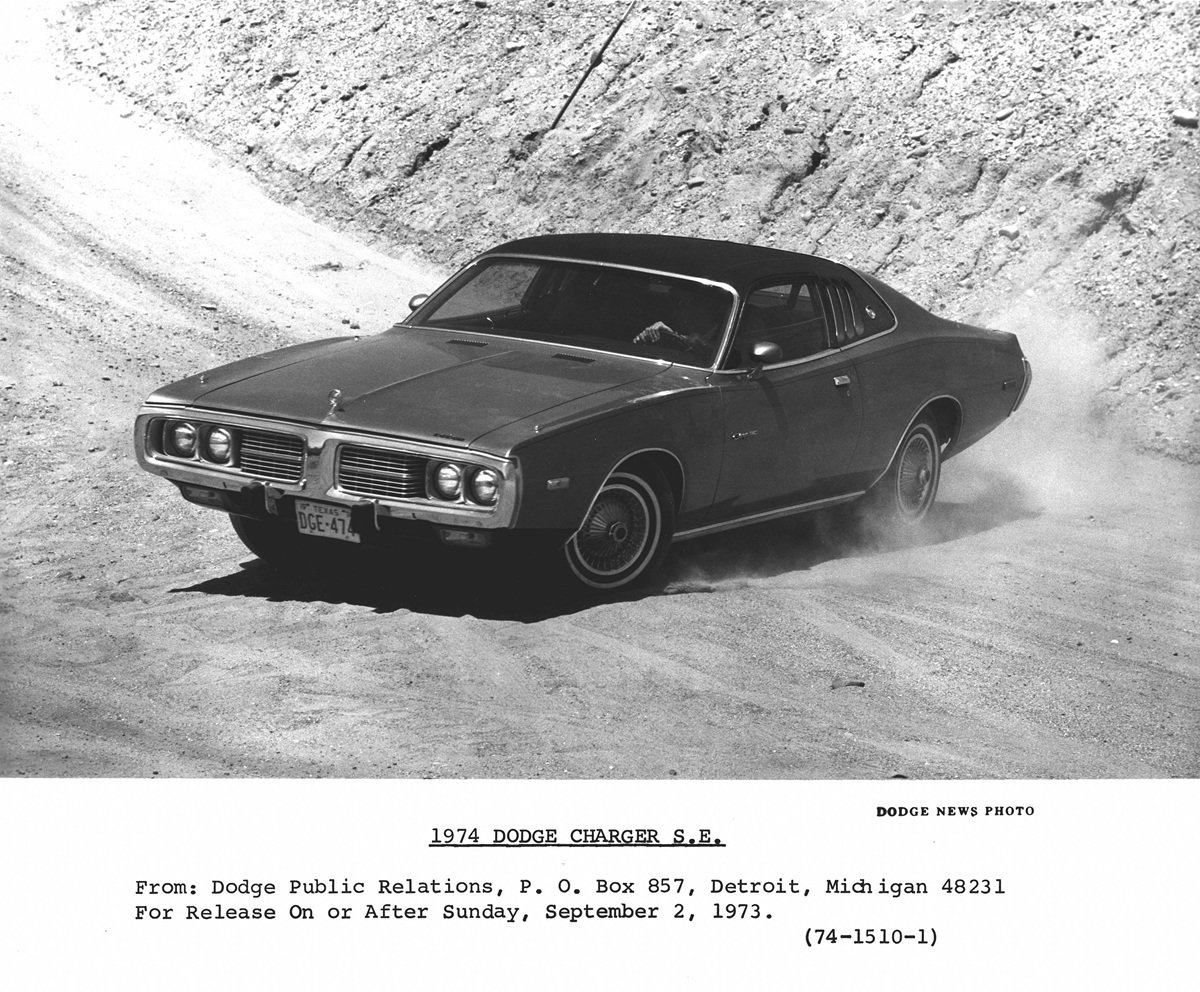
With consumer tastes changing, the Charger went through a major transformation in 1975. Out were tire shredding, high-performance engines, in were luxury items like crushed velour seats, landau vinyl roofs and more emission equipment such as catalytic converters. In the next chapter, we’ll look at the “Malaise Era” of the 1975-1978 Charger. For now, enjoy more pics from the DodgeGarage vault.
0 Comments