60 Years of the Dodge Charger – GEN 4 1975 to 1978
Like many things in life, there are good years and bad ones. Whether it’s politics, the economy or even the auto industry, there are eras we remember fondly, and ones we’d like to forget. For the 1975-1978 Charger, many in the Mopar® hobby would claim that these were the dark years for the iconic nameplate. The Charger had once epitomized Dodge’s focus on styling and performance in the late 1960s and early 1970s. However, by 1975, times were changing. Rock ‘n roll began to give way to disco, shirt lapels got bigger and the horsepower ratings got smaller. After coming off a prior year that included the Rallye package with an optional 440-cubic-inch big block V8, the totally overhauled Charger for 1975 was a far cry from the heavy-hitter it once was. The 440 Six Pack, 426 HEMI® engine, hood scoops, spoilers and wild colors were all a distant memory. All the Dodge Scat Pack marketing campaign materials the Ross Roy advertising agency had created were now pitched in a dumpster behind their building. The future was uncertain, and that left the product planners scrambling to figure out the Charger’s future. Should it still be the performance powerhouse it once was, or should the focus be on other areas? They chose another path: affordable personal luxury and fuel economy.
With the company bleeding money in the mid-1970s, the Dodge product planners and marketing team needed to make sure of the Charger to survive. Before the launch of the 1975 models, the engineers figured out a solution that would save a great deal on money for the wounded corporation. The new Charger would live on for a few years and hopefully make it near the end of the decade. Since Chrysler standardized the wheelbase to 115 inches among its two-door intermediates back in 1971, the Charger could share common styling elements and sheetmetal stampings with the Cordoba (which was also launched in 1975). The Charger and Cordoba may have been joined at the hip, but there was differentiation between the two nameplates, such as the front grille, taillights, badging and other small items.
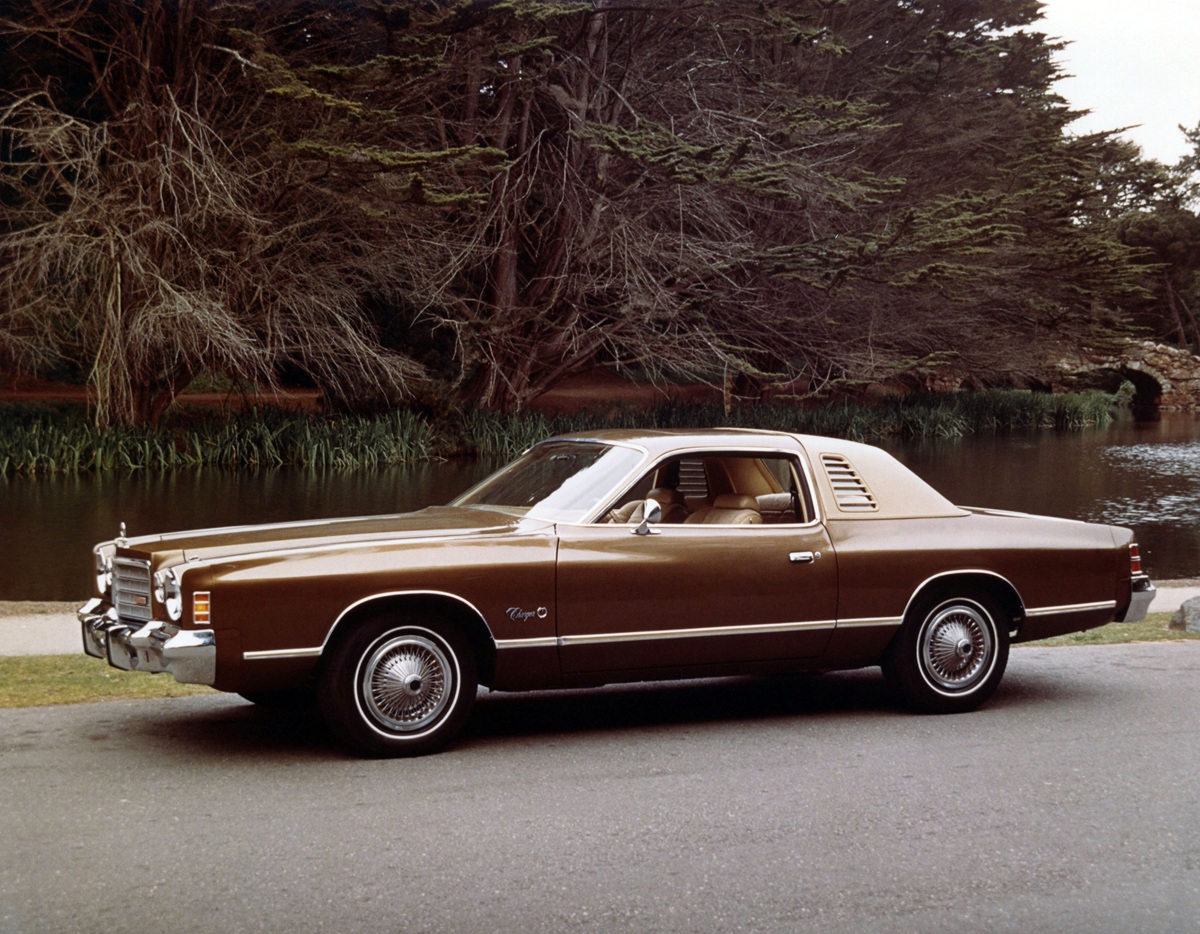
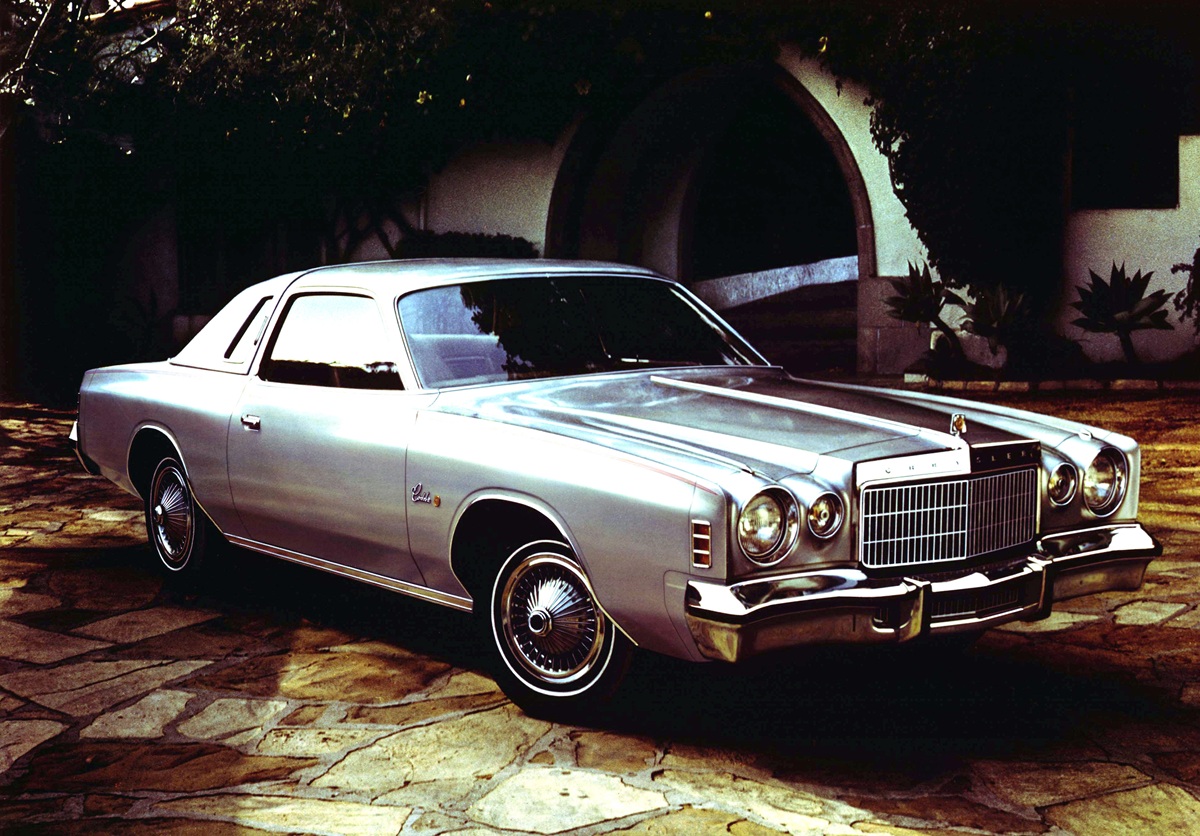
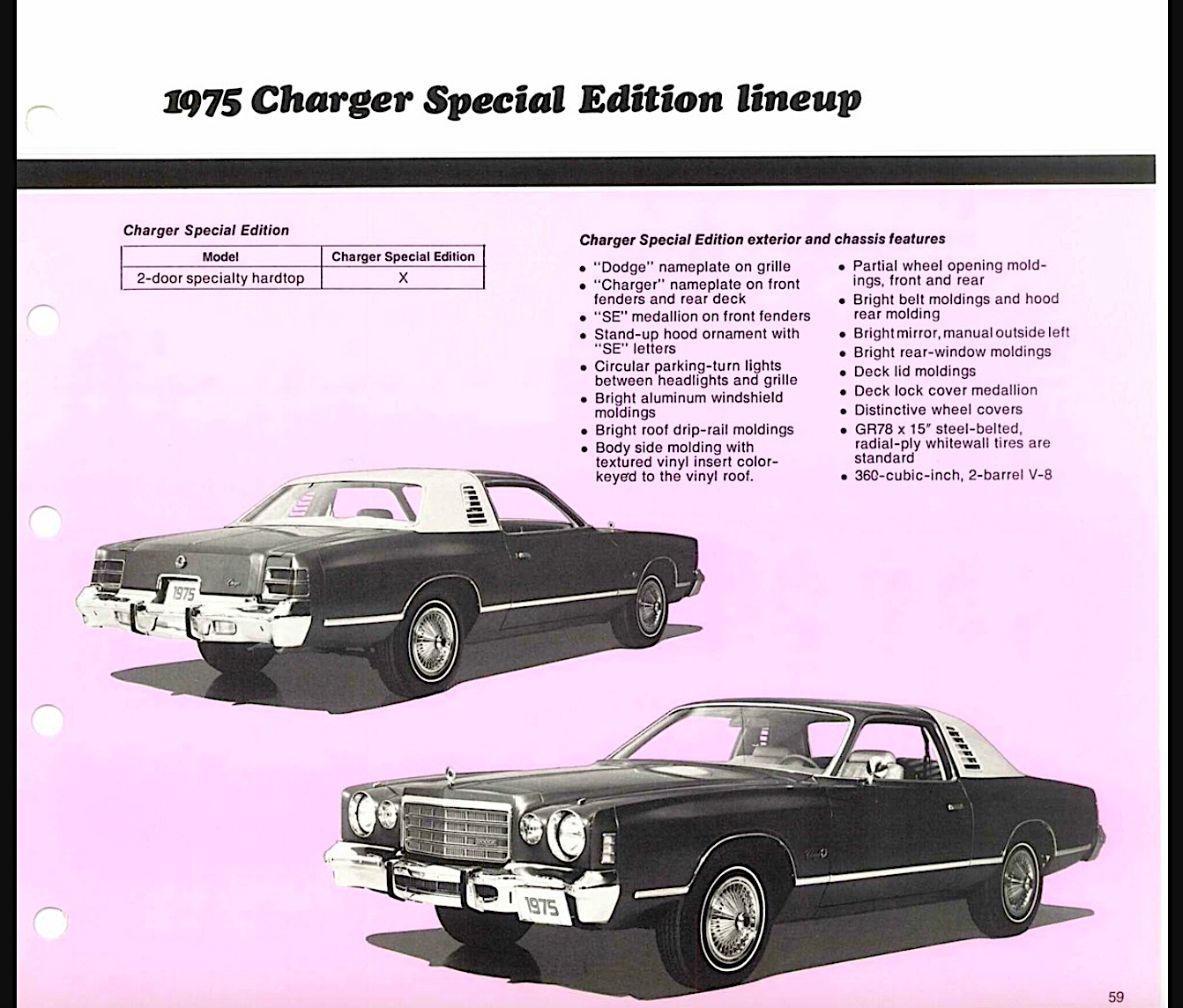
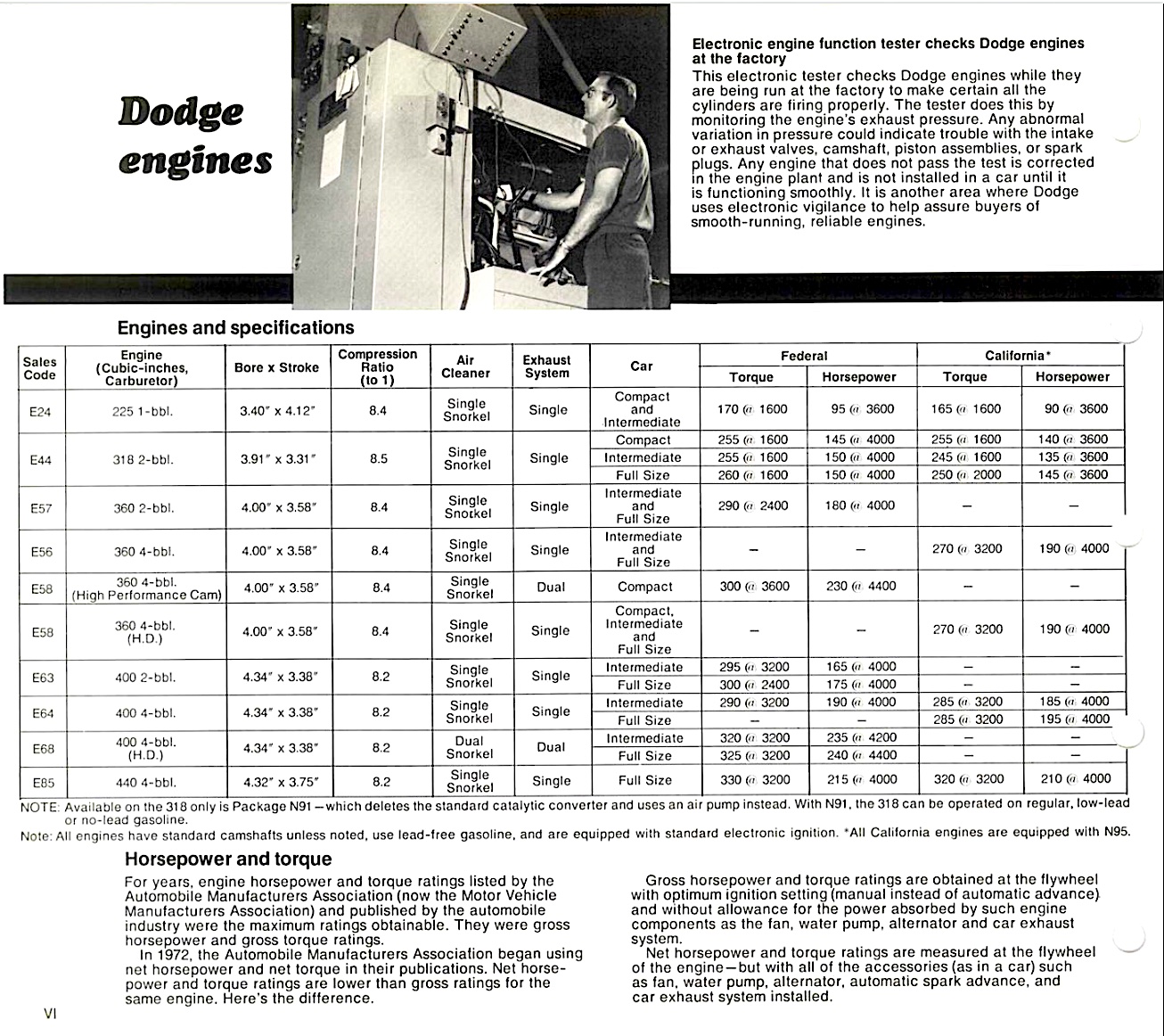
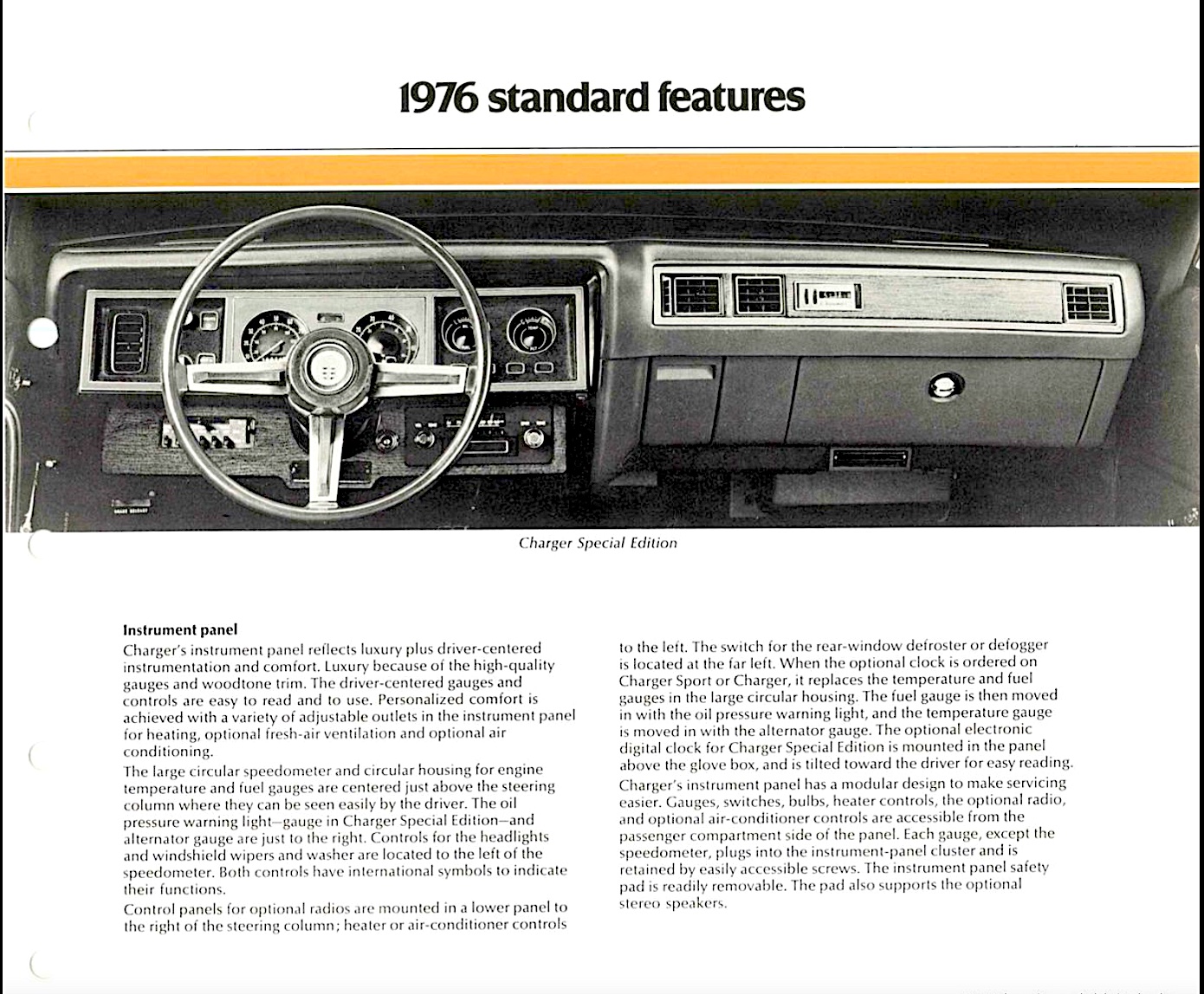
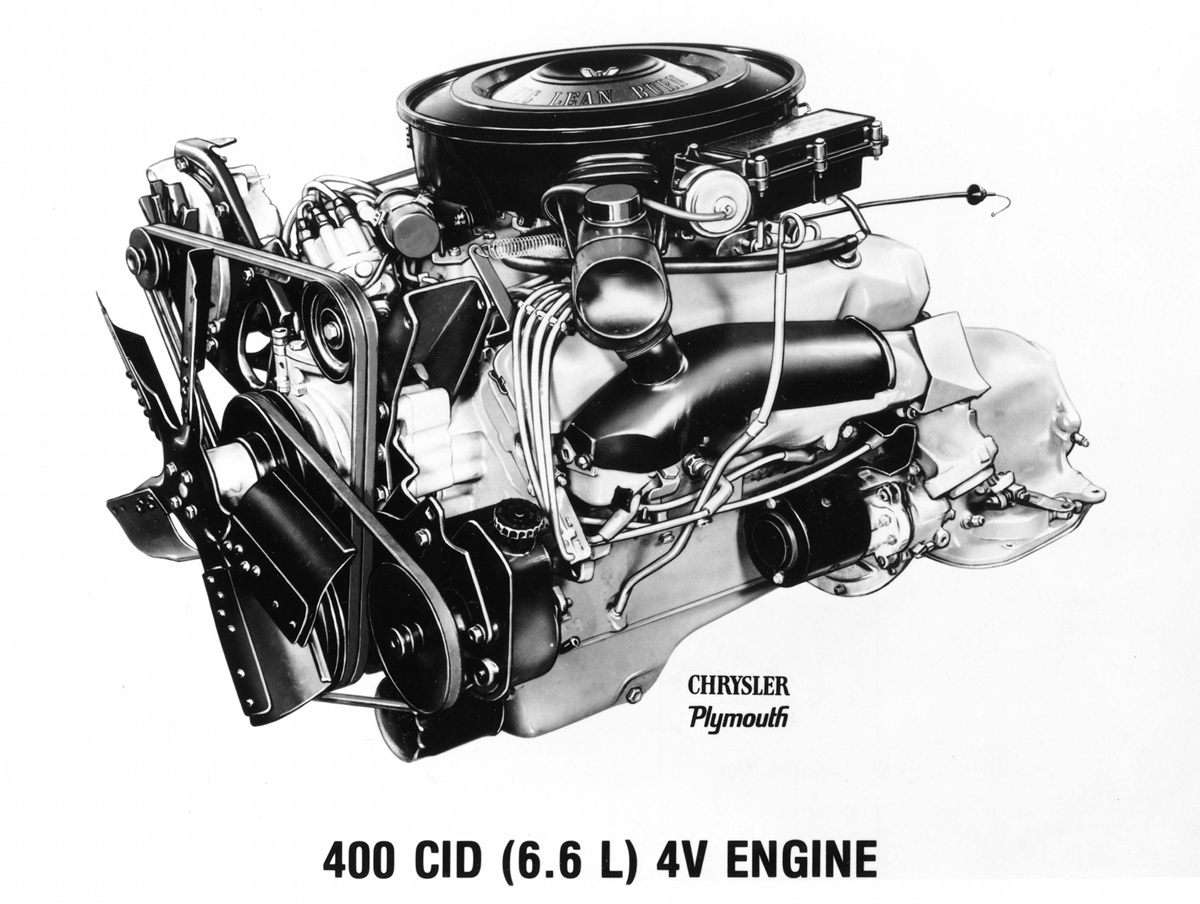
When finally launched in late 1974, it was dubbed “Charger Special Edition,” a former buzz name from prior years the marketing folks tacked on. It was to give the car a perceived luster among would-be buyers. Under the Charger’s long hood was a standard 360-cubic-inch two-barrel V8 making a lackluster 180 horsepower. But in California, the 318-cubic-inch two-barrel was the standard engine due to the “Eureka” state having stricter emissions regulations than the other 49. This limited some of Chrysler’s engine offerings in their vehicles and added more cost and complexity to an otherwise frail and cumbersome ordering process for dealers and consumers. Luckily, the high-performance E68 400-cubic-inch big block V8 could still be had if the right boxes were checked. It was the old “400 Magnum” high-performance engine that came out in 1972. Now referred to as “Heavy Duty” to hide any connection to its muscle car past, it still had some grunt. The E58 400 big block came with a dual-snorkel air cleaner, dual-exhaust, performance camshaft and other goodies. However, its horsepower was a paltry 235, but it still made intoxicating sounds when the massive secondaries on the Carter Thermo-Quad Carburetor got cracked open
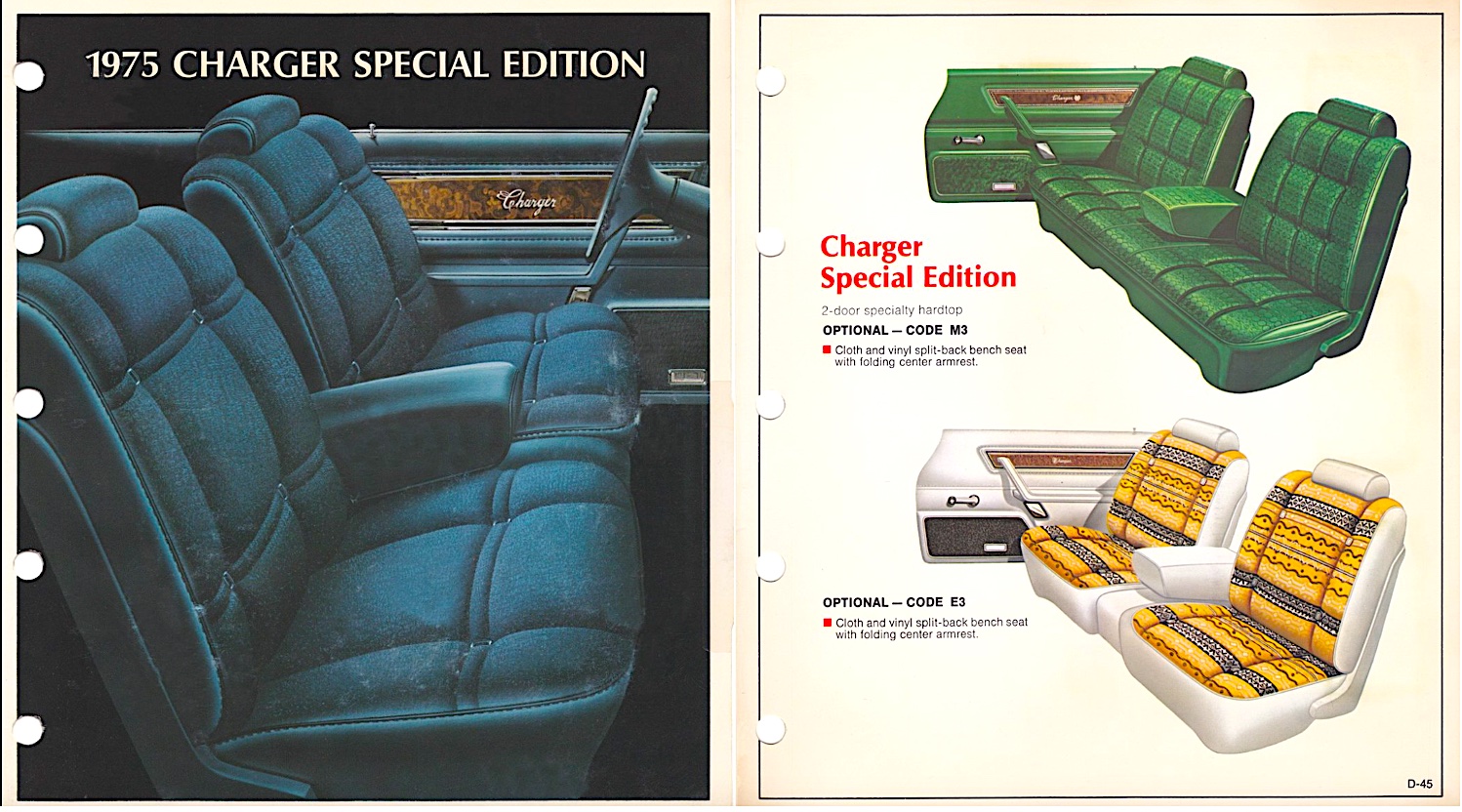
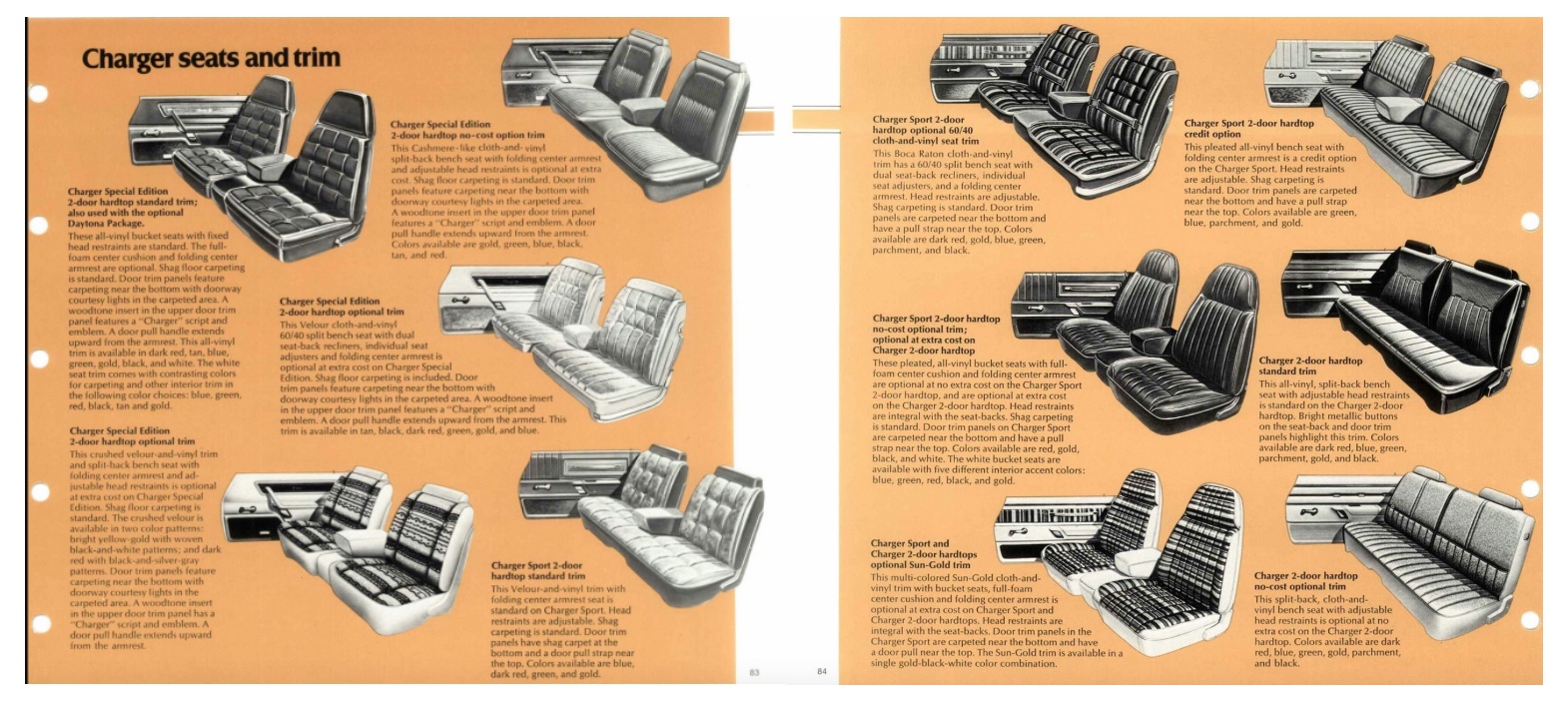
On the inside, buyers wanting their Charger interior to look like Liberace’s Vegas penthouse could order the “Brougham” package. It added crushed velour seating, shag carpeting and other comforts that felt more like you were in a nightclub or a beachfront resort than driving a pseudo-personal luxury car. Now, before you start saying “Rich Corinthian Leather”, that tagline was from Chrysler Cordoba pitchman and perennial Star Trek bad guy Ricardo Montablan. It was never (thanks goodness) used for any Dodge products during this Malaise era.
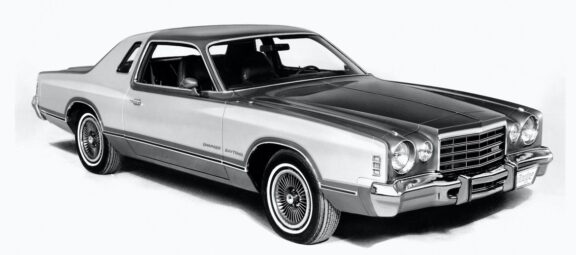
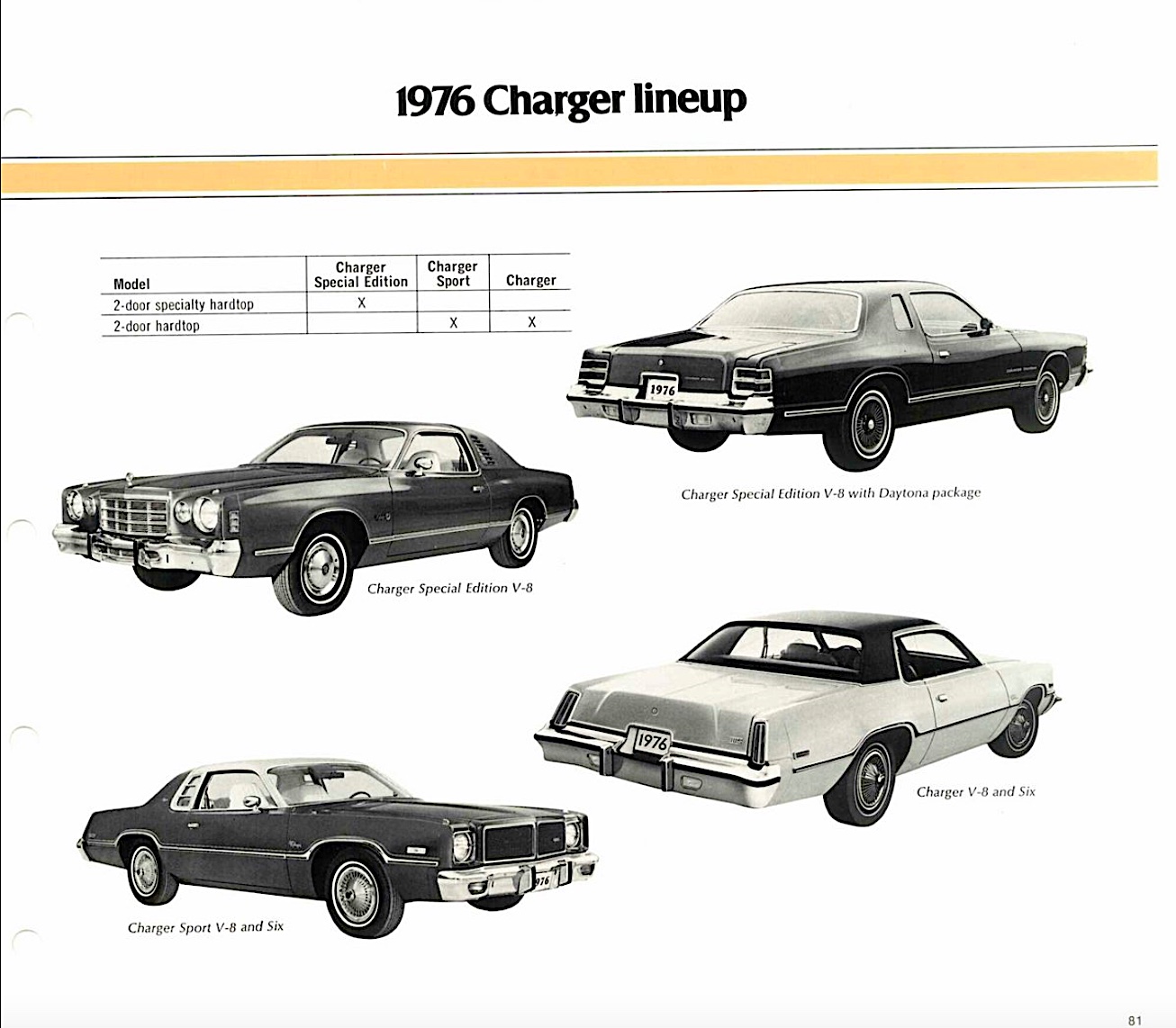
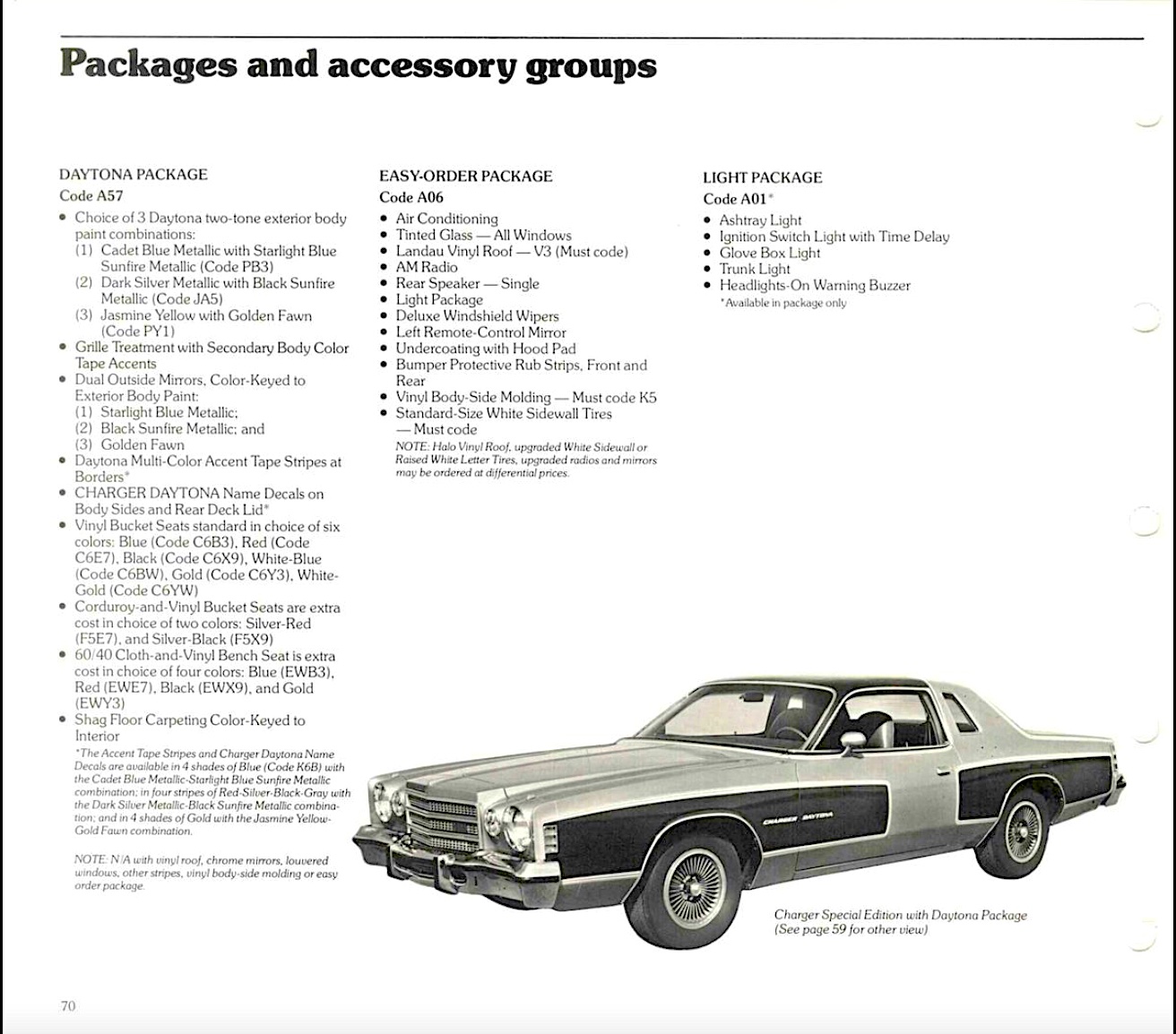
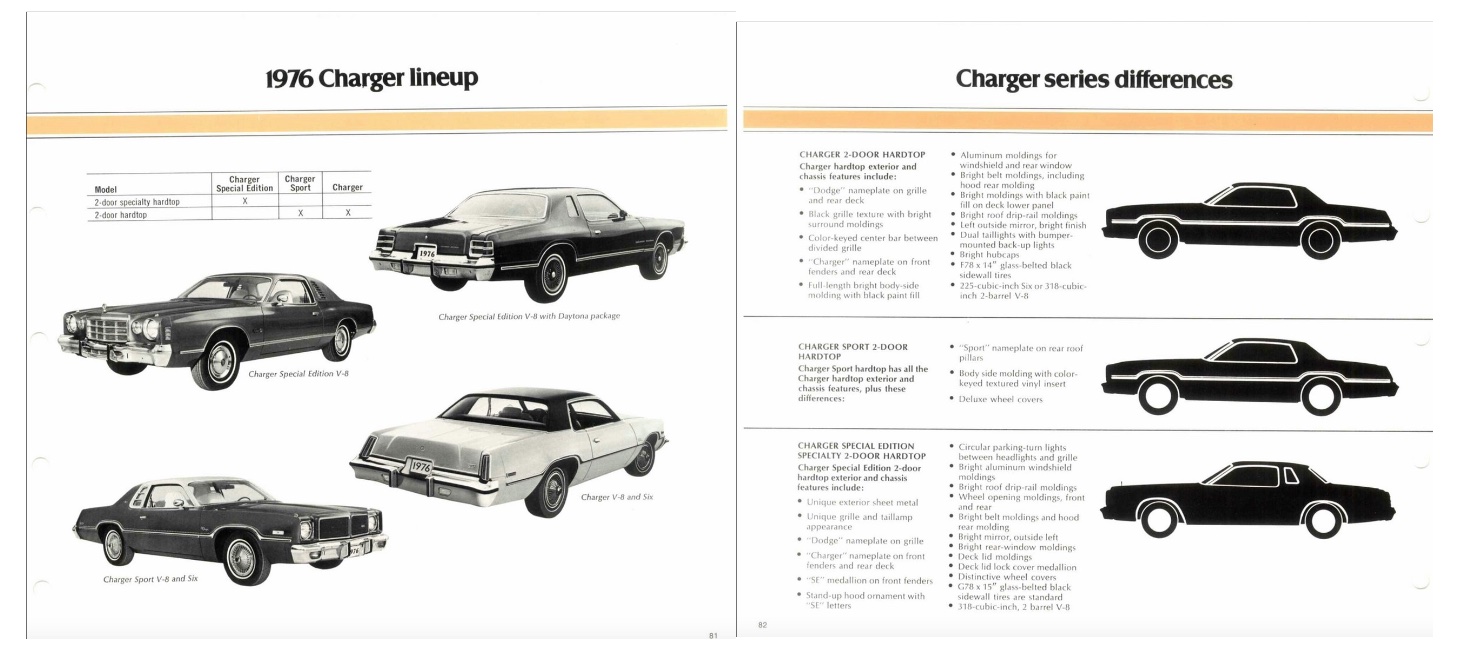
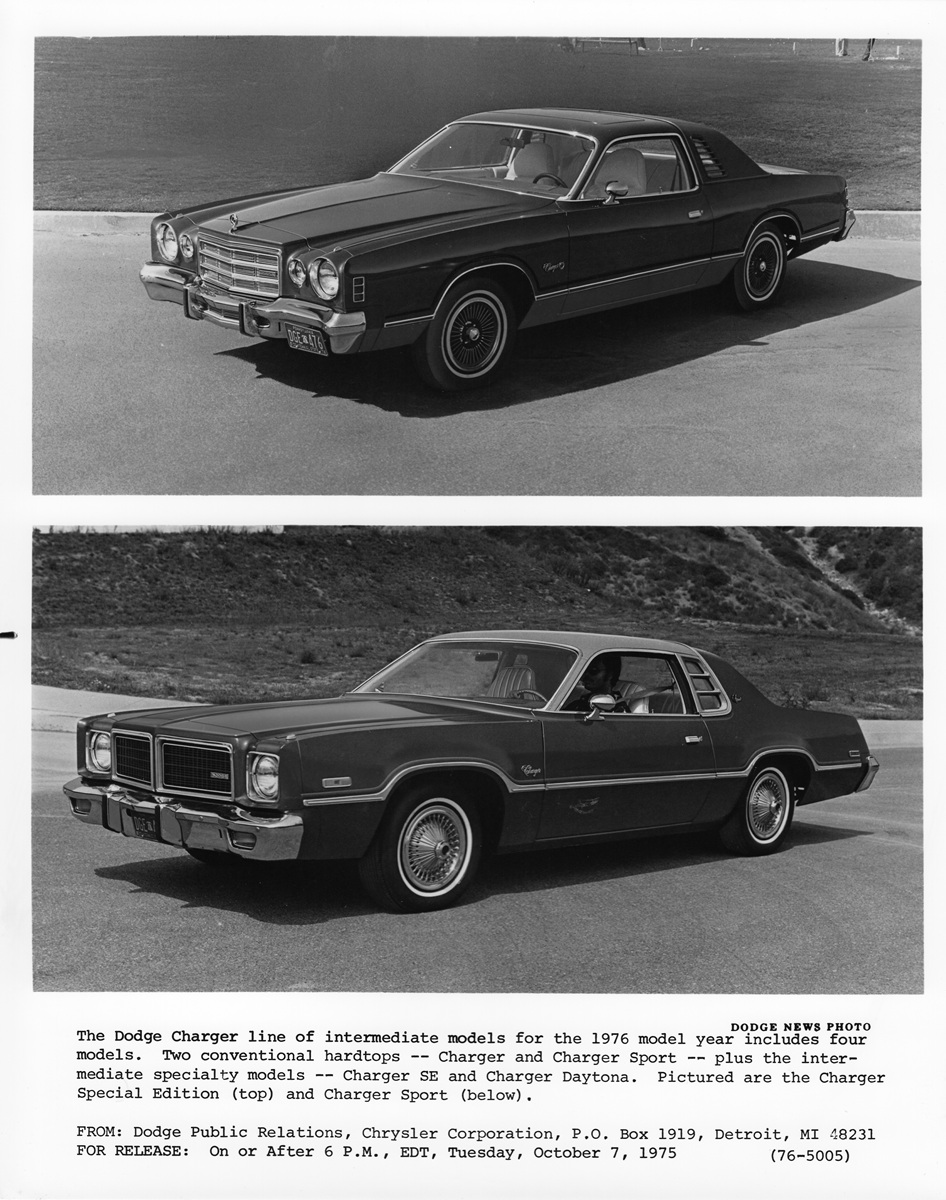
As the United States celebrated its Bicentennial in 1976, the Dodge marketing team got into “Badge Engineering” and began shuffling nameplates among some of their body styles and trim levels. They took the 1975 Coronet Custom two-door that was a low-line, low-price intermediate, and created the “Charger Sport” and “Charger Hardtop” for 1976. The more stylish and upscale Charger Special Edition remained, but with a new optional “Daytona” package. It was an attempt to give the Charger its performance image back. The Daytona could be had in three two-tone body paint combinations along with a more aggressive front black grille, decals, and body and rear deck lid stripes. This gave the Charger Daytona a distinctive look in hopes of evoking Charger’s muscle car DNA. The “E58” high-performance 400-cubic-inch big block V8 was still the top dog across the Charger lineup.
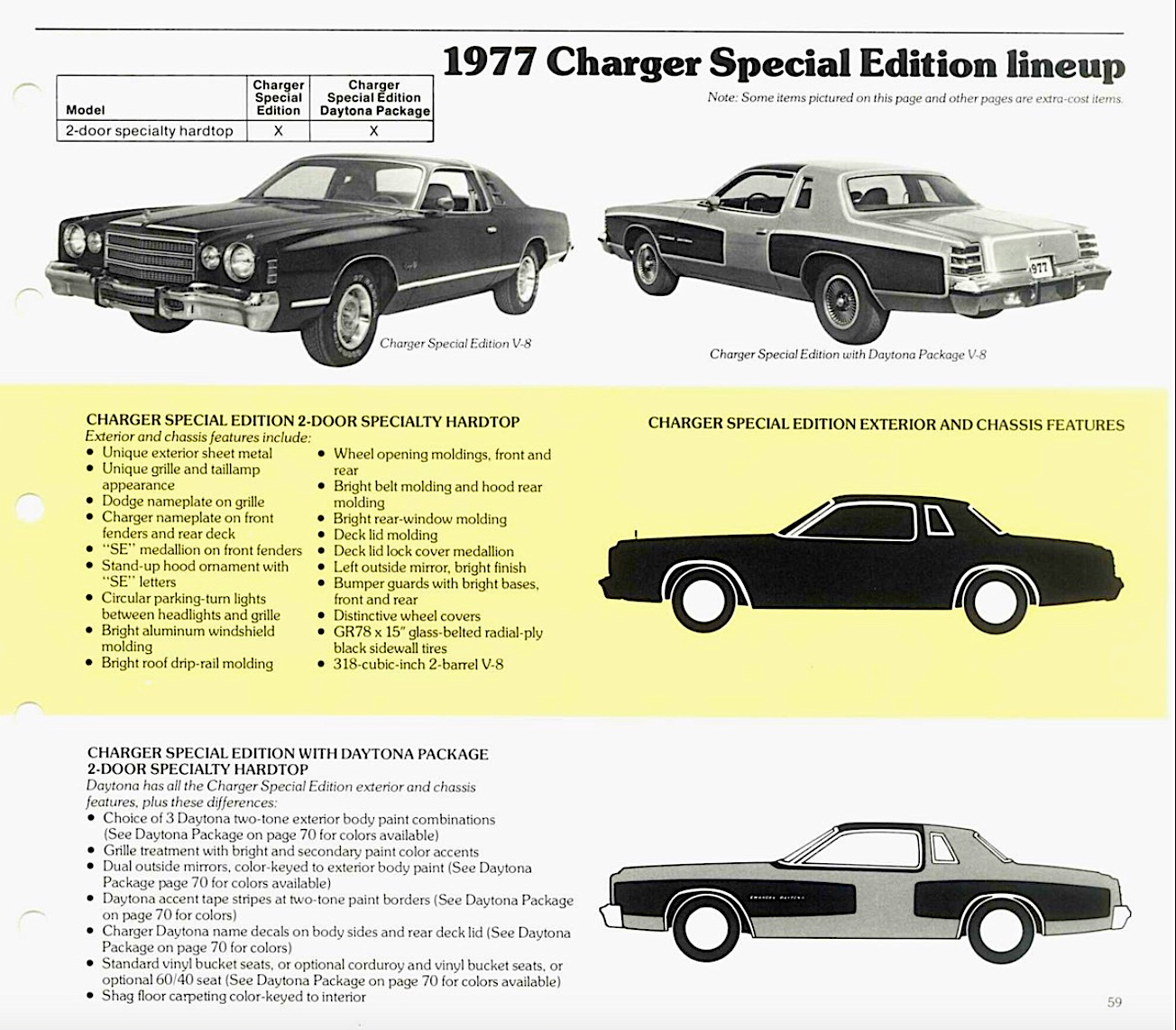
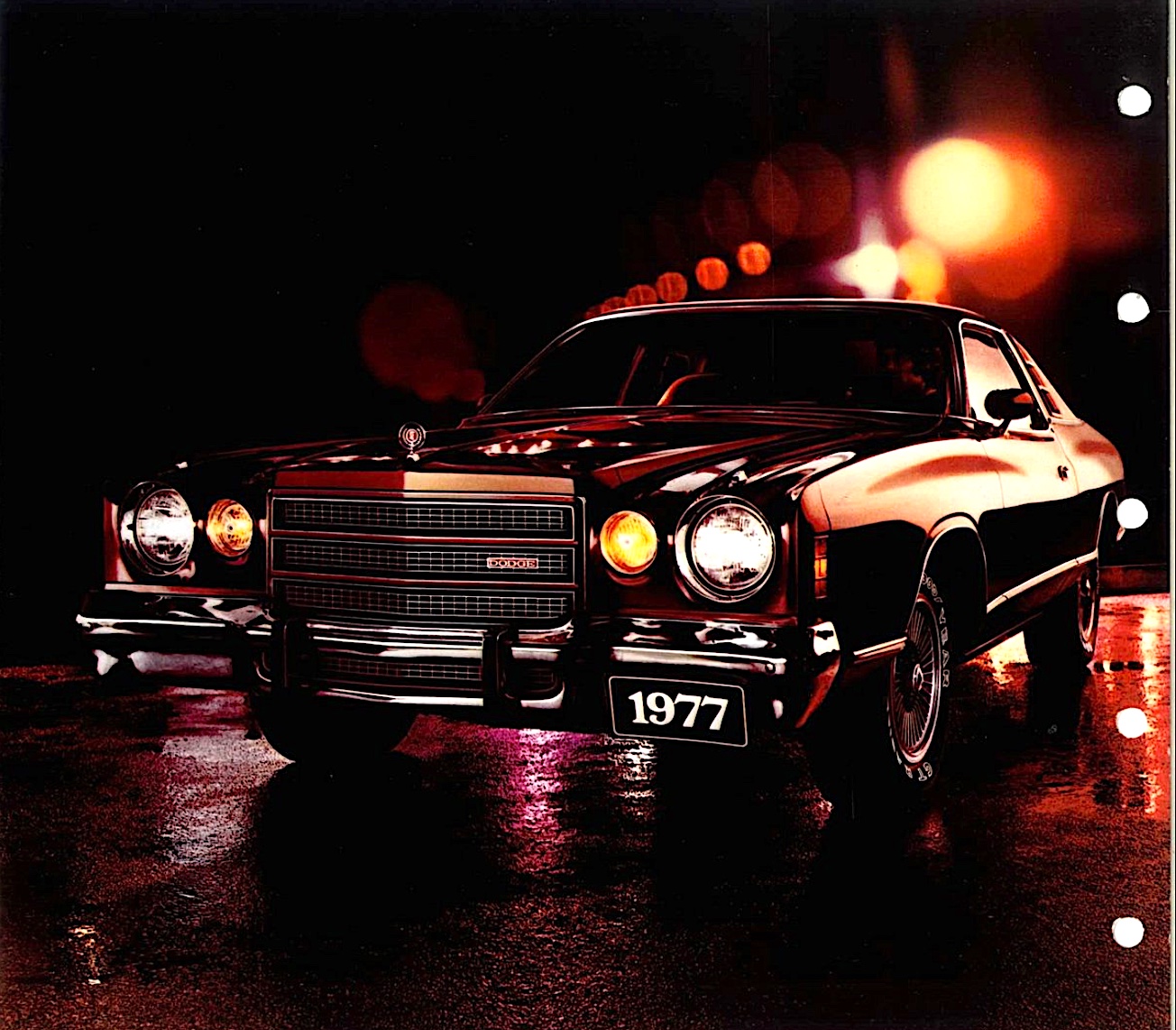
As 1977 crept in, the Charger’s identity was once again shuffled. The short-lived low-line Charger Sport and Charger Hardtop got canned as consumers never gravitated to these cheaper models. Instead, the focus was put back on the Charger Special Edition and Charger Daytona. Minor changes for the 1977 model year included new stripe packages and different colors for the Daytona Package, while the standard engine for both the Special Edition and Daytona models was the gas-sipping 318-cubic-inch V8. The 400 high-performance V8 went MIA in 1977; only the anemic version of this once-stout big block was optional. Despite all this, there’s been a new appreciation of the mid-to-late 1970s “Malaise Era” Chargers as they’re popping up more and more and at car shows across the country.
The GEN 4 Charger, with lesser muscular chops but still sporty and somewhat luxurious, took its final breath in 1978. It almost made it to the end of the decade as Dodge had hoped for. The toxic economic climate within Chrysler and across the nation finally drove a stake through its weak heart. That was evident as product planners knew the end was near; the 1978 Charger was just a carryover from the 1977 model.
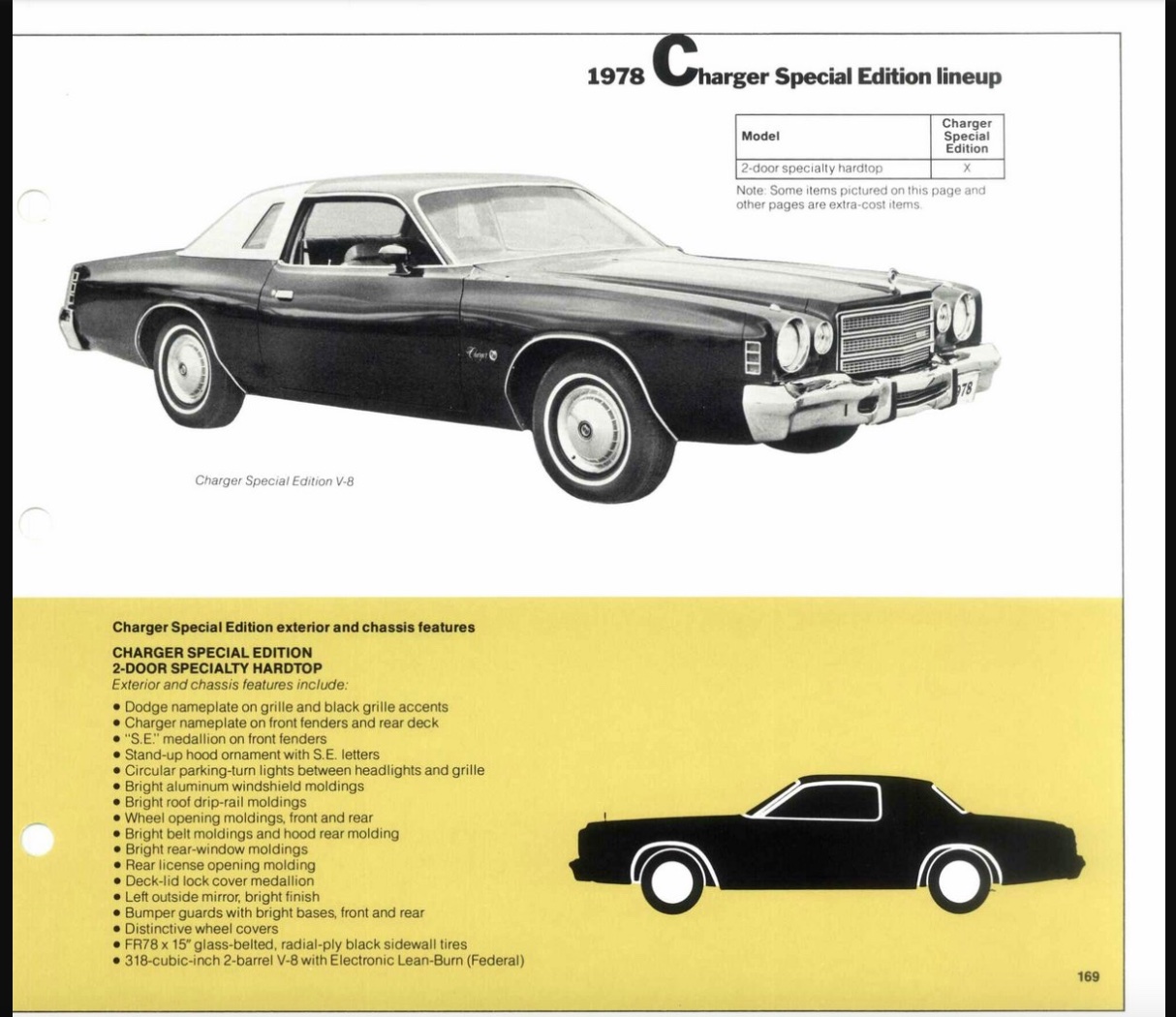
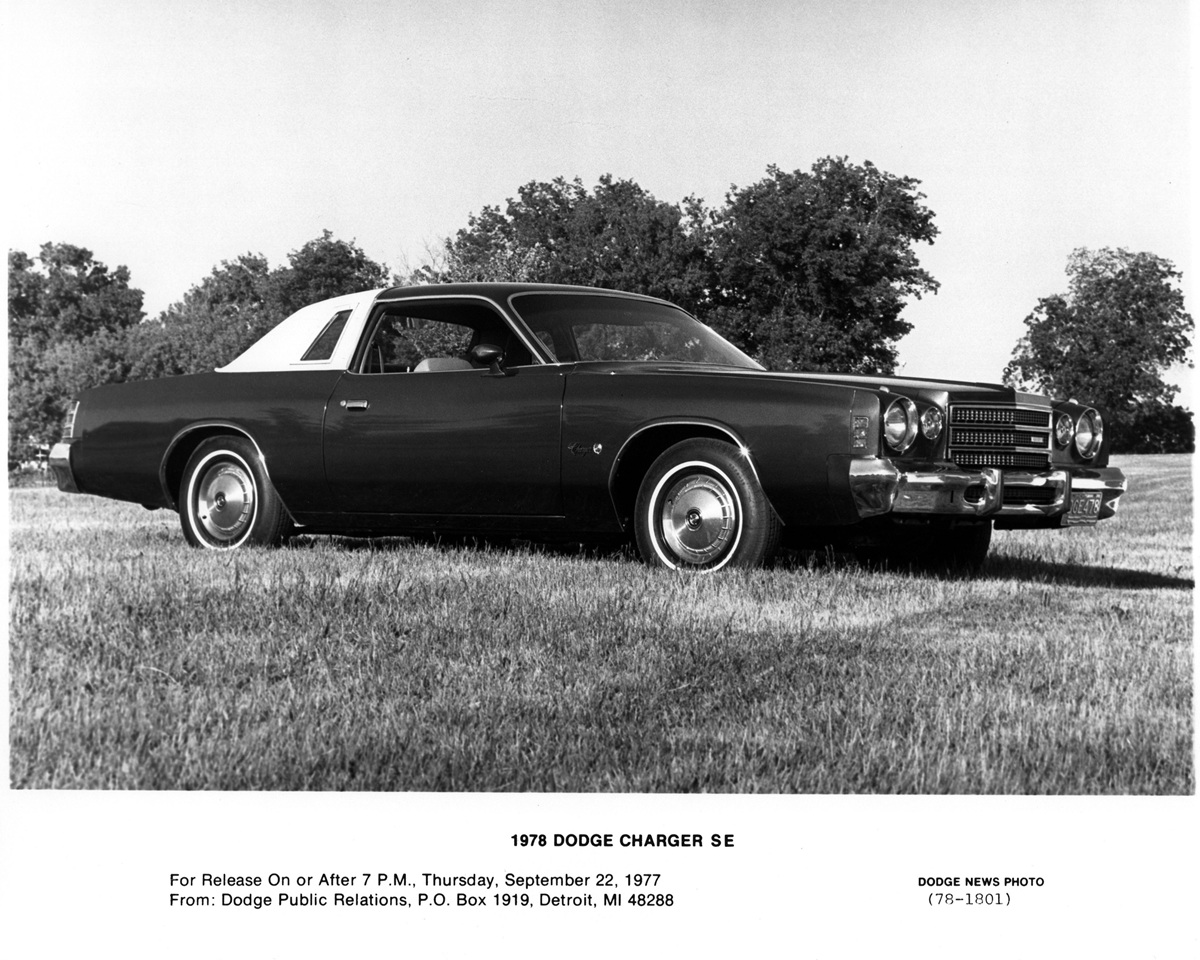
It’s remembered that 1978 would be the final year for the Charger in a rear-wheel configuration. It would take over two decades for another production Charger to smoke the rear tires. In between those decades, a Front Wheel Drive platform took over Chrysler Corporation’s vehicle lineup, but there were some bright spots. The Charger of the 1980s would get an infusion of horsepower from a certain Texas Snake Charmer. We’ll discuss that and more in the next installment of “60 Years of the Dodge Charger”, only in DodgeGarage!
Images courtesy of Chrysler Historical Archives and AutoPaper.com
0 Comments