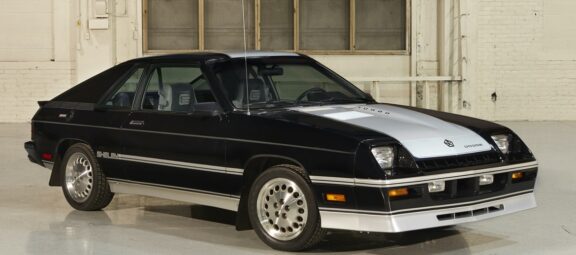
60 Years of the Dodge Charger – GEN 5: 1982 to 1987
The 1980s began in epic fashion as MTV changed the music landscape, and youth culture shifted from the 1970s’ soft rock to the urban beats of hip-hop and eclectic synthesized new wave sounds. It was also a turbulent time for Chrysler as it began to emerge from the ashes of its bankruptcy with its new leader, Lee Iacocca. He took the reins of the once mighty car company, which was part of the “Arsenal of Democracy” in WWII and brought it back from near death. With government loans secured, the upper management made the decision to eliminate gas-guzzling big block V8-powered oversized barges disguised as family cars. Gone were the Dodge Monaco, Polara, Plymouth Fury and other legacy nameplates that didn’t make it into the new era, and replacing them were fuel-efficient vehicles. Even the much-revered Challenger was nothing more than a rebadged Mitsubishi Galant Lambda compact car with a four-cylinder engine. And by 1980, the economic price-leaders Dodge Aspen and Plymouth Volaré were on the chopping block.
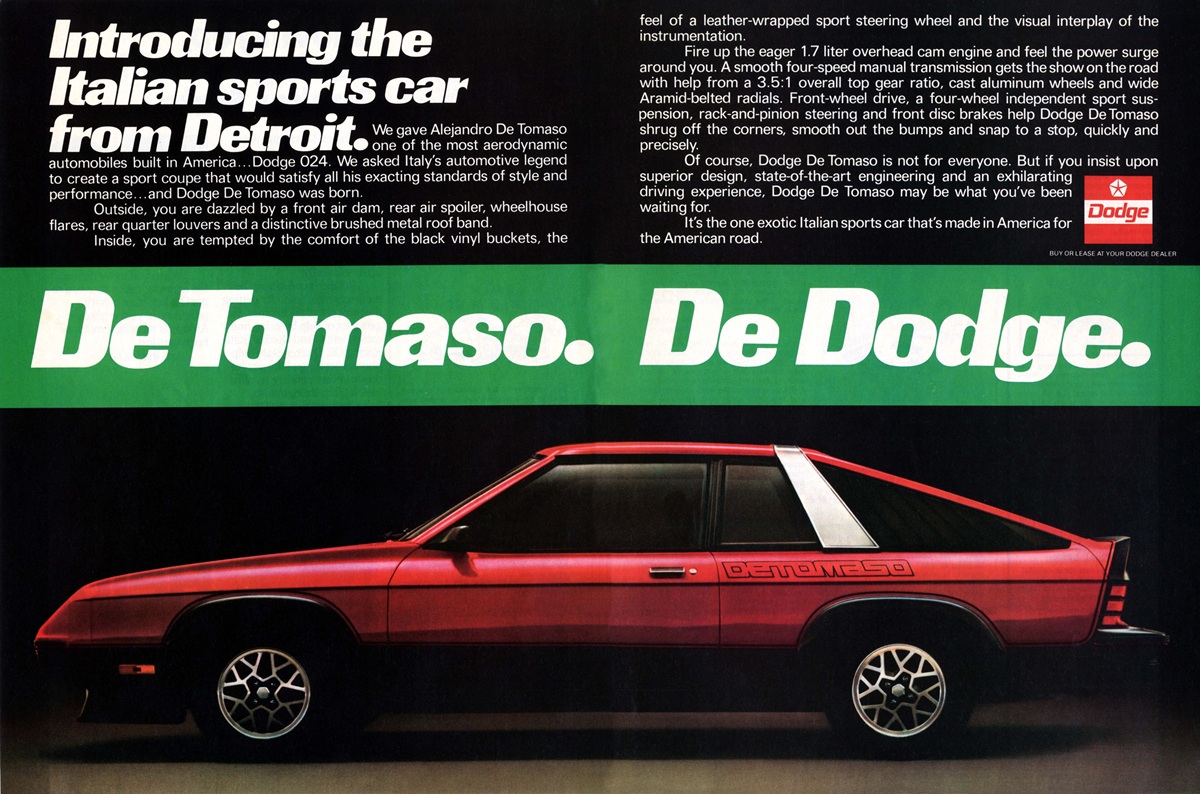
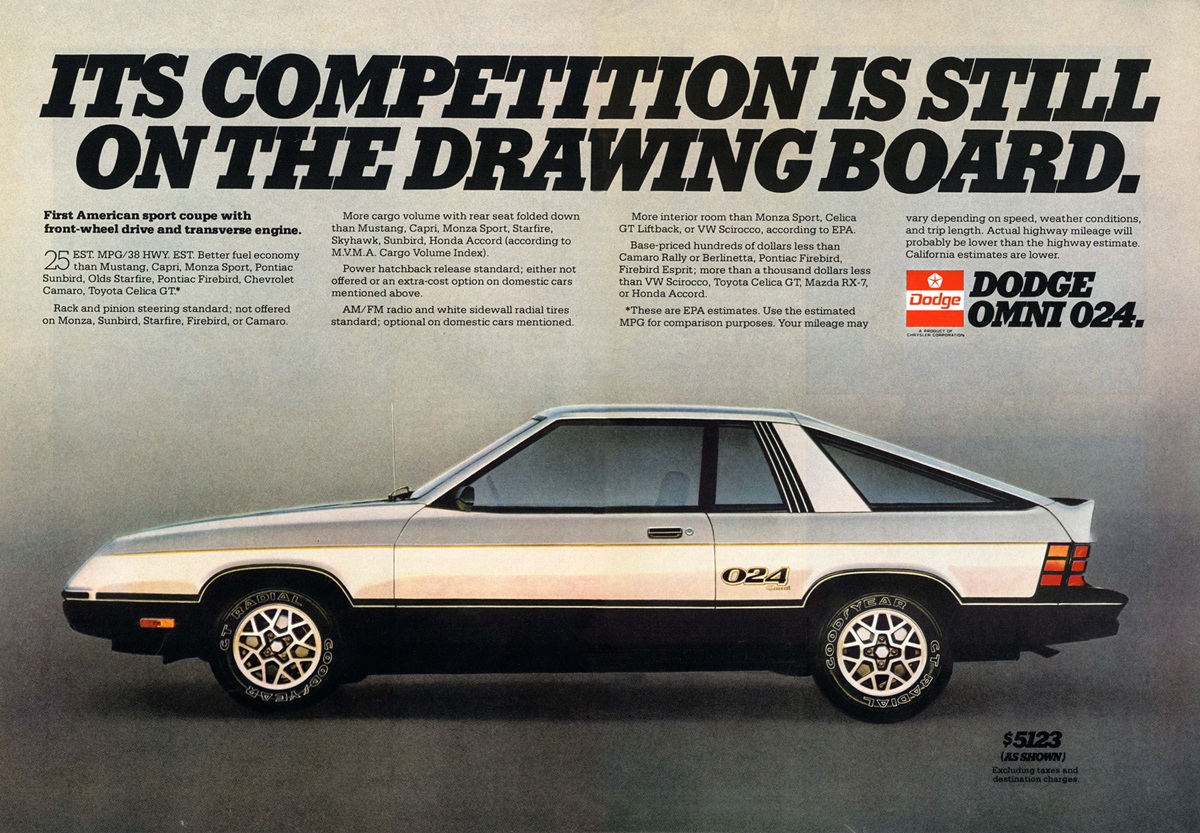
For the Charger, it had so much heritage and name recognition, the product planners figured out a way to make it not only survive, but still be relevant among car buying enthusiasts looking for some driving excitement at a low cost. Other than maintaining its traditional two-door style, the new Charger (GEN 5) was a totally different car. The Charger was now a subcompact hatchback/fastback riding on Chrysler’s new front-wheel-drive “L-body” platform. The L-Body architecture was also used on the Dodge Omni/Plymouth Horizon four-door hatchbacks, just the wheelbase needed to be changed for the Charger and its inter-company sibling, the Plymouth Turismo. The new Charger would make its debut as the “Dodge Omni 024” coupe to gauge consumer reaction. The overall styling came about through the collaboration of Chrysler’s in-house designers at Highland Park and European styling studios. Together, they gave the car its distinctive looks that would see many refinements over the life cycle of 1982-1987 Charger GEN 5 models.
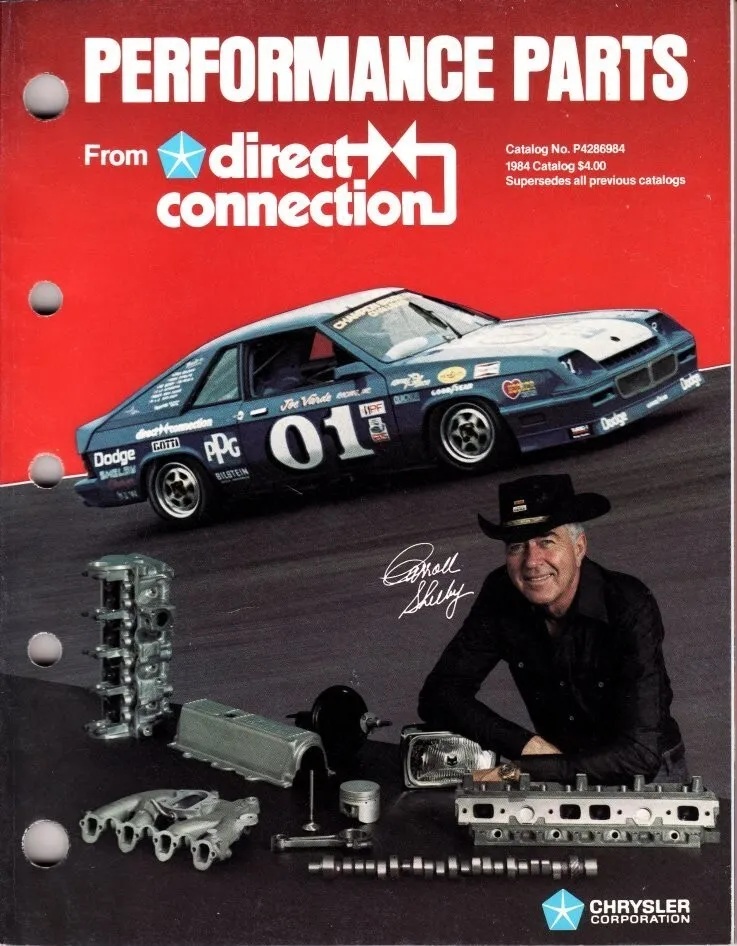
The original powertrain in this new fuel-efficient Dodge Charger was a transverse-mounted 1.7-liter Volkswagen four-cylinder engine, but that quickly gave way to the more powerful and robust Chrysler built 2.2L OHC four-cylinder powerplant that would lend itself well to modifications with factory-engineered performance parts from Mopar®’s Direct Connection program. Both the 2.2L and the bigger 2.5L would be built at Chrysler’s Trenton Engine Assembly Plant. Ironically, this was the factory that manufactured the 383, 400 and 440 big block monsters from the late 1950s to the late 1970s.
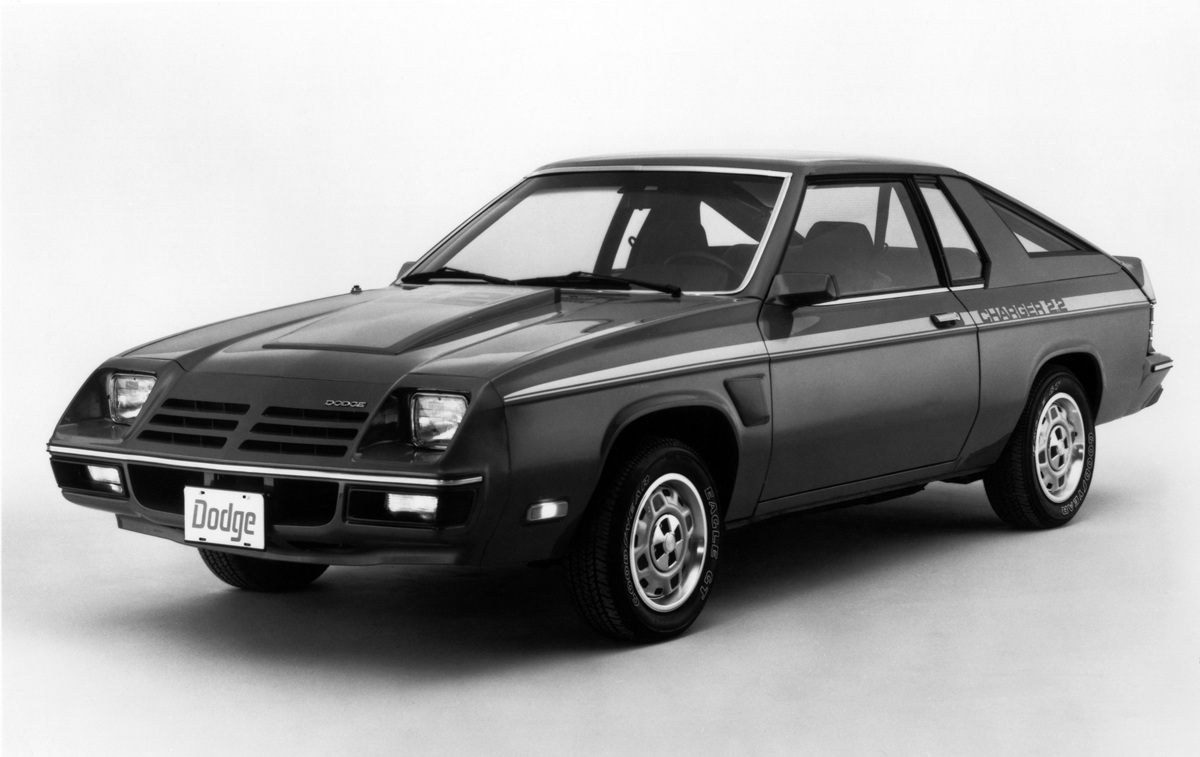
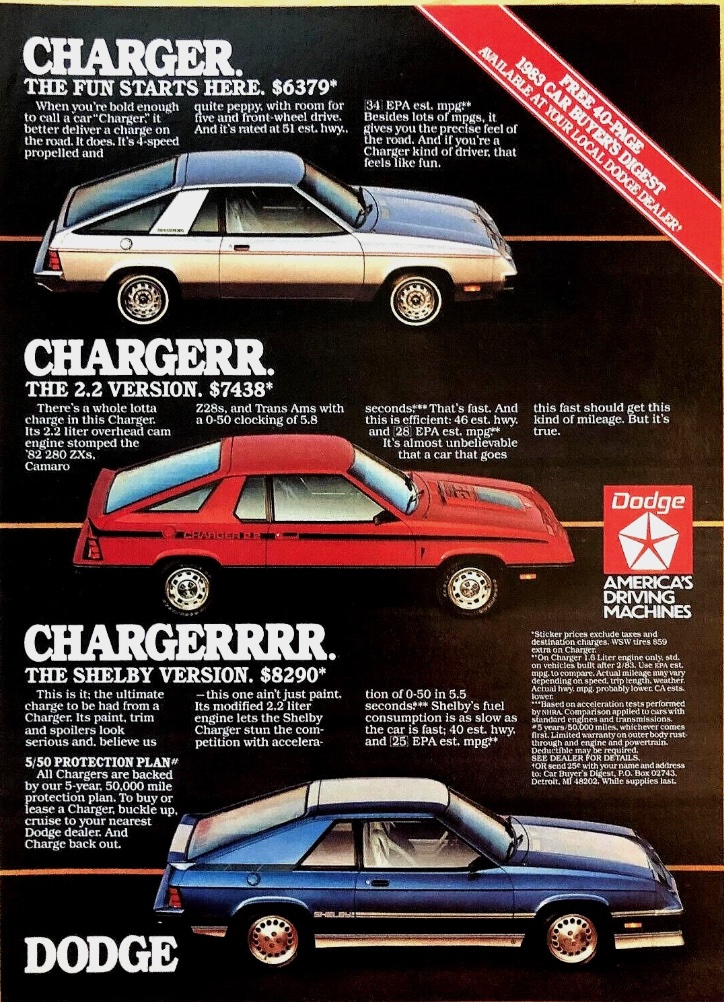
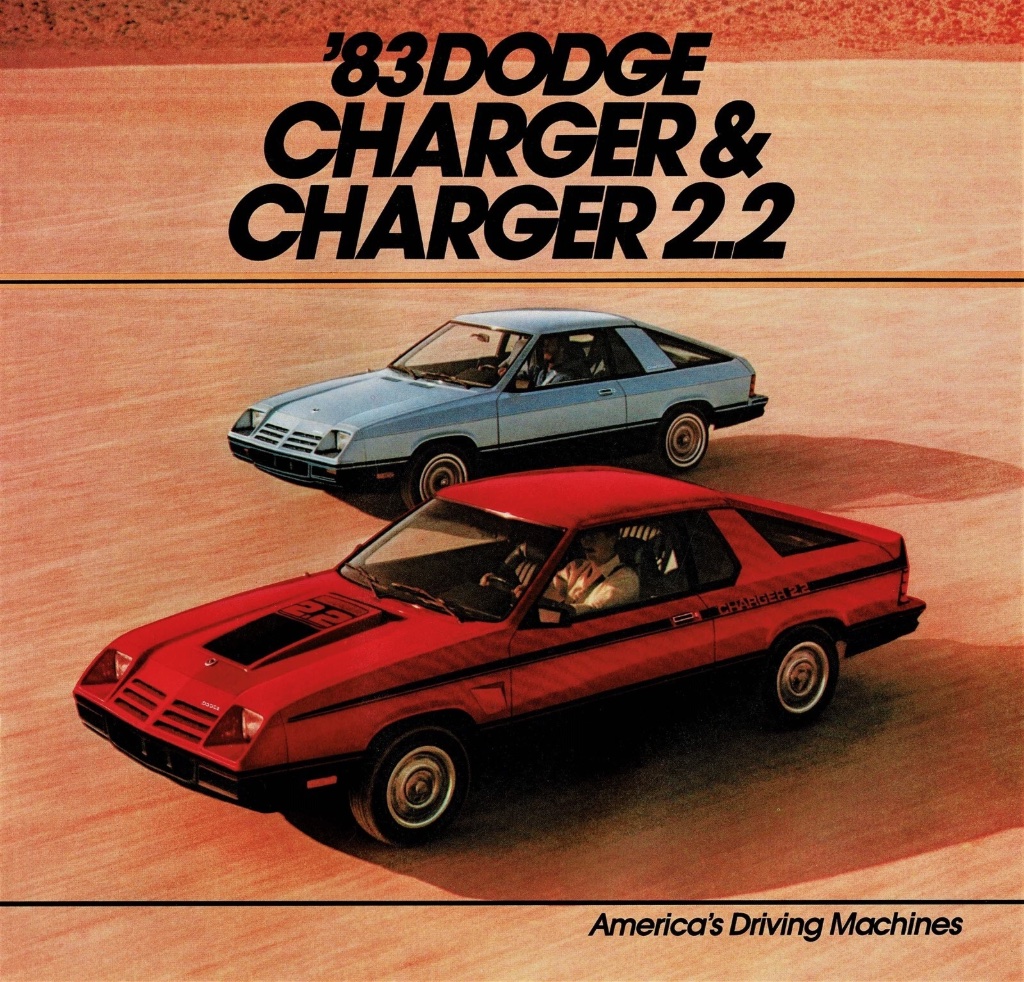
Now branded “Charger 2.2” for 1983, it had distinctive and visually appealing graphics and body work. The Dodge Charger 2.2 also came with a performance hood with simulated scoop, front fender vents, integrated rear-lip spoiler, blacked-out daylight-opening trim, steel-belted tires with outlined white lettering and special “Charger 2.2” horizontal body-side graphics.
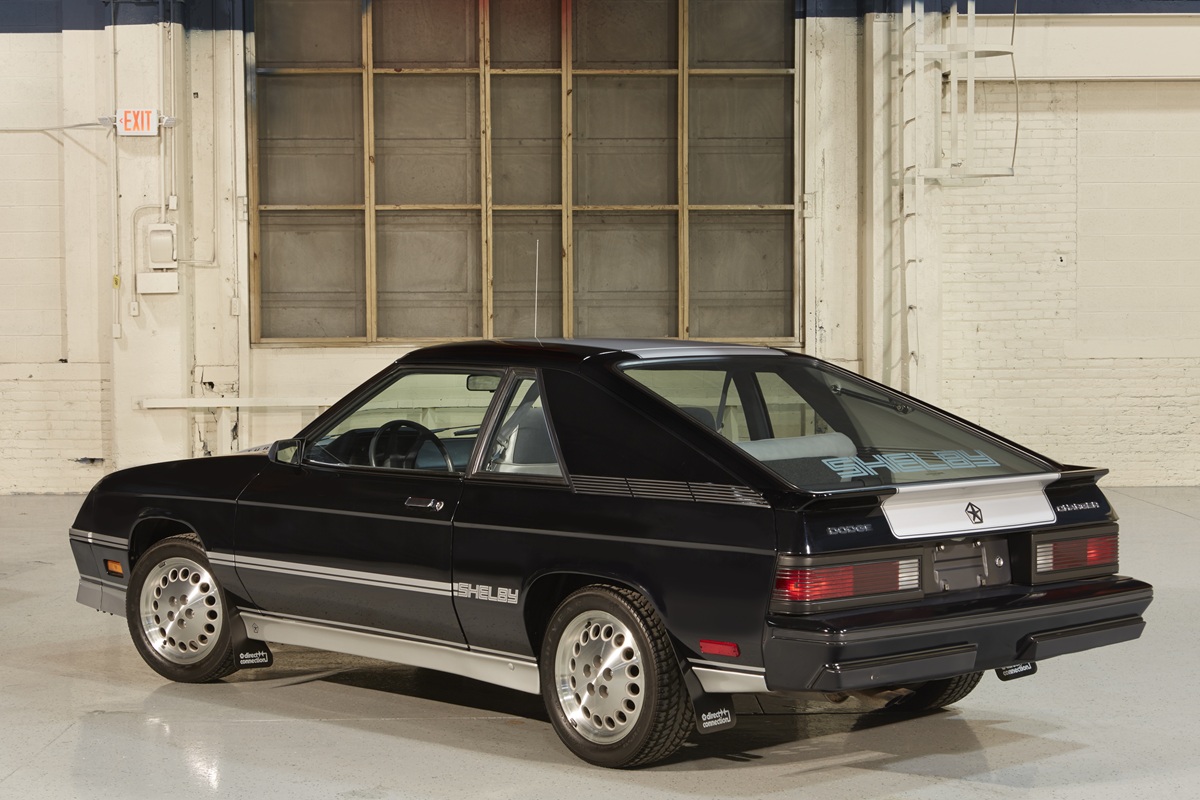
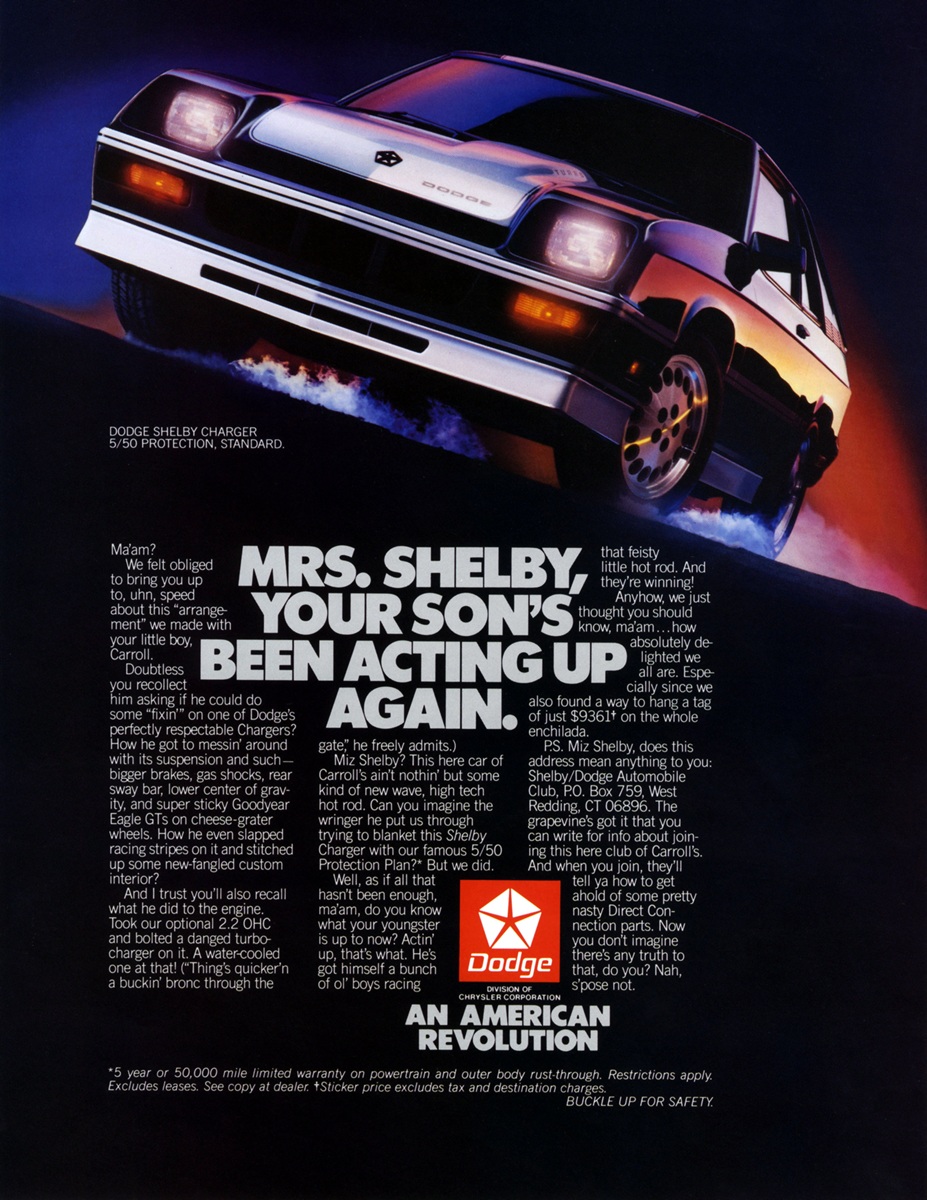
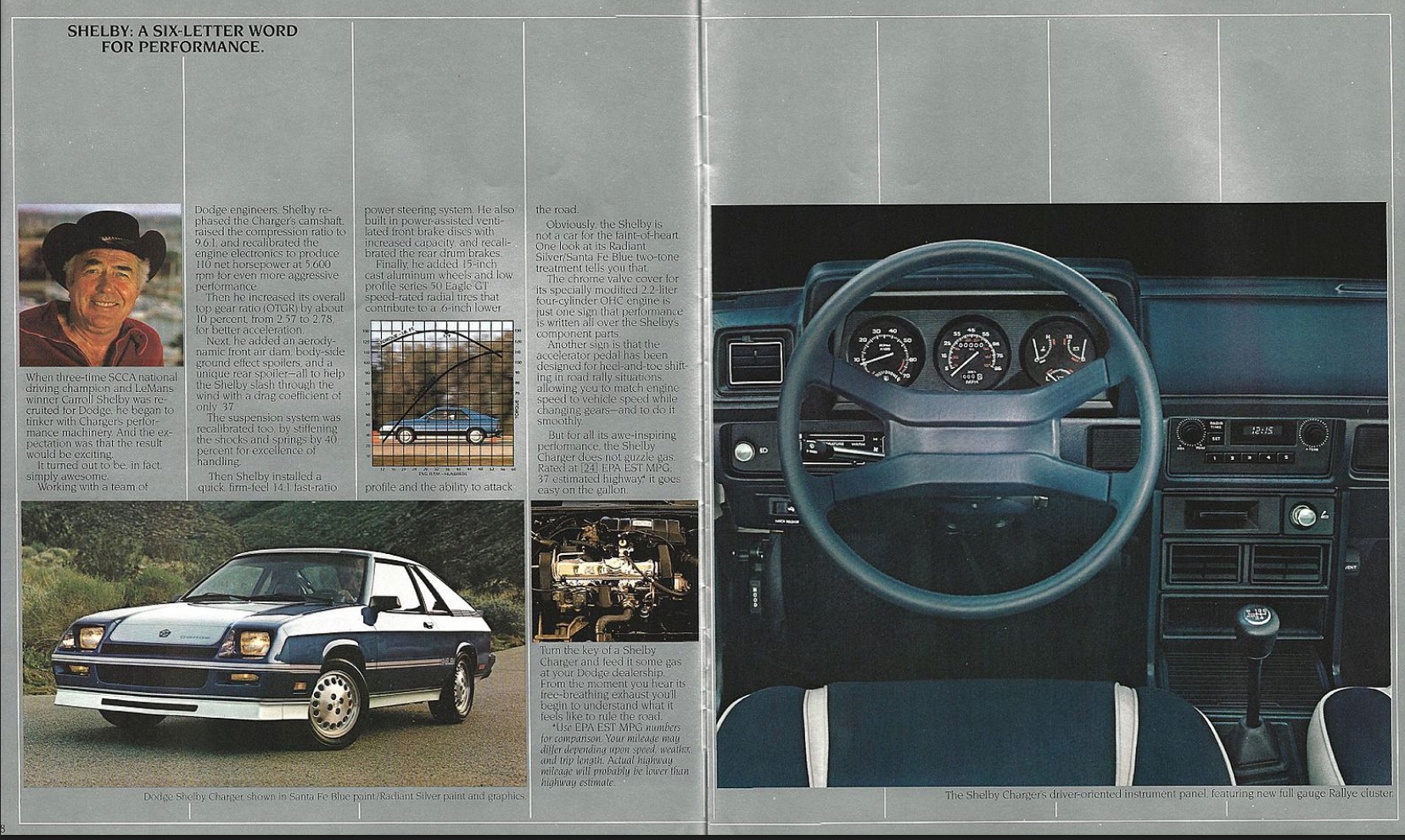
Within a few months, the relationship between Lee Iacocca and his buddy and racing legend Carroll Shelby came to fruition on the new “Shelby Charger”. Shelby was now on Chrysler’s payroll, and he was about to work his magic once again. This car began life as a Charger 2.2, but in true Shelby fashion, he made it better. At their modification center in Southern California, the team at Shelby added an aggressive front fascia with lip spoiler, lower body-side sills, large 15-inch aluminum wheels with wide Goodyear Eagle GT tires, heavy-duty shocks with performance coil springs, one-piece rear-quarter window and color-keyed bucket seats with Carroll Shelby’s famed “CS” logo. The Shelby technicians, being road racers themselves, also repositioned brake and accelerator pedals for heel-toe shifting. Visually, the Shelby Charger looked tasteful and aggressive with silver exterior paint with blue accent decals, or blue exterior paint with silver accent decals.
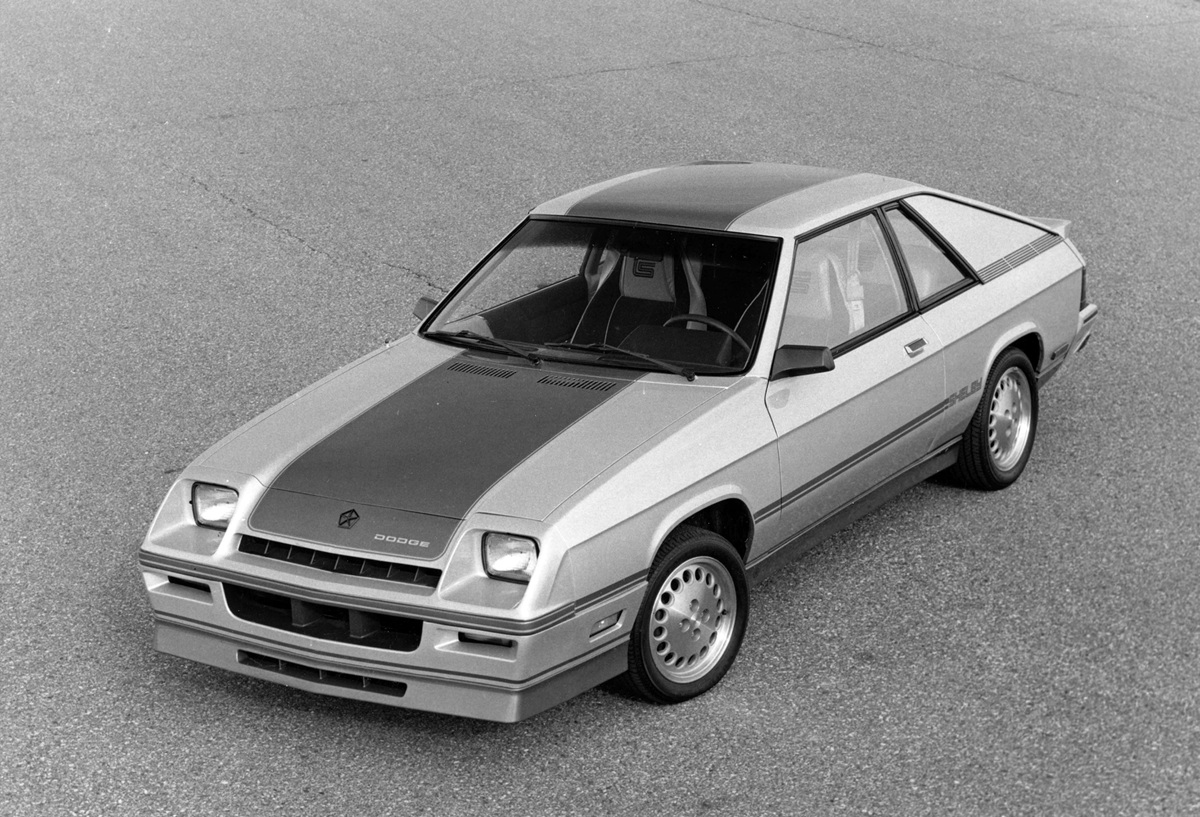
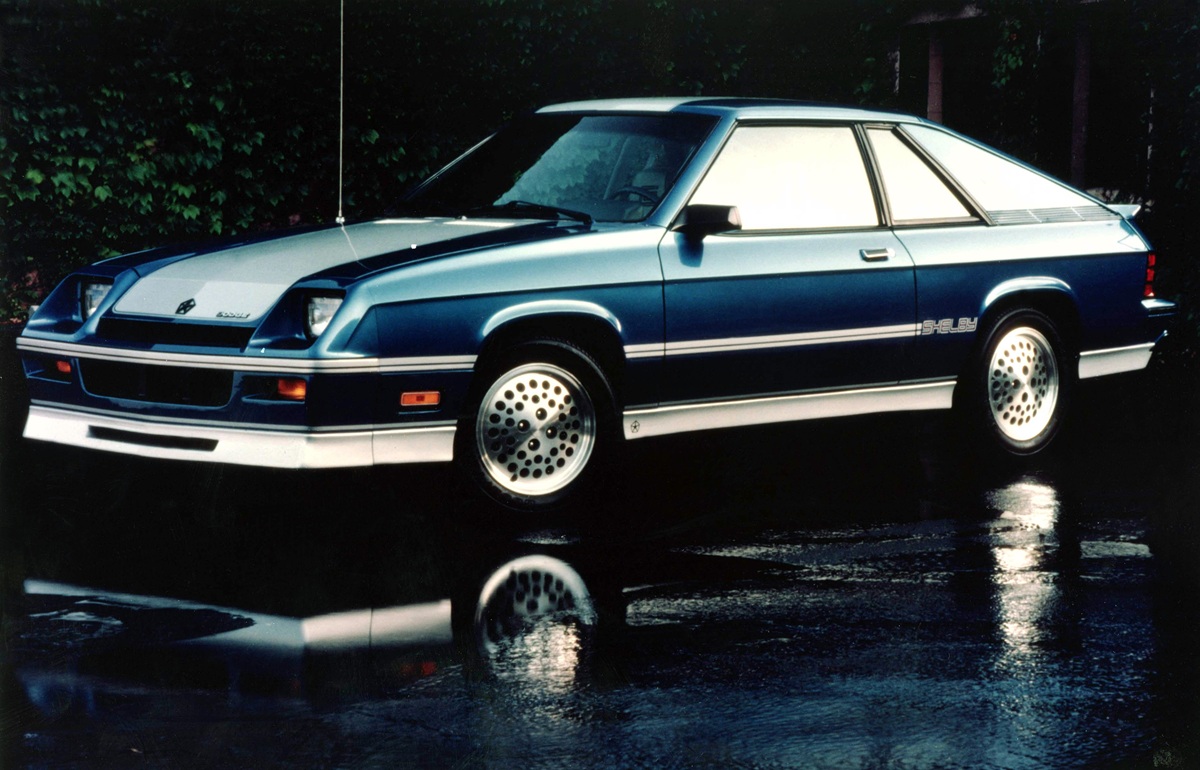
Like all prior Shelby vehicles, the mods were more than just decals and paint. Their engine gurus tweaked the naturally aspirated 2.2-liter engine for more power by bumping the compression ratio, adding a hotter camshaft, installing a free-flow exhaust system and an improved engine controller with an aggressive spark and timing curve. All of these tweaks bumped the horsepower from 94 to 107 and added 10 more lb.-ft. of torque that bumped it to 127 compared to the stock 117 rating. Considering Chrysler’s back was up against the wall due to their loan agreements with the government, the Charger 2.2 and its spastic sibling, the Shelby Charger, showed the motoring public it could still produce a quick, nimble, cool and affordable car that is fun to drive and can hold its own against its rivals.
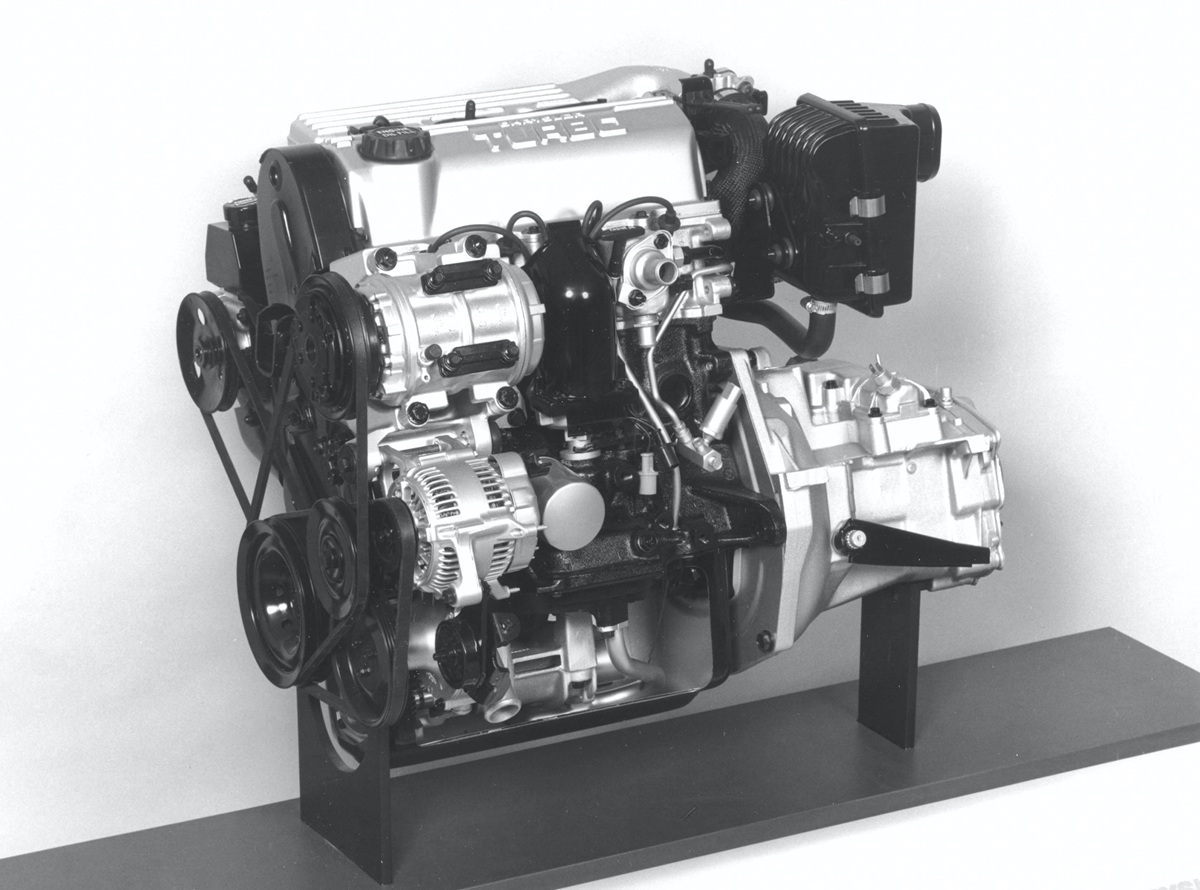
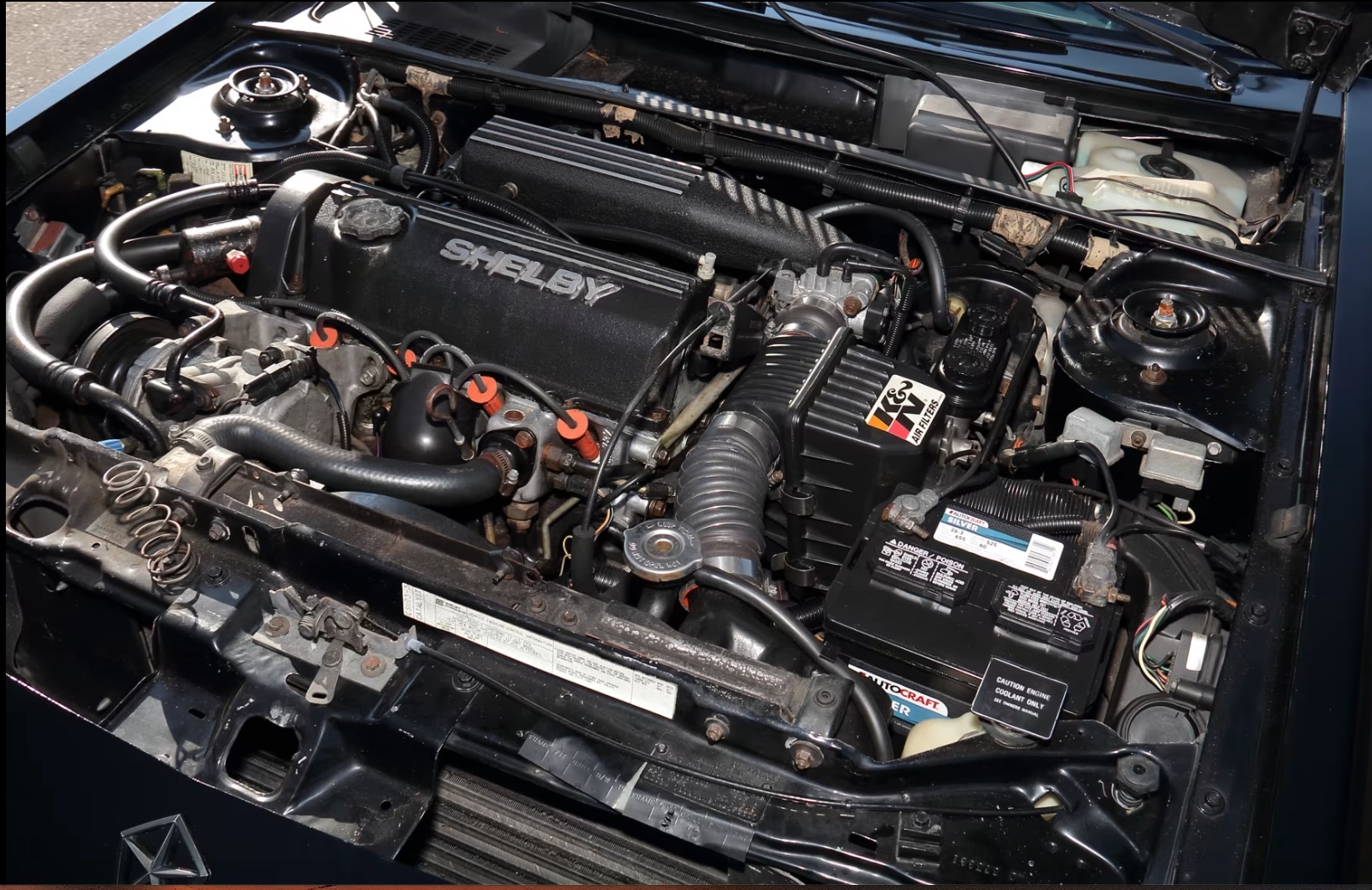
For 1985, the 2.2L engine received multi-port fuel injection and an optional Turbo making 7.5 psi of boost. Now the Shelby Charger’s power rating received a massive jolt and was now at 142 horsepower and 160 lb.-ft. torque. This was a huge leap over the naturally aspirated 2.2L and gave the Shelby Charger serious muscle street creds to go head-on against the V8 Mustang GT and IROC Camaro. Both the Chrysler and Shelby powertrain engineers worked together to add more “beef” to the engine’s internals, such as turbo-specific pistons to withstand increased cylinder pressure, and moly-filled piston rings for better cylinder sealing, select-fit rod and main bearings, and an improved oil pump. The cylinder head also received some updates like high-strength valves, high-rated valve springs and a special camshaft with specific duration, lift and overlap for turbo applications. Even the exhaust manifold was redesigned to properly mount the turbo. A distinctive diecast aluminum cylinder head cover replaced the chrome unit found on non-turbo engines.
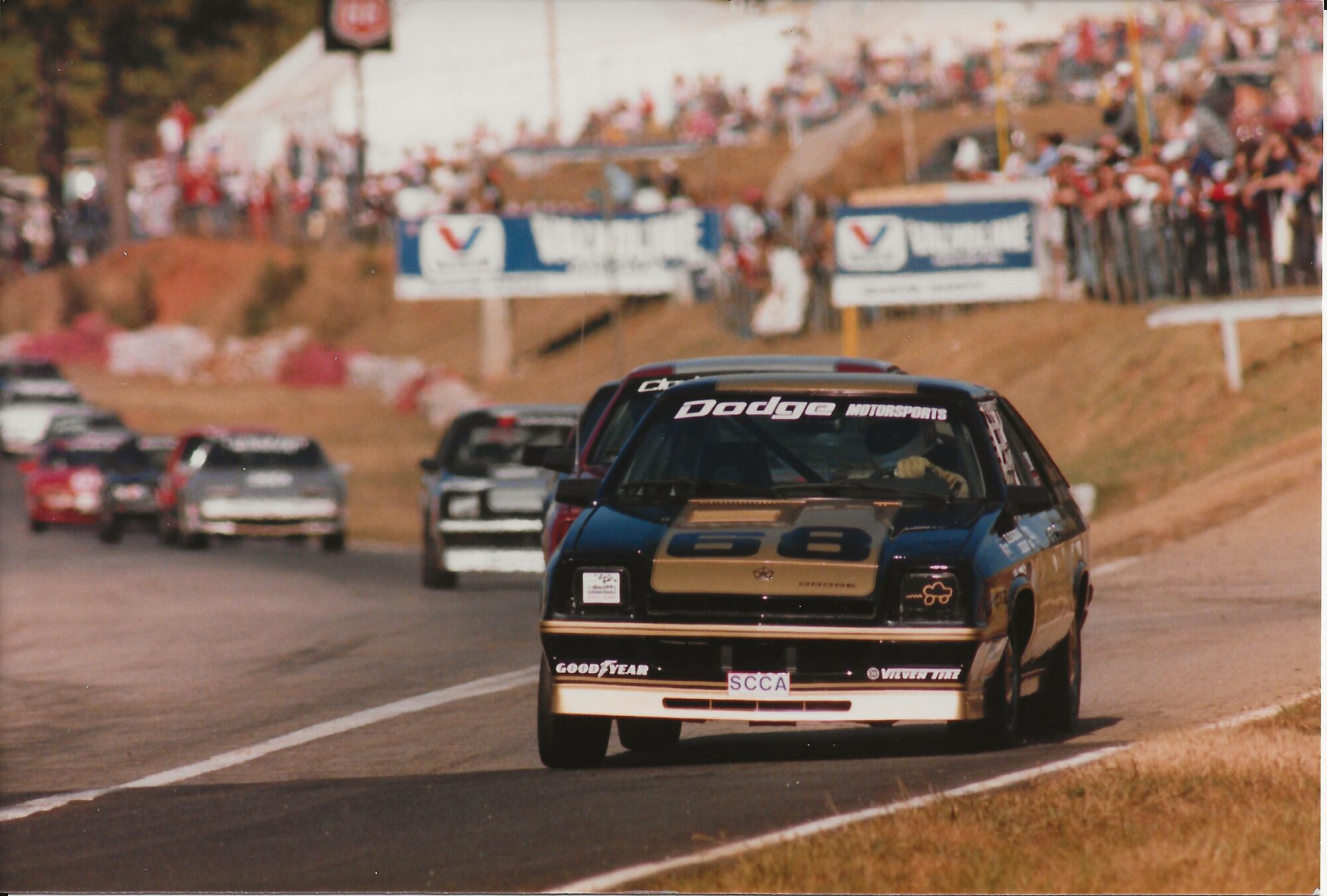
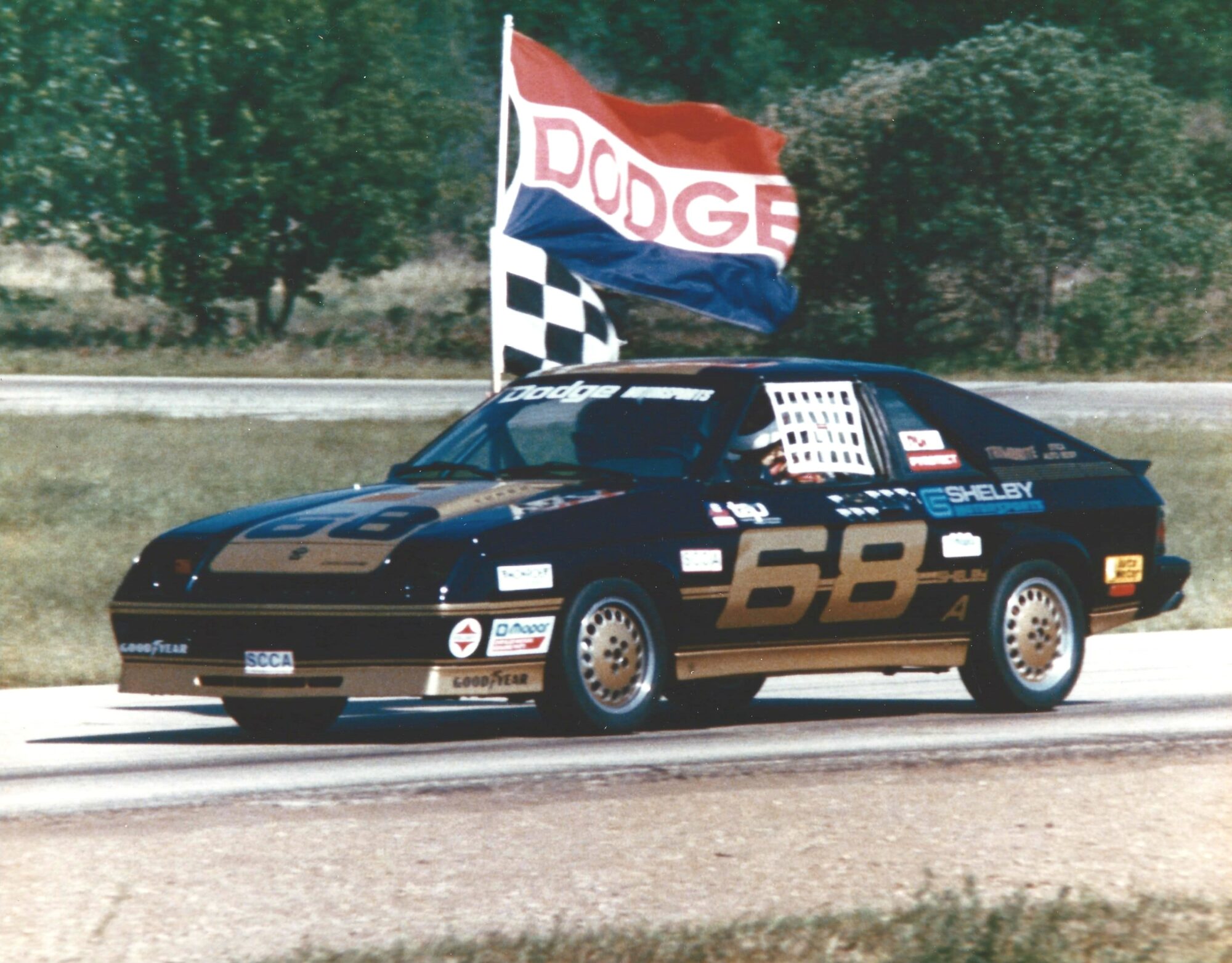
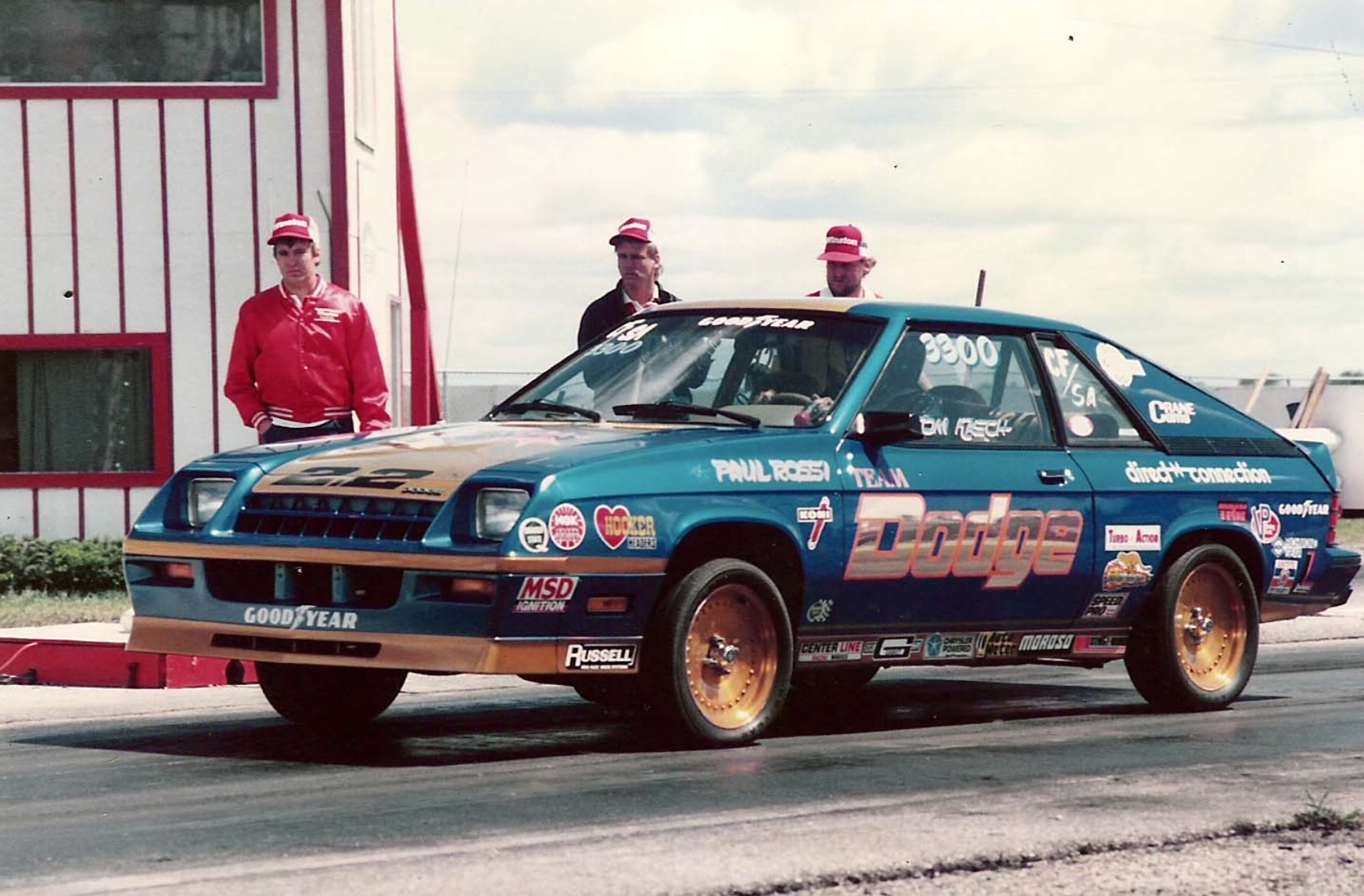
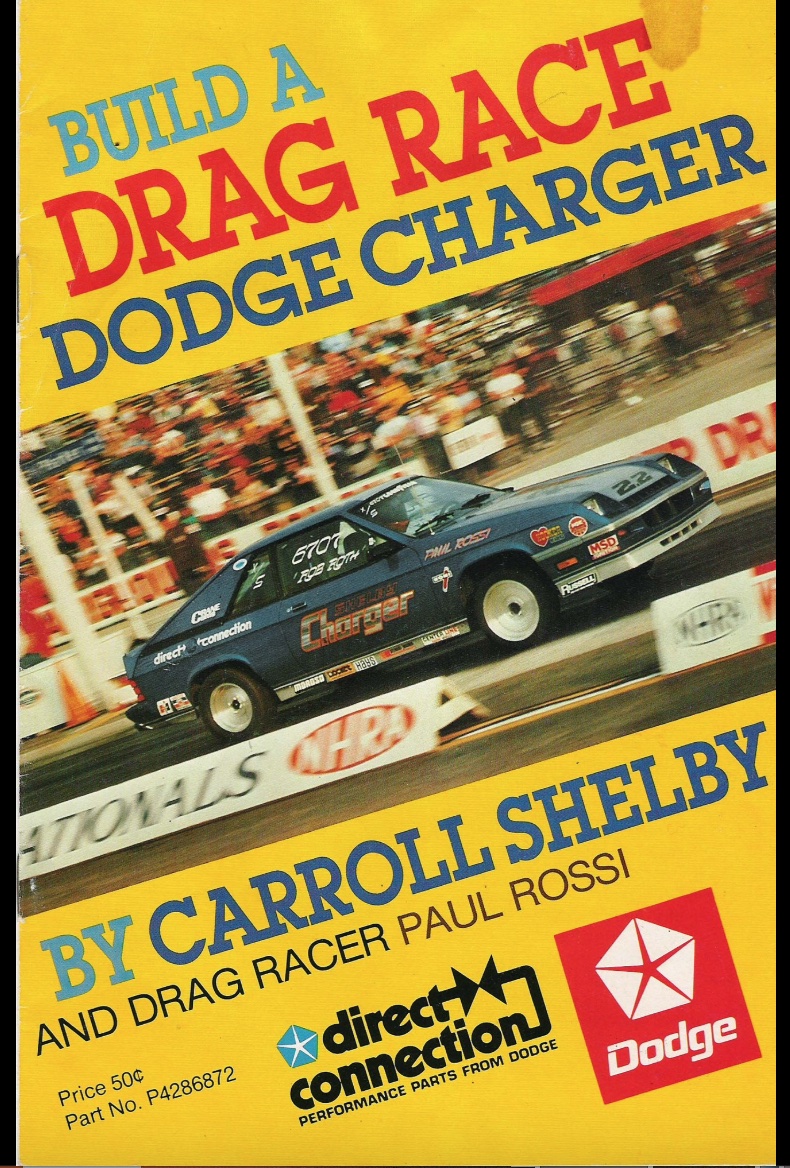
Once a drag strip brawler and NASCAR speedway king of the late ’60s and early ’70s, the 1980s Charger was still winning major evets, just different ones. This time, the new compact Charger found a home in both the Sports Car Club of America (SCCA) Showroom Stock Class and the IMSA Showroom Stock Endurance Series, and many drivers won numerous national and regional championships. On the drag strip, the Charger’s front-wheel-drive layout was not conducive to the harsh and sticky starting line surfaces that would shock its fragile transaxle driveline. But some adventurous racers did venture out to some NHRA events. To help encourage and support brand loyal grassroots racers, Dodge and Direct Connection posted contingency for both SCCA, IMSA and NHRA racing venues.
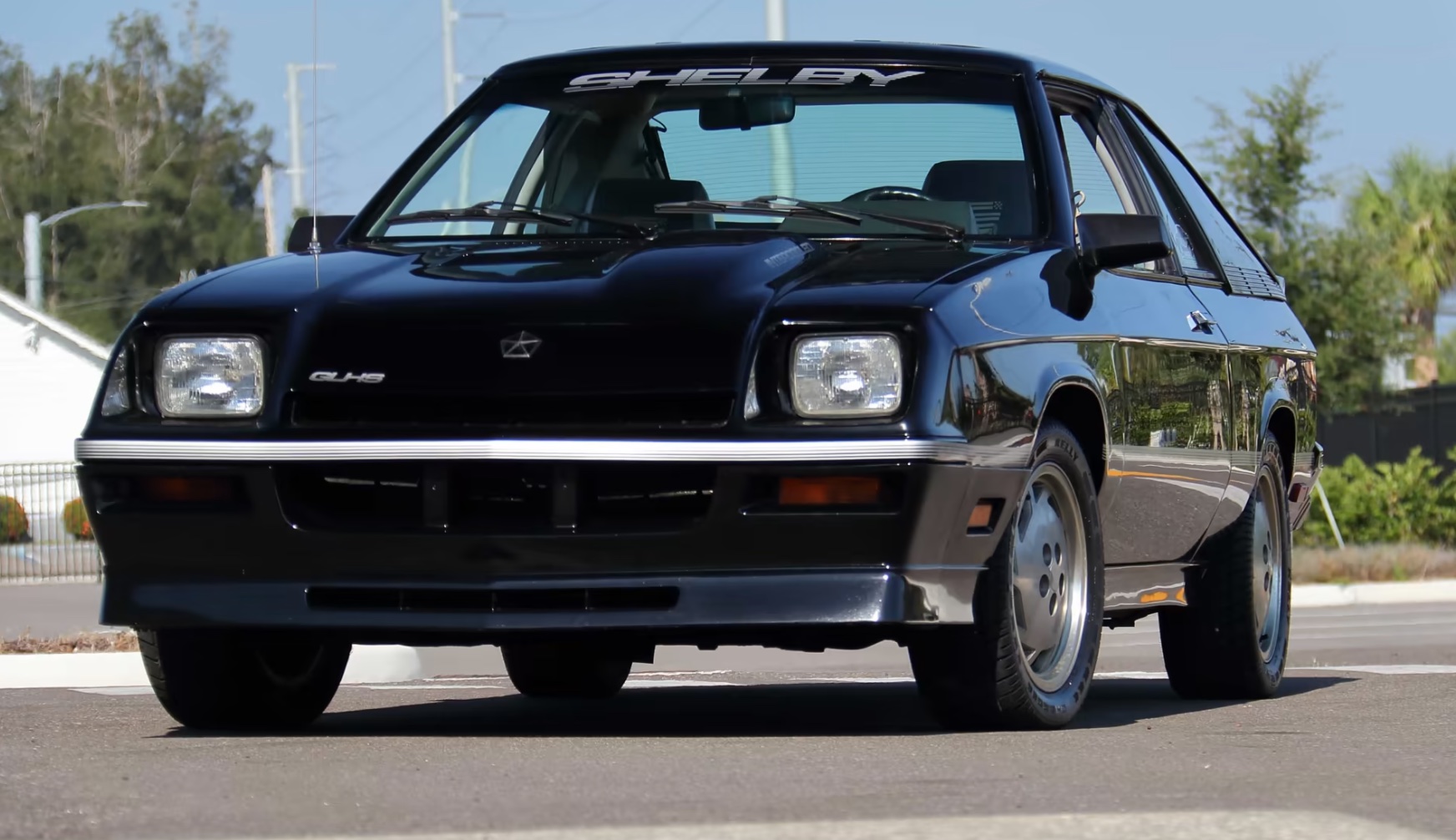
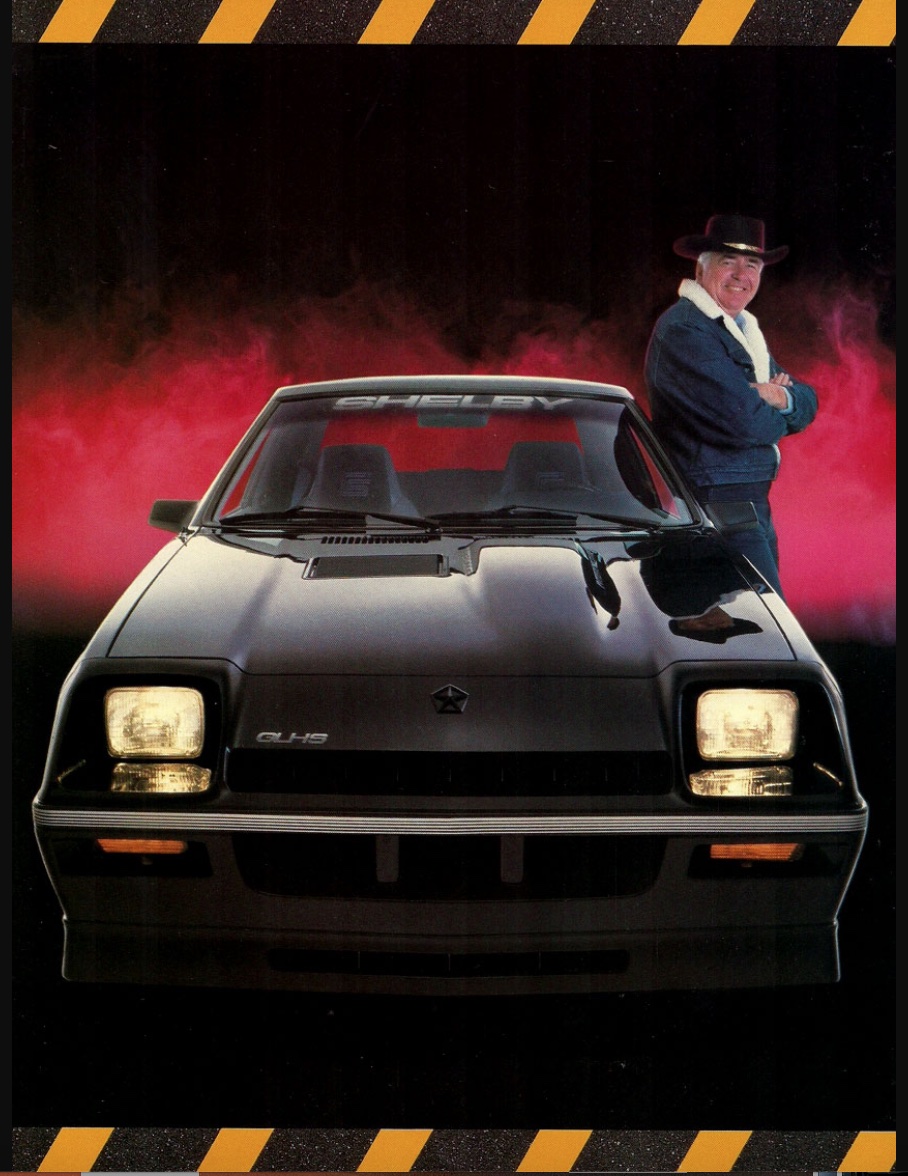
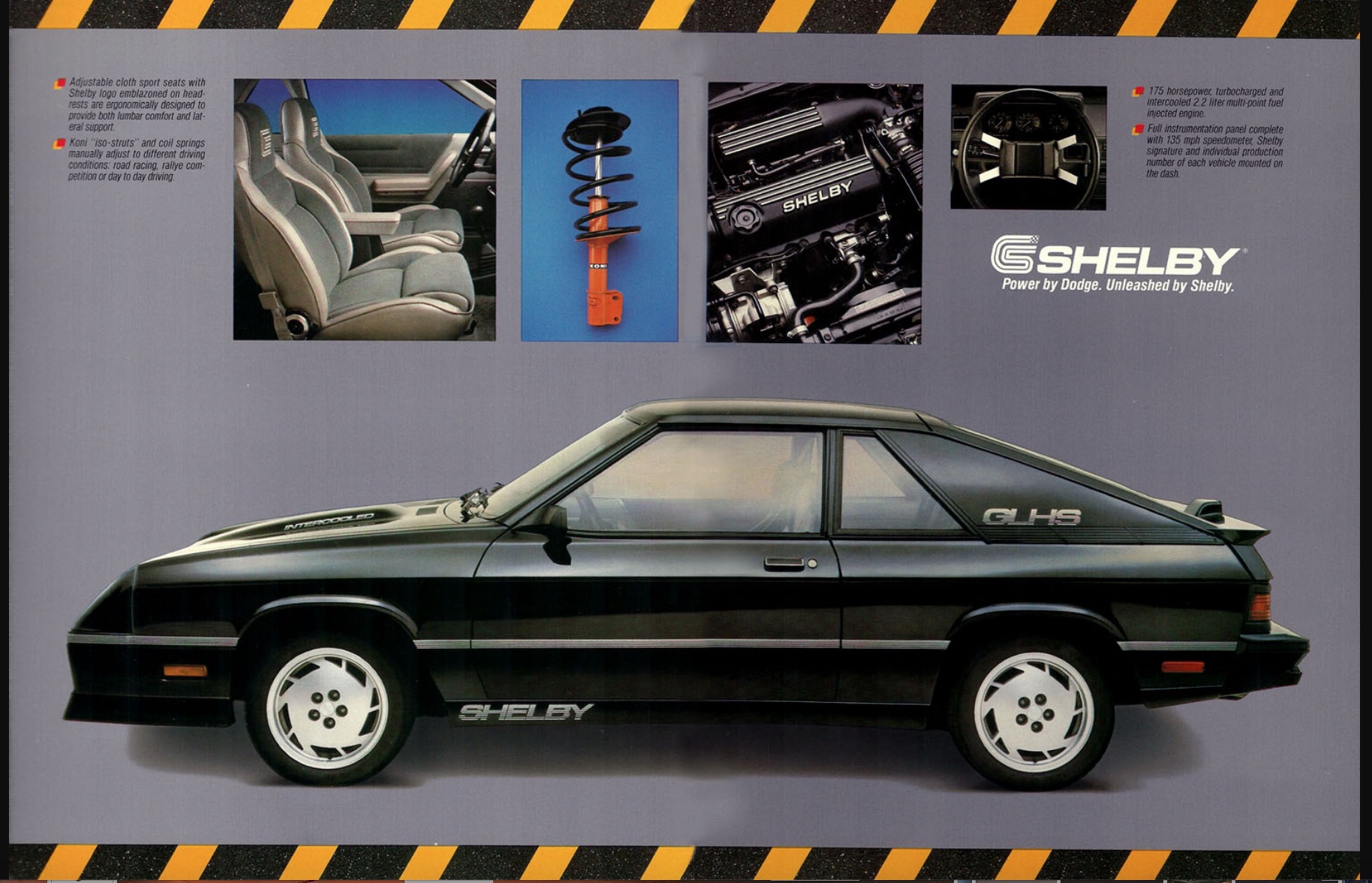
The last year of the hatchback-based Dodge Charger was the 1987 model year. Similar to the five-door Dodge Omni GLHS models (Goes Like Hell, Some-more), Carroll Shelby purchased the last 1,000 Dodge Turbo Chargers and converted them into Dodge Shelby Charger GLHS models. These final front-wheel-drive models delivered 175 horsepower, 175 lb.-ft. of torque and performed 0-to-60 mph runs in less than 7 seconds. It was a perfect sendoff to a historical nameplate, but it was far from over, as in our next chapter, we’ll leap frog to the 21st century and look at the Charger’s rebirth as a rear-wheel-drive V8 muscle car.
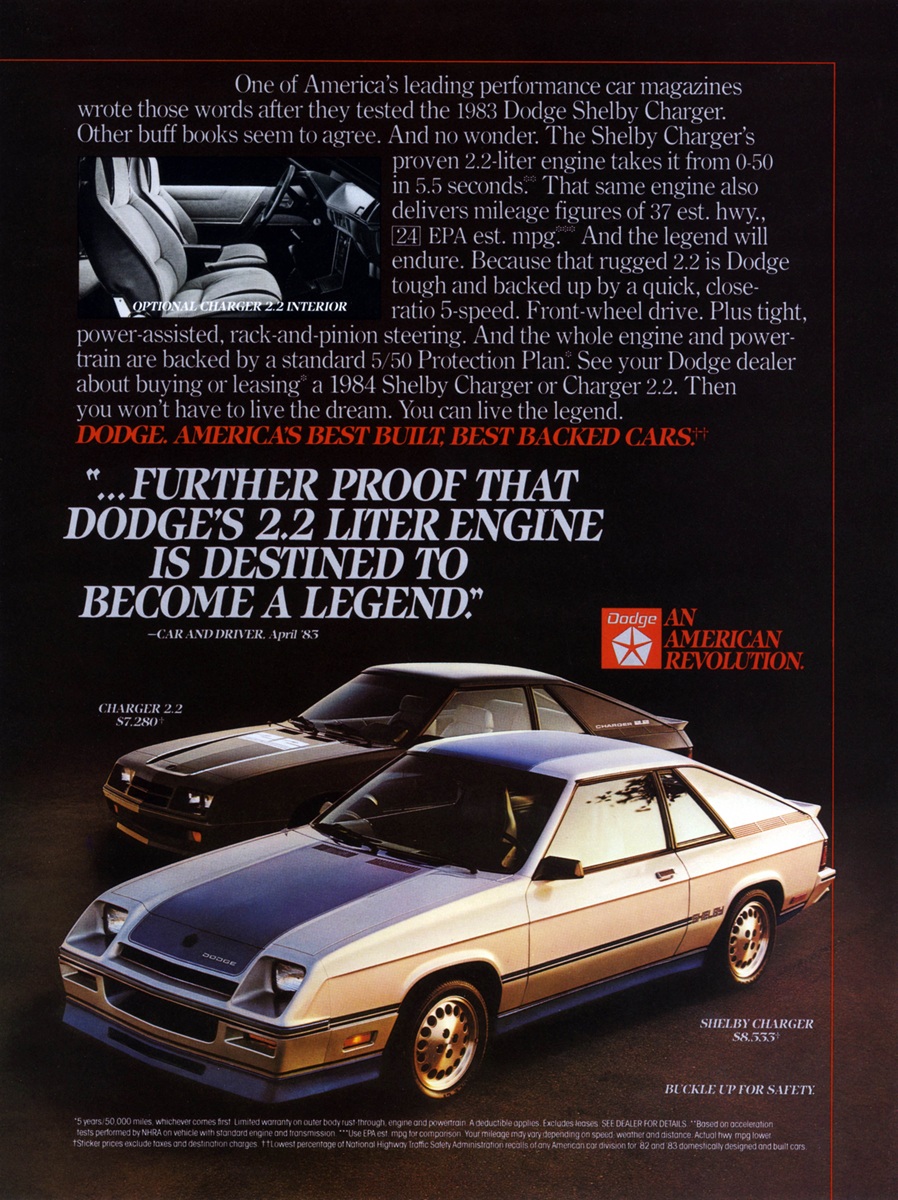
Check out these old Charger advertisements from the 1980s!
0 Comments