60 Years of the Dodge Charger – GEN 6: 2006 to 2010
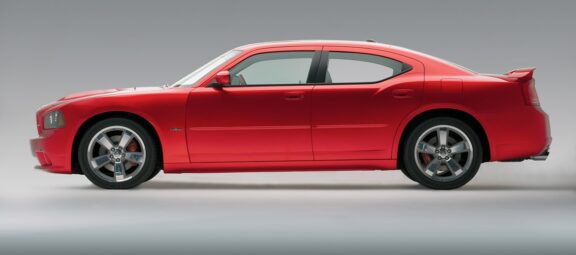
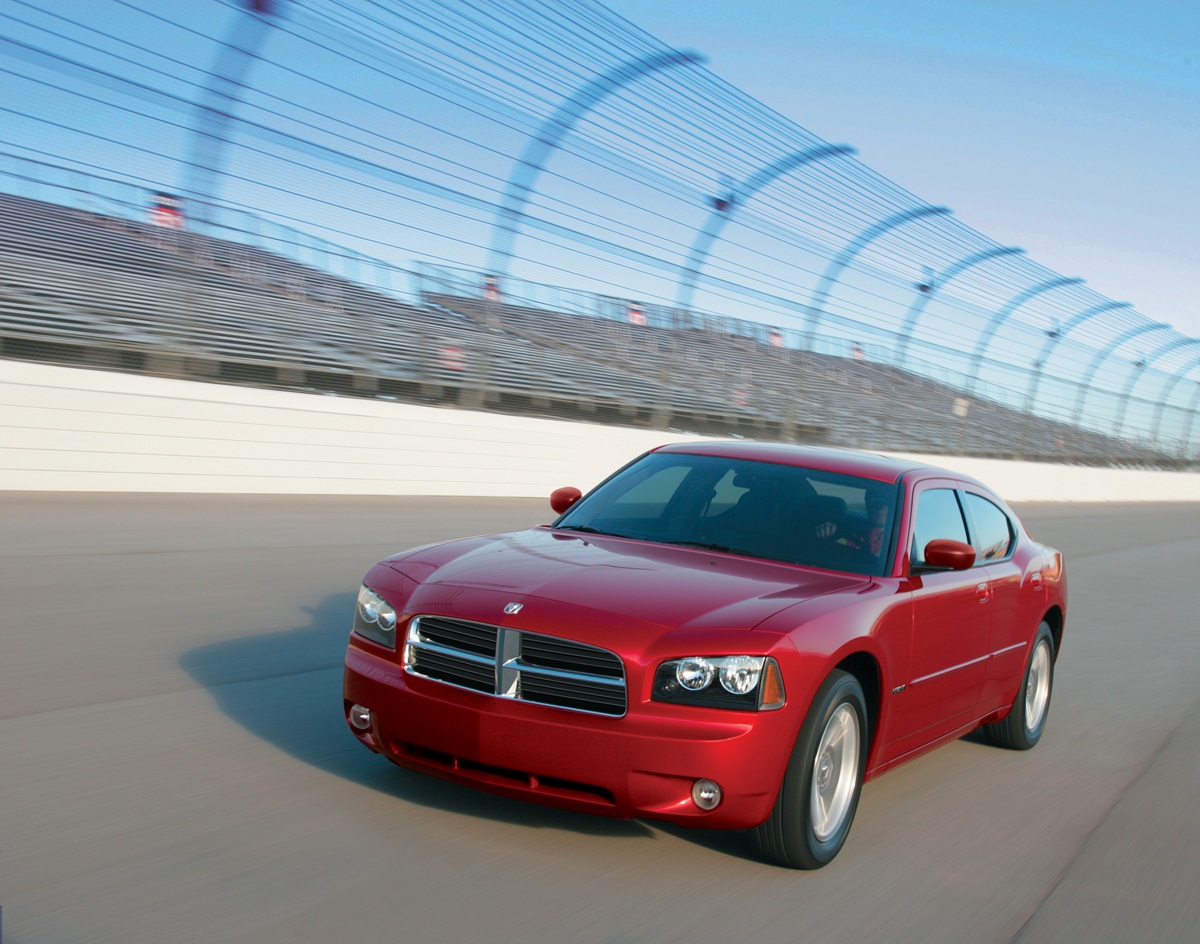
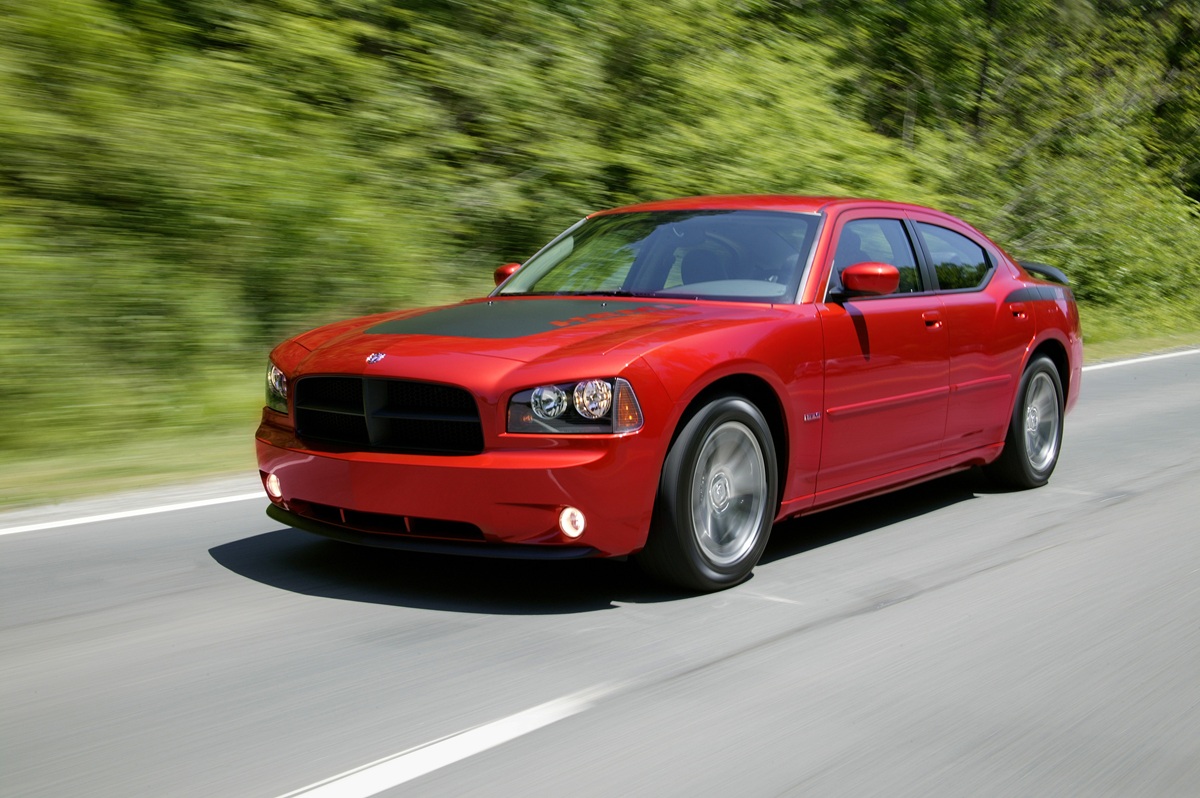
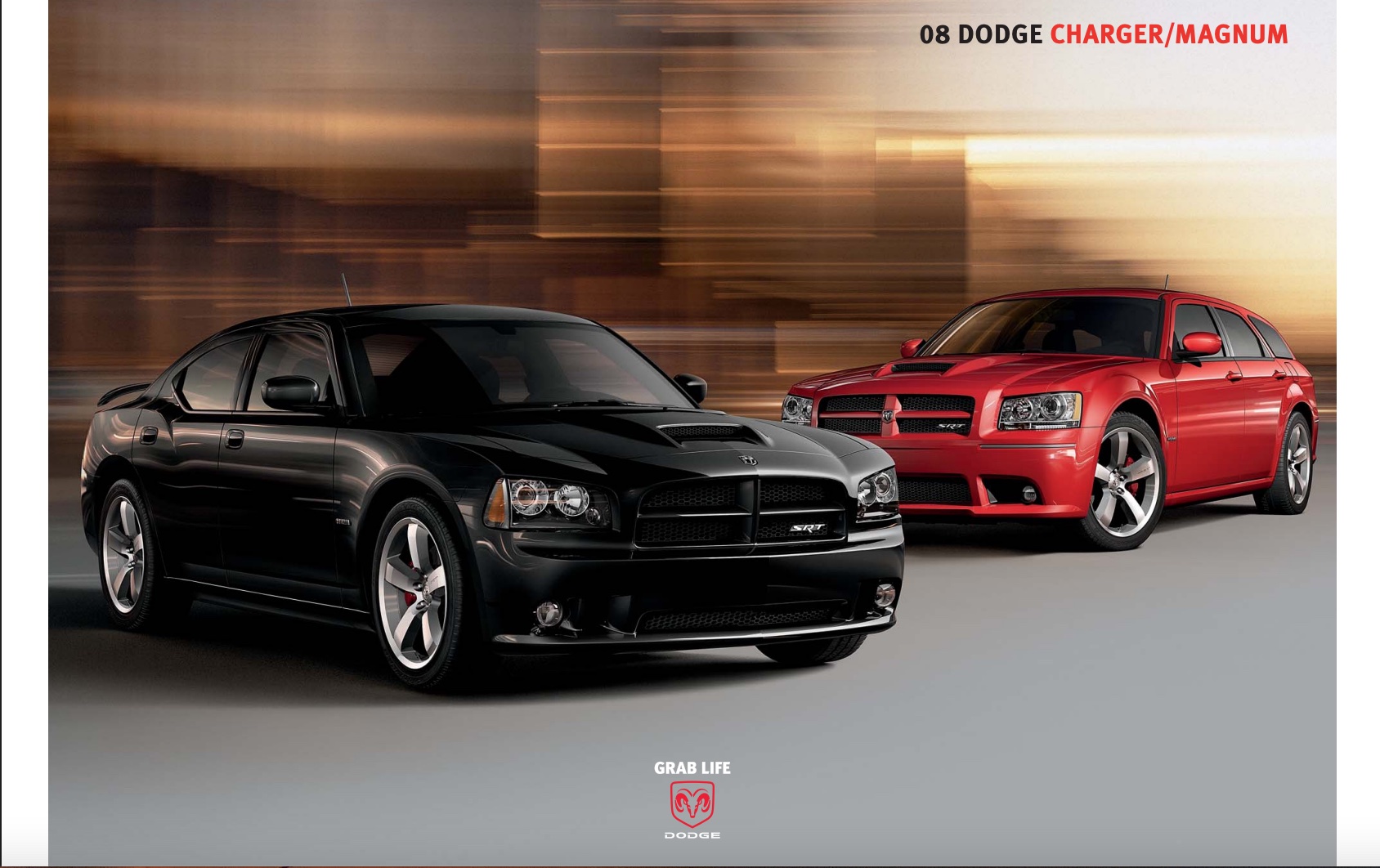
It was like the second coming when the 2006 Dodge Charger R/T was unveiled at the 2005 North American Auto Show in Detroit. The motoring press gave the new Charger resounding applause, and Mopar® enthusiasts, who had been holding out for another HEMI® V8-powered car in their lifetime, rejoiced. The Charger nameplate finally came out of its long-term hibernation. It was like discovering a strange alien from outer space frozen in the ice that had fantastic powers by shrinking time and distance. The new Charger emerged as a new rear-wheel-drive platform internally dubbed “LX” and it shared the same chassis with the Chrysler 300 and Dodge Magnum. The new Charger may have come in a four-door version only, but it retained its muscular undertones in a more refined manner. The Charger once again excited muscle car enthusiasts with the car’s modern performance, handling and power.
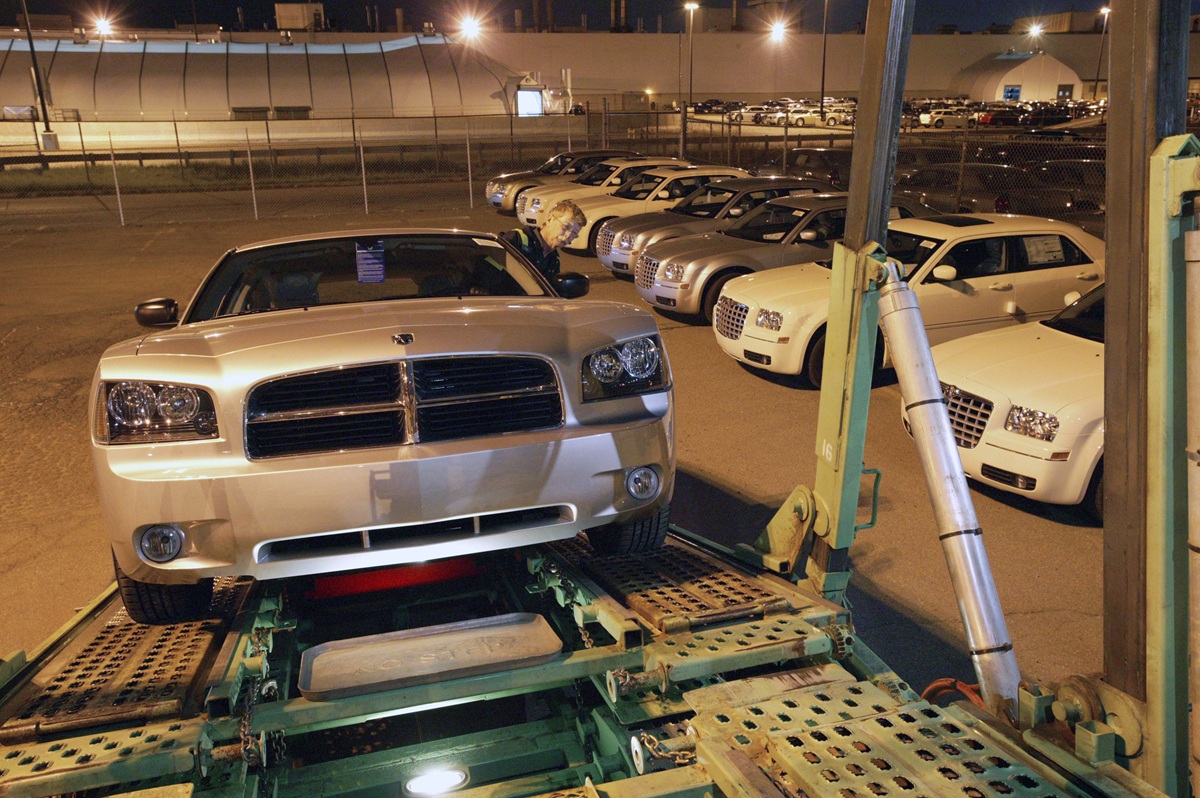
Some diehards in the Mopar community were hung up on the Charger’s two extra doors, but the lifespan of a large-size, two-door coupe in the 21st century automotive landscape is extremely short and very costly. The Dodge division wasn’t going to gamble away the house’s money. The new four-door Charger embodied modern performance, handling and power in one very nice bundle. European car enthusiasts had embraced four-door performance automobiles for decades, but would Americans feel the same way with the new Charger? If history has shown us anything, these same rabid enthusiasts were silent when the Charger name was plastered on a subcompact FWD car with a four-cylinder engine during the 1980s. So yes, the LX Charger would be accepted and end up being a success. Besides, it could smoke the rear tires at will, click off 13-second and high-12 ETs in the quarter-mile, and that’s pretty awesome regardless of how many doors a car has.
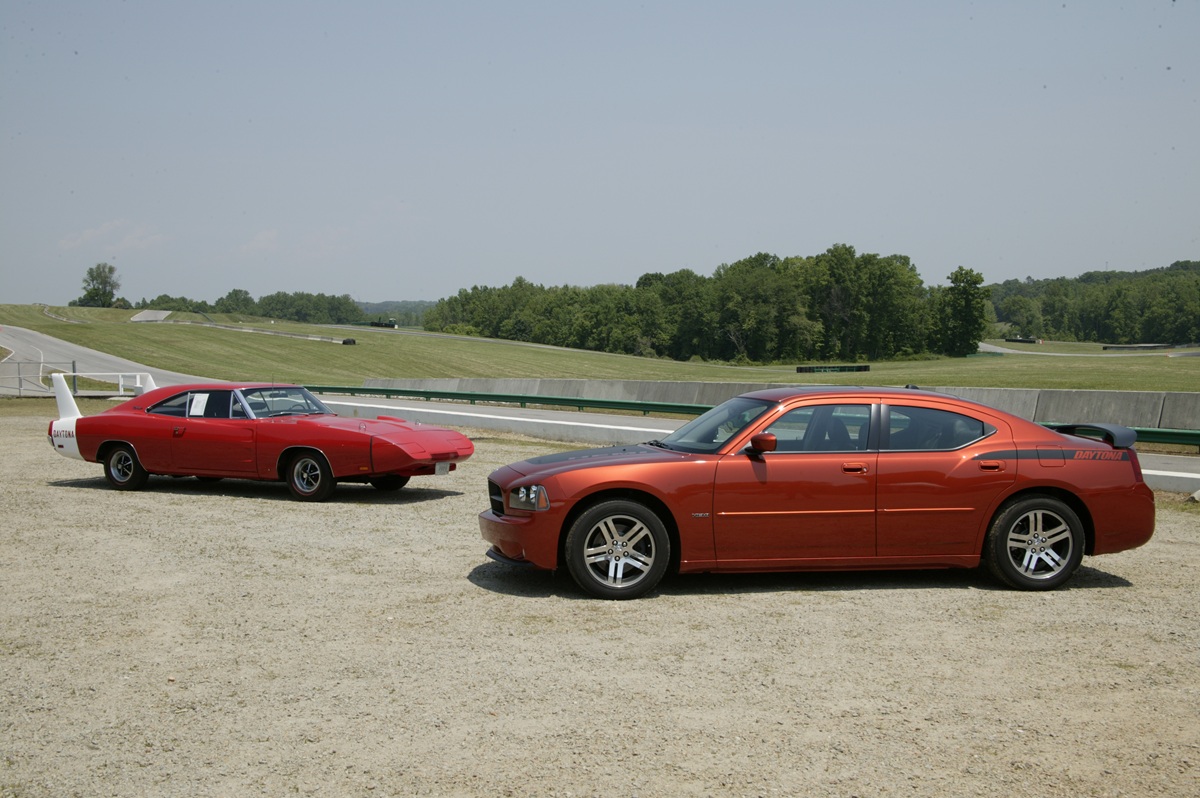
Prior to the release of the production LX-based 2006 Charger, Chrysler showed off their Charger R/T Concept Vehicle in 1999. The design elements of this one-off concept were inspired by the second-generation (1968-70) models. It included an exaggerated muscular “Coke bottle” bodysides and a flying buttress around the rear window. There were also modern performance cues, such as its big offset shoulders over the rear wheels, a low-to-the-ground menacing front fascia, functional door scallops (inspired by the 1970 Dodge Charger R/T) and a wide rear fascia with two center-mounted exhaust tips.
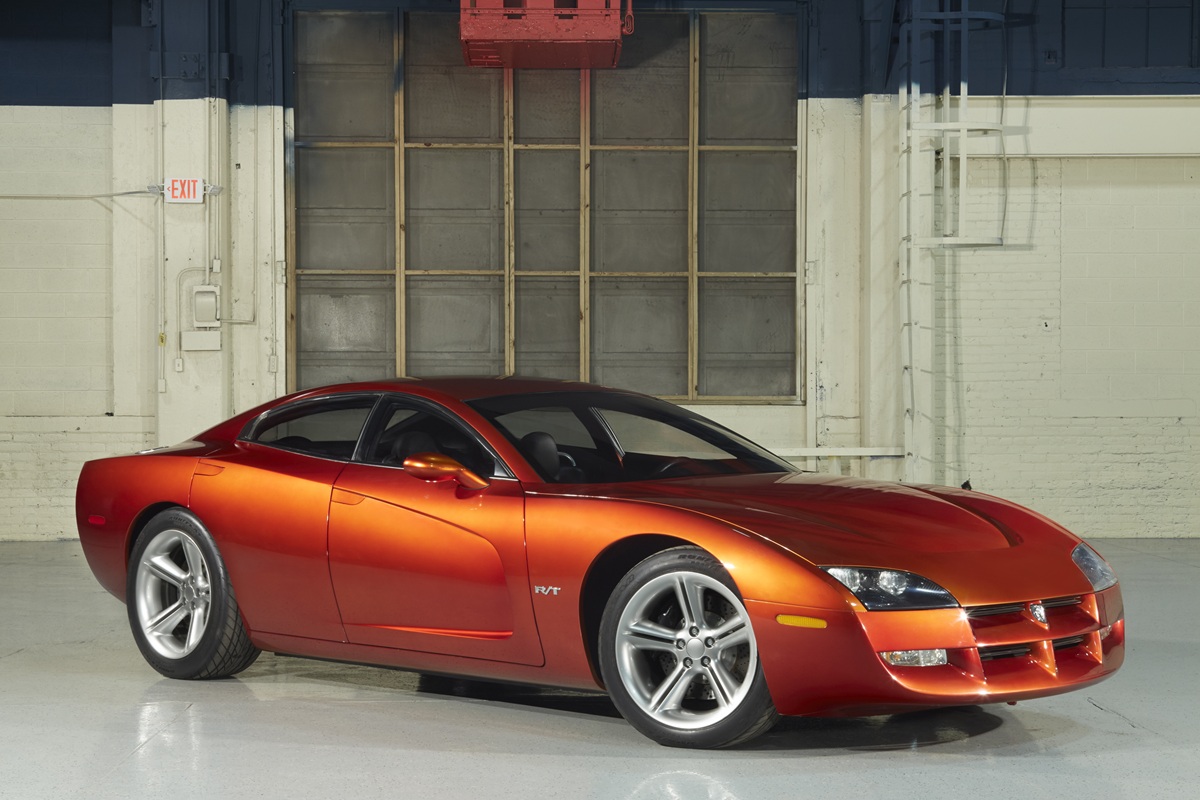
Inside, the Charger R/T Concept cues included the large rotary radio dials, three-spoke steering wheel and “R/T” badge over the glove compartment. It was a design study and nothing more. But the Dodge brand had to mass produce a four-door sedan to serve many customers, that included driving enthusiasts, families, law enforcement and other high-volume, lucrative markets. The concept’s 4.7L V8 Compressed Natural Gas (CNG) powertrain with its three-cell CNG storage system would never fly if mass produced and wouldn’t have a chance to be cost-effective or even accepted by consumers.
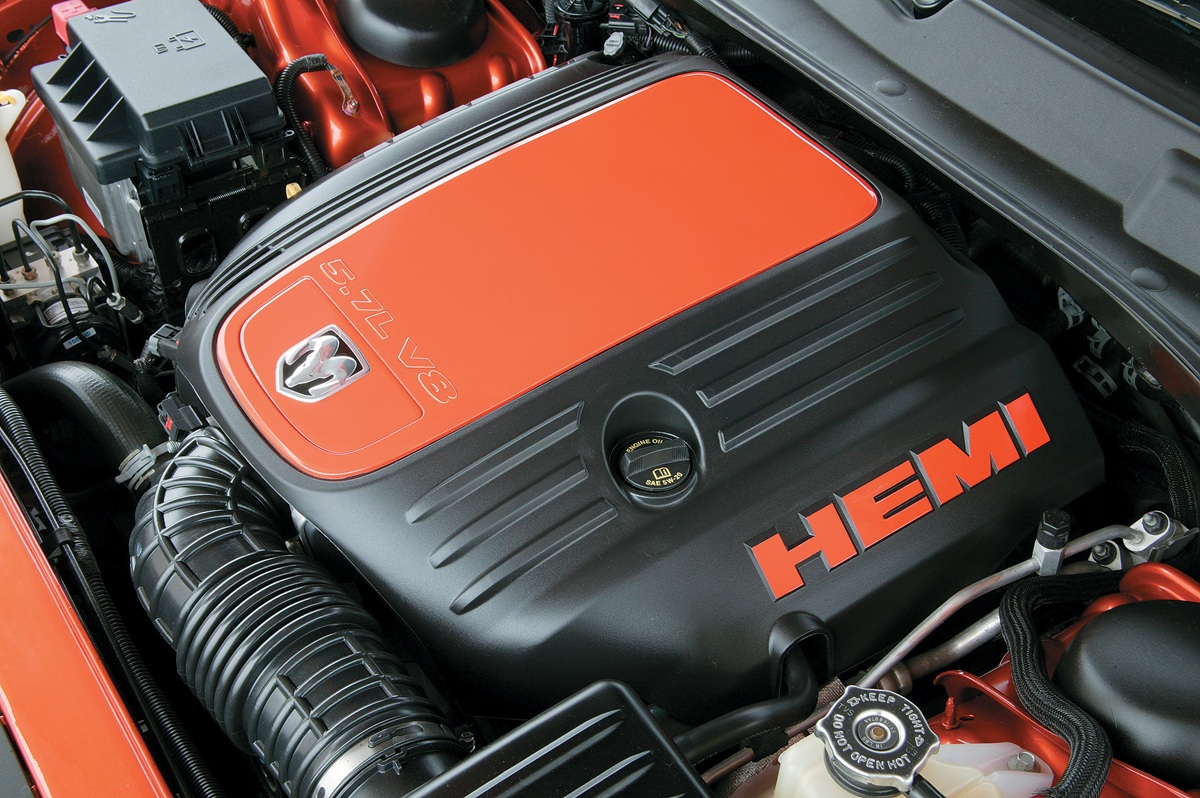
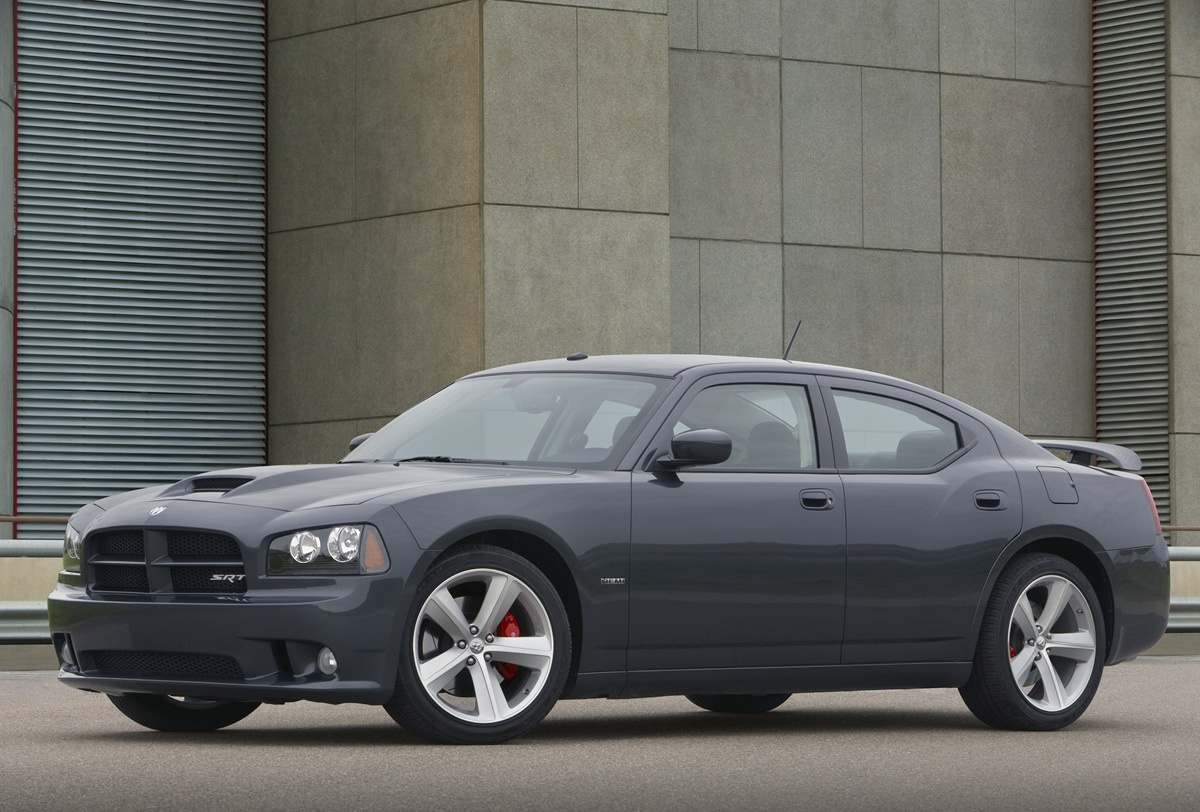
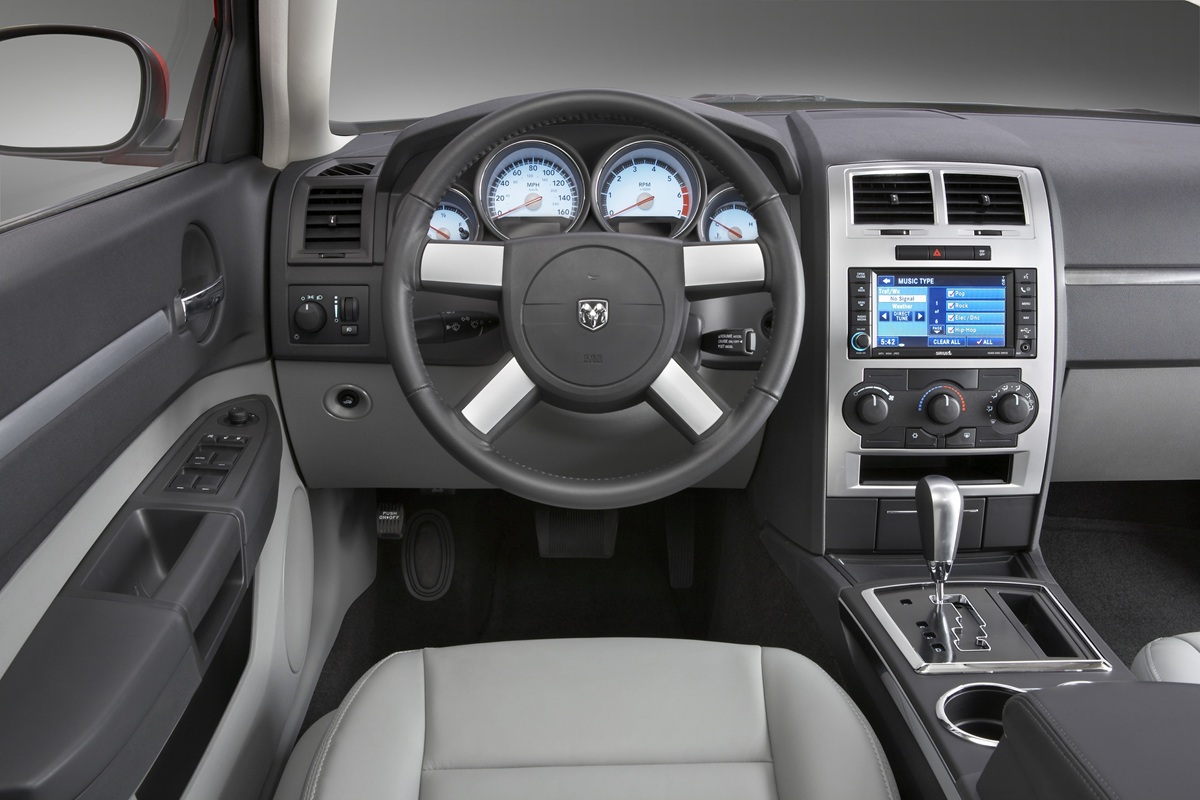
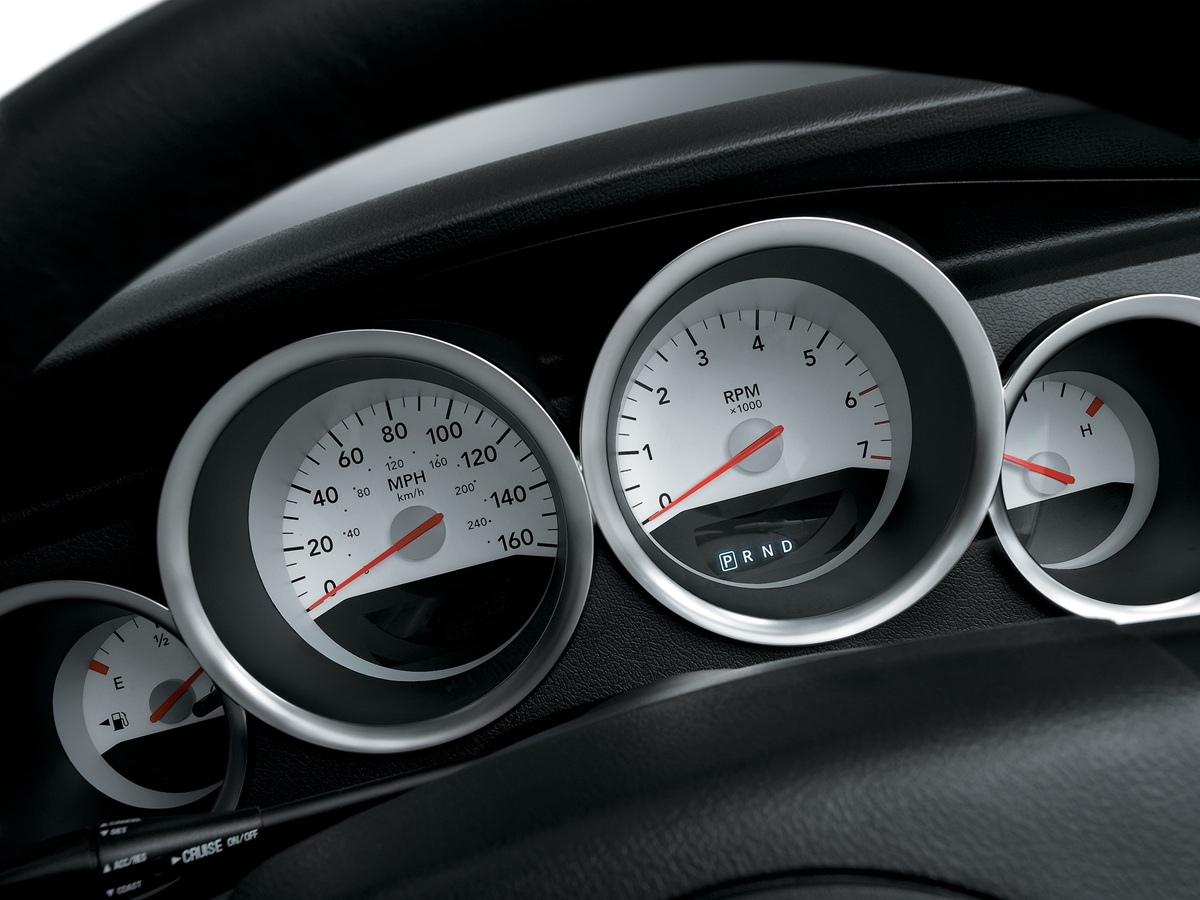
Luckily, the production GEN 6 Charger would use traditional internal combustion powerplants such as the 250-horsepower High Output 3.5-liter V6, a 340-horsepower 5.7L HEMI V8 engine with an advanced multi-displacement system (MDS), that deactivated four of the engine’s eight cylinders when full V8 power isn’t required. Now the HEMI engine could knock down improved overall fuel economy by 20 percent. For the hardcore enthusiasts, the 6.1L HEMI V8 was standard in the SRT8 Charger, and it made that magic horsepower number of 425, just like the original 426 Street HEMI from 1966-71. Sending all that power to the rear wheels was a five-speed “NAG1” automatic transmission. Speaking of rear-wheel-drive, the LX Charger had close a 50/50 weight distribution that gave it great handling for a large sedan. The standard electronic stability control (ESC) provided good drivability even when the snow would fly. Inside the 2006 Dodge Charger, the interior featured a driver-oriented cockpit and a sleek instrument panel featuring Viper-inspired tunneled gauges.
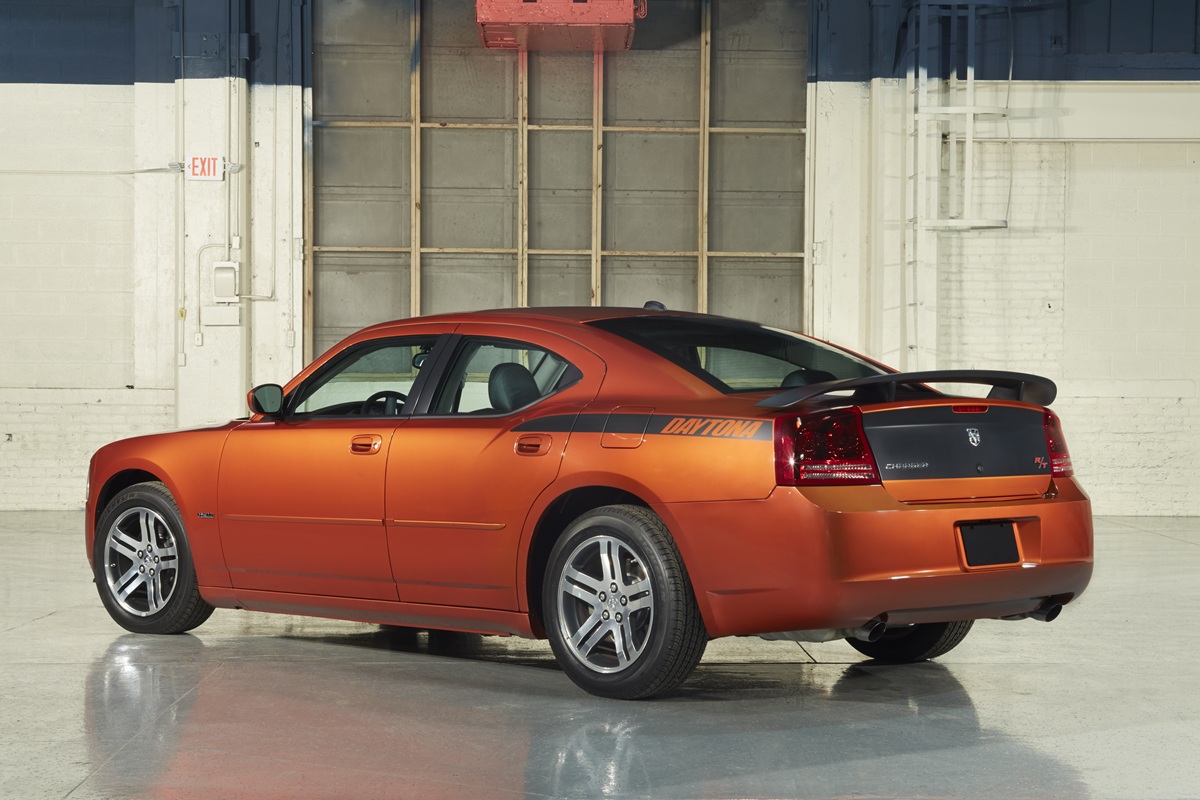
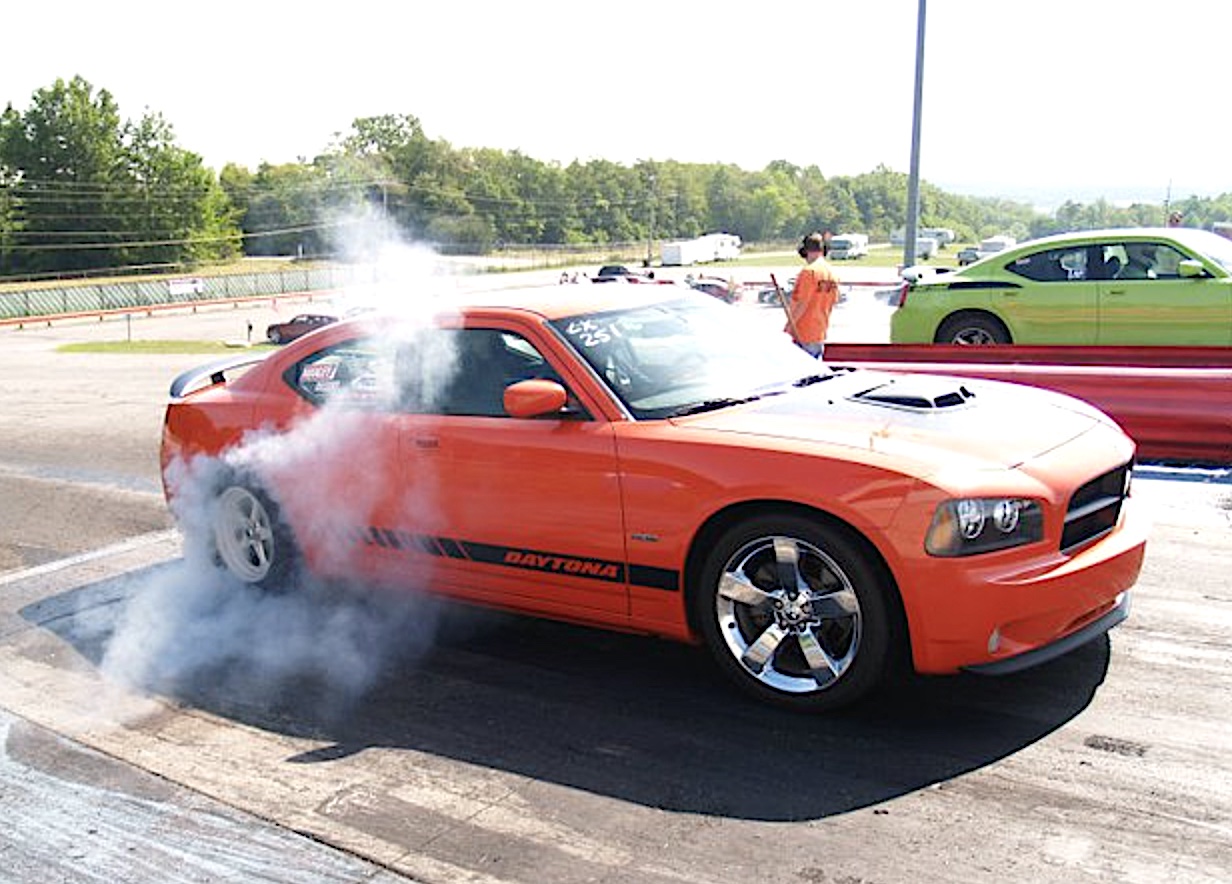
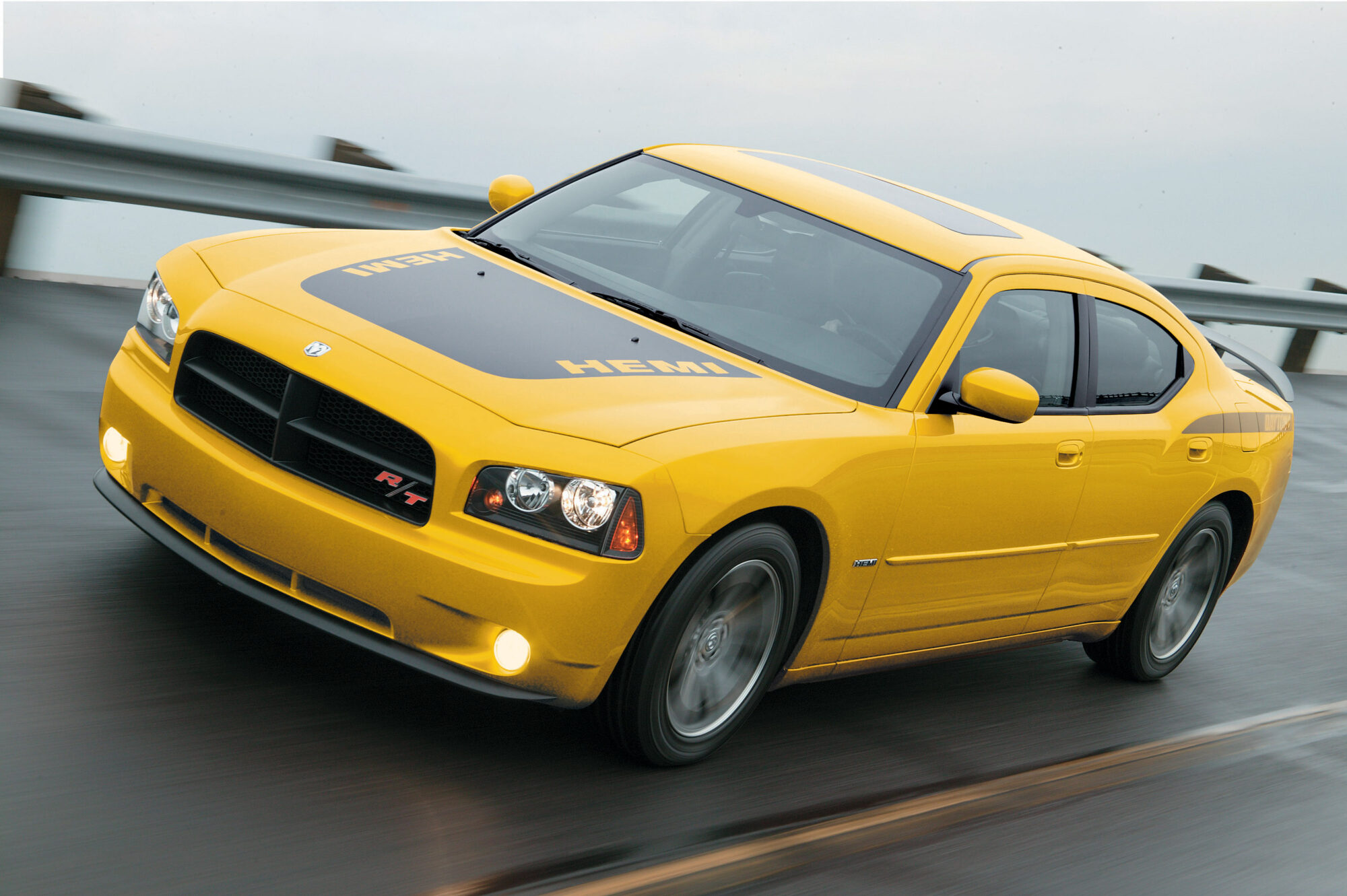
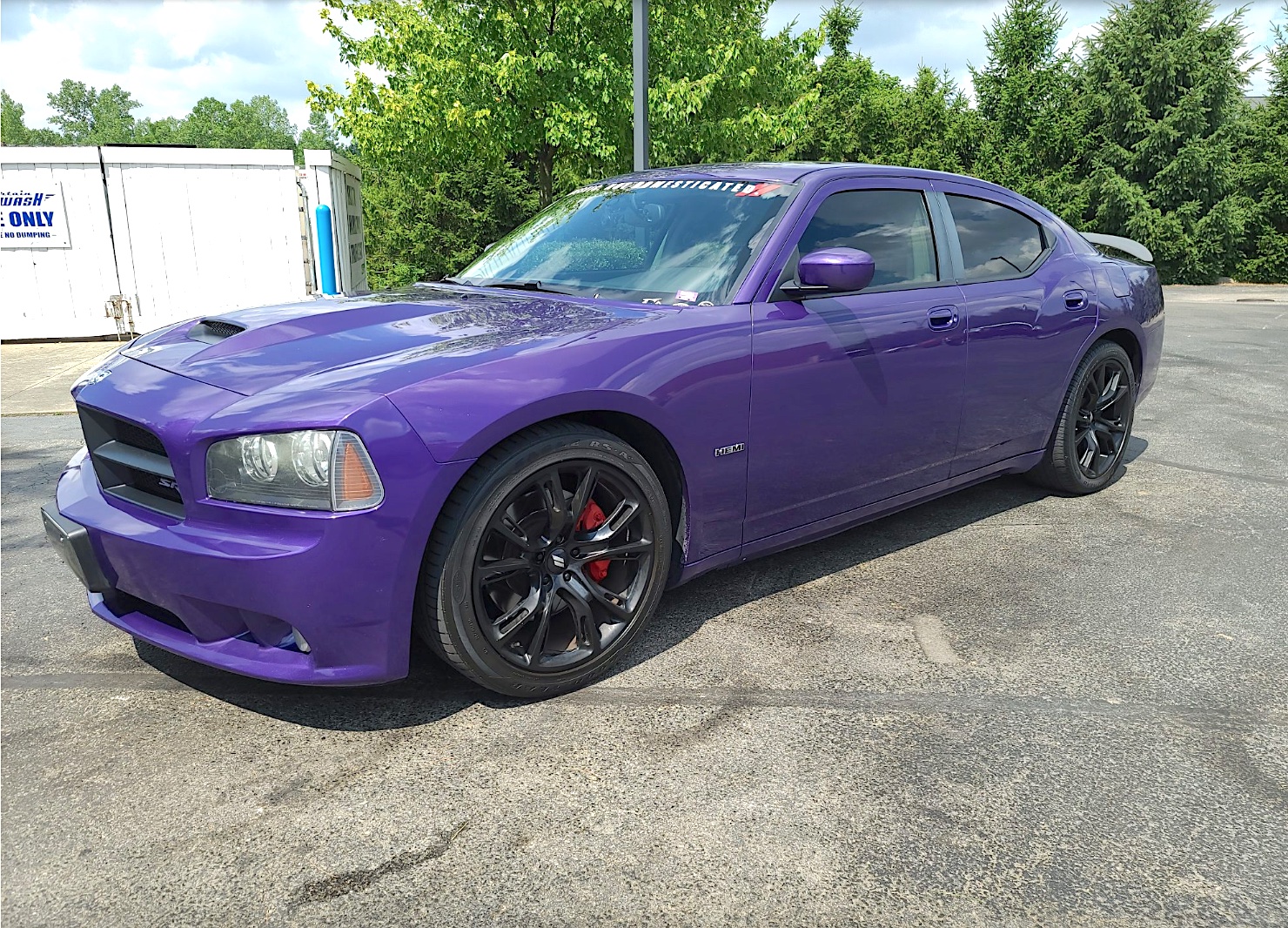
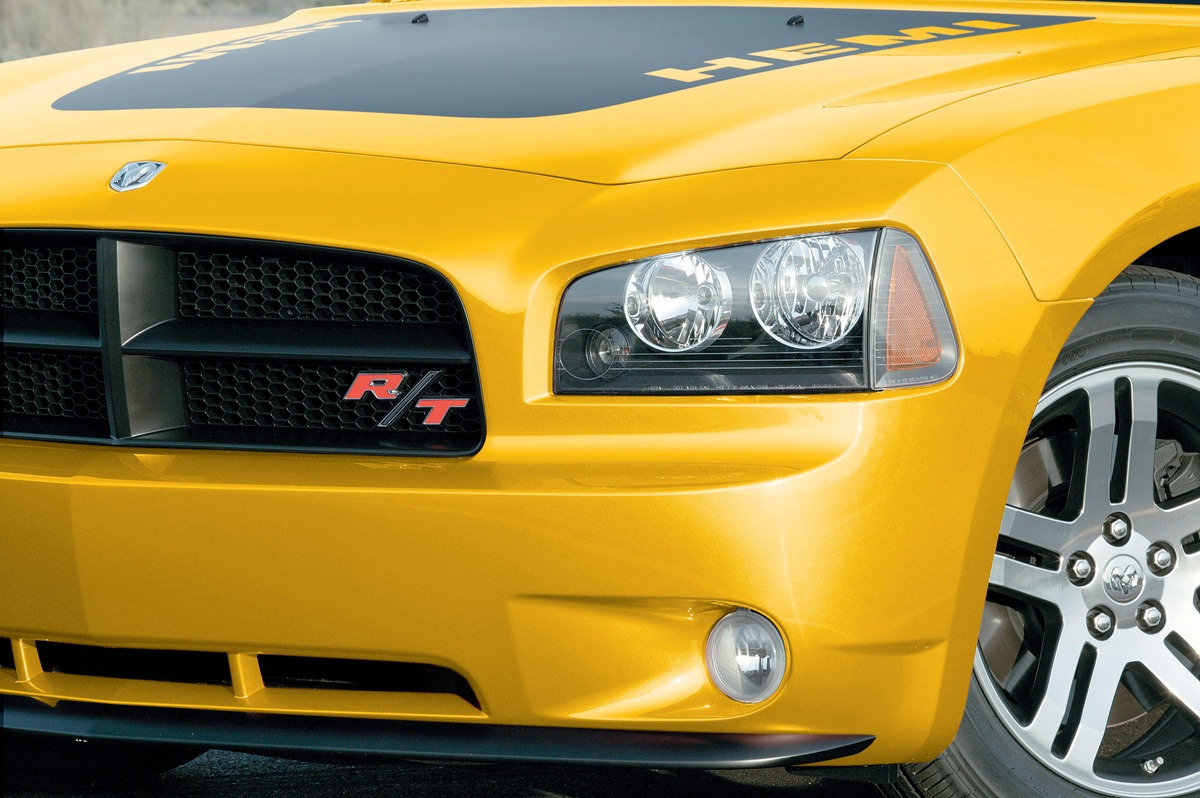
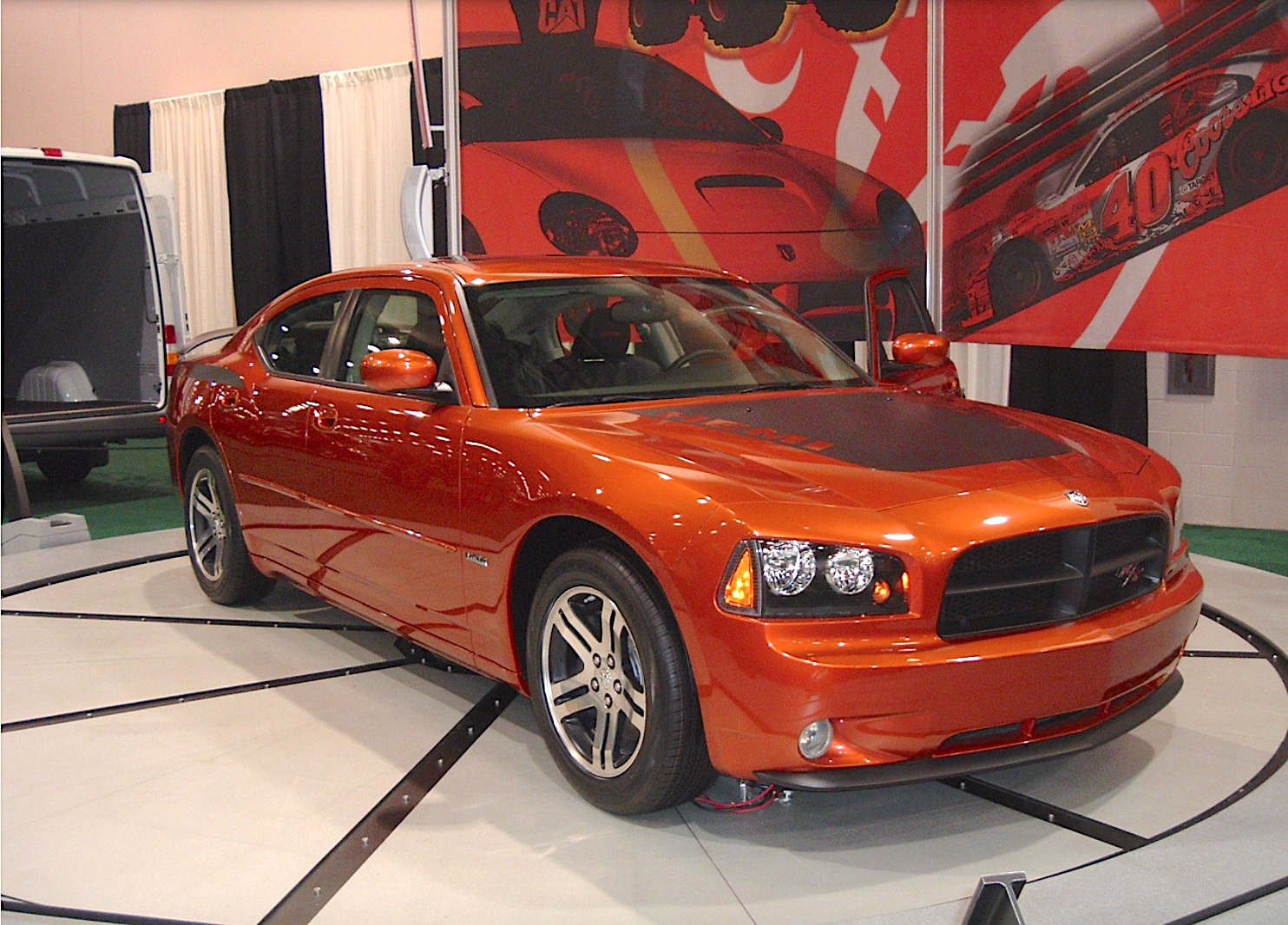
By the middle of 2006, buzz models were available under the “Charger R/T Daytona” name. Painted in high-impact paint colors such as “Go Mango”, “Top Banana” and “TorRed”, these limited-edition models had other visual features like a new chin spoiler, rear air diffuser, black honeycomb grille, unique black “Daytona” and “HEMI” decals, black rear deck-lid spoiler and signature heritage “R/T” badging. The horsepower also got bumped up from 340 to 350 via a performance exhaust system and a larger air cleaner inlet tube into the throttle body for improved breathing. More high-impact paint colors would be offered for the 2007 model year, which included 1,650 Sublime and 1,520 Plum Crazy Dodge Charger R/T Daytona limited-edition models.
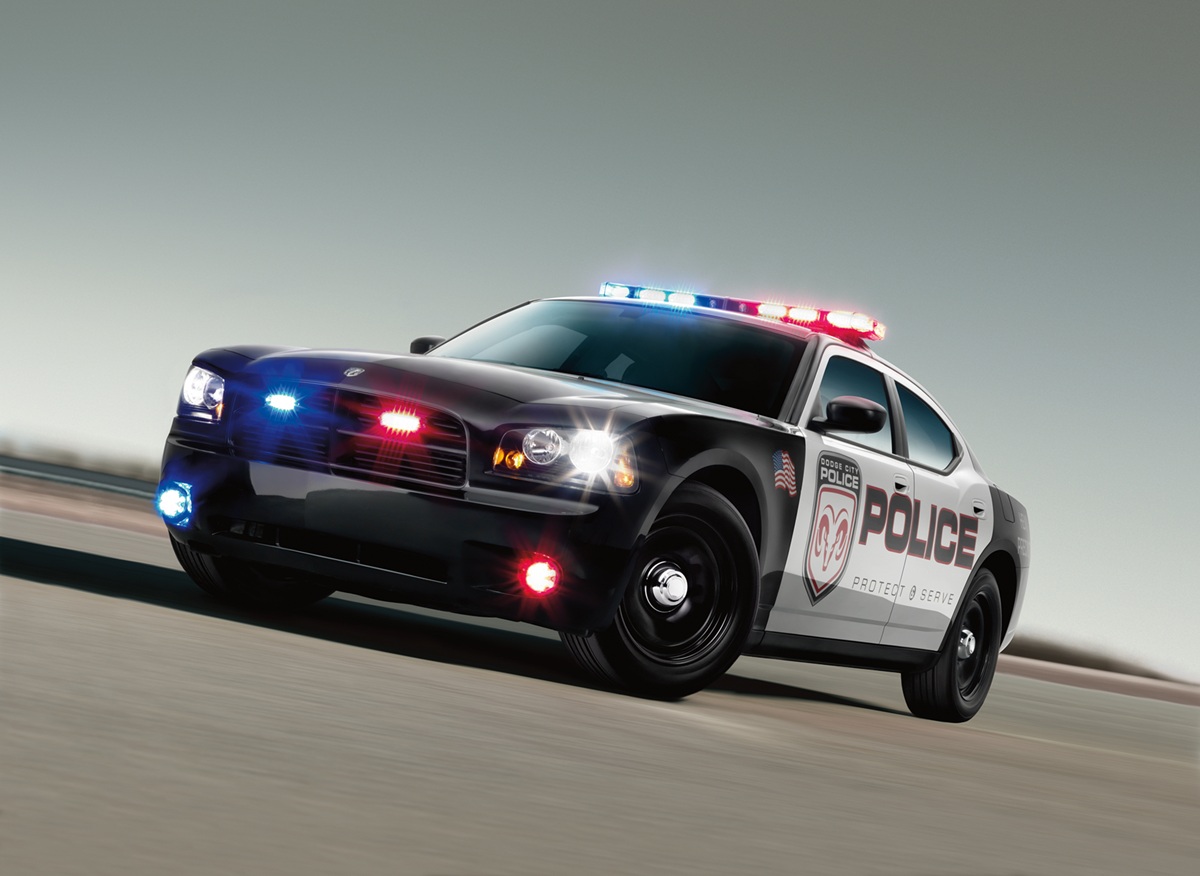
Also for 2007, a new all-wheel-drive (AWD) option was offered on the Charger SXT and R/T models. It offered superior all-weather traction and was well received by the public and police agencies. The AWD Charger models came with specific 18-inch polished-aluminum wheels for civilian consumption, and black-painted steel wheels for police duty. The wheels also had a unique offset/back spacing for the AWD suspension system, which included a front differential, transfer case and performance disc brakes.
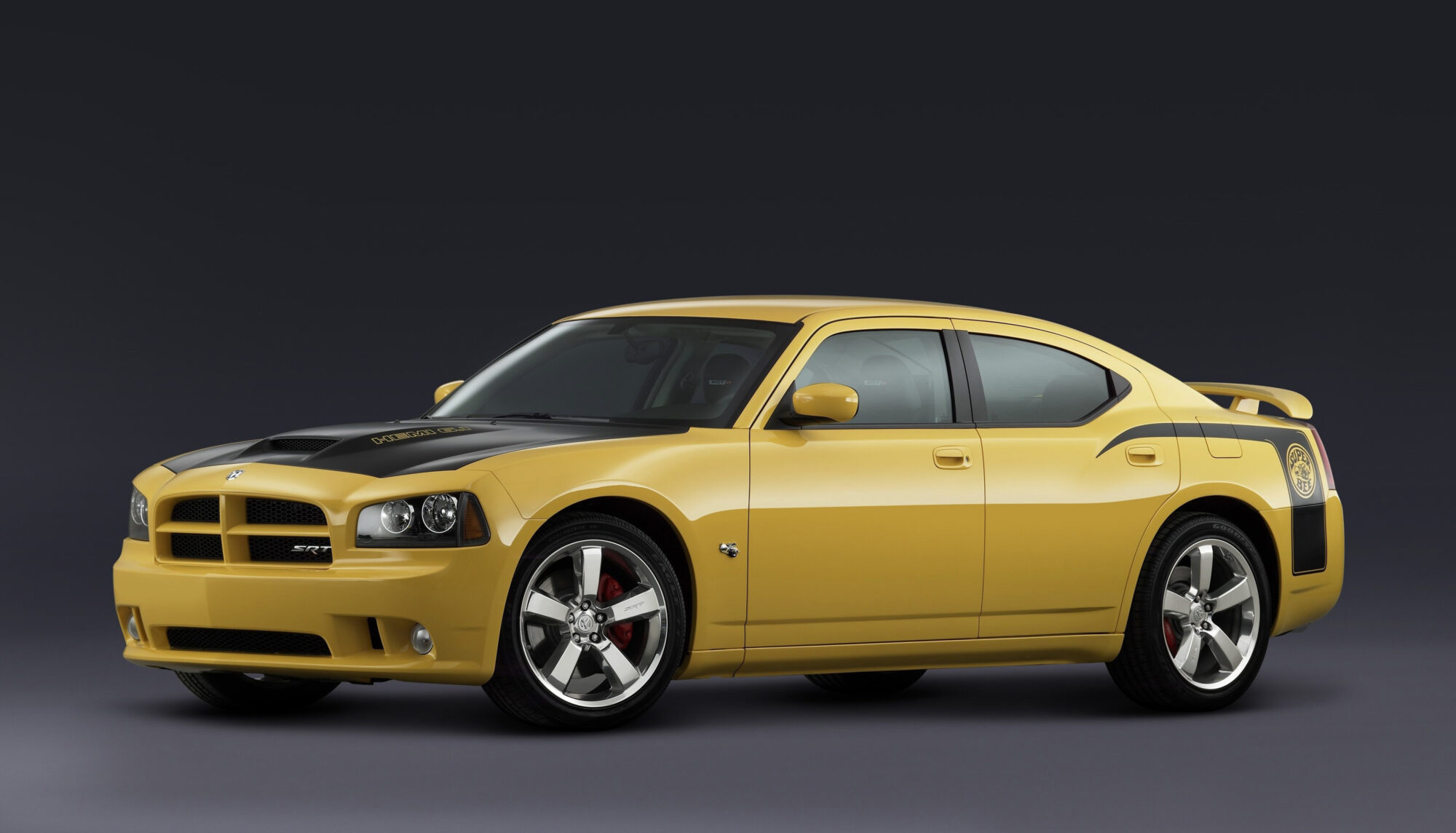
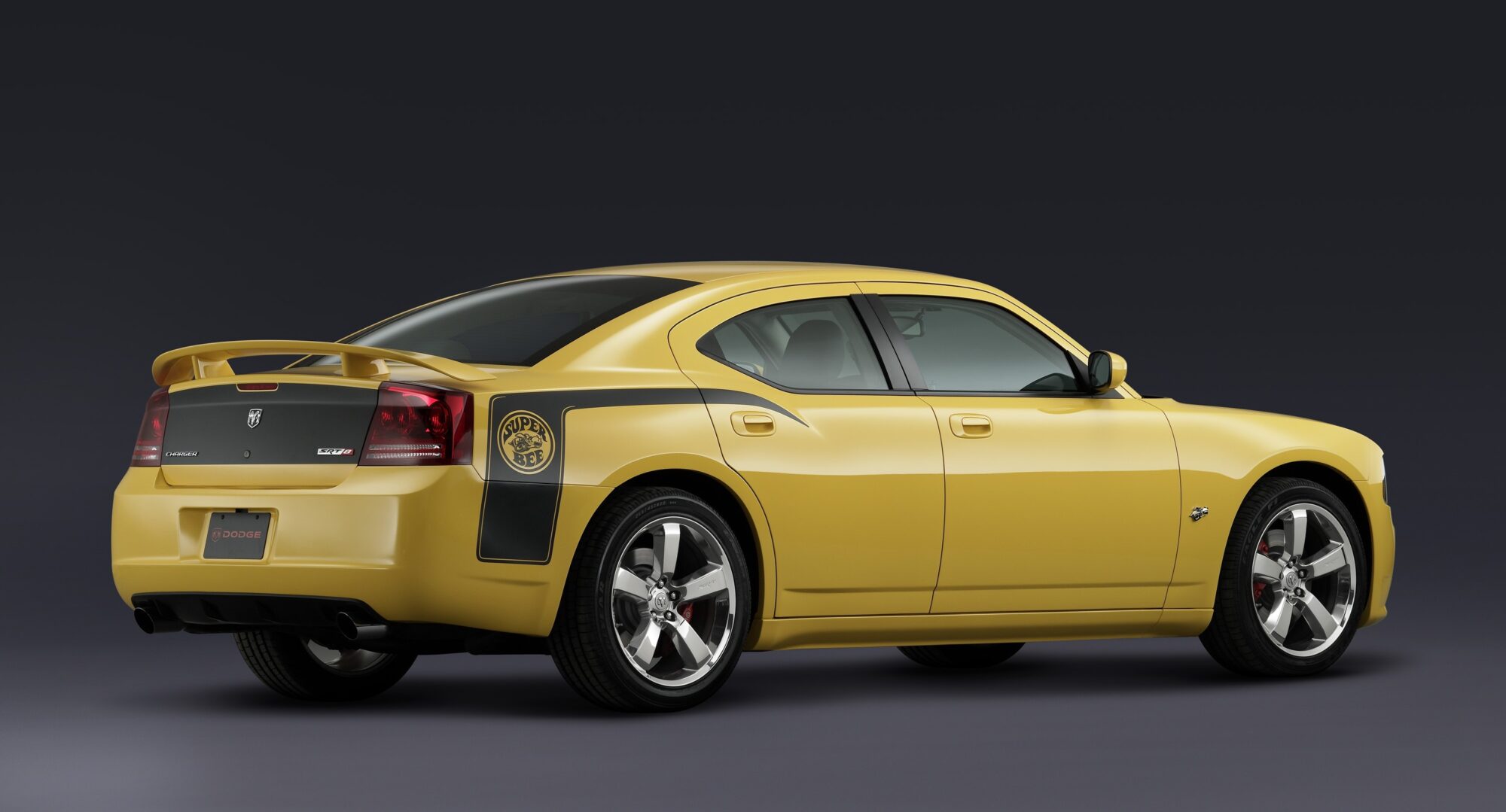
Another vintage name from Dodge’s muscle car past that found its way onto the new Charger was the Super Bee. In 2007, the Charger SRT8 Super Bee would be launched and was one of many special editions of the Charger SRT8 to follow. Painted in “Detonator Yellow” with a blacked-out hood and deck-lid face, Super Bees featured logos on front and rear fenders, and contrasting yellow stitching on the seats, steering wheel and shift knob. The 2007 Charger SRT8 Super Bee had stunning looks and its 6.2L HEMI engine made plenty of horsepower and represented the next generation of this hallowed nameplate extremely well. The Super Bee was so well received, a limited production run of 300 Plum Crazy Super Bees arrived at the end of the 2007 model year. In 2008, another 1,000 Dodge Charger SRT8 Super Bee models were painted in nostalgic “B5” Blue and sold fast. Also, that year, 1,750 Charger R/T Daytona editions received a fresh splash of bright HEMI Orange paint.
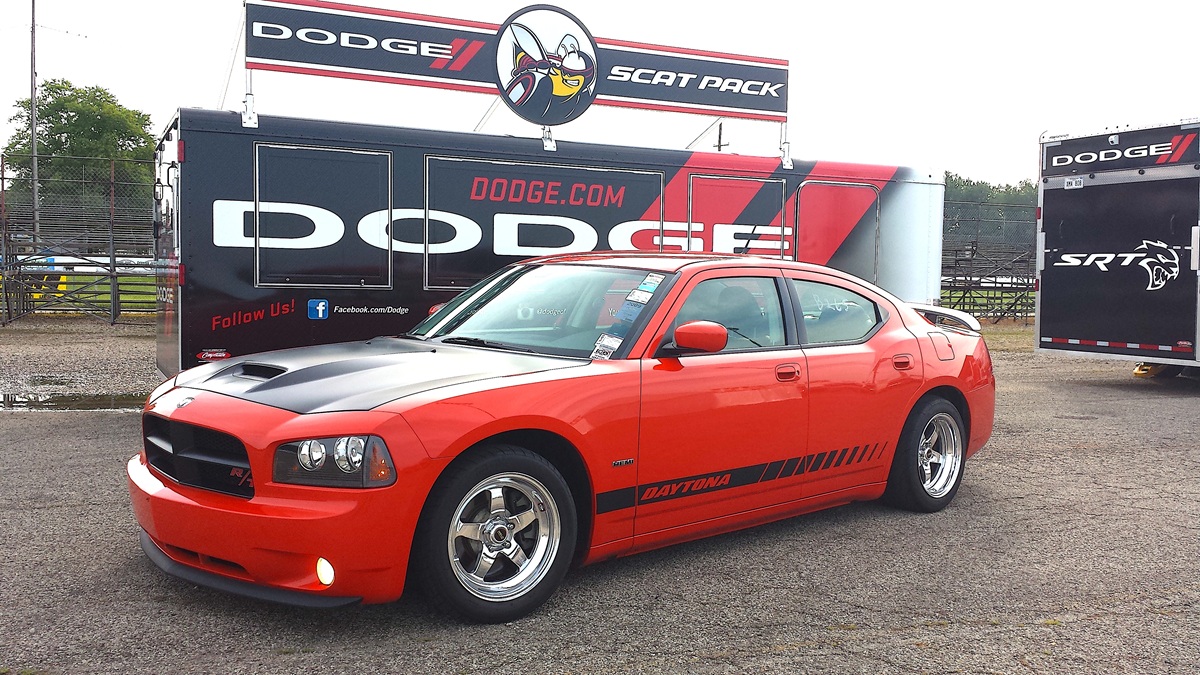
As the GEN 6 Charger production began to wind down around 2009 and into 2010, more limited-edition performance models were released. This included 475 copies of the 2009 Dodge Charger R/T Daytona in Stone White, and approximately 425 Dodge Charger SRT8 Super Bees emblazoned in HEMI Orange. Styling-wise, the taillamps on all 2009 Chargers were refreshed with a retro-style design to mimic the 1968 models’ two circular lamps. Also in late 2009, there was a Road/Track Performance Group option. It offered better road handling with its 20-inch Goodyear Eagle F1 Super Car tires, front/rear self-leveling shock absorbers, a larger rear stabilizer bar, a 3.06 rear-axle ratio and a three-mode ESC system.
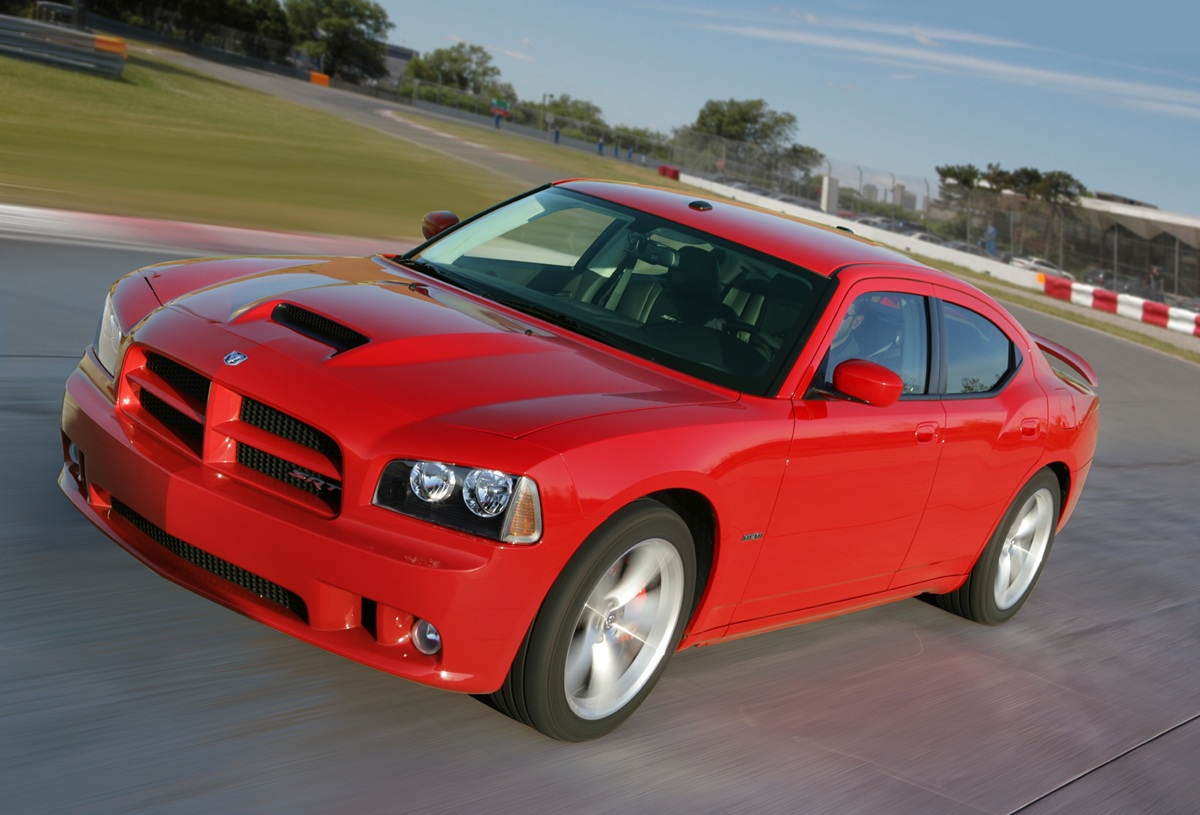
The tried and true 5.7L HEMI engine also got more power in the 2009 Charger R/T models with an increase to 368 horsepower and 395 lb.-ft. of torque. This would further be enhanced with the Road/Track Performance Group and give the engine an additional bump to 372 horsepower and 400 lb.-ft. of torque.
The GEN 6 Charger had laid the groundwork for what this new platform could do and the horsepower it could handle. The SRT® engineers had much more planned as the Charger progressed over the following decade plus, and we’ll cover all that and more in the next chapter of the “60 Years of the Dodge Charger”, only on DodgeGarage!
0 Comments