Chrysler Brand 100 Year Celebration Part 3
Last time, we ended with the Chrysler Boats, plus the limited-production Chrysler 300-Hurst car. In this final installment, we look back on Chrysler Corporation’s fabulous 100 years in the automobile business.
For the 1971 model year, the Chrysler line continued on with the “Fuselage shape” and this model year, a convertible was no longer offered and instead, an optional electrically operated sunroof was available ($598.00). Over the 13 models offered that year, new levels of interior luxury appointments were added. Relating to the Imperial models, the Imperial ceased to be a separate division, now simply just the top-of-the-line vehicle at Chrysler-Plymouth dealerships.
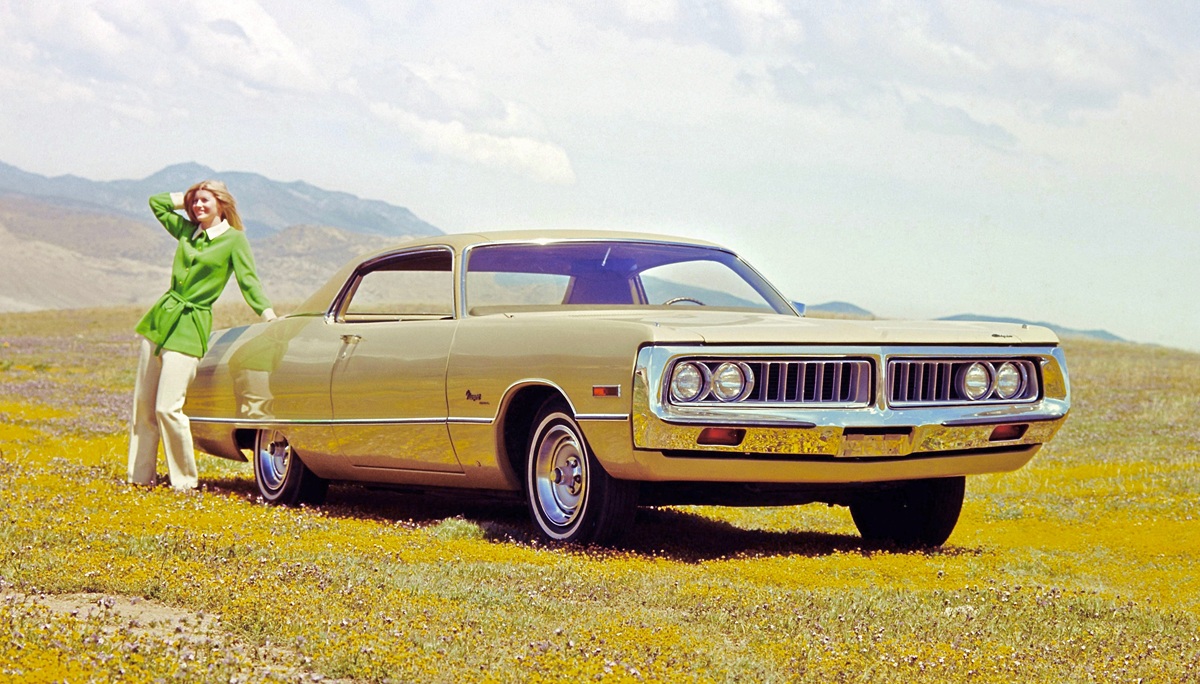
A slight restyling job was given to the fuselage body shape for ’72, as seen on this Newport Royal Hardtop Coupe shown. It weighed 4,030 pounds (the lightest Chrysler that model year) and came standard with power steering, power front disc brakes, automatic transmission and electronic ignition. New this year was the 400-cid big block, with top engine remaining the 440, available as an option.
STRETCH LIMO
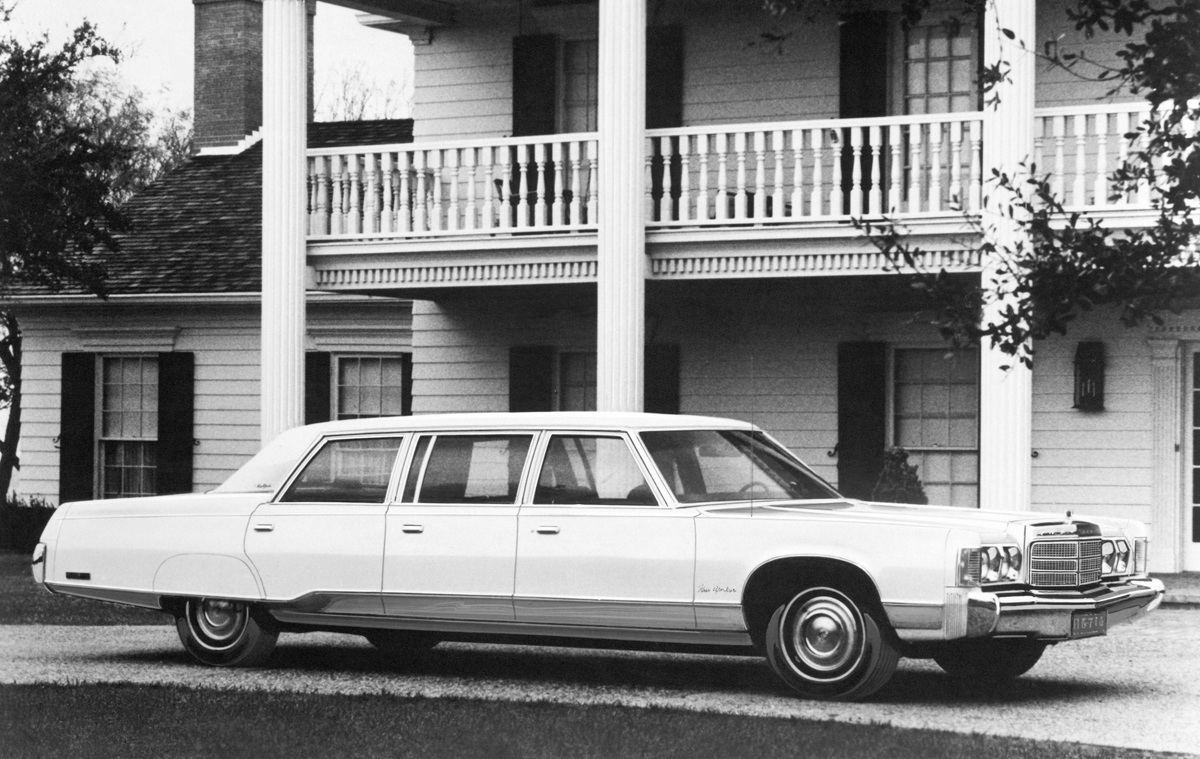
This was a regular 1975 Chrysler New Yorker Brougham 4-door sedan prior to becoming a limousine by Fort Smith, Arkansas, Armbruster-Stageway. It was stretched to accommodate the six-door, nine passenger layout. Authorized by Chrysler, they were special-order only and often these extended-wheelbase vehicles were used by airports as well as hotels. “This concept not only eliminates the need for uncomfortable folding chairs, but also the contortions that used to be required just to get into the back seat of a limousine,” said the company at the time. It took 170 hours to do the conversion.
NEW CORDOBA ARRIVES – THE SMALL CHRYSLER
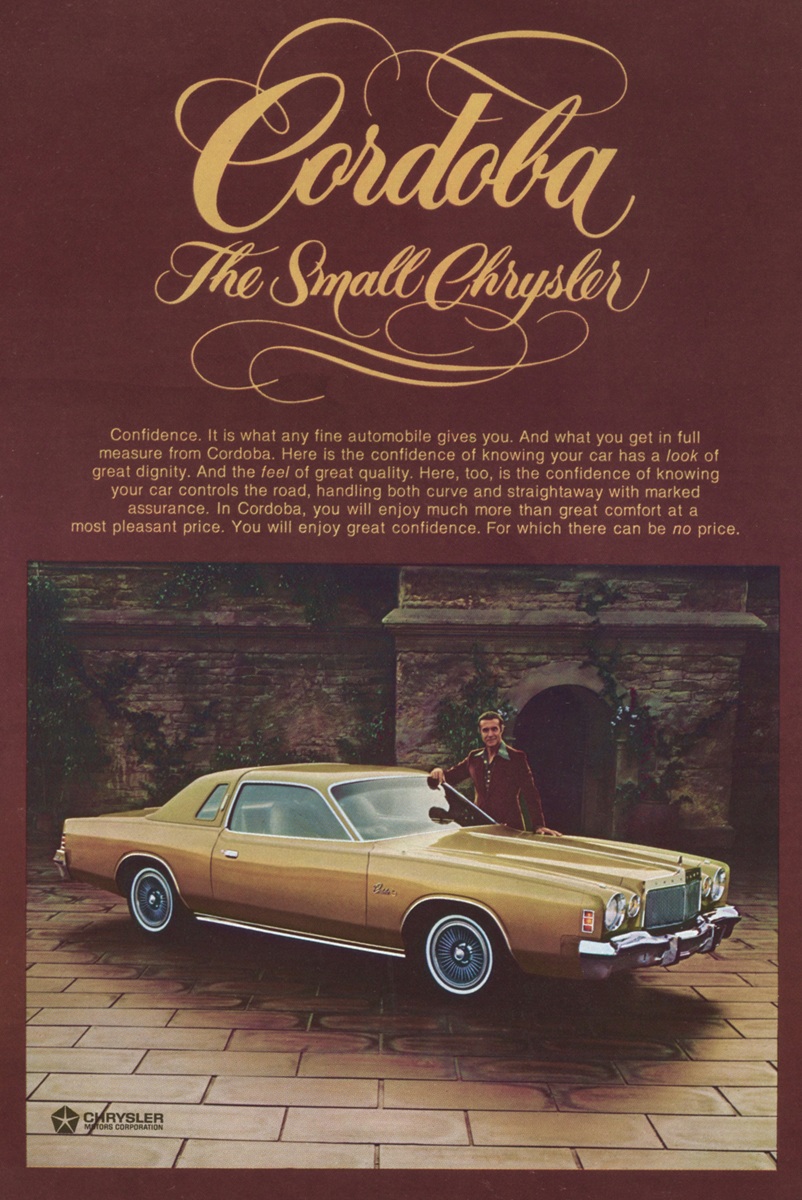
In 1975, a new, smaller Chrysler was debuted, the Cordoba. Featuring a 115-inch wheelbase, nine inches less than the standard full-size Chrysler, this was the corporation’s attempt to penetrate the “personal” size market. Instantly successful, it garnered 60 percent of sales that first year, proving to be a great marketing decision and the “right size” for the era! The front offices must have figured out that the future of the Chrysler brand cars didn’t need to continue to revolve around 18- and 19-foot-long land yachts.
The Cordoba television advertising campaign featured (then famous movie and TV actor) Ricardo Montalbán (who was a Mexican-American) which in time was made famous with the eloquent praise of “Rich Corinthian Leather” sales pitch highlighting the optional interior upgrade. It tied into the name of the car which was taken from the Spanish city of Córdoba, Spain. “Dignified, desirable…yet so unexpectedly affordable!”
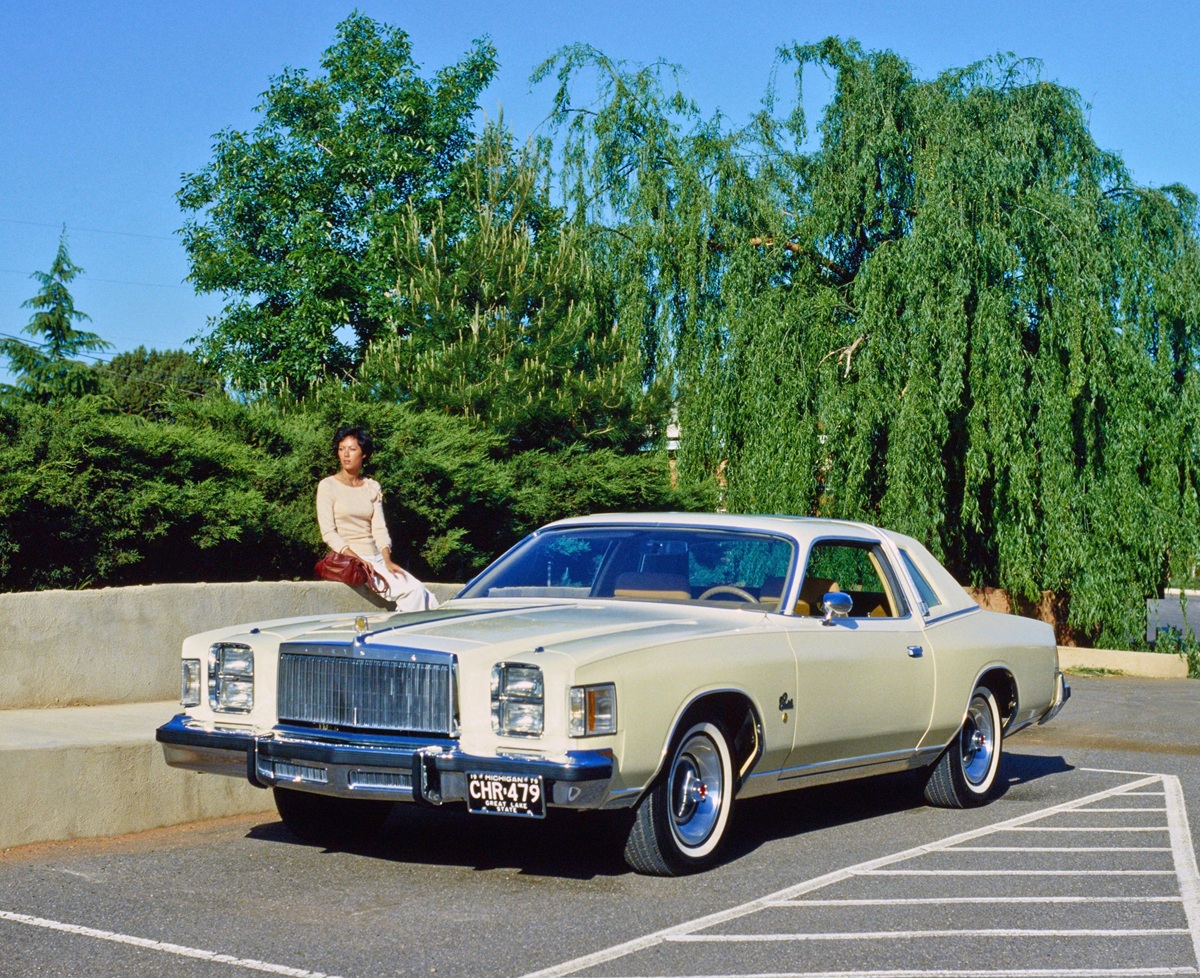
Vertically stacked headlights came for the 1978 Cordoba model year and continued for ’79, a freshened up front end treatment and the decklid was also slightly updated with a more crisp character line in the design.
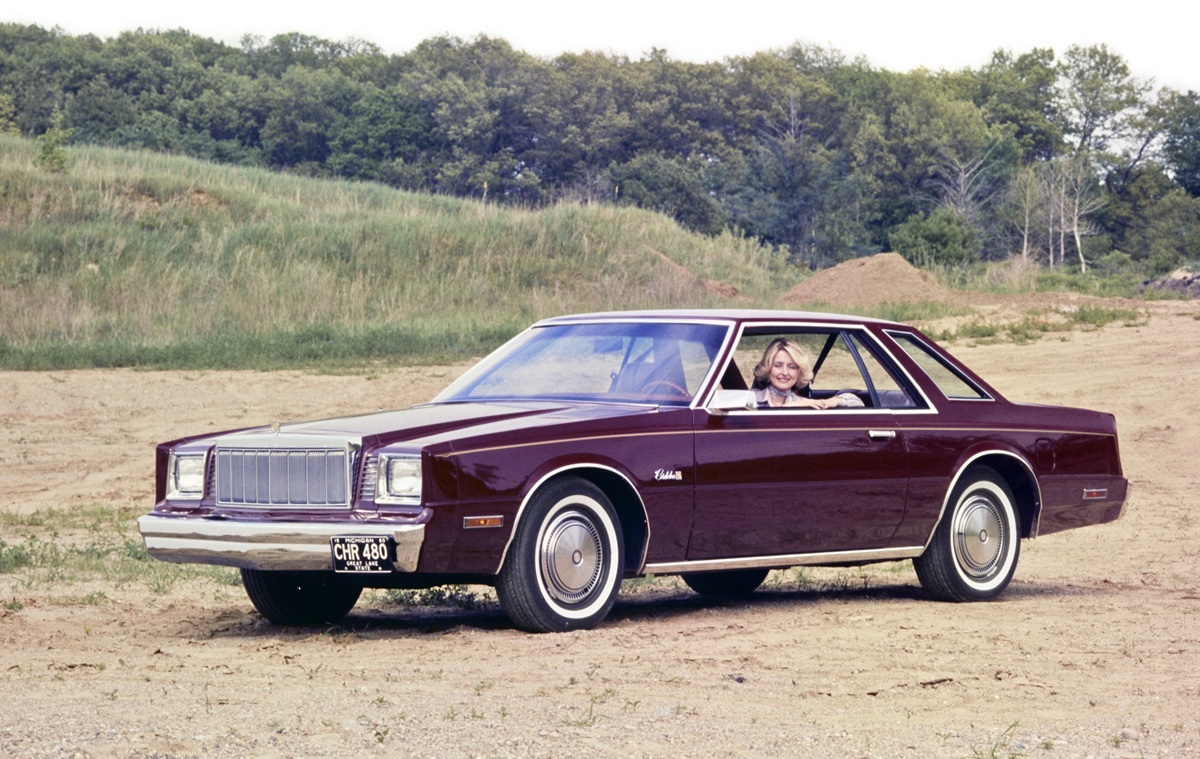
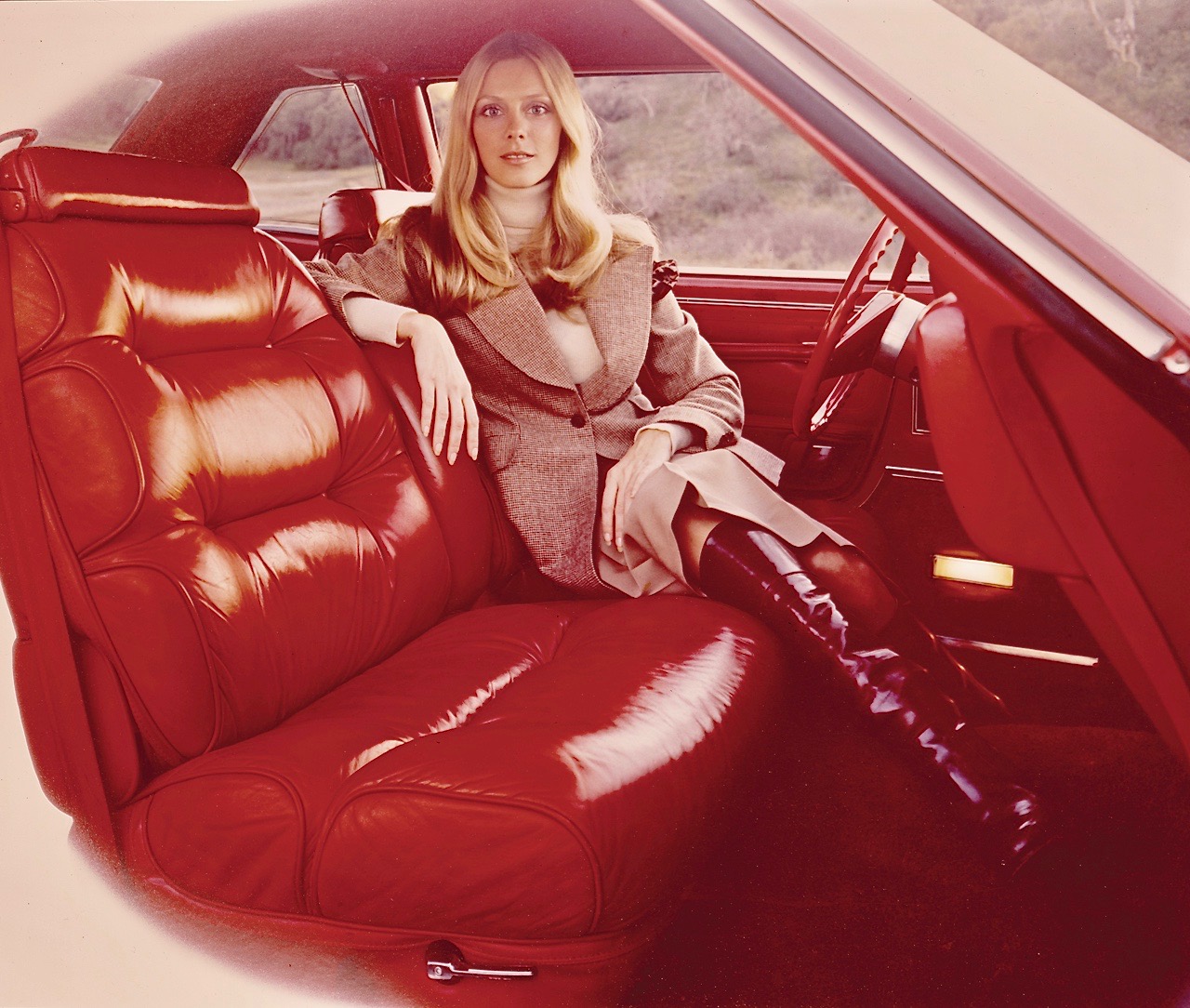
Completely redesigned for the 1980 model year, the second-generation Cordoba was now some 350 pounds lighter riding on a slightly shorter (now 112.7 inches), based on the J-platform. Standard engine now was the 225-cid Slant Six. The Corinthian leather option was a $455 upgrade. The 318-cid V8 was optional (a 360-cid V8 was available in 1980 only) and 1983 marked the final year for Cordoba.
IMPERIAL FLAVOR FOR NEW YORKER BROUGHAM
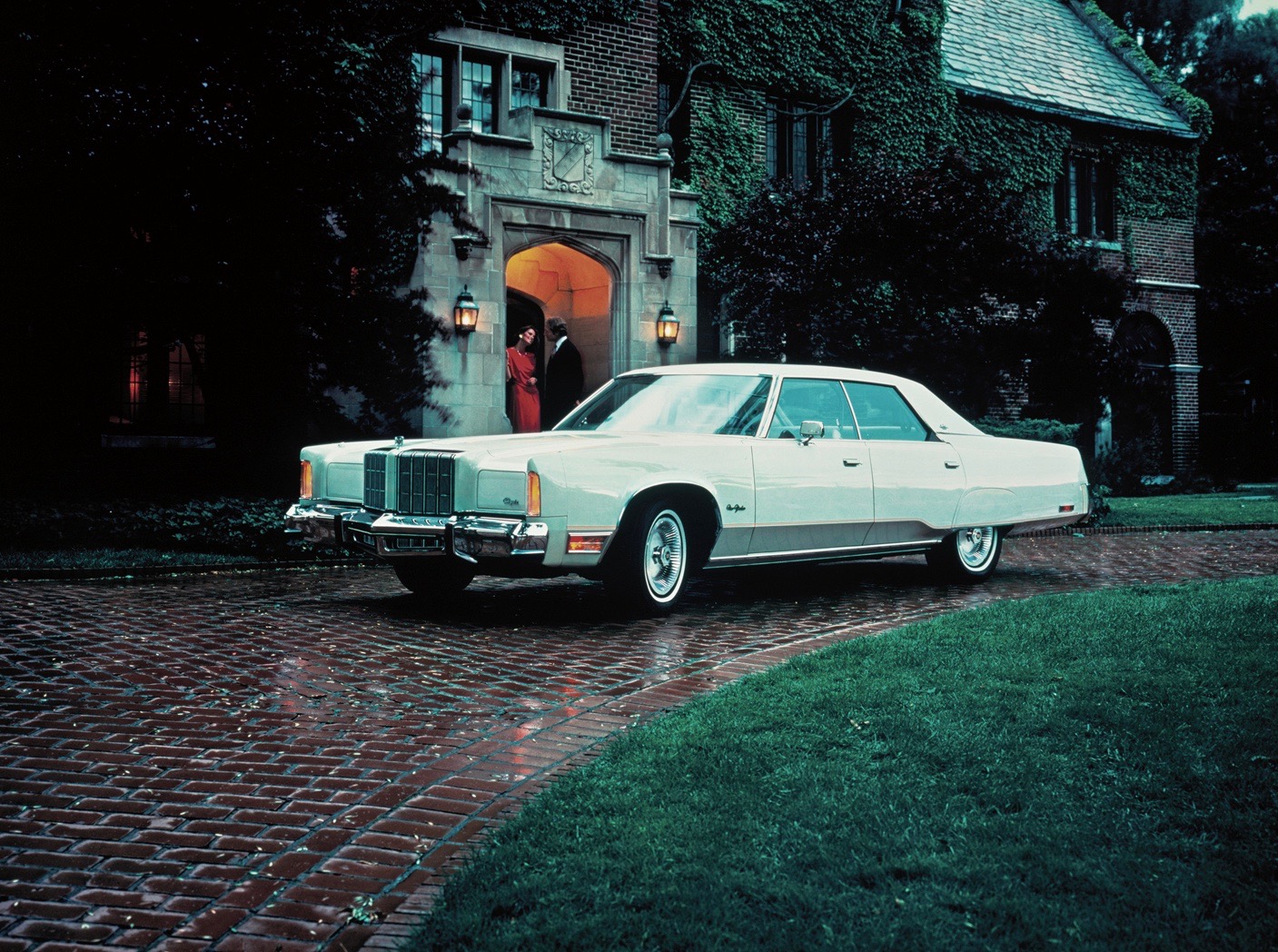
For 1976-78, the Chrysler New Yorker Brougham inherited a new look, the front and rear styling of the discontinued Imperial, which gave the car a boost in sales. “Classic grille, concealed headlights, impeccable styling, New Yorker Brougham goes to great lengths to please your eye,” that was how the factory described the top-of-the-line Chrysler. It rode on a 124-inch wheelbase (like lesser models) but had a big luxury look to it for sure.
1977 M PLATFORM ARRIVES
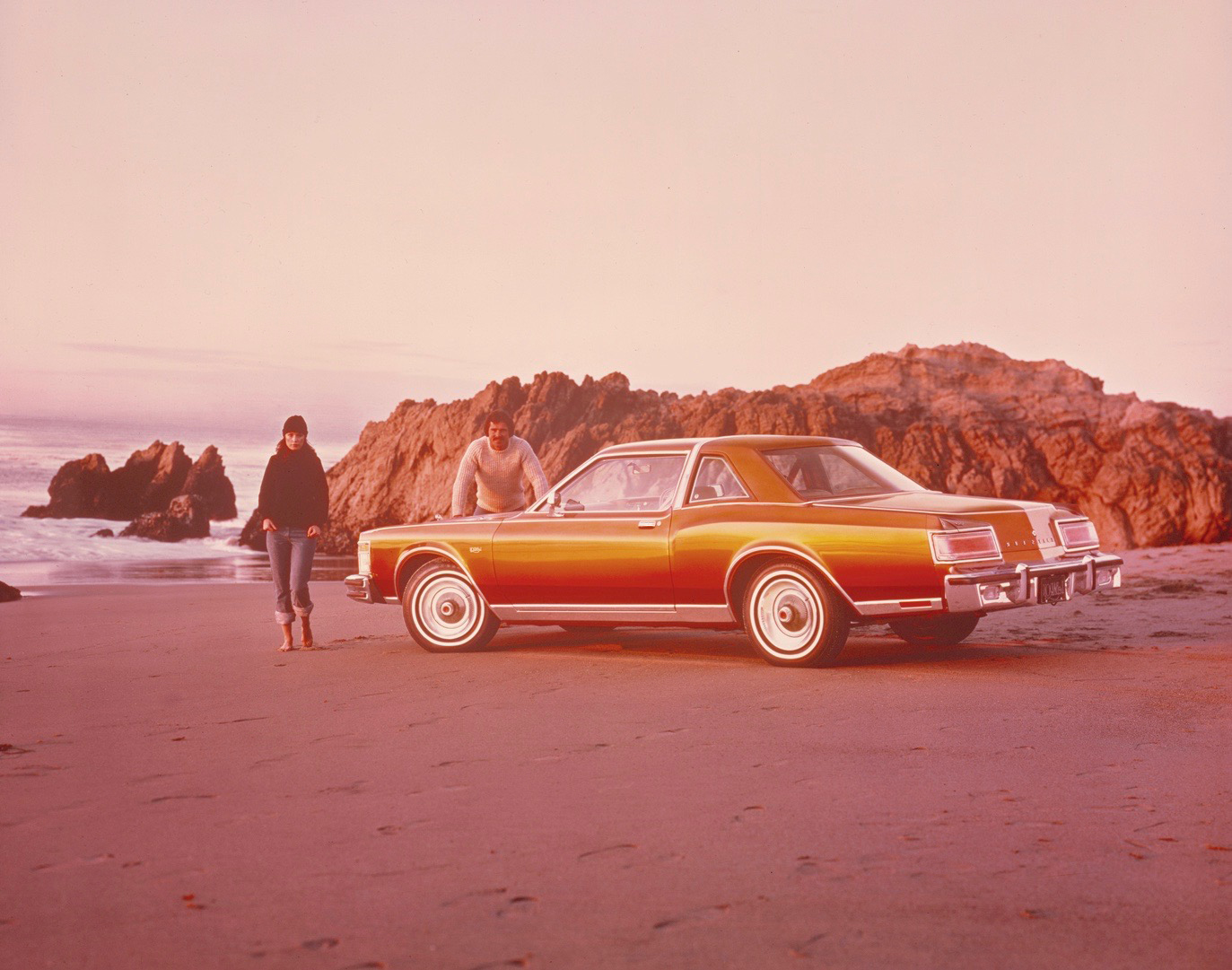
A mid-model year introduction, Spring of 1977 saw a new-sized Chrysler come on to the marketplace, the LeBaron Medallion. Said to be a direct response to the Seville from Cadillac and the Versailles from Lincoln, it was the first “compact” sized Chrysler ever. (Keep in mind, 112.7-inch wheelbase in that era was compact-sized.)
“A personal car. A road car. A new size Chrysler.” that was the opening line of their advertising campaign. The LeBaron Medallion came standard with the 318 lean-burn engine, power steering, power front disc brakes, automatic transmission. “Chrysler LeBaron. The beginning of a totally new class of automobiles,” was their closing statement in their magazine ads. It certainly had a fresh appearance, no question about it! The LeBaron name actually went all the way back to 1931.
LEBARON WAGON ADDED FOR 1978
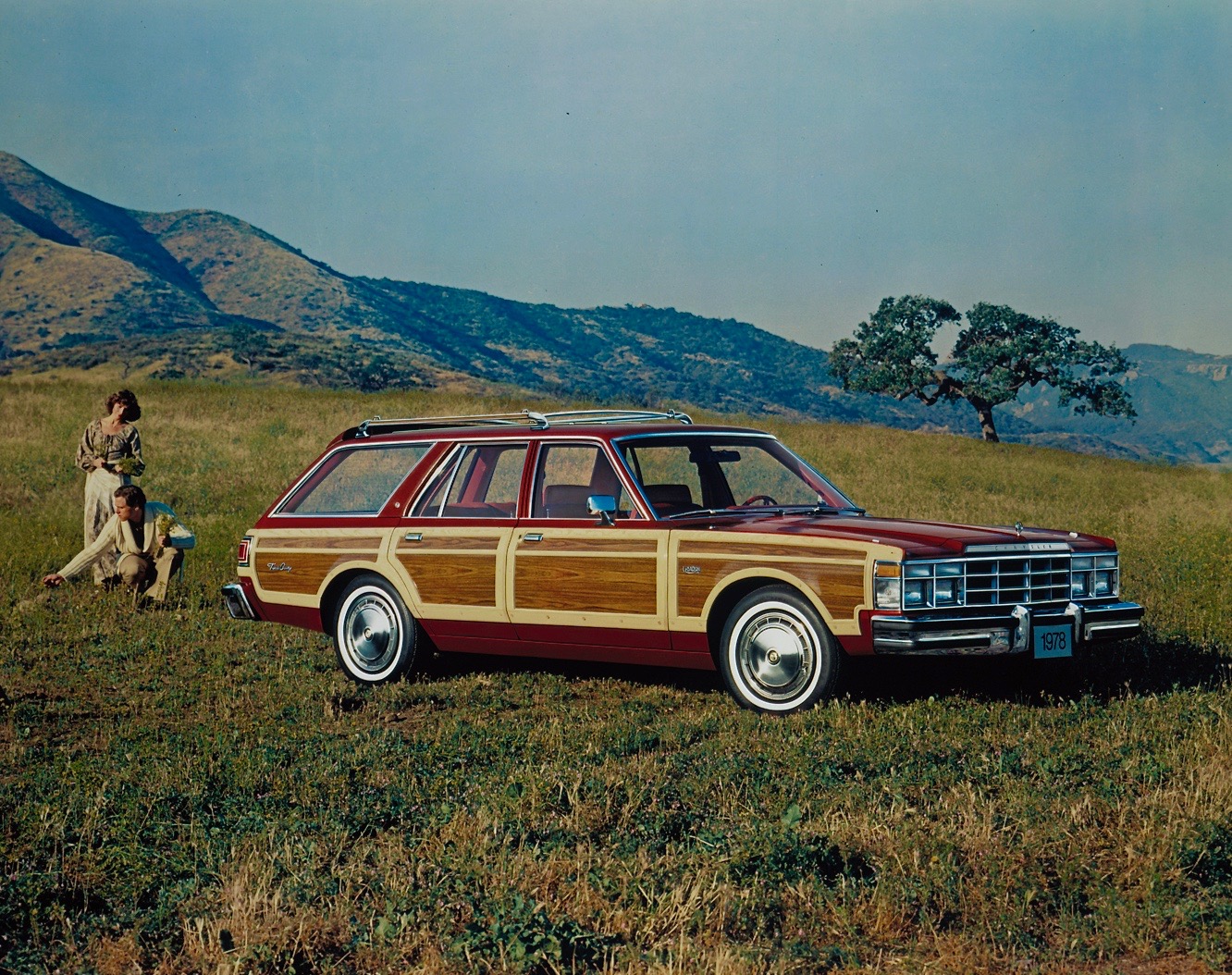
A Town & Country station wagon joined the LeBaron lineup for the 1978 model year, and it included classic wood-treatment styling designed to be reminiscent to the 1940s and ’50s models. Simulated white ash boundary moldings framed the teakwood grain appliques on front fenders, doors, quarter panels and liftgate. Also included in the design theme were wide pillars behind the rear doors. The six-passenger seating featured a fold-down rear seat which allowed for maximum cargo hauling (72.7 cubic feet). Top engine was the 360-cid V8 with standard Electronic Lean-Burn System. Besides the availability of the rugged TorqueFlite automatic transmission (with lock-up torque converter), a 4-speed manual floor shift with overdrive was offered.
LEBARON “SALON”
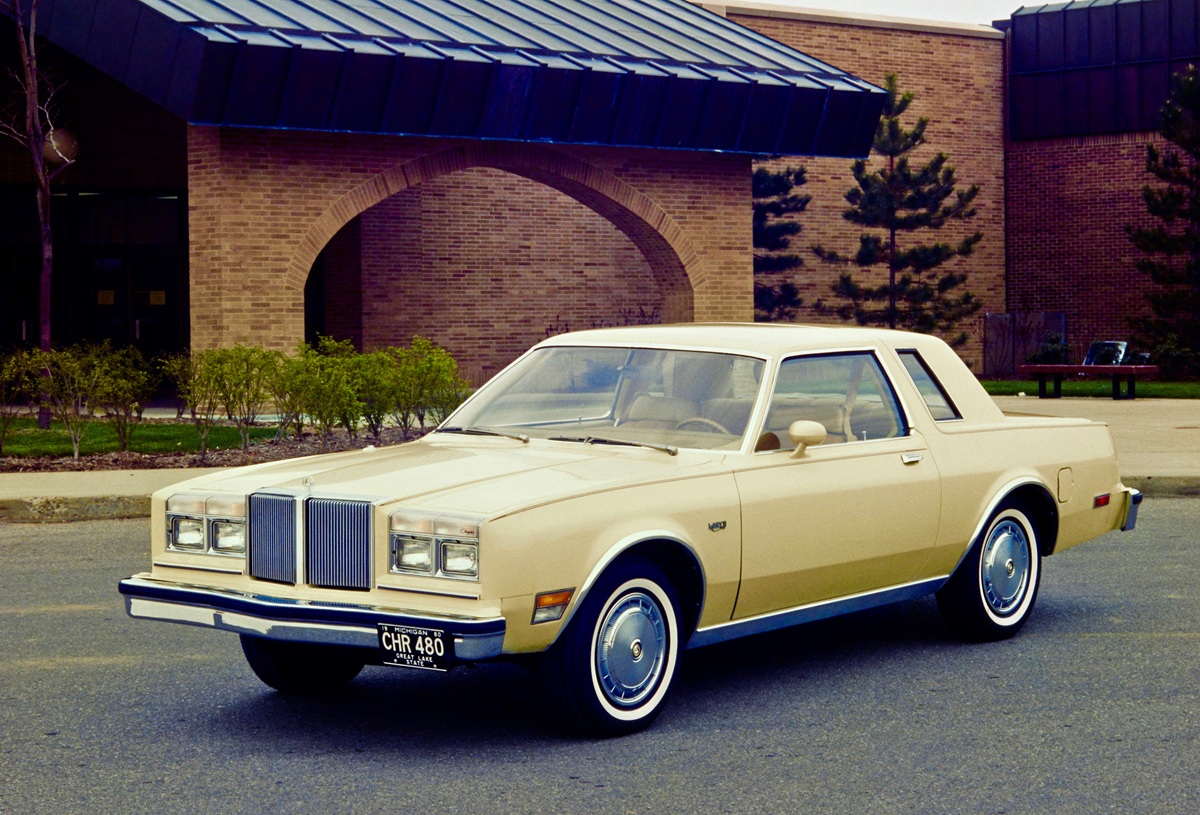
For 1980, Chrysler gave the LeBaron a new “formal” appearance, with the pictured Salon Coupe, though most of it was shaped similar to the previous model. They did shorten the wheelbase down to 108.7-inches. An optional “LS Limited” package which included a classic diamond-mesh wire grille. In 4-door form, the M platform saw duty in police and taxi fleets, and the uplevel Chrysler Fifth Avenue version continued on until the 1989 model year.
CHRYSLER R PLATFORM
Marketed only as a 4-door sedan, R-bodies ran on a 118.5-inch wheelbase, rear-wheel drive with standard engine being the 360-cid V8 two-barrel (four-barrel version optional). This new body style was some 800 pounds lighter than the previous full-size Chryslers and also was now smaller in overall size; however, somehow it kept a “heavy” appearance. The R-platform had a three model year run.
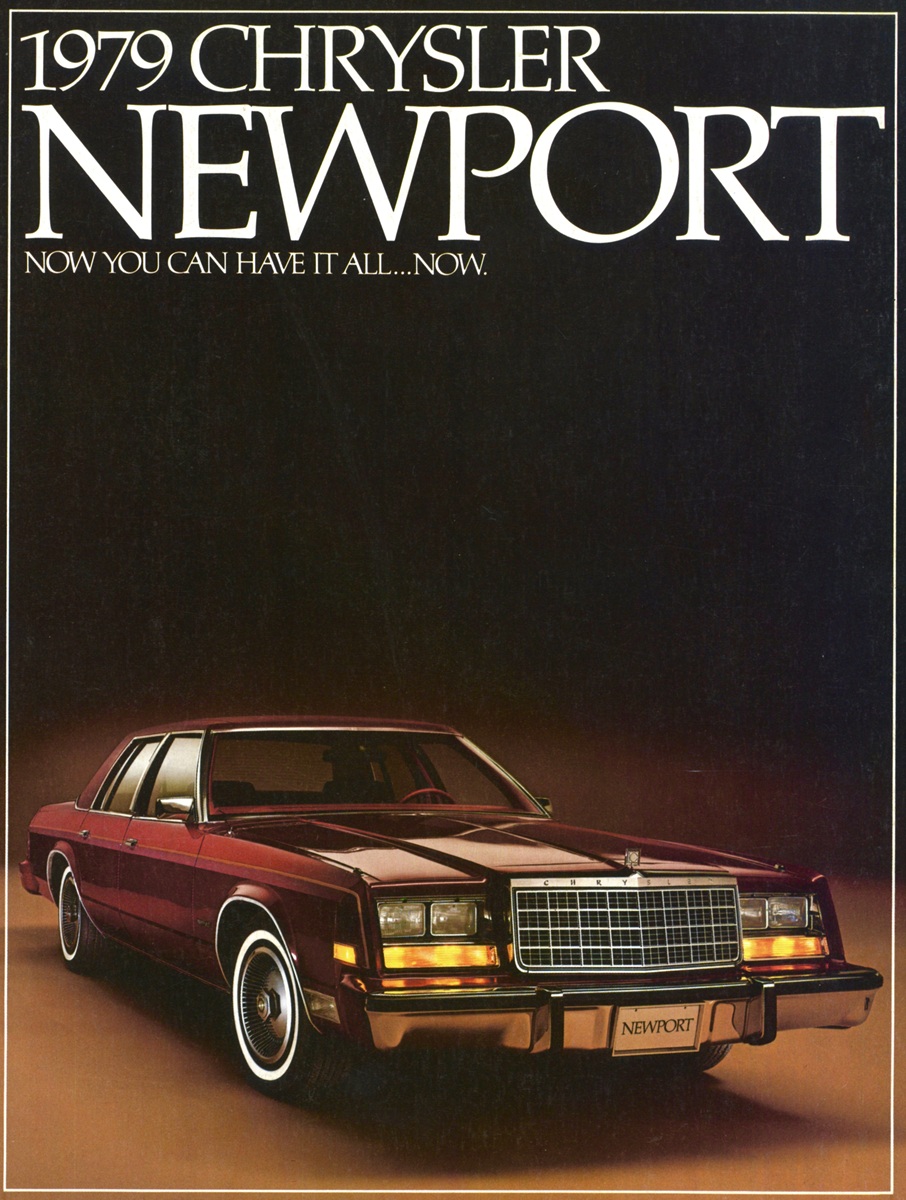
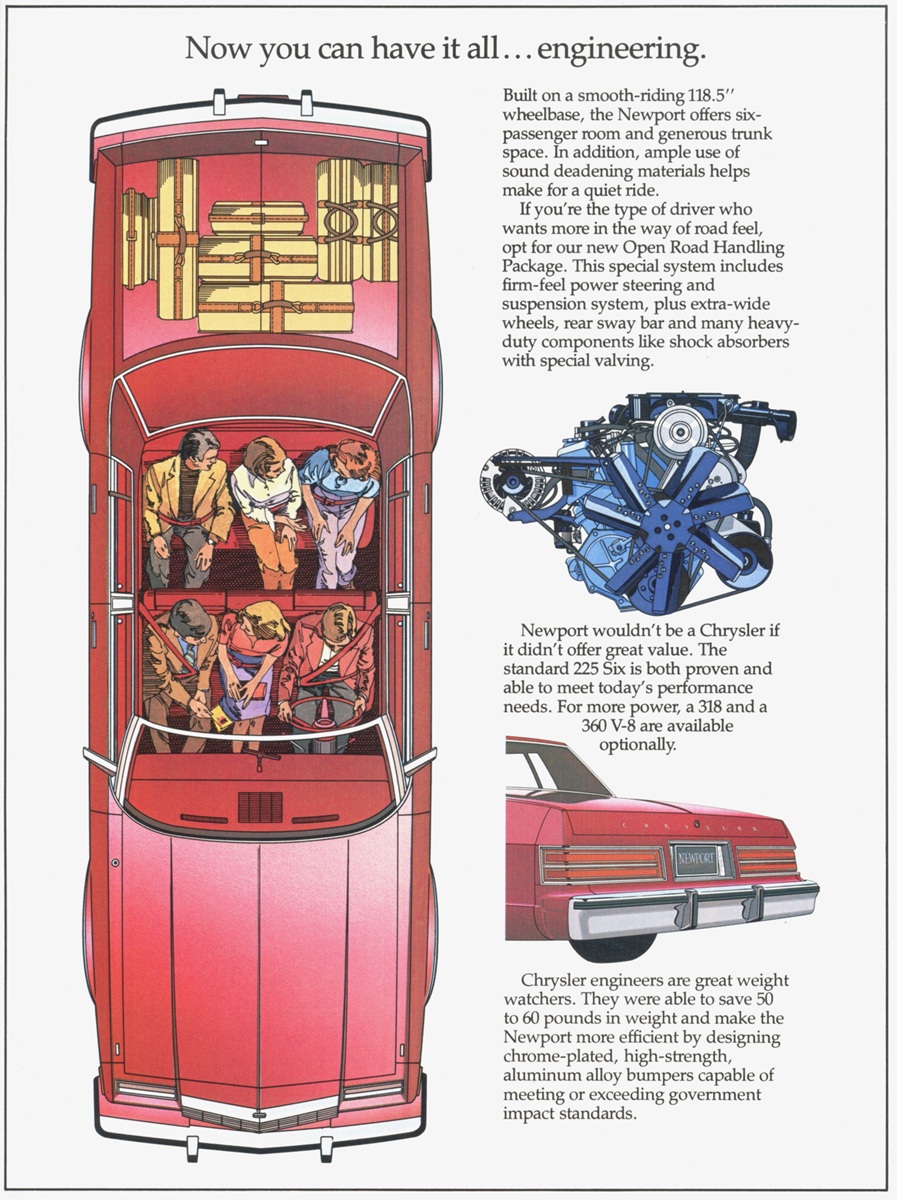
Great value was a selling point of the all-new Chrysler Newport for 1979. Standard engine, the trusty 225-cid Slant Six, and optional V8s of 318 and 360-cubic-inch displacements. Lighter in weight and more efficient, and an example of helping to keep the weight down was the use of aluminum alloy front and rear bumpers. Torsion bar front suspension still used, with traditional rear leafs. To add space in the trunk area, a new compact spare provided for 21.3 cubic feet of cargo space capacity. A power-operated sunroof was available as an option, as was a 40-channel CB (Citizen’s Broadcast) radio.
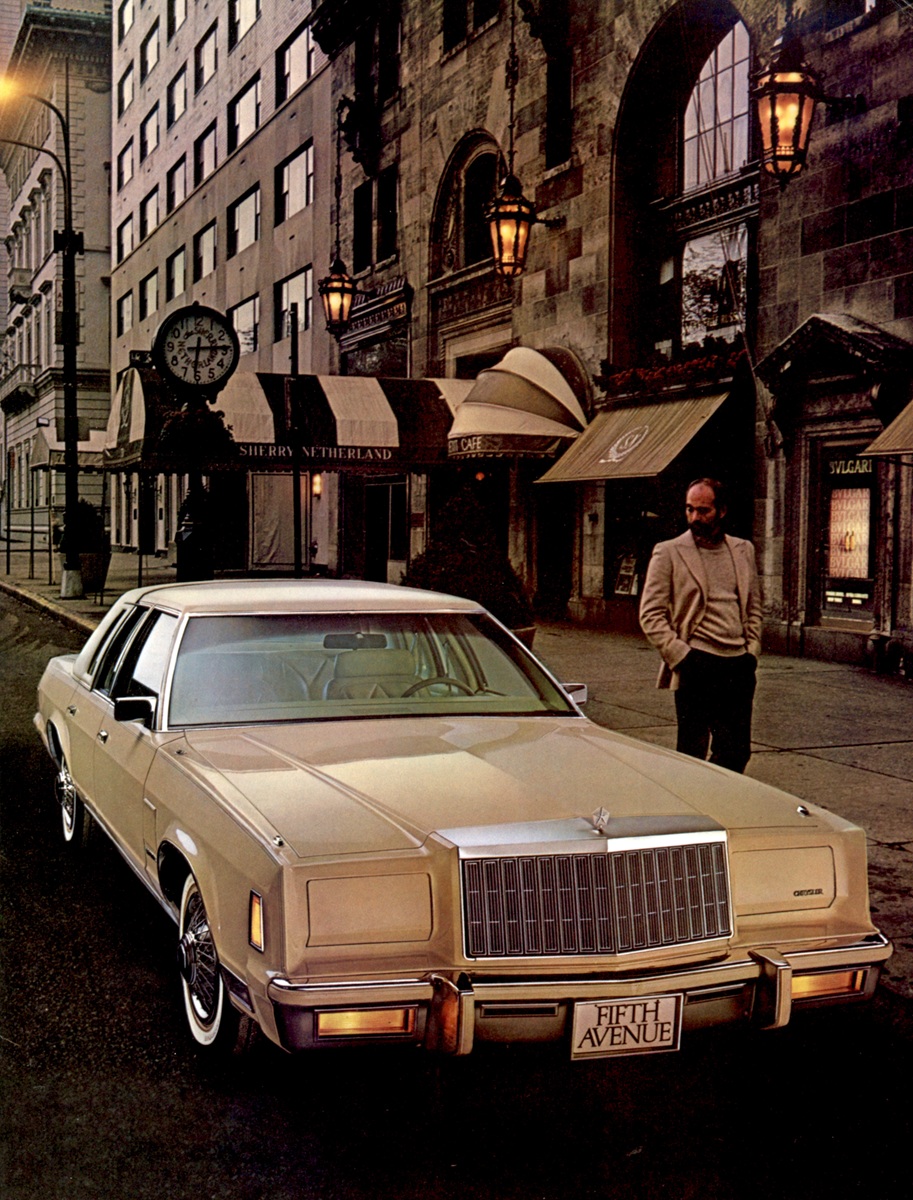
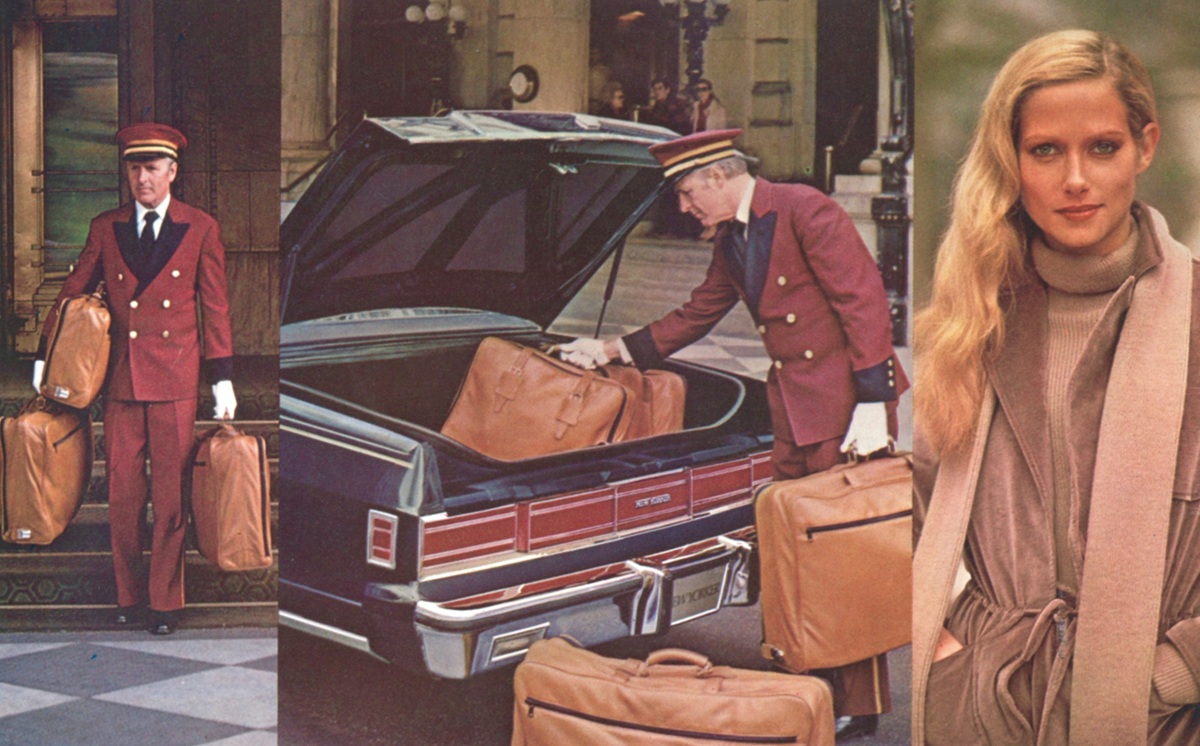
The 1979 New Yorker Fifth Avenue Edition was available in any exterior color the customer wanted, as long as it was Creme-On-Beige! Interiors were also limited to a single choice, which was Champagne Leather. The color-coordinated theme included driftwood applique to the dash and steering wheel center. The hidden headlights was the most noticeable visual difference as compared to the lower-cost Newport. This was Chrysler’s most exclusive car at the time and filled with elegant touches. Inside the truck compartment was standard carpeting and spare tire cover.
K-CAR ARRIVES: AUGUST 8, 1980
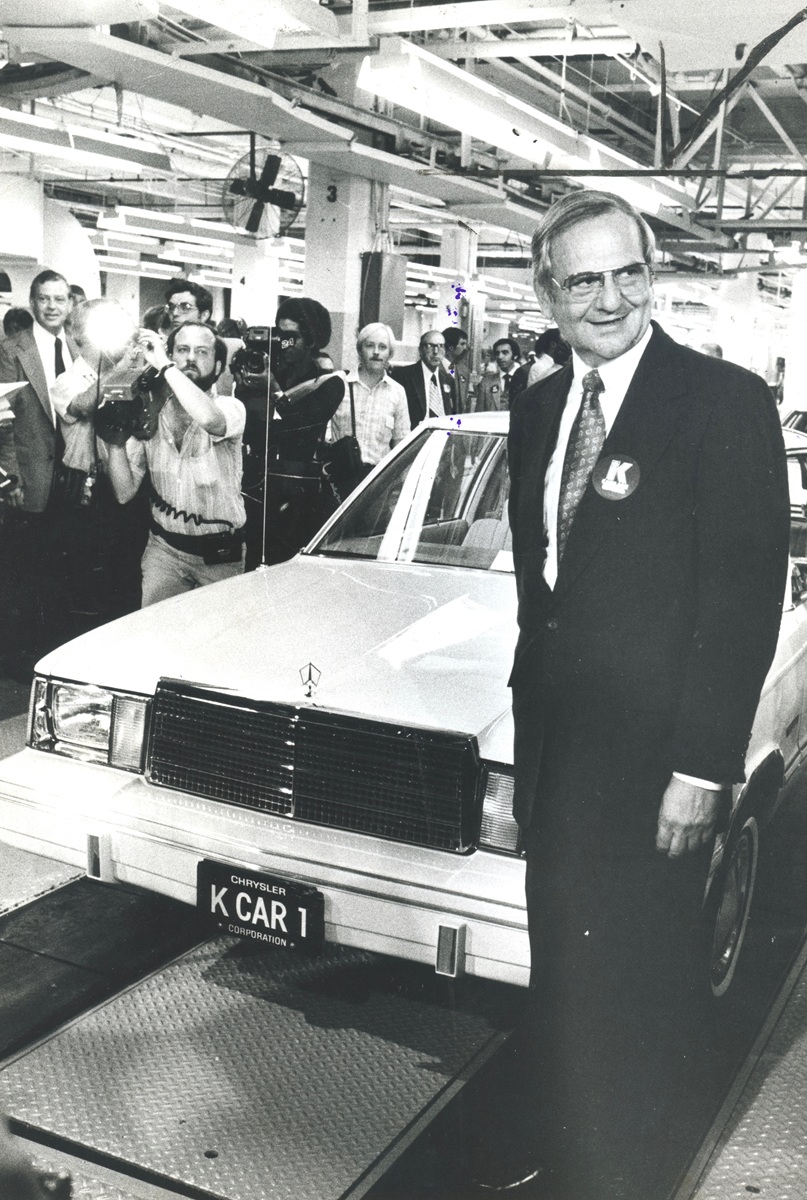
“During our darkest days, the promotion of the K-car was always the light at the end of the tunnel,” stated Lee Iacocca in his 1984 Iacocca autobiography. It was a car that Hal Sperlich had been working on since 1977 when he had arrived (from Ford). Iacocca had come to Chrysler November 1978, after being fired from Ford. This new small car had front-wheel-drive and it ran on four cylinders. “At Chrysler, the K-car was the last train to the station,” Lee continued. “if we failed here, it was all over.” That’s how bad things were going at Chrysler’s front office at the time, and while a lot of car people look back at the K-car and laugh, it was a true blessing to the continuation of the corporation. It single-handedly saved the company.
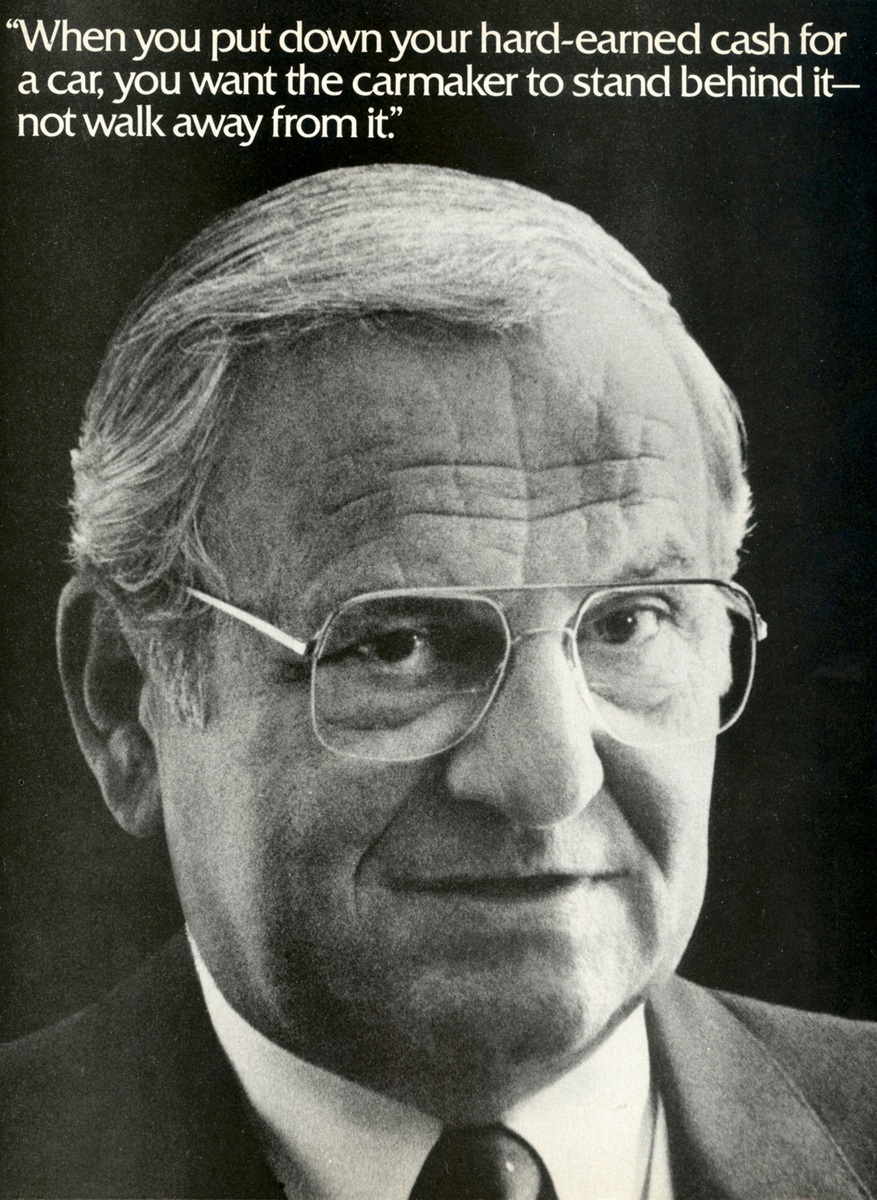
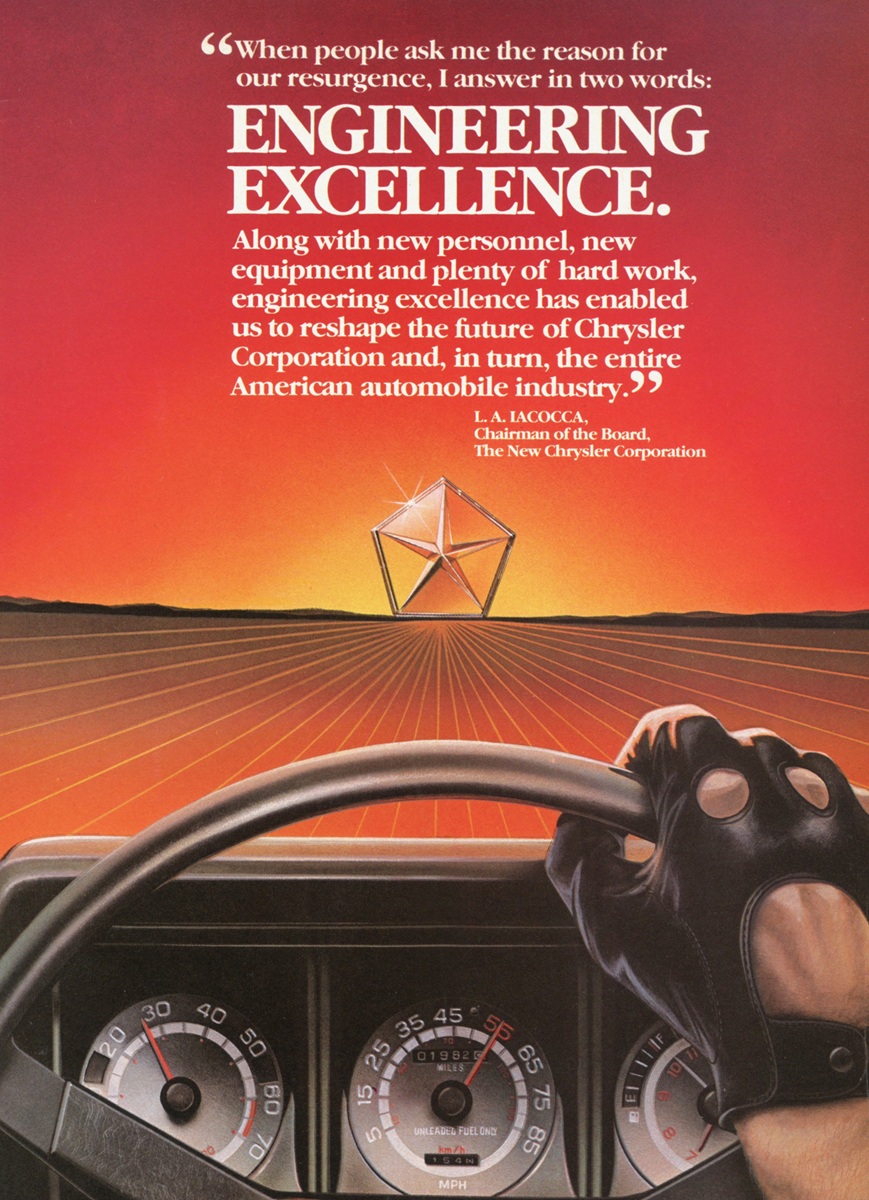
With Lee Iacocca at the helm, he appeared in virtually every commercial and the majority of print ads in the early and mid-1980s. Fuel efficiency was the primary focus of the K-car, and thanks to the government bailout (1.5 billion dollars) and the timing of the new, small, boxy K-car, there was still a Chrysler. There’s no “restored” K-cars out there, there’s K-car clubs, not many care anything about K-cars, but thank goodness for the K-car! And thank goodness for all the K-car derivatives that came in the years following.
Chrysler’s designers and engineers kept the K-car platform and with ingeniously transformation, there would be what seemed to be an endless series of updated versions: an E-body came followed by G-, H-, P-, A-, J-, C- and Y-bodies. Add in the Chrysler minivan and it was clearly the way the miraculous turnaround took place.
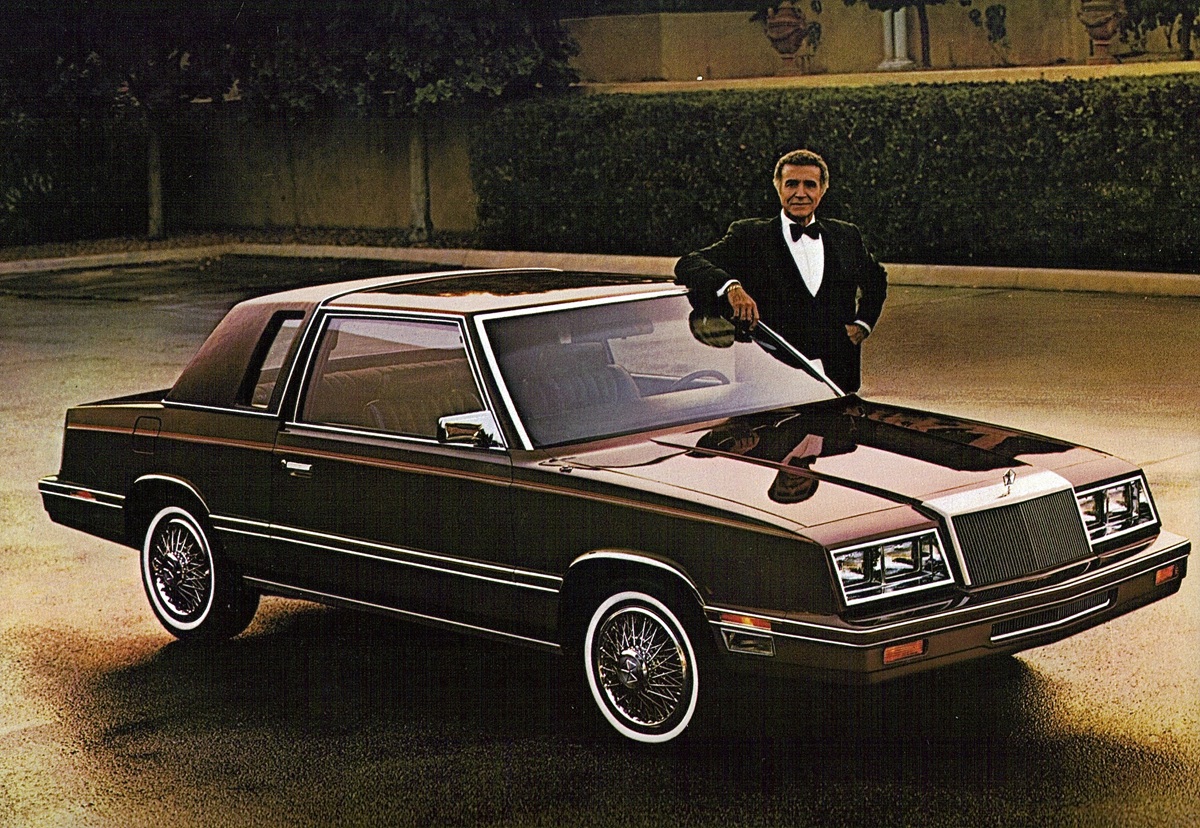
Ricardo Montalban pitched the K-car in this publicity shot, a star of the hit Fantasy Island TV show at the time, which certainly helped promotion. Chrysler’s top-of-the-line 1990 Imperial had a Chrysler-built 3.8L V6 engine.
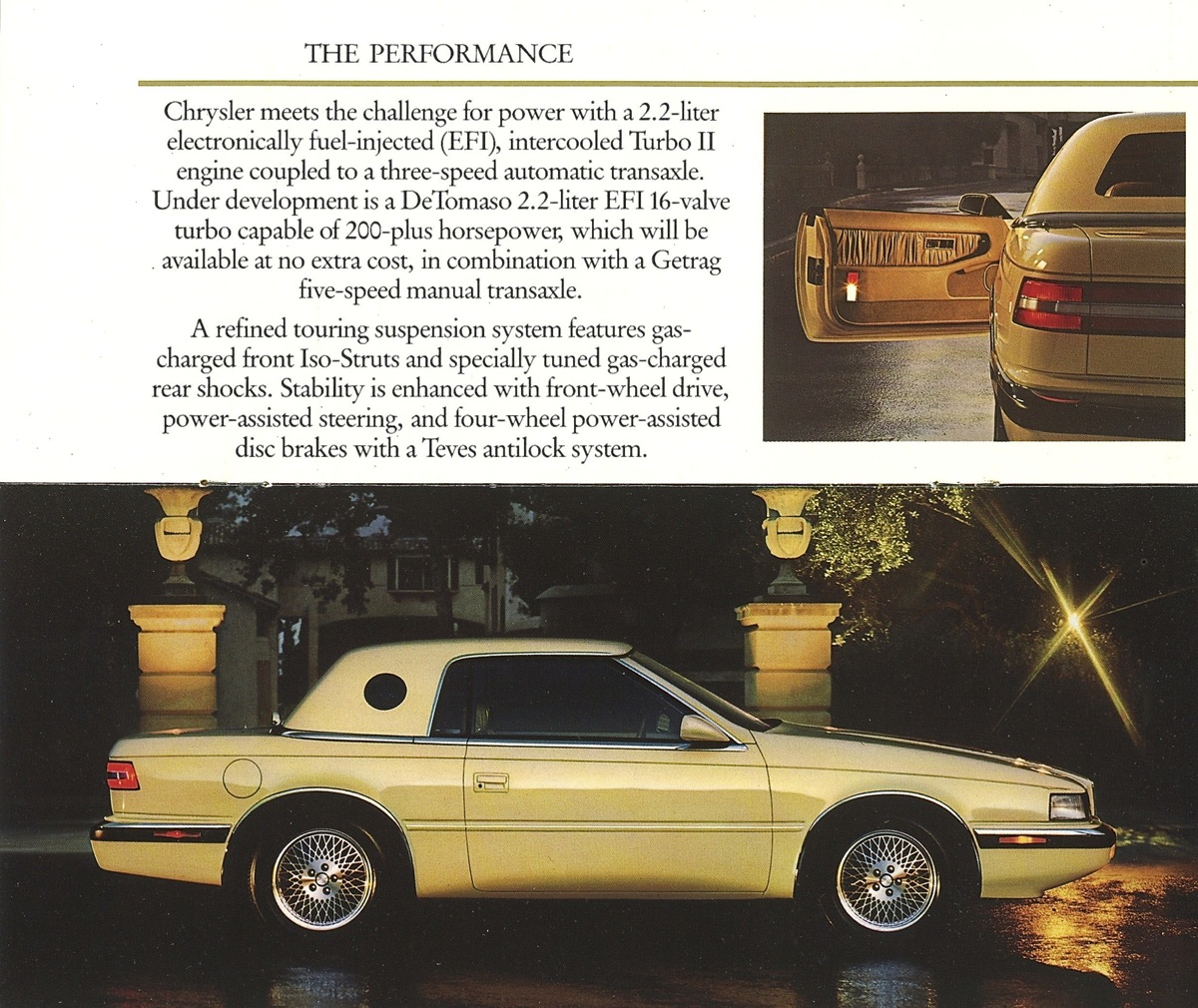
The “Chrysler TC by Maserati” (1988-1990) was jointly developed by Chrysler and Maserati, with “TC” meaning turbocharged coupe. It was an image builder vehicle, and while it had a certain K-car flavor to it, it was actually based on a shortened Dodge Daytona/Chrysler Laser chassis. Top engine was a 200 hp 16-valve inline four with cylinder head cast by Cosworth. These cars were sold by a select group of 300 Chrysler dealers.
CHRYSLER LASER
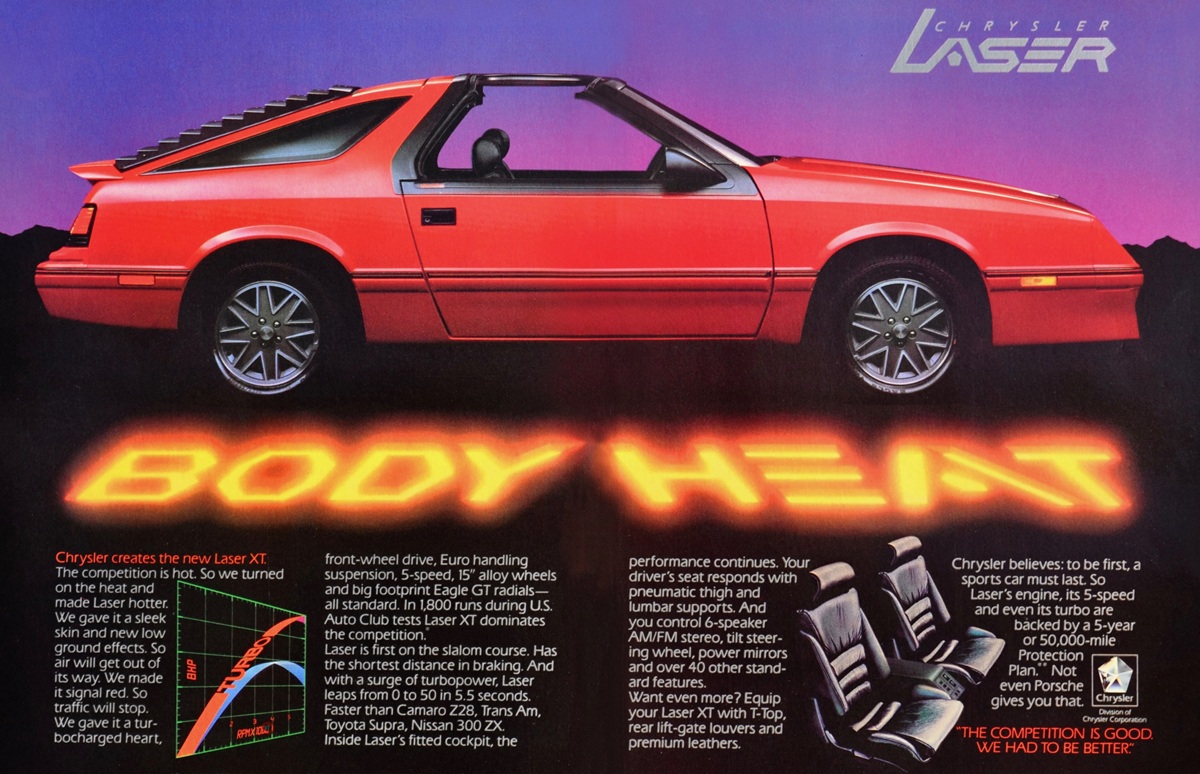
Positioned to attract “sporty car” customers into Chrysler/Plymouth dealerships, the 2-door hatchback Laser was a re-badged Dodge Daytona, front-drive and marketed from 1984-86. A turbocharged version was available, with 0-50 mph said to happen in 5.5 seconds. Rear lift-gate louvers and T-Top were optional.
CHRYSLER LHS
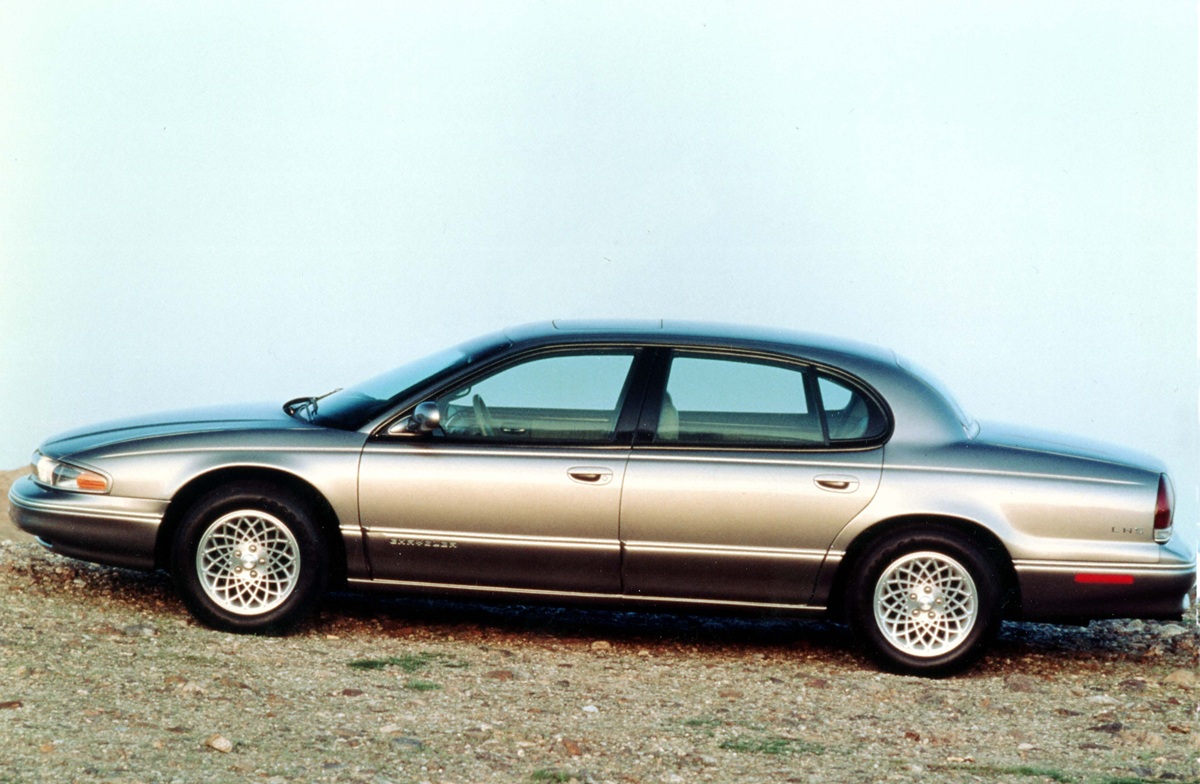
With the K-car platform being dated and having run its course, a new “LH” body structure was developed and it was a “Cab Forward Design” which truly was a fresh approach in vehicle construction at the time. It came in 1993 (Chrysler Concord, LX and LX1). A larger, more luxurious interior came with this layout, delivering the roomiest in their market segments. The pictured LHS (1994-1997) was the division’s top-of-the-line LH car and came loaded with standard features, including bucket leather seats, floor console and shifter, power moonroof and basic lack of outside chrome. FWD and power came from a 24-valve 3.5L V6.
CHRYSLER 300 M
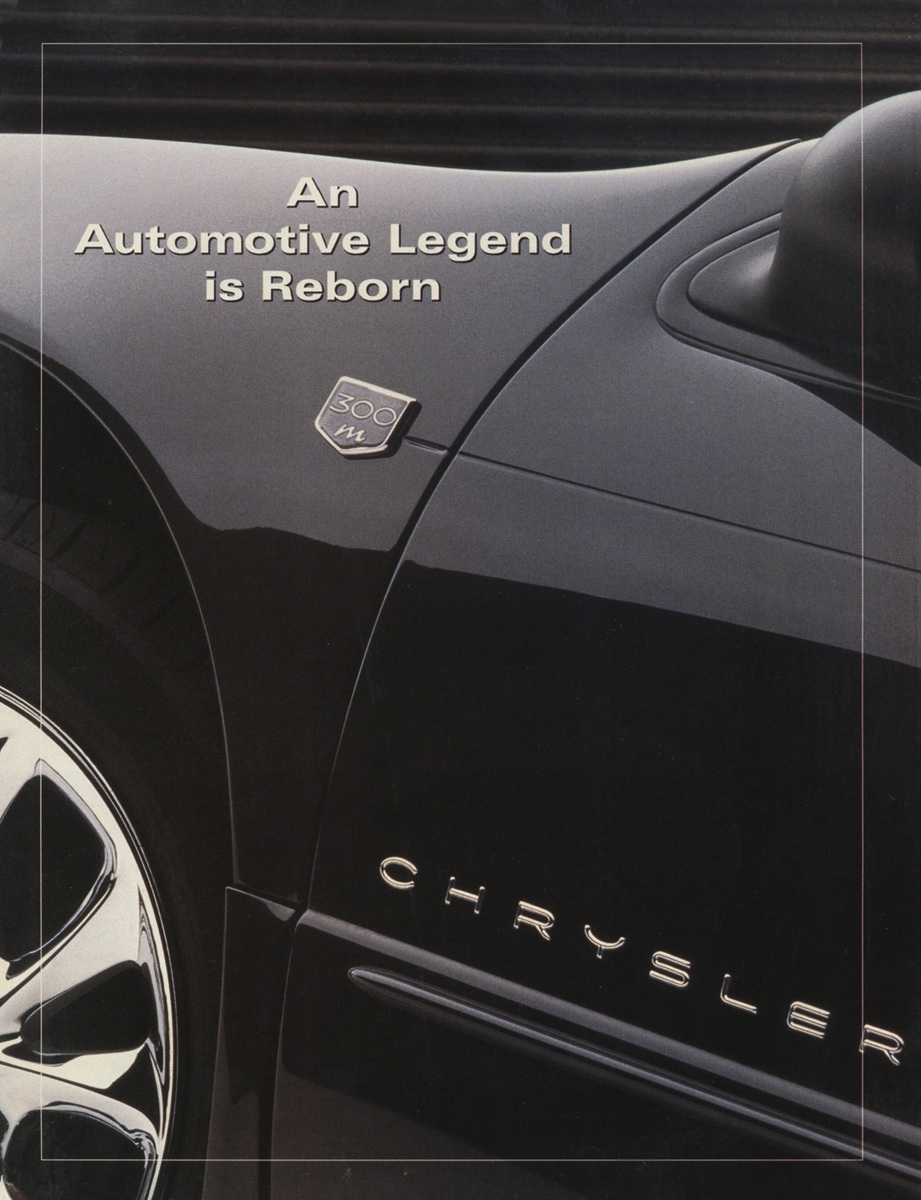
Incorporating the FWD LH platform, Chrysler came up with the 300M (1999-2004 model years) which had the 255-horsepower all-aluminum V6 engine, with the body length being shortened some 10 inches (on the F&R overhangs) in order to make the car more appealing to the European 5-meter size class limit for the marketplace. The “M” came after the 1965 “L” 300, however many feel this was not a vehicle completely worthy of being considered a true “letter car” as it lacked anything particularly special. It did have the dual-mode AutoStick that provided drivers the ability to switch out of automatic mode in the transmission to manual.
CROSSFIRE
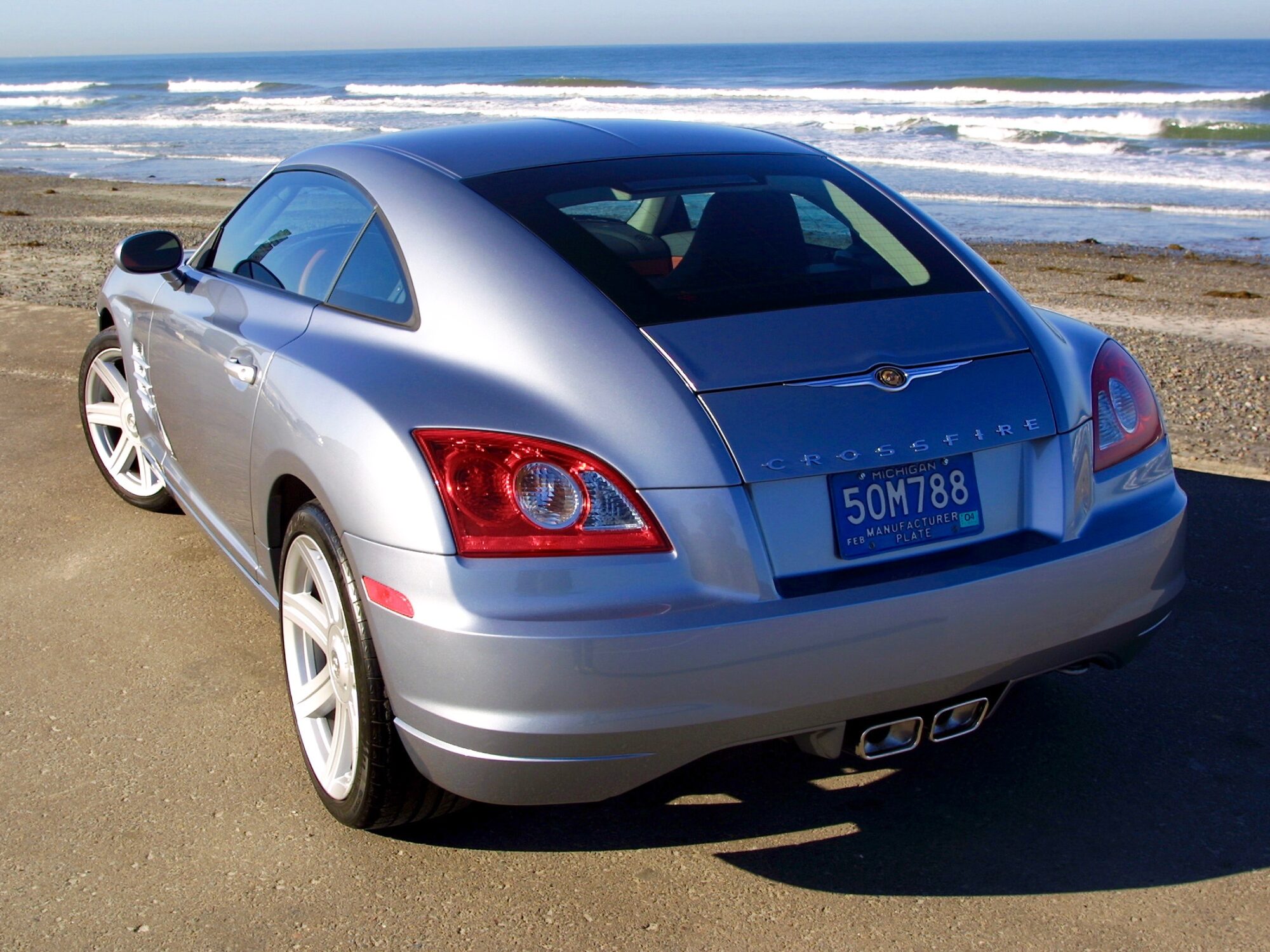
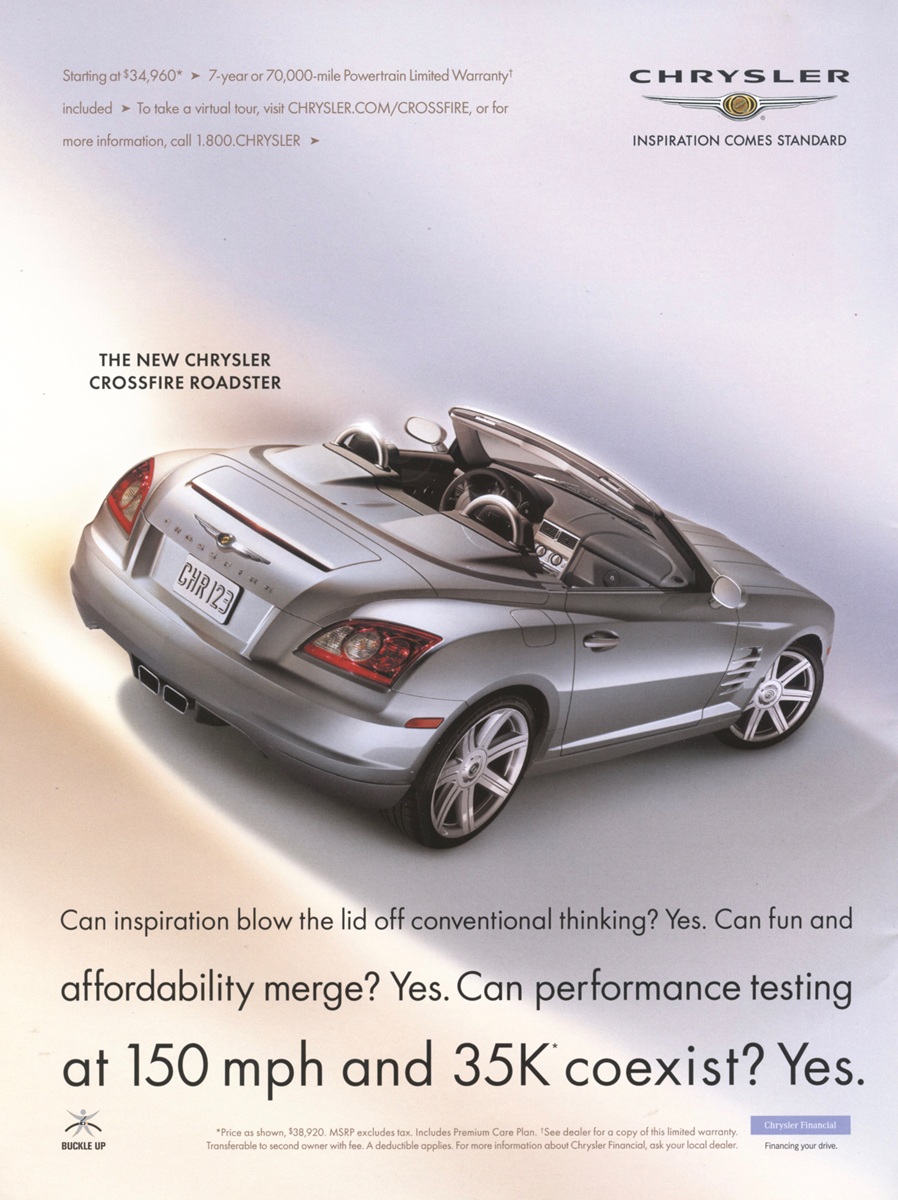
The Chrysler Crossfire was created during the DaimlerChrysler era, put on the market February 2003 (for the 2004 model year) and it was basically 80-percent Mercedes SLK. Manufactured by Karmann of Germany on the M-B 170 platform. It did have a new body that had been based on a concept design, styled by American Eric Stoddard. Both a coupe and roadster were available. Chrysler marketed the Crossfire and the vehicle was a “halo car” for the brand. The name Crossfire was said to refer to the two body side character lines that cross below the outside rear-view mirrors on the forward portion of the doors.
The top performer was the SRT-6 models (supercharged MB AMG M112 3.2L 18-valve SOHC V6, rated at 330 hp, equipped with 5-speed automatic transmission, rear-wheel drive). Chrysler dealers were forced to invest in special tools and employee training to sell and work on them. Sales were slow, the last one assembled was on December 17, 2007. Looking back now, it’s both fair and logical to state it was a German car with Chrysler badges on it.
RETRO CHRYSLER!
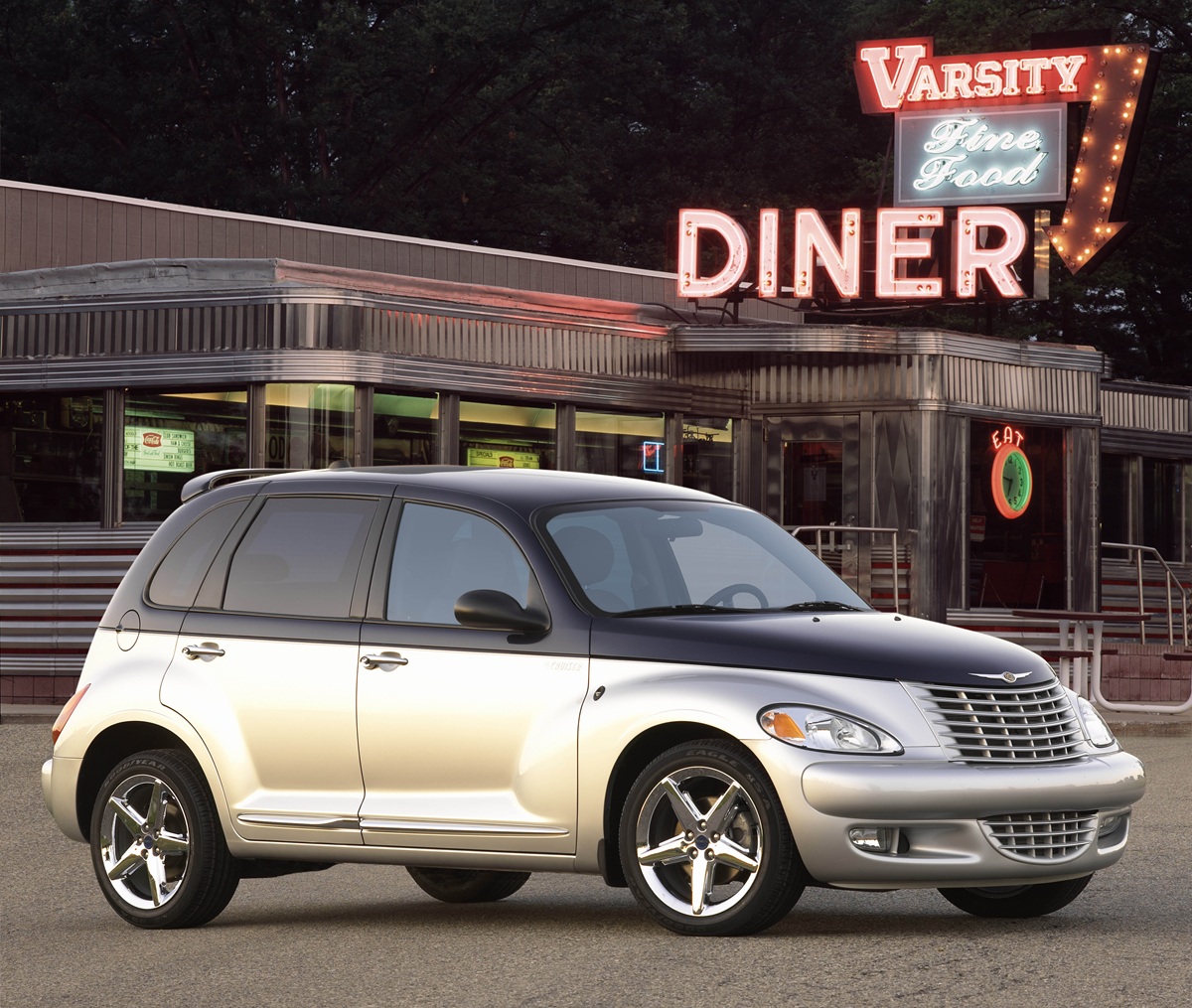
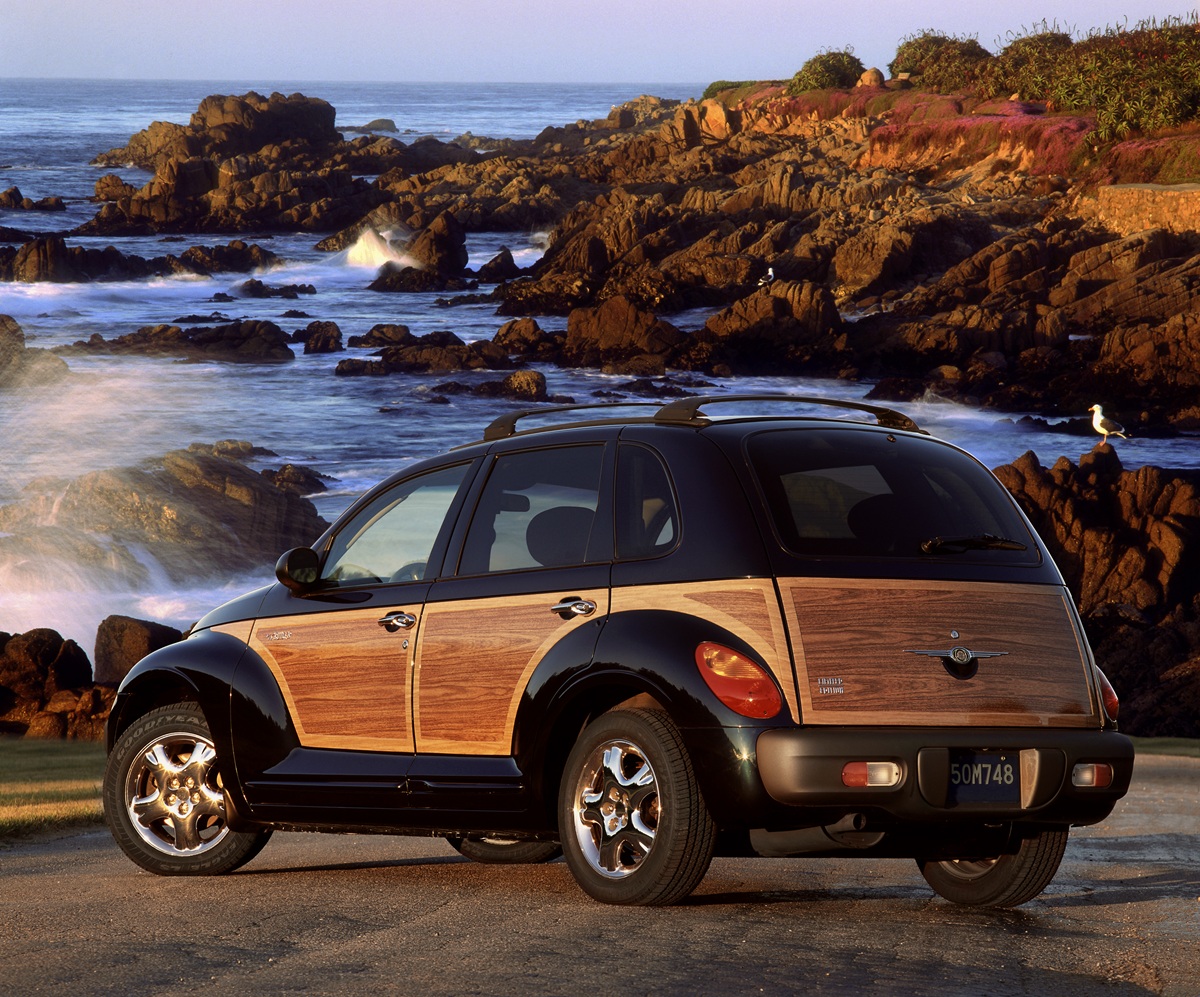
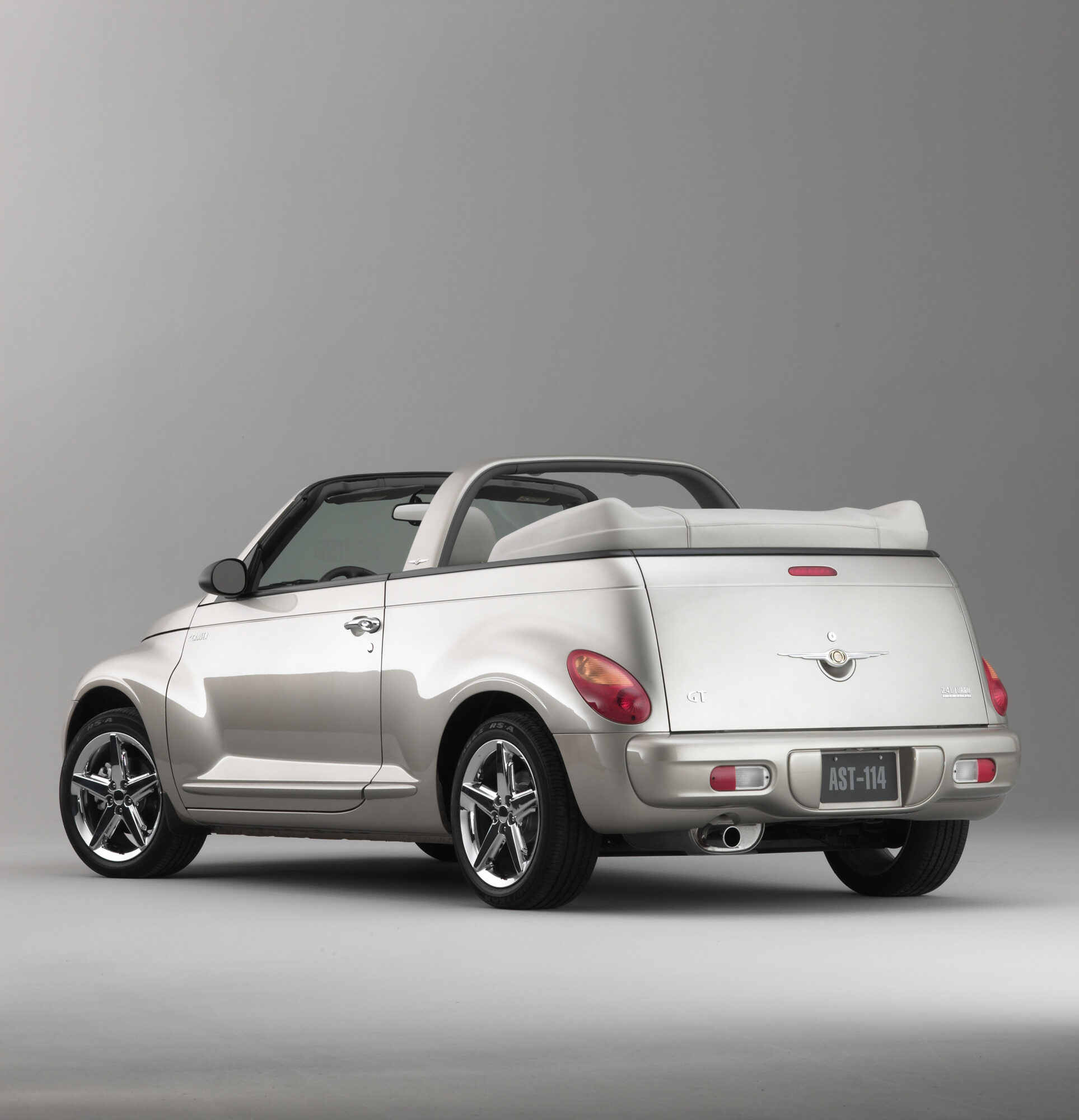
Truth be told, it was supposed to be the “Plymouth PT Cruiser” but the Plymouth Division got scrapped so it was switched to the “Chrysler PT Cruiser” and that worked well. PT stood for “personal transportation” and here’s how Jerry Flint, an old-school automotive journalist, reflected on the car back in May 2000: “The wonderful thing about the automobile business is that every so often one comes through, and you know it’s great. The PT Cruiser is one of the greats. And just for me and all the guys at Surf City, build the PT Woodie.”
Flint said this before the PT hit the showrooms, and yes they did a Woodie version as per his suggestion!
The “retro” theme was all about a throw-back to the 1930s and was expertly designed by Bryan Nesbitt, and it launched in late 2000 as a 2001 model year car. A blend of retro and practical functionality. By the end of the production run (July 2010), worldwide production had hit 1.35 million units. Yes, it was a great automobile. A brilliant body shape so much that there were buyers that truly thought they were “hot rods” and innocently tried to enter them (completely stock) into car shows, all with good intentions. And when a young kid walked up to a real ’37 Ford street rod at an event and asked the owner if it was a PT Cruiser, well, mission accomplished. It actually was classified as a truck in the US, specifically as a way for the corporation to fit into the CAFE fuel economy criteria for increasing the fuel efficiency average numbers.
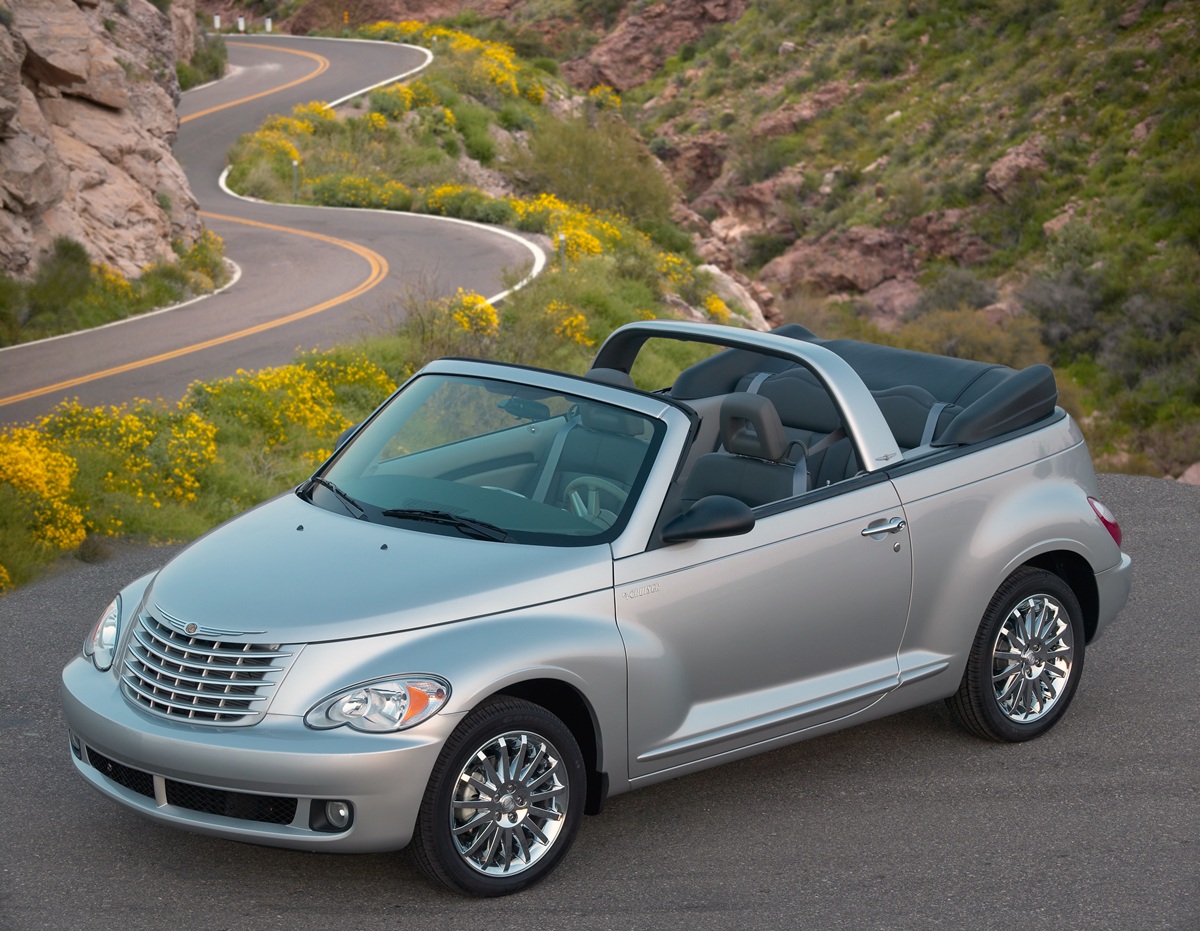
Front-wheel-drive and a four cylinder engine, obviously not a hot rod by any stretch; however, no one can deny that some of the special versions (Woodie package for example) did give the car even more personality. The one problem the PT Cruiser had by the time its days were numbered (after a long, impressive run) is that the designers really had no way to “update” a retro, nostalgic body shape. It was loosely inspired by the Chrysler Airflow from the 1930s. A convertible version also helped fill a niche market, it was converted to a 2-door for that. Fun while it lasted!
NEW 300C
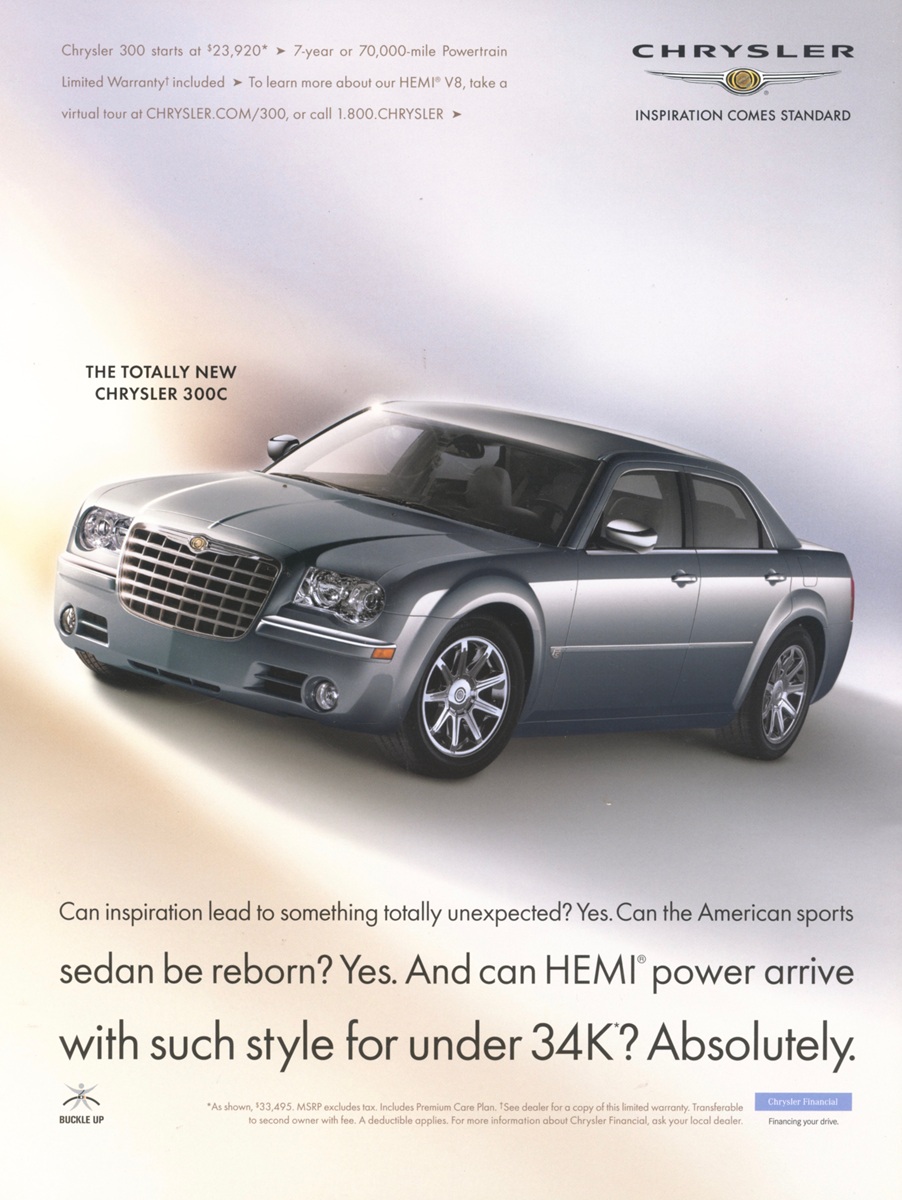
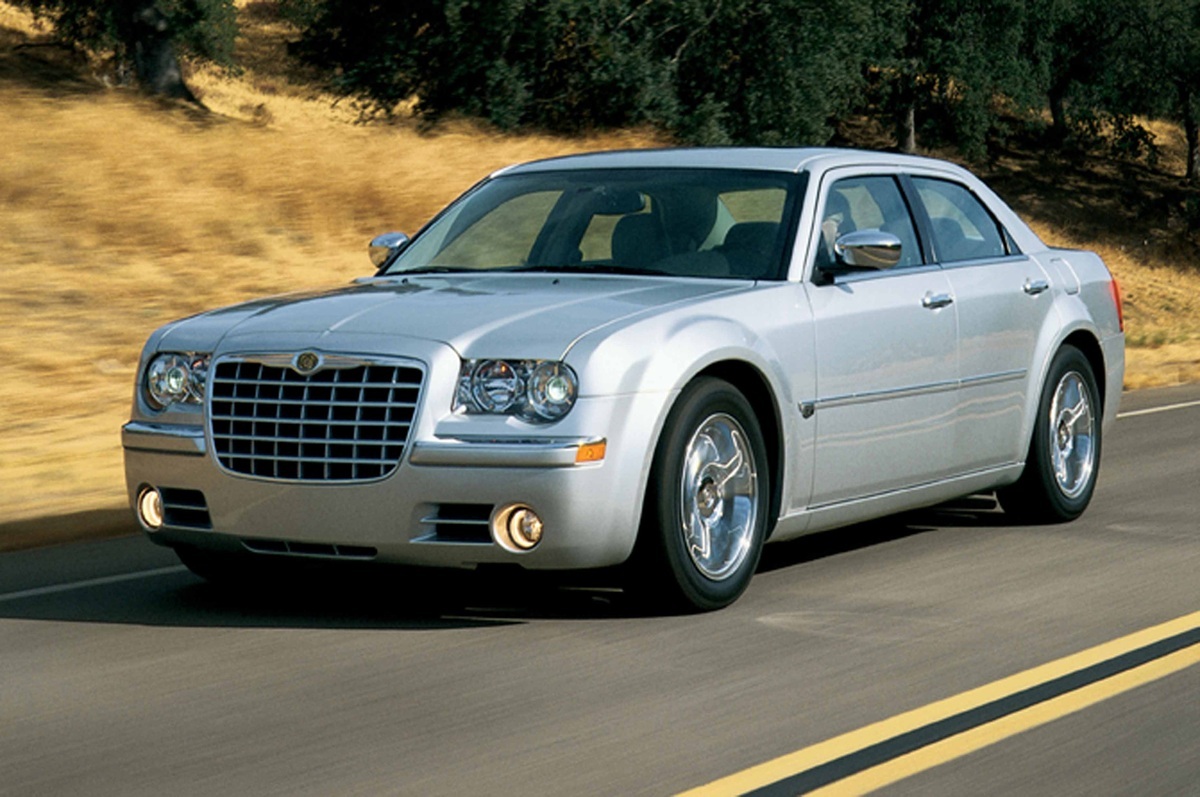
It lasted from February 2004 (as a 2005 model year) all the way to the end of the 2023 production run, the Chrysler 300 came out with a certain “gangster cool look” and with a major popularity with the “hip-hop” music crowd. It had Bling! Over in the UK, it was said to be “the poor man’s Bentley”. A rear-wheel drive, front engine car, based on the Chrysler LX platform, and 300C incorporating the 5.7L HEMI® engine, SRT-8 receiving the 6.1 L HEMI, worth up to 470 hp.
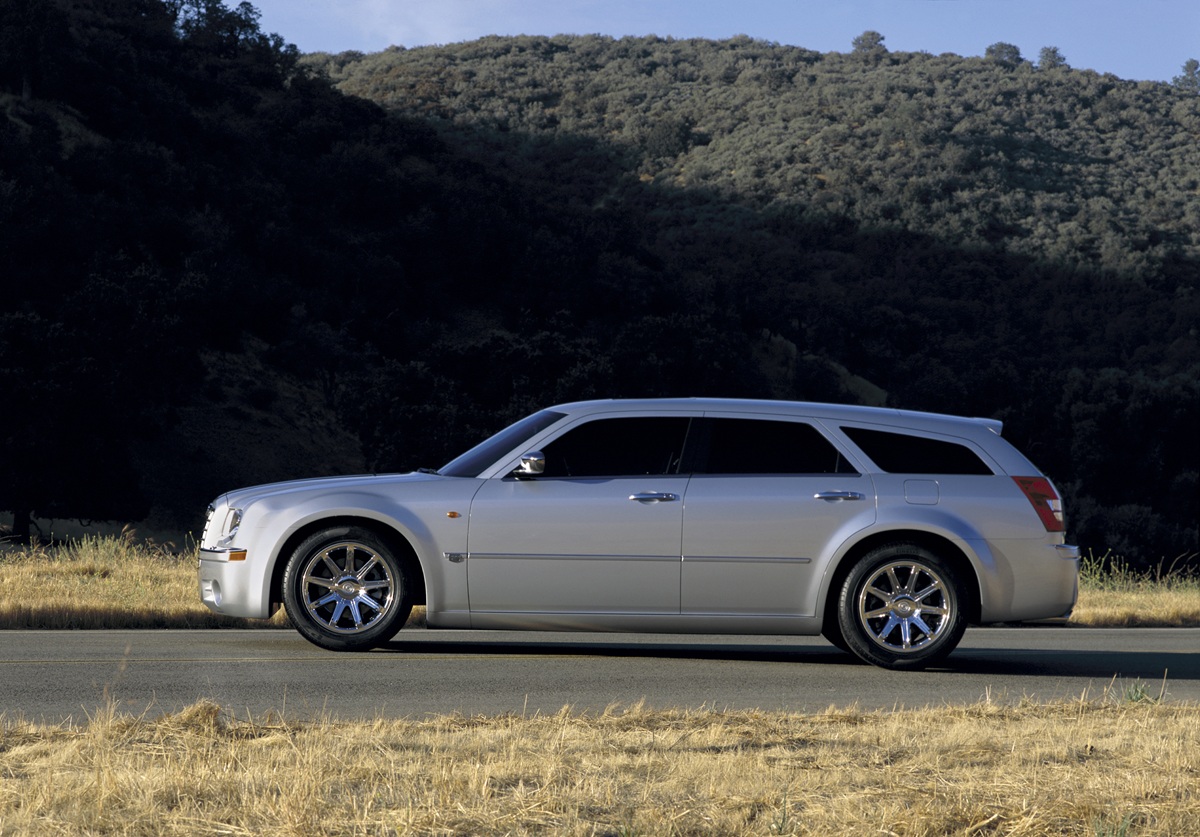
A very unique 5-door 300C SRT-8 Touring (station wagon) version was added to the lineup, but only for the European, South American, Australian and Japanese markets; American consumers had the Dodge Magnum. All in all, any Chrysler 300 has a great legacy as being a trendy, modern and “hip” automobile for people of all ages. The second-generation cars came for the 2011 model year, more refined but retaining the same flavor, slightly more raked windshield angle.
CHRYSLER 200
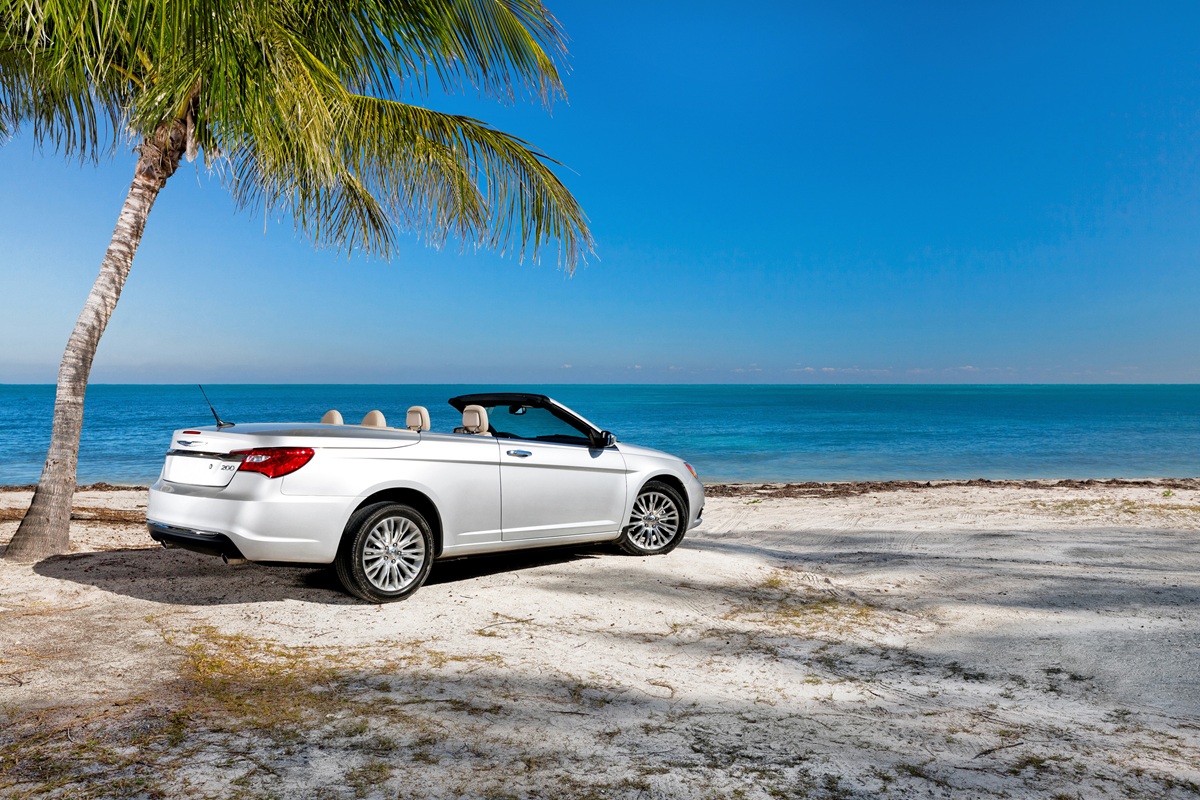
From model years 2011-17, there was a Chrysler 200 available as a four-door sedan and (from 2012-2014) convertible version. It replaced the previous Sebring models. The 200 name was to ride the coat tails of the 300 all the while, distancing itself from its predecessor, the Sebring. All powered by either a 2.4L inline 4 or the 3.6L Pentastar V6.
CHRYSLER 300 SUPER S
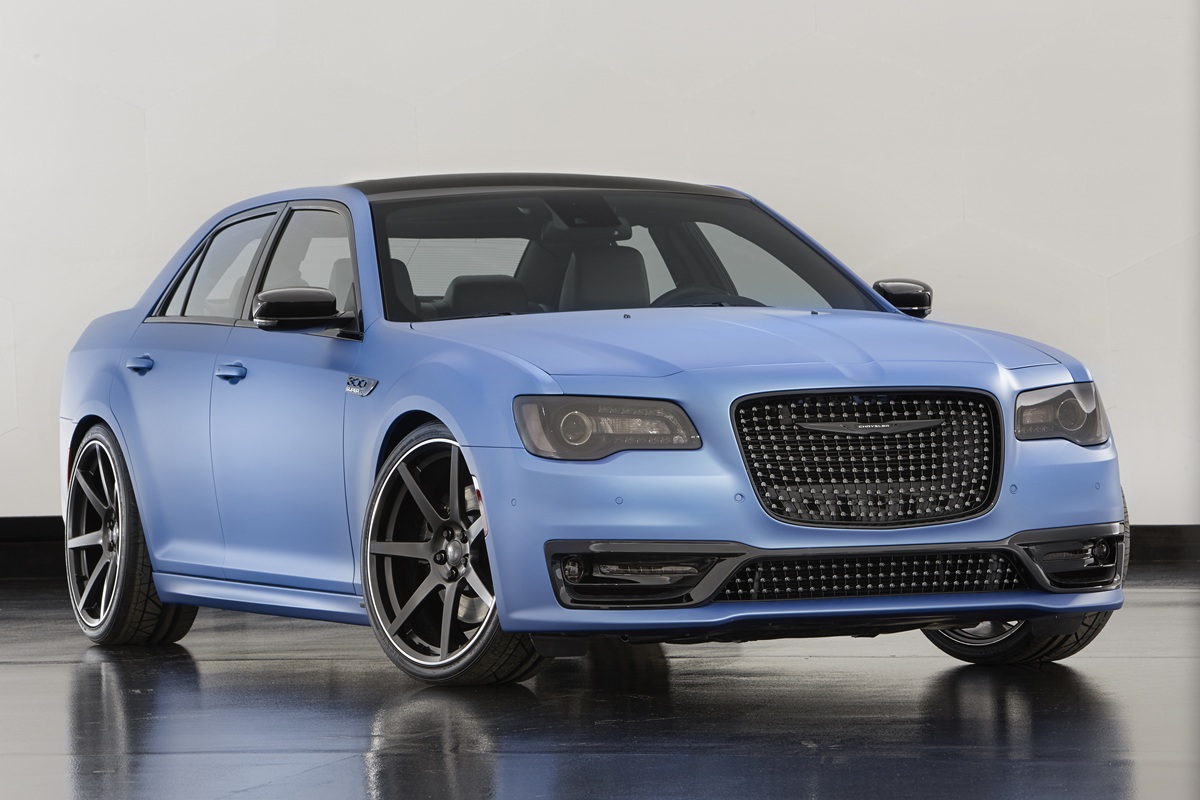
Revealed in 2005 at the annual SEMA Show, this “Super S” 300 concept featured a 485-hp 5.7L HEMI powerplant, 22-inch Avus wheels wrapped with Michelin Pilot Sport2 tires and WRC-spec Brembo brakes. In addition, it featured Mopar® Performance coil-over suspension upgrades. The one-off “Super S” had a certain sinister look with the Cerulean Blue matte finish. A tricked-out grille, Katzkin leather seating added to the exciting look. While it never saw production in this exact form, it certainly showed that the Chrysler brand was receiving some special attention at the time.
300S
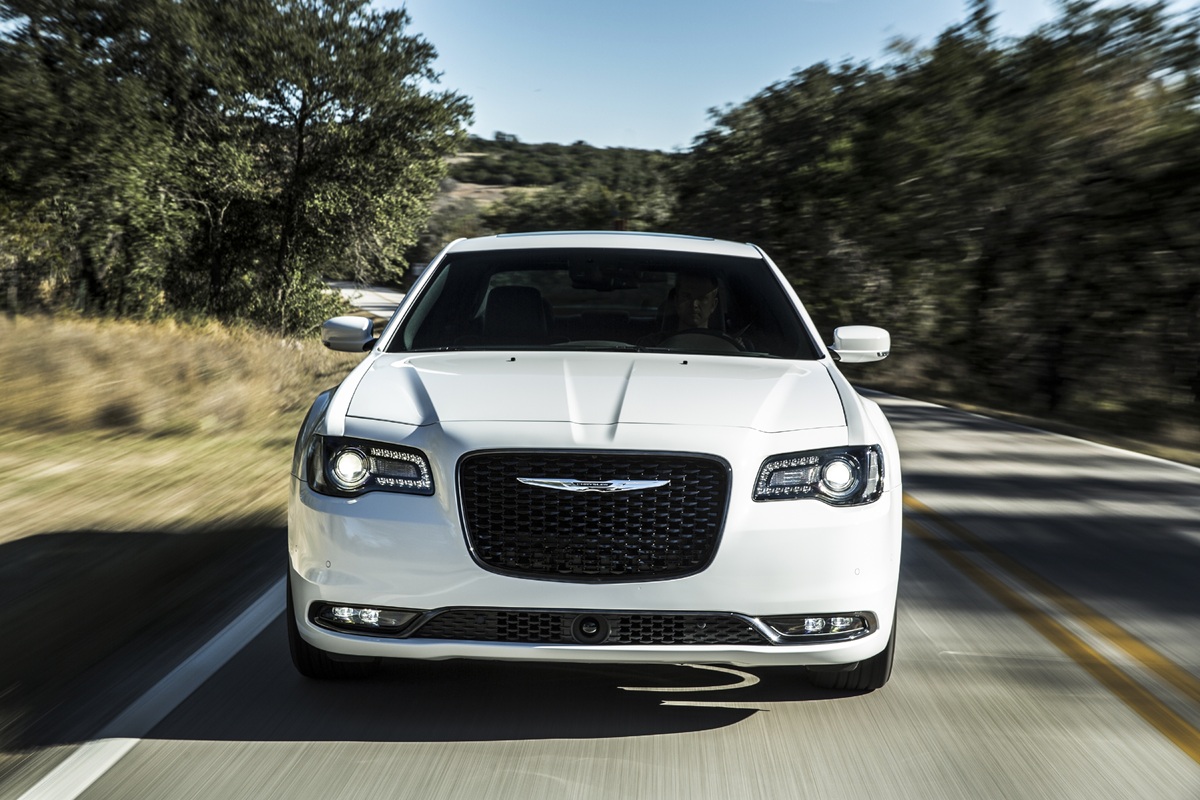
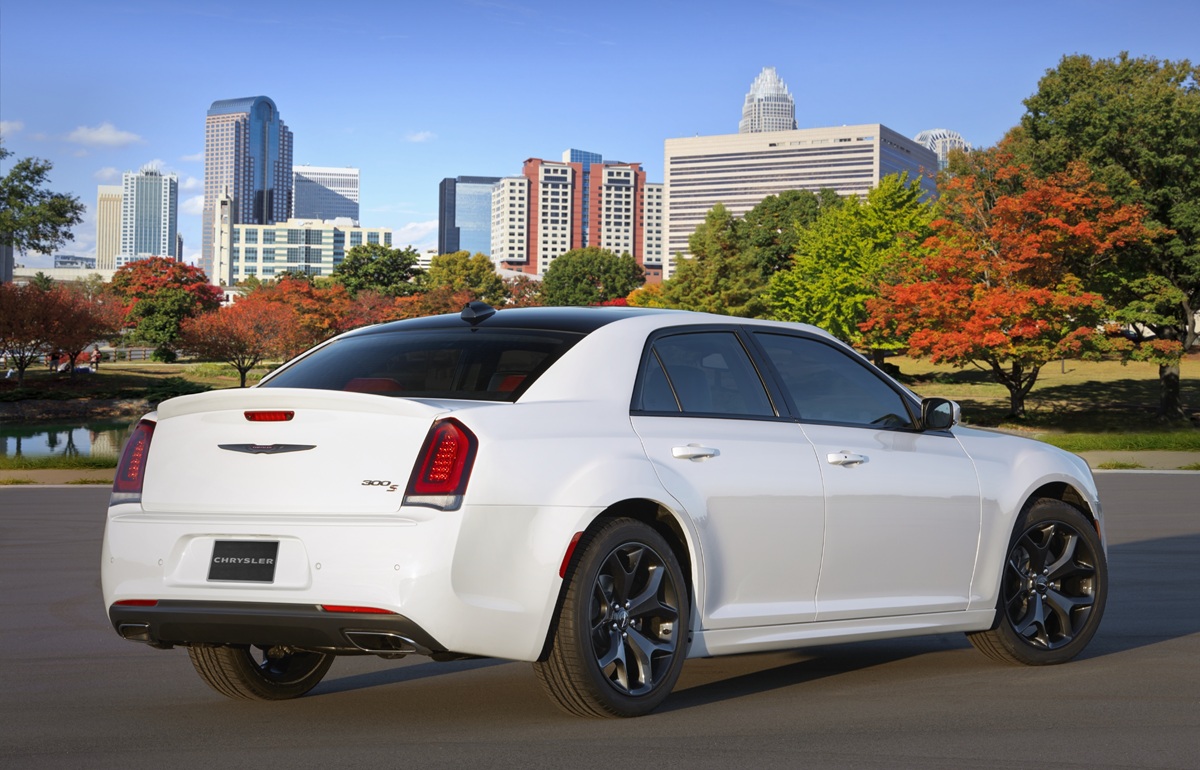
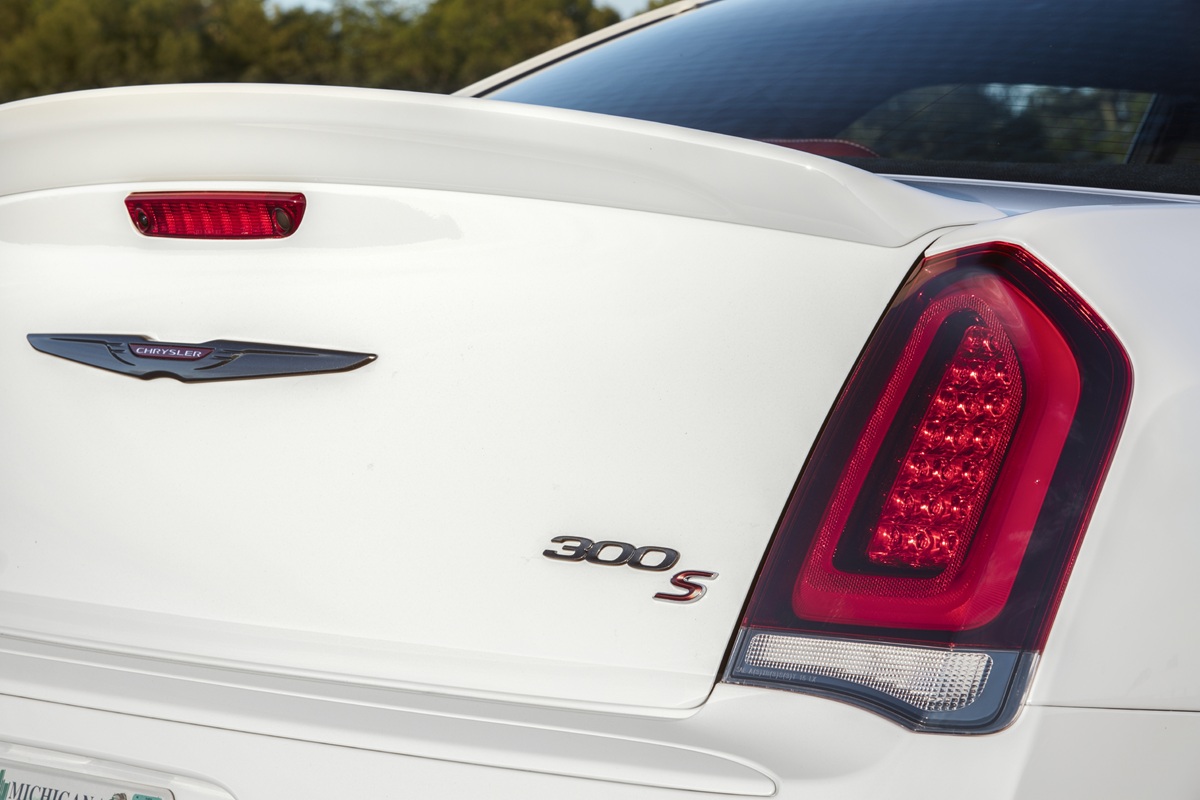
The 2020 model year saw the “300S” version come to life, and it delivered 363 hp from its 5.7L HEMI engine, with some visual “bling” appeal for sure! The final year for the 300 was 2023, with the top performer being the 300C, sporting 485 hp from its 6.4L HEMI powerplant, 8-speed automatic, active suspension. 0-60 in 4.3 seconds, 1/4-mile in 12.4 seconds and top speed of 160 mph. One impressive performance sedan.
PACIFICA MINIVANS
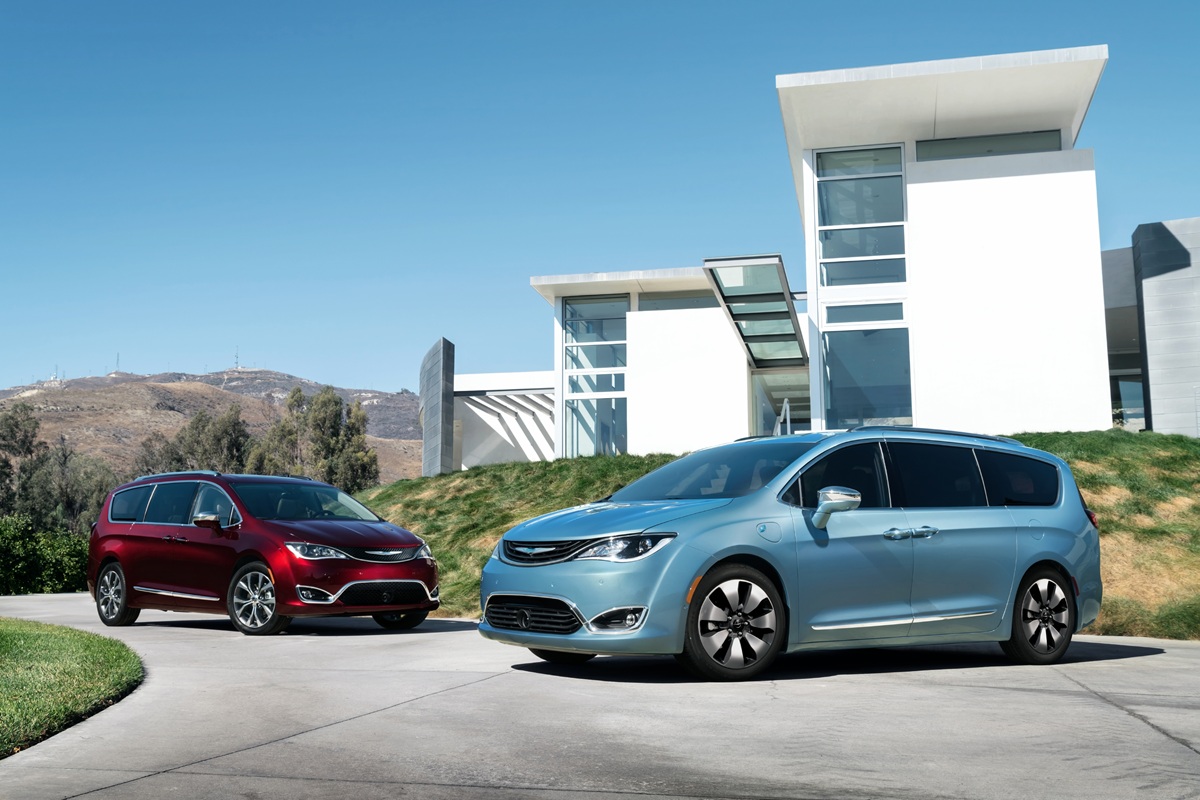
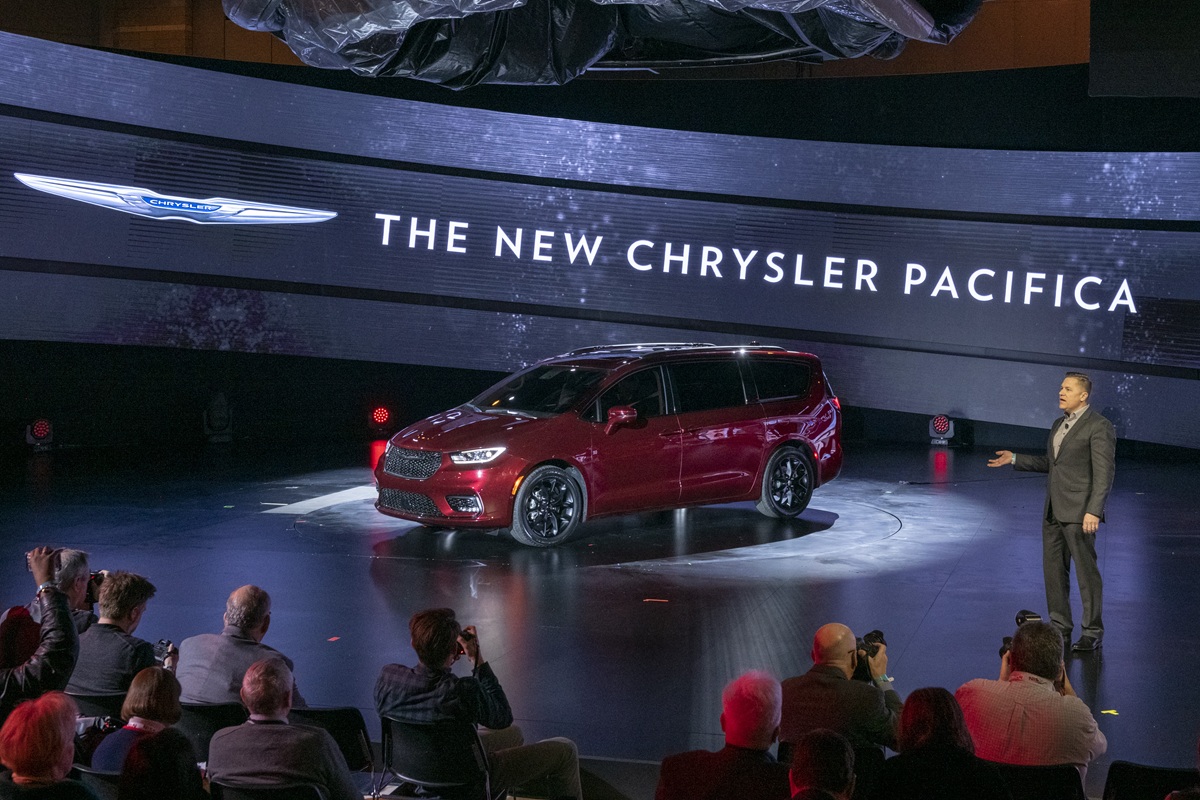
Originally the Chrysler-branded minivans were called “Town & Country” and in 2016 the new design came along with the new Pacifica identification. The general idea was to incorporate a sportier look, combining a flavor of the “cross-over” type vehicle, albeit still very much a minivan. The 2025 model can be had with either a 287-hp V6 gas engine or a 260-hp gas engine hybrid that trades some power of efficiency. Hey, if you need a minivan and want something that has some style added, it’s the premium model out there. And currently the only vehicle that is a Chrysler-branded model. It’s a top-level vehicle, that’s for certain!
Chrysler enthusiasts are loyal and anxious to see what the future holds for this long-lasting brand!
Author: James Maxwell
0 Comments