From Hustle Stuff to Direct Connection – Part 2
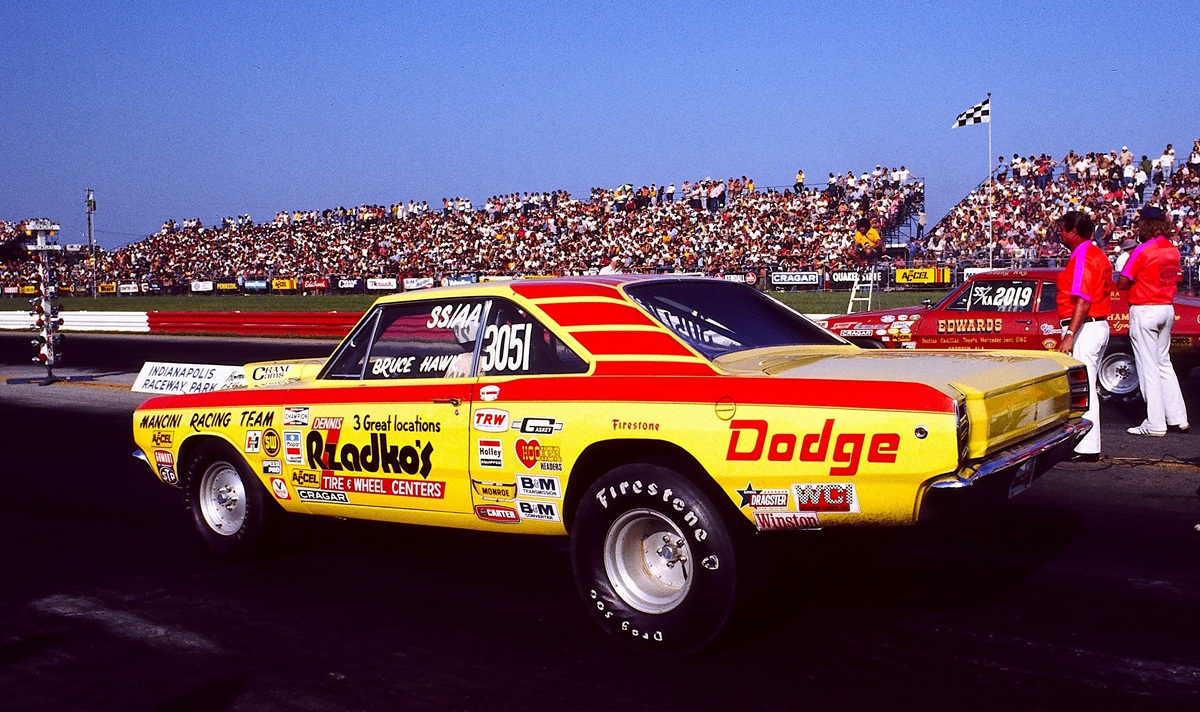
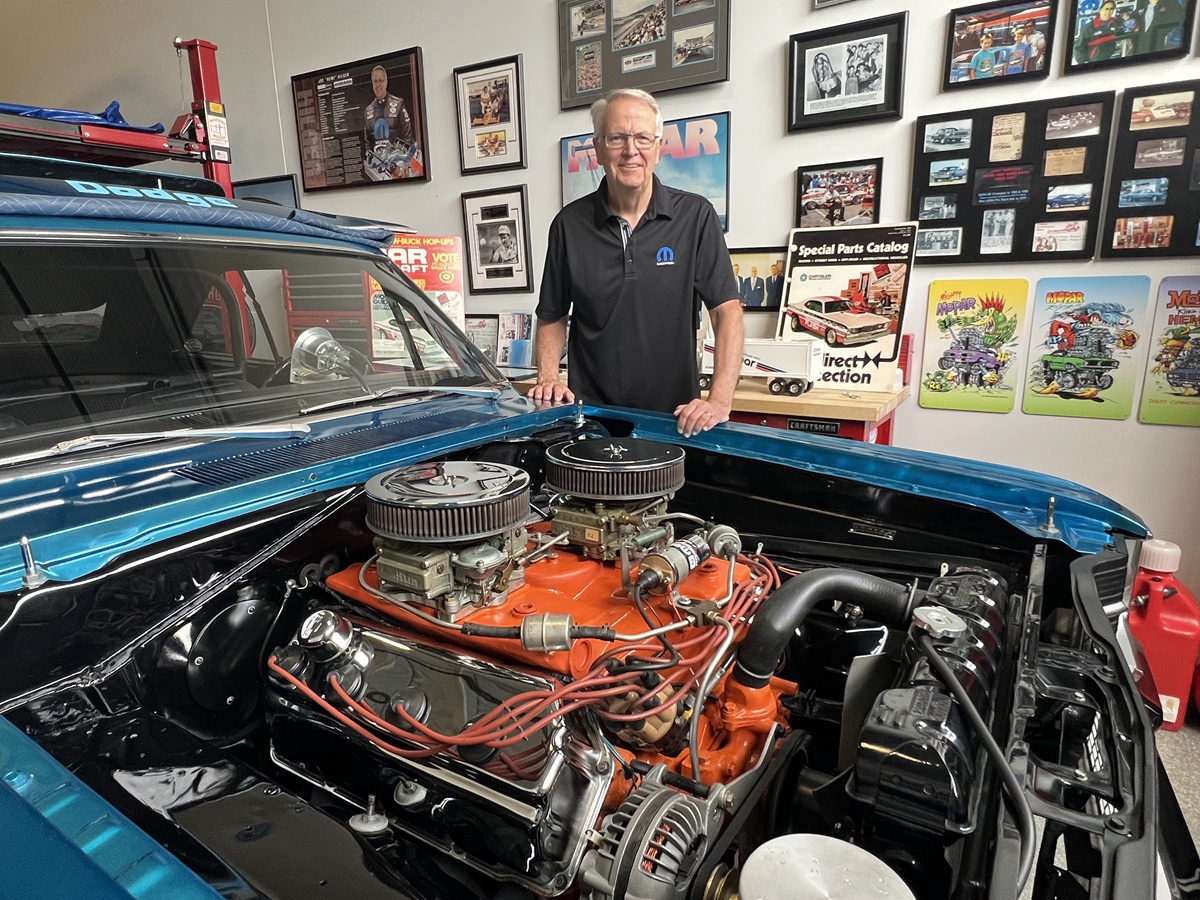
While the late 1960s saw a nuclear explosion in the muscle car wars, the radioactive fallout was rapidly approaching by 1971. The EPA and automotive insurance industry were on a mission to curtail the Motor City’s obsession with producing 400-plus-horsepower machines. While the EPA was working on a slow roll to introduce unleaded fuel before 1975, the major insurance companies began their death by a thousand knives toward any high-performance car by imposing super high premiums. As sales of hot cars dropped, so did the compression ratios and power levels. By 1972, the iconic 426 Street HEMI® engine was gone, and other than a few early production 1972 440 Six Pack Chargers and Road Runners that had been built and shipped to dealers, it was sort of doom and gloom. The casualty list grew among all Detroit’s automakers. Big-inch, multi-carb engines would soon be a thing of the past. From Chrysler’s perspective, they had to take it in stride, but the Race Group, huddled deep with the corporation’s Highland Park headquarters, had a plan. They knew there was a huge market of ravenous street enthusiasts, staunch bracket racers, hardcore Super Stock and Pro Stock drivers. These devotees of all things Mopar® were searching for factory-engineered high-performance parts designed specifically for their Chrysler muscle cars.
While Chrysler’s Hustle Stuff parts program had limited market penetration during its two-year lifespan, it laid the groundwork for a new performance parts initiative in the works. Dick Maxwell, who at the time was head of Chrysler Product Planning for High-Performance Vehicles, was tasked to head up a new parts program. Knowing Chrysler has amassed tons of data and knowledge on engines, chassis, suspension, transmissions and other key components used primarily in drag racing, Maxwell quickly knew what the race group was sitting on, and it needed to be shared with a wide audience. But a cool marketing name was missing for this innovative program. It was over lunch in late 1973 when Maxwell met with a former ad agency marketing exec named Joe Schulte. Maxwell explained the basics and intention of the project that combined an extensive parts portfolio and reams of technical knowledge. Maxwell looked to Schulte’s creative know-how from working on the Plymouth Rapid Transit System advertising campaign in 1970. As Maxwell explained his vision of this groundbreaking parts program, Schulte began scribbling on a cocktail napkin and came up with ‘Direct Connection.’ Mopar history was made over a lunch meeting in downtown Detroit.
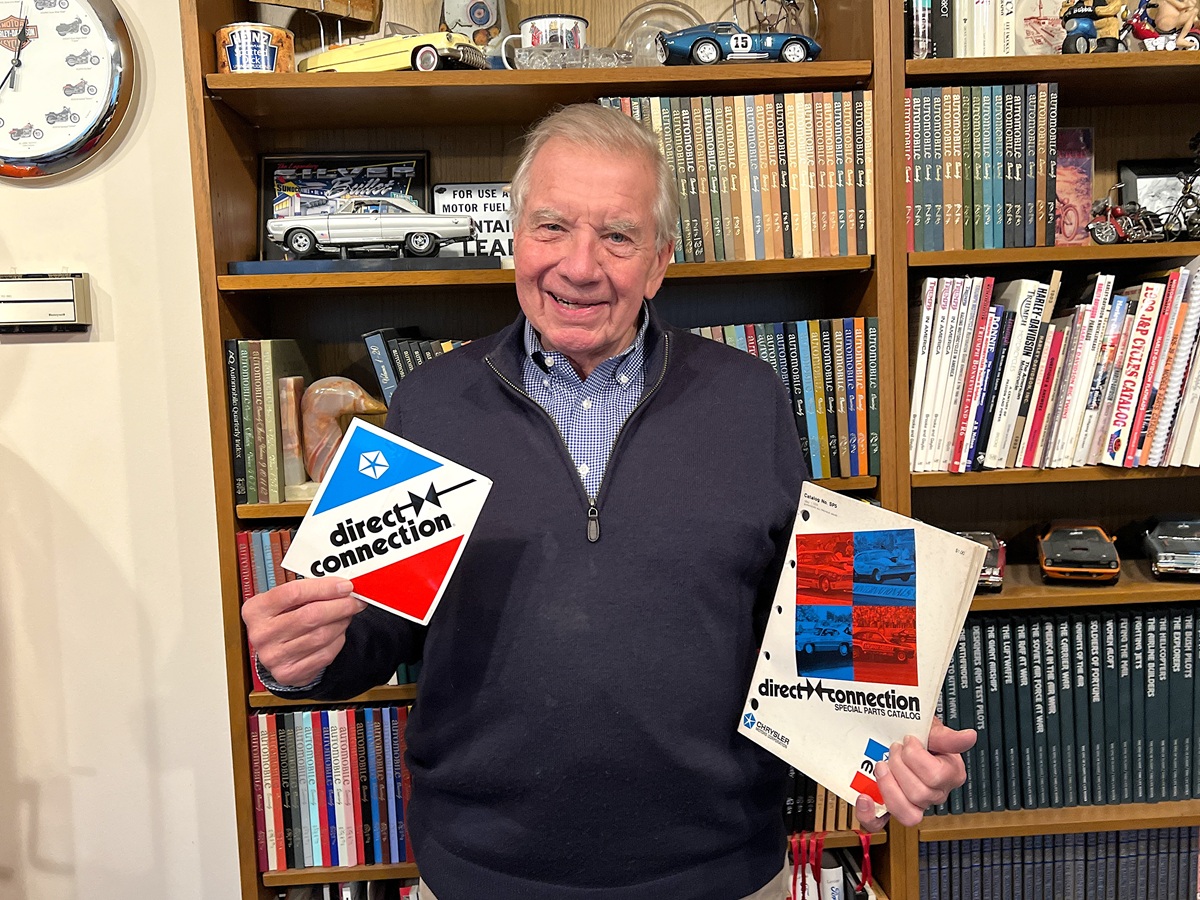
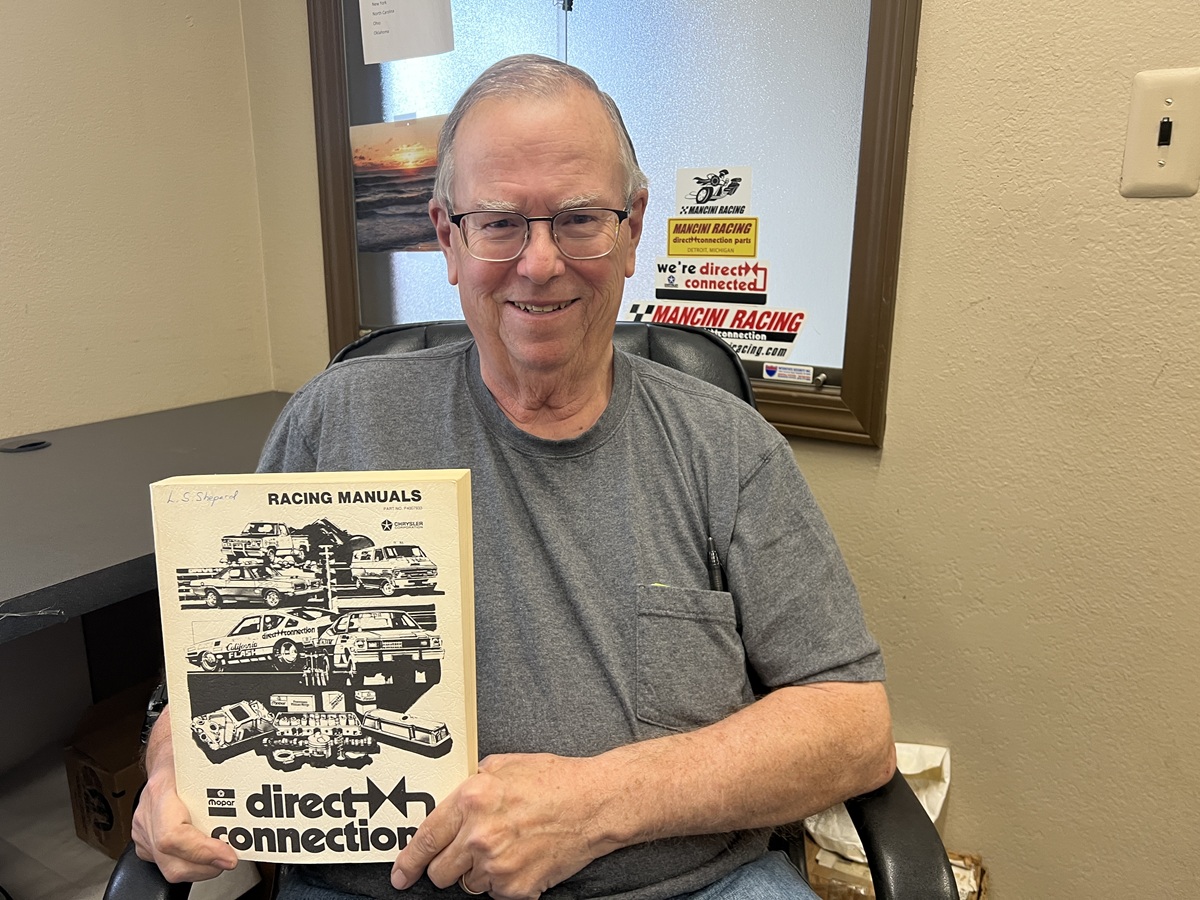
Now armed with a new name and serious marketing horsepower, Direct Connection was born. But, it had to crawl before it could go wide-open-throttle. Budgets were super tight in 1974. The country was in a recession, and new vehicle sales for domestic automakers were in free-fall with plant closures and massive layoffs. A dark cloud covered a once vibrant industry that three decades earlier had liberated the world from fascism and tyranny. Before Direct Connection was to launch, the performance parts engineers and marketing folks, had to redefine the playbook. While both the Dodge Scat Pack and Plymouth Rapid Transit System listed tune-up tips in their specific catalogs, they were basically identical. To save time and money, Mopar’s chief engineer, Larry Shepard, who wrote many of the original tune-up tips during the Hustle Stuff era, put them all in one manual that would be affectionately known among the Mopar faithful as ‘The Bible.’ However, Larry was also tasked with creating a catalog with easy-to-navigate parts categories. While the first Direct Connection catalog, printed in 1974, was very basic, the following issues became more colorful each year. More new products packed the pages including ‘build recipes’ that consumers could follow and attain certain quarter-mile ET goals.
Within a few short years, the aftermarket parts industry took notice, and even Ford and Chevrolet began to slowly dabble back in the performance parts business. It is rumored during the early 1980s, Ford’s Special Vehicles Operations (SVO) Parts catalog and program was patterned after Direct Connection. While the times evolved during the 1980s, and Chrysler’s focus was on the front-wheel-drive cars they produced, Direct Connection had to serve many customers. From 440 big-block muscle cars to Shelby Charger owners with 2.2L Turbo four-cylinder engines, it was a huge portfolio. This was also a turbulent era internally at Chrysler. Many high-level execs were questioning the financial viability of the Direct Connection program and its long-term profitability. Enter Joe Hilger, a passionate gearhead with a high-level position in Chrysler’s Parts and Service Division. It was around 1987 when high-up execs within Chrysler wanted to kill off Direct Connection, but Joe Hilger came to the rescue. “Direct Connection was a halo brand for Mopar, and our racers and street enthusiasts embraced it. However, the budgets were tight, and financially, we had to do something. Having two brands and marketing them is very expensive. We were committed to staying in the performance parts business, and the team had to come up with a viable solution,” noted Hilger. “With the business climate of the day, Mopar and Direct Connection were being scrutinized very closely by Chrysler’s Senior Management and Leadership Board and the major player leading the charge was Gino J. Giocondi.” As Hilger recalled, he agreed Giocondi. “You are right, Gino. We don’t have enough budget to market two brands, so we are going to reposition Direct Connection as Mopar Performance Parts,” said Hilger. Giocondi was happy with the marketing strategy and realized it was a huge benefit to the overall Mopar brand image. Hilger showed Gioncondi the passion among major Mopar influencers that included a meeting with the legendary ‘Big Daddy’ Don Garlits.
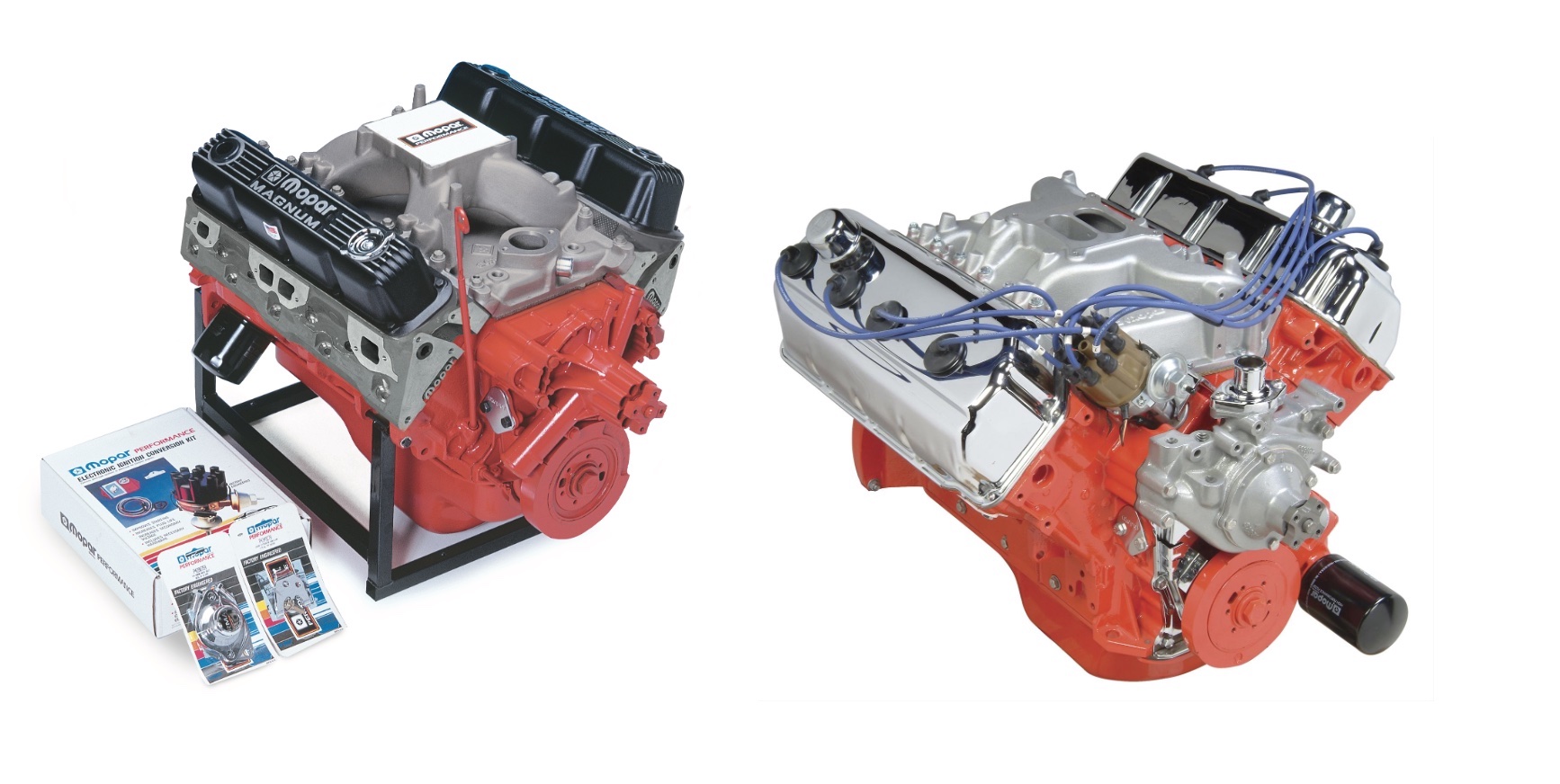
After the rebranding to Mopar Performance Parts (MPP) in the late 1980s, the portfolio grew substantially throughout the 1990s. During this era, Mopar invested heavily and had new tooling made for the cast iron GEN 2 HEMI block and cylinder heads. This also allowed for new 426 HEMI Crate Engines in a variety of horsepower ratings. 360 Magnum crate engines were also a popular addition for street enthusiasts on a budget and looking for a complete engine that would simply plug right into their Dart, Duster or Ram pickup. There were also many new intake manifolds, cylinder heads, EFI systems and much more for a variety of engines. MPP was again a major player and from an enthusiast activation, MPP supported all the major car shows, motorsports events and was active at SEMA and PRI.
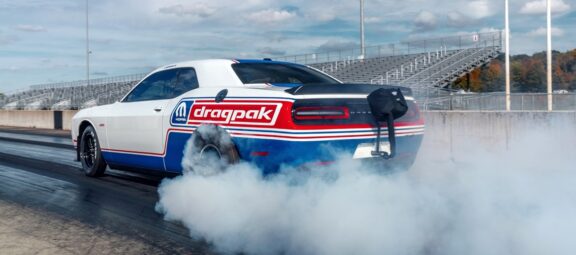
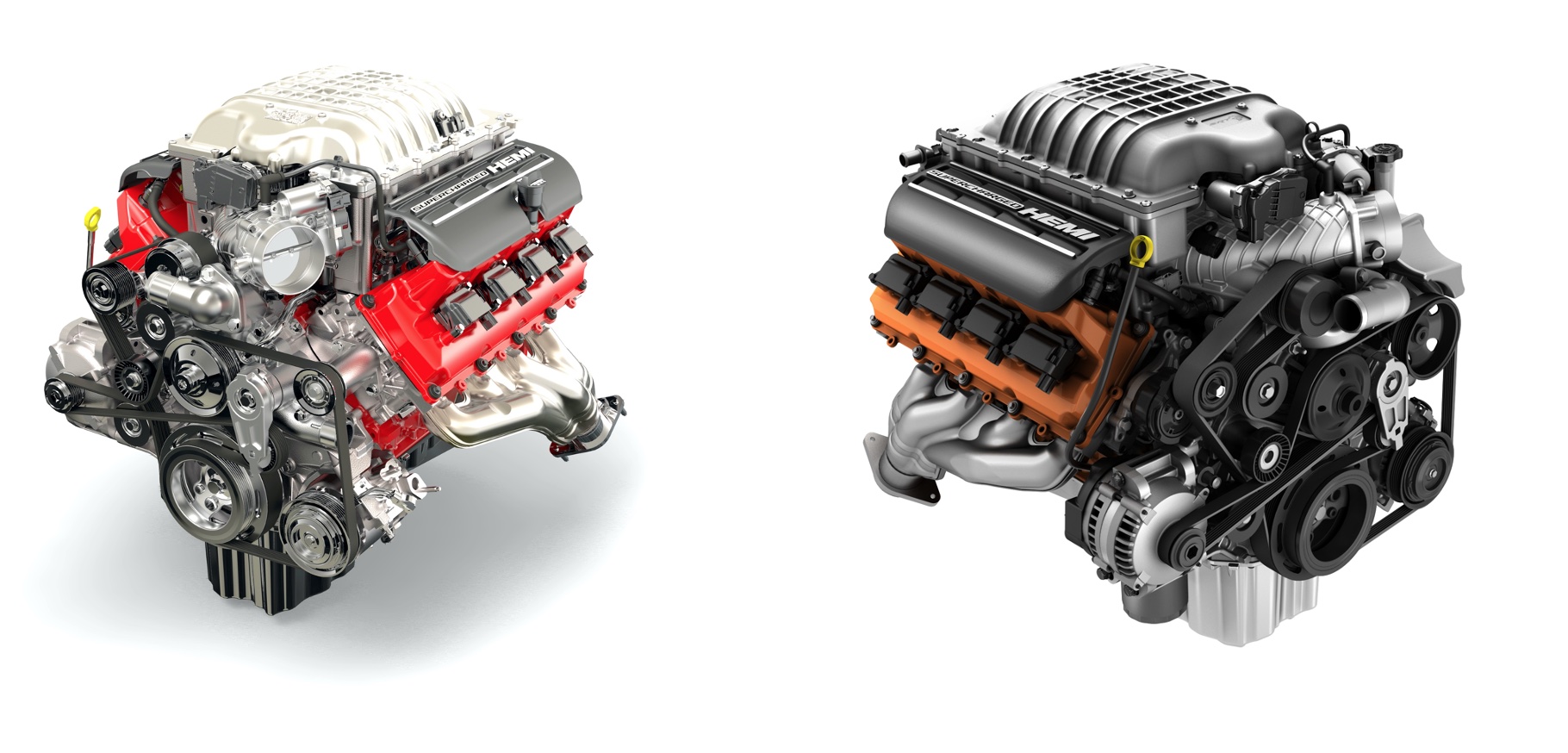
MPP was successful, but it lacked some of the mystique of the old Direct Connection vibe. Call it being nostalgic, but many hardcore Mopar enthusiasts loved what Direct Connection represented. When the decision was made a few years ago to bring the name back, the hot rod world rejoiced. The modern logo might be slightly different, but the DNA is the same. The new Direct Connection parts program has the latest hardware, including GEN 3 HEMI SRT® Demon and Hellcat Crate Engines, CNC Ported Cylinder Heads, Hellcat Stage Kits, Challenger SRT Drag Pak parts, and just about anything else to pump up the horsepower for any modern HEMI engine-powered Charger or Challenger.
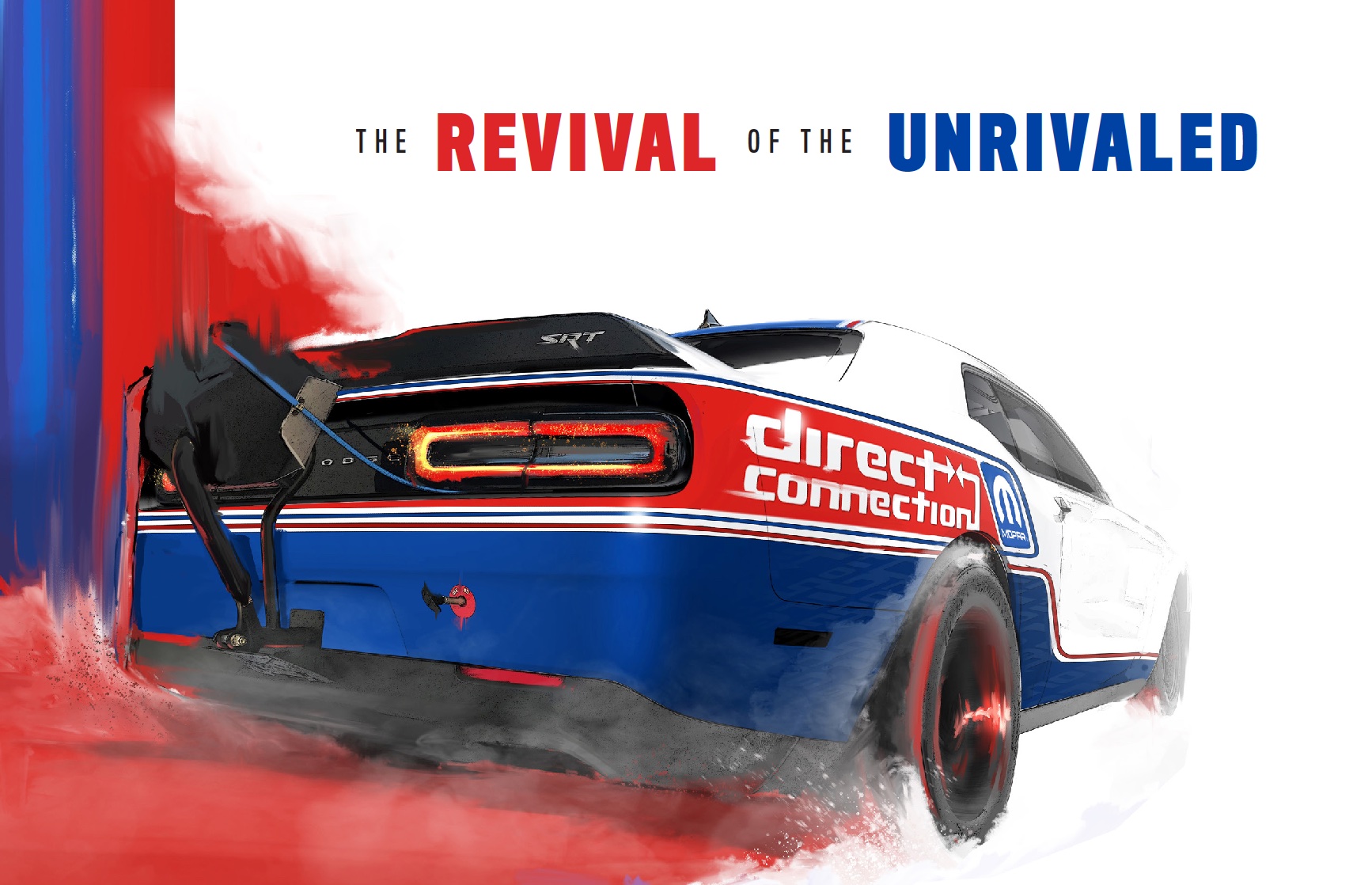
It’s been a long journey spanning over six decades. From the groovy 1960s to now, things have changed dramatically, but one phenomenon remains constant. Nothing shrinks time and distance like an infusion of factory-engineered high-performance parts from the new Direct Connection!
0 Comments