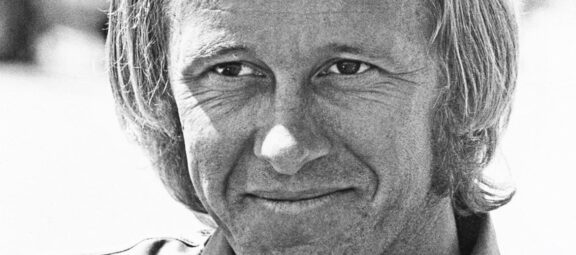
Remembering the Great Ronnie Sox
– LEGENDARY DRIVER IN A/FX, SUPER STOCK AND PRO STOCK
– DOMINATED WITH PLYMOUTH BRAND, KNOWN AS “THE BOSS”
– KNOWN FOR HIS TALENTS POWER-SHIFTING 4-SPEEDS
Born in Greensboro, North Carolina, Willard Ronald Sox grew up in what was widely regarded as the “whiskey belt.” Long before he was old enough to legally drive, young Ronnie was already sneaking out at night, pushing cars down the rural roads, trying to match the speed and skill of local moonshine runners. His first car was a 1932 Plymouth Coupe, and it didn’t take long for his natural talent to shine. With lightning-fast reflexes and an uncanny ability to shift gears with seamless precision, Ronnie quickly mastered the art of going fast. When organized drag strips started popping up across the South, he knew he had found his calling.
Ronnie initially raced Fords, Pontiacs and Chevrolets, but by 1962, he was behind the wheel of a 1962 Dodge post car powered by a 413 Max Wedge engine. The car, owned by Ronnie Cox, was emblazoned with “Mr. 413” on the front fenders and “Sox Sinclair” on the rear quarters – named after the gas station owned by Ronnie’s father.
That same year, Sox met Buddy Martin, a meeting that sparked one of the most iconic partnerships in drag racing history. “I couldn’t beat Ronnie, so I joined him,” Martin once said. “He could drive, and I knew I could pull together deals to go racing.” The duo started out with a Chevrolet Z-11, transitioned to a Mercury Comet, and eventually secured a game-changing deal with Dale Reeker of Plymouth for the 1965 season.
In preparation for that pivotal season, the team brought in John Preston King – known simply as “Jake.” A meticulous mechanic and master of detail, Jake soon became renowned for extracting maximum horsepower from the mighty HEMI® engines. Together, Sox, Martin and Jake built a dynasty that would define an era of drag racing and cement Ronnie Sox as one of the greatest pure drivers the sport has ever seen.
A/FX PLYMOUTH
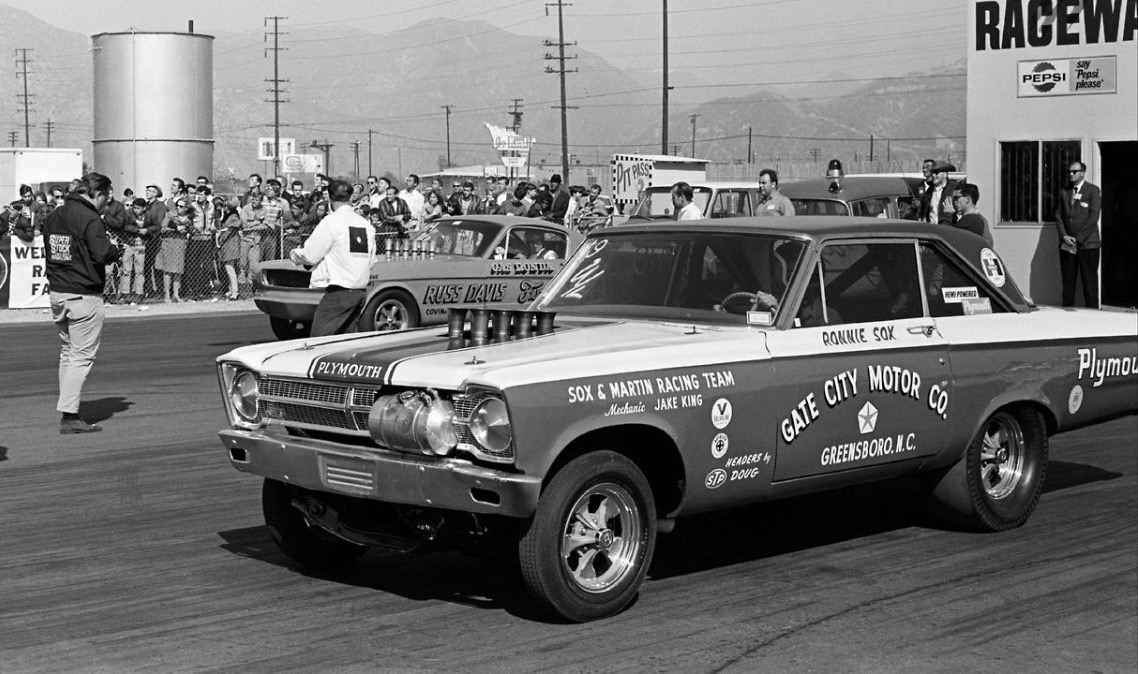
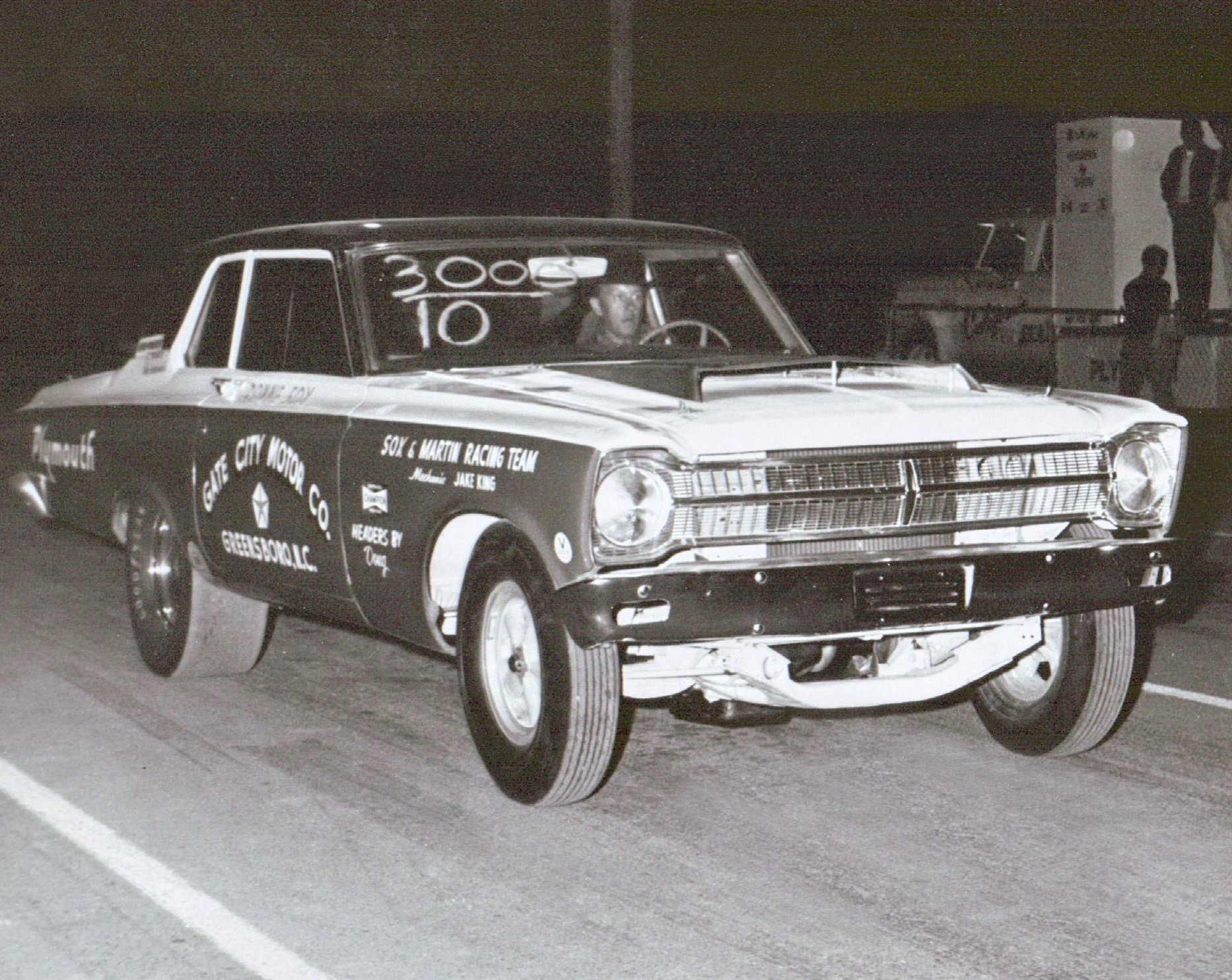
The altered wheelbase car, famously known as the “Paper Tiger,” made history on April 24, 1965, at York U.S. 30 in Pennsylvania. With the addition of a Hilborn injection system, Ronnie Sox ran a 9.98-second ET at 136 mph, becoming the first nine-second stocker on the East Coast. A second version, dubbed “Paper Tiger Too,” emerged later that season. Unlike the original hardtop, this iteration was a sedan, built from a mid-season converted RO-code car.
BACCARUDA
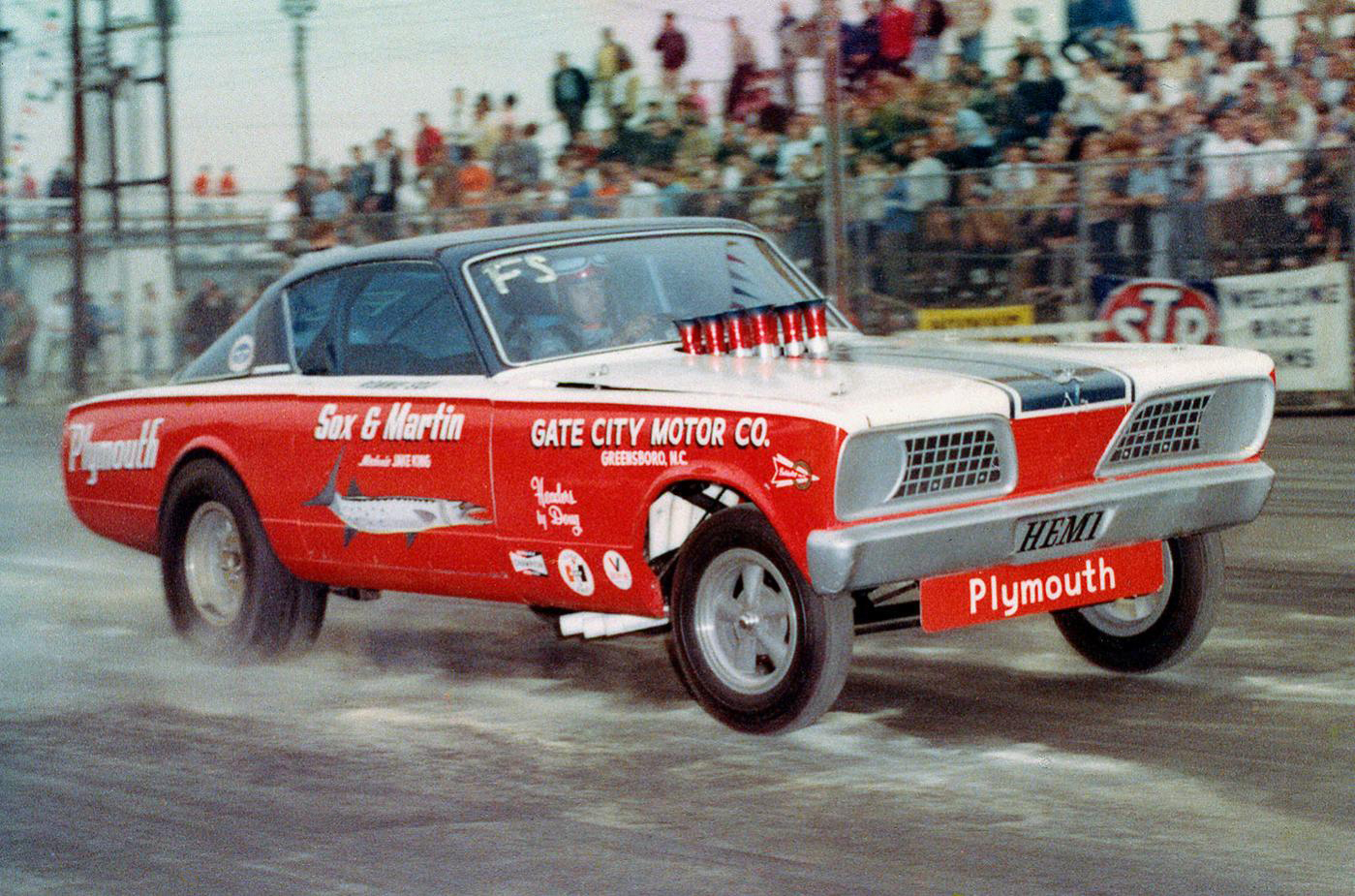
In 1966, Ronnie Sox and Buddy Martin made the move to an injected HEMI engine-powered Barracuda Funny Car, nicknamed the “Baccaruda.” With a fuel-burning, injected HEMI engine, a stretched wheelbase and a lightweight 2,200-pound frame, the car was a monster. It featured eight 26-inch-tall ram tubes and ran on a potent mix of nitromethane and alcohol. Equipped with headers from Doug Thorley, the Baccaruda clocked 8.70-second passes at over 150 mph – and won an astounding 70 out of 90 races that season.
However, at the end of 1966, Chrysler’s racing director Bob Cahill pulled Sox & Martin aside to deliver a new directive: the brand wasn’t selling fuel-burning Barracudas, and Chrysler’s racing efforts needed to align with vehicles the public could actually buy. That conversation marked a turning point. Sox & Martin pivoted to a new strategy – racing cars that looked more like the factory-stock Plymouths on showroom floors. This launched their Super Stock era and the beginning of a traveling road show that brought red, white and blue Plymouth muscle to the fans.
“We introduced our Supercar Clinic program at the 1967 NHRA Winternationals in Pomona, and right away we knew we had something,” Sox recalled. The team spent just as much time engaging with fans and customers as they did on the dragstrip. To prepare, both Sox & Martin received speech and public relations training from Chrysler to ensure they could represent the brand with professionalism and polish.
While traveling to dealerships and clinics across the country – 265 days a year – they still performed on the track. Their HEMI engine-powered Belvedere hardtop clocked a best of 11.34 seconds and racked up multiple SS/B class wins, including victories at the Super Stock & Drag Illustrated Nationals and the NHRA Springnationals.
“The clinic program gave us the money to go first-class on everything,” Sox explained. “The dealers really liked it, and the feedback to Chrysler was great. I enjoyed the questions and stuff – you met a lot of nice people.”
Sox & Martin became the gold standard of professionalism in drag racing. They showed up in clean, matching uniforms, spoke with confidence and made themselves accessible to fans. That dedication helped solidify brand loyalty not just for Plymouth vehicles, but for Mopar® Performance Parts as well.
Years later, in a 1989 interview with Skip Norman, Sox was asked whether he was disappointed about the switch from the high-horsepower Funny Cars to the more restrained Super Stocks. “No way! I loved the Funny Cars,” he admitted. “But after I got back into the swing of things and it was so competitive, it was easier to take.”
BIG INDY WIN
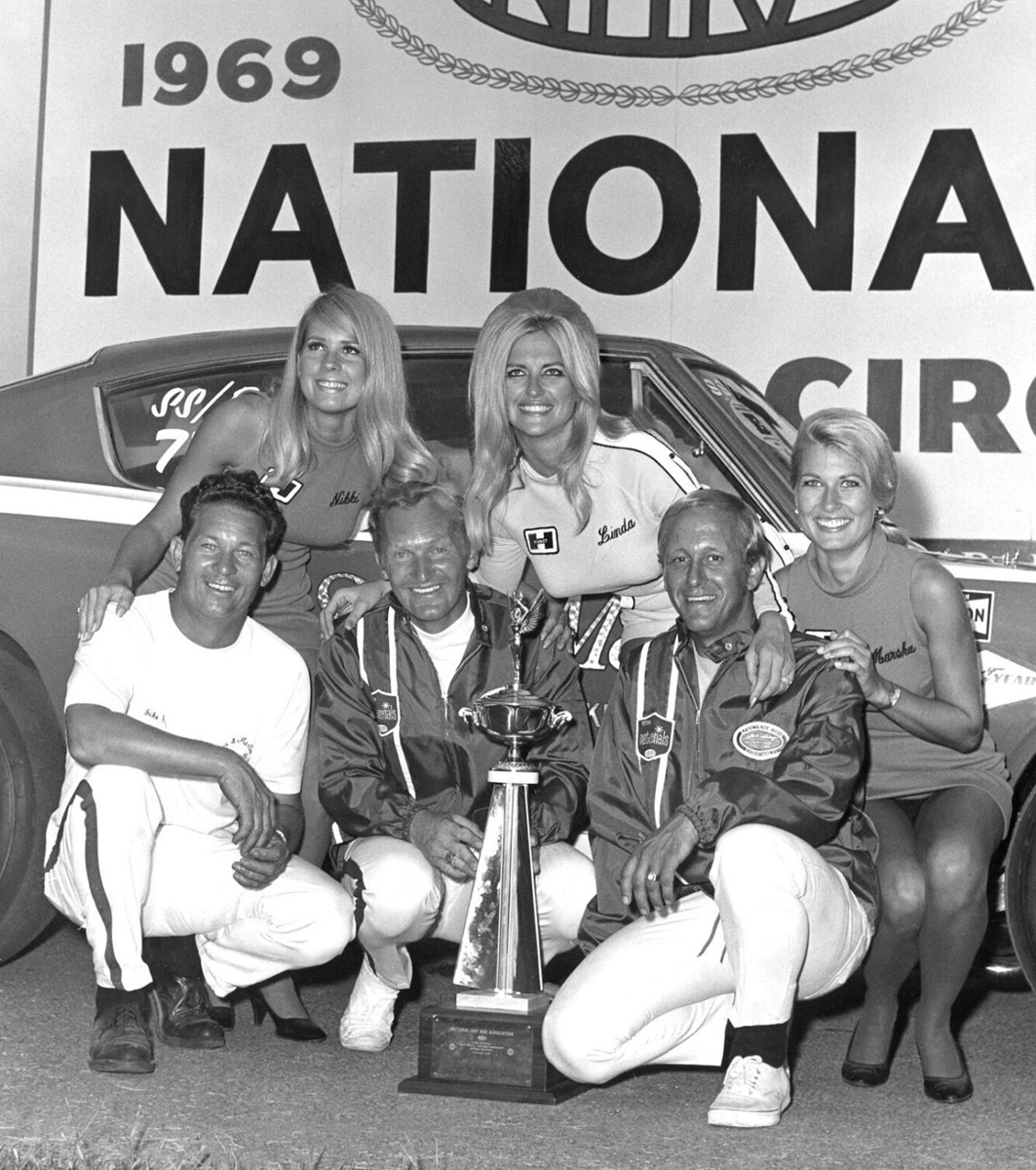
Ronnie Sox found himself in the Winner’s Circle at the 1969 NHRA U.S. Nationals after capturing the Super Stock Eliminator title. Driving the SS/B-class 1968 HEMI Barracuda, Ronnie clinched the victory with a 10.890-second pass at 124.82 mph. Joining the celebration were Linda Vaughn (center), the iconic Hurstettes Nikki and Marsha, along with crew chief Jake King and team partner Buddy Martin – marking another legendary moment in Sox & Martin history.
RONNIE DRAG TESTS THE NEW LINE OF 1970 MUSCLE PLYMOUTHS
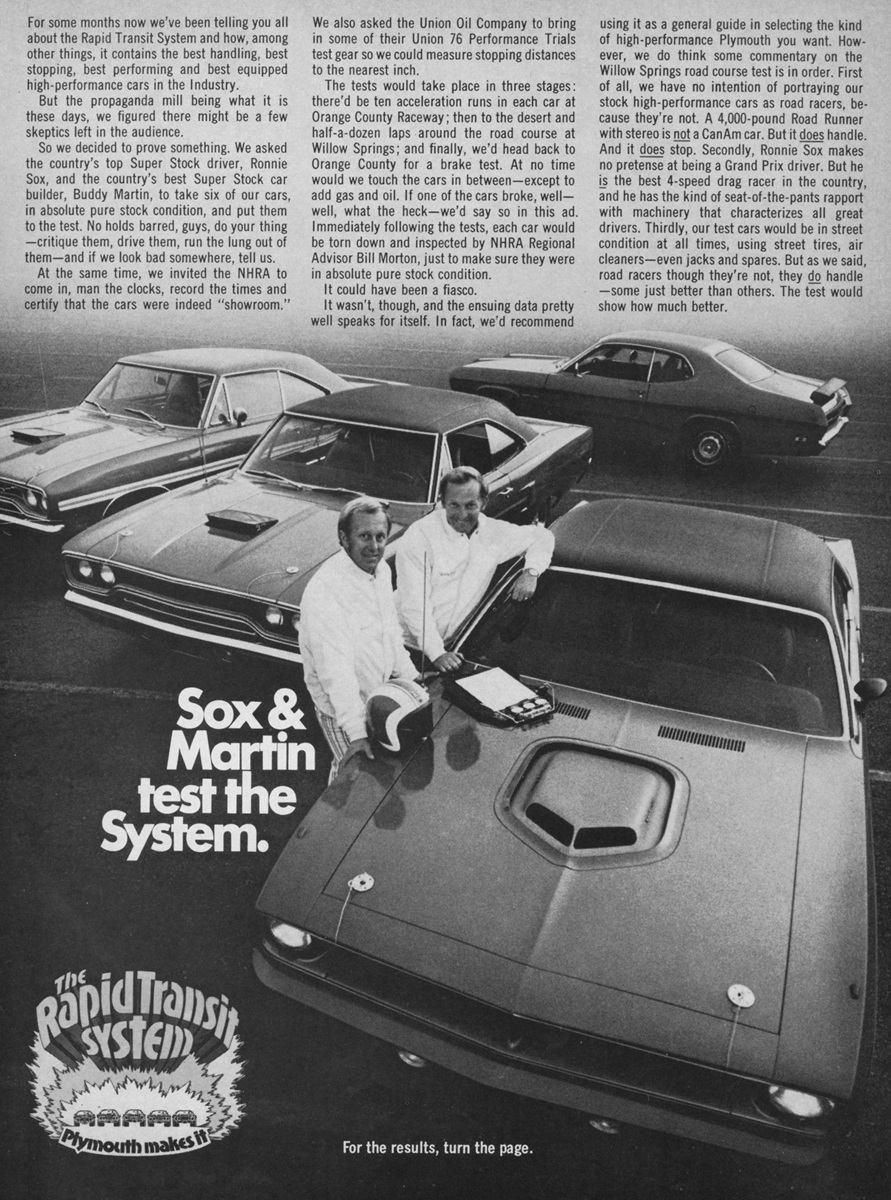
When Plymouth introduced its 1970 performance lineup, it was branded as “The Rapid Transit System.” To showcase just how fast these cars were straight from the showroom, Ronnie Sox was tapped to put them to the test on the drag strip – and the results were featured in national magazine ads. The testing took place at Orange County International Raceway, with NHRA officials present to certify that the vehicles were bone-stock, right down to the power steering, radios and other “unnecessary” options.
Here’s what Sox ran:
- Hemicuda (4-speed, 4.10 gears): 13.39 ET @ 108.17 mph
- Road Runner (440+6, TorqueFlite, 4.10 gears): 13.47 ET @ 106.63 mph
- GTX (440 4-bbl, TorqueFlite, 4.10 gears): 13.57 ET @ 102.38 mph
- Duster 340 (4-speed, 3.91 gears): 13.98 ET @ 100.33 mph
These impressive times helped reinforce Plymouth’s reputation as a true street-to-strip brand – and Ronnie Sox once again proved he was the perfect driver to deliver the message.
1970 PRO STOCK CLASS ARRIVES
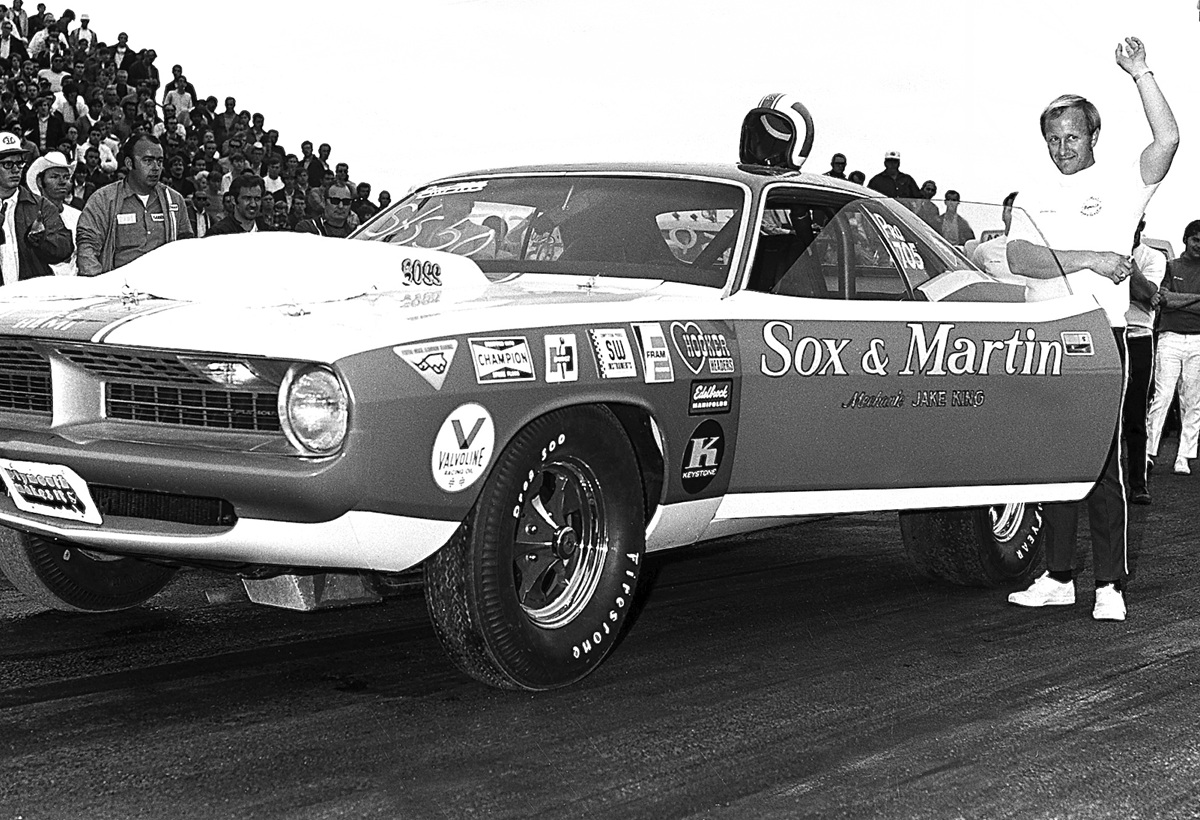
The launch of NHRA’s Pro Stock class in 1970 marked a return to form for Ronnie Sox – echoing the glory days of the A/FX match races back in 1965. True to his nickname, “The Boss,” Sox dominated the new category, winning nine of the 15 NHRA national events held across the 1970 and 1971 seasons.
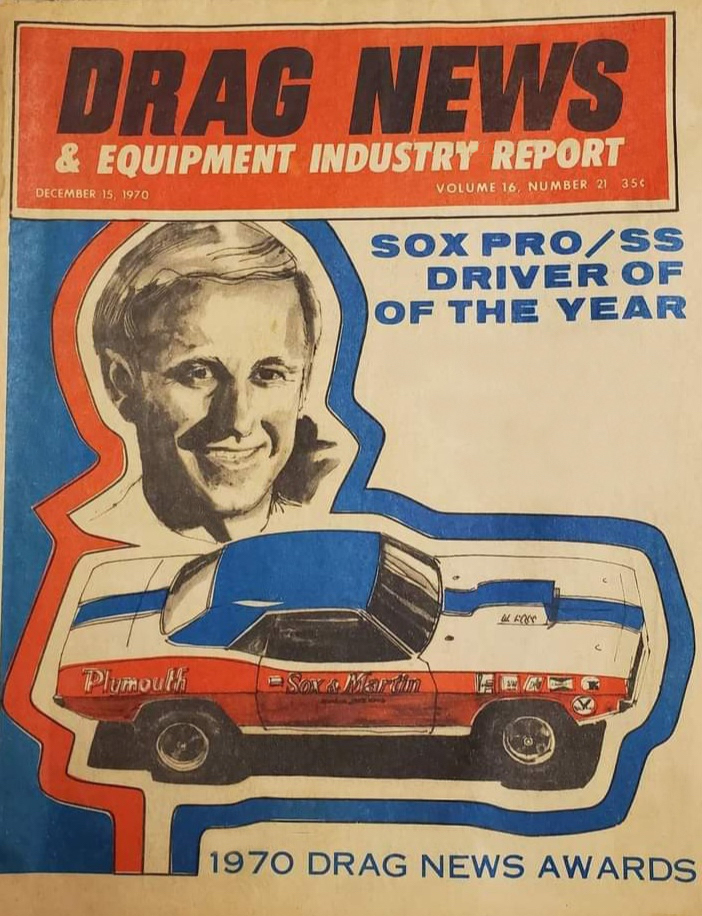
At the end of 1970, the weekly paper DRAG NEWS proclaimed Ronnie Sox as “Pro/SS Driver of the Year” and the team had great success the following season as well.
A HERO’S WELCOME
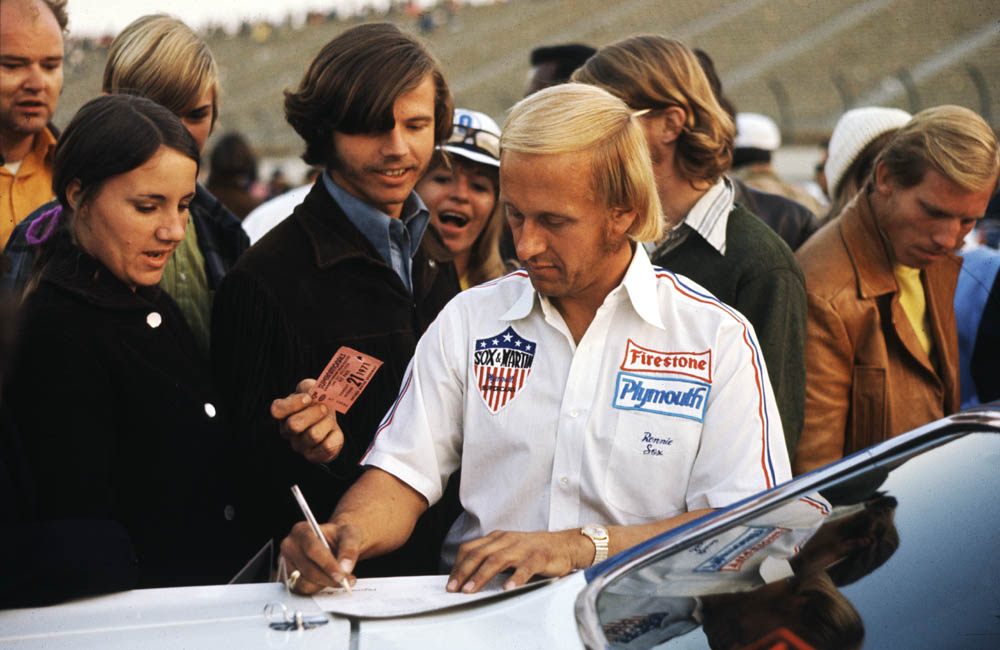
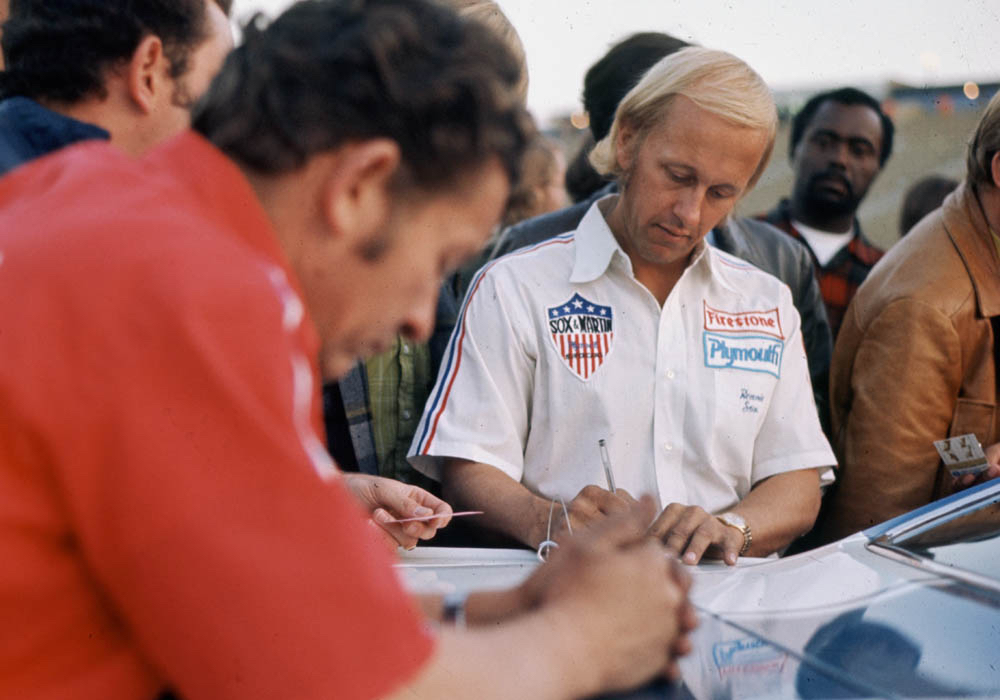
Whether it was an AHRA, NHRA, INRA or match race event, fans were always eager for the chance to see their hero, Ronnie Sox – and there was always a line waiting for his autograph.
SOX WITH GRUMPY JENKINS
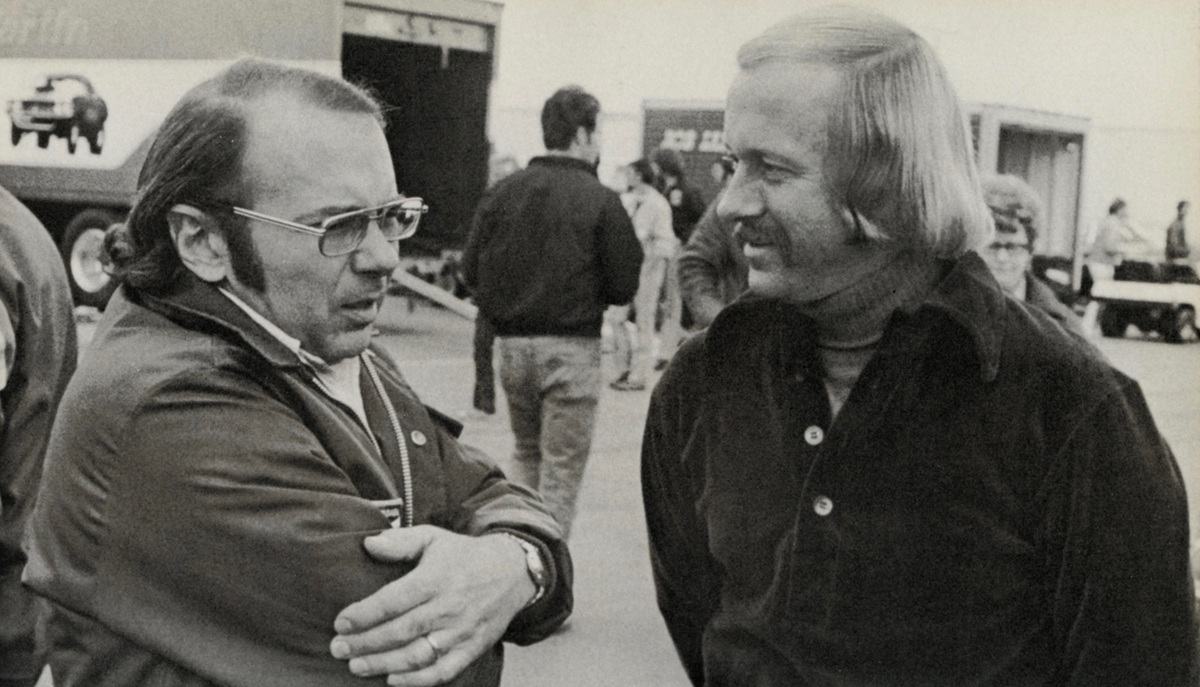
While they were rivals on the track, Ronnie was friends with the group that ran the Pro Stock circuit, shown here with Chevrolet racer Bill “Grumpy” Jenkins.
TROPHY
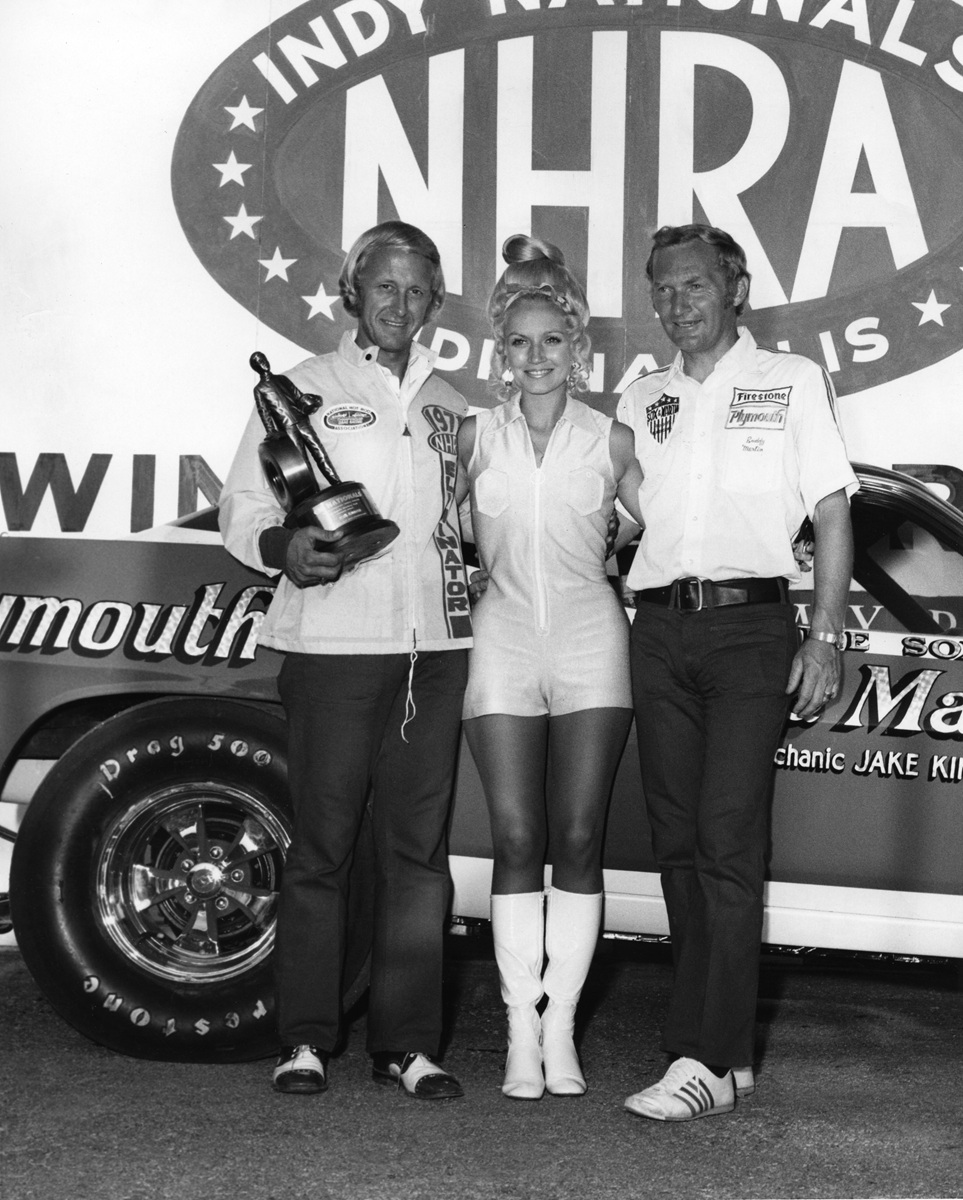
“We built the best race car we ever had that year (1971). That car was acid-dipped. The ’71 ’Cuda was great. Chrysler spent a lot of money on the Motown Missile to beat us. When they would test, they wouldn’t share the information with us.”
1972 ’CUDA
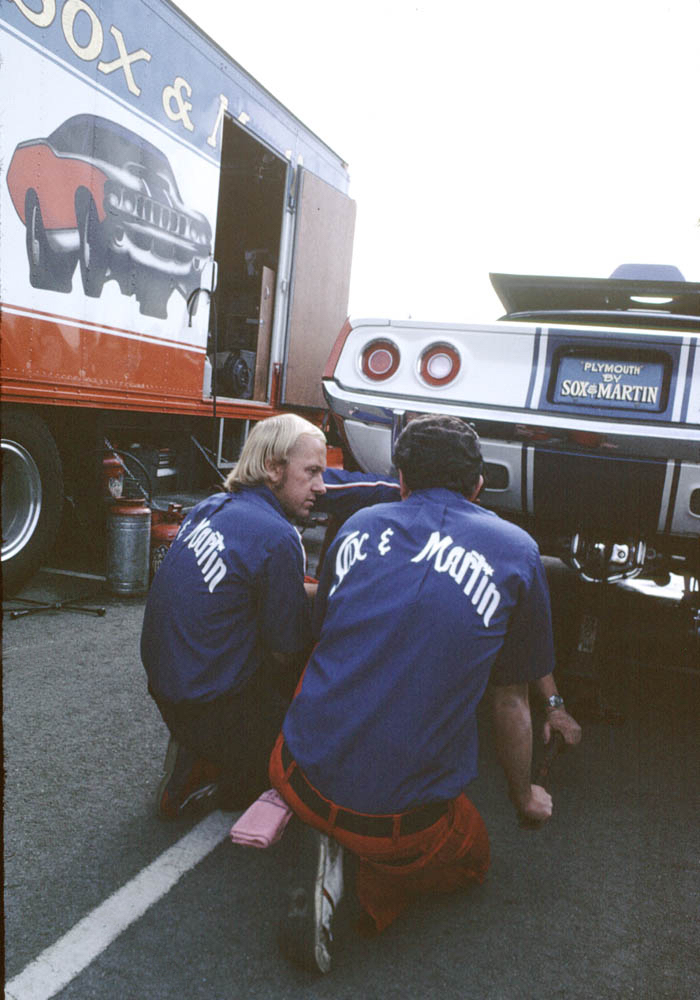
“I really enjoyed driving the 4-speed cars. They weren’t as fast as today’s machines, but back then, with a 4-speed, you could out-drive someone by maybe a tenth and a half. That’s not the case anymore – you’ve got to out-horsepower them. Once the driver leaves the starting line now, 90% of the work is done. With the Lenco transmissions, it’s so easy to pull the gears. But with the old 4-speeds, we ran the clutch linkage real tight and used short shift levers. When Chrysler installed computers in the car, they found I could actually shift faster than an automatic. I had total confidence in myself, and that was a huge advantage. Plus, we tested the cars constantly – day and night, every day of the week. Probably my favorite car was the 1972 ’Cuda. It was fast, fun and the most responsive car we ever ran.” As told by Ronnie to Woody Hatten, July 1985.
SWITCH TO HEMI COLTS
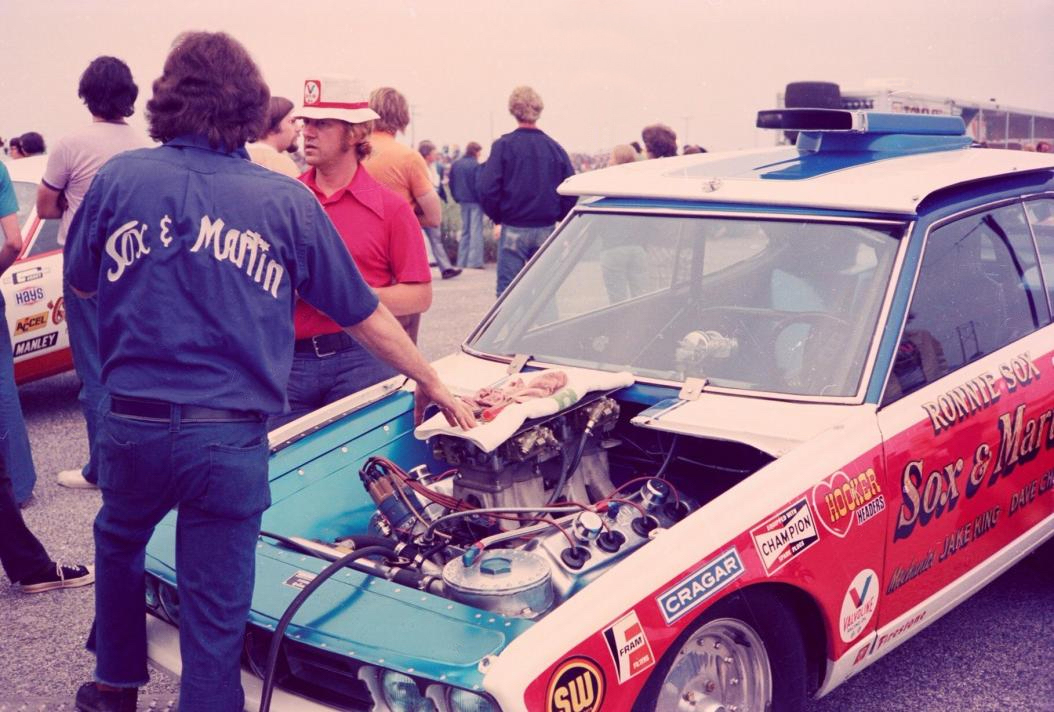
With a Jake King-built HEMI engine under the hood, Ronnie Sox went head-to-head in match races against Jenkins’ Vega, laying down mid-eight-second passes at nearly 160 mph. Truly, the good ol’ days of drag racing!
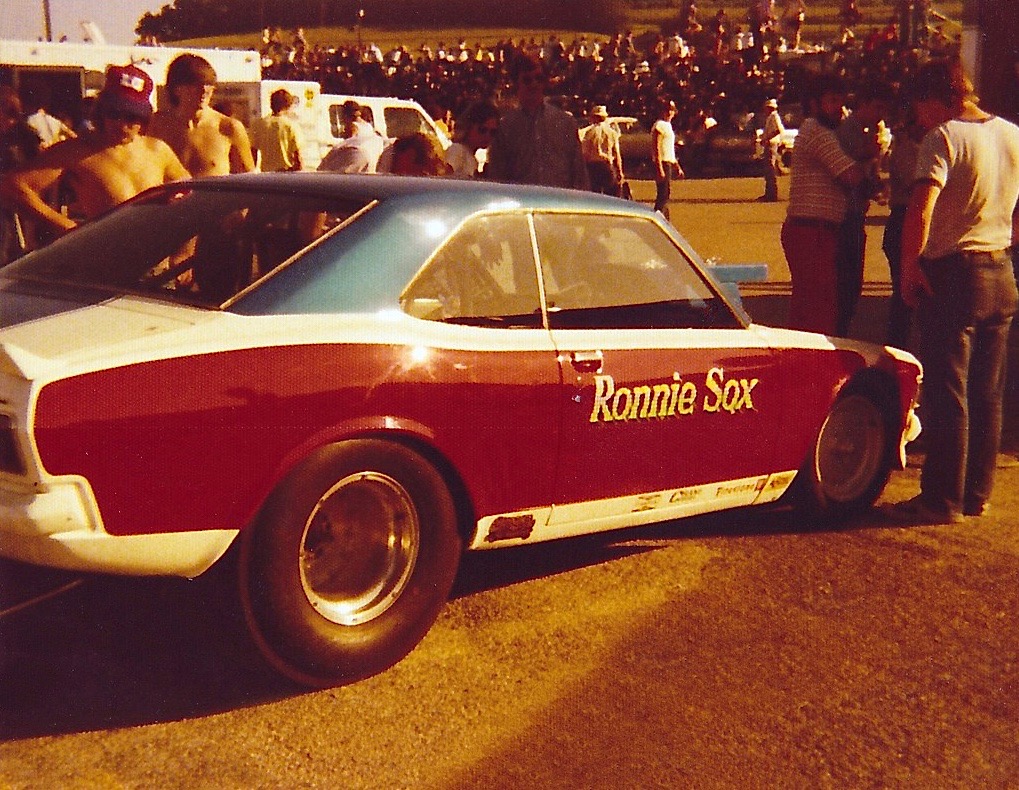
According to Ronnie, the HEMI engine-powered Colt – despite its compact 96-inch wheelbase – was surprisingly easy to drive. It featured a Lenco transmission and a Don Hardy double frame rail chassis. He closed out his 1976 season behind the wheel of the Colt, running it under Billy Stepp’s “Billy The Kid” banner.
By 1975, however, the legendary Sox & Martin partnership had come to an end. Although the split was amicable, both Ronnie and Buddy agreed it was time to go their separate ways. Despite the team’s remarkable success – alongside engine wizard Jake King – they faced mounting challenges in NHRA Pro Stock competition. Rule changes added weight penalties to HEMI engine-powered Mopar vehicles, making their Plymouths and Dodges increasingly uncompetitive against lighter Chevrolets and Fords, which benefited from more favorable cubic-inch-to-weight ratios.
Another factor behind the decision was economics. While Sox & Martin could still perform well in the Super Stock ranks, the available prize and appearance money simply wasn’t enough to sustain a team of their size and caliber.
Buddy Martin officially requested termination of the team’s contract with Chrysler. At a time when the corporation was already cutting back its motorsports budget, there was no effort to stop them. The team’s iconic Duster and even their “boycott” 1968 SS/A HEMI Barracuda were sold off – marking the true end of an unforgettable era.
Reflecting on the breakup, Buddy Martin said: “There was never animosity between Ronnie, Jake and me. We were all giving 110 percent the whole time we were together.”
Ronnie continued to race the HEMI Colt for a time, but the days of Jake King tuning and factory backing were officially over.
PRODUCT ENDORSEMENTS
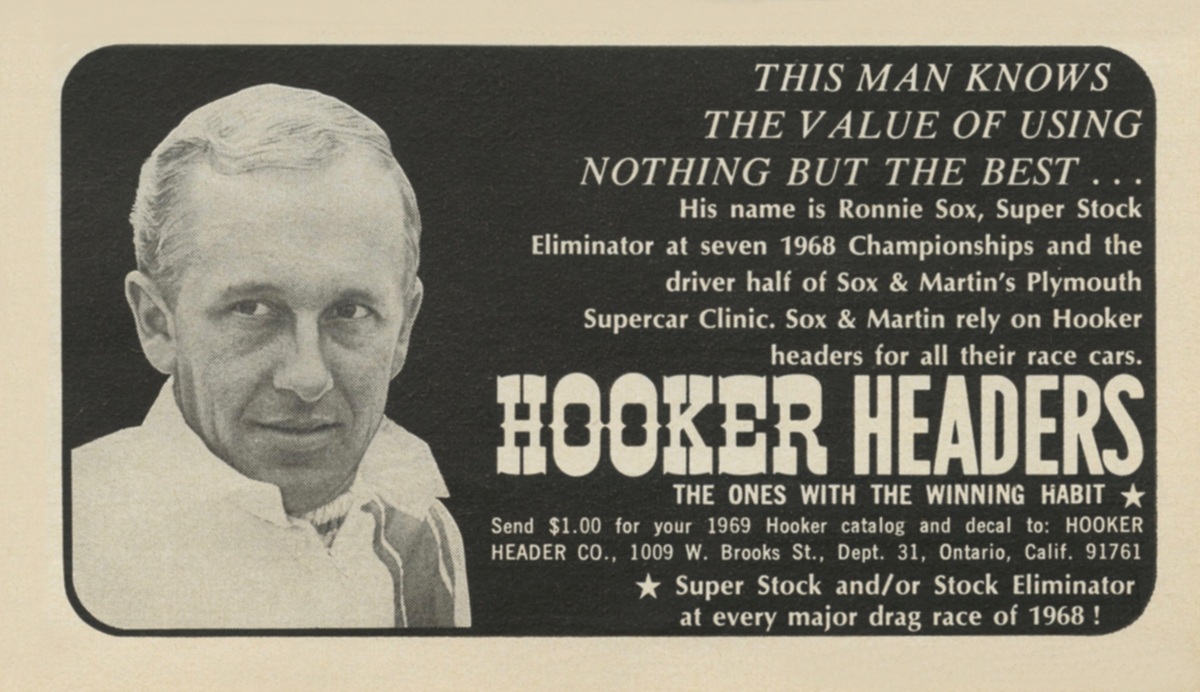
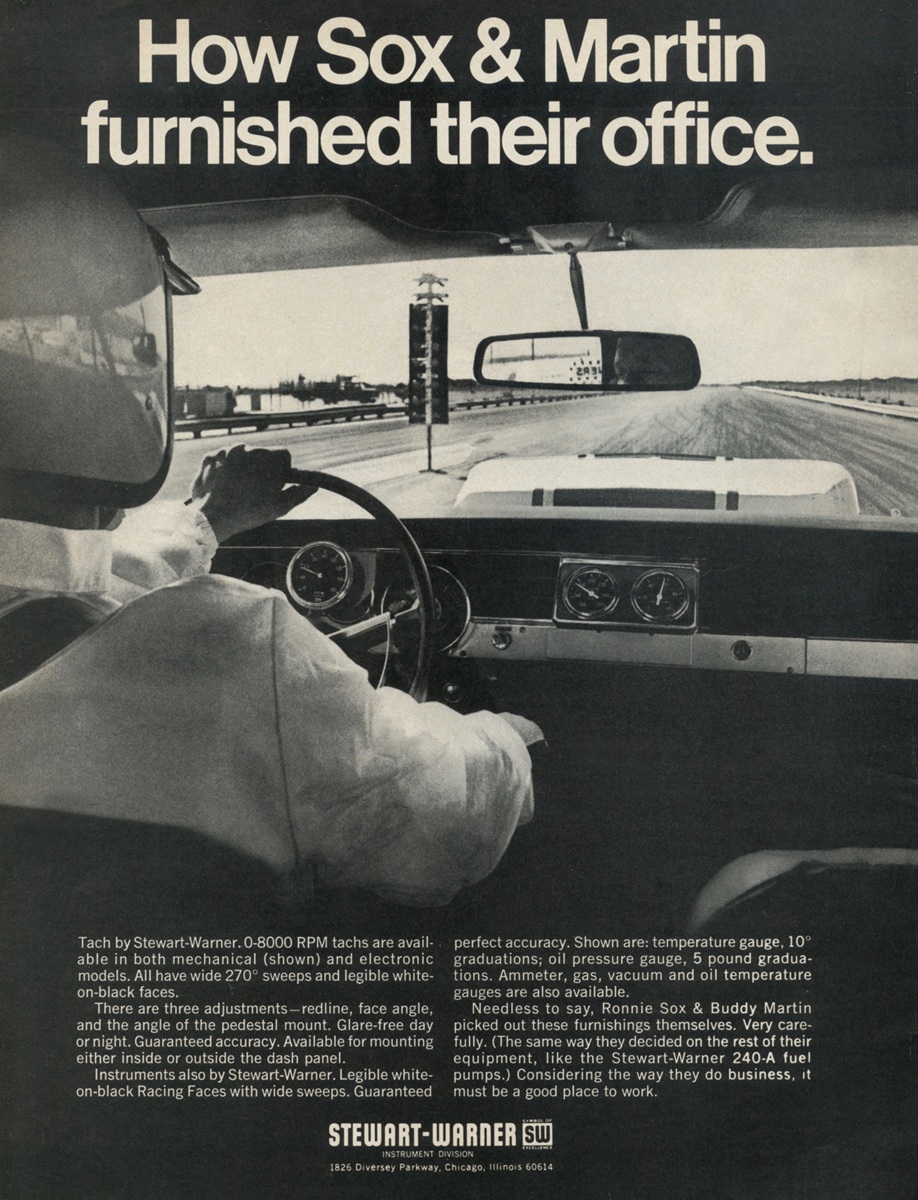
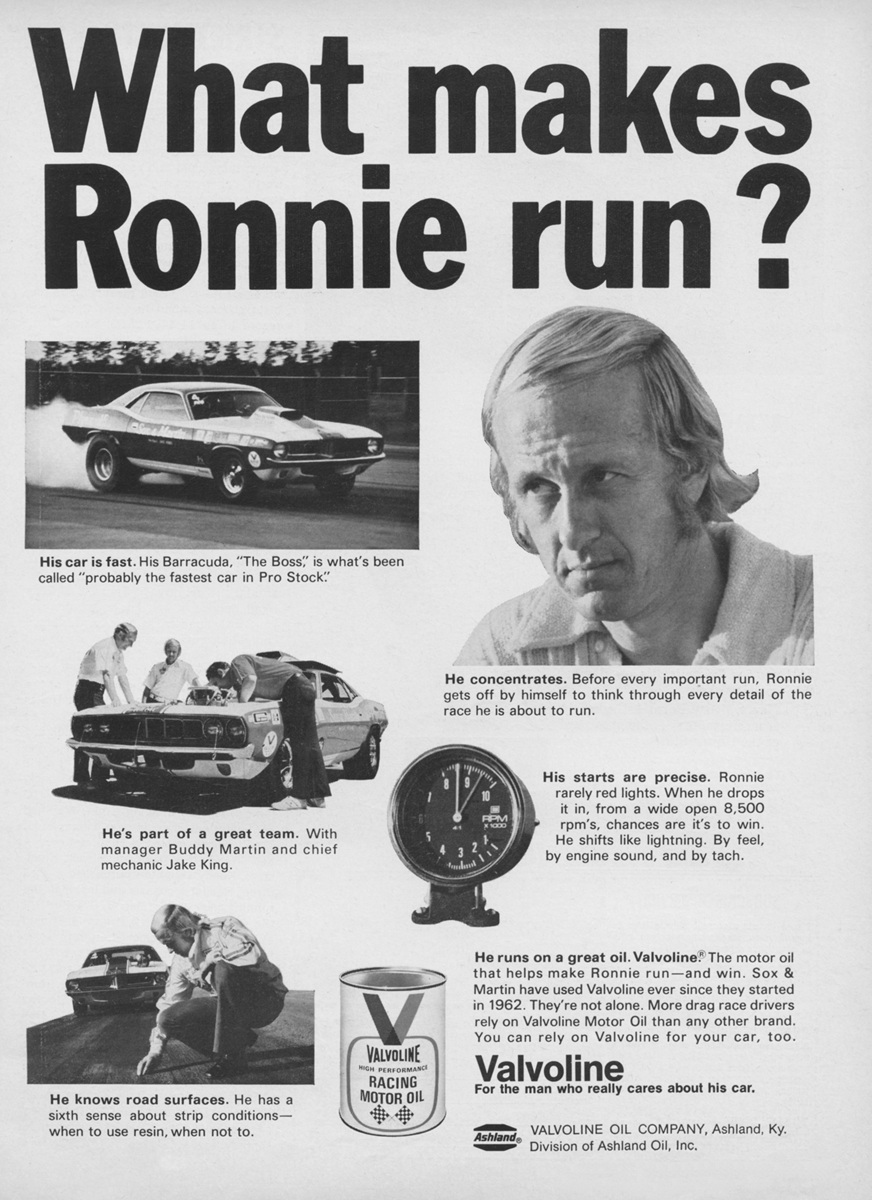
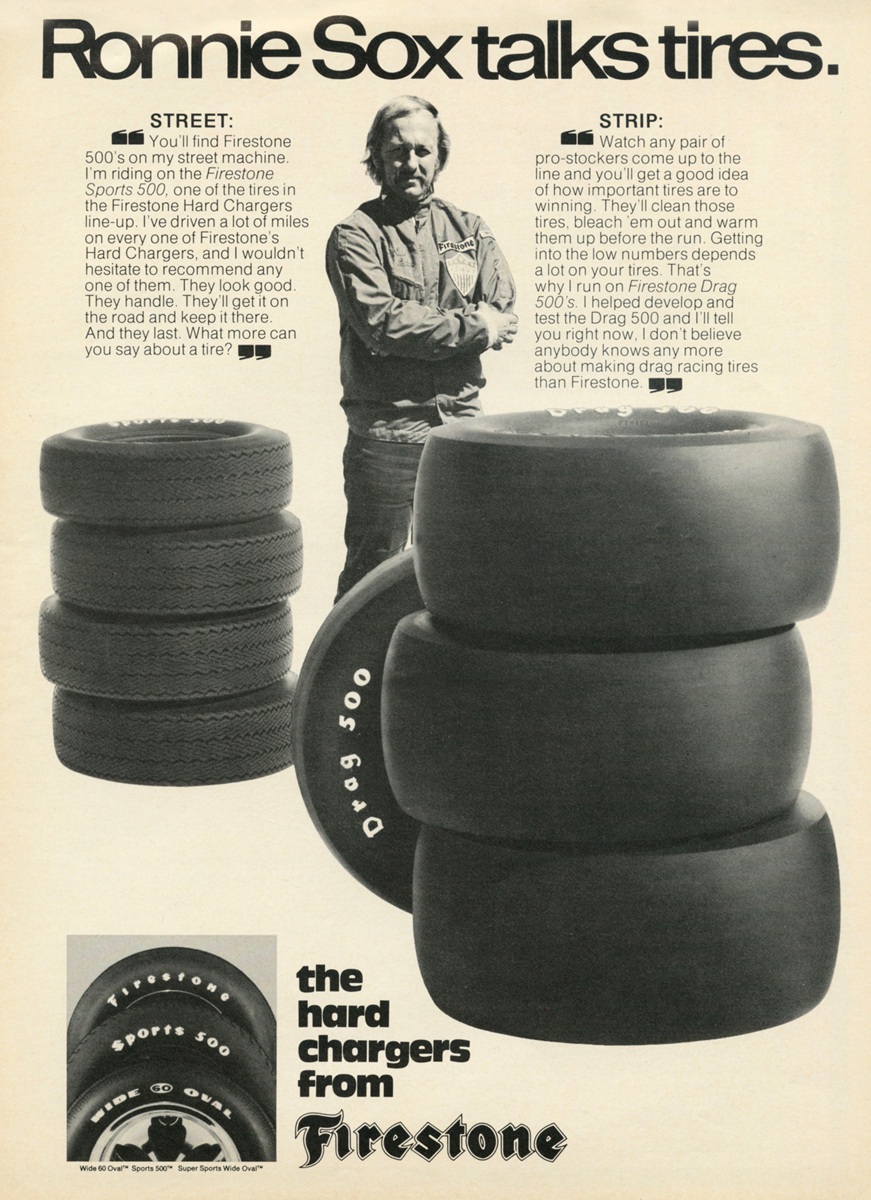
During his years of dominance, Ronnie Sox became a go-to figure for performance brands looking to align with a true winner. He was prominently featured in advertising campaigns for Hooker Headers, Stewart-Warner Instruments, Valvoline Oil and Firestone Tires. The Sox & Martin team also appeared in marketing for other top-tier brands, including Hurst, Champion Spark Plugs, Fram Filters, Edelbrock, Mr. Gasket, Federal-Mogul Bearings and Keystone Wheels – further cementing their status as icons of the muscle car era.
DUSTERS
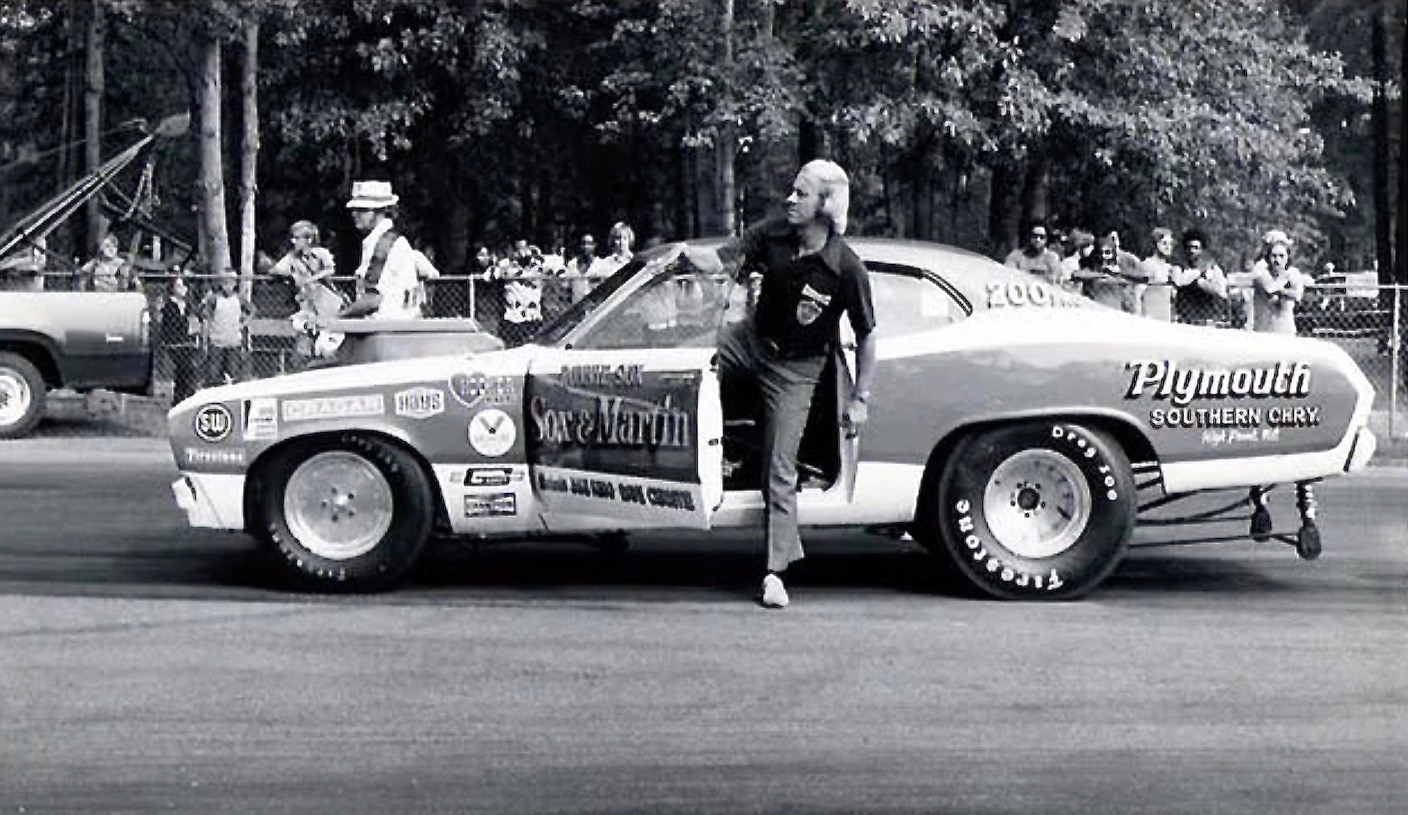
Circa 1973, Ronnie Sox was behind the wheel of a Don Hardy-built Duster – one of the most advanced Pro Stock machines of its time. The car featured a full tube chassis, acid-dipped body panels and extensive use of magnesium components. While it maintained a correct wheelbase, it was moved forward for better weight transfer, and the firewall was relocated rearward. Weighing in at just 2,700 pounds, it was purpose-built for performance.
Under the hood was a lightweight HEMI block with 16-plug ignition, paired with a Ramchargers magnesium Dana 60 rear end. The Duster was originally sourced from fellow Plymouth racer Don Grotheer and represented the cutting edge of Pro Stock engineering in the early ’70s.
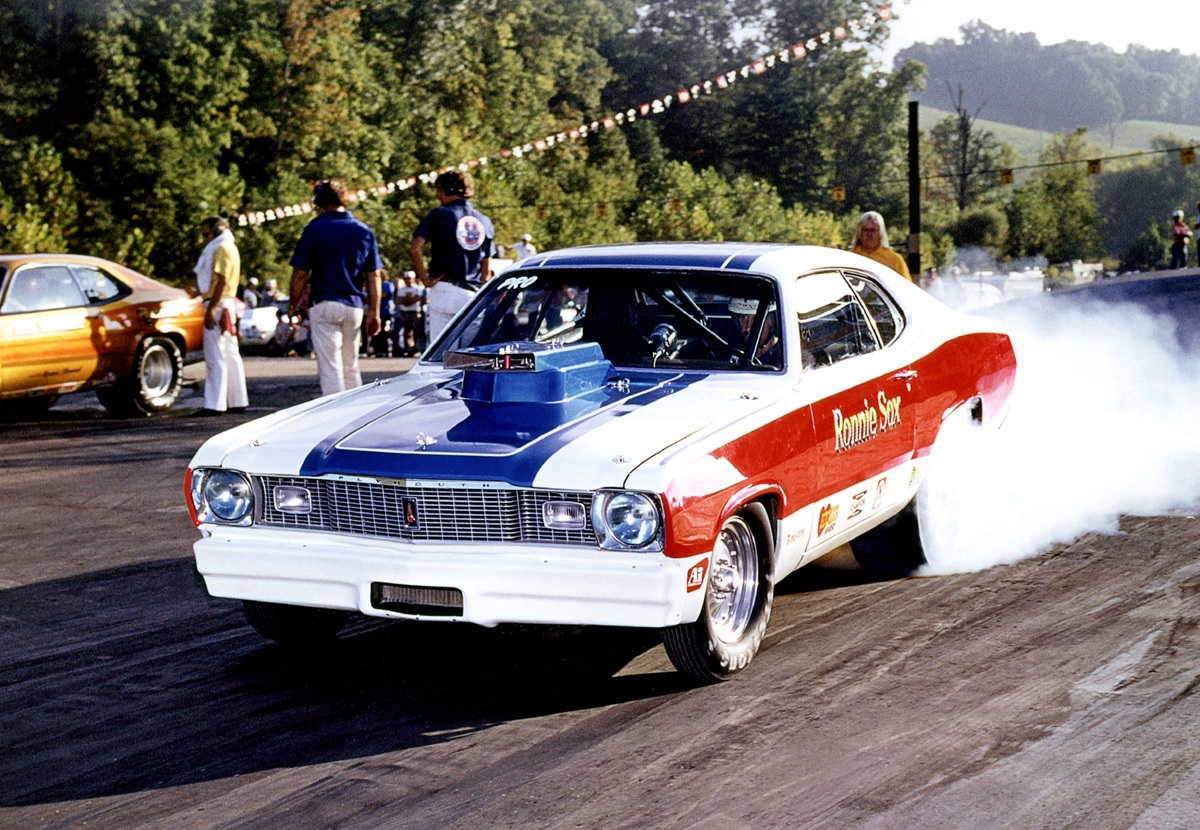
After the Sox & Martin team disbanded, Ronnie took some time off – spending a bit of it on the golf course – but the itch to race never left. He eventually returned to the match race scene with this independent Duster. Unlike his earlier factory-backed efforts, this car carried no “Plymouth” or “Mopar” branding and was run entirely out of his own pocket. A rare photo captures this lesser-known chapter of Ronnie’s racing journey.
SMALL BLOCK NHRA PRO STOCK RETURN
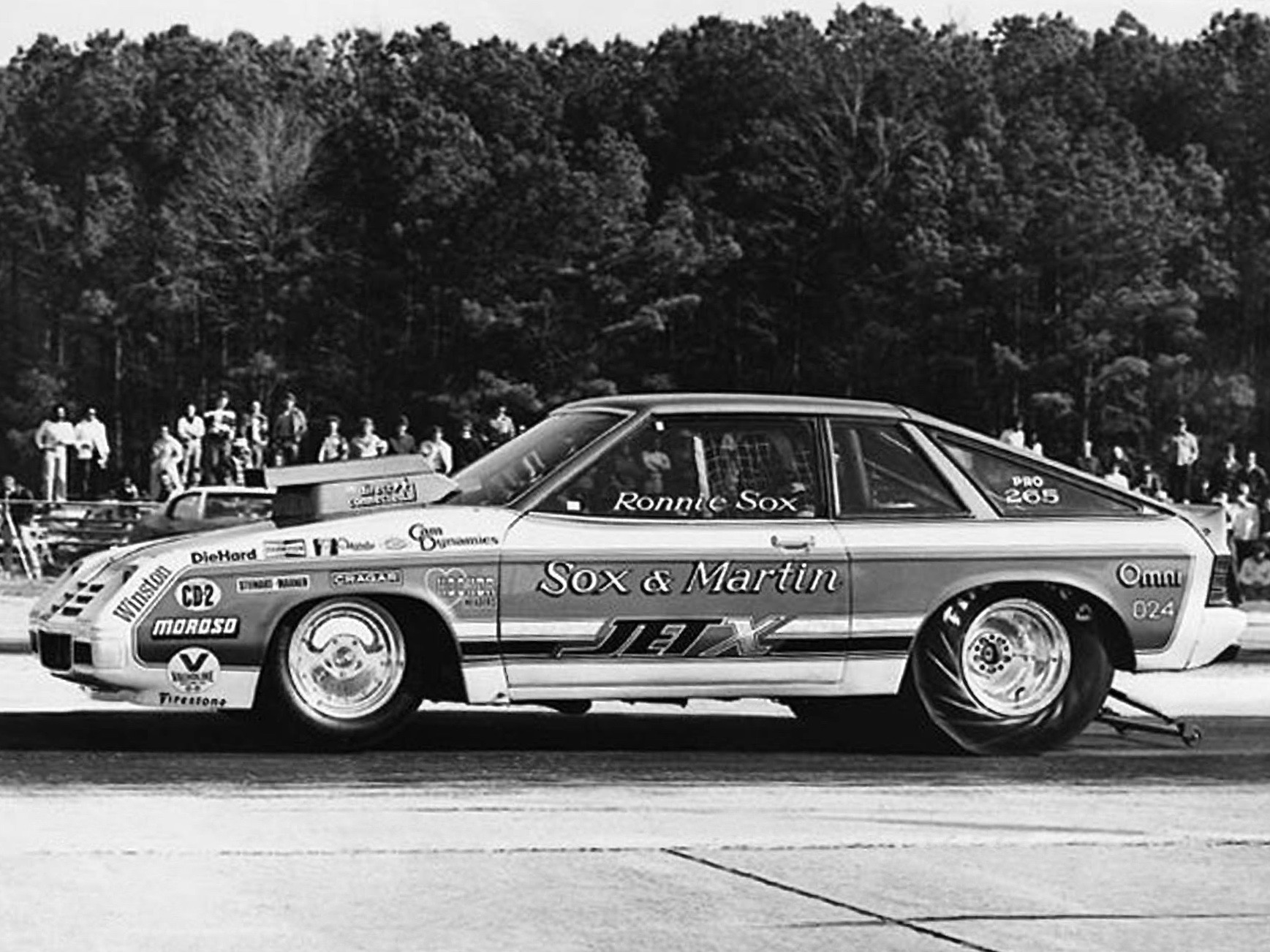
“We put together a small-block Omni. Chrysler was helping out, and we won Darlington and later Rockingham with that same car,” Ronnie recalled. It was 1979, and this car followed a one-year run with a HEMI engine-powered Dodge Challenger (Japanese body style) in the A/FX class.
The Omni was a fully NHRA-legal Pro Stocker, powered by a 337-cubic-inch small-block built by Diamond Racing Engines. The chassis came from Don Hardy, and Chick DeNinno handled the tuning. It marked a new era for Ronnie – lighter, smaller and still competitive.
RED-WHITE-BLUE
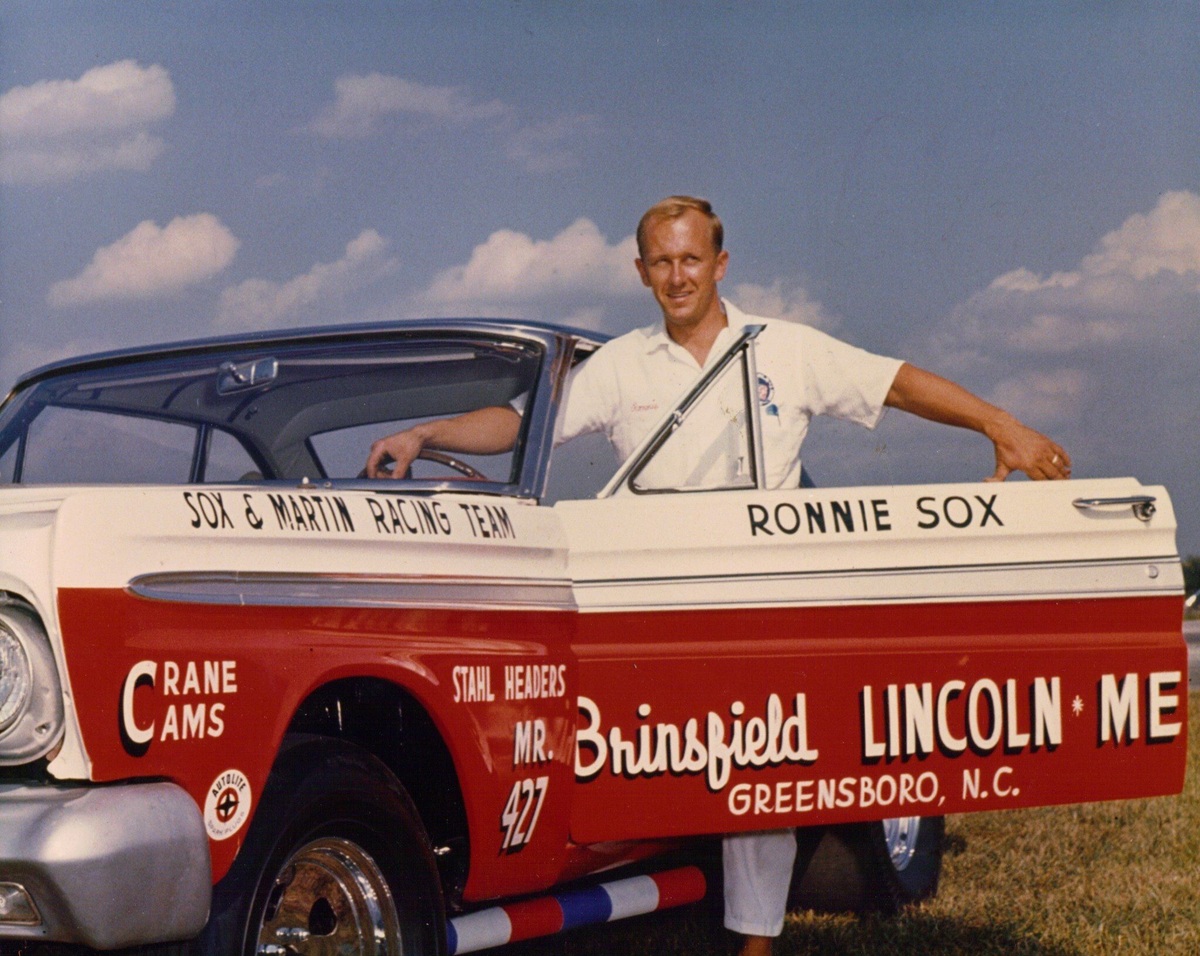
The iconic red, white and blue color scheme that became synonymous with Sox & Martin began back in 1964, when they campaigned a Mercury Comet in that bold livery. Over the years, the patriotic theme became their trademark. The final red, white and blue Sox & Martin entry came in the late 1990s, when they built a Dodge Dakota for NHRA’s Pro Stock Truck class.
“I told Buddy I wanted to go NHRA truck racing, and he liked the idea,” Ronnie recalled in a conversation with author Jeff Burk. The truck was powered by a 358-cubic-inch Dick Maskin-built Mopar small block, paired with a Liberty 5-speed manual racing transmission – a fitting modern sendoff for the legendary team’s color legacy.
Quote on Ronnie Sox from partner Buddy Martin:
“Ronnie’s skills as a driver were a gift. He was very coordinated with his hand and foot. In addition to his shifting, his reaction times were outstanding. Everyone drove 4-speed cars at that time, and other drivers would miss gears left and right. That never happened with Ronnie. Everybody had an excuse, but Ronnie could get into anyone else’s car and have no problems whatsoever.”
Quote on Ronnie Sox from Chrysler’s Bob Cahill:
“It was a pure joy to listen to his engines when he had run. There was no pause or over-revving, Ronnie was so good that he really didn’t need a tach. Perhaps the only other drivers close to him were Butch Leal and Herb McCandless, but Ronnie was the best of them all.”
Quote on Ronnie Sox from Dick Landy:
“Ronnie was a great Pro Stock driver, but he also was very skilled in handicap racing when he ran in the Super Stock classes. Everyone always got nervous when they had to race him because they knew he was the best.”
WHAT RONNIE SOX REMEMBERED THE MOST:
“There’s been so much,” Ronnie shared. “One that stands out was in 1970, when we – along with a bunch of other racers – were invited to the White House by President Nixon. That was an incredible feeling. My very first win at Pomona in 1964 was also unforgettable. Then there was the win at Darlington with my Omni after an eight-year dry spell – that was a really emotional moment.
The year I won the Hurst bonus at Dallas in 1970 was one of the best. There was so much buildup to it, and it just felt huge. But honestly, the friendships have been the highlight. I wish I had written down all the funny, sad and exciting things that happened over the years. It’s been a fun ride.”
—As told to Skip Norman, 1989
RONNIE SOX: 1938 – 2006
His legacy as a champion driver, successful racer and likeable personality will endure forever.
Author: James Maxwell
0 Comments