Fully Charged
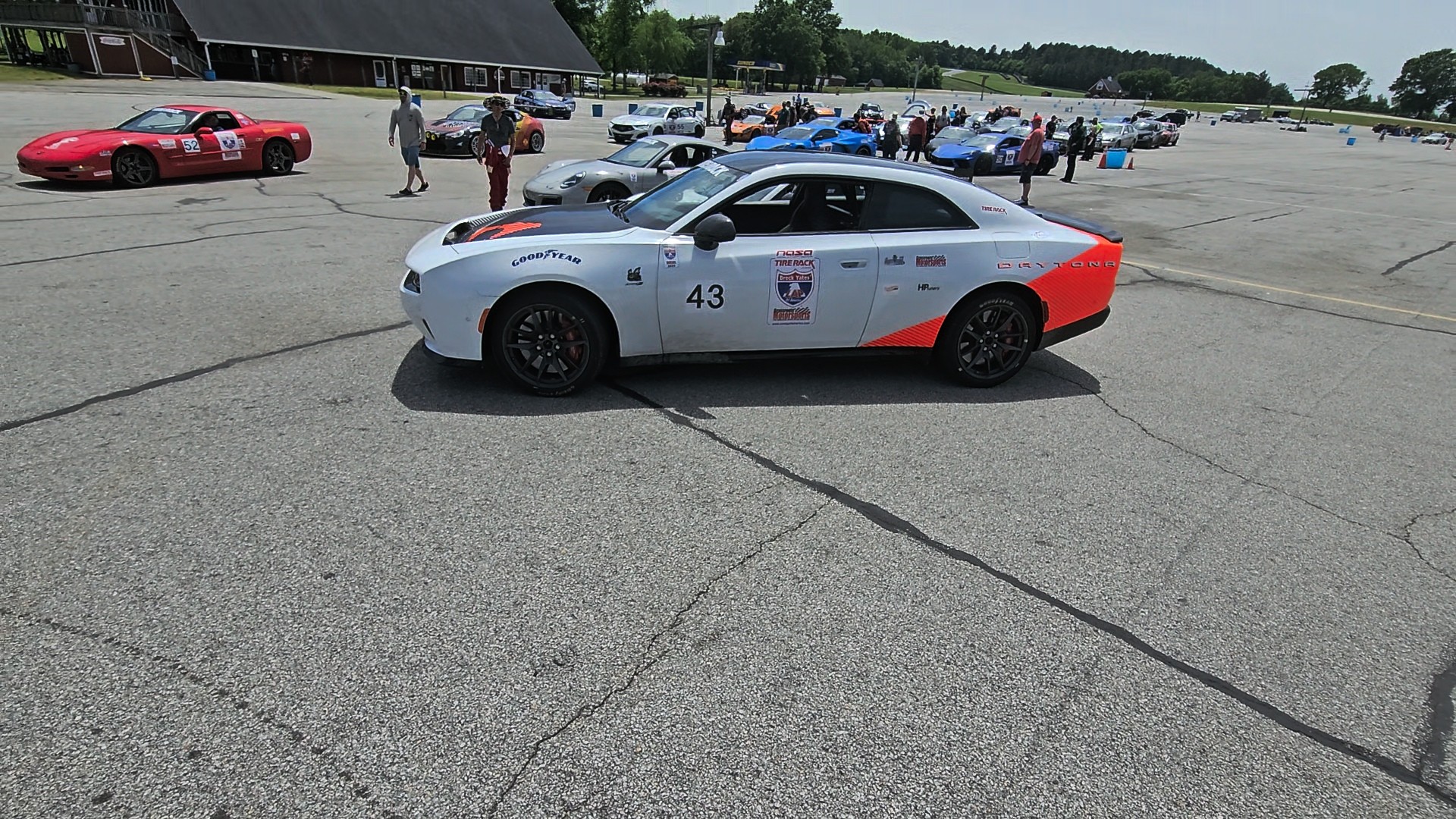
Picture this: It’s a random Wednesday afternoon, and while most people are grinding through another workday, Jordan Rose is cruising down Virginia highways with one mission—to chase down a Dodge Charger Daytona Scat Pack that’s making its way across the Midwest and Northeastern United States one race track at a time. Oh yeah, he probably should be at work right now, but… curiosity and passion for what he does have brought him across the state to ask a few questions and catch a glimpse of the Charger on a race track.
“I’m definitely supposed to be at work right now,” Rose laughs, standing in the parking lot of the Danville, Virginia Welcome Center, just a stone’s throw from Virginia International Raceway. But when you’re this obsessed with a car—obsessed enough to lease one yourself and start a YouTube channel about it—you make interesting life choices on weekdays.
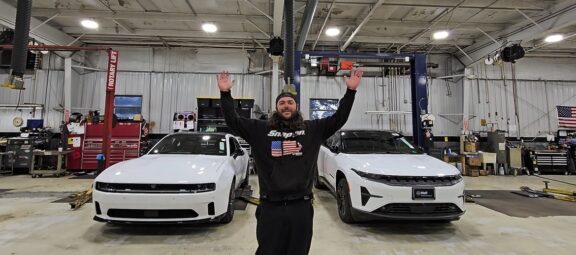
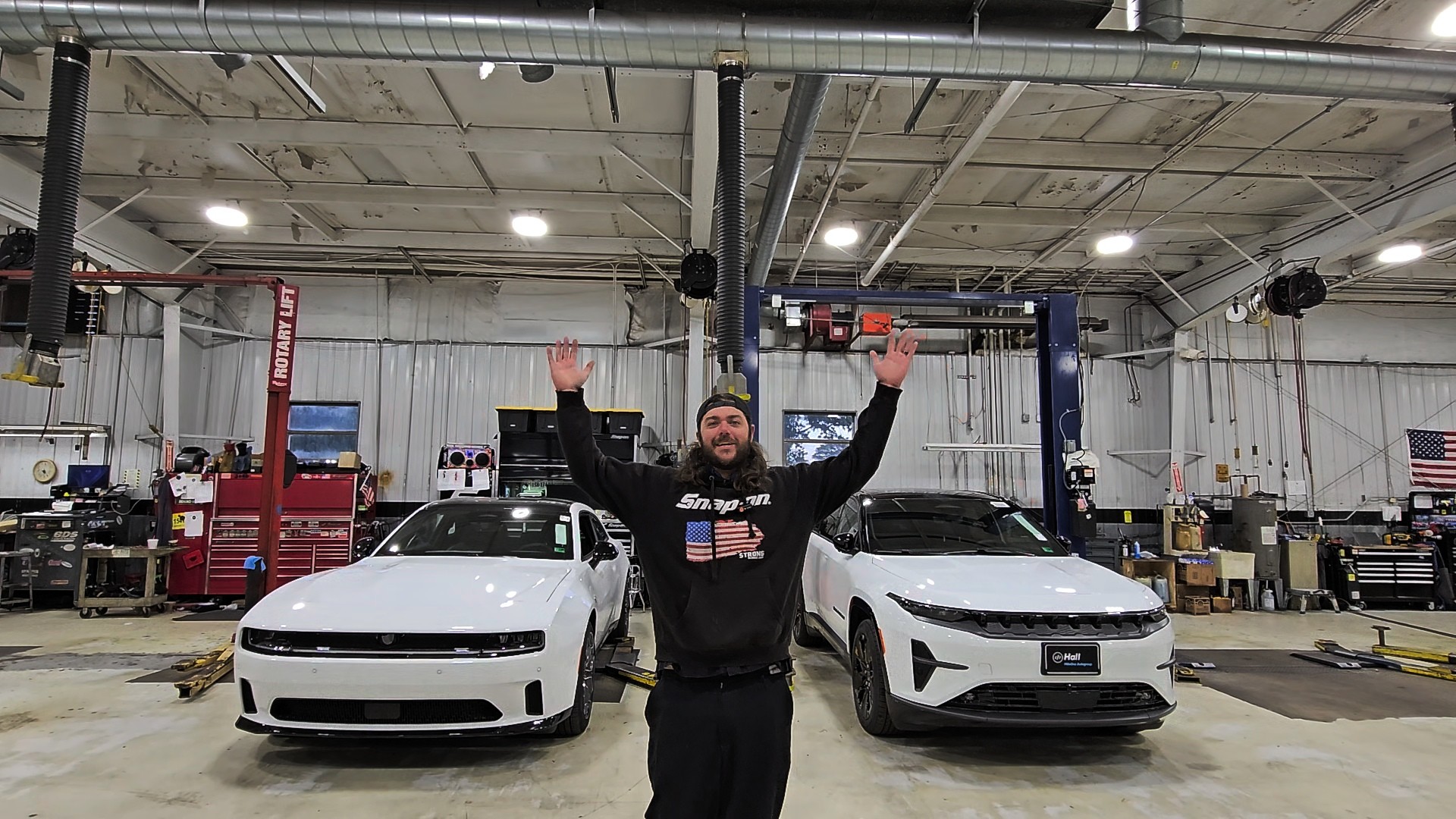
This isn’t simply being a fan of the EV Charger, though. Rose is a Mopar® service tech who went from not fully understanding electric vehicles to becoming one of their biggest champions. And we’re talking complete conversion here—the kind where you call in to work, drive for hours, and track down the Charger like you’re hunting down a rare Pokémon card.
Let’s rewind to when Rose was firmly in the “EVs are bad” camp. “A couple of years back, I hated them. I wanted nothing to do with them,” he admits. “It was just kind of the attitude of your average technician—BEV is bad.” Classic mechanic logic, right? If it doesn’t have pistons, rings, and seventeen different ways to leak oil, it’s suspicious. Rose was living that life, probably rolling his eyes every time someone mentioned battery packs and regenerative braking.
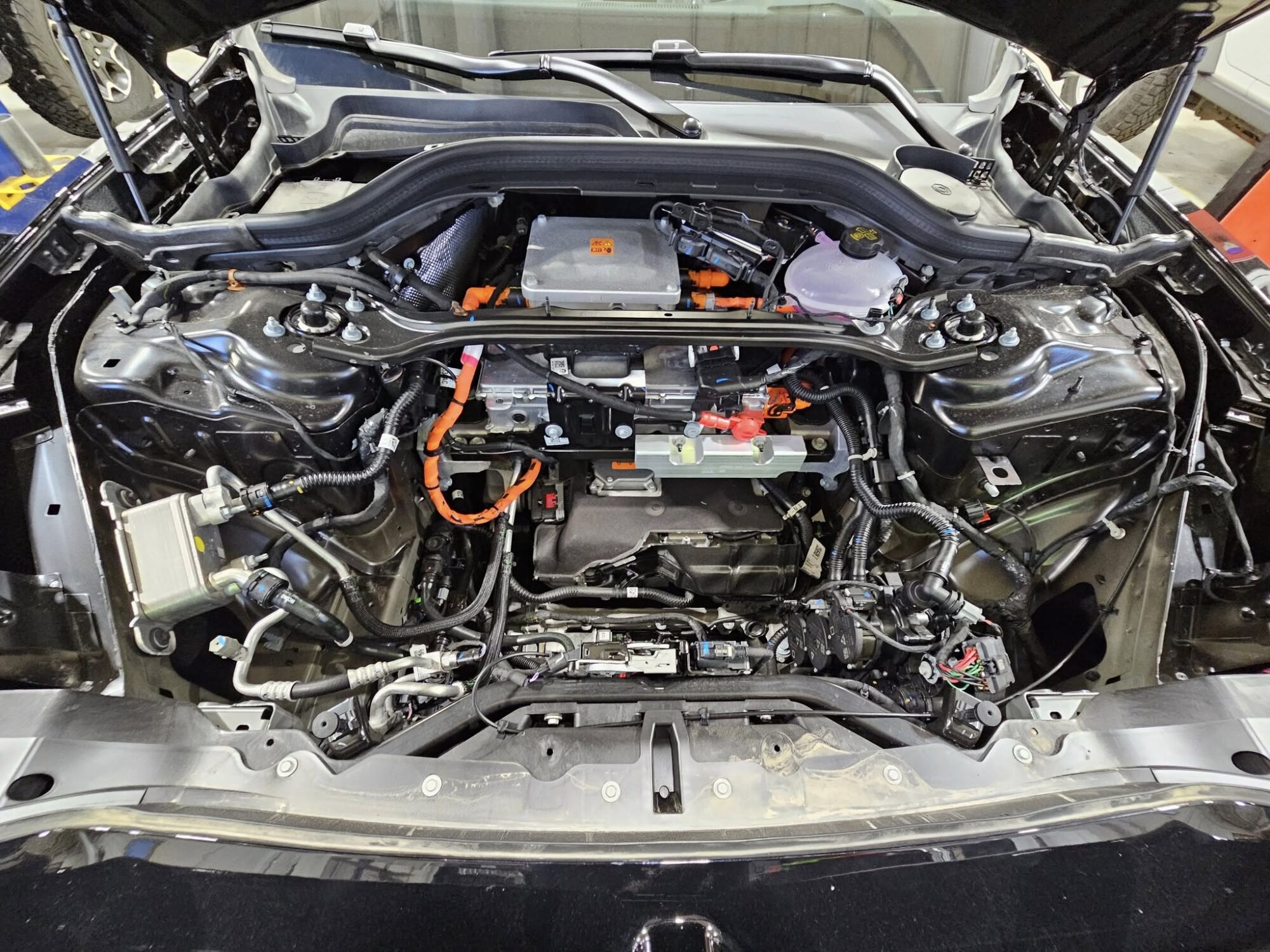
Then something funny happened. Jordan actually took the time to learn about EVs. During his first EV training course, Rose had what you might call a “things that make you go hmmm” moment. Instead of the mechanical nightmare he’d imagined, he found something surprisingly…simple? “Compared to most things we deal with day-to-day, electric vehicles have a lot fewer moving parts,” he explains. “The EcoDiesels with all of their emissions can get very complicated, and they’re not always the most interesting things to work on.”
Translation: Instead of wrestling with emissions systems that have more sensors than a NASA spacecraft, you get battery packs, two motors, and modules. It’s like going from trying to perform surgery with oven mitts to using a current-generation surgical robot — The tech is considerable, it is just easier to work on.
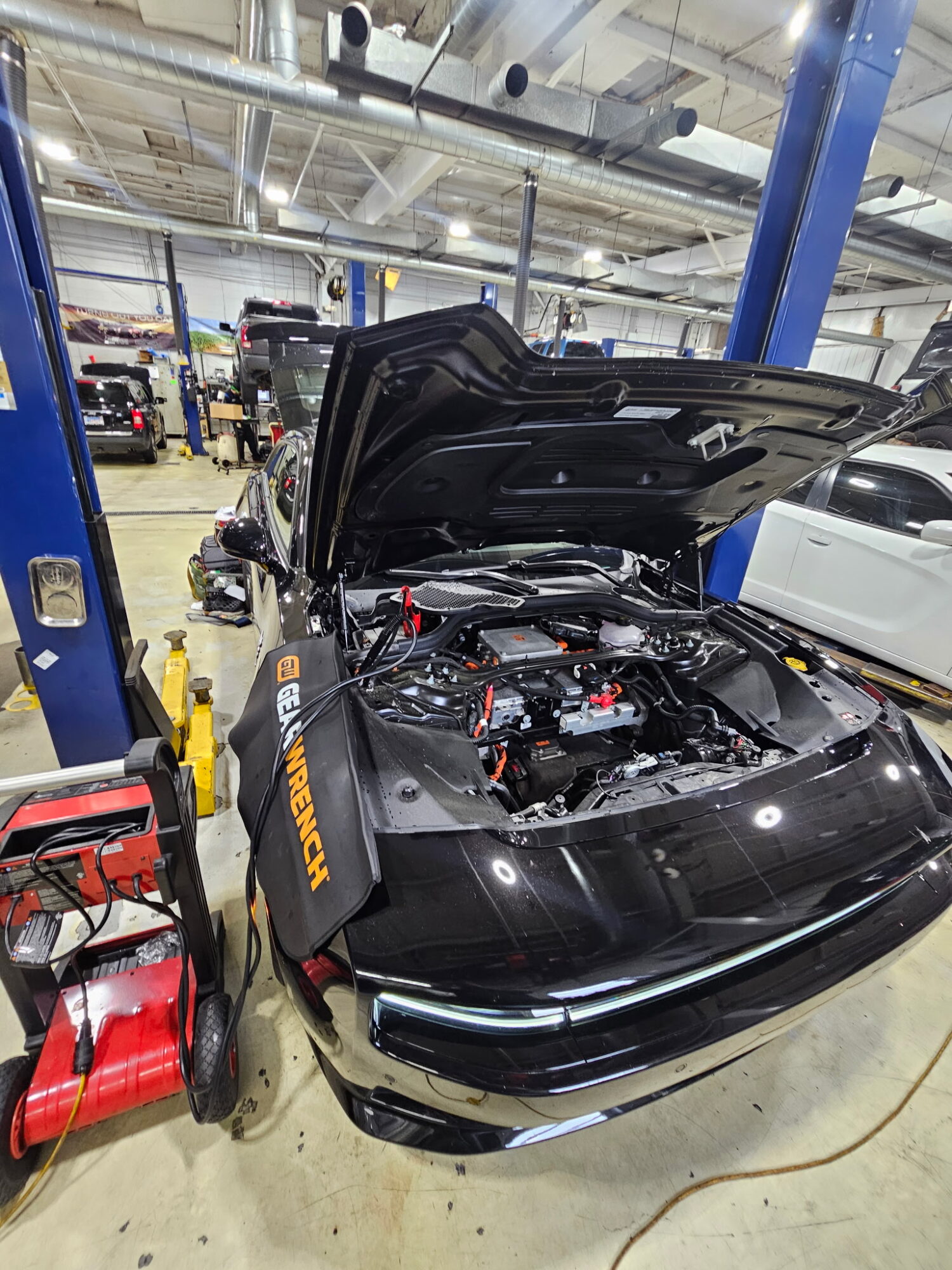
When the chance came to volunteer for advanced training in Boston on the BEV ProMaster, Rose’s hand shot up while his colleagues suddenly found their shoelaces fascinating. “The technicians who decide to work on them now are going to have an advantage over technicians who refuse to adapt,” he says with the confidence of someone who’s seen the future and decided to get there first. Smart move, considering that in 10-15 years, shops will be servicing EVs whether techs like it or not.
Here’s where it gets good. Rose’s dealership became one of the first in the country to get their hands on the new Dodge Charger Daytona. Guess who got to unload it from the truck? Our guy Jordan. Even with some initial hiccups that needed fixing, he was blown away by how serviceable the thing was.
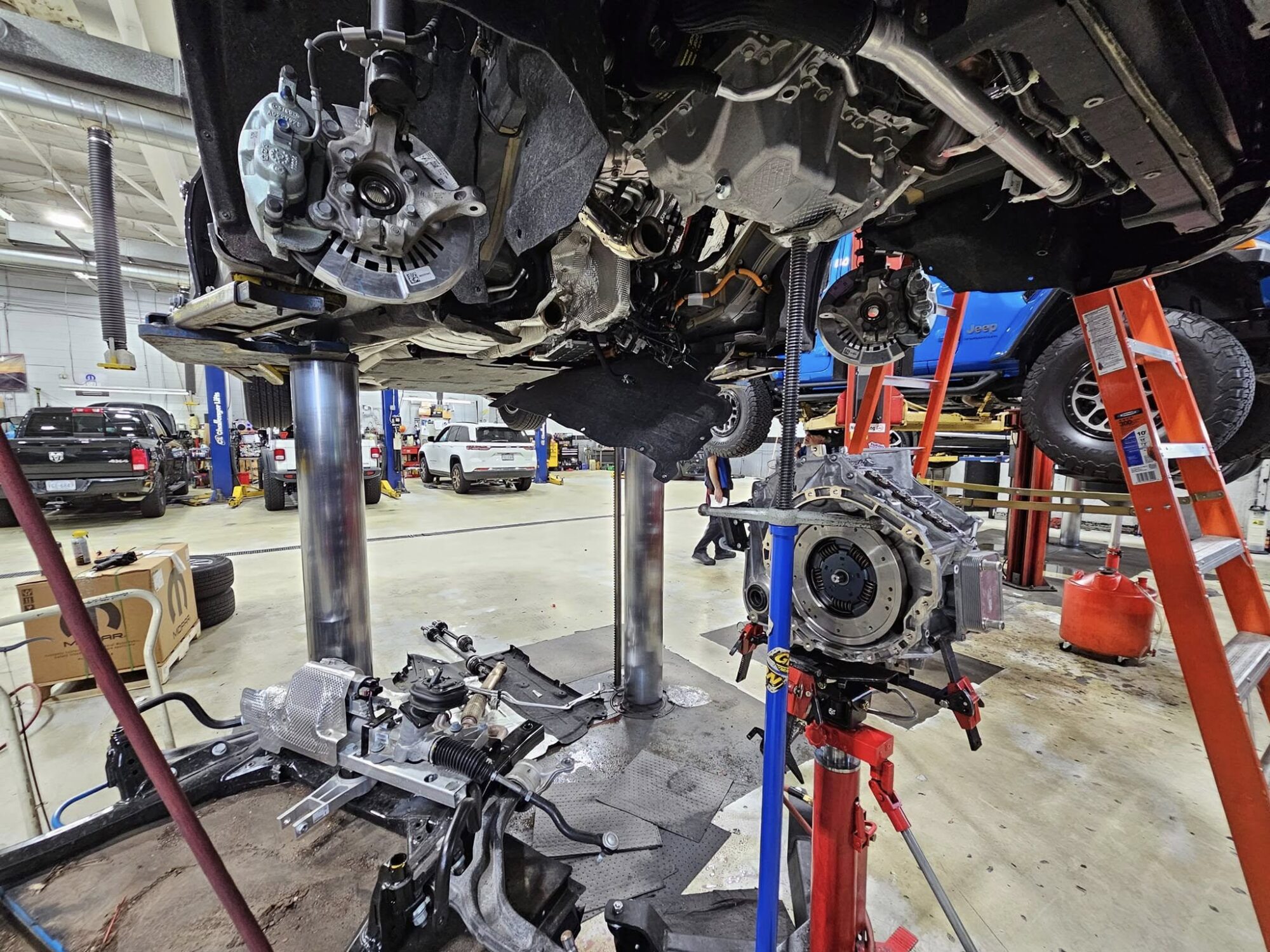
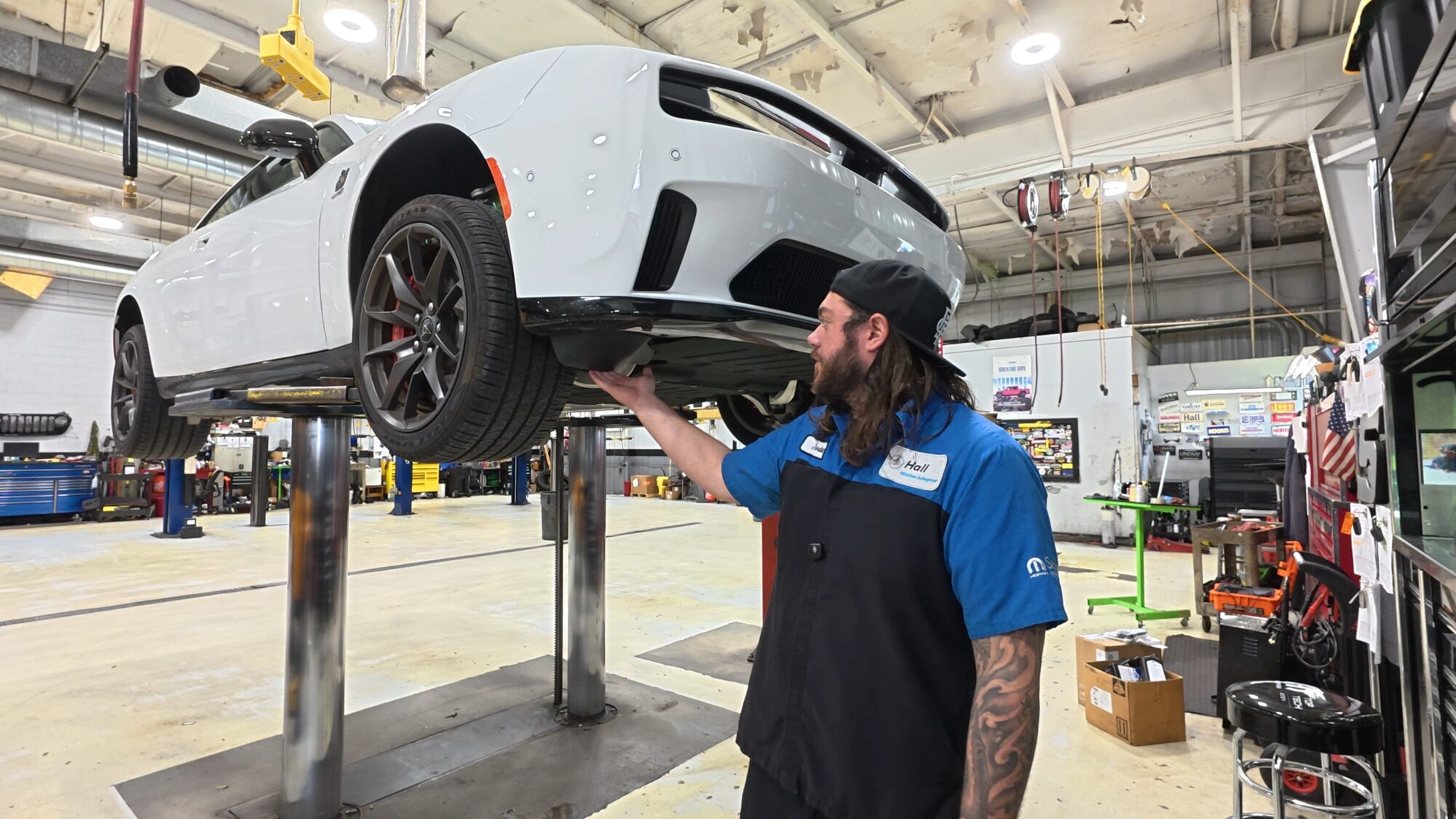
“Mechanically, they’re extremely easy to work on,” he says. “People compare it to a golf cart. The most fun I’ve ever had on a golf course was in a golf cart anyway. So…let’s have some fun!”
When Rose first popped the hood on the new Charger (or frunk, or whatever we’re calling it today), he found the front motor with easily accessible control modules. “It’s almost like a technician was involved in engineering this time. I was like, ‘Oh man, you guys got it right.’ For context, this is like finding out your IKEA furniture actually came with clear instructions and all the correct screws. (Sorry, IKEA. You know what you did.)
Jordan dove a bit deeper into Dodge’s new EV architecture. “Dodge is going to allow us as technicians to go inside the high voltage batteries and repair them down to the individual cell,” Rose explains. Instead of replacing the whole battery assembly, you can actually go in and swap out the bad cells, much like replacing a dead battery in your TV remote instead of buying a whole new remote.
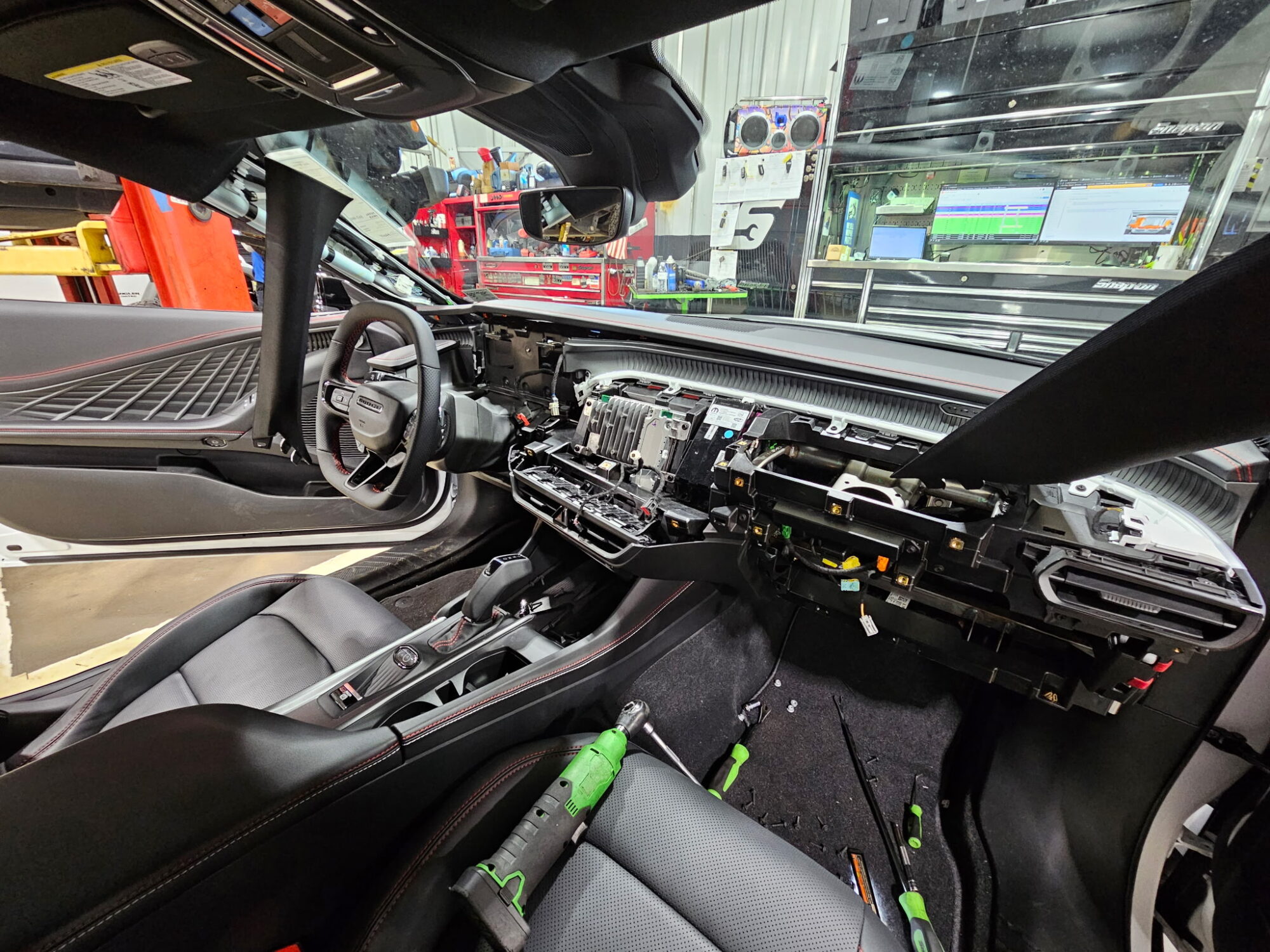
“There’s this misconception that EVs are going to be extremely expensive to maintain in the future. People think they’re going to be spending $25,000 to $30,000 on massive battery packs, but we’re going to open the batteries and test individual cells.”
This is huge. Like, game-changing huge. Instead of your EV becoming a paperweight when the warranty expires, you can actually fix the thing without selling a kidney. “Dodge really cares about the consumer,” Rose says. “I think we need to let customers know about how easy these vehicles are to maintain and service.”
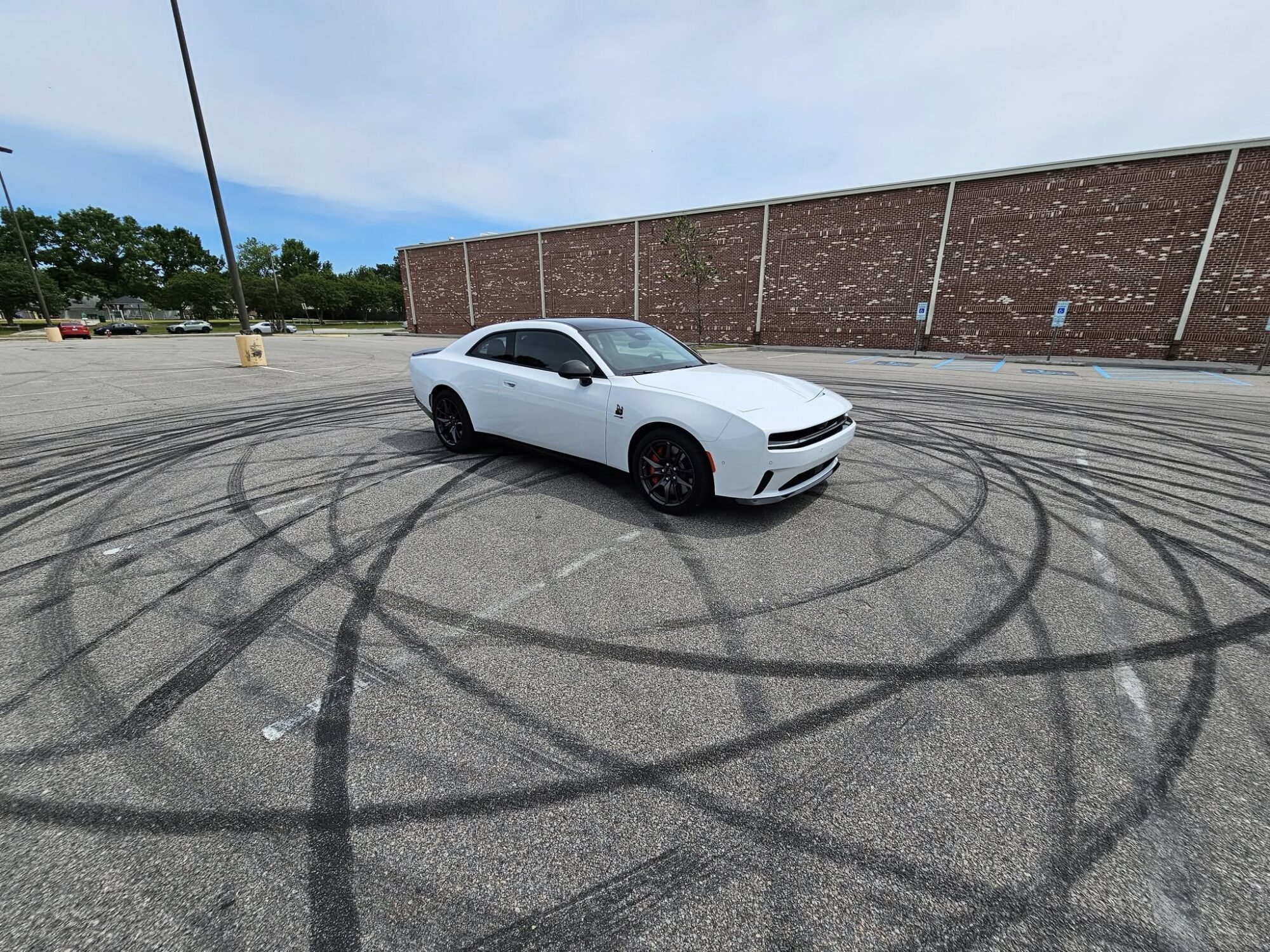
Here’s the ultimate vote of confidence: Rose didn’t just learn to work on these cars—he leased one. When the guy who fixes them for a living decides to drive one home, that’s pretty much the automotive equivalent of a chef eating at their own restaurant.
Because apparently Rose has energy to burn, he started a YouTube channel to share his enthusiasm with the world. This is grassroots advocacy at its finest—real expertise, genuine passion, and the kind of credibility that comes from someone who actually turns wrenches for a living.
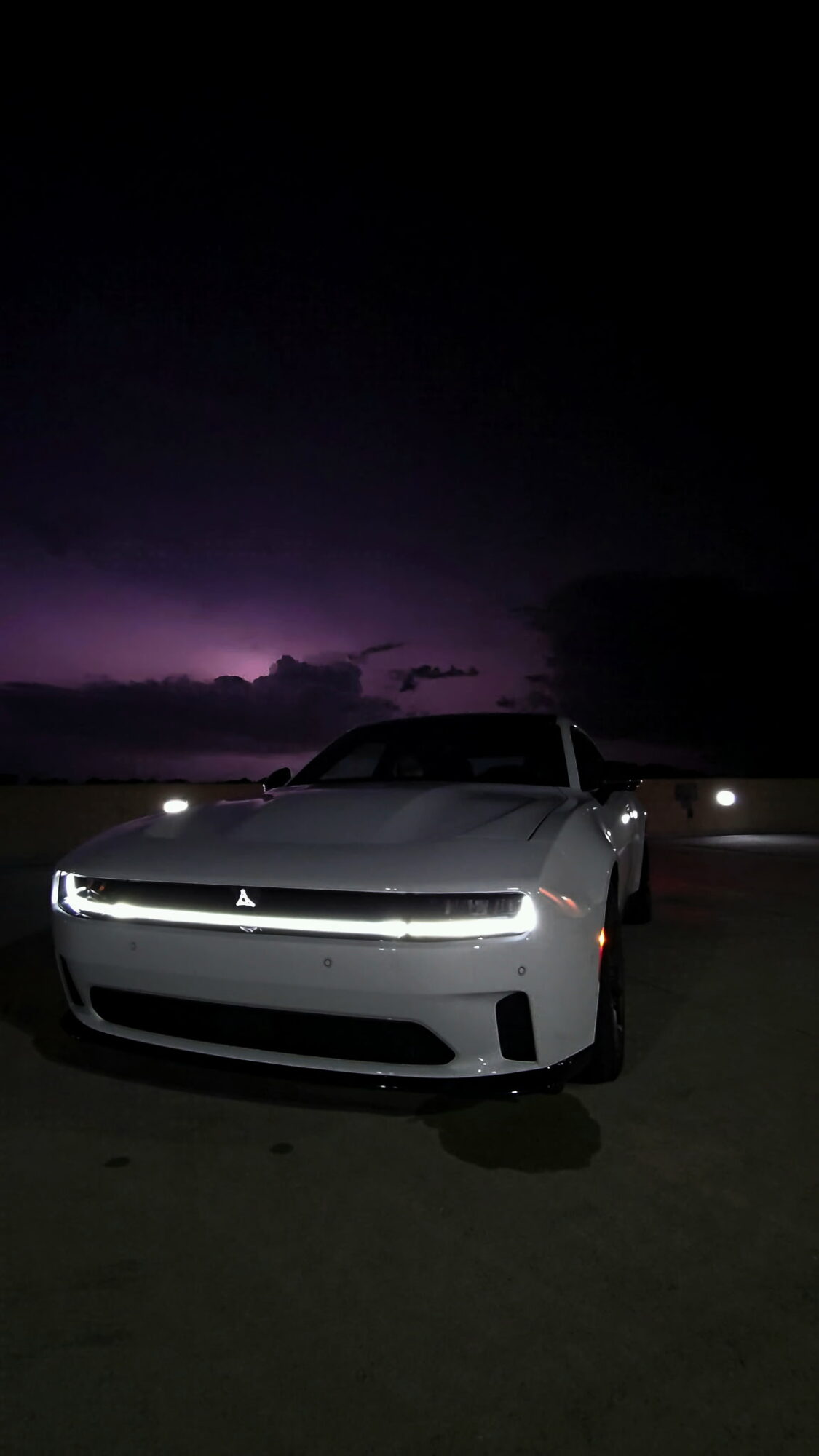
Rose’s journey from EV skeptic to guy-who-skips-work-to-see-one represents something bigger happening in the automotive world. As he puts it, “These cars are going to be a lot of fun to drive and easy to maintain.” Coming from someone who works on them every day, fixes their problems, and likes them enough to lease one AND start a YouTube channel about it, that might be one of the most meaningful endorsements the electric Charger can get. Even if he should have been at work when he said it.
Check out Jordan’s Youtube channel to get the low down on his love for Dodge EVs.
0 Comments