It’s Not a Max Wedge
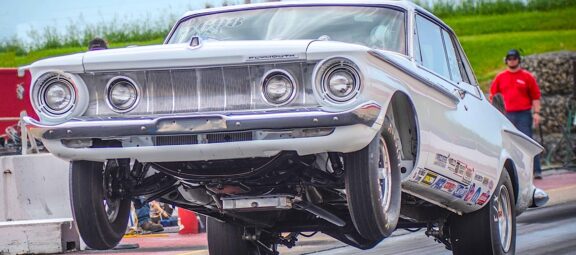
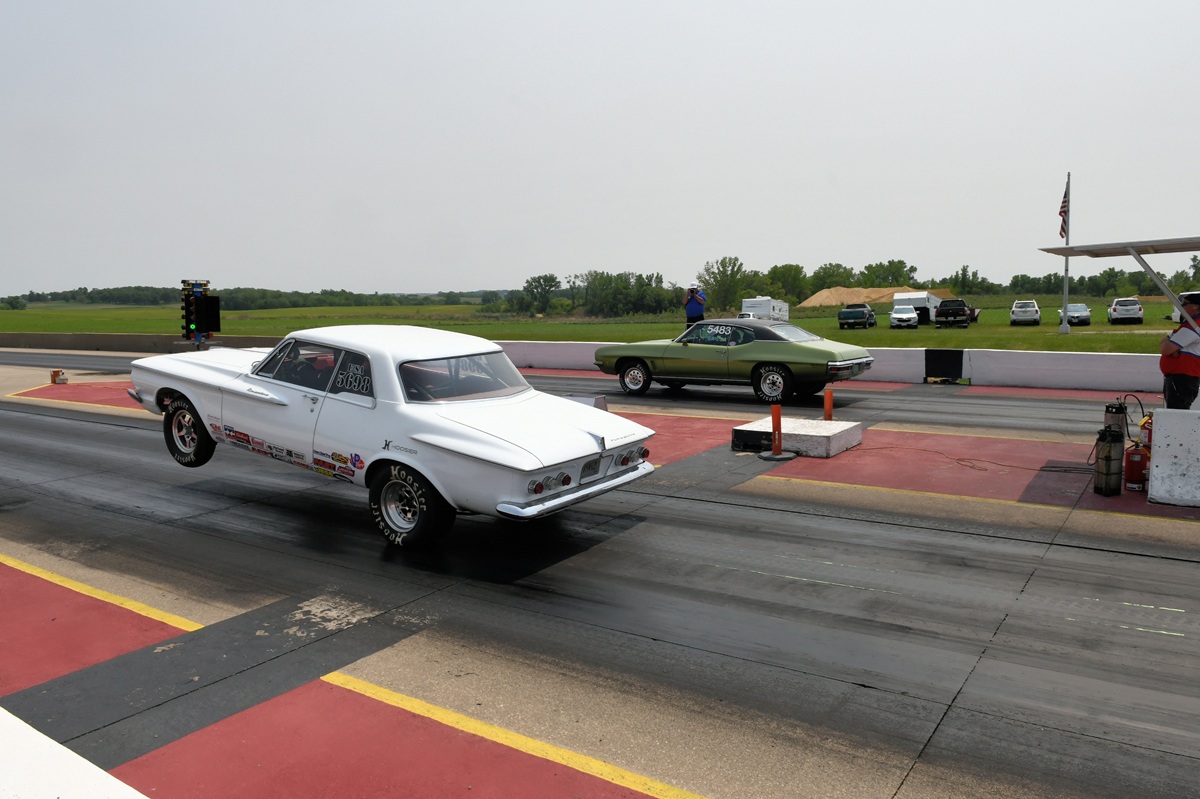
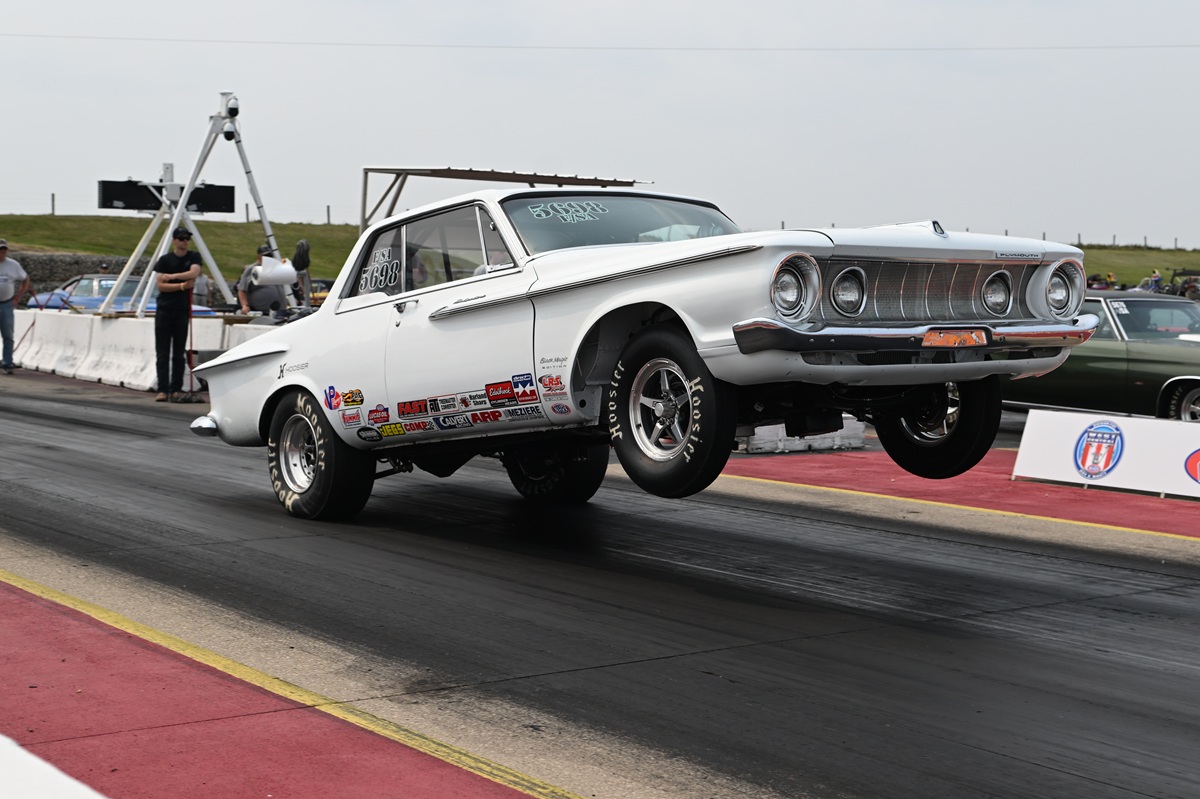
So, where were you in 1962? We’d bet many of you weren’t even born yet, but that’s okay. One doesn’t need to be a proud member of AARP and receive Social Security benefits to appreciate an early 1960s big-block Mopar® vehicle pulling a massive wheelie. For fans of vintage Plymouth and Dodge muscle machines, the art of sending the competition in the next lane packing is timeless, and that’s how Logan Wernet feels. His classic 1962 Plymouth Belvedere is not packing a high-compression, solid-lifter, cross-ram 413 Max Wedge, as many people think. What’s under his hood is something much more sedate. It’s just a mild-mannered dual quad, 383-cubic-inch V8 that was originally designed for trouble-free daily driving over 60 years ago. The 383 was used in everything from four-door sedans to station wagons and even police cars. It wasn’t until 1968 that the 383 got infused with the 440 Magnum’s hotter camshaft, free-flowing exhaust manifolds, and other goodies that enabled it to stand proudly among other muscle car contenders.
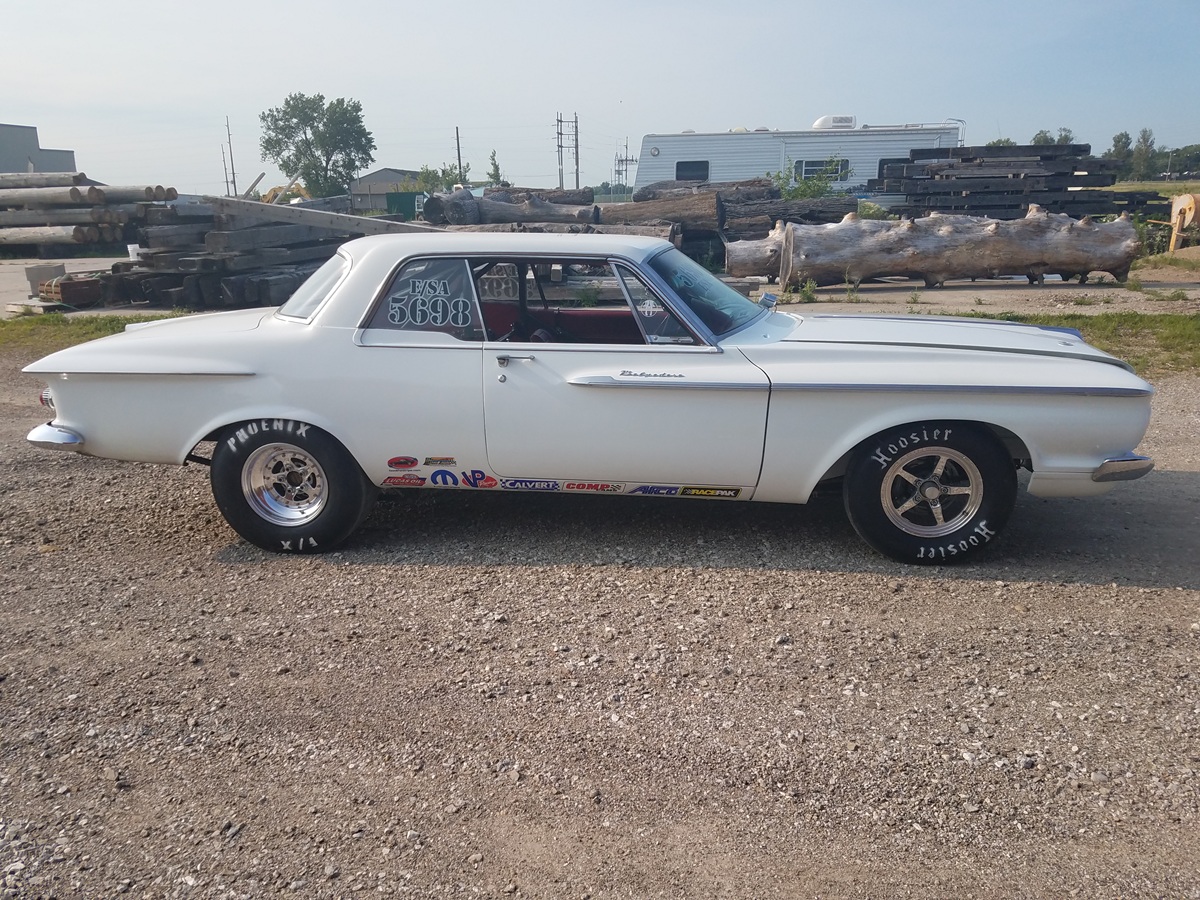
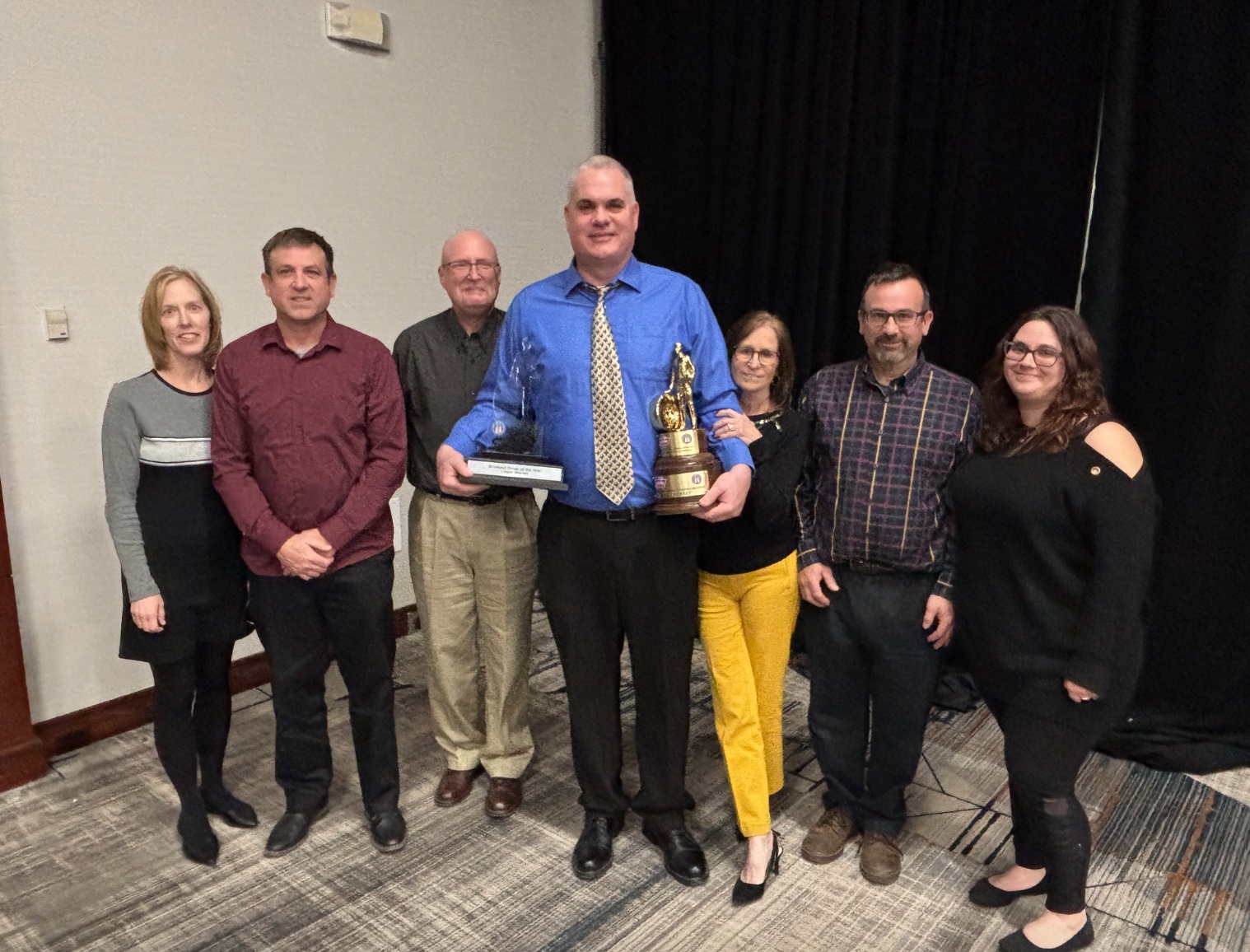
But for lifelong Mopar enthusiast Logan Wernet, the 383 engine he runs in his 1962 Plymouth Belvedere is one of the best-kept secrets within the annals of Chrysler Performance powerplants. Logan scoured the NHRA Stock Eliminator Class Guide and NHRA Engine Blueprint Specs and found this unique combination, and began winning championships. His full-time job is a Police Captain in Mason City, Iowa, but when he’s not chasing bad guys, Logan can be found racing his powerful Plymouth at drag strips across the Midwest. So dedicated are his skills of tuning and driving, Logan won NHRA’s Division 5 Stock Eliminator Championship just last year. It was a heated battled all season, but Logan stayed focused.
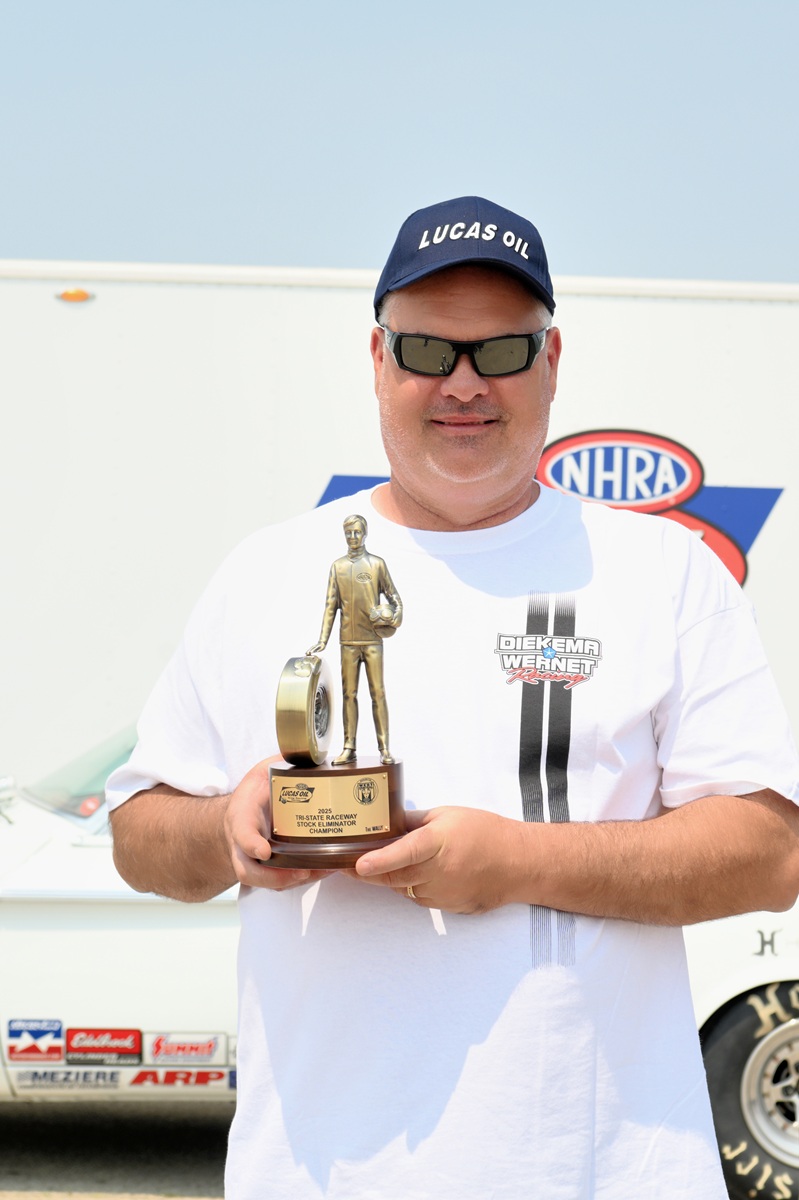
“I set out to race as much as possible and do the best as I can in each round. I won the first divisional race at Tri State Raceway, and it started off a historical year for me. It wasn’t easy; there were many ups and downs that included a tough heads-up race loss at the first Division 5 Lucas Oil event at Brainerd International Raceway. It was very close, and I ended up losing in the semifinals by .0006 of a second,” said Logan. “I lost another heads-up race in the semis and then during the third race at Brainerd, I just plain got beat by the better driver in the quarter finals.” As we said, drag racing is a very emotional rollercoaster that wreaks havoc on one’s emotions. Regardless, Logan and his old-school Belvedere were leading in points. “I went to the double event at St. Louis to wrap up the season. In the first of two races, I won two heads-up races in a row against faster cars but lost the fourth round to the eventual winner. In the second race, I went red third round to the race winner, but it didn’t matter; I had amassed enough points to secure the championship.”
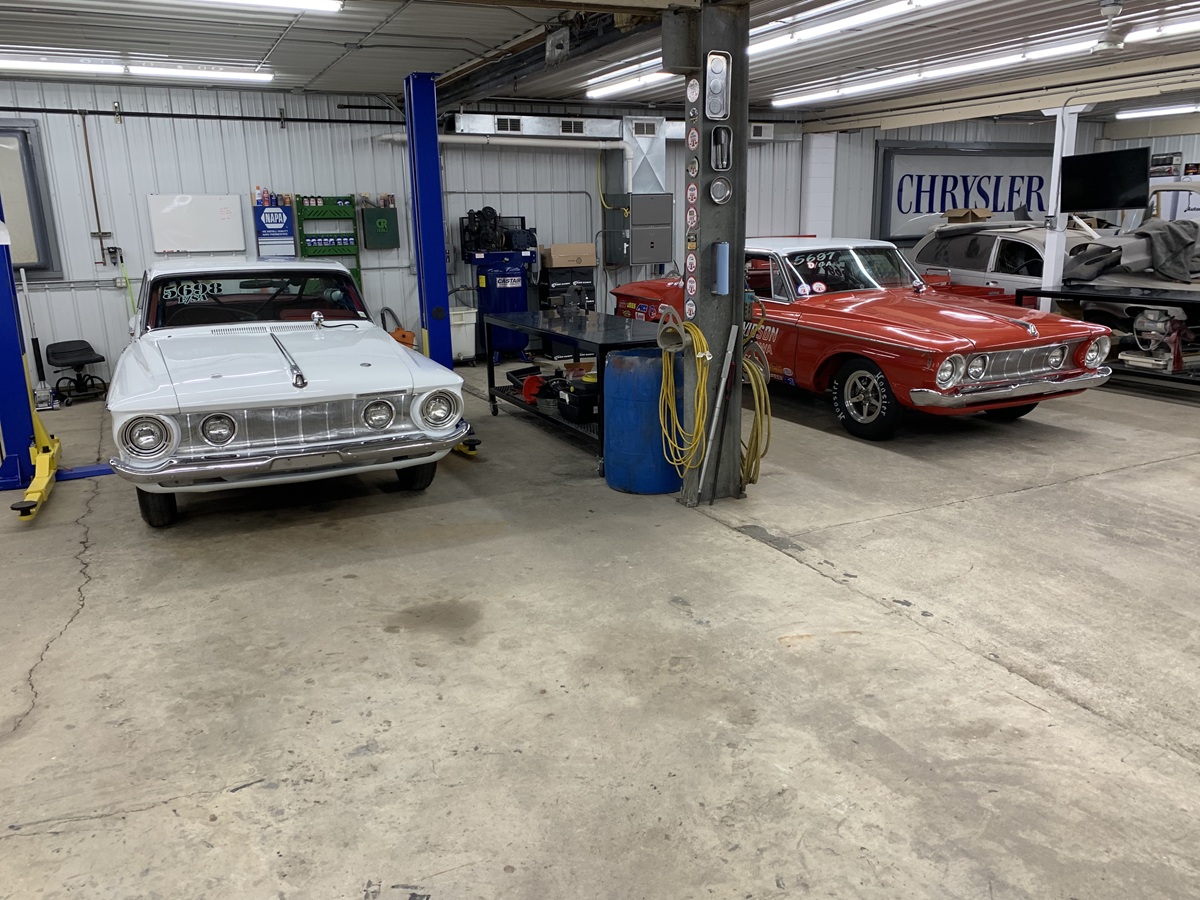
How Logan became a diehard Mopar fan is a story we’ve heard many times. “My father and uncle introduced me to Mopars when I was young. Even though my family wasn’t racers, I still wanted to build a drag car,” noted Logan. “In 2001, I partnered with my childhood friend, TJ Diekema. He raced a 1962 Plymouth Fury, and we shared driving, expenses and repair duties until 2017. Then, I wanted to have my own car and purchased a 1962 Plymouth Belvedere from Jim and Mindy Chyba. Jim had bought the car from Lee Sprague in 1997, who built the car as a Stock Eliminator machine way back in 1977,” noted Logan. So why race in Stock Eliminator and not some bracket class with more liberal rules? “It’s much more than what people think. It’s about racing a car within strict rules, to compete against others who are paired against you within a factory-rated horsepower to weight ratio. Yes, sometimes it’s a bracket race with dial-ins, and sometimes it’s a heads-up race to the finish line. But it’s the heads-up competition with other makes and models, and I really like that,” explained Logan.
So what made Logan go out and build a 1962 Plymouth Belvedere for Stock Eliminator car? First of all, it’s a style people either love or hate, including Mopar fans. Penned by Chrysler’s controversial designer Virgil Exner, creator of the ‘Forward Look’ before he was shown the door in Highland Park, the 1962 Plymouth and Dodge intermediates have a cult following of sorts. For Logan, he’s found the perfect recipe of a complete package that’s fast and consistent.
“My favorite cars are the 1962 to 1965 era Mopars. It’s where high horsepower and drag racing began for Chrysler. I love the unique styling of the 1962 Plymouth car and how all of the fans who stop by in the pits to check it out,” Logan told us. “I want to race a car that I like. The newer cars are impressive with the power they make, but I just like the vintage cars better. Racing an old car is obviously more challenging to find parts for. Luckily, the rules have relaxed on some things to make things available to find parts. I do run some new era parts to make the car competitive and easier to maintain.”
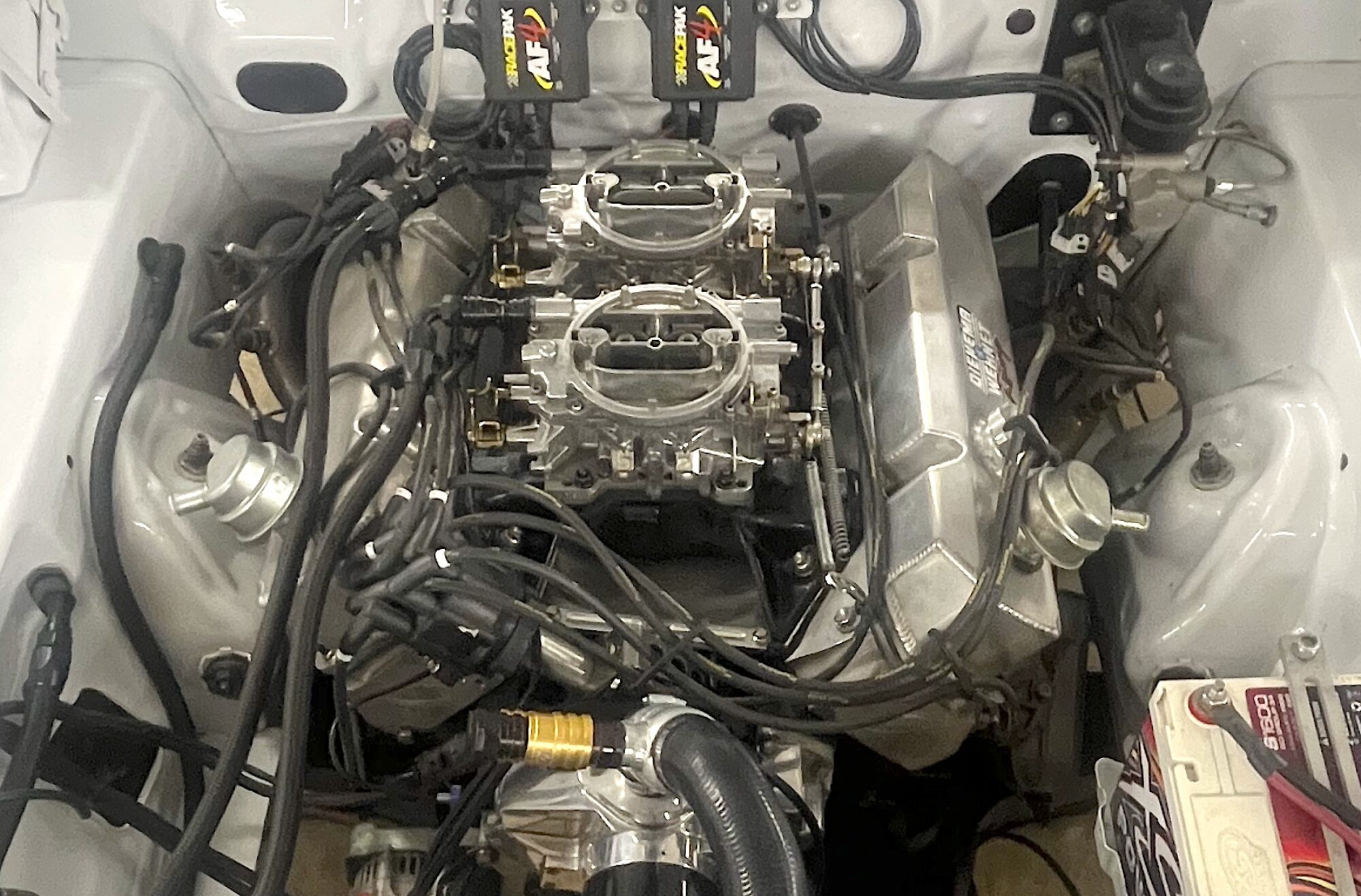
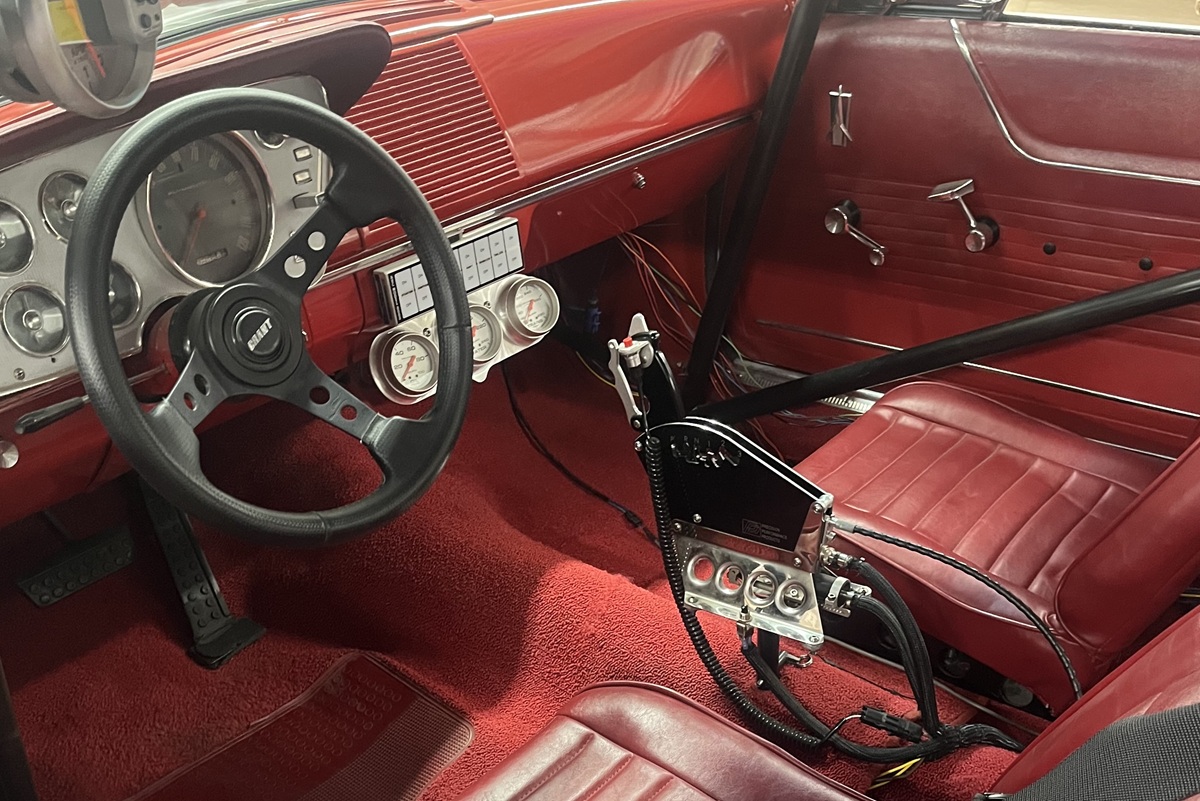
The 383 in Logan’s Plymouth is a very unique combination, to say the least. Most Mopar fans have never heard of this package, and it’s been raced in various NHRA classes since the mid-1960s. “I race in E/SA in NHRA Stock Eliminator. My engine is factory rated at 343 horsepower; it is now rated with NHRA at 325 horsepower. I have to weigh at least 3,520 with me in the car. The rules state no body modifications, a full stock interior minus the back seat. It has to have an engine that came in the car that year. The rear tires can only be nine inches wide,” exclaimed Logan. “The engine is a stock block 383 with two 500 cfm Carter carburetors on a factory cast iron intake. The heads are aluminum aftermarket versions with an NHRA approved stamp on them. The engine runs a stock crank, aftermarket connecting rods and flat top pistons. NHRA rules state that the piston, rod, piston rings and bearings combined have to weigh a certain amount. The camshaft is stock lift with a modified duration and solid lifters.” So far, Logan’s best pass on his Plymouth Belvedere is a 10.57-second ET at 122 mph.
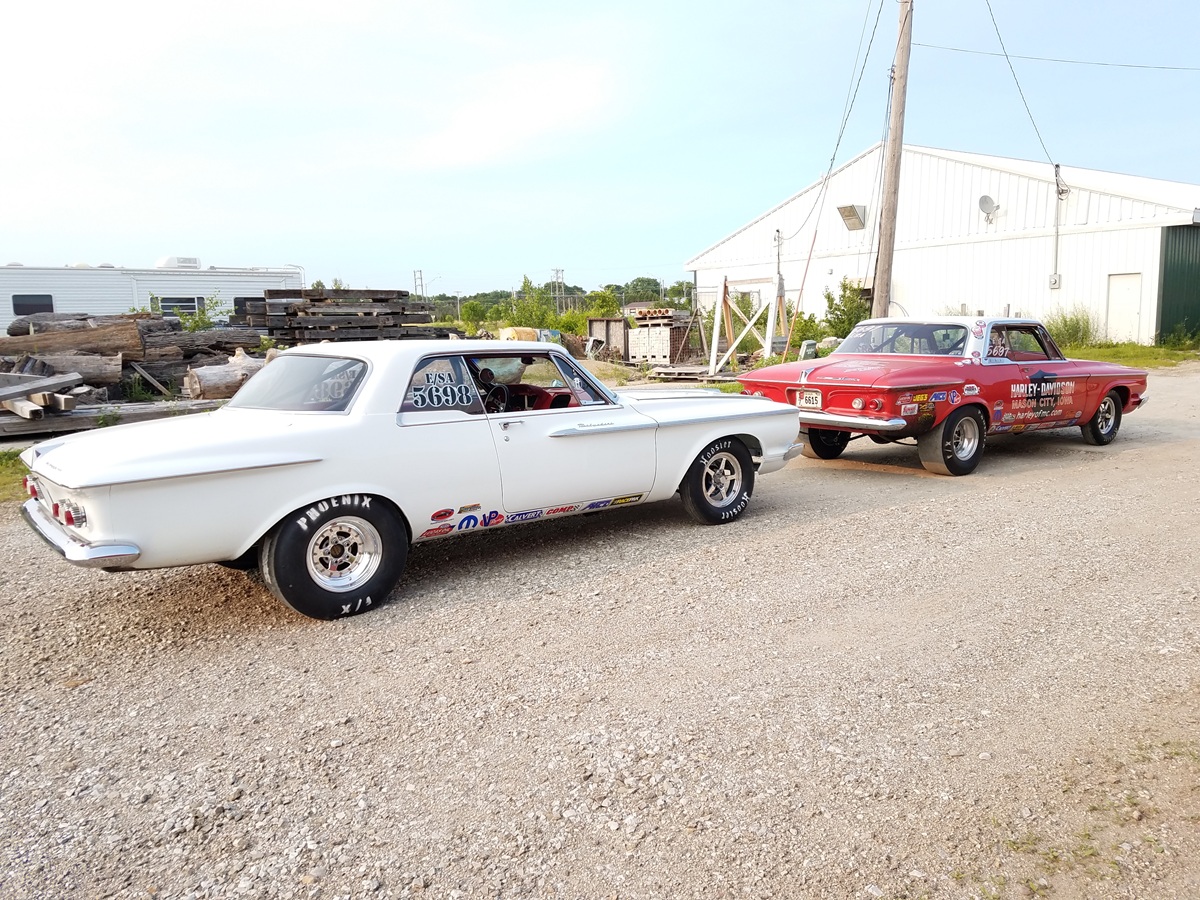
As the 2026 NHRA season slowly begins to ramp up, Logan is looking to pick up where he left off. “I plan to race 12 events. I don’t have sponsors, full-time crew people, unlimited time off or an infinite budget, so I plan to do my best at each race and hope Lady Luck follows me around again this year. I know I couldn’t do it without the help and support of many friends and family, including my wife, kids and grandkids, who let me follow my only hobby without ever complaining. Also, my dad for helping me out whenever I ask, and longtime friends TJ Diekema, Johnny Diekema, and my biggest fan and part-time crew person, Bob Witte.”
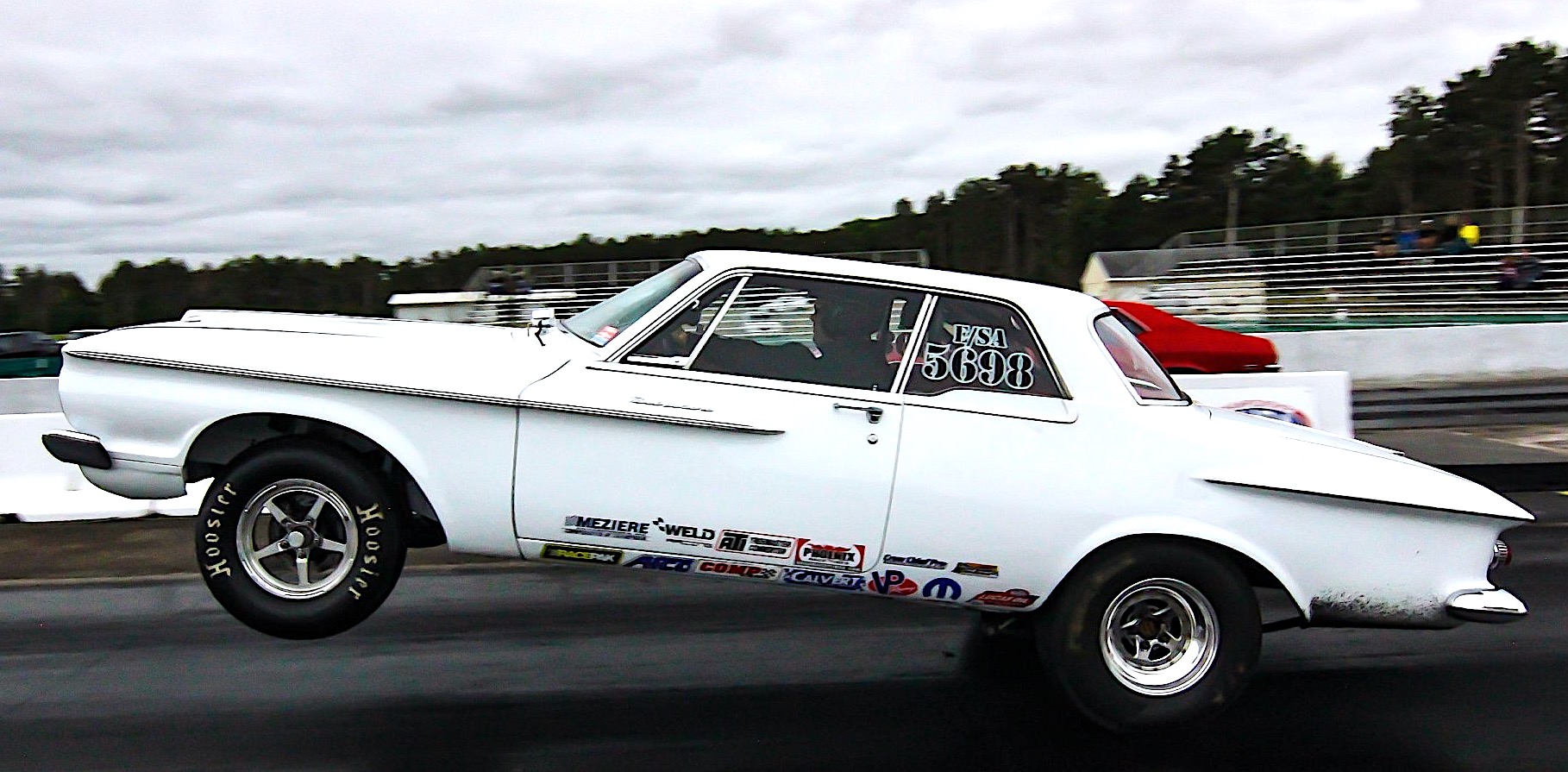
Logan’s 1962 Plymouth Belvedere will be another year older this upcoming race season, but it won’t show any signs of slowing down soon!
0 Comments