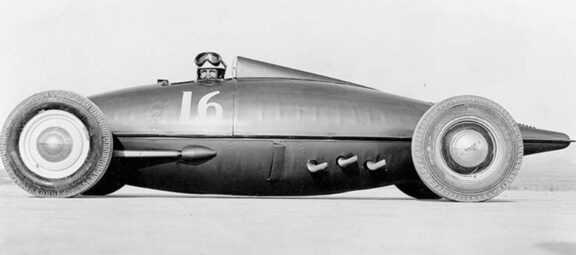
Before the Burnouts: The Wild, Unregulated Roots of American Drag Racing
Before there was an NHRA rulebook.
Before there were national events, safety crews or 11,000-horsepower nitro machines.
Before the Christmas Tree.
There was chaos.
To understand 75 years of NHRA, you have to go back even further, to the era before organized drag racing had a name. The period when American performance culture was raw, rebellious and completely unregulated.
The Birth of Speed Culture
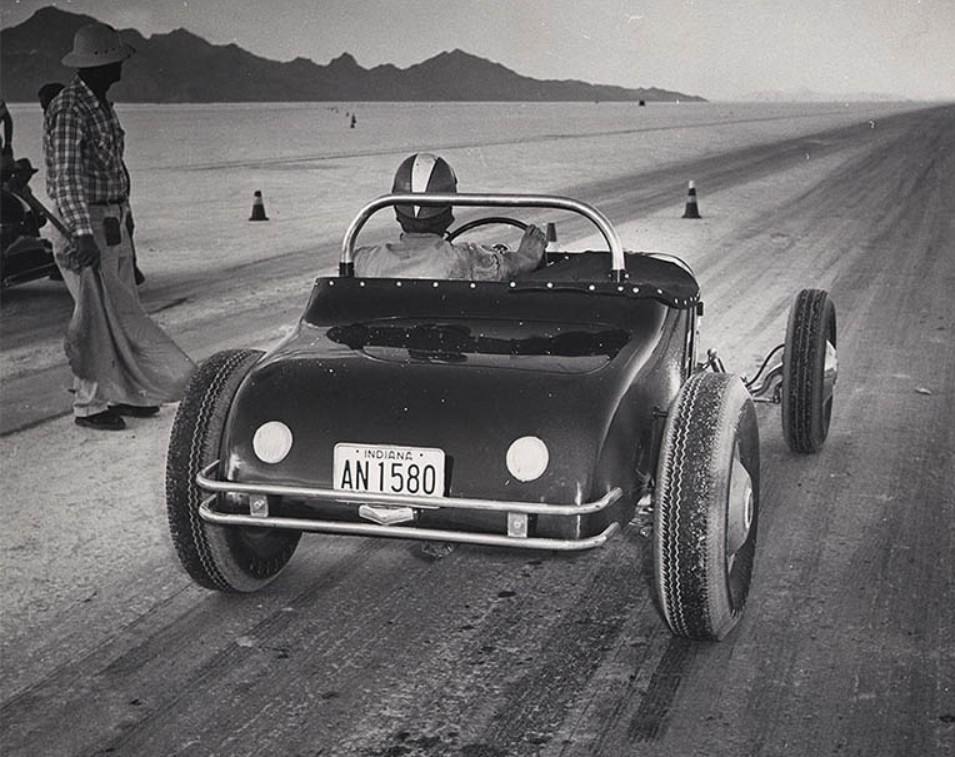
In the 1930s and 1940s, hot rodding wasn’t a sport. It was a movement.
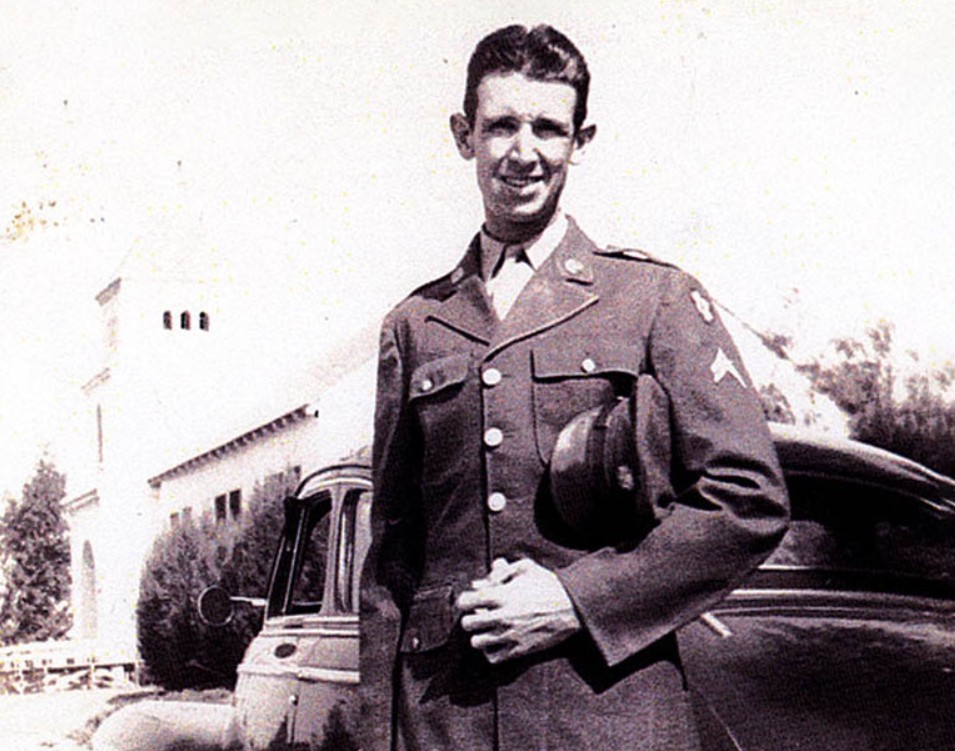
Young enthusiasts, many of them returning World War II servicemen with newfound mechanical skills, began modifying affordable cars in search of one thing: more speed. They stripped weight, tuned carburetors, swapped engines and chased performance on dry lake beds in Southern California.
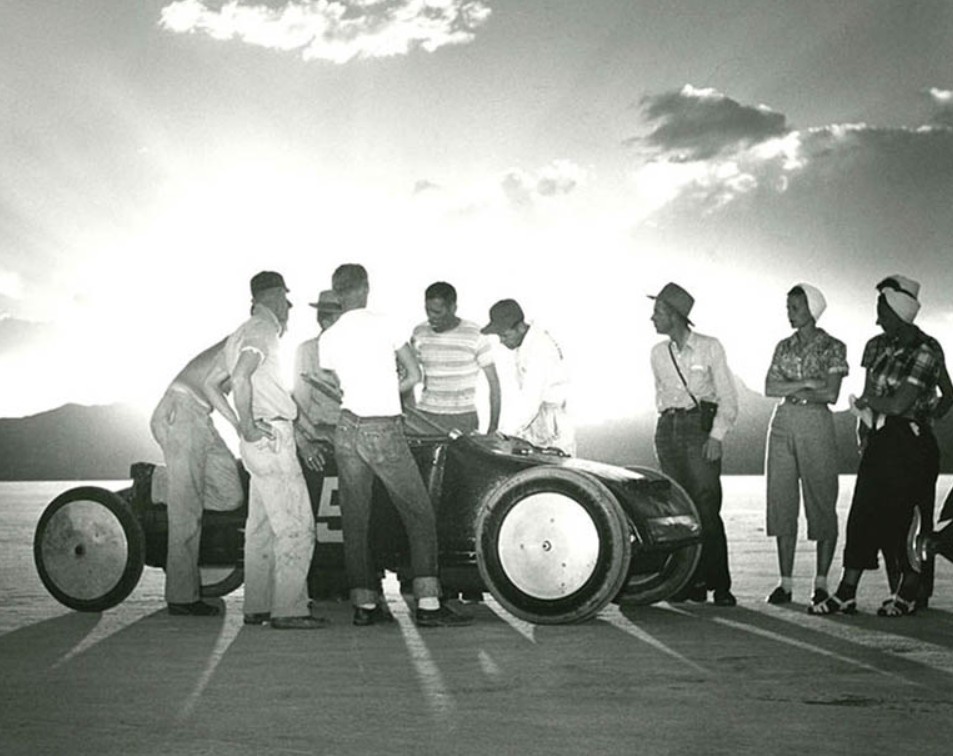
Places like Muroc and El Mirage became proving grounds. Racers would line up across vast, open desert and blast toward the horizon. There were no guardrails. No tech inspections. No timing systems beyond stopwatches and bragging rights.
Just man, machine and wide-open throttle.
From Lakes to Streets
As hot rodding grew, so did the appetite for head-to-head competition. Informal sprints across dry lake beds evolved into short, straight-line challenges. Eventually, those challenges moved closer to town – onto back roads and city streets.
Street racing surged in popularity in the late 1940s. But with growth came consequences.
Accidents mounted. Communities pushed back. Law enforcement cracked down. What began as a creative expression of American ingenuity was increasingly seen as dangerous and disruptive.
The culture needed structure. It needed legitimacy.
It needed leadership.
Enter Wally Parks
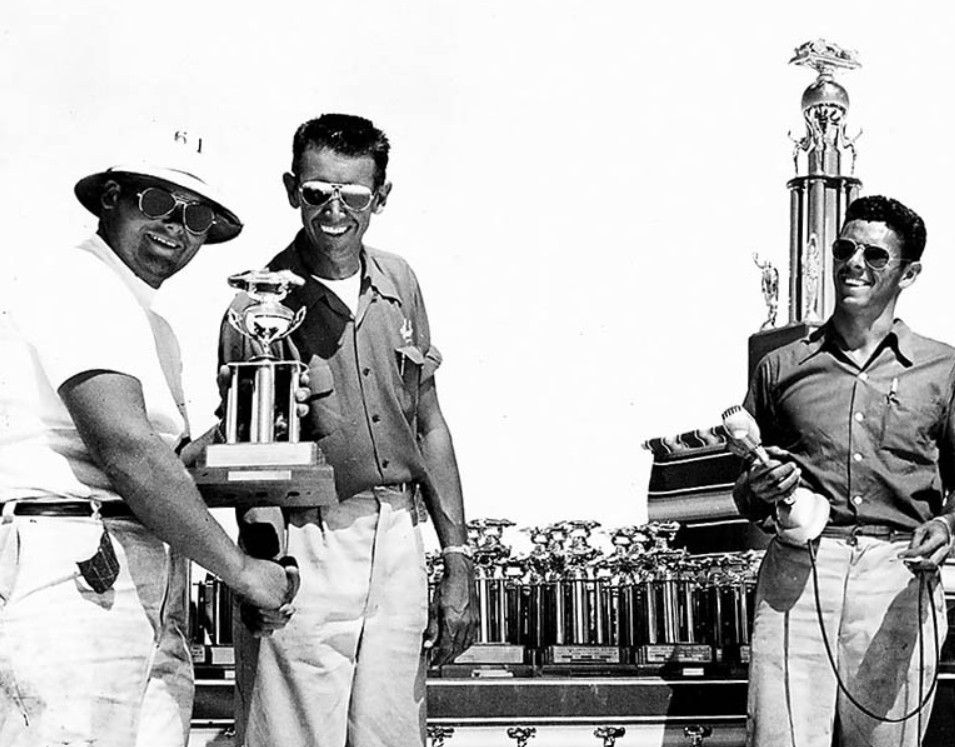
Wally Parks was already deeply embedded in hot rod culture as a racer, publisher and promoter. But he saw something others didn’t: the future of performance depended on organization.
Hot rodding had to move off public roads and into controlled environments. It needed standardized rules. Safety protocols. Sanctioned tracks. A national body to unify racers and legitimize the sport.
Without it, the movement risked being shut down entirely.
In 1951, that vision became reality with the formation of the National Hot Rod Association.
Why “Before NHRA” Matters
The era before NHRA wasn’t polished. It wasn’t safe. And it certainly wasn’t regulated.
But it was essential.
It was the proving ground for American performance culture – where mechanical creativity thrived, rivalries were born and the obsession with acceleration took hold. It forged the DNA that still defines drag racing today: innovation, independence and the relentless pursuit of quicker elapsed times.
When NHRA emerged, it didn’t create drag racing from scratch.
It harnessed it. Focused it. Protected it. And gave it a future.
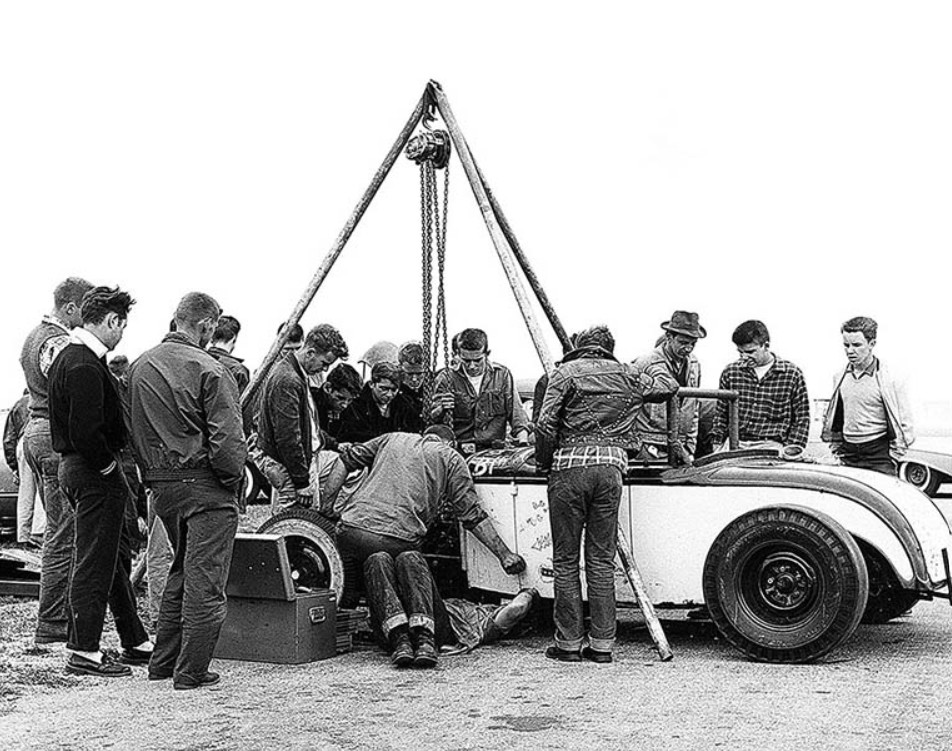
In the next installment, we’ll explore the 1950s – the decade that transformed hot rodding from a rebellious pastime into a nationally organized motorsport. Tracks were built. Classes were formed. Records became official. And the foundation for 75 years of sanctioned speed was laid.
Because before there was a Christmas Tree… there was a desert horizon and two cars lined up against the wind.
Photo credit: NHRA
0 Comments