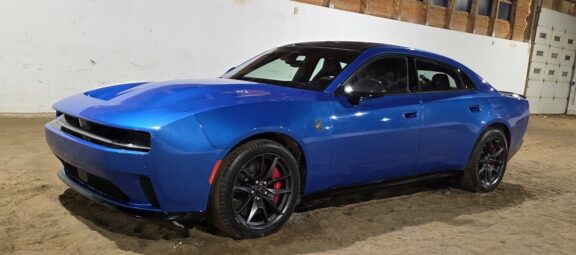
Dodge Charger Daytona Scat Pack 4-Door in the Snow: How Does It Compare to the 2-Door?
I recently had the chance to spend a week driving the 4-door 2026 Dodge Charger Daytona Scat Pack in snowy Michigan. I have logged thousands of miles on the newest Dodge Charger, but prior to taking delivery of the Bludicrous beauty shown here, all of my next-generation muscle car experience has been with the 2-door models. I am a fan of the new Charger, so I was excited to get my first seat time in a 4-door model.
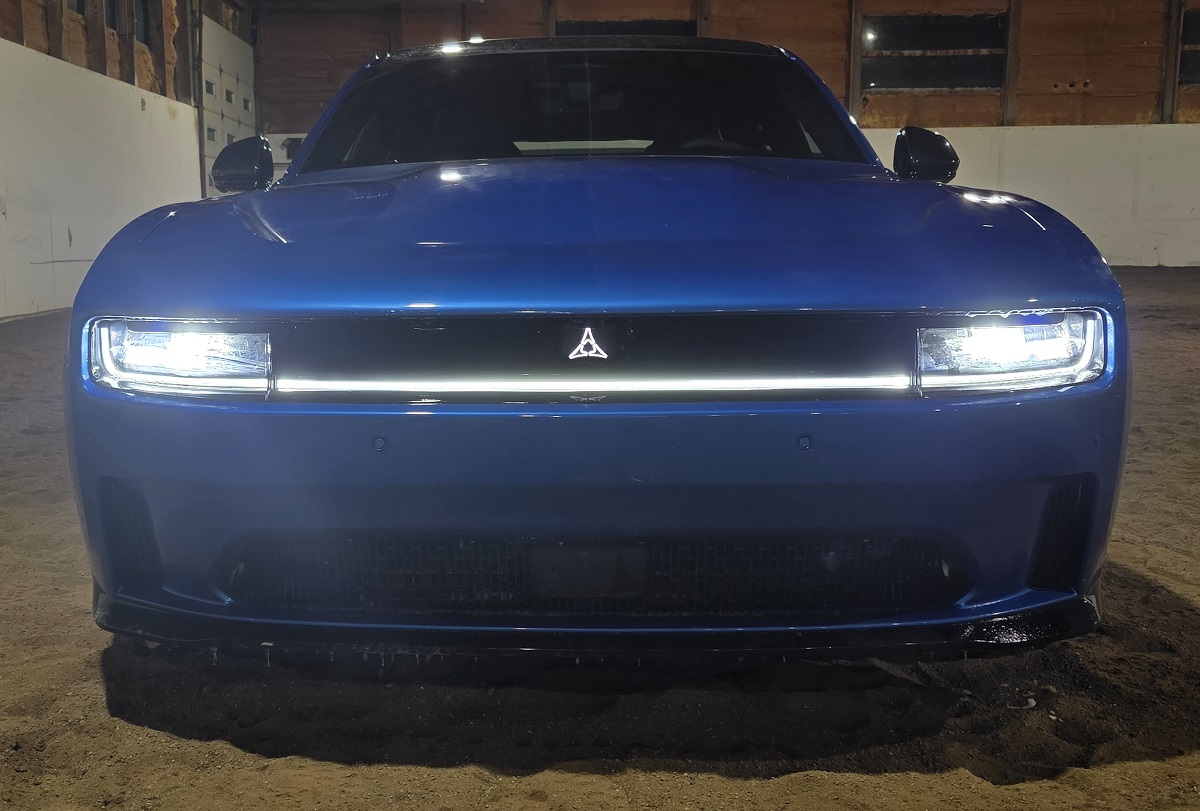
Around this time last year, I had the 2-door Dodge Charger Daytona R/T and as luck would have it, the winter weather was just as bad this year as it was last year. The gross weather this year allowed me to get a feel for how the stronger Scat Pack Daytona handled slippery roads compared to the R/T, along with experiencing the similarities between the two Charger layouts.
Charger Daytona Faces the Snow, Again
When I spent a week back in 2025 driving the Dodge Charger Daytona R/T 2-door in the snow, I proclaimed that it was the best car that I had ever driven in the snow. That Daytona R/T offered 496 horsepower and 404 lb-ft of torque, whereas the Daytona Scat Pack that I had this year delivers 670 horsepower and 627 lb-ft of torque. The Daytona also has much wider tires in the front and rear.
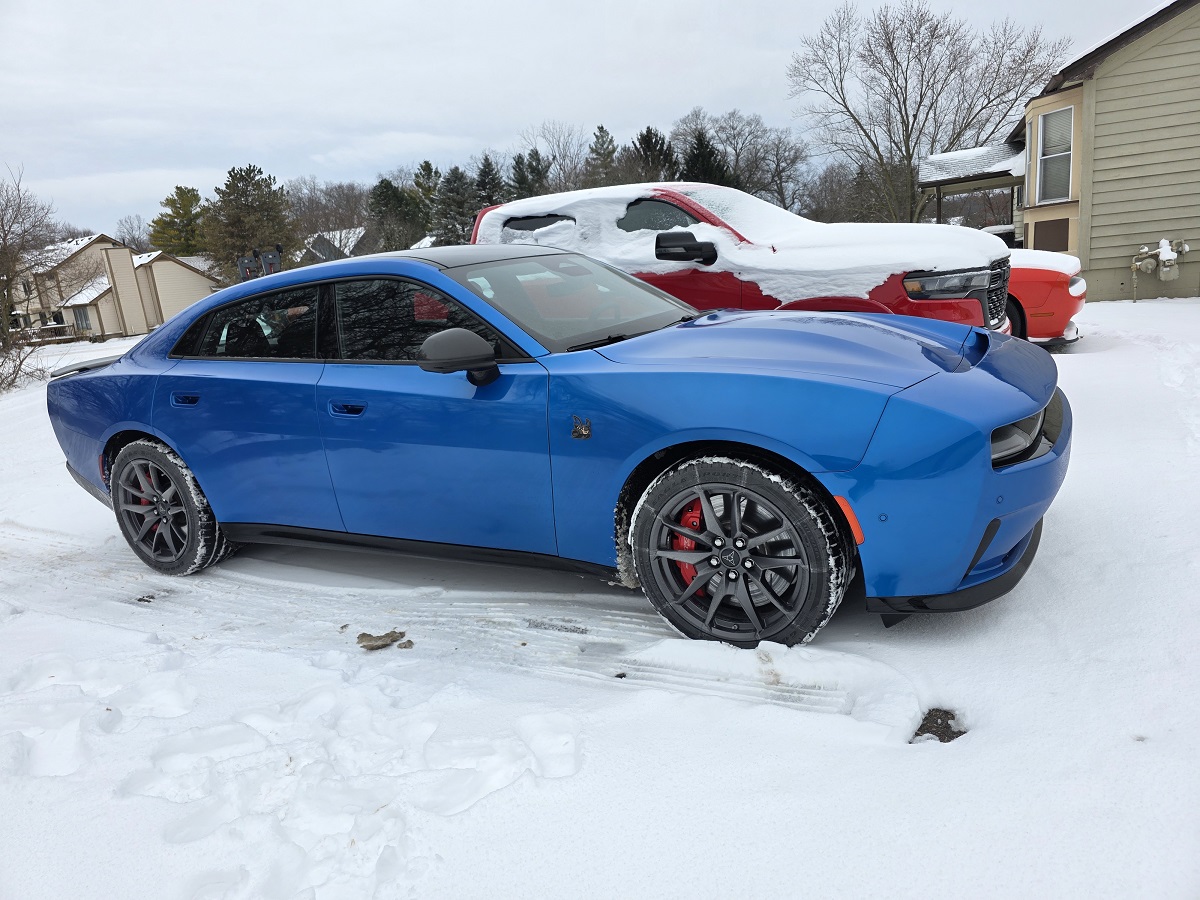
In most situations, a vehicle with dramatically more power and huge performance tires will be less effective in loose footing, but the advanced all-wheel-drive system of the new Dodge Charger makes the 670hp model just as great in snow and ice as the 496hp model.
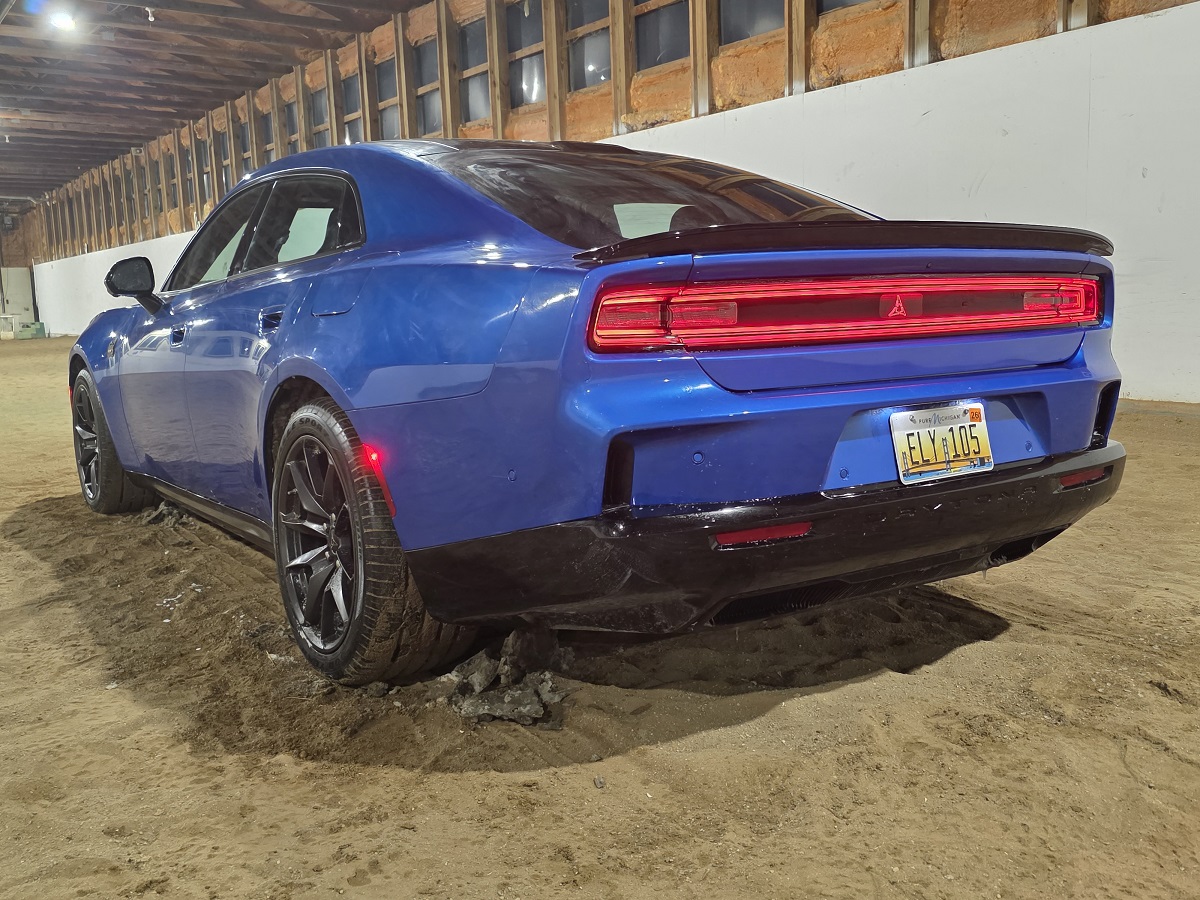
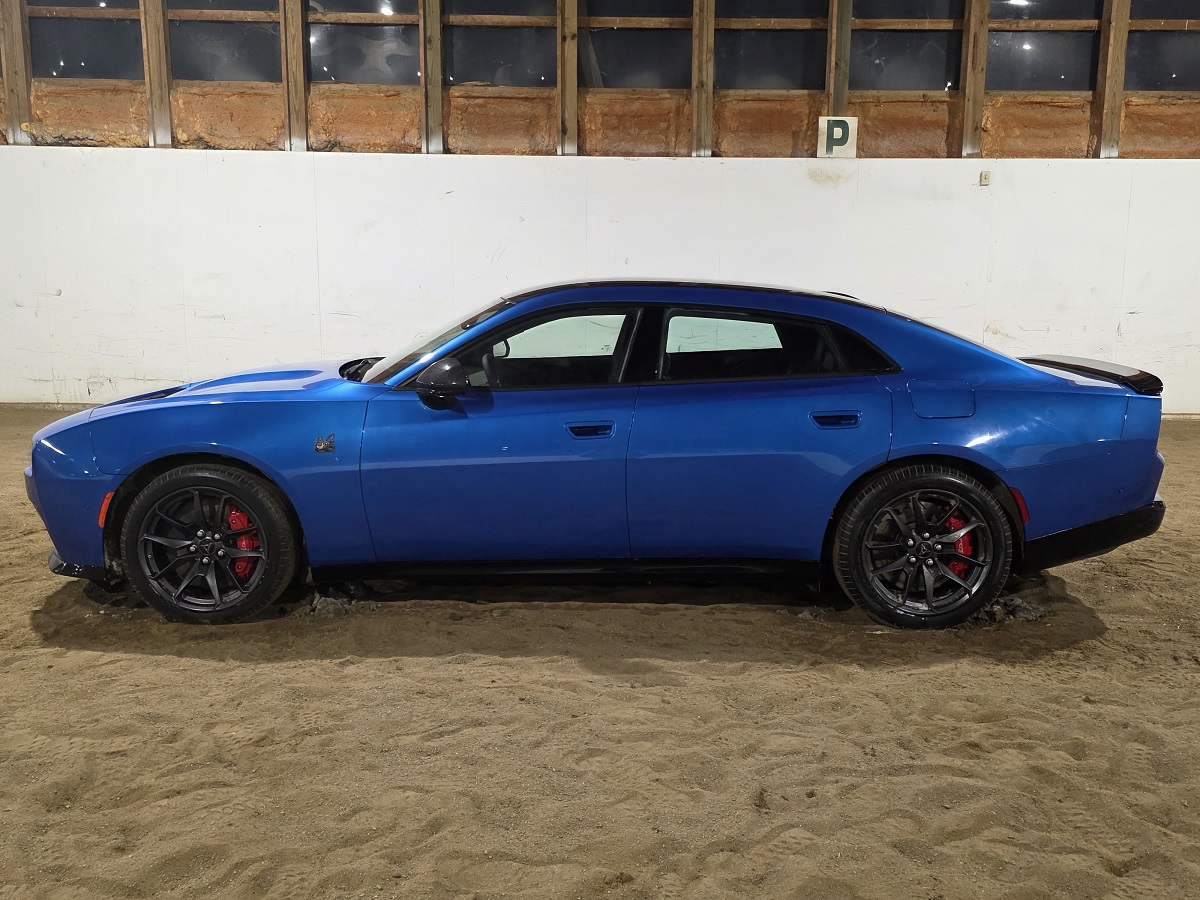
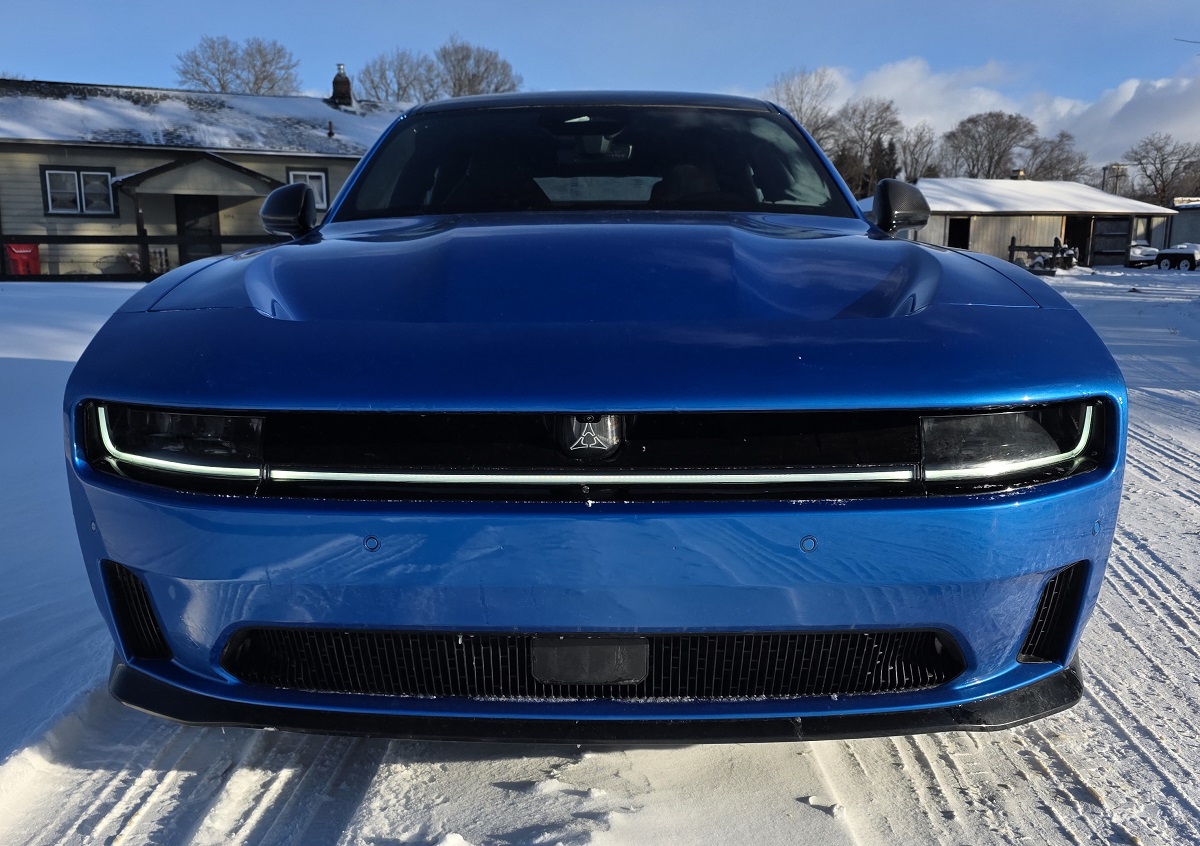
It was snowing when Dodge delivered the 2026 Charger Daytona Scat Pack 4-door to my house and it snowed every day that I had the car, with temperatures well below 0°F for most of my drive time. That is why many of the images here are taken in my heated riding arena, as that was the only way that I could clean the car and get kind-of-clean pictures. Some of the snow that week was pretty heavy, so I spent most of my time with the 4-door Daytona driving on roads that were covered in snow, slush, ice or all three.
One of the key advantages of the Dodge Charger Daytona’s dual motor electric all-wheel-drive system – whether driving in the snow or launching at the drag strip – is that the car can carefully control power levels to each wheel. When leaving a stop sign in the heavy snow, any wheelspin is immediately halted by the AWD system pulling power from that specific wheel while still sending power to the other wheels. Say that you have an empty parking lot with plenty of ice and snow on the surface, and you launch hard in Drag Mode – deploying all 670 available horsepower. You can feel the car kind of dance in the snow as the EV AWD system adjusts power levels to each wheel in rapid succession, allowing the car to pull hard in a straight line without a whole lot of input on the driver’s part. Of course, the average owner will never launch the 2026 Dodge Charger Daytona Scat Pack in Drag Mode in the middle of a snowstorm, but the fact that this car gets impressive traction even under those extreme conditions exemplifies just how well the AWD system handles slippery surfaces.
While driving around in Wet/Snow Mode in traffic, there was never a situation where I had to think twice about getting traction with the Charger Daytona Scat Pack. There were a few busy intersections where there was significant accumulation, causing non-AWD vehicles to struggle to move at all while some AWD/4WD crossovers will all-season tires found themselves spinning the tires a whole lot to get through the buildup of snow and slush. When in a pack of vehicles, I could gently ease into the throttle and the Charger would effortlessly push through the slop and when I found myself at the front of the line, I could give it a bit more throttle to get out away from the pack of nervous drivers, and the Daytona’s AWD system provided flawless traction in every snowy situation.
The 2026 Dodge Charger Daytona Scat Pack is great in Wet/Snow Mode, but can it also be fun in the snow? For those of us who grew up in a snowy area, driving a V8-powered, rear-wheel-drive car, having fun in the snow requires a little sliding. I went out late one night and spent some time driving around my empty, snow-covered roads and while doing so, I found that a combination of Track Mode and slippery roads can lead to loads of fun, but at the same time, should the Charger Daytona get too crossed up, the safety systems are quick to step in and straighten things out. For instance, this roomy EV will comfortably drift through a series of snowy roundabouts with some light feathering of the throttle, but if you get too greedy with the power and traction becomes as issue as you slide, the nannies will help keep you out of the snowbank on the side of the road.
I did have one day where the snow stopped and a few roads were cleared, including a friend’s private road, allowing me to let the 2026 Dodge Charger Daytona Scat Pack stretch its legs a bit. The road had been plowed and salted, and it was completely clear, but it was a little damp and dirty with road salt. I was able to turn in a few 8th mile times in the mid-7-second range. When I first tested the Daytona Scat Pack in Arizona, I was able to repeatedly lay down 8th mile times in the low-7-second range. My SRT® Hellcat also runs the 8th in the low 7s, but to do that, I need pretty good traction. It absolutely will not get into the 7s on roads covered with salt, but thanks to the advanced all-wheel-drive system and instant-on torque application, the Scat Pack EV offers SRT Hellcat-like performance all year long. Meanwhile, I can’t get my SRT Hellcat Challenger out of my snow-covered driveway, let alone make my daily drive through all of the slush and snow on the local roads.
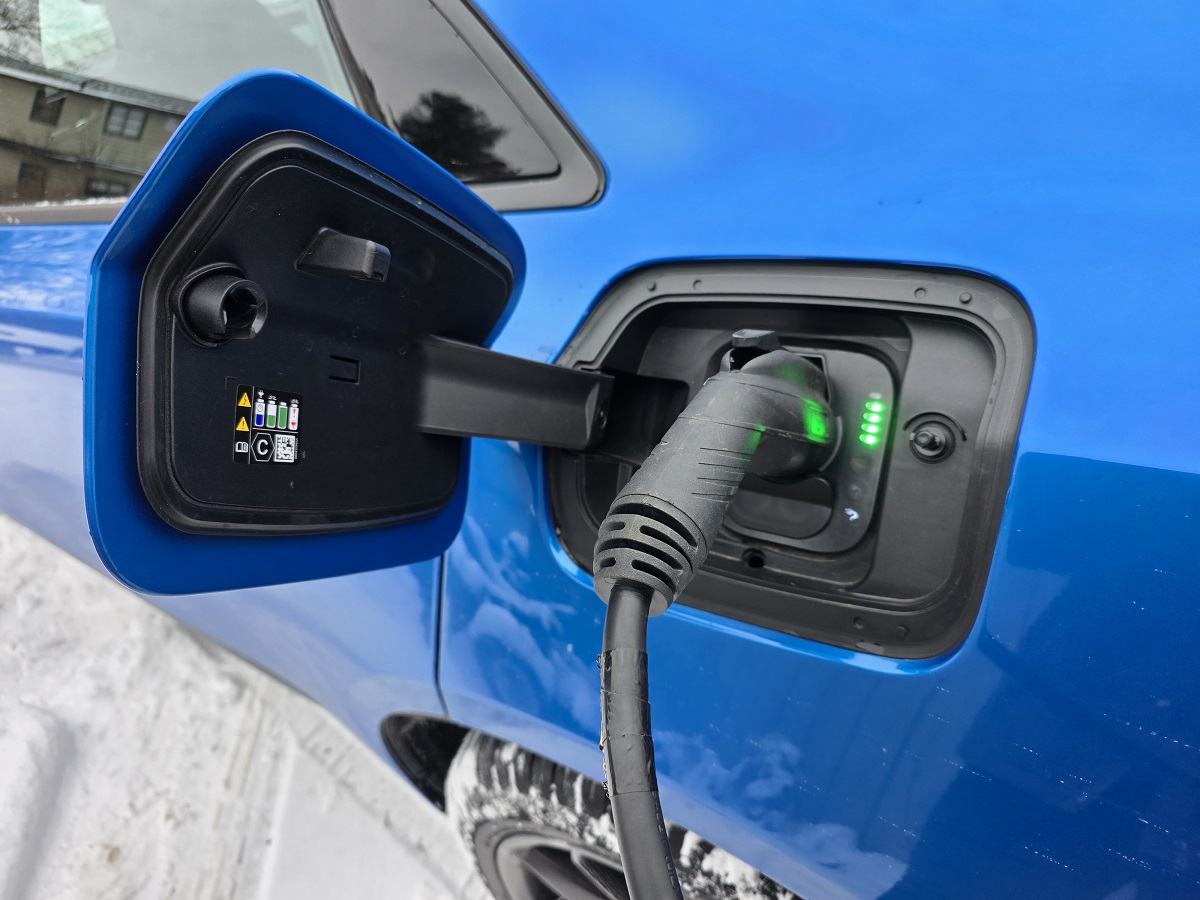
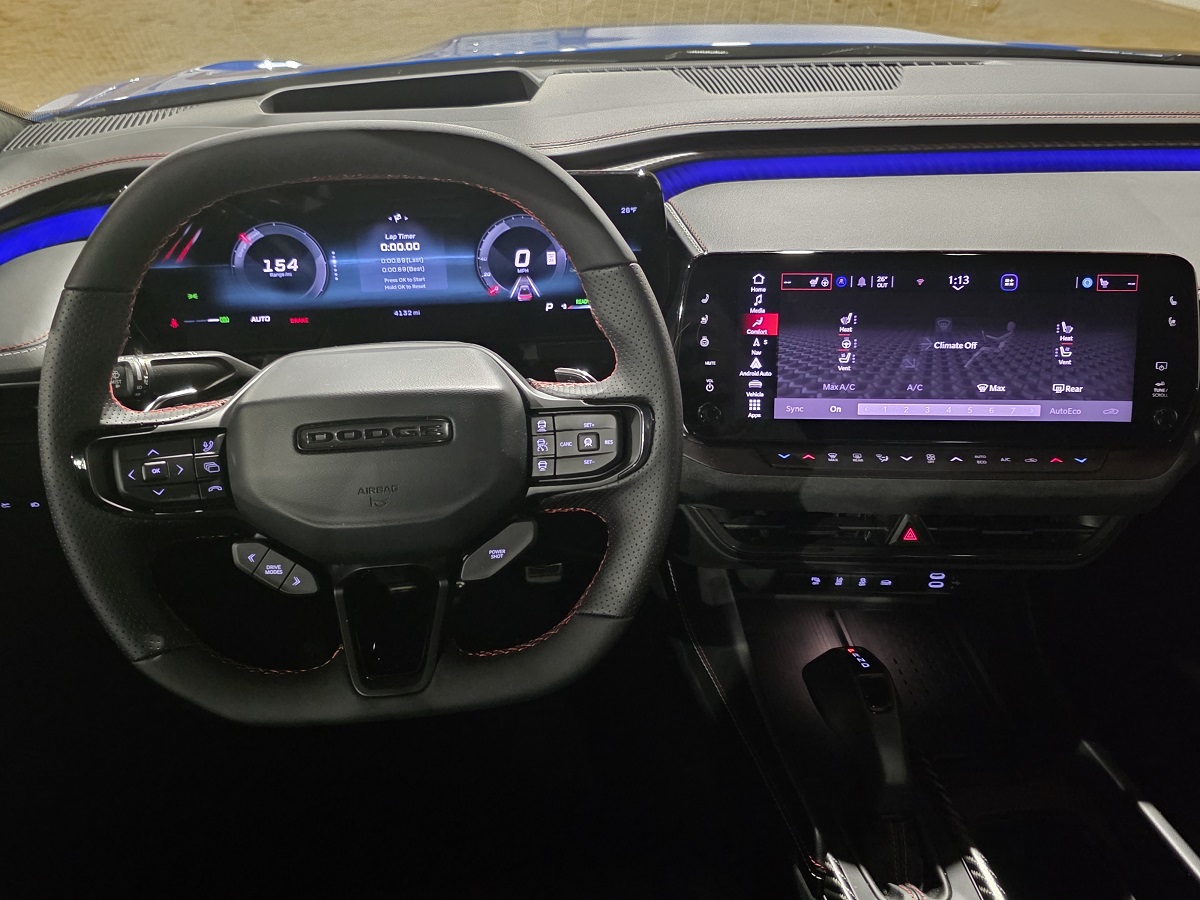
One key concern for many people considering any electric vehicle is the impact of cold weather. As mentioned above, most of my drive time in the 2026 Dodge Charger Daytona Scat Pack 4-door was in sub-zero temperatures, so I got to experience that impact firsthand. My Charger Daytona Scat Pack 4-door had an official range (on the window sticker) of 223 miles, but at 100% charge, my test car displayed 201 miles. Fortunately, my commute is only about 40 miles, so I was able to get a couple days at a time without dropping below 50%. I did find that with the cold and all of the loose footing, I burned miles at a faster-than-usual rate, using about 45 miles of range to make my 40-mile drive. When using the Level 2 Mopar® charging unit, the Daytona was always fully charged by the next morning, even at -20°F. For my uses, the range loss caused by the extreme cold did not have any real impact and if the charger operates more slowly, it wasn’t slow enough to impact my plans of recharging overnight.
In short, if you want a vehicle that offers SRT Hellcat-like performance, but you want to be able to drive it in any weather condition, the 2026 Dodge Charger Daytona Scat Pack is the perfect vehicle. Along with the 2-door R/T that I tested last winter, the new Charger’s AWD system makes this the best car that I have ever driven in the snow and, unlike most great winter vehicles – the Charger is also a ton of fun to drive during the other three seasons.
2-Door Versus 4-Door
When the new Dodge Charger was introduced, the company was quick to state that the 2-door and 4-door models would share a wheelbase. The 2- and 4-door models actually share most external measurements, so the main difference between the two body layouts is the sheet metal and the mounting locations of the doors. You might be thinking “of course the doors are different”, but the point here is that the doors are really the only difference between the two, whereas most related 2- and 4-door models have a differing length and wheelbase, if not more.
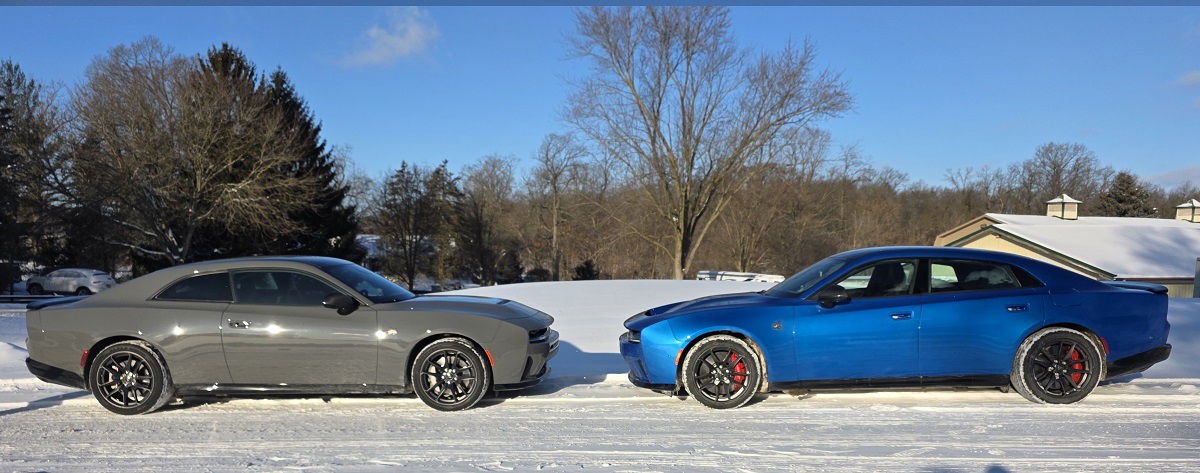
Seeing as how the Dodge Charger Daytona 2-door and 4-door share the same exterior dimensions and all of the same mechanical bits, you would expect the two to drive very similarly… and you would be correct. As mentioned above, I have logged thousands of miles on new Charger 2-door test cars and the 4-door here drove just like the 2-door cars I have had in the past. In many cases, opting for the 4-door version of a performance car comes with some noticeable change in driving dynamics, but there is no compromise when picking the 4-door Charger Daytona over the 2-door models. The 4-door models are around a hundred pounds heavier, but whether you are fighting for traction on a snow-covered road or making a hard pull in Drag Mode, the 4-door does not feel heavier than the 2-door.
Where the two different body designs of the new Dodge Charger differ the most is in the access to the seats. I happened to get a Charger SIXPACK after having the Daytona Scat Pack, allowing me to get the pictures shown here of the two cars. This also allowed me to get pictures of the seat access of both vehicles.
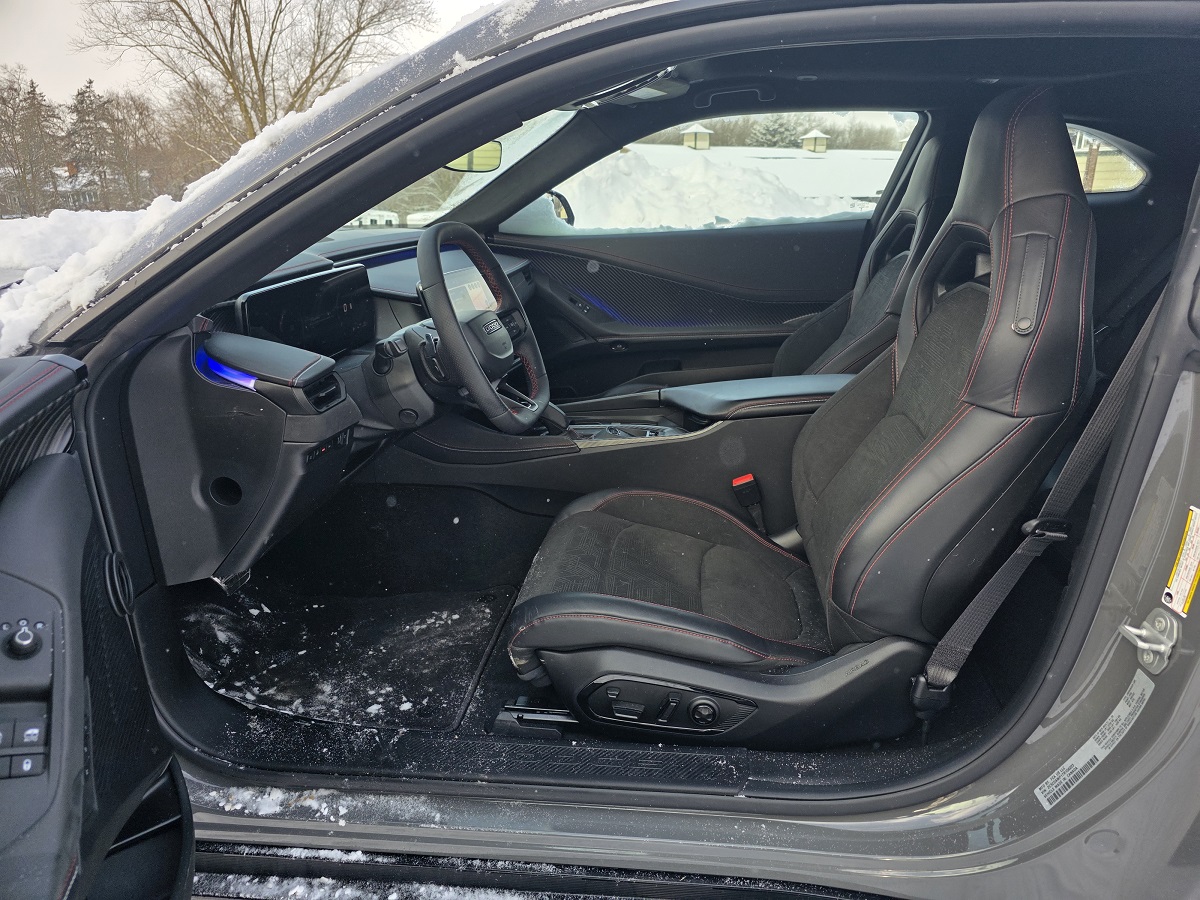
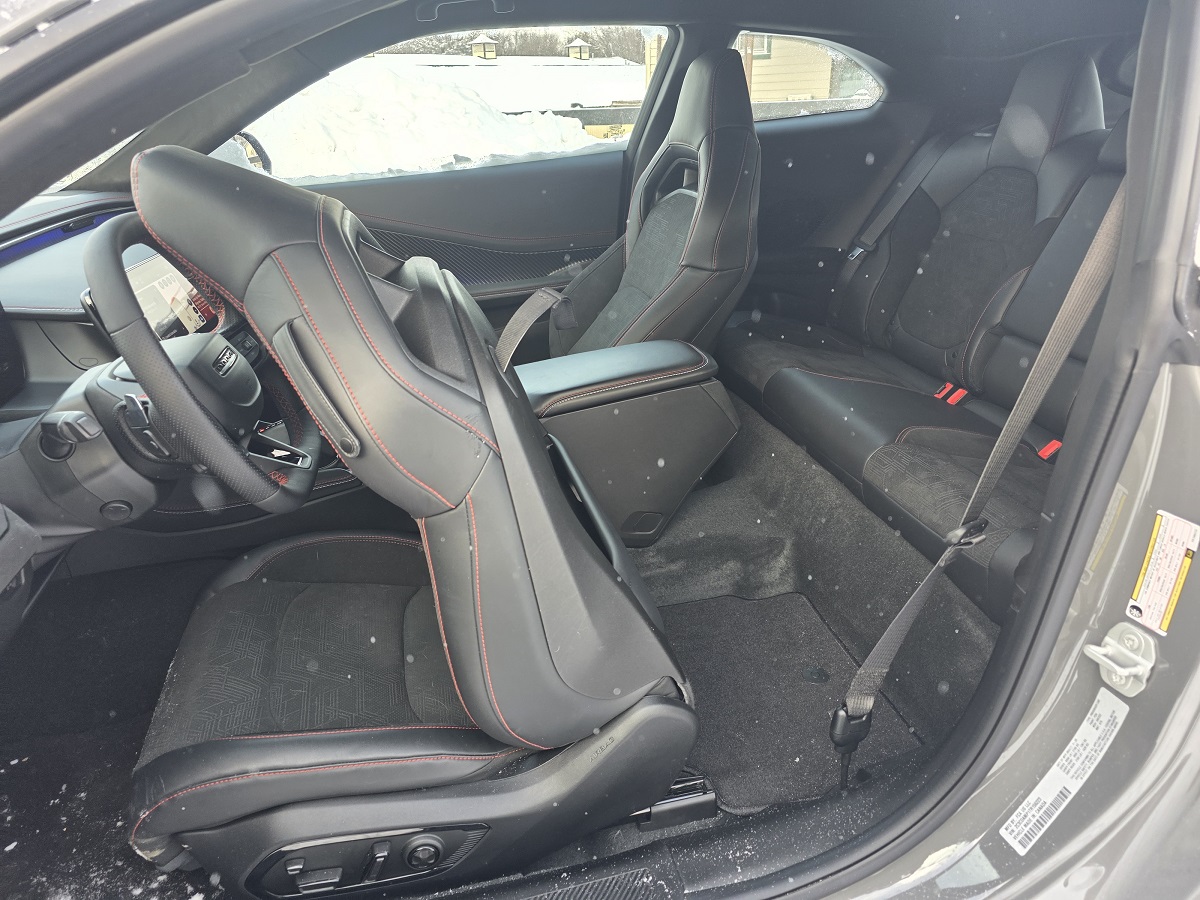
The Dodge Charger Daytona (and SIXPACK) 2-door models have huge doors, allowing for plenty of access to the front seats for even the tallest drivers. To access the rear seats with the 2-door, you have to move the front seats forward, flip them forward against the dashboard and climb through the angled space to get into the rear seating area. As 2-door vehicles go, the space created by moving the front seat is pretty huge and there is loads of passenger space in the rear seating area, but getting into those seats requires people to step into the back seat while crouching under the roofline. That is not ideal for some passengers, but I will say that getting in and out of the rear seats of the new Charger 2-door is easier than getting in and out of the rear seat of my 2017 Dodge Challenger SRT Hellcat. When coupled with the seating space advantages over the previous generation Challenger, the new Charger 2-door offers far greater comfort than the last coupe, but ingress is an expected issue.
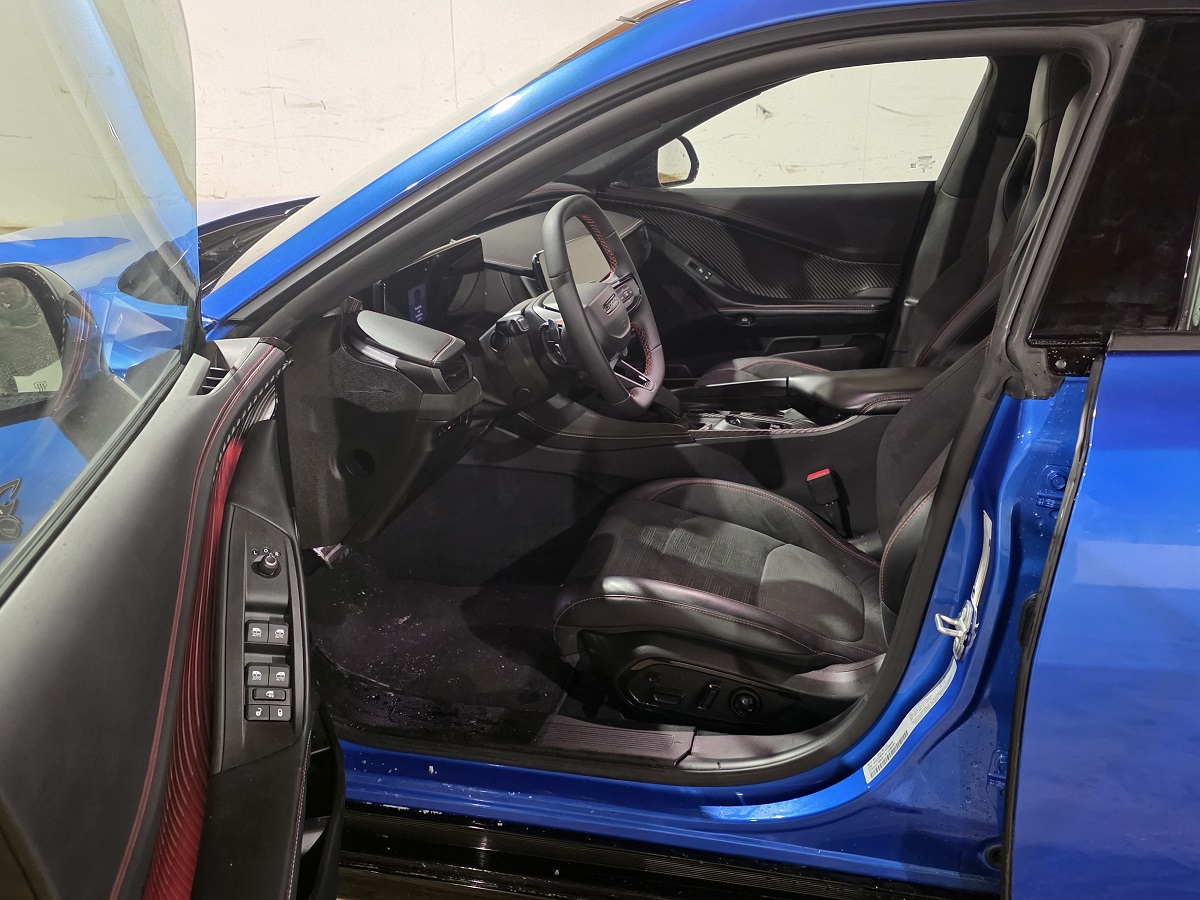
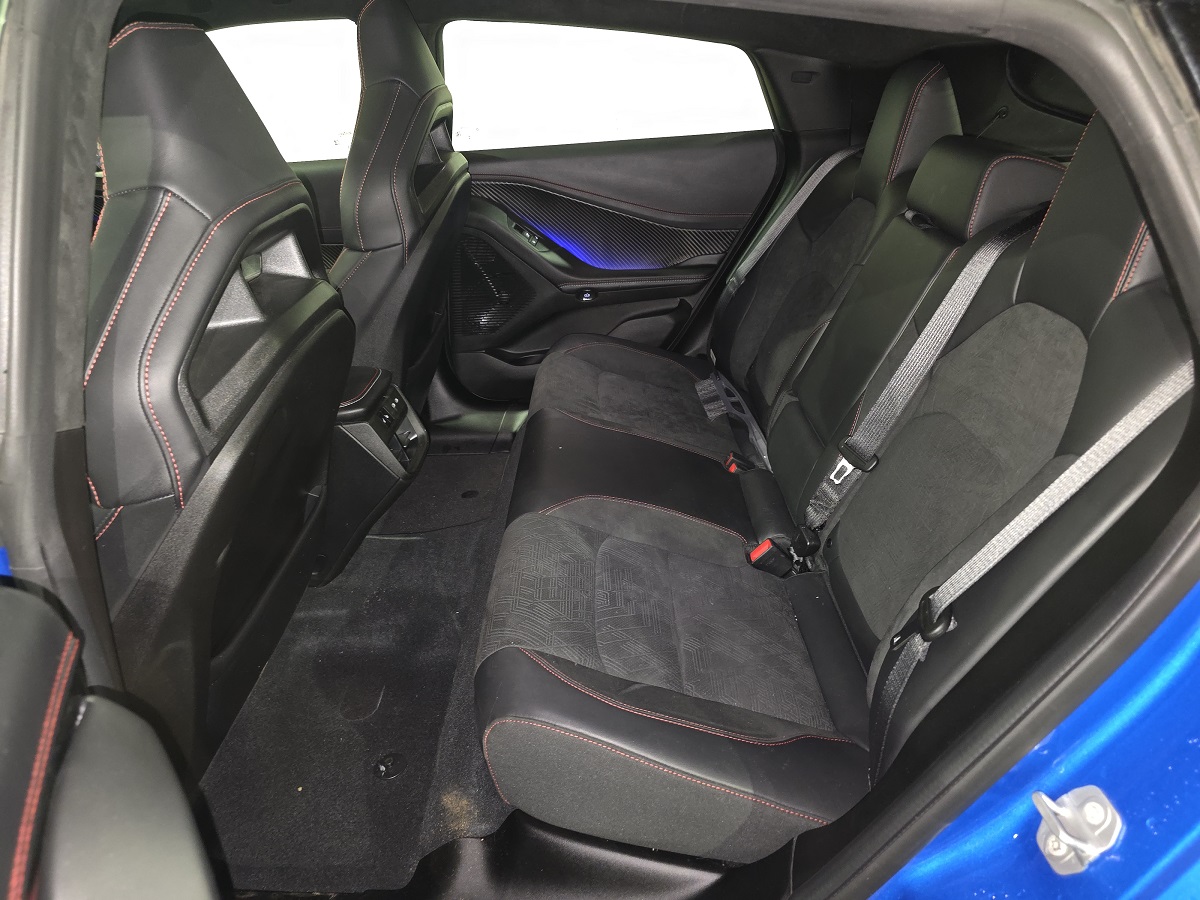
The Dodge Charger Daytona (and SIXPACK) 4-door models have slightly smaller front doors, so the front ingress is a bit tighter, but not enough to really impact the tallest drivers and front passengers. As the driver, the ingress of the 4-door requires a slightly more upright posture, but there is still plenty of room. The big deal here is that the addition of the rear doors obviously makes accessing the rear seats a whole lot easier, both for passengers and for loading or unloading any cargo from the back seat. There is no need to step into the back seat – you can sit on the edge of the seat and swing in your legs, making it ideal for anyone who has any sort of physical limitation that makes entering the back seat of a 2-door difficult.
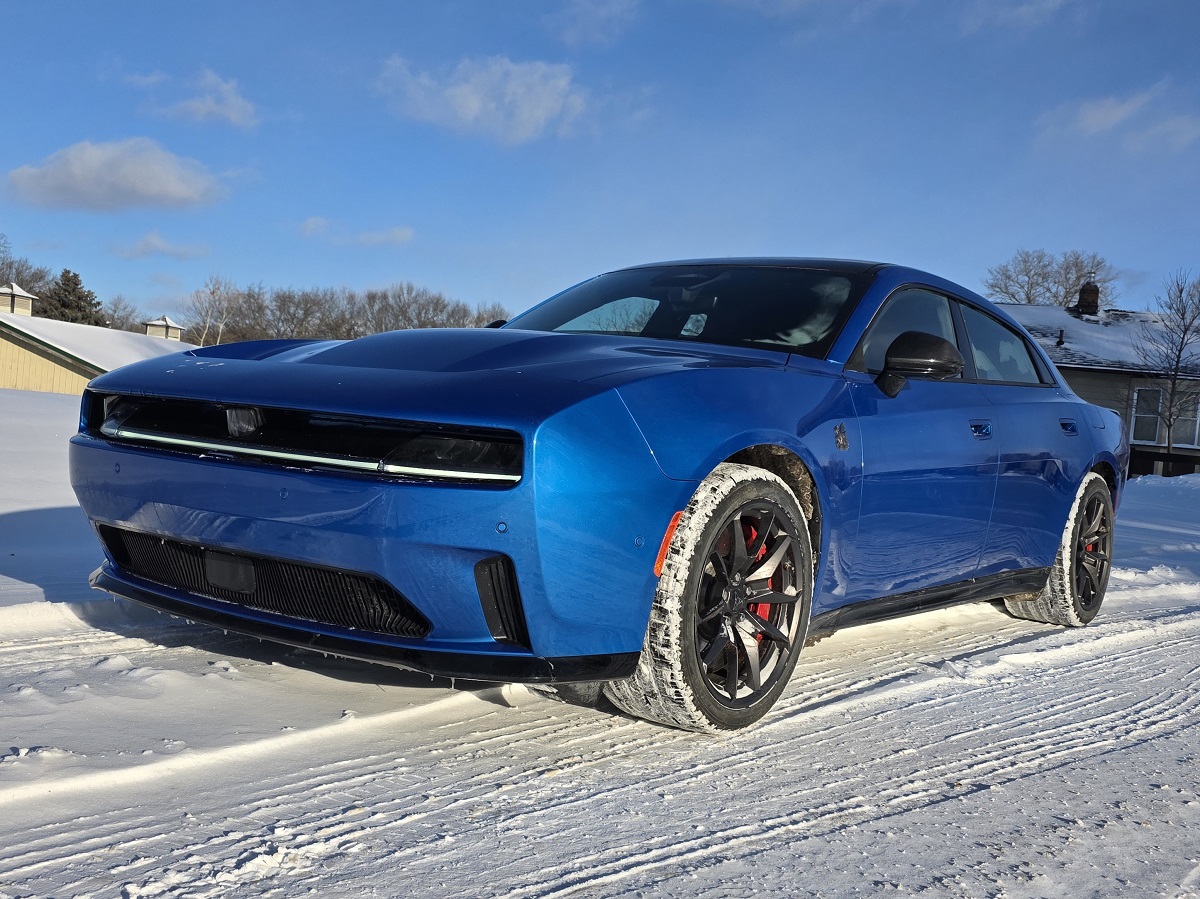
If you are shopping for a 2026 Dodge Charger and you use the back seat regularly, for either passengers or cargo, the 4-door offers dramatically greater access and it does so without removing any fun-to-drive factor. Oh, and it is fun to drive in any weather condition, including the worst that winter has to offer.
0 Comments