Wild In The Streets – The History of SRT® – Part 1
The SRT® brand has a long and illustrious history of making everyday Dodge, Chrysler, Ram and Jeep® brand vehicles meaner. When the ‘SRT’ badge was applied to any vehicle, the horsepower, technology, love and passion were much more than just stuck on. Every inch of the vehicle’s powertrain, suspension, chassis, body, brakes and interior was improved significantly. While 90% of most drivers only use their vehicles to get from point A to point B, there’s still that 10% that want a visceral experience every time they put their right foot on the accelerator or grasp the steering wheel when going into a high-speed turn.
In this three-part series, we’ll dive into the beginnings of what was PVO (Performance Vehicle Operations), to its evolution and redesign to what would become one of the greatest performance brands ever – Street and Racing Technology, or as thousands of ravenous gearheads simply call it, SRT.
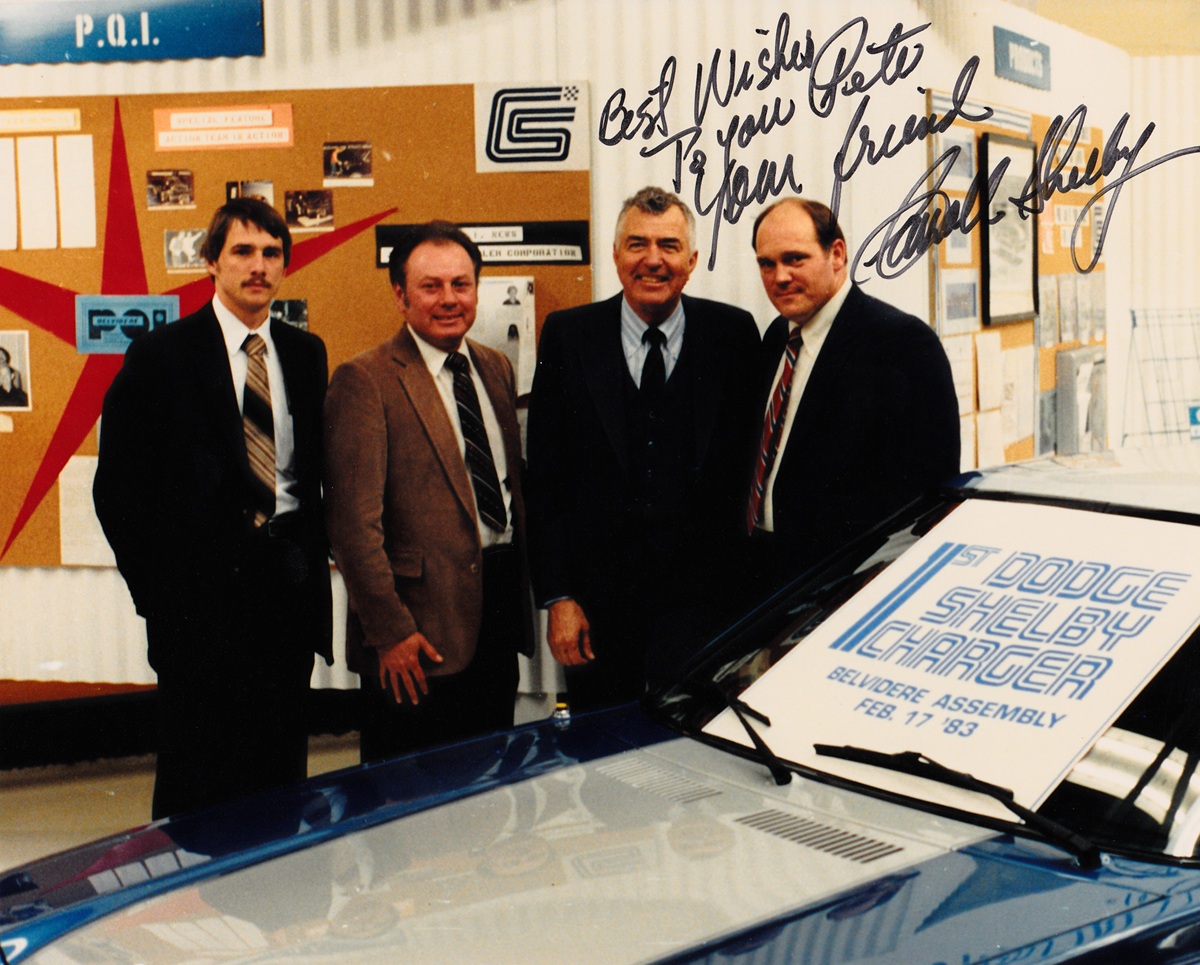
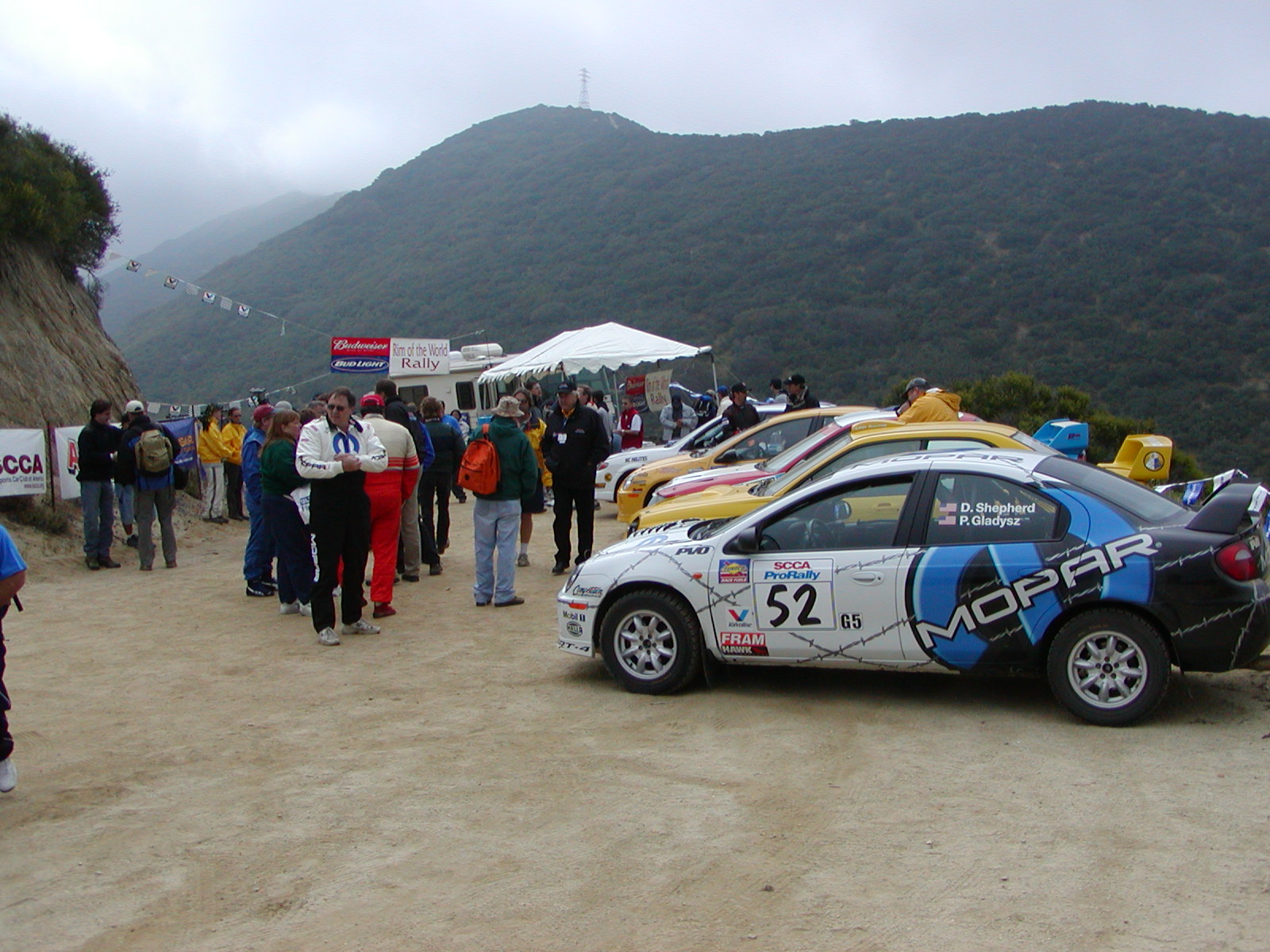
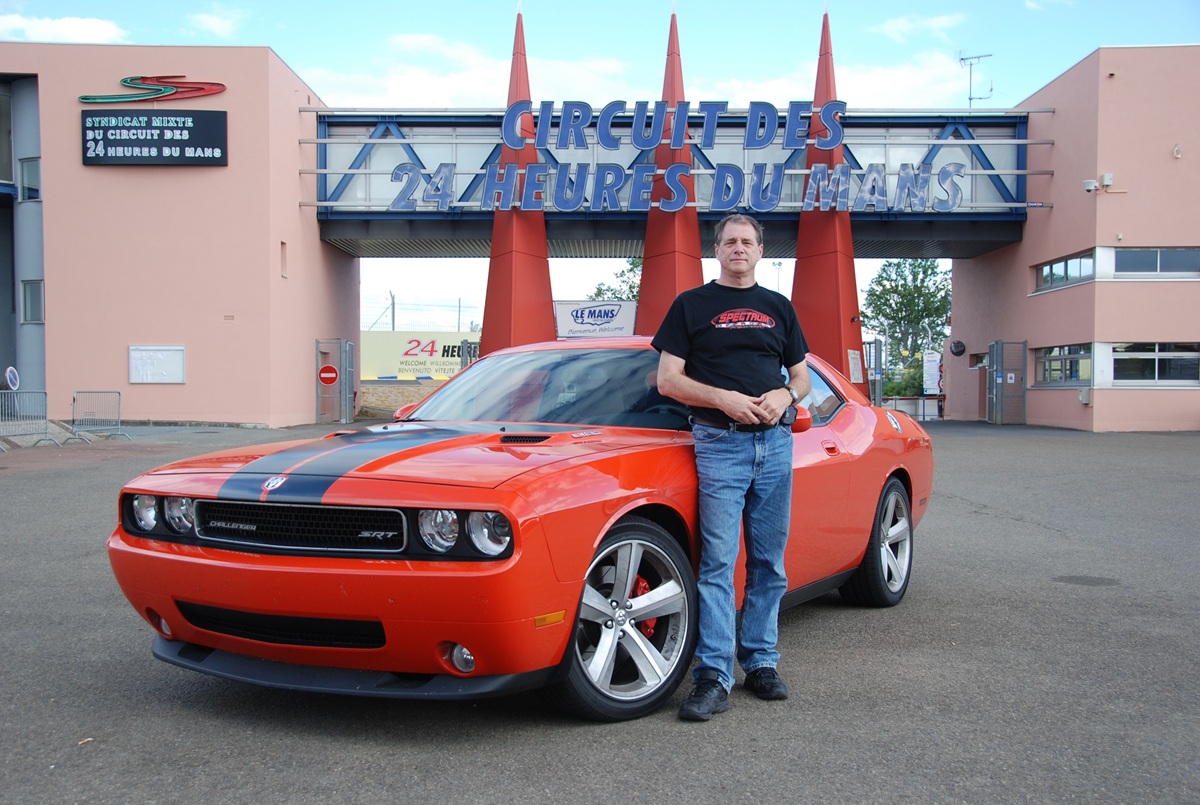
To get the lowdown, we tracked down Pete Gladysz, an SRT Powertrain Engineering Manager, who oversaw many projects that came to fruition and ended up in production. He gave us insights into how popular SRT vehicles came to be and how the brand evolved. “I started with Chrysler in 1976, but it was my love for competing in road racing and rally events with production-based cars that got me noticed within the corporation. I got involved in Chrysler’s new Front Wheel Drive car platform. When Carroll (Shelby) came over to Dodge in the early 1980s and I worked with his team in California on engine and chassis improvements on the L-Body Charger,” said Gladysz. “When it came time for the Neon years later, I was the engineer on that car and working for John Fernandez.”
From that point, Pete’s career path at Chrysler would dramatically change. “John was eventually picked to be the executive engineer on the Viper program, and about this time, around 2001 or 2002, I had the idea to develop a turbocharged four-cylinder engine for the Neon. I did a big presentation to the Neon production team, and they basically said that they didn’t want to do it. I was kind of upset with that whole discussion, so I gathered all my slides and data and went over to see John Fernandez. I said, ‘John, what about you guys doing this if the Neon team doesn’t?’ There was a meeting with the team at the time, and I went through the presentation again. John Fernandez looked at me and said, ‘The only way we’re going to do this is if you come over to the PVO group.’“
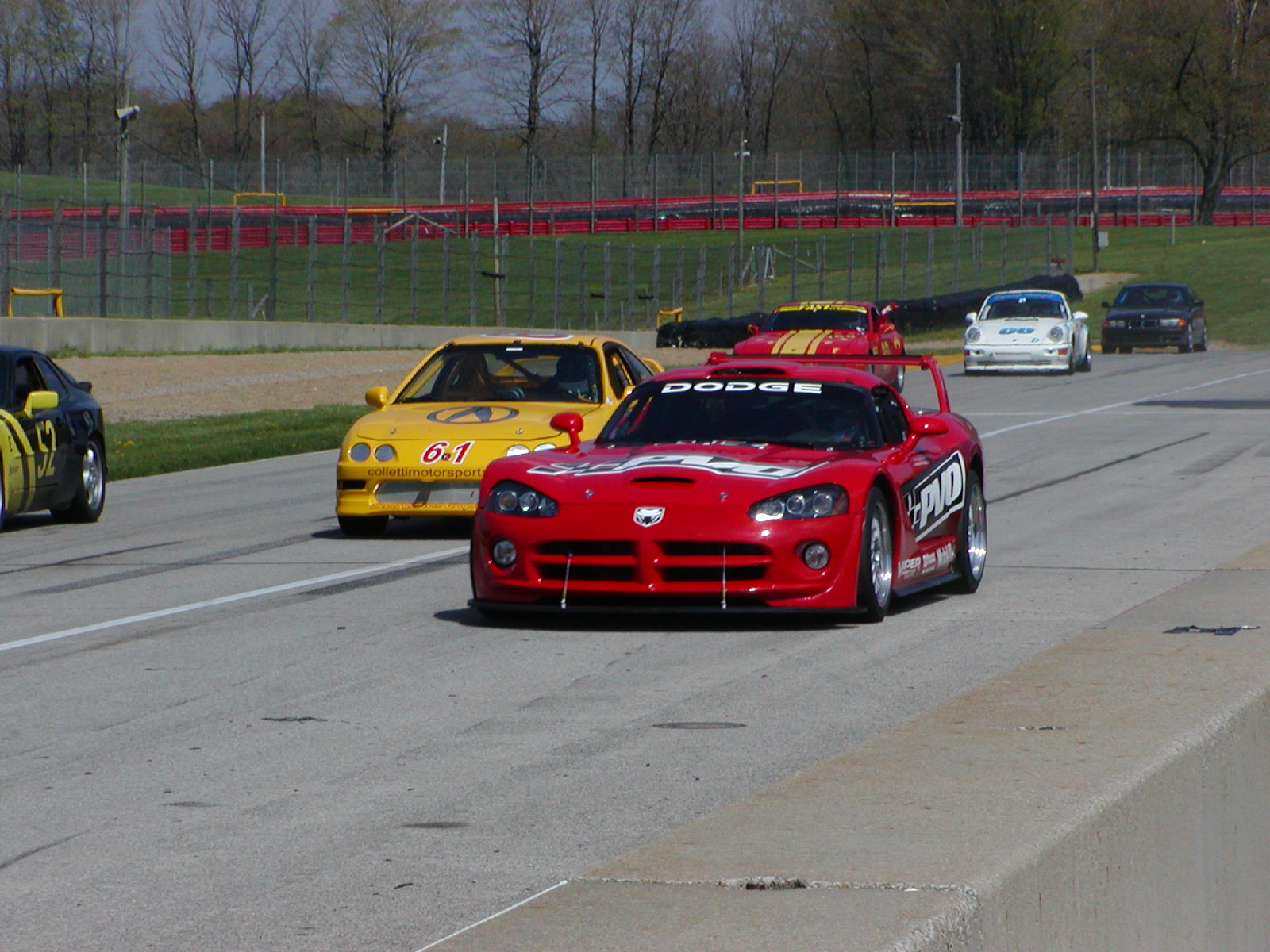
But before the Neon SRT-4, Pete’s skills were needed for a special Viper. “During the Monterey Historic races, we had a big presentation for the new Viper Competition Coupe, which included press rides. We’re actually using the Viper as a pseudo pace car for one of the races. However, I had to fly home that evening. It was at that time in my career that I was also responsible for Dodge’s NASCAR program. The race was at MIS (Michigan International Speedway) that same weekend. That’s when the Dodge team won their first race since its return to NASCAR. Our group still operated under the Performance Vehicle Operations (PVO) brand, but many internally and externally found the name boring.
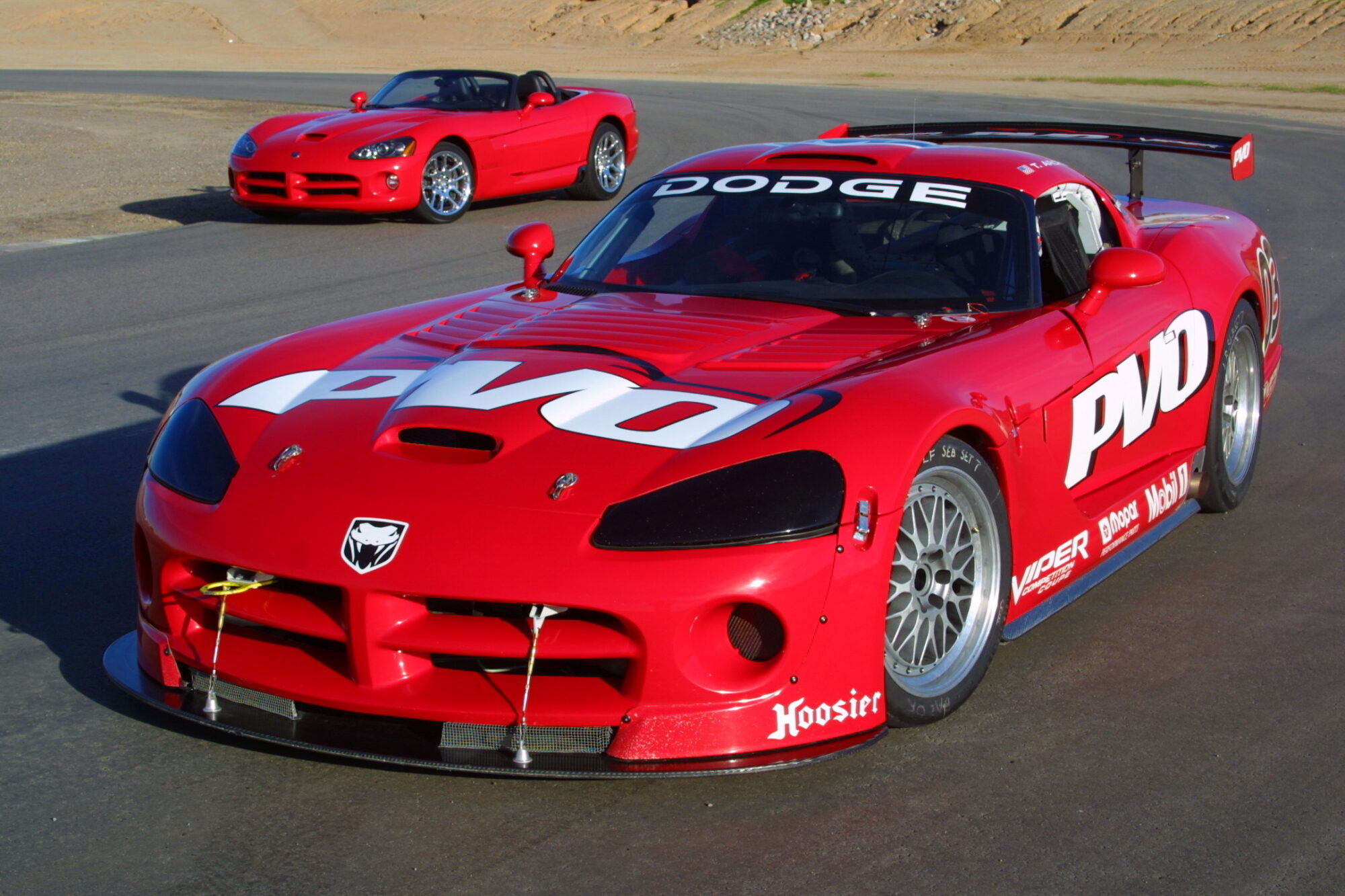
“Despite having a few high-performance production cars developed and ready, Wolfgang Bernard, who at the time was the President and COO of the Chrysler division, decided that he didn’t really like the name PVO. Wolfgang wanted the marketing group to come up with a more appealing name that encompassed more of what the program was really about. Wolfgang saw the bigger picture, just decided that he liked SRT instead of PVO, and off it went. Thus, Street and Racing Technology or ‘SRT’ was created.”
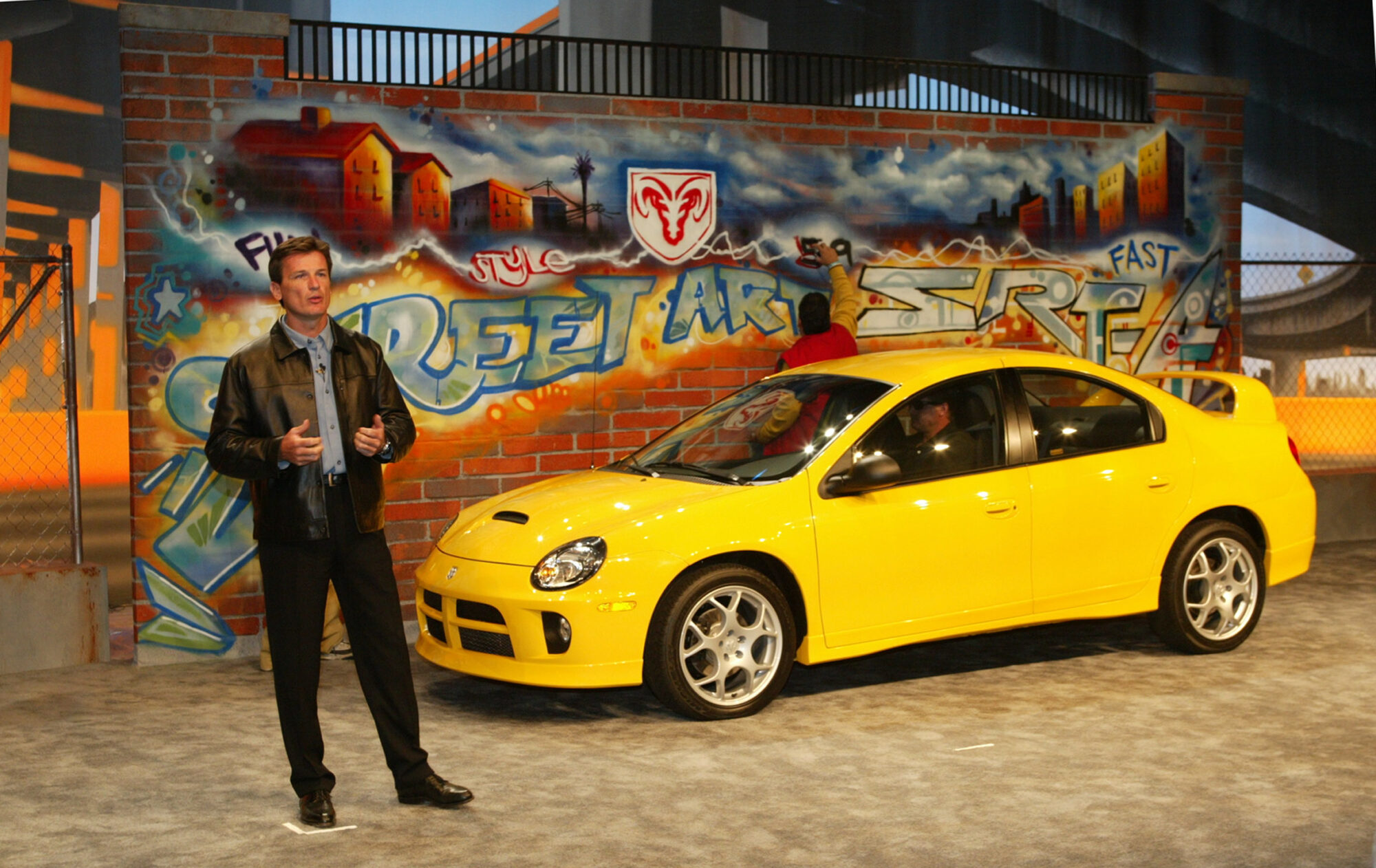
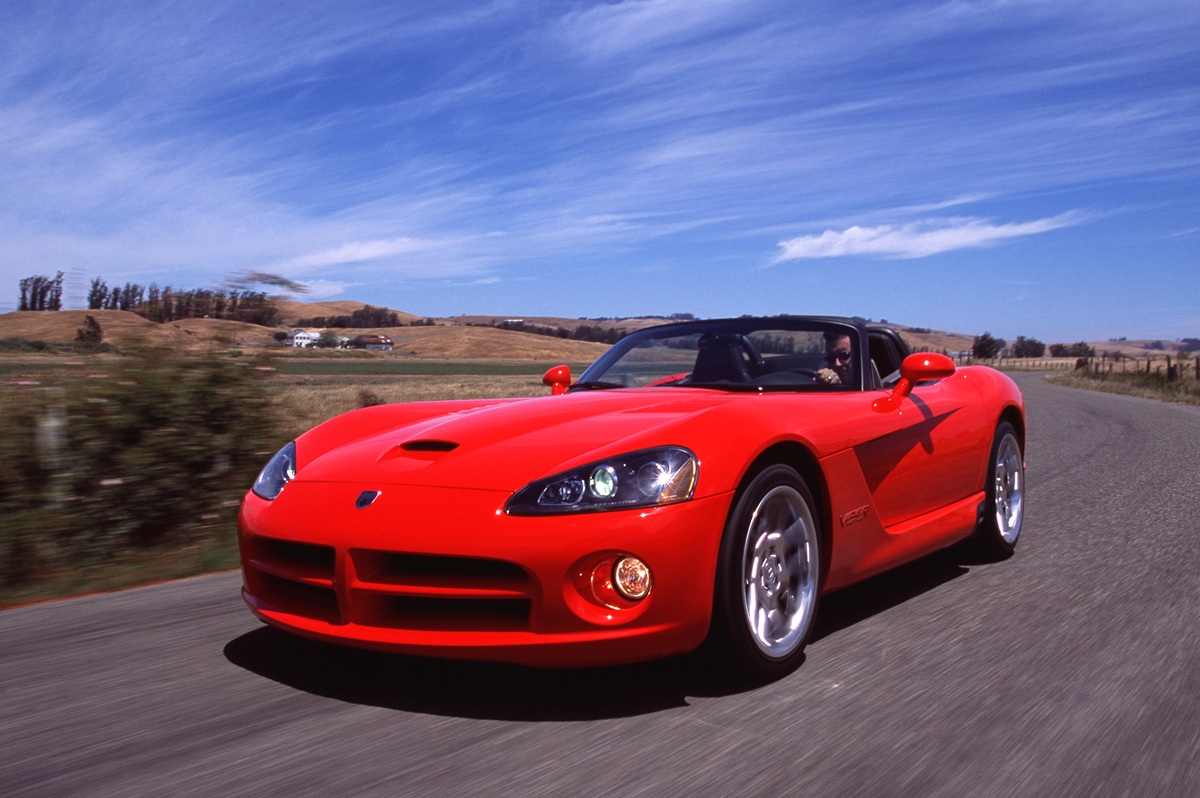
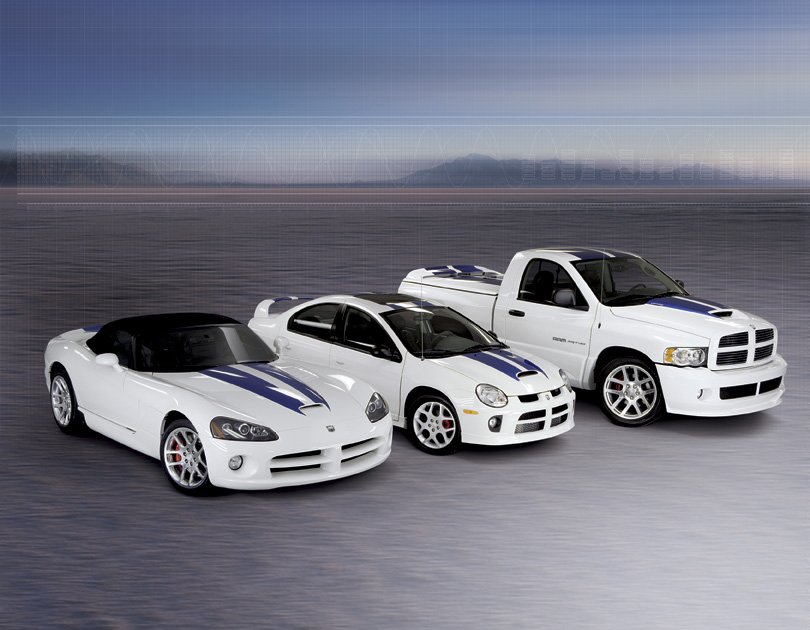
The SRT organization was announced in 2002 during the North American International Auto Show (NAIAS). Its goal was to leverage all the performance resources within Chrysler. This included motorsports engineering, the Viper development team and Mopar® Performance Parts. With all these assets under one roof, SRT quickly went to work developing a host of high-performance vehicles such as Neon SRT-4, Ram SRT-10 and, of course, the Viper SRT-10. The SRT team’s mission was to create performance vehicles with benchmark performance at the lowest price, delivered with absolute integrity and credibility. SRT was also created to boost the image of Chrysler, Dodge and Jeep brand vehicles, as well as Mopar parts and accessories.
Gladsyz and his team created the Neon SRT-4 in 2003. It quickly gained acceptance among young enthusiasts and rapidly established major street creds for the Dodge and SRT brand among the ‘Tuner Crowd.’ “That was the initial evolution of SRT. We almost crashed and burned to get the Neon SRT-4 completed in time for its launch. It was one of the first cars marketed and sold as an SRT product,” noted Gladysz.
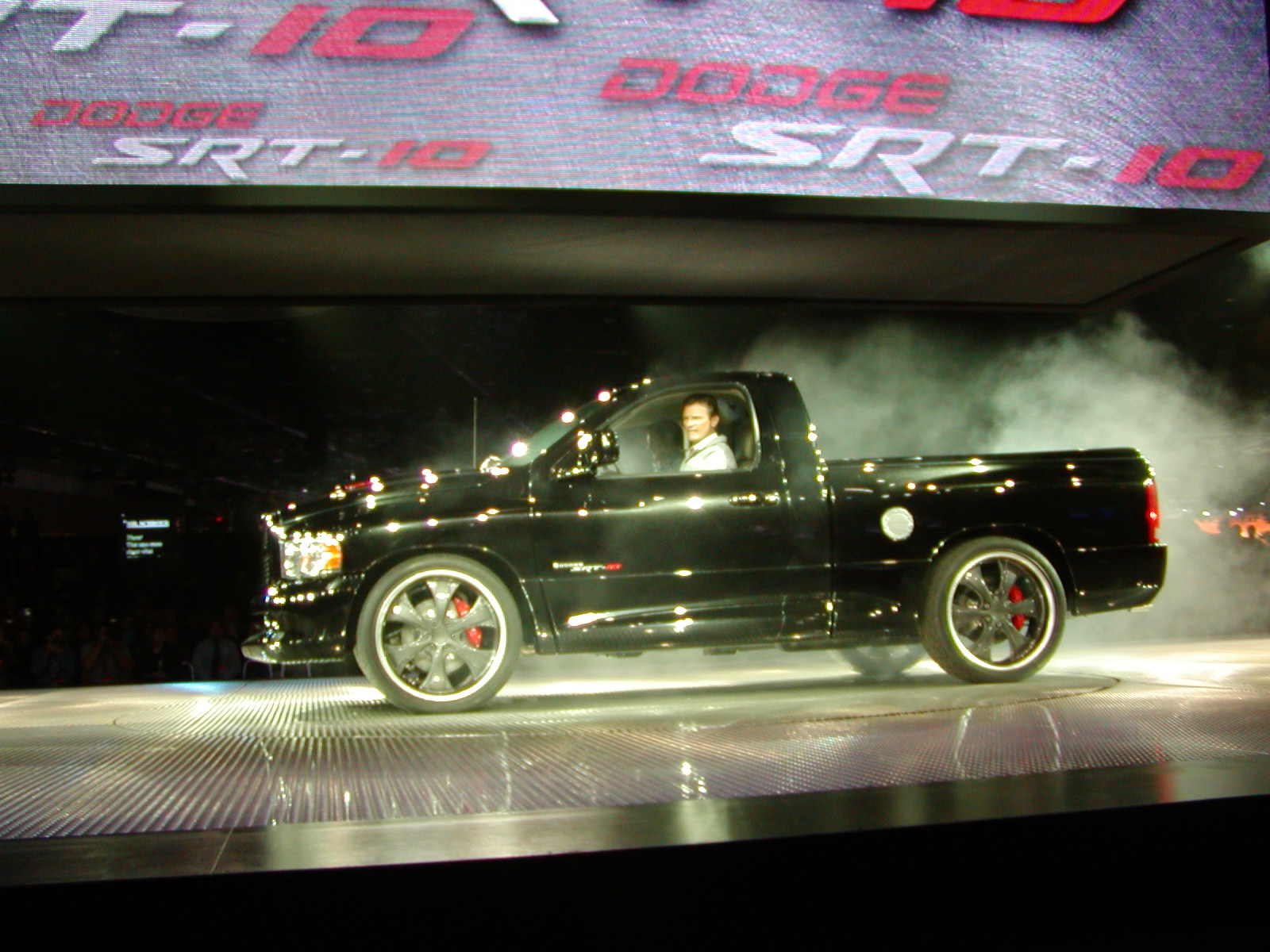
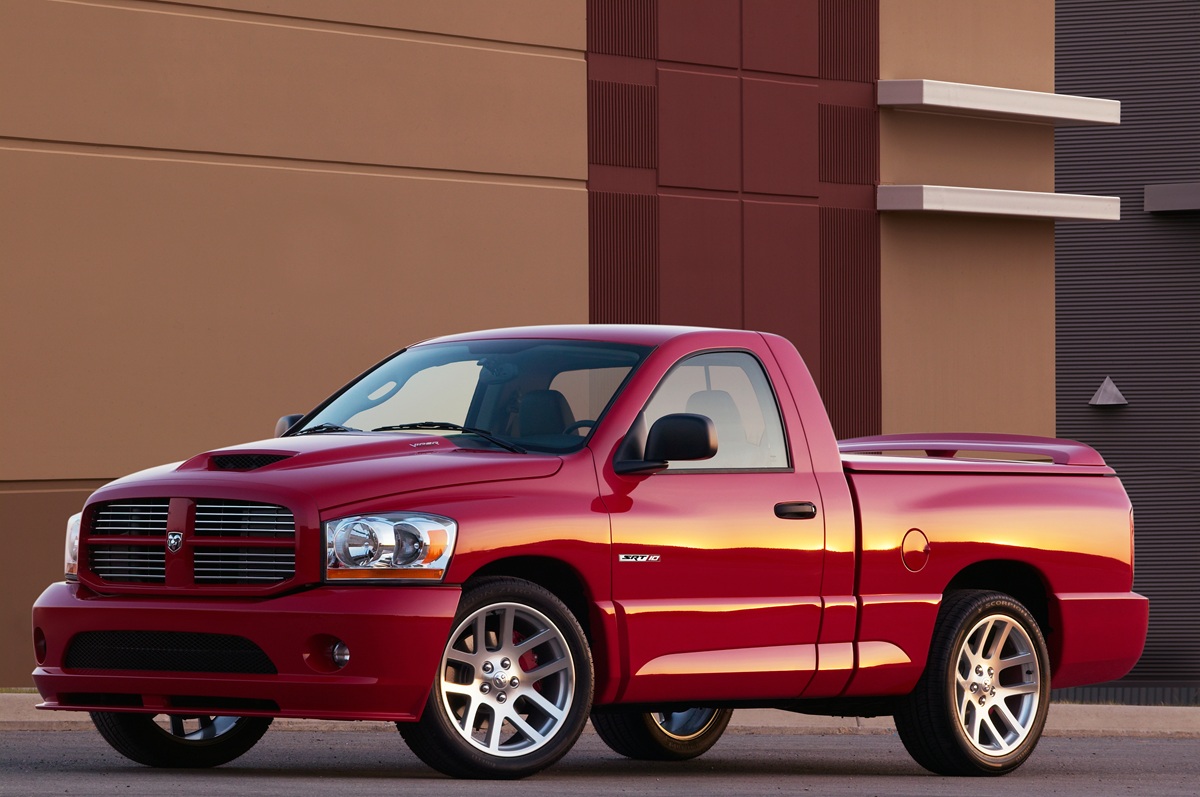
After the successful launch of the Neon SRT-4, Gladysz had another idea that would forever make Ram truck history. “I was told by my management to figure out a way to sell more V10 Viper engines. I asked one of my buddies over in the design office if we could put a Viper engine into a Ram 1500 truck. So, he quickly came up with some sketches of a truck, and right then, I knew we could do it. I had a meeting with Wolfgang Bernhard late one night, and I had to drive him over to engineering. Sitting on the dashboard of the vehicle were some SRT-10 truck sketches. He looked at the drawings and asked what they were. I said, ‘Well, I’m thinking about doing this project of putting a Viper engine in a truck’, and Wolfgang loved it. The next morning, he called up the senior managers and said we’re doing this! It was another project amongst everything else we had to do in that same period of time,” commented Gladysz. “We ended up showing the Neon SRT-4 that year, but the Ram SRT-10 was blessed and greenlighted. A one-off Viper V10 truck engine was built in one weekend at Arrow Racing and installed in a prototype Ram SRT-10 the following week, and off to the auto shows it went!”
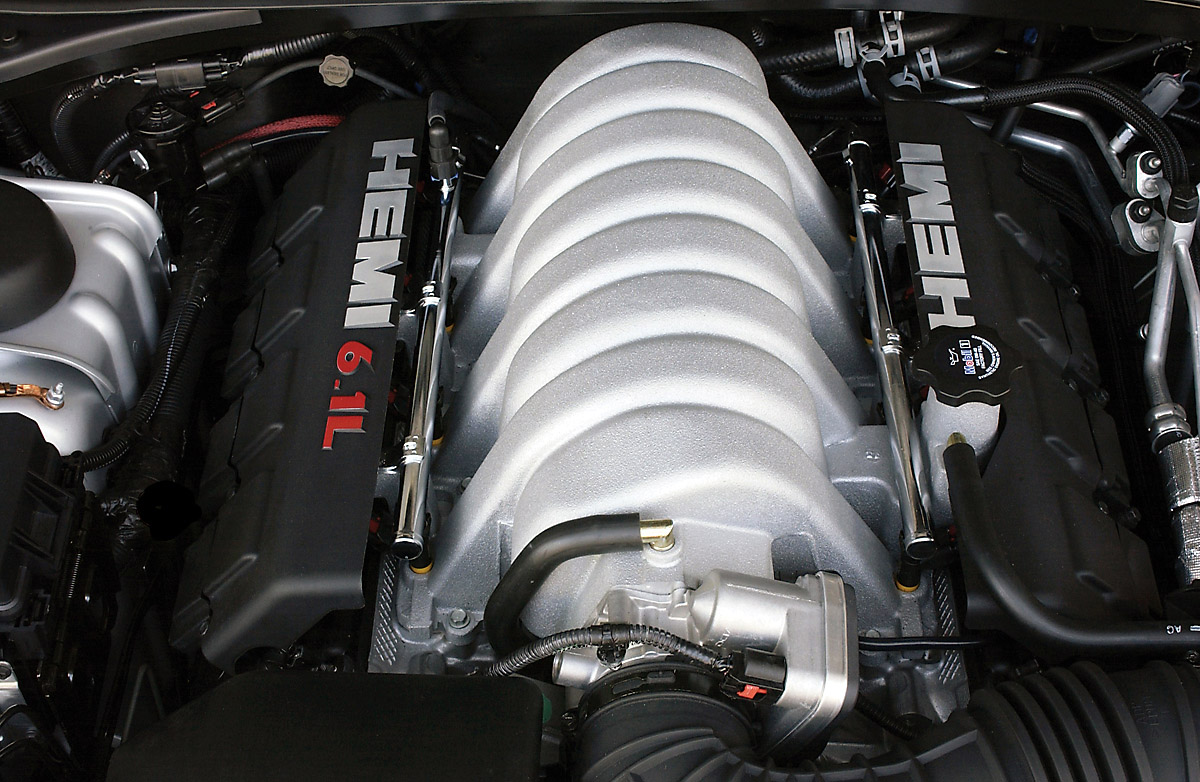
In part two of the History of SRT, Pete Gladysz will go into detail on the birth of the 6.1L HEMI® and SRT-8 cars. He will also get into the blueprint on the SRT 6.4L/392 HEMI engine and eventually the supercharged 6.2L HEMI SRT Hellcat. So, make sure to keep checking back so you get all the insider details on how one of history’s badass high-performance brands came to be!
0 Comments