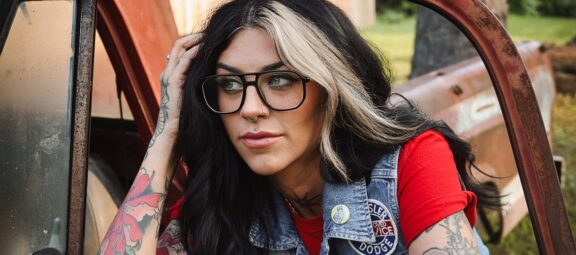
Megan Coontz’s Journey to Dodge Badassador
Megan Coontz grew up surrounded by the thunder of circle track racing and the stories of old-school hot rods that defined her family’s automotive heritage through the ’70s and ’80s. Like most kids of the ’90s, she dragged around a plastic tire full of Hot Wheels cars and spent hours racing them around on a Car City rug, and her connection to cars from an early age has carried on throughout her life.
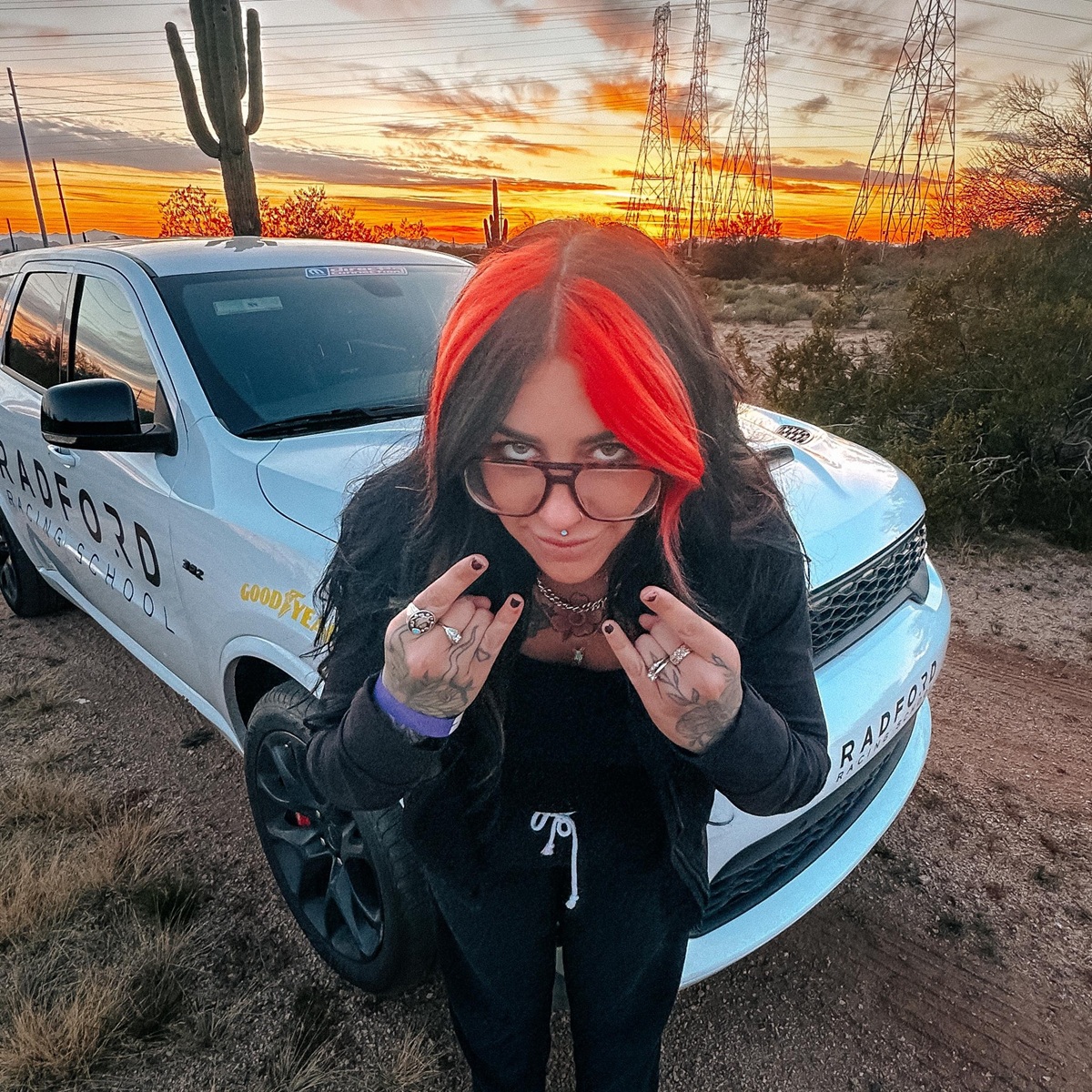
“I would tell my parents, I’d tell anybody as soon as I could talk, that I wanted to be like my dad and my grandpa so I could drive imagination cars,” Coontz recalls with a laugh. “For some reason, I called the cars I thought of as cool, imagination cars.”
Her father’s career in law enforcement meant a rotation of imposing patrol cars from the ’80s and ’90s – big, square, four-door machines with substantial motors. These “big box cars,” as she describes them, captured her imagination in ways that have lasted decades. Weekends growing up were spent either racing four-wheelers at the track or on trails. When she turned 14, Coontz sold her four-wheeler to buy her first car, a Mustang in the perfect shade of red she’d been dreaming about for years.
The automotive passion continued through high school and into her marriage. Her husband, a lifelong fabricator and mechanic, shared her enthusiasm, and together they’ve owned more cars than she can count over the years. Their daughter inherited the same automotive DNA, making wrenching sessions a family affair. But for Coontz, cars remained a personal passion rather than a profession until circumstances forced a dramatic life change.
Coontz spent her twenties building a career as a traveling surgical technologist, working in level one trauma centers across the country. She started in labor and delivery, then moved into trauma, pediatrics and oncology. The work was intense – 12 to 24-hour shifts in operating rooms where precision and stamina were non-negotiable.
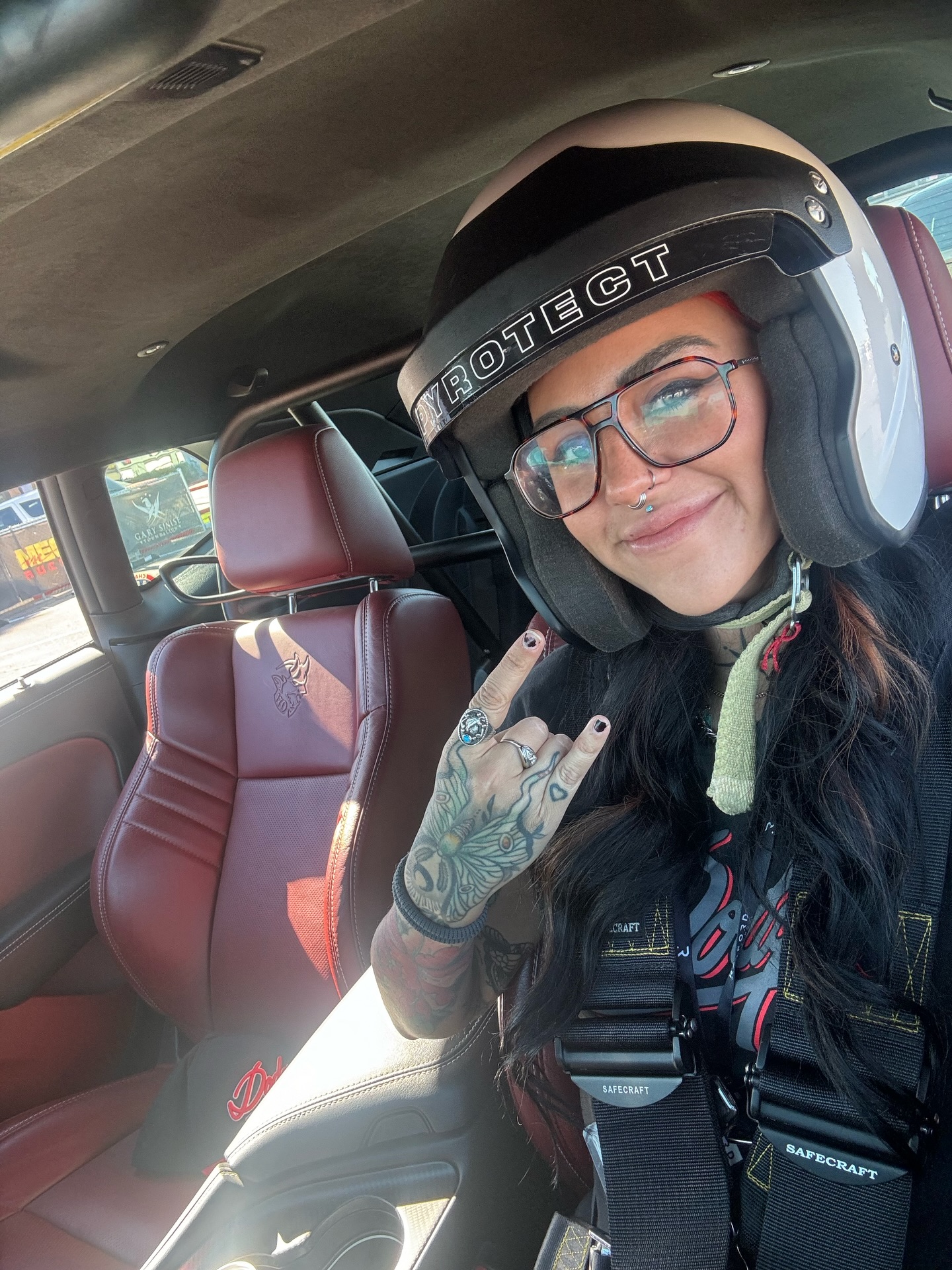
“It sounds crazy, but there’s a crossover between surgery and fixing a car,” she explains. “You have a heart, you have the wires, you have electricity – it’s all the same. I worked in orthopedics a lot, so I had power tools, and we were fixing things and putting them back together. I’ll look at things in the shop and be like, ‘Oh, that’s a pickle fork. We use that in the shop, but we also use that in orthopedic surgery.'”
That unique perspective, viewing automotive repair through the lens of surgical precision, would later inform her approach to builds and content creation. But first, everything had to fall apart.
In 2020, Coontz’s health began deteriorating. First, a cancer scare and then a couple surgeries, followed by a severe case of COVID a couple of weeks later. The compounding health issues triggered cardiac problems, and by 2023, her condition had progressed to the point where she could no longer stand for extended periods, an absolute requirement for operating room work.
“One day, I woke up and started passing out, and I couldn’t stand up anymore,” she remembers. “If you can’t stand up, you can’t do surgery.”
She’d just been accepted into an advanced surgical program when her body gave out. The career she’d spent her twenties building had vanished overnight.
“It was like the rug had been pulled out from underneath me. Everything that I worked for, my sense of purpose, my sense of self, it was soul-crushing,” Coontz says. “I wasn’t depressed; I was disabled. I couldn’t function anymore. My husband was carrying me to the room I needed to be in around the house because I was bedridden.”
Doctors couldn’t figure out what was wrong. She lived like that for months until she finally found physicians who helped her get on the right medications and stabilize her condition. But during that dark period, she never stopped searching for a new sense of purpose; she isn’t the type to just lie around the house.
During Coontz’s recovery, her husband made a decision that would change everything. He’d acquired a 1967 Dodge Belvedere four-door, a car Coontz fell in love with after seeing it around town. She’d worried the previous owner, notorious for wrecking his vehicles, would destroy it before she could get her hands on it. When her husband secured it in a trade deal, he made her a promise.
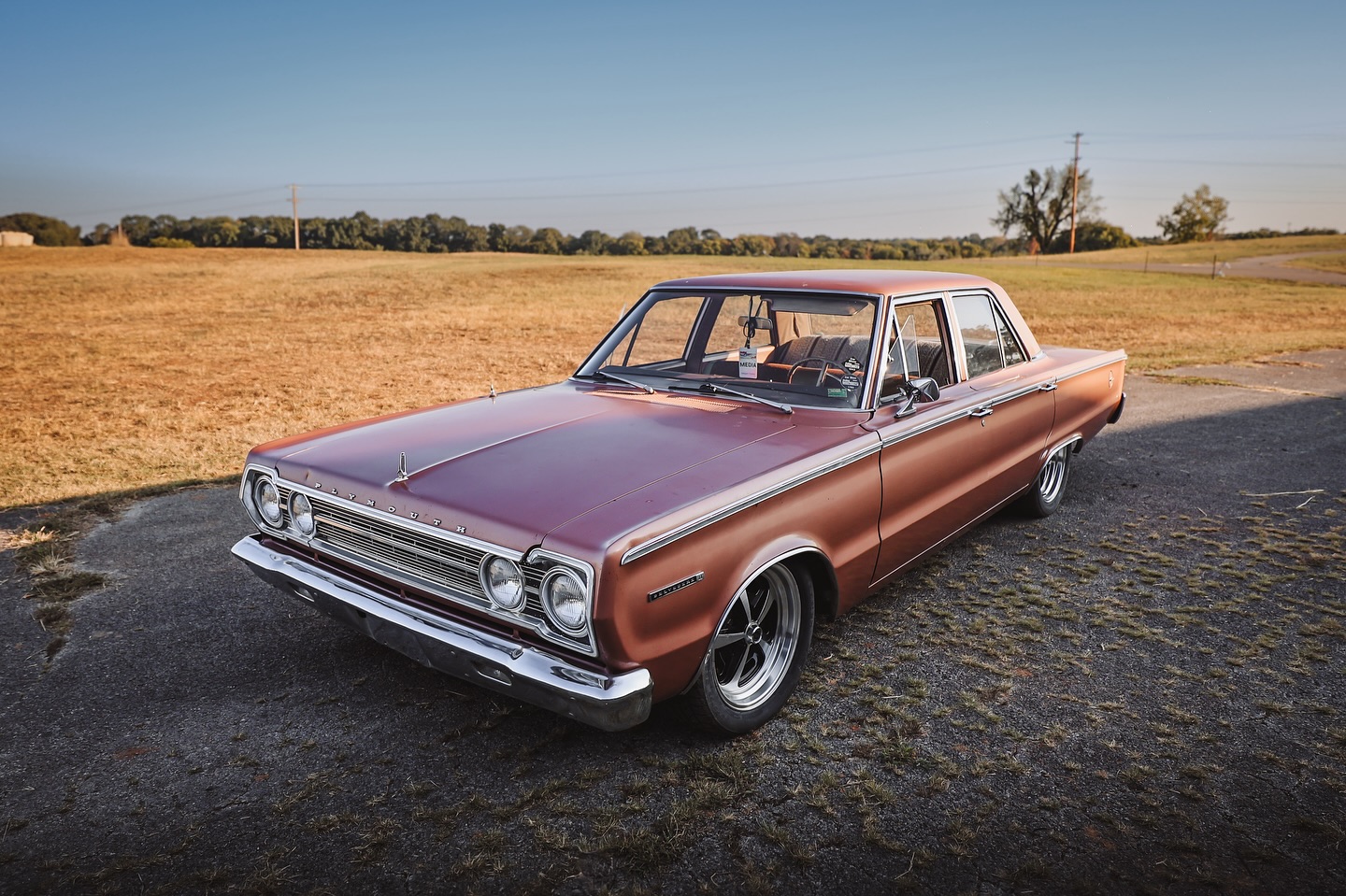
“He told me, ‘I’m giving you that car. I’m not going to sell it. We’re going to build it for you,” she recalls. “I didn’t believe him at first, but as I started getting better and could get out of the house for a couple of hours at a time, even just sitting in the driver’s seat while he worked on something, it got me out of bed. It got me moving.”
The Belvedere became more than a project car; it became rehabilitation, a form of therapy Megan could tolerate for a little bit at a time. It gave her something to look forward to when doctors couldn’t identify what was wrong and her future felt impossibly uncertain.
Around the same time, she returned to another passion from her youth. Her grandmother had given her her first camera years earlier, a little point-and-shoot flip-up model, sparking a love for photography that carried through high school. She took a photography class, shot sports and took all her friends’ senior pictures. Her grandmother bought her those first few cameras before passing away, becoming Coontz’s biggest inspiration. As an adult balancing motherhood and a surgical career, the hobby had fallen by the wayside. Now, searching for new purpose, she sold a beloved car to buy the cheapest DSLR Canon and lenses she could find.
“I started shooting cars because that’s what made me happy,” she explains. “To me, cars have a soul – they all have a feeling that you get when you’re around them. Every car is different, and I wanted to capture that.”
She applied her portrait photography techniques to automotive subjects, bringing cars to life the way she once did with people. The response to her photographs exceeded her expectations!
The social media explosion happened almost by accident. Working at a Holley MoParty event, Coontz appeared in the background of a video by TikTok creator Justin Danger Nunley. When he featured her in a follow-up video, it went instantly viral.
“My phone was just blowing up, followers, followers, followers,” she says. “All my friends know I’m pretty shy and reserved until you get to know me, and they’re laughing their asses off because they know how awkward I am about it.”
The attention from her photography led to a marketing job offer that prompted another life-changing decision. Coontz and her family picked up everything, their shop, their car collection, their entire lives, and moved to Kentucky within a month.
“We were like, YOLO, we’re doing it,” she laughs. “And everything has just fallen into place since then.”
When Coontz saw the Dodge Badassador program announcement pop up on social media, her first thought was that it simply was not real. The extensive application and interview process felt surreal, especially given her relatively modest following compared to other automotive influencers.
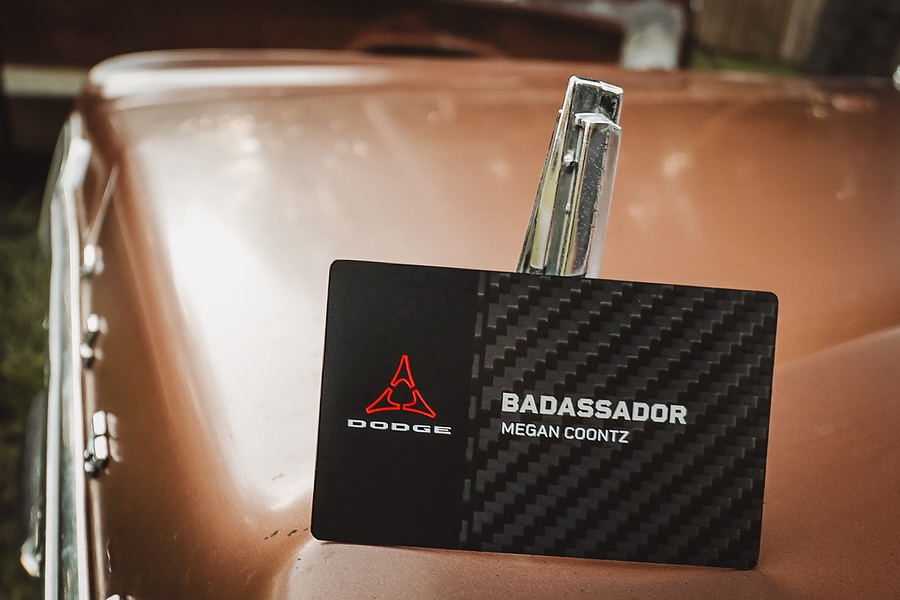
“I don’t have the most followers in the world, but I try to be really authentic and original with the content I create,” she explains. “I think Dodge saw that and liked what I was posting.”
The program has pushed Coontz beyond her comfort zone. Her first drag strip runs happened as a Badassador. Driving Dodge SRT® Demon 170s in Arizona and tackling the legendary Tail of the Dragon in Tennessee, with a fleet of SIXPACK Chargers and the rest of the Badassadors. “The Tail of the Dragon was incredible,” she says. “That’s a bucket-list road for me. The weather was beautiful, and I’m a nature gal myself, so anytime I can combine scenic views with cars, that’s the ultimate for me.”
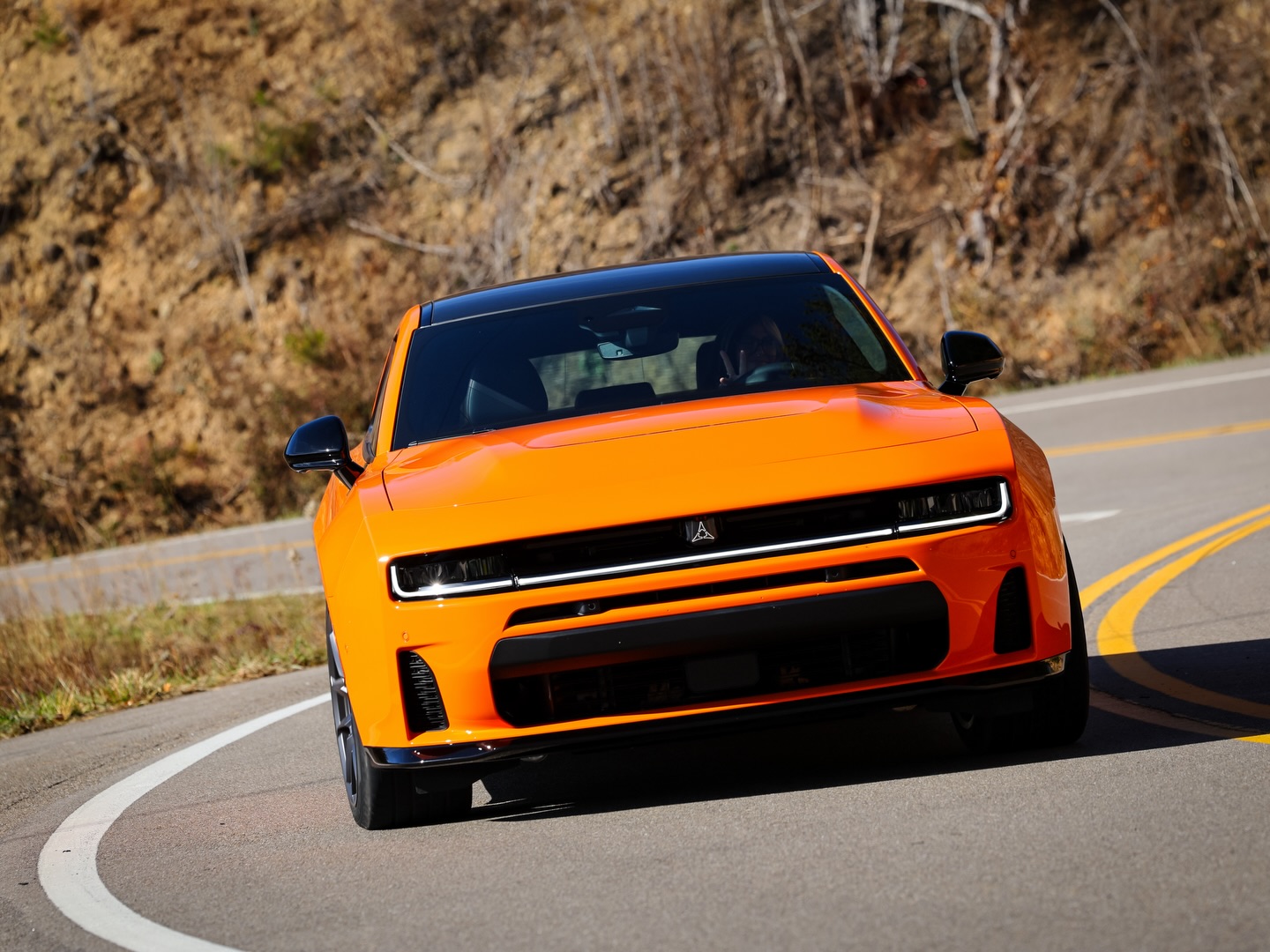
Thinking back to her time at the drag strip, Megan had this to say, “When we get out on the track, there’s kind of a sibling rivalry, but everybody’s so supportive,” she adds. “I’ve never once felt judged or like anybody’s better than me. These were my first times on a drag strip and road course, and I’ve always been nervous about doing them before. But what other opportunity would I ever have like this?”
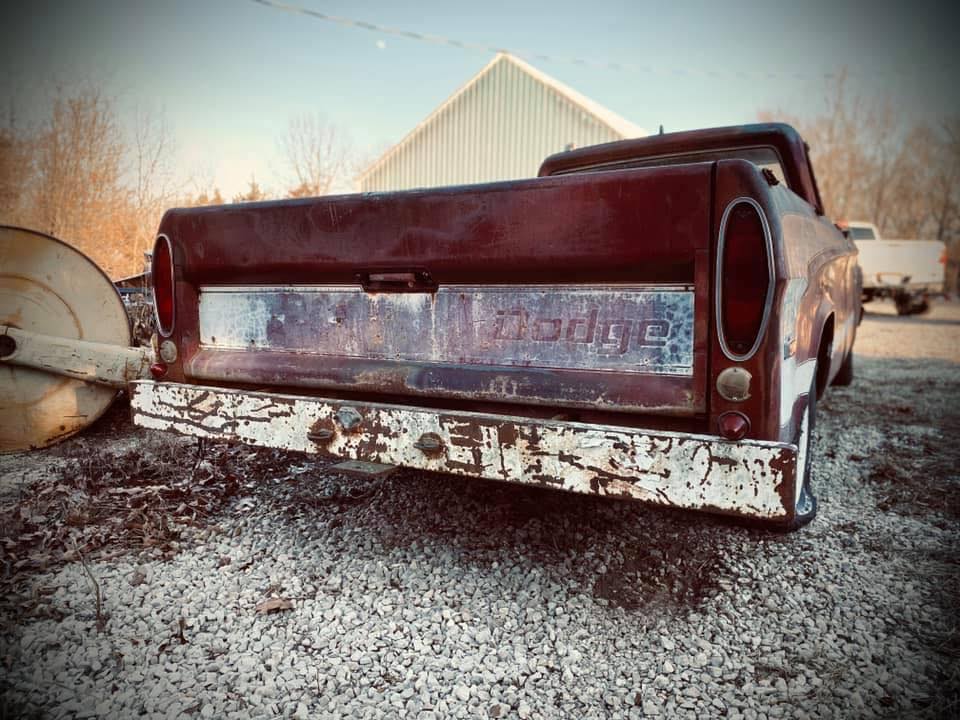
The four-door Belvedere that helped save her life? It still catches hate from some corners of the Mopar® community, but Coontz doesn’t let it bother her. She’s also building a 1970 Dodge D100 Dude, a project that has gained unexpected relevance after the recent Dodge and Ram SEMA build brought the iconic name back.
“Nobody ever knows what a Dodge Dude is,” she says. “I’ll tell them I’ve got a Dodge Dude, and they’re like, ‘Oh, okay, whatever.’ When that SEMA build came out, I was like, holy crap – finally!”
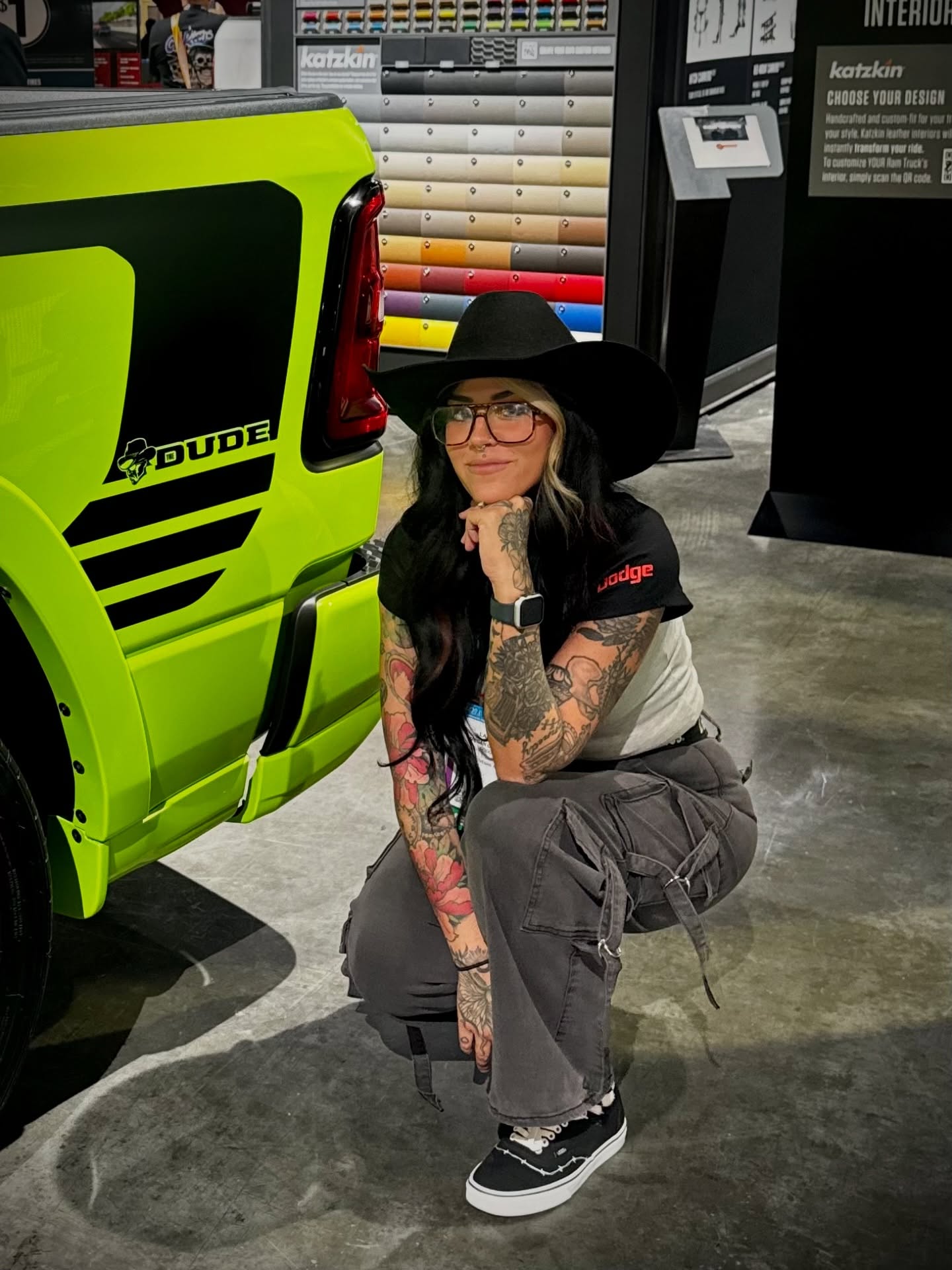
For someone who once stared death in the face while bedridden and uncertain of her future, Coontz has found profound gratitude in the simplest moments: cruising in a ’60s-era Mopar with her family, working in the garage together, or hiking trails she once couldn’t walk.
“Once you look death in the face so clearly and lose everything around you, you appreciate everything so much more,” she reflects. “The simple times with my family, being out cruising the cars, being in the garage, that stuff brought me back and keeps me busy. We have these cars from the sixties, and we just get to go out, make memories, and enjoy the sunshine. Once you’ve lost everything, you appreciate the simple stuff.”
From surgical technologist to automotive photographer and Dodge Badassador, Megan Coontz’s journey proves that sometimes life’s most devastating detours lead to destinations we never imagined, and roads worth traveling.
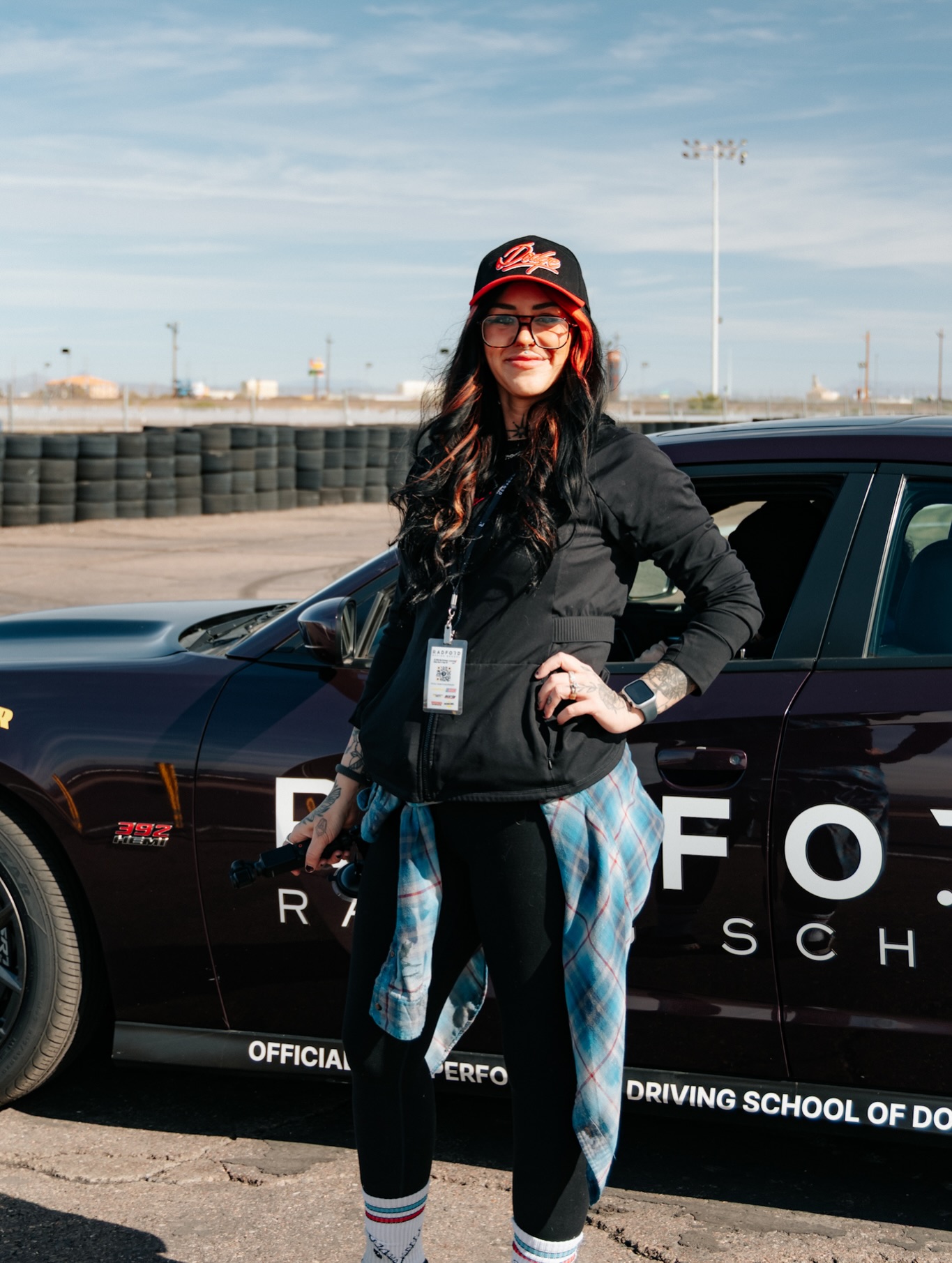
Follow Megan on her social channels: Instagram, YouTube, TikTok & Facebook.
0 Comments