60 Years of the Dodge Charger – GEN II: 1968-70
For part two of our “60 Years of the Dodge Charger” history series, you’d better buckle your seat belts and find something to hang on to. While the first-generation Charger (1966-67) introduced the motoring public to a sporty family car, it also showcased what the designers in the Dodge Exterior Studio and Chrysler engineers could achieve. However, that bar would rise much higher when the second-generation Charger (1968-70) arrived. A game-changer doesn’t begin to define what this was and would become. The 1968-70 Charger wasn’t copied from anything; it retained no styling features from the old model and was a complete redesign from the prior generation (1966-67) Charger. With that, consumers responded favorably and flocked to Dodge dealers across the country. The 1968 Charger saw a sales increase of almost 300%, with 96,100 units sold from dealer showrooms, compared to 15,788 for the ’67 model. Chrysler had hit a home run, and the new Charger led the Dodge Rebellion with the restyled Coronet and refreshed Dart in gaining a huge market share.
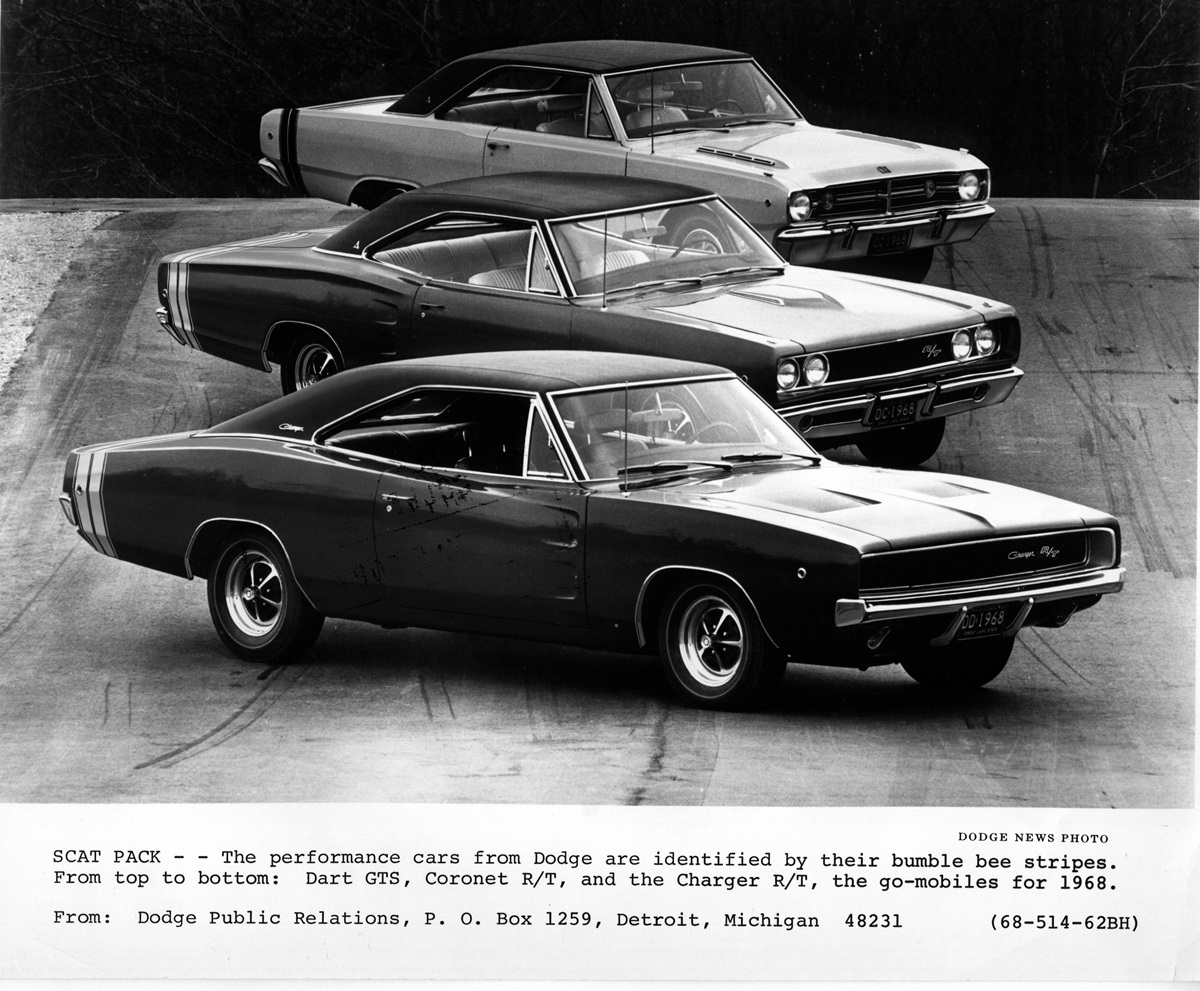
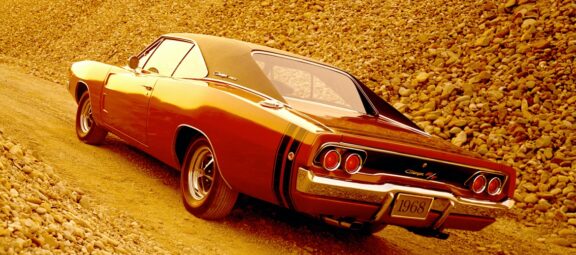
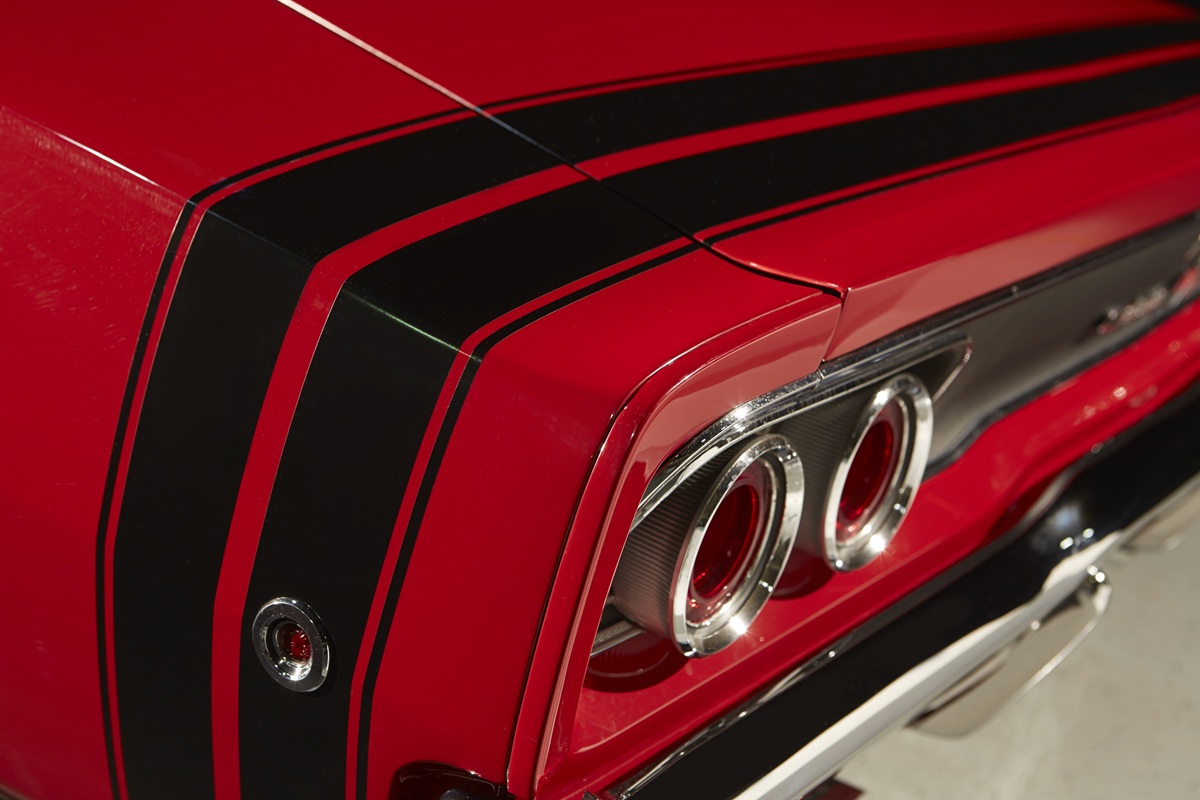
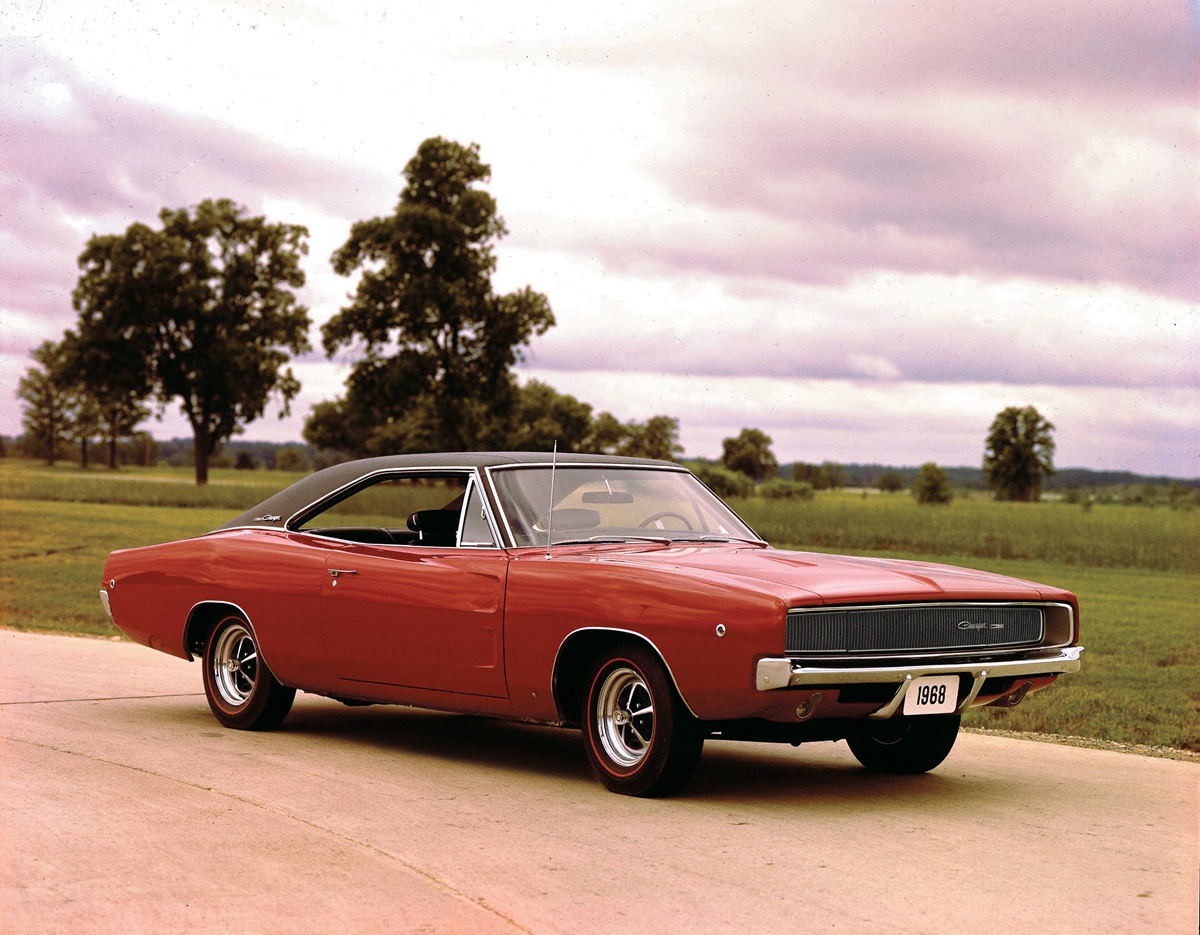
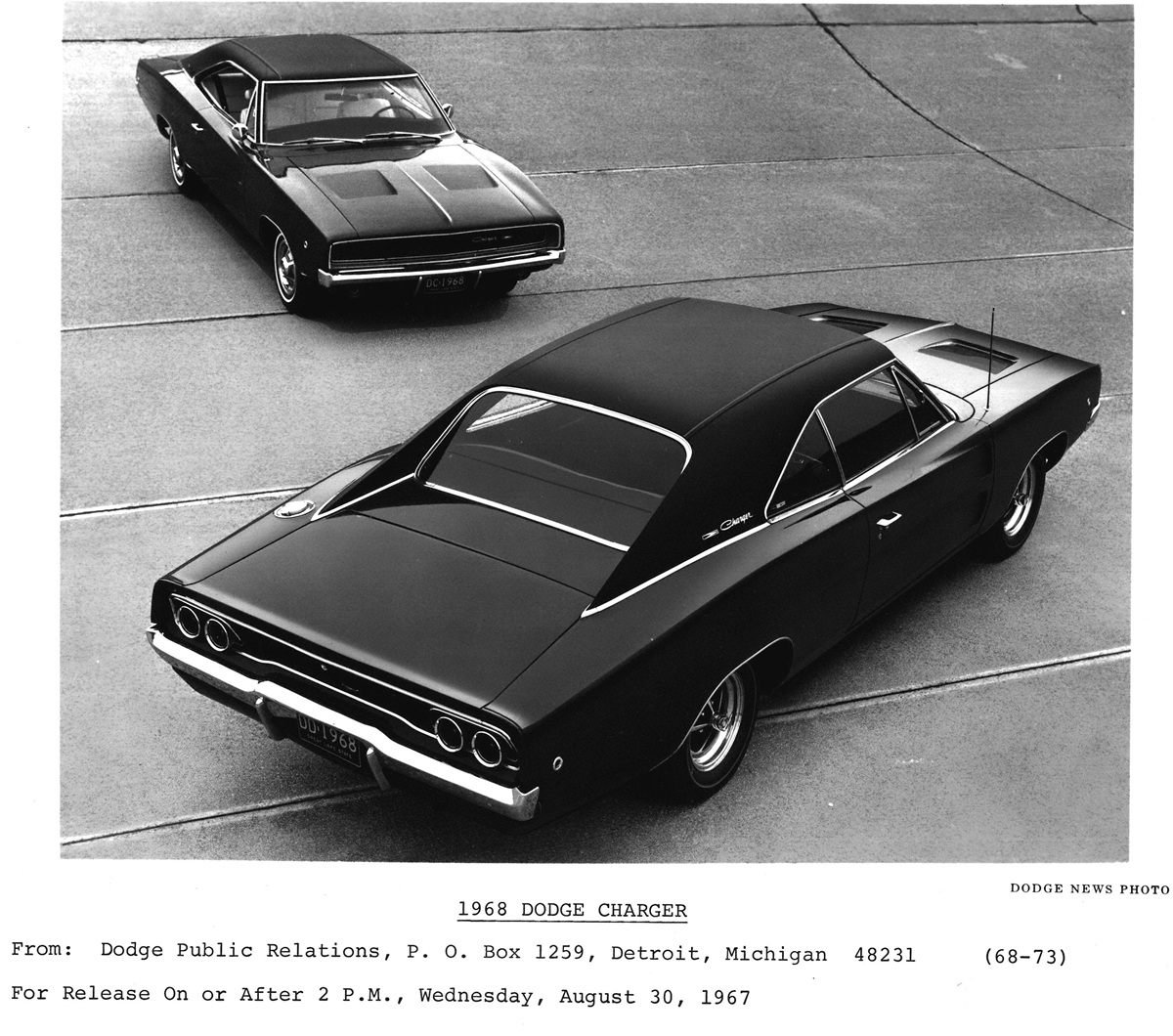
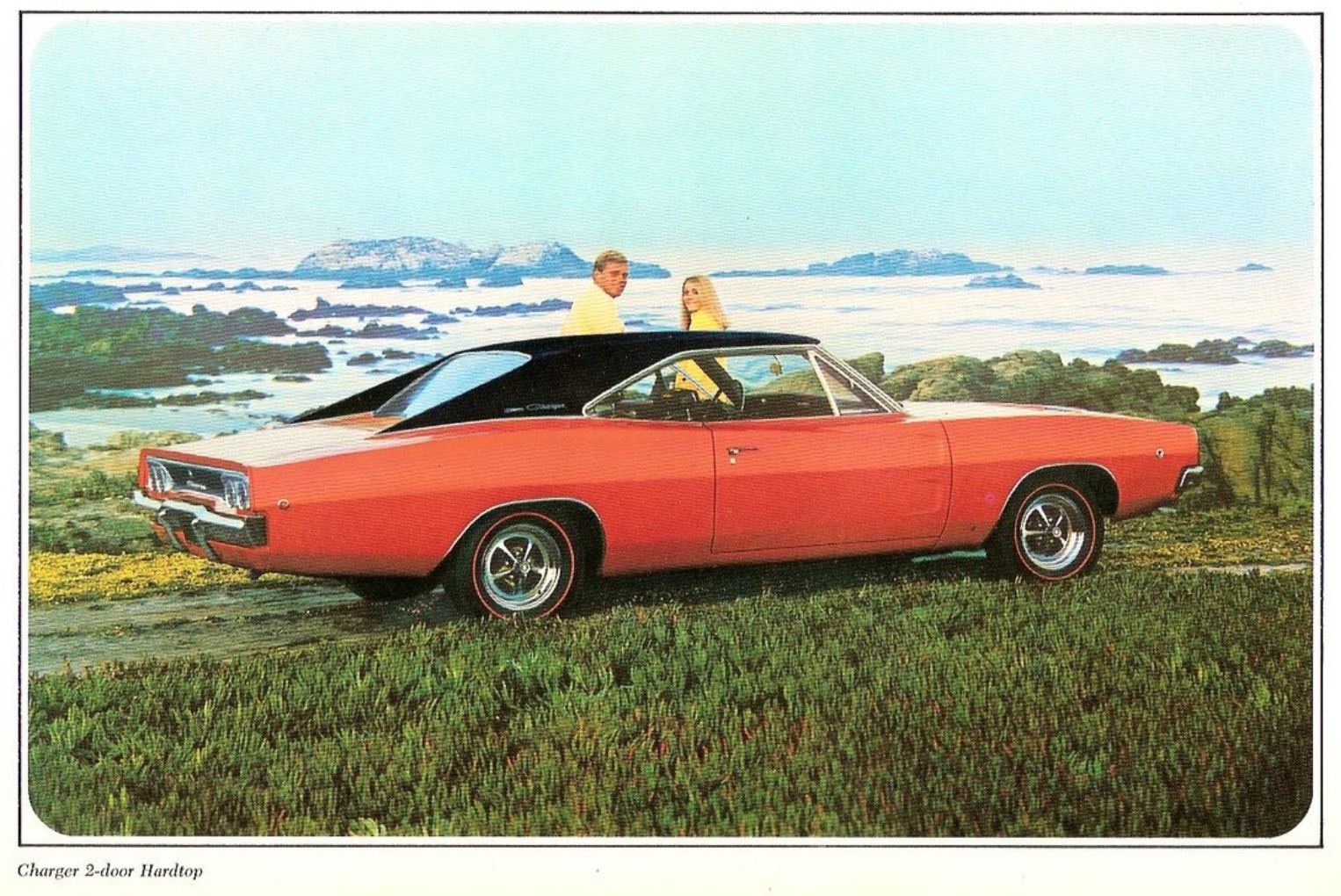
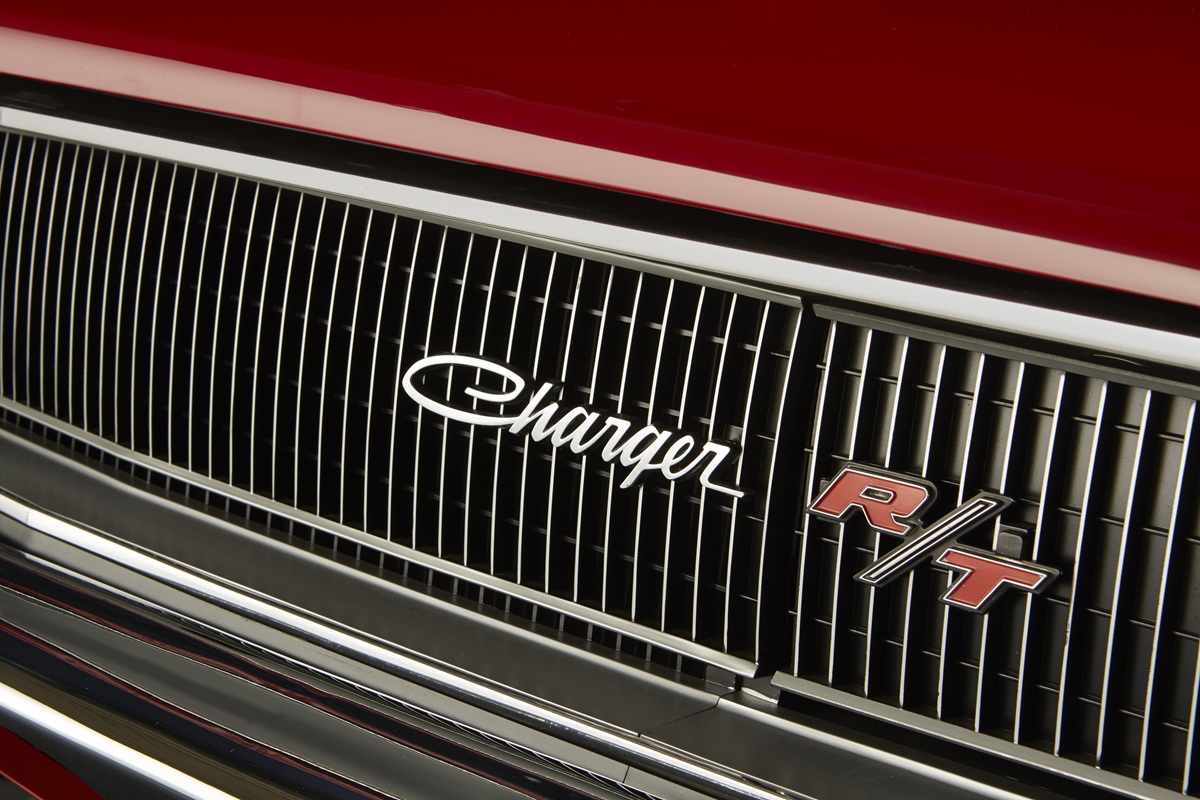
The new Charger looked mean, swoopy, fast and elegant at the same time. Like a well-dressed bouncer working at the front door of an exclusive New York nightclub. The redesigned Charger’s distinctive looks were like no other with its stylish sheet metal, roofline and ‘flying buttress’ C-pillar that had recessed rear glass, and a slight contour spoiler as part of the decklid. Chrysler’s bean counters wanted to kill the distinctive front grille with the standard hideaway headlights and just go with fixed units. But Bob McCurry, General Manager for the Dodge brand, chimed in and said “keep ‘em.” In the rear, 1968 Chargers afterburner-looking taillights were just one of the distinctive styling cues the designers had created, along with having the reverse lights carefully integrated into the taillight housing. McCurry would also use his horsepower on features to make the new Charger even more successful, like having optional rear quarter ‘Bumble Bee’ stripes on the R/T models. “We were out to surprise and please the world, not just launch another model,” said McCurry back in 1968. He continued, “The introduction of the Charger in the ‘Scat Pack’ lineup will attract everyone from sports car enthusiasts and family car owners.”
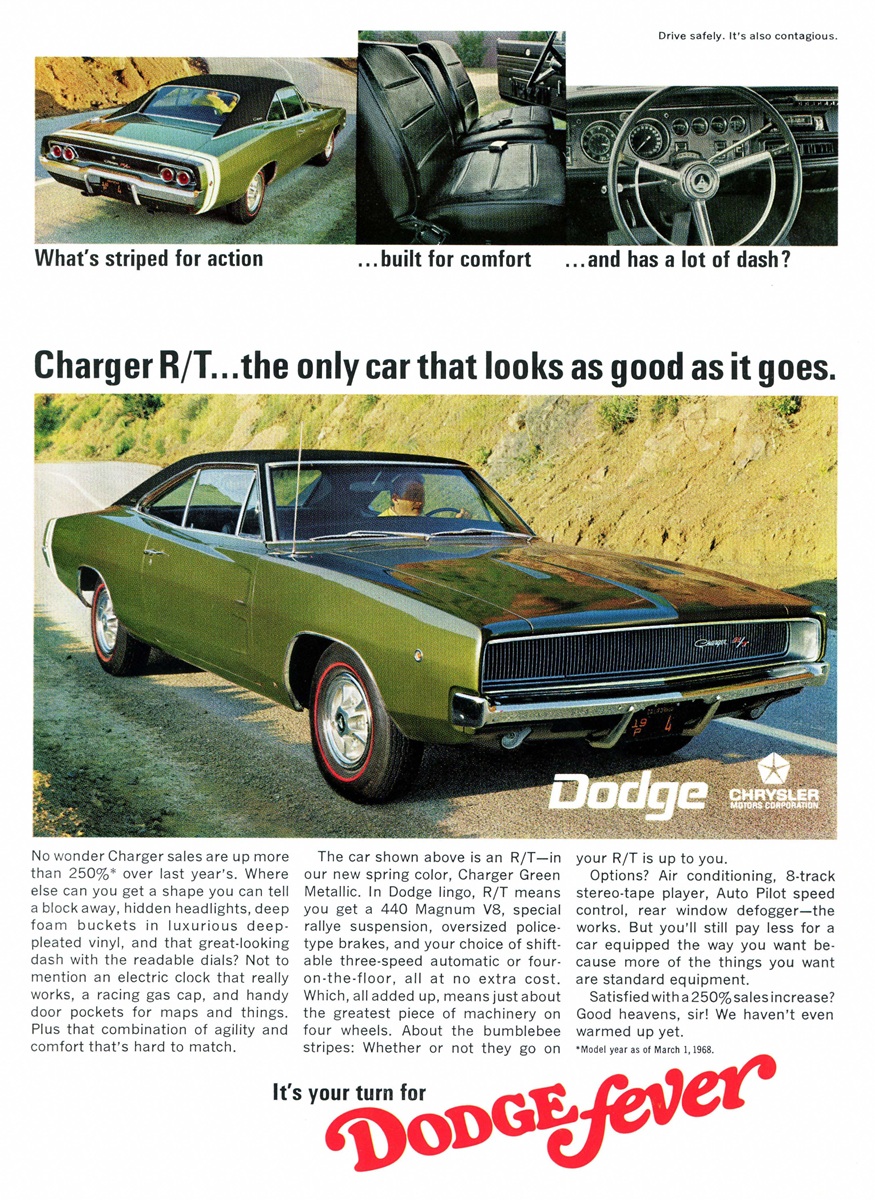
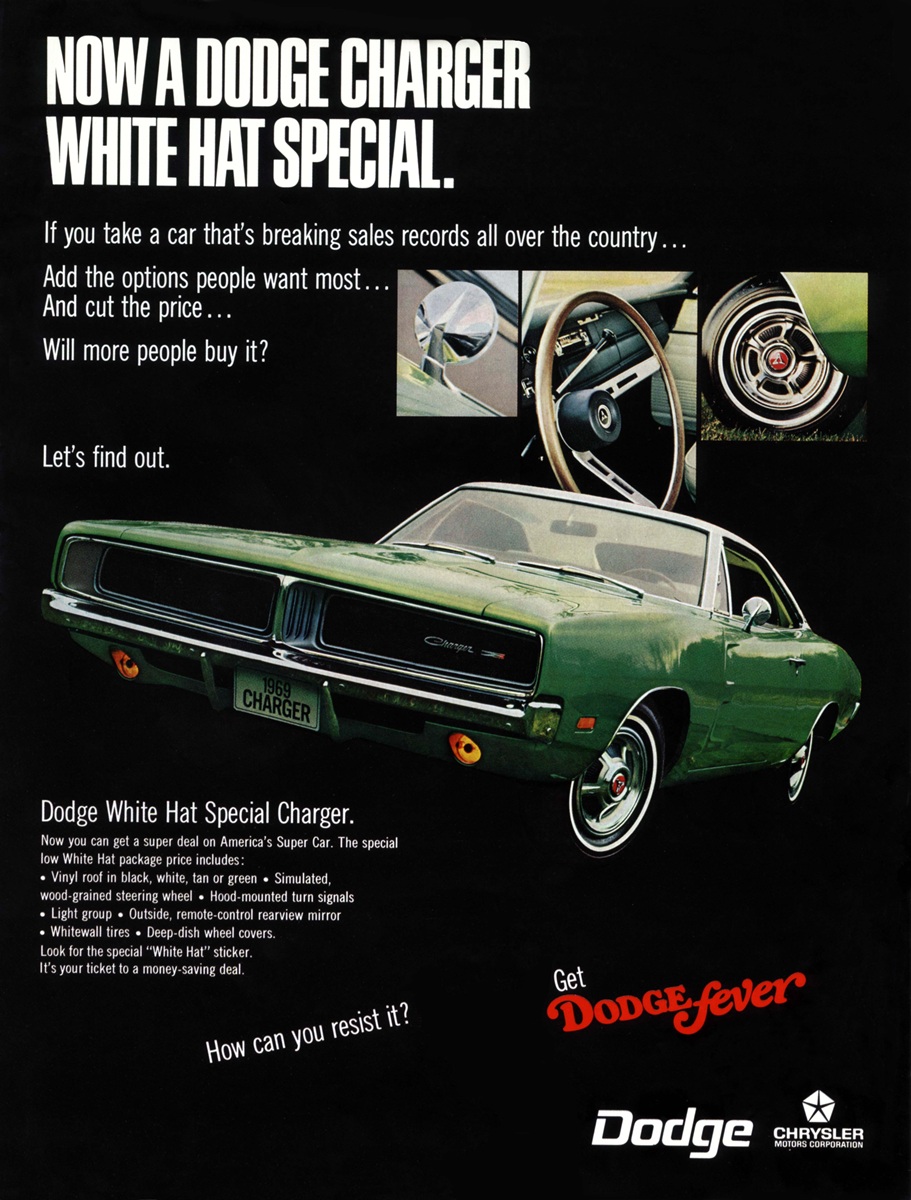
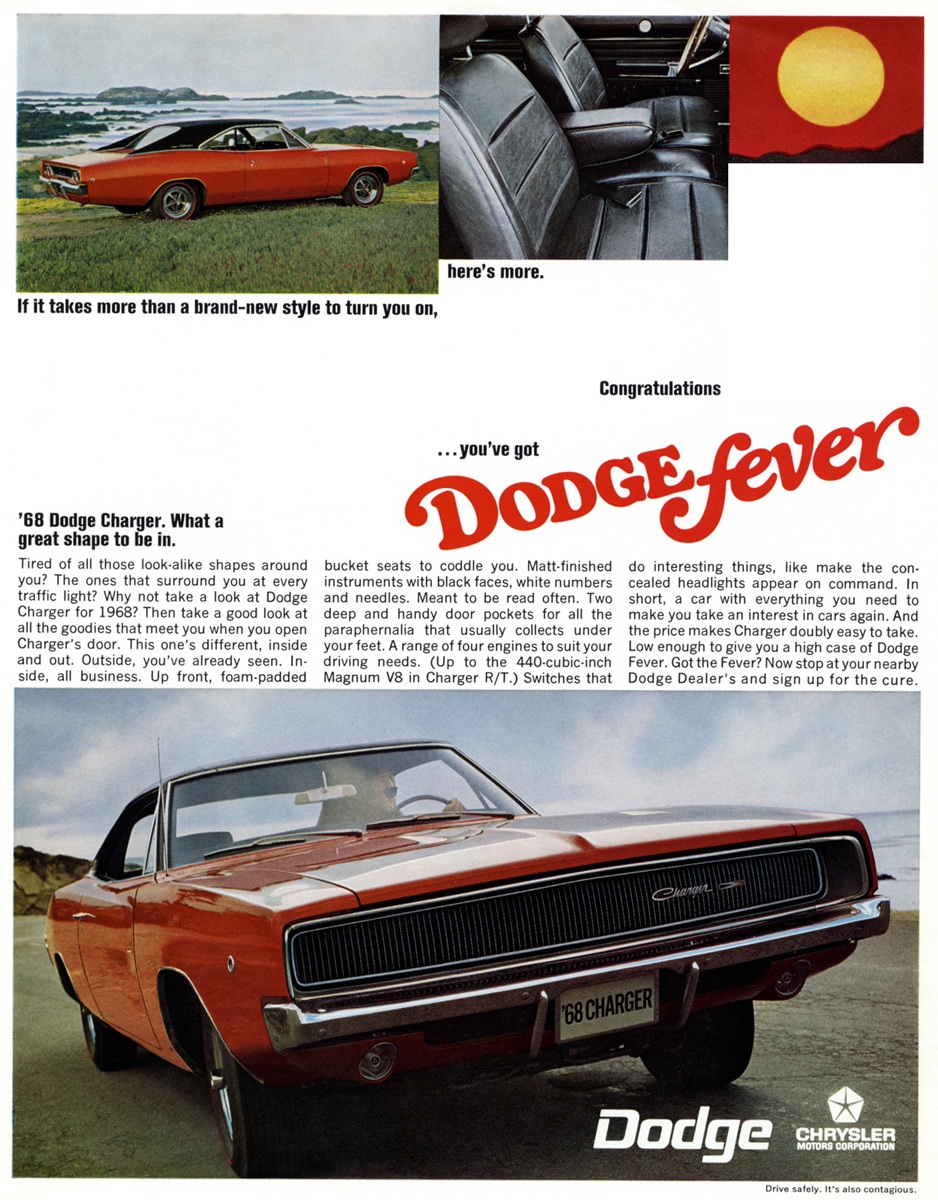
Under the Charger’s long hood, buyers could order a wide variety of powerplants to suit their budget and driving needs. Regarding performance engines on the R/T models, the potent 440 Magnum making 375 horsepower was standard. However, buyers looking to crush the motorist in the next lane could order the optional 426 Street HEMI® engine. Still making over 425 honest-to-goodness ponies, Chrysler engineers added a hotter camshaft for the 1968 Street HEMI engine. Regardless of the flavor, the 1968 Charger appealed to many consumers and led the industry with the hottest model with the greatest sales increase for that year. And a complete marketing/advertising strategy included 27 magazine covers, 181 television stations and over 5,000 newspapers. The ‘Dodge Fever’ campaign was in full swing, and the new Charger was its main focal point.
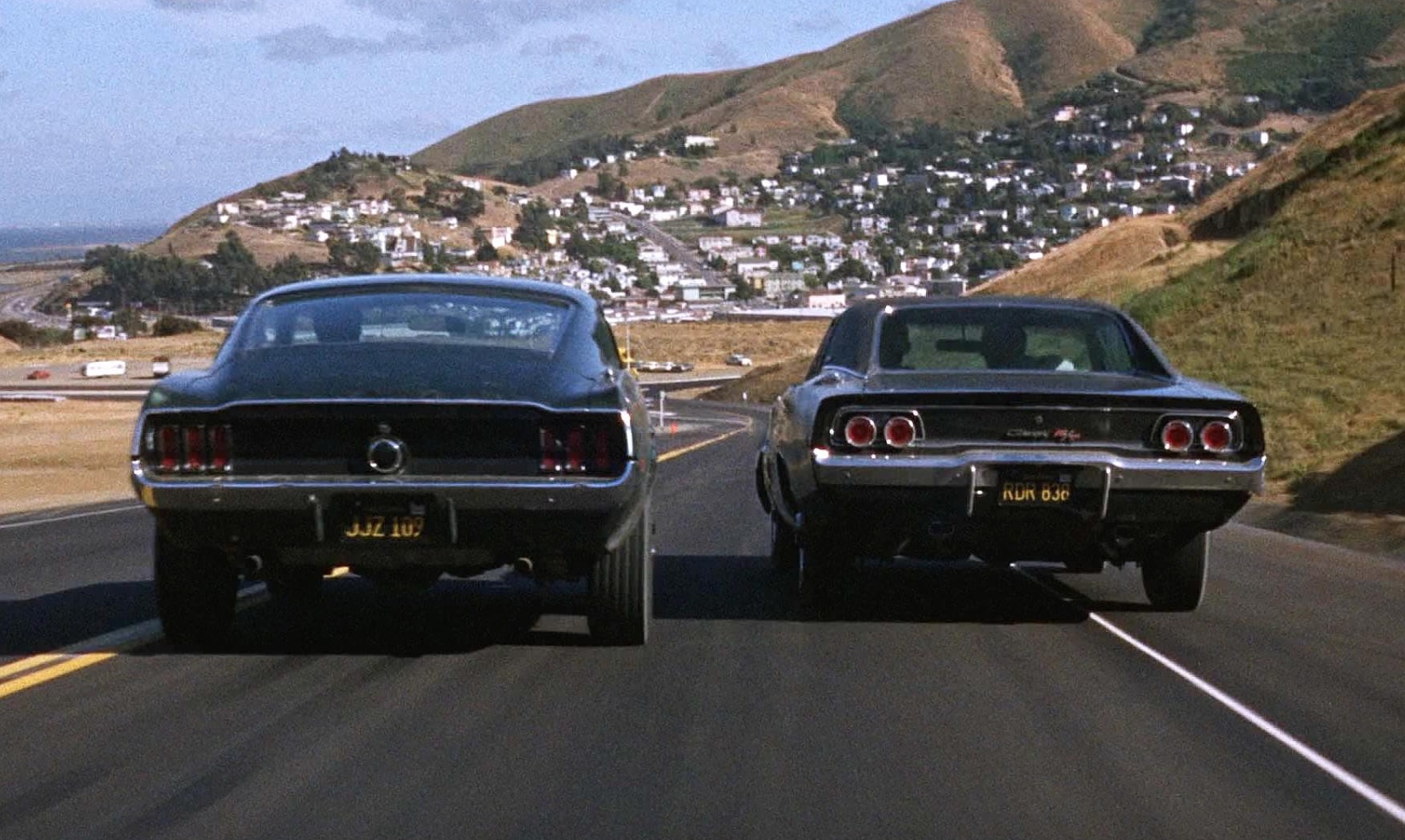
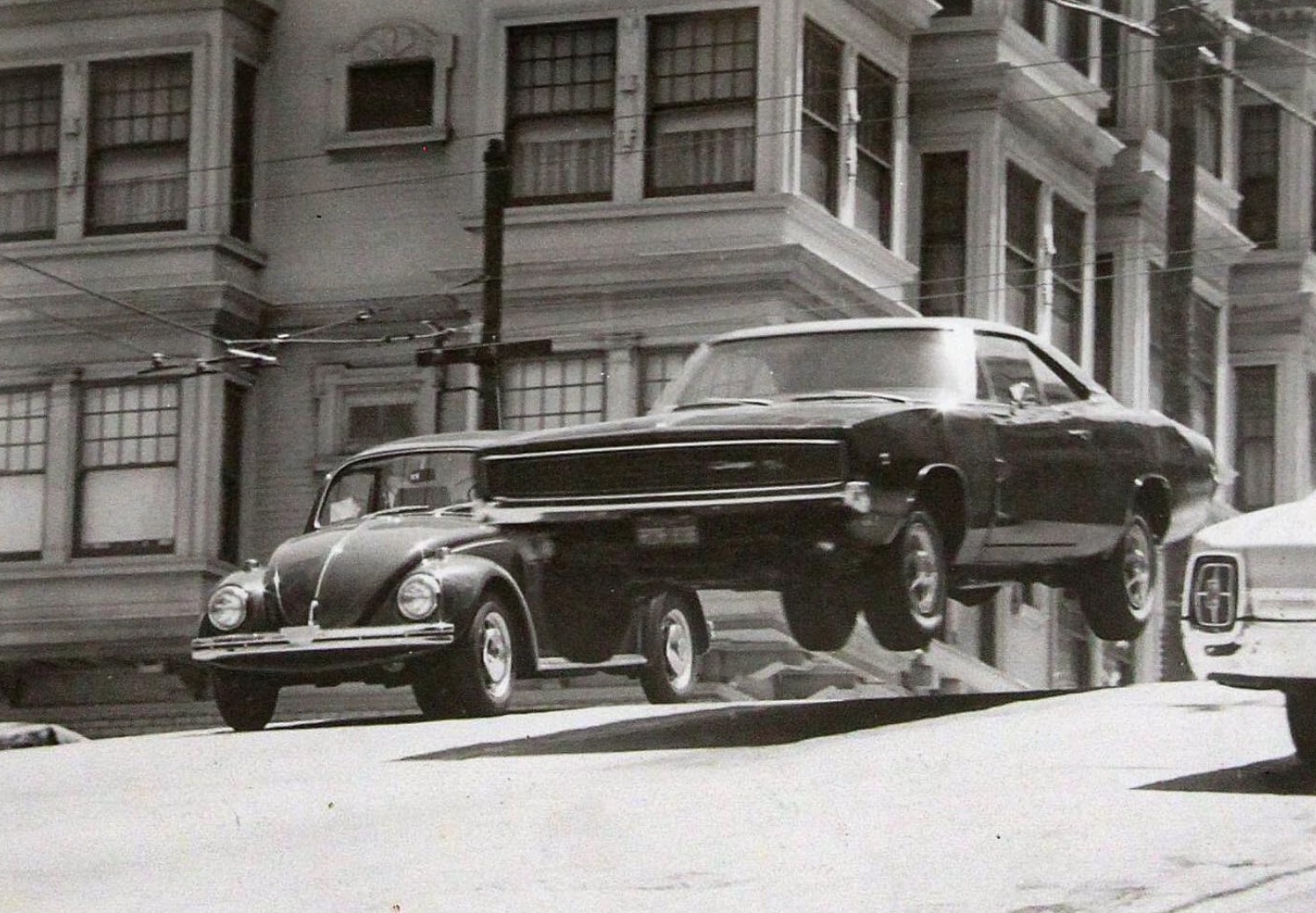
Despite all the mass-market media blitz, it was the Charger’s onscreen performance that would cement it in American pop culture for decades. In the Oscar-winning movie Bullitt, the lead role may have went to Steve McQueen portraying the brooding Detective Frank Bullitt, but it was the sinister black Charger R/T driven by the bad guys that became the movie’s real star. The iconic car chase had the Charger and a Mustang GT fastback swapping paint and banging fenders on the streets of San Francisco. Despite the Charger’s explosive demise in the film, it helped solidify the car as an American icon for decades. Whether the product placement was intentional or not, it was the best form of ‘free’ advertising for any vehicle. The movie Bullitt did more to increase sales of Chargers throughout 1968 and well into the 1969 model year than traditional methods.
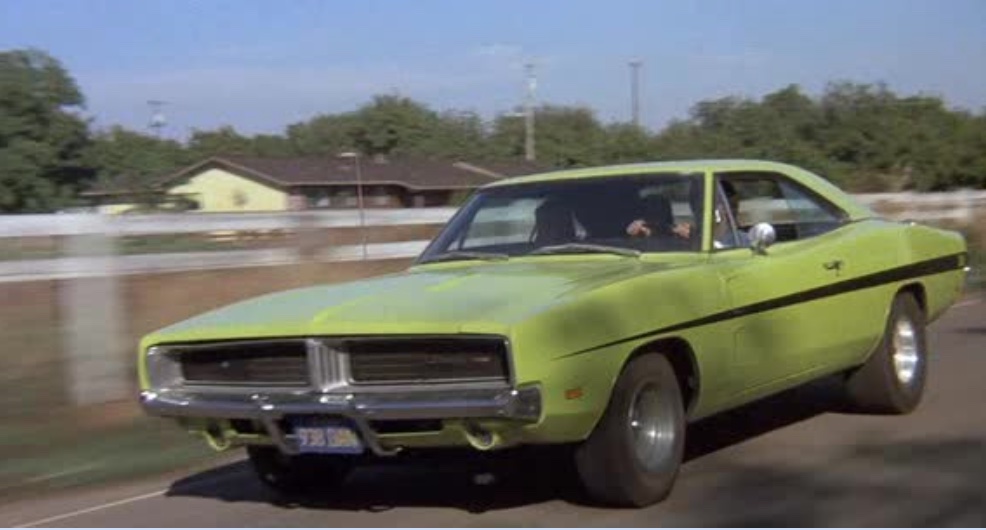
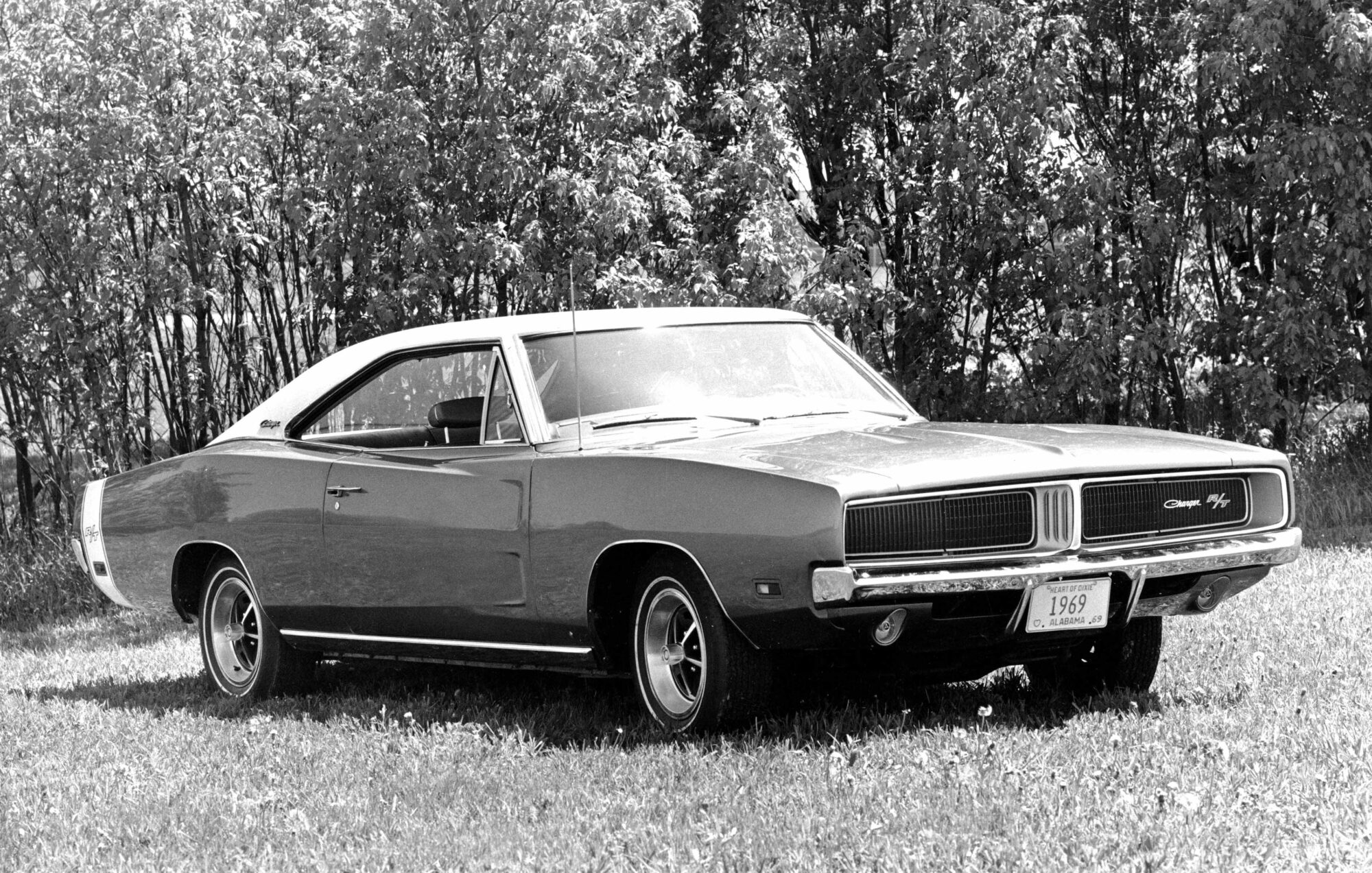
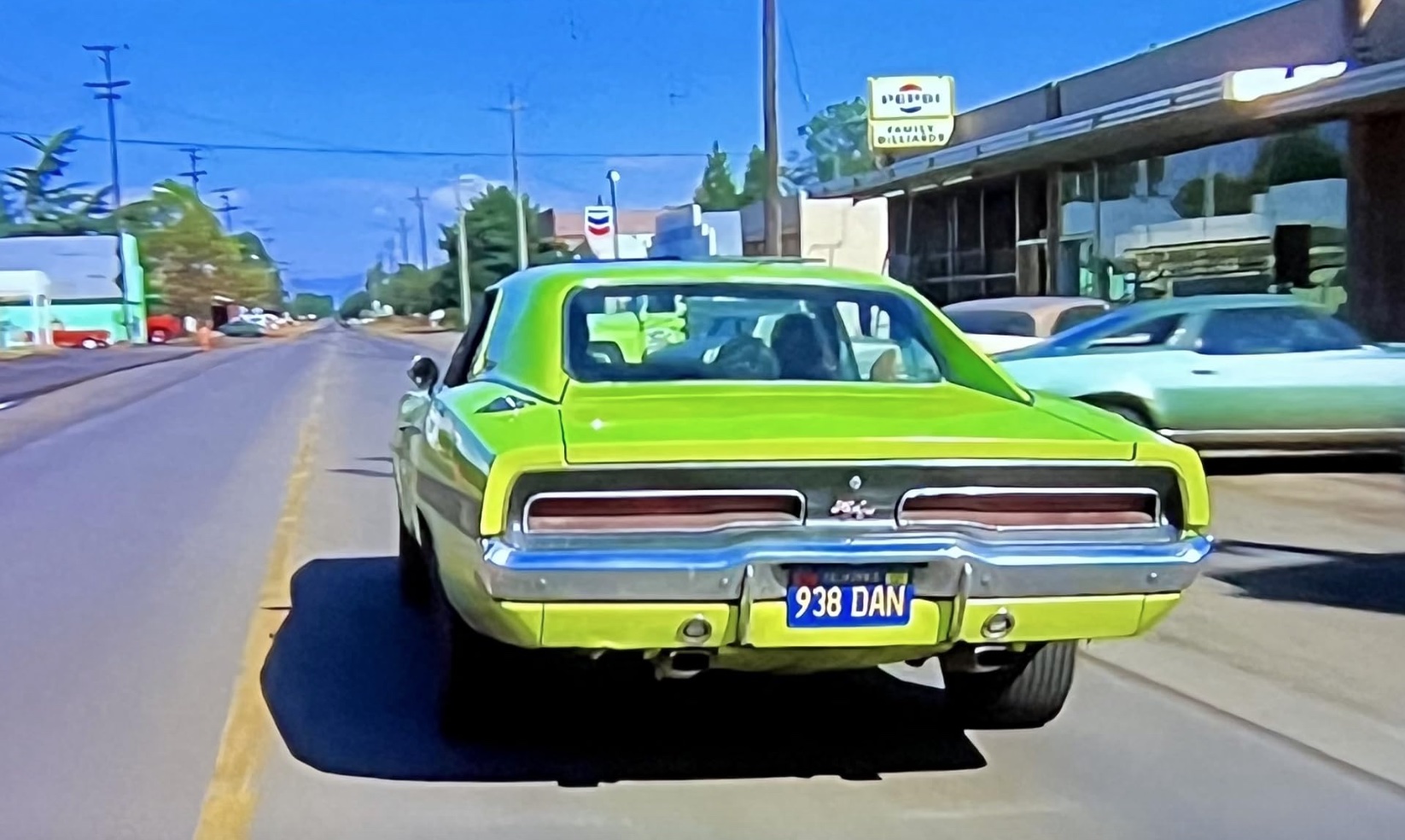
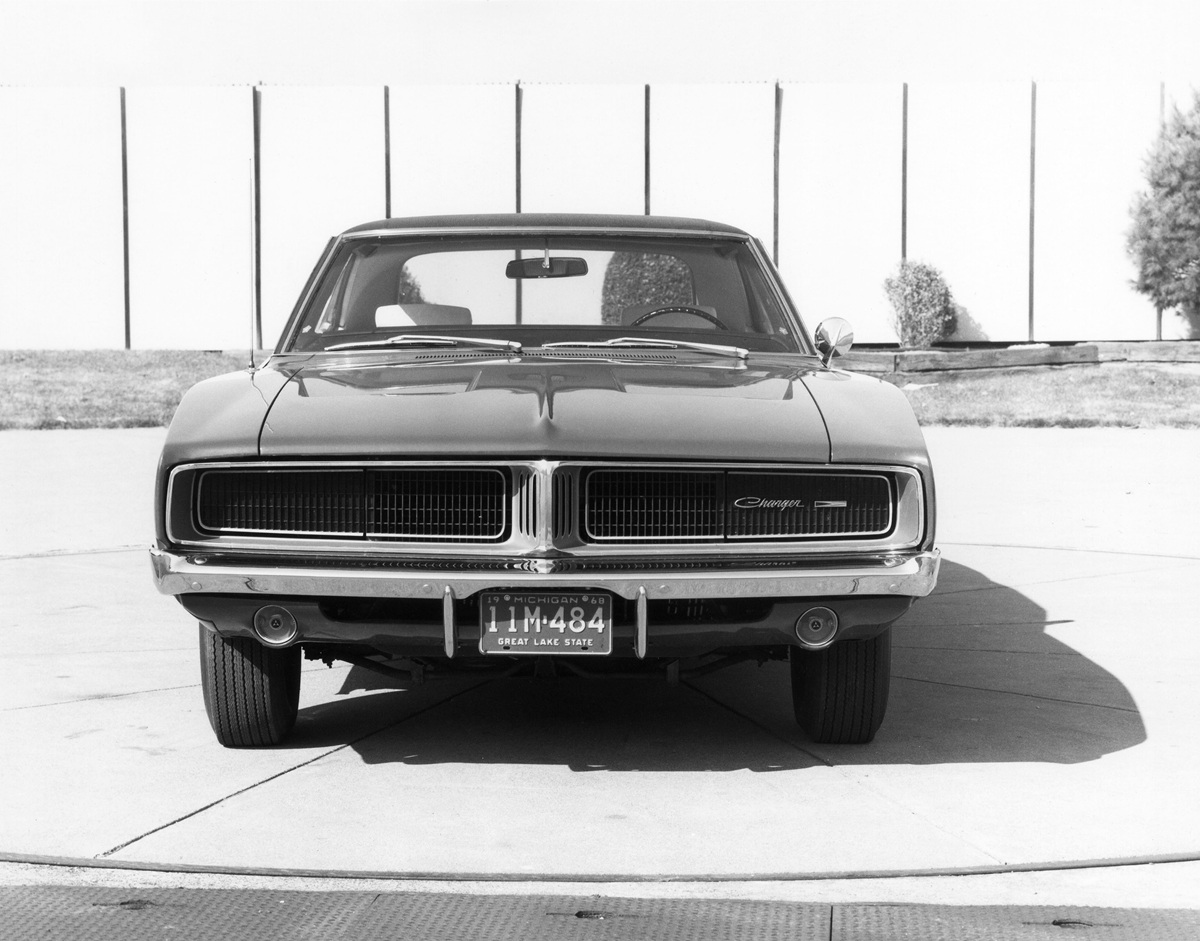
For 1969, the Charger received a new front grille and taillights and an upgraded interior. The engine options basically remained the same, and once again, consumer demand was high as sales reached around 100,000 units. The Charger would be a getaway vehicle for the bad guys again in the 1974 cult classic movie Dirty Mary Crazy Larry. This Charger was modded up, and it represented the ’70s era. Rolling on slotted mags, fat tires and wearing custom paint, the Dirty Mary Crazy Larry movie car was unmistakable. Like the Charger in Bullitt, it would also meet its fate in a fiery explosion in all its celluloid cinematic glory.
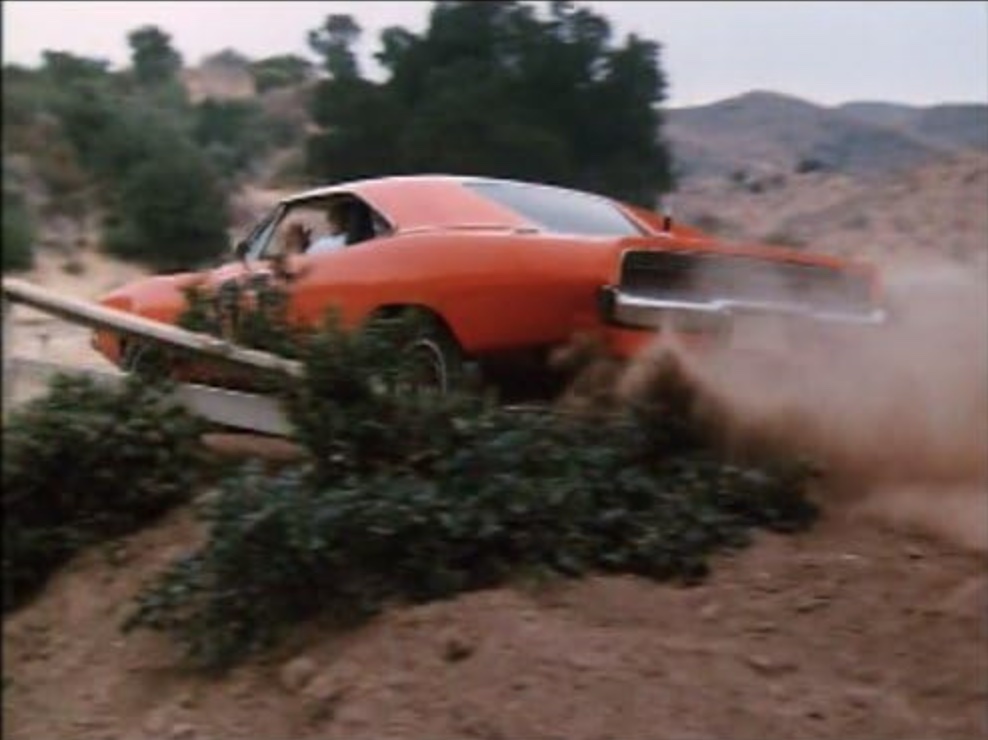
Another 1969 Charger that achieved even more fame in the late 1970s was in the TV show The Dukes of Hazzard, featuring the constant shenanigans of the Duke Boys and their Charger. With police chases, dramatic jumps over rivers, valleys, cars and just about anything that got in the way of the ‘General Lee,’ the Charger was the star. Unfortunately, too many 1969 Chargers got crushed, pulverized, trashed and just destroyed during the show’s seven-year run. While the show still remains popular with many of the Mopar® faithful, it’s hard to watch the destruction of these cars – oh, the humanity!
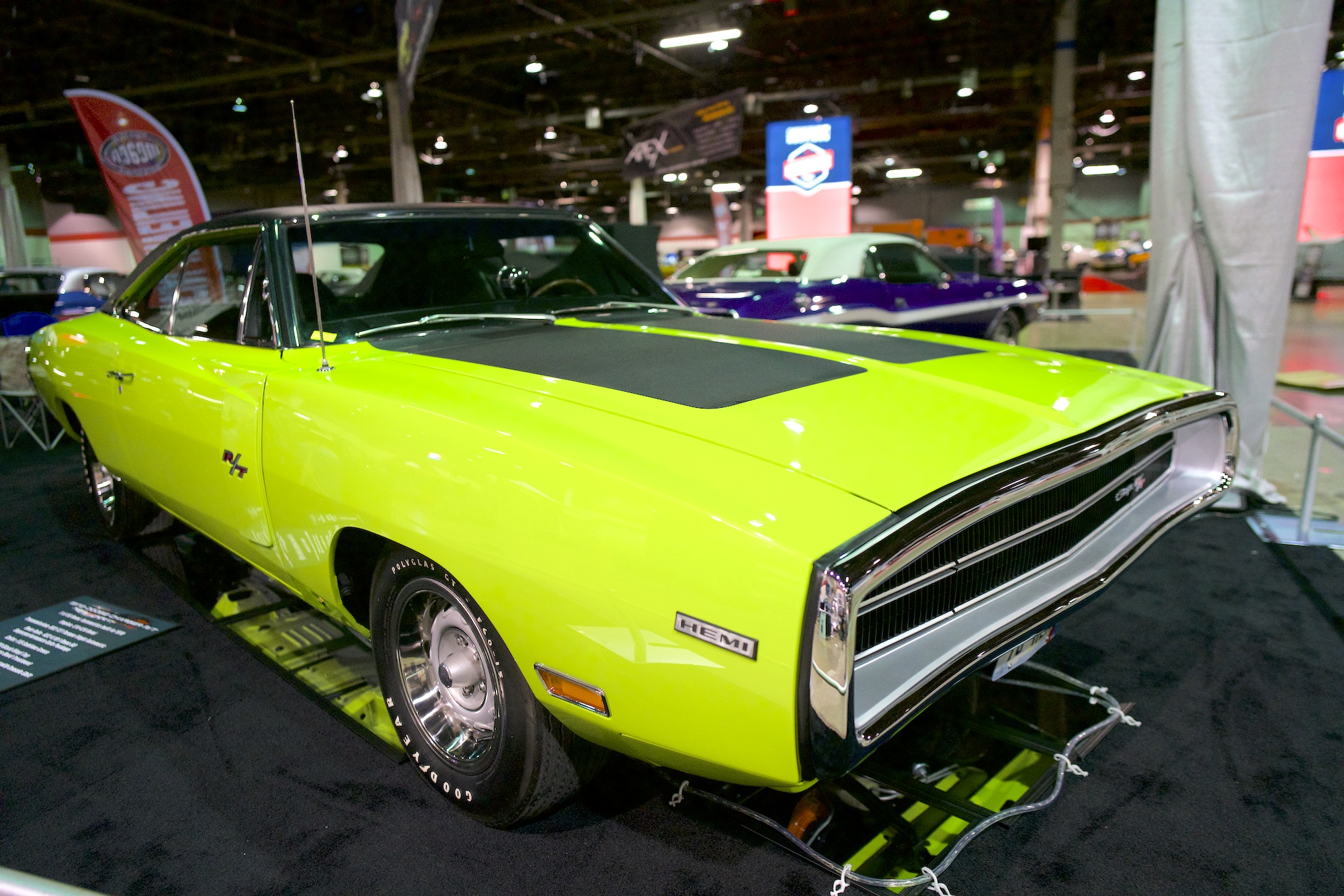
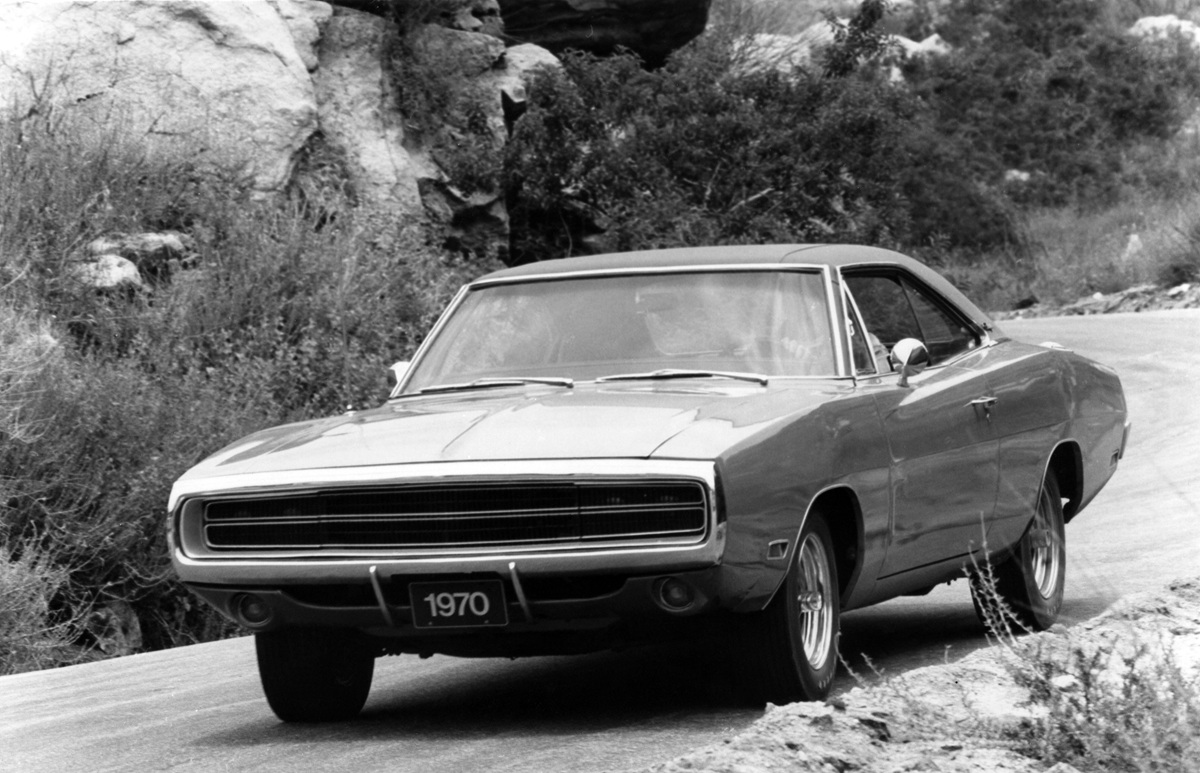
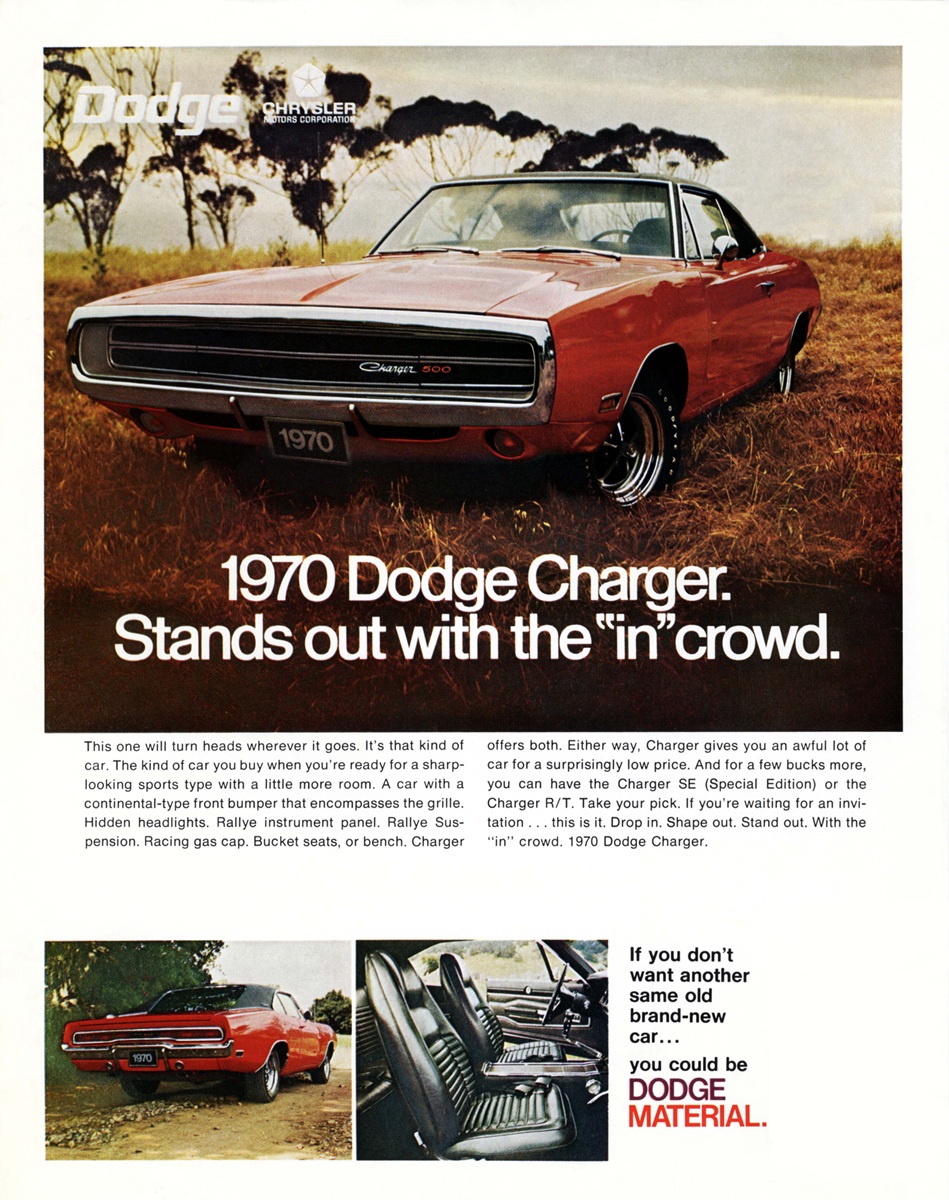
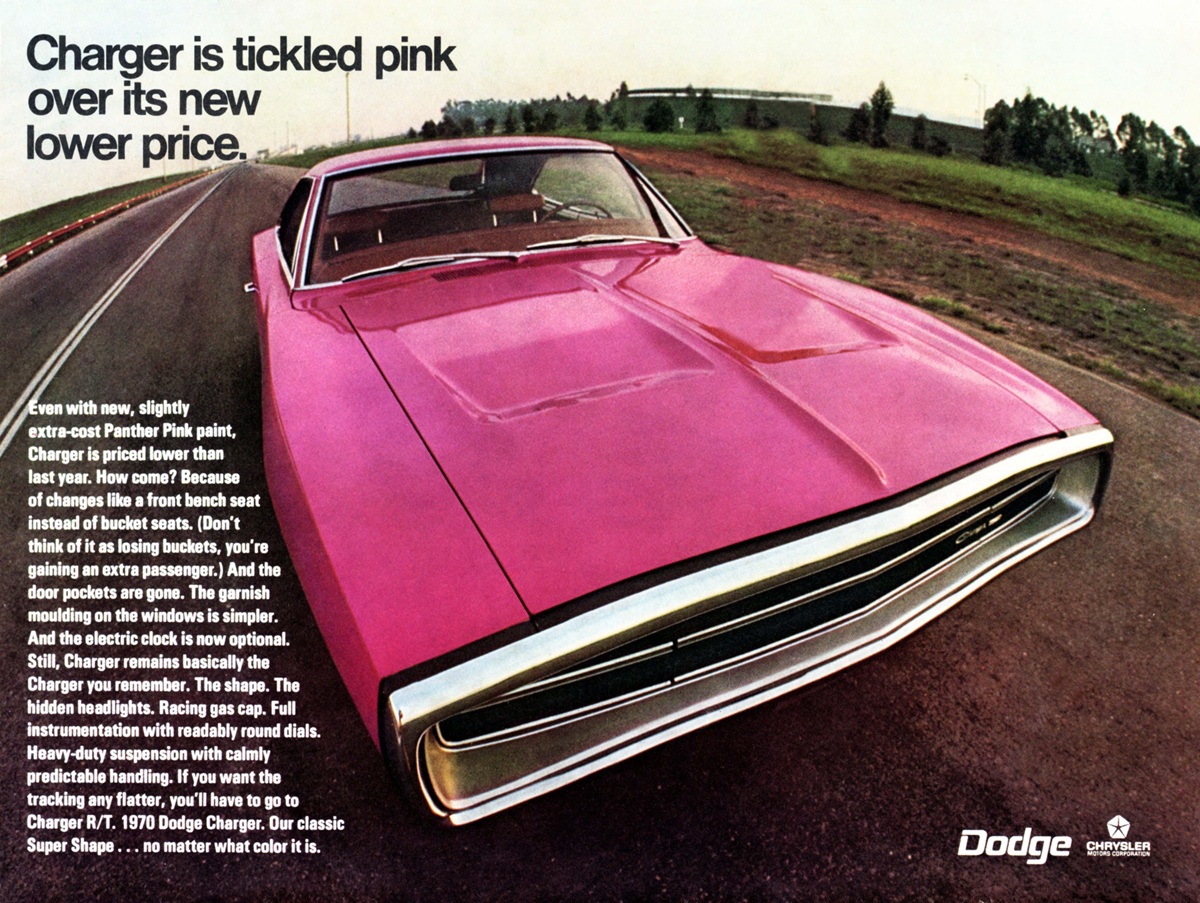
The final year for the second-generation Charger would be 1970. More exterior changes defined the distinctive features, such as a new wrap-around ‘looped’ front bumper and revised taillight panel. Once again, the interior was spruced up and on-par with any high-end performance car, but one of the biggest news items for 1970 was the 440 Six Pack option being available on the Charger for the first time. Along with the locking ignition switch on the steering column, high-back bucket seats with integrated headrests, Hurst Pistol Shifter with four-speed transmissions and simulated door scoops on the R/T models, the 1970 Charger did the final year of the second generation sweet justice.
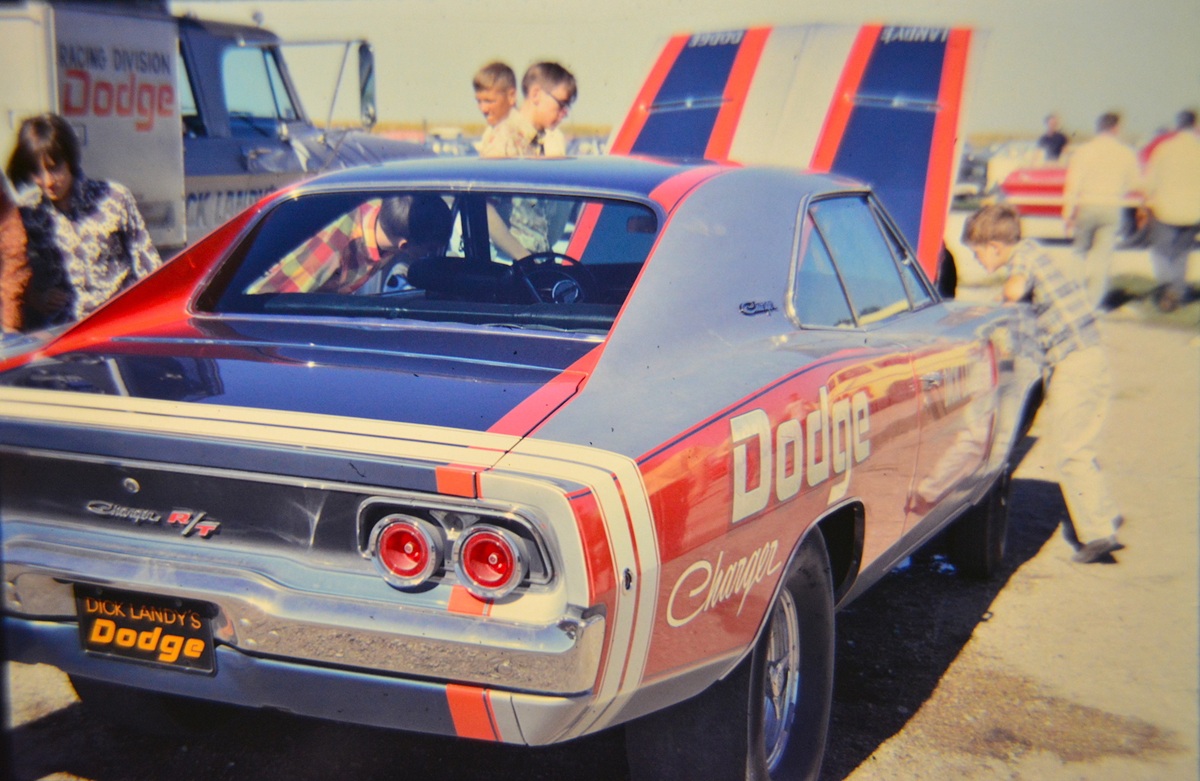
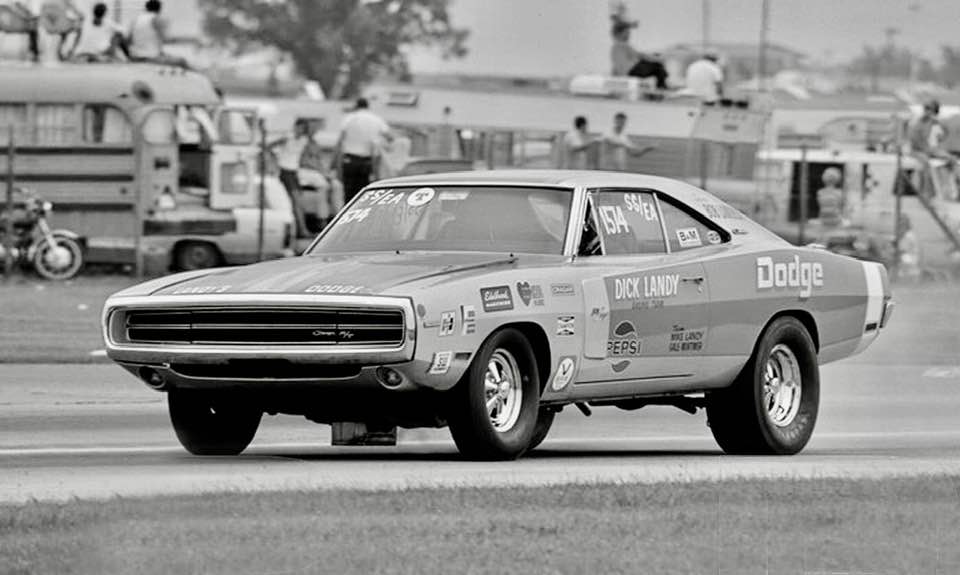
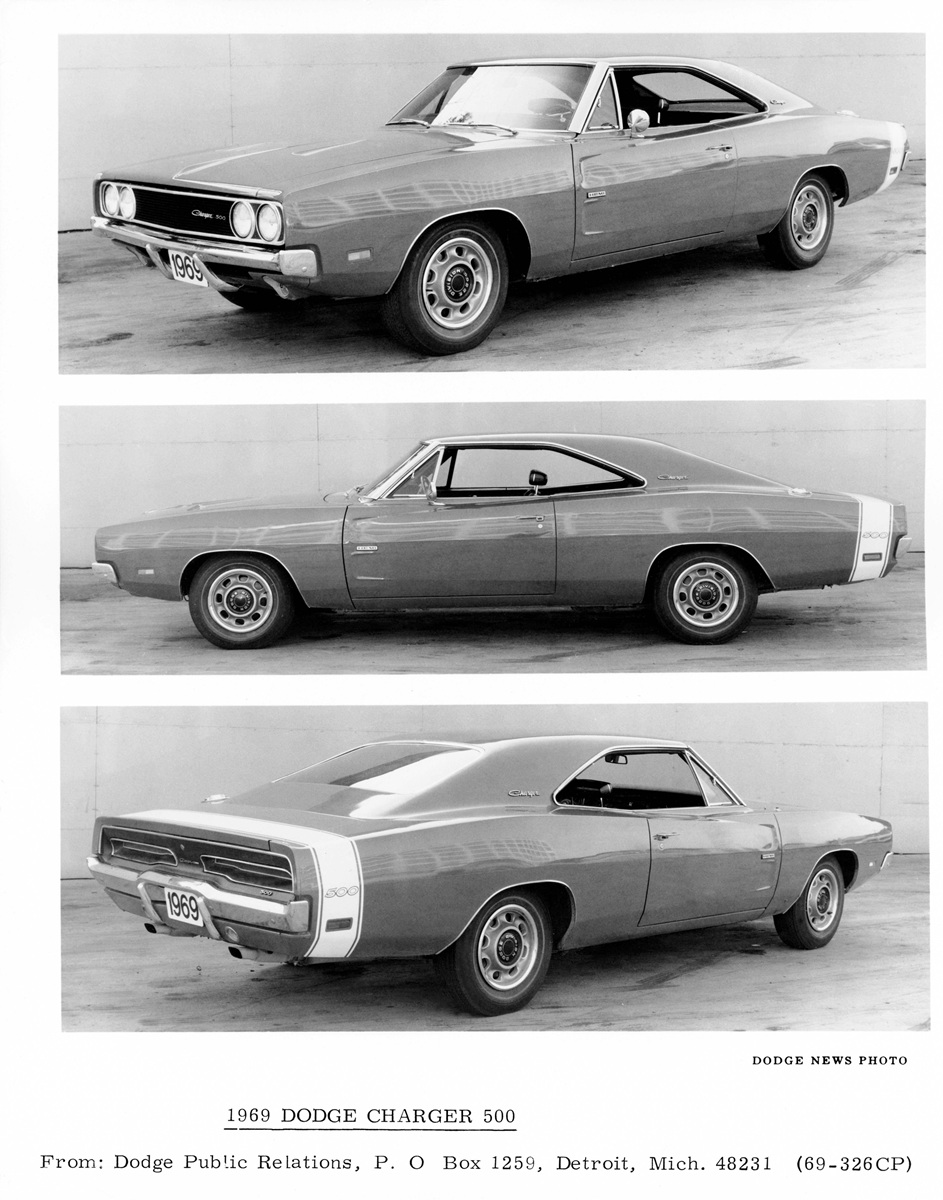
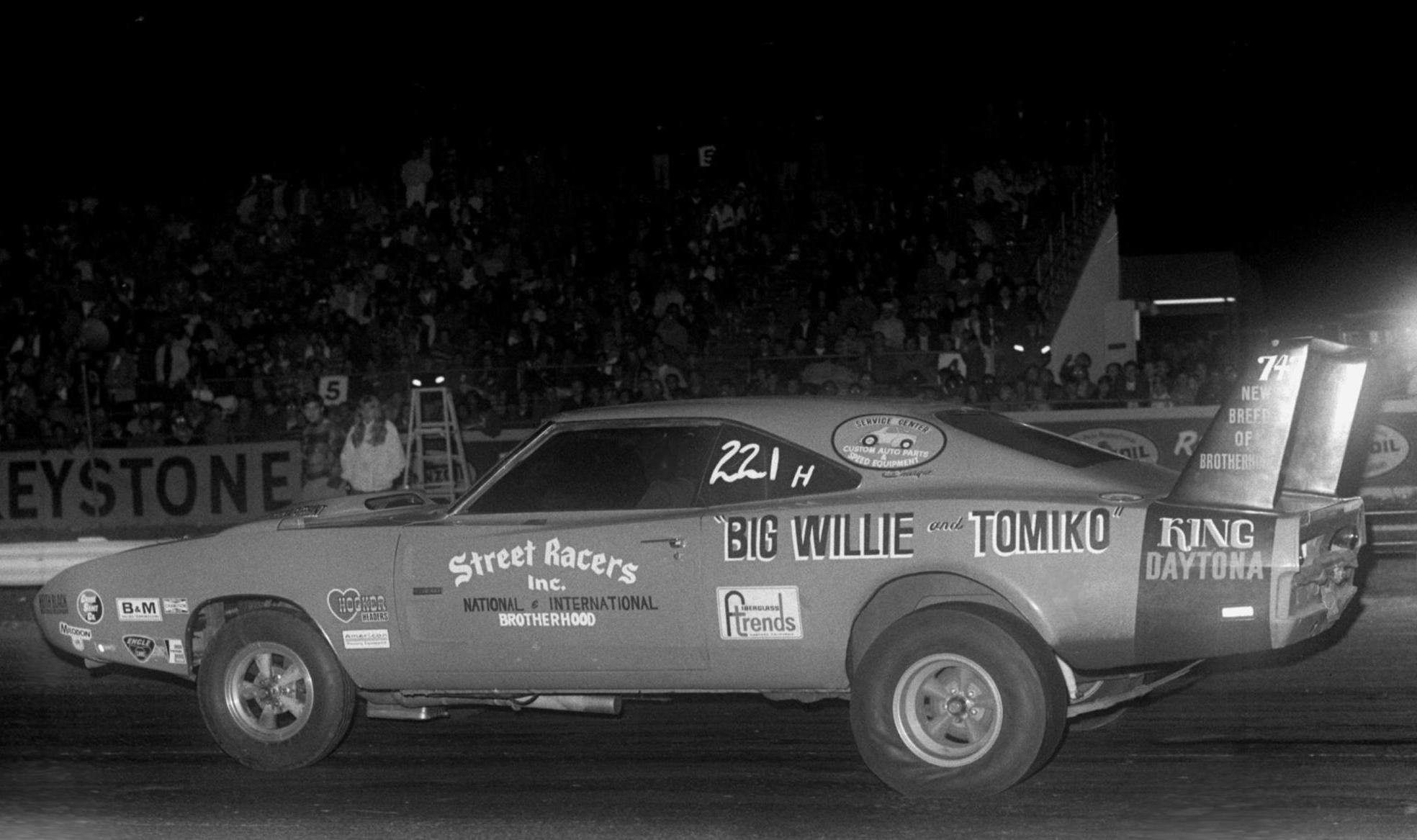
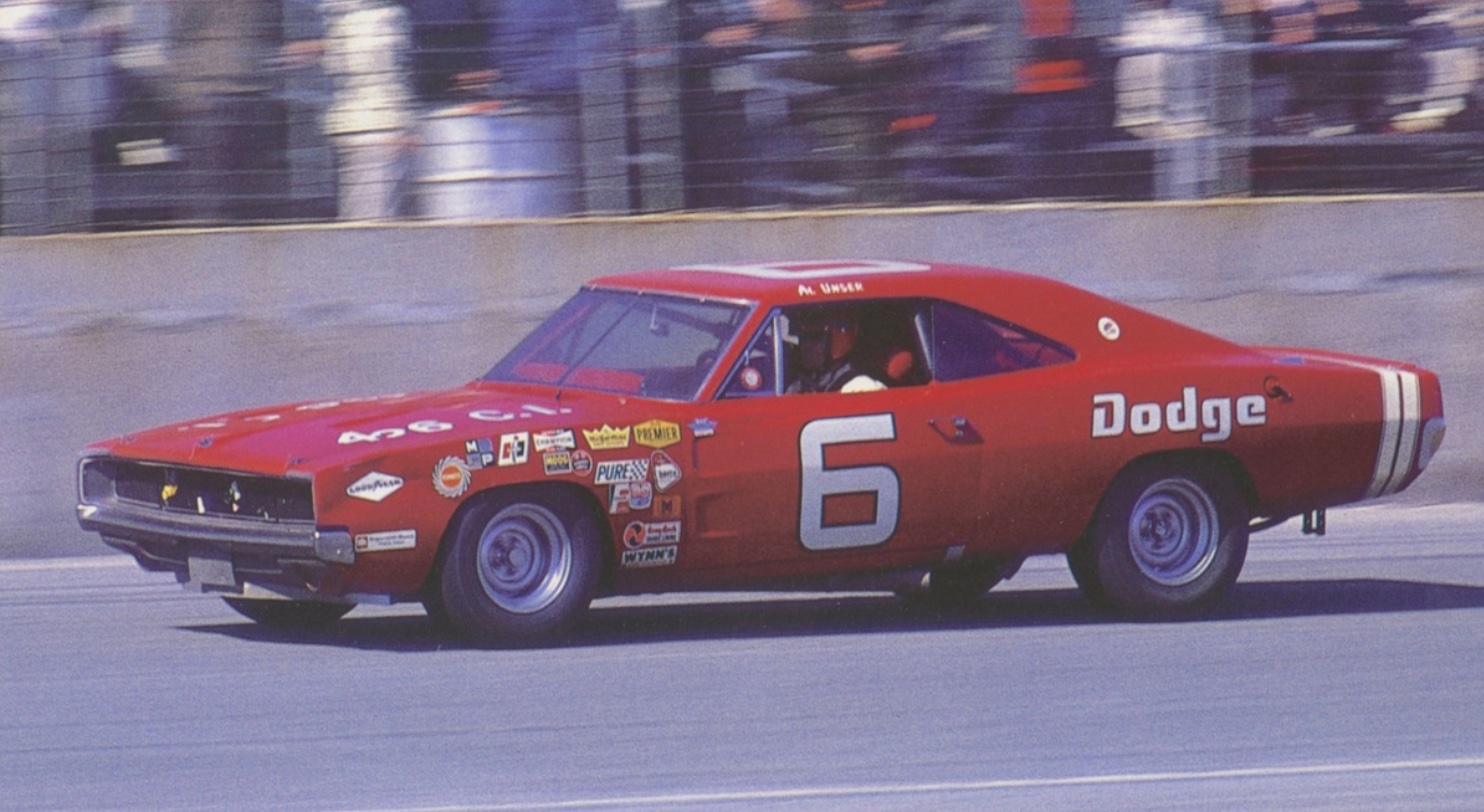
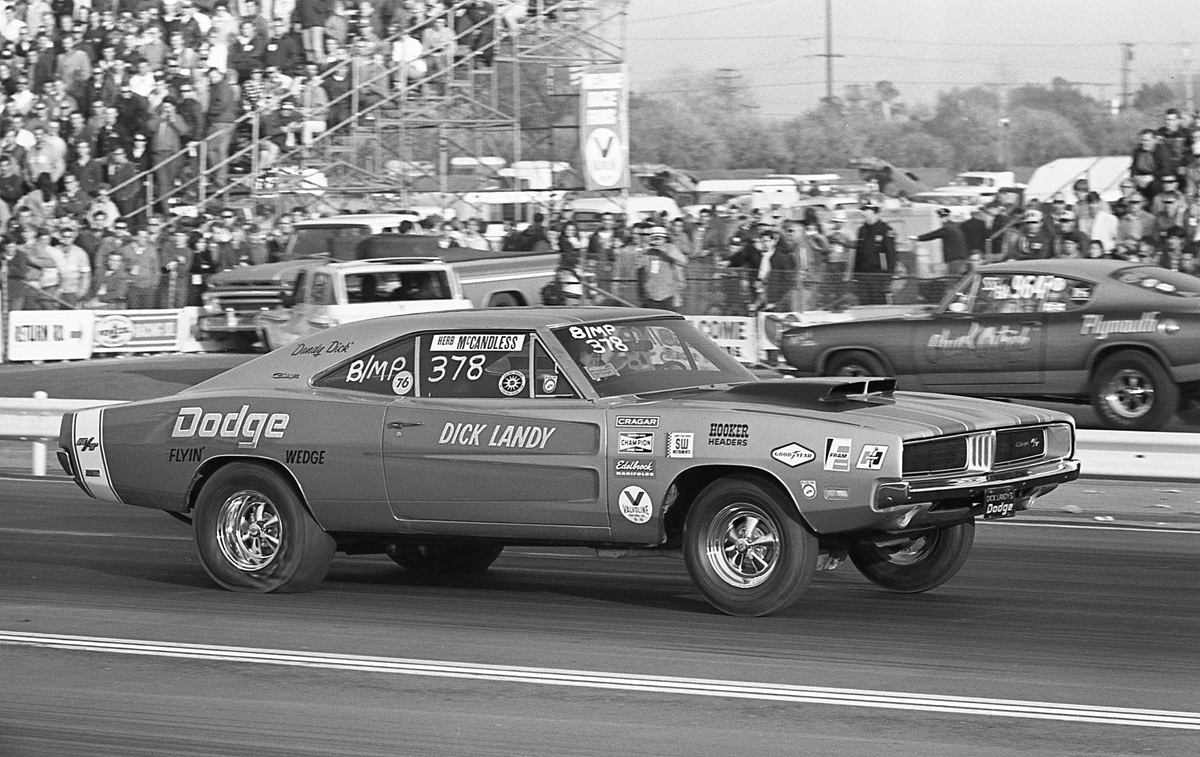
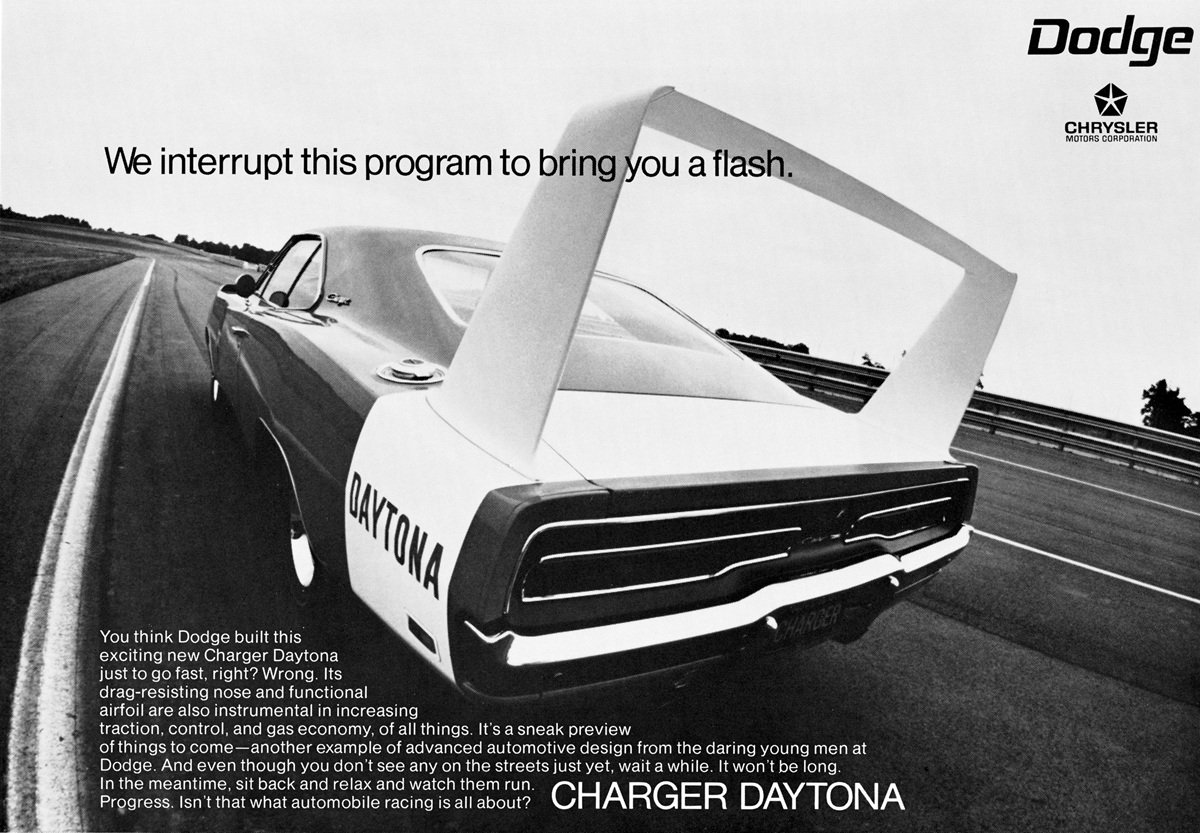
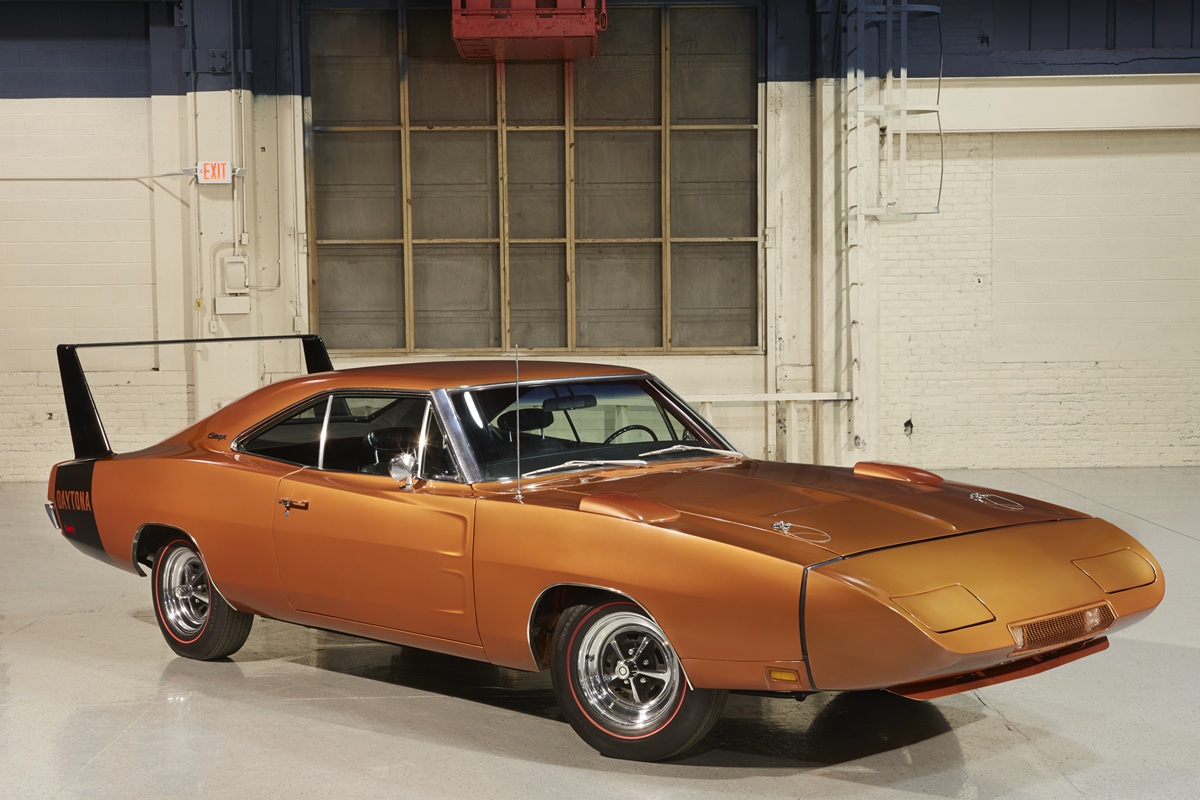
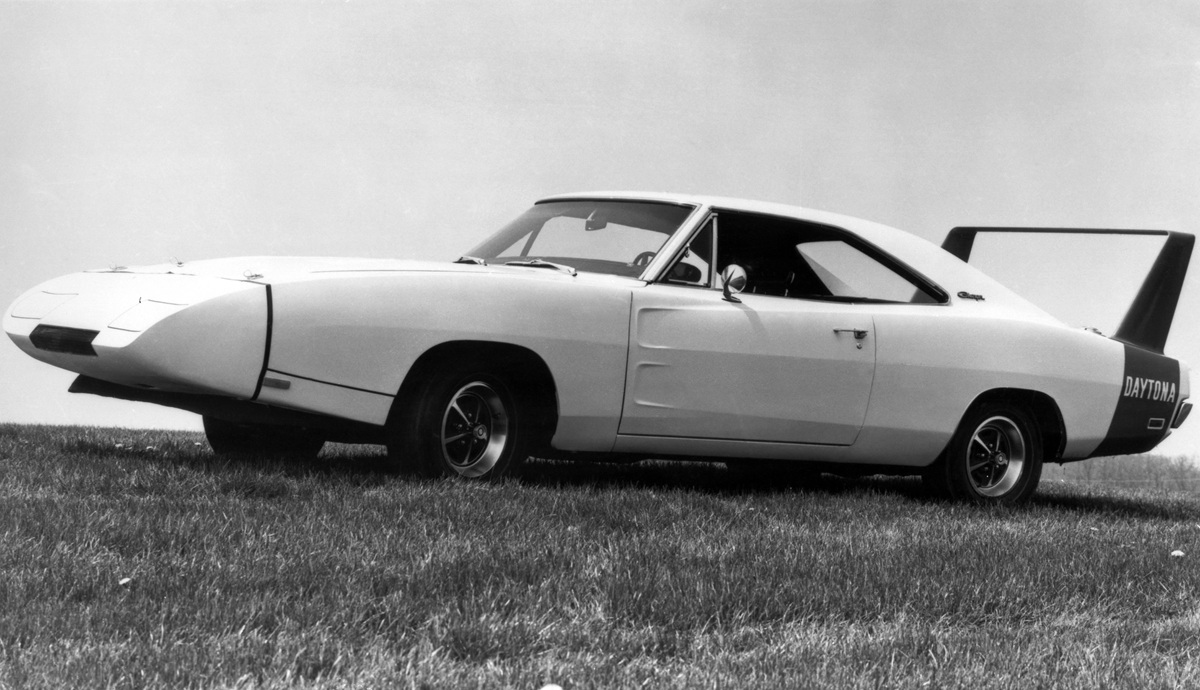
From a racing perspective, the 1968-70 Charger had much more success than its previous generation. In both NASCAR and NHRA/AHRA competition, GEN II Chargers claimed many victories. In 1969, special limited-edition street models of the Charger 500 and Charger Daytona were created to homologate them for NASCAR competition. Green-lighted by Bob McCurry, they dominate the high-banked super speedways with drivers like Buddy Baker and Bobby Isaac. At the drag strip, the Charger R/T in the hands of Dick Landy and Bob Lambeck ruled the Super Stock and Modified Production classes.
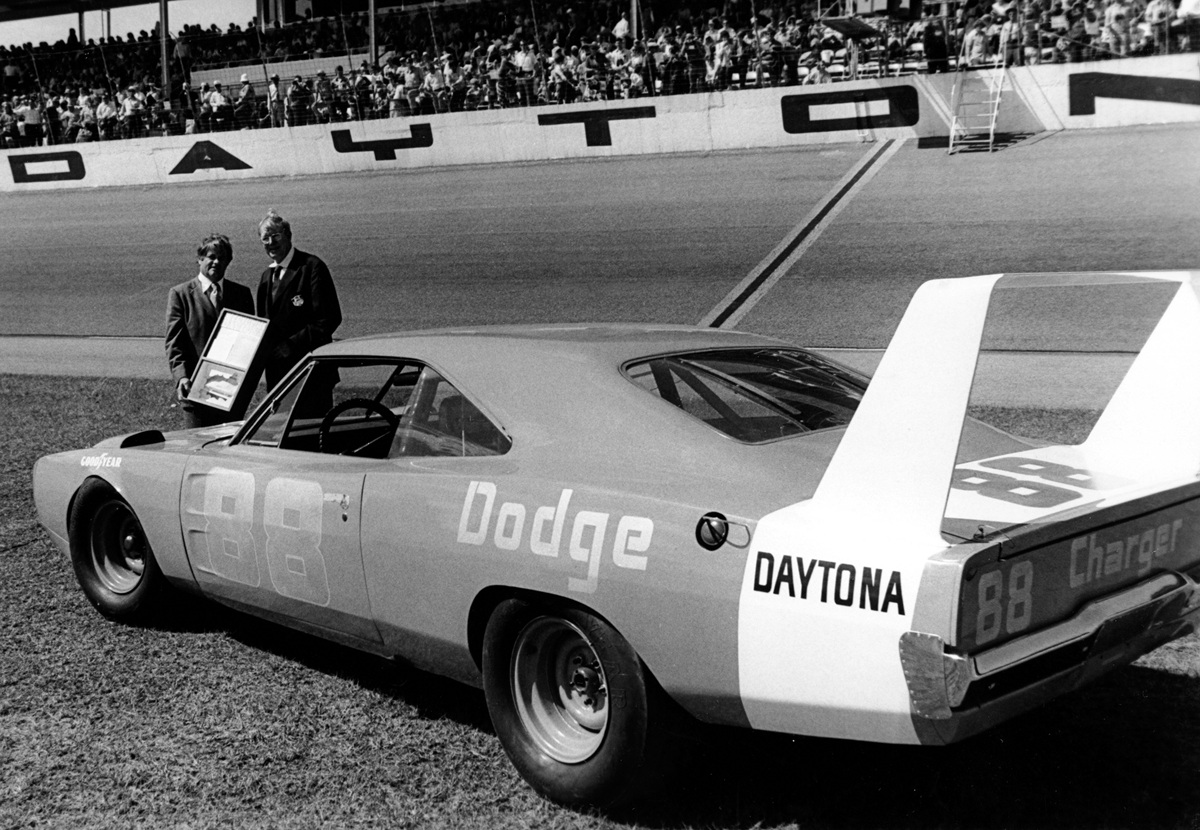
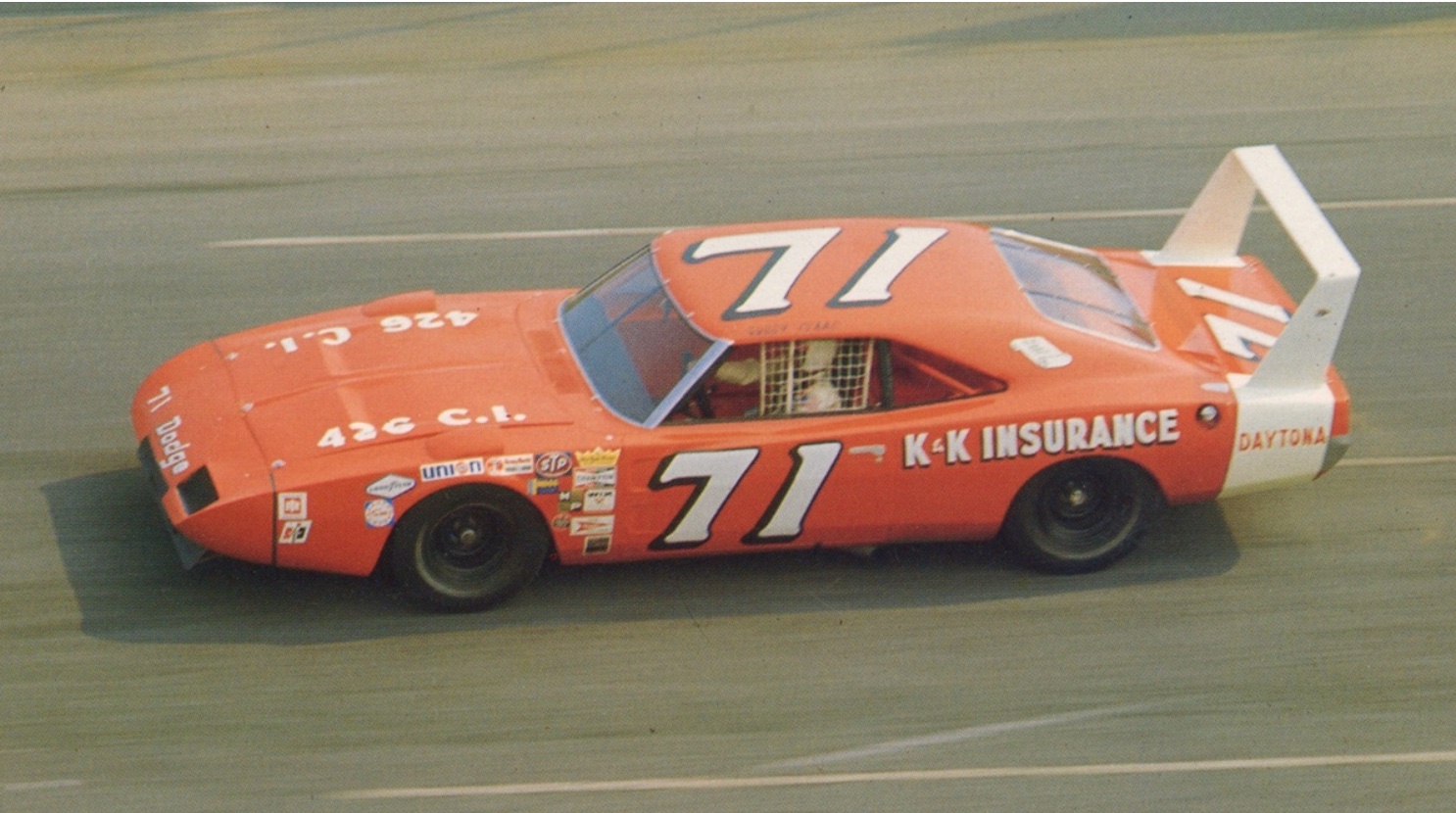
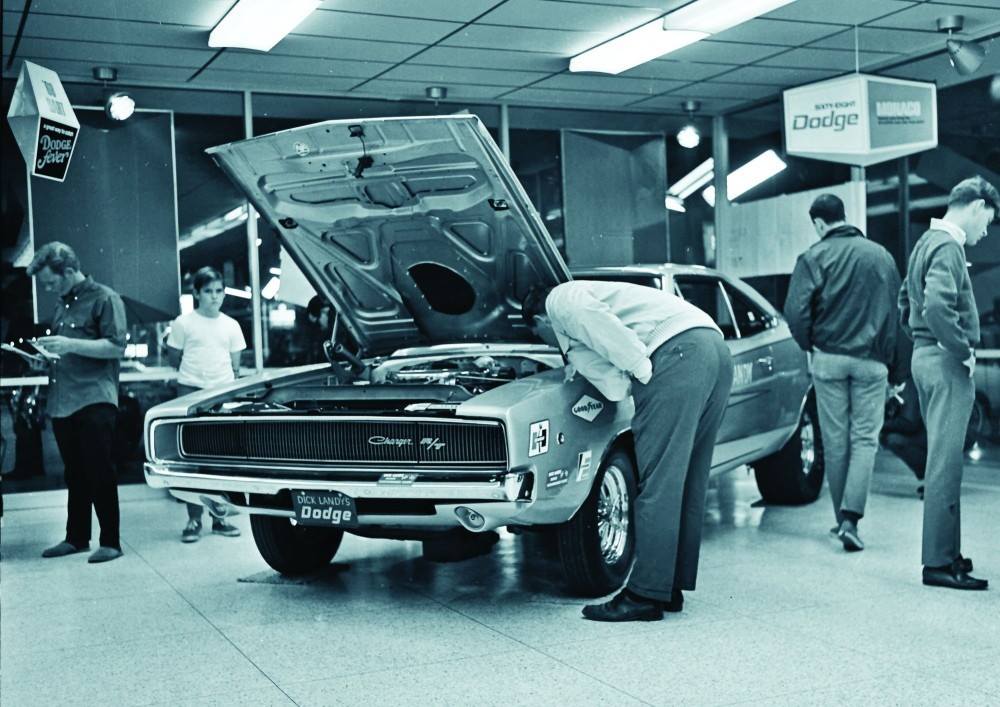
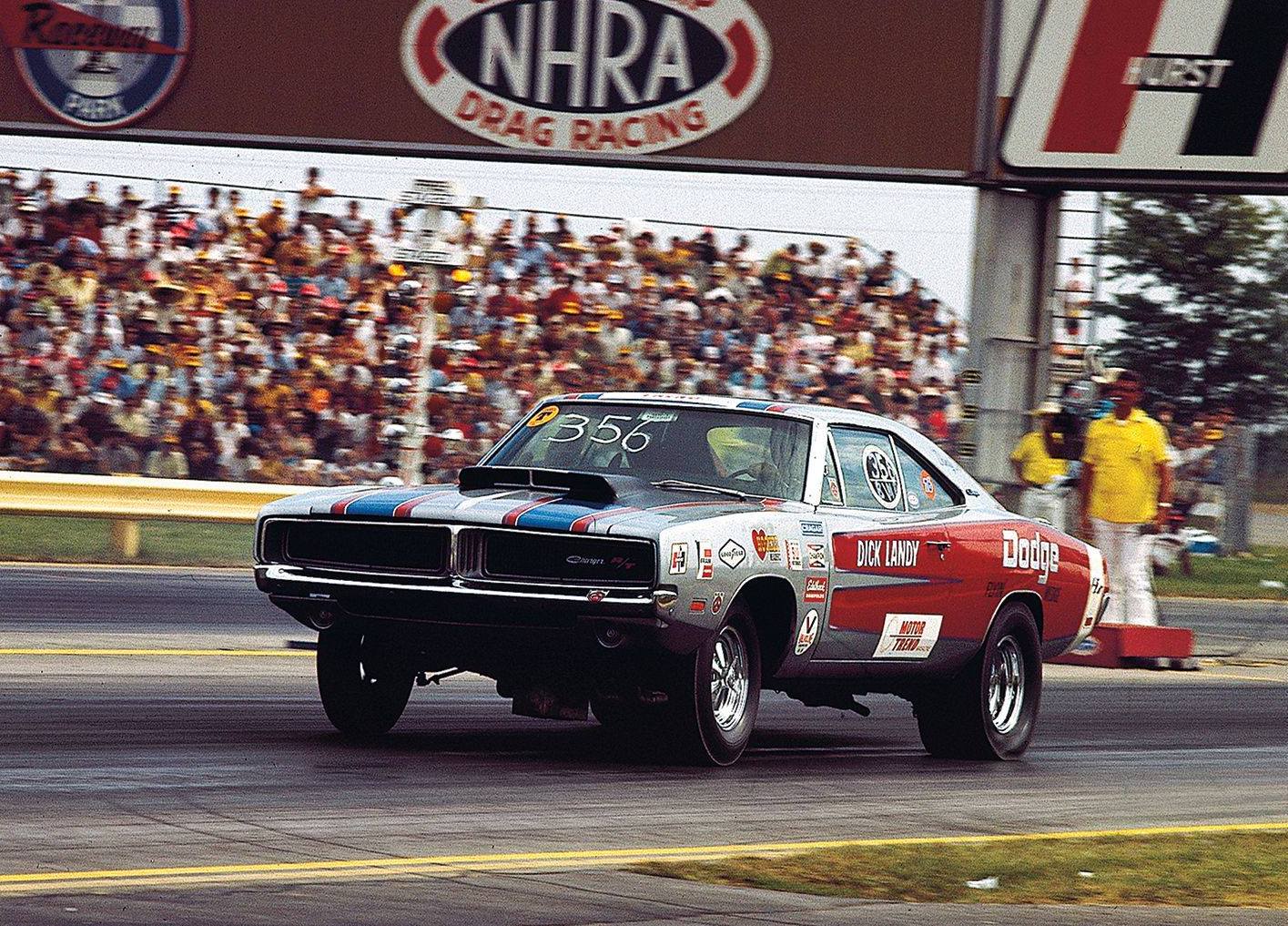
Many folks say the 1968-70 Charger was the best one ever. Some might agree, others not. We do know one thing: this historic nameplate continues to make history today, which says a lot about a car that was launched in 1966. In part three, we’ll take a look at the GEN III 1971-74 Charger and how it survived the ’70s, but for now, check out these pics from the vault!
0 Comments