Mopar’s® 440-Cubic-Inch Big Block: An Iron Fist in a Velvet Glove! – Part 2, 1970-1972
In part one of “Mopar’s® 440-Cubic-Inch Big Block: An Iron Fist in a Velvet Glove”, we examined the roots of this venerable big-inch V8. From its beginnings in 1966 to its evolution by the end of the decade. But, as the 1960s gave way to the 1970s, the horizon looked dark and menacing. With the looming emission standards set forth by the EPA becoming stricter, and the insurance industry becoming aware of statistics that showed young motorists crashing their muscle cars, the 440 would eventually be killed off before the end of the decade. Add in global energy crises, heavy-handed government regulations and the economic downfall of the auto industry, especially Chrysler, and nothing could save the 440 or its slightly smaller sibling, the 400. The decision to kill these engines was an easy choice for senior executive management within the company, but before the line shut down at Chrysler’s Trenton Engine Plant in Michigan, the 440 had already left its legacy that still carries on today. As we roll into Part Two of “Mopar’s® 440-Cubic-Inch Big Block: An Iron Fist in a Velvet Glove”, we’ll be travelling from 1970 to 1972.
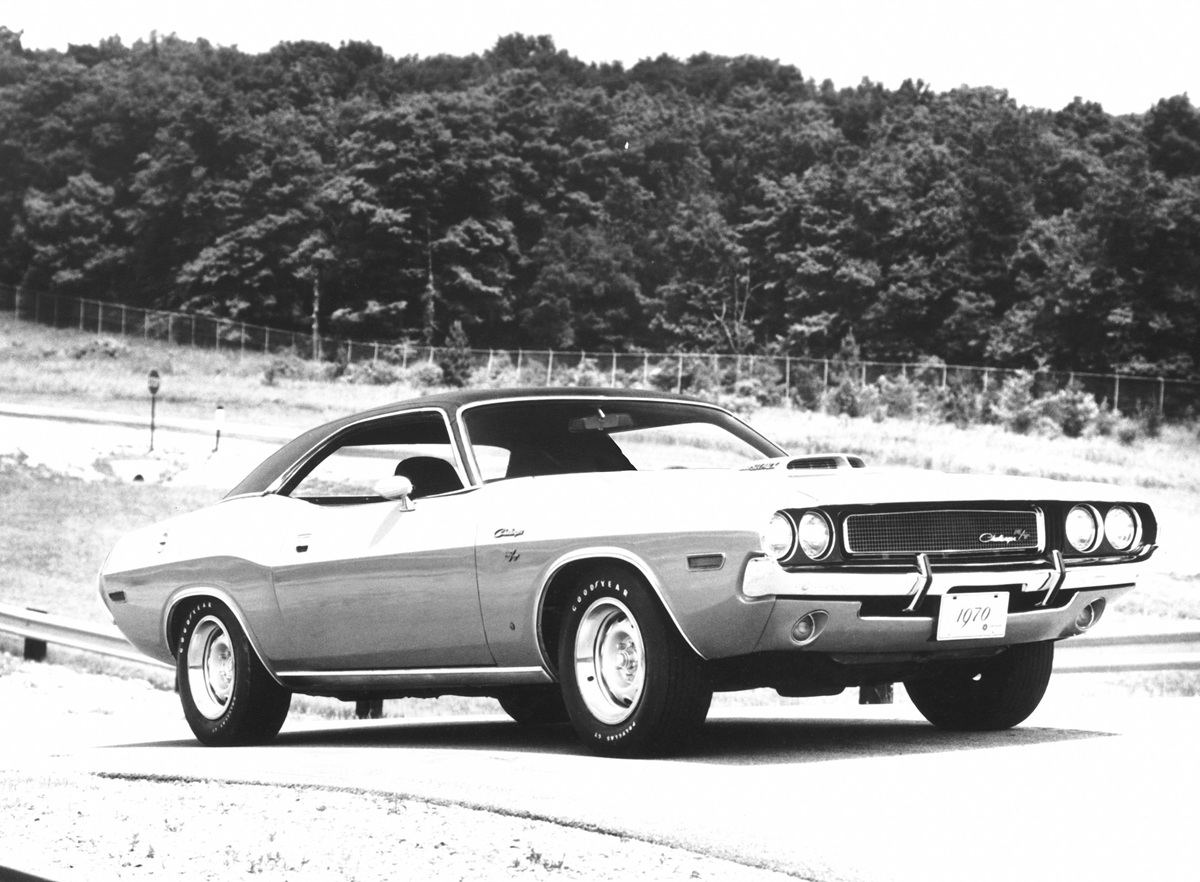
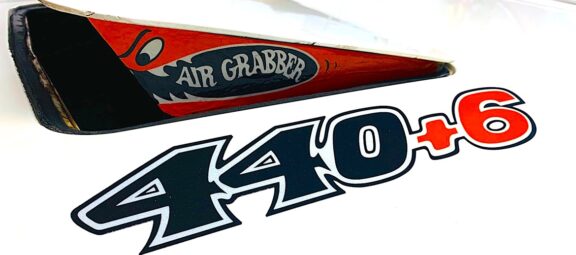
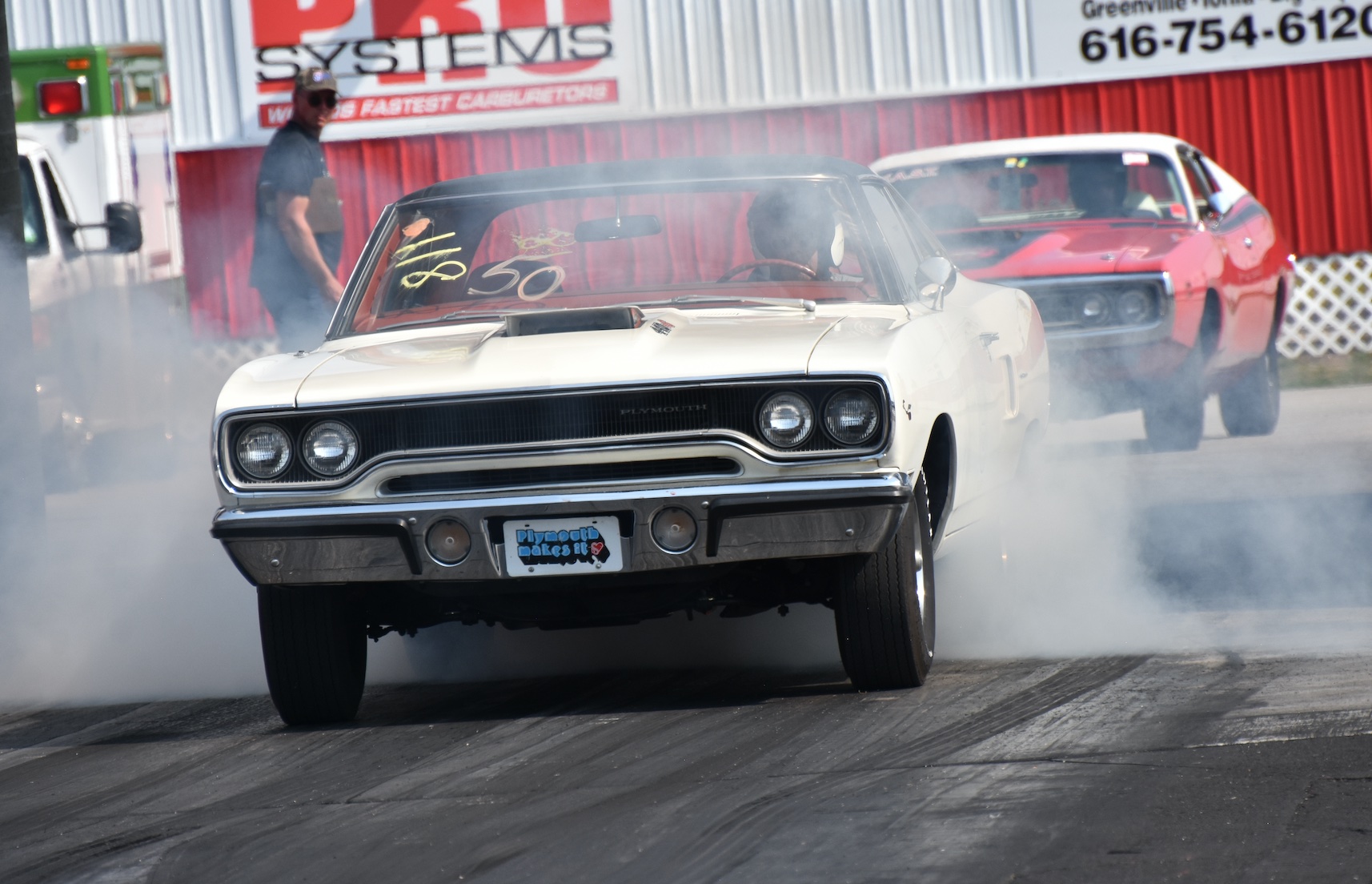
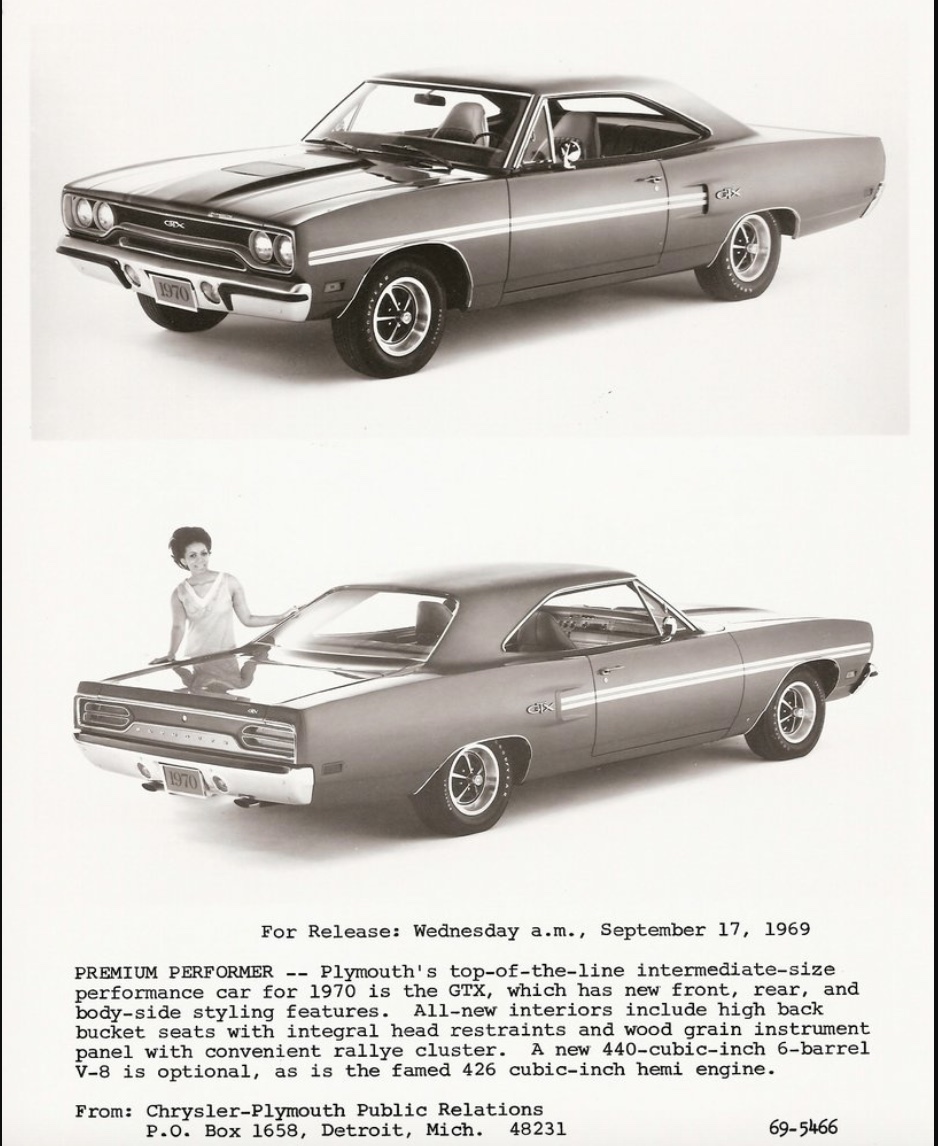
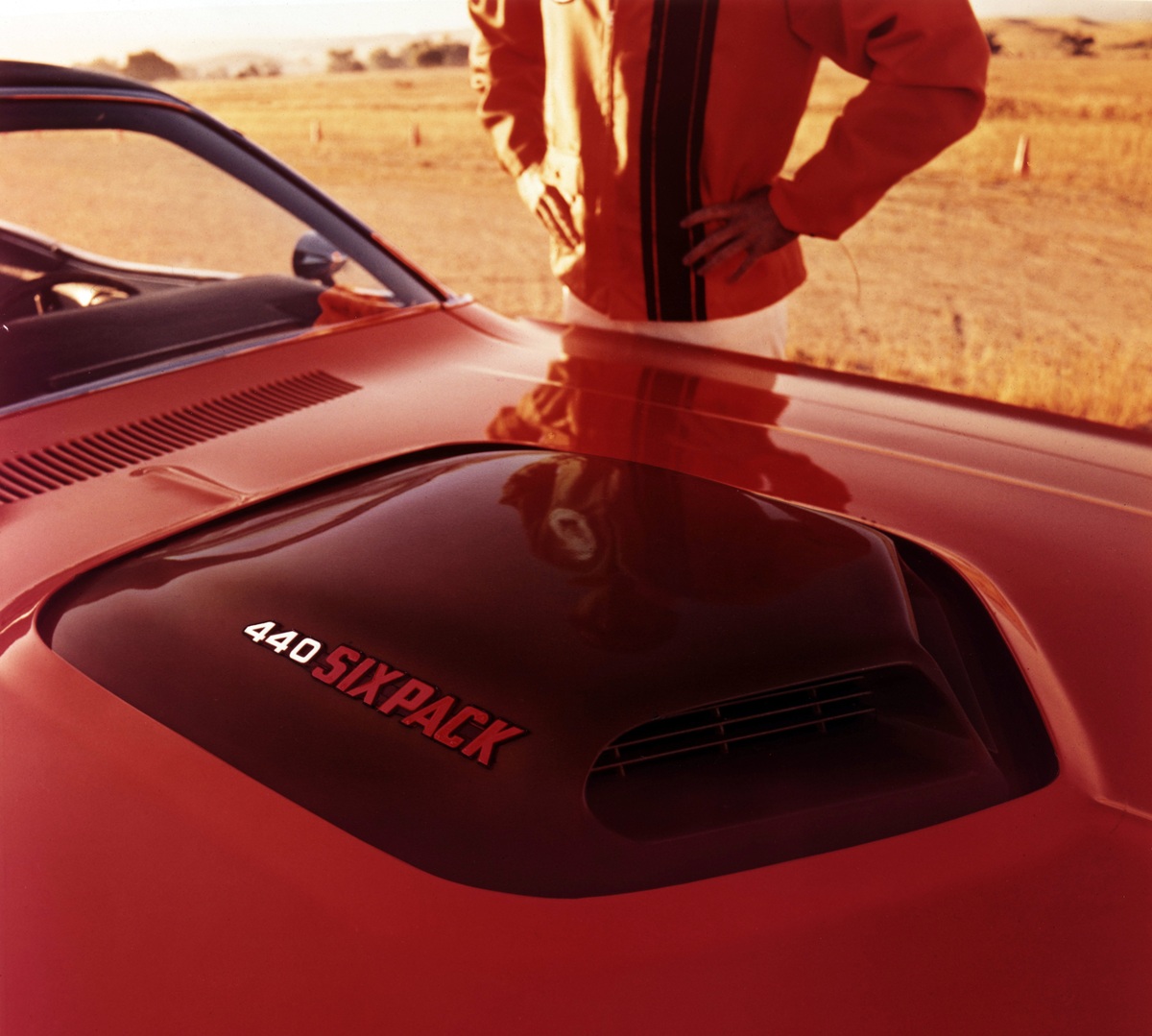
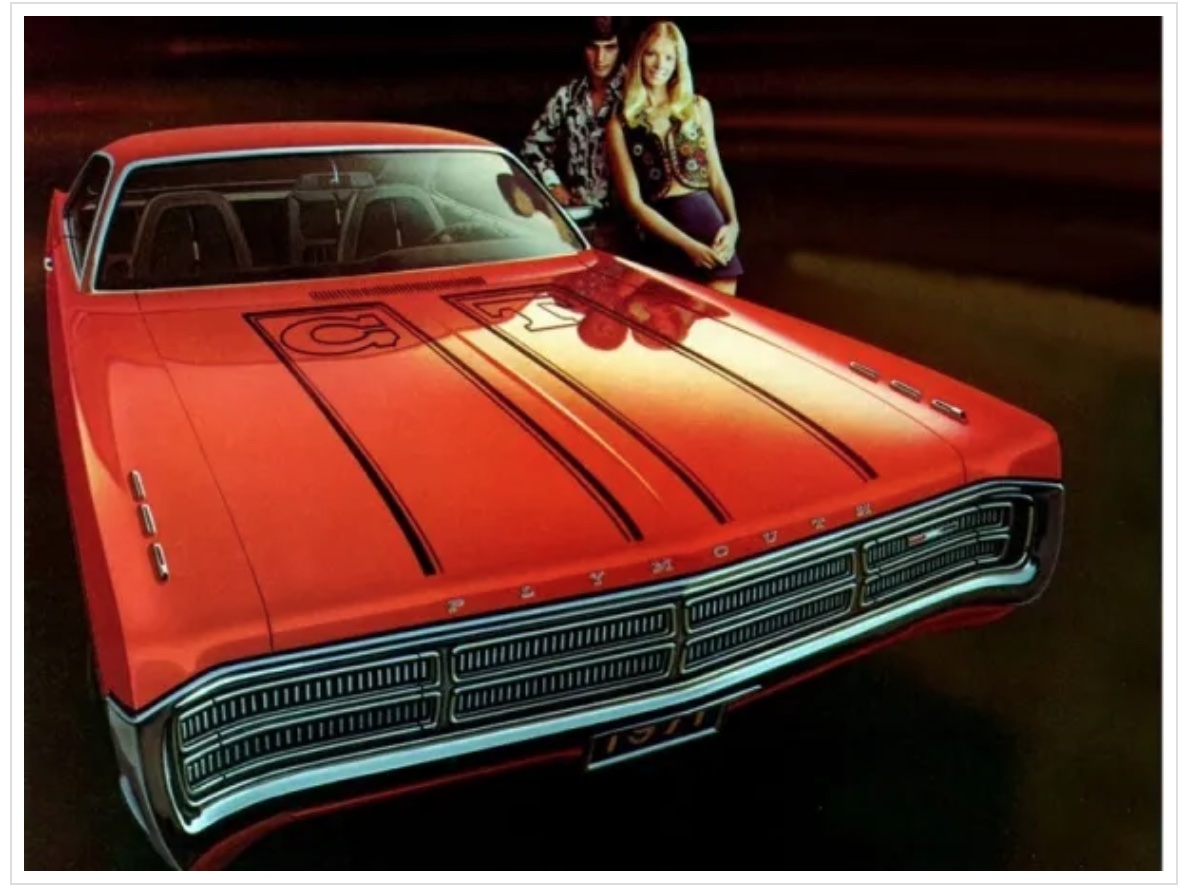
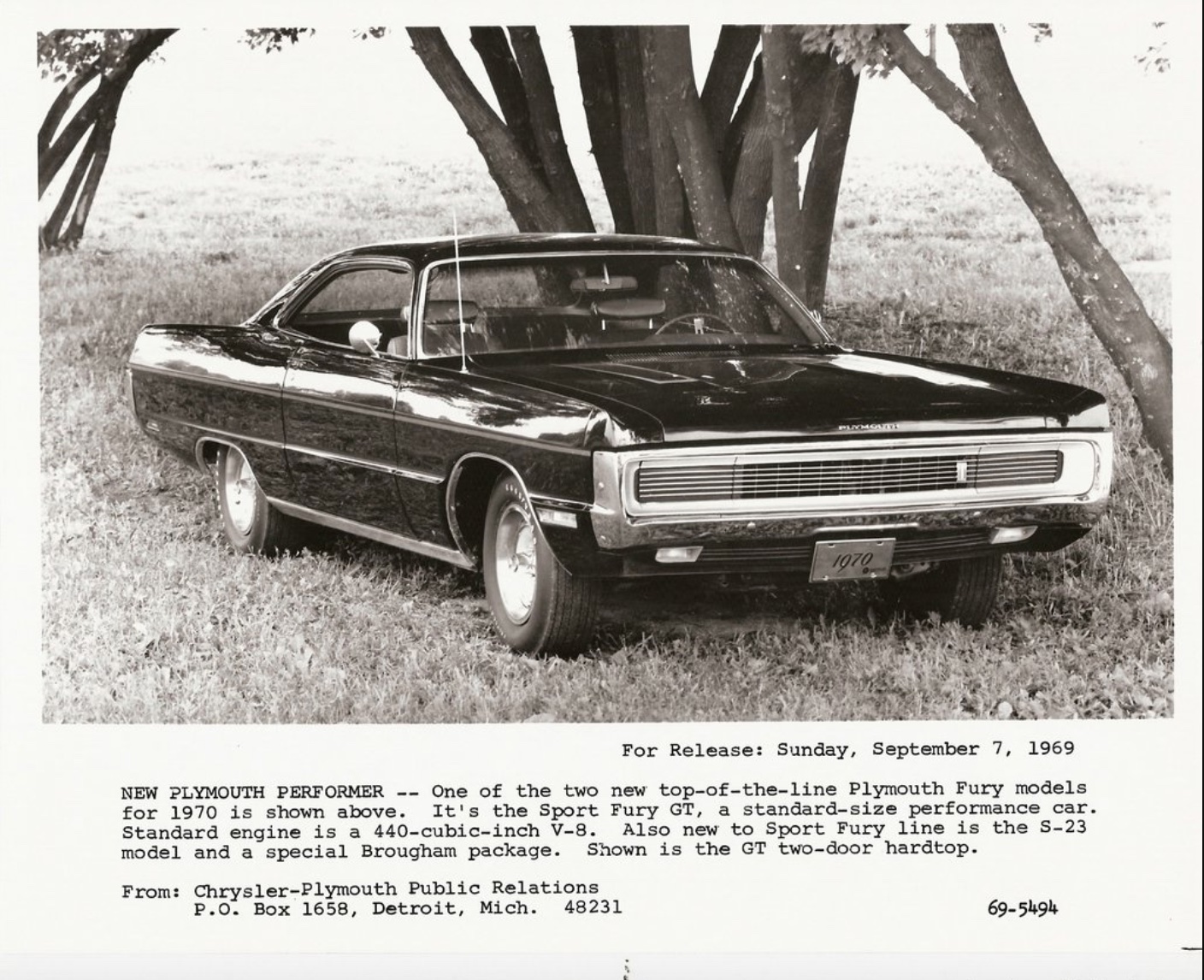
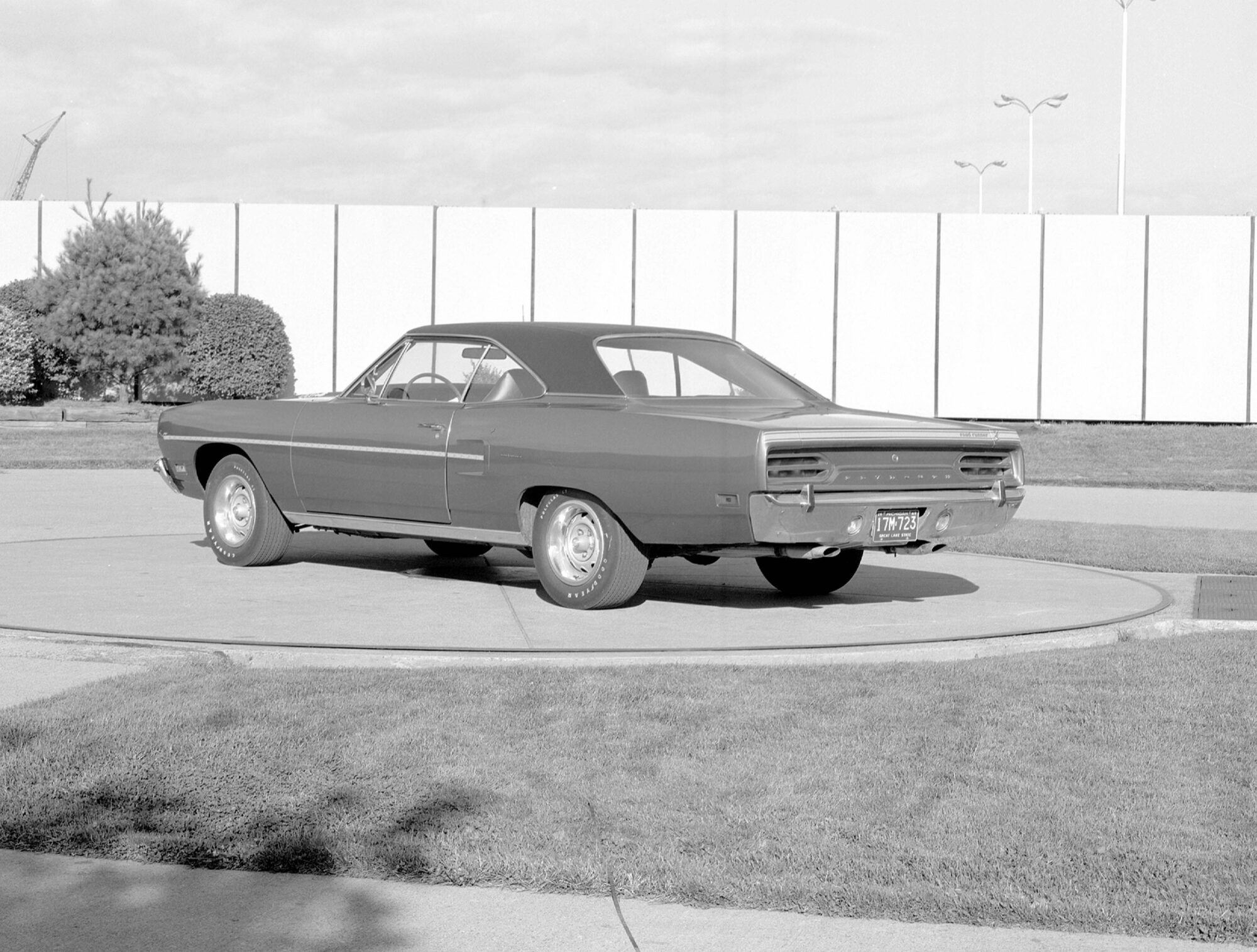
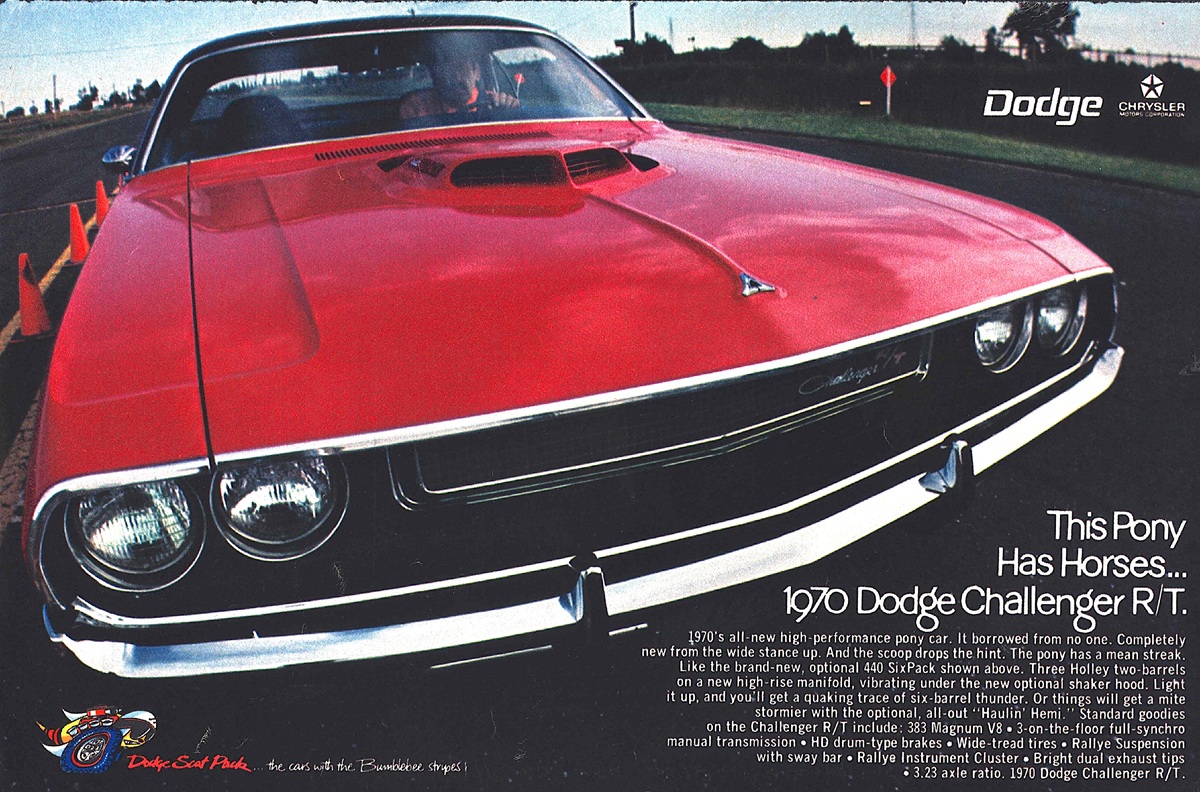
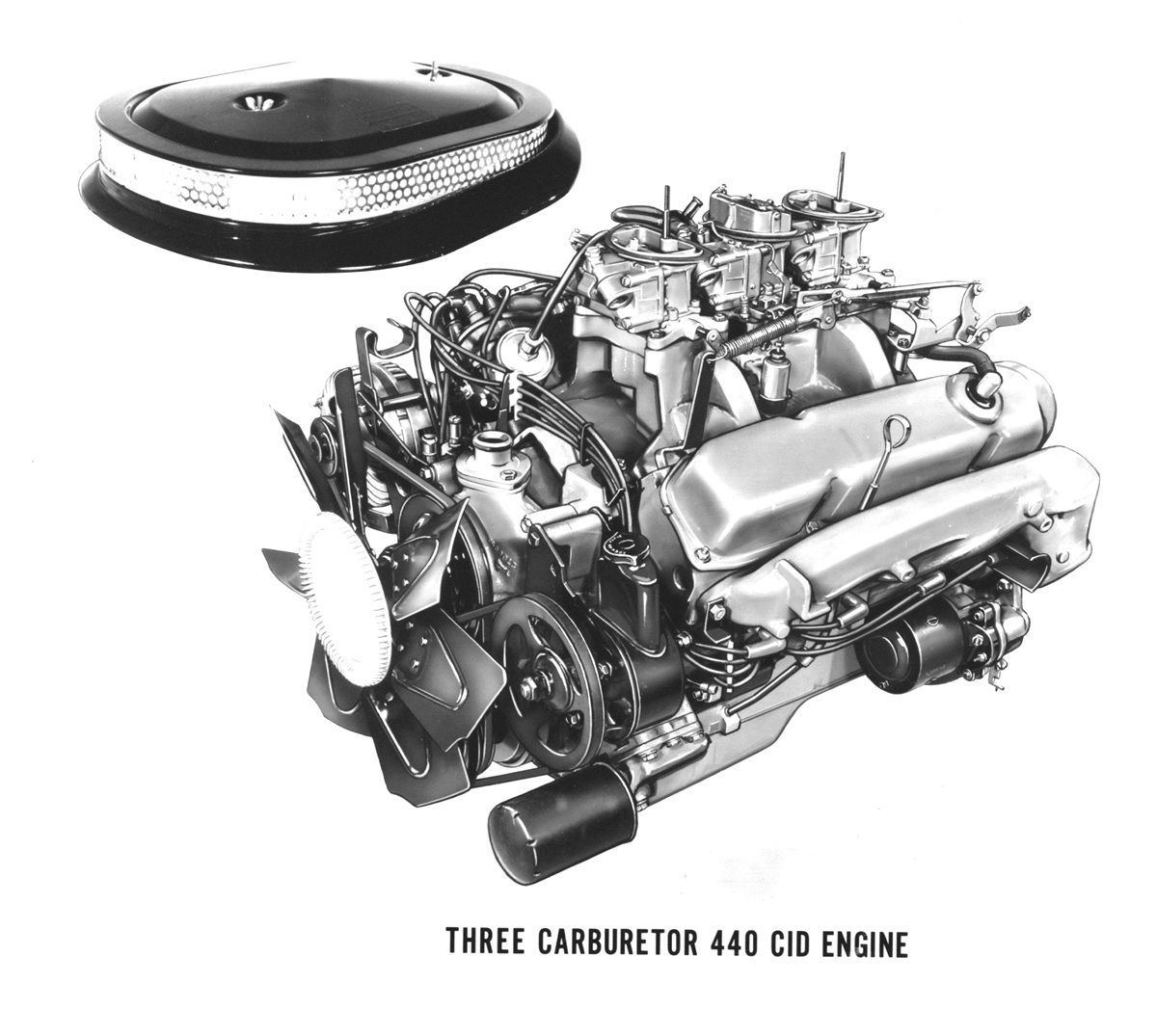
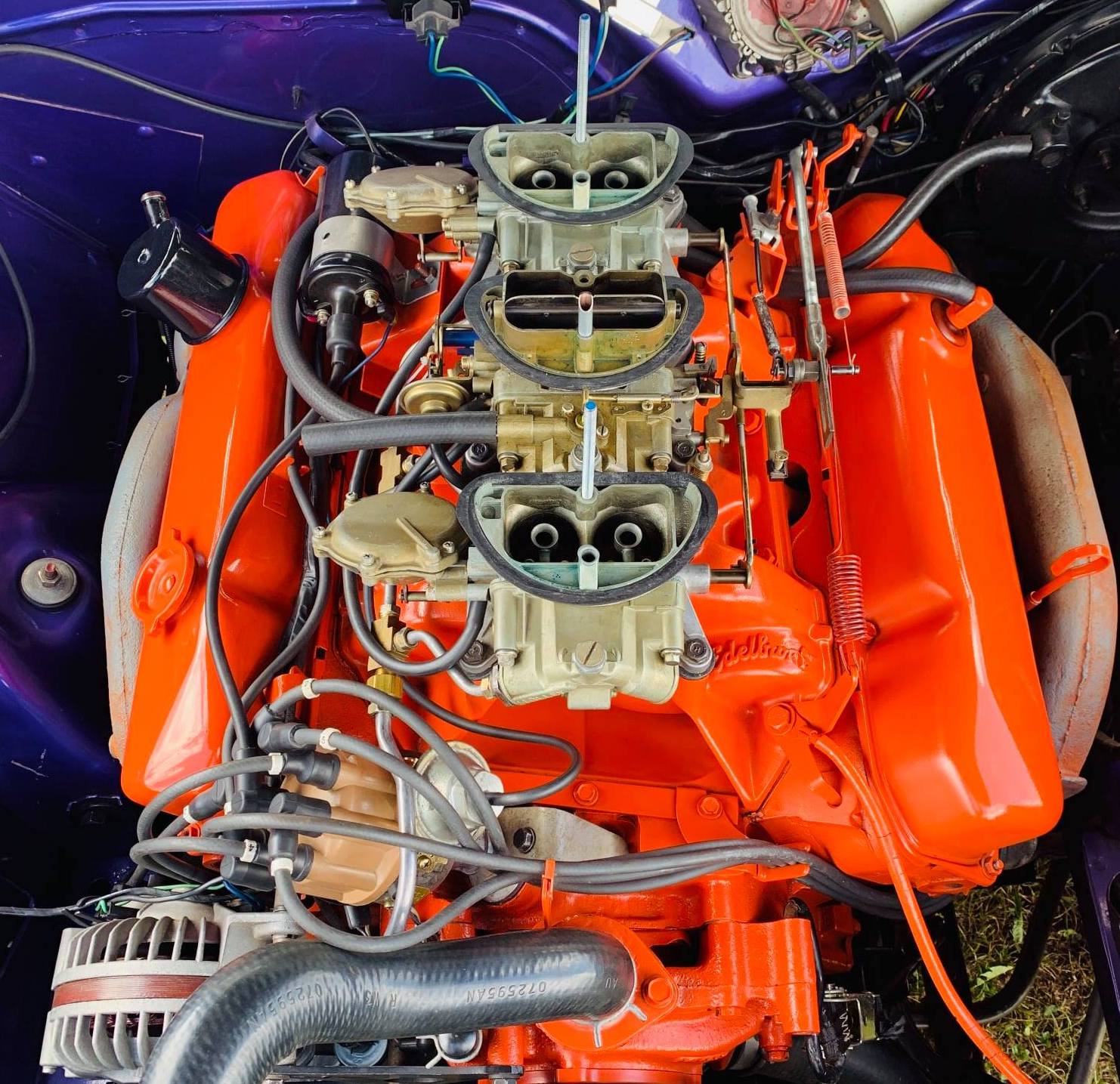
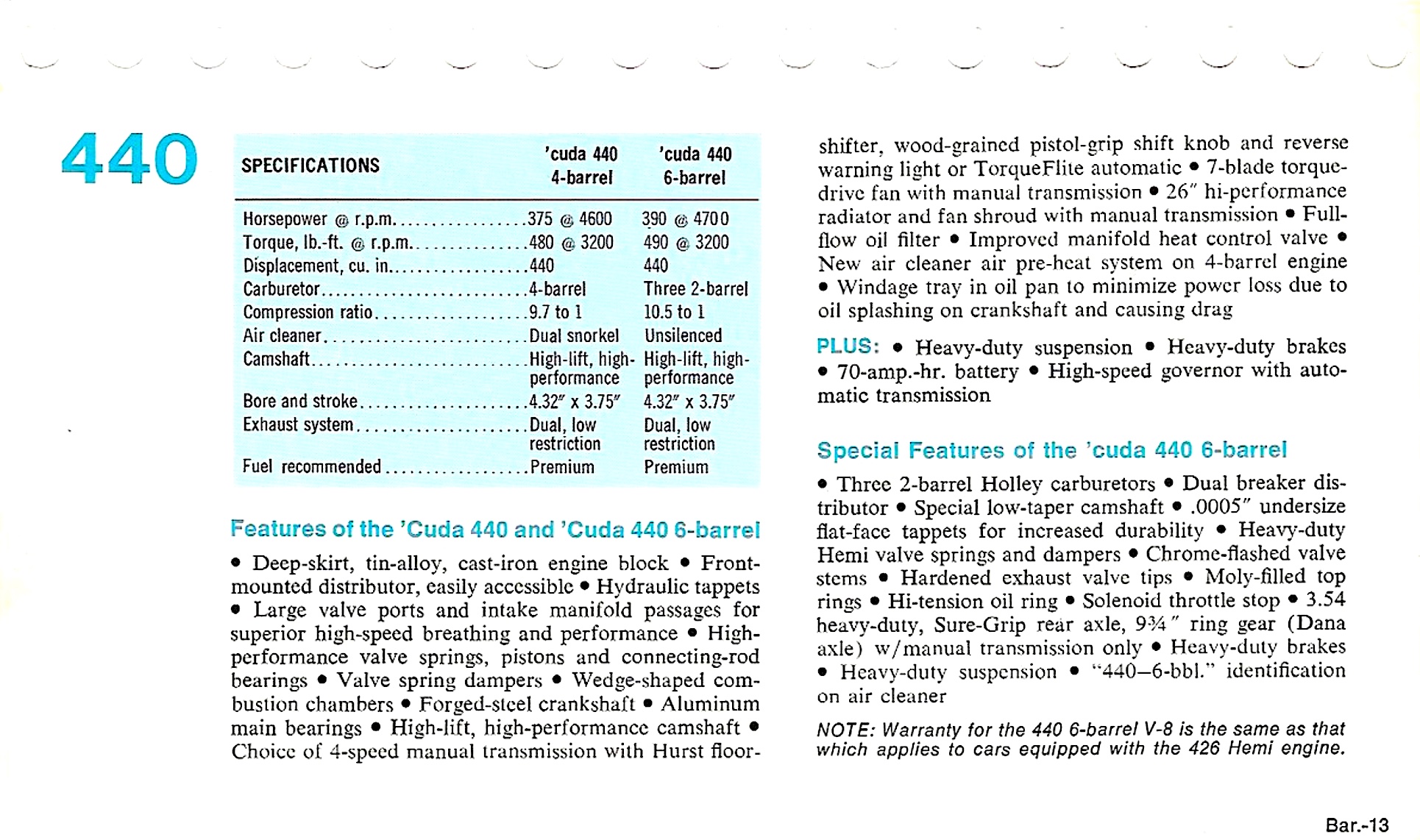
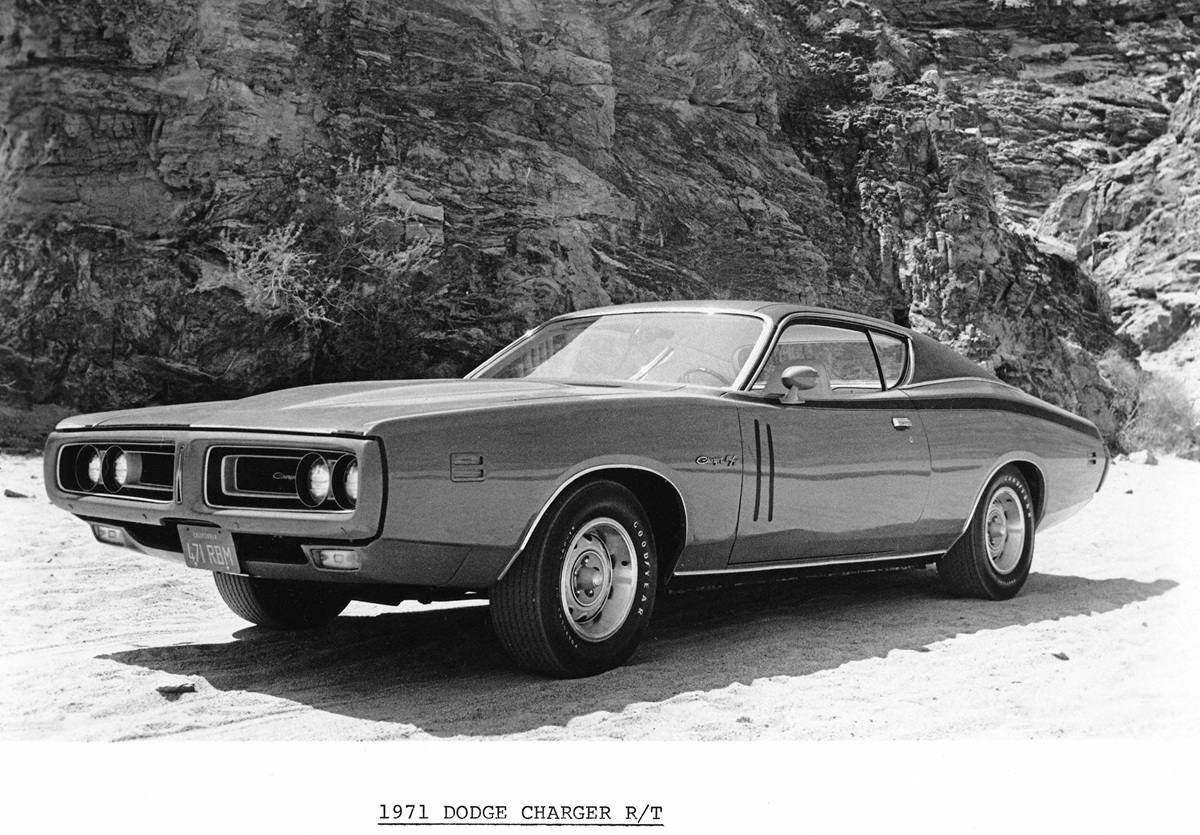
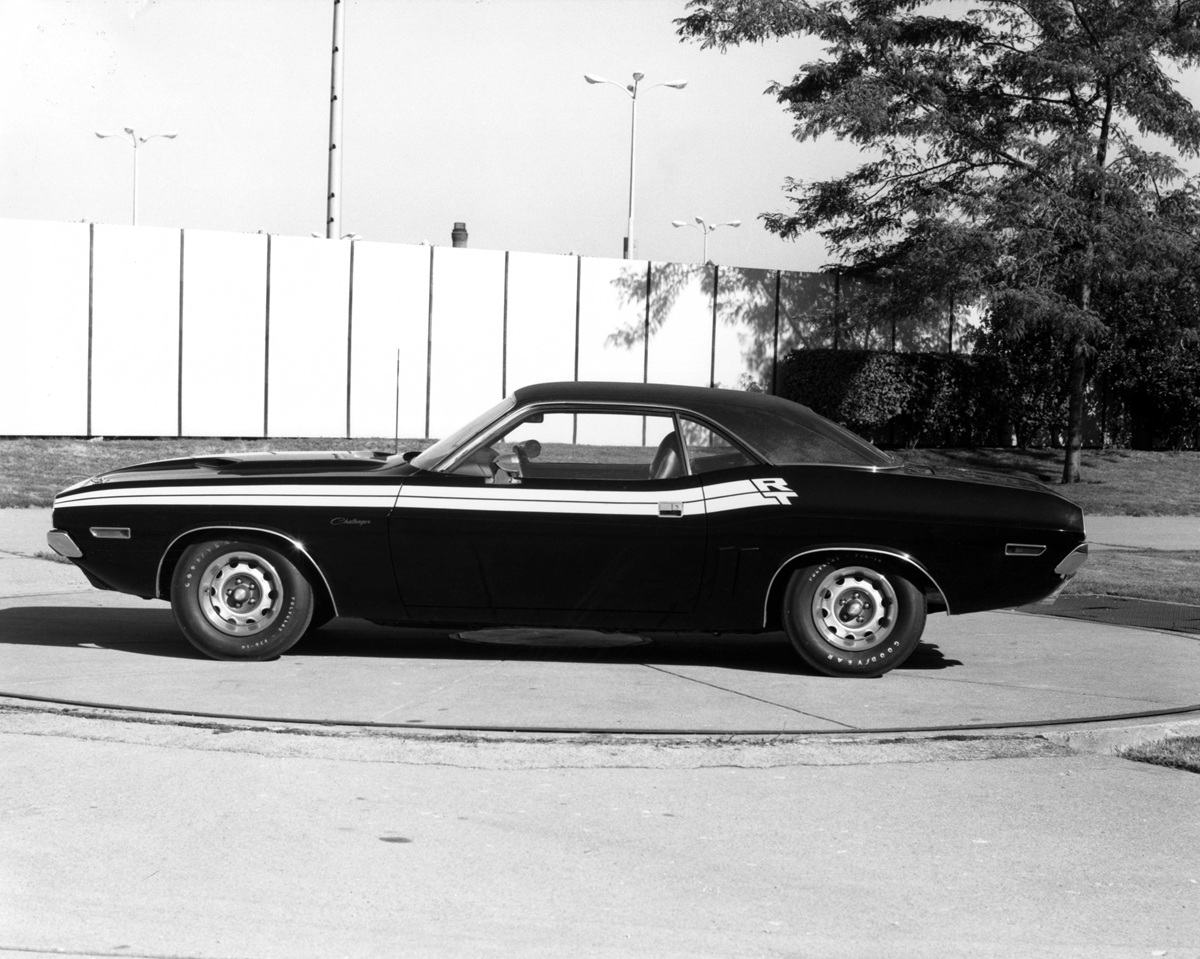
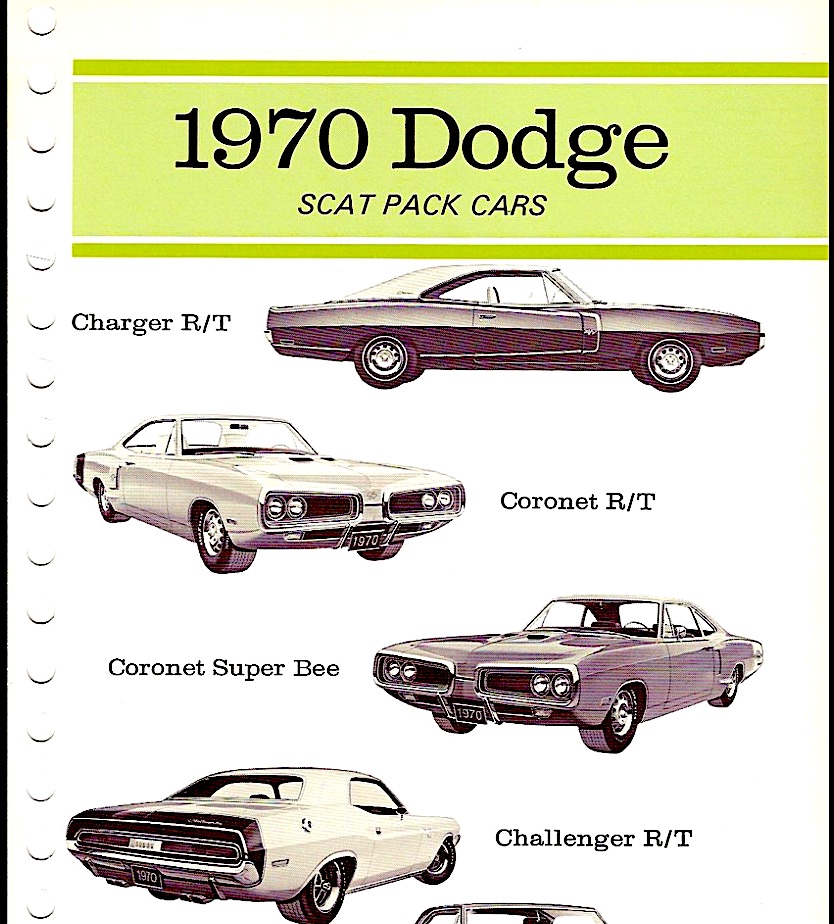
1970 was a huge year for Chrysler as the new Dodge Challenger and totally redesigned Plymouth Barracuda and ’Cuda made their debut. Both vehicles had an array of engine sizes that topped out with the 440. Both the single four-barrel and Six Pack/six-barrel varieties were optional on the brand-new “E-body” platform. Forecasters had the Trenton Engine Plant ramp up production to 383 and 440 to meet the increased demand. Chrysler would also debut the totally restyled Dodge Coronet and Plymouth Belvedere in 1970. While the 440 Six Pack/six-barrel engine first offered on the Super Bee and Road Runner in 1969, the engine option was now expanded to 1970 Coronet R/T, Charger R/T, Challenger R/T and, of course, the Super Bee. On the Plymouth side of the house, the 440 Six Barrel was available on the GTX, ’Cuda, Sport Fury GT and back in the ever-popular Road Runner. The aluminum intake manifold used on the 1969 engines was now replaced with a factory cast-iron unit. This was due to the increased demand and the fact that Edelbrock’s foundry and machining facility in California couldn’t meet Chrysler’s intense production schedule and volume needs. The 440 Six Pack/six-barrel engine for 1970 also received some internal upgrades, such as beefier connecting rods, crankshaft, unique pistons that bumped the compression to 10.5 to 1, a new oil pan with increased capacity and valvetrain improvements. Even with the engine’s docile street manners, when angered, could suck gobs of air through its three Holley carburetors. That distinctive sound could be heard on the boulevards, avenues and drag strips all over the country.
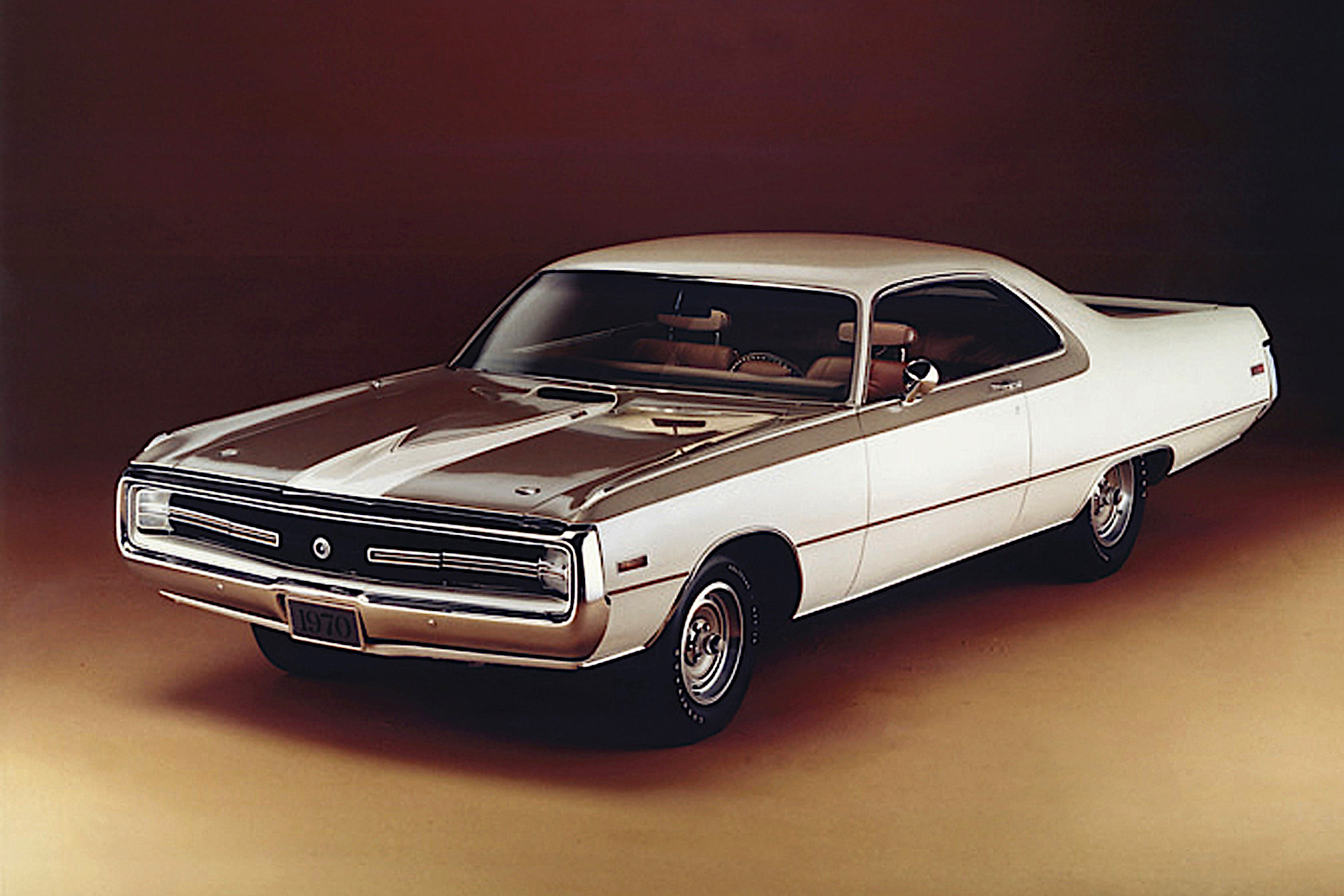
While the multi-carbureted 440 received much of the attention, the single four-barrel version was still a force to be reckoned with. Its reputation was already well established. While the compression dropped to 9.7 to 1 due to new government-mandated emission standards, it still ran hard. In 1970, a new PCV control was implemented along with leaner fuel-air mixtures in the carburetor. There was also an evaporated control system and other items to reduce emissions. Regardless, the 440’s performance wasn’t really affected and still provided a brawny torque curve and 375 horsepower. The 440 motivated everything from luxury barges like the Chrysler Imperial to the sexy new Challenger R/T. The corporation also teamed up with the Hurst Performance Company again, but instead of making 440 and HEMI® engine-powered Barracudas and Darts, they created a hot rod gentleman’s luxury car known as the Chrysler 300 Hurst Edition. It came standard with a high-performance 440, four-barrel dubbed ‘TNT’ and had no problem moving this massive 4,400-pound land yacht very quickly.
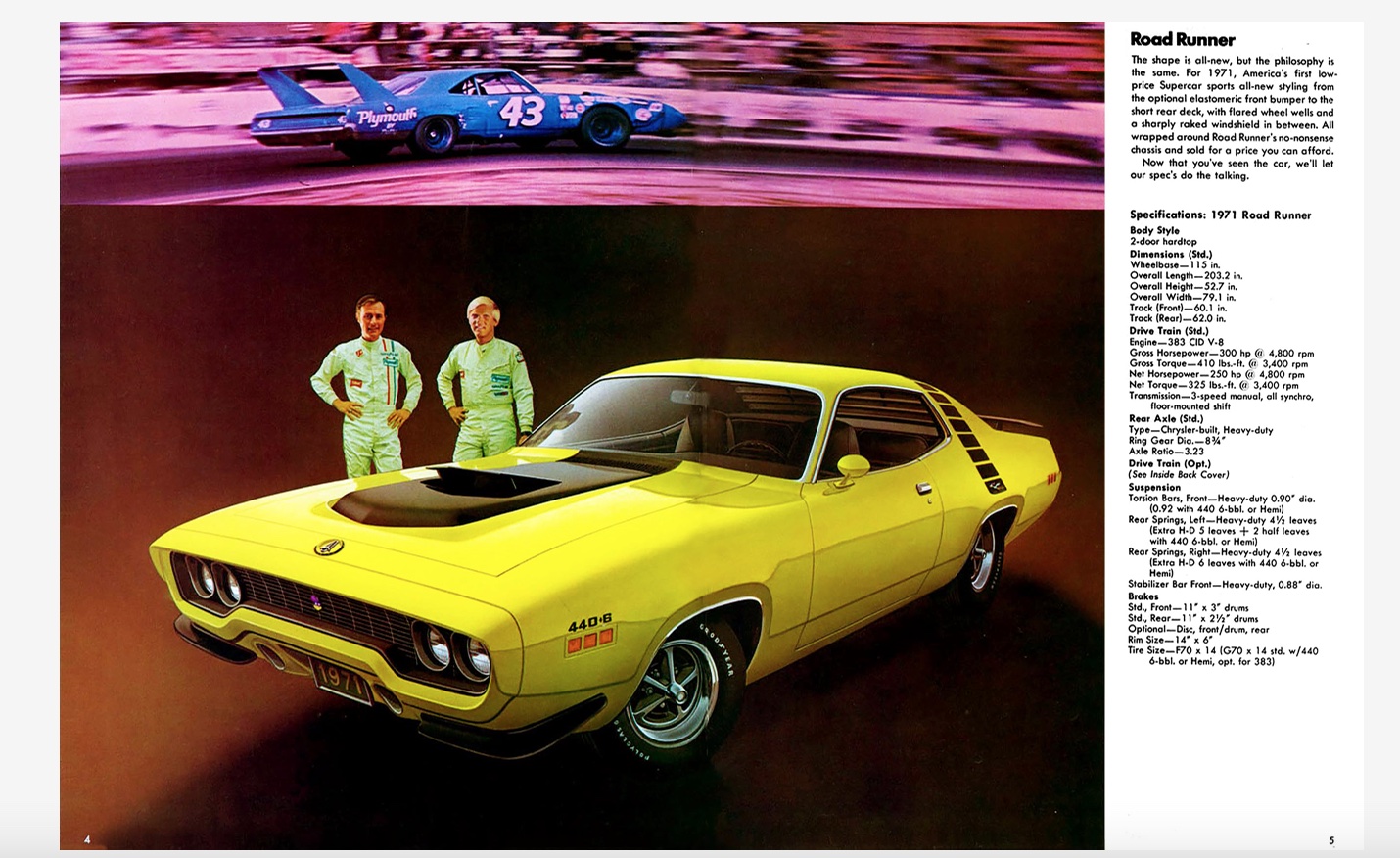
For 1971, the 440 carried on with very few changes from 1970, other than a slight drop in horsepower. Both the Challenger R/T and ’Cuda dropped the 440 Magnum/Super Commando single four-barrel option, but the Six Pack/six-barrel was still offered. On full-sized Plymouth people movers, the massive Sport Fury GT with its standard 440 Super Commando still hung around, but sales had dropped dramatically from 1970. The tea leaves were telling a tale of the slow erosion of the 440’s muscle prowess. It was starting to appear that both the EPA and the insurance industry were teaming up against the domestic automakers’ muscle portfolios. The writing was on the wall, and Chrysler was already making plans to prevent the total extinction of its 440-cubic-inch big block for 1972 and beyond.
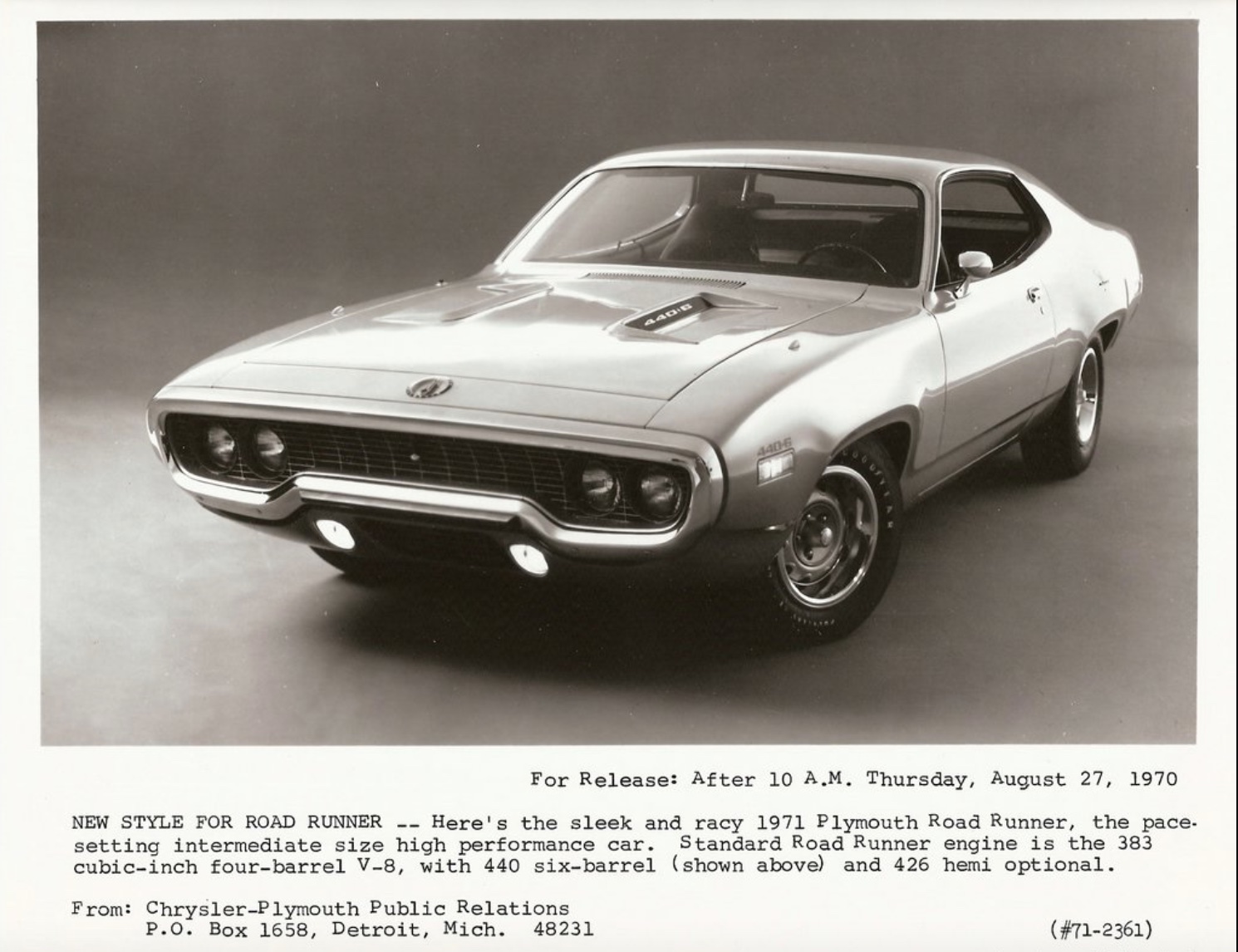
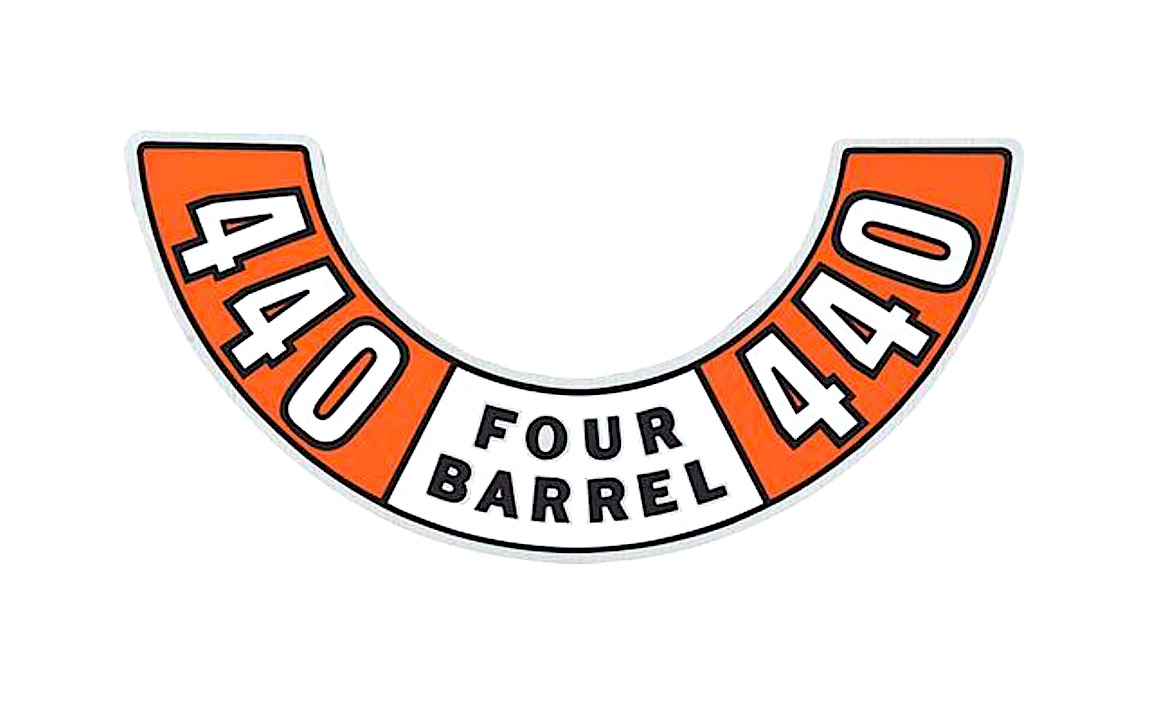
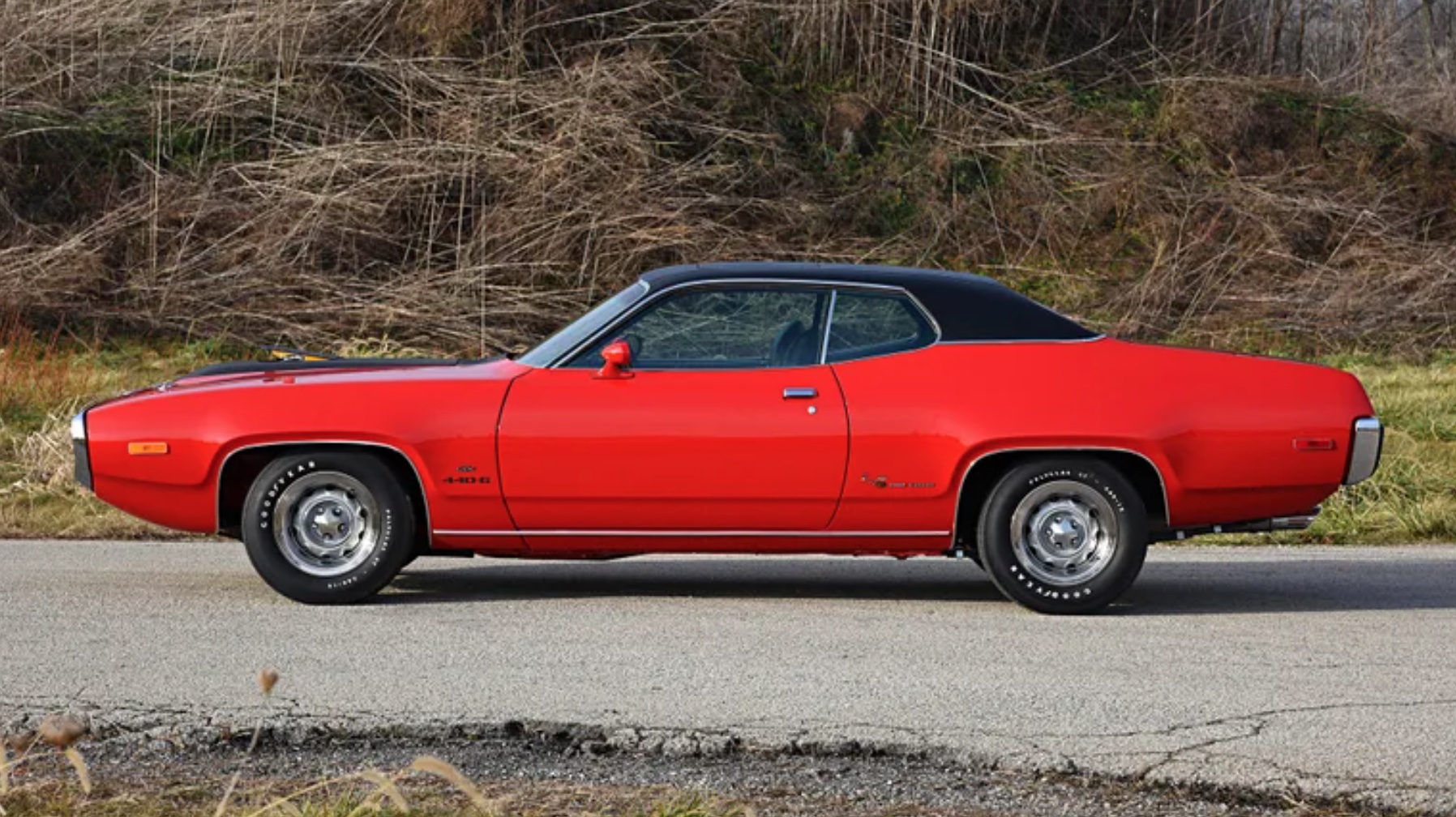
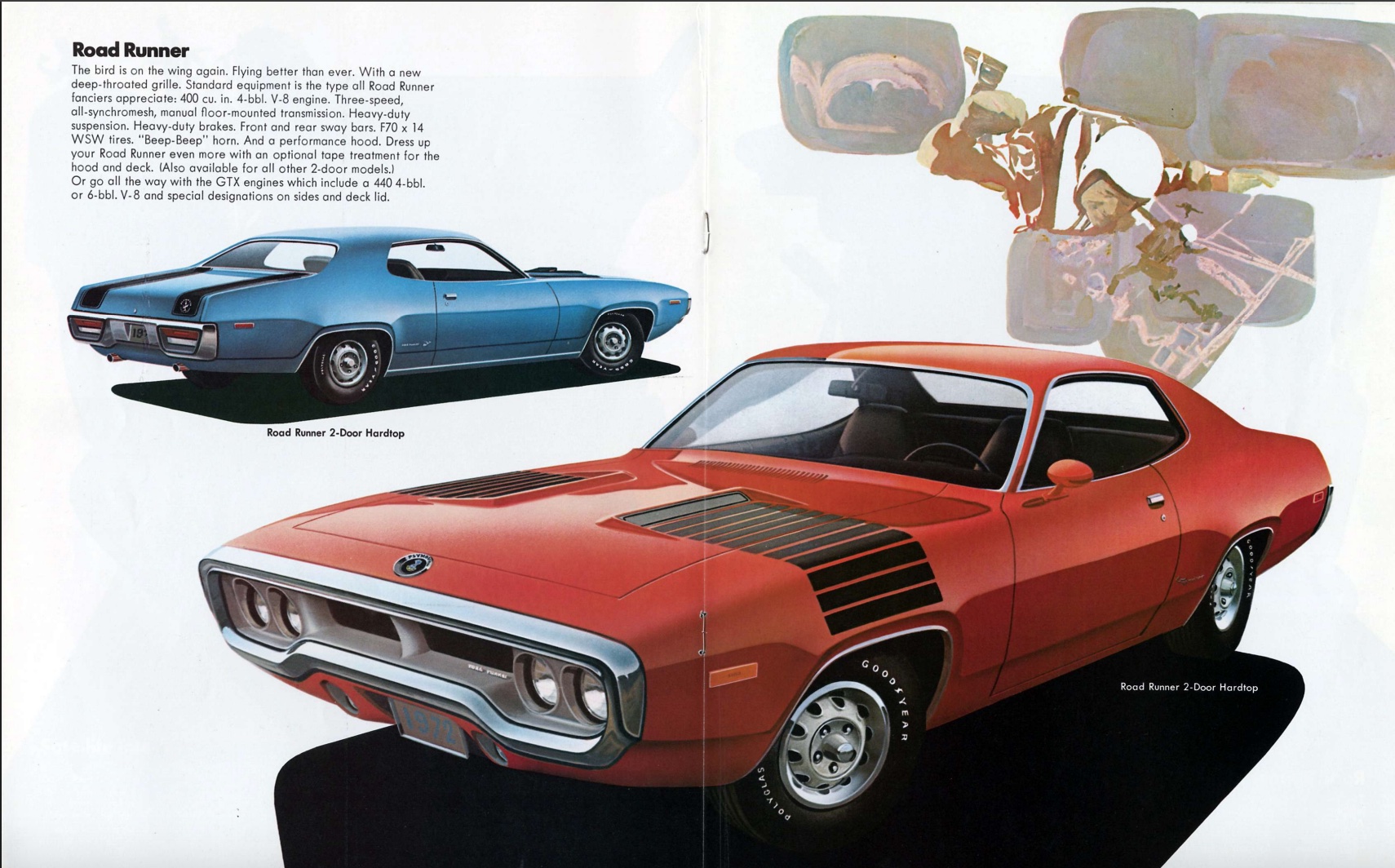
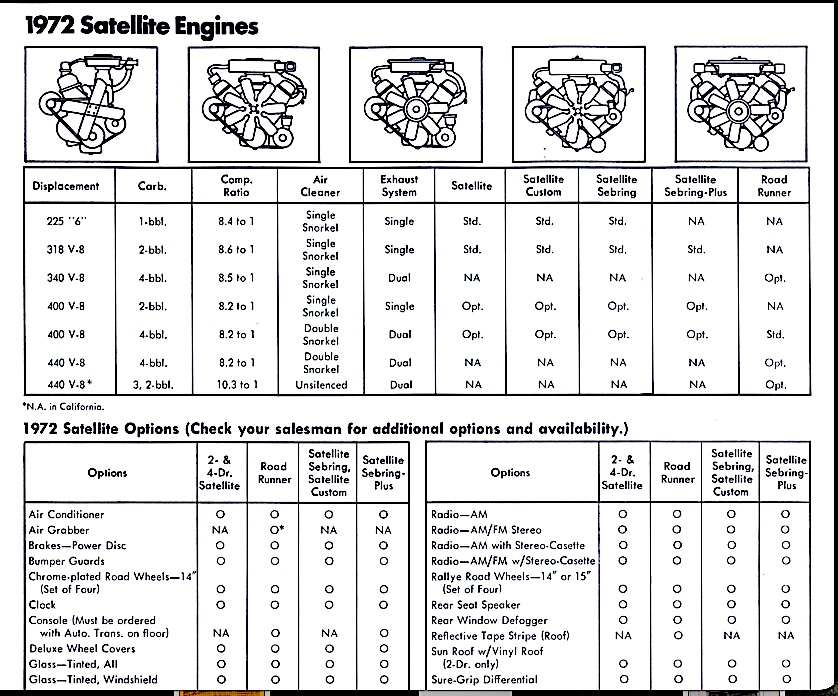
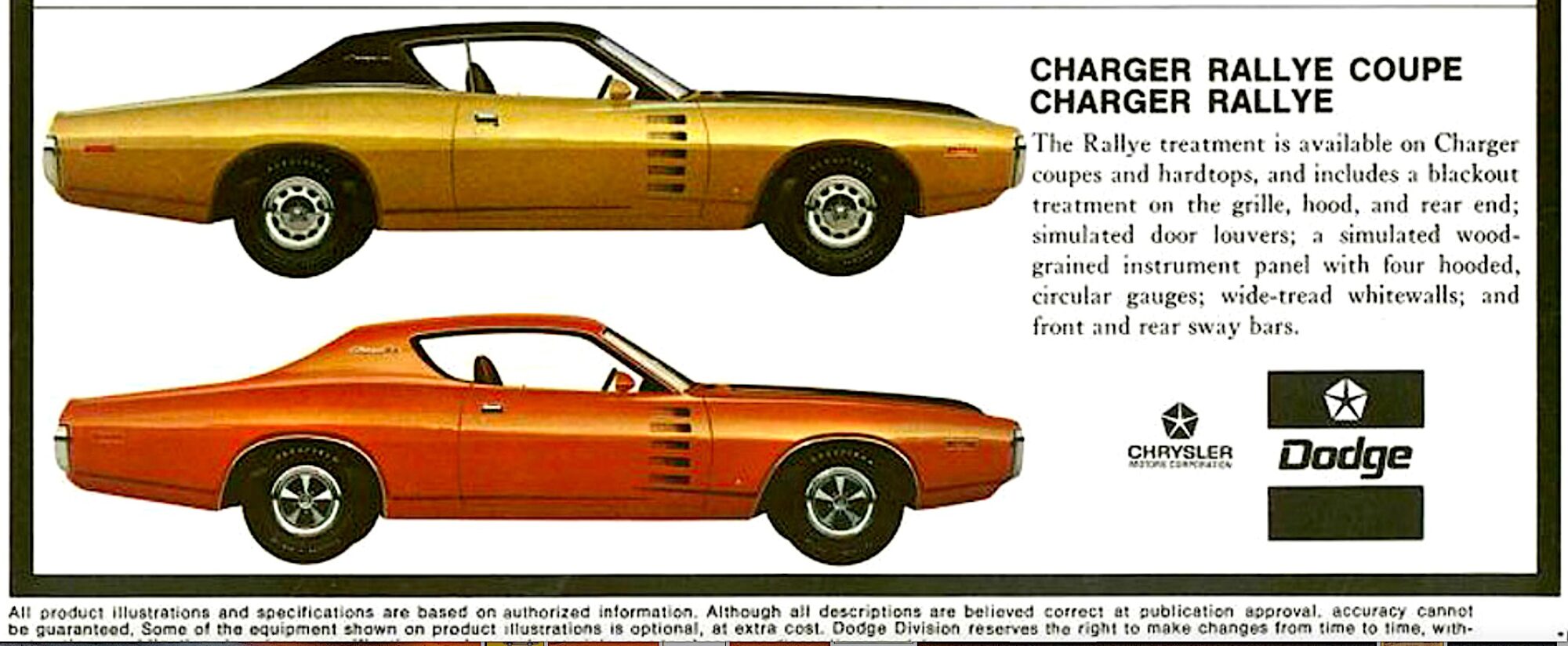
Even before the dawn of 1972, Chrysler did a course correction on its performance vehicle offerings. The lessons learned early in 1971 showed that the demand for muscle cars was declining. The country was teetering on a recession, inflation was trending up and, yes, the all-mighty car insurance industry was hammering owners of performance cars with massive premiums. To combat this, both Dodge and Plymouth made wholesale changes to their 1972 lineup. First, Dodge killed the “R/T” nameplate and replaced it with the innocuous “Rallye” label. The Plymouth GTX, the first intermediate to have the 440 Super Commando V8 as standard equipment in 1967, was now just an option on the 1972 Road Runner when an owner was brave enough to order the 440. All big block Challengers and ’Cudas were history for ’72. And in a cost-cutting move, all Chrysler engines, regardless of their displacement or application, were painted “Corporate Blue”. Gone was the eye-sizzling “HEMI Orange” war paint that differentiated the “Go Fast” powertrains from their mundane civilian cousins painted in turquoise. To add insult to injury, the colorful air cleaner lid metal “Pie Tins” that proclaimed the engine size were gone due to more cost-cutting. The loud and proud underhood engine branding proclaiming “440 MAGNUM”, “440 Super Commando” or “440 TNT”, were replace with a simple decal on all Dodge, Plymouth and Chrysler vehicles that simply read “440 FOUR BARREL”.
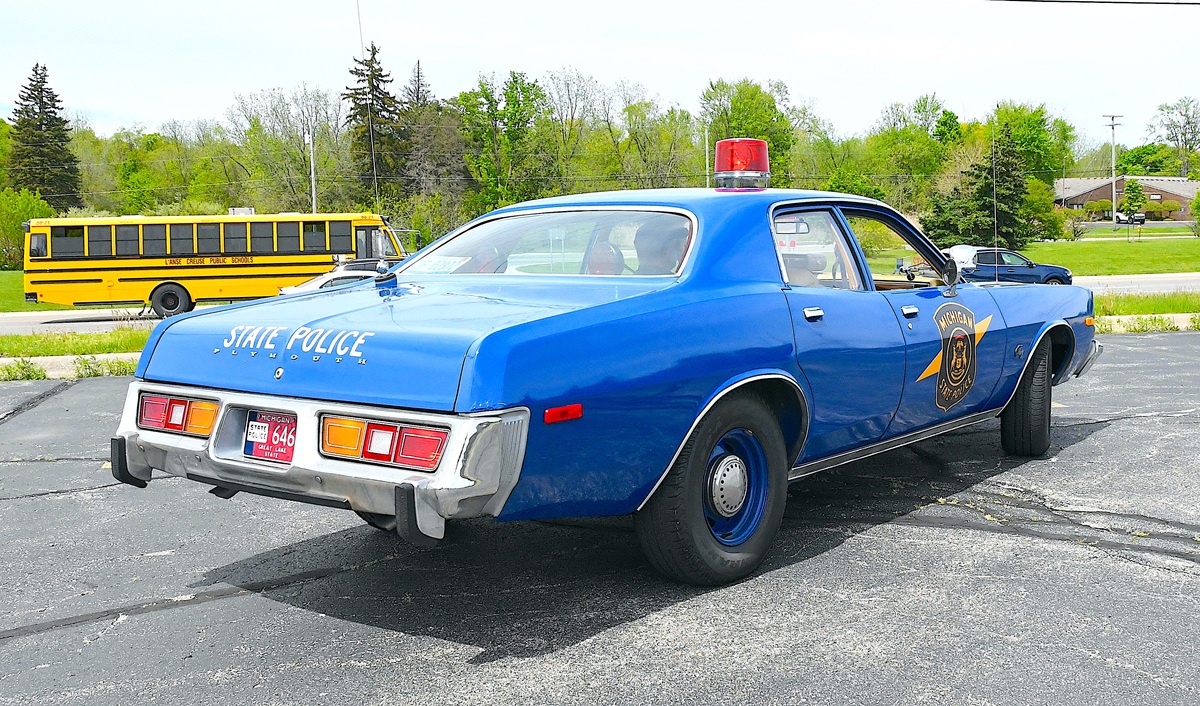
Internally, all the big blocks from 1972 to their demise were somewhat castrated with a huge drop in compression ratio, hovering around 8.2 to 1. And while the Six Pack/six-barrel option was still listed for 1972, it got yanked very quickly from the updated dealer order guides and bulletins after a few examples escaped out of the plant. Times were starting to look tough for the once prodigious 440. In Part Three: 1973-1978, we’ll reflect on how “performance” became a dirty word. We’ll also examine the death march of the 440, from muscle car holdout to the highway star of the Michigan State Police and other law enforcement agencies.
Here’s a look at some 1970-1972 440-powered machines.
0 Comments