Happy Anniversary to the King of the Streets
As we acknowledge 4/26, known as “HEMI® Day,” we need to recognize another iteration of this powerful pachyderm, the 426 Street HEMI V8 engine. Born in 1966, it’s six decades old this year, but it’s an interesting tale on how it came to be. Nicknamed the “Elephant Engine” due to its colossal size and the width of its massive cylinder heads adorned with valve covers the size of a feeding trough, the 426 Race HEMI was a beast. It ruled NASCAR’s super speedways and NHRA’s drag strips when it rolled onto the scene in early 1964. NASCAR cried foul after the 426 Race HEMI trampled over the factory Ford teams at the 1964 Daytona 500. NHRA also began to wince when the 426 HEMI ran roughshod over the Super Stock competition. If you’re going to dominate, the man’s going to smack you down, just remember that. And that man was NASCAR founder Bill France, Sr. He and his cohorts knew something had to be done to put this beast back in the cage. NASCAR’s tech department sharpened its pencils and indicated that all legal engines had to be a production based and available to the general public for 1965. France nodded in agreement, and letters were sent to all the manufacturers. Over in SoCal, the NHRA folks did allow for limited-production-built “HEMI Package Cars” for Super Stock competition, but they were studying NASCAR’s playbook very carefully.
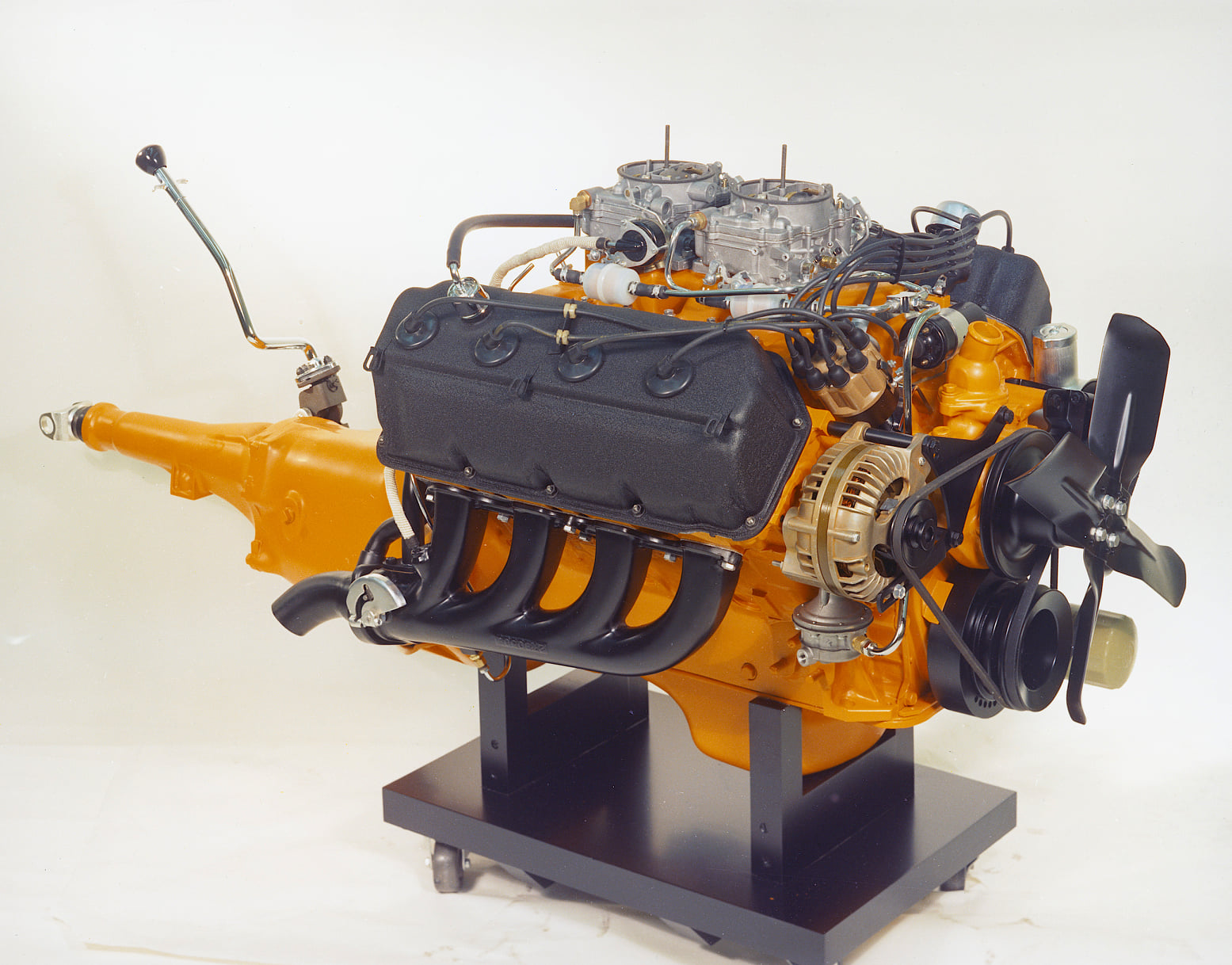
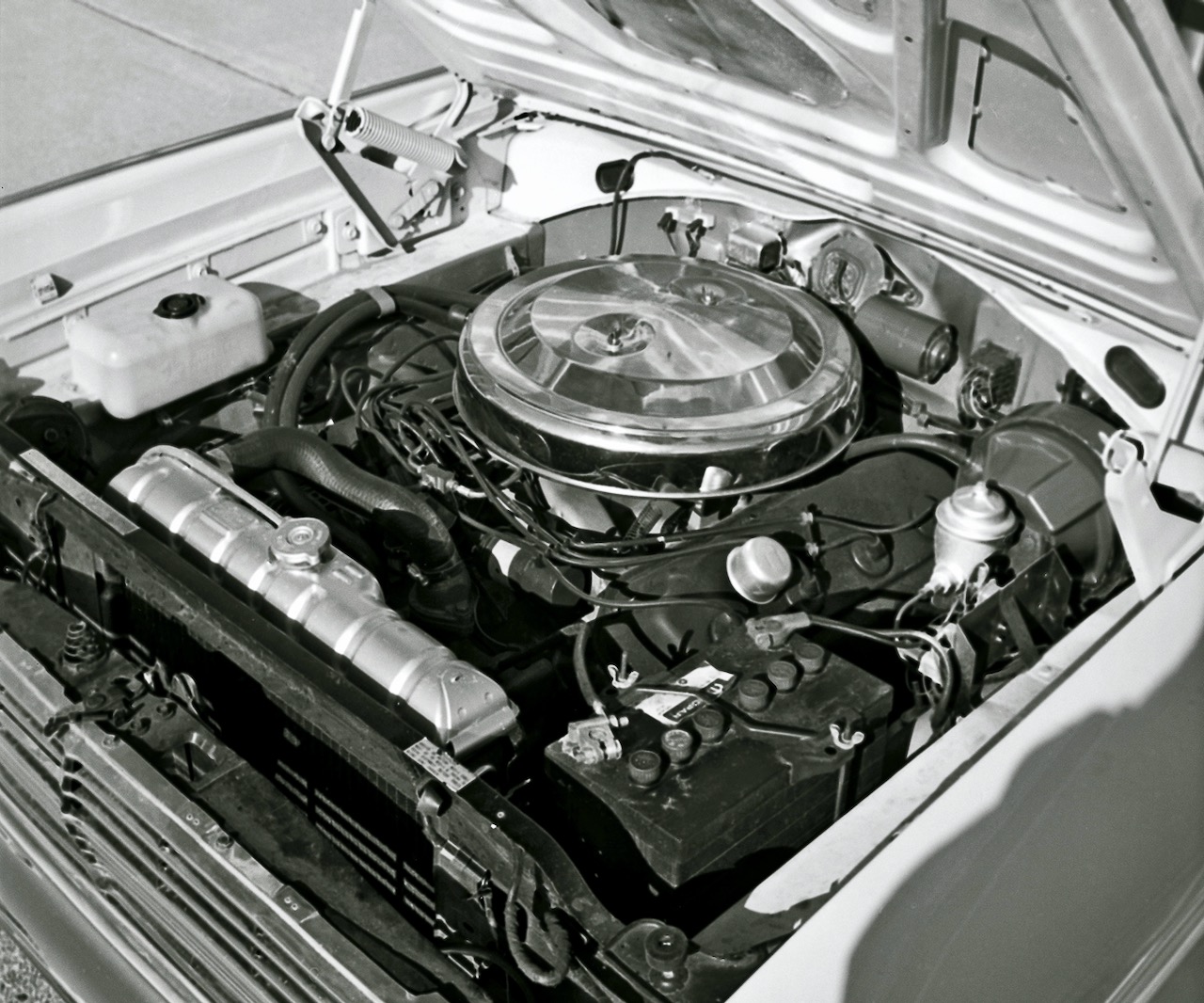
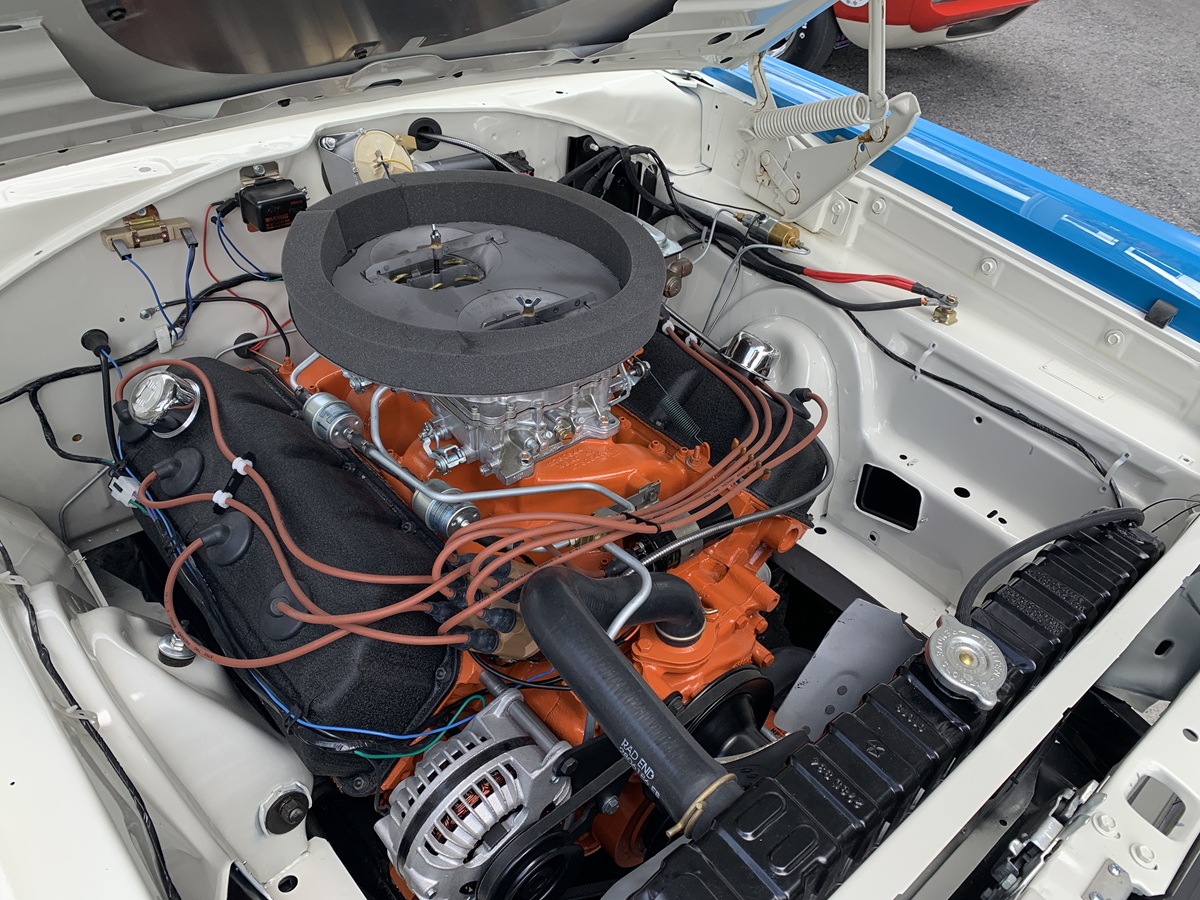
After the letter went out, NASCAR officials were snickering thinking there was no way Chrysler could tame down the 426 Race HEMI engine for everyday use. They figured there was no chance on God’s green earth the engineers in Highland Park could make the HEMI livable in all-weather climates, have good drivability and even offer a factory warranty. Boy, were they wrong. 426 HEMI Godfather Tom Hoover quickly assembled the troops in early 1965 to investigate what it’d take to make the 426 HEMI livable on the streets. They came up with a plan that would reduce the compression ratio to 10.25:1 so that any corner gas station’s premium fuel could be used. Other changes included a new intake manifold provision for heated air, inline Carter AFB carburetors with a choke on the rear carb for those early morning cold weather starts, and a less rowdy camshaft with reduced duration and lift, while still pumping out 425 horsepower. After months of testing and evaluation, the 426 Street HEMI was born ahead of schedule and shown to the motoring press at Chrysler’s Chelsea Proving Grounds in August of 1965.
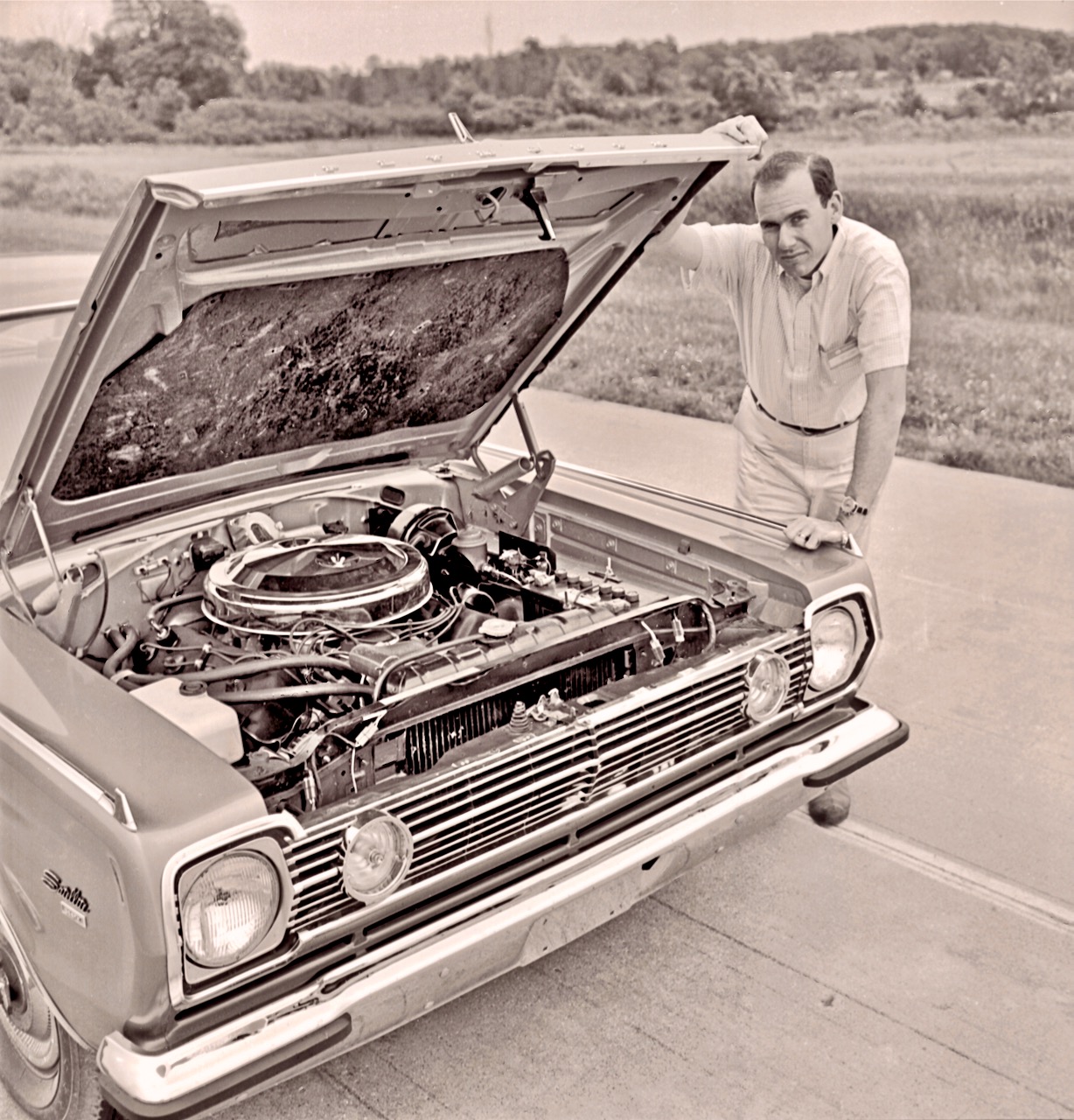
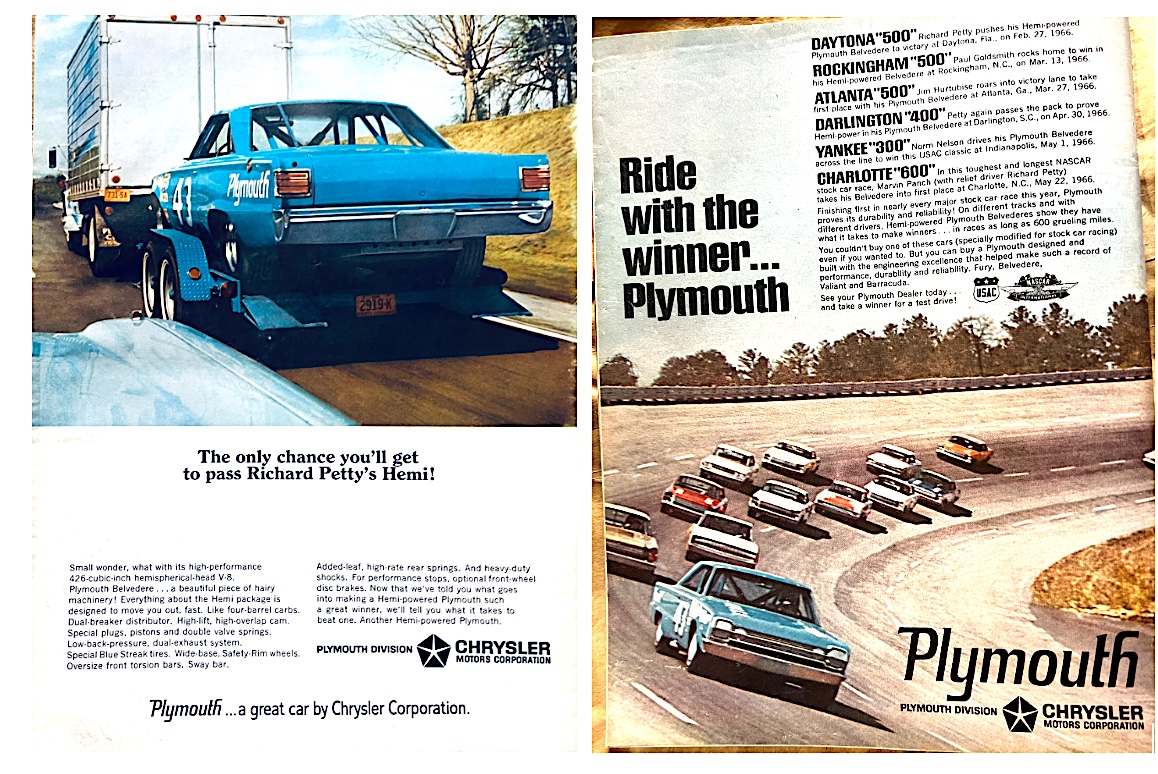
It was now a regular production option, but an expensive one. With a manufacturer’s suggested retail price of $907.60 for the HEMI engine, it was not cheap, but it was finally available for civilian use and ended up in the 1966 Dodge Charger/Coronet and Plymouth Belvedere/Satellite lineup. The new 426 Street HEMI was well received by consumers, the media and, most important, it was now legal for competition within NASCAR. Richard Petty’s blue Plymouth was back to its winning ways. But more important than image, winner’s circles and trophy queens, the 426 Street HEMI engine proved its worth from a sales standpoint. More consumers were hip and checking the right box on the order sheet.
Now Street HEMI engine-powered bare bones Plymouth and Dodge sedans were showing up en masse on the streets, and at many NHRA and AHRA events. With Top Stock becoming a popular class for new factory high-performance production machines, the Elephant was again devouring its prey. The victims included Pontiac GTOs, Olds 442s, 390 Ford Fairlane and Mercury Cyclones, and those pesky 327 small block Chevy IIs, and big block SS 396 Chevelles. The 1966 426 Street HEMI may have lacked the swanky and glitzy looks of its crosstown rivals, but the air being sucked down its twin Carter AFB carburetors, combined with the sound of its throbbing exhaust and screeching tires begging for mercy, more than made up for the Madison Avenue extravagant hype found on the Brand X machines.
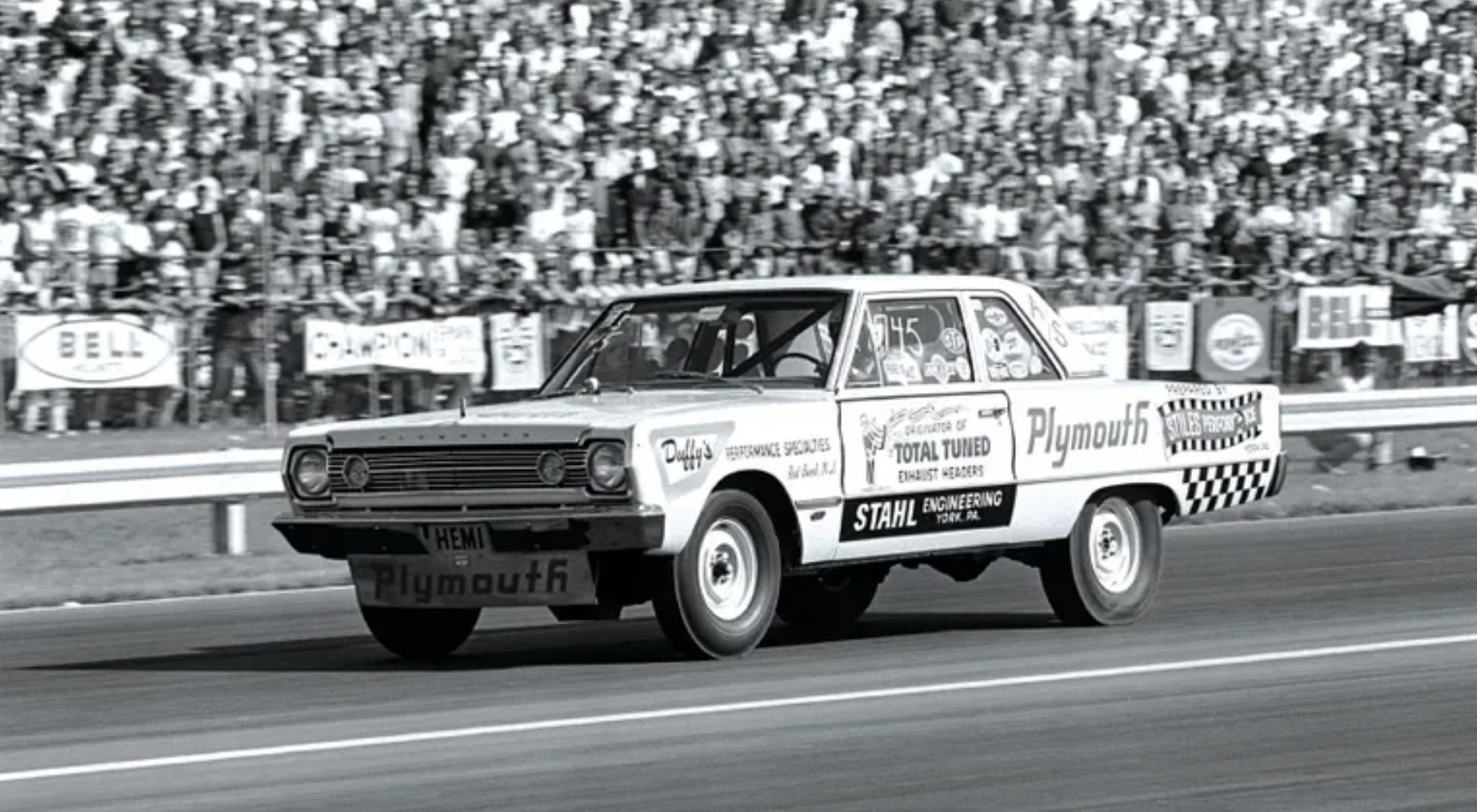
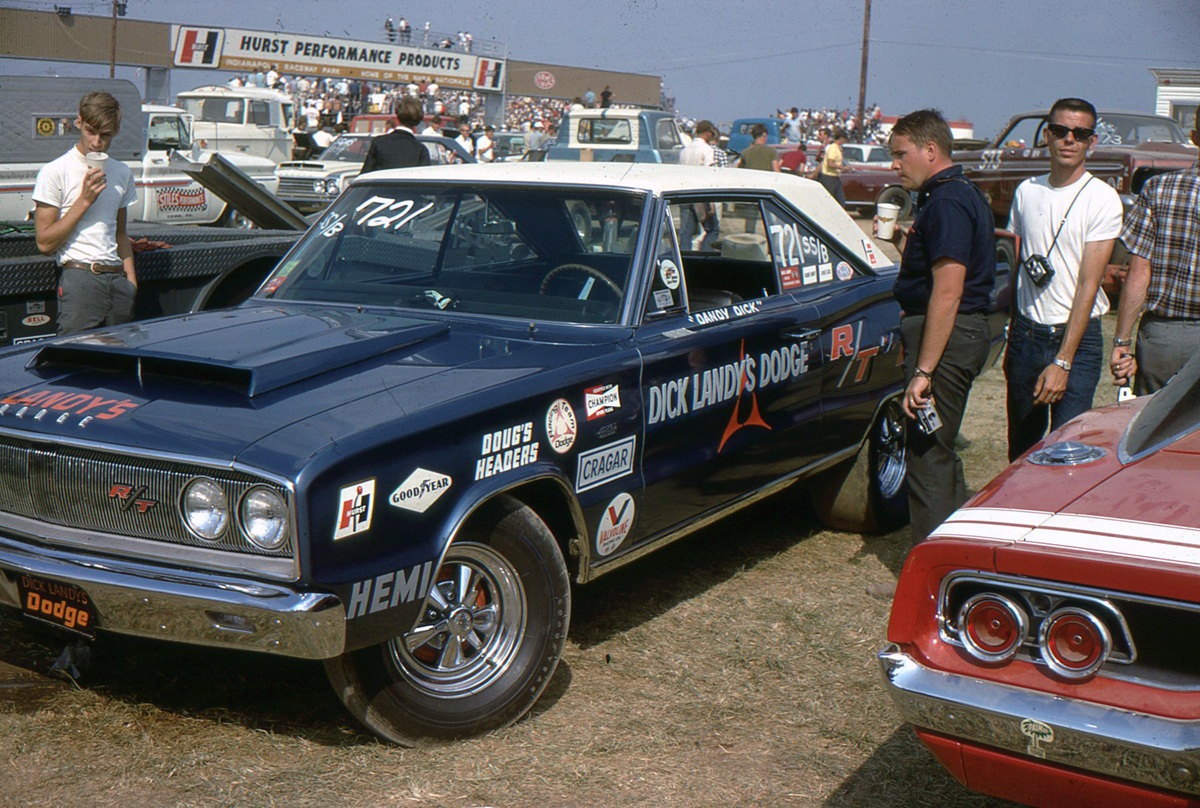
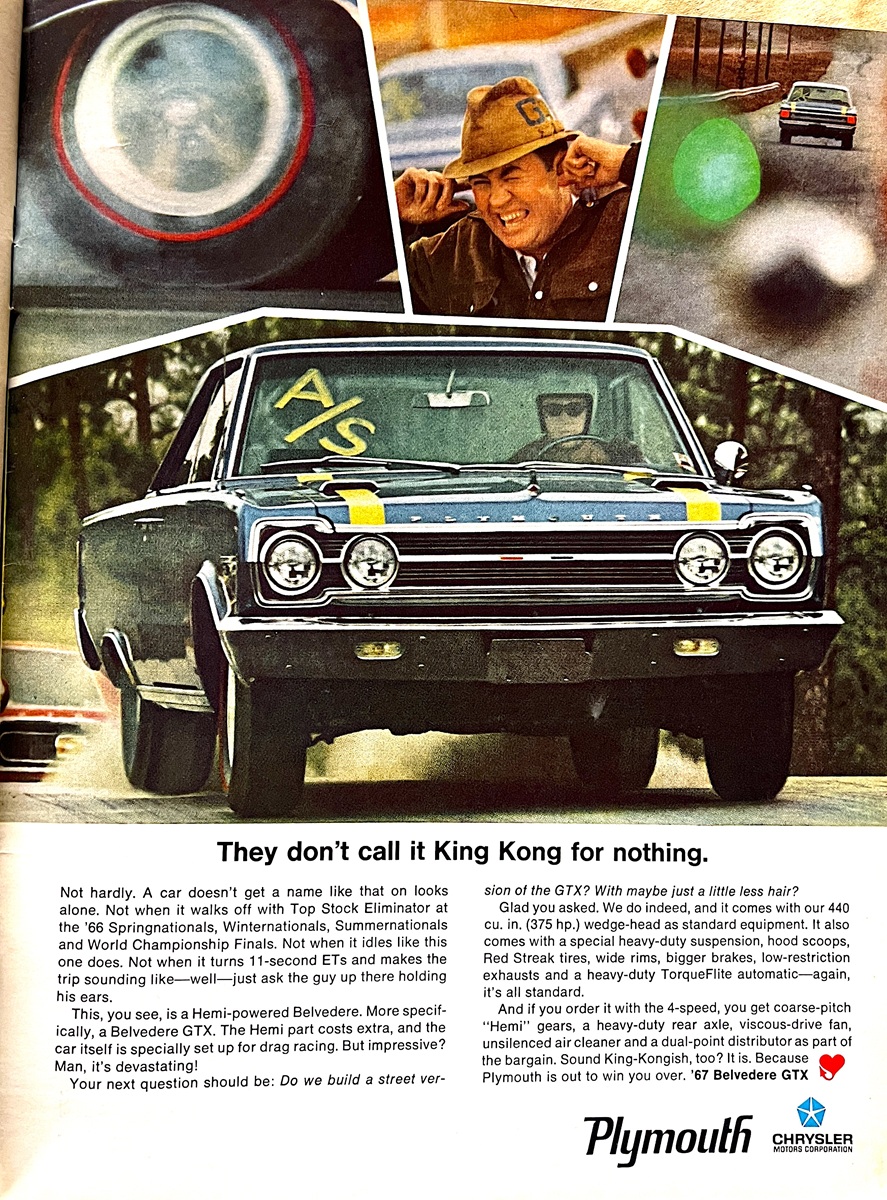
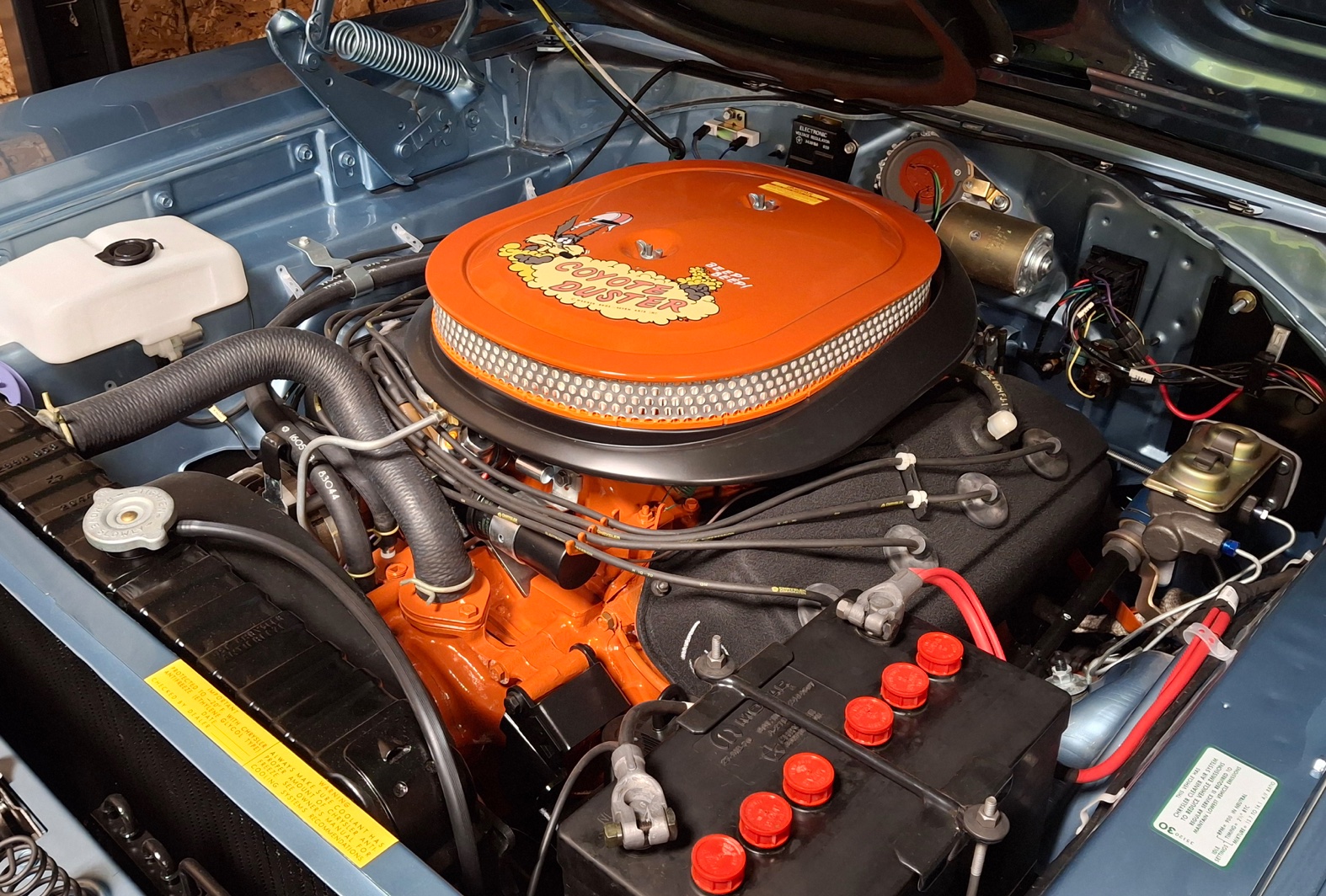
When 1967 rolled around, the 426 Street HEMI engine remained virtually unchanged, but now it was paired with Dodge and Plymouth’s recent addition to the ongoing muscle car feuds, the Coronet R/T and Belvedere GTX. Chrysler even offered a more hopped up version of the 426 Street HEMI in plain white Coronet 440 and Belvedere II trim lines. The HEMI engine received a revised intake manifold, hotter transistor ignition system, trunk mounted battery and other go-fast goodies like an aluminum hood scoop. The interior came with a black bench seat and was devoid of a heater, radio and sound deadening. Dubbed “WO” for Dodge and “RO” for Plymouth, these Street HEMI Package Cars were built in limited numbers with either a four-speed or automatic transmission option. While created for Super Stock Eliminator, NHRA quickly changed the horsepower rating and shipping weight to factor them around various classes while the factory racers badged them with R/T or GTX nameplates to promote the new performance models.
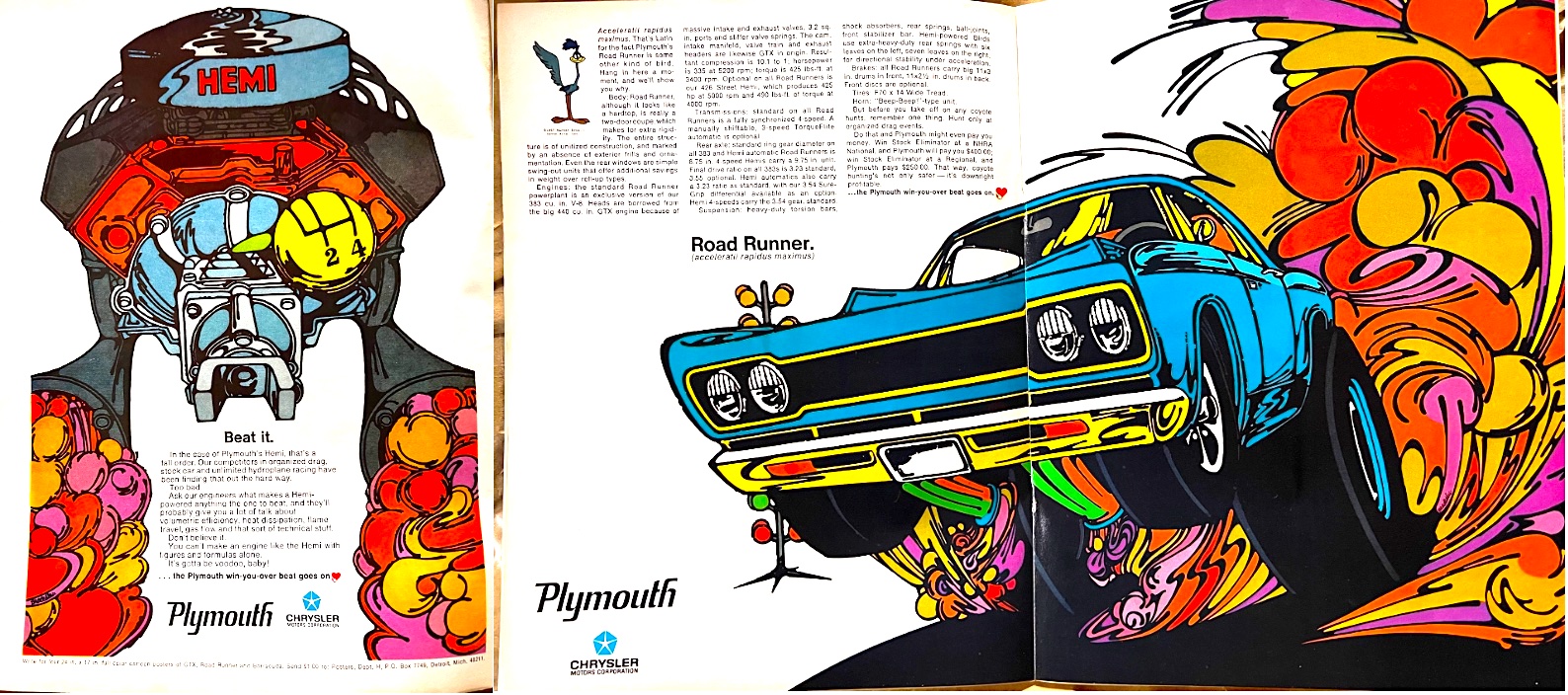
For 1968, the 426 Street HEMI found a new home in the new Dodge Super Bee and Plymouth Road Runner. Internally, the engine received a hotter mechanical camshaft over the 1966-67 models as Chrysler Engineers would later admit they were too conservative on the original specs. As in the ads for the 1966-67 Coronets and Belvederes, the 426 Street HEMI got even more of a shoutout in 1968. So much so, Young & Rubicam, the ad agency for Chrysler/Plymouth, did a colorful psychedelic full-page ads on the new Road Runner and 426 Street HEMI proclaiming “It’s gotta be voodoo, baby!”
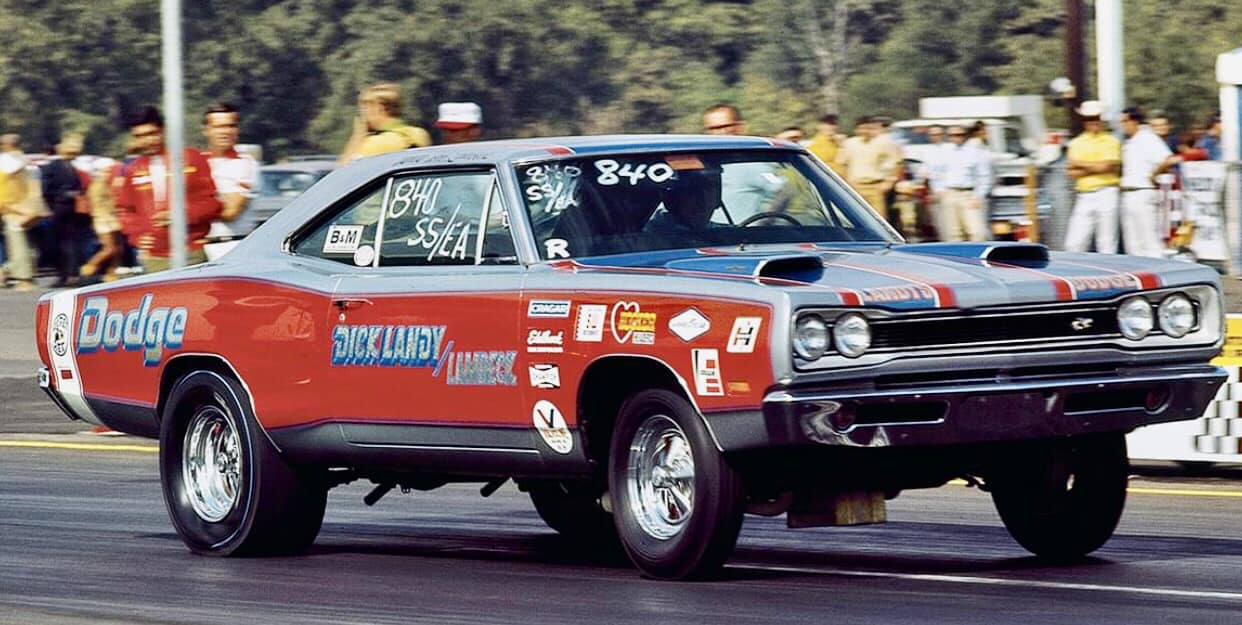
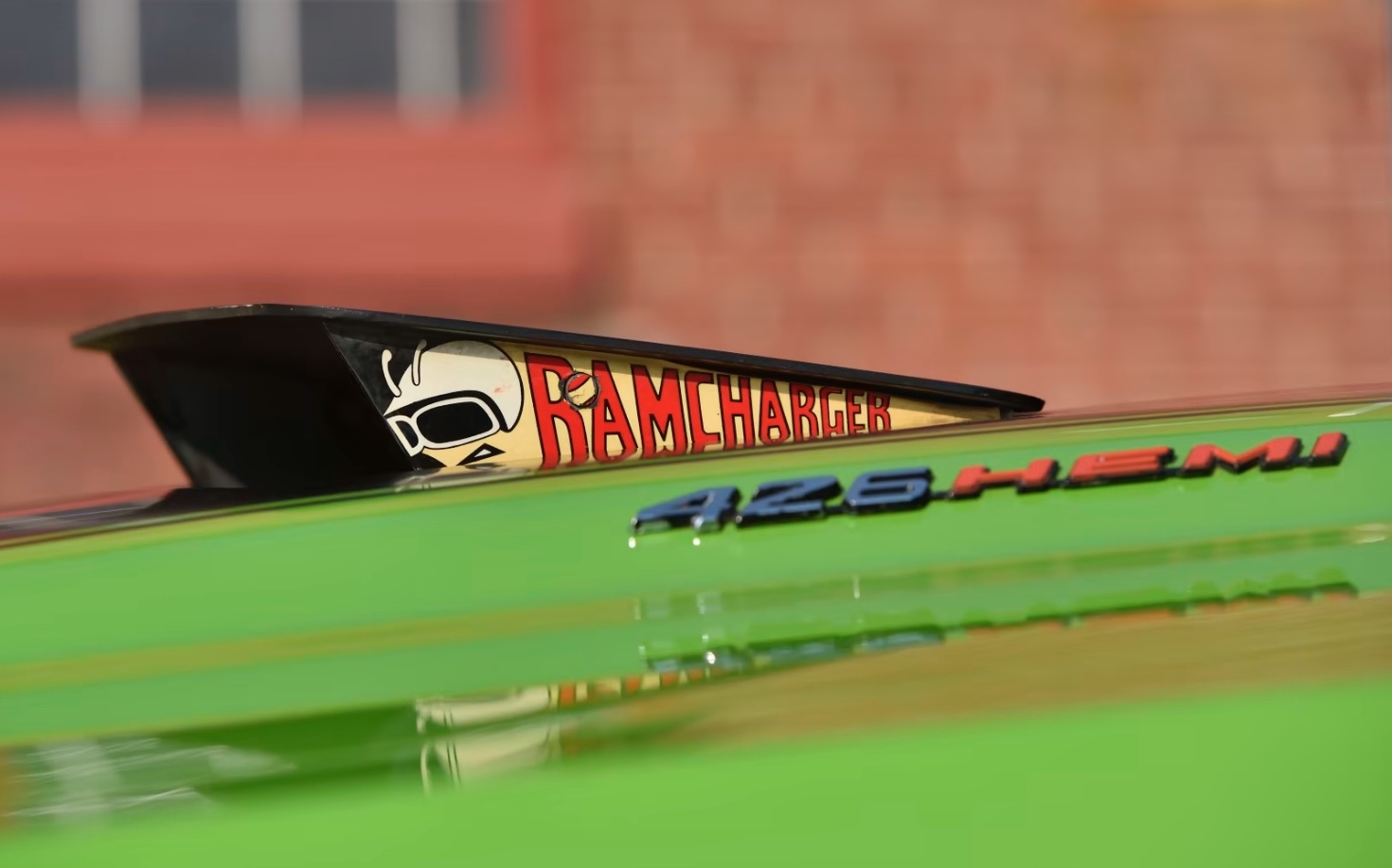
The following year, 1969, a special “Ramcharger” or “Air Grabber” cold air induction system was standard on Coronet R/T, Super Bee, GTX and Road Runner when ordered with a 426 Street HEMI engine. It featured a functional hood scoops or vents sealed to an under hood air box that sat over an open-element air cleaner. Once again, the take rate on the HEMI engine option remained consistent, and Chrysler’s factory-backed drag racers were competing all over the country with the Street HEMI.
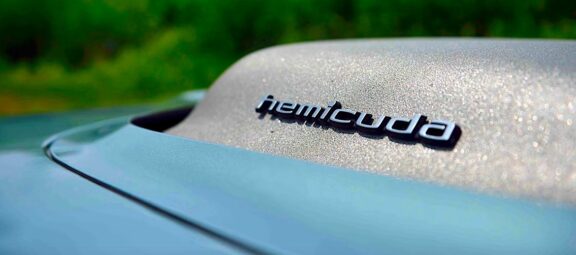
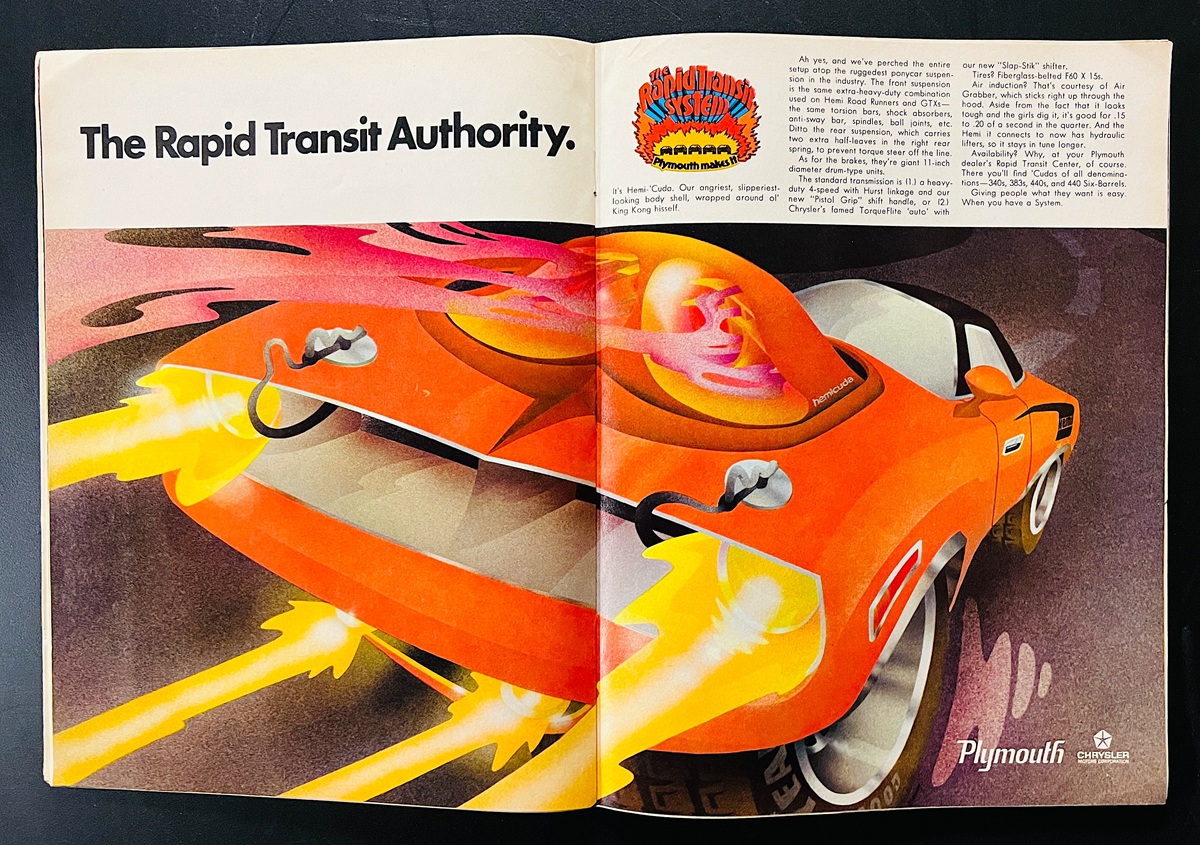
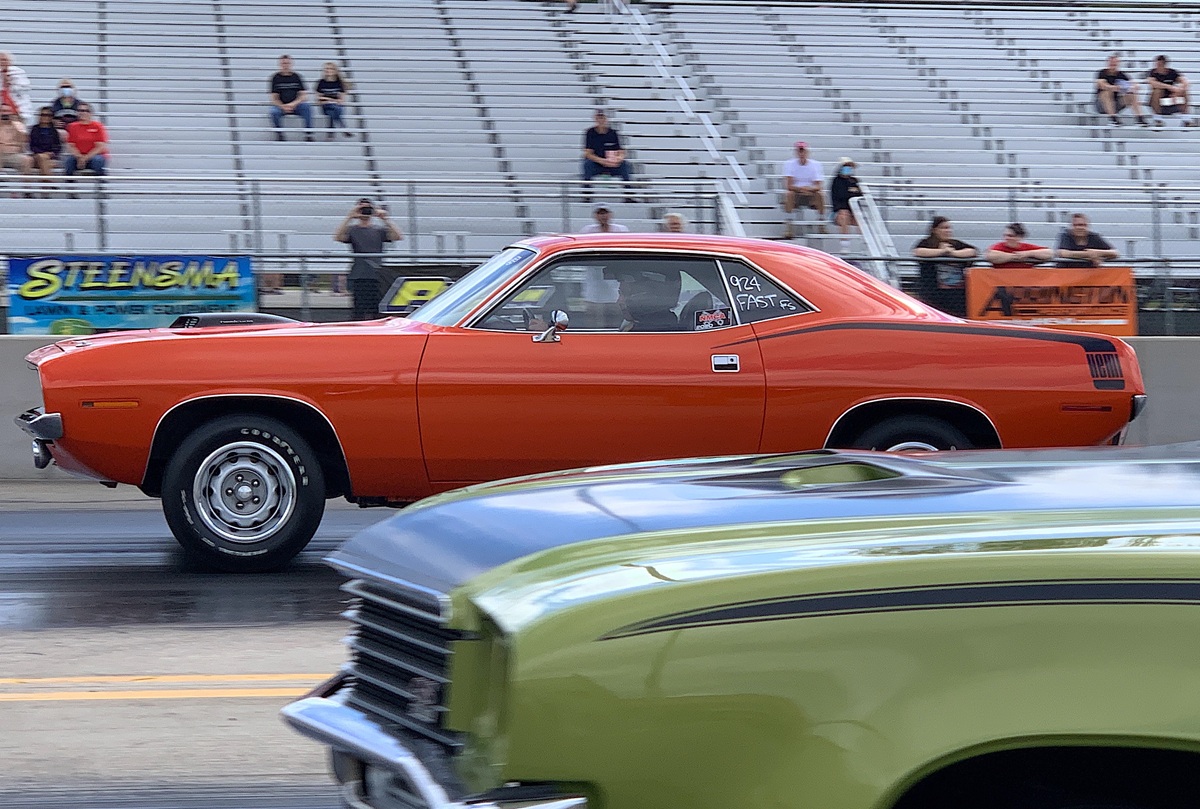
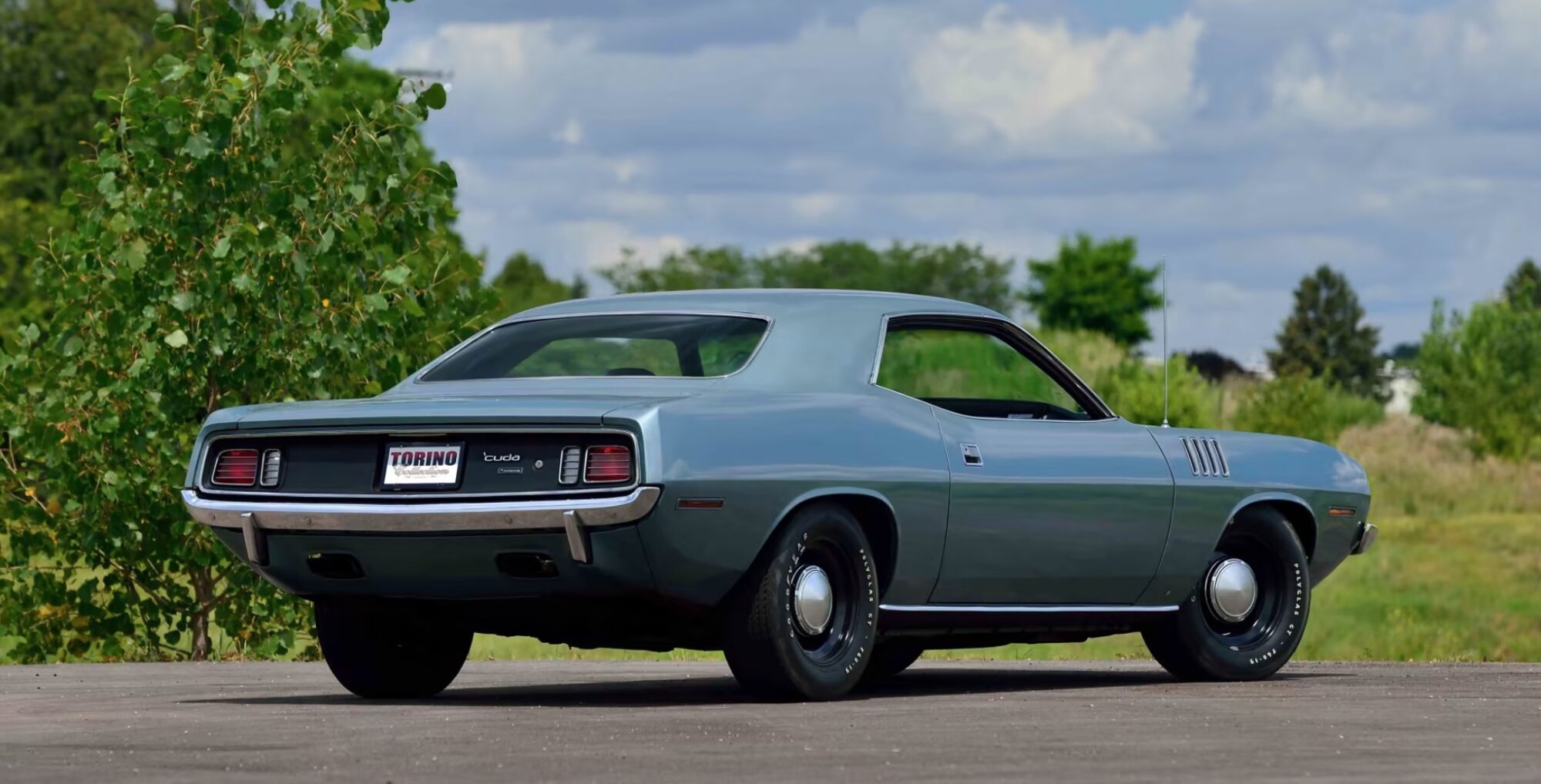
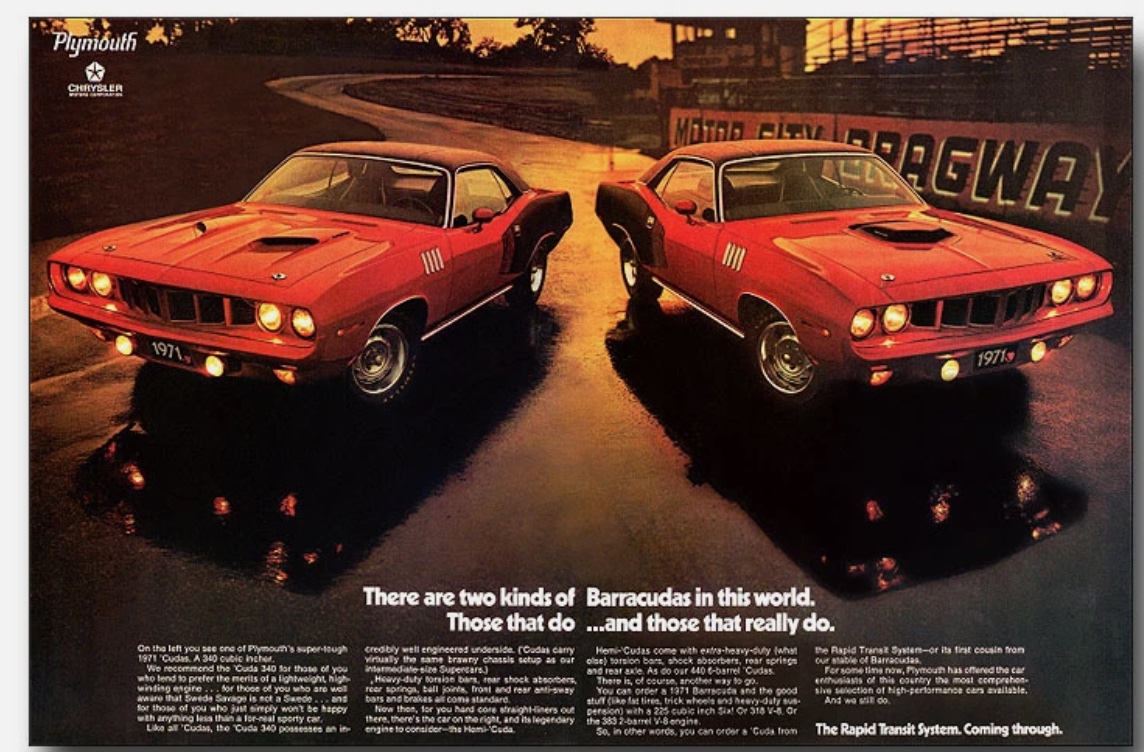
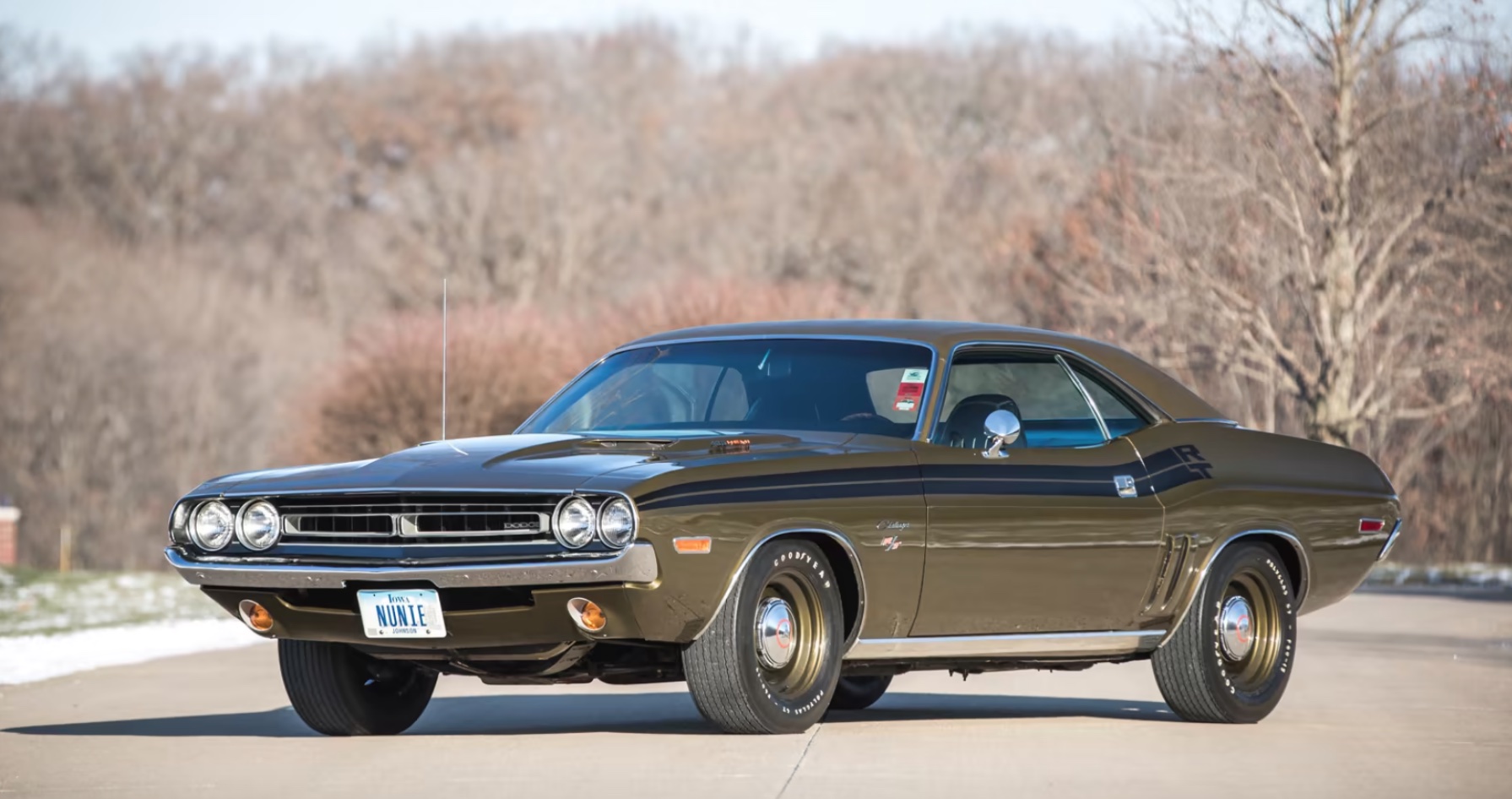
For the new decade, the 426 Street HEMI’s camshaft was now hydraulic to reduce costs, but the bigger news came with Chrysler’s all new E-body platform that launched in 1970. The stylish and sexy Dodge Challenger and Plymouth Barracuda had jumped into the performance Pony Car market with both feet, and the 426 Street HEMI took on all would-be contenders. A massive advertising campaign would entail touting the Plymouth HEMI ’Cuda, while the Challenger R/T would list the HEMI as an option in its marketing materials.
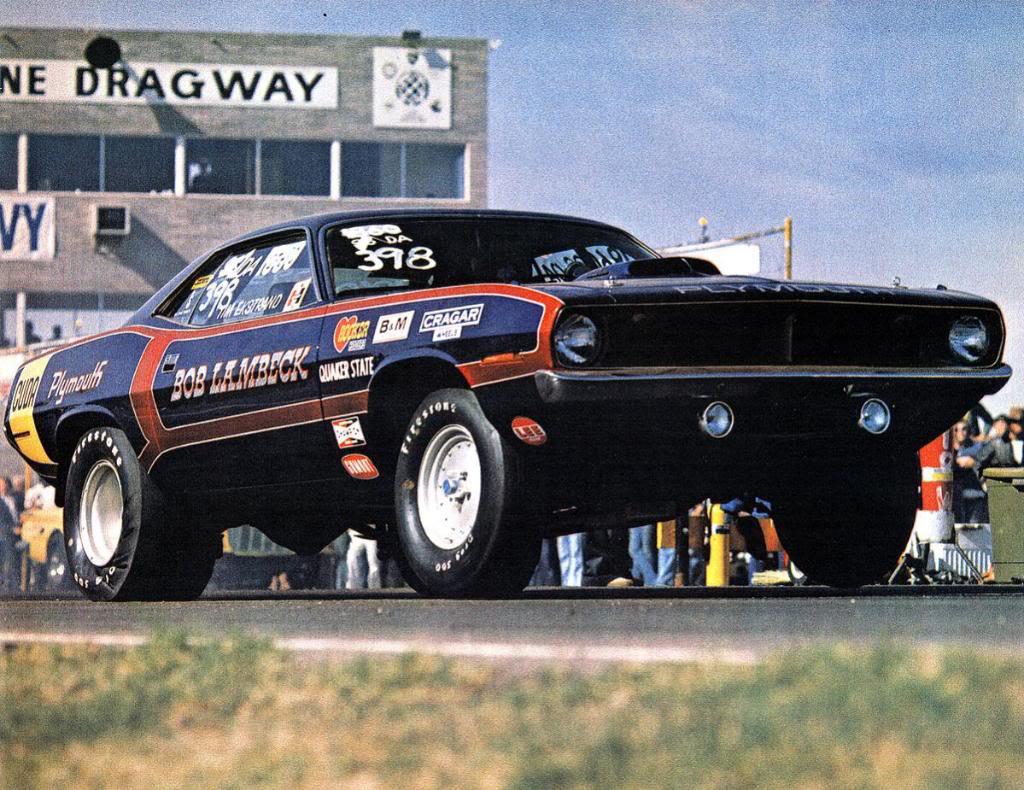
During the 1970 NHRA season, HEMI engine-powered ’Cudas and Challengers found a home in the NHRA’s SS/DA class and battled it out running heads-up against 427 Camaros and even the 1967 Coronet and Belvedere Street HEMI Super Stockers. The war of drag strip dominance continued for decades.
The final year for the 426 Street HEMI would be 1971. High insurance rates and a shaky domestic economy impacted sales. Some buyers still opted for performance cars, they didn’t want to deal with the ramifications of a snarling HEMI engine bred from racing. There was also increasing government emission requirements, and Chrysler’s product planners made the decision to cancel the 426 Street HEMI. It took its last gasp of air after the 1971 model year.
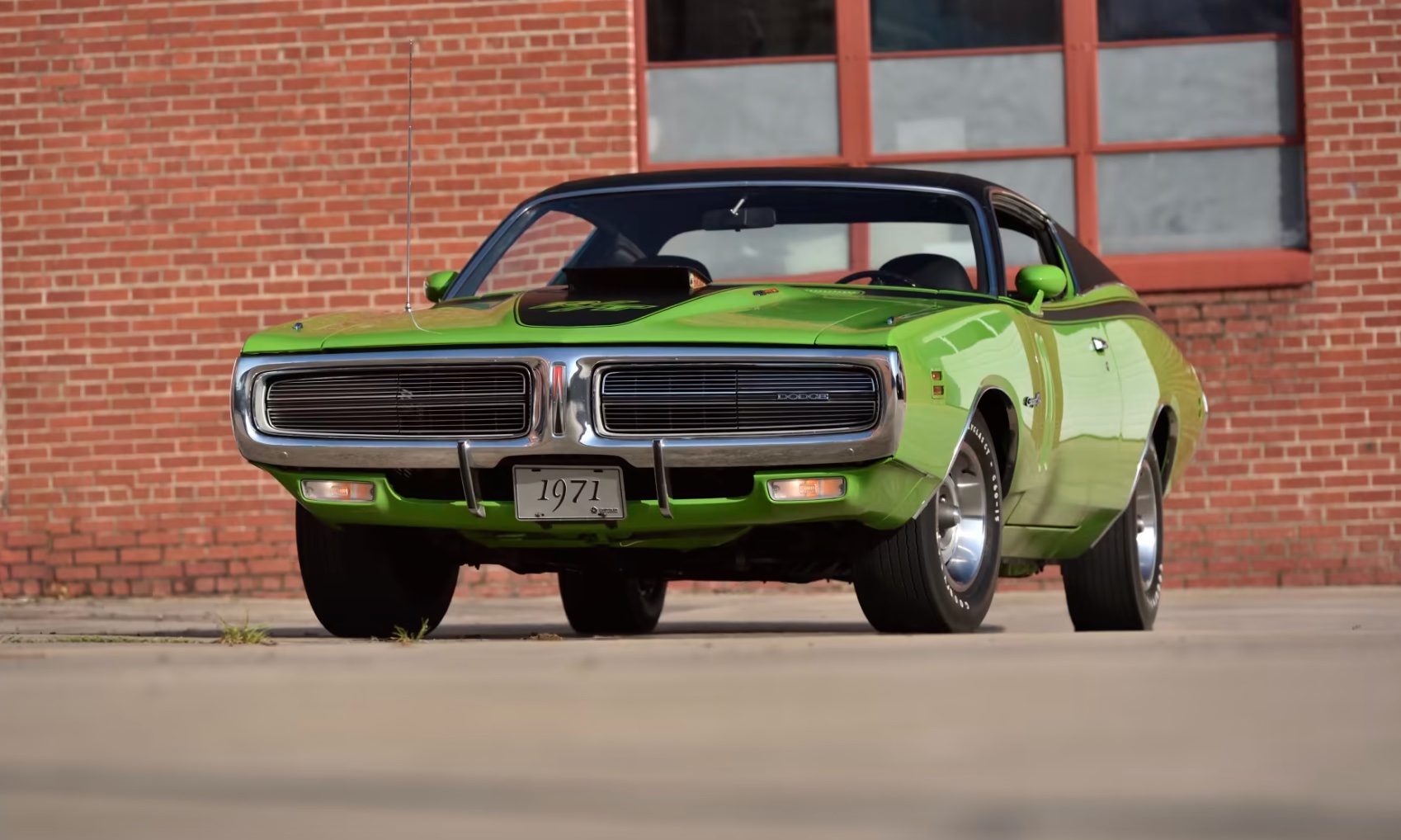
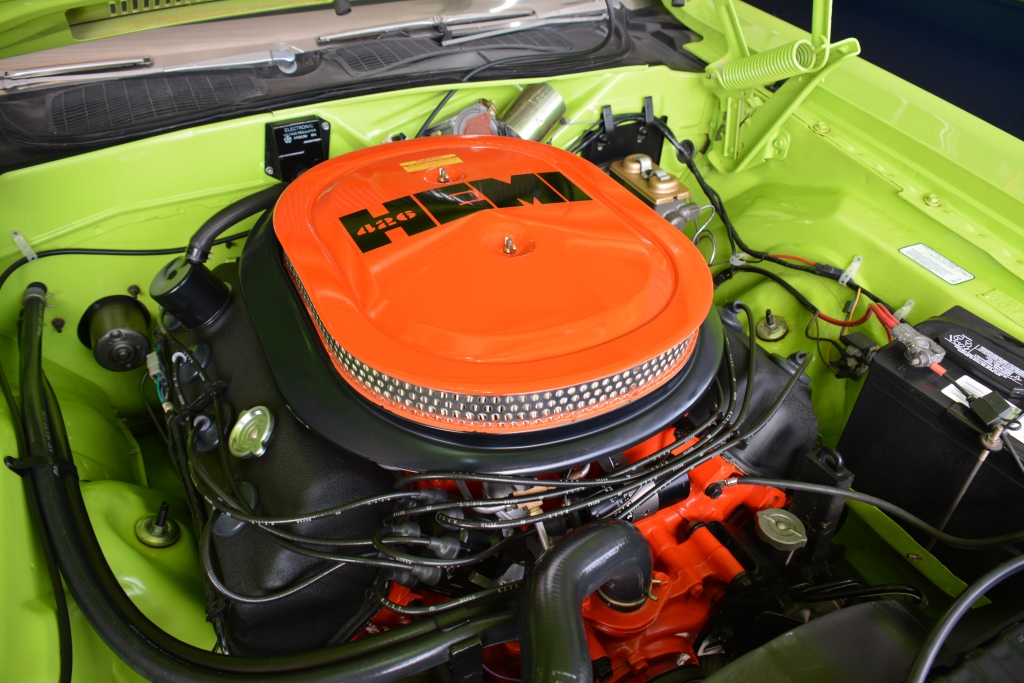
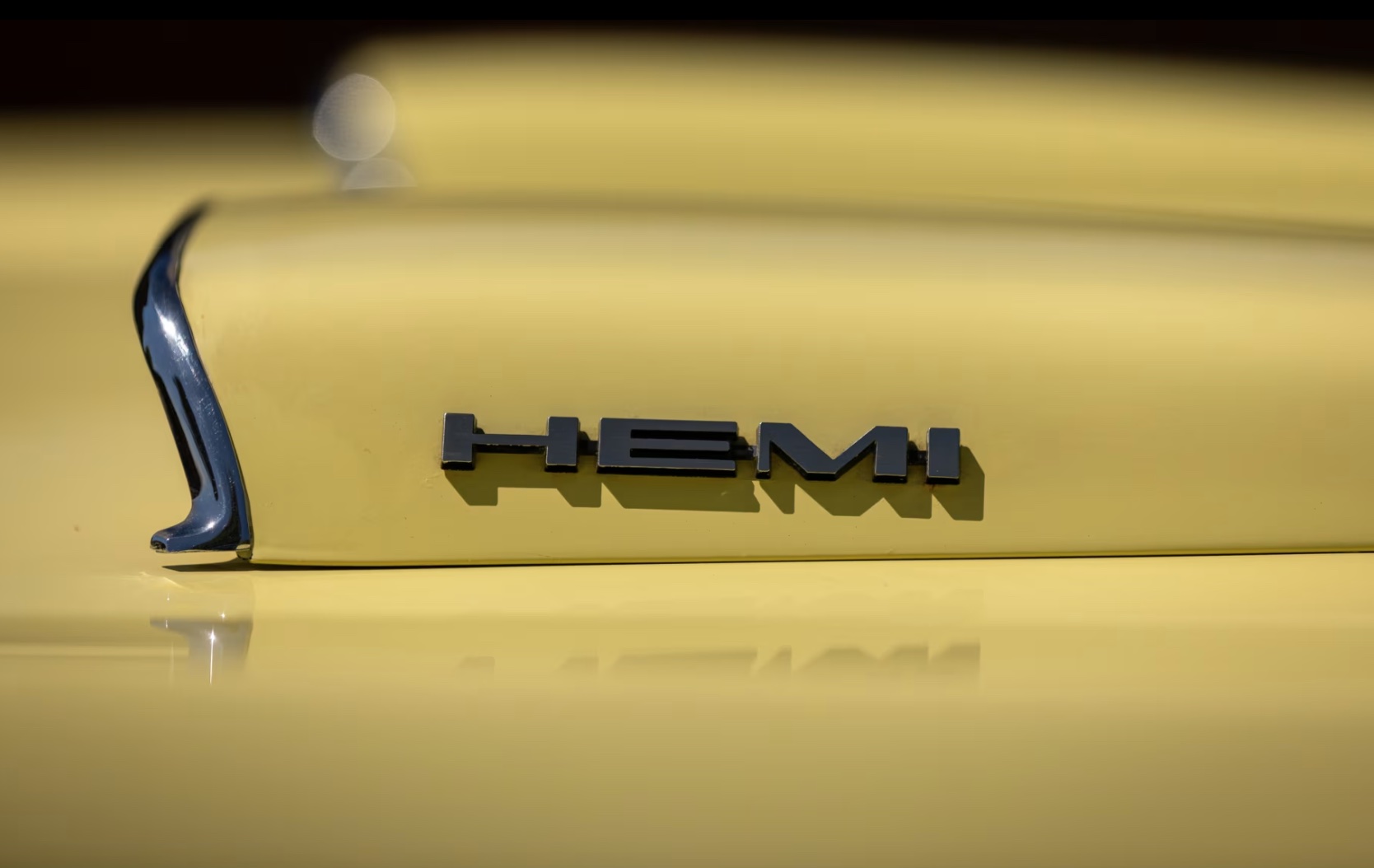
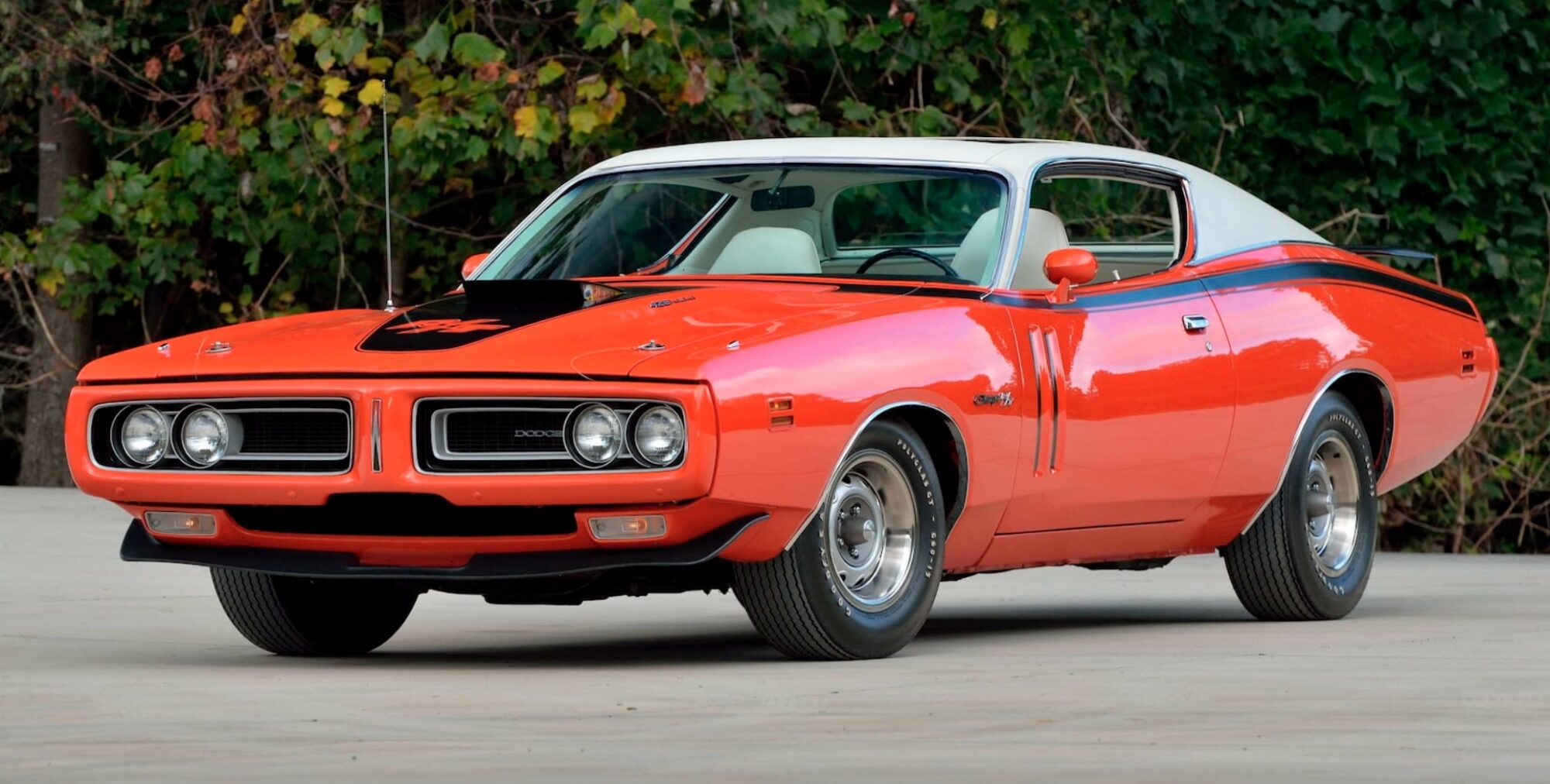
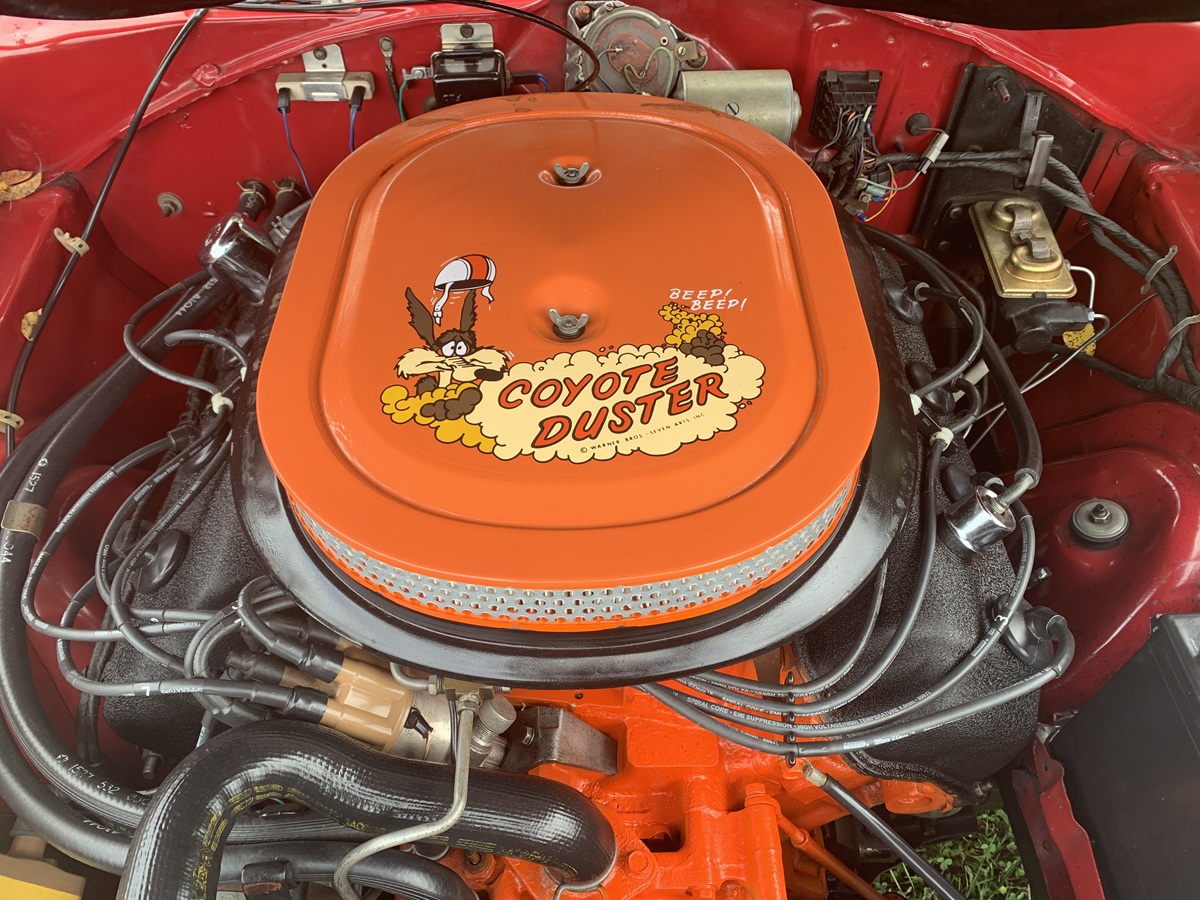
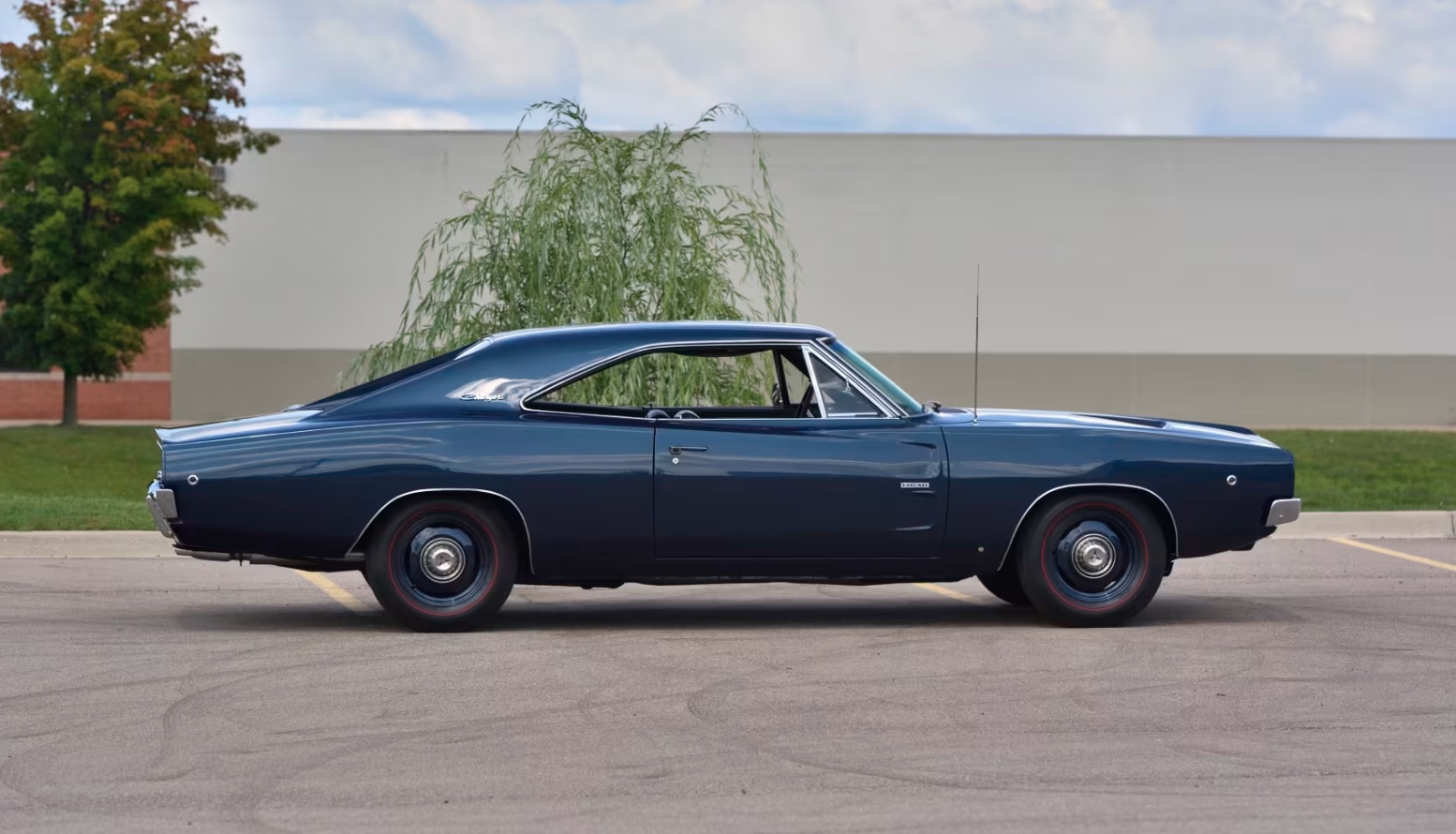
So, Happy Anniversary to the 426 Street HEMI. It may have been the sedate version of this iconic powerplant created to destroy the competition, but its presence is still felt even after 60 years. Here’s a look at some great examples of these beautiful boulevard behemoths!
0 Comments