Trailblazing Mopar® Drag Racer Bob Lambeck – Part 2
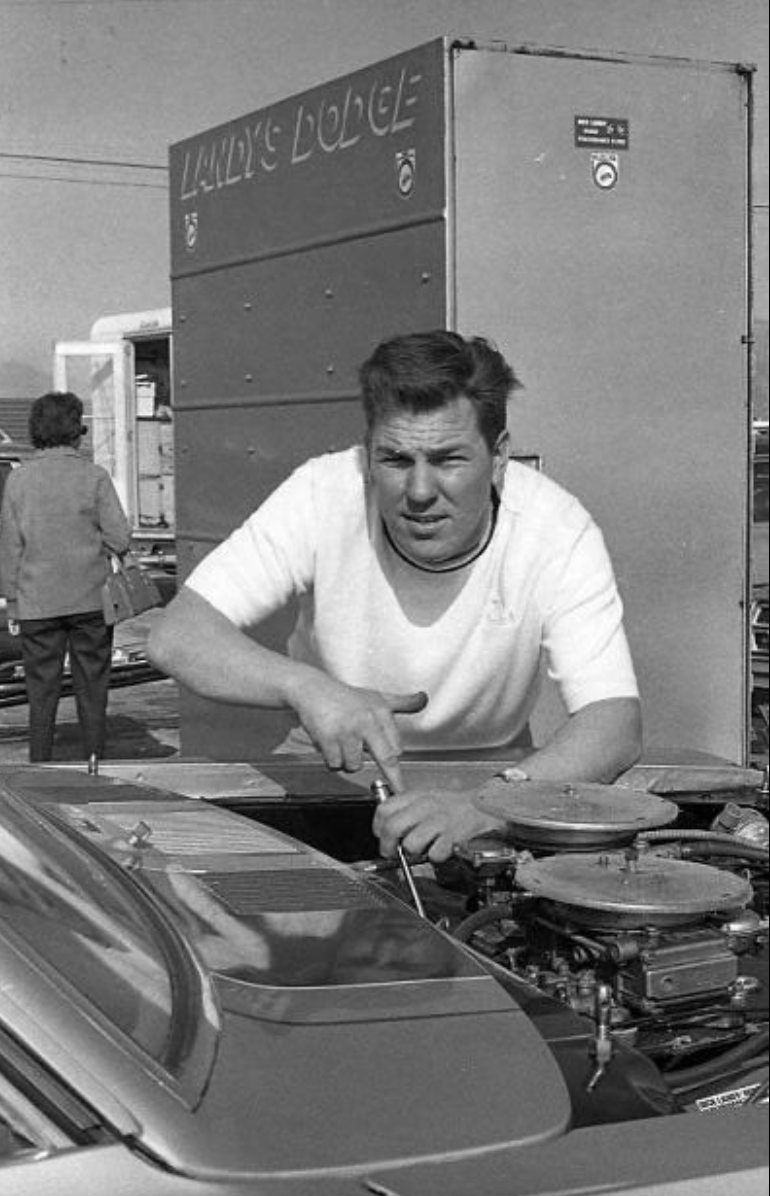
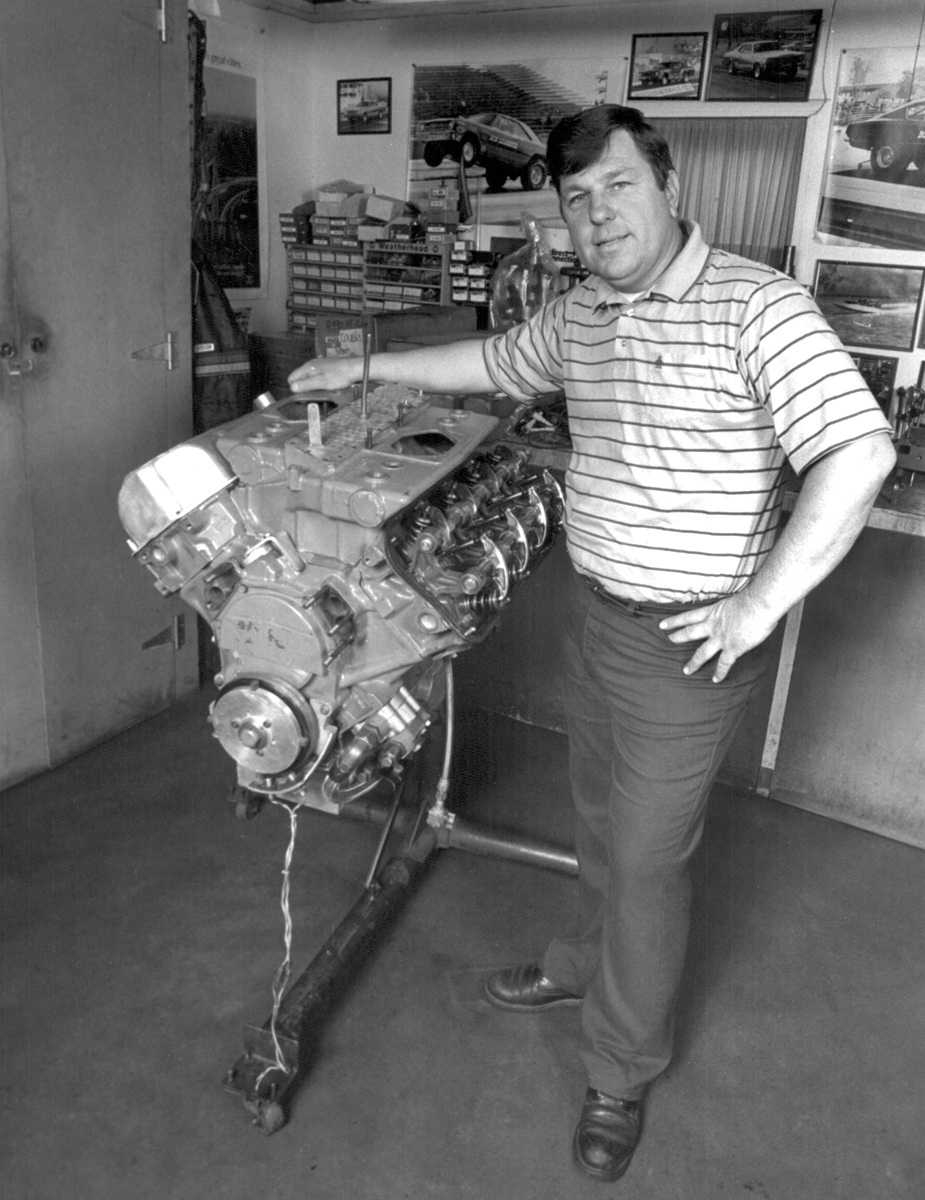
In Part One of our feature ‘TRAILBLAZING MOPAR® DRAG RACER BOB LAMBECK’, we looked at his journey during the 1960s that took him from his Motor City roots to Southern California. As an independent racer, Bob’s tuning and driving prowess got noticed by Chrysler, and by 1968, he was racing a factory-backed 440-powered Dart GTS for Dick Landy. Landy was Dodge’s superstar drag racer and had a fleet of Super Stockers that included a HEMI® Charger R/T, HEMI Dart, 440 Magnum Coronet R/T, HEMI Super Bee and, by 1970, a Pro Stock HEMI Challenger. That was a busy year for both Lambeck and Landy, but like all good things, nothing lasts forever despite racking up many wins for Dodge.
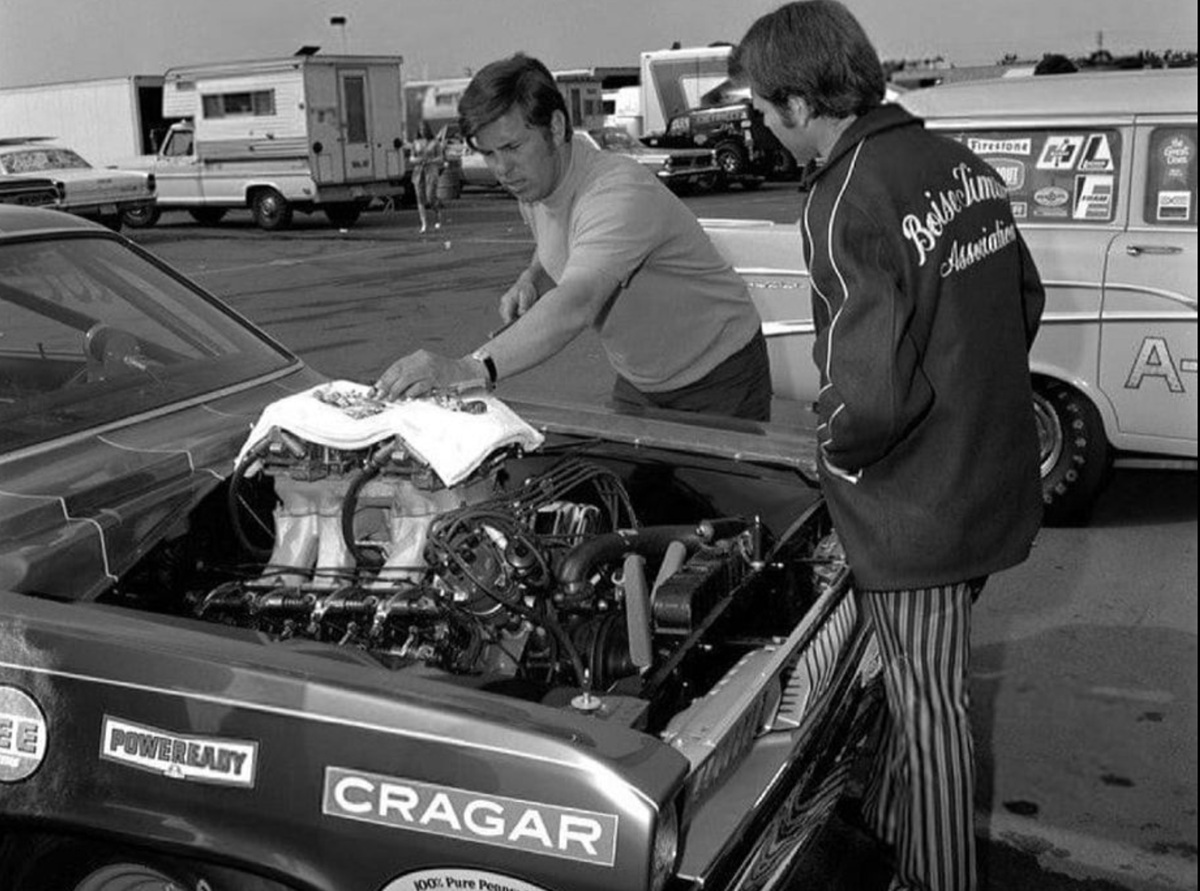
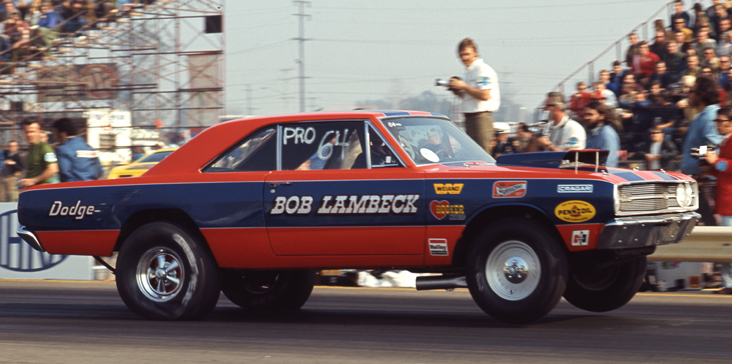
By 1971, Chrysler had to slash a big chunk of their racing budget as their forecasters were predicting a downward trend in new performance car sales. That meant Dick Landy’s budget for his Dodge sponsorship was being reduced to just one car, and the performance clinics for Dodge dealers were being cut back massively. Bob Lambeck knew he’d be on his own again as an independent racer. “At the end of 1970, I left Landy to go out on my own once again. I bought a 1968 Super Stock HEMI Dodge Dart that had been updated with 1969 trim pieces, and ran Pro Stock,” noted Bob. “The Dart came from Oklahoma and had an engine built by Don Grotheer. I paid $2,200 for it. I then took it to chassis guru Ron Butler to work his magic, and the car’s suspension worked so well, it hooked hard and was just great fast. I won many West Coast Pro Stock events in 1971!” Being a champion of a heads-up class, Bob was one of many racers who championed NHRA to create the Pro Stock class in 1970.
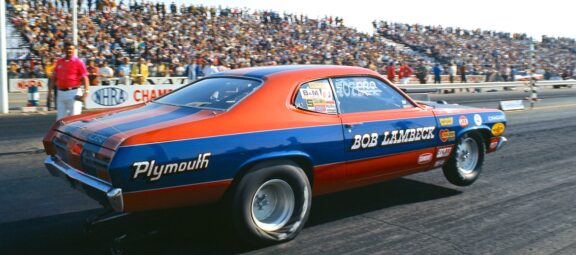
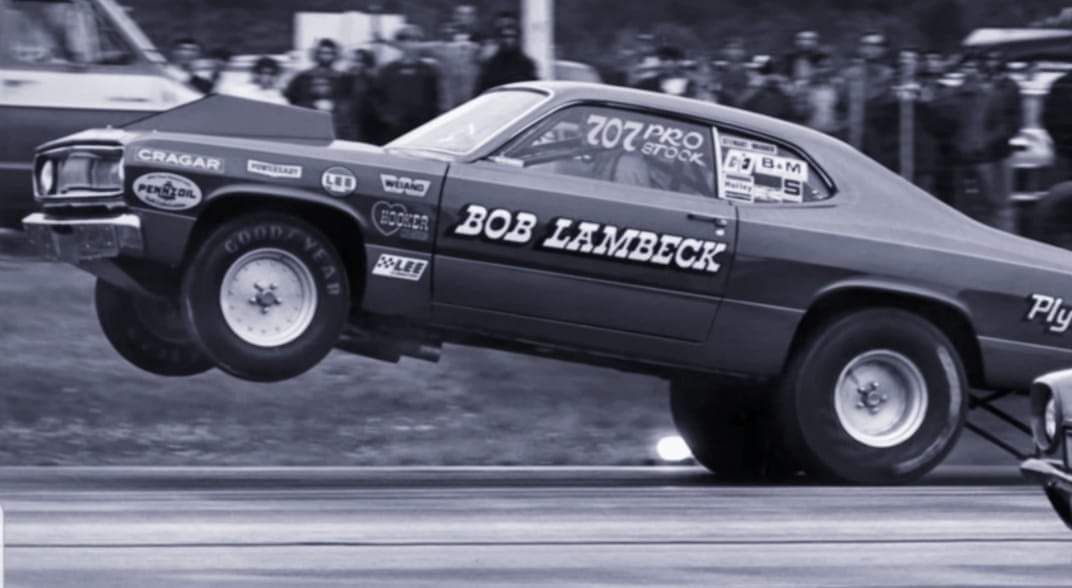
Racing on his own dime didn’t slow Bob down one bit. He was winning races on both his skills as an engine builder and tuner, but also as a season driver with many victories under his belt. After racing his converted HEMI Dart for most of 1971, it was getting tired, and Bob wanted a new racecar with the latest technology. He had a Plymouth Duster built by Ron Butler in 1971. When the new 1972 NHRA Pro Stock rules were announced, they allowed for more modifications, and that meant Bob could apply his skills even more. Ever the consummate racer, Bob wanted to compete with the best and had Butler update the Plymouth Duster Pro Stocker for Bob.
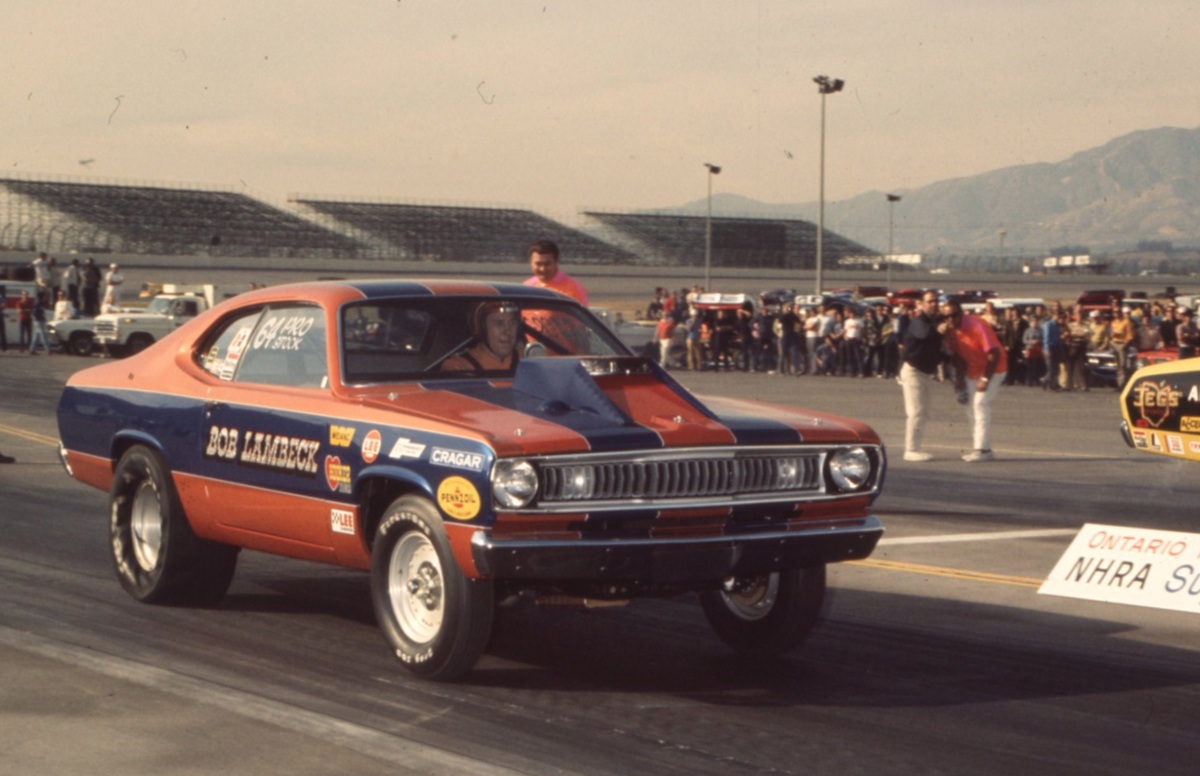
“Butler had built Leal’s Duster and Bagshaw’s Dart Sport, and the fact that his shop was close to me made sense,” said Bob. Butler’s reputation as a pioneer and even a guru in chassis and suspension science even got the attention of Chrysler’s Race Group back in Detroit, as they sent some engineers to Ron’s shop to study four-link rear suspension setups. Throughout 1972 and into 1973, Bob defeated some heavy-hitters in Pro Stock despite being handicapped with weight breaks imposed by the NHRA technical committee that had the HEMI Pro Stockers carrying more than 200 pounds than their Chevy and Ford competitors.
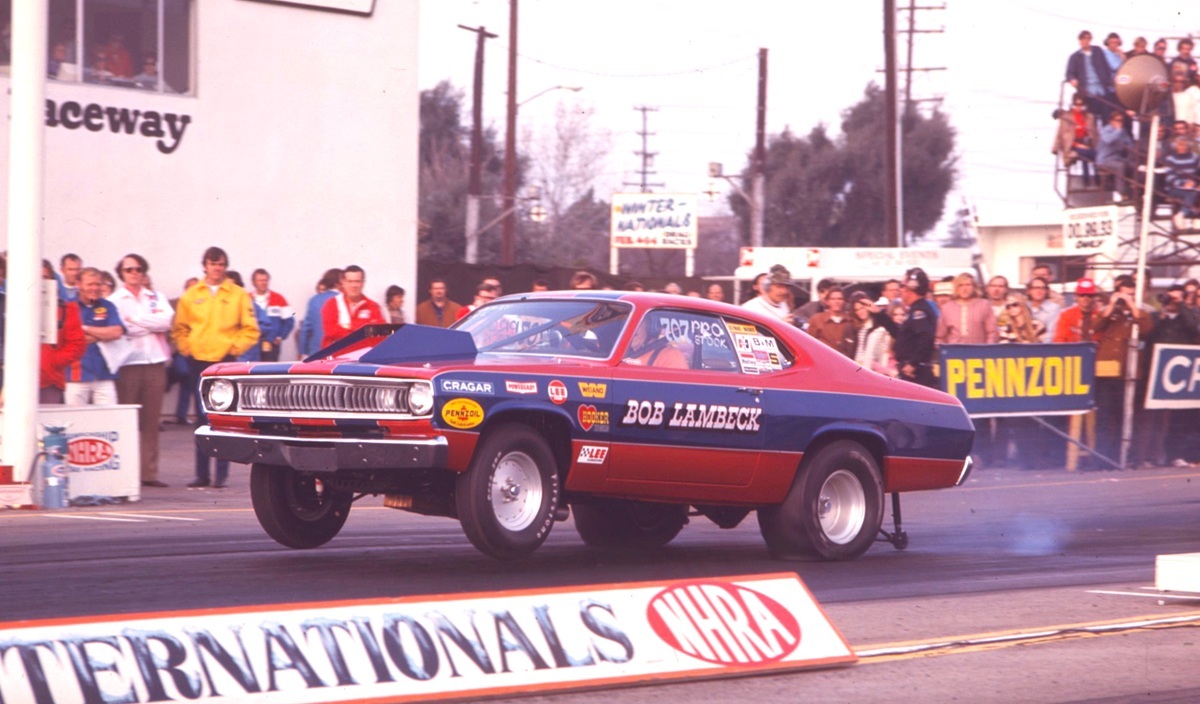
“I ran the 1973 AHRA Winternationals at Beeline Dragway, outside of Phoenix, and made it to the semifinals and beat Gapp & Roush with my four-speed but only because they (Wayne Gapp) couldn’t back up after their burnout,” Lambeck recalled. “They made a U-turn on the track and tried to stage, but they got kicked out. That was against the rules. The following weekend, we went to Pomona for the NHRA Winternationals, and many Pro Stockers were equipped with the new Lenco Clutchless transmission. During the first weekend of the rain-slowed Winternationals, Lenco-equipped cars took three of the top four positions, led by Nicholson’s Ford Pinto, Melvin Yow in Billy Stepp’s Dodge, and the Gapp and Roush Pinto took the No. 3 and 4 spots, respectively. Only number two qualifier, Bill Jenkins, who ran a 9.42 with his 1972 Chevy Vega, had a manually shifted four-speed. By the second weekend, Don Carlton in Ted Spehar’s Lenco-equipped Motown Missile Plymouth Duster ran a sensational 9.22 ET, the quickest run ever recorded by an NHRA-legal Pro Stocker at the time. By the end of the event, virtually every Pro Stock team had switched to a planetary-type transmission.”
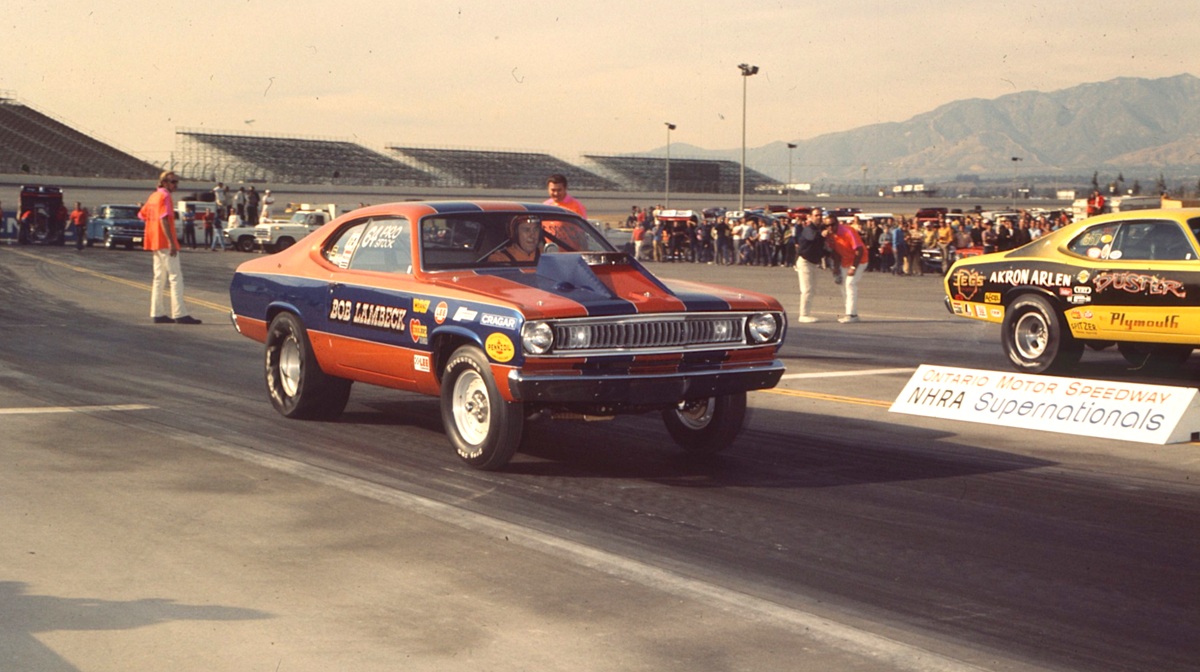
Despite the latest technology, Bob was hesitant to install a Lenco transmission in his Plymouth Duster Pro Stocker. “Jack Jones called me up and told me that I needed a Lenco, but they were $2,700 and I had three tricked-out Chrysler four-speeds in the trailer,” he recalled. “Some of the guys were still having reliability issues with the Lencos, so I decided I would stay with my four-speed until they get the Lencos worked out. Two weeks later, I went to Bakersfield, and I raced Larry Huff, who had a Lenco, on a time trial, and he drove away from me; during every gear change, Larry picked up half a car length. The next day, I ordered a Lenco transmission and picked it up later that week. I went up to Fremont and was the No. 1 qualifier, but I have to admit that the first run I made with the Lenco, out of habit, I pushed in the clutch when I shifted it.”
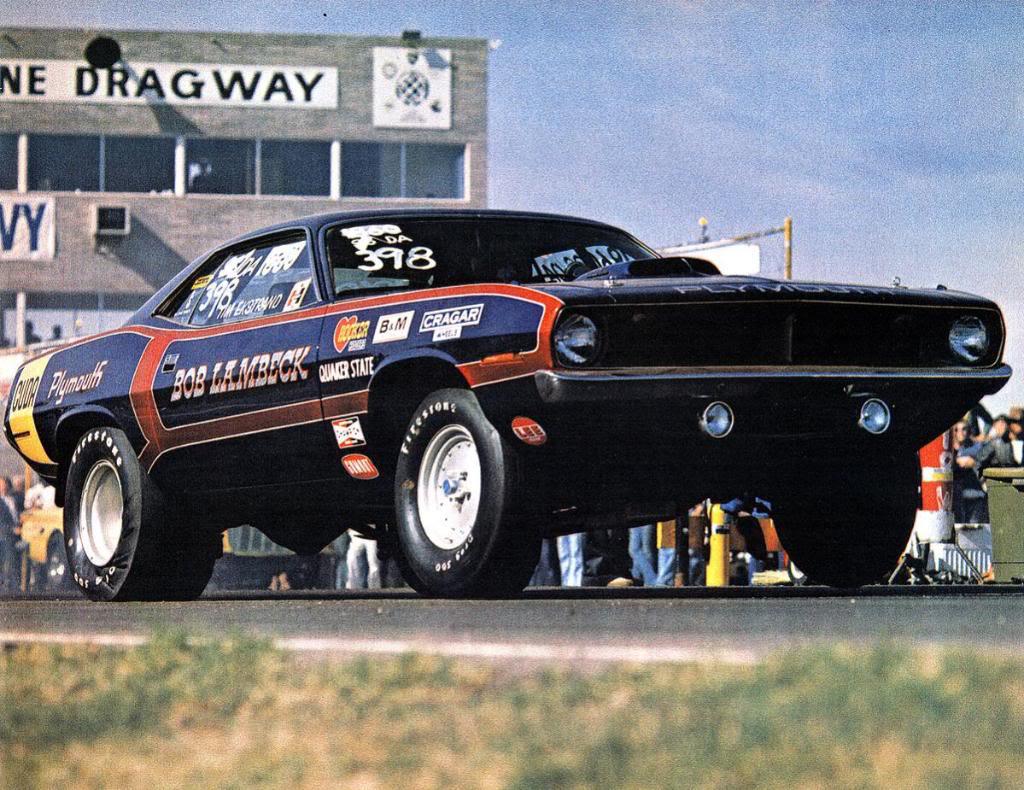
Lambeck’s Pro Stock driving career ended not long after, following a crash at Orange County International Raceway due to a mishap with the new Lenco transmission, which impacted part of his driving career, but only temporarily. “Everybody was at the track that day to see me crash. Bill Jenkins, Dick Landy, Ronnie Sox, everybody! Ironically, I was even the number one Pro Stock qualifier before my wreck. What I had learned to do was put my left foot back underneath the seat when I left the starting line. This was so I wouldn’t push in the clutch on each shift. But when I crashed, my left foot was still under the seat, and I broke my leg.”
Although Lambeck’s Pro Stock driving career ended with the crash, a few years later, he would be part of one of the decade’s biggest upsets when Bob Lambeck and Randy Humphrey’s HEMI engine-powered Plymouth Volare raced to victory at the 1979 NHRA Mile-High Nationals to end Bob Glidden’s amazing winning streak that season.
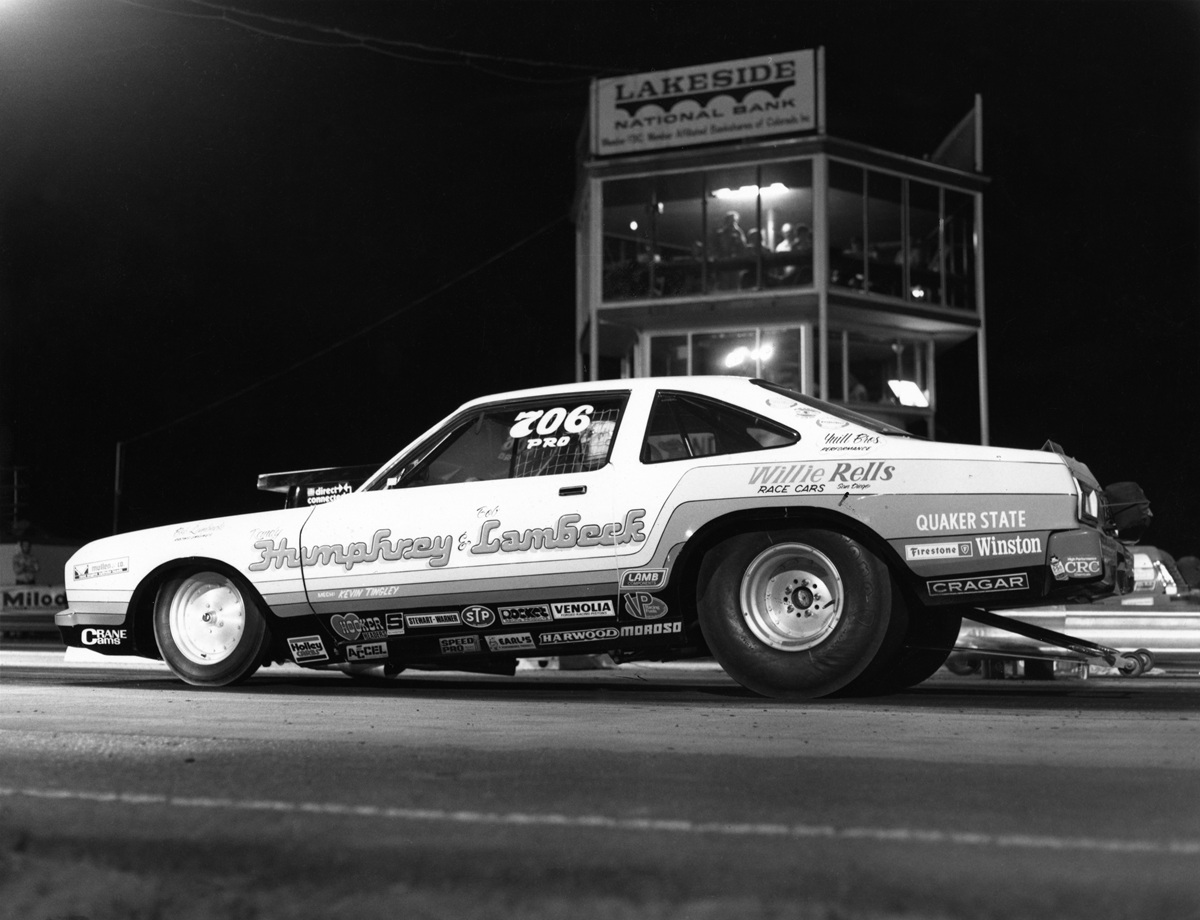
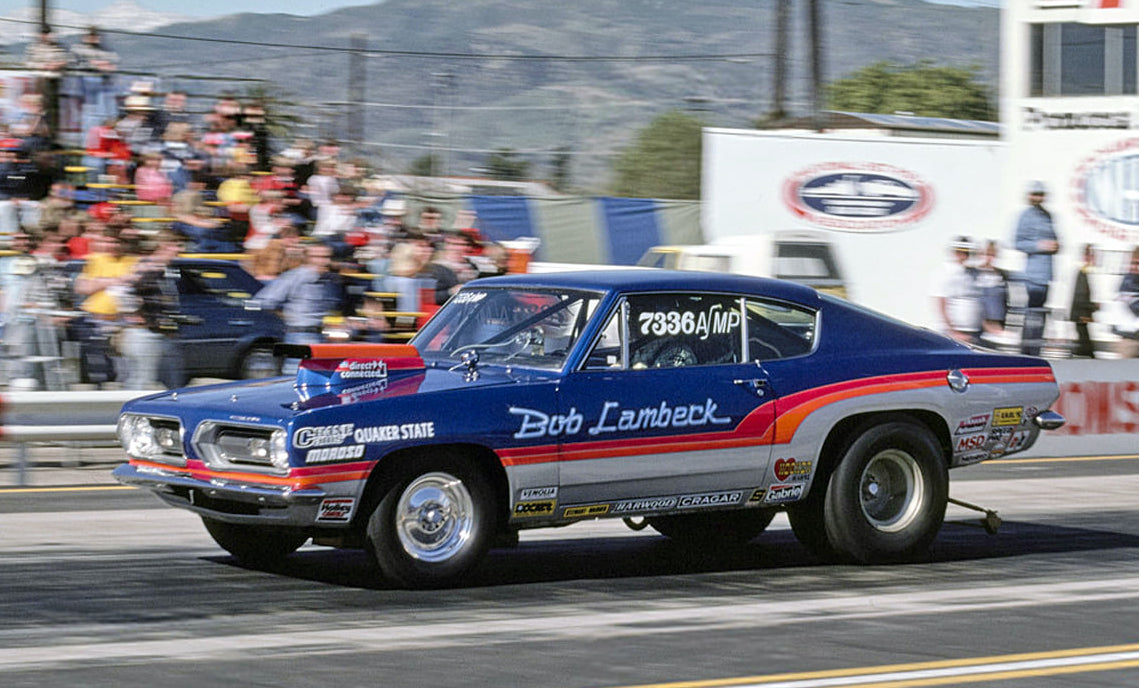
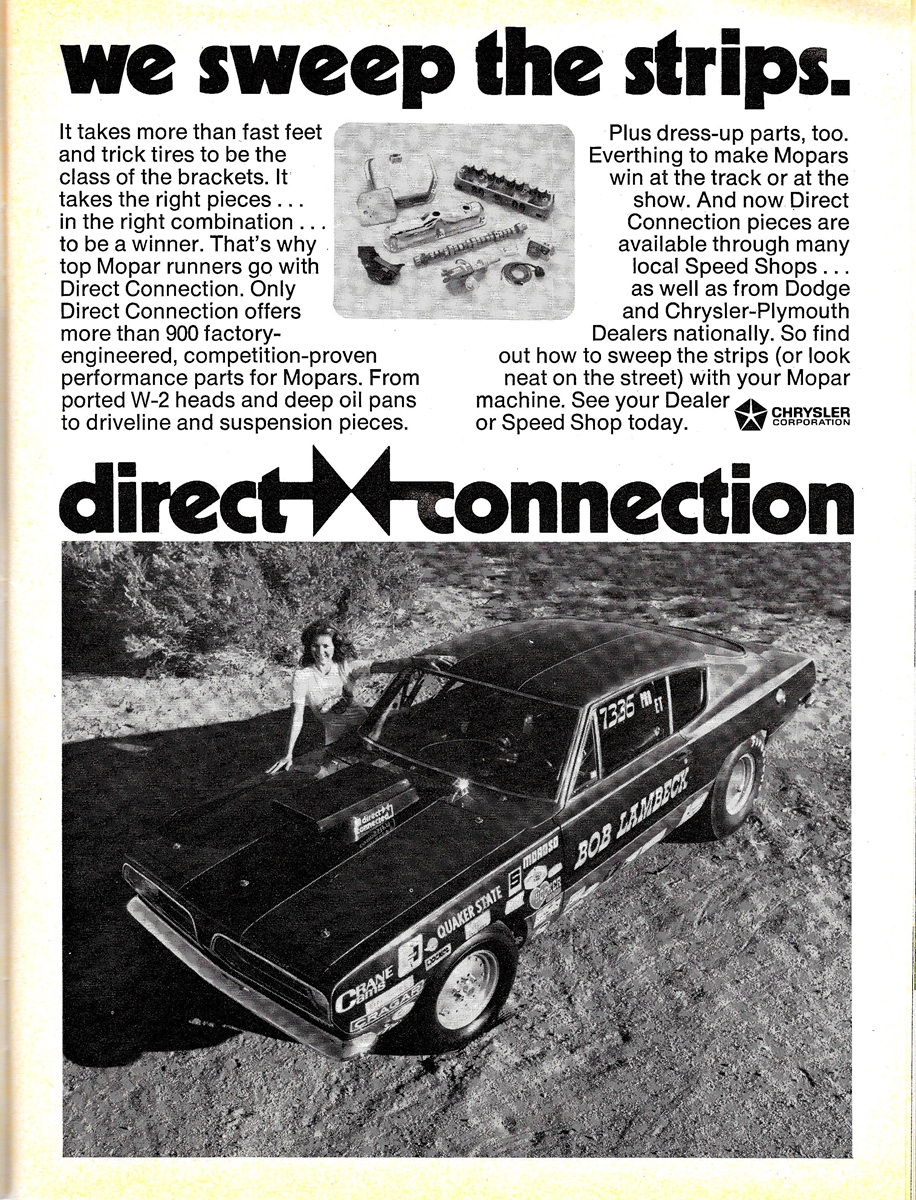
In his post Pro Stock driving career, Lambeck would still get behind the wheel of some very fast Mopar vehicles in Stock, Super Stock and even Modified Production. He took his HEMI engine-powered Plymouth Barracuda to A/MP at the 1976 and 1977 NHRA Winternationals and U.S. Nationals. Bob’s class-winning Barracuda was also featured in Direct Connection ads. In the 1980s, Bob ran a small-block Plymouth Duster and won the I/SA class at the 1984 and 1985 NHRA U.S. Nationals. Also during this era, Bob had Tim Ekstrand run one of his cars, which Tim raced to a Stock Eliminator World Championship.
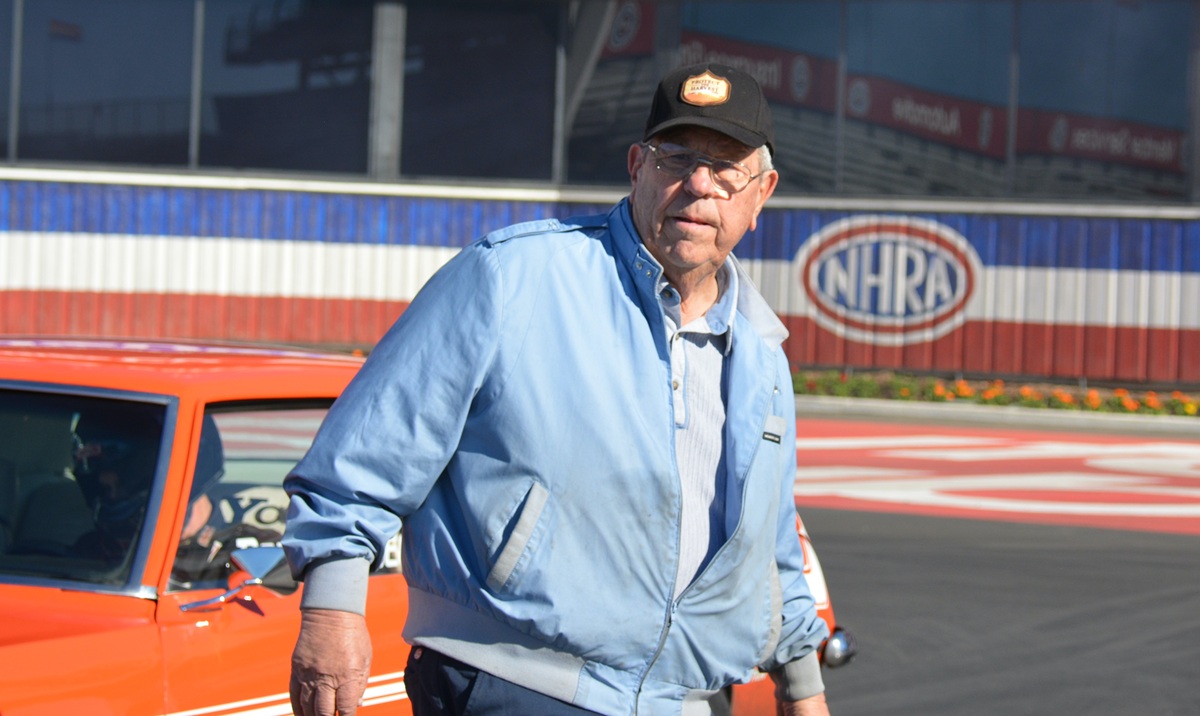
In Bob’s later years, he was a mentor and crew chief for his son Doug, who racked up a string of wins over the past two decades in Stock and Competition Eliminator. Bob was a familiar face at the iconic NHRA Winternationals and loved helping out fellow racers and talking to fans. He’s one of the legends of not only drag racing but also a major player in Mopar’s dominance in the sport for over 50 years. Bob’s knowledge and passion for the sport will surely be missed.
0 Comments