Power to the People – The History of SRT® – Part 2
In The History of SRT® – Part One, we examined how the SRT team got a major foothold in creating some very unique and fast vehicles, but that was just the beginning. Another opportunity to make Teutonic leaps in horsepower was in store for the brand’s next chapter of greatness. While SRT showed the world what it was capable of in producing Viper V10 and Turbo Four-Cylinder powerplants, a legendary V8 was about to make a house call at the SRT Skunk Works. Nestled in an unassuming building located in the shadows of Chrysler’s World Headquarters, the engineers within the SRT facility were already on the case. The Viper GTS Comp Coupe crushed Europe’s finest, the SRT-4 showed the Fast ‘N Furious crowd what a proper Front Wheel Drive tuner car should be. And let’s not forget the Ram SRT-10, it hauled ‘stuff’ in its bed while blowing away the car in the next lane.
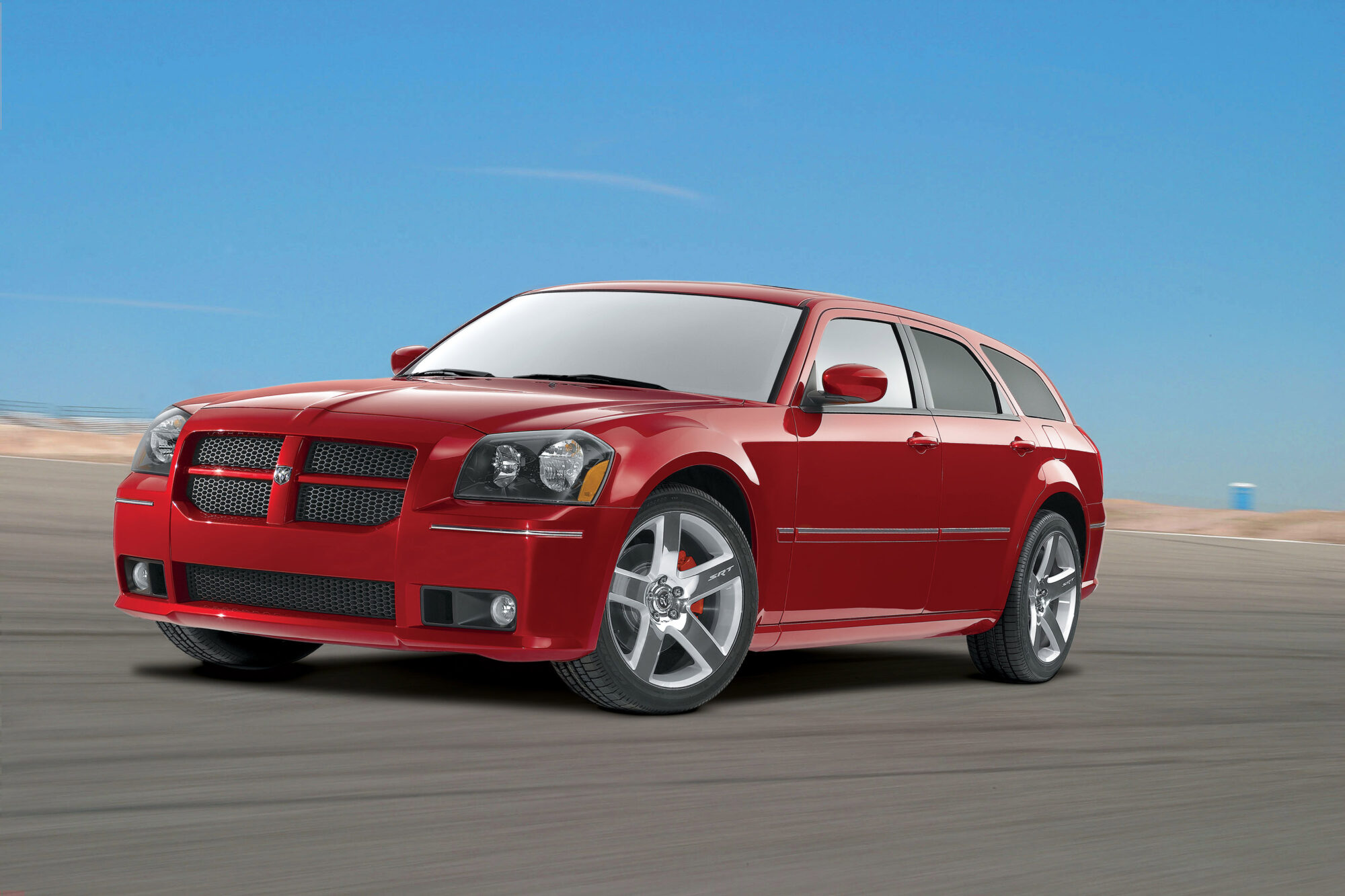
The SRT group was ready for its next assignment. When the 5.7L HEMI® engine made its debut in the 2003 Ram 1500, it eventually found its way into the 2005 Chrysler 300C and Dodge Magnum. The folks at SRT were asked to create a high-output version of the new HEMI engine. “My team and I did a huge presentation to the senior execs, and we included many historical facts on the 426 HEMI Chrysler made from 1964 to 1971,” said SRT Senior Manager SRT Powertrain, Pete Gladysz. “I found the original dyno sheets and used the 425-horsepower rating as a target for the new 6.1L HEMI. I knew we’d never match the original torque numbers, but we were pretty close despite the different testing philosophy and protocol from the 1960s to how we ran them on the dyno in the modern era.” The testing procedure was something to behold as the new 6.1L HEMI would be run at wide open throttle on a dyno for around 400 hours. When we saw the 425-horsepower number on the dyno from the 6.1L HEMI, we accomplished our mission!”
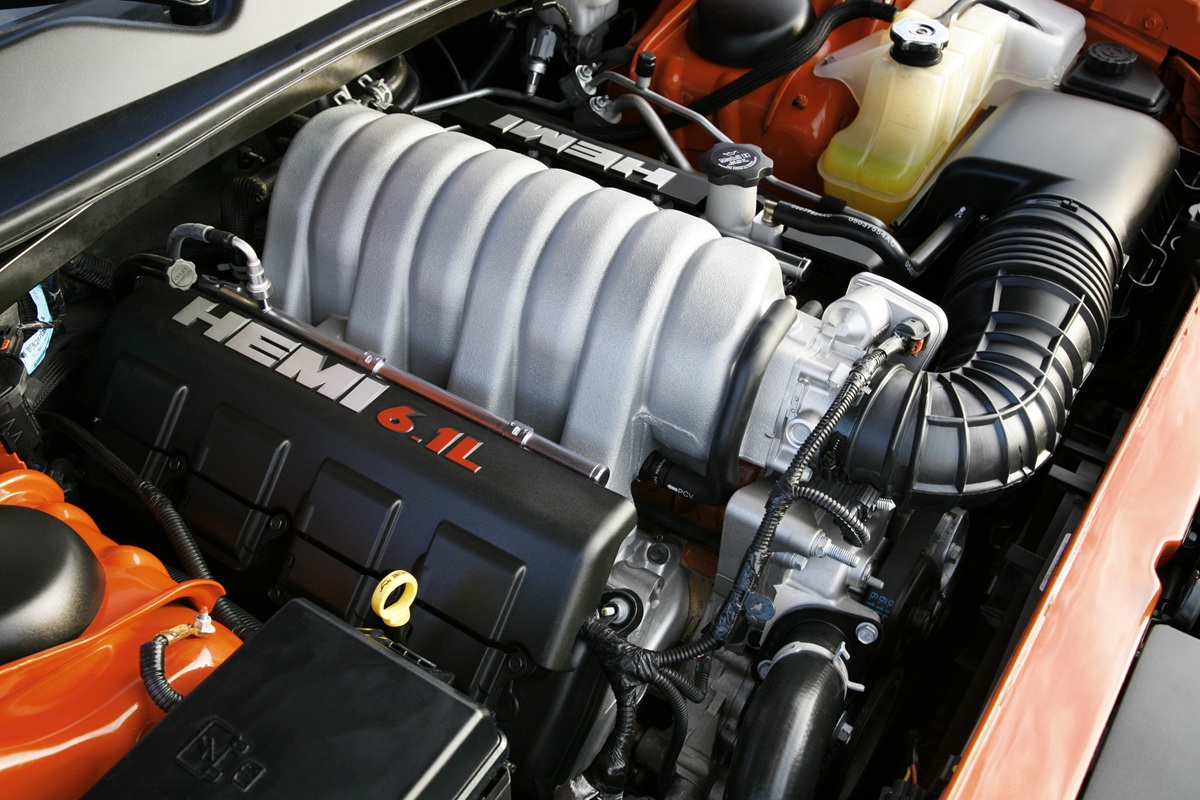
When asked why SRT went with the 6.1L displacement, Gladysz told us about this historical factoid. “We chose the 6.1L displacement because the bore and stroke combination worked the best. We also minimized exterior changes from the 5.7L to the 6.1L engine blocks. This helped alleviate production issues at the assembly plants. We also enhanced the rotating assembly and made it more durable, increased the valve sizes, added a higher lift and longer duration camshaft, and a unique aluminum intake manifold was partially modeled after the Viper’s V10’s intake. When it came to developing a low restriction exhaust, the team developed special exhaust high-flow manifolds that were so good in 2005, they were used on all future 392/6.4L and 6.2L HEMI engines in passenger cars a decade later.”
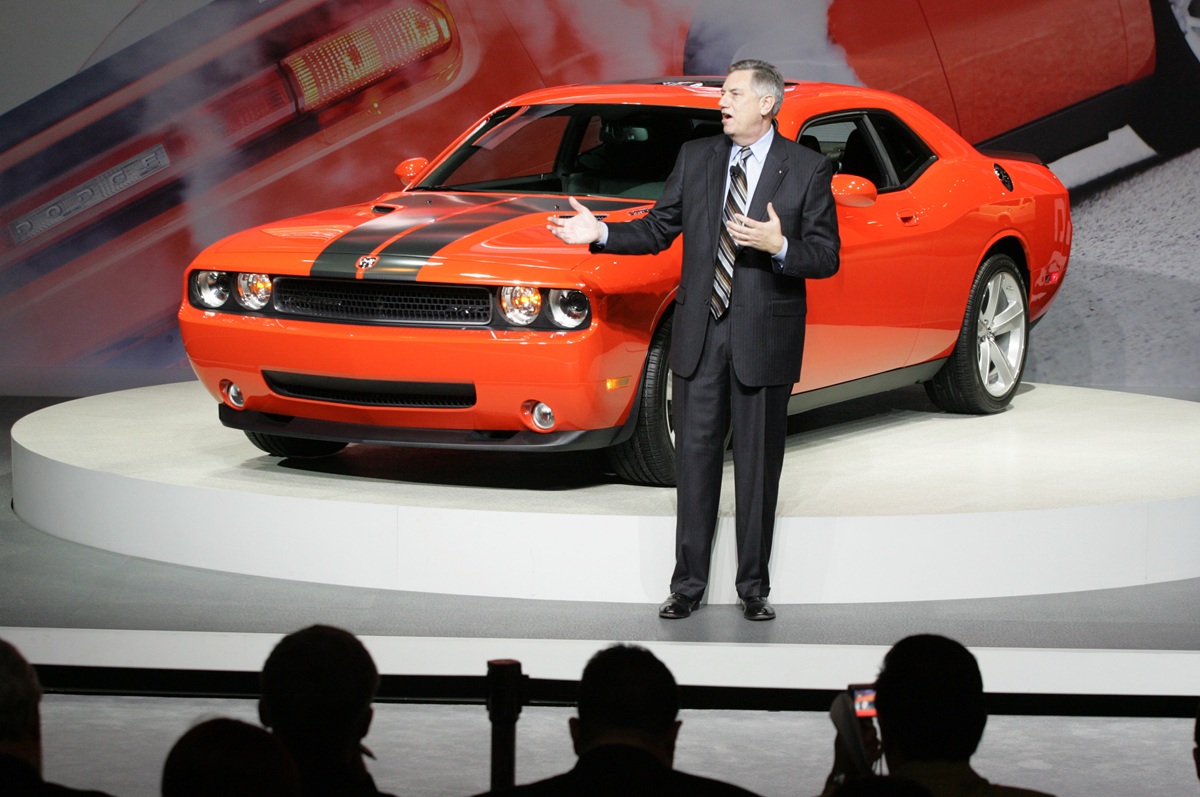
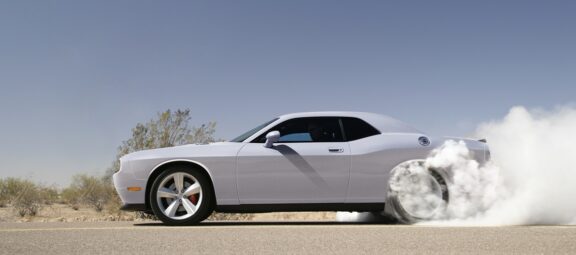
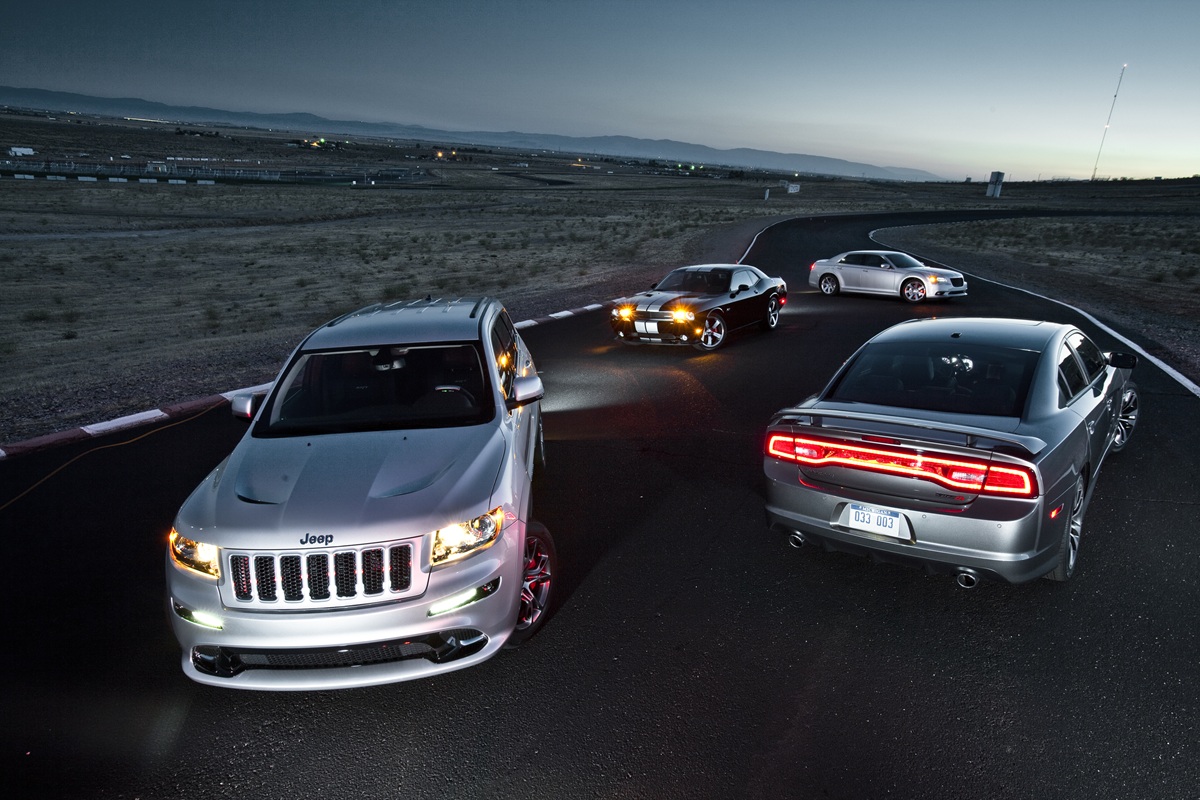
With the successful launch of the 6.1L HEMI engine, it became the heart and soul of the Chrysler 300C SRT-8 and Dodge Magnum SRT-8 during the first year. Soon, the Charger SRT-8 was hot on its heels, and the Challenger SRT-8 kicked down the dealer showroom doors in 2008. Pete and the SRT team once again made history and redefined the corporation’s performance image. But SRT didn’t take a vacation after 6.1L HEMI engine came all guns blazing, and SRT-8 branded Mopar® vehicles were mauling the streets and strips. Even though the new HEMI was hugely successful, SRT knew the competition would be developing new weapons to contest the 6.1L HEMI’s market dominance. Well before the 6.1L HEMI engine went into production, the team was already working on a bigger and meaner version of the modern HEMI.
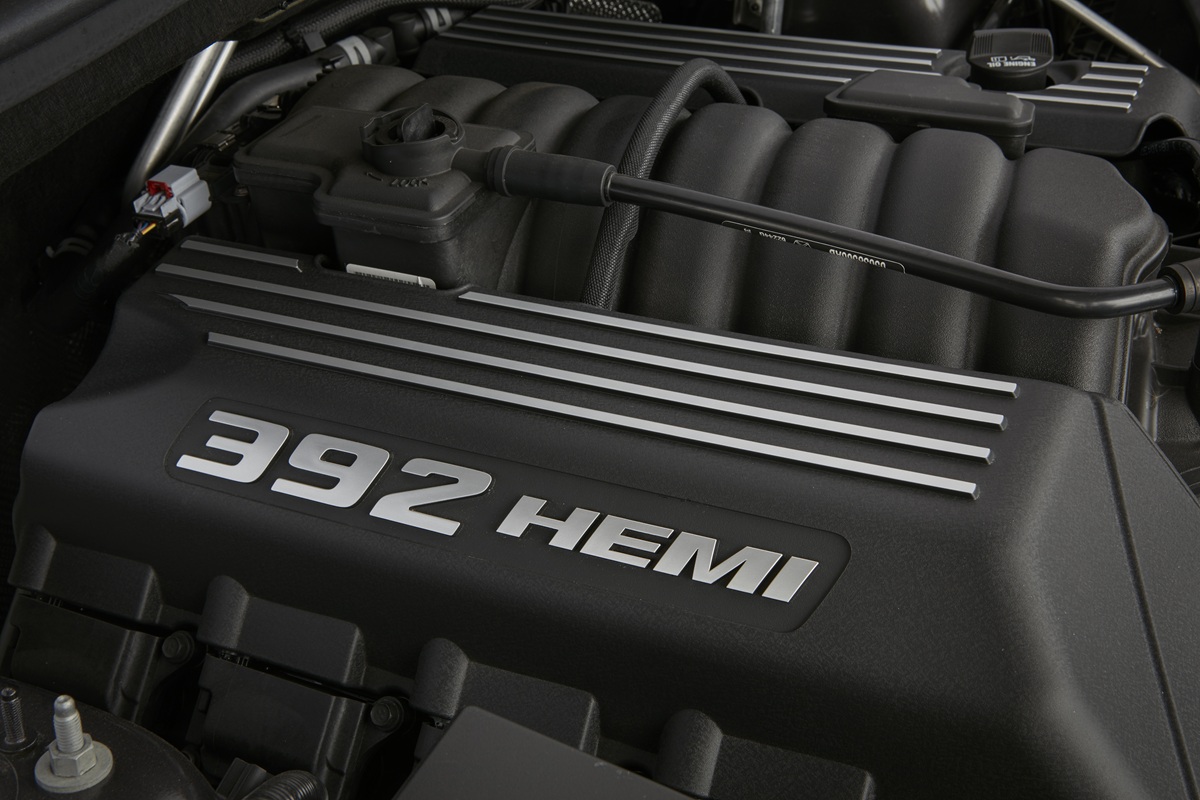
“We always wanted to improve the engine and looked at other displacement sizes with historical significance like 392 and 426,” noted Pete. “We even began looking into supercharged applications for the new HEMI, but at the time, senior management shot down the idea. Our focus was to increase the engine size to 392 cubic inches (6.4L), and this required developing a new block, revised cylinder heads and other changes to get the horsepower close to 500.” Unfortunately, history was not kind to the auto industry starting back in 2008 and rolling well into 2009. Chrysler, along with General Motors, faced many hurdles, including bankruptcy, to stay afloat. For Gladysz, he’d been with the corporation since 1976 and knew it was time to retire. But the work he and his team at SRT did on the modern HEMI engine was just a stepping stone. The SRT-8 Chrysler 300C and Dodge SRT-8 variants (Challenger/Charger) would continue to fight the good fight.
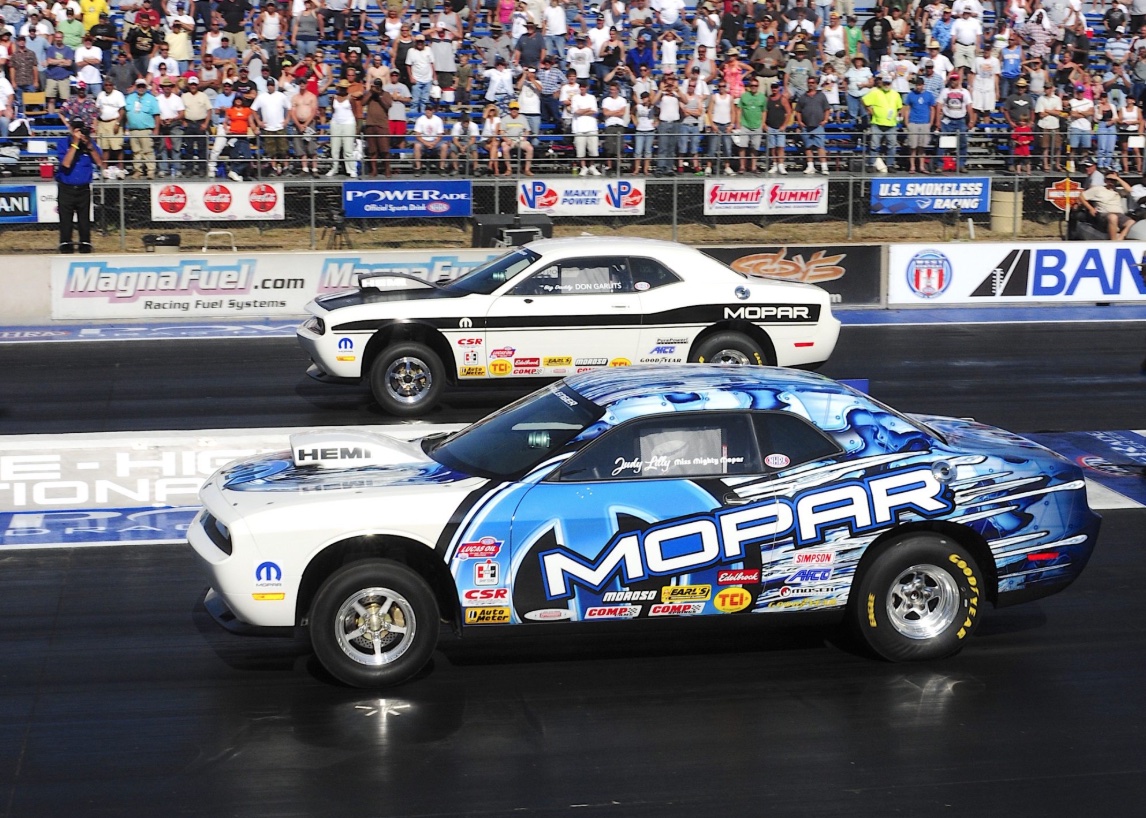
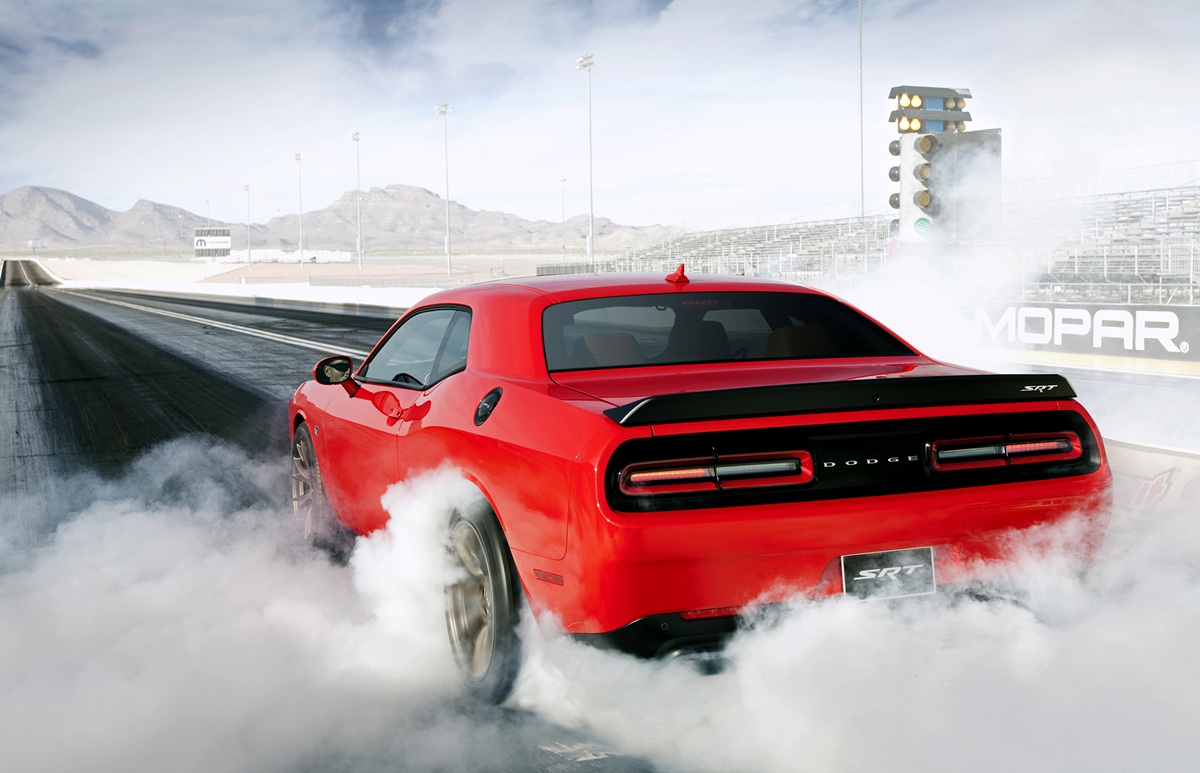
Despite the corporate and economic roadblocks the industry faced during this era, that didn’t stop the development of a particular machine. The SRT team, working in conjunction with Mopar, produced a drag race-only package car. Known as the Challenger SRT Drag Pak, these vehicles were created for off-road use only. The 2009 Drag Pak was offered with a variety of HEMI engines, and the car had the DNA of Chrysler’s original HEMI engine-powered Super Stockers that dominated the drag strips beginning in the 1960s and even through today.
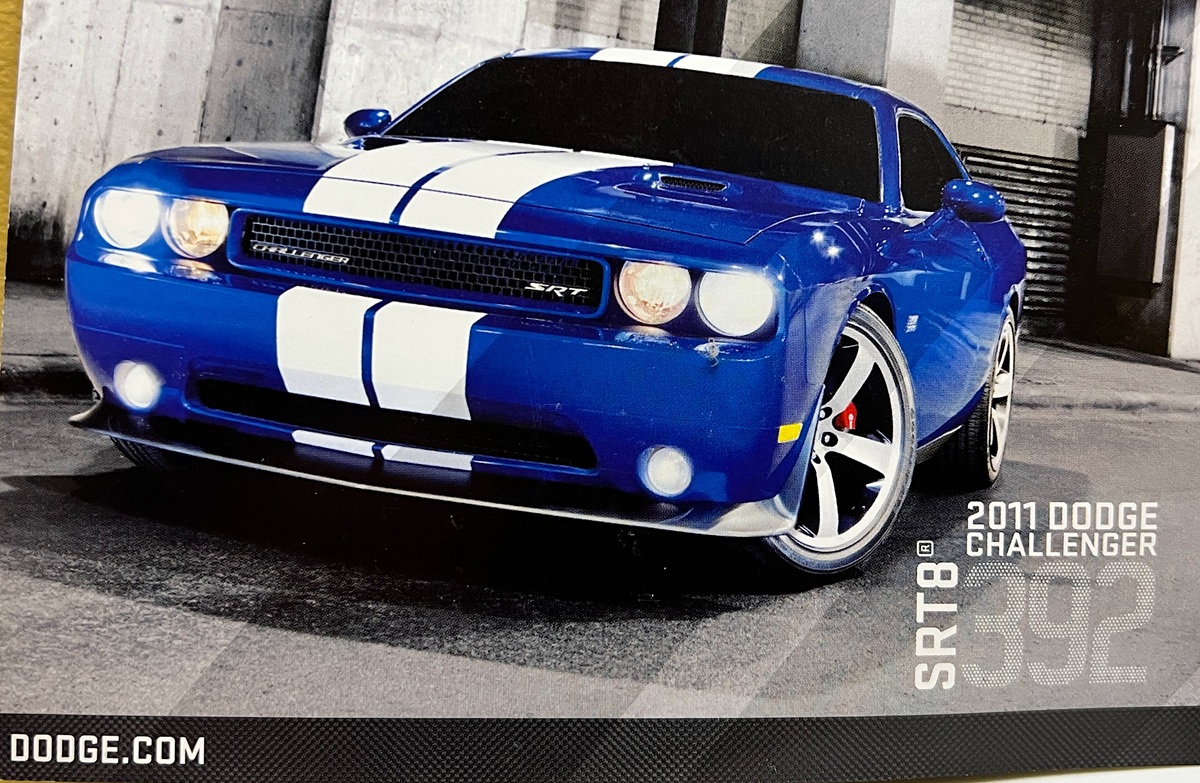
It’d take until the 2011 model year for the new 392 HEMI engine to find its rightful place nestled between the fenders of the Challenger SRT-8 and soon into Charger. This momentous occasion was celebrated by the 2011 Challenger SRT-8 392 Inaugural Edition. The design team emblazoned the car with unique graphics, interior trim and a healthy 392 HEMI making 470-horsepower and 470 lb-ft of torque under the Challenger’s twin-scooped hood. This special car marked a new beginning not only for the evolution of the new HEMI, but also for all the new SRT vehicles hitting the streets.
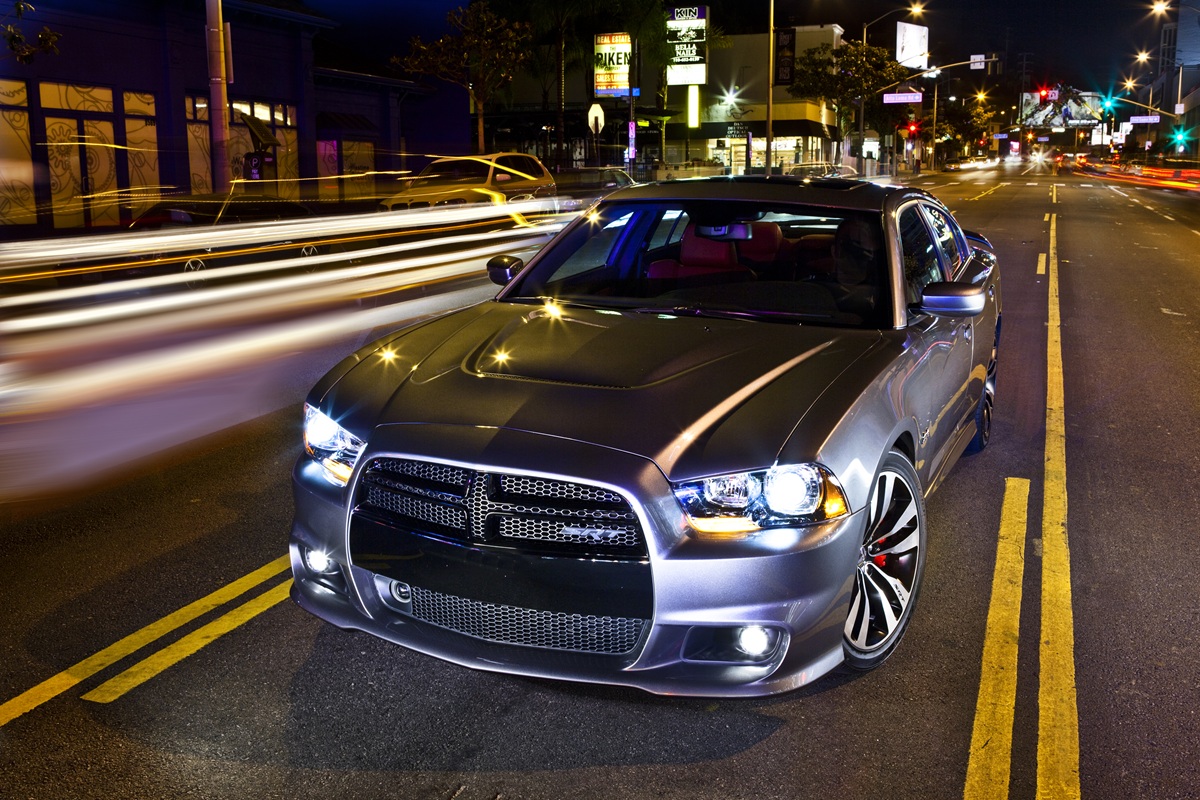
SRT would put its engineering expertise among a variety of Dodge, Ram, Chrysler and Jeep® products for many more years. The streets would never be the same with these monsters roaming freely.
The SRT Team had achieved its goals and once again brought power to the people. But they weren’t done yet, not by a long shot. They were ready to get on the highway to hell. Read about it in Part Three of The History of SRT!
0 Comments