Mopar’s® 440 Big Block: An Iron Fist in a Velvet Glove! – Part 3, 1973-1978
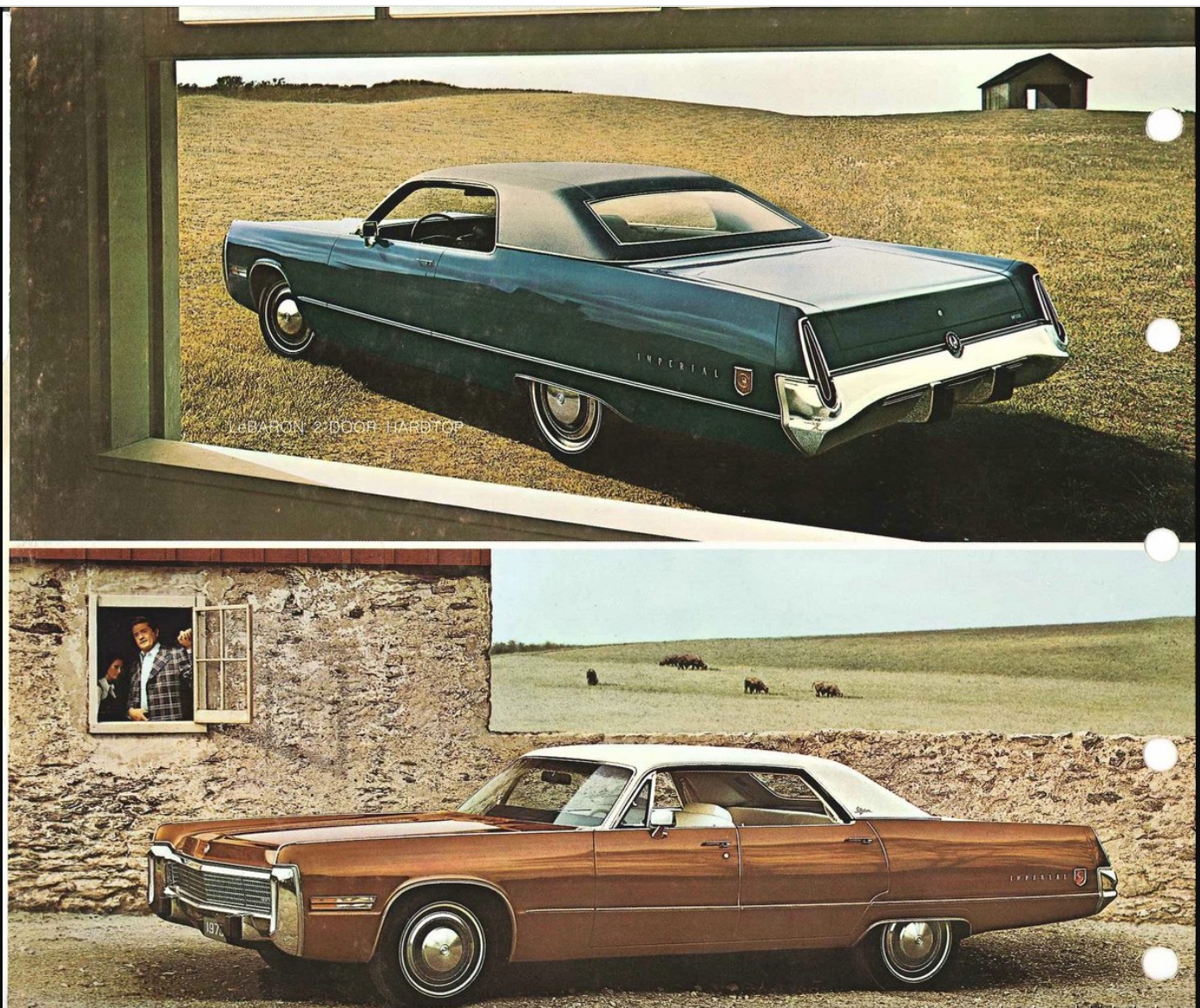
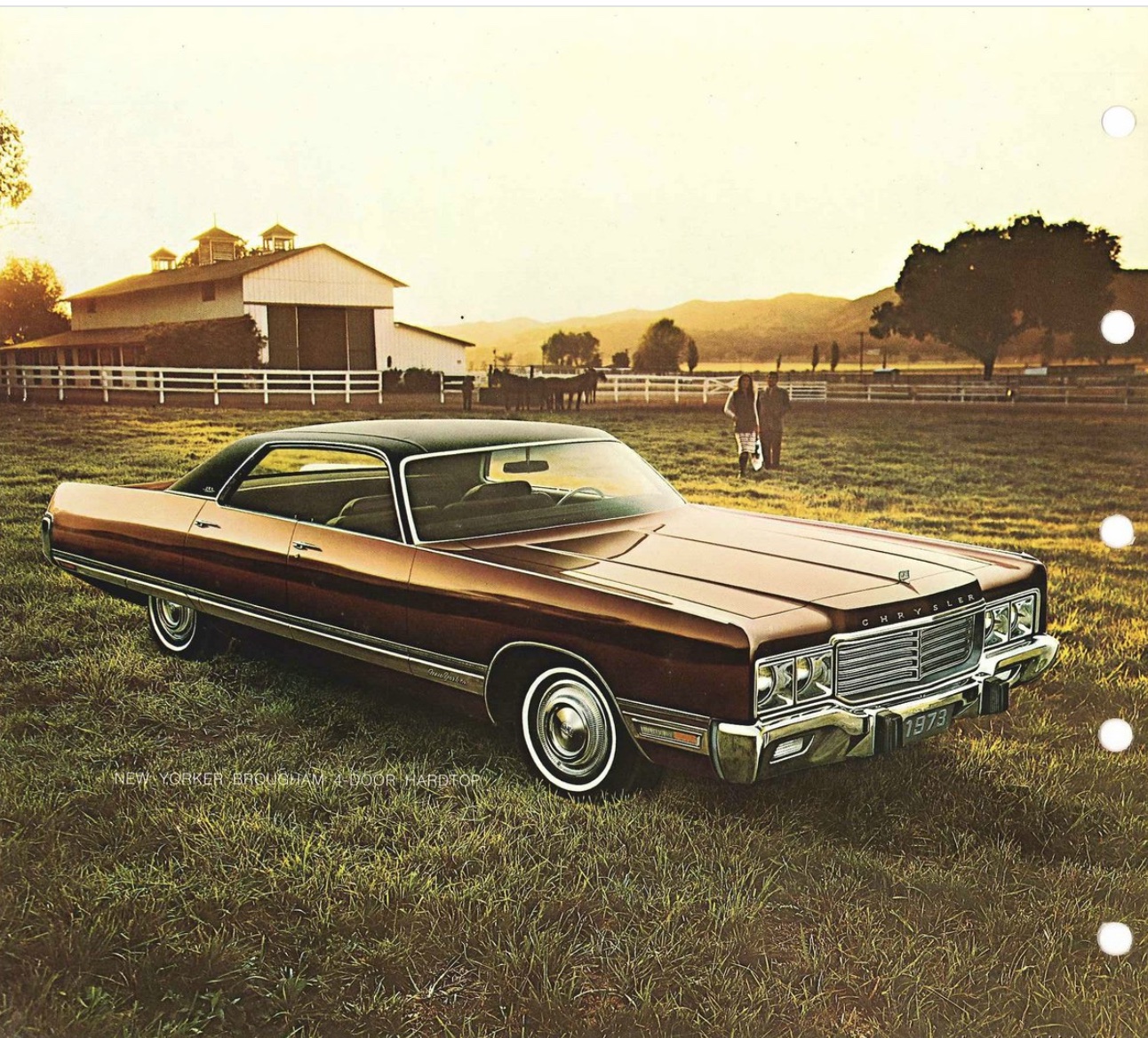
As we enter the final chapter of our “Mopar’s® 440 Big Block: An Iron Fist in a Velvet Glove” series, we take a close look at the slow demise of this once mighty engine. Born in the midst of the muscle car era, the 440 quickly established a reputation as a force to be reckoned with when it was under the hood of the Dodge Coronet R/T and the Plymouth GTX. By the end of the 1960s, the 440 Six Pack/Six Barrel made this already mighty powerhouse even more potent, offering HEMI®-like performance on an affordable budget. When the 440 entered the 1970s, it was swinging hard and punching above its weight. It was now motivating the new Challenger and redesigned ’Cuda while more sedate and tamed down 440 big blocks were powering luxury barges like the Chrysler Imperial and New Yorker, along with the Dodge and Plymouth full-figured machines like Monaco, Polara, Fury and Sport Fury GT.
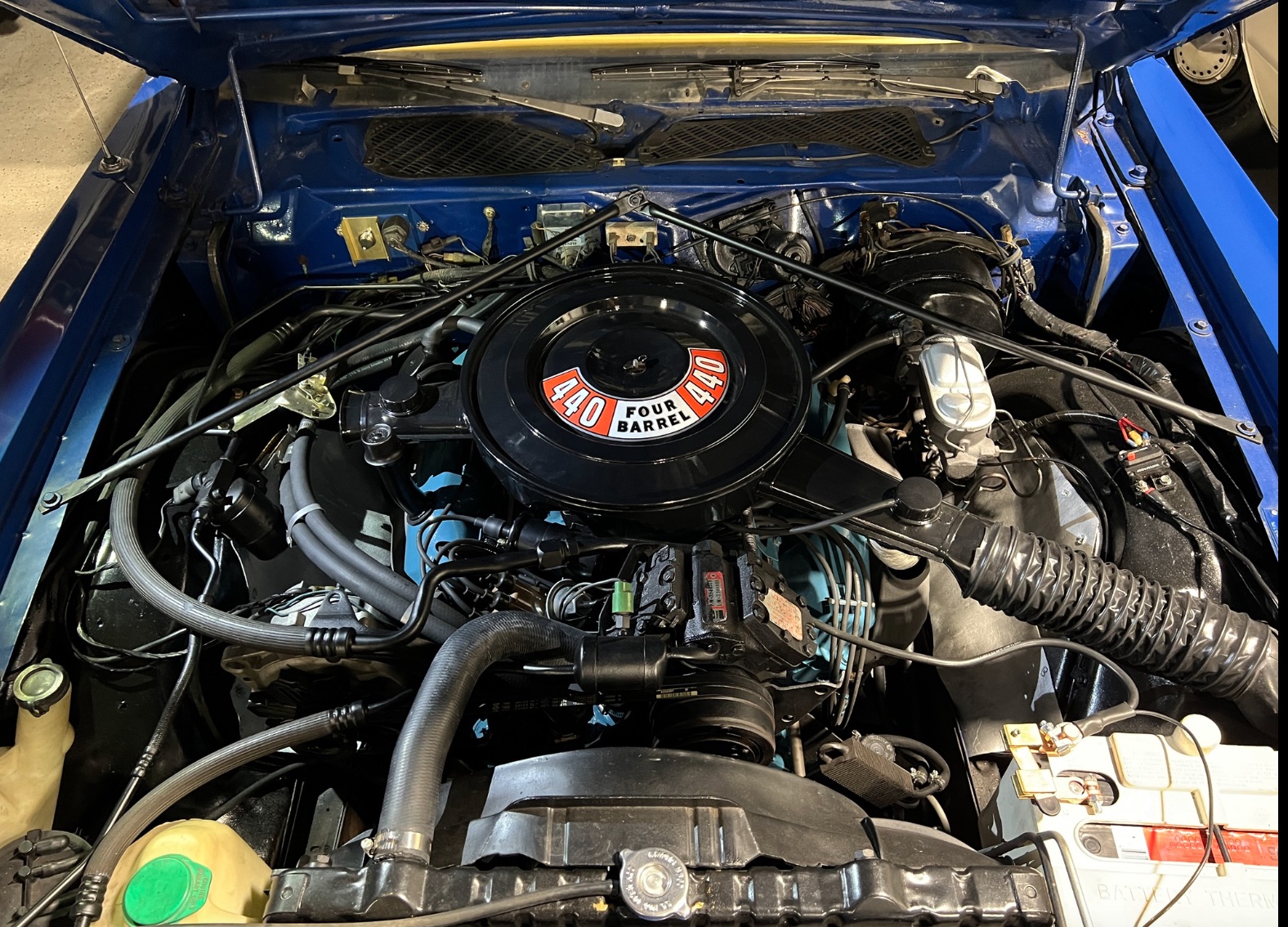
While the 1970s got off on the right foot, it was short lived. Like a drunken late-night bender, the hangover would be as harsh as 1972. It smacked the 440 (and all the engines) with a major drop in compression ratios and horsepower output. This was a reality check for the marketing gurus at the Dodge and Plymouth divisions that gave us the Scat Pack and Rapid Transit System a year earlier. Avid readers of DodgeGarage read our Part 2, 1970-1972 segment and how we discussed the looming emission standards by the EPA and how it would take its toll on the 440. By 1973, things began to get worse as the engine’s horsepower began to sink like a rock. New for 1973 were the use of charcoal canisters and the EGR (exhaust gas recirculation) system that helped reduce hydrocarbons, carbon monoxide and nitrogen oxides. Many of these emission control devices, including many feet of black rubber vacuum hoses, snaked their way all over the engine compartment. In 1974, all this and more carried over to much of Chrysler’s engines. There was also a redesigned air cleaner for 1974 that had oval snorkel openings to help mitigate air intake noise.
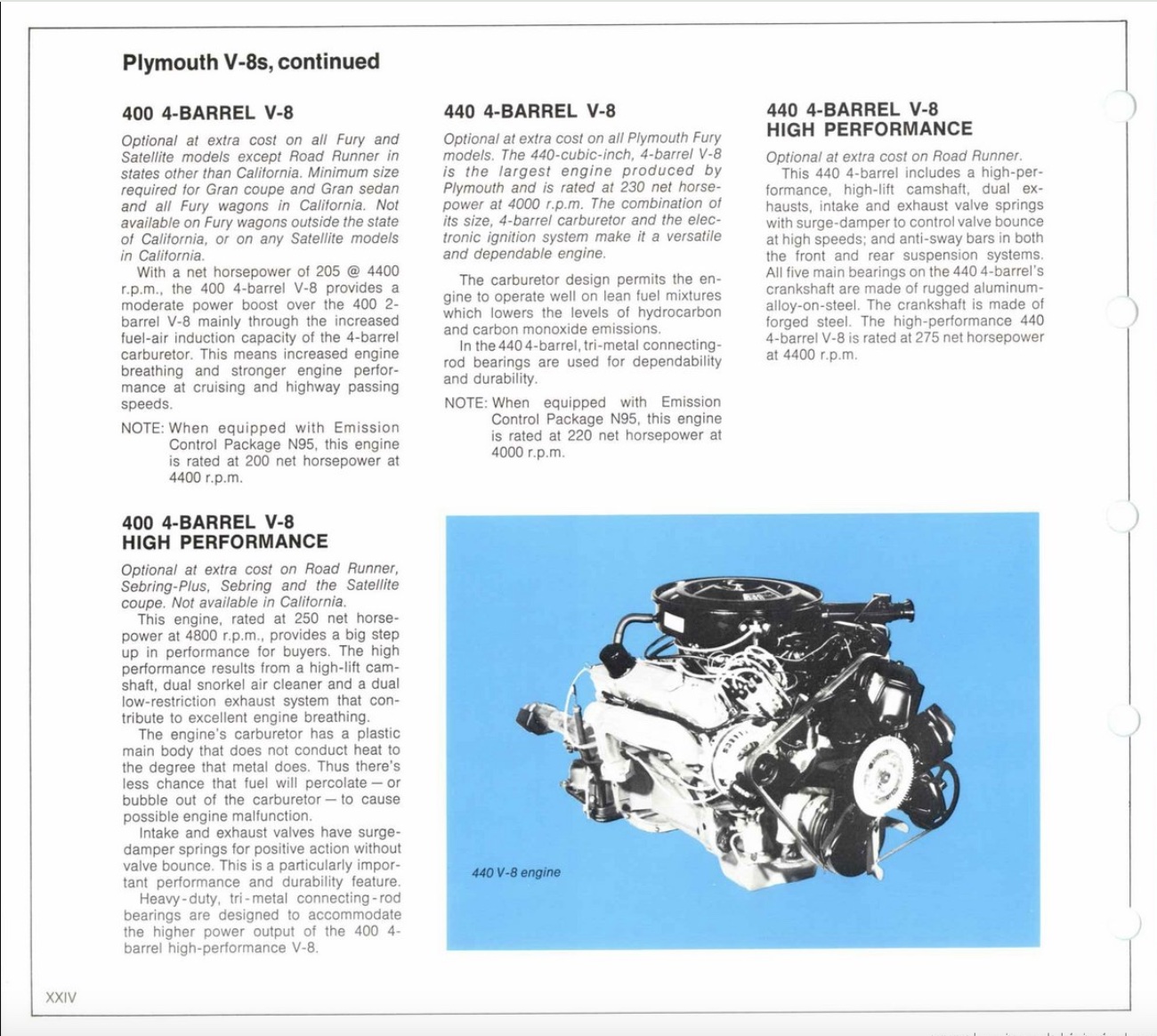
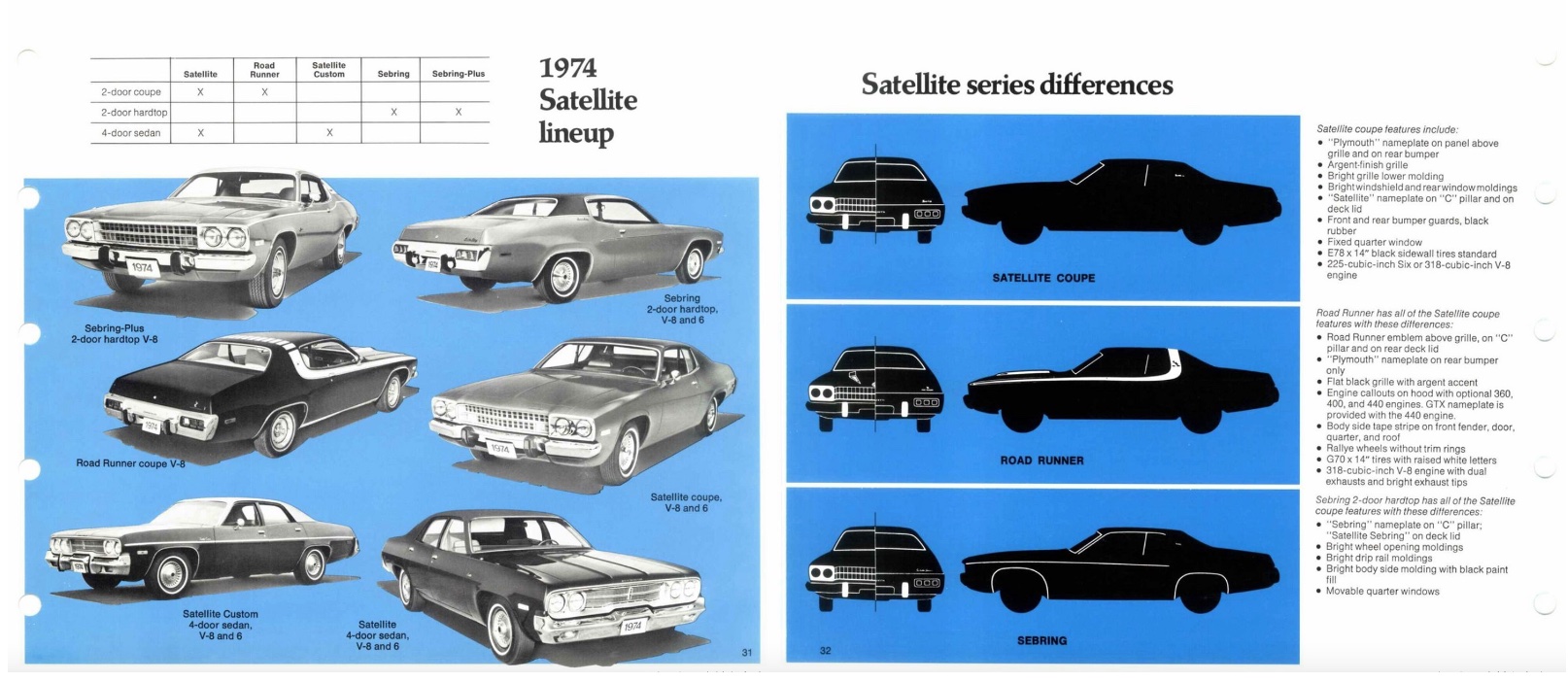
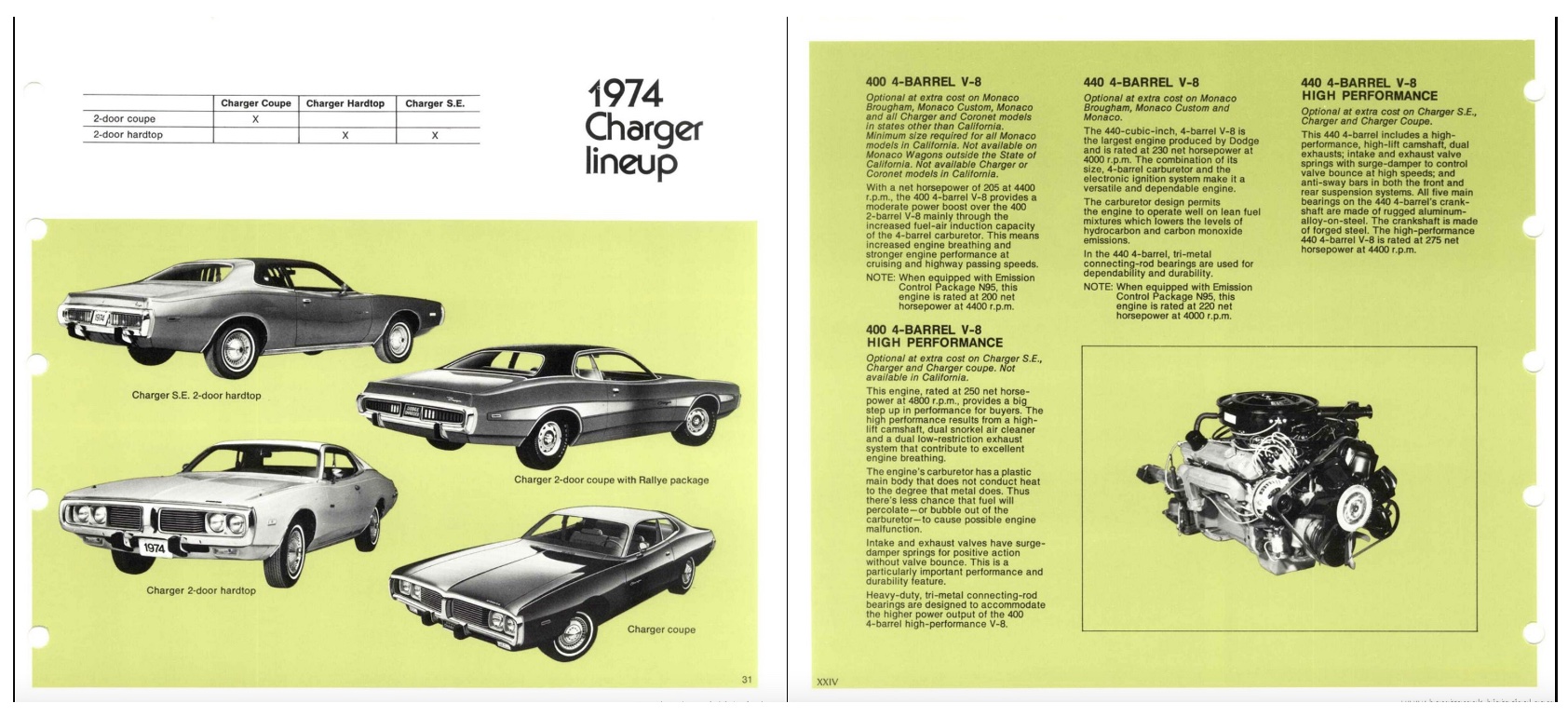
Regardless, the 440 HP (High-Performance) was still available, and it still had some go-fast internal bits such as the camshaft and valve springs, carried over from its muscle car Magnum era of the late 1960s. Unfortunately, 1974 was also the last year the hot 440 was available in Charger and Satellite/Road Runner models. Its horsepower had dropped to 275, but it still had the torque to burn the tires. Sales once again were down as consumers shielded away from big-block muscle cars. The government was now mandating CAFE (Corporate Average Fuel Economy) Standards, and once again, there was shuffling among the engine offerings; the 440 was in the gunsights of the EPA. Enacted by Congress in 1975 due to the upheaval of the 1973 oil embargo, CAFE was created by the government to mandate minimum average fuel efficiency among the automakers’ fleet and entice them to make more fuel efficient vehicles.
There was another bombshell that hit the auto industry in 1975 when car companies were required to use catalytic converters on passenger cars. Along with the increasing use of unleaded fuel, the catalytic converter was another step in making the internal combustion engine run cleaner, especially on cold starts when the air-fuel mixture is very rich. Designed to create a combustion-type reaction by heating up unspent exhaust gasses for a cleaner burn, the catalytic converter had good intensions, but it hurt performance bigtime. As a cost-cutting measure, both the 440 and 400 big block engines had their forged steel crankshaft replaced with a cheaper cast iron style. The cylinder heads were also changed to the new “452” casting that had flame-hardened exhaust valve seats due to the use of unleaded fuel and to reduce wear in the chamber.
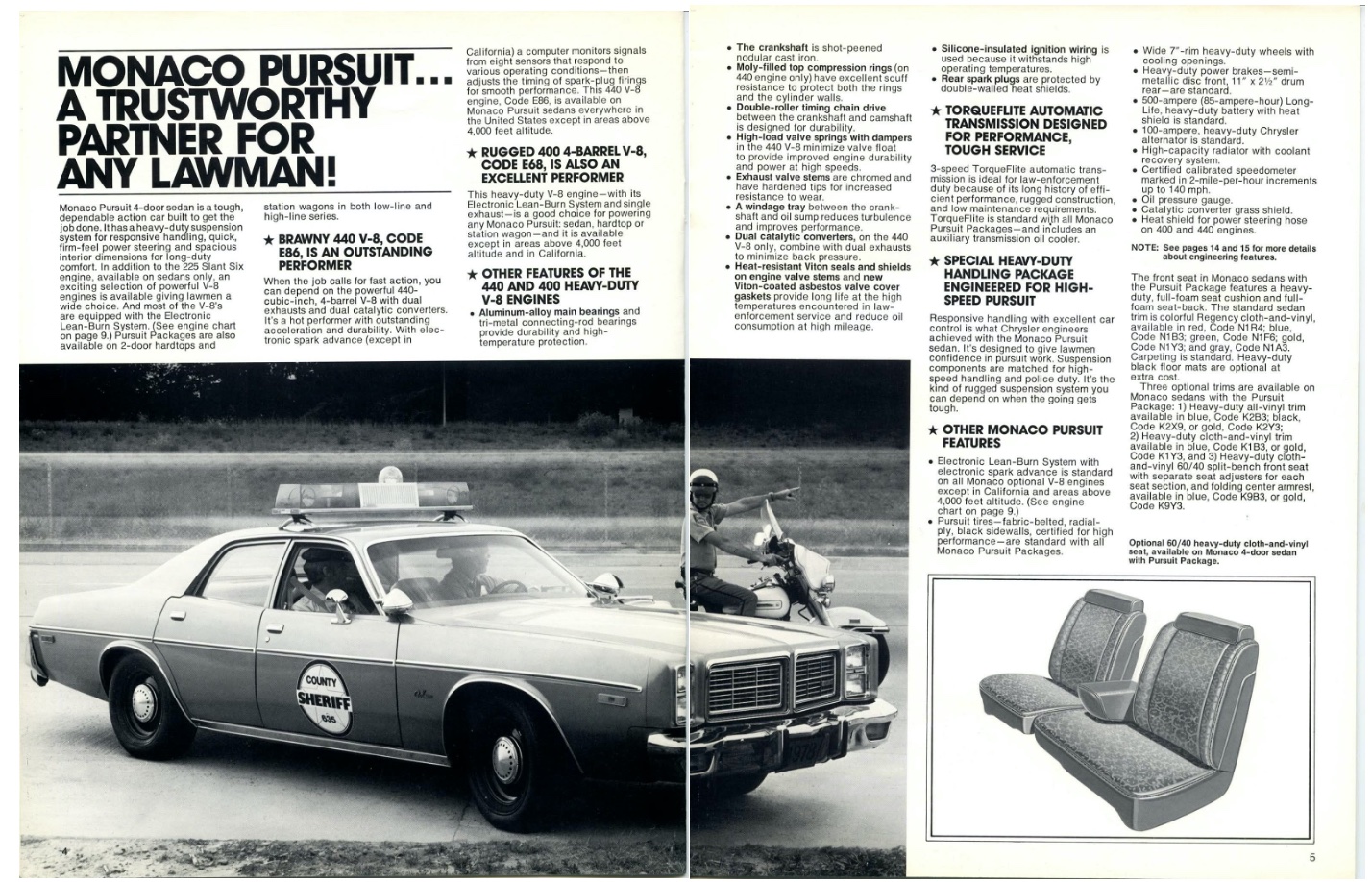
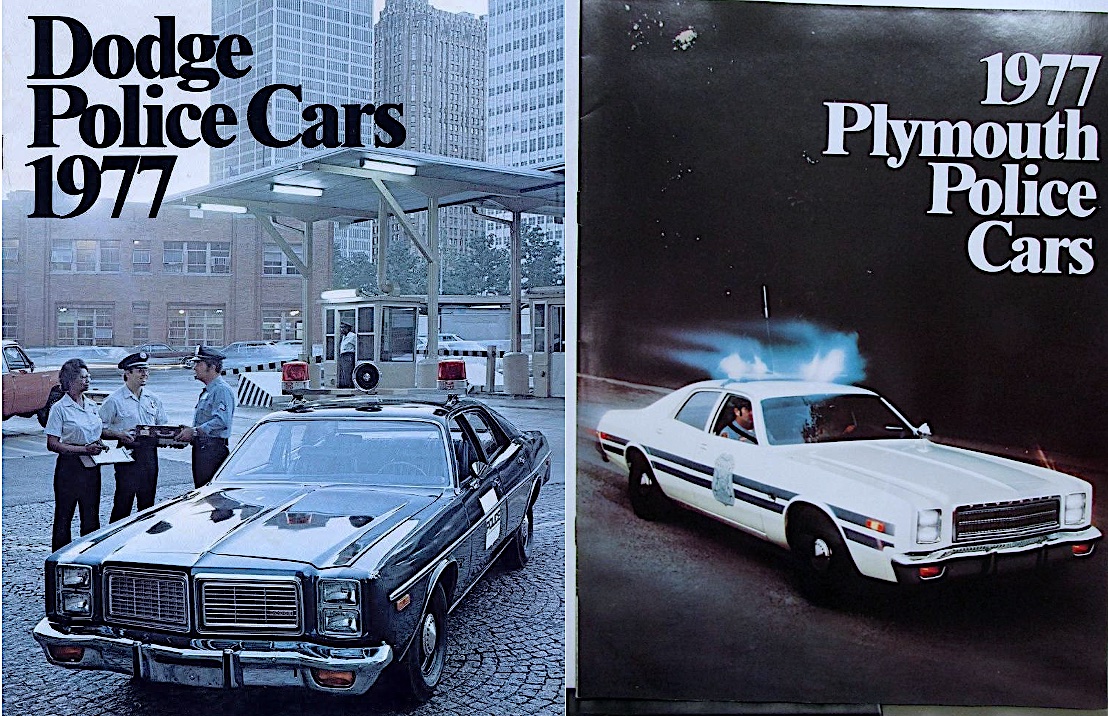
Again, the 440 big block took another hit in horsepower for the 1975 model year as it was down to a measly 215 horsepower in the standard layout for the full-size car line. The 440 HP was now relegated to police cars only and its output was reduced as it hovered around 255 to 240 net horsepower. Depending on if it had the 49-state emissions package or California’s much stricter requirements that straddle the 440 with even more power-robbing smog equipment. Still, the 440 in the Dodge Monaco and Plymouth Fury remained the pursuit car of choice among major law enforcement and government agencies, including many State Police departments across the country.
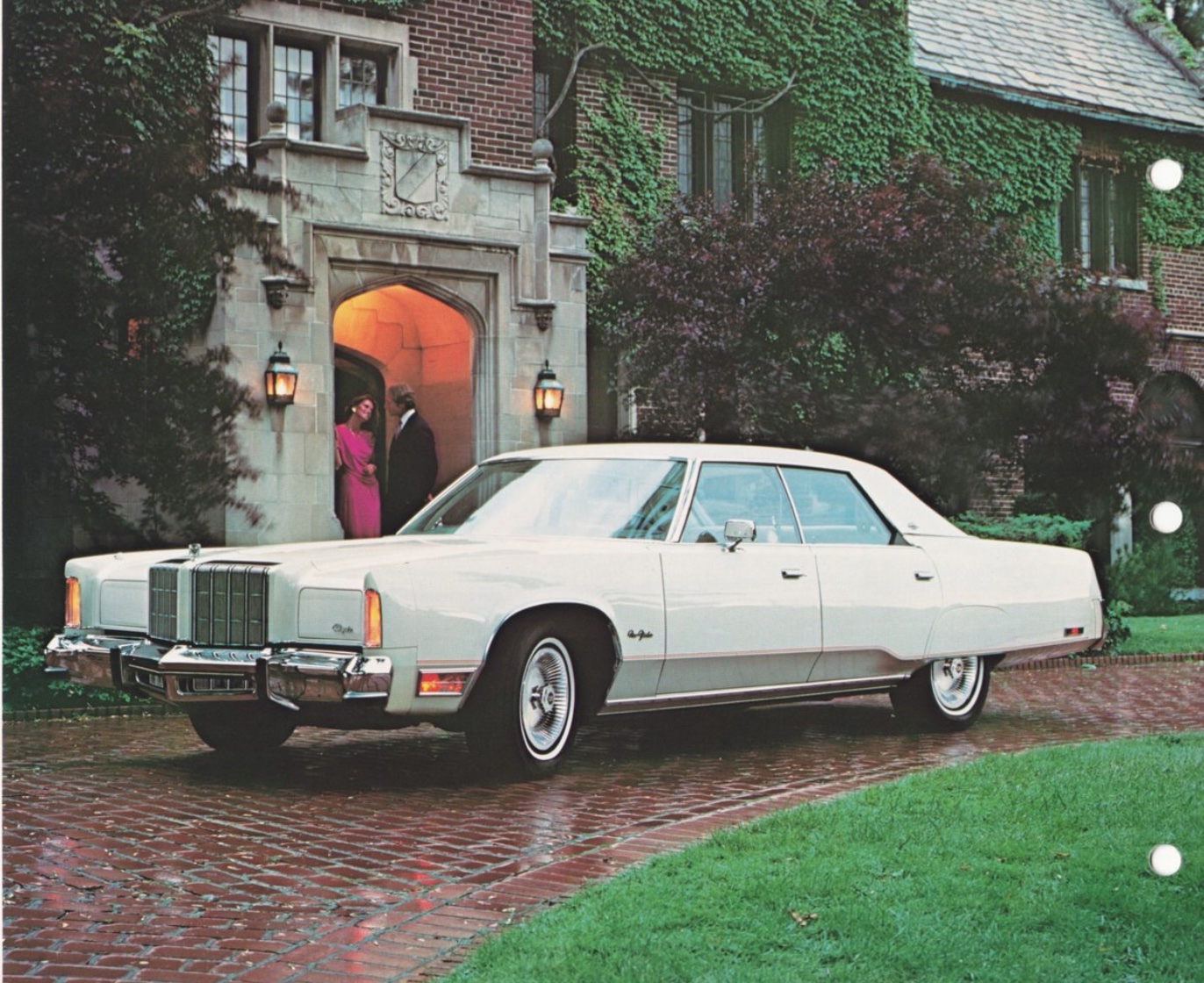
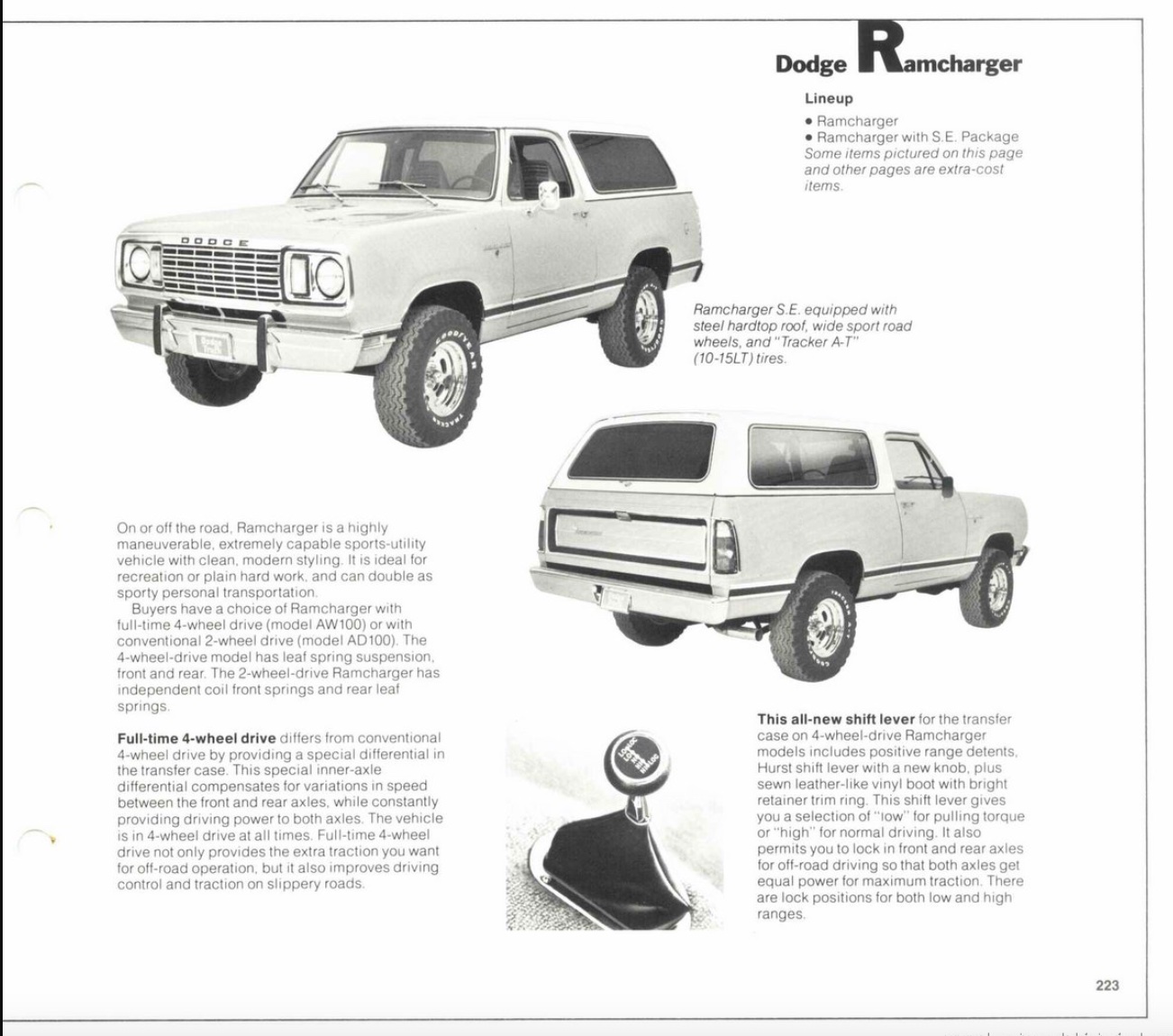
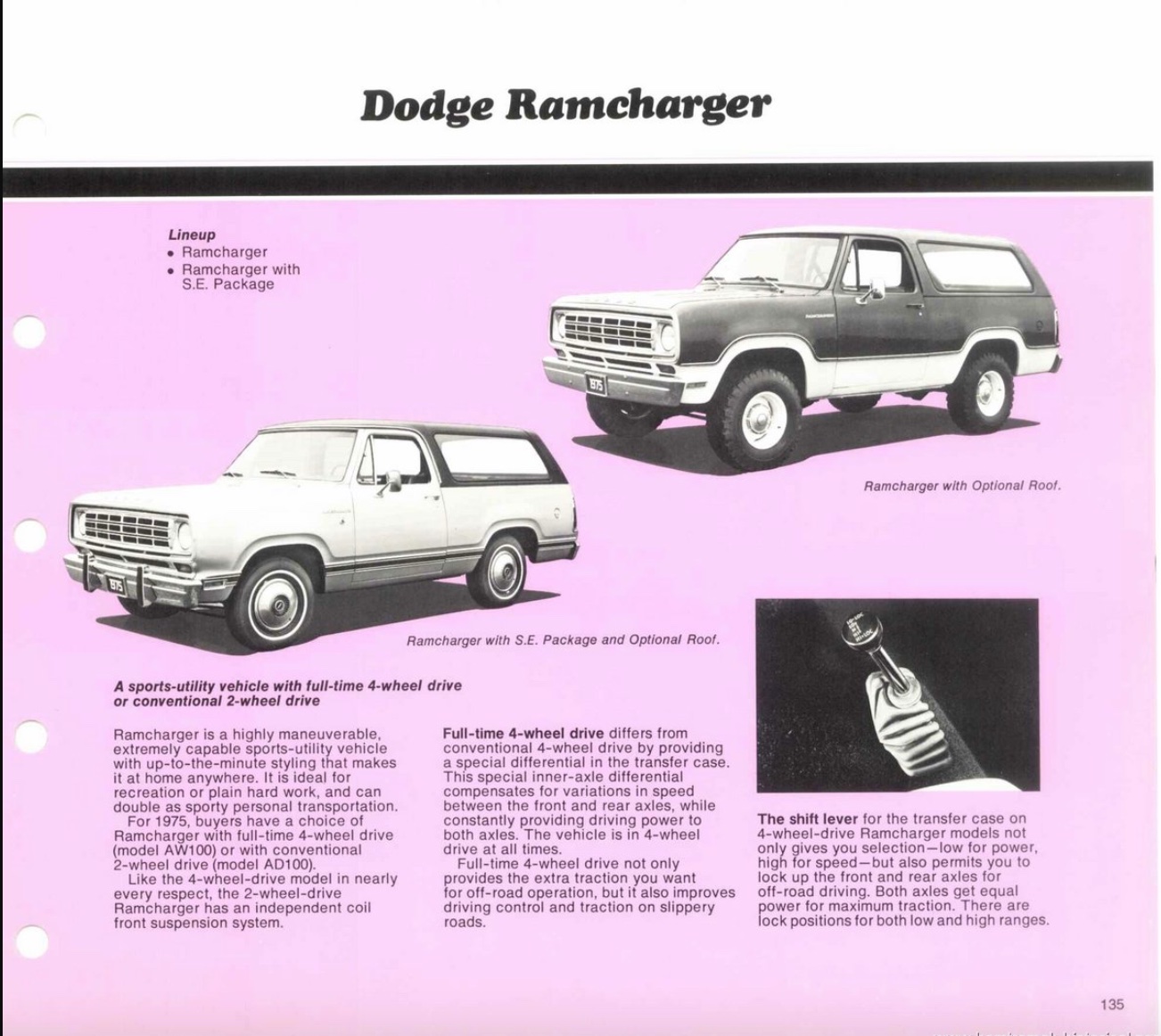
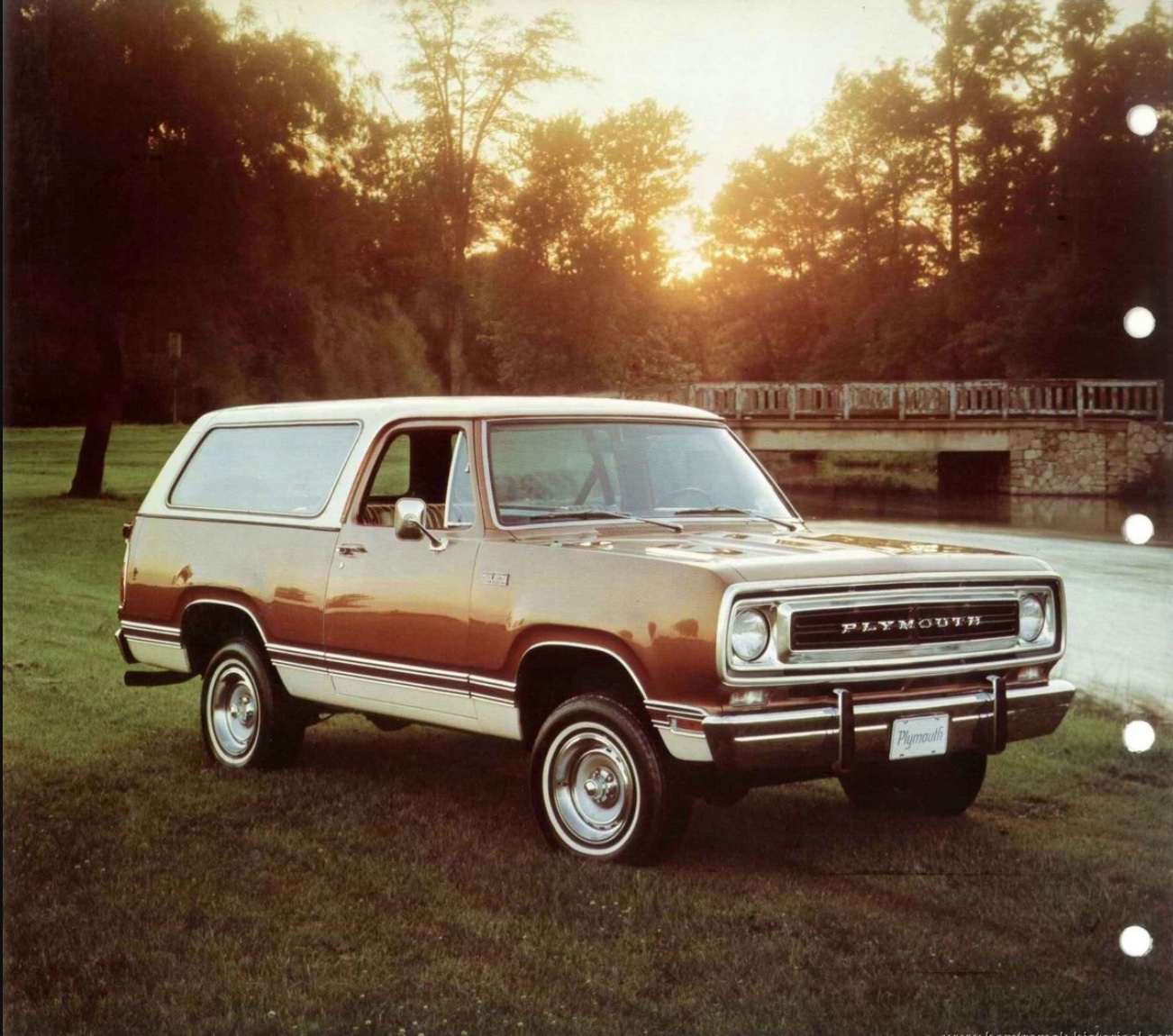
For the balance of the 1970s, the 440 big block lumbered on in massive luxury land yachts and police vehicles. It also found a home in the Dodge Ramcharger and Plymouth Trail Duster Sport Utility Vehicles. Despite the product planners’ best efforts to give the 440 a new life in other applications such as RVs, trucks, marine and industrial applications, it was like swimming upstream. The timing to kill off the 440 was ramped up as Chrysler’s financial woes continued due to the influx of low-cost imported Japanese cars that saturated the market during the mid-to-late-1970s. Chrysler’s import fighters, the Dodge Omni and Plymouth Horizon, would soon be launched, and once again, the Chrysler, Plymouth and Dodge lineup would be completely revamped before 1980. Unfortunately, the 440 and 400 were not invited to the new decade.
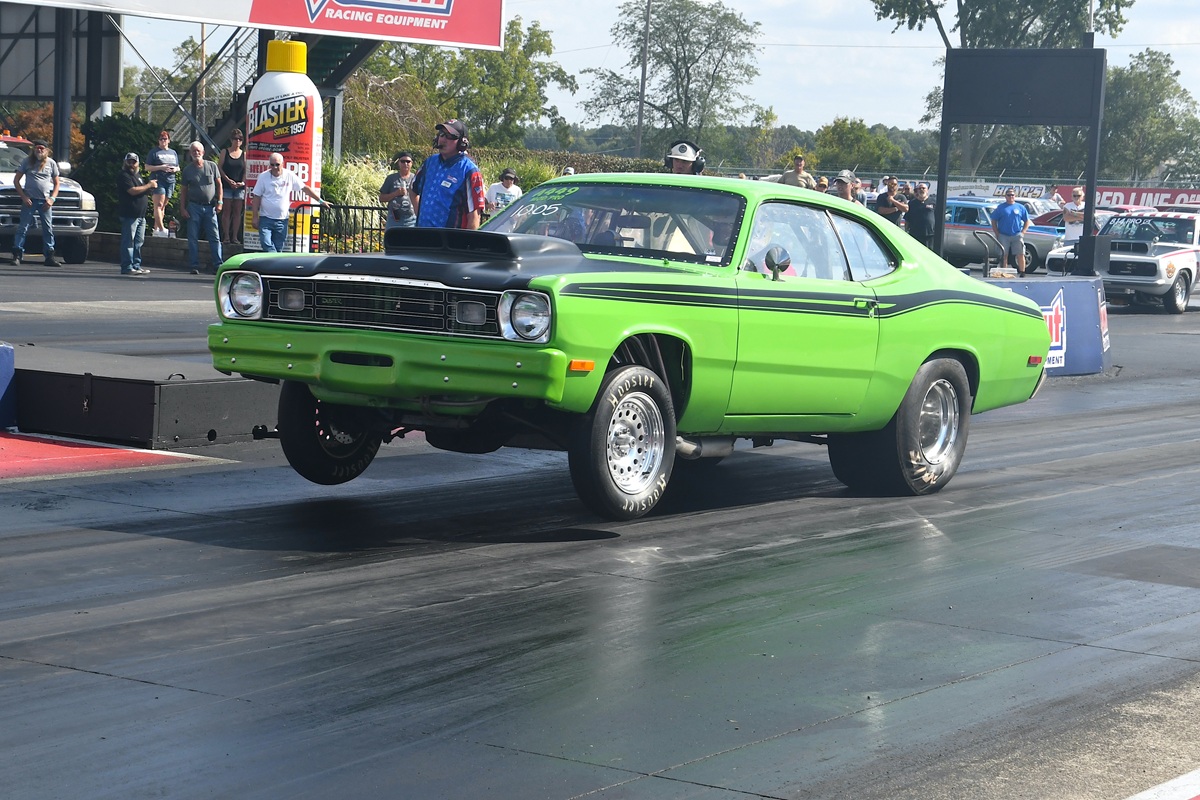
It may sound like a sad tale, but it has a happy ending. The 440 was made in such large quantities during its production, it’s still the powerplant of choice for street enthusiasts and drag racers. With plentiful core items like blocks, cranks and heads, and a high-performance aftermarket parts industry catering to this engine with go-fast goodies like aluminum intake manifolds, high-lift cams and other pieces that increase horsepower, the 440 is as popular now as ever. The final big block may have come down Chrysler’s Trenton Engine plant in late 1978, but it still lives on decades later as Chrysler’s Big Block bruiser that still motivates muscle cars to A-body grassroots bracket racers.
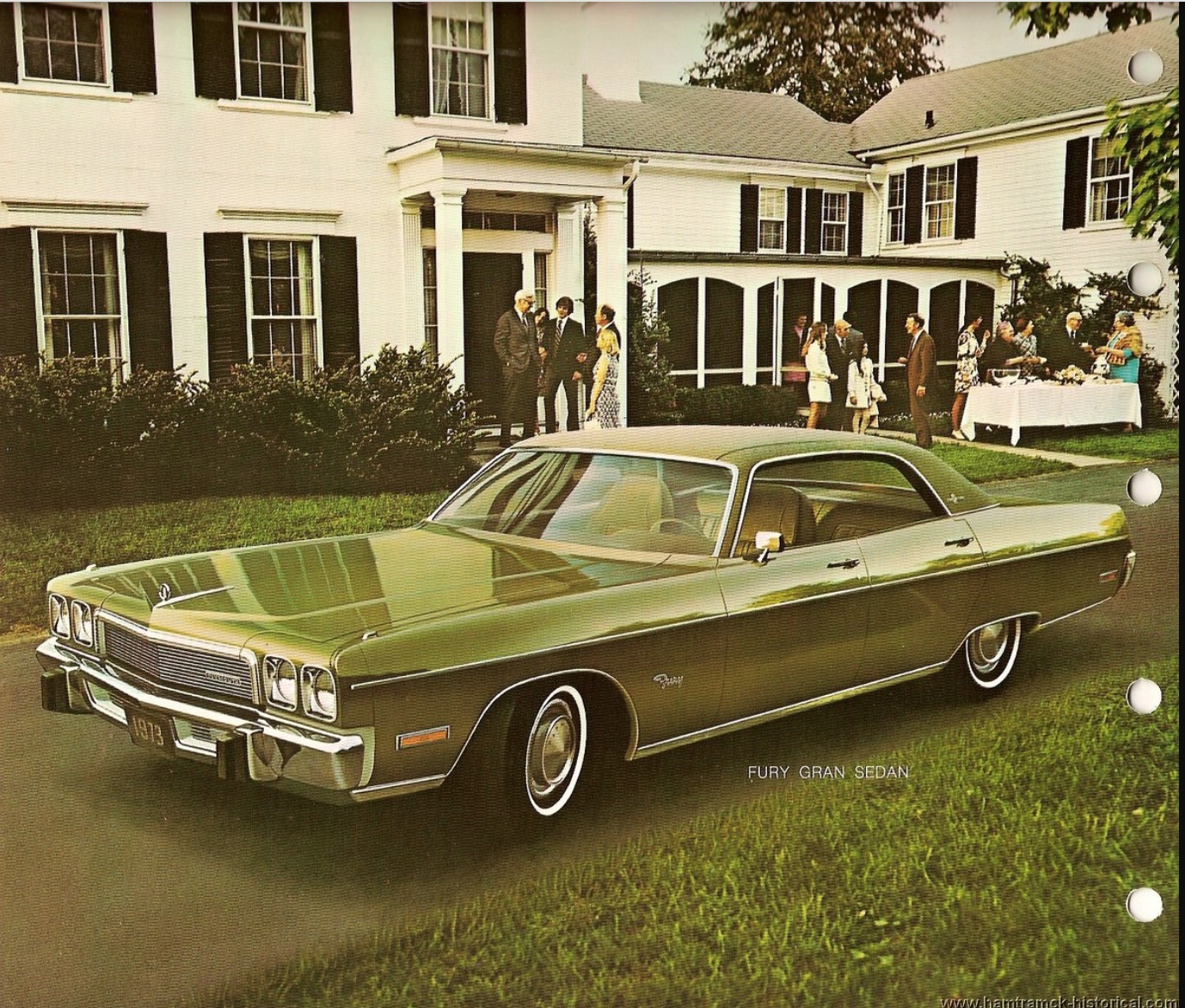
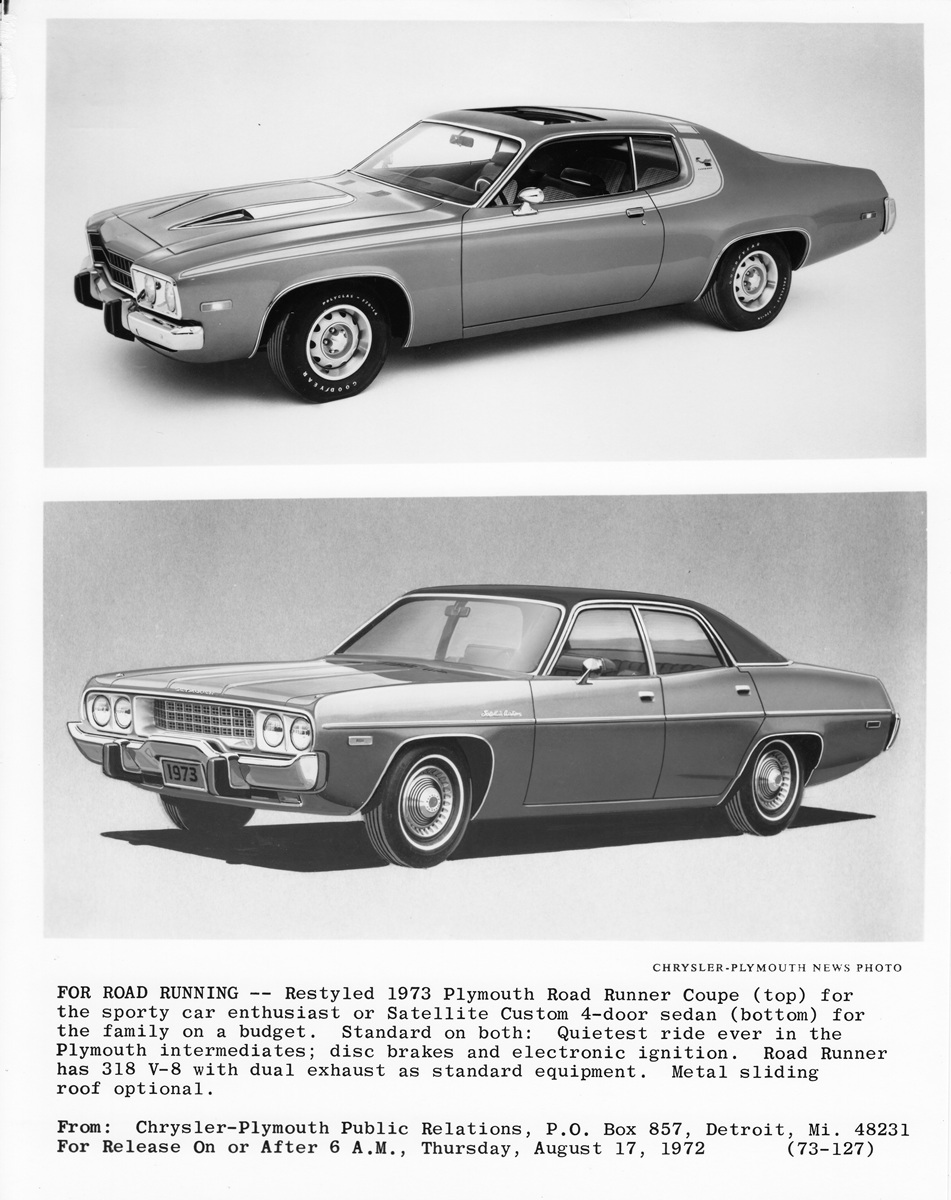
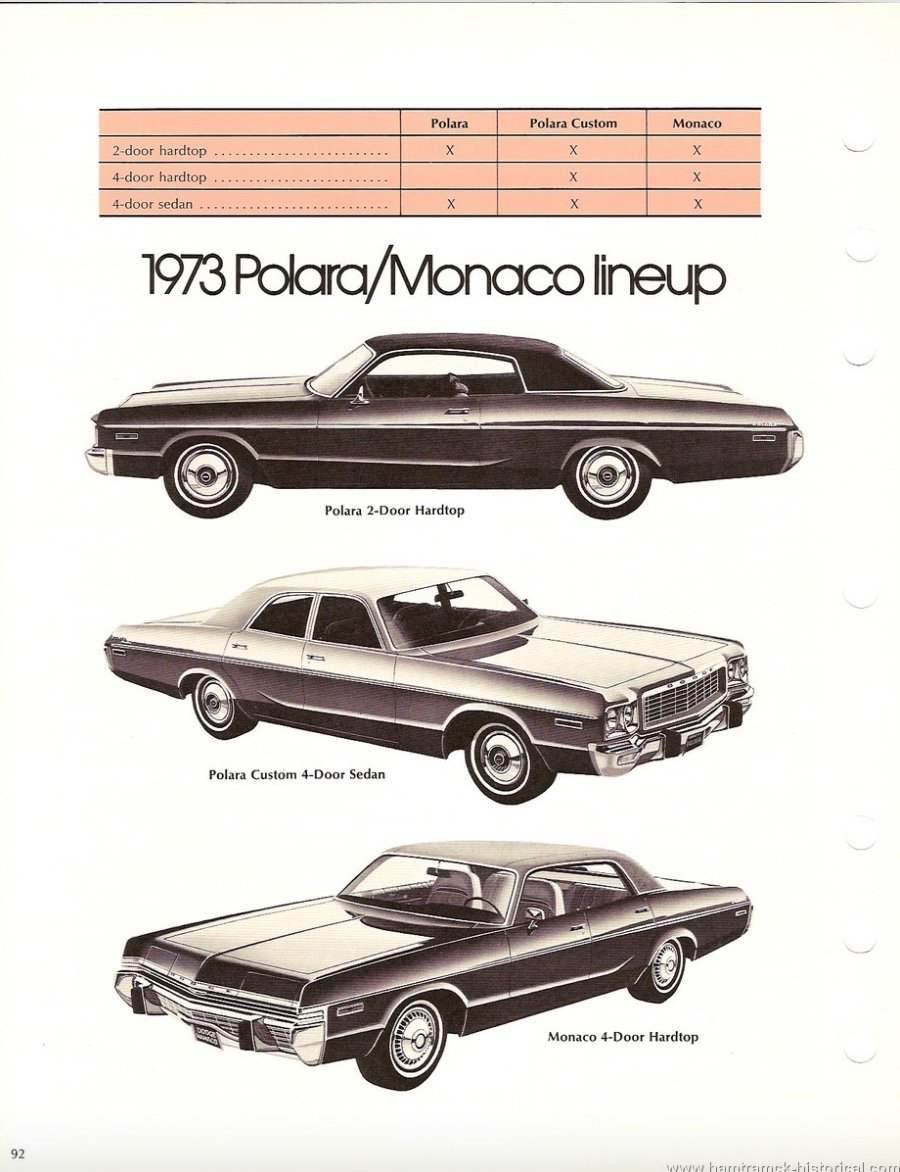
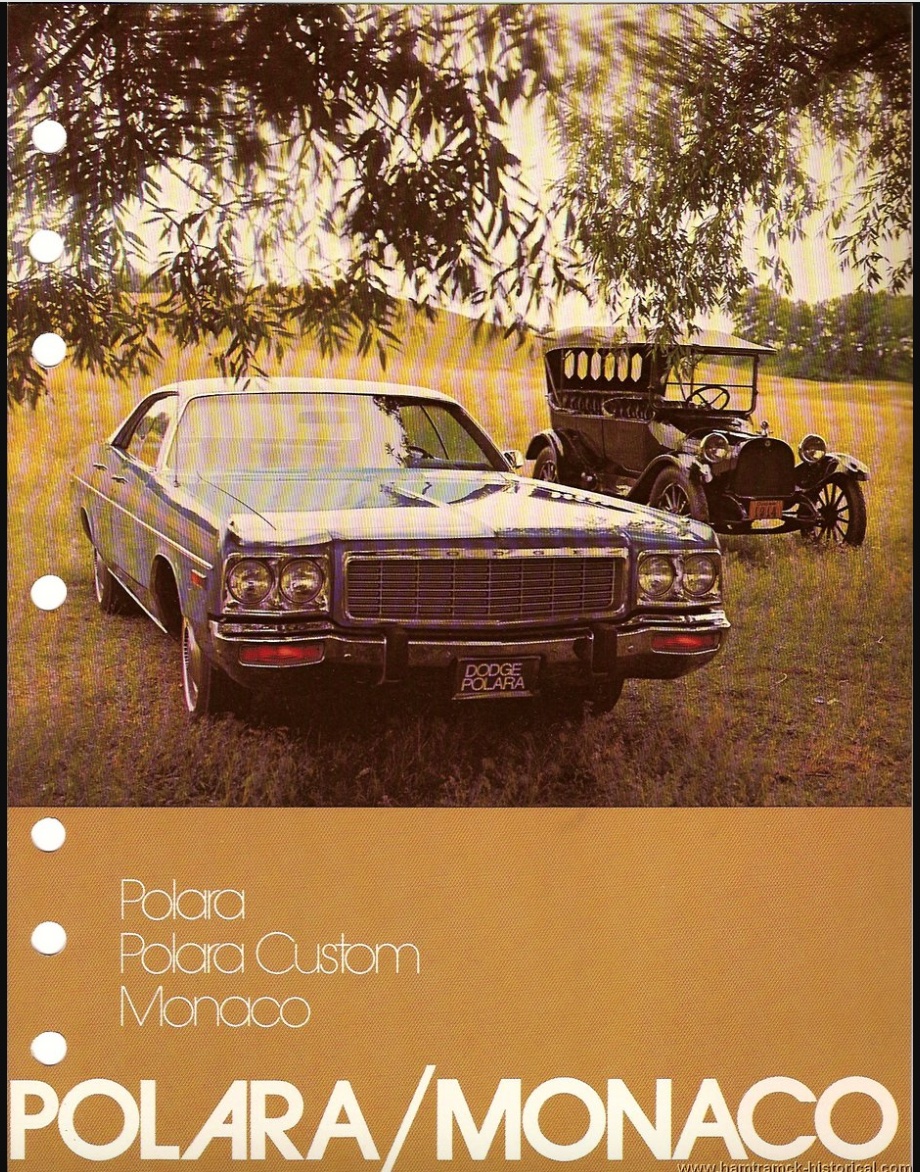
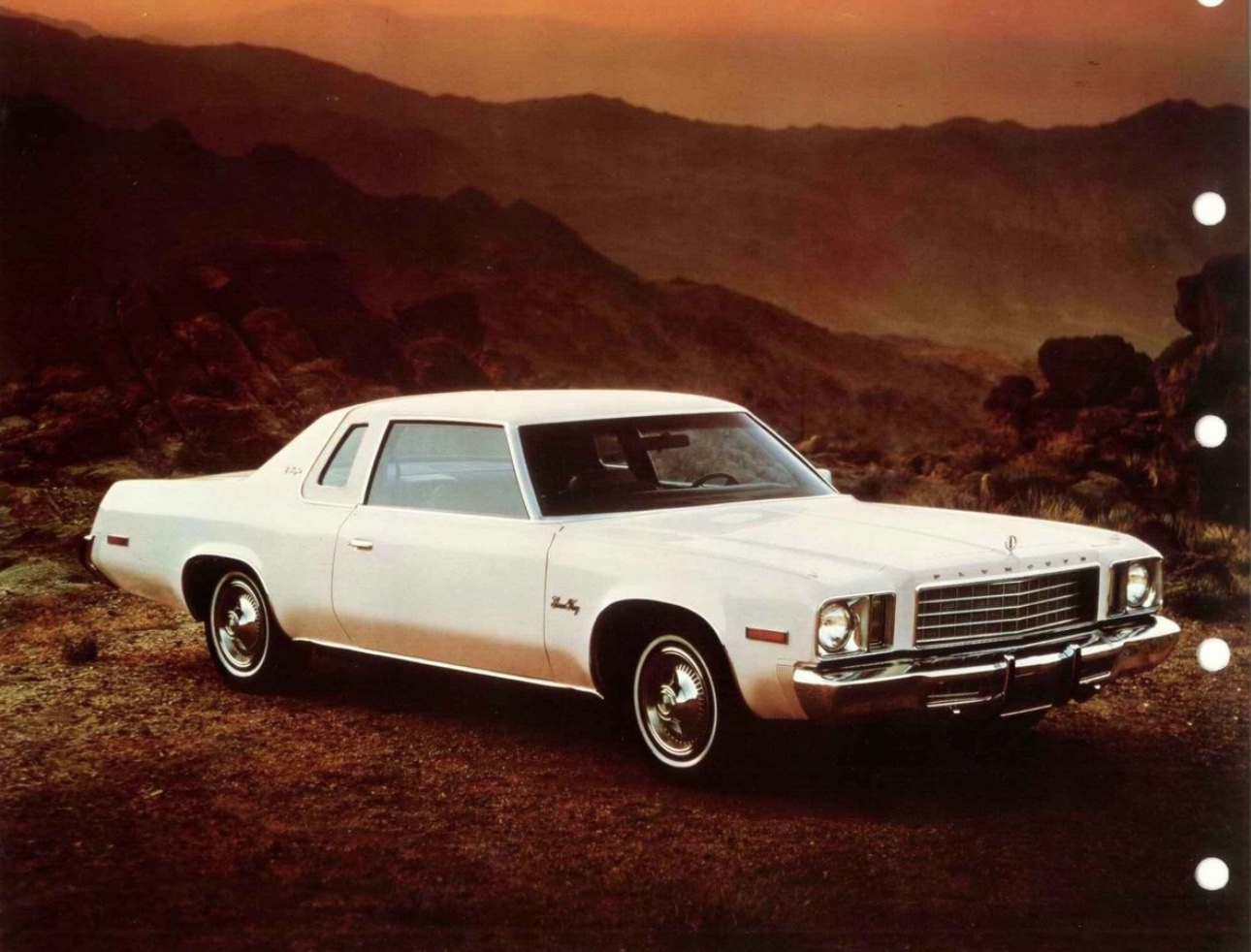
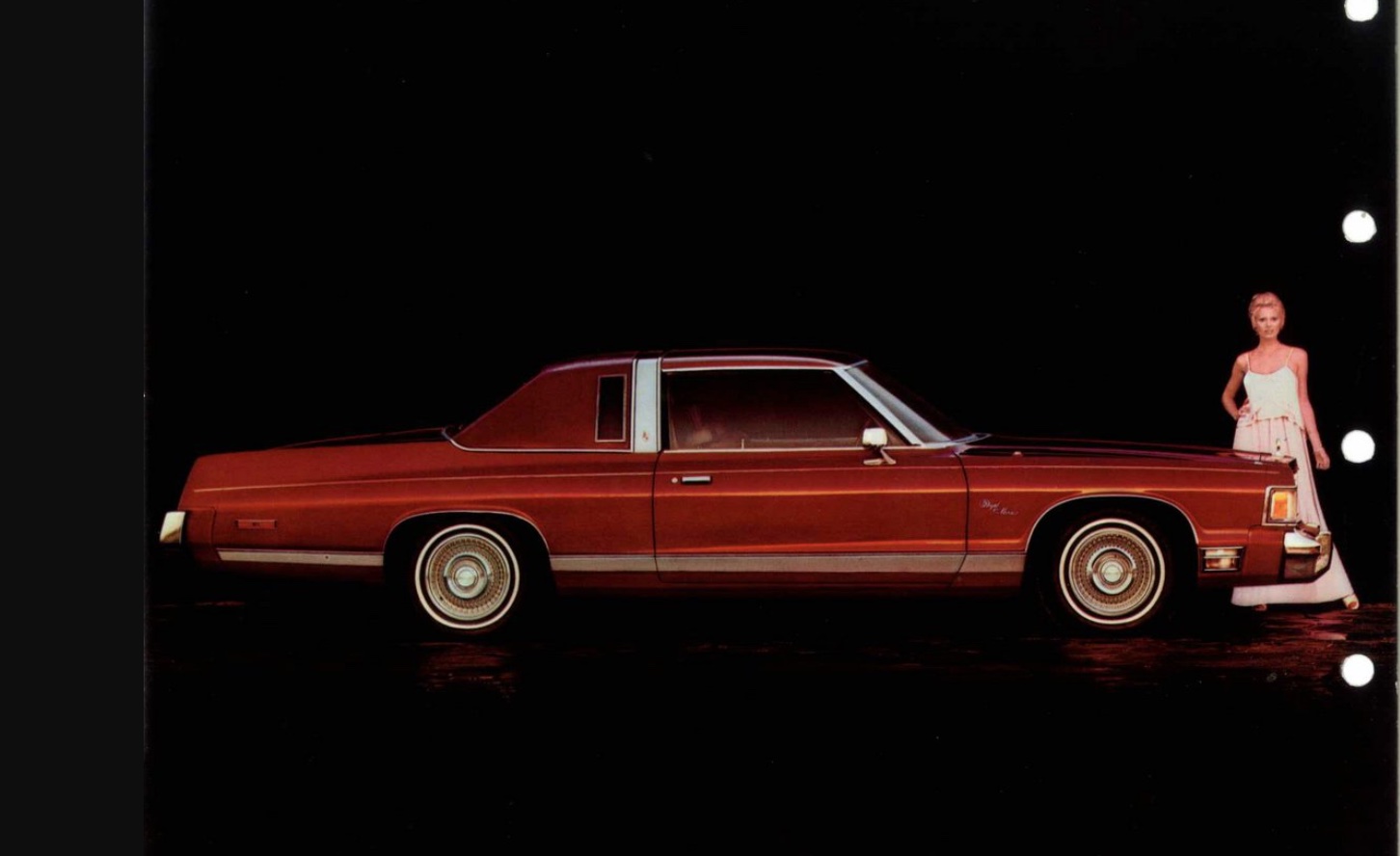
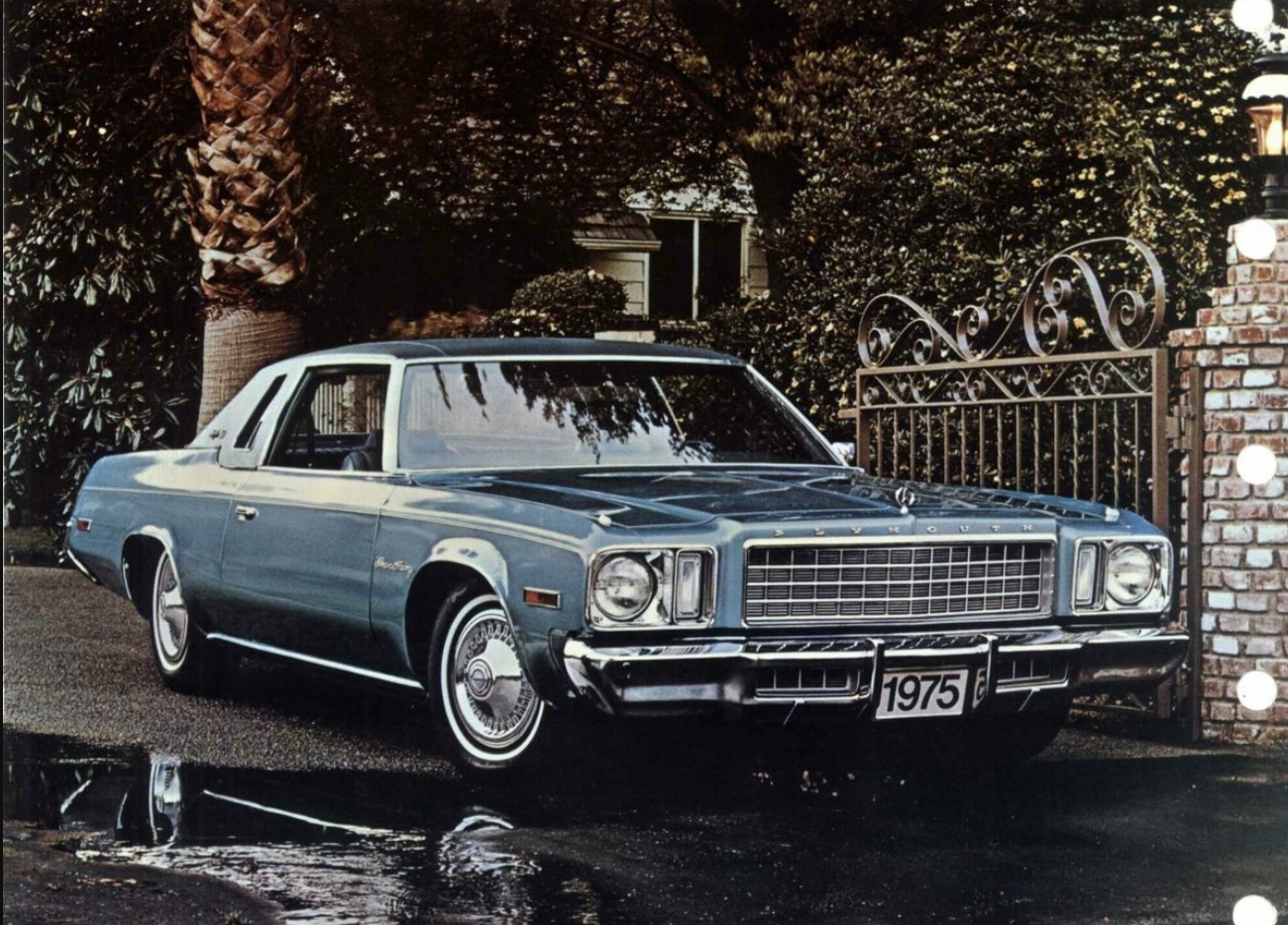
Before we close out this series, check out these pics showcasing a variety of production vehicles the 440 powered during the mid-to-late 1970s.
0 Comments