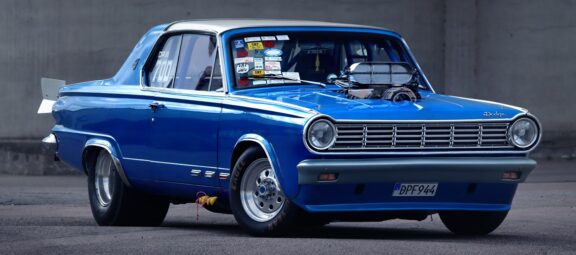
Dodge Dart with 2,000 Horsepower – and Counting
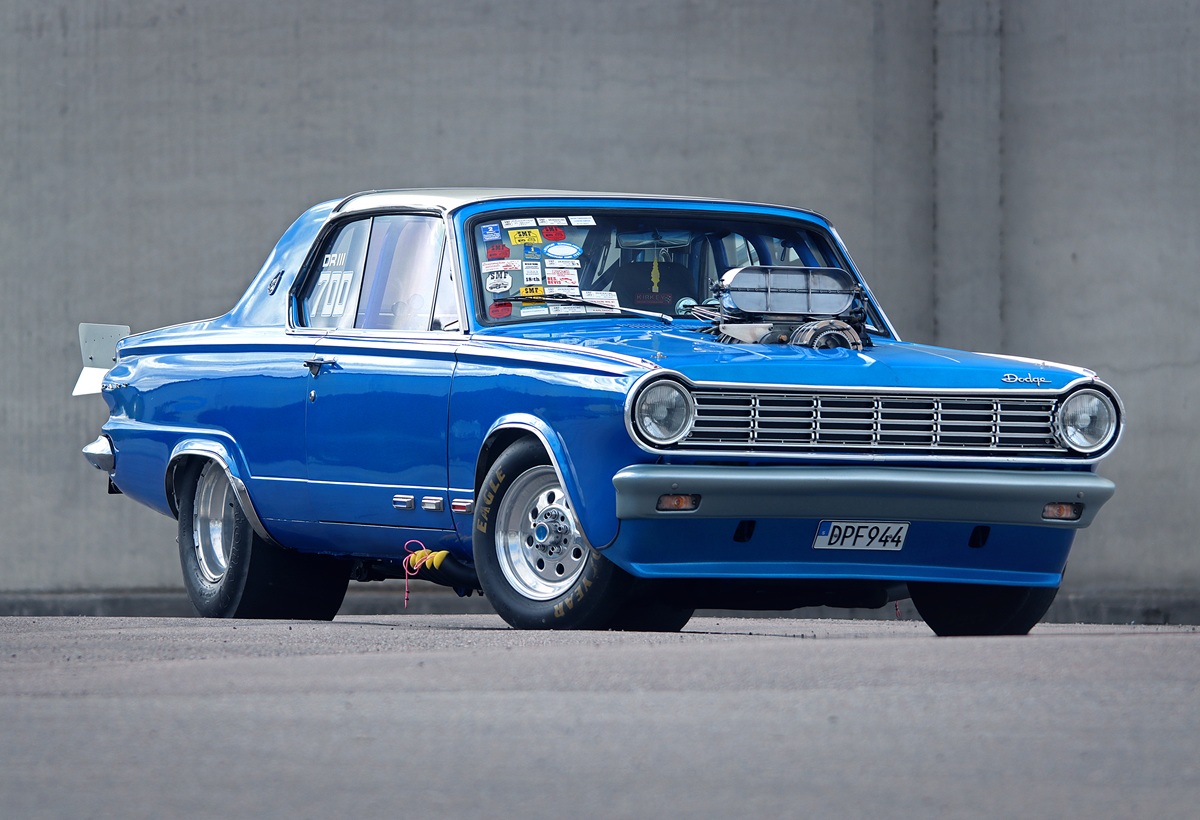
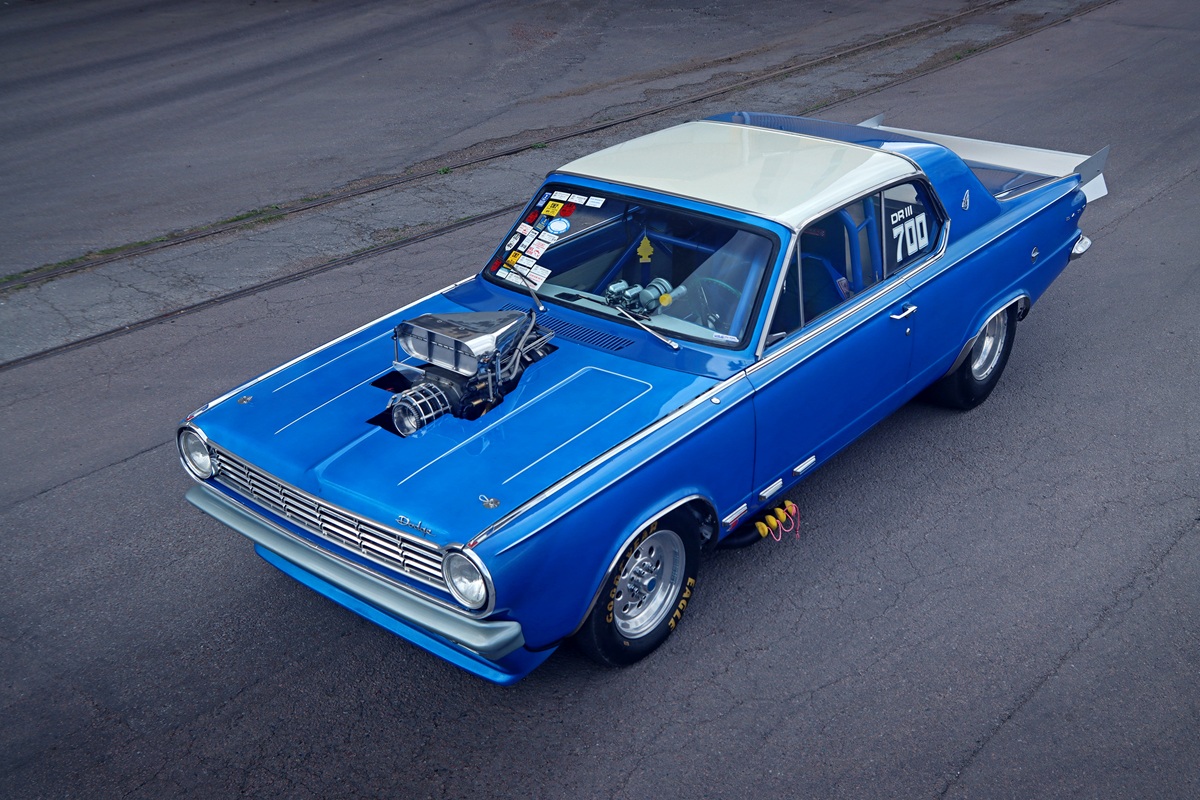
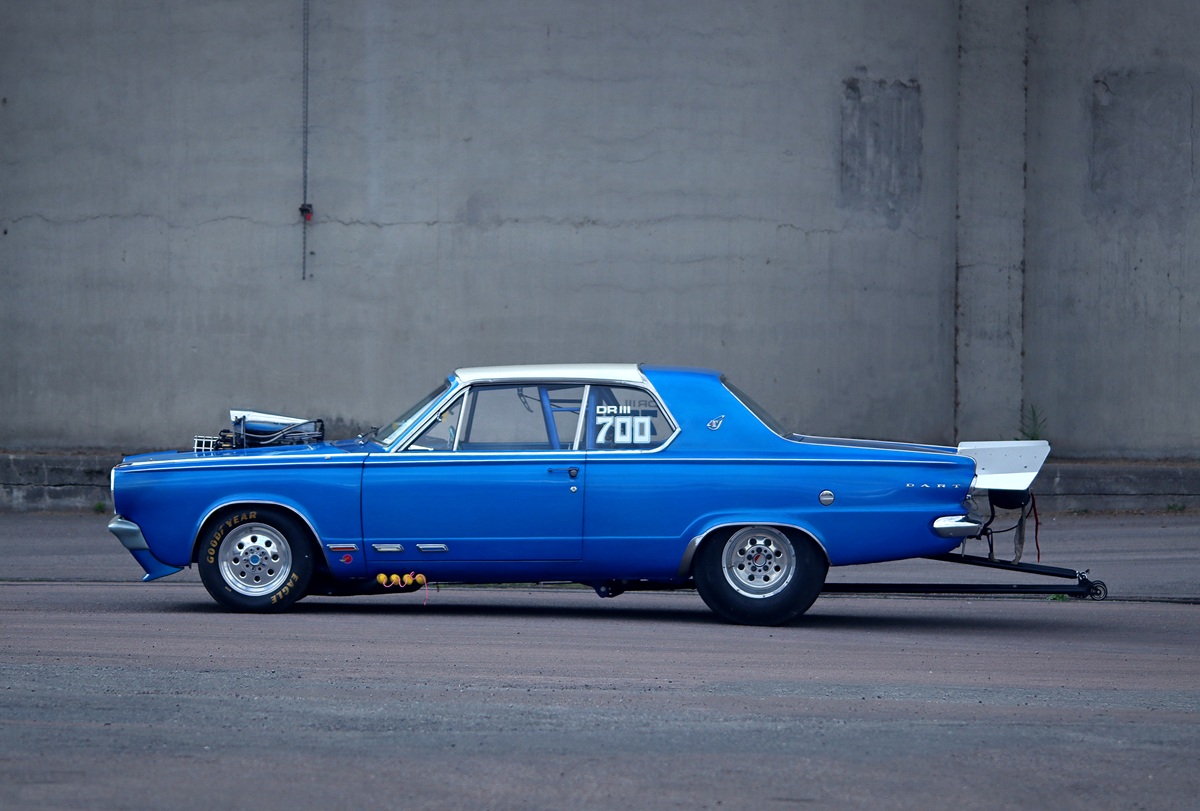
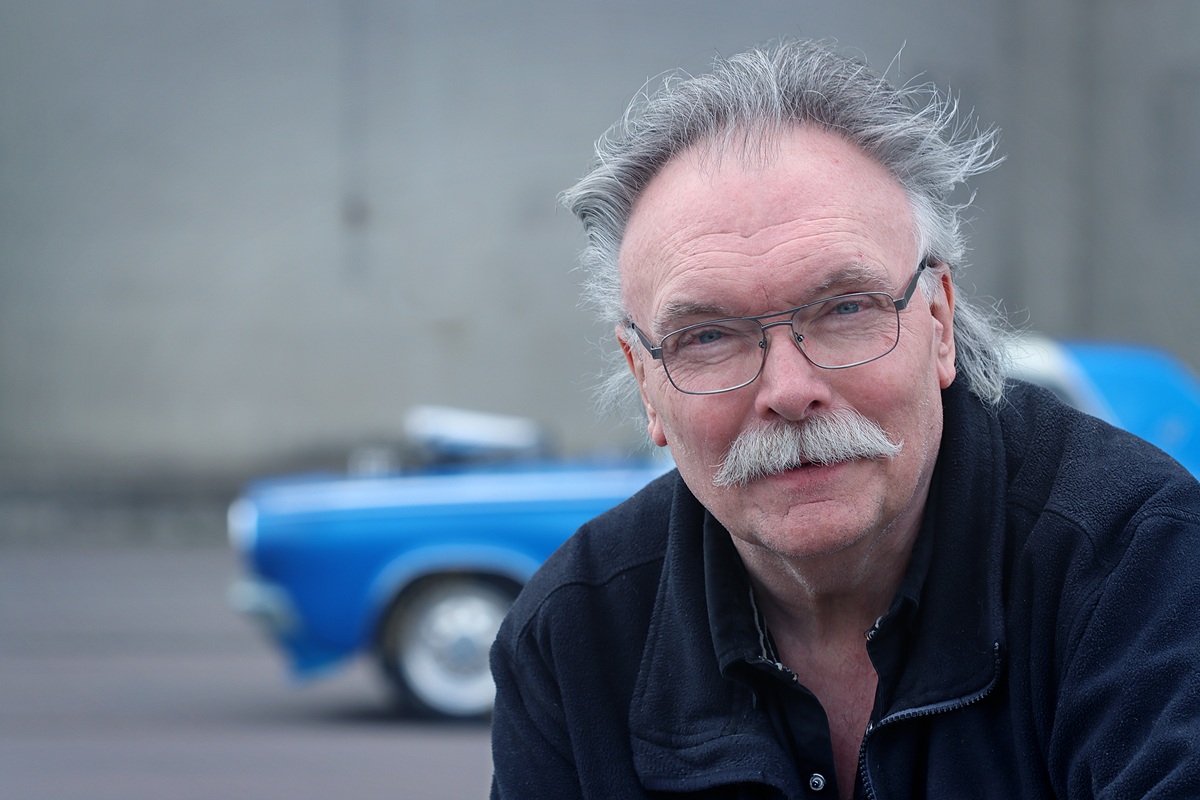
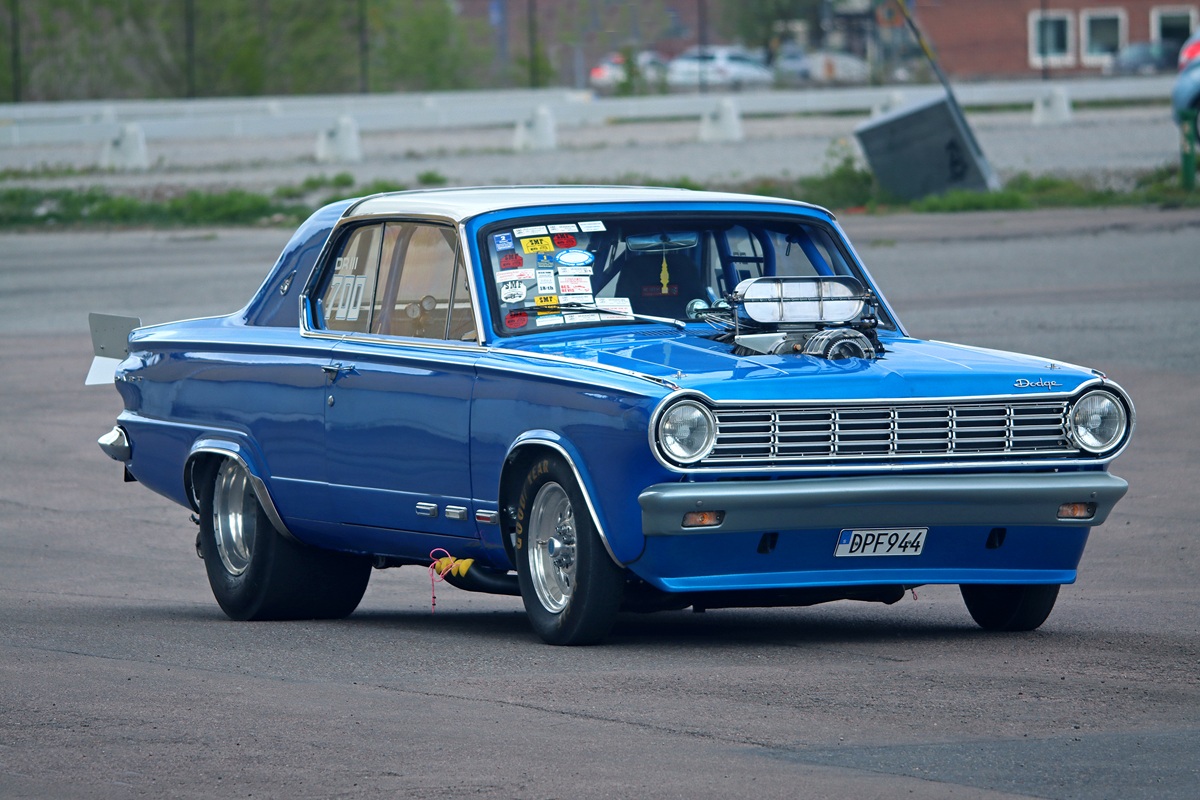
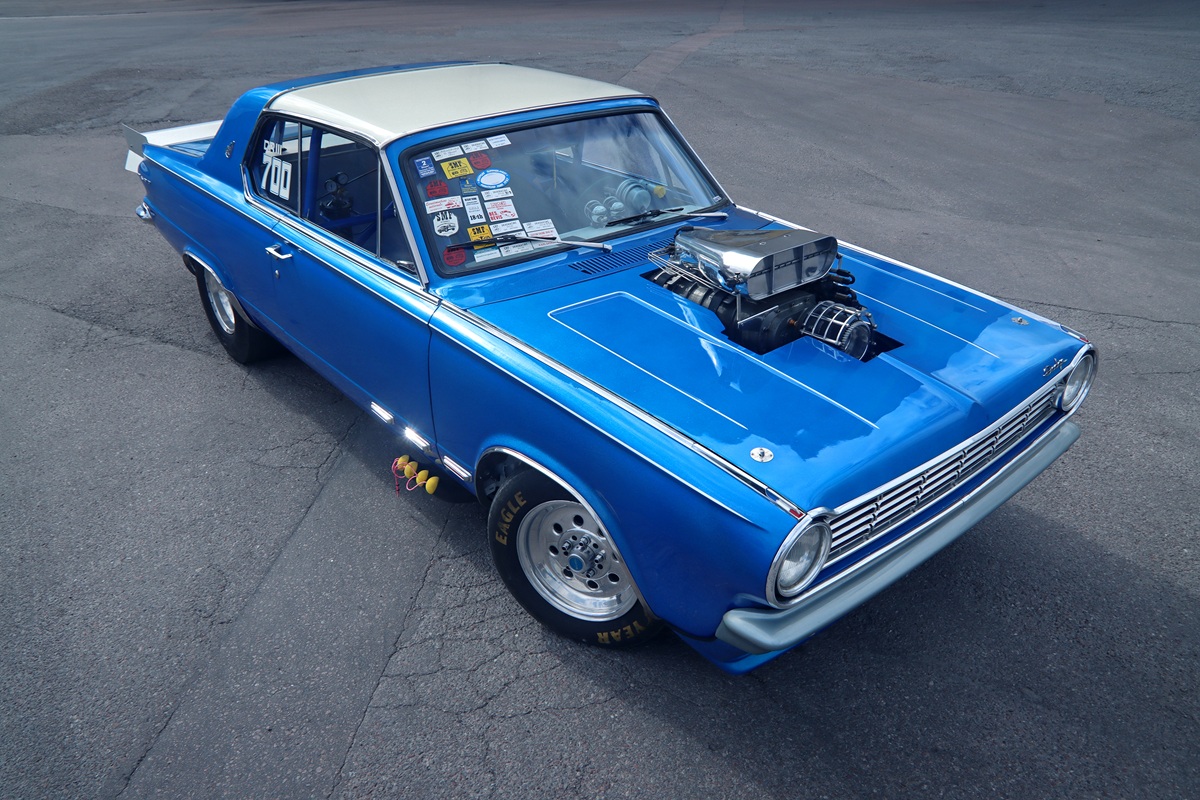
Swedes love their Dodge Darts. That love is more than half a century old now, and it never rusts. Hans “Hasse” Eklund is living proof. Next year, he will have owned his 1965 Dodge Dart for five decades.
“I remembered it when my phone rang. Right, today was the day we were supposed to talk Dodge.”
Eklund laughs for half a second or so. Then he explains that today’s – and probably this week’s – hobby project is assembling a 1969 Volvo. A former military vehicle, the Volvo L3314, is also known as the Terrängbil 903 or simply Valpen (the Puppy). It needs to be moved from its current garage, and there is still some wrenching left before the Volvo can move under its own power.
“I think this might be Sweden’s first Valp with a V8. These vehicles never came with a V8 from the factory, and it took quite a bit of work to get it approved by the authorities for Swedish roads with such an engine. I did that in the late 1980s, and today it runs a Buick 215 cubic-inch. A small aluminum V8 of 3.5 liters, essentially the same as Rover’s version,” Eklund says. Like his Dart, the subject of this story.
Volvo in general is a bit of an interest for Eklund, who has previously owned a Volvo Amazon and used parts from various Volvos in his other car projects.
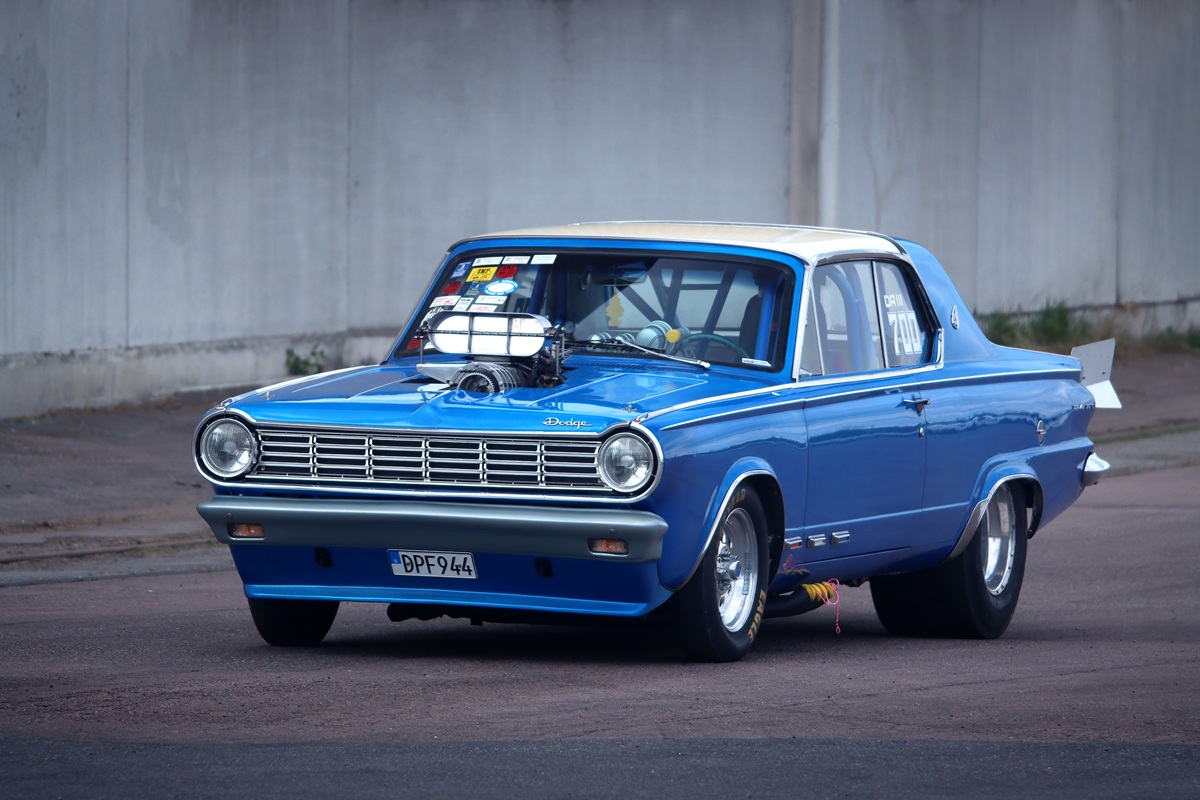
The front spoiler – also called an air dam – comes from a Volvo 240. The rack-and-pinion steering is from a Volvo 343.
The rear inner wheel housings, however, are Dart. From a 1965 station wagon – same model year as Eklund’s. The hood prop rod? That comes from a Toyota Starlet.
One thing is certain – no one has to think very long about it – this Dodge is a true “pick and mix” build. A genuine hot rod in modern times, pieced together over the years as money allowed.
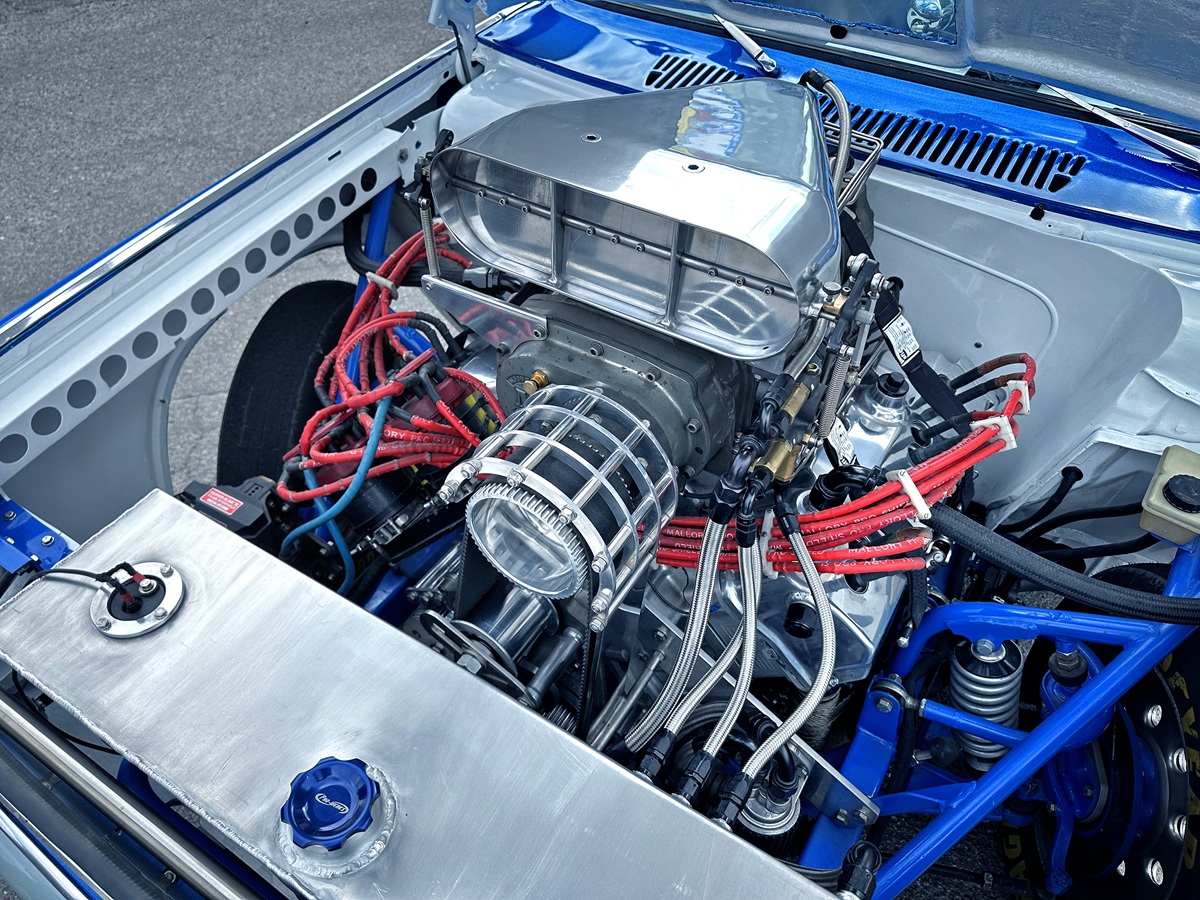
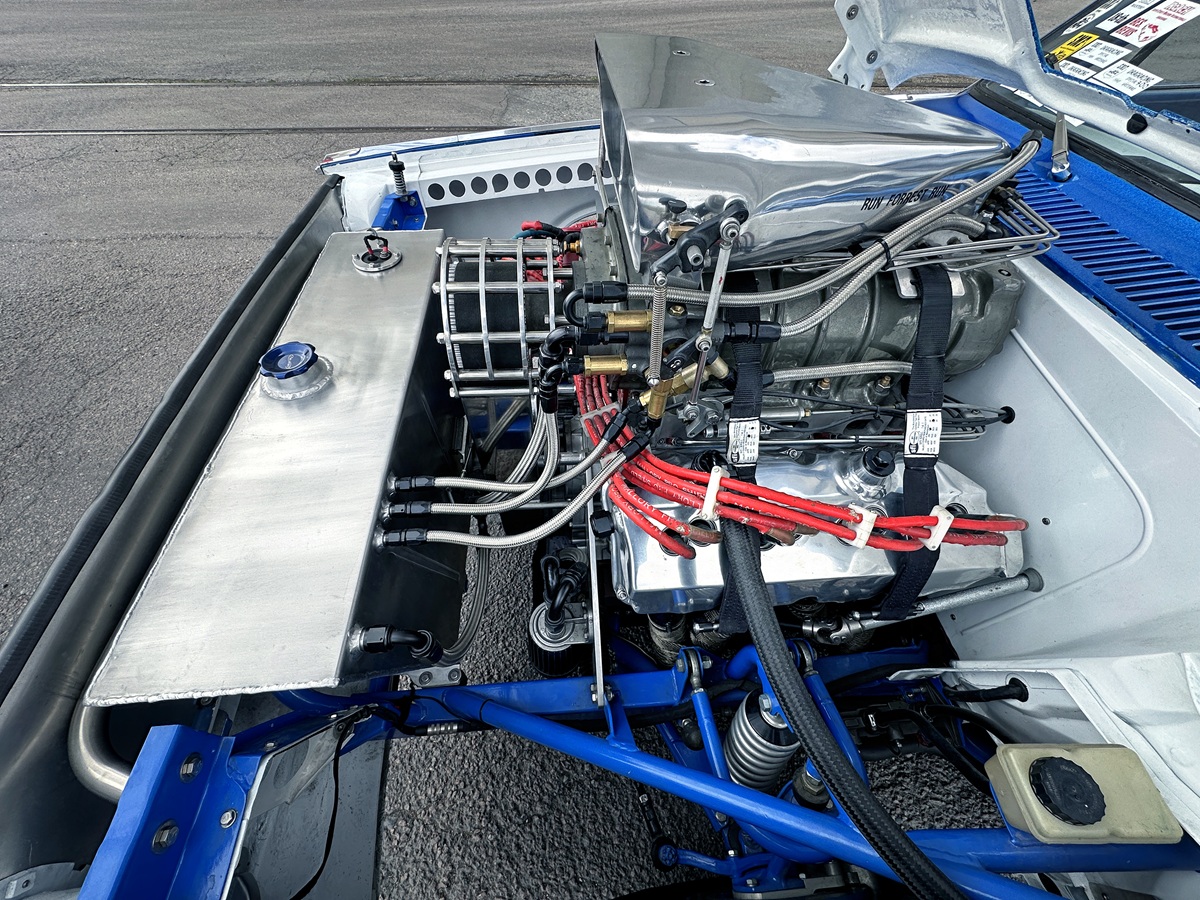
The engine is a prime example. A 526-cubic-inch HEMI® from Brad Anderson Enterprises (BAE).
“Twelve years ago, I got Fast Freddy’s (a Swedish drag racing legend) old HEMI block as a 50th birthday present. A friend named Richard had bought it at a swap meet. Fast Freddy had thrown a rod or two, and both the camshaft and crankshaft bores were out of line. The main caps had broken. Richard realized it would be too expensive to repair, so that’s why I ended up with the block.”
The plan in the beginning, however, was to run a Mopar® big block. A 400-cubic-inch version.
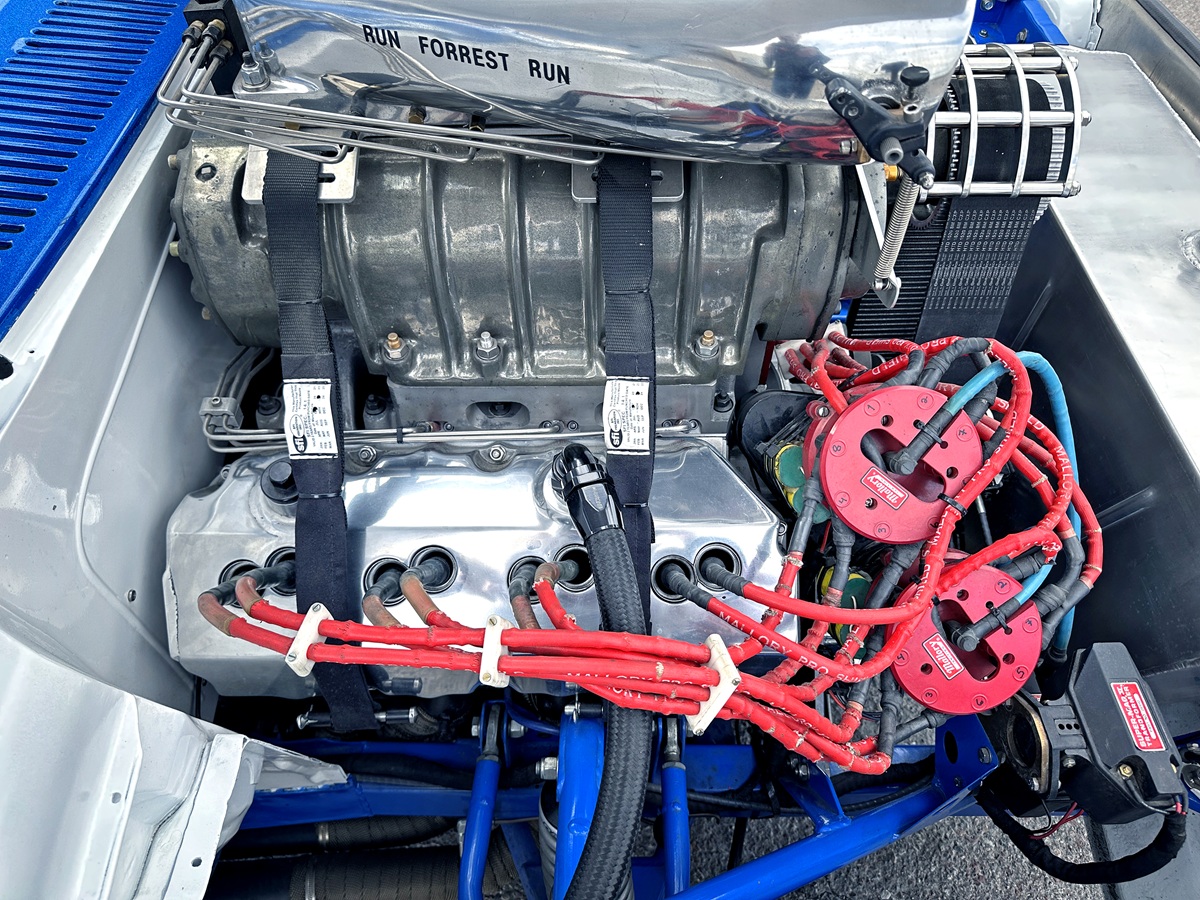
“But Richard said it was time for me to learn my lesson. That’s why I got this block. It’s what I have since repaired and assembled, buying parts little by little. I designed the cam drive and cover in CAD and made them at work together with colleagues. Same with the rocker arm stands, since I thought the geometry was a bit off. There are quite a few other details that I had to fabricate instead of buying. HEMI parts can be pretty expensive, so you save where you can. And yes, it has taken a while,” Eklund says.
Learning his lesson, indeed. Before rewinding the tape to the beginning of his Dart story, it’s worth noting that Eklund used to work with simpler, relatively cheap solutions. Ones that perhaps didn’t always hold up on the strip – or at the occasional street race. You get the idea.
Now let’s pretend the calendar says 1976. Eklund is 16 years old, and his friends’ older brothers have a few Plymouth Valiants. Naturally, Eklund is inspired. The Volvo Amazon he owns doesn’t stop him from eyeing American iron.
“At first, I was interested in a 1963 Chevrolet Impala. Next to it in the parking lot stood the Dart. The thing with the Impala was that it only had primer. The Dodge, though, had fresh blue paint – the same it has today, actually. And they cost the same,” Eklund says.
The choice was not hard, and Eklund had bought his first American car – without even having a driver’s license. The Dart came with a 273-cubic-inch V8, which was fairly standard at the time.
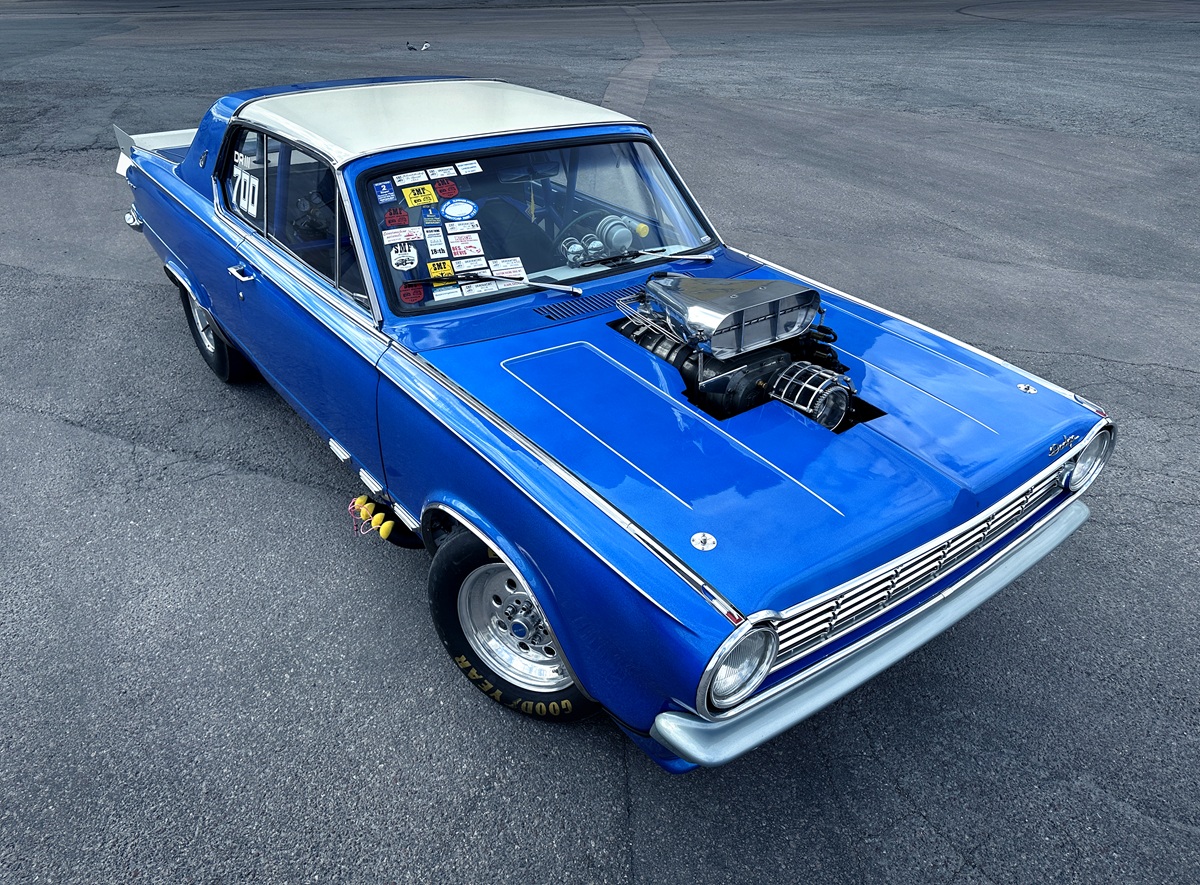
“My buddies with licenses drove it the first years. The car stayed stock during that time, but soon after I got my license, I bought a 340-cubic-inch V8 and swapped it in. Gradually the car developed. A hotter camshaft, a bigger carb. You know how it goes.”
By 1981, it was time for street racing. The road between Eklund’s hometown of Västerås and Eskilstuna is called Riksväg 58 (Route 58). That’s where it happened – and it caused a stir that made Eklund a national celebrity.
“I ended up on the front pages of Expressen and Aftonbladet, Sweden’s biggest evening papers. Also in Lektyr, a men’s magazine like Playboy. We had a guy with us, Roland ‘Rolle’ Stavlind. He took a lot of photos. We wondered why. ‘Private use,’ he said briefly. Turns out those pictures became front-page material with headlines like ‘Kamikaze Drivers on Route 58,’” Eklund says with a short laugh.
Yes, Rolle had bigger plans. Today, the story feels almost innocent, but Swedish police in the 1970s were notorious for chasing anyone who acted up on the streets – especially if they had American cars. Eklund realized it was best to keep a low profile. Police, he says, were fairly aggressive and determined to catch the guilty parties.
“A guy in Västerås also had a blue Dart. It ended with a six-hour interrogation before the police realized it was the wrong guy and car.”
Eklund began to realize that street racing was fun, but it came with certain tradeoffs. It became even clearer when another Swedish drag racing legend, Jöran Persåker, invited people to a street race in Borlänge, in the province of Dalarna, in the early 1980s.
“We pulled into a gas station in Borlänge with the Dart. It only took seconds before people came running. ‘It’s him, the guy from the newspapers!’ they shouted. Yeah, I ended up signing autographs,” Eklund says.
After the usual performance upgrades on the 340 came a supercharger and dual 750-cfm Carter carburetors. The blower, a 6-71, was part of a kit from Don Hampton, a manufacturer who even in the 1980s specialized in less common engines – anything other than a Chevrolet small block, basically.
Things went well at first, but more wants more, so the boost was cranked up. A wilder camshaft was added, and eventually an Enderle mechanical injection setup. That’s when the problems started. The lesson, again.
“There are too few head bolts on a 340, only 10 per cylinder head. The head gaskets blew constantly. After a while, the rear axle started breaking,” Eklund says with a sigh.
Then he brightens up.
“But the sound of that V8 was insane. Almost worse than a motorcycle when you floored it. Really eager to rev. Because of the failures, I never got any proper strip times with it back then. The bottom end always held together, though. The car did win several times in ‘Dragracing Special,’ as the class was called then,” Eklund says.
In 1994, the Dart was put aside, and together with his friend Per-Arne, Eklund built a T-23 Altered that they raced for a number of years. Both wanted a lighter car, and that’s what they got. The Dart’s engine and transmission were moved into the T-23, but the lighter weight didn’t help much with the head gasket problem. After a few seasons, the duo gave up and considered a big block for the T-23. With limited budgets, they had to get creative. That later became a 383 stroked to 426 cubic inches, with Enderle stack injection, with a brief stint using his friend Richard’s blown Chevrolet big block that dynoed at 1,005 horsepower in the T-23. But that, Eklund says with a grin, is another story for another time.
That sparked the desire to run the Dart again, so he put together a naturally aspirated engine. The V8 consisted of a 360 block bored to the 340’s cylinder diameter. Since the 360 has a longer stroke but smaller bore, total displacement came to 372 cubic inches.
“It was a mix of old stuff from the shelf. Used cylinder heads. A single-plane intake. Single four-barrel carb. A torque converter from an Opel that we rebuilt ourselves. On the quarter-mile, we ran 12.1 seconds on the first pass and thought, well, maybe that’s as fast as it gets with what we have. Then we realized one of the fuel pumps wasn’t working. So we kicked it. Bam – 11.1 seconds instead. A quick way to shave off a full second. Pretty good for a 1,500-kilo to 3,300 pounds car,” Eklund says.
Then came a number of years away from the strip. It would be a while before the Dodge was dusted off again. But when it was, things got serious.
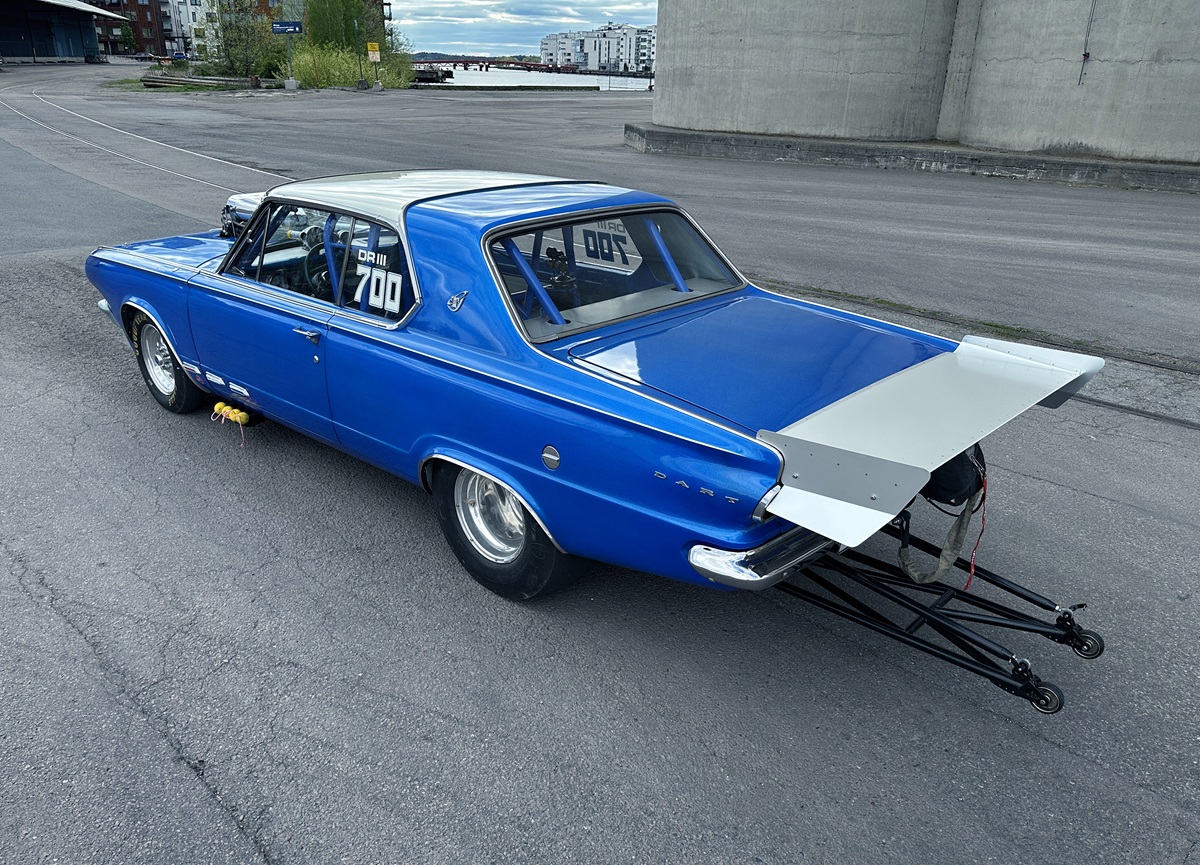
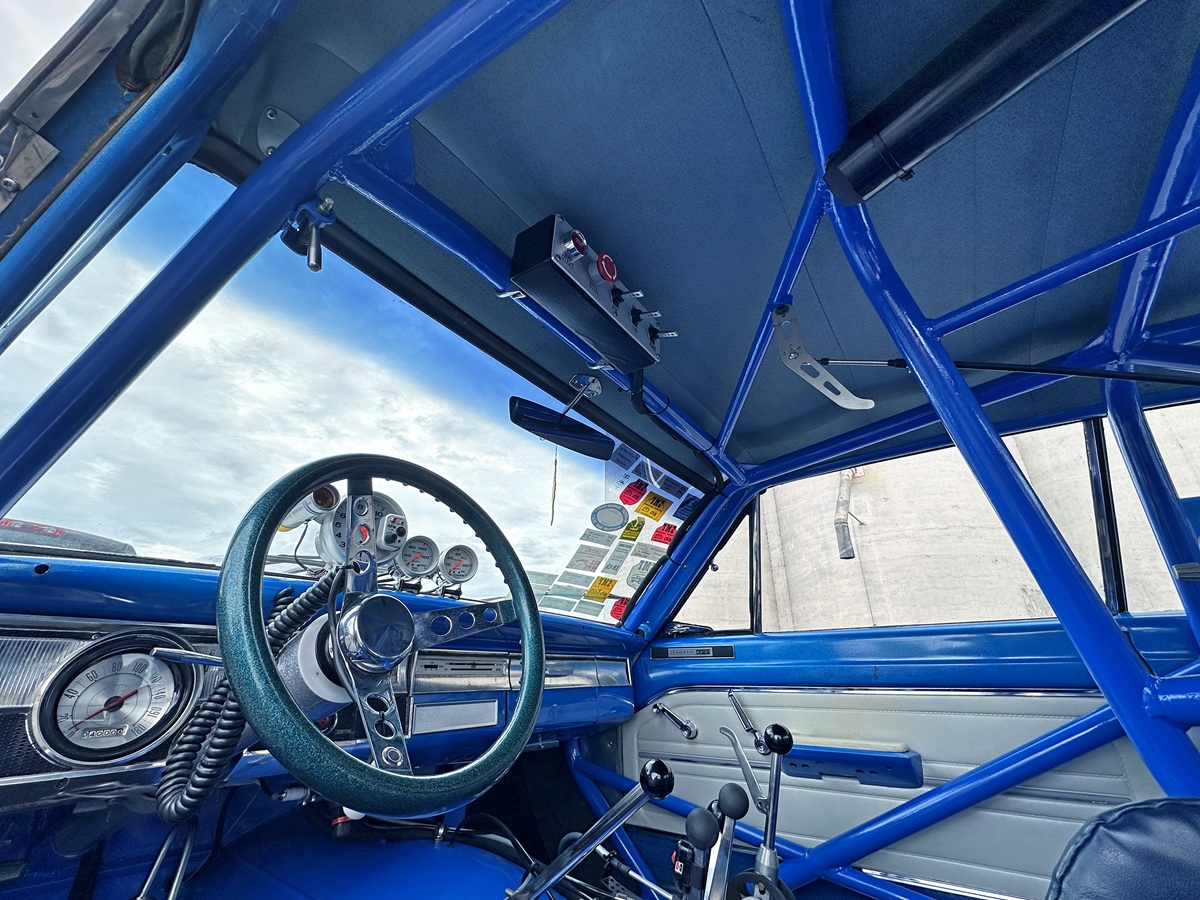
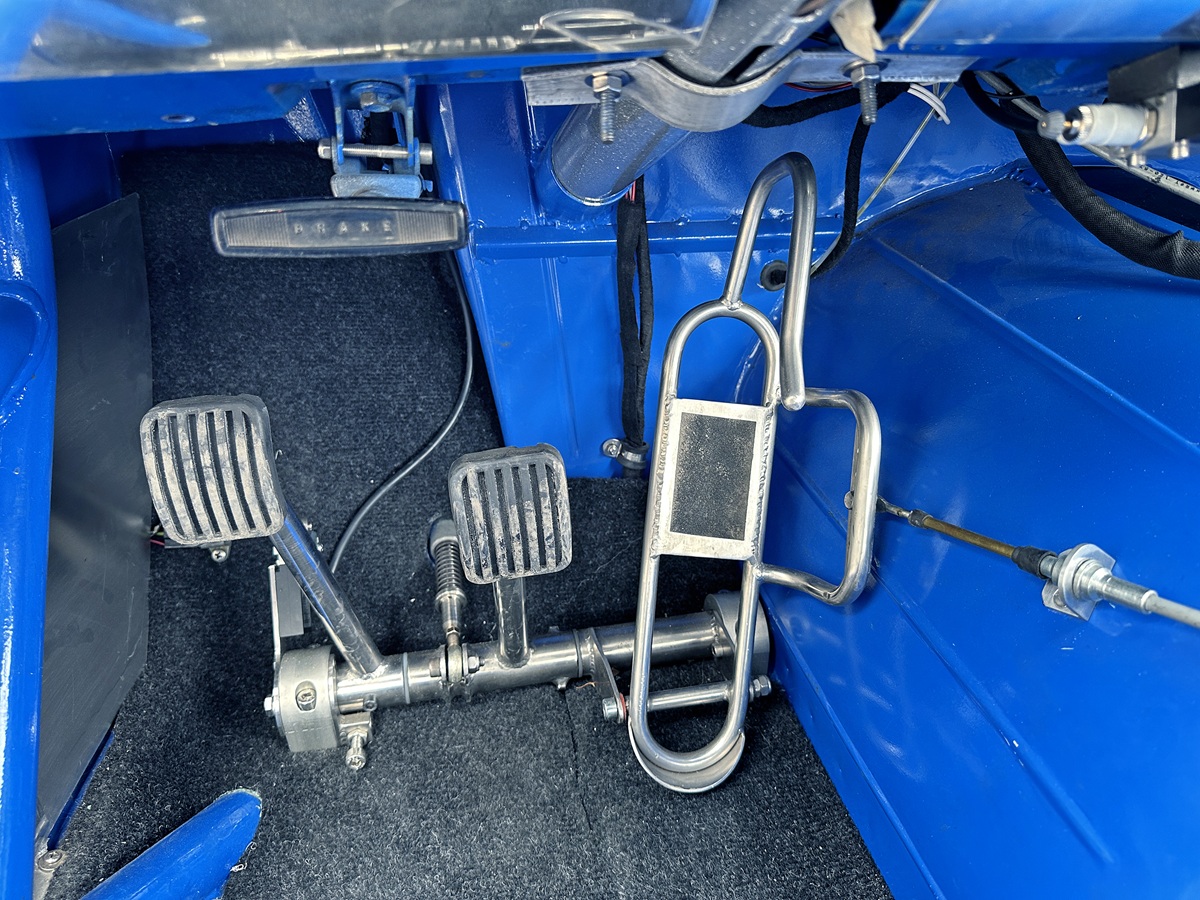
The chassis and cage were rebuilt to meet SFI 25.4 spec. The car has run as quick as 7.5 seconds with the original floorpan still intact. Both front and rear suspension were redone. In 2022, the Dart was restarted, for the first time with a HEMI engine. Earlier this year, in the summer of 2025, it was tested on the strip.
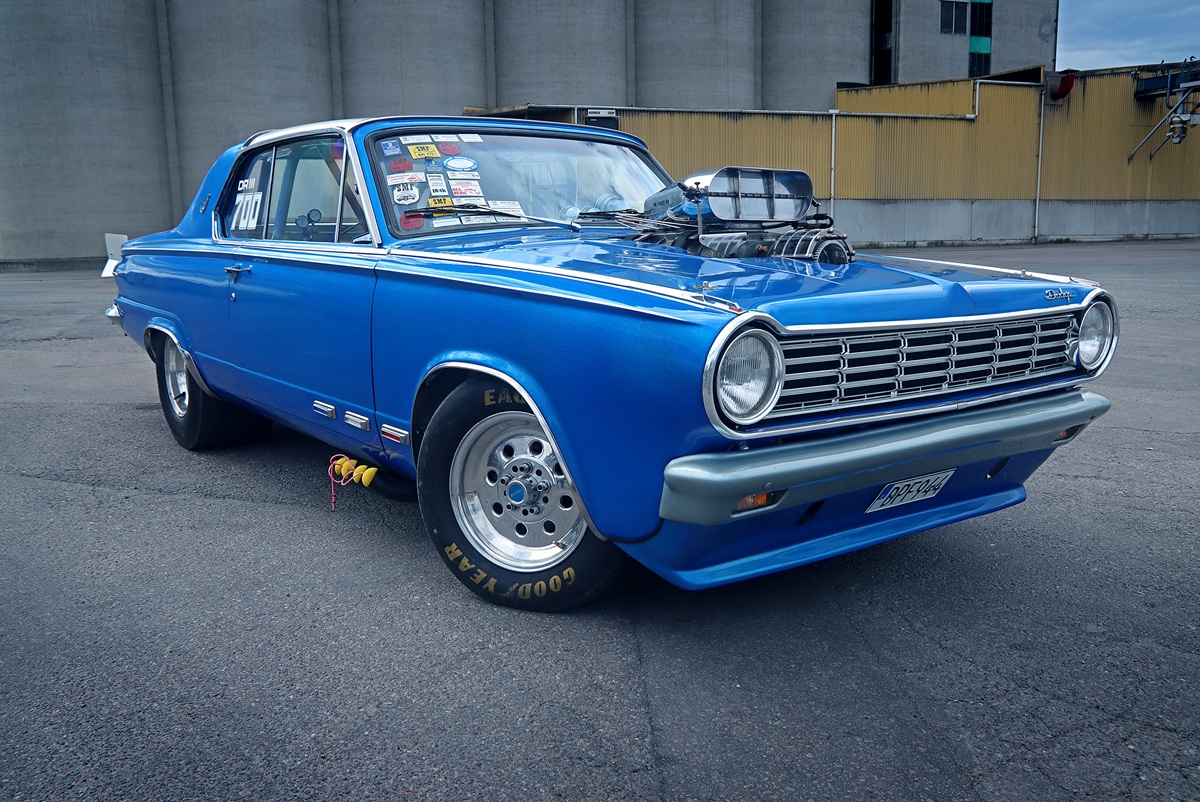
“How did it go at Mantorp Park? It didn’t, really. So you don’t need to write about that… Ha ha! The car itself ran fine. The chassis worked as expected without much tuning. But I ran the old tires that were already on it, since I didn’t want to invest in new slicks that summer. Toward the finish line, I thought I would fall out of the car. Total imbalance, with anything but round tires.”
There are also plenty of small fixes left on the to-do list. The powerful ignition system, for example, interferes with the tachometer.
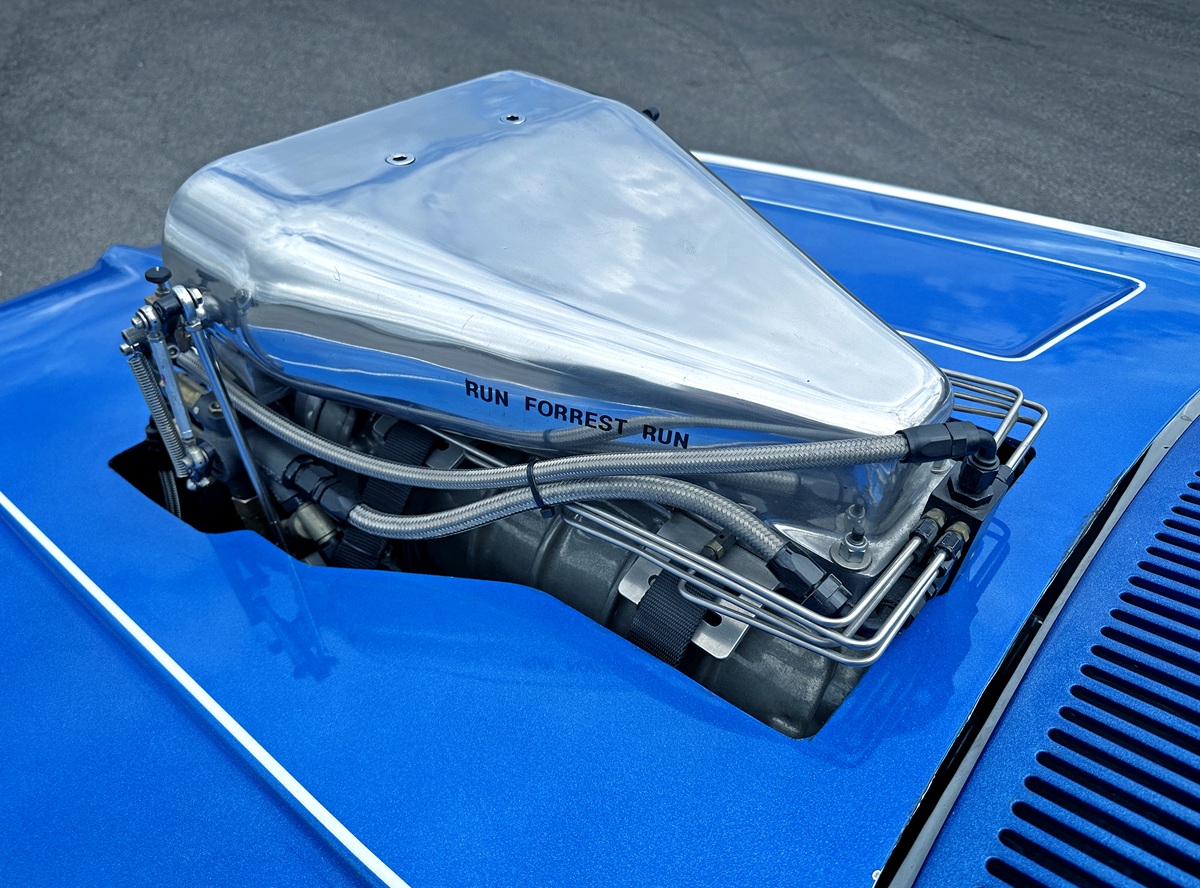
“The magneto ignition is no joke. Old Top Fuel stuff, pretty hot. There’s spark for days,” Eklund says with a grin.
Eklund likes quirky Mopar vehicles. Has he never considered more classic Chrysler products like a 1968 Dodge Charger or a 1969 Plymouth Road Runner? They’re great cars too, he says, but today they cost far too much for him.
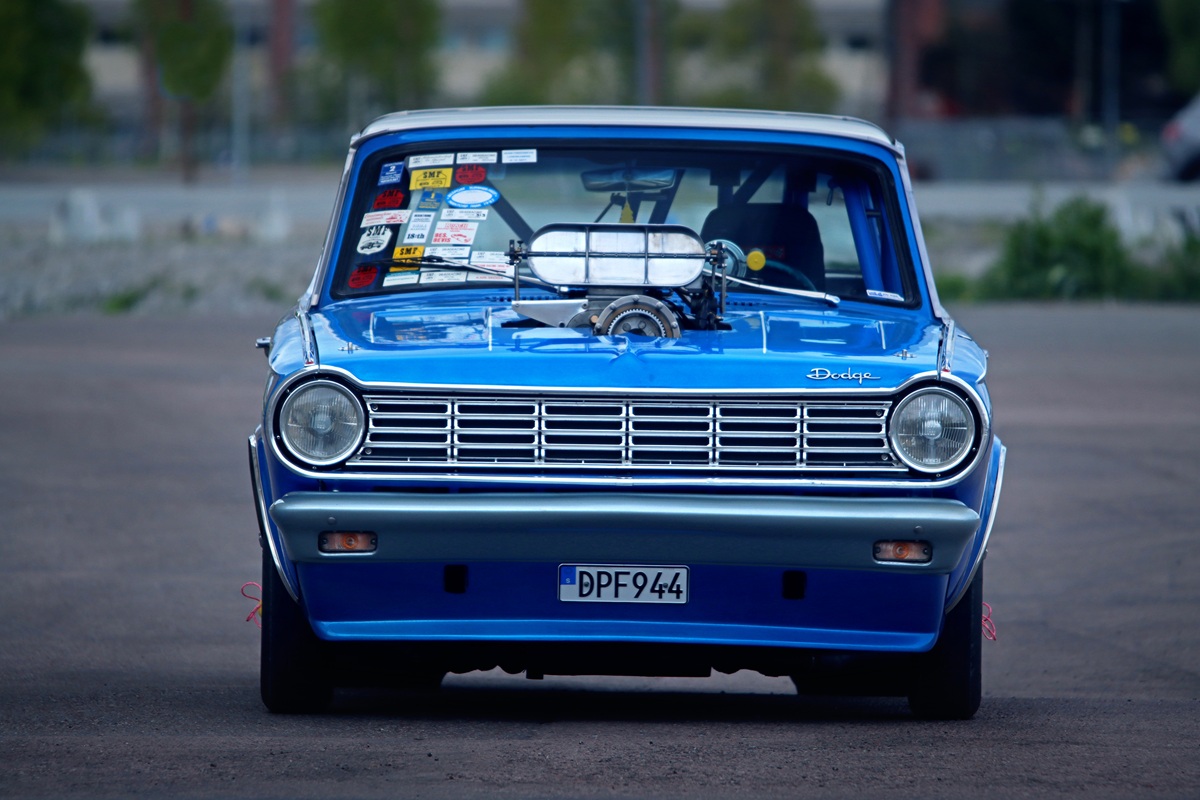
In the mid-1980s, things looked very different.
“I was close to buying a HEMI Challenger. Not original, a clone, but still. I also found a Plymouth Superbird with a 440 and Six-Pack. They wanted 33,000 kronor, about $3,300. Too expensive for me then, but I later heard someone bargained it down to 17,000 kronor, about $1,700. If I had known that… I
still regret missing that deal. The question, though, is how it would have passed inspection in Sweden. Back then, police and authorities even hassled Mustang Mach 1 owners – just for that little rear wing. You get the idea,” Eklund says.
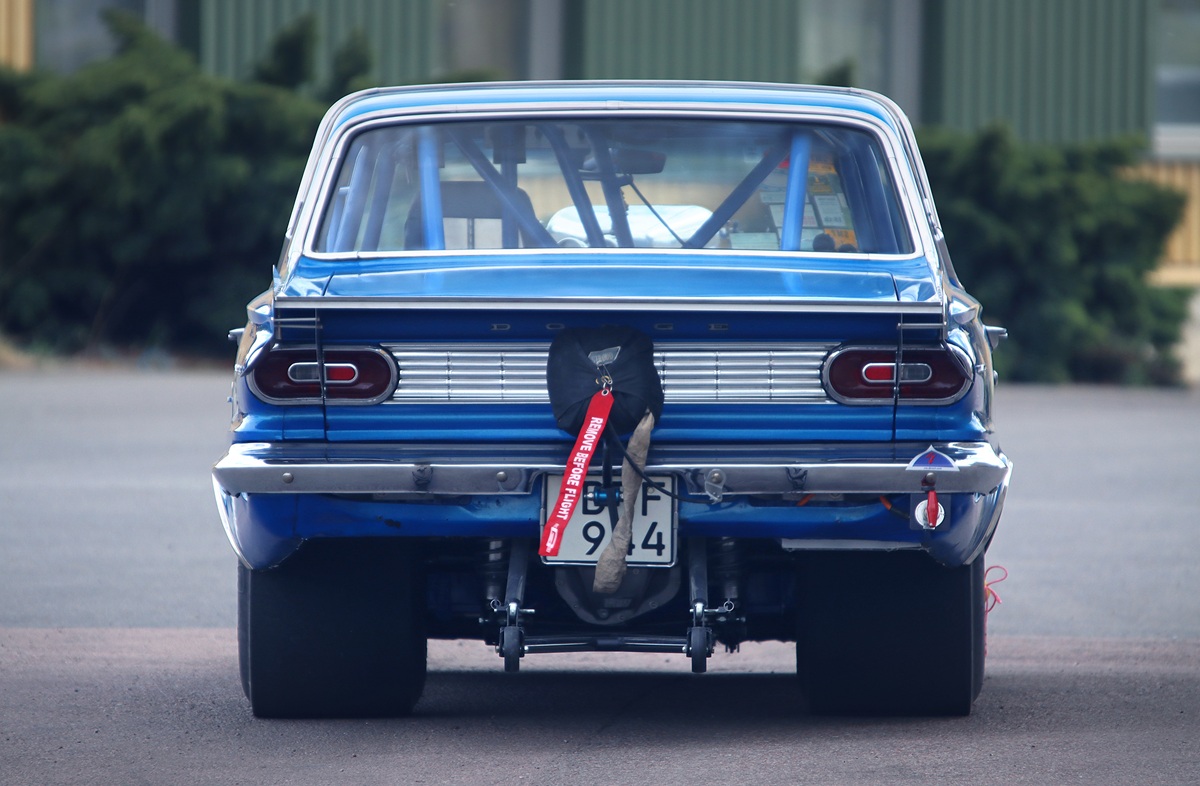
Before we wrap up, Eklund recalls some highlights from his 49 years with the Dart. Like when the daughter of the previous owner, Lasse Granlund, reached out to buy the car back as a 60th birthday gift for her father. The problem was that the Dart is no longer very street-friendly. Sure, it can be driven
briefly – very briefly, since it lacks a radiator. But Eklund did not, and still does not, want to part with his pride and joy. Not even for a million. So there was no deal.
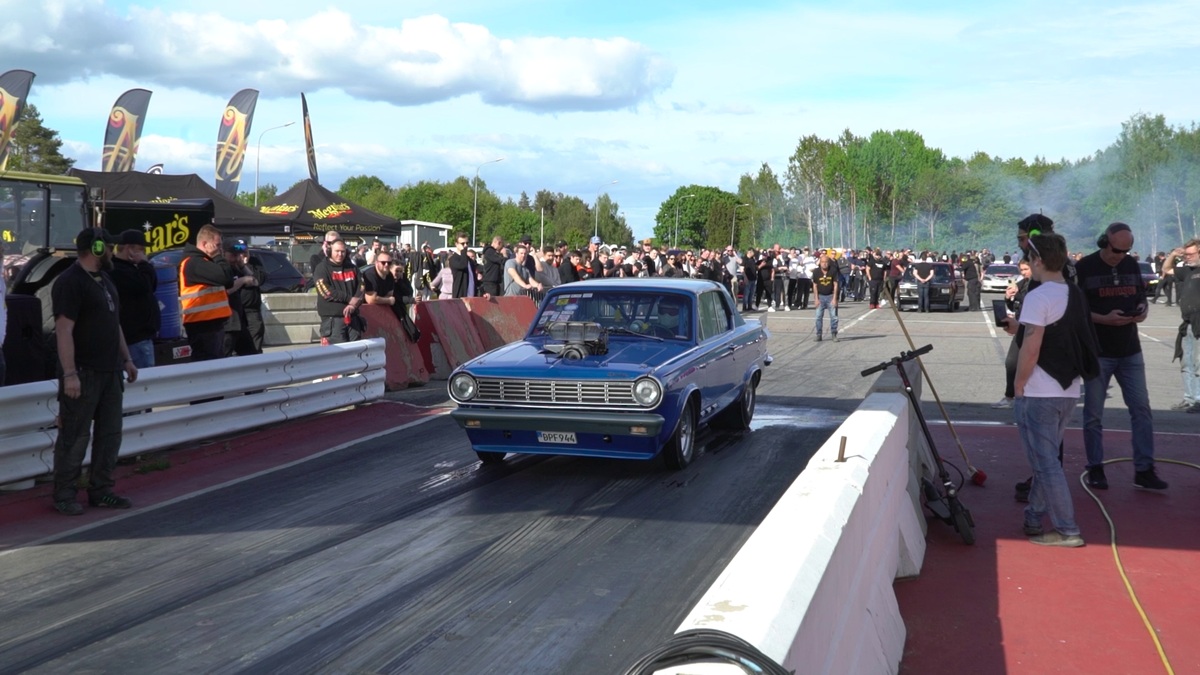
Then there were Sweden’s strict regulations in the 1970s. Back then, 235 horsepower in a 1965 Dodge Dart was considered a lot. Eklund recalls a trip downtown with one of his friends driving. One of the first outings as a Dart owner. It ended with a roadside inspection that generated eleven “two” remarks on the inspection sheet – meaning the faults had to be fixed and the car re-inspected. Police “found” a lot wrong. The mud flaps (mandatory then). The low beams aimed incorrectly. Wrong reflectors…
“Another time, I had shortened the rear axle and then went for a drive. I had N50-15 tires, about 12.5 inches wide. Two police cars and four motorcycle cops stopped us for another roadside inspection.”
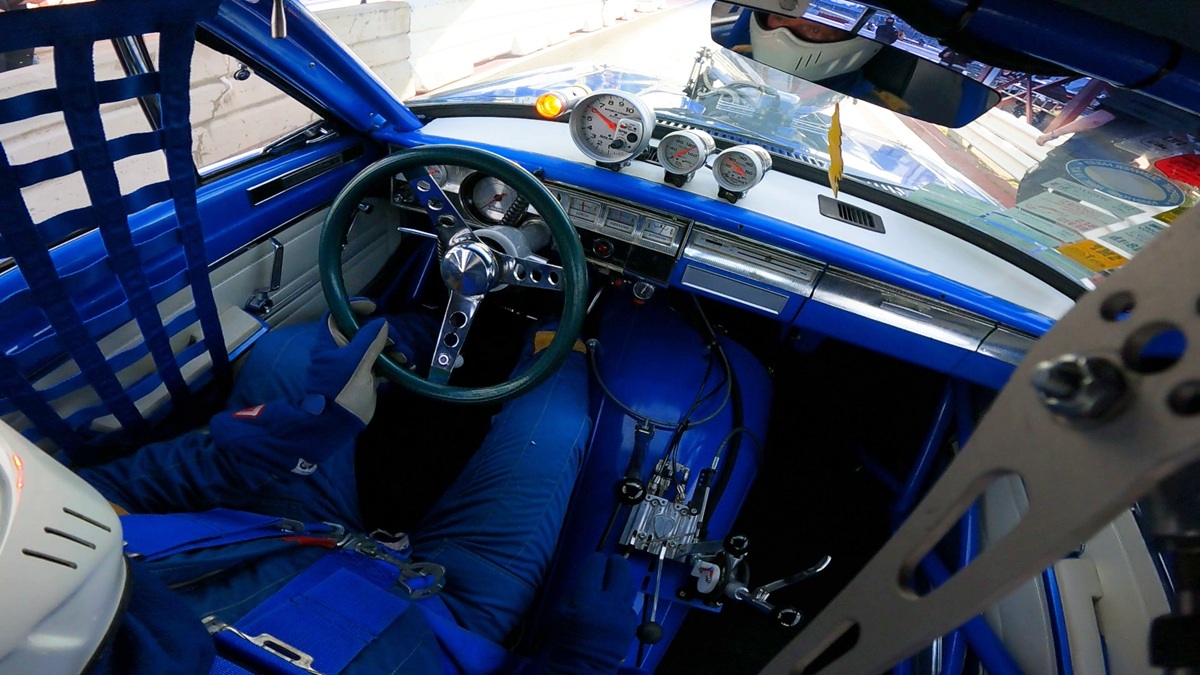
Since the rear axle was shortened, which was unusual then, and the wheels were tucked under the fender lips, the police didn’t quite understand what they were looking at. But they sensed something was “wrong.” The tires were wider than normal…
“They couldn’t say anything about the rear wheels. So one of the cops pointed to the hood – the blower. ‘This thing, is the car inspected with that?’ I said, ‘Yes,’ referring to the rear axle being legal, which they could see themselves. Then they suddenly wanted to test-drive the Dodge. The cop driving
it went up to about 160 km/h in a 50 zone. I pointed out that there was a bus station nearby. That it was irresponsible. The cop said they could drive however they wanted if it was to check a car…”
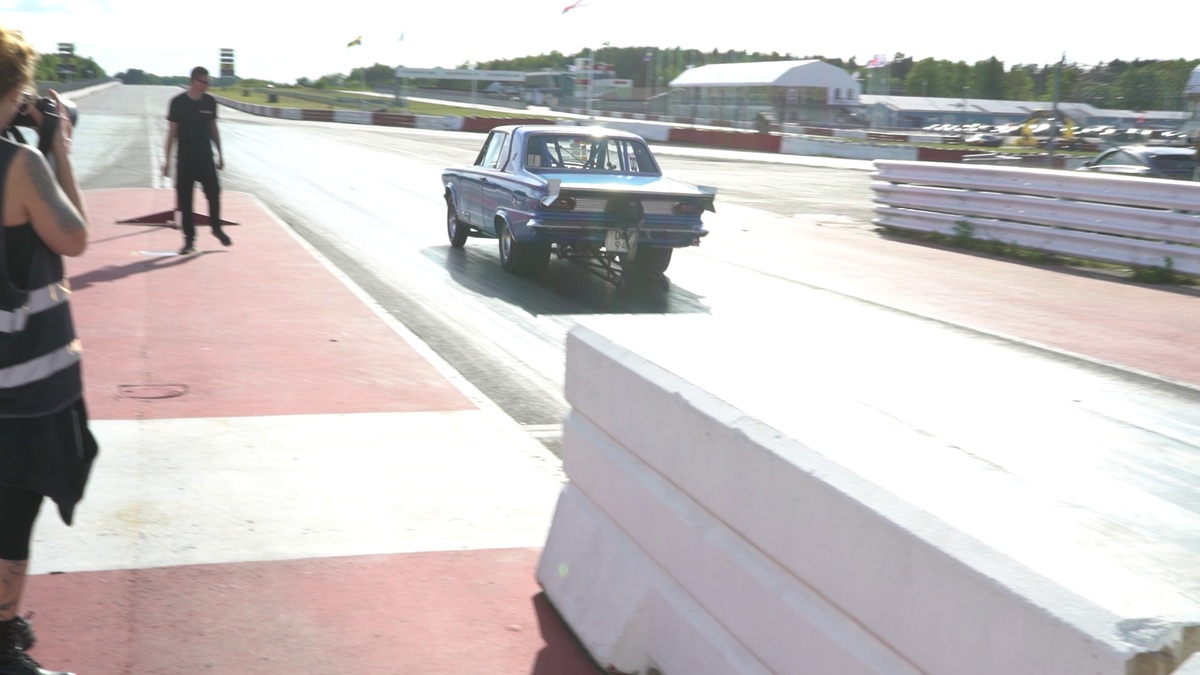
You can almost hear Eklund shaking his head over the phone.
It’s nice to get the last word, I think. No re-inspection came of it that time. The cops gave up. Eklund may have been one of the “Kamikaze Drivers on Route 58” in the middle of the night, but blasting past a bus station at 160 km/h was not his style. And that was that.
You may remember Eklund. In November 2024 we published a feature on his 1964 Plymouth Sport Fury here on DodgeGarage. Don’t miss it!
Quick tech specs on Eklund’s 1965 Dodge Dart:
- Engine: 526-ci HEMI V8 (Brad Anderson Enterprises), with BAE cylinder heads, 16 spark plugs, Dick Landy rocker arms
- Supercharger: Mooneyham 14-71 magnesium case, Enderle Barn Door Injector
- Ignition: Mallory dual magnetos
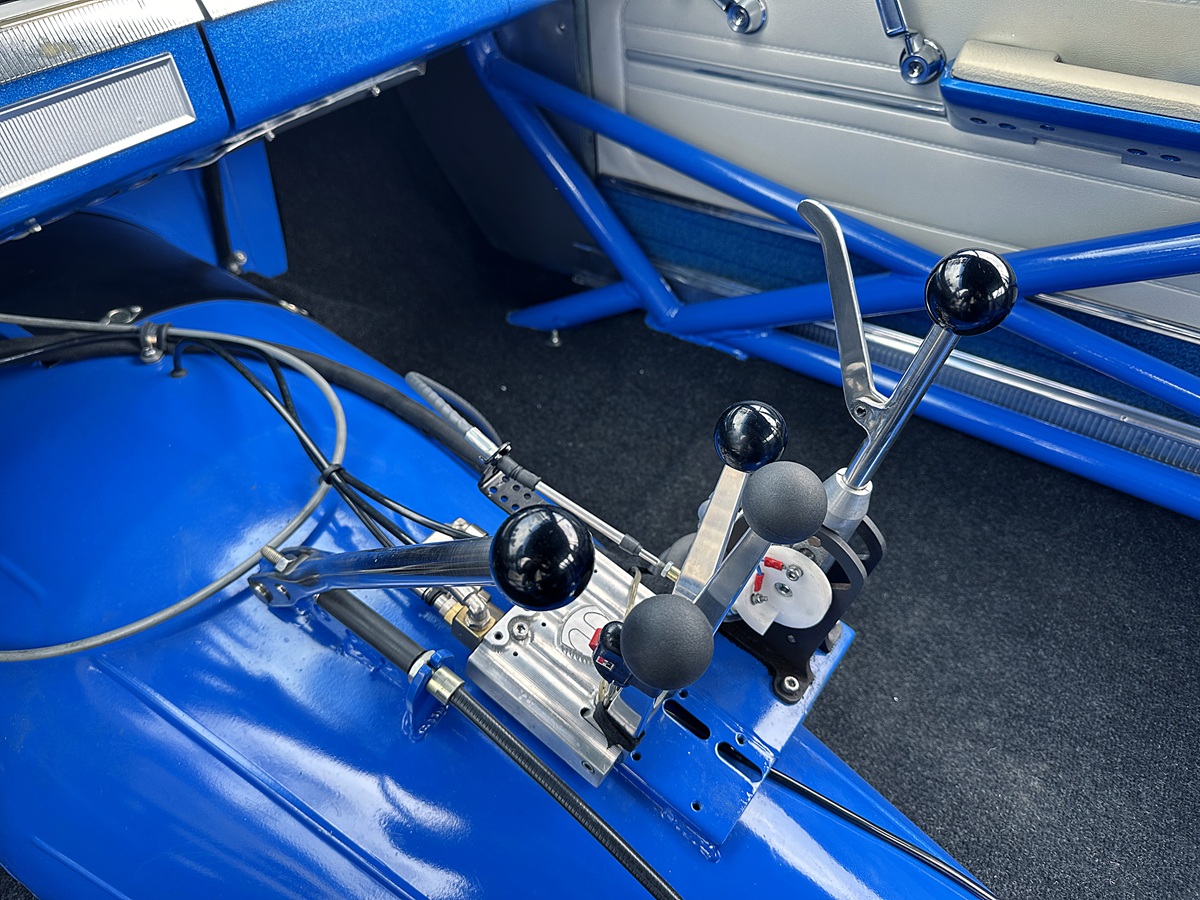
- Transmission: Three-speed, air-shifted Lenco
- Rear end: Dana 60
- Brakes: Wilwood
Horsepower? With around 2,500 potential horses, this Dodge is one of the stoutest Darts in Sweden. At its current overdrive level, delivering 15-16 psi of boost, the V8 produces around 1,800 to 2,000 horsepower. But it can go higher…
0 Comments