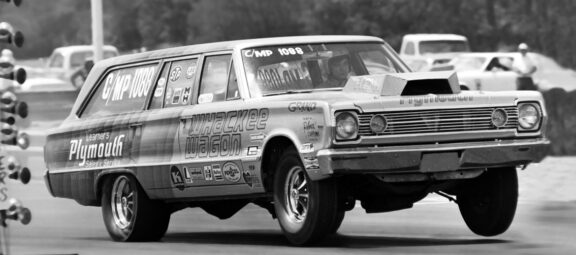
The Story of the “Whackee Wagon”
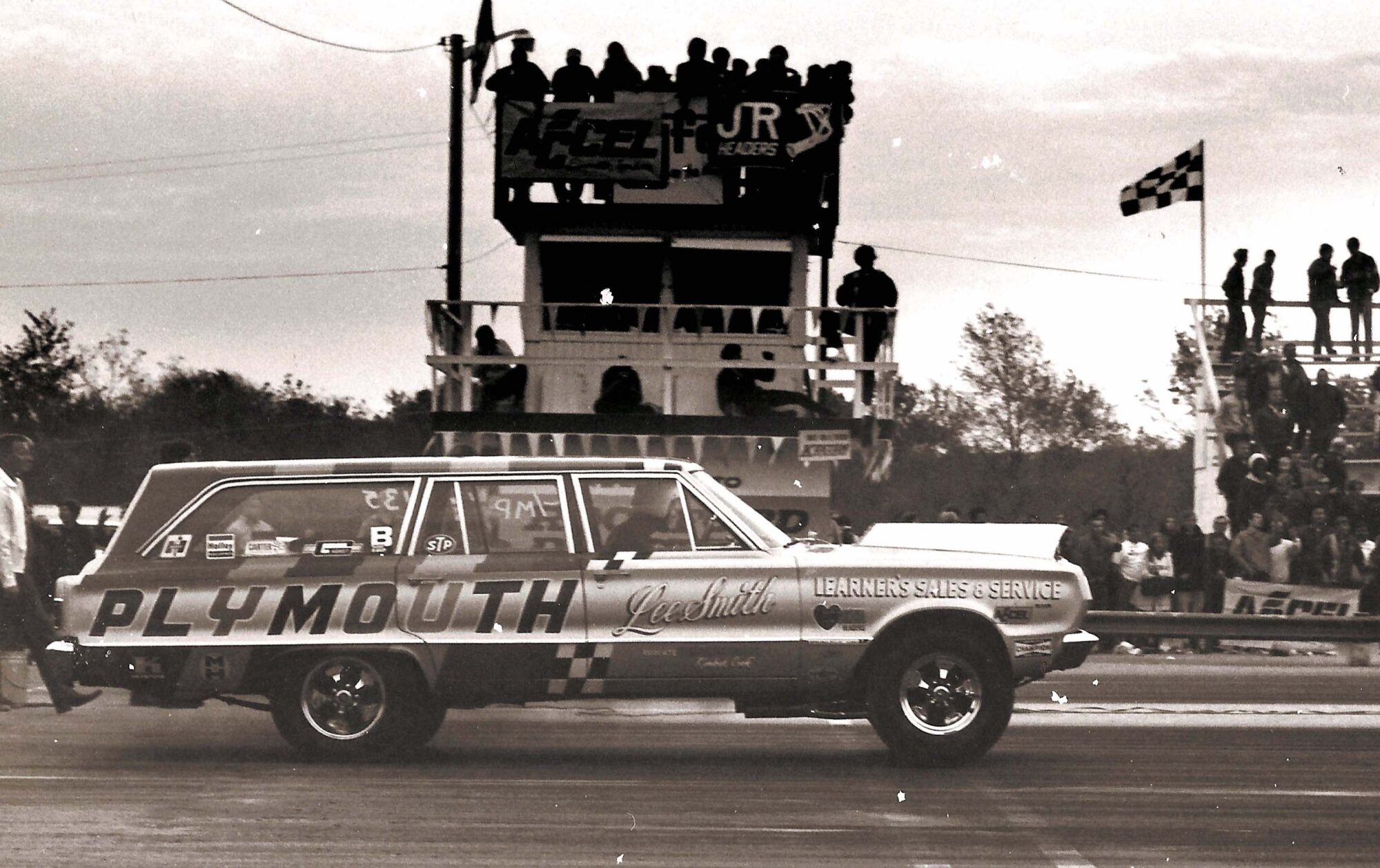
One of the coolest things about drag racing is that there’s virtually a class for any kind of vehicle. From Dragsters, Funny Cars, Fuel Altereds to even production-based passenger cars, you can basically take them to a drag strip and make some runs. Among those streetcars, there are hundreds of various combinations based on engine and body configurations. If we look back to drag racing’s ‘Golden Era’ of the 1960s and early 1970s, there were racers who really stretched the rules, looking for any advantage with assistance from the corporation they ran under. The factories were so in tune with what was happening, they’d also create fictitious engine options and package them, then submit the paperwork to NHRA. Lo and behold, the car was deemed legal to run. Here’s a story on just one of those cars, a 1966 Belvedere Station Wagon powered by a 426 HEMI® engine. It was successfully campaigned by A/FX Mopar® racer Lee Smith, and despite Lee Smith’s passing back in 2020, his HEMI engine-powered wagon is still with us. Today, the ‘Whackee Wagon’ is a relic of a bygone era of crazy names with a rainbow of colors-adorned racecars. It’s also a perfect example of the period when the factories ‘played the game’ and created fake combinations for drag strip dominance.
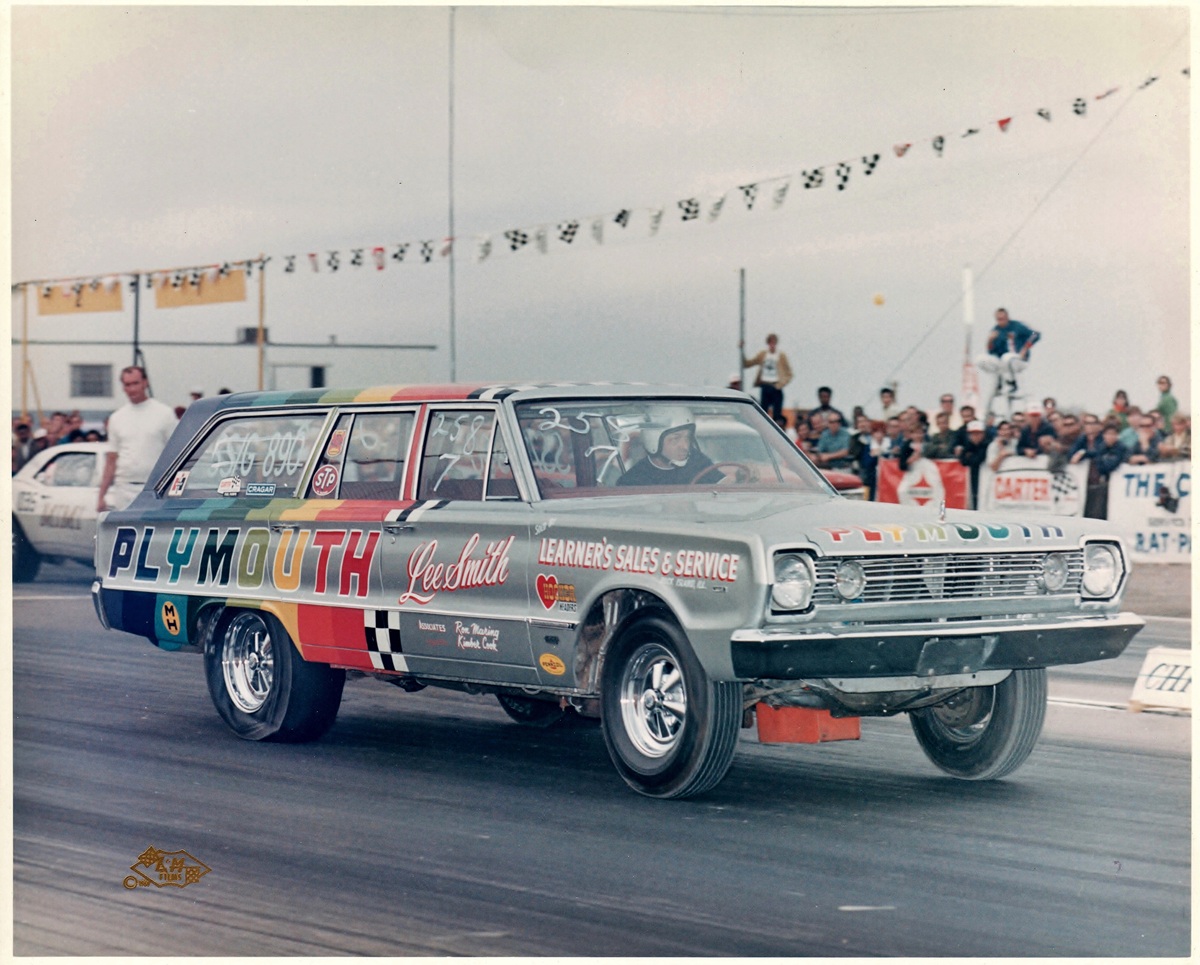
Now before we get deep into this story, this Belvedere wagon did not leave the factory with the HEMI engine residing between its front fenders. It rolled off Chrysler’s Lynch Road Final Assembly Plant with a 273-cubic-inch V8 under its hood. Despite the many myths out in Mopar land, no factory 1966-67 426 Street HEMI Station Wagons were ever built. This package was considered a ‘Paper Car,’ a fictious nominally to target and dominate certain NHRA and AHRA classes. Once the Street HEMI Station Wagon combo was approved by the racing organizations, the horsepower-to-weight factors were determined. The 1966 Street HEMI Plymouth Belvedere Station Wagon fell into the Super Stock ‘G’ (SS/G) class, the safe space at the time for the factory-sponsored 1969 Ford 428 Cobra Jet Mustangs and Torinos to reside. Chrysler wanted to change all that and rattle the cages of the Blue Oval’s Factory Teams. Under the recommendation of Chrysler Race Engineer Dave Koffel, and his bosses Dick Maxwell and Bob Cahill, they persuaded both Lee Smith and another Mopar racer, Gary Ostrich, to build such unique HEMI engine-powered machines.
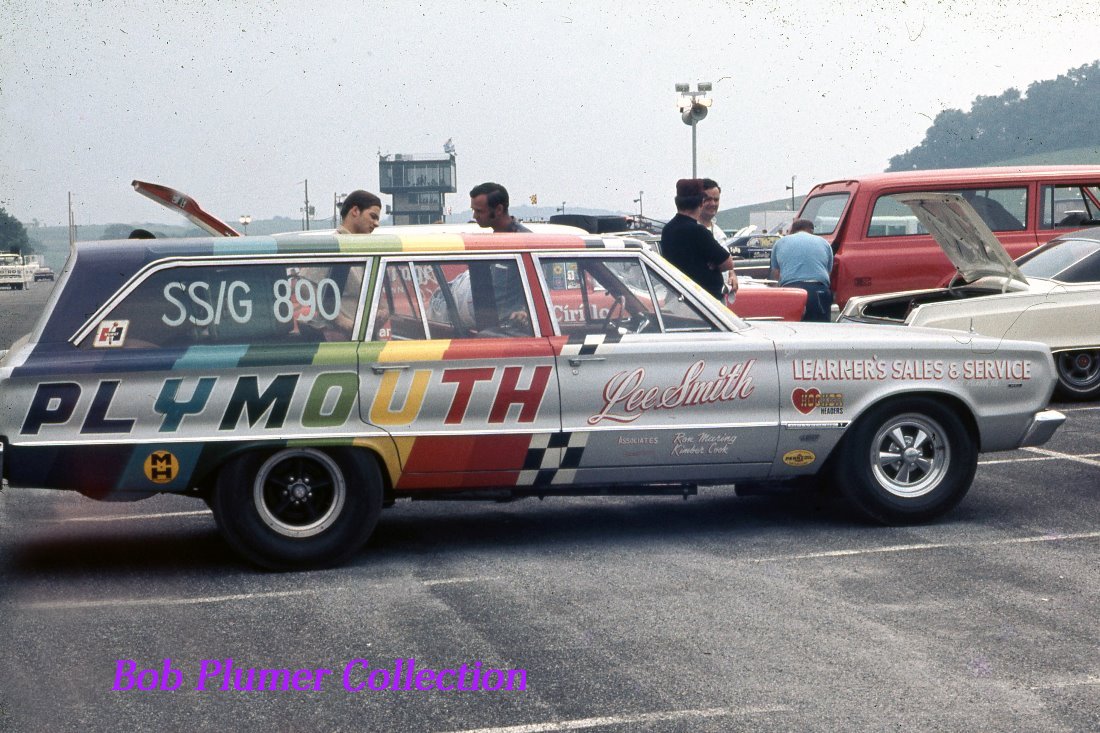
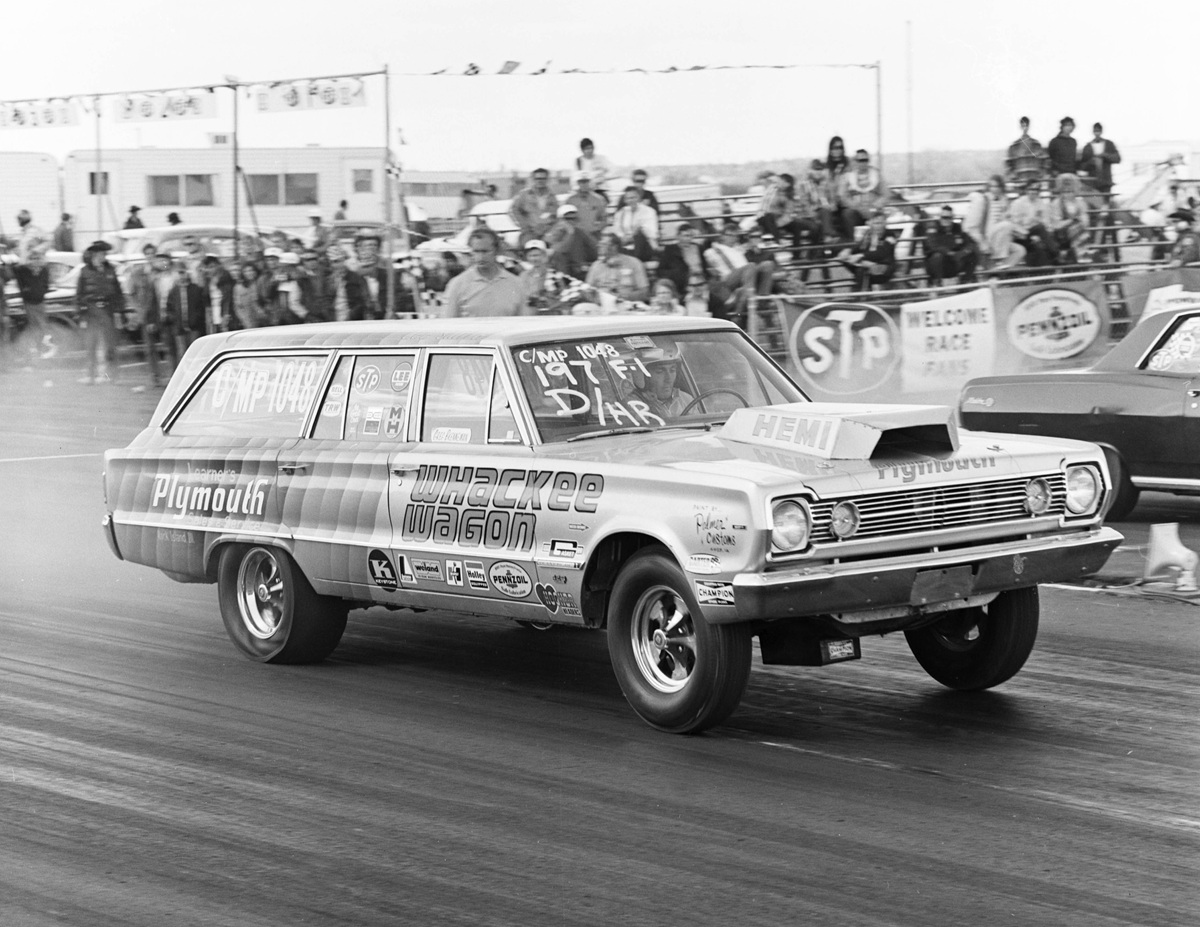
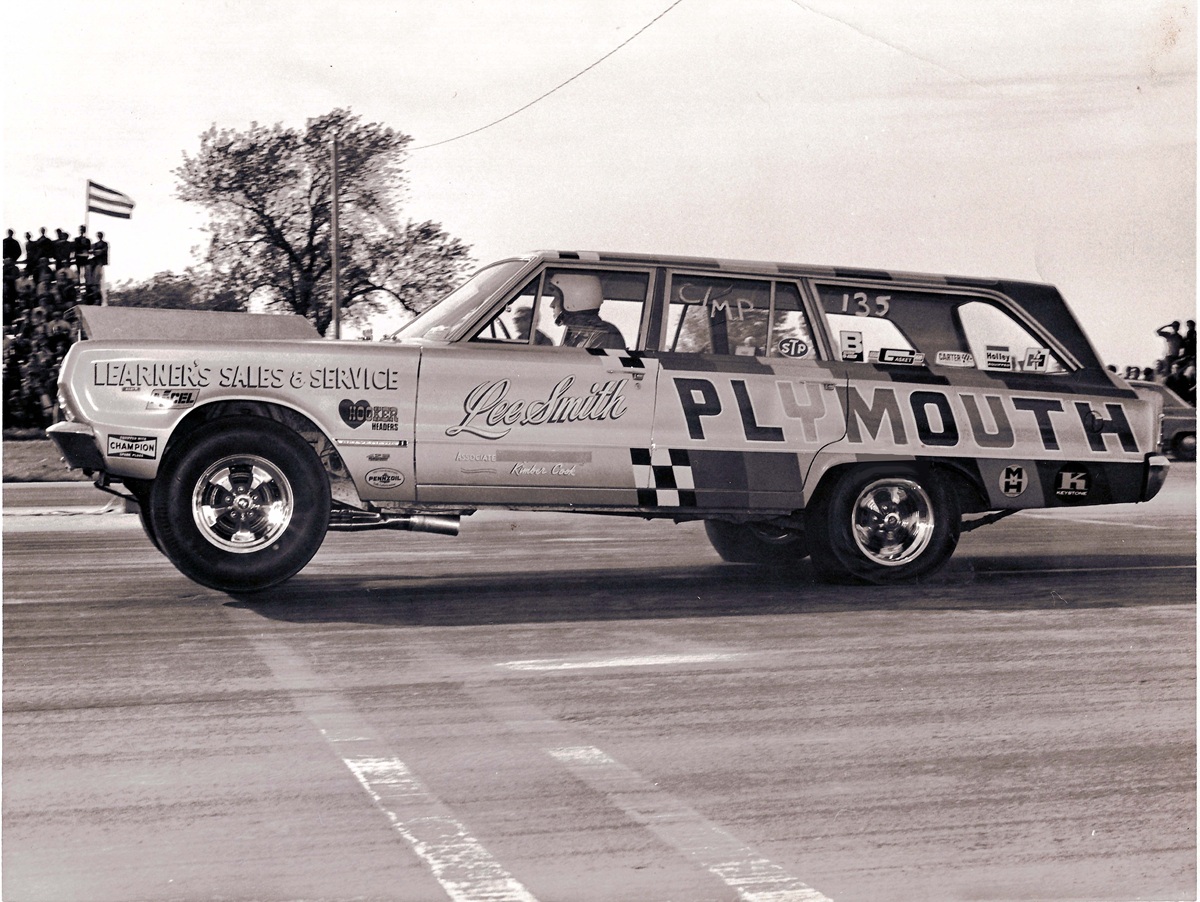
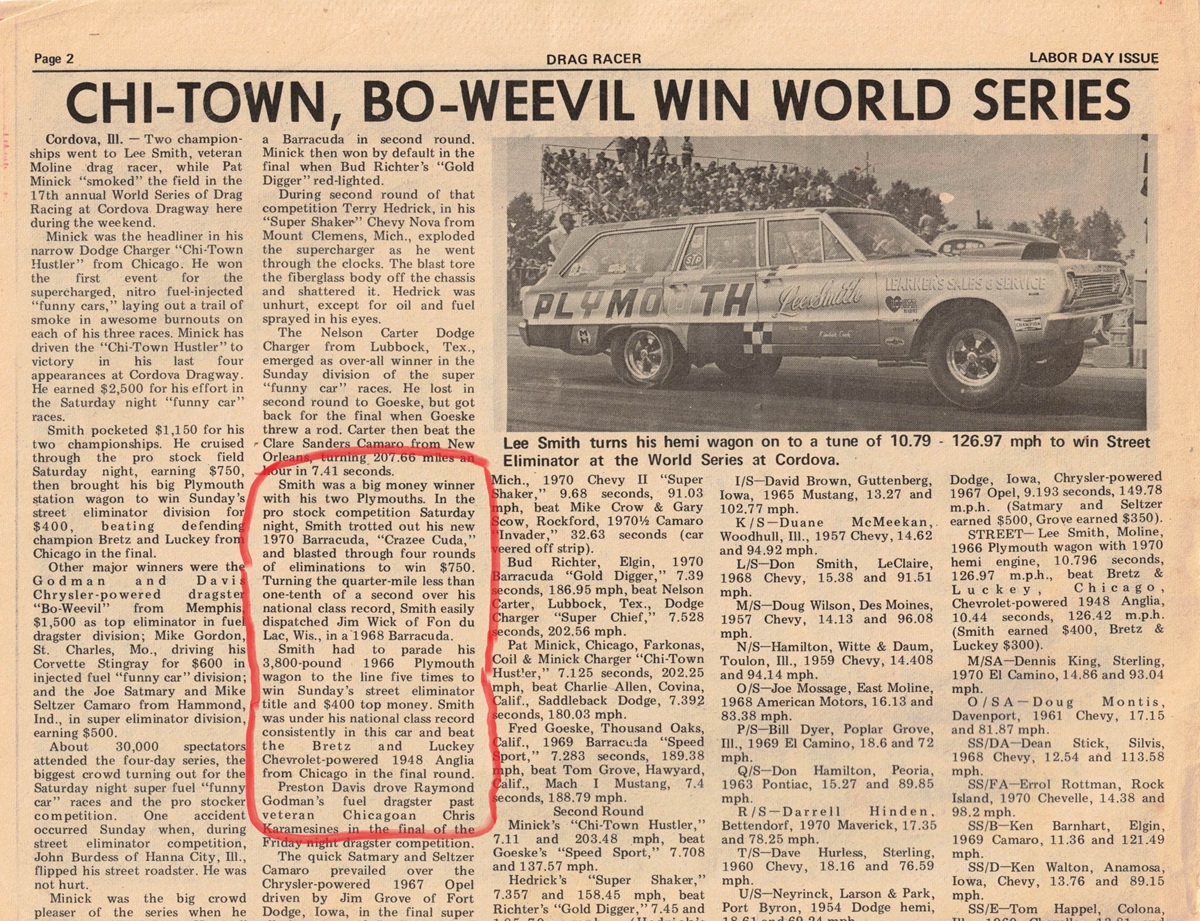
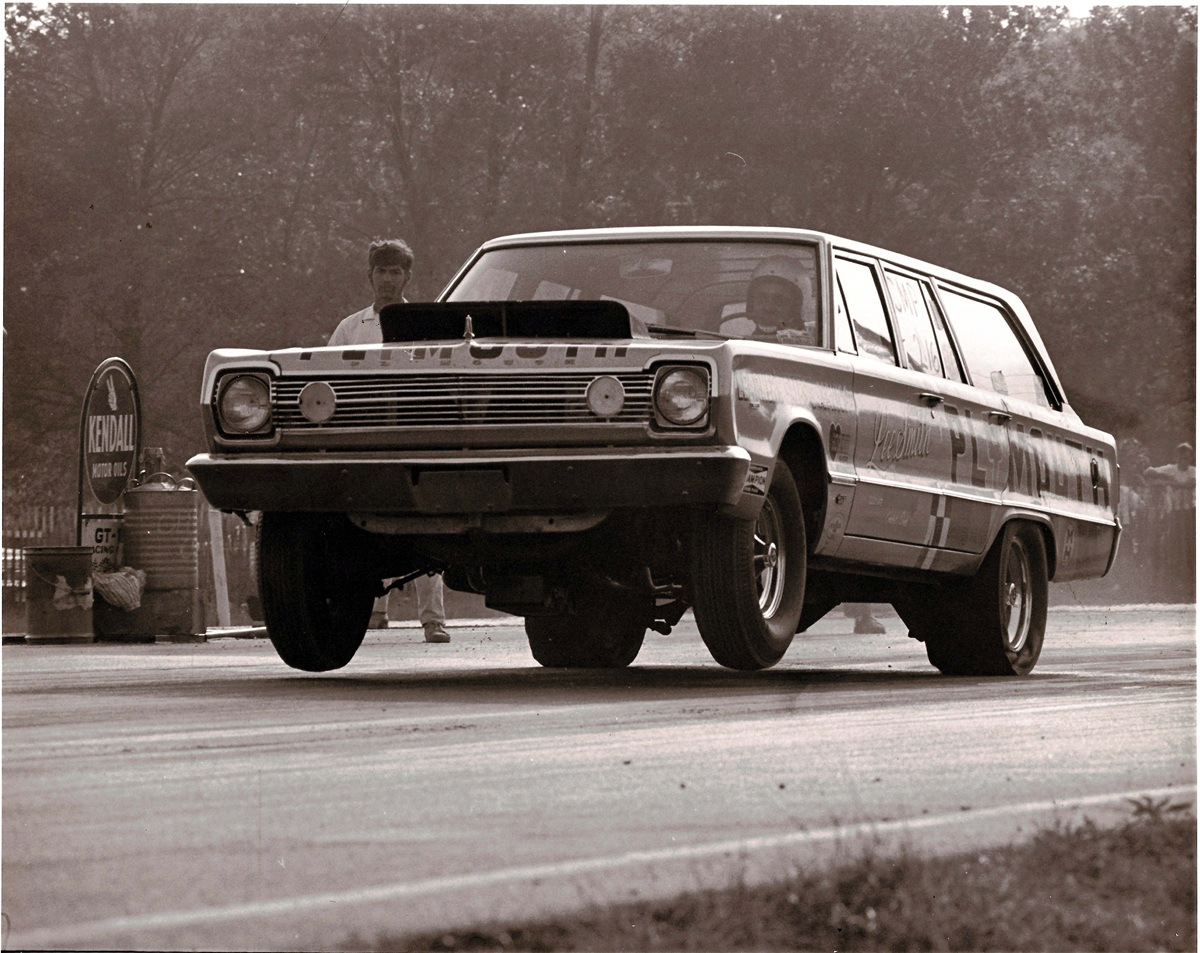
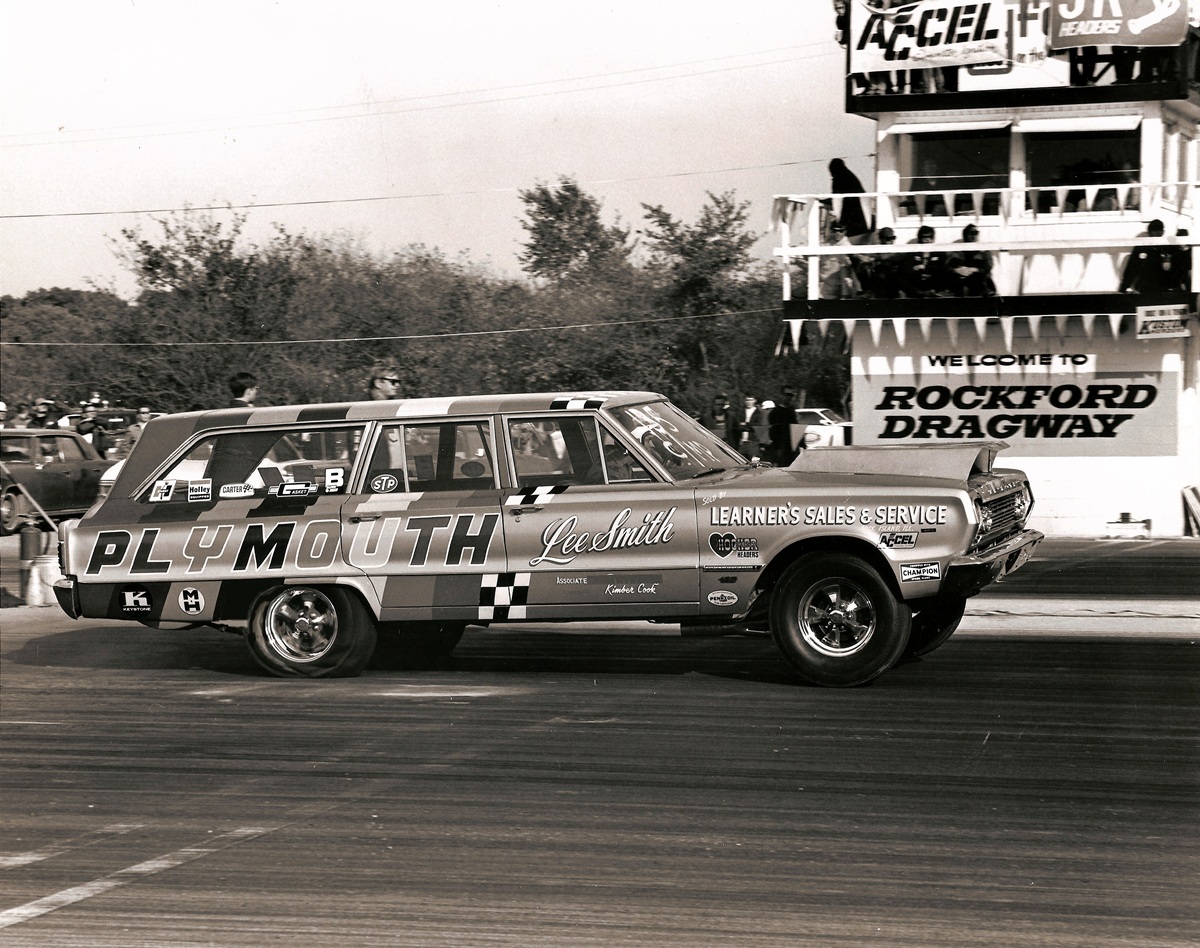
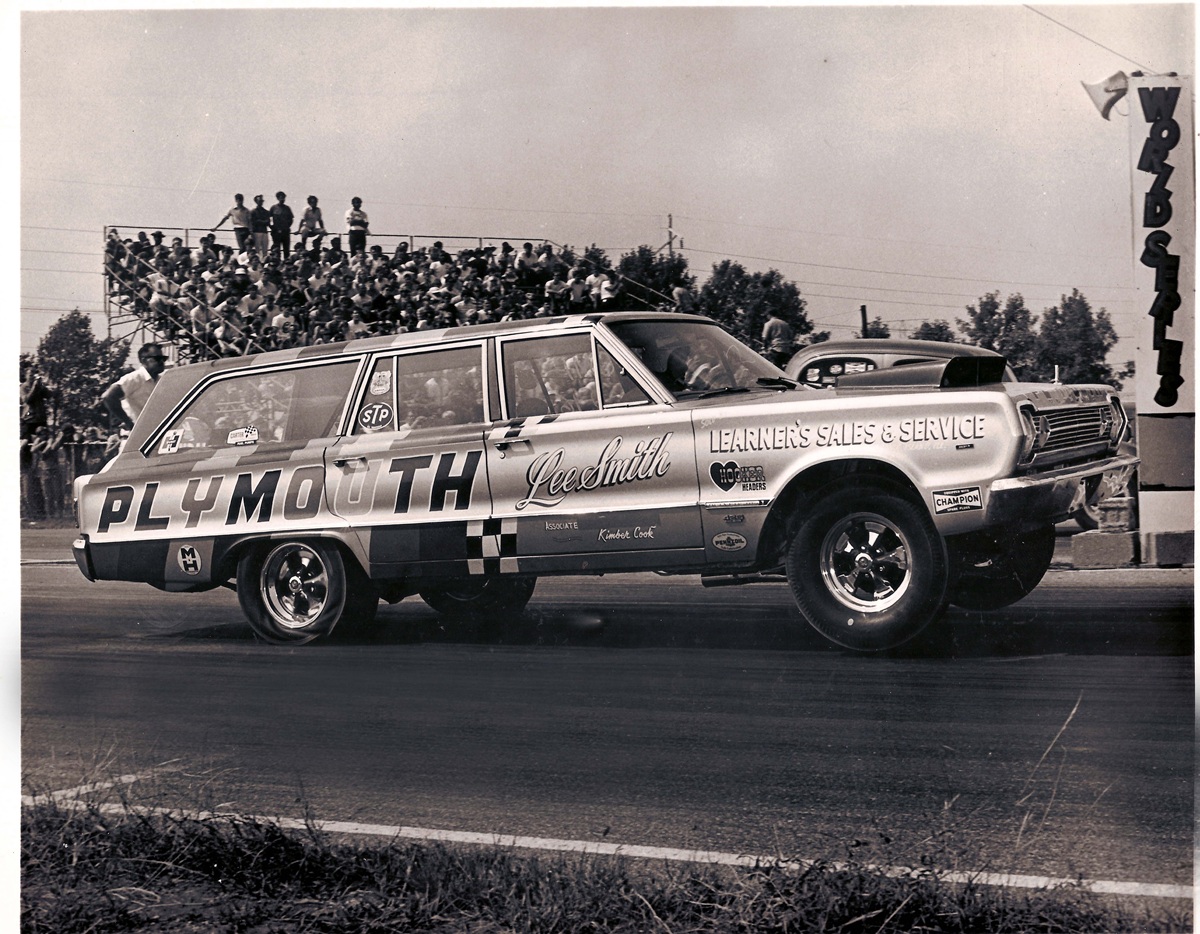
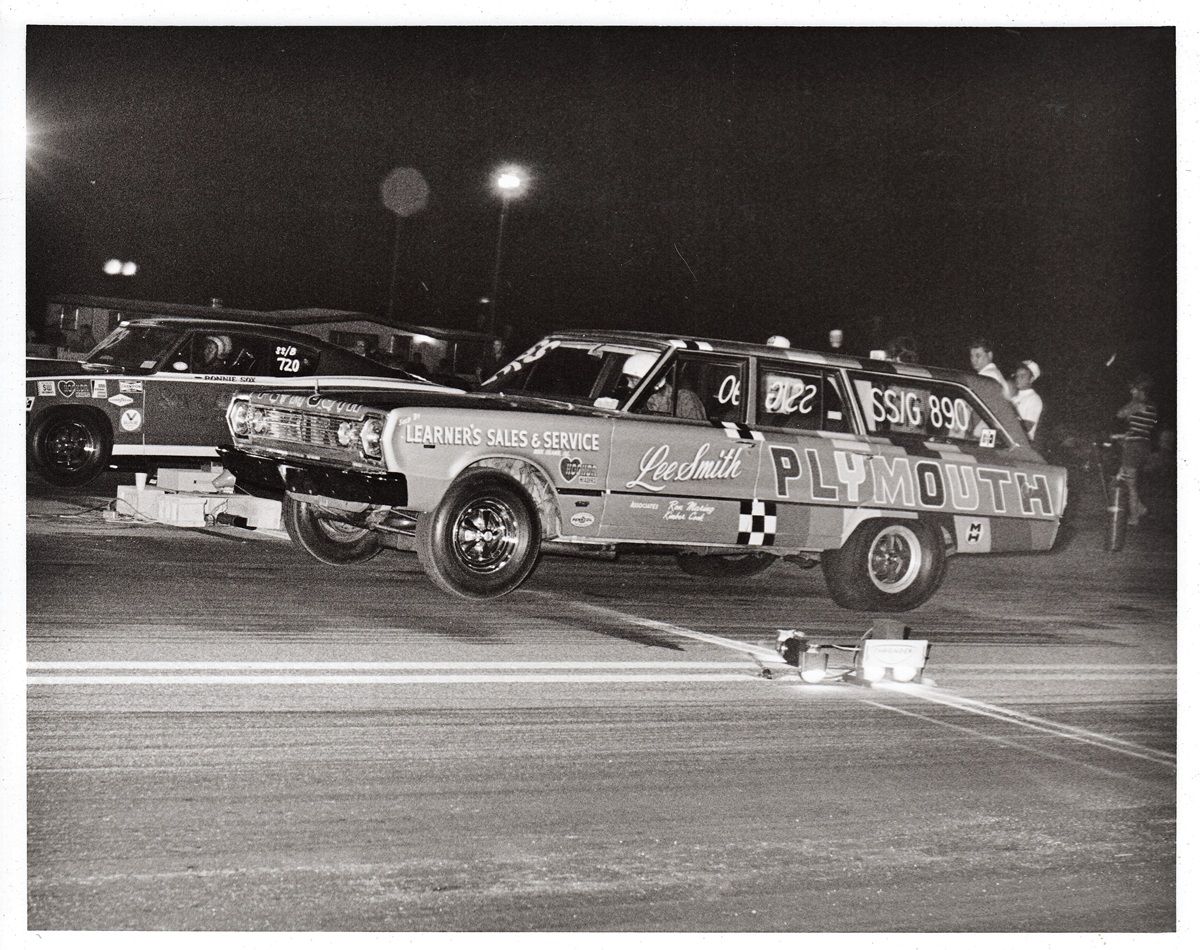
With his assignment from the factory, Lee Smith looked no further than the sponsor on his 1965 A/FX HEMI Belvedere, Learner’s Chrysler-Plymouth in Rock Island, Illinois. Lee found the plain, white and ordinary-looking 1966 Plymouth Belvedere wagon on Leaner’s used car lot. He went to work transforming the sedate grocery getter into a mean machine. Lee quicky yanked out the placid small block and installed a mighty 426 HEMI engine. With parts support from Chrysler, Lee set out to compete in NHRA’s Super Stock class. A machinist by trade, Lee paid attention to all the details of modifying the hefty family hauler to include shifting even more weight to the rear. When dropping the hammer at 7,000 RPM, you need to give the slicks a fighting chance to plant some rubber on the starting line. Lee also blueprinted the 426 HEMI engine per the recommendations of Chrysler’s Race Group Engineers. He also made sure the four-speed transmission and clutch could take the abuse of relentless pounding. Lee wanted everything perfect, but sometimes the laws of physics cannot be overcome, and things just break. Especially when trying to launch a 3,800-pound station wagon off the line, run-after-run with the punishing brute force of a HEMI engine.
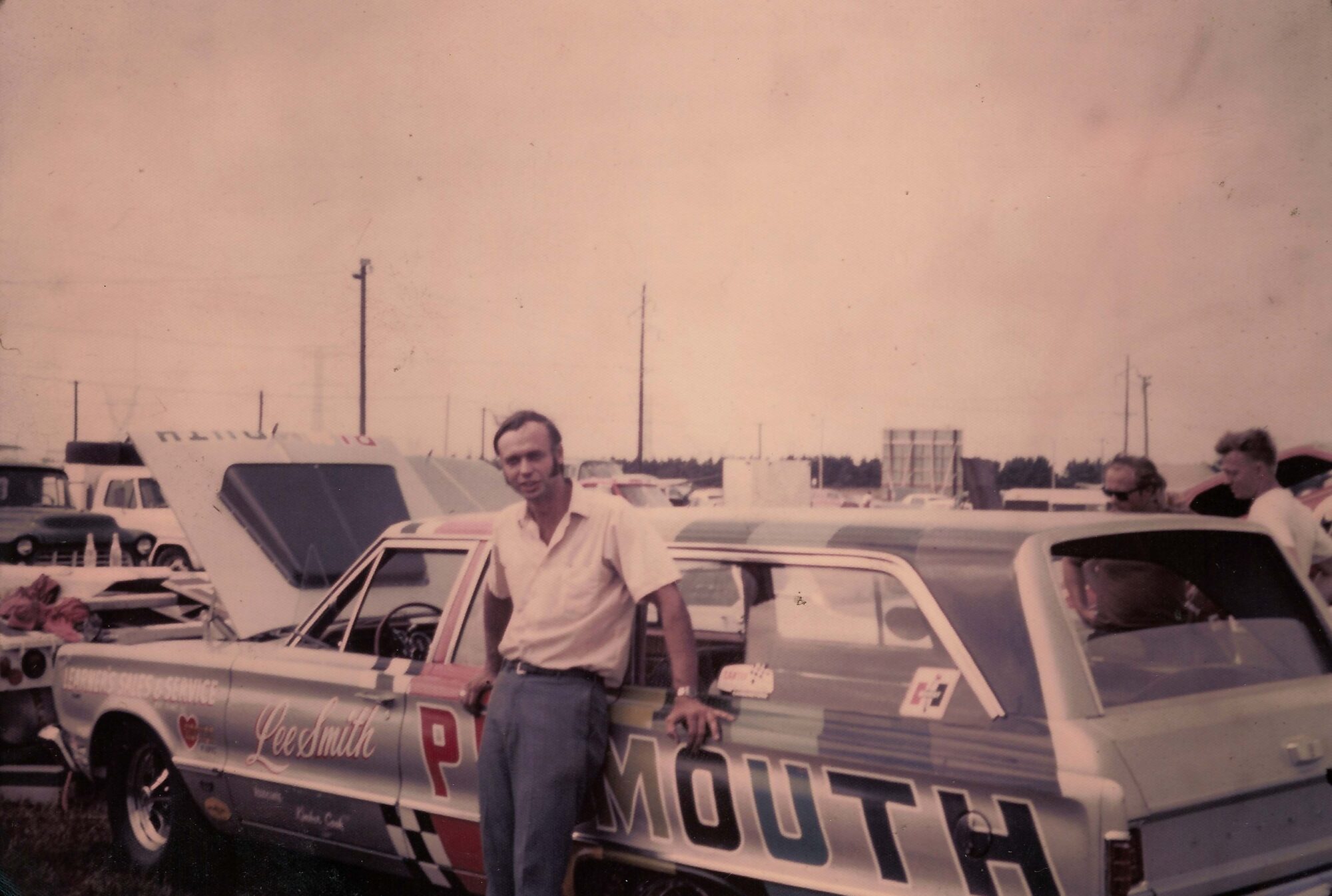
Lee was not having the results he wanted due to numerous parts issues like shattered clutches, due to the heavy flywheel needed to get the heavy car off the line, which were taking their toll on the drivetrain. Things needed to change for Lee. He was also getting razzed by fellow Mopar Super Stock racers for spending too much time and money, and not getting any results with the wagon. It was around mid to late 1969 that Lee decided to switch classes and move his wagon into NHRA’s Modified Production class. Here, the more liberal engine rules combined with a much improved flywheel/clutch set-up would allow for softer launches with some tire slippage, and this meant fewer broken parts. Soon, Lee’s wagon was winning races in the Modified Production classes.
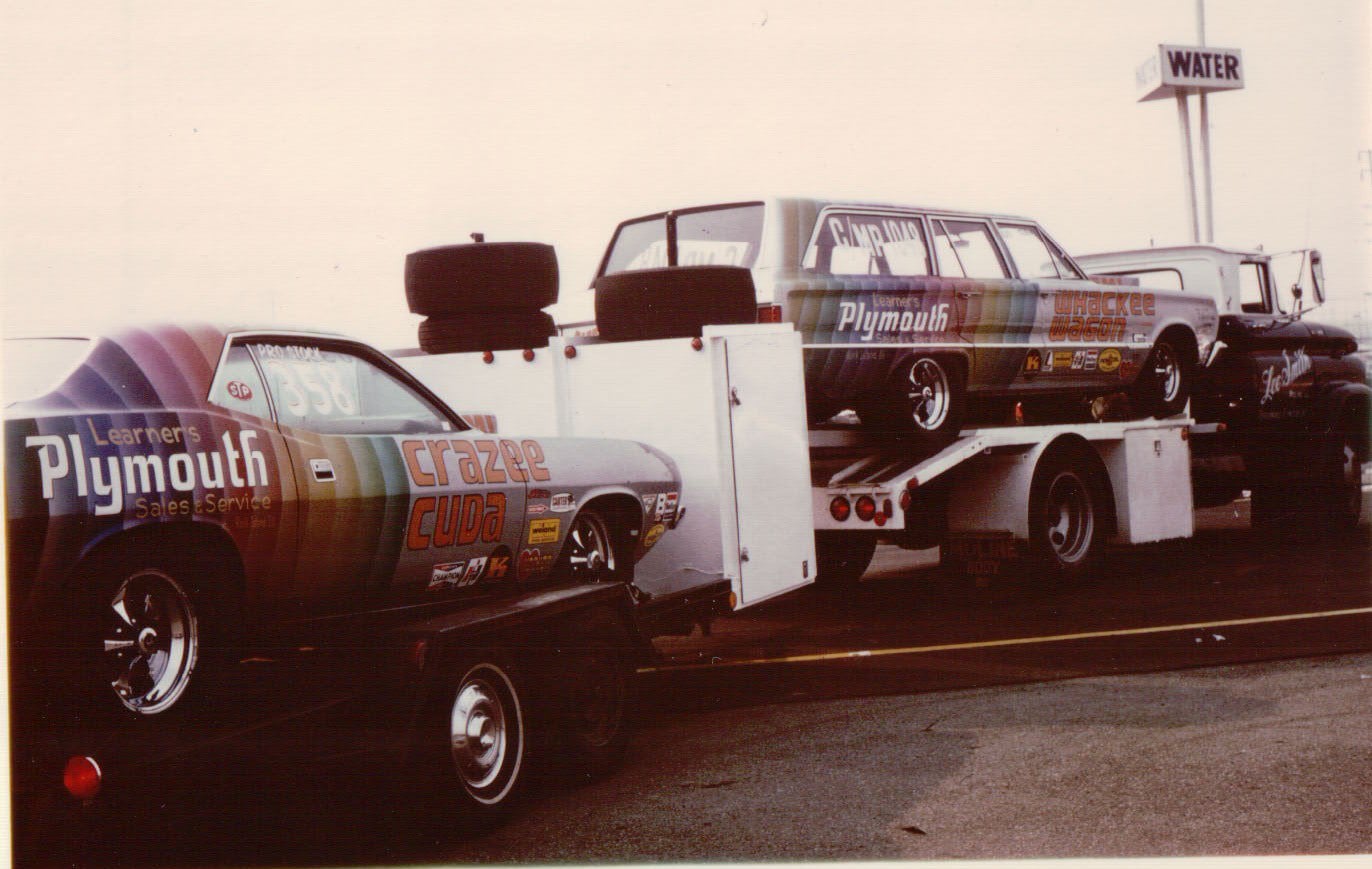
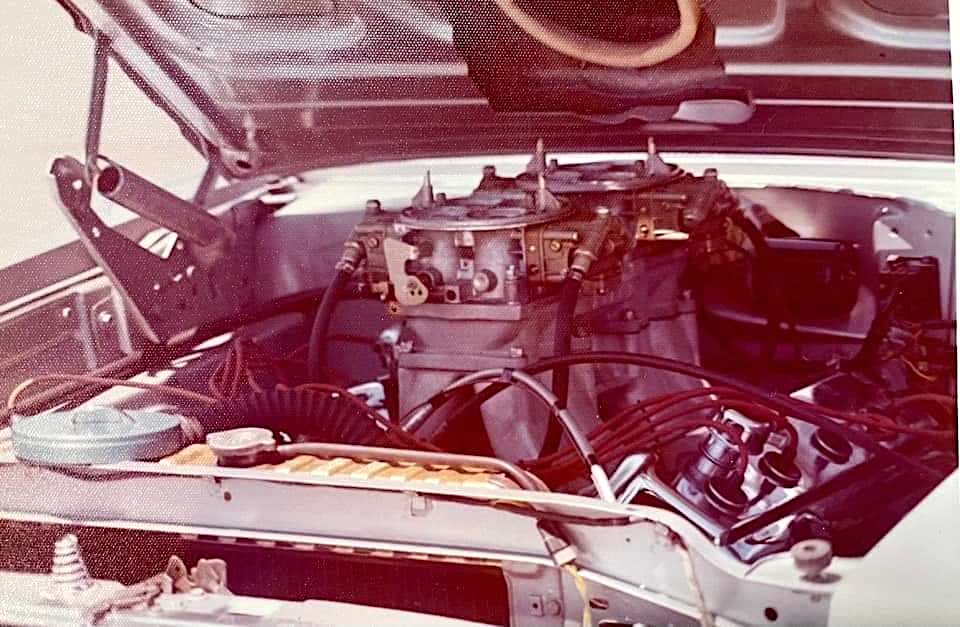
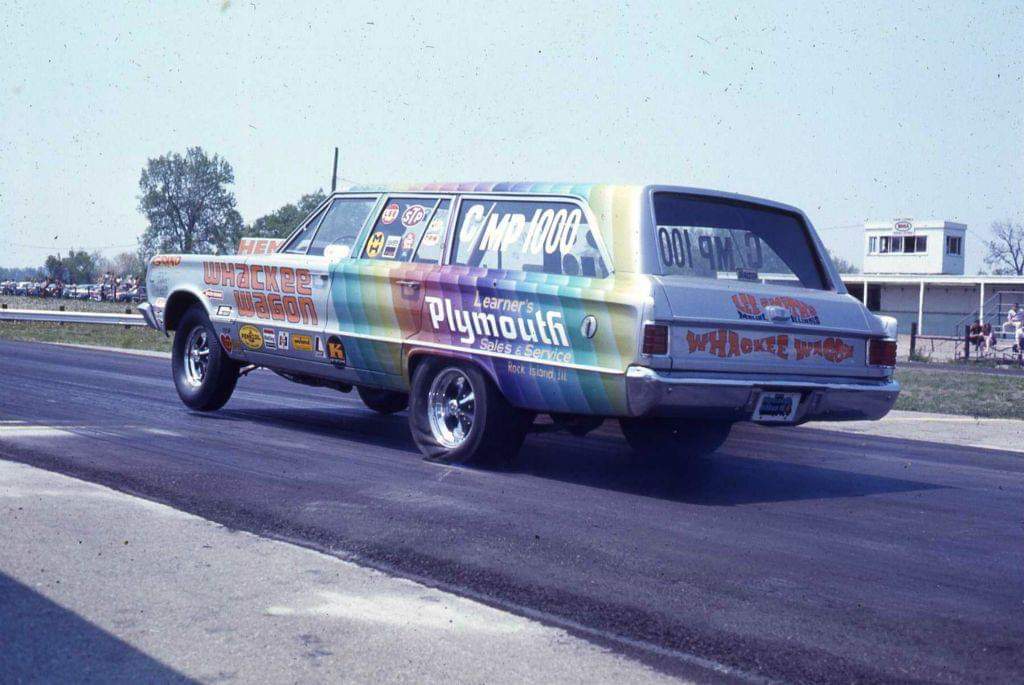
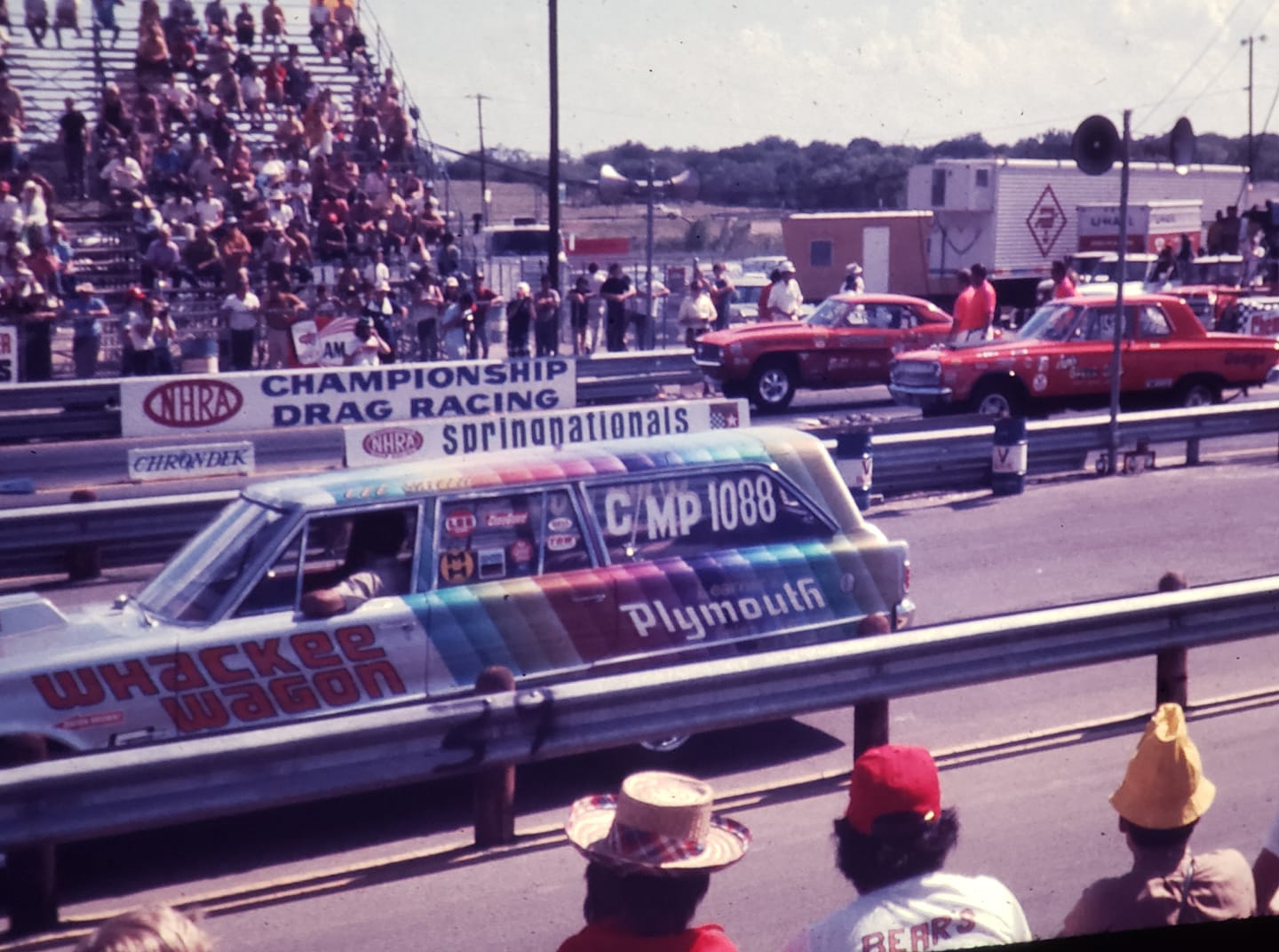
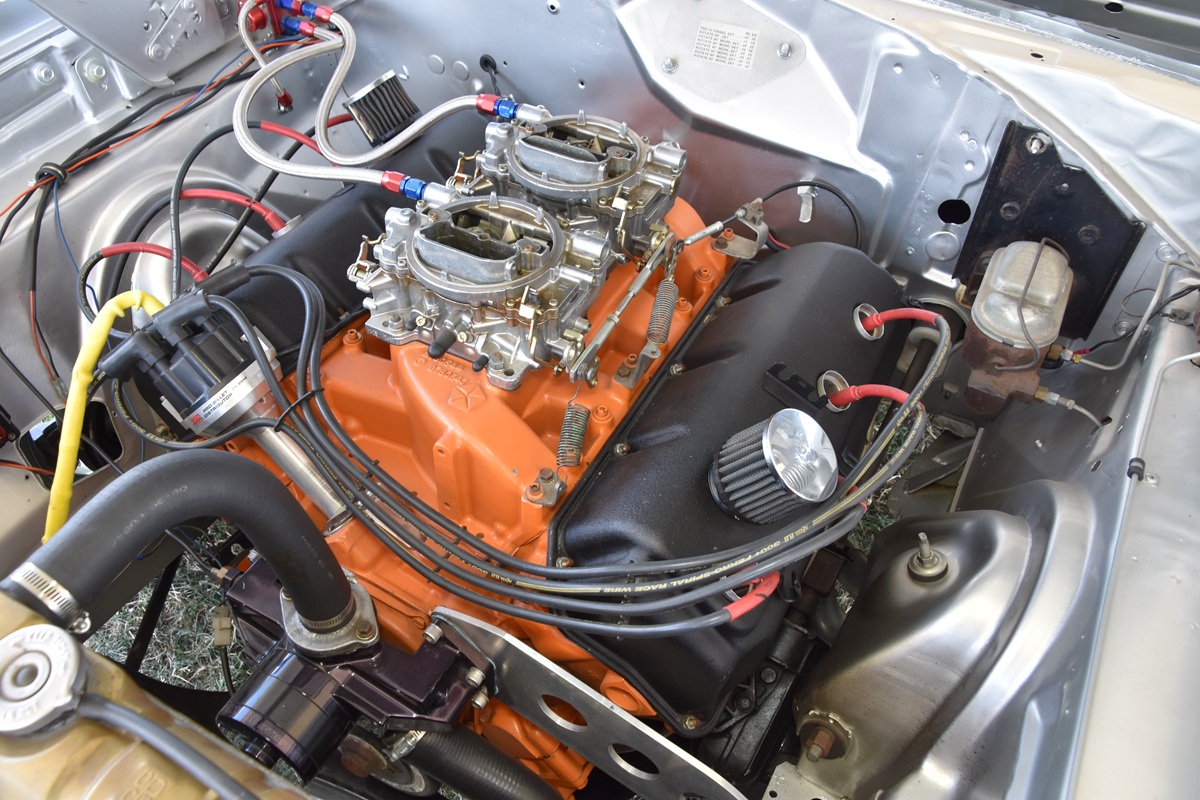
By 1970, NHRA’s new Pro Stock class was in full swing, and Lee was also running HEMI engine-powered ’Cuda, known as the ‘Crazee ’Cuda’, along with his ‘Wackee Wagon’ Belvedere Station Wagon. Running in ‘C’ Modified Production (C/MP), Lee built another engine by following the same engine recipe as his Pro Stock HEMI. Those ingredients included a pair of dual Holley Dominator Carburetors mounted on a Tunnel Ram Intake Manifold and other trick pieces.
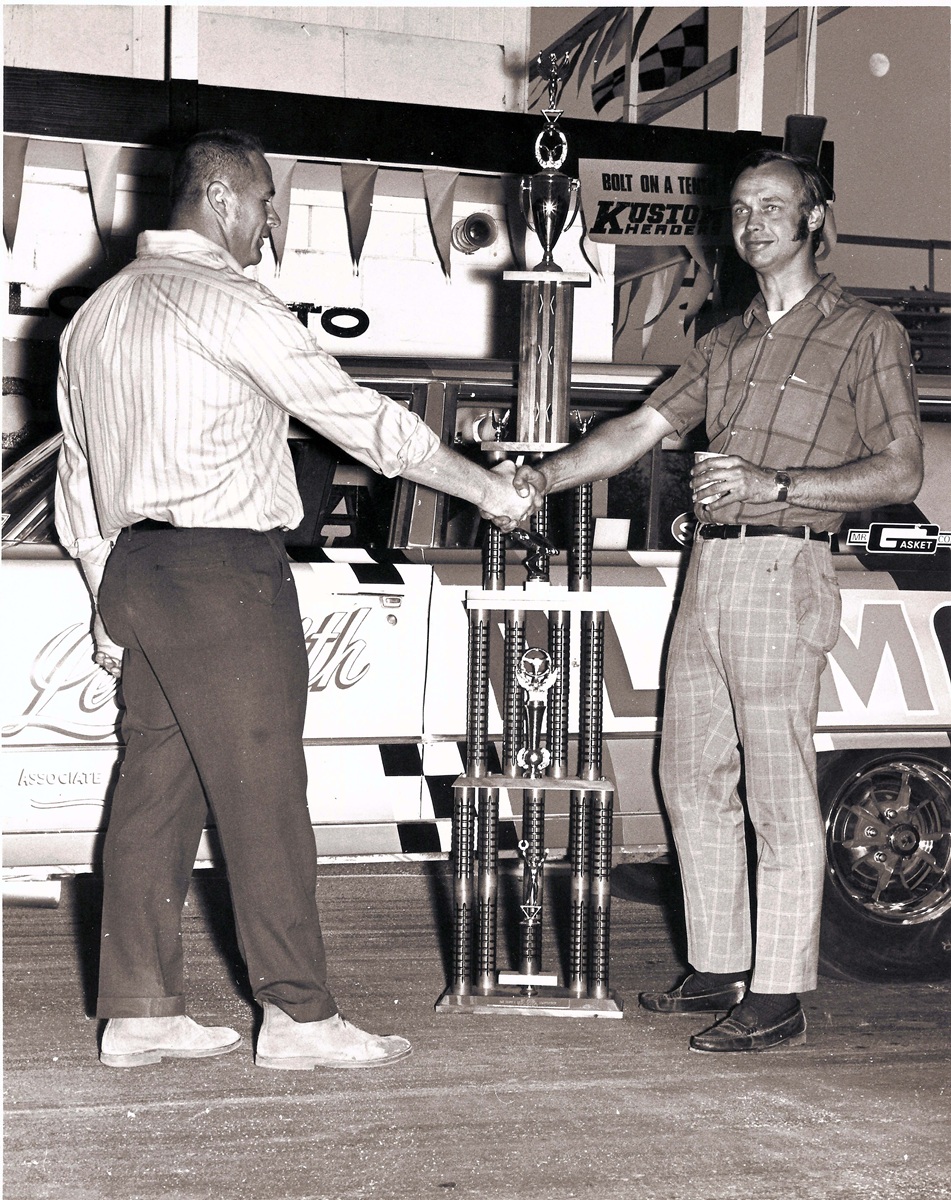
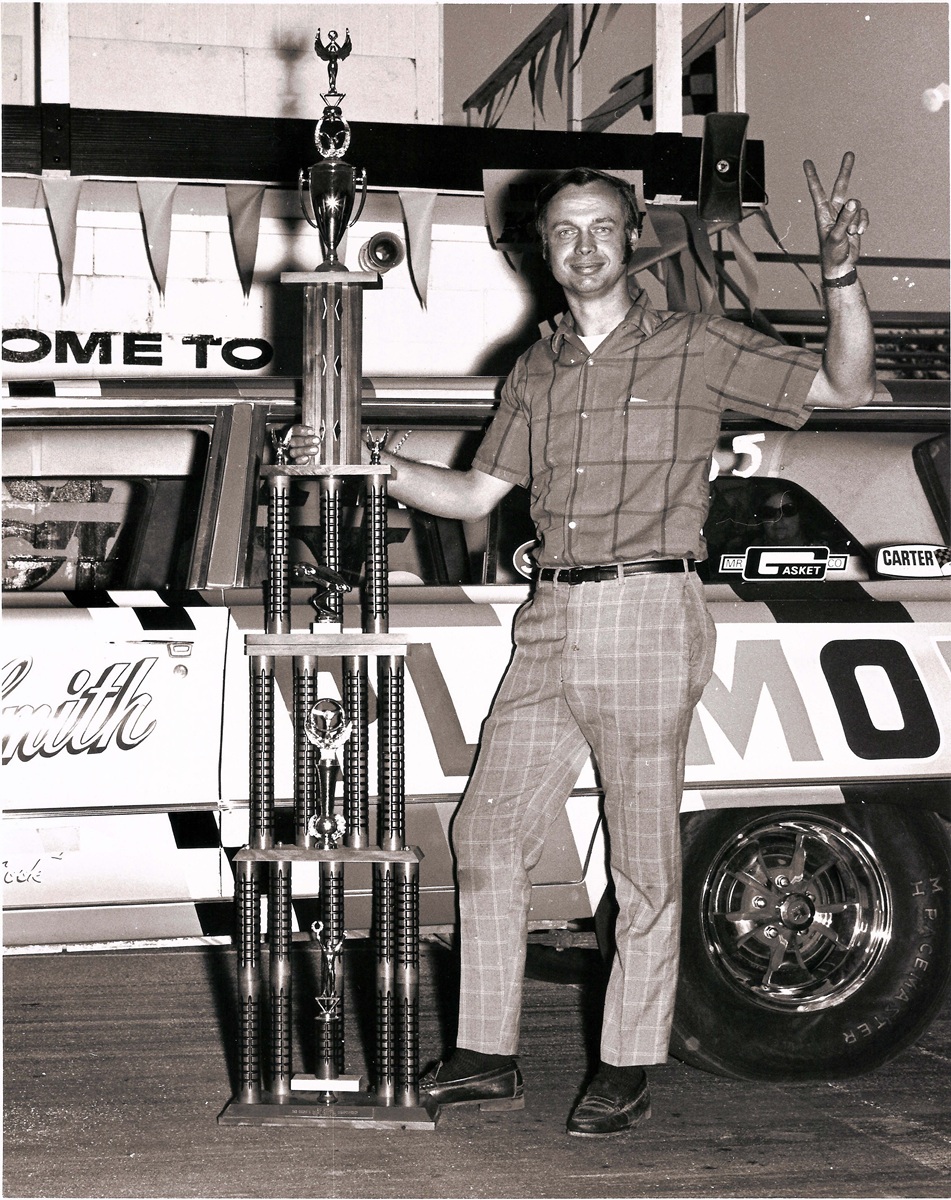
Now C/MP, the wagon was going rounds while hauling in the trophies and prize money. Despite managing his time between running and maintaining his Pro Stock HEMI ’Cuda along with the HEMI Belvedere Station Wagon, Lee, with the help of his crew members, got the job done. Lee also took down some heavy hitters in the Pro Stock class with his HEMI ’Cuda, such as Chevy’s fearless competitor Bill ‘Grumpy’ Jenkins.
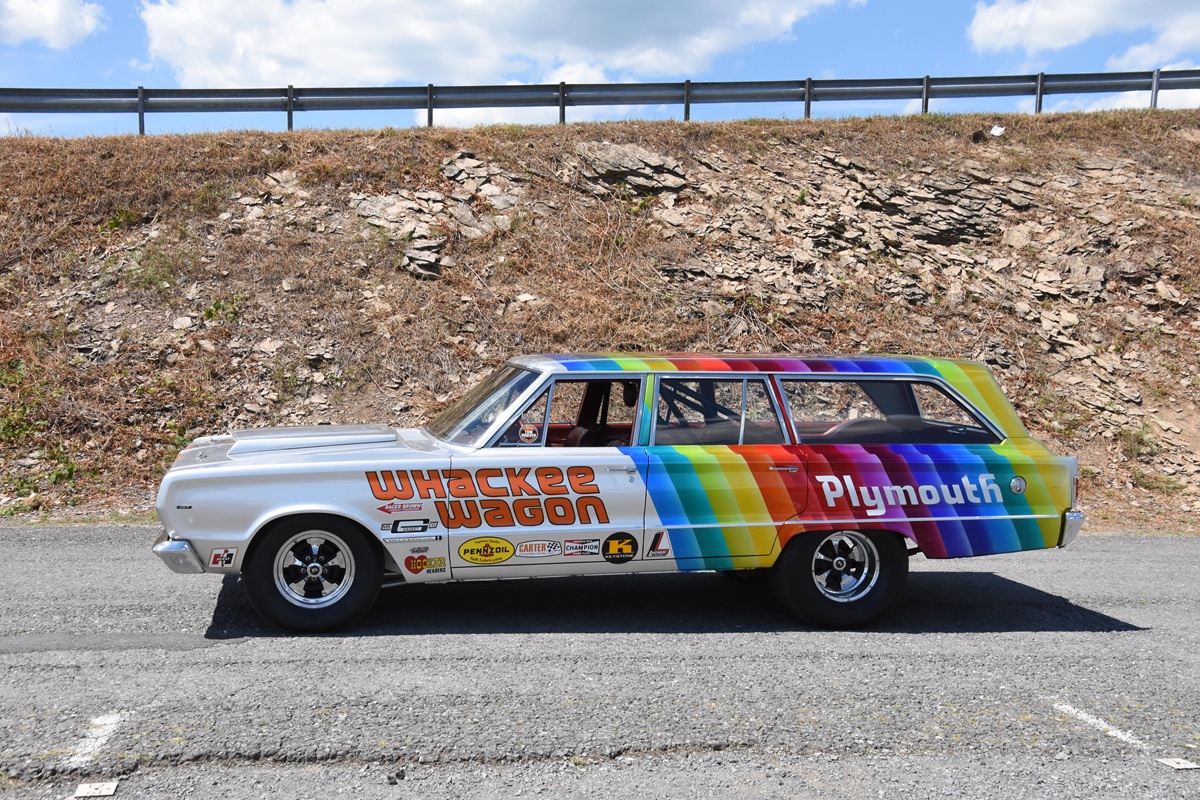
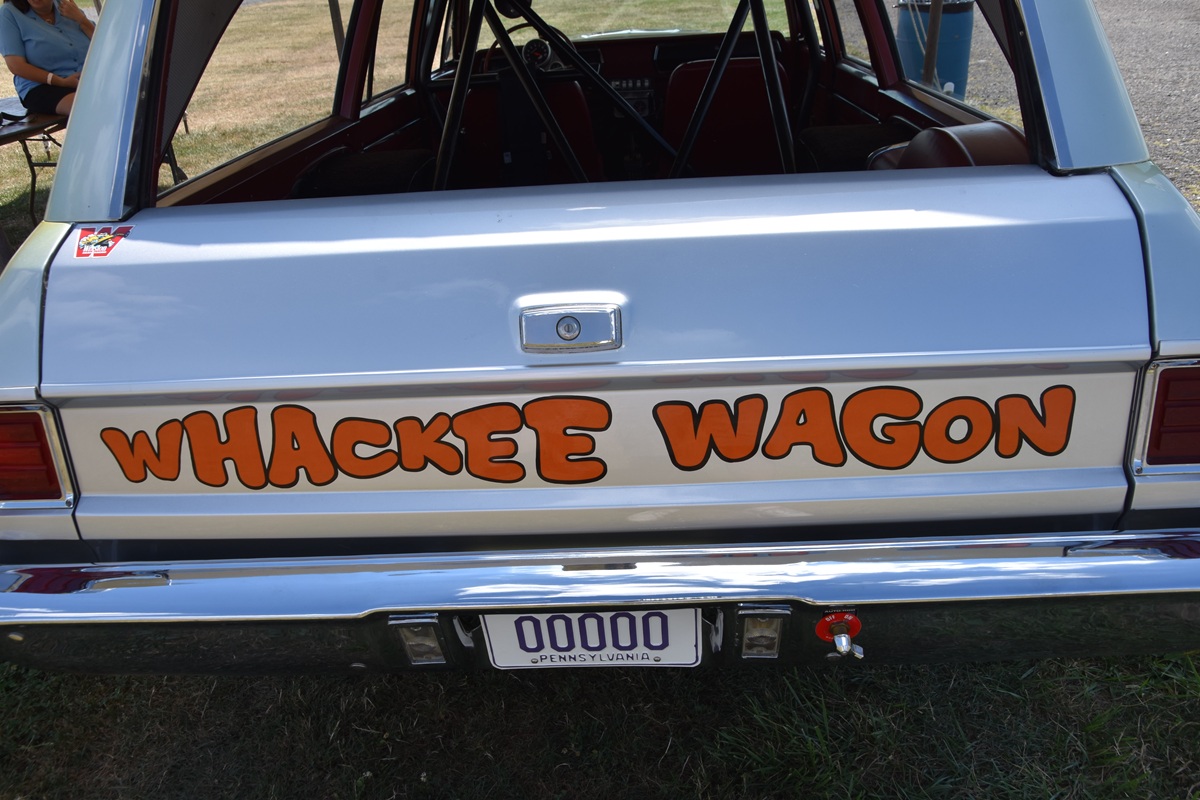
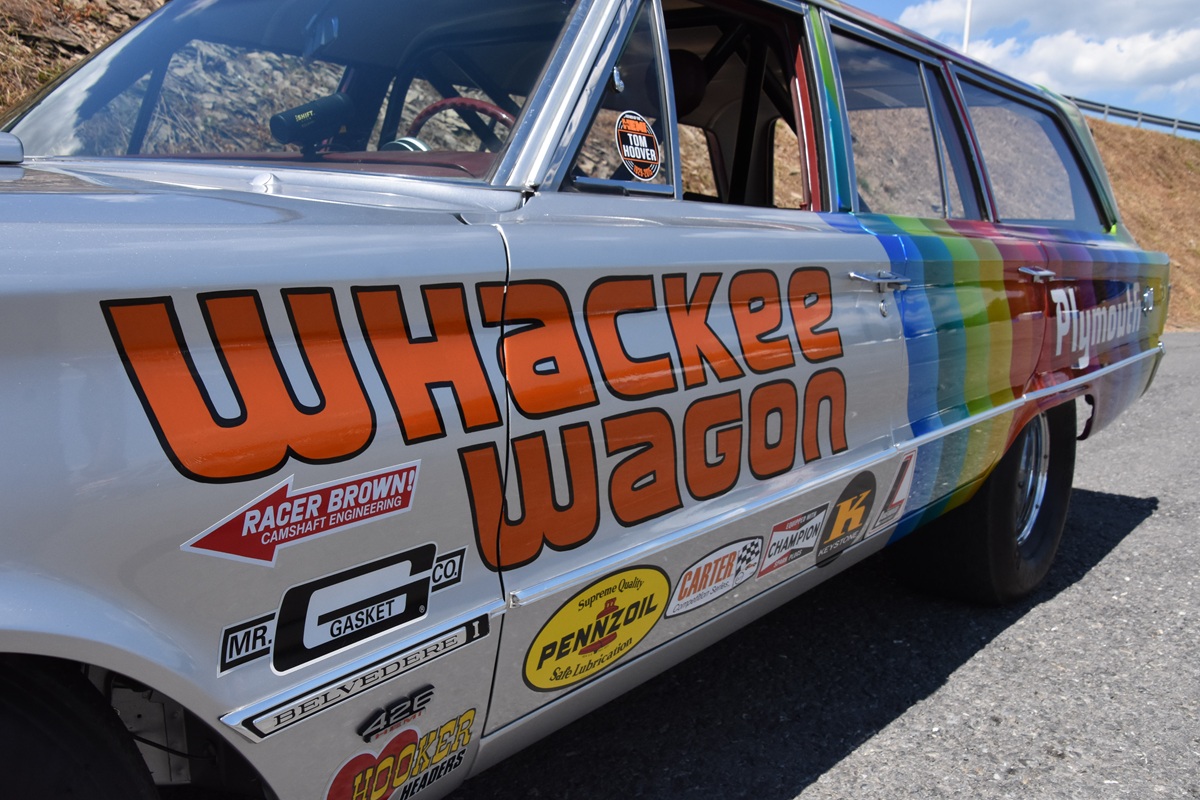
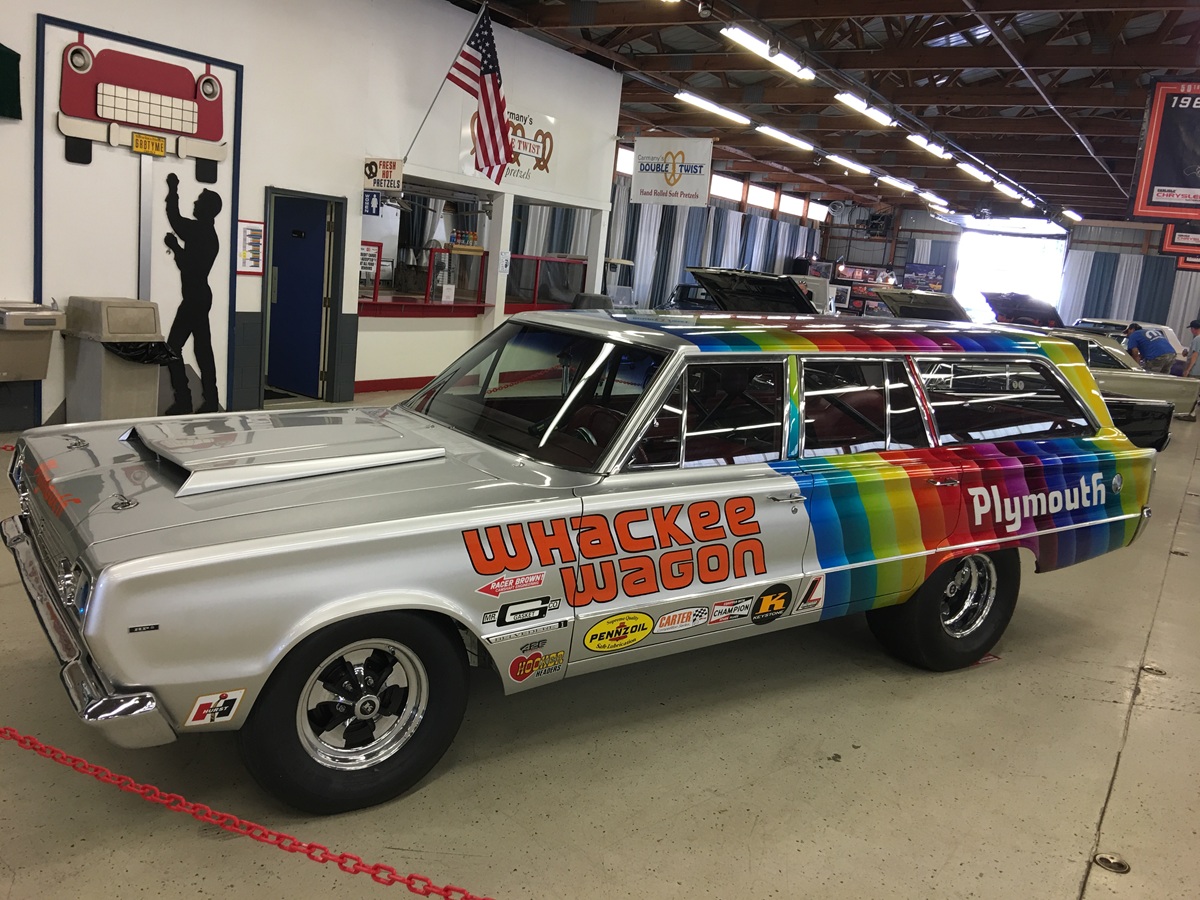
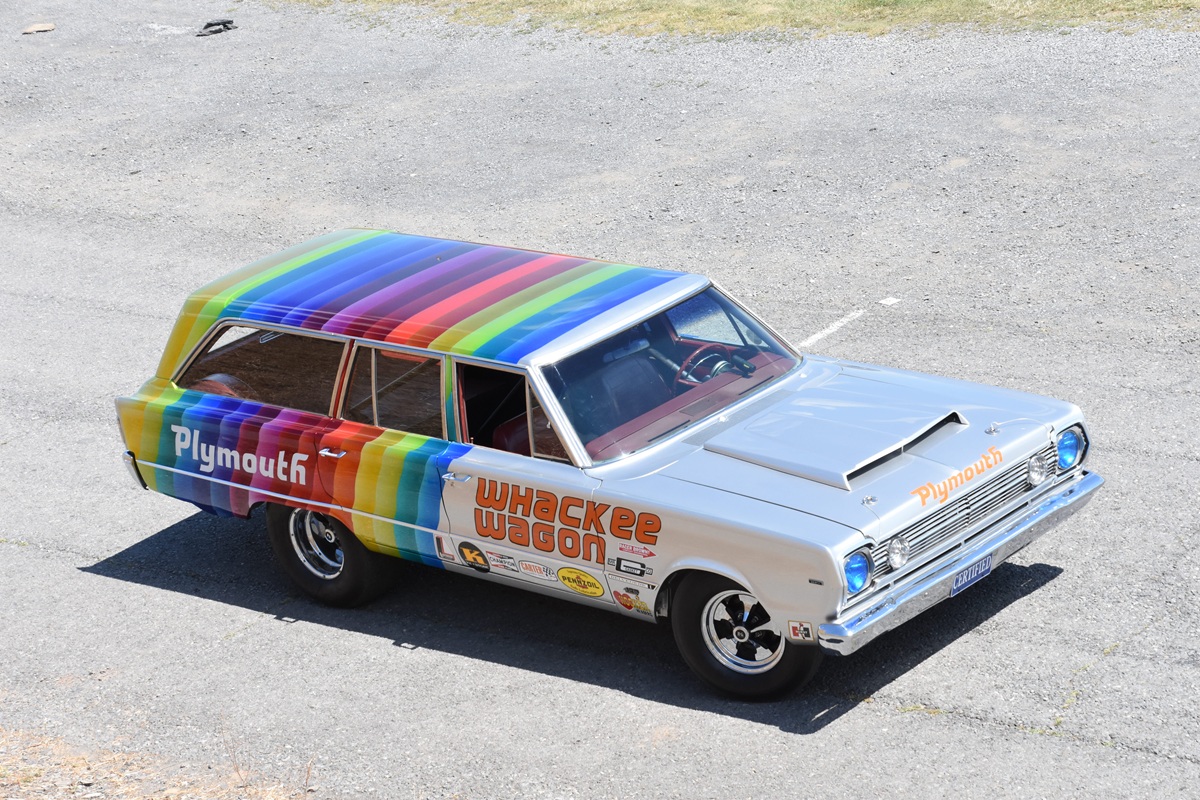
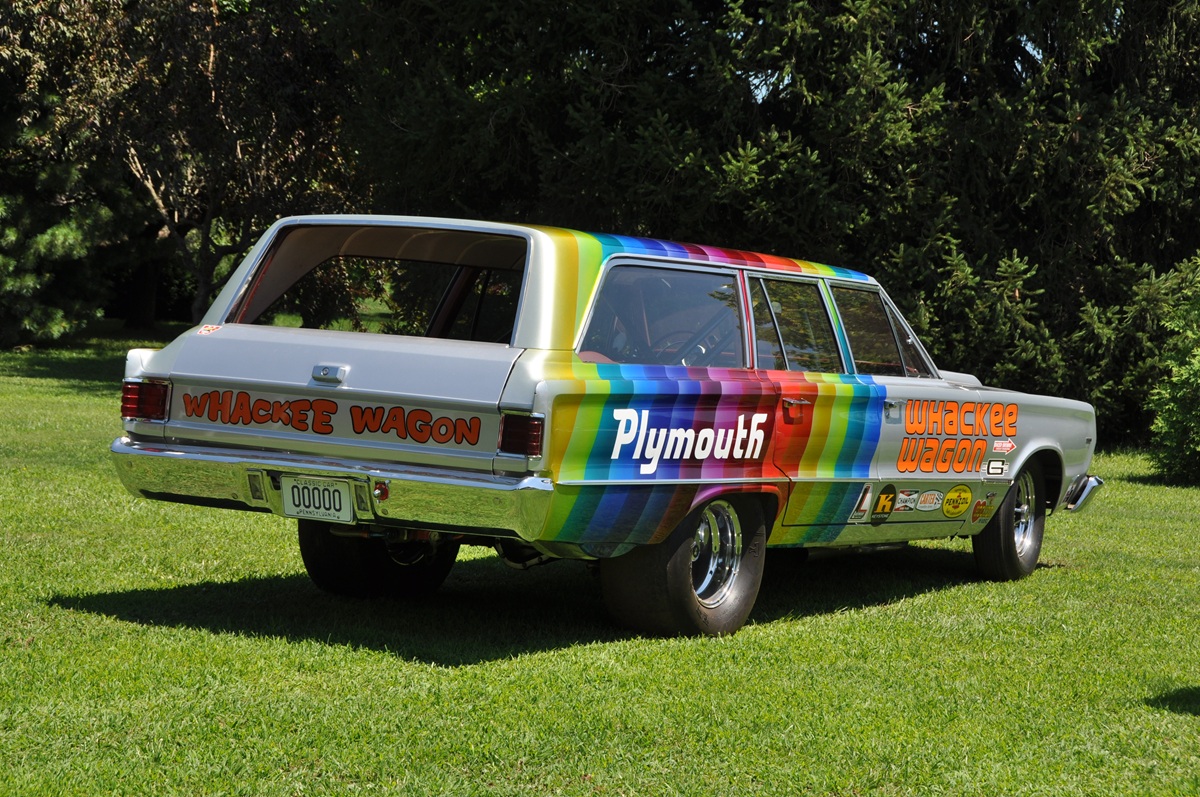
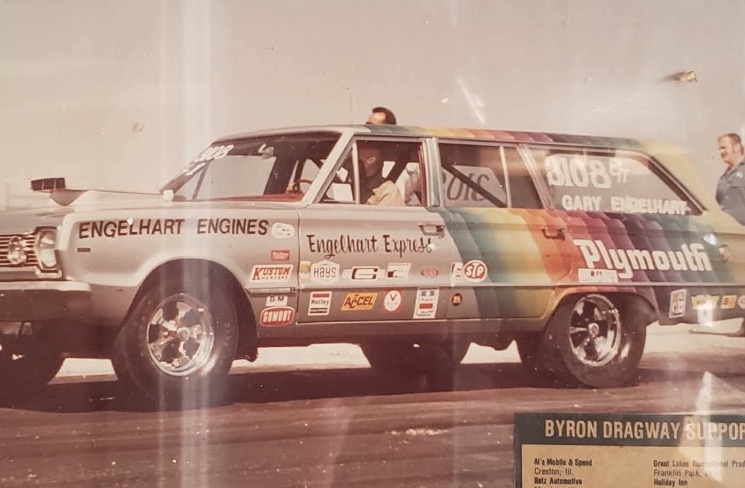
After the 1971 race season, Lee sold the wagon and slowly began his exit strategy from drag racing. The wagon exchanged hands but still maintained its wild paint scheme from when Lee Smith raced it. In 1974, Gary Engelhart bought the wagon and removed the worn-out HEMI engine and installed a 440. The car still looked good, and even the power tailgate window still worked. Gary Engelhart bracket raced the HEMI engine-powered wagon at Illinois’ Rockford Dragway and at Union Grove Dragway in Wisconsin. Gary eventually sold the wagon to a racer in the Midwest who painted the car white and made other minor changes. It was not until 2000 that Gary’s brother, Fred Engelhart, found the car and brought it back to his shop in Minnesota. A collector of rare Mopar Super Stockers and Pro Stockers, Fred restored the wagon to its ‘as raced condition’ in 2006. This included putting a stout 426 HEMI engine back in it and having the wild ‘Whackee Wagon’ multicolored striped paint job replicated and applied.
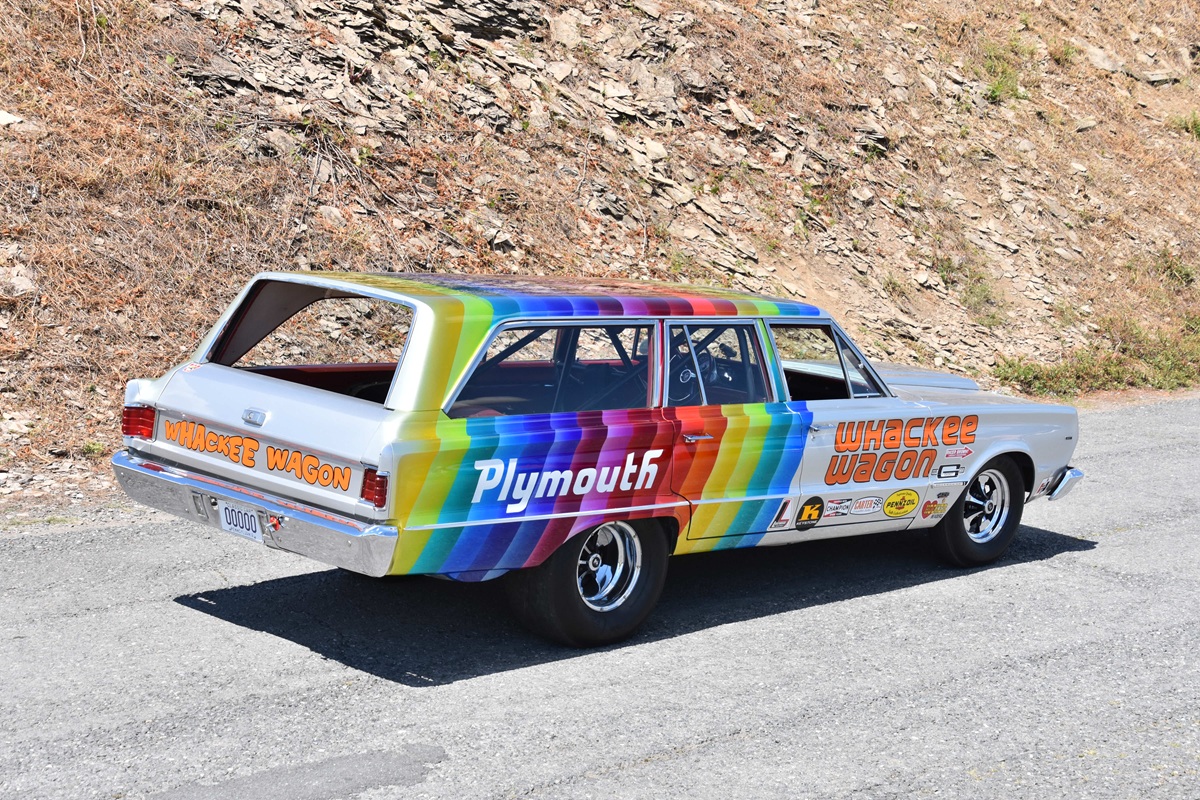
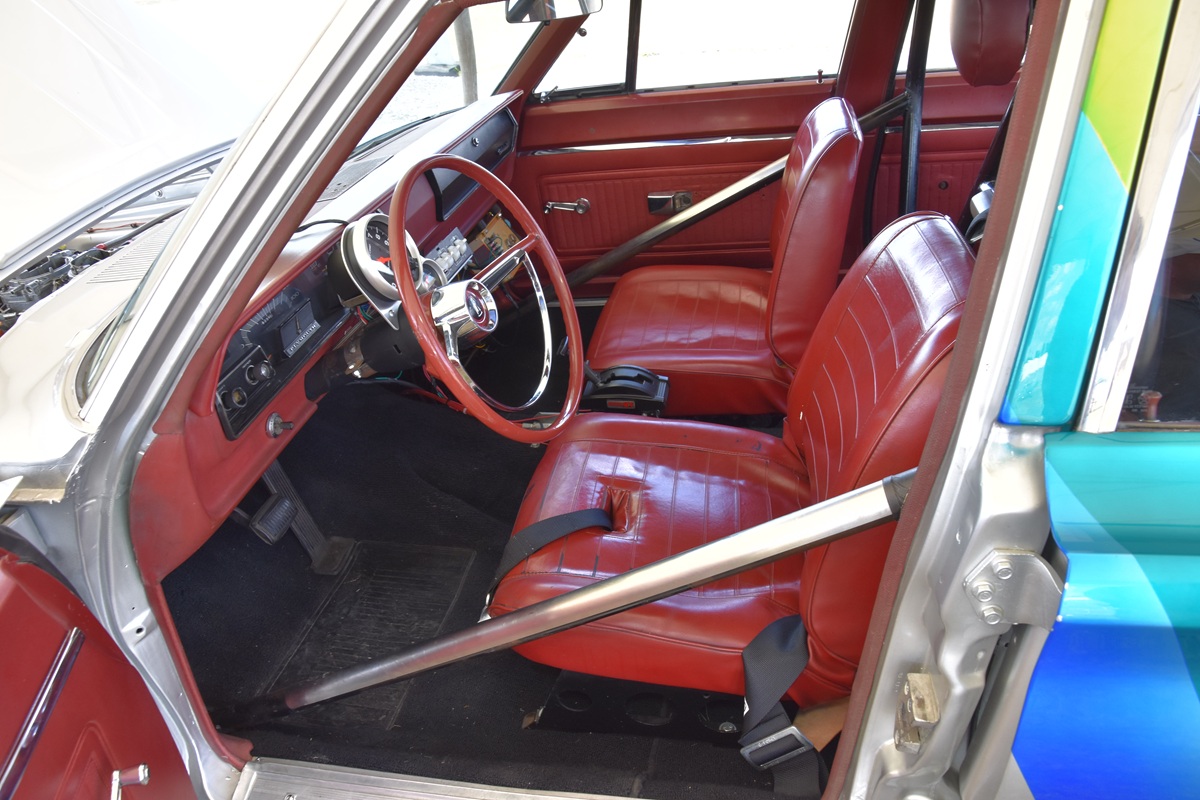
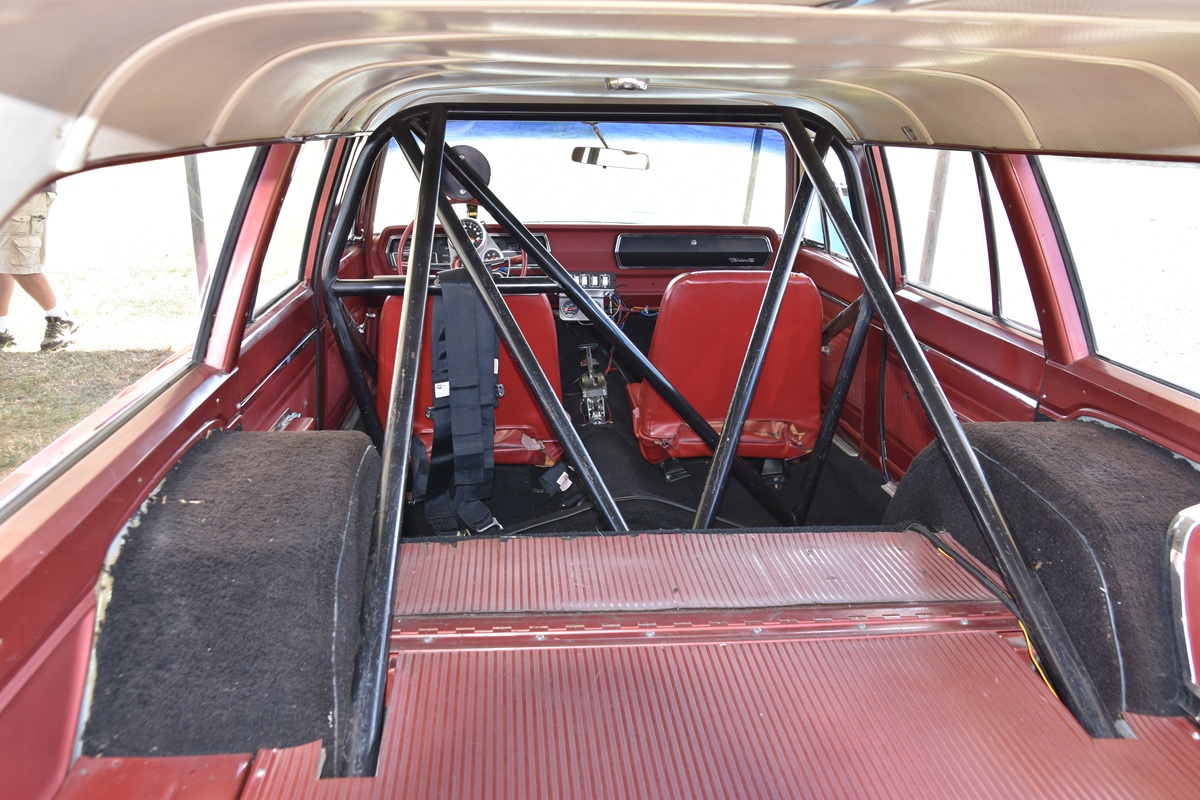
Under Fred’s ownership, minor updated safety improvements were made, such as reinforcement braces added to the DANA 60 axle rear end and cross bars welded to the cage. For consistency, Fred installed an automatic transmission and even made many runs down the dragstrip at the Chrysler Classic Events in Columbus, Ohio. It clicked off nine-second ETs while yanking the front wheels in the air. “This car has great racing heritage,” said Fred. “This car was built at such a high level back in the day, and I tell the folks who know own it, ‘just leave it alone.’ Lee Smith did such a great job building the car, and it had many tricks done to it. It even has the correct lightweight Super Stock front bucket seats, and the fact that this wagon has never been hacked, butchered or cut up makes it a great example that still survives today.”
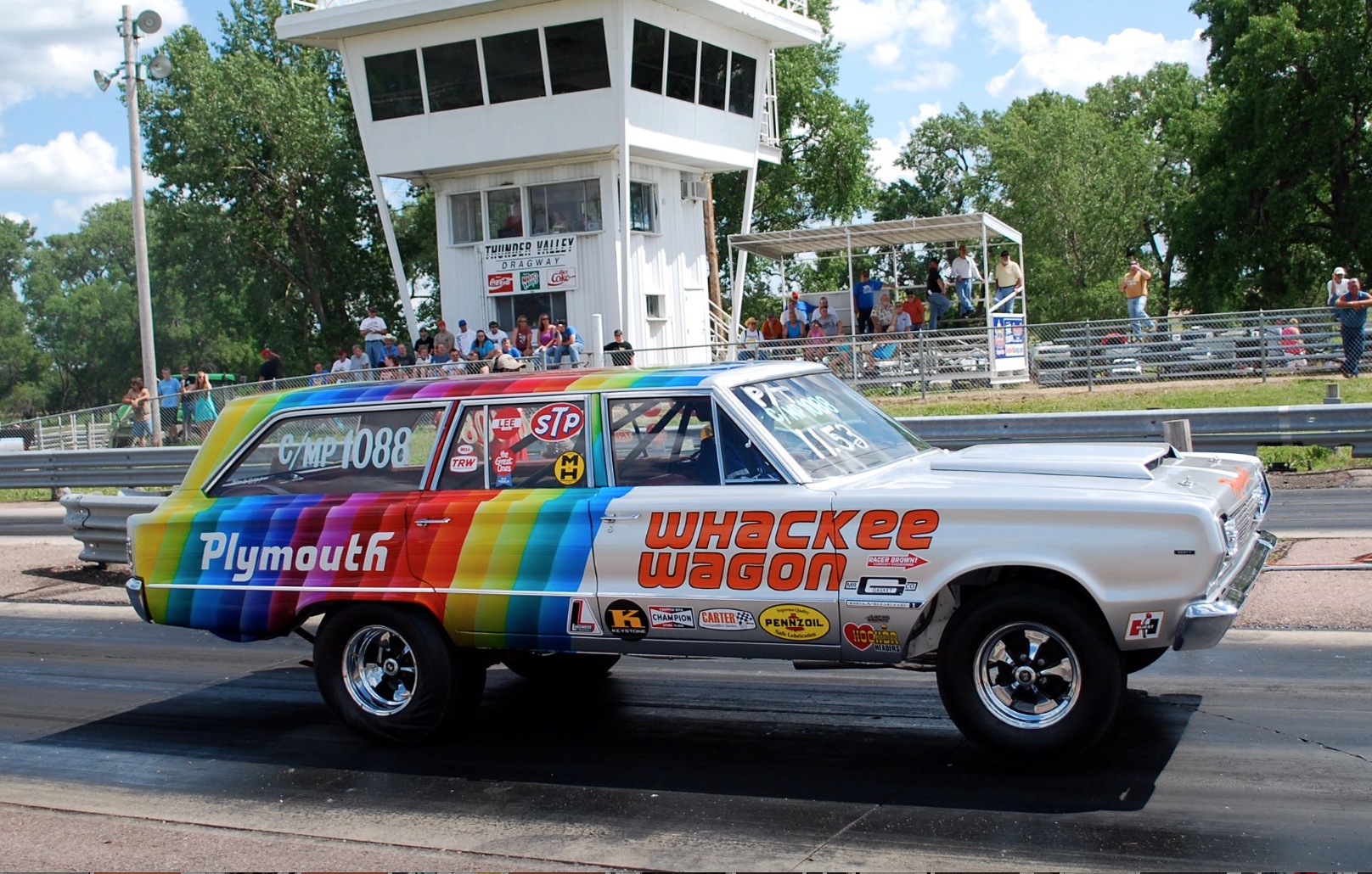
The HEMI Belvedere Station Wagon has had numerous homes since Fred sold it years ago. Luckily, the owners have taken his advice and have left the car alone. Just as well, there’s a new generation of Mopar enthusiasts that’ll want to hear the story of the ‘Whackee Wagon.’
0 Comments