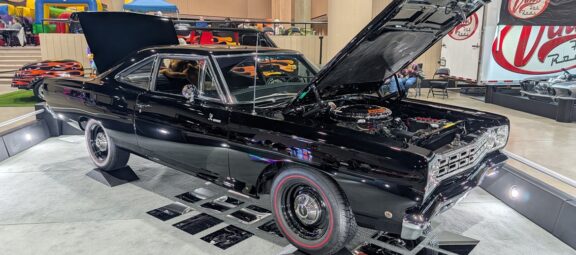
Triple Black and Done Right: Toby and CeCe Walters and Their 1968 Plymouth Road Runner
A Texas couple brings decades of Mopar® devotion – and one stunning 426 HEMI® Road Runner – to the Birmingham World of Wheels show floor.
There are show cars, and then there are cars with stories. The 1968 Plymouth Road Runner sitting on the floor of the Birmingham World of Wheels is very much both.
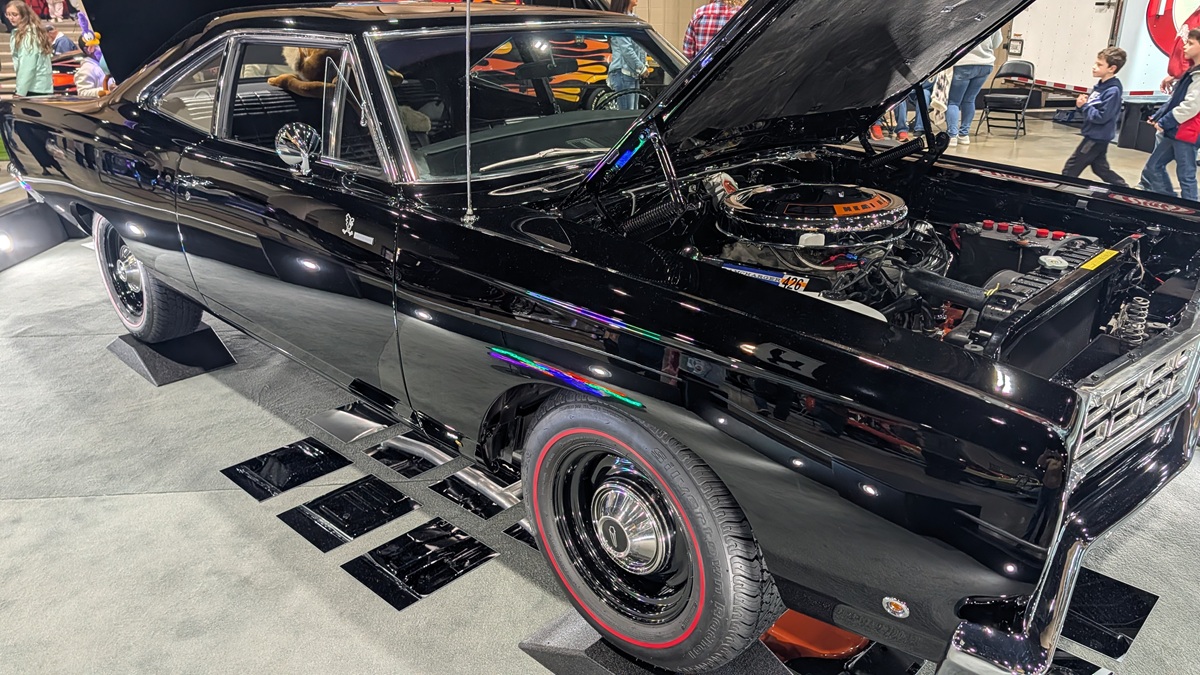
Painted triple black, body, interior and top, and powered by a numbers-matching HEMI engine, the car draws judges in the way a magnet draws iron filings. Not because it screams for attention, but because once you get close enough to get a good look at the panel gaps, run your eyes along those body lines and peek under a hood that looks like it just rolled off the assembly line, you realize you’re looking at the real thing. It earned its place on that show floor.
The people behind it are Toby and CeCe Walters, based outside of Dallas-Fort Worth. They are, by their own cheerful admission, mentally ill. “We’re really mentally ill,” CeCe laughs. “Like, for reals!”
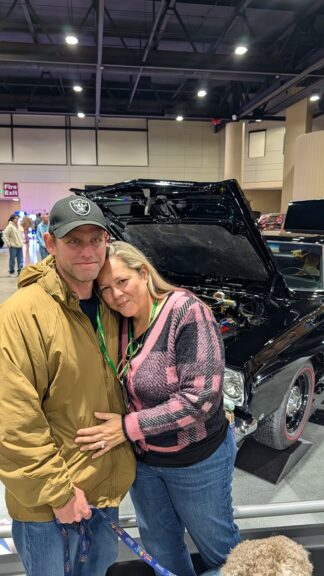
Toby’s answer is immediate and completely deadpan: “It’s not a mental illness. That’s a superpower.”
He’s not wrong.
Toby’s roots in the Mopar world trace directly back to family. His uncle, a certified Dodge Master Mechanic in Denison, Texas, who worked for every Chrysler dealership in the area and served as a factory instructor in Dallas, was the kind of wrench who could stand next to a running engine, close his eyes and tell you what was wrong with it and how long it had been that way. “He has been working on Mopars since before there was dirt,” CeCe says, summing up his tenure in the business.
It was that uncle who owned the car that locked Toby in for life: a brand-new Super Bee. Toby grew up riding in it, and from then on, his holy grail was owning one just like it. That dream eventually came true; the family currently has a 1970 Super Bee in Sublime sitting in the garage. But before the Super Bee, there was a build that set the template for everything that came after.
“My dad and I built a ’68 Plymouth Satellite,” Toby says. “We did it triple black.” Toby was around 14 or 15 years old at the time, roughly 1995 to 1998, and those years spent side by side with his father turned a passion into something deeper. The triple black color scheme of that original build wasn’t a coincidence. When the Road Runner appeared years later, the choice of how to present it was obvious.
The Road Runner wasn’t something the Walters went looking for. They went to a buddy’s shop to check out a different car entirely. “He goes, well, I got this car in my shop. I’ll show you,” Toby recalls. A car cover came off. The memories hit him immediately, instantly rewinding to the cars he’d built with his dad, the same era, the same soul.
He called CeCe. Within seconds.
“It wasn’t even two seconds, and he’s calling me,” she says. He sent her pictures. Three of them. When she asked what color the car was, he told her to look at the pictures he’d sent. “Did you get the pictures I sent you?” he responded. She looked at the HEMI engine and the car’s color and immediately said, “Okay, come get the trailer.”
The car had been restored in Texas roughly 10 to 15 years prior, paint and bodywork done right, with the kind of straight panel lines that black paint either proves or destroys. The previous owner, a 6-foot-4 man who genuinely loved his HEMI engine-powered vehicle but simply couldn’t fit comfortably in the seat, had decided he needed to find the car a proper home. He wasn’t going to sell it to just anyone. When Toby showed up, it was clear this was the right guy.
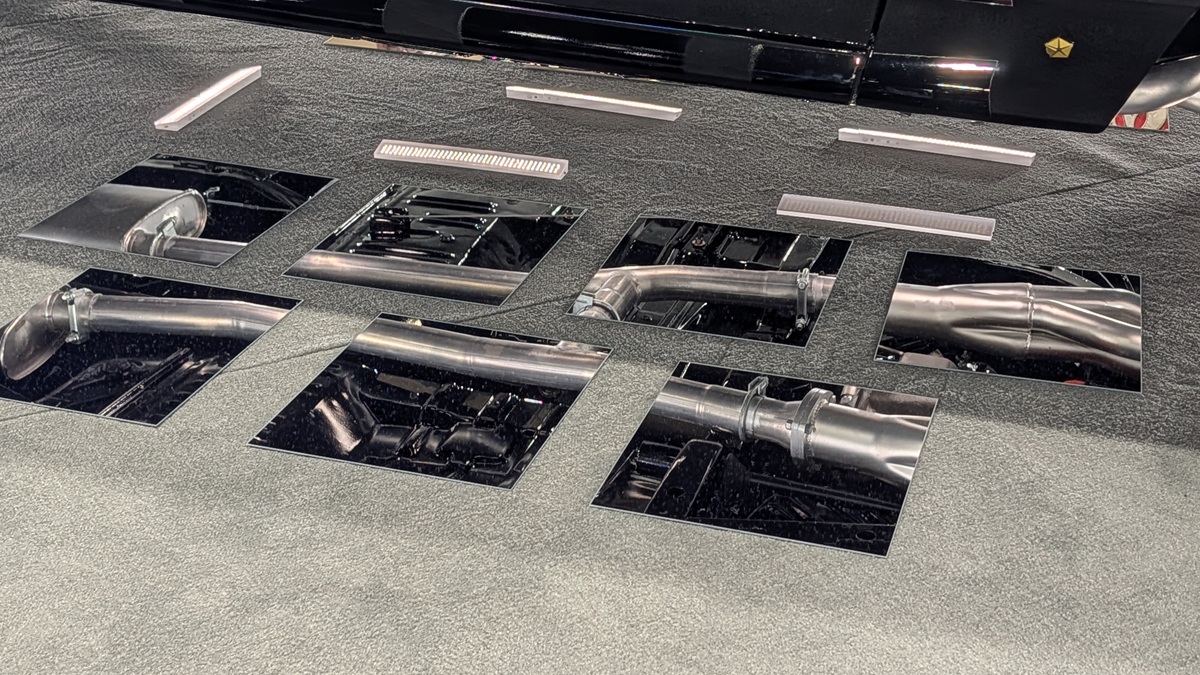
That was about a year-and-a-half ago. In the time since, the Walters haven’t touched the paint; it didn’t need it. Instead, they’ve focused on the details: radiator, hoses, a modern radiator that visually matches the factory unit, a correct gas tank, nuts and bolts, every piece either matching, original or period-correct. They steam-cleaned the bottom of the engine before the Birmingham show after a judge at a previous event pointed out a bit of dust. They assure me that the car is driven. But, looking underneath it, you would swear it lives in the garage and gets trailered everywhere. It’s just sooooo clean!
The Road Runner is optioned in a way that requires some knowledge of how these cars could be upgraded at the dealership when new. According to the Walters, the chrome grille surround wasn’t standard equipment; it was part of a deluxe package that could be dealer-installed at the time of purchase, making it both correct and rare. The HEMI badges are original. The windows are the factory glass. Every time they return home from a show, Toby and CeCe go over the car again, flashlights in hand, looking for anything that might have crept in, a bolt that shows the faintest ring of surface rust, a spot where the undercarriage touch-up might need a pen. “Back home from every show,” CeCe says, “we make sure we don’t miss something that could hurt us the next time we show the car.”
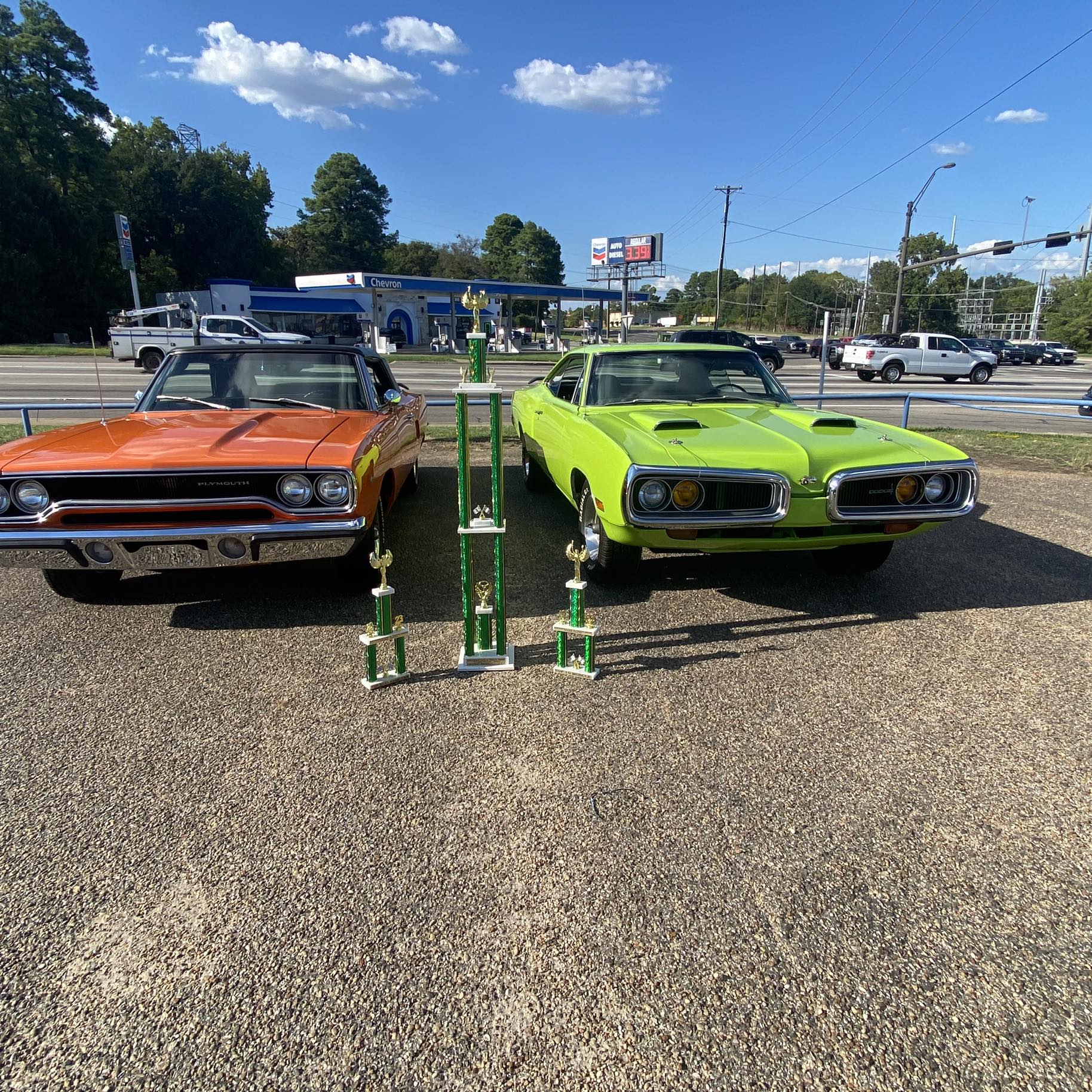
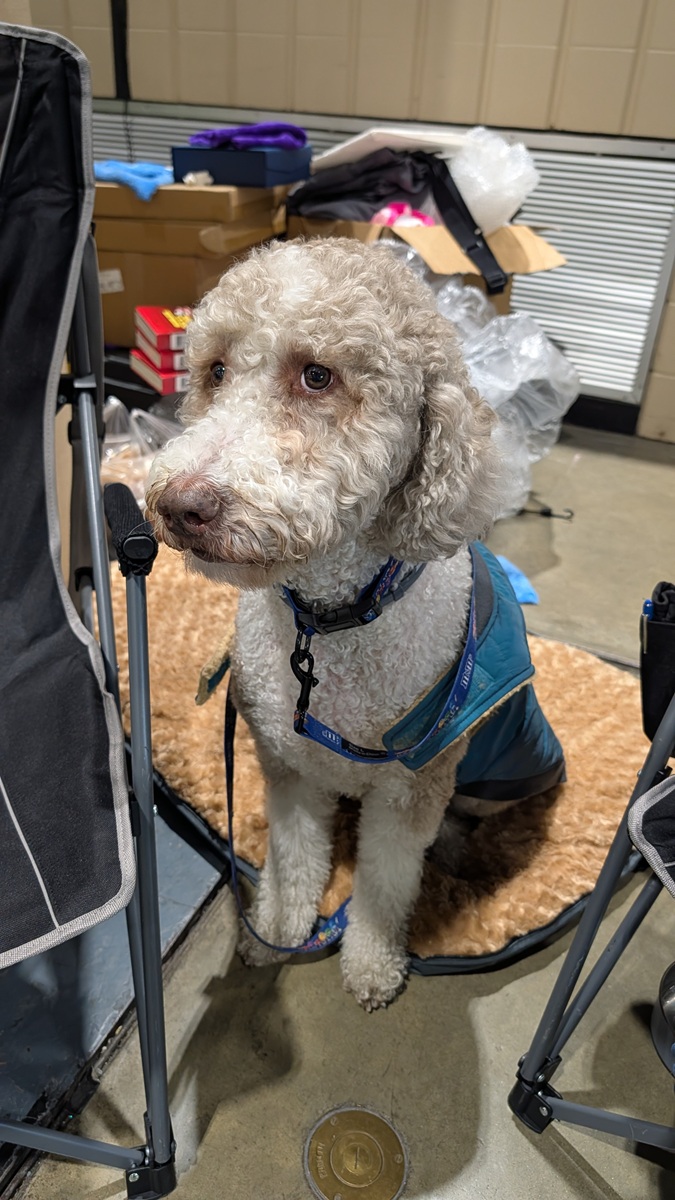
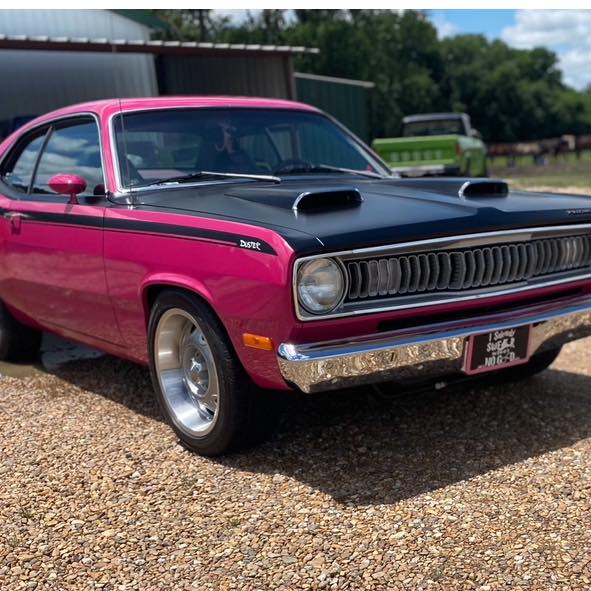
The Road Runner is the show car, but it’s far from the only machine in the Walters fleet. The Sublime ’70 Super Bee is the car Toby always dreamed of owning, the one that goes back to his uncle and those childhood rides. There’s also a 1970 Challenger, numbers-matching, slant 6 with a three-speed on the floor, an uncommonly rare configuration. Then there’s CeCe’s pride and joy: a 1972 Duster painted in Panther Pink, with a 440 under the hood. “Funnest car, EVER!” she says, coining a word in the process. “It is so much fun.” The family dog, Andy, is apparently in full agreement: the moment that Duster fires up, his ears come up and he’s already heading for the door.
At the Road Runner’s show debut, the Walters arrived not quite sure what to expect. They set up their display and watched as judges stopped in front of the car and didn’t leave. “When the judges sit there and stare at it for 30 minutes, you want to walk over there and say, ‘What’s wrong?'” Toby laughs. What was wrong was nothing. They won.
Birmingham World of Wheels is only the Road Runner’s third major show. After the first show, a judge mentioned the engine was slightly dusty. Steam cleaning happened before Birmingham. The next show will see improvements revealed in Birmingham. I expect that cycle to continue until the Road Runner is perfect in every judge’s eye who has the opportunity to see it.
Toby and CeCe have been to Southwest Mopar events up in Oklahoma, where Thunder Valley Raceway fills up with Super Birds from across North America, nine lined up in different colors on one afternoon alone, every variation of 426, 440, automatic, four-speed. They know the community, they know the cars, and they know what it means to be part of something that most people outside of it can’t quite explain.
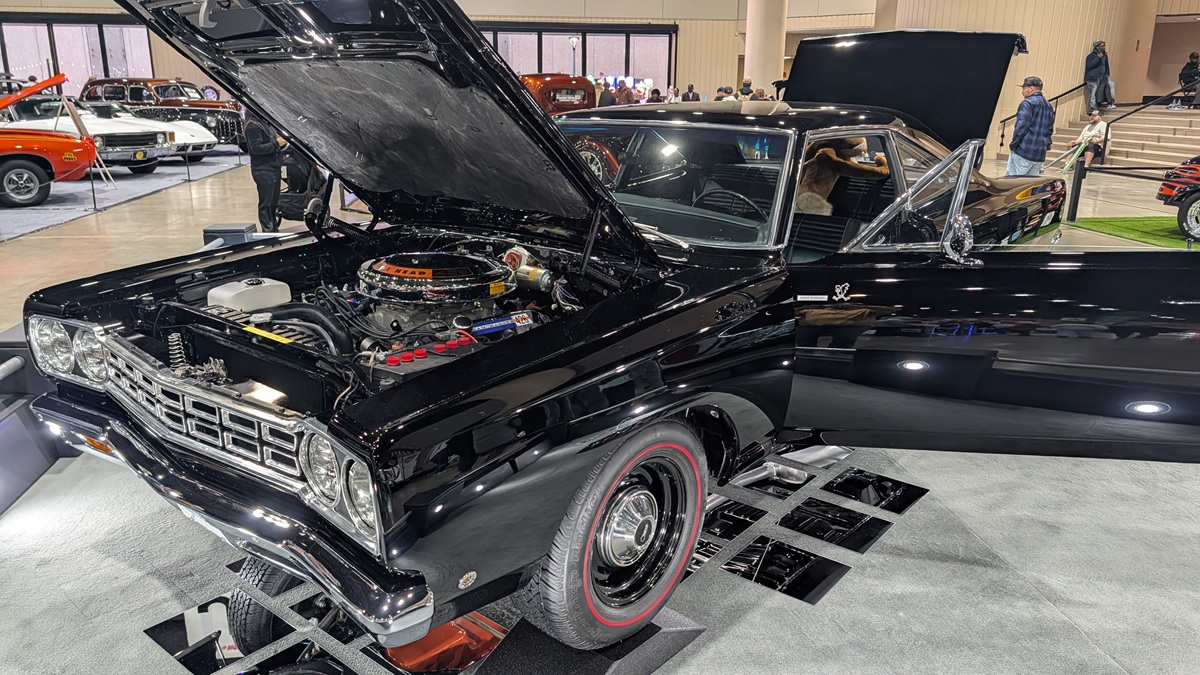
On the show floor in Birmingham, the 1968 Plymouth Road Runner sits triple black and fully intact, carrying with it a father-son build from 1995, a childhood spent in a Super Bee, a friend who couldn’t fit in his own HEMI engine-powered vehicle, and two people who found their thing and refuse to do it halfway. The Road Runner is the crown jewel. The story behind it is the real treasure.
0 Comments