Heading Down the Highway to Hell – The History of SRT® – Part 3
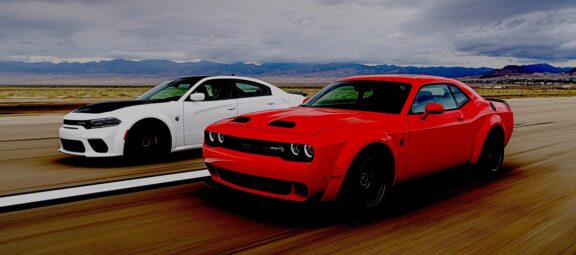
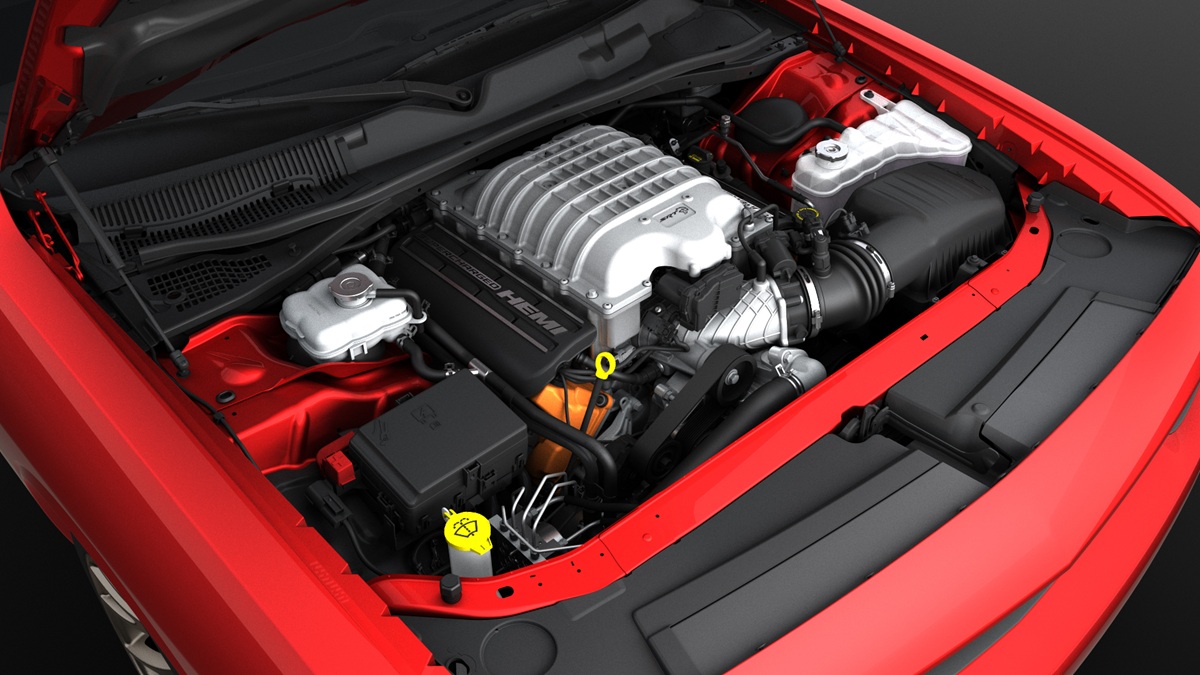
Hopefully, you’ve been following our multipart series on the history of SRT® and digging the content. In Part One, we discussed how the group was founded, its goals and the first vehicles that wore the now-iconic ‘SRT’ badge. In Part Two, we took a deep dive into how the SRT group took the new 5.7L HEMI® engine and infused it with increased displacement, more horsepower and much more attitude. In this final installment, we’ll examine how SRT hammered down getting the ‘Highway to Hell’ on-ramp. It would be the 2015 model year, and the introduction of the all-new 707-horsepower supercharged 6.2L HEMI V8 became available in the SRT Hellcat Challengers and Chargers. These cars with their supercharged HEMI engines changed history for the Dodge brand forever.
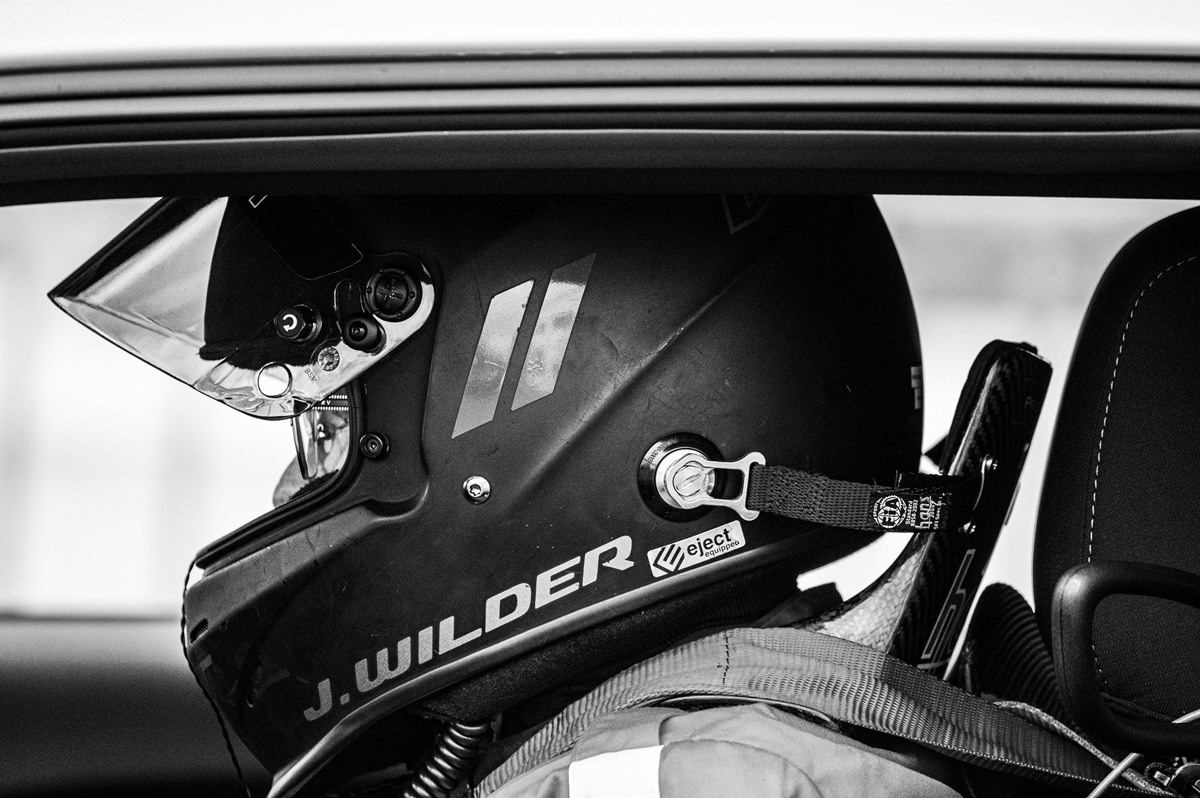
What was the driving force behind the SRT Hellcat? Hardcore enthusiasts, gearheads, the automotive media and even some internal folks within the SRT group wanted to see a supercharged HEMI engine. Many engineers said it would take a clean slate of paper to make the horsepower number while maintaining the strict SRT durability standards, testing protocol and emission regulations. Enter SRT Engineer Jim Wilder, a drag racer and muscle car enthusiast. Jim worked with SRT Powertrain Manager Pete Gladysz and both had theoretical knowledge, hands-on experience and were grassroots racers. Wilder had worked on the SRT-4 and Chrysler 300C SRT-8 platforms, so he was well-versed in high-performance vehicles. “When I got onto the Challenger SRT program, my role was Syntheses/Development Manager. Basically, I was responsible for the overall objectives of the car while ‘being the voice of the customer.’ I worked with numerous component engineers so the car would perform as intended and exceed customer expectations,” noted Wilder.
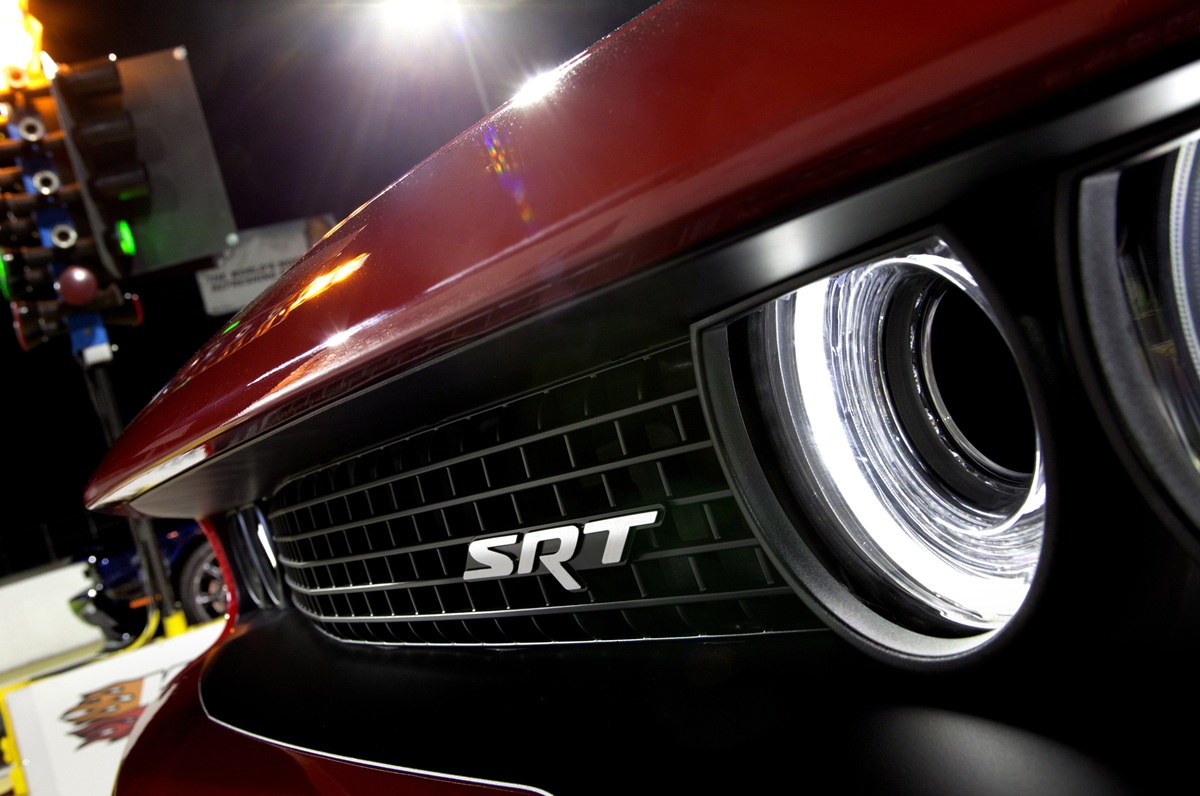
When the 2015 Challenger SRT Hellcat was being developed, Wilder was happy to be a member of this team of passionate engineers. After all, it was history in the making as the first factory supercharged HEMI engine, as well as Dodge and SRT’s first application of V8 supercharger technology, was being developed. Therefore, all eyes from the top of the house on down were making sure SRT did their job. “Being the lead guy on the engineering side, we knew cooling would be an issue on the Hellcat Challenger and Charger. Therefore, I worked with the design studio team to make sure the front facia and hood were designed to be ‘aero-friendly’ and provide enough airflow into the radiator, intercooler and airbox,” said Wilder. “We even used the inside headlight ring on the Challenger. By removing the inner plastic piece, we were able to draw in fresh air directly into the air box. This feature was incorporated into every Challenger Hellcat, Redeye, Demon and Demon 170. Everything from engines, powertrains, chassis, suspension and brakes was a collaborative effort among the many SRT team members.”
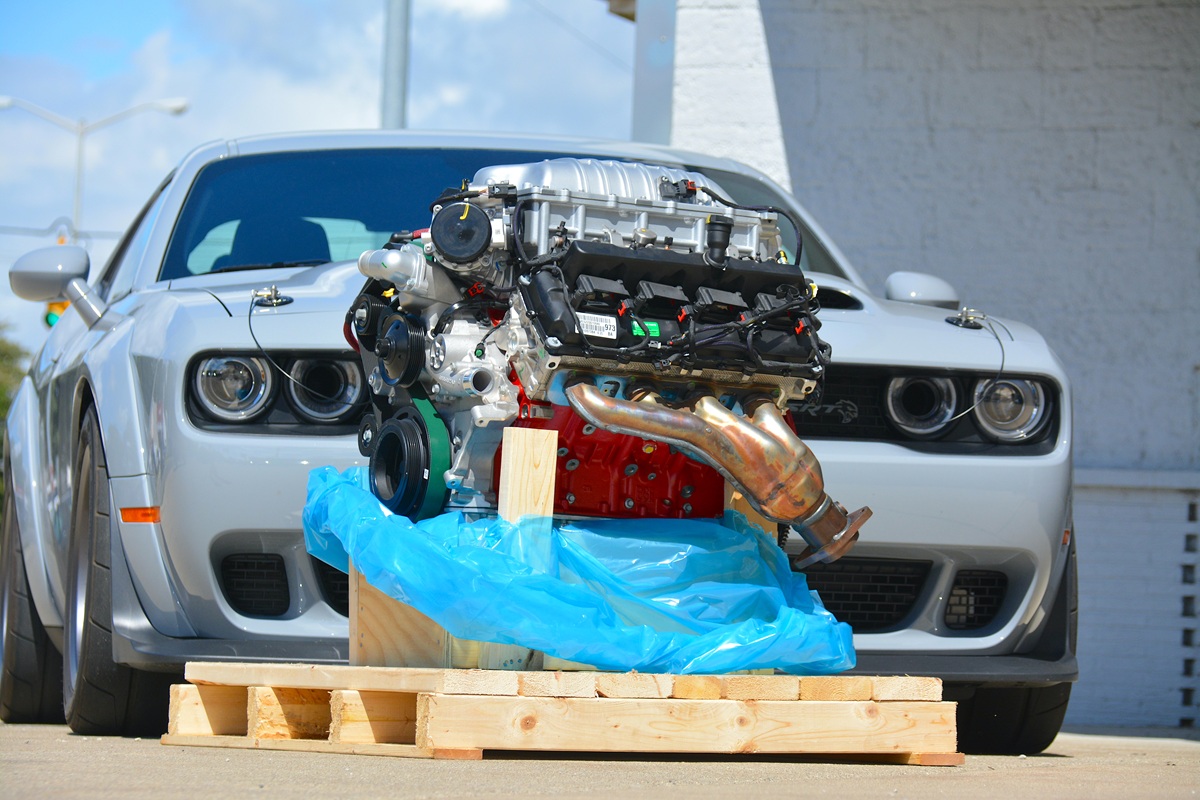
SRT did its job and did it well. Packs of HEMI engine-powered SRT Hellcats ran wild in the streets and on the racetracks across the country. Chevy and Ford owners were put on notice while the unmistakable whine emanating from the SRT Hellcat’s supercharger became a threatening howl that it was hungry for the competition. The supercharged HEMI V8, rated at 707 horsepower, became a new benchmark within the industry and shook the world like an atomic bomb. So successful was the SRT Hellcat’s 6.2L HEMI, Mopar® packaged it as a crate engine to be retrofitted into vintage vehicles. But in typical SRT fashion, they didn’t relax and just kick back; they were busy improving the Hellcat and making changes to bump it up to 717 horsepower, but SRT was still not finished.
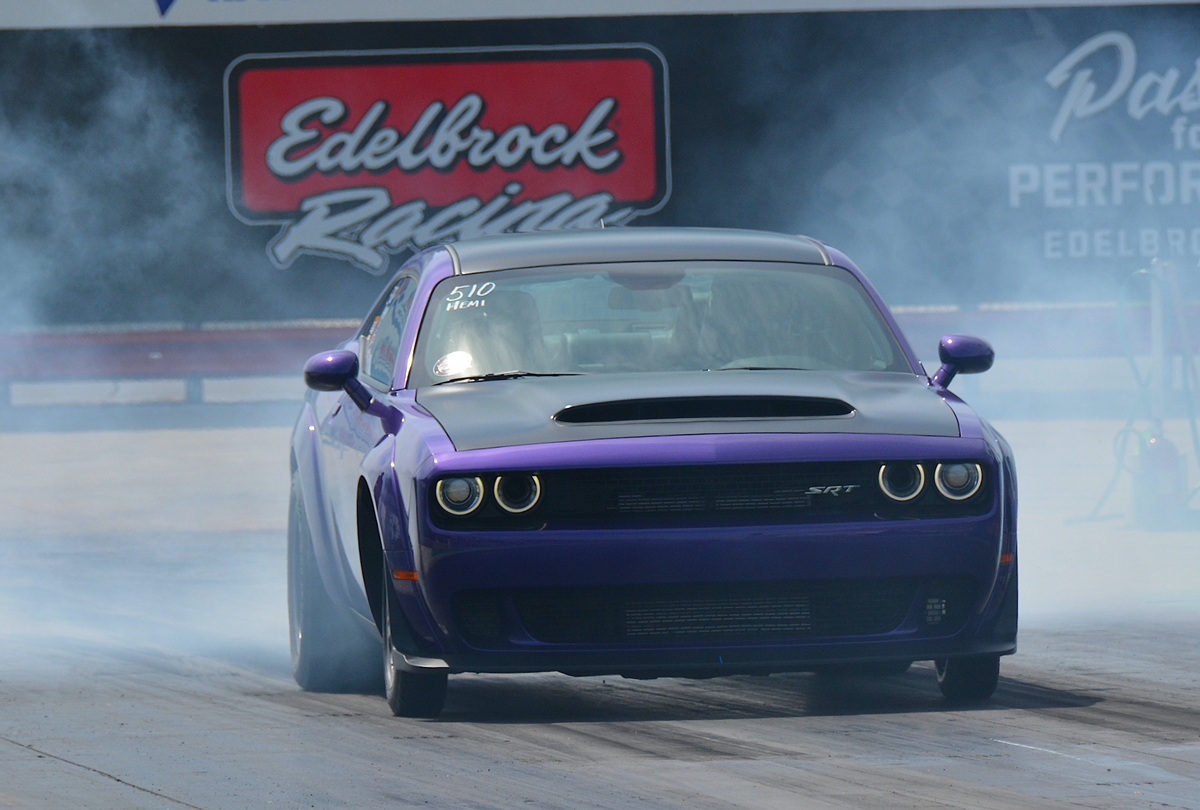
In approximately three years, SRT had developed the 2018 Challenger SRT Demon. With its 6.2L HEMI making 840 horsepower and 770 pounds-feet of torque, the SRT Demon was the most powerful muscle car ever made (until the 2023 Challenger SRT Demon 170). But between these two momentous SRT Demons, a new Challenger SRT and Charger SRT Hellcat Redeye were uncaged. With lessons learned on the 6.2L HEMI engine in the 2018 SRT Demon, the Redeye’s horsepower ranged from 797 to 807 in the Jailbreak models. The Redeye’s horsepower ratings might have been lower than the 840 found in the 2018 Challenger SRT Demon, but the Redeye HEMI, whether in a Challenger, Charger or even a new Direct Connection Crate Engine offering, it still dug its razor-sharp fangs into the competition.
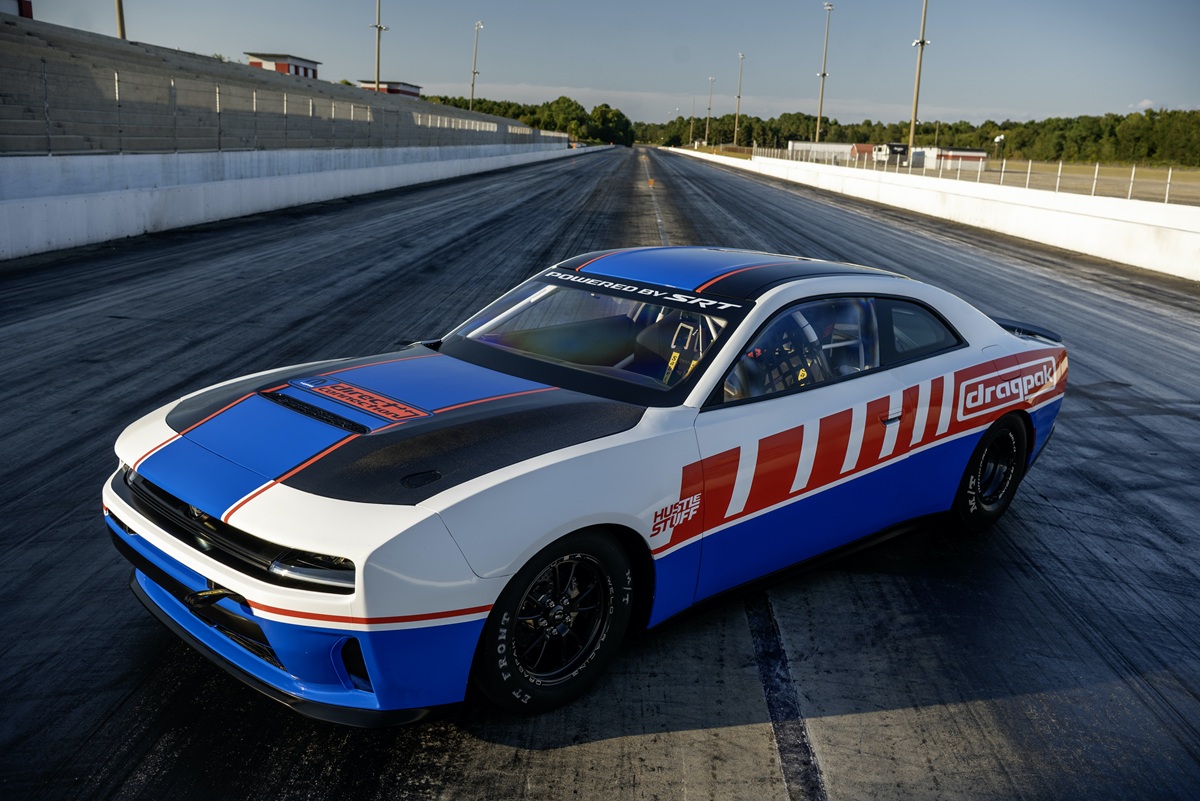
The SRT group created two modern muscle cars that changed the world overnight. It was more than the Challengers and Chargers that received a dose of SRT love. The brand has put its thumbprint on the Durango Hellcat, Ram TRX, Ram RHO, Jeep® Grand Cherokee and other projects. These vehicles have solidified the brand with legendary record-breaking quarter-mile performance, nimble handling and brakes that can take all the abuse you throw at them. For the team, the 2023 Challenger SRT Demon 170 doesn’t mark the end of their mission. The SRT brand lives on today with the 2026 Hustle Stuff Charger Drag Pak that has taken a factory-built ‘Package Car’ to a whole new level. Rest assured, the technology and ‘lessons learned’ from this purpose-built drag car will be applied to a future street machine. SRT is part of the brain trust for the Direct Connection program, and the two brands go together like peanut butter and chocolate.
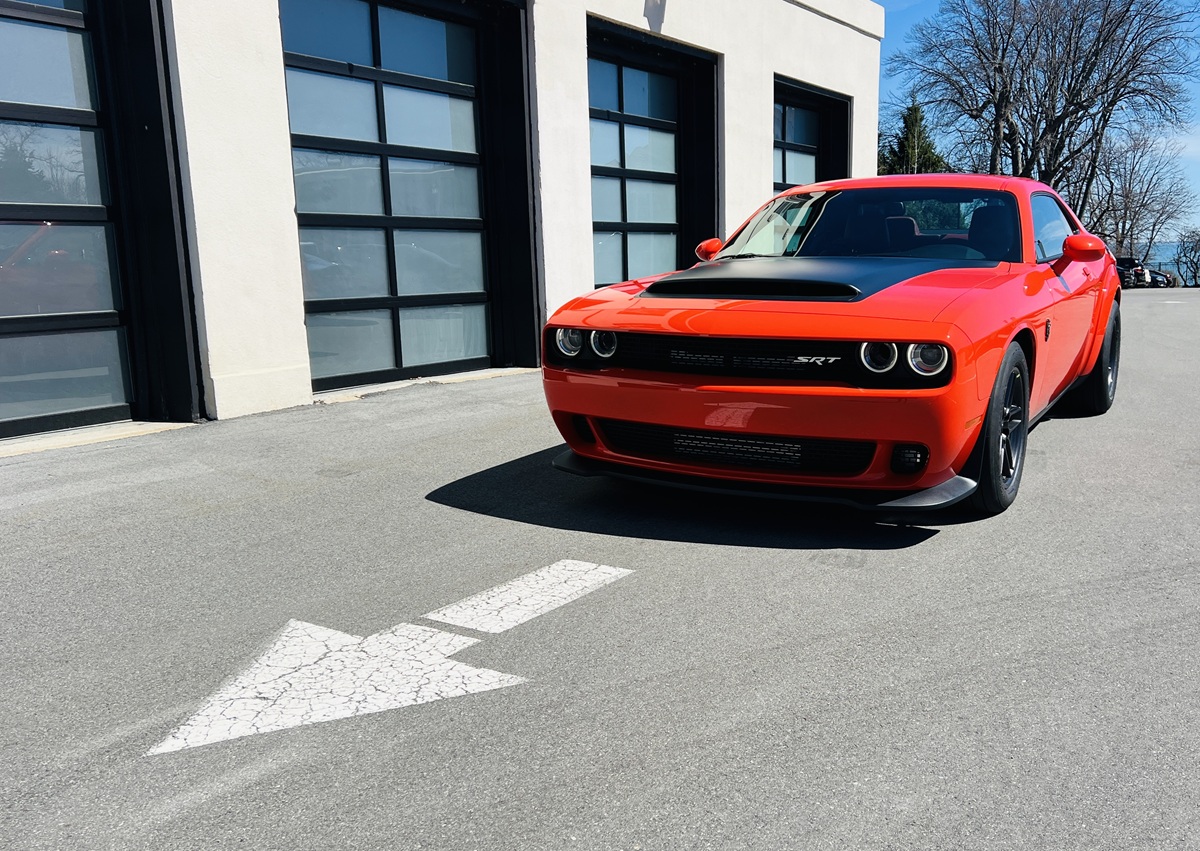
So the next time you’re rolling down the street or waiting in the staging lanes at a drag strip, readying to make a run, if the vehicle next to you is wearing an ‘SRT’ badge on the grille, spoiler or anywhere else, think twice. Before you get into a brawl with it, just know that love, passion and technology are much more than just skin deep!
0 Comments