
1971 Dodge Challenger: The Pavement Pounder
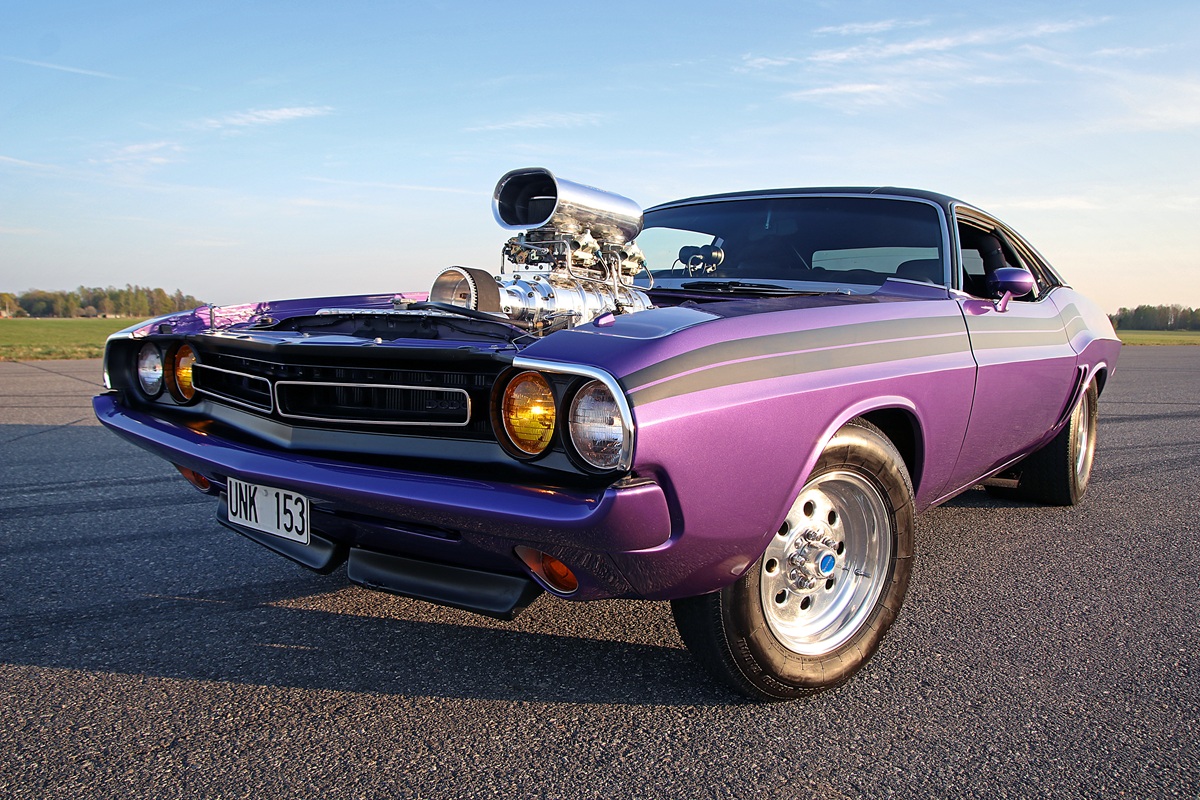
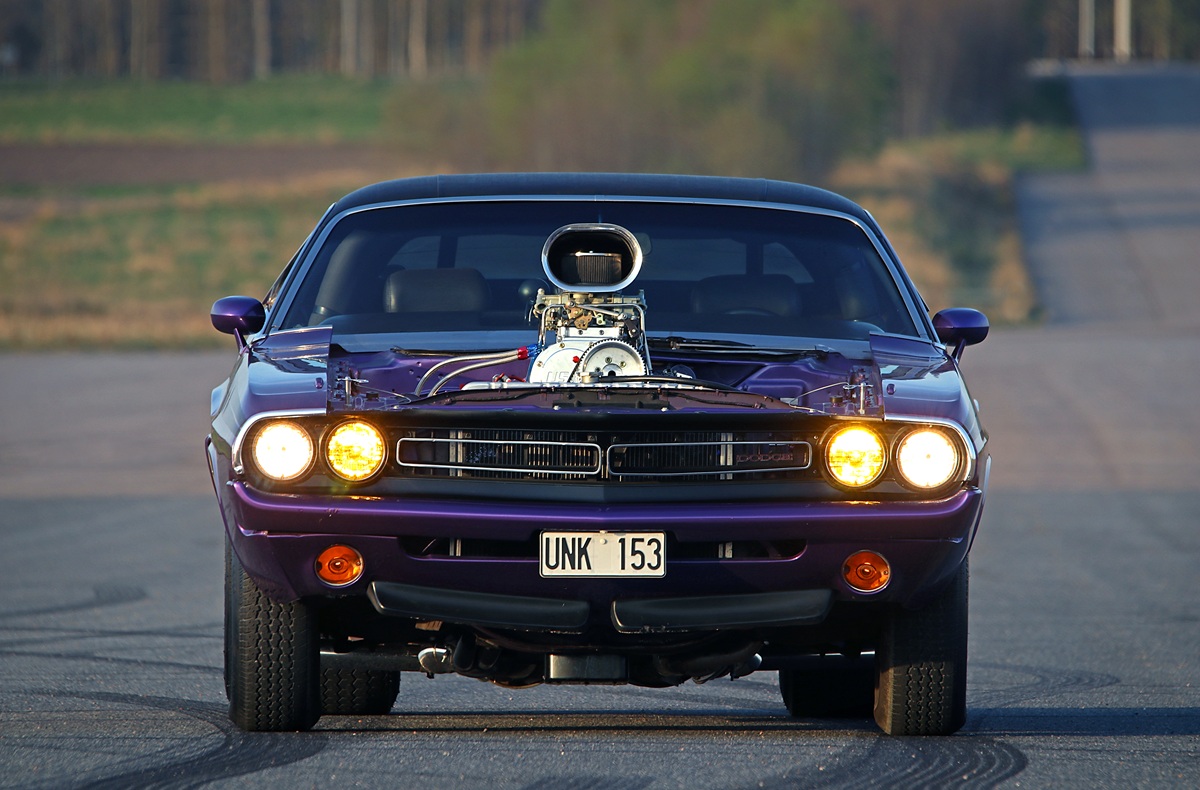
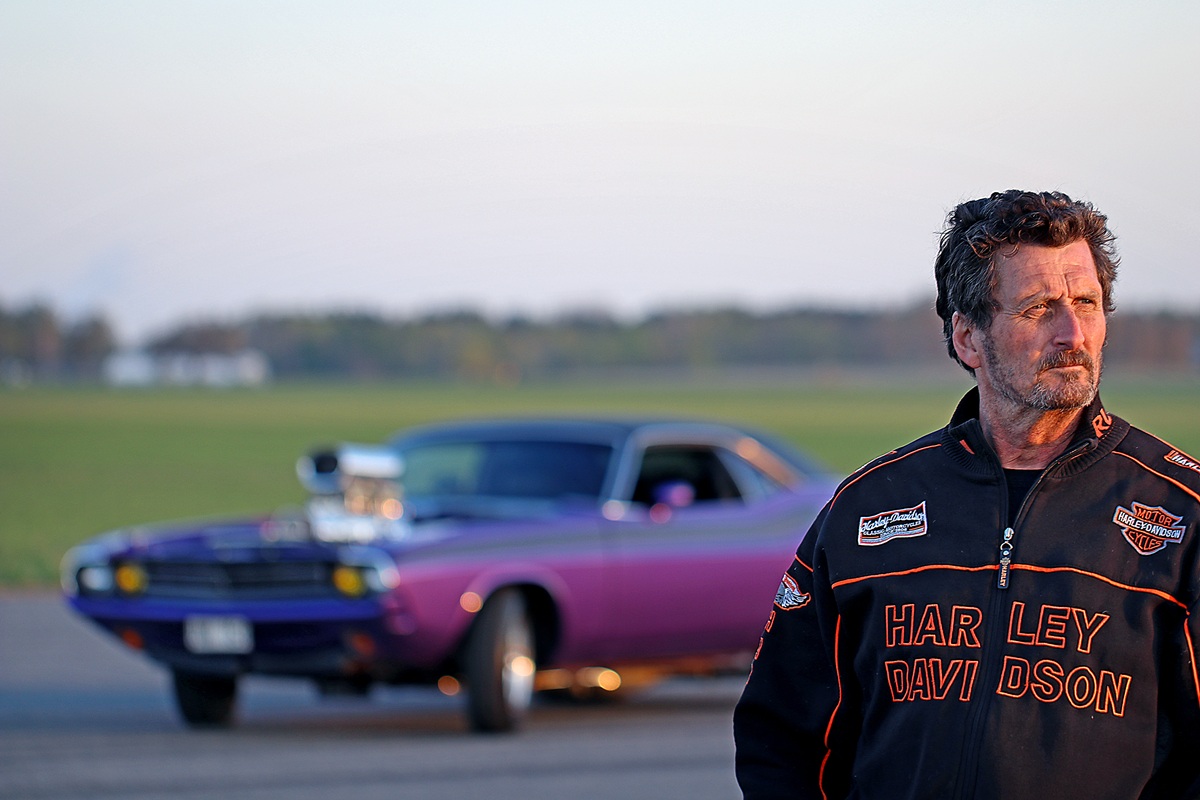
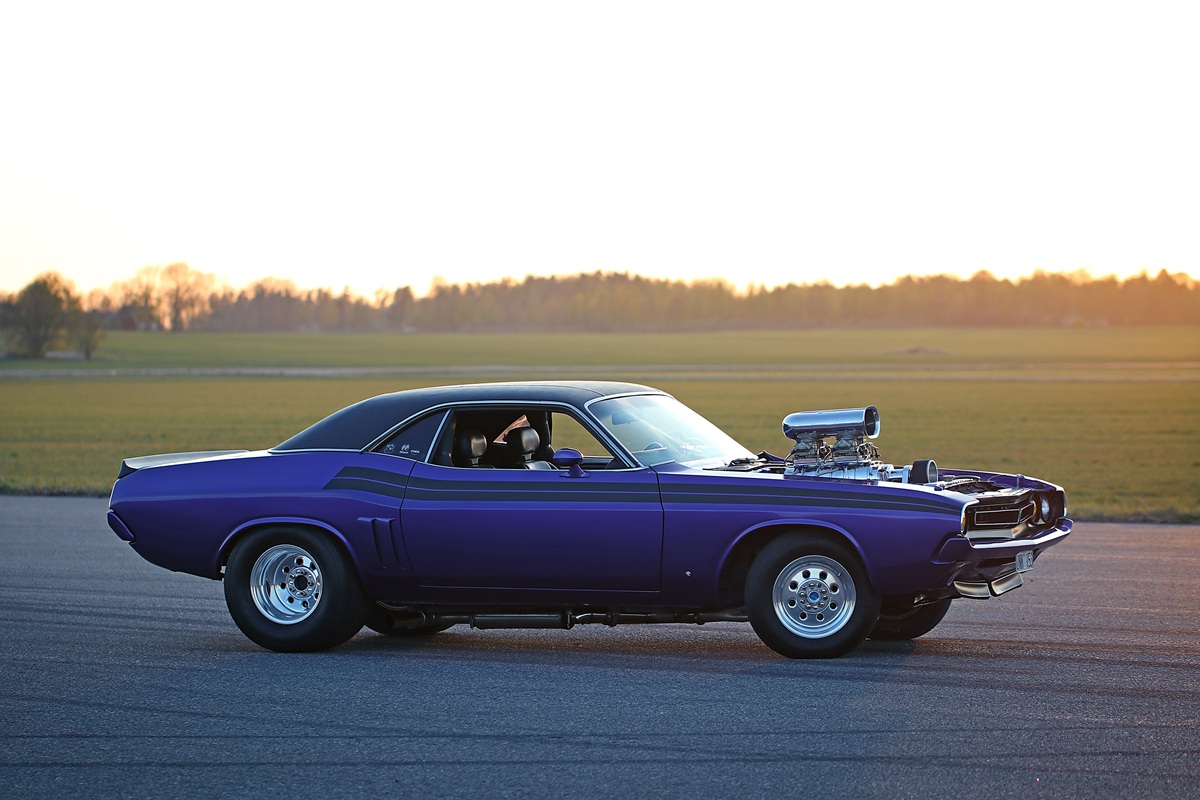
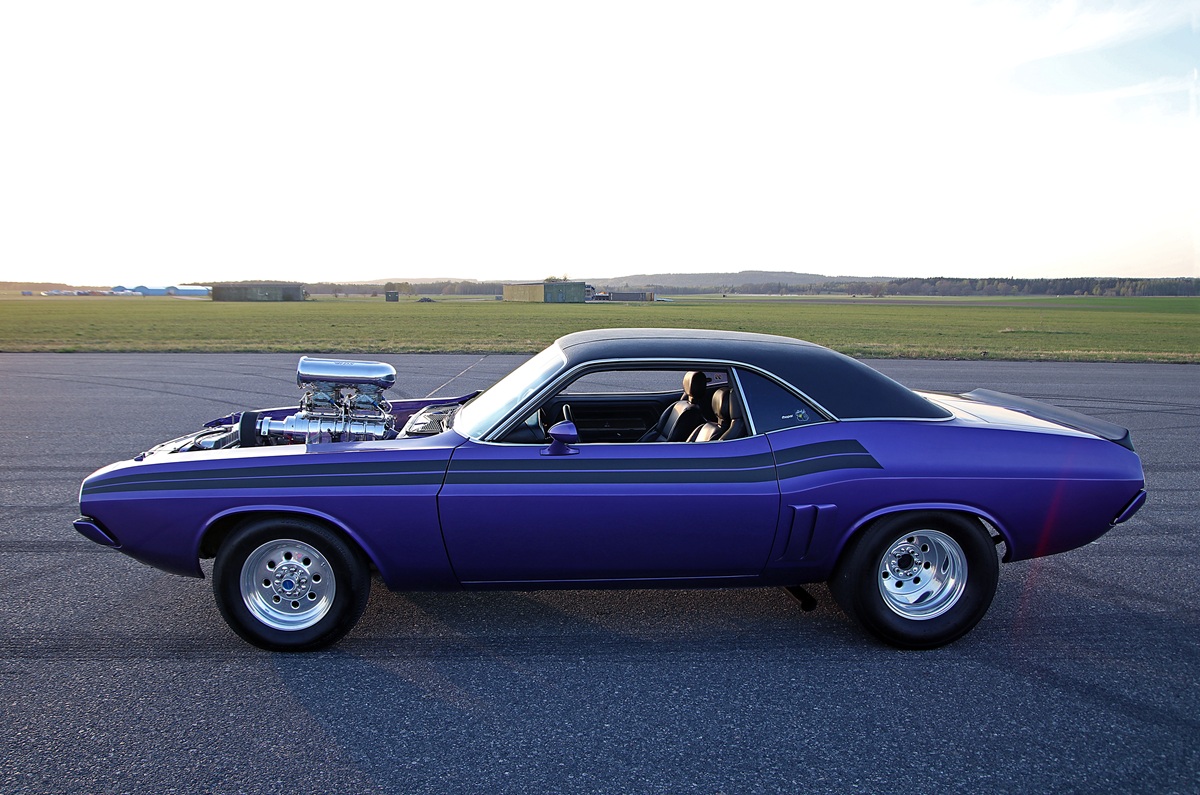
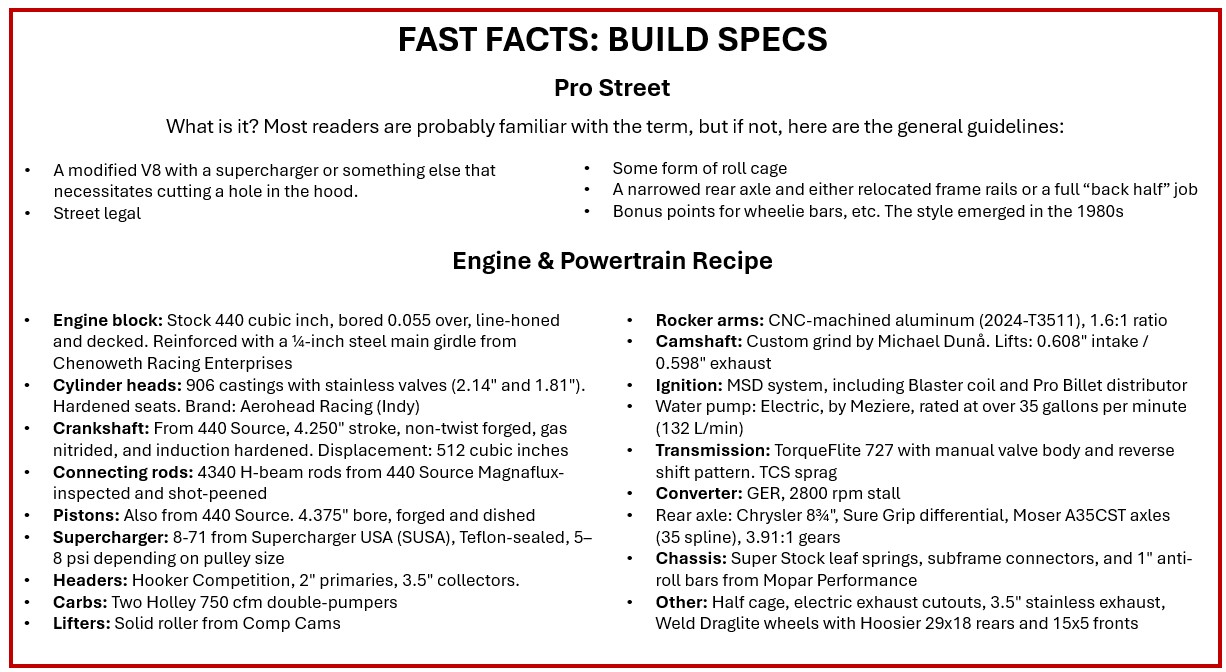
A Plum Crazy Purple 1971 Dodge Challenger in full-on pro street style, owned by Anders Strand of Norrköping, Sweden. Under the hood sits a stroked 440 cui that displaces 512 cubic inches. On top of that, a Supercharger USA 8-71 blower. Serious power? You bet.
If Strand seems familiar, that’s no surprise. He previously appeared on DodgeGarage with his “Deep Purple Dodge,” an immaculate 1970 Dodge Charger in purple with a white vinyl top.
Strand says he fell for the Charger as a young man living in Karlstad, a city in the Swedish region of Värmland, where lifted Dodge rears were a common sight. But his lifelong love affair with the Challenger, he explains, is entirely the fault of the neighboring region to the east – Dalarna. More specifically, the town of Ludvika, which is well known in Sweden for its high density of Mopar® cars.
“My interest in the Challenger came a bit later than the Charger,” Strand says. “There was a whole crew of guys in Ludvika driving supercharged cars back then, and I was part of that group when I was younger. Pidda, Blomma and the rest. Micke “Blomma” Blomkvist, for example, took his 1970 Challenger to Mantorp – Sweden’s legendary drag strip – in the early ’90s. Big rear tires, a 6-71 blower. At the time, I didn’t know who owned the car, but a while later I was working for a company installing cable TV, and there he was – one of the installers. That moment stuck with me. Challenger is the ultimate car, better than even the Charger. I’ve owned several. R/T, R/T SE, a 440 Six Pack clone in Panther Pink, and now this one.”
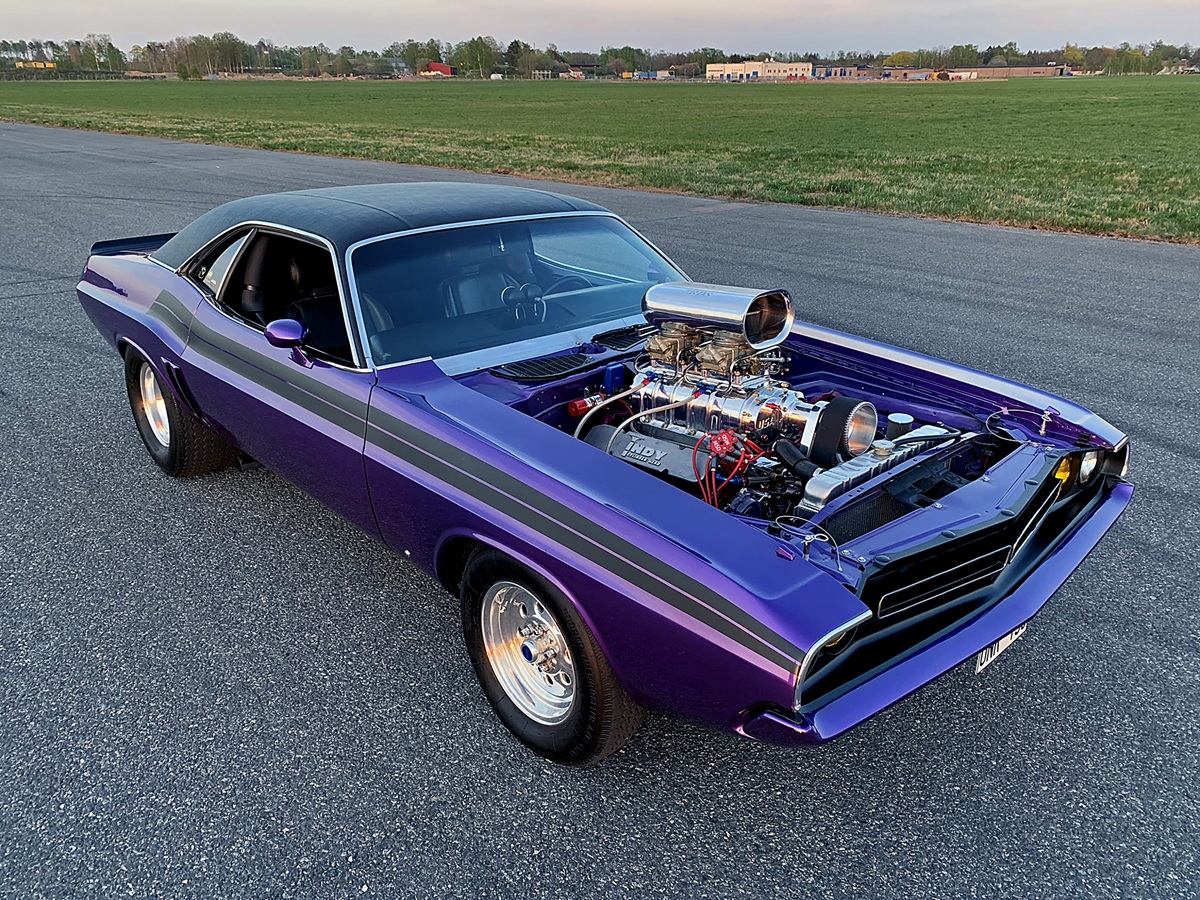
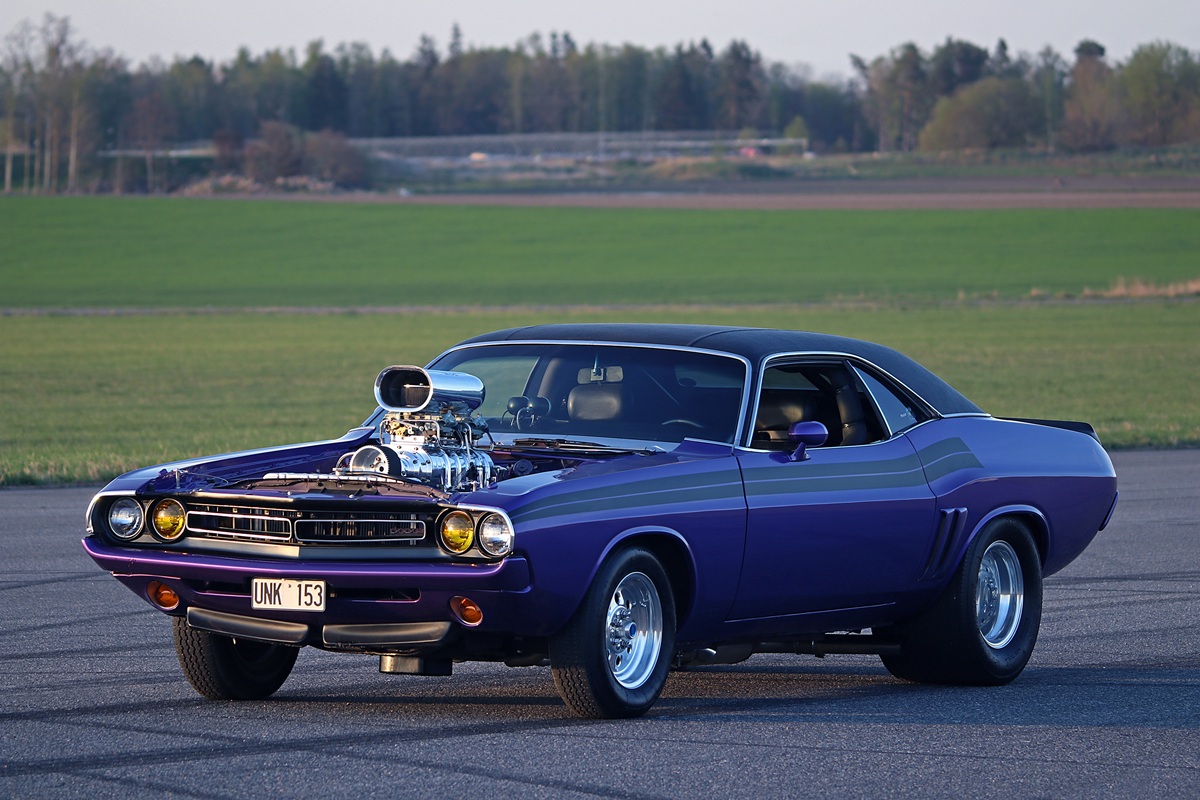
In 2007, the Challenger popped up on eBay. The wheel wells had already been widened, and a hot 440 was under the hood.
“I said, ‘I’m buying it!’ And I knew it was getting a blower. A proper beast of an engine,” Strand says. “It was the first car I ever bought in the U.S. directly, no middlemen. A great deal.”
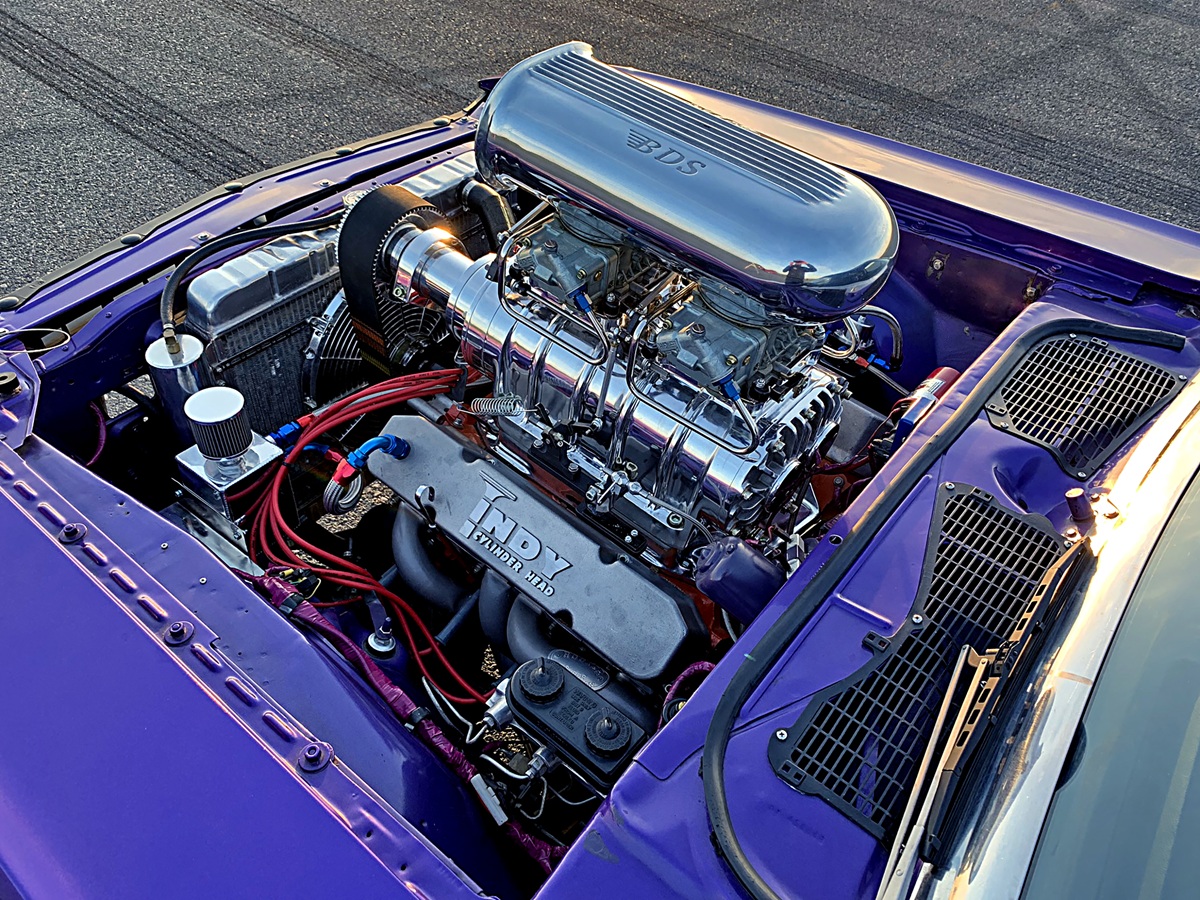
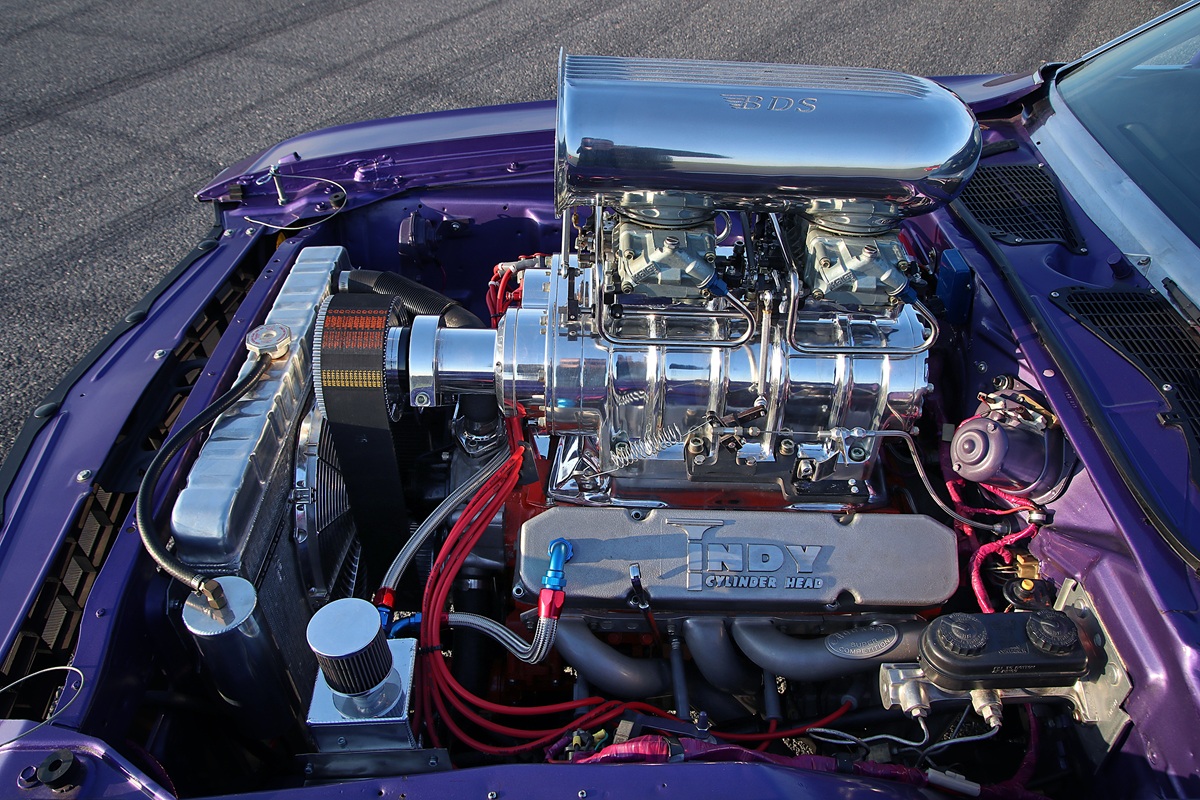
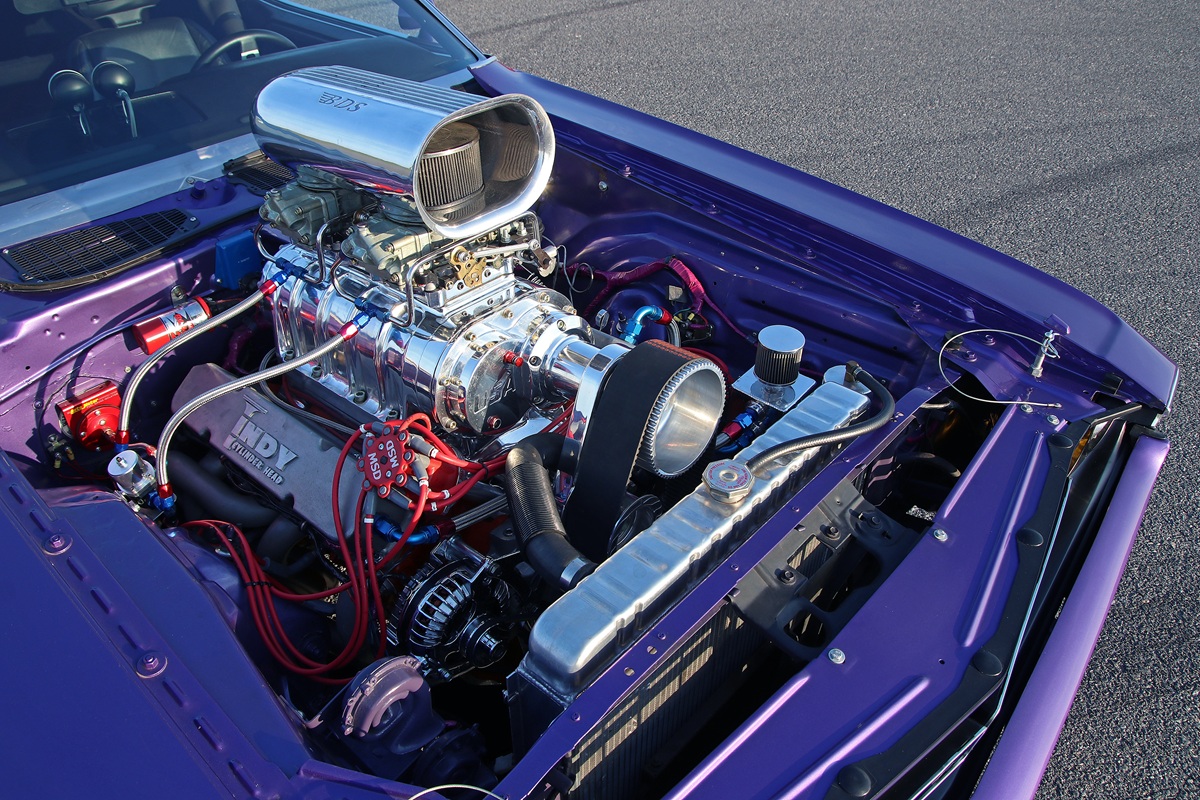
Strand drove the car through 2008 before putting it into storage. It was time.
“I thought, ‘Now it’s happening.’ I bought a 440 with an automatic with the intention of using the block. Then I began collecting parts. But the years went by, I had other cars I was working on, and the pile of parts kept growing. Eventually, in 2016, I got back in touch with Michael Dunå at American-Racing in Linköping. He’s helped me out with several cars over the years, and we’d talked a lot about the Challenger after I bought it. At that point, I kind of gave up and asked Michael if he could help me assemble the engine. He said yes, and I brought all the parts to him. The only component he didn’t like was the BDS camshaft, so we ended up using a custom-ground camshaft that better matched the rest of the setup,” Strand says.
By fall 2017, it was time to fire it up. And what a sound it made. But has Strand tested the car and engine on the dragstrip since then?
“No, not yet,” he says. “We’ve got this thing here called ‘Fastest in Town.’ I guess most towns have something like that? I live pretty close to the old E4 highway. There’s a nice straight stretch there, perfect for nighttime runs. I’ve been meaning to show up once everything’s dialed in.”
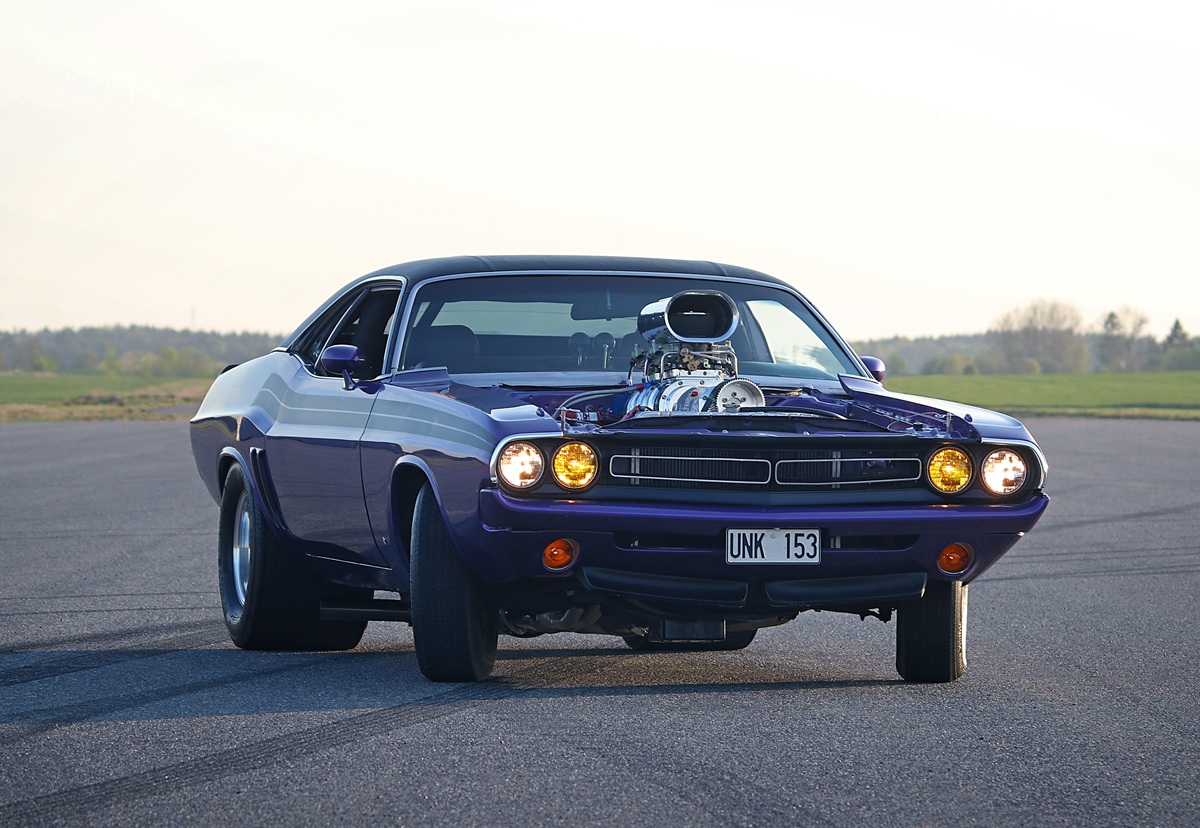
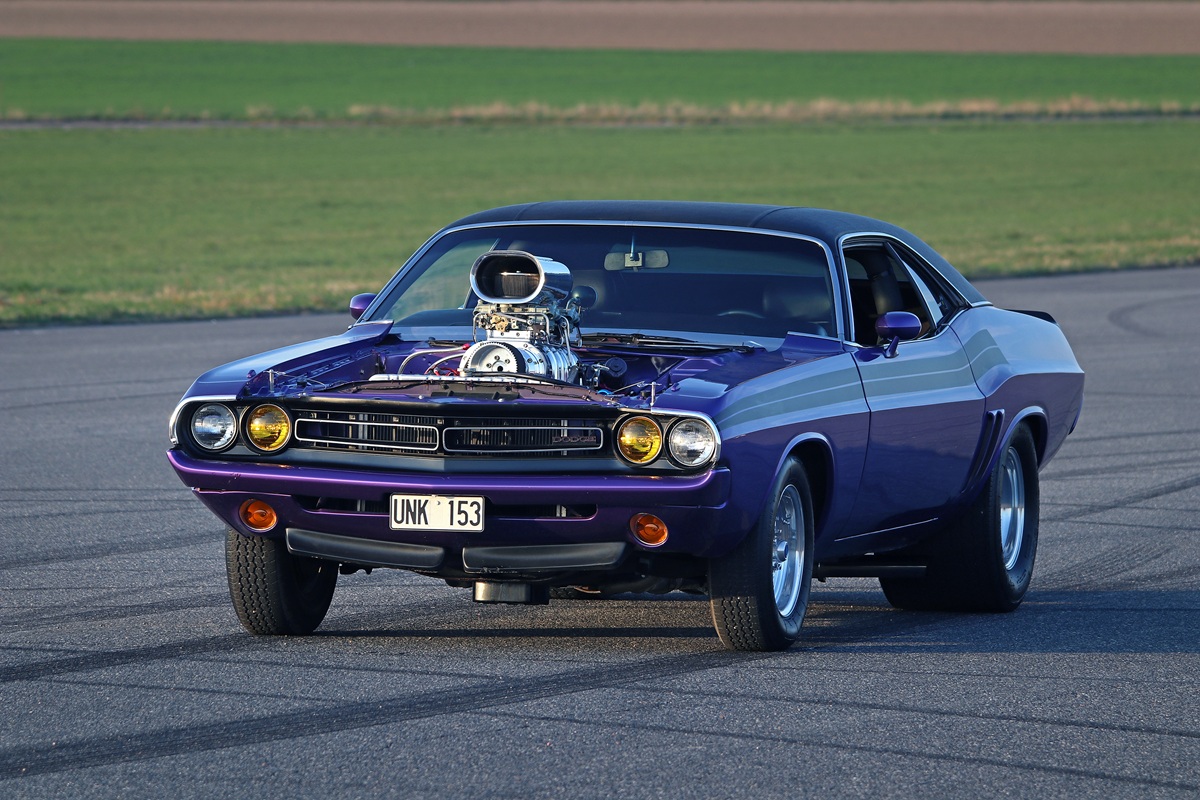
Something slightly off about Strand’s Challenger? Well, yes. The body is subtly modified. You’ll notice it after a while: shaved door handles, fuel cap and side markers. The wheel wells have been widened, the bumpers have had their mounting holes filled and fully welded, and both bumpers are painted rather than chromed.
When Strand posted a photo and some info about the car online a while back, a Swedish Challenger expert chimed in with more history.
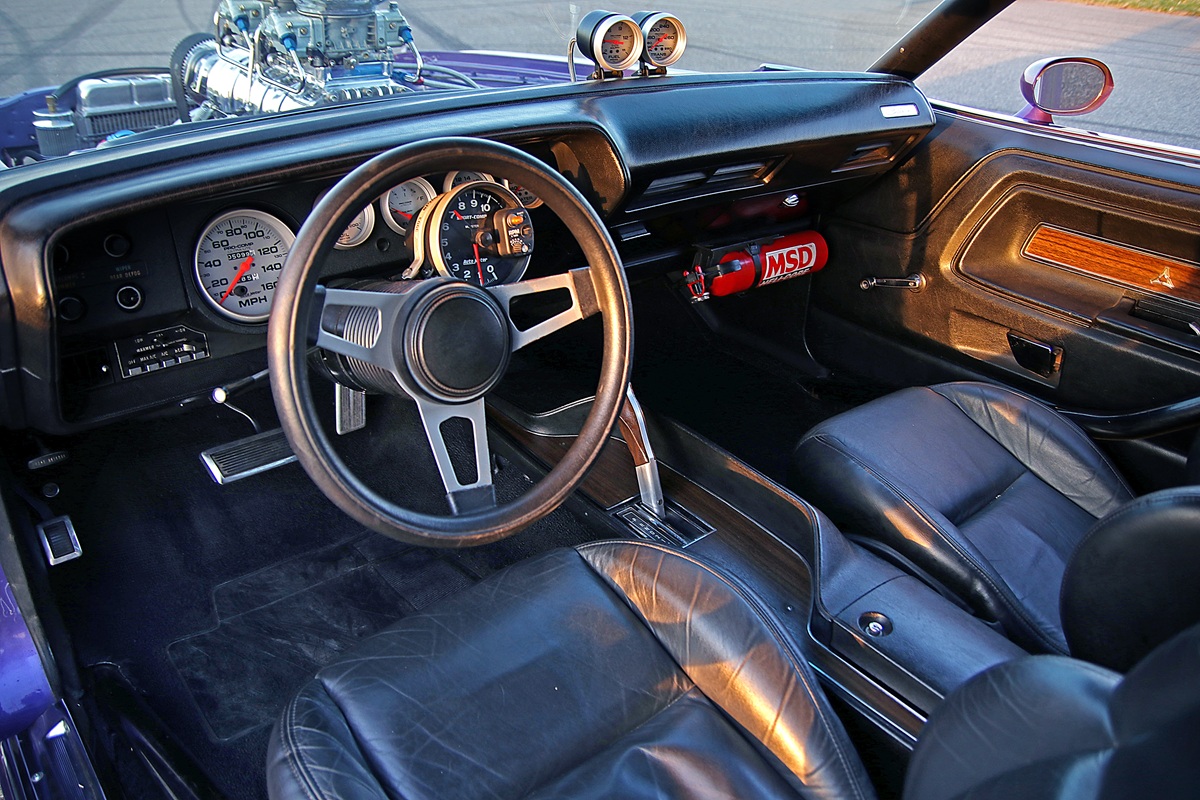
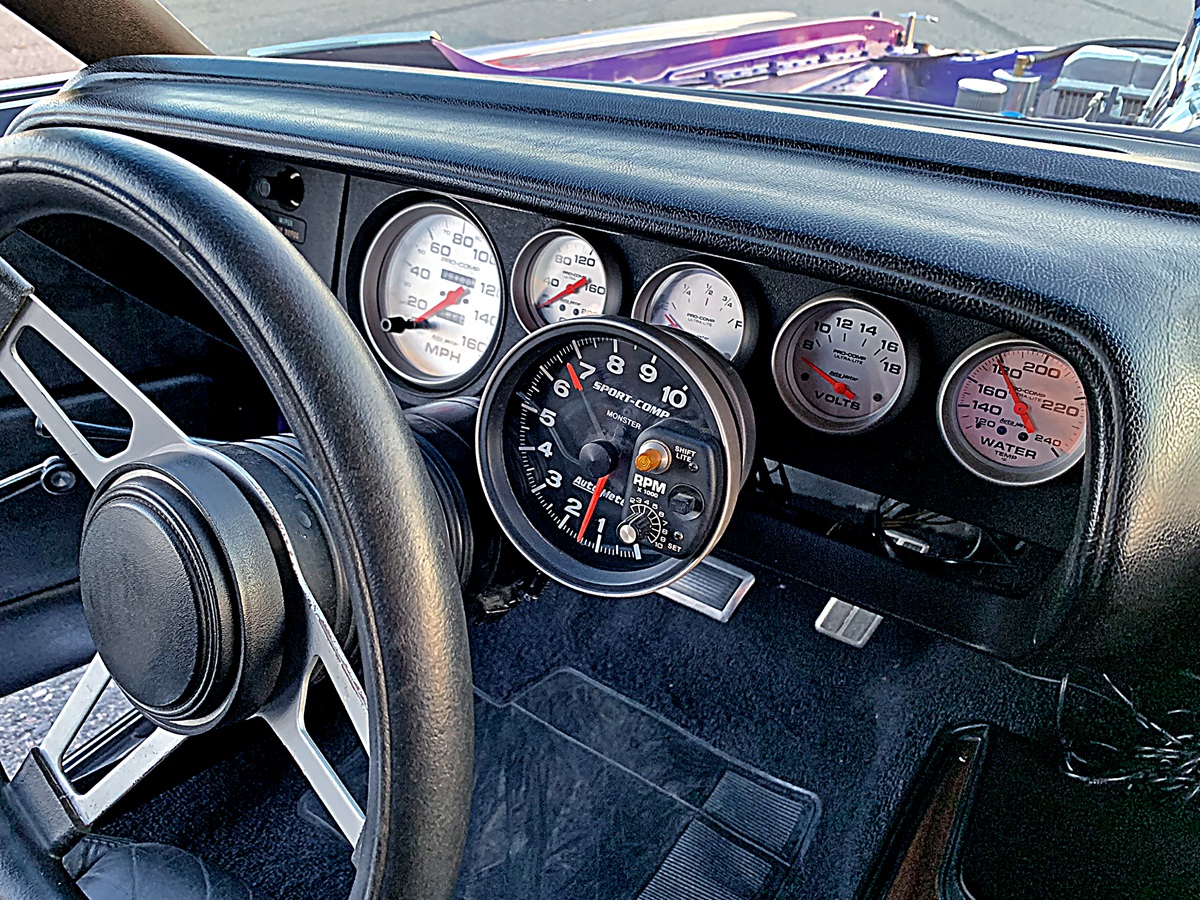
“It turns out my car is a very rare Challenger,” Strand says. “It left the factory as one of just 85 built with the 198-cubic-inch Slant Six engine. Seventy-nine of them had three-speed manual transmissions; only six came with automatics. This one and another are in Sweden. The other one, unlike mine, is fully restored to original. Harry Gross, the gas station owner I bought the car from, told me the original Slant Six is still somewhere near Lake Michigan.” That’s good to know if Strand ever decides to abandon the pro street build and restore the car to stock, he says with a laugh.
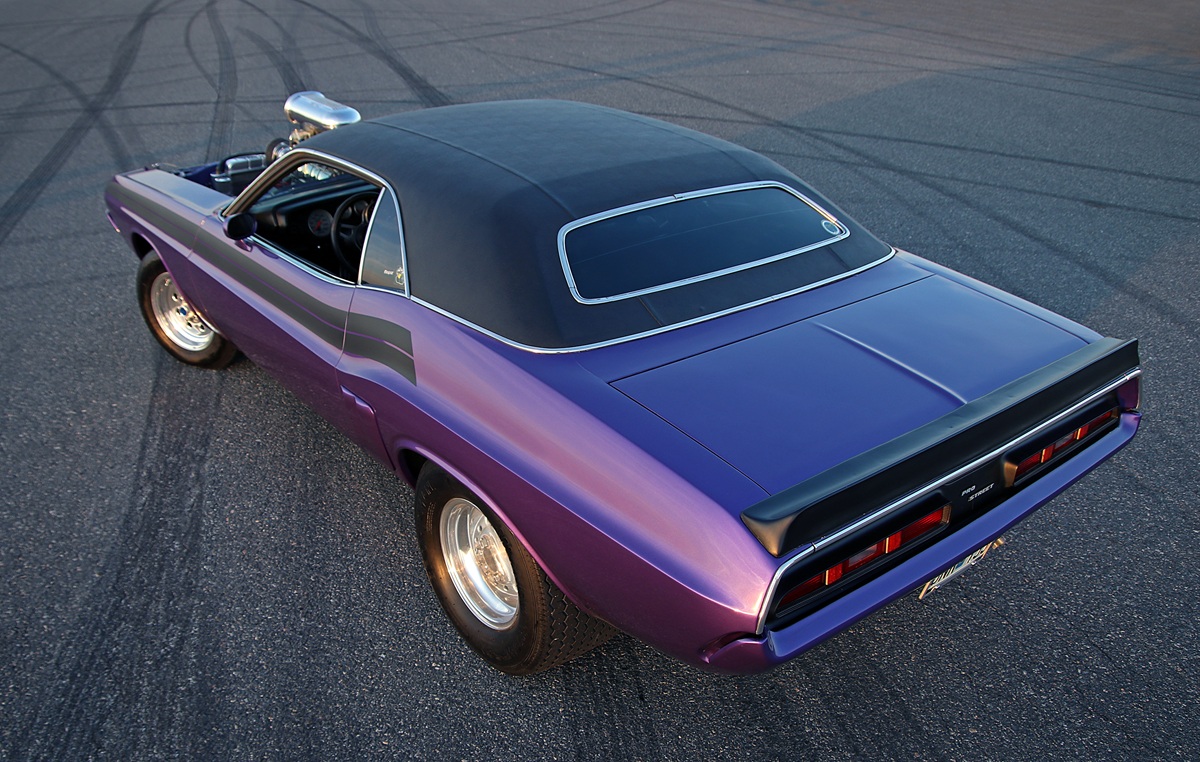
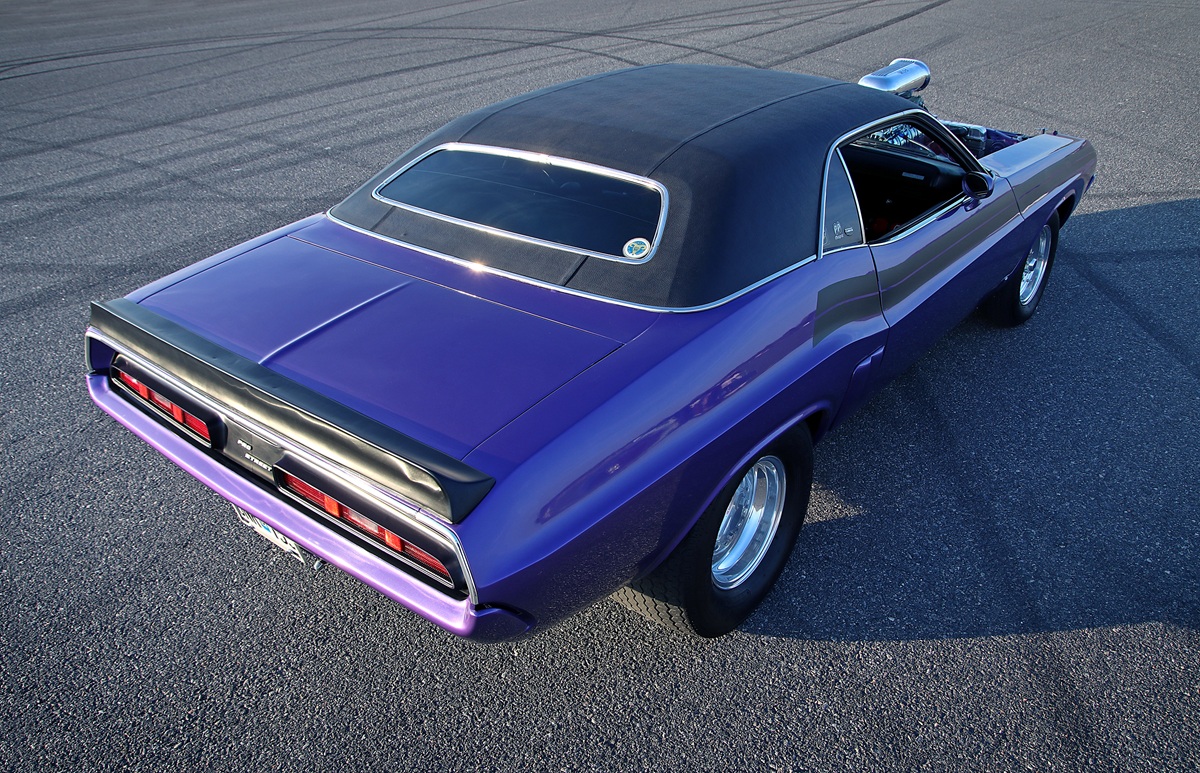
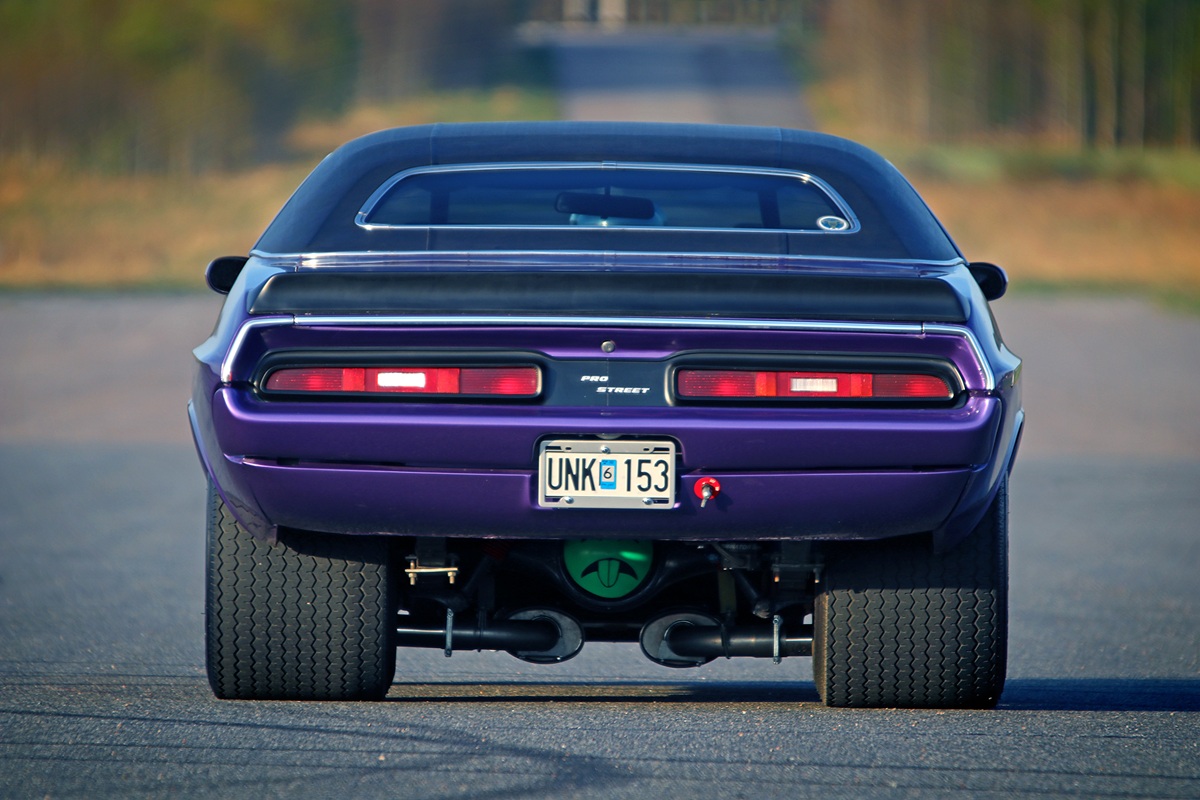
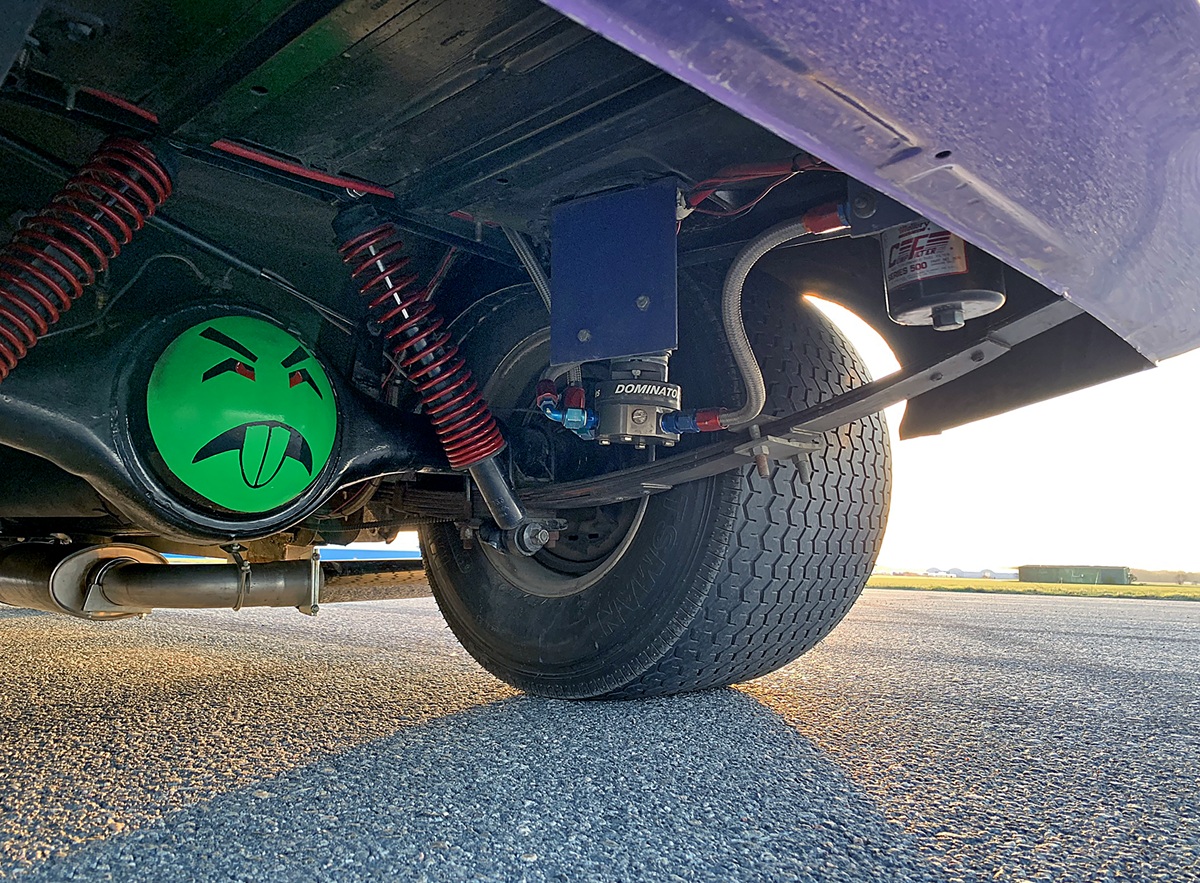
As mentioned, the car is built in pro street style – a genre that emerged in the 1980s. But it still carries a few fun relics from the ’70s. For example, the rear differential cover.
“That was painted by the previous owner, Harry Gross,” Strand says. “I don’t quite remember the story behind it, but it’s some kind of cartoon character. I’ve kept it. I think it’s cool. Why did he paint it? To mess with the people stuck behind the car when they get passed, of course,” he adds with a grin.
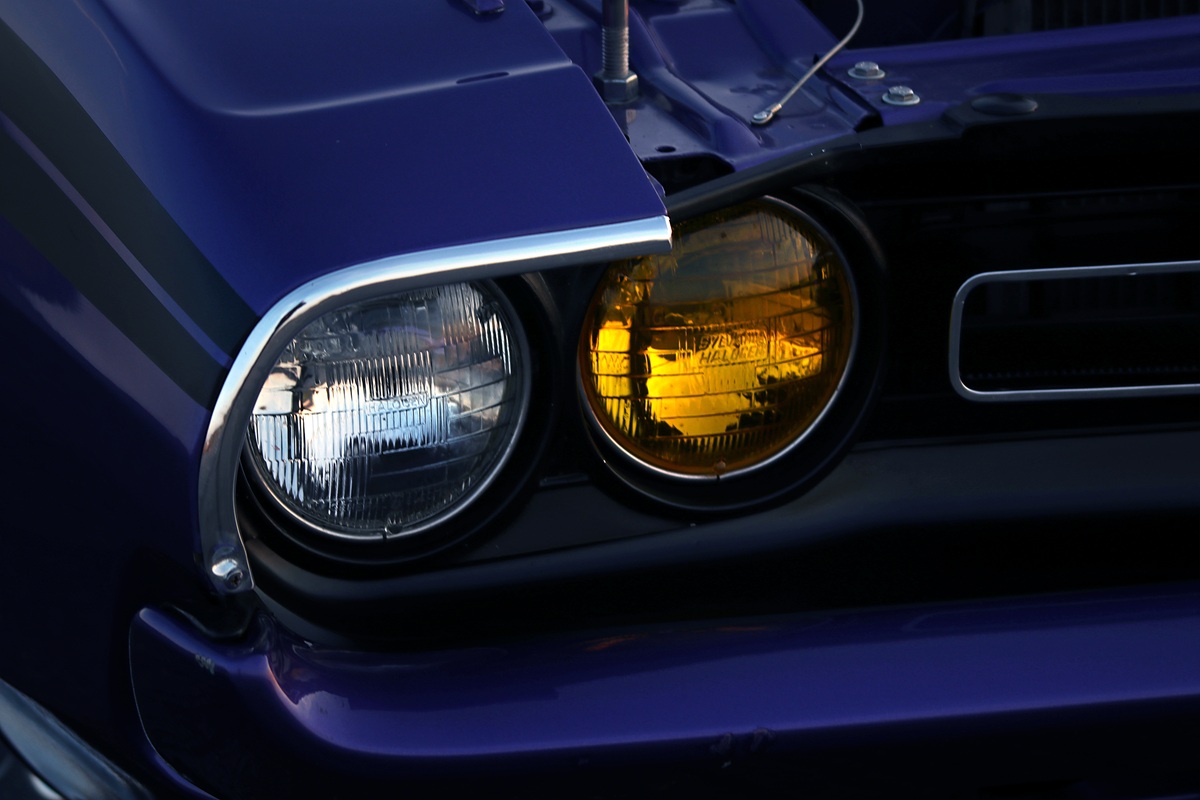
Pavement Pounder? Yep, that’s what Strand named his car – even though Rat Stomper was also under consideration.
“It’s a ’70s thing, you know,” he says. “I was 15 or 16 when I saw a headline in the old Swedish car mag Colorod about a car with that name. So I’ve called it that ever since.”
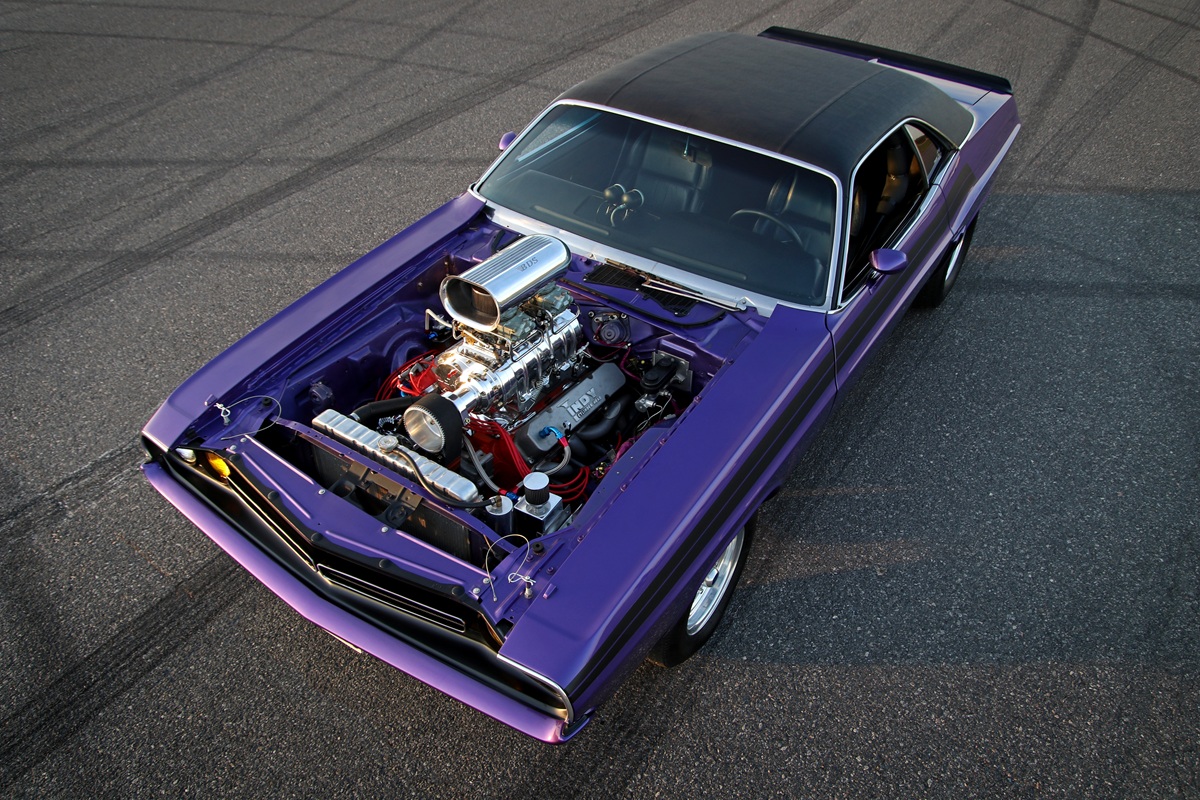
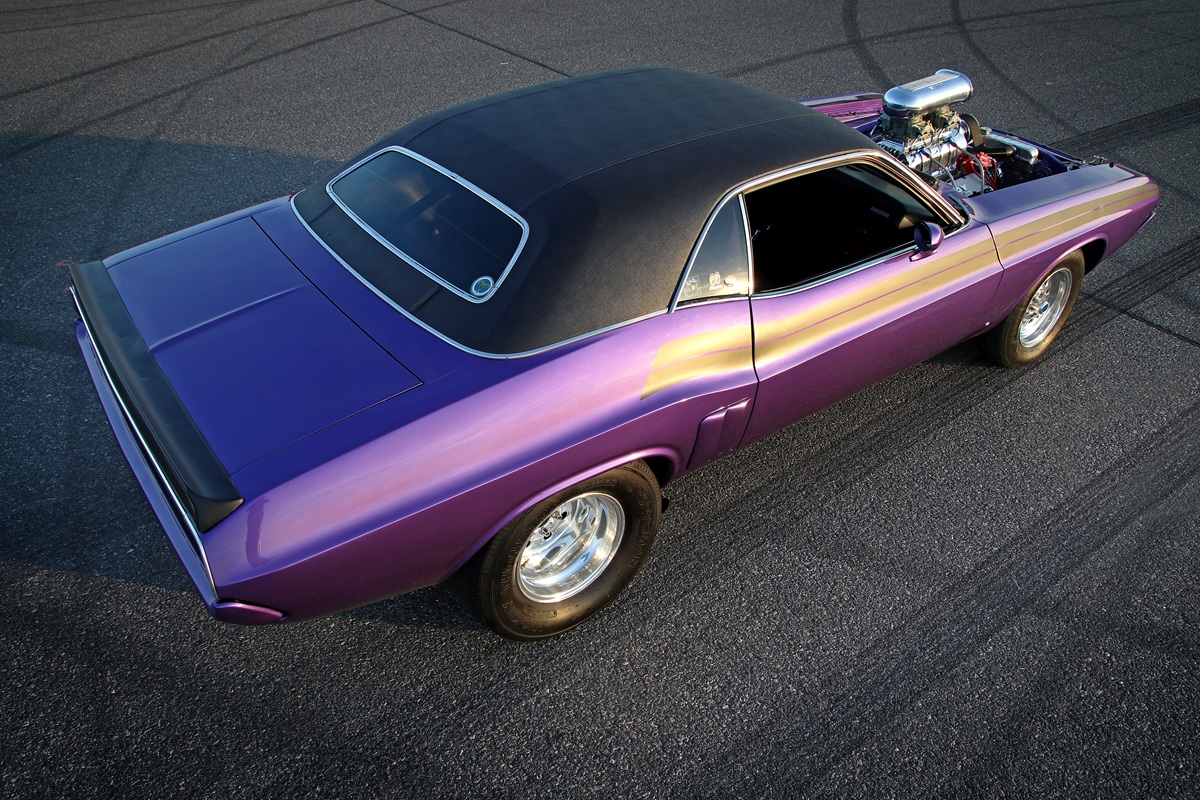
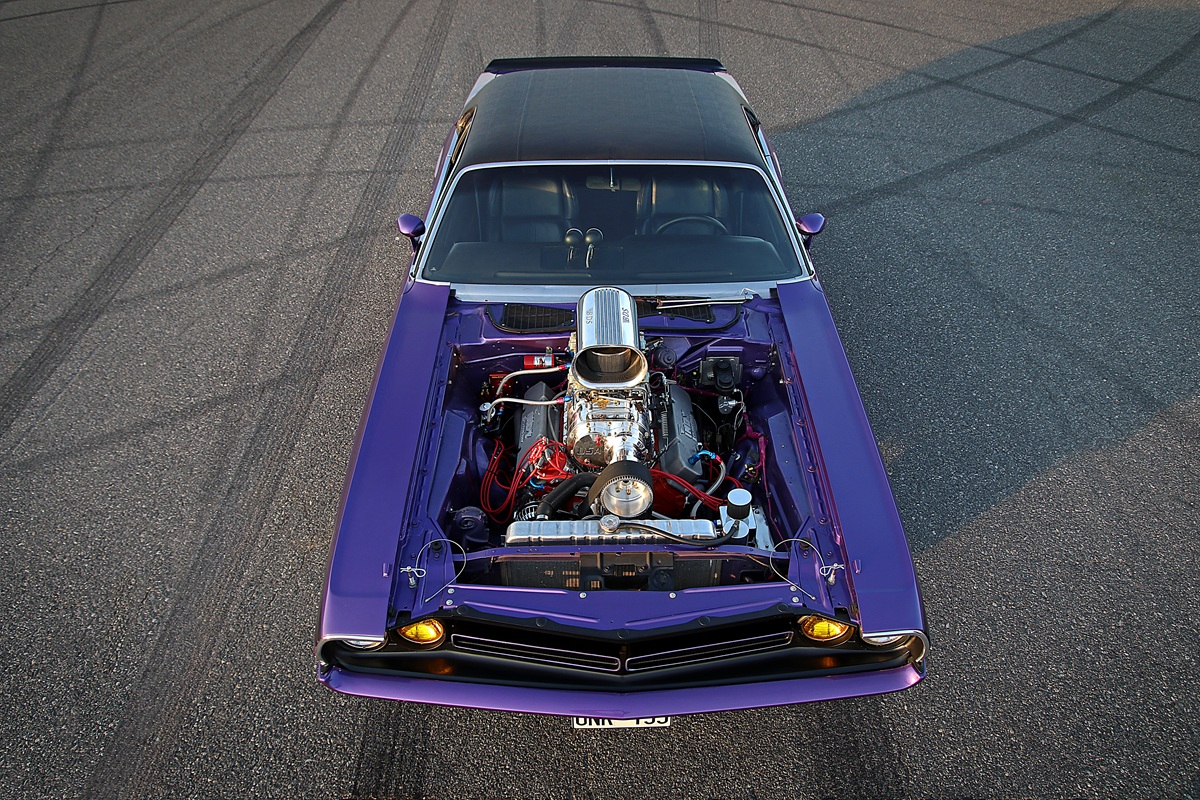
Future plans? There’s always something. Right now, Strand’s main goal is to finish the hood. He has a new steel one that needs to be modified to fit the blower and then painted. Next, the engine mounts need replacing – one of the old ones snapped during a burnout with a dramatic sideways slide. He’s considering a thicker aluminum plate to rigid-mount the engine to the chassis.
Sounds like a plan. Safe to say, I’ll likely return to Strand’s garage in the future. He tends to swap Mopar vehicles every now and then – and rumor has it, a wild red Challenger convertible may be in the pipeline…

0 Comments