This Charger Is Truly Sexy
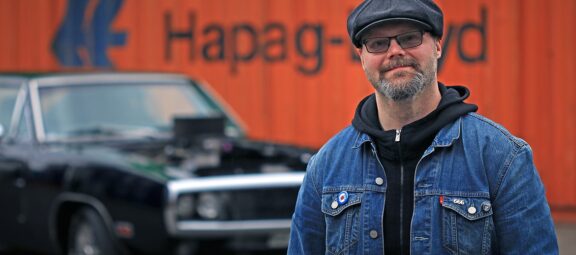
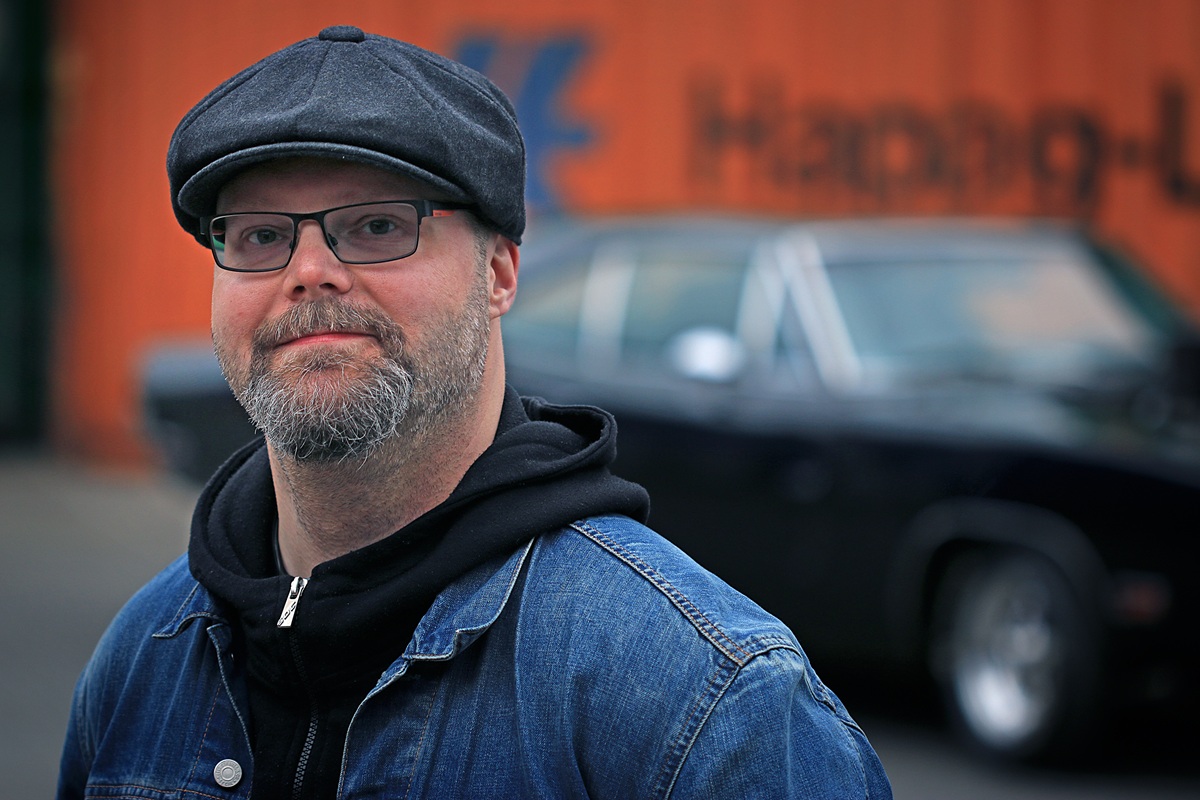
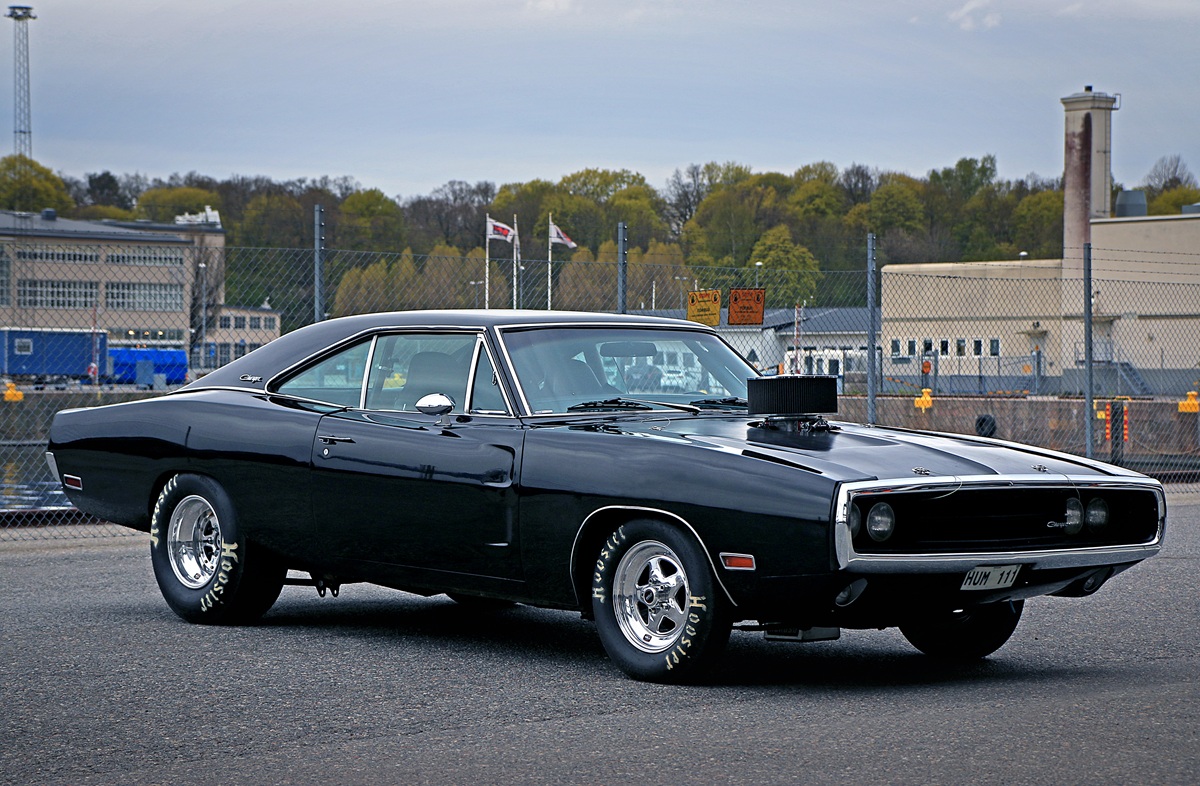
He works in an intensive care unit where he looks after people who truly need him. He likes Dodge Chargers, drag racing and Norwegian rock band Turbonegro. He has plenty of self‑deprecation and is as stubborn as few others. Say hello to Tom Hautaketo, a genuinely nice guy with good taste.
May 2003. Over 22 years ago. One can imagine Hautaketo looking in the mirror thinking, “Now it’s time.”
“I was mostly thinking of buying a motorcycle, to be honest. But then I thought I probably wouldn’t survive that. So it had to be a muscle car.”
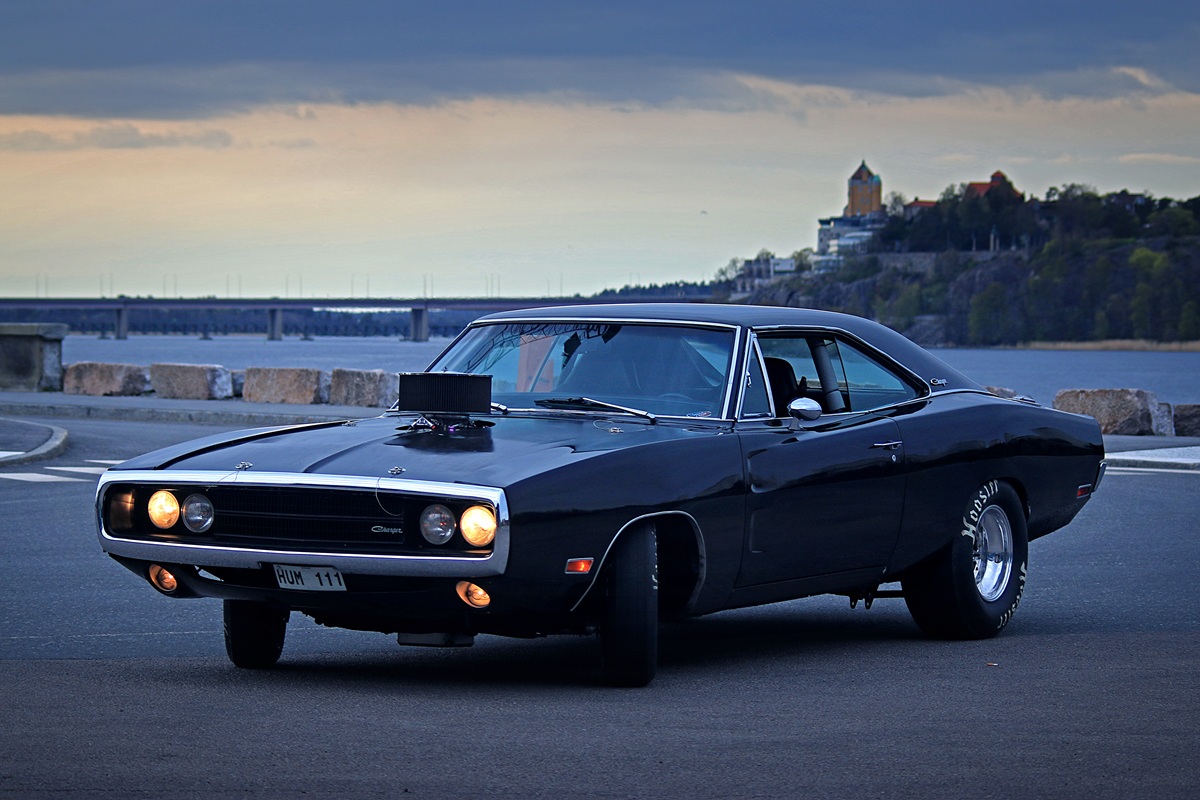
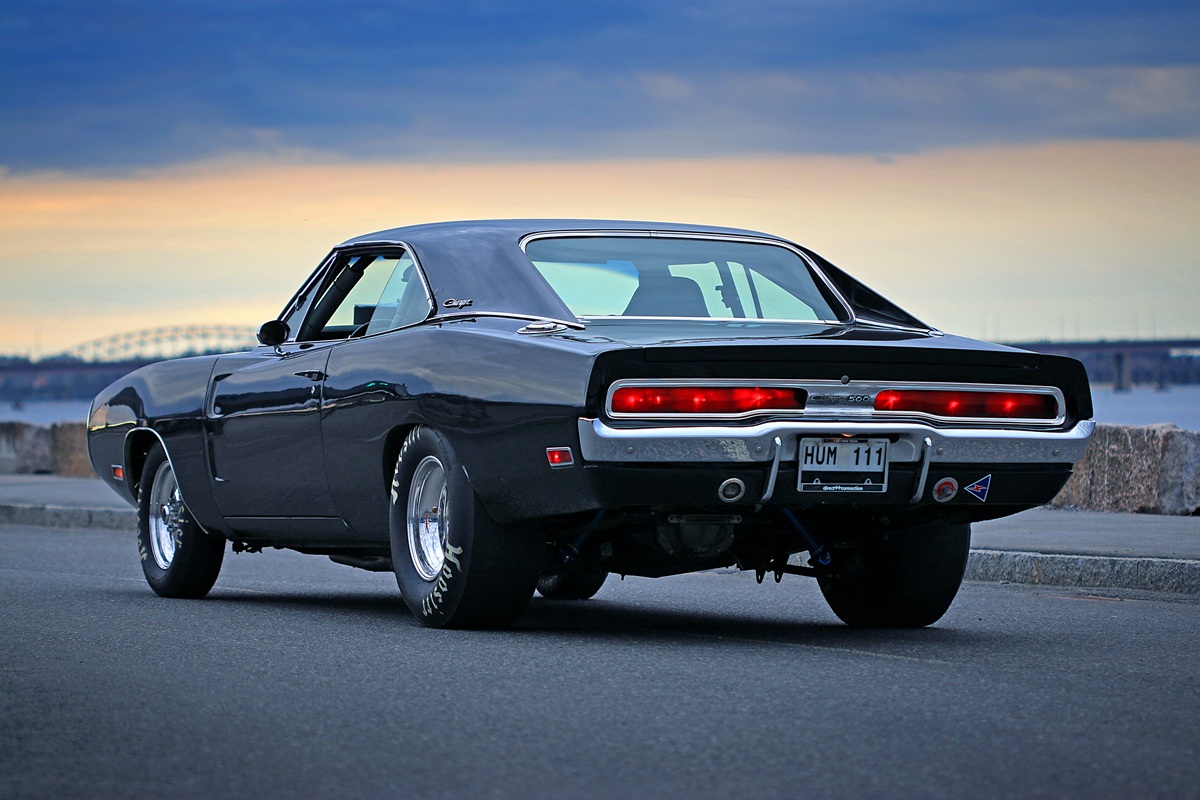
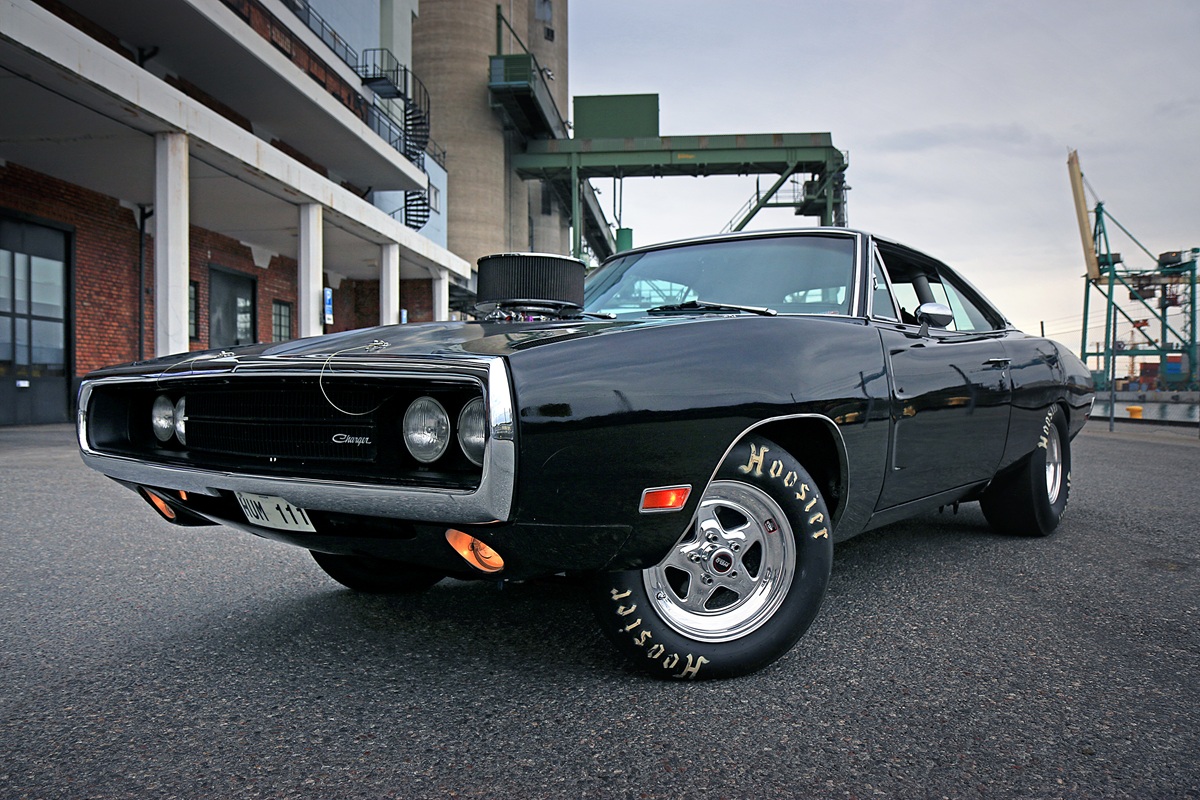
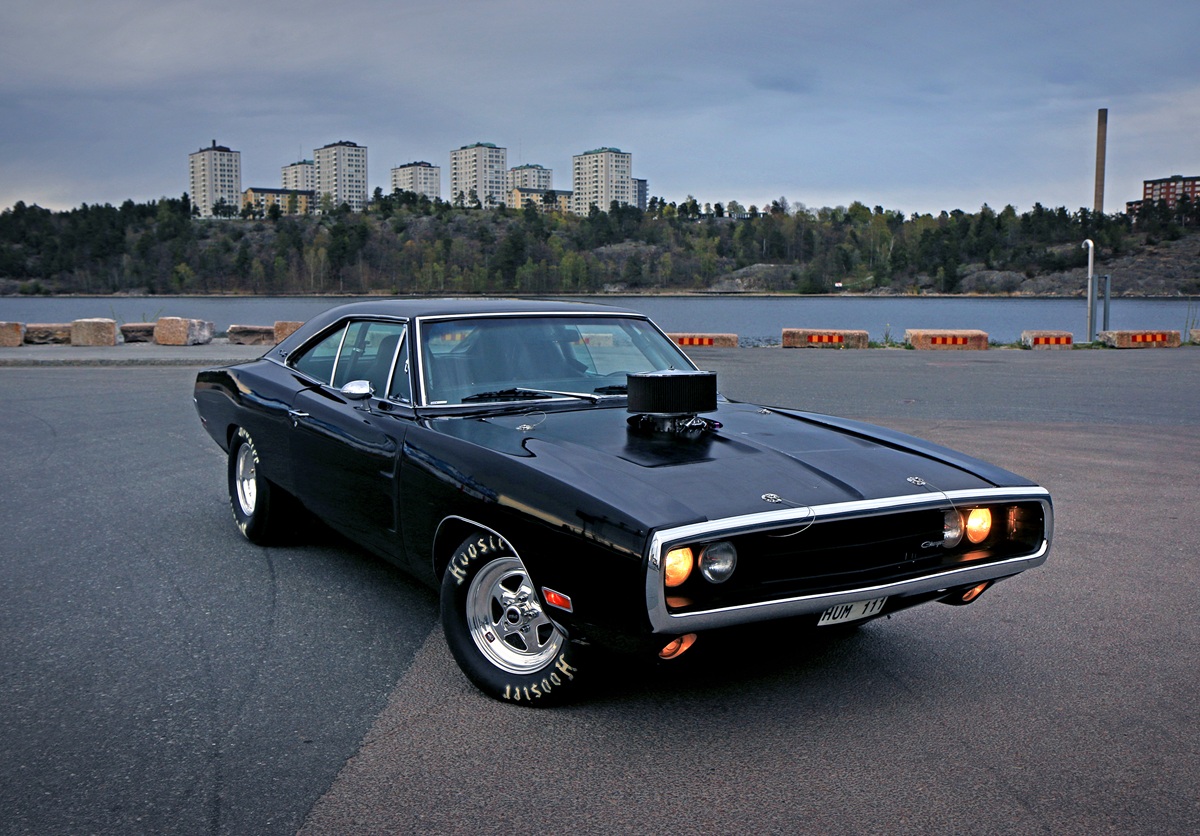
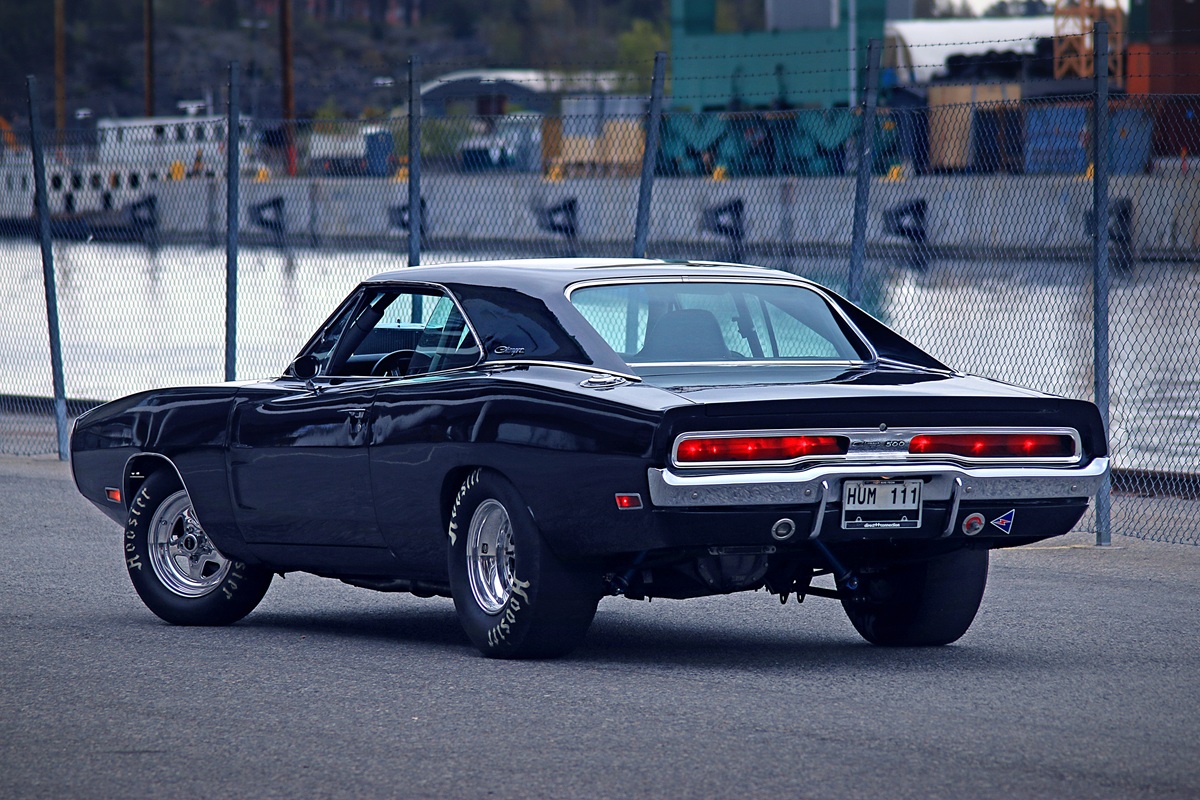
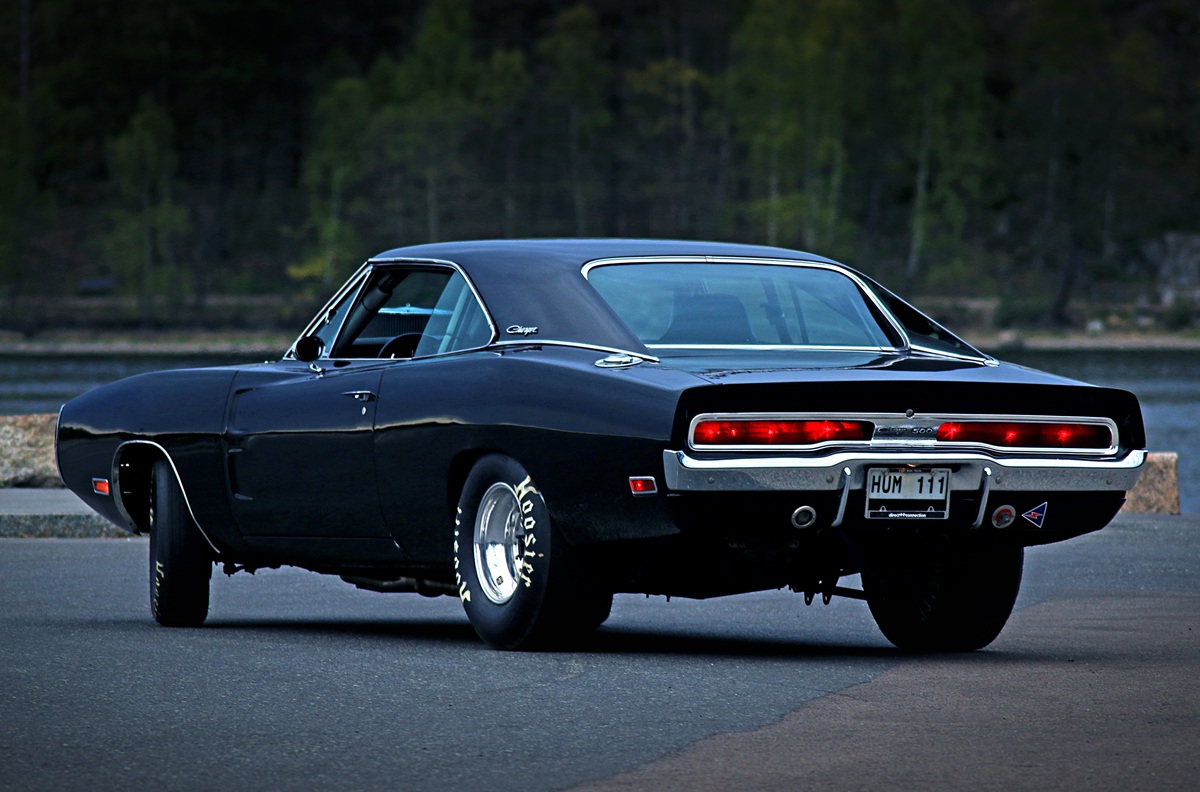
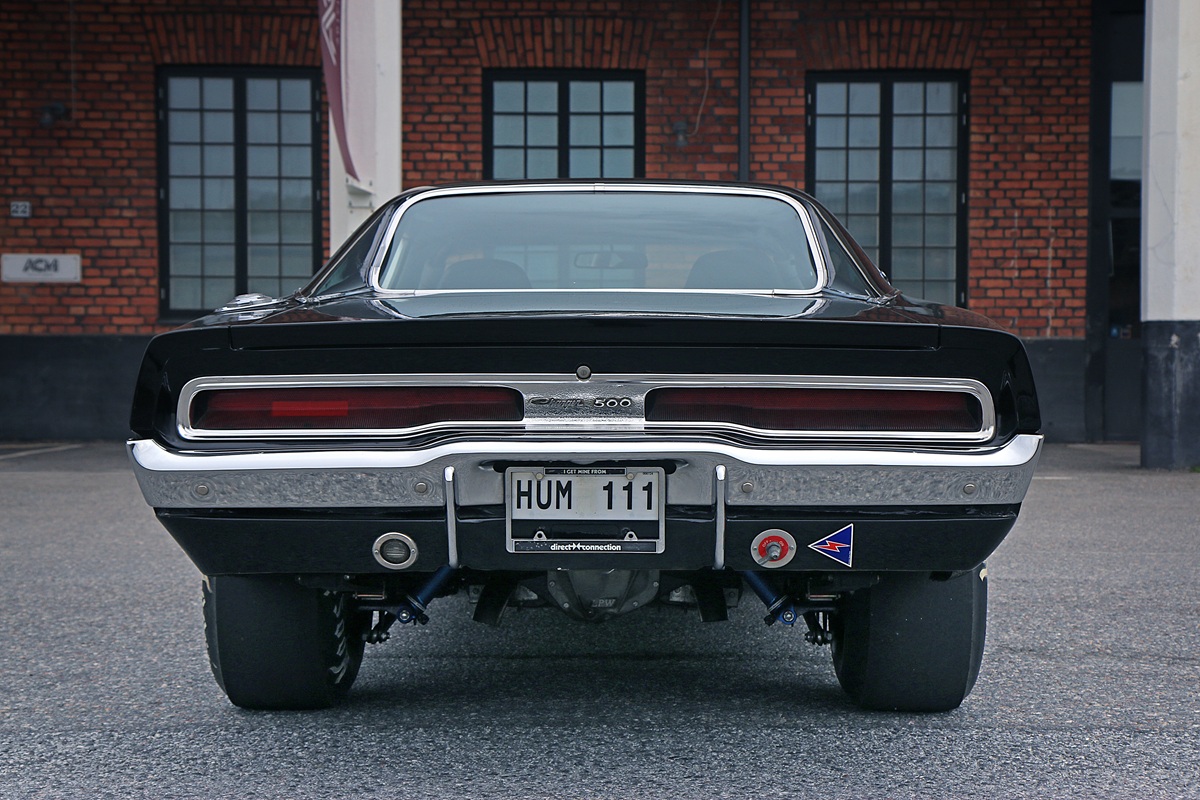
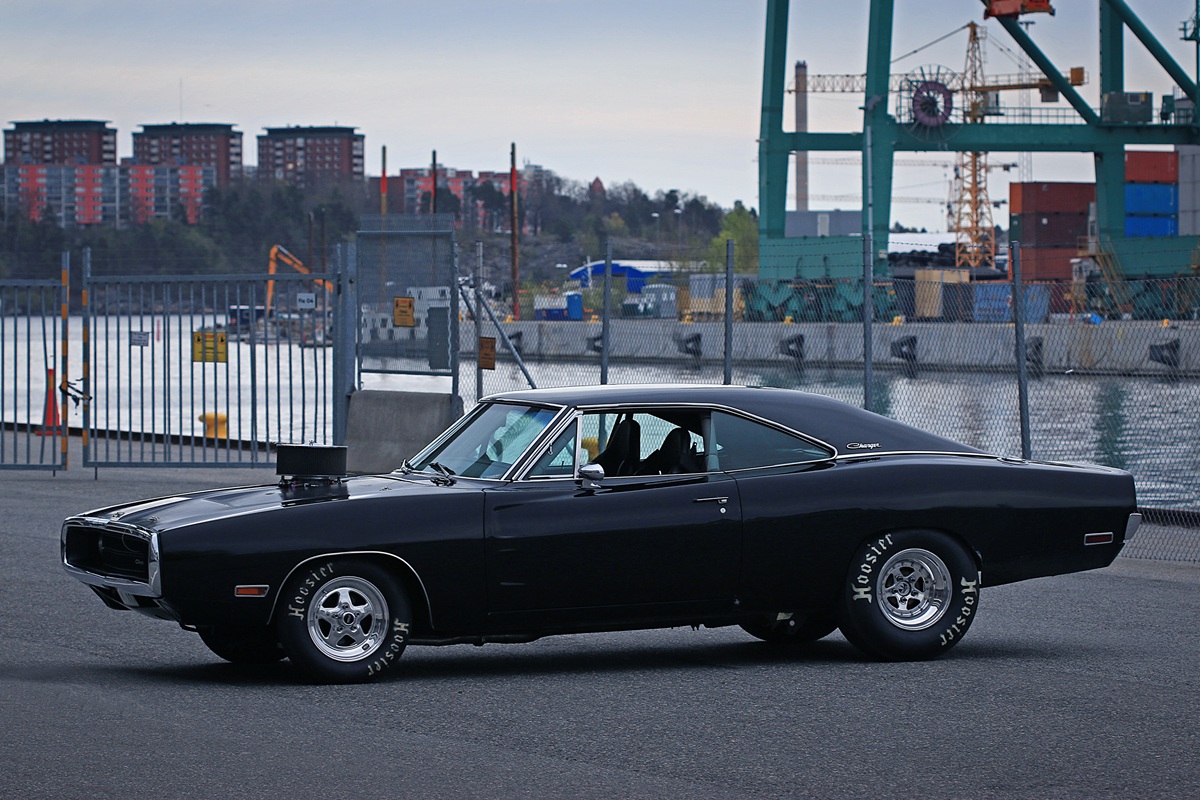
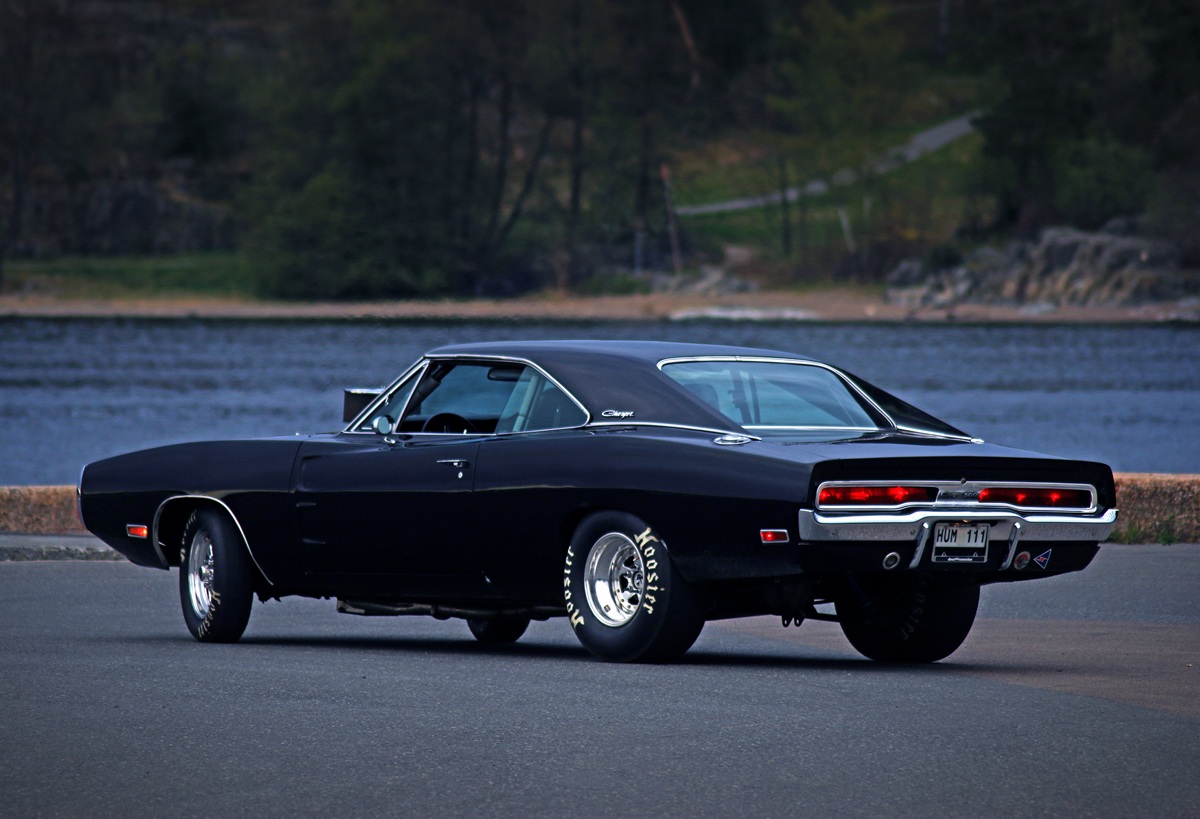
That it would be a 1970 Dodge Charger wasn’t a foregone conclusion. A Dodge “black as sin, worn but battle‑hardened like a Viking, no numbers‑matching, trailer queen,” as Hautaketo describes his car.
“I was looking for a 1970 Ford Mustang. A friend of my older brother had one when I was growing up. A hardtop. It looked like a shark. You could hear it from far away when he came roaring by. I was maybe 10 years old, and my interest in cars was born right then. The Mustang was damn cool. Yeah, I got a ride, I remember…”
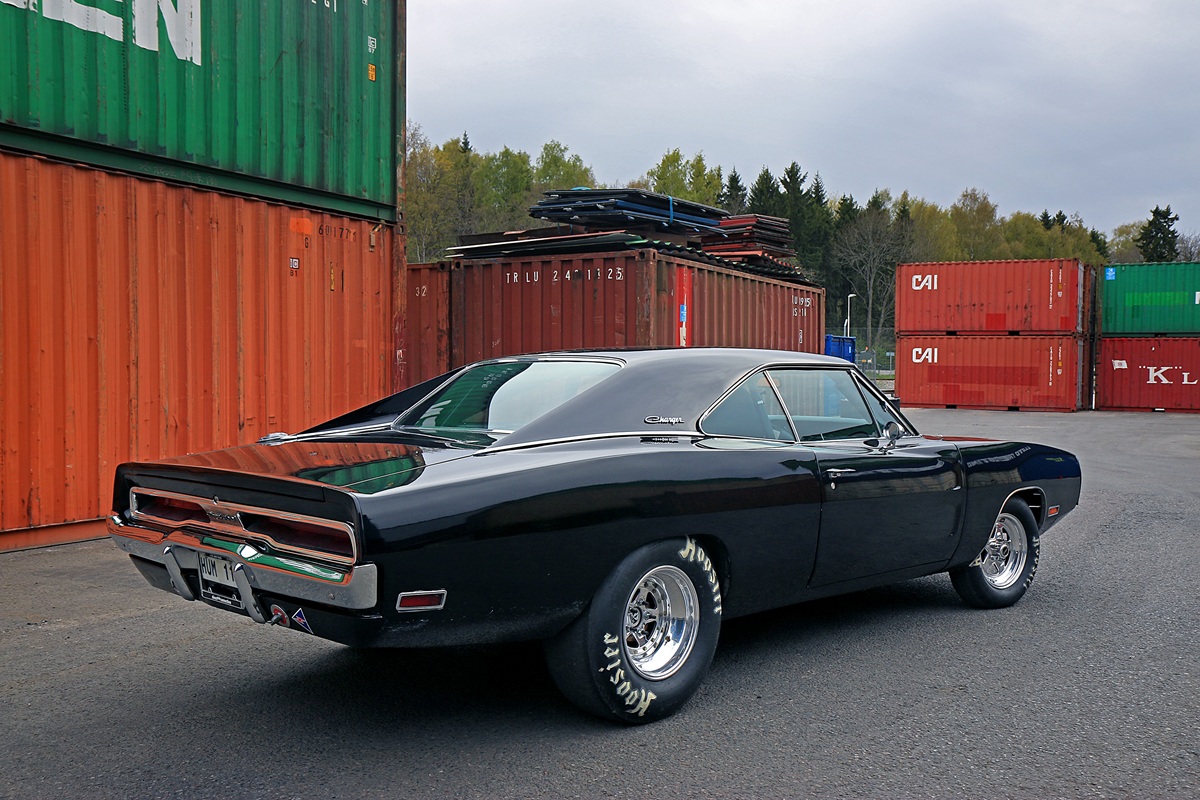
When it came time to turn his Yank‑car interest into owning a muscle car, he headed to a buy‑and‑sell forum. That’s where the Charger was for sale. Hautaketo was sold even before the purchase went through.
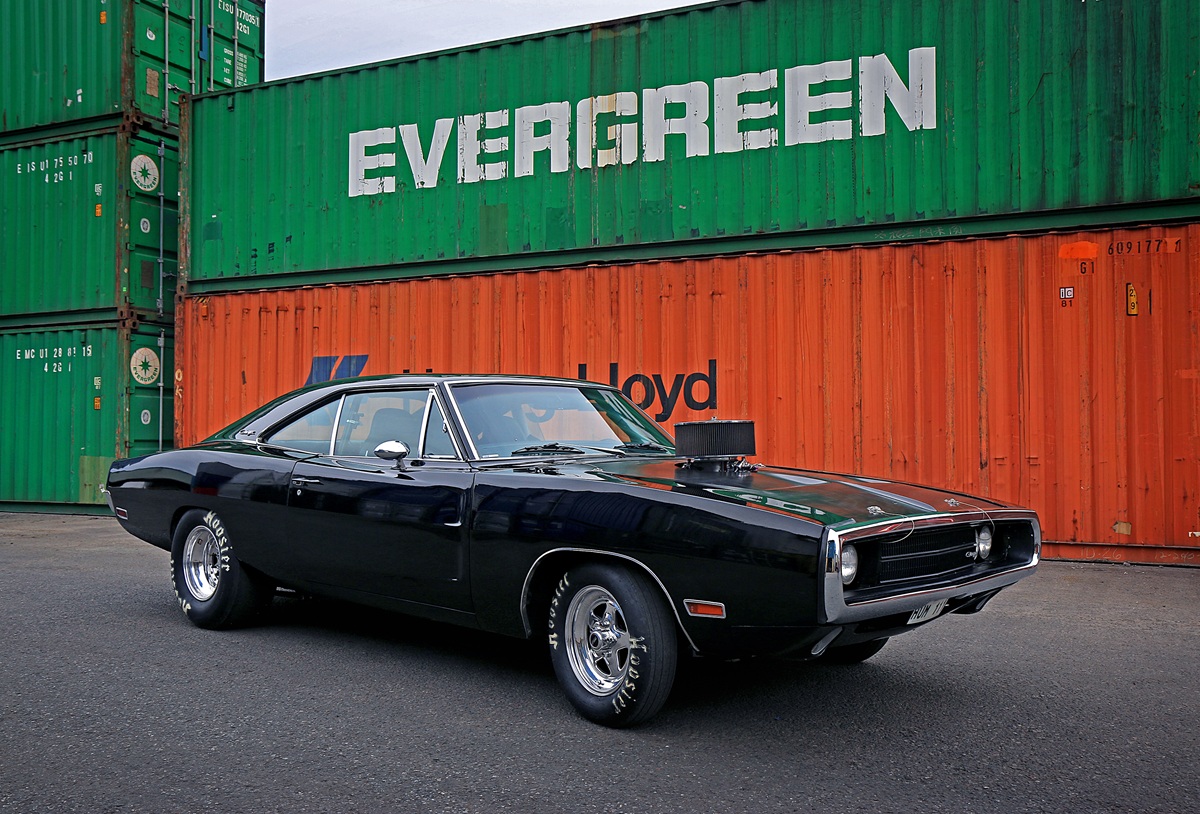
“The Dodge looked like Marilyn Monroe from the angle the car was photographed. You saw the waist and everything – this Charger looked truly sexy.” The seller and the car were in Evertsberg, deep in the woods of Dalarna province. The sale went through, and on the way home it was the first time he ever drove an American car, Hautaketo says with a smile.
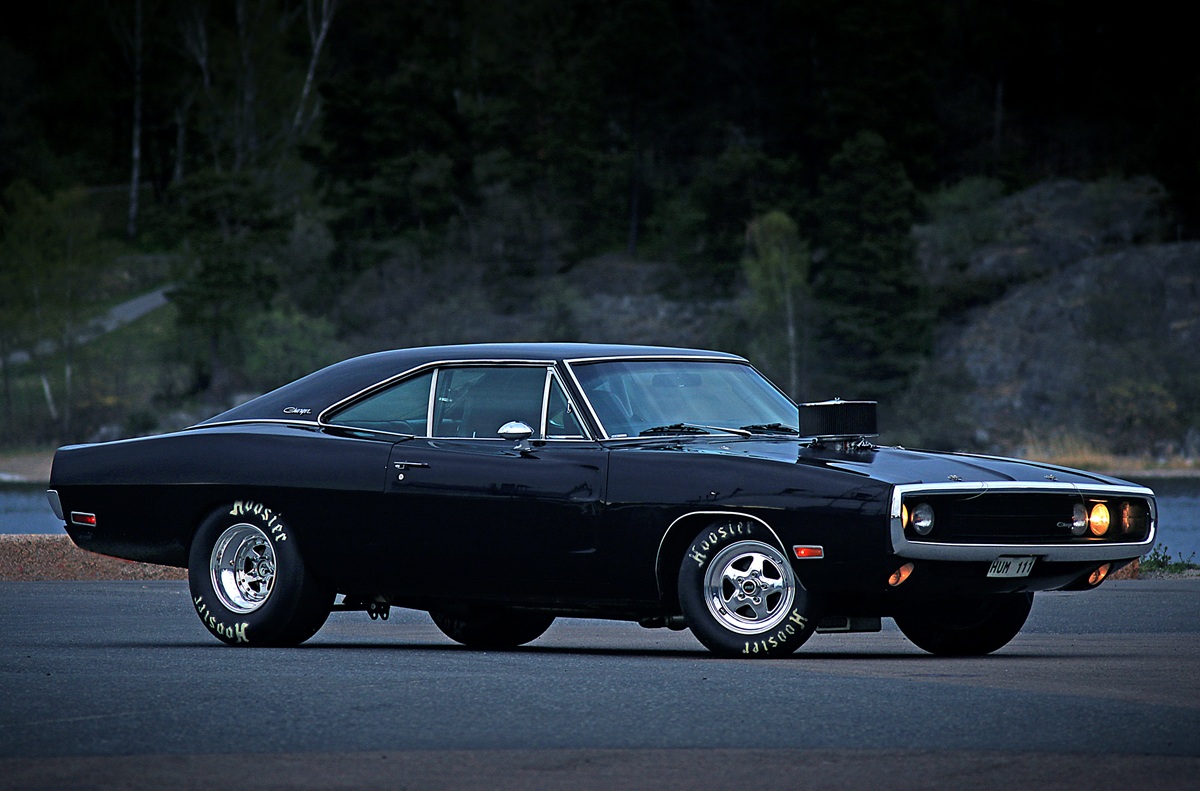
He quickly realized that wide tires combined with drum brakes aren’t always reliable. When Hautaketo returned home to Stockholm, he nearly rolled the car over.
“It had rained heavily, and I hydro‑planed when I was turning off Essingeleden (biggest road in Stockholm, capitol of Sweden). The Dodge doesn’t stop like a Japanese car, if I say so.”
In the following weeks, Hautaketo devoted himself to getting to know the car – both driving it and inspecting what he’d actually bought. One thing he already knew: the bodywork was straight and solid.
“The seller probably thought I was crazy, because I went over every millimeter with a magnet. I’m pretty good mechanically, but I’ve never learned bodywork.”
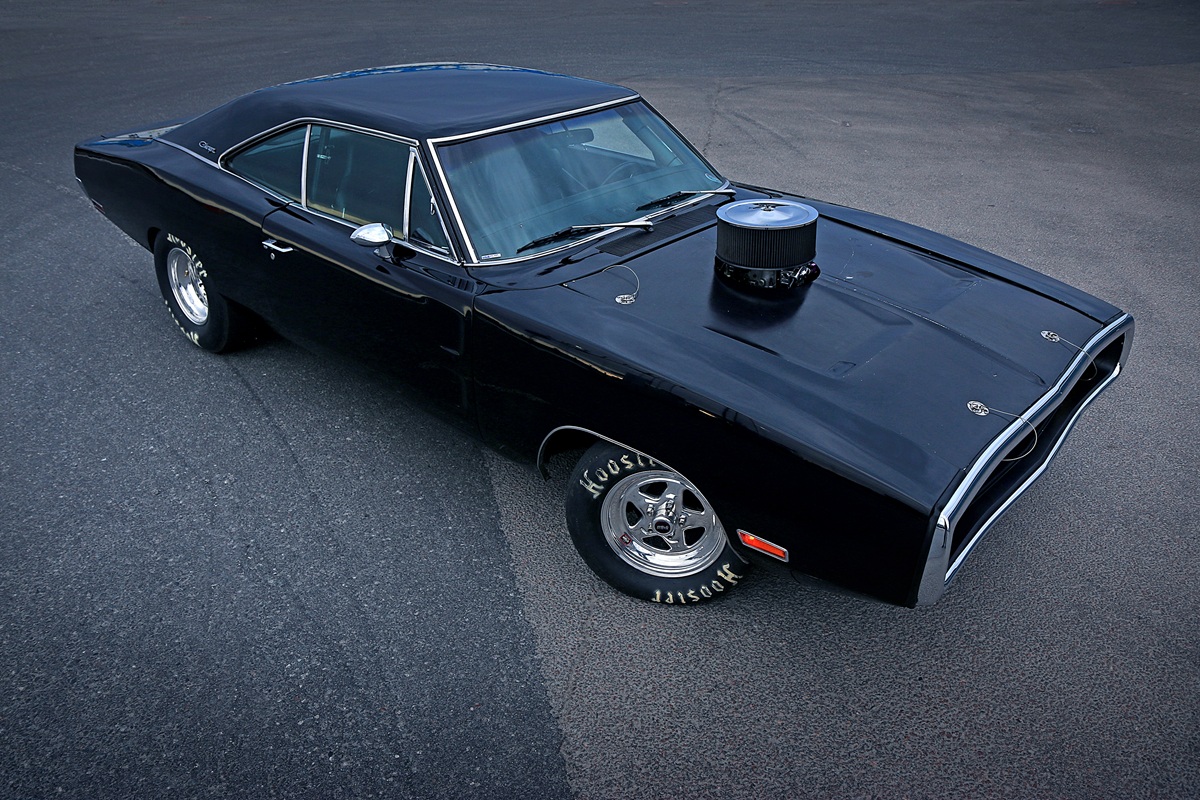
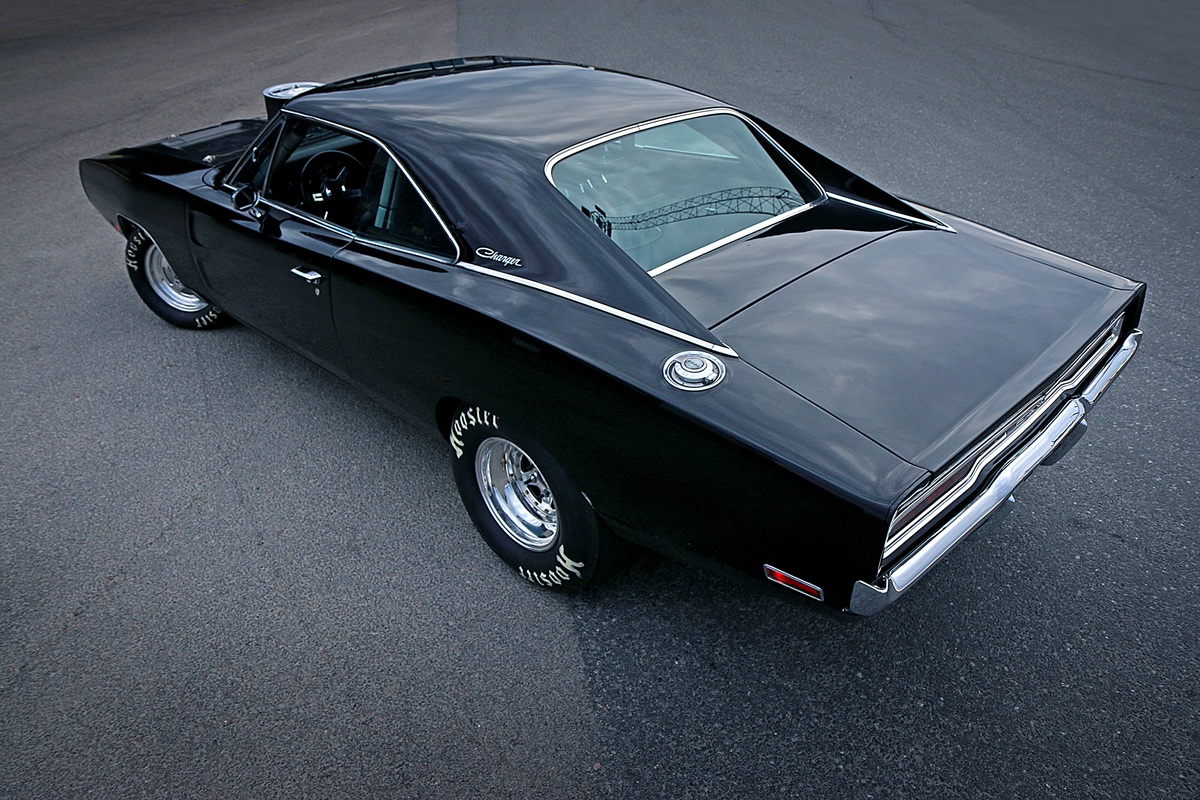
The smogged 400‑engine, untouched stock, was nothing exciting. “Show and no go,” Hautaketo says. The interior, 40‑year‑old vinyl and miles of speaker wire, wasn’t worth saving either. But before cleaning that out, Hautaketo took the car for a drive. A full 5,000 kilometers (3,100 miles) the first summer.
“Of course you want to drive to your hometown to show off the awesome car you bought. So I drove to Jakobstad in Finland, where I’m from. At the time, Mopar® A‑body was a big deal back home in Finland, and the cool spot on main street was the goal. So what’s the first car I see when I arrive? A Dart?
Nope, another Charger, a green ’69. That was a real let‑down, and I snapped back to reality fast,” he laughs.
Then the event that would shape Hautaketo’s Charger ownership for at least the next 15 years happened. His buddy Mika Laakso took him to Tullinge to check out drag racing. Almost immediately, Hautaketo realized this was the coolest thing one could see and do. It was there he quickly met two others
he became friends with: Christian “Chribbe” Lundin and Jonas Petersson. It didn’t take long before they formed the team “Hårdrock Racing” (Swedish for “Heavy Metal Racing”).
“I was never myself after that day. Or maybe I became myself. Either way, it was Mika Laakso who ‘ruined’ my life. Yes, you can write that.”
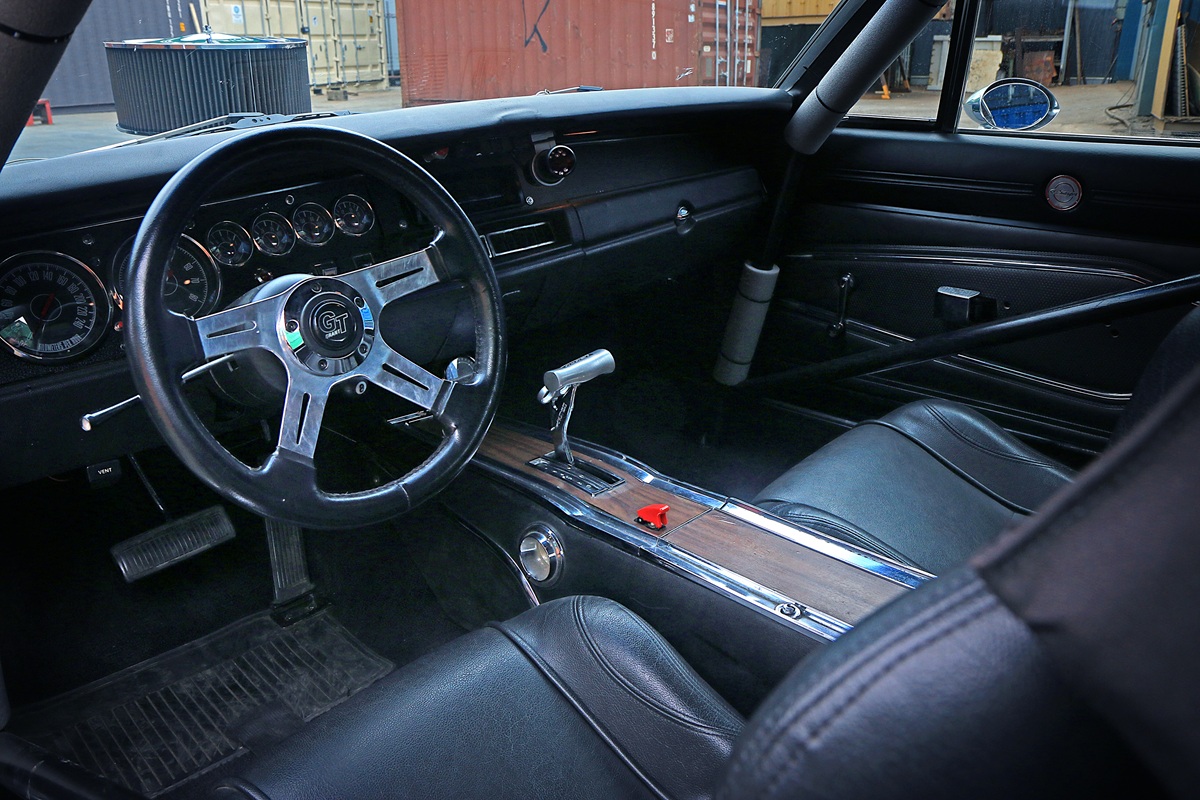
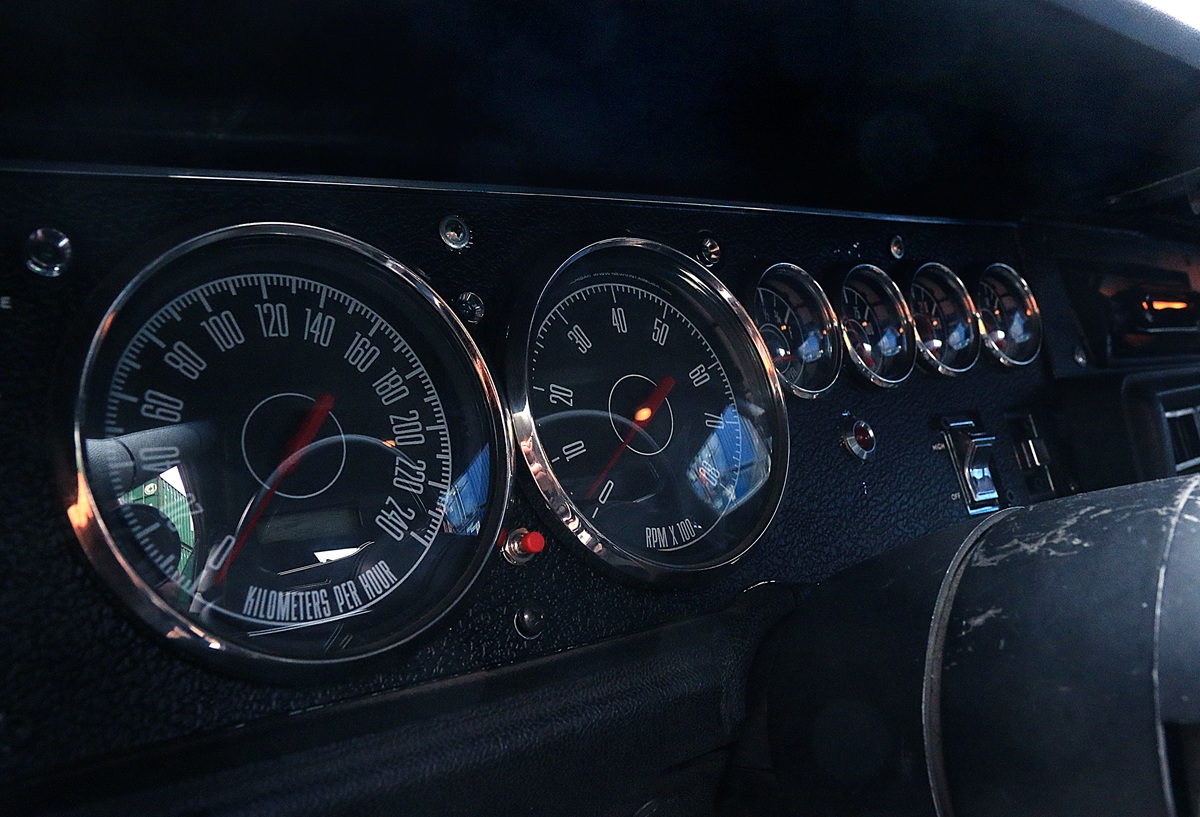
Now it was time to tune the car. Hautaketo had a mechanic garage in Hammarby Sjöstad back when the area hadn’t yet been designated for “nice” housing. His first engine had a mechanical camshaft and cool Edelbrock heads.
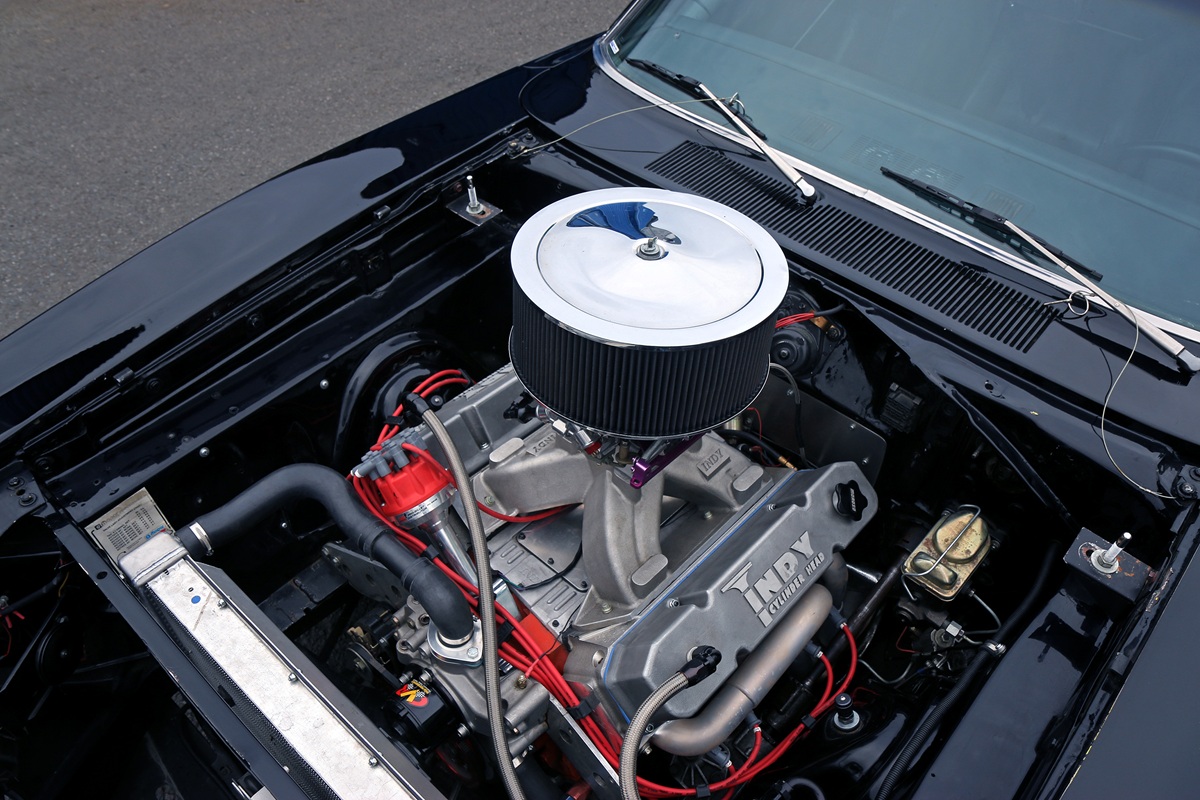
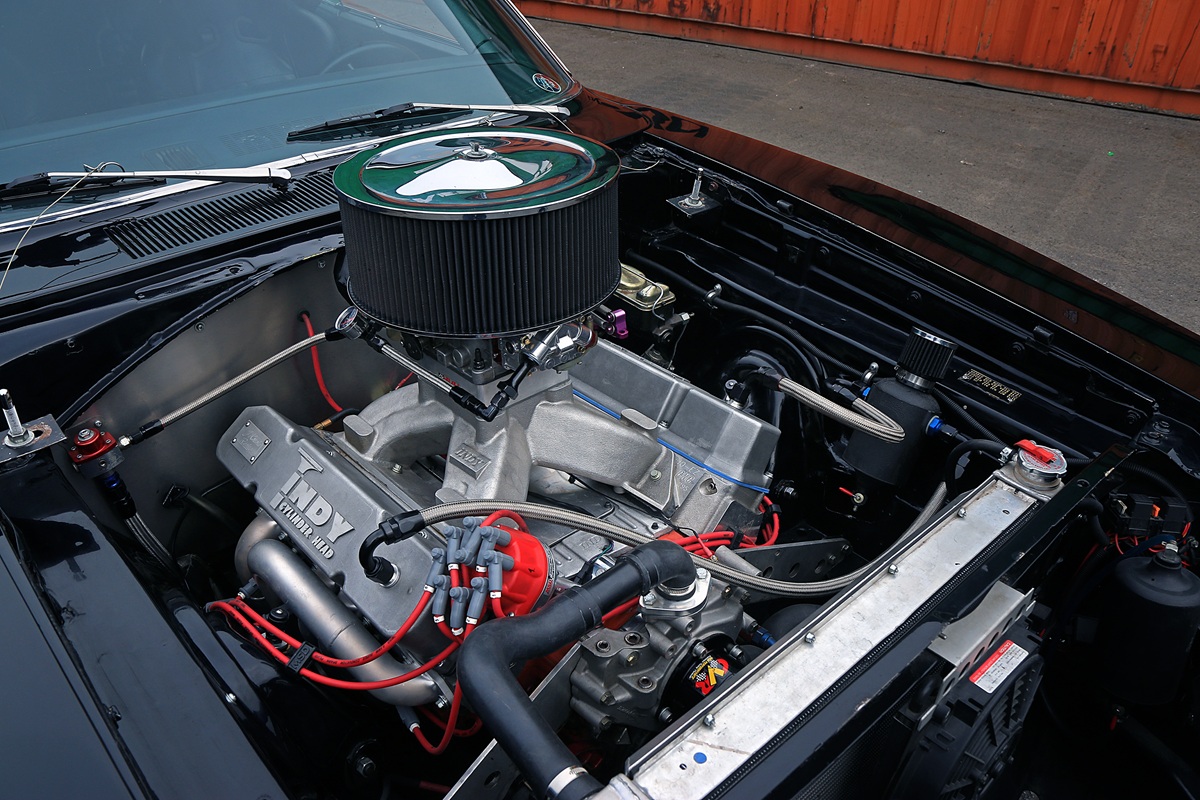
“I didn’t know much back then, 2003–2004. Hadn’t tuned anything other than mopeds. Oh. Maybe it’s time for a public apology here. Sorry, Dad, for tuning that moped even though I promised I wouldn’t. Anyway, it turned out the 440 put out 550 horsepower after being dyno‑tested by Swedish Mopar engine guru Jari Konola.”
He debuted at Tullinge in 2005, with high expectations. His first ET was a clean 13 seconds. But at 200 meters into the first pass, the engine started knocking badly. Hautaketo had wrecked the V-8.
“That was a bit of a let‑down. So it was just as well to run it again to see if the engine was really as broken as it sounded. Maybe not the smartest decision due to the risk of a meltdown on the track requiring cleanup. Well, that was long ago, so we’ll chalk it up to statute‑barred. No improvement in ET…”
After a tow home, the car was shoved into the garage. But persistent as ever, Hautaketo couldn’t resist tinkering, and soon a broken wrist pin was discovered.
By this time, a 1970 Challenger was sitting in Hautaketo’s garage, with a Pro Stock HEMI® engine – also from 1970. The V‑8 originally came from Lasse Svensson’s Brooklyn Heavy‑Duster, built by Sox & Martin. Jöran Persåker later bought the engine to install in his Paul Rossi Challenger, and then Hautaketo’s garage
neighbor took over the HEMI engine before Hautaketo bought it.
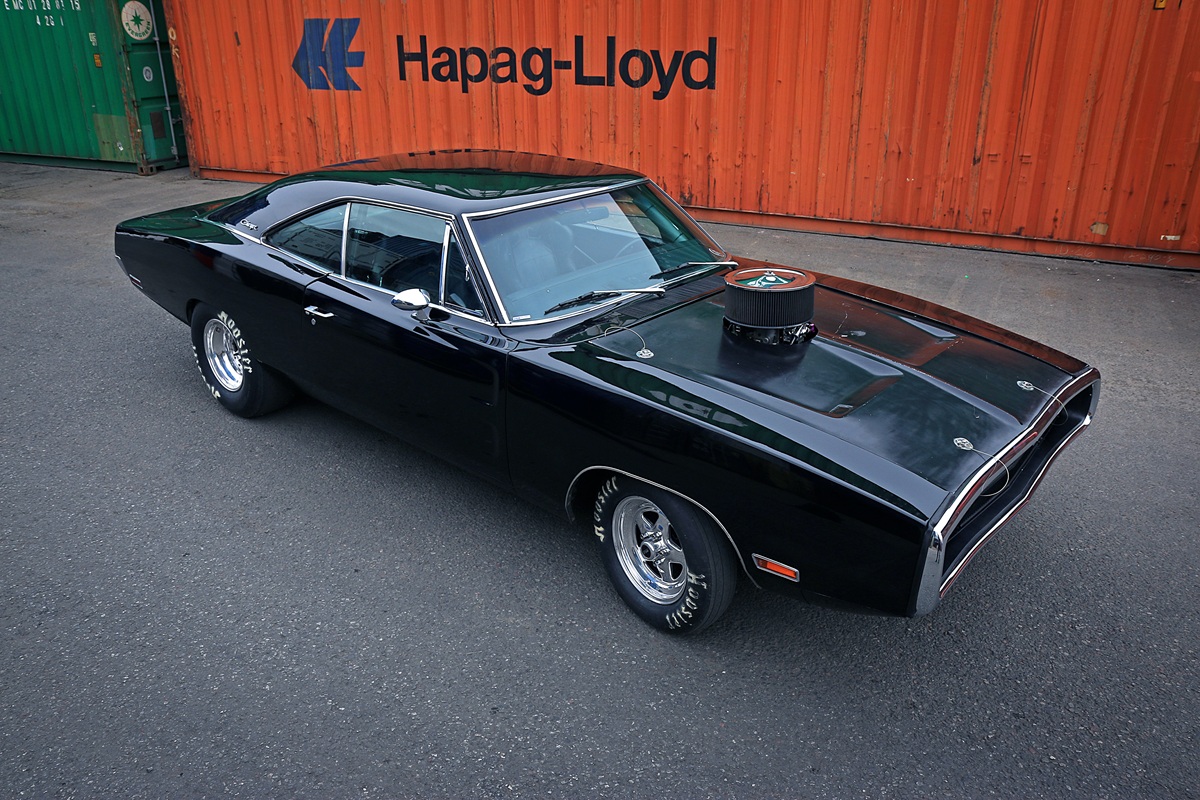
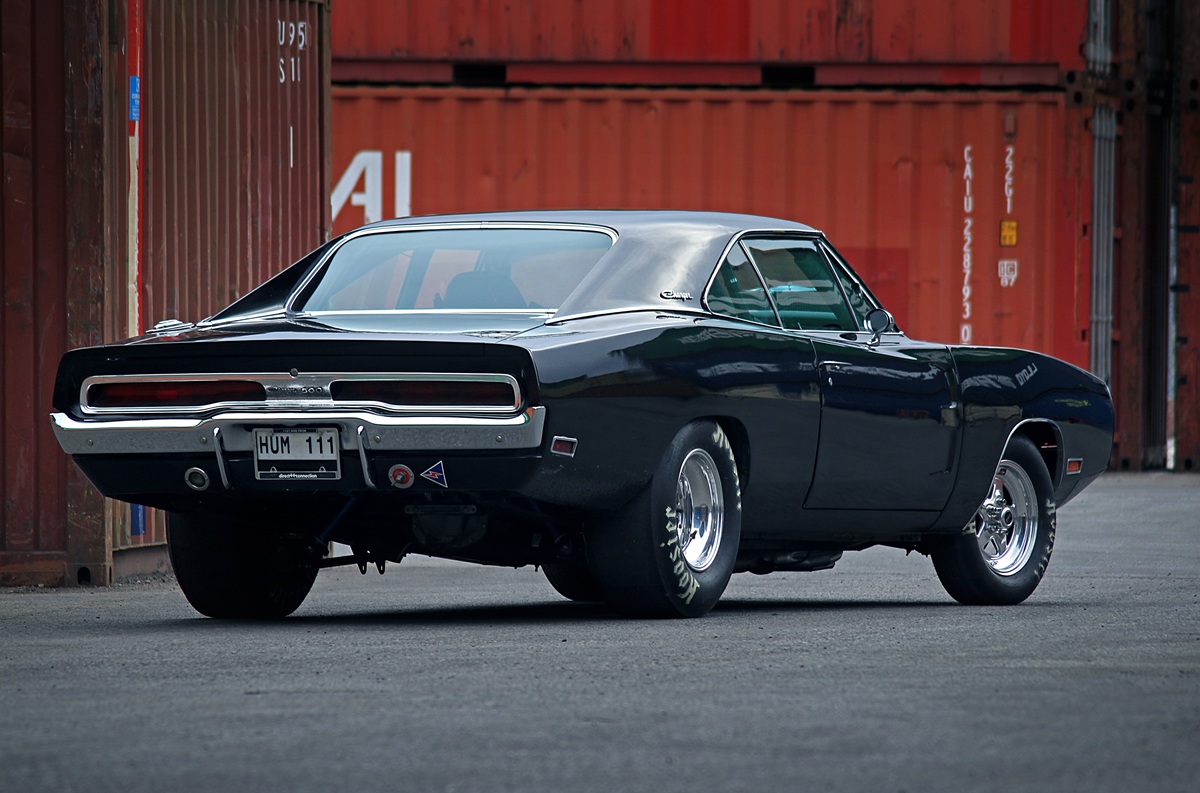
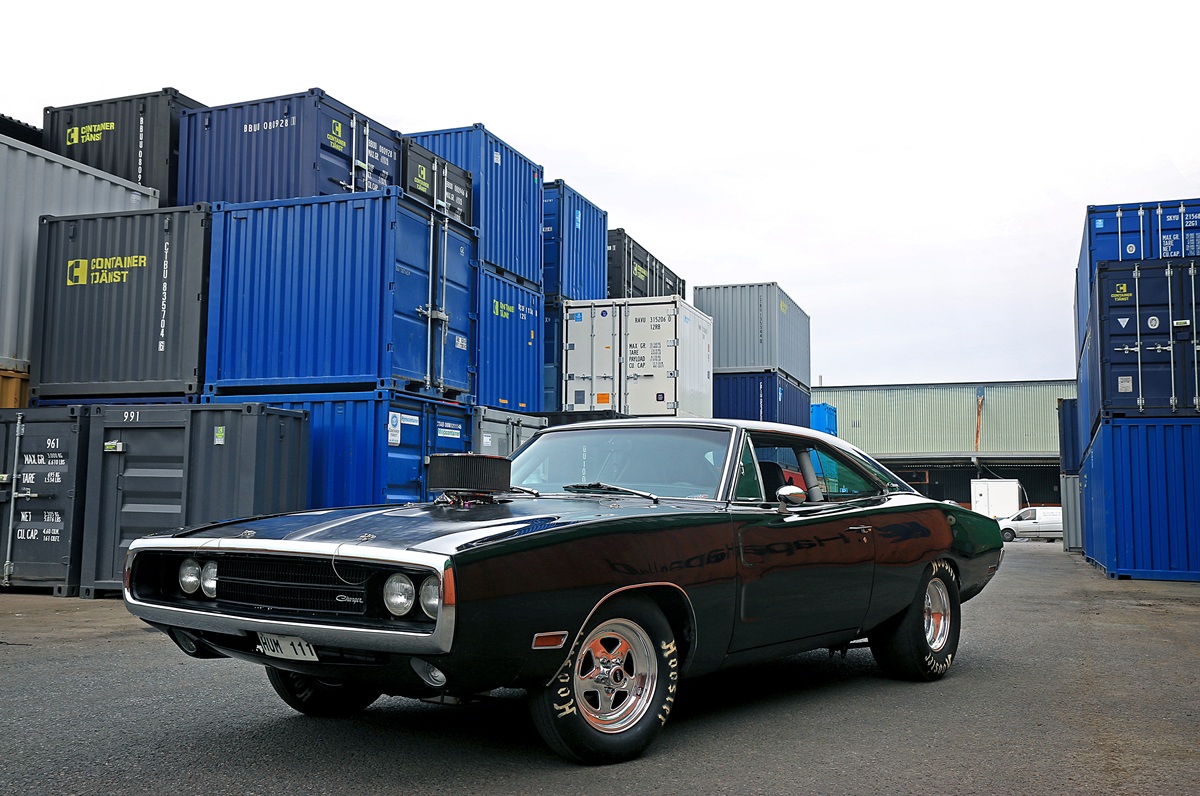
“The HEMI had very high compression, around 13:1. This was 2006–2007, right when gas stations started selling E85. High compression plus E85 works and is also environmentally friendly. We did a lot of carb tuning experiments before I managed to get it to work somewhat decently. Then I found an E85 conversion kit from Quickfuel. Lo and behold, it worked pretty well right off.”
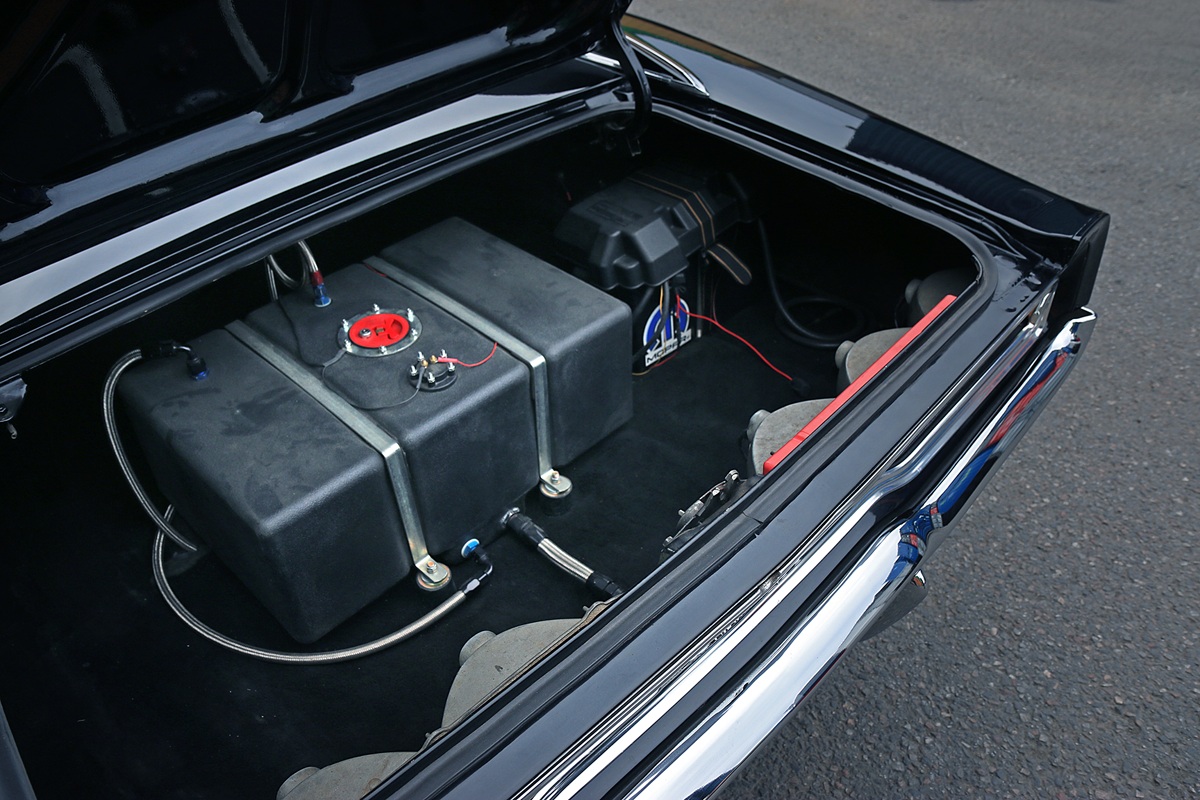
So the Charger was back in action in 2009. There was only one problem: Hautaketo hadn’t thought much about the fuel system, so it was severely undersized for E85. With thicker fuel lines and a better pump, the issue was solved.
“After many ups and downs, the debut was supposed to be the last race at Kjula in August. I almost made it. About 20 kilometers from Kjula, the transmission failed. The clutch packs burned, I remember. That was a real bummer.”
Hautaketo again had to push the Charger back to the garage. “American cars are no fun,” he thought. But time heals all wounds. The transmission was rebuilt and at the same time the rear end got an overhaul. The stock 8¾-inch axle was swapped for a Dana 60.
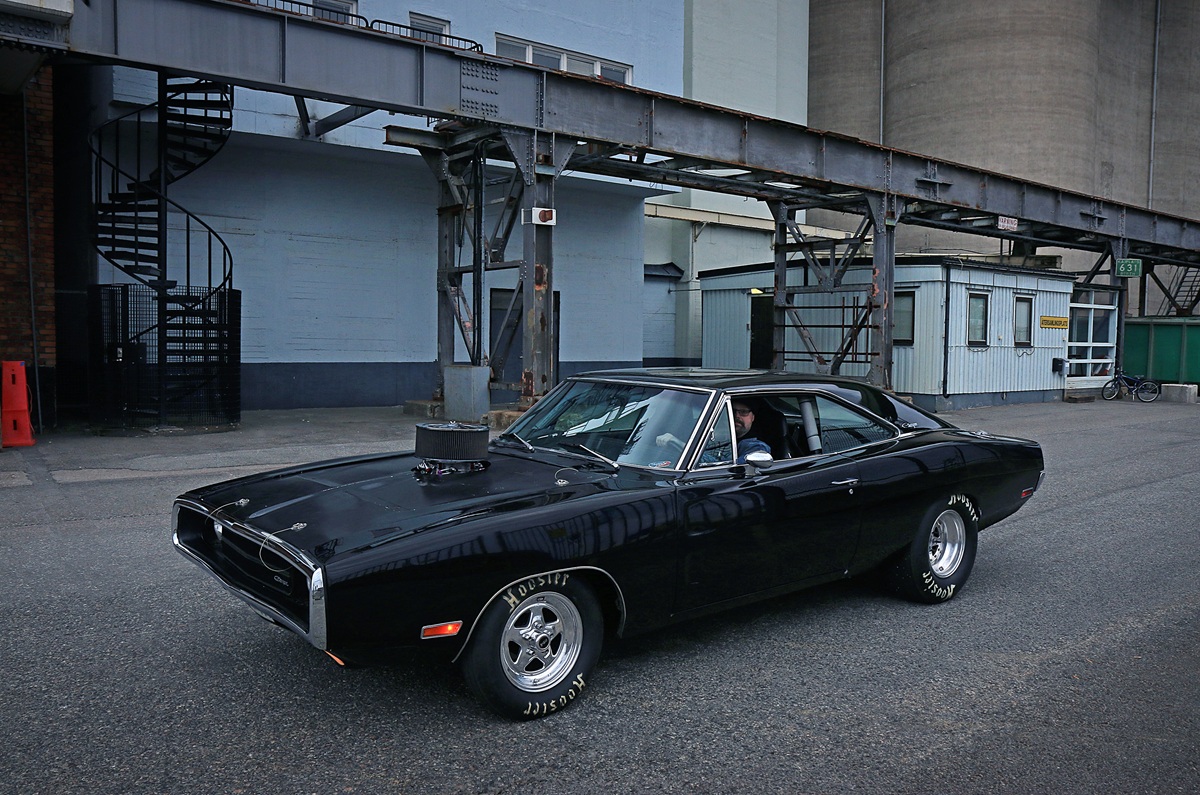
By July 2010, everything was peaceful again. A new attempt at Kjula yielded a best ET of 11.91 seconds. Unfortunately, there weren’t many races in the 2010 season for various reasons. Expectations were therefore high heading into the 2011 season. So in May 2011, Hautaketo brought out the Charger. First
run and… bang! Bearing failure in the HEMI engine.
By that point, most people probably would have sold their American cars and taken up stamp collecting. But not Hautaketo. Hautaketo never gives up.
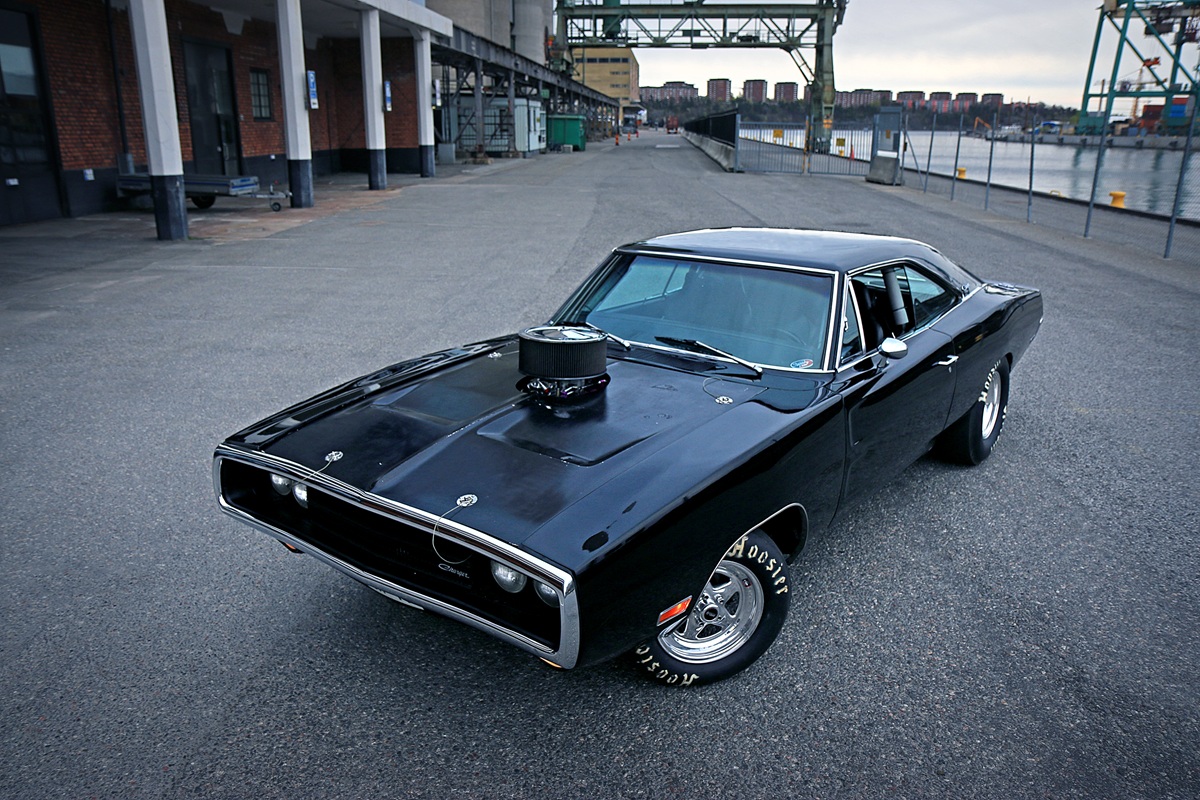
“I pushed the car more than I drove it in the first eight years. The cause of the bearing failure was that the HEMI ran very rich, and there was a lot of play in the engine. The ethanol washed the bearings. One should consider that the same thing can happen with regular gasoline.”
Around that same time, the then‑owner of the Brooklyn Heavy‑Duster got in touch with Hautaketo. On the agenda was a restoration of the Plymouth.
“He wants to buy the HEMI. To be honest, I must admit I wasn’t interested in selling at first. But at the same time, I soon realized that I’m not wealthy enough to drag‑race with a HEMI. So we eventually agreed on a price.”
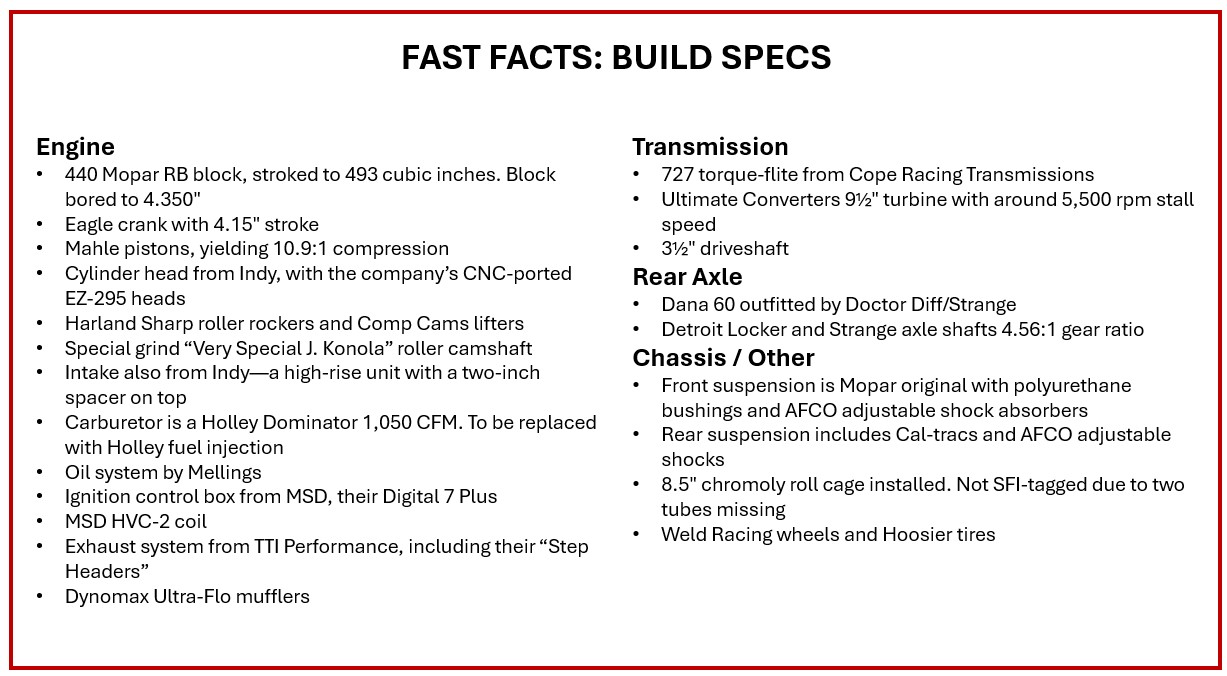
With money in hand, Hautaketo contacted Jari Konola: “I want an engine that makes just over 700 horsepower, and here’s my budget.” Jari delivered by building a stroked 440 producing 770 brake horsepower. After various wrenching sessions, and a stint in the schoolroom where Hautaketo retrains as an intensive care nurse, he is back on the track in 2013. With a Charger now modified and upgraded throughout the powertrain.
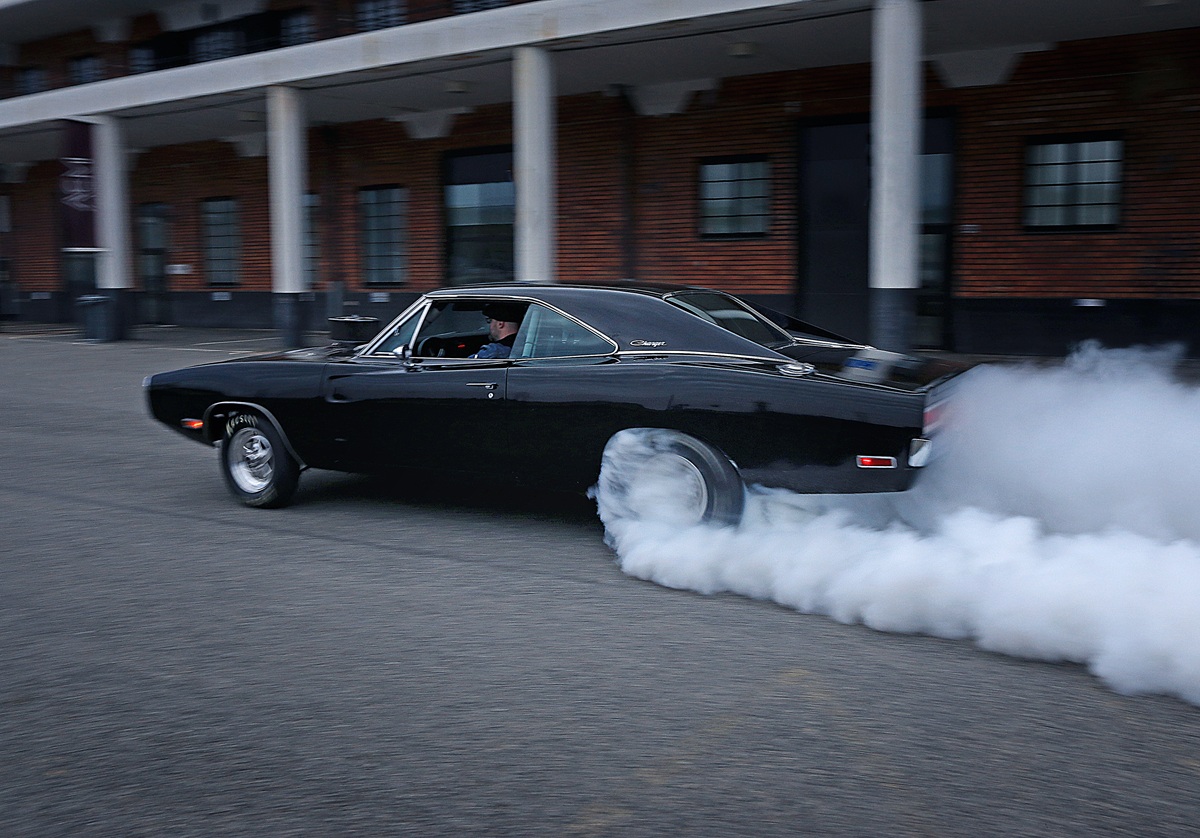
“The ET this time was 10.74. I cracked into the 10s on the third pass; the first two runs weren’t full‑throttle runs, just to feel out the car. Fun! At the same time, a problem arises of course, because I don’t have a roll cage or safety cage, and no four‑point harness either. Since I didn’t want to get disqualified by the race officials and be blacklisted for going too fast, I spent the rest of that race drinking beer. And enjoyed the fact that everything worked.”
Still, it wasn’t completely trouble‑free because the gearbox acted up a bit between first and second gear. “It felt during shifting as if I was about to smash my head through the windshield,” Hautaketo says with a grin. So a new 727 transmission from Cope Racing Transmissions went in. In January 2014, Andreas
Sjödin welds a roll cage into the Charger.
A motorcycle accident in summer 2014, plus rocker arm failure in August that year, definitively puts an end to racing. But Hautaketo learns a lesson: you shouldn’t run cheap rocker arms with a camshaft that has high lift.
“During the 2014‑2015 wrenching season, I swap to Harland & Sharp rocker arms. I also refurbish the worn interior and upgrade the rear suspension with Cal‑tracs and adjustable shock absorbers. During the 2015 season, I run my personal best 10.54 seconds. I also rack up enough points during the season to
earn third place in the Real Street class and a trophy.”
At the season‑closing race, Hautaketo can gladly note another personal best – the season ends with a 10.35 ET.
“It easily gets a bit ‘overload’ up in the head when there are so many chassis adjustments you can make. Anyway, I spent some time dialing it in for good sixty‑foot times.”
During winter, he switches to a higher‑stall‑speed torque converter turbine. The 2016 season, however, becomes a mess because he can’t tune the carb to play nice with the new turbo.
“I make it difficult on myself there. I foot‑brake at the starting line, which causes some trouble getting the car away. Further, the brakes don’t really hold the car, so there’s always a risk the Charger will roll over the line with a red light as a result. Also, I, as I said, can’t tune the carb so it works cleanly, so there’s often carb bog on launch. So incredibly frustrating.”
2016 becomes three steps back rather than one forward. Then some time passes – years even. The Charger stands still.
So… fast forward:
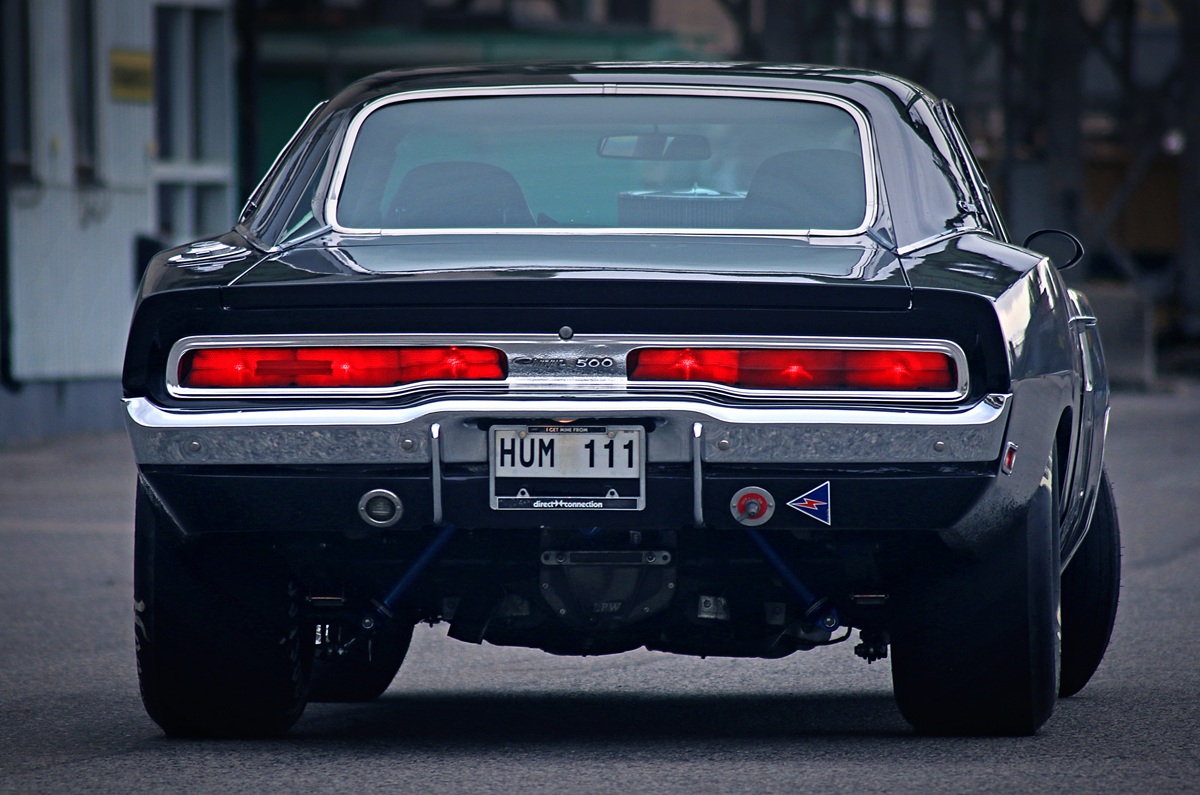
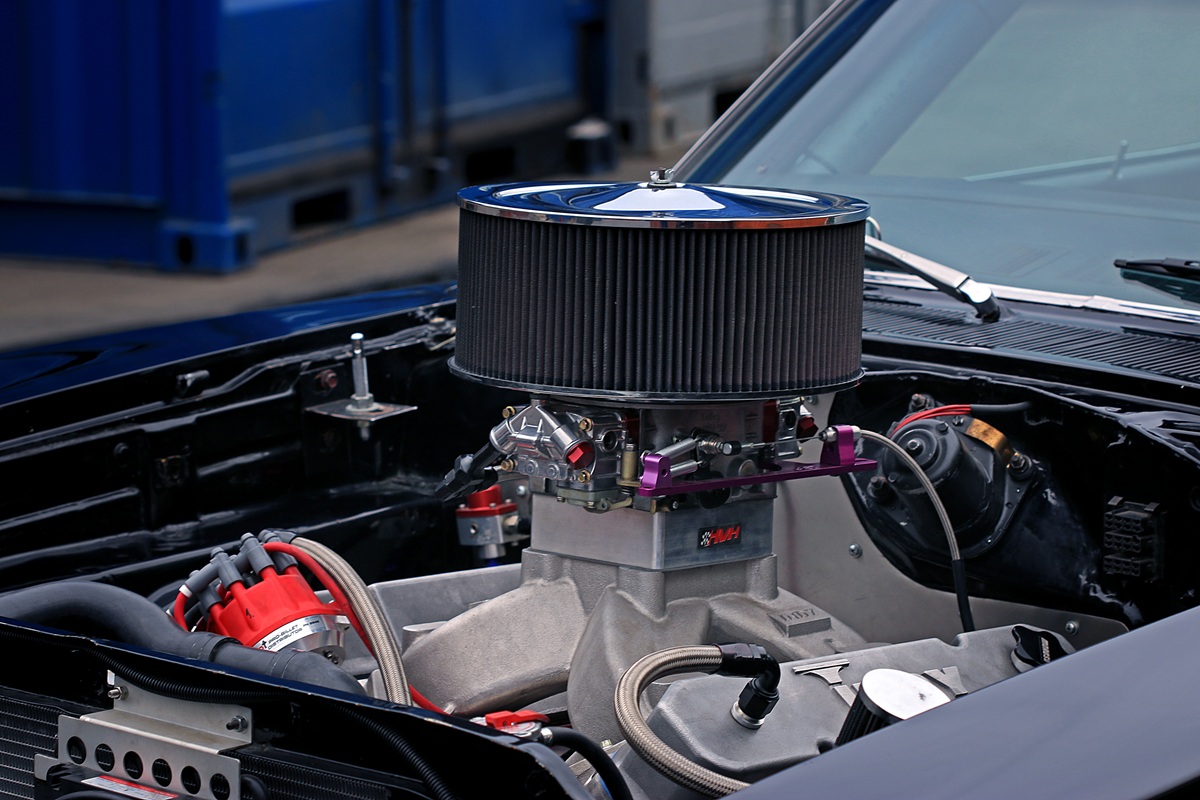
“Next year will be Holley fuel injection. Yes, I have high hopes for next season, even though I need to learn an entirely new concept with the injection. I also plan to install a transbrake in the 727 gearbox.”
Are there any additional parts on the wish list? Or things Hautaketo would like to do? Sure. Fix the front suspension with new parts. The car would also benefit from a slimming – after all, it weighs 1,760 kg ready to race. But he won’t remove the stereo. You need that to listen to hard rock as you head out to race.
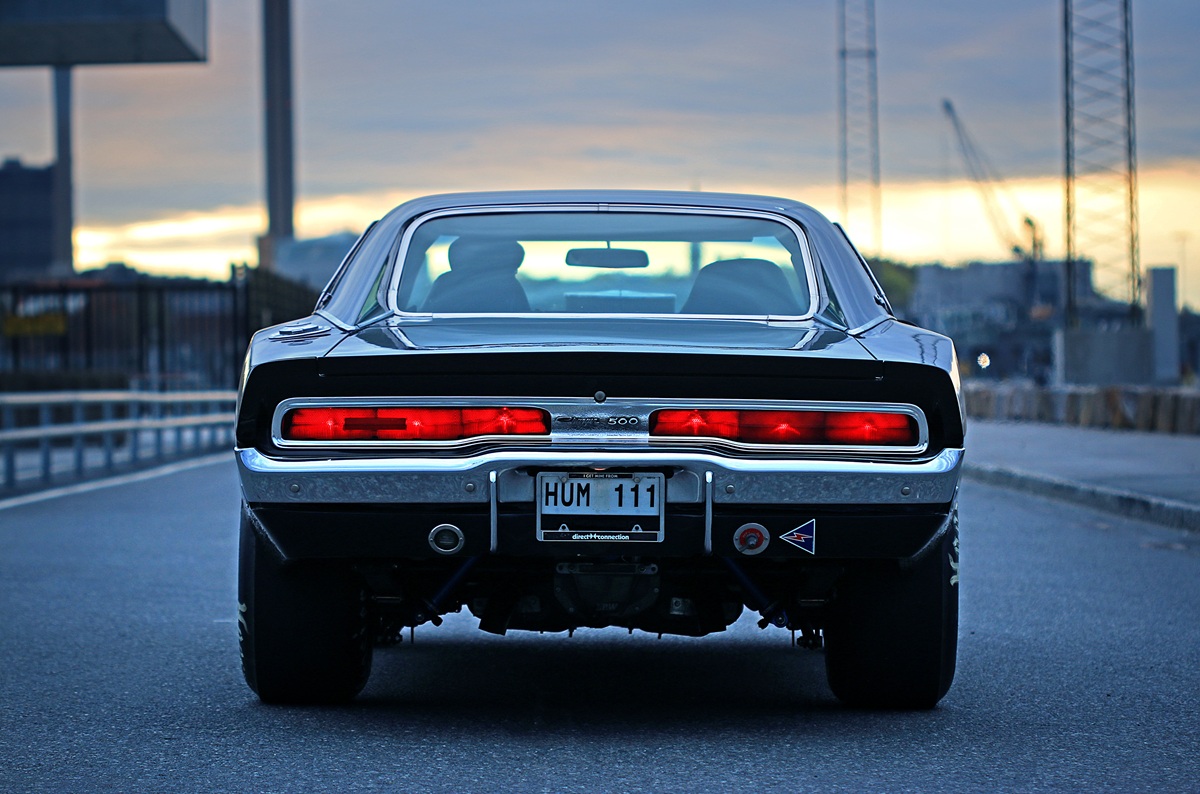
“I’d like to swap the heavy iron block for an aluminum one. But that requires many weeks’ wages. A 440 block has a strong bottom end but unfortunately is weak higher up. If you’ve got a lot of power in the engine there’s a risk the block will crack. And who wants to be standing there with two inline fours all of a sudden? With Hautaketo’s typical luck, that could probably happen…”
0 Comments