Anything But a Rookie
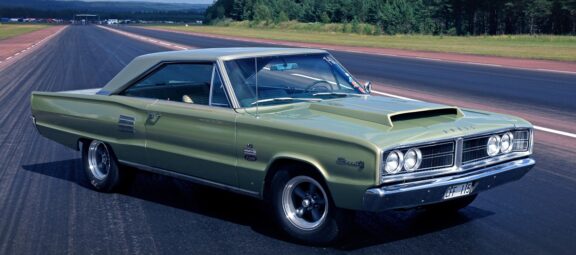
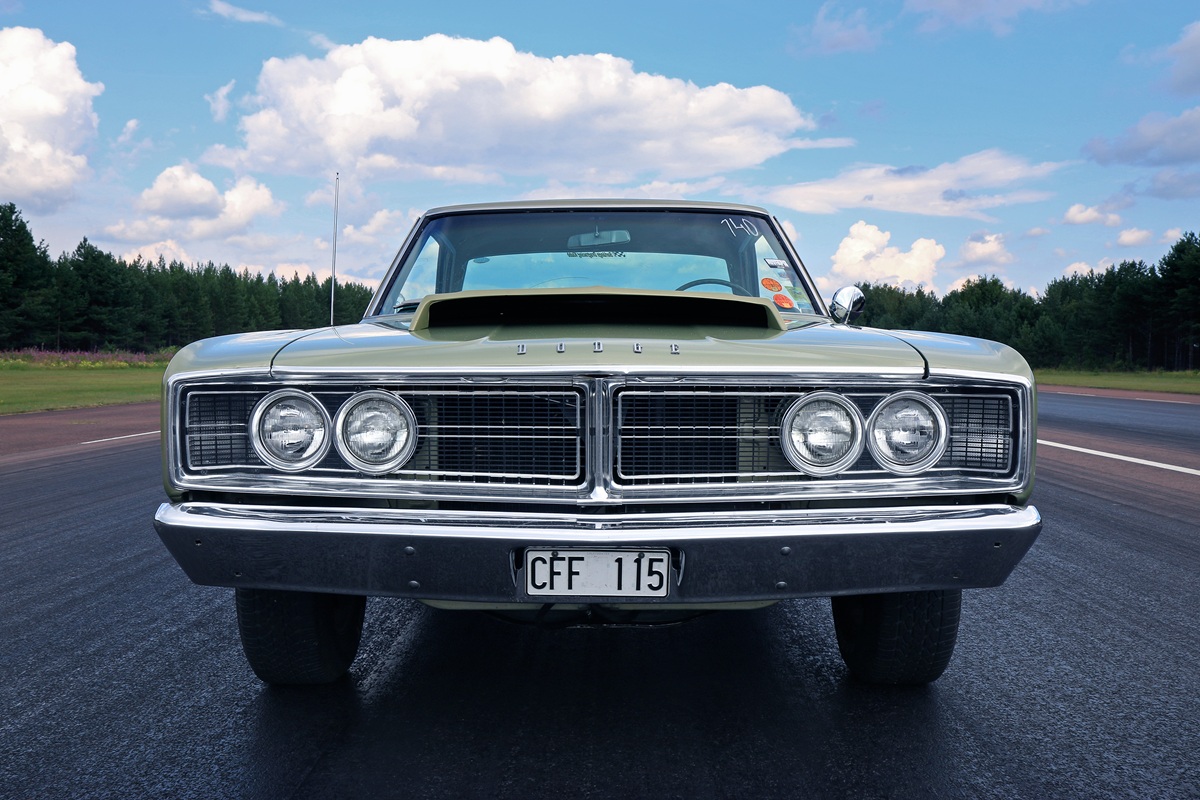
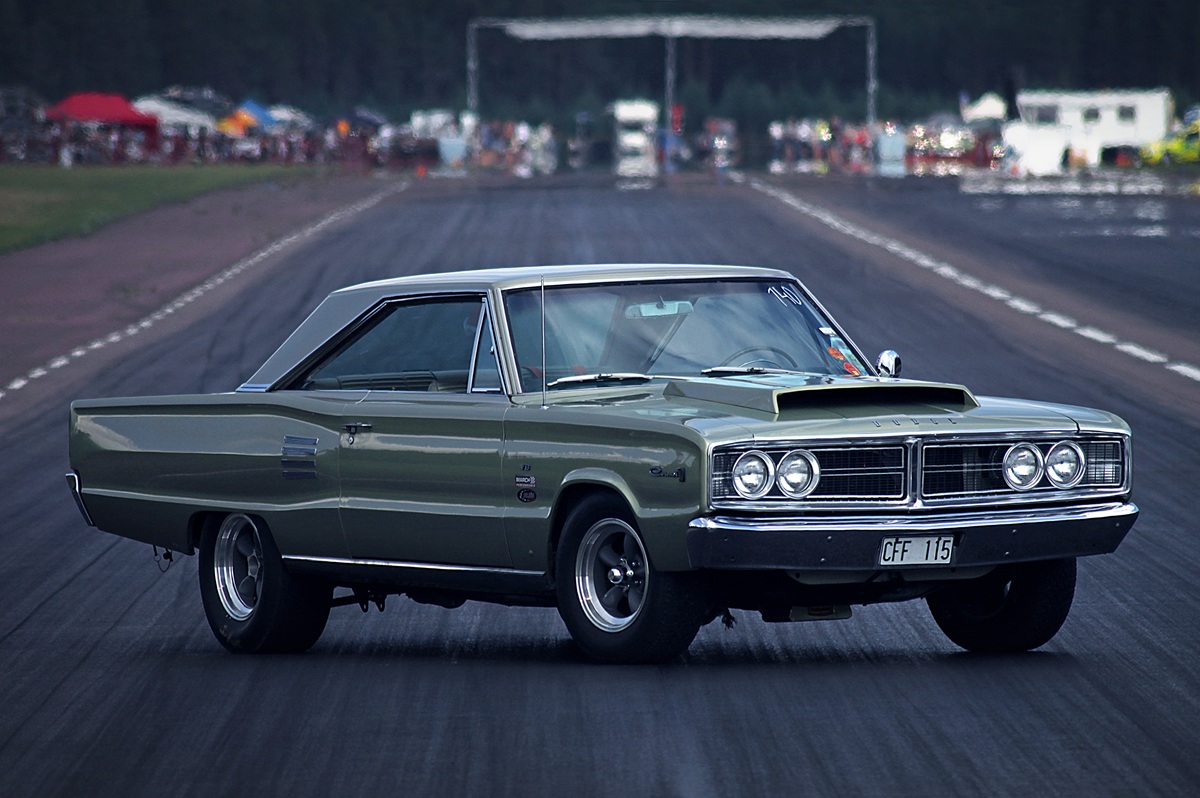
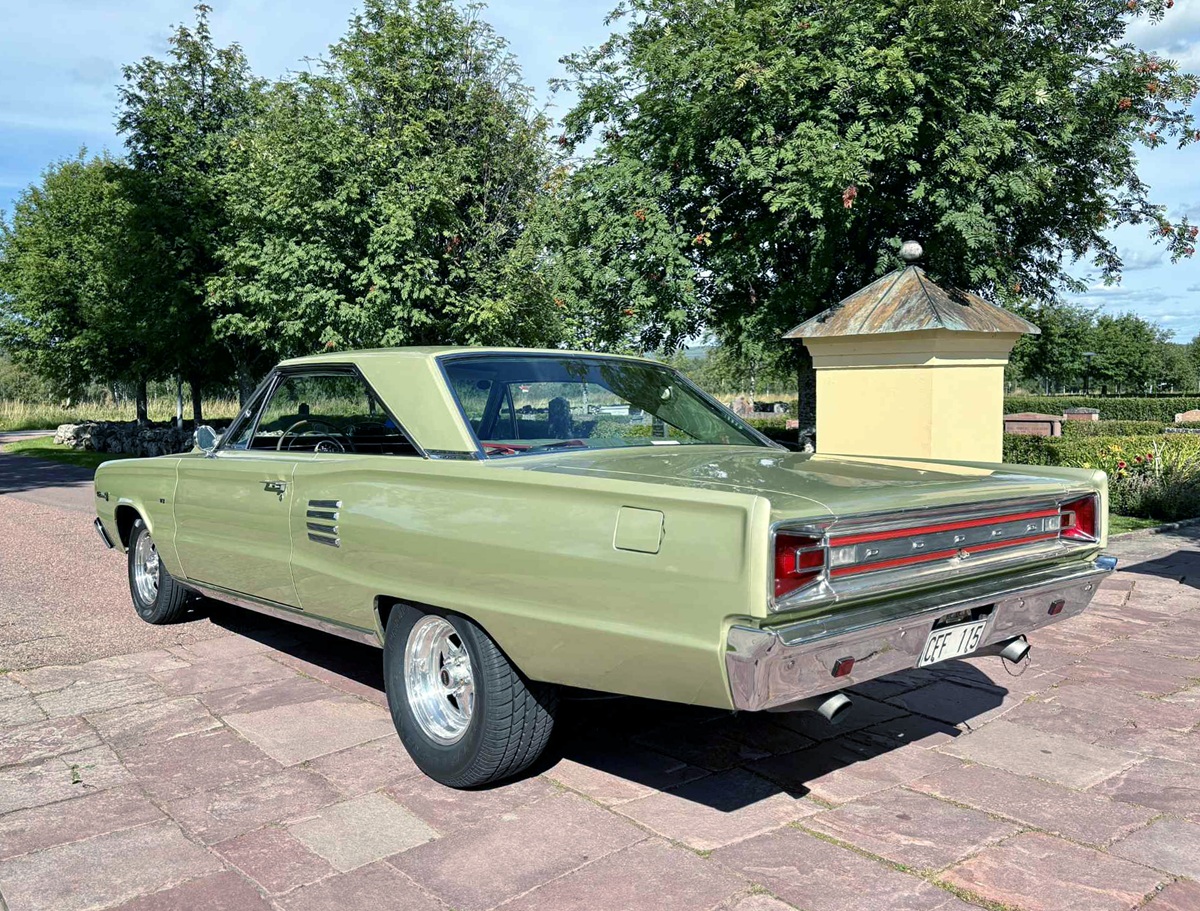
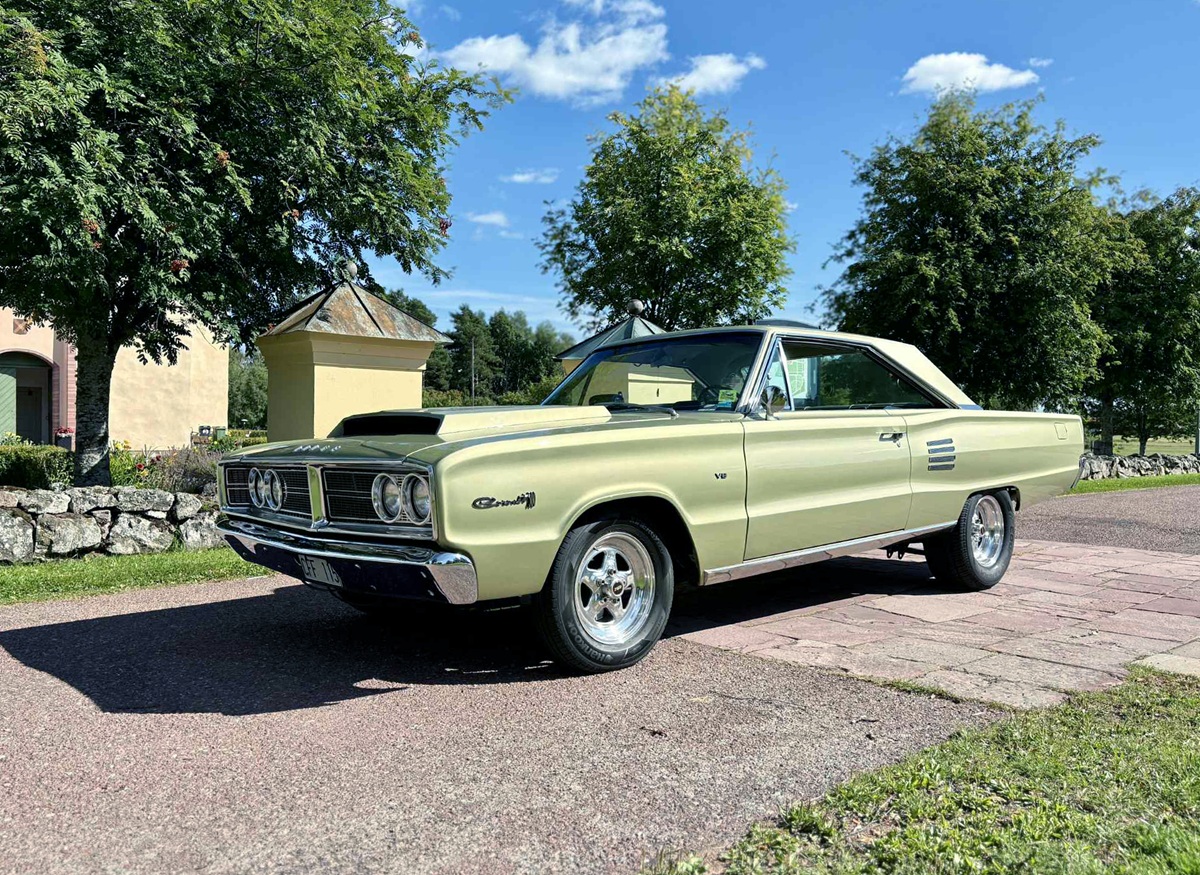
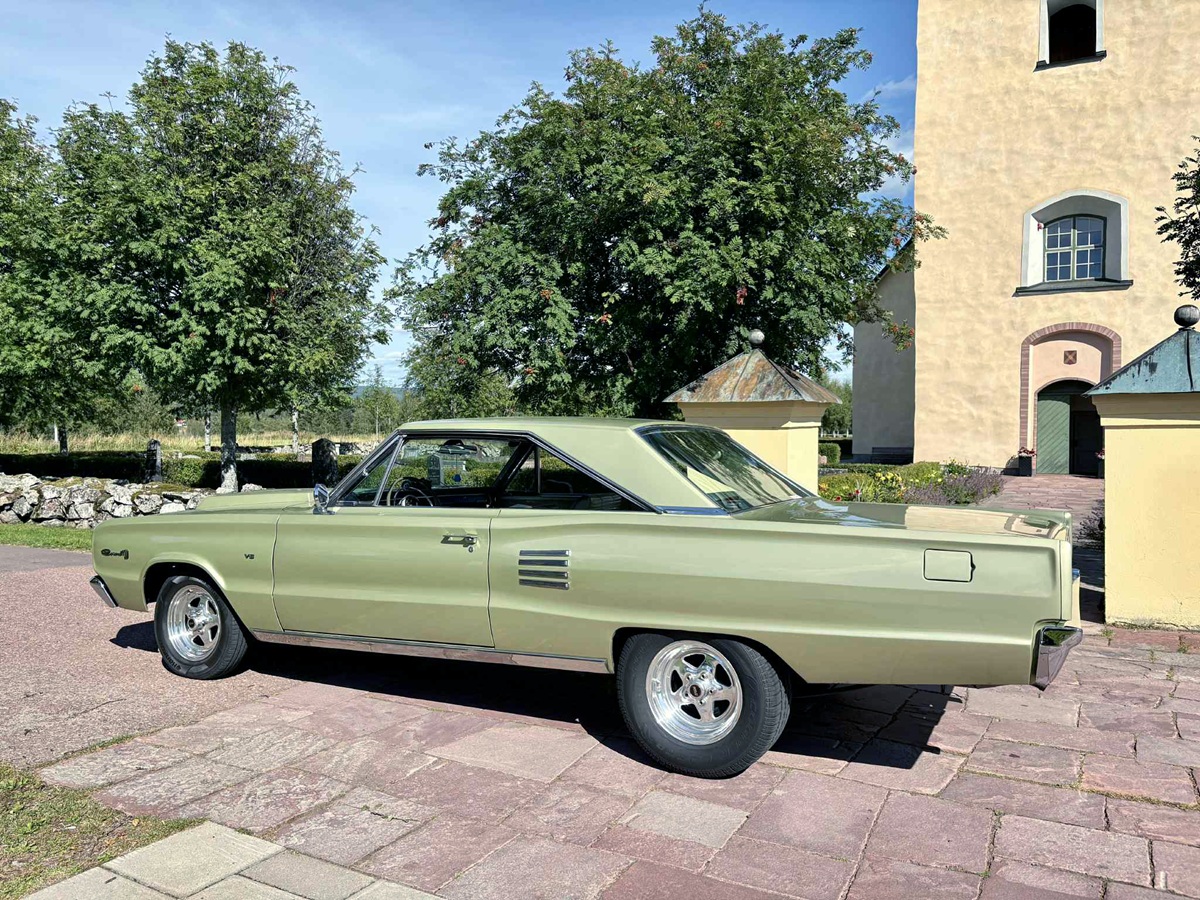
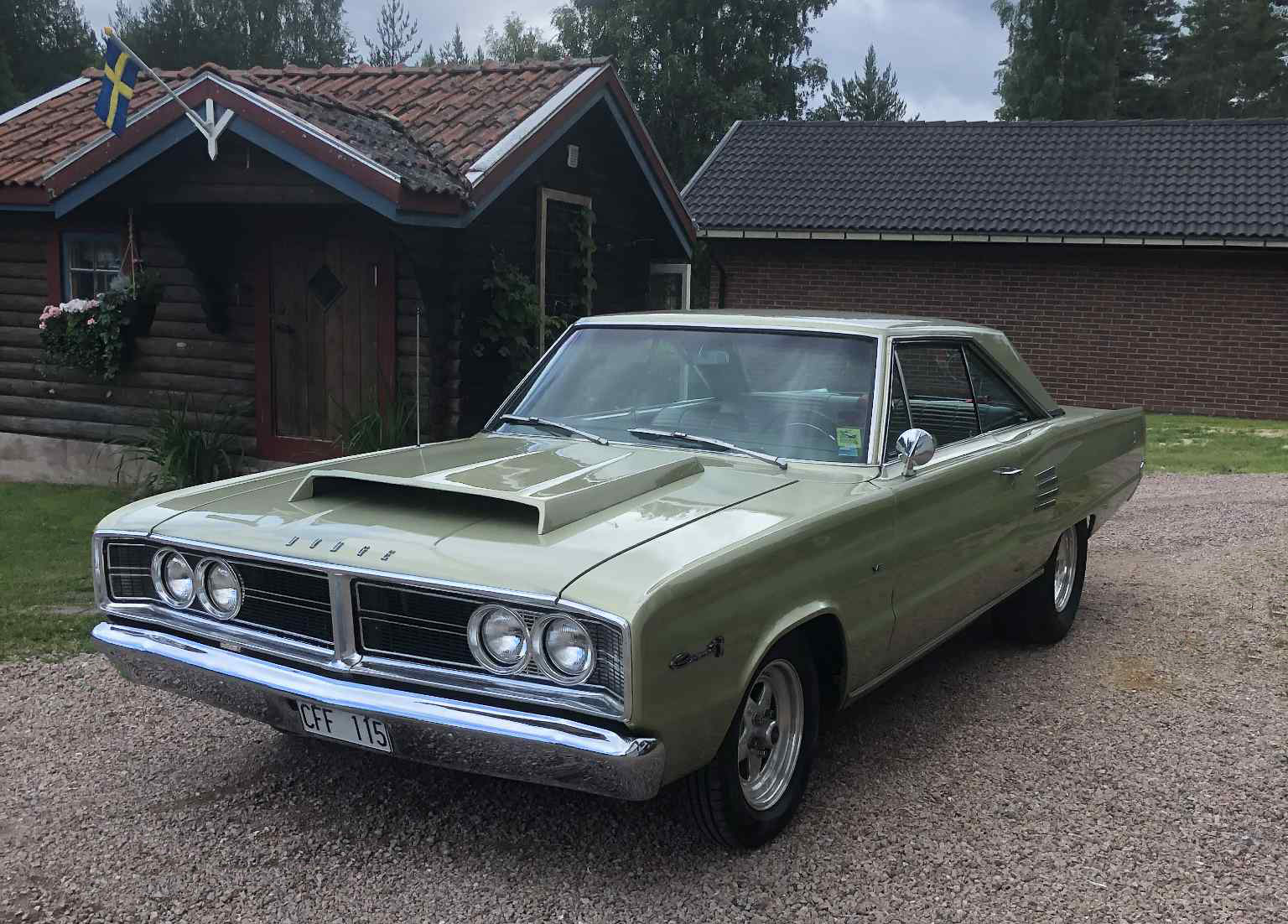
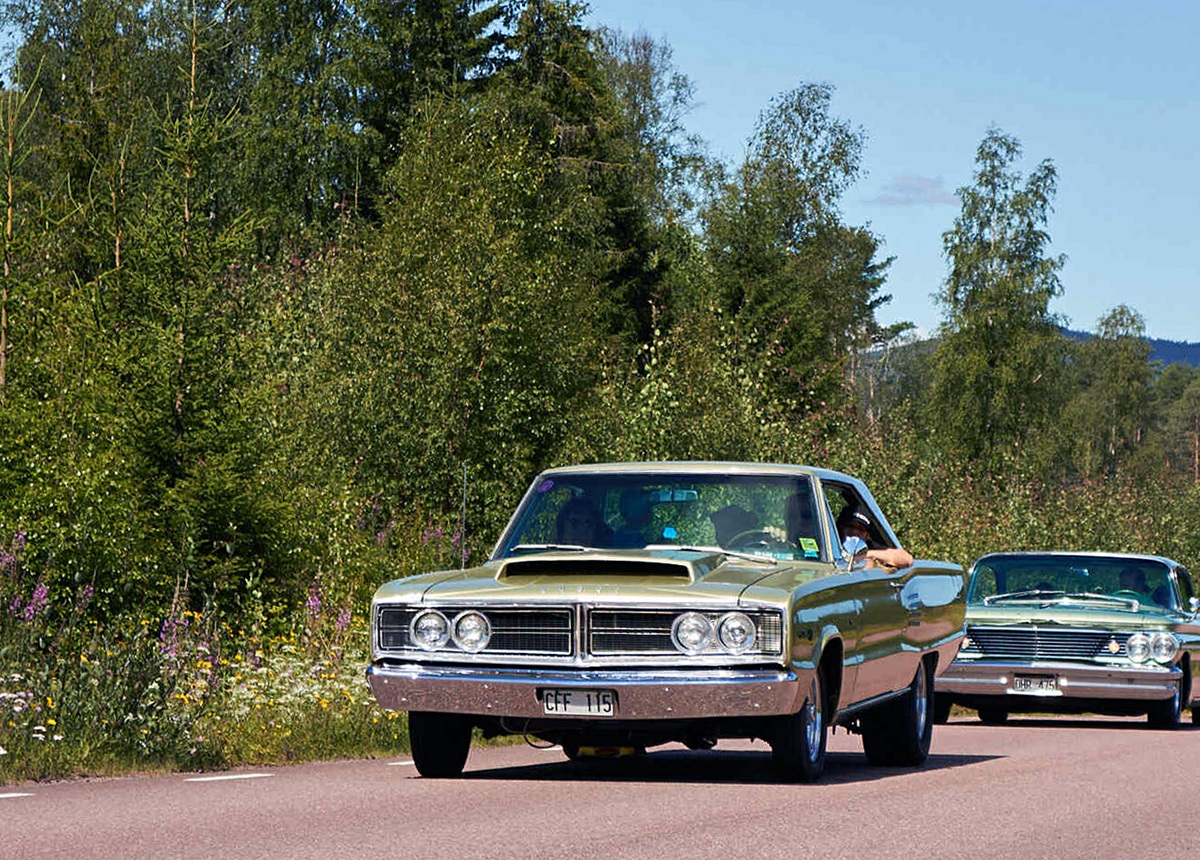
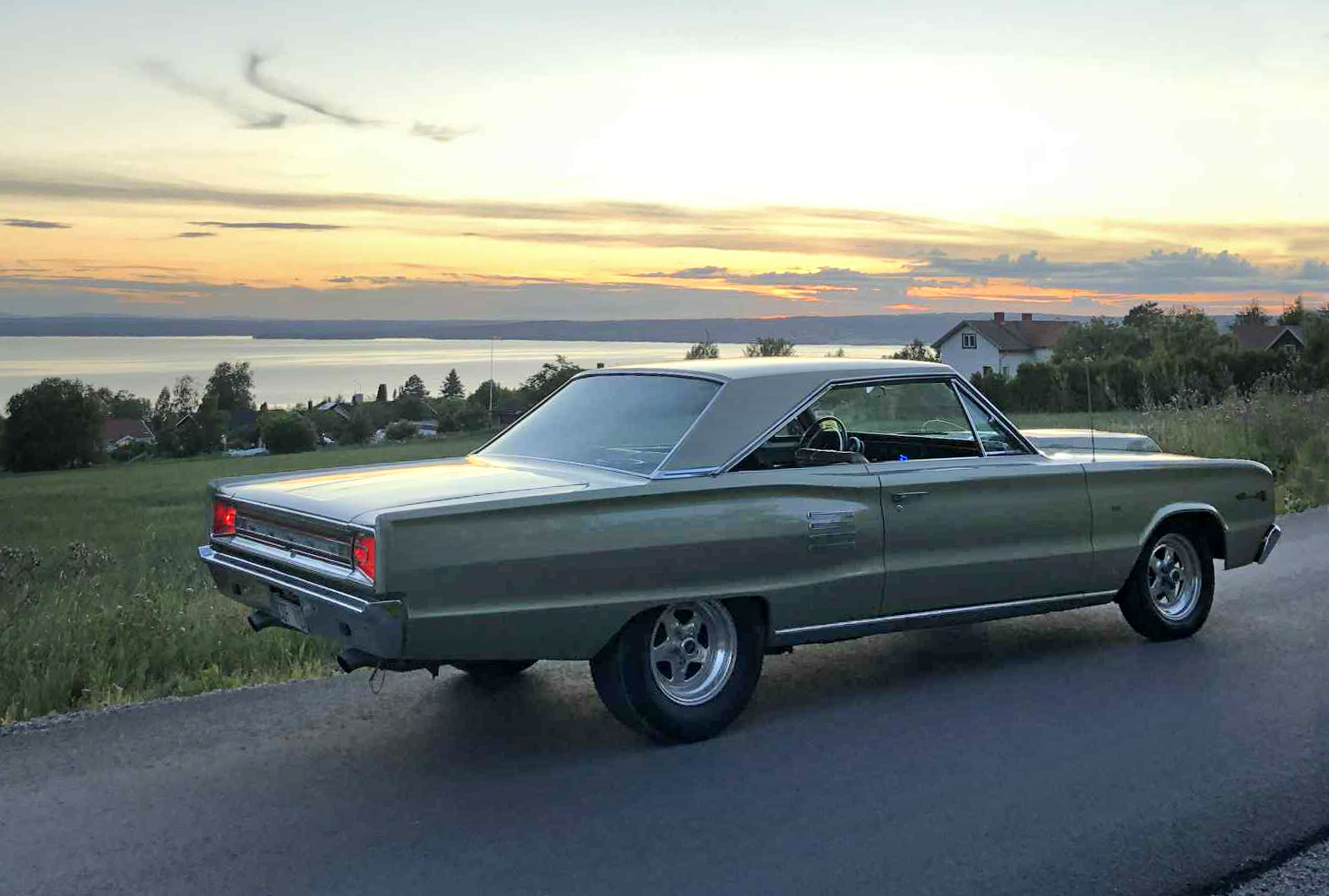
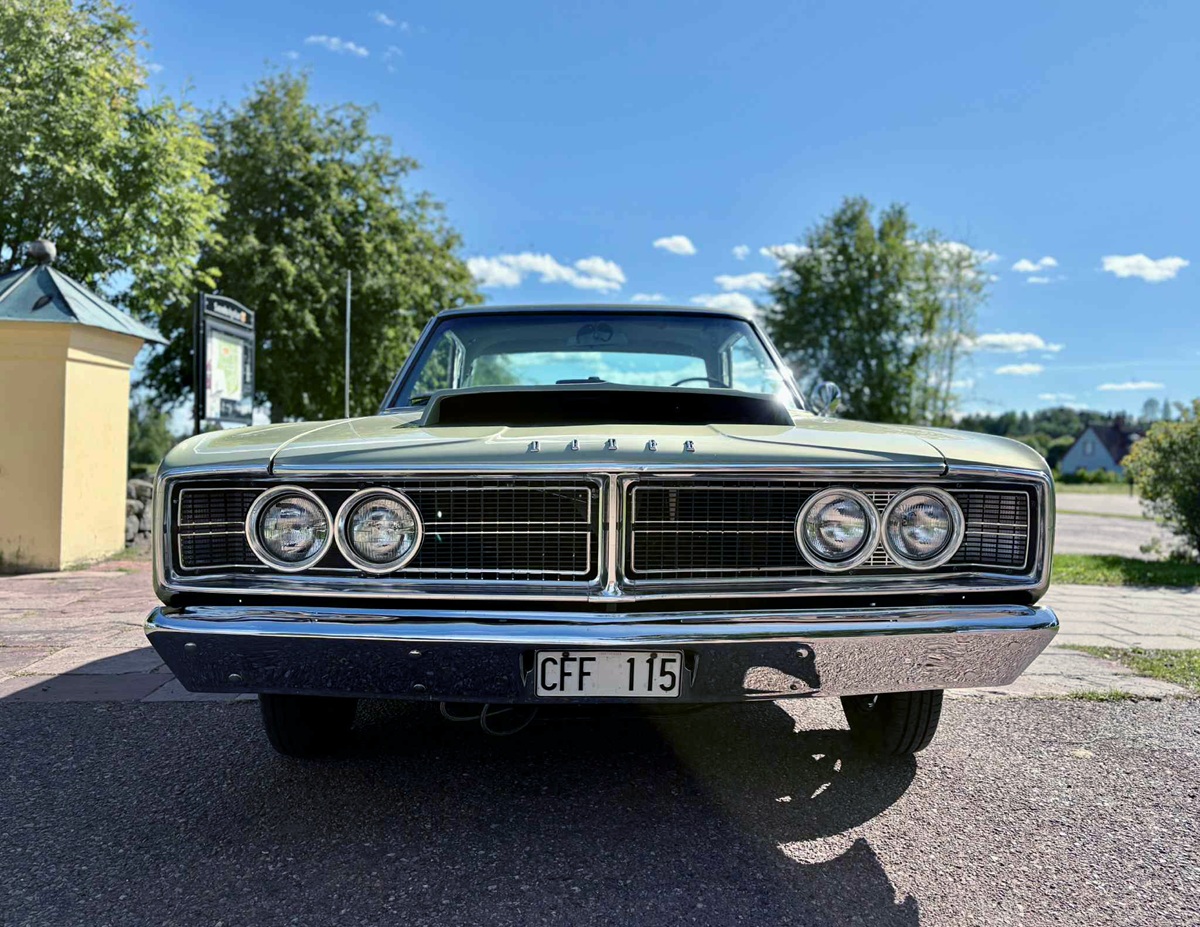
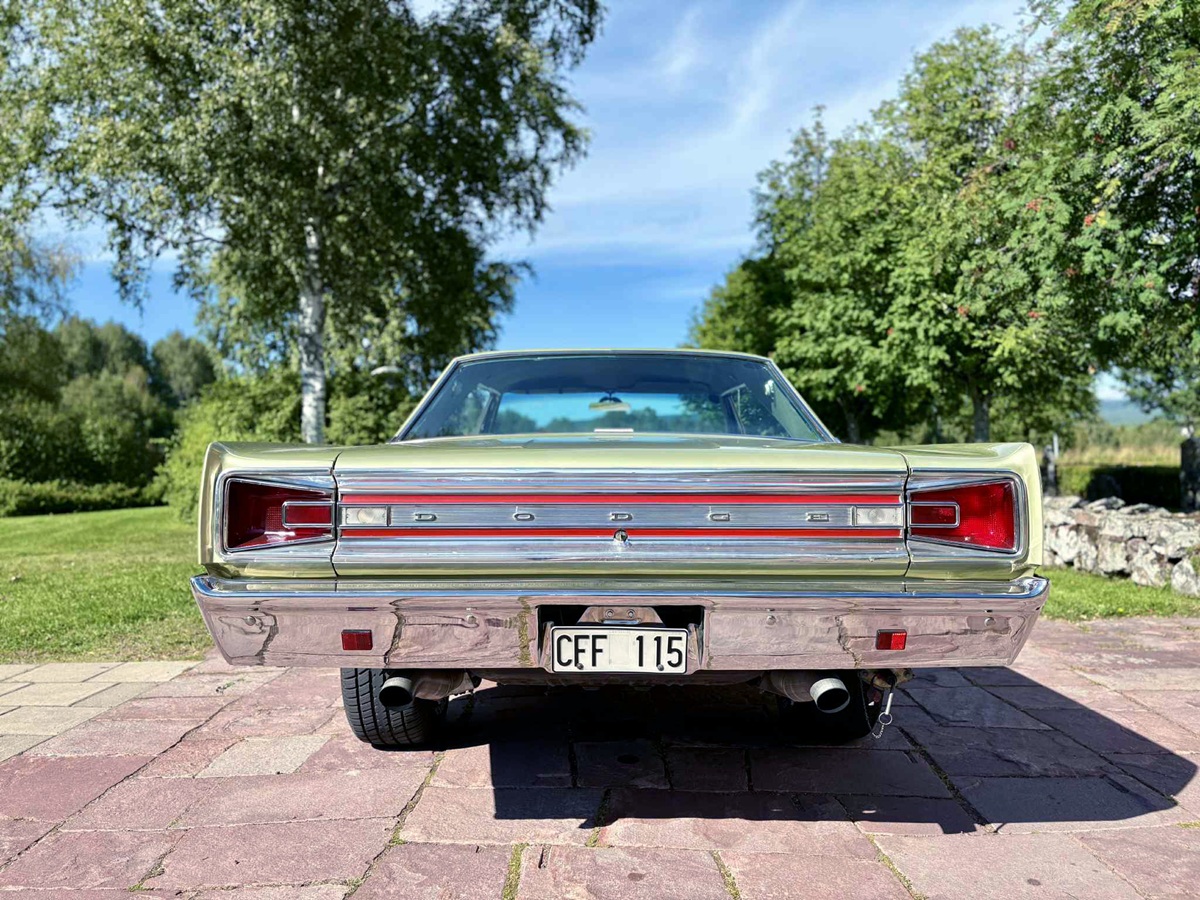
Take a look at Thomas Eriksson’s 1966 Dodge Coronet. Sure, it looks “kind and a little grandpa-ish,” to use Thomas’s own words. But don’t be fooled – Eriksson’s Mopar® runs far better than you’d expect from a well-mannered gentleman who turned almost 60.
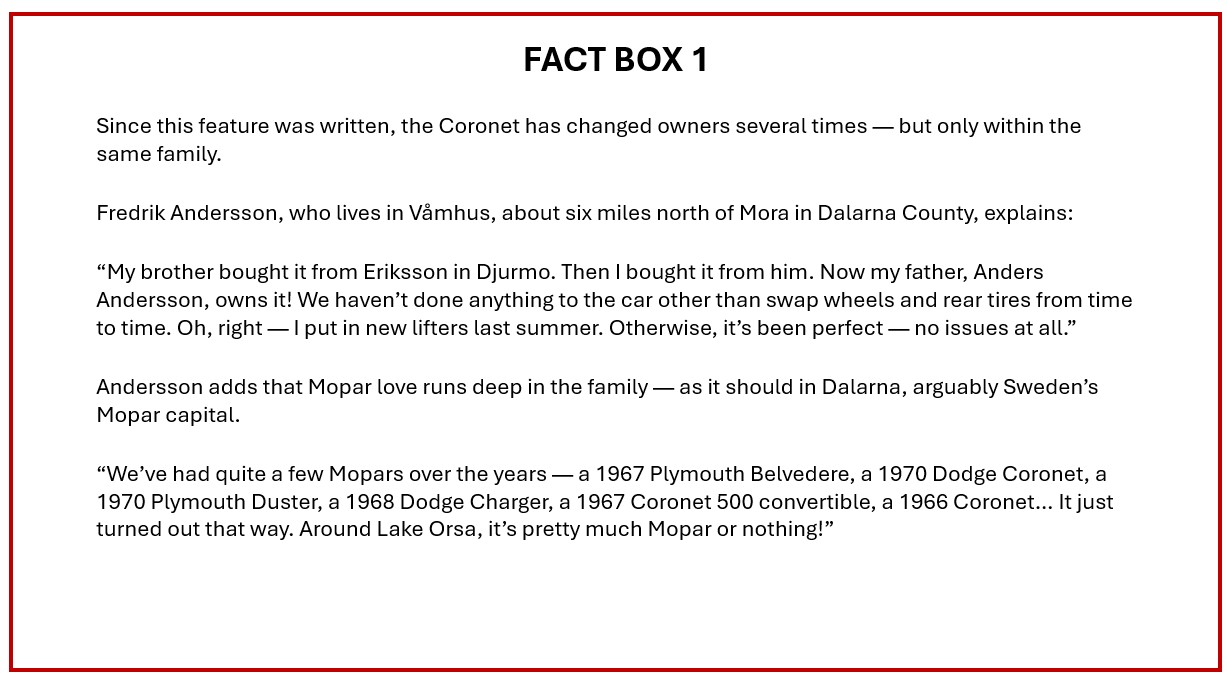
“You could say that buying this Coronet really started with me buying a completely different car,” Eriksson says. “That was also a Dodge Coronet, but a 1968 model. It came from Arizona, and when it finally arrived in Sweden, let’s just say it didn’t quite live up to expectations. So I sold it and started looking for a 1966 or 1967 Coronet instead. They’re a little uglier, not as popular. The idea was to find one in better condition, but for the same price as the ’68.”
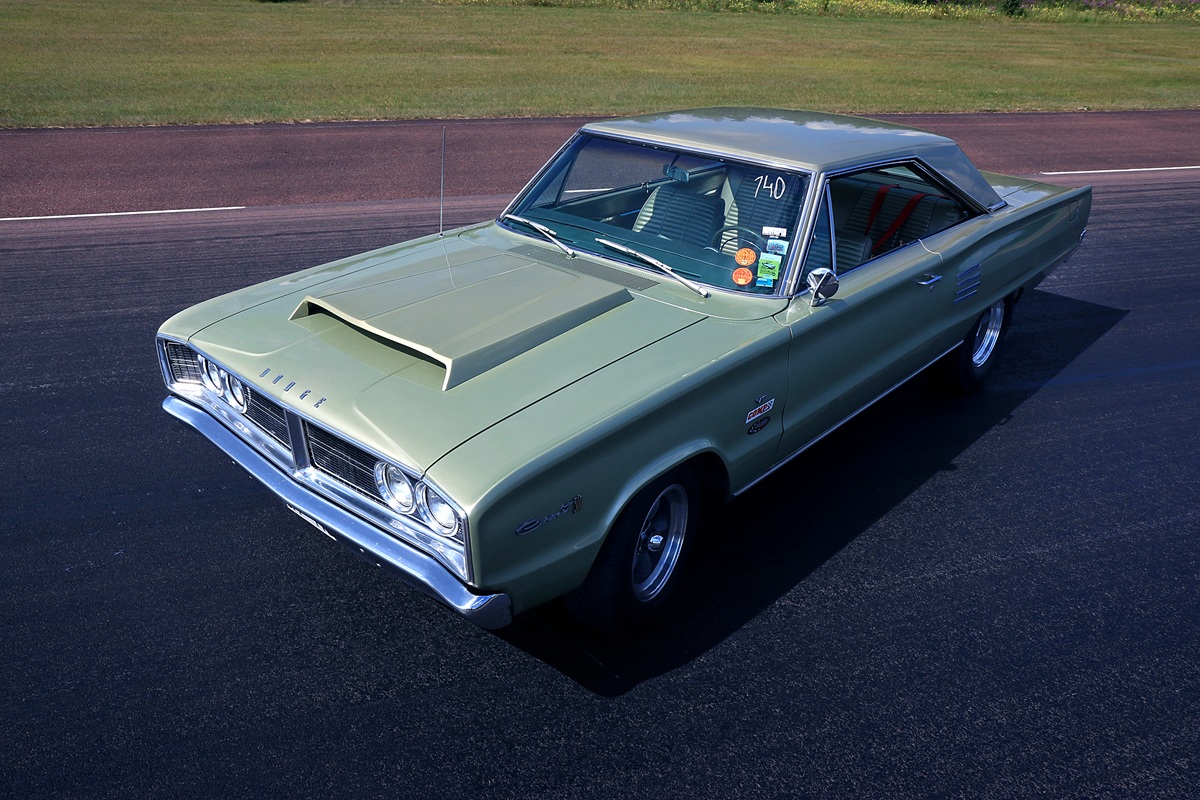
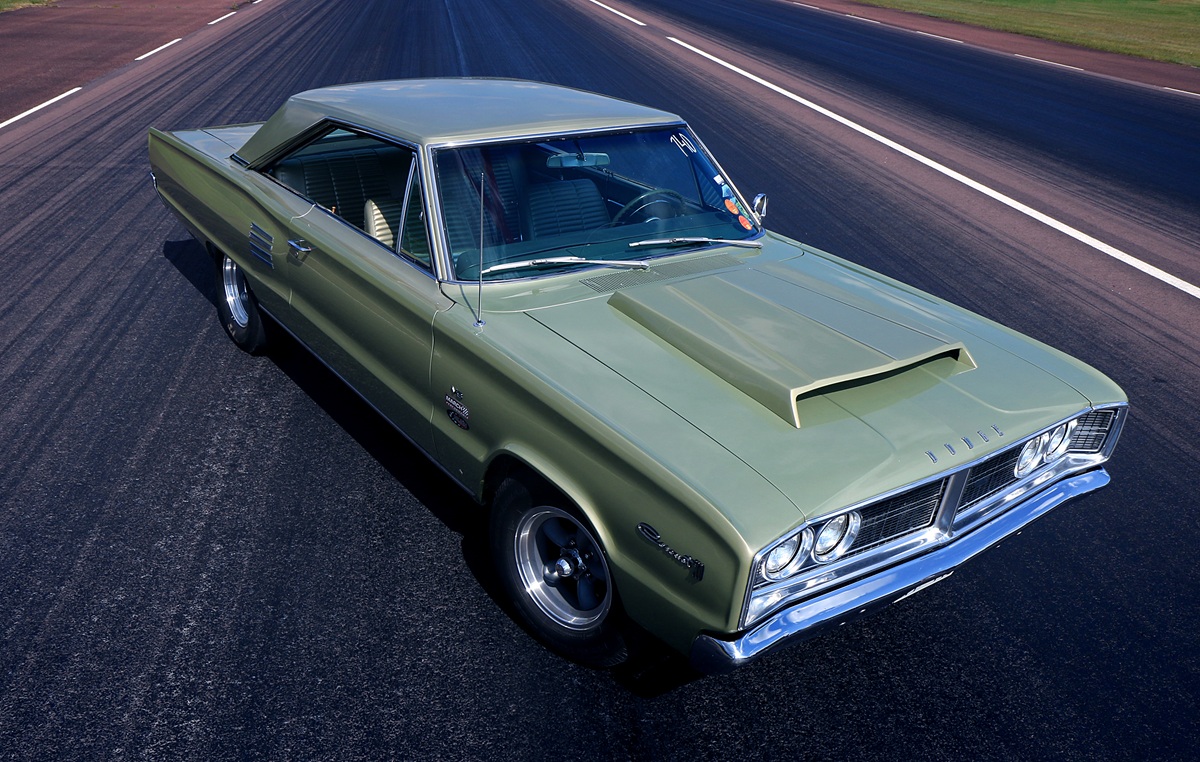
He succeeded. The 1966 Dodge Coronet you’re looking at right now was found in Minnesota.
“I thought it looked good, and my friend Sven, who was over in the States, agreed. The car rolled out of the factory with a 318 cui. It was, you could say, a grandma’s car from the start. But the American owner had installed a 400, stroked to 451 cubic inches. The Coronet also had a 727 transmission, an 8¾-inch rear end, and other things that cost extra to install at home. The price was fair, so I went for it. When it arrived, it really was in good condition,” Eriksson says.
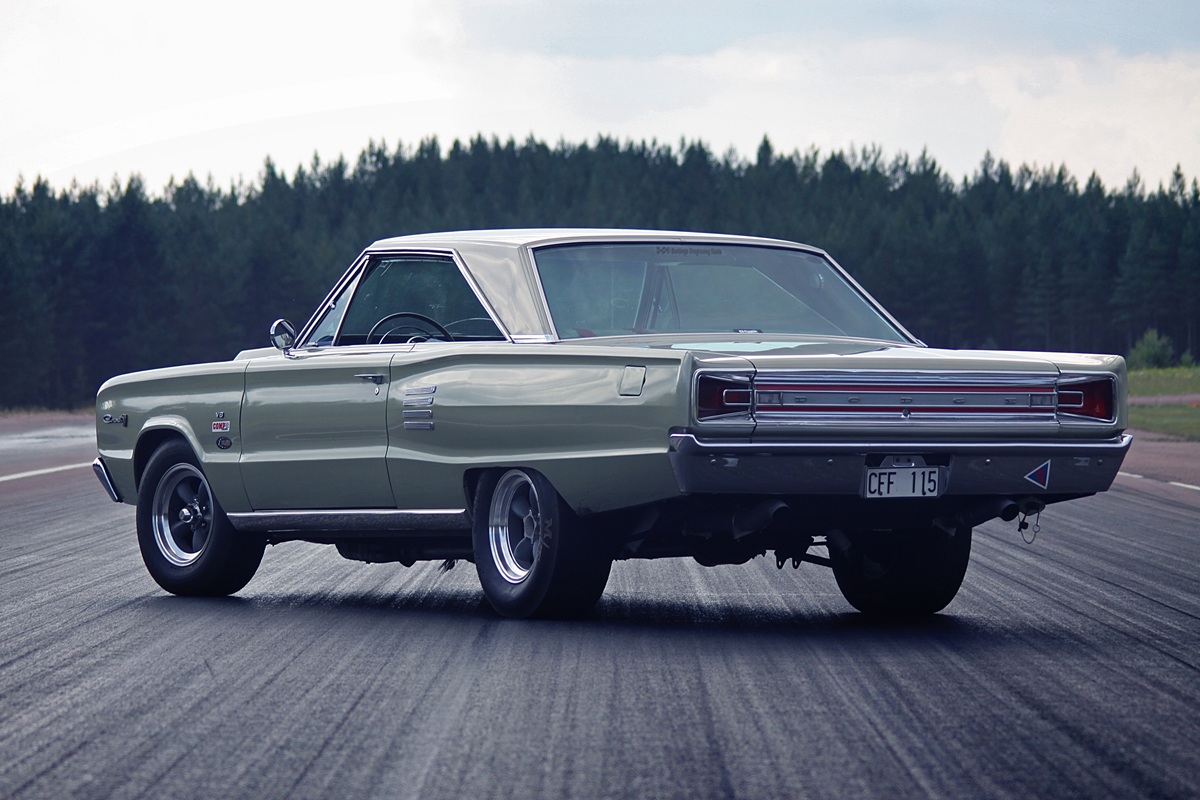
It also ran fairly well with that 451 under the hood – 12.5 seconds on the quarter-mile.
“But you always want more,” he says. “So I ported the heads and got the Coronet down to an even 12 seconds. Then the engine started drinking oil like crazy, so I decided to have a shop build a new one.”
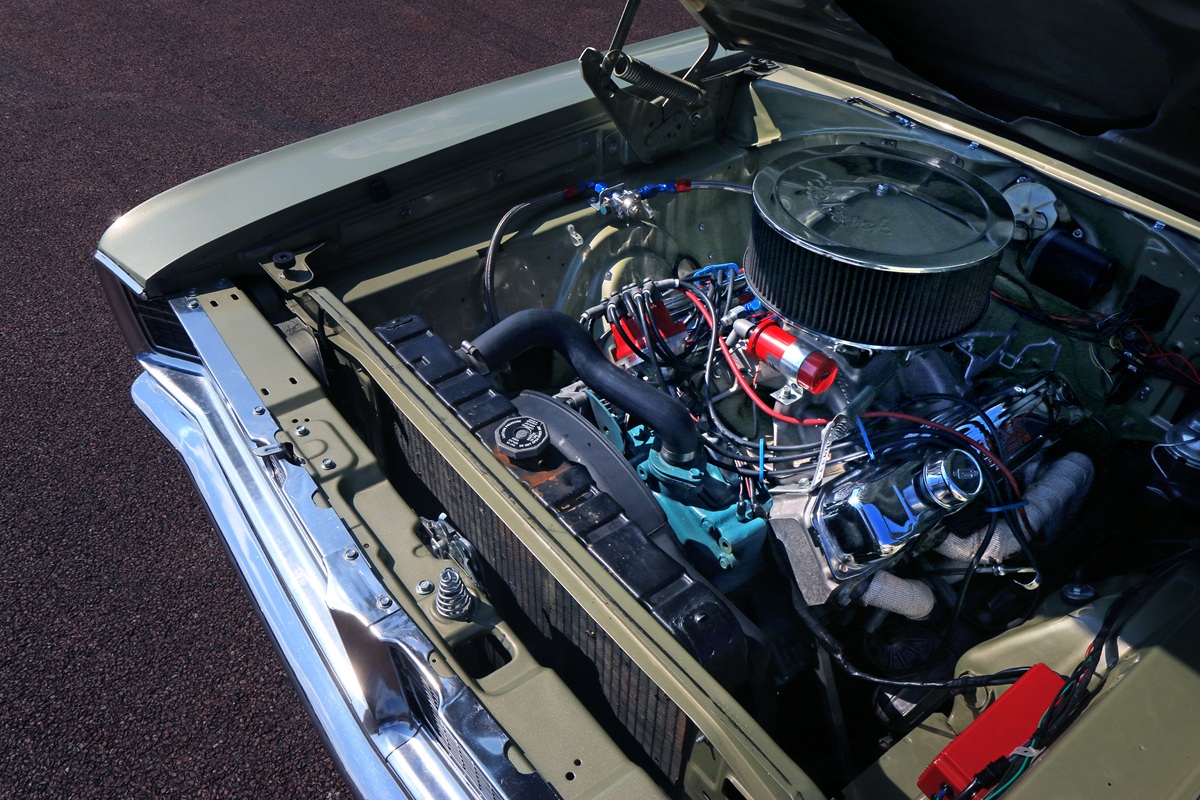
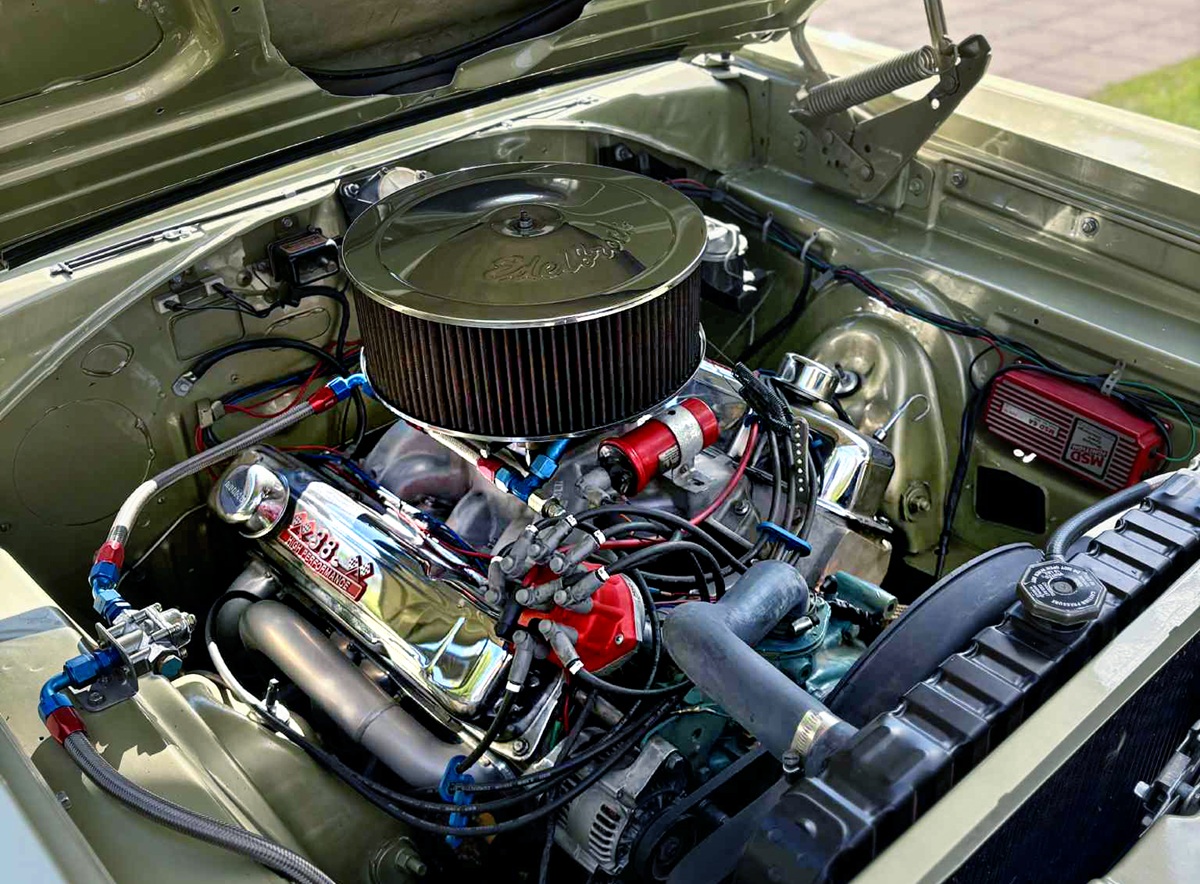
He found another 400 block and had it stroked to 496 cubic inches. Then he ran it on the dyno back home in Bjursås: 607 horsepower and 650 ft-lbs of torque.
“I wasn’t happy until it made more than 600 horsepower,” Eriksson says with a grin. “I added a spacer plate between the intake and carb, and that pushed it past 600.”
But new problems soon arose – like fuel delivery. A 600-horse engine demands more than the setup for a 300- or 400-horse motor.
“I put on a better mechanical pump, but it couldn’t keep up. The Holley black electric pump worked fine once I paired it with a fuel cell,” he says.
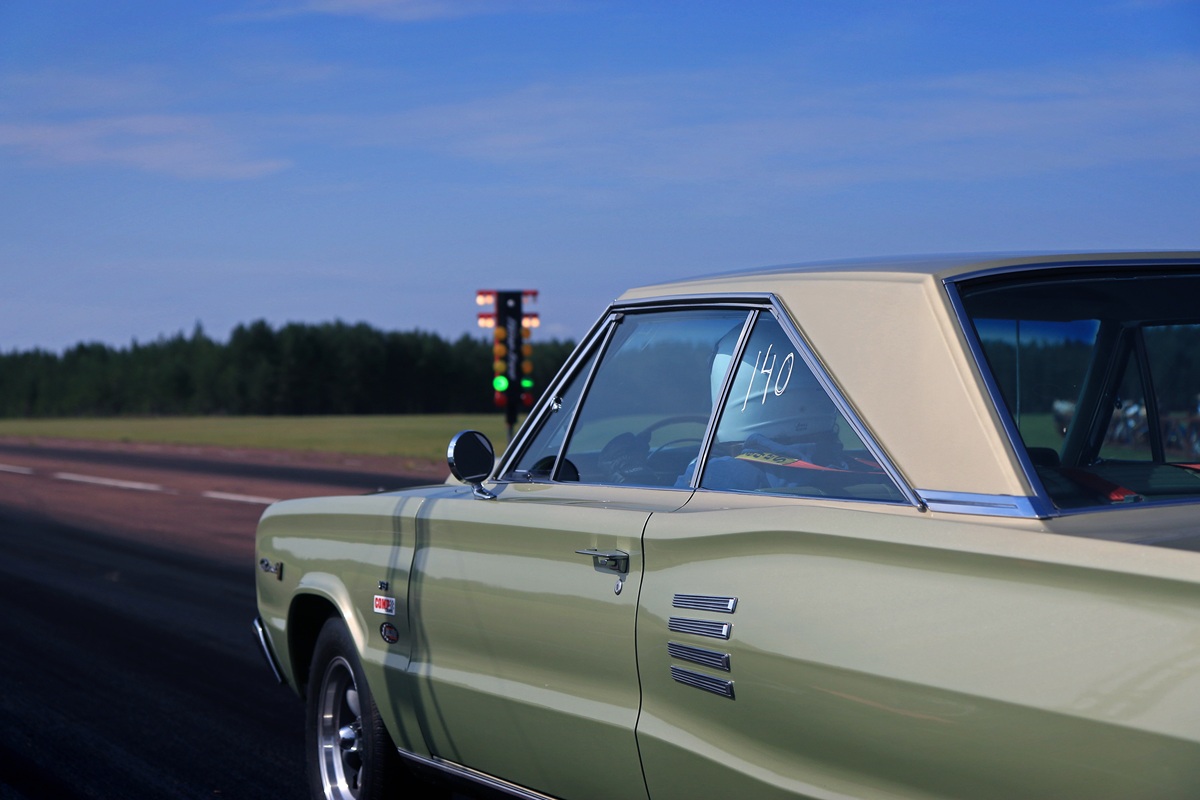
That upgrade shaved off another half-second. Then Eriksson made another discovery – what goes in must come out.
“I replaced the old 2½-inch system with a 3-inch exhaust from start to finish – a Biltema kit, Sweden’s answer to O’Reilly Auto Parts – and added an X-pipe. That gained me another half-second. Suddenly, the car was running elevens on the quarter-mile. It’s something others might think about – an exhaust that works for 300-400 horses won’t cut it once you’re at 600. The Coronet sounds pretty funny with the X-pipe, kind of like a Ferrari. Personally, I think it sounds awful. But I can’t complain – it runs better with it,” he laughs.
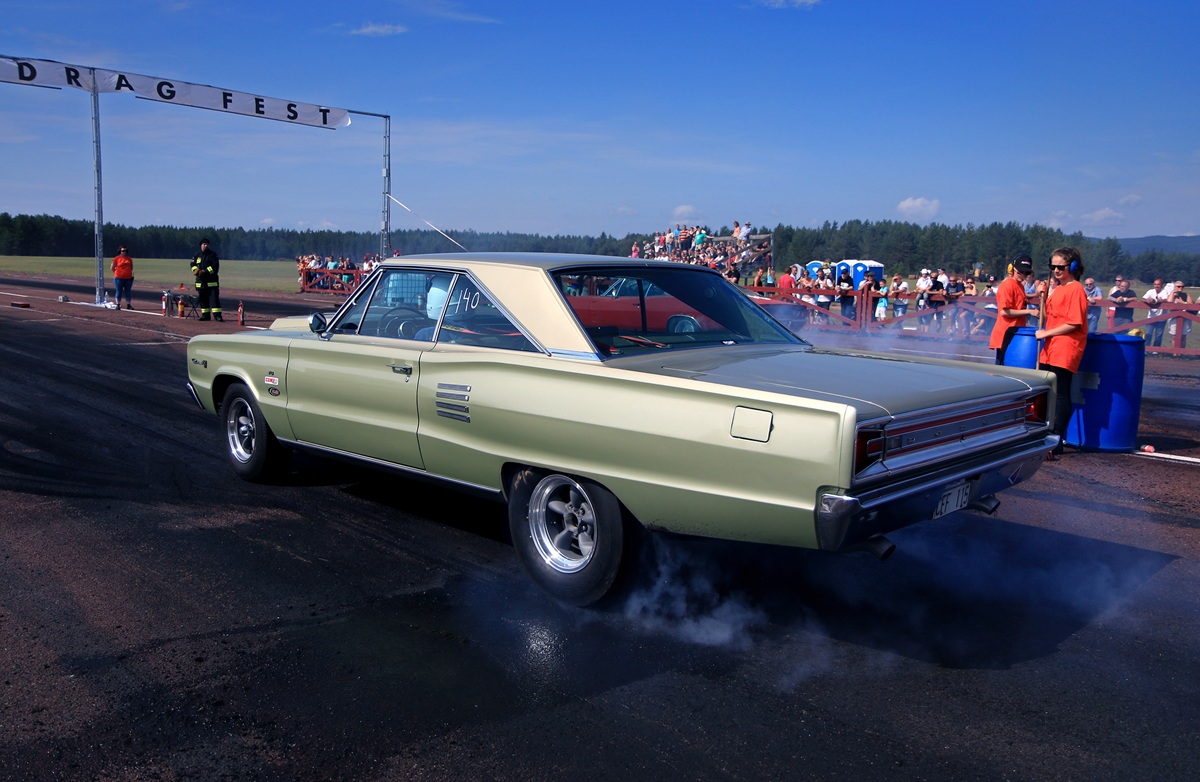
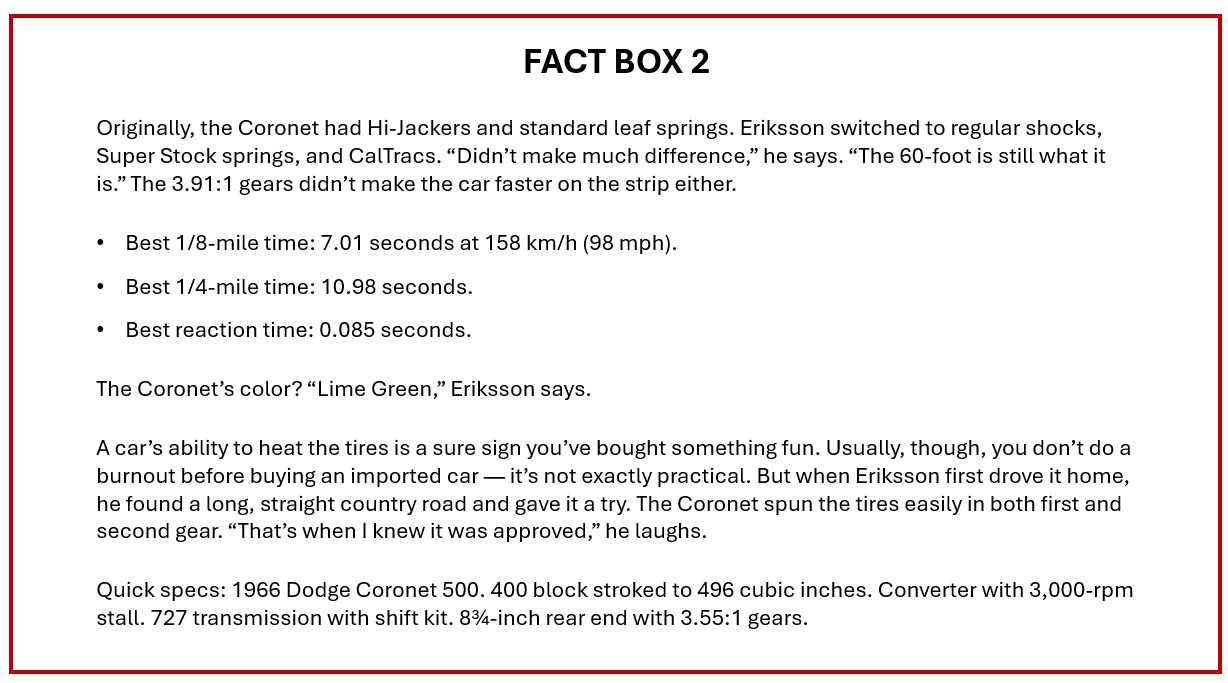
Indeed, the Dodge has run a best of 10.98 seconds on the quarter-mile, normally hovering in the low elevens.
“In terms of performance, it’s maybe not that fast. You’ve got time to bird-watch or text during a pass,” he jokes. “But after all, it’s just a street cruiser.”
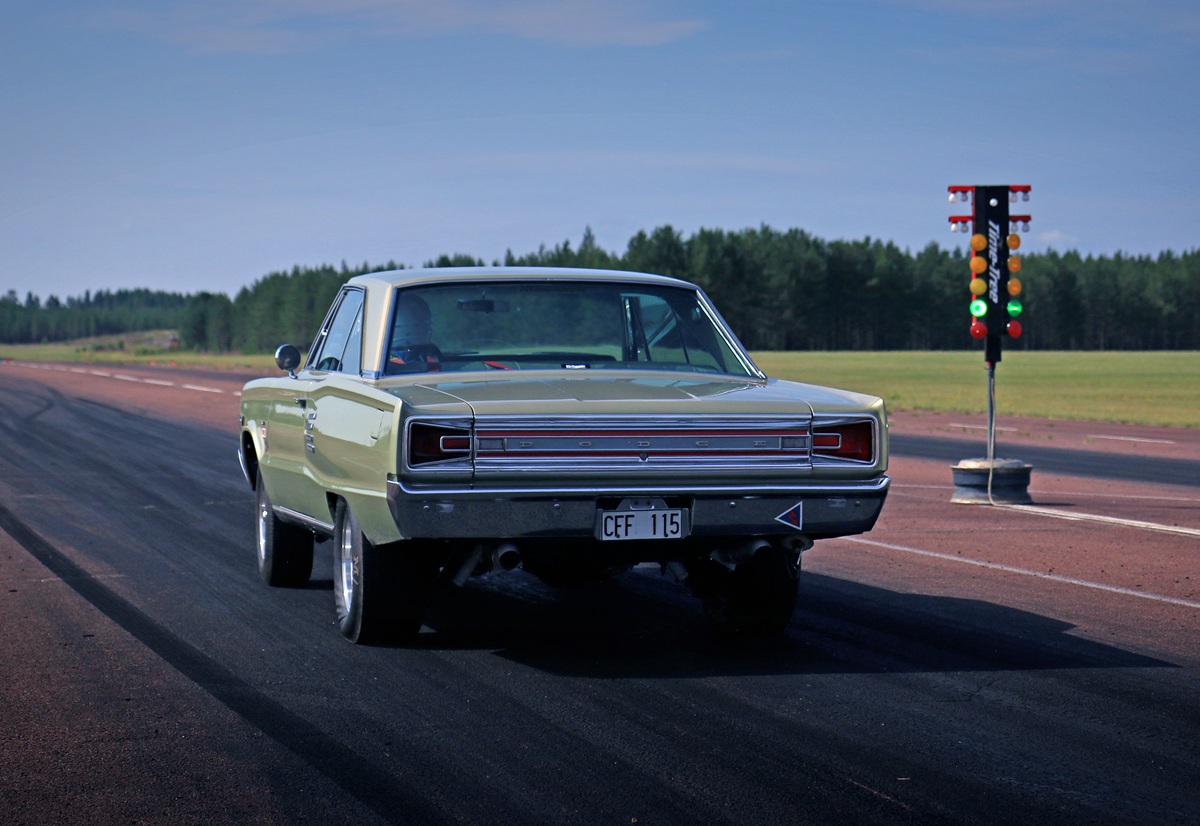
As Eriksson mentions, the Coronet came to Sweden already equipped with a 727 and an 8¾-inch rear axle. He hasn’t had much reason to mess with them – and he’s pleasantly surprised at how well the drivetrain has held together.
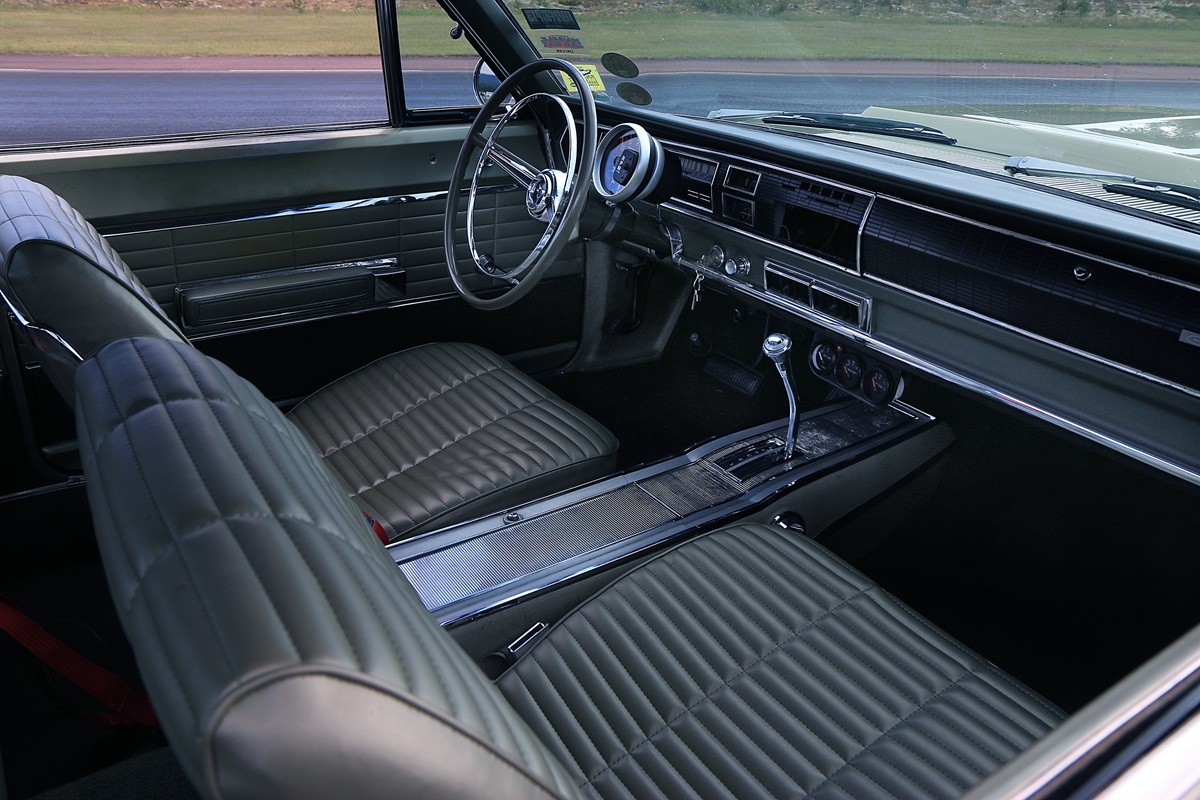
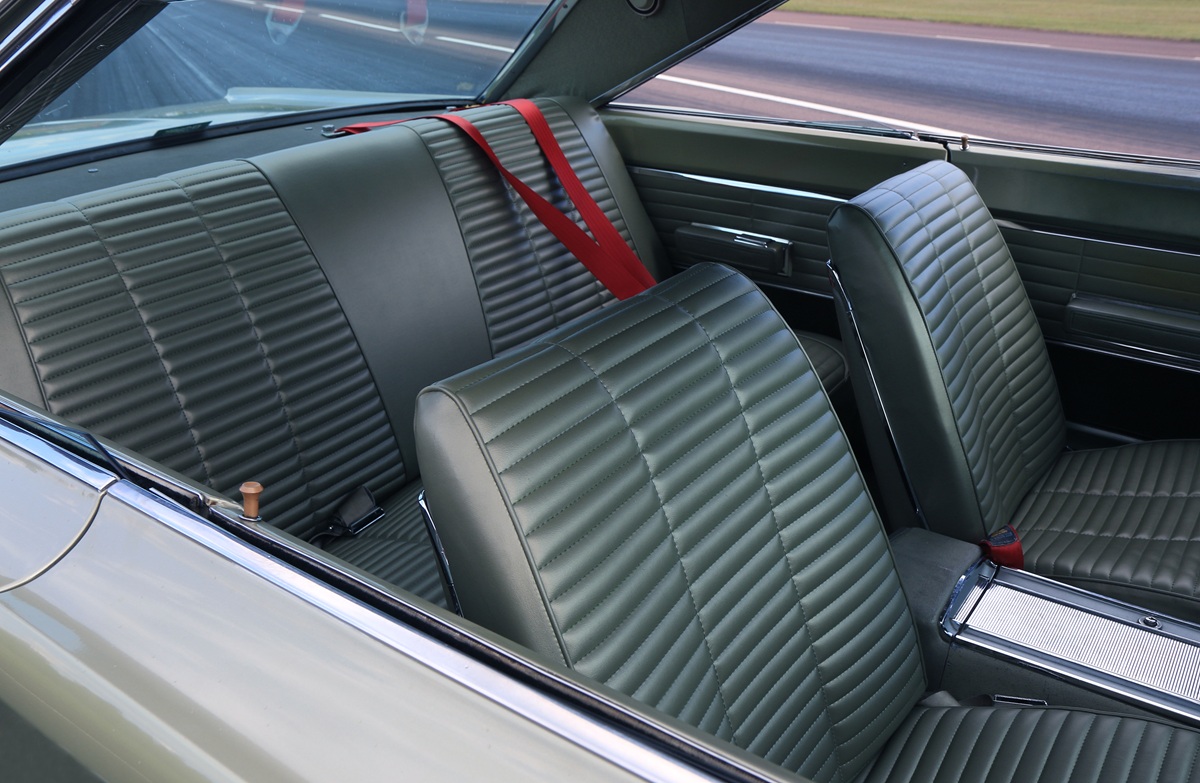
“Both the transmission and rear have taken quite a beating, but nothing’s broken. That’s nice. The only thing I’ve done is change the gearing. With 3.91:1, it was unbearable to drive. With 3.55:1, like it has now, I can cruise 90-100 km/h without any problem. As for the converter, I’m told it stalls at around 3,000 rpm. I don’t know much more – the engine has been my main focus,” Eriksson says, laughing.
He adds that many people run fancy parts – high-end converters, manual valve bodies and so on – but still don’t go that fast.
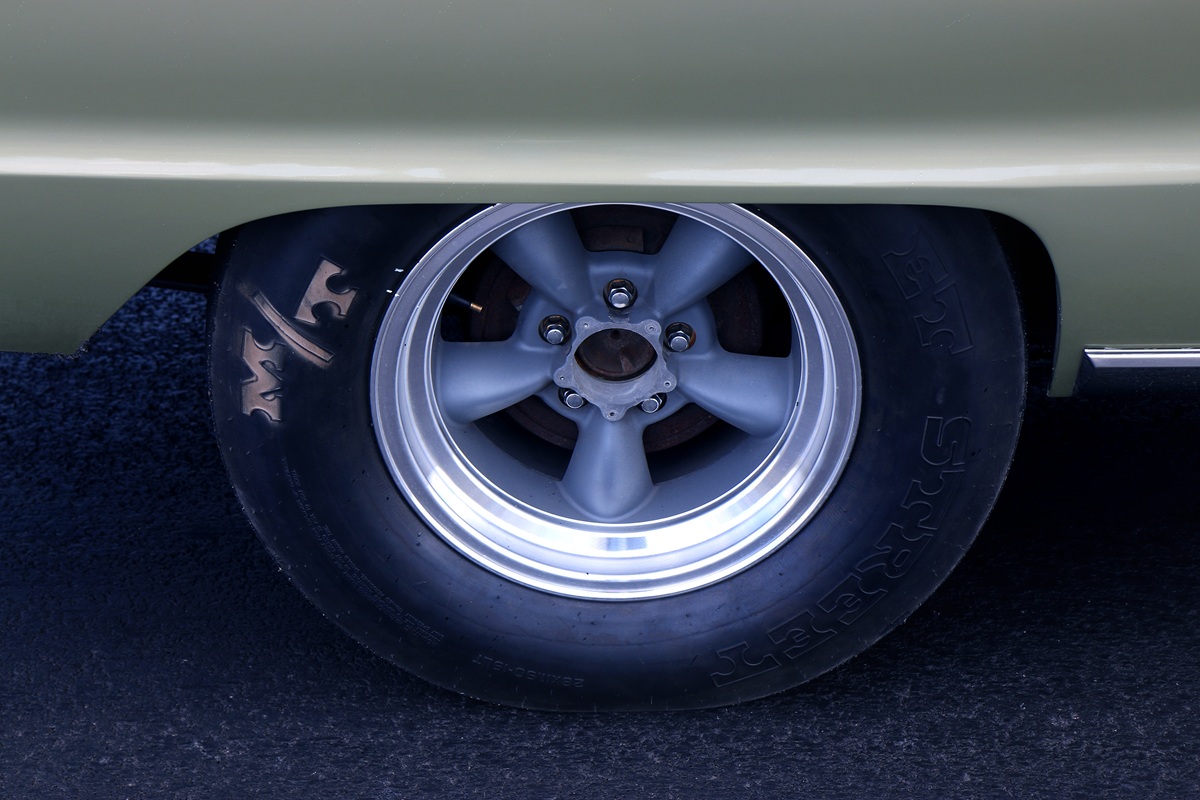
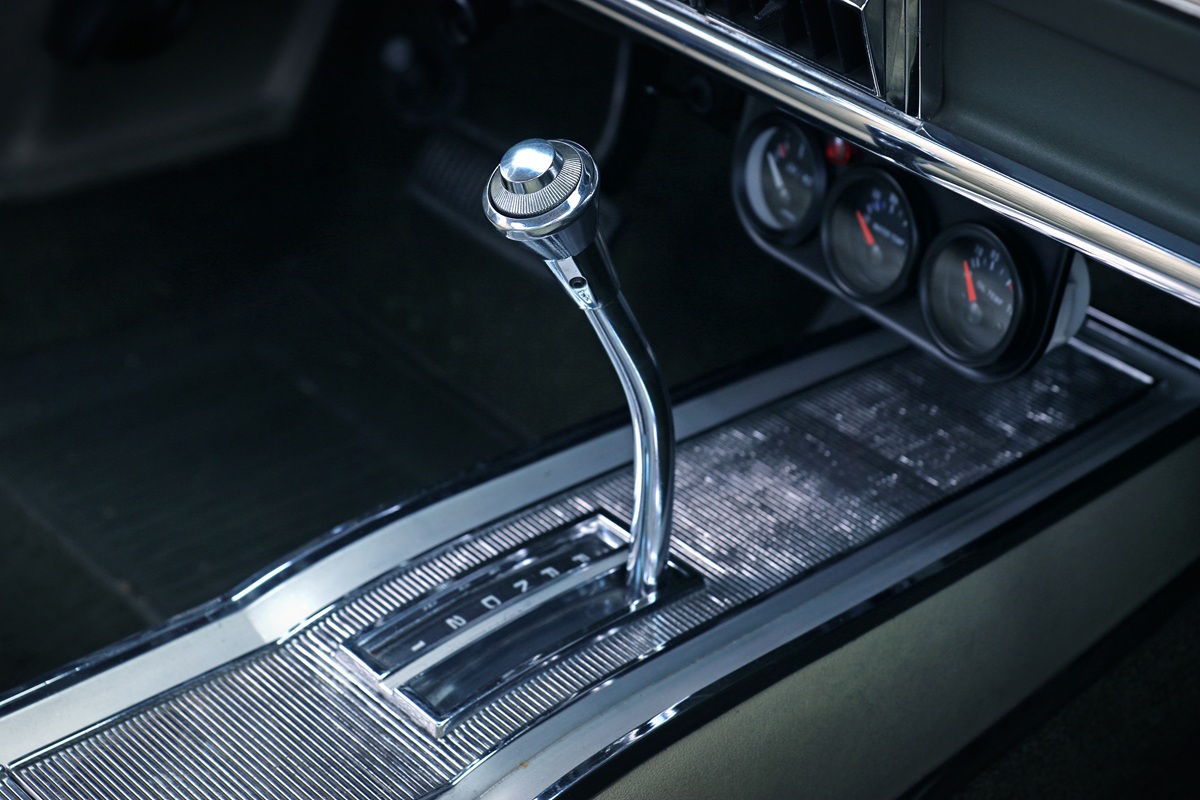
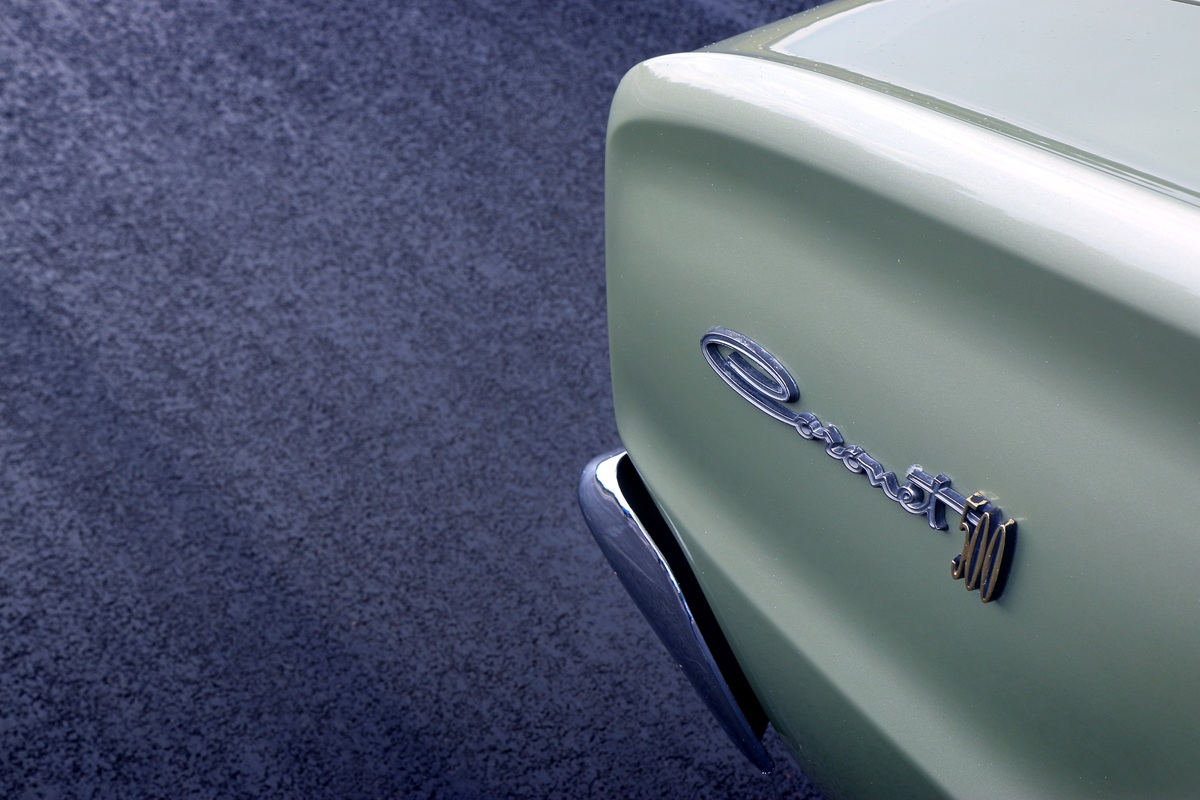
“Torque is the key,” he says. “That’s what makes things happen.”
And then there’s the matter of weight. Eriksson has spent some time lightening the Coronet – without changing its looks.
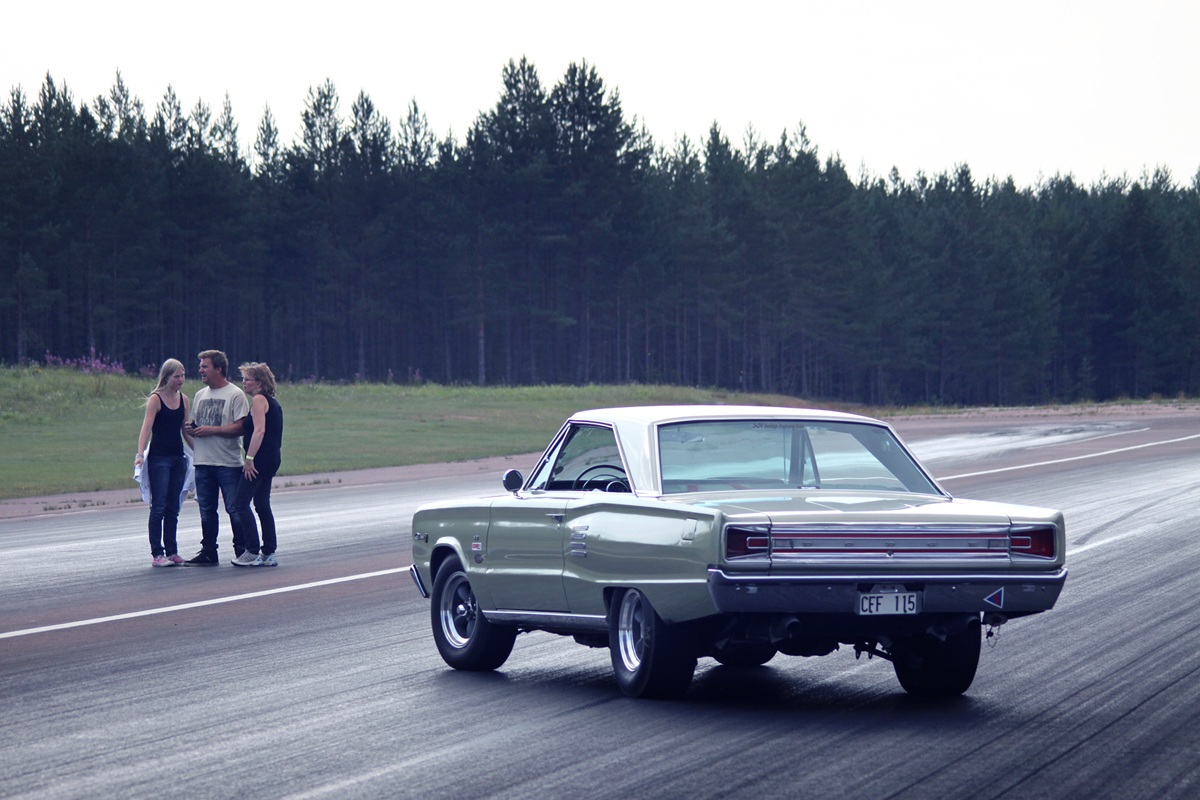
“It’s a little over 1,500 kilos (about 3,300 pounds) now. The heater didn’t work anyway, so that went first. I removed unused bumper mounts and swapped the power-steering box for a manual one. Parallel-parking? Nah, that’s fine. Catching a slide is harder,” he says with a grin.
We’ll get back to that sliding part. For now, I ask if he’s done anything else to cut weight.
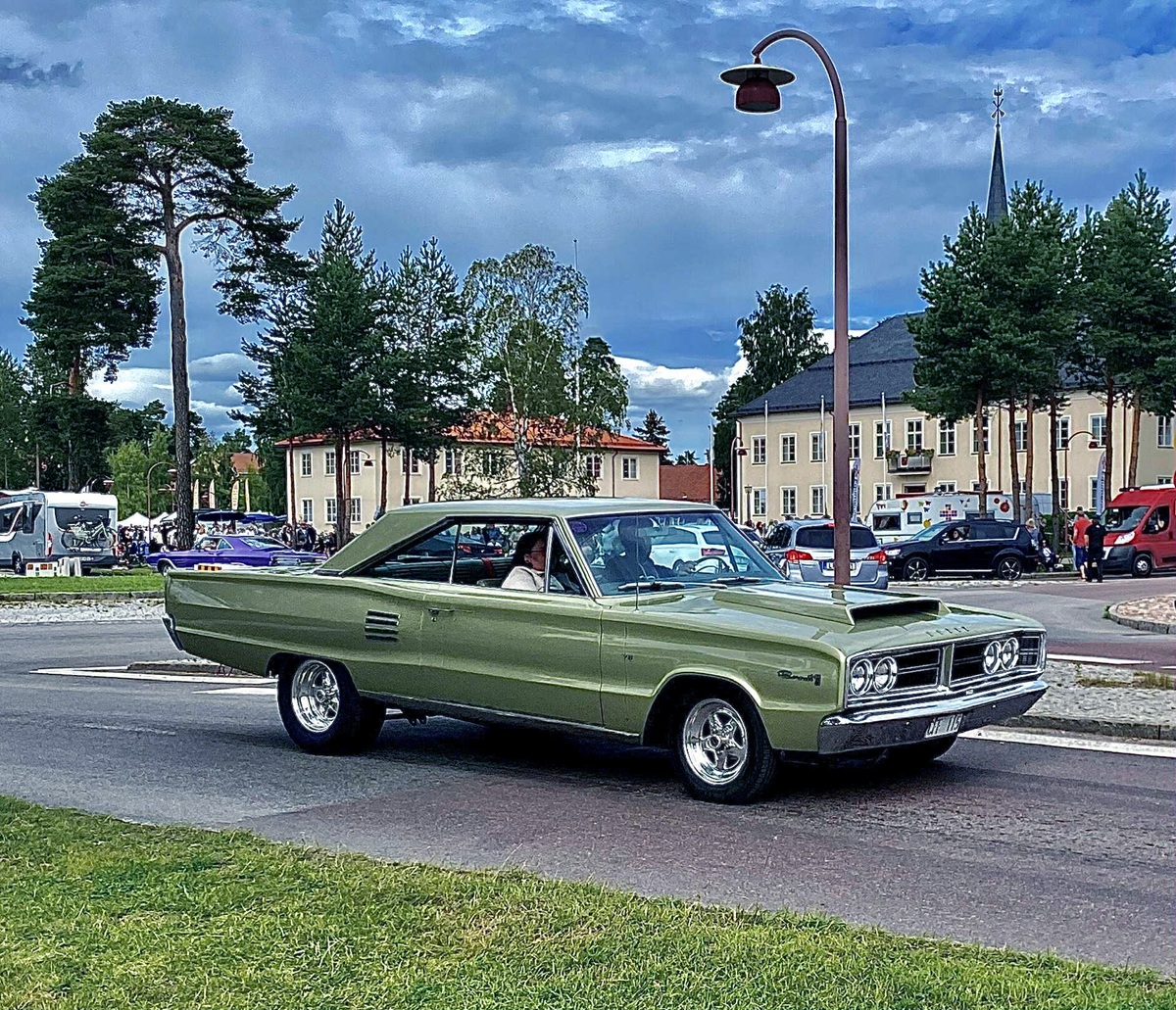
“Oh yeah. I scraped undercoating until I was ready to lose my mind. Not a fun job, but with every kilo gone came a better feeling. I probably removed about 15 kilos,” he says.
As mentioned, Eriksson wants to keep the Coronet’s stock appearance. That’s why he’s conflicted now that the car is dipping into the high tens.
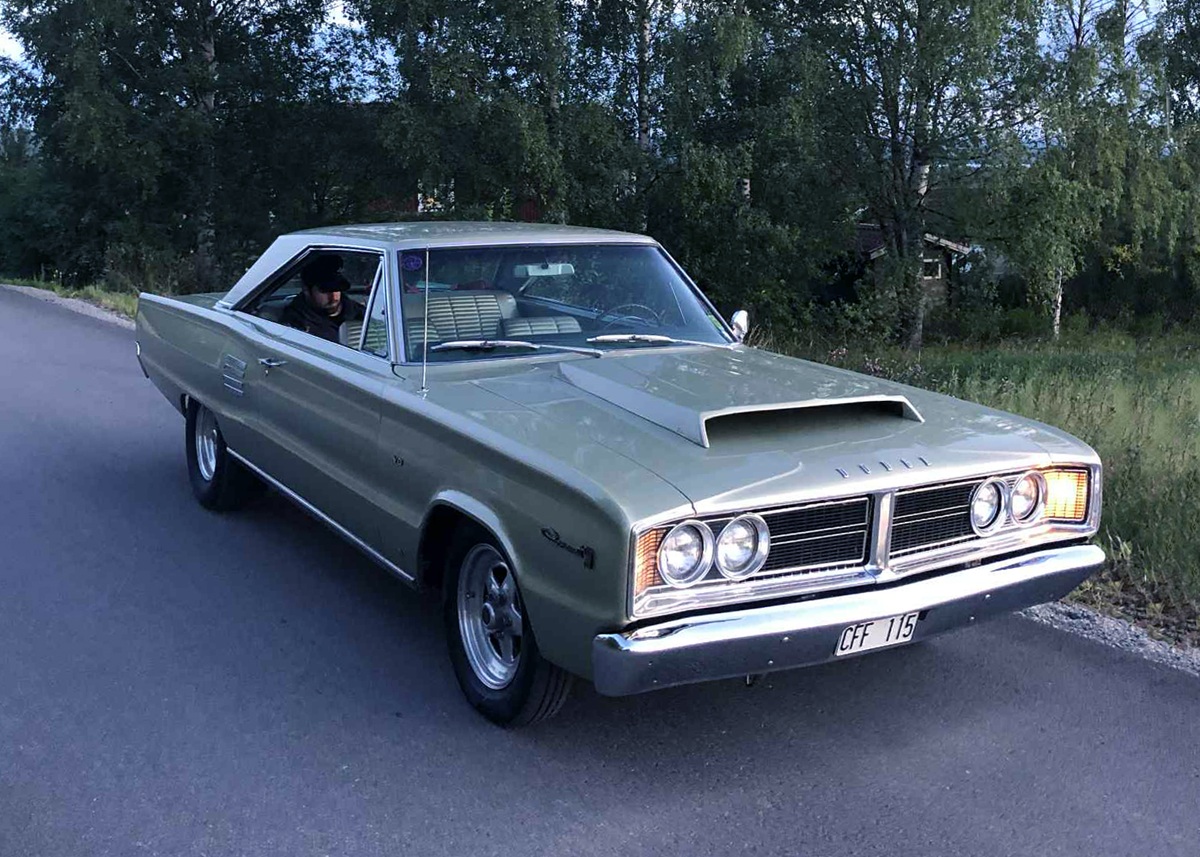
“It still looks pretty original and a little grandpa-ish, so it’s fun that it runs this well. The car’s kind of an underdog compared to the ’68-’70 Coronets,” Eriksson says.
But there’s a catch – once you go under 11 seconds, drag-racing regulations require a roll cage. And Eriksson isn’t too sure about that. He loves the stock, unassuming look; it’s part of what gives the car its personality.
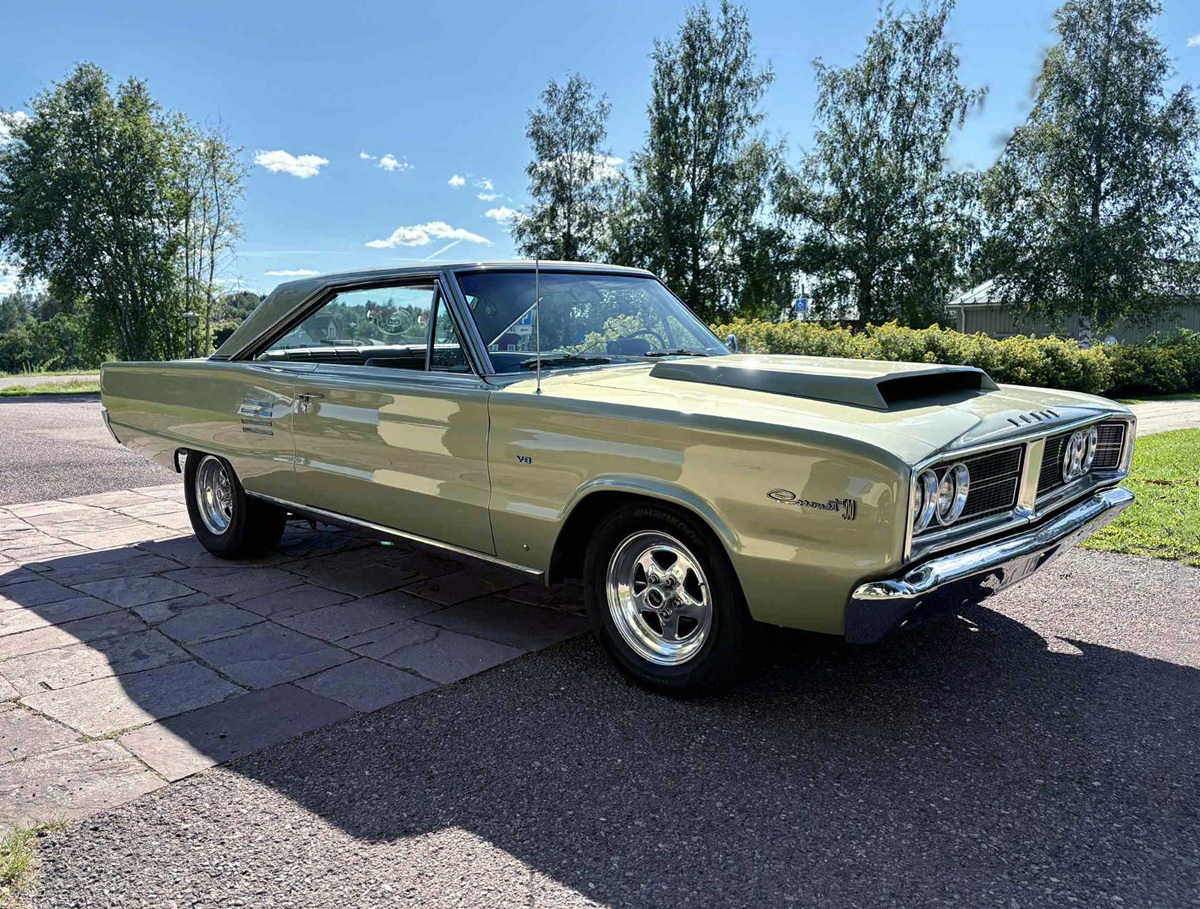
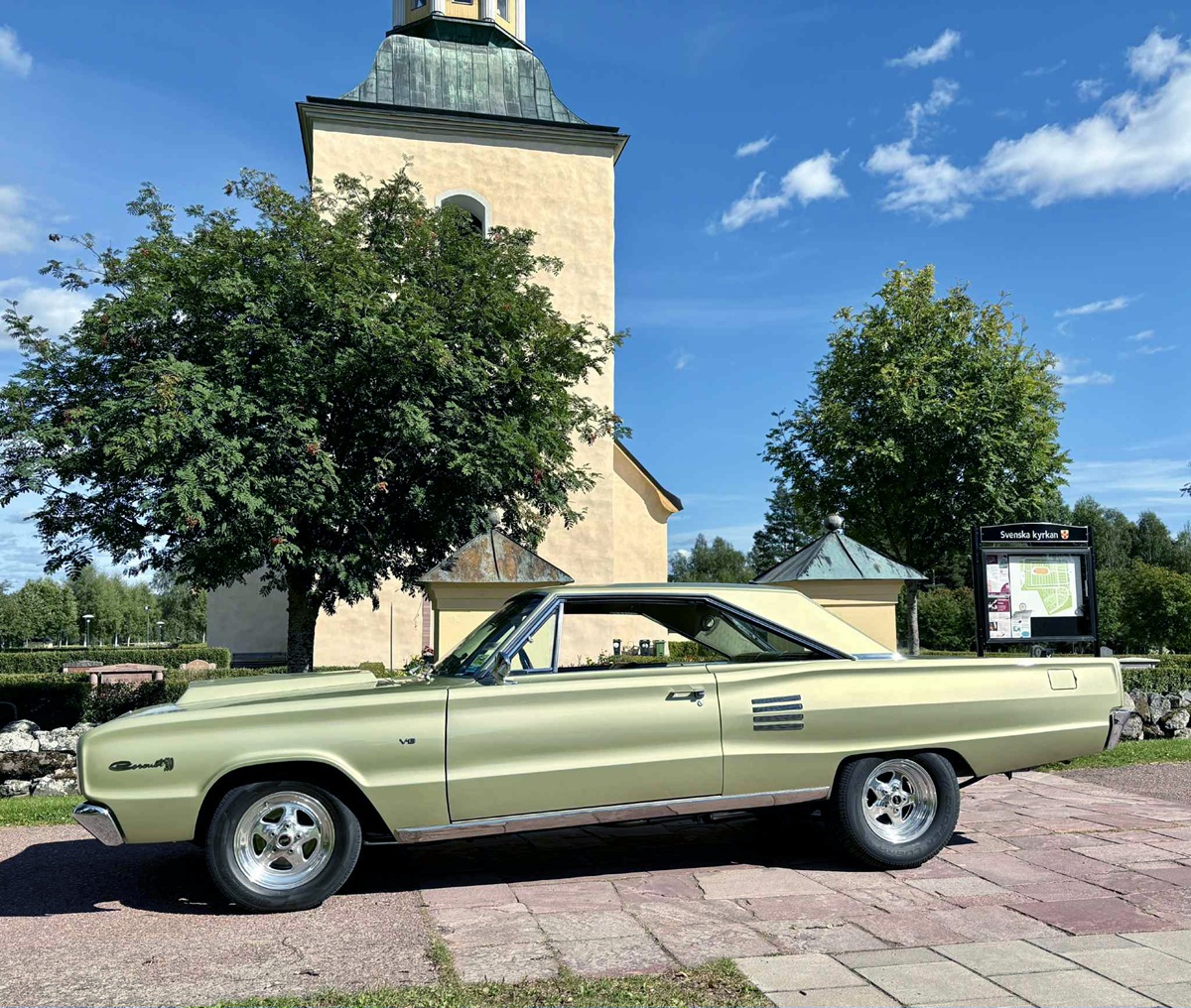
“First-world problems, right?” he laughs.
Of course, a cage can be nice to have – especially when things go wrong. And they did. Just weeks after this photo shoot, the Coronet met concrete.
“My partner Carina Karlsson and I share the car. We were going to race it at Motorveckan in Älvdalen this summer. Unlike Tierp, the surface there isn’t prepped – traction’s poor. We kept lowering tire pressure to get grip. Then it was race time, and Carina was driving. Things happened fast – she got into a slide and hit the concrete barriers after the strip. It’s not easy to catch a slide without power steering, and stuff like that just happens when you race,” Eriksson says.
The Coronet took a heavy hit – a front fender and the radiator were totaled, and the control arms, steering box, one header and rear quarter were all damaged. When the car was lifted off the track, the oil pan got crushed, too.
“The forklift ran the forks straight through the pan,” he says. “So the engine’s out now for inspection, and I’m waiting for a new front fender from the U.S. It’s been tricky to find one, but after checking eBay three times a day, I finally did. The car’s been repainted too. Hopefully I’ll have it ready by summer.”
Eriksson’s love for American cars has always been there, but it really took off in the late 1970s thanks to all the car magazines he read back then.
“Even a Golf GTI was considered a killer back then. I met a guy who had a Mach 1, and I asked if my GTI could outrun his Mustang. He didn’t say a word – he just laughed. And that’s how it started,” Eriksson says with a grin.
His first serious car was a tuned 1969 Dodge Dart that ran well – until a friend drove it without a reverse-lockout and destroyed it. After that came a 1972 Camaro SS with a 396, which ran strong for its day.
Back to the Coronet – cage or not, that’s the question. From a safety standpoint, a cage is no bad idea.
“Maybe I can install it discreetly. Like I said, when you get into a serious slide, it’s not easy to catch it without power steering. So maybe a cage isn’t the only thing I need. My four-point harness is mounted to the rear shelf – with a flat bar underneath, but still. Sure, it’s not an eight-second car doing wheelies all day, but I actually managed to lift the front wheels at Tierp this summer,” Eriksson says proudly.
0 Comments