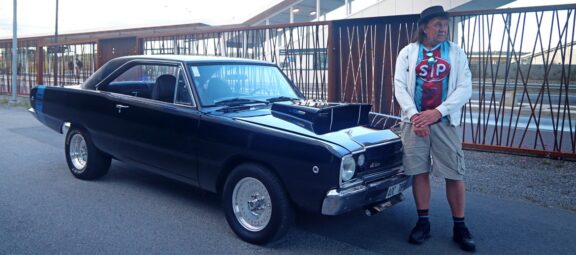
HEMI® Dart Replaces the HEMI ’Cudas
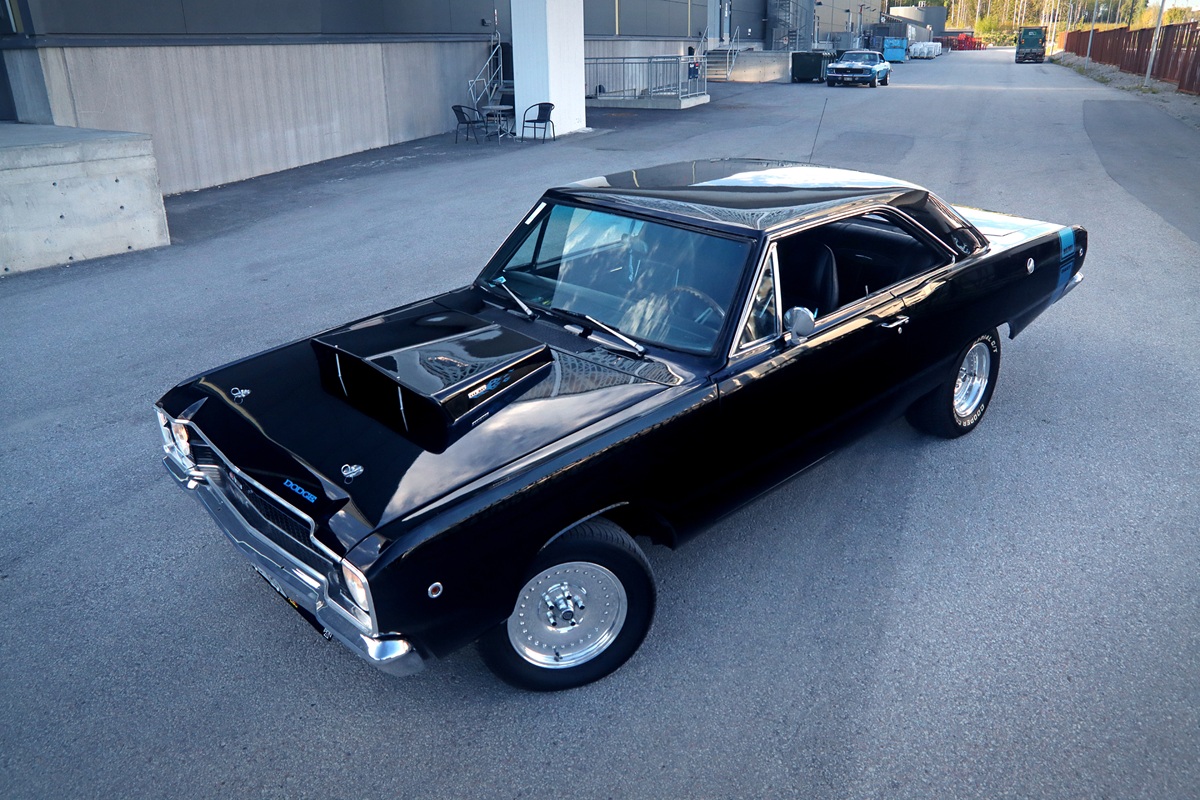
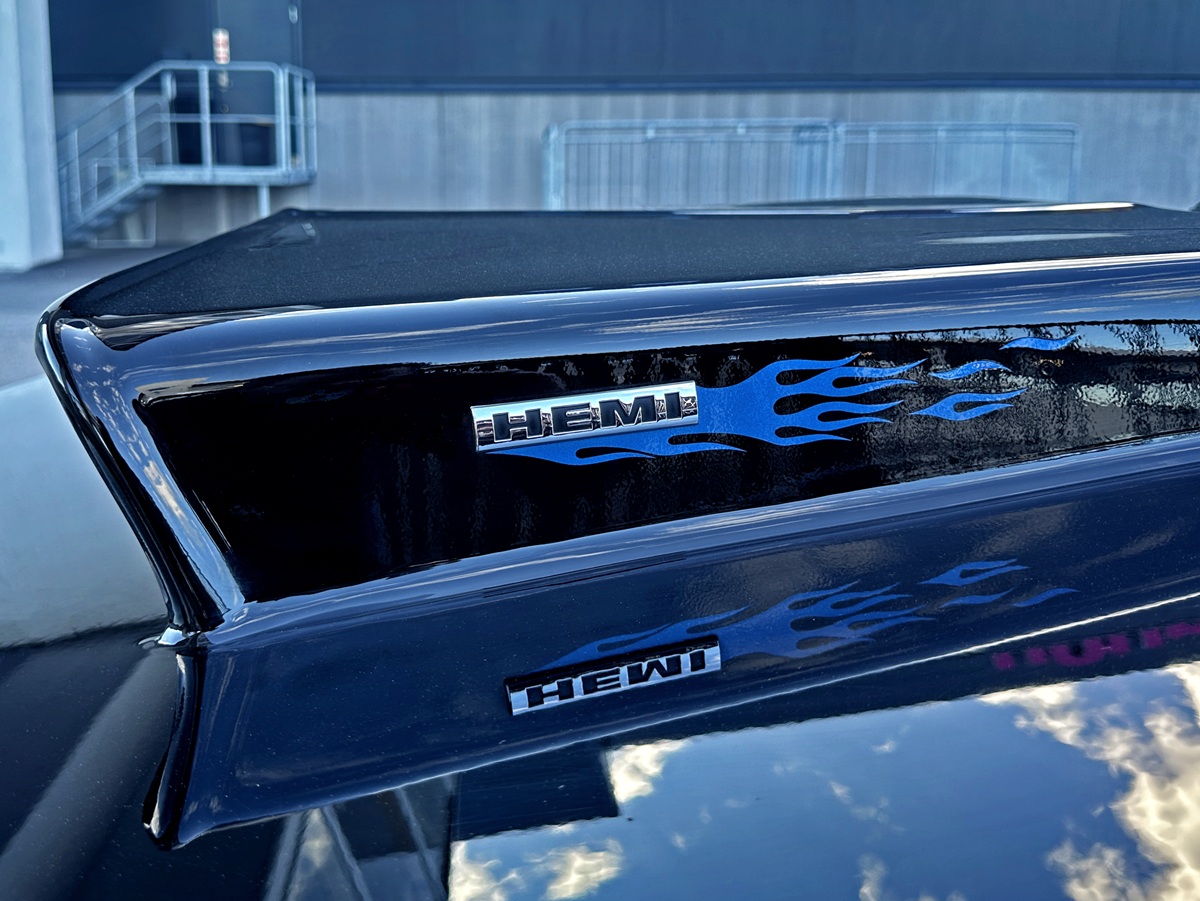
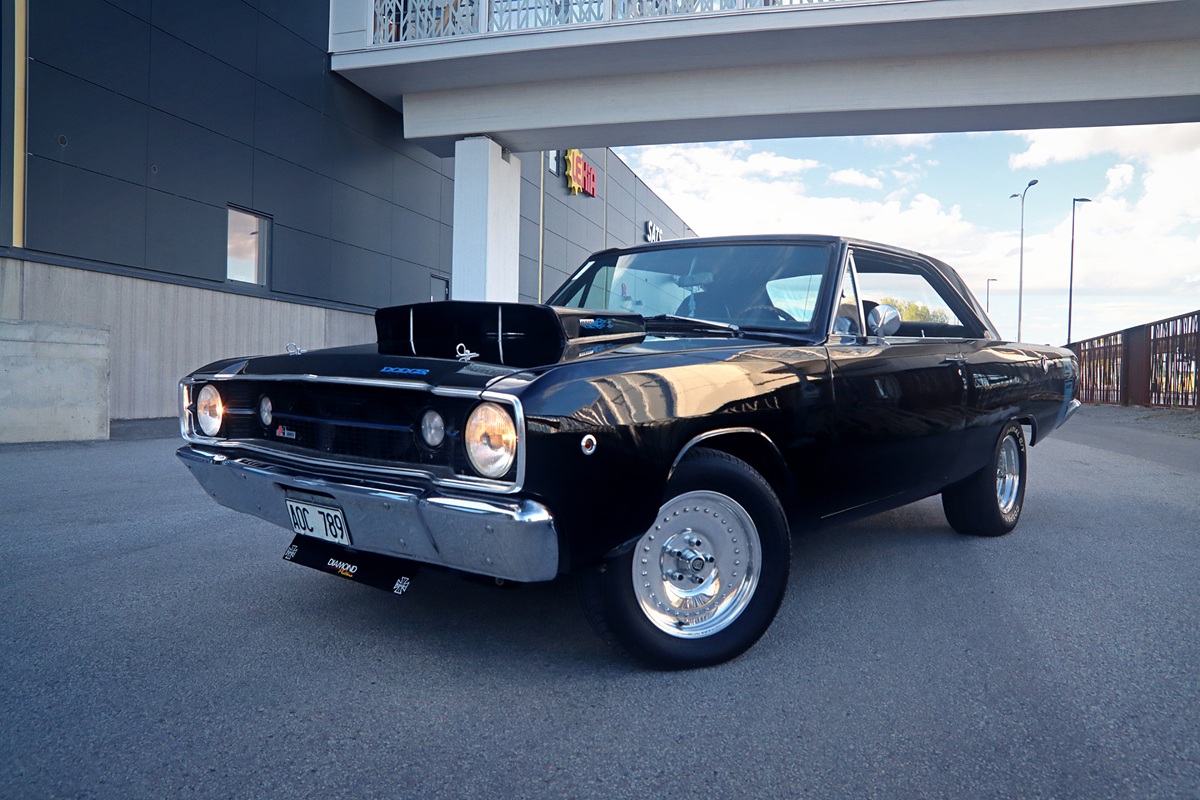
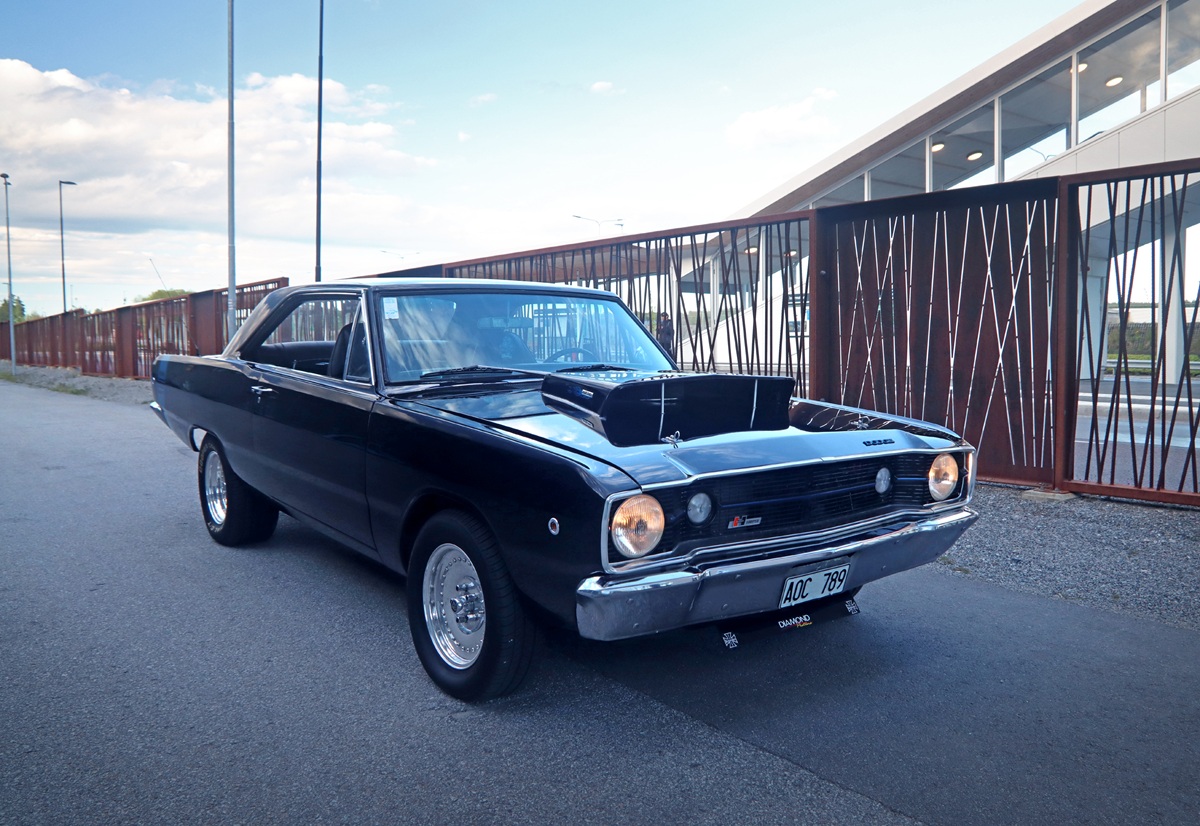
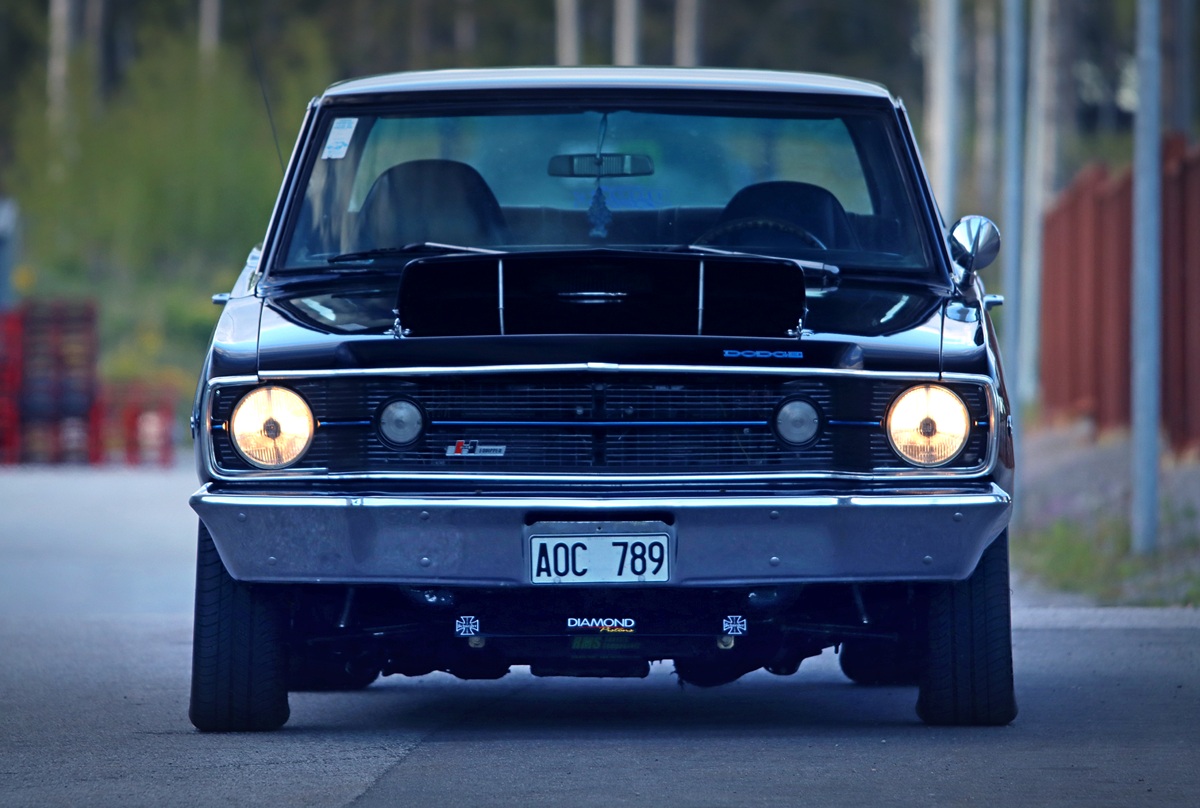
The dream was clear – and in the end, it wasn’t a HEMI® ’Cuda. Or even two. The HEMI ’Cudas that Ingemar Thelin once owned have long since been sold. The dream was a 1968 HEMI Dart. In the early 2000s, Thelin decided to make it a reality and bought a car to rebuild.
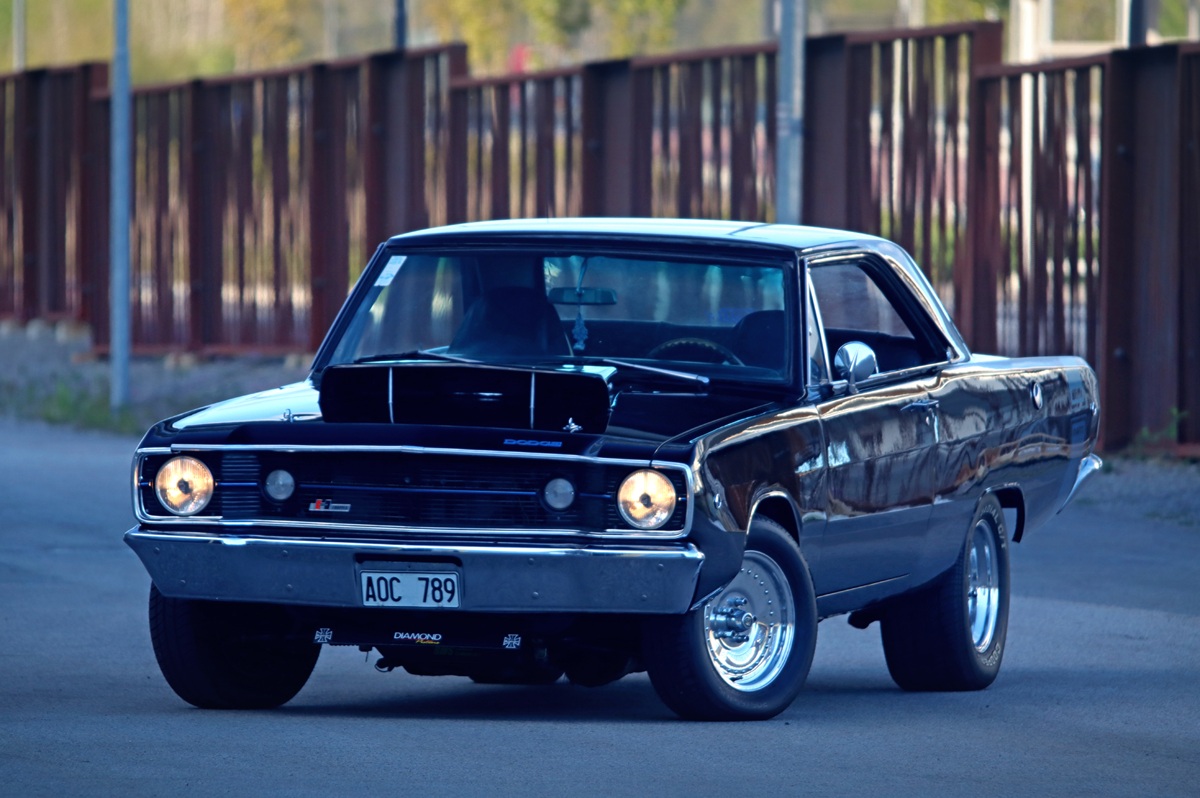
“Sure, I’ve owned both a Road Runner convertible and two HEMI ’Cudas,” Thelin says. “But I eventually got tired of them, and I’d always wanted a 1968 Dodge Dart with a HEMI. Back around the millennium, it was easy to find 1969 Darts – but not the previous model year.”
Eventually, he succeeded. He found a Swedish-sold 1968 Dart located near Mantorp – a town well known outside Sweden for its racetrack. Thelin recalls paying 50,000 kronor for the car in 2004, roughly $5,000 at the time.
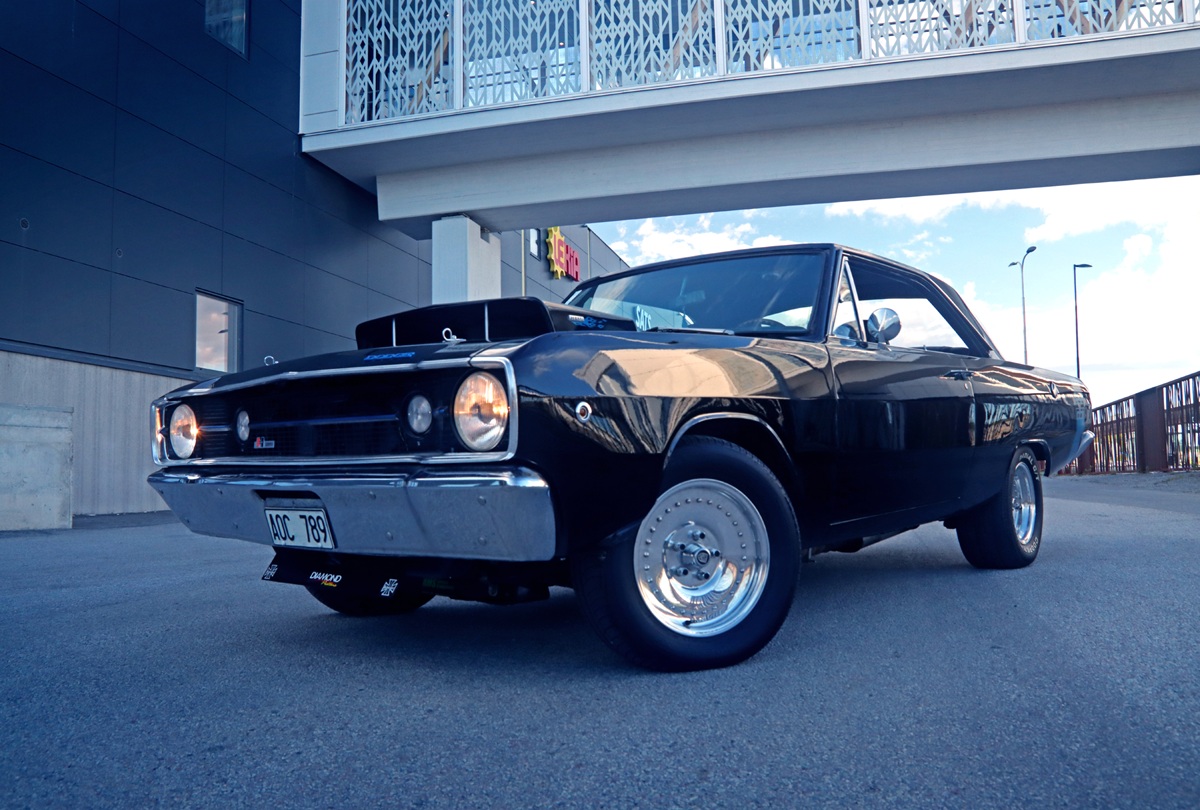
“It was roadworthy and inspected. The Dart still had its original 340 engine, a 727 transmission and an 8¾-inch rear axle. I don’t know much about its life in Sweden, but Erik Slatte, the guy I bought it from, didn’t own it long. It was assembled in the Netherlands and doesn’t have an American VIN, just a short numeric ID. What I do remember is that it was freezing when I drove it home to Sollentuna, north of Stockholm – it was midwinter when I bought it,” Thelin says.
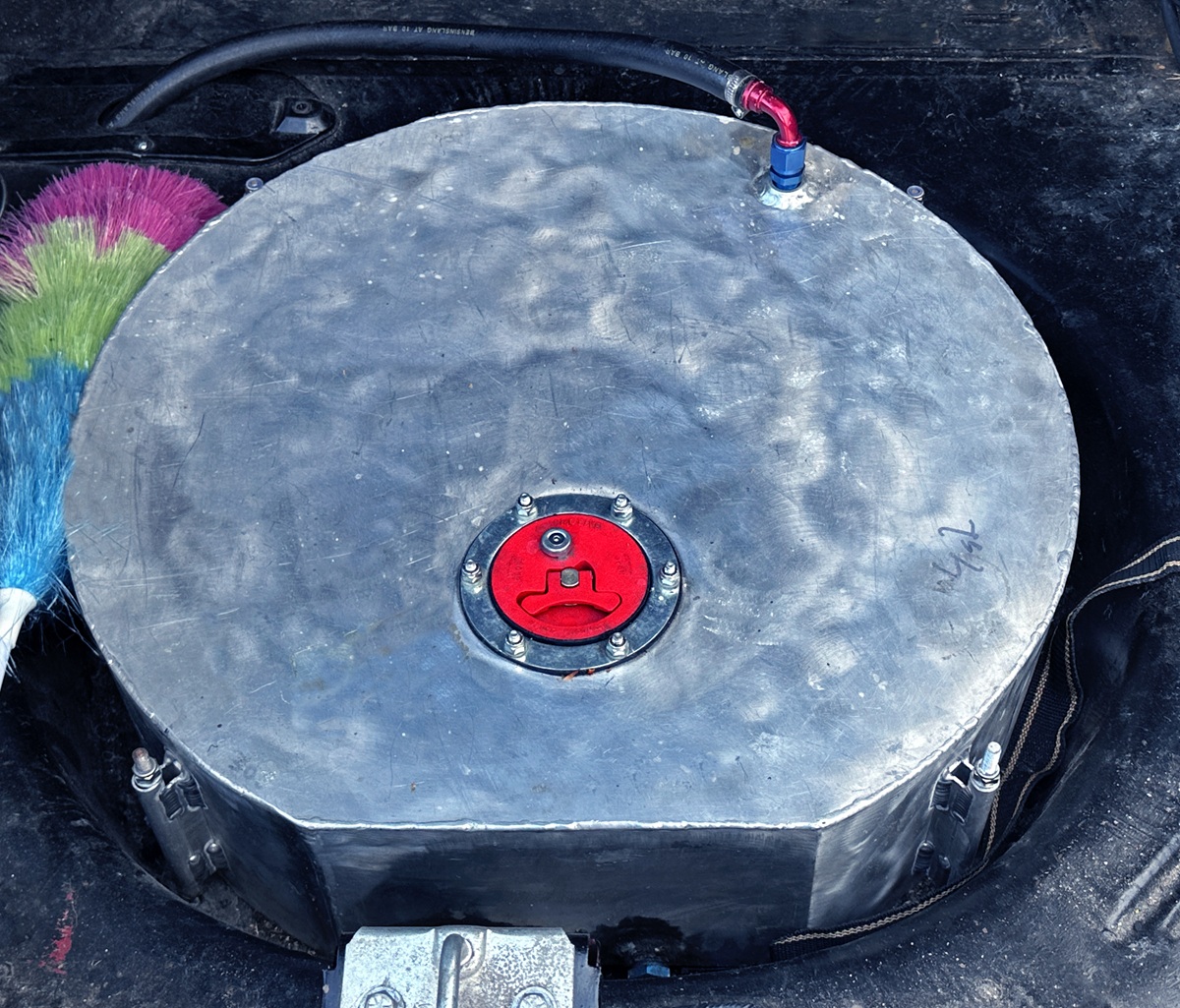
Once home, he stripped the car completely – and sold off everything. Engine, transmission, driveshaft, front and rear suspension, fuel tank, rear axle – the lot. Why? Because he had already invested in the most important part.
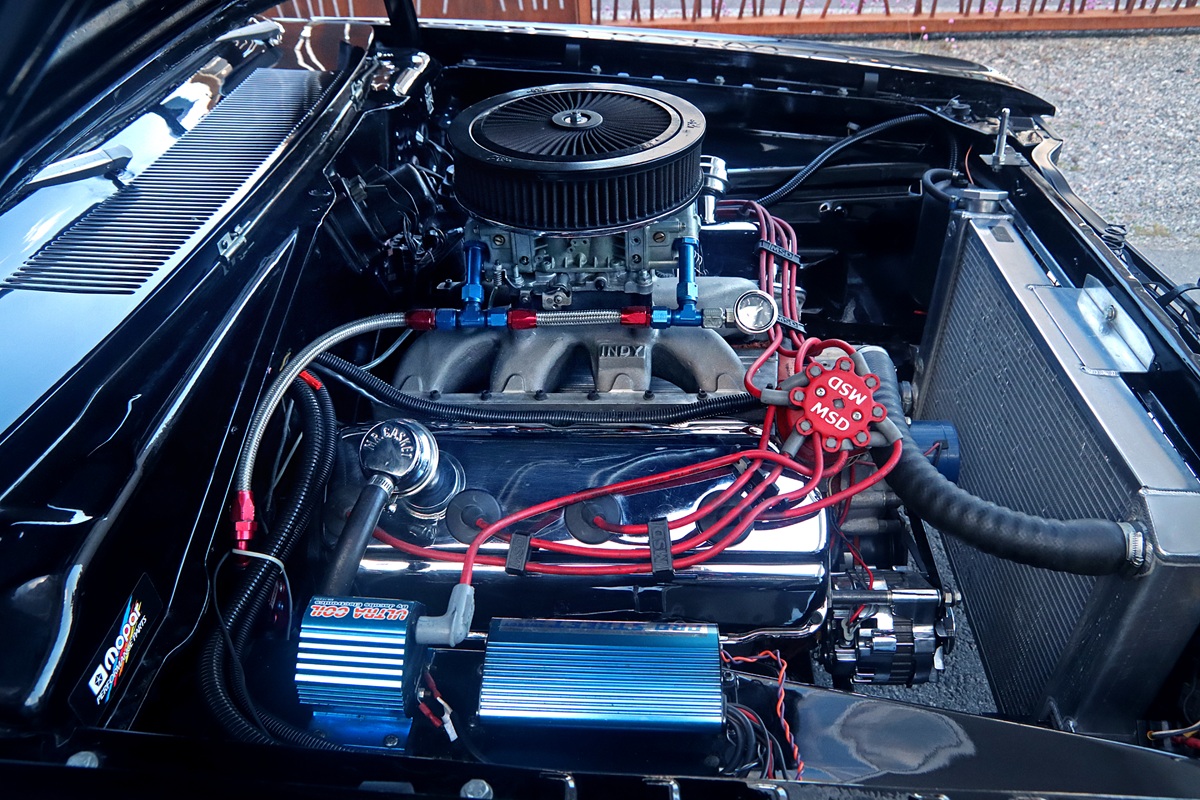
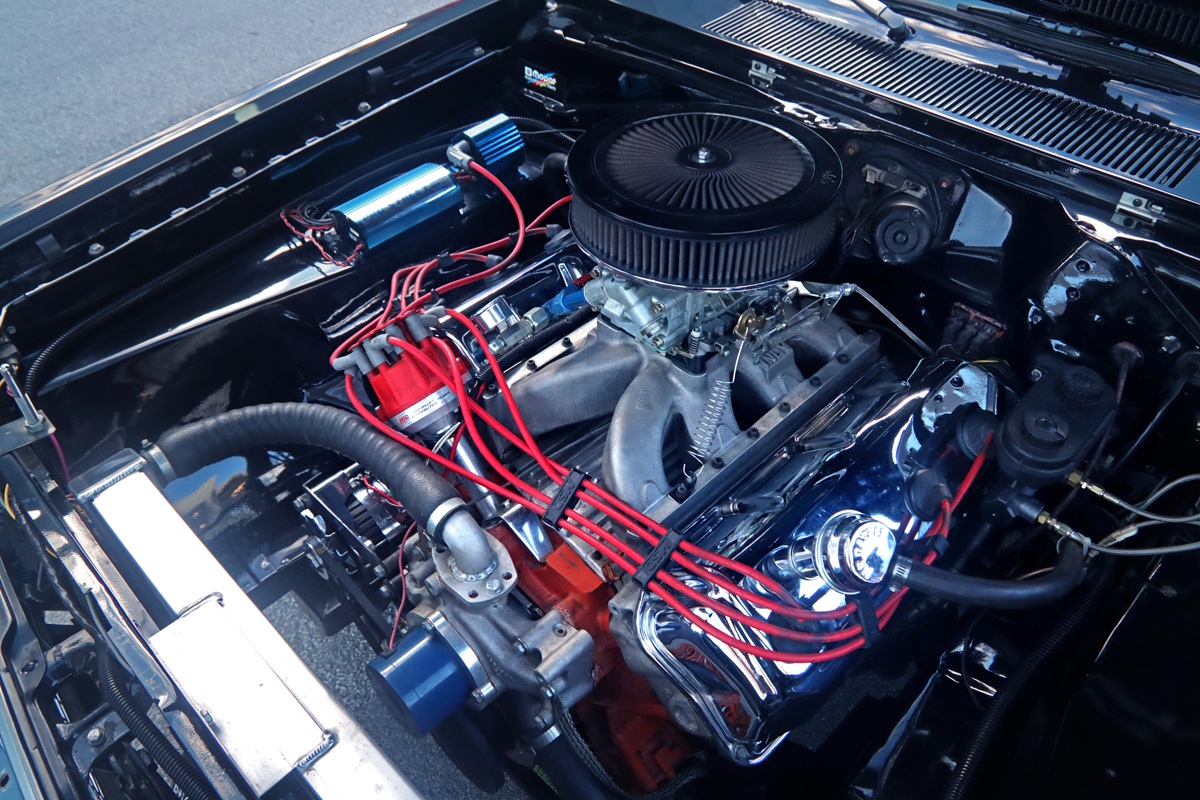
“I actually bought the HEMI before I even found the car,” he says. “The engine cost $12,000 – a 528-
cubic-inch V8 from a company called California Connection. It was complete except for the alternator and carburetor. Brand new, apart from the dyno session.”
True to form, Thelin started by taking apart the freshly built engine – and it’s a good thing he did. Arrow Racing, the builder, had dented the oil tube between the pump and pickup to clear the No. 1 connecting rod.
Not the smartest way to restrict a HEMI’s oil flow – especially at high rpm over long periods. In fact, a really bad one.
“That’s what happens with a stroker crank,” he says. “Good thing I caught it. I replaced the oil lines and bought new Manley connecting rods with proper clearance between the oil tube and the crank. I also got a new pickup and oil pan,” Thelin adds with a smile.
While he was at it, the refinement continued. He swapped to an Indy single-plane intake, port-matched the intake and heads, installed a new flat-tappet camshaft, mechanical lifters and Norris stainless roller rockers.
“The solid lifters are interesting,” he says. “They’re Shubeck composite lifters. Expensive, around $800, but you can reuse them if you swap cams. And if you remove them, you don’t have to worry about putting them back in the same lifter bores.”
And they clearly work. Thelin has driven roughly 15,000 kilometers (about 9,300 miles) since the HEMI Dart was completed – and has adjusted the lash exactly once, when he first assembled the engine.
“That idea that solid lifters need constant adjustment is nonsense,” he says. “If you’re doing that, you’ve probably done something wrong.”
When it came time to drop the engine into the bay, he quickly realized it wasn’t going to be easy. The 2¼-inch headers didn’t fit. The solution was a new AlterKtion front suspension from Reilly MotorSports (RMS) – and out went the torsion bars.
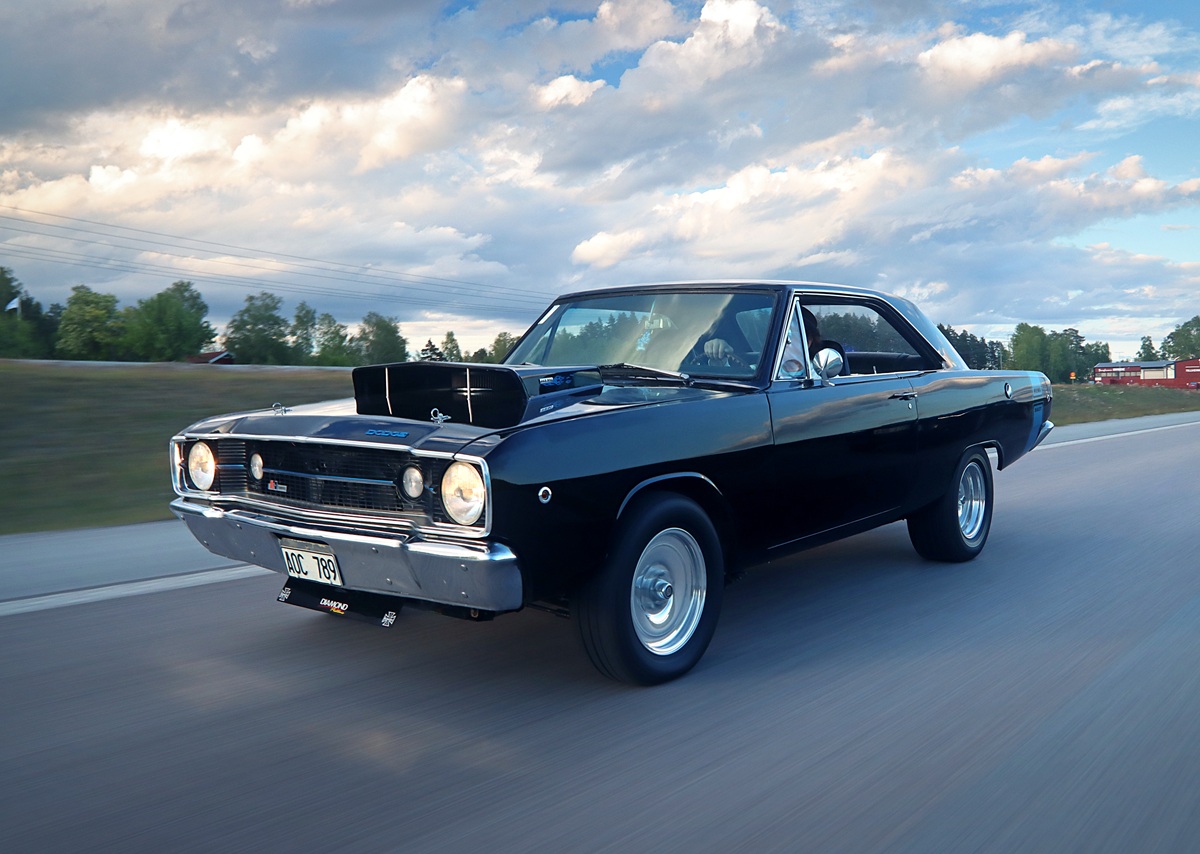
“The new setup is a complete K-member with rack-and-pinion steering and coilovers,” Thelin says. “Once it was in place, fitting the engine and headers was so much easier – almost like ‘just drop in the HEMI,’” he laughs. “But sure, there was still some work involved.”
He’s happy with the result. The front suspension works beautifully – and the rack-and-pinion steering, unlike the old steering box, means no more constant corrections behind the wheel.
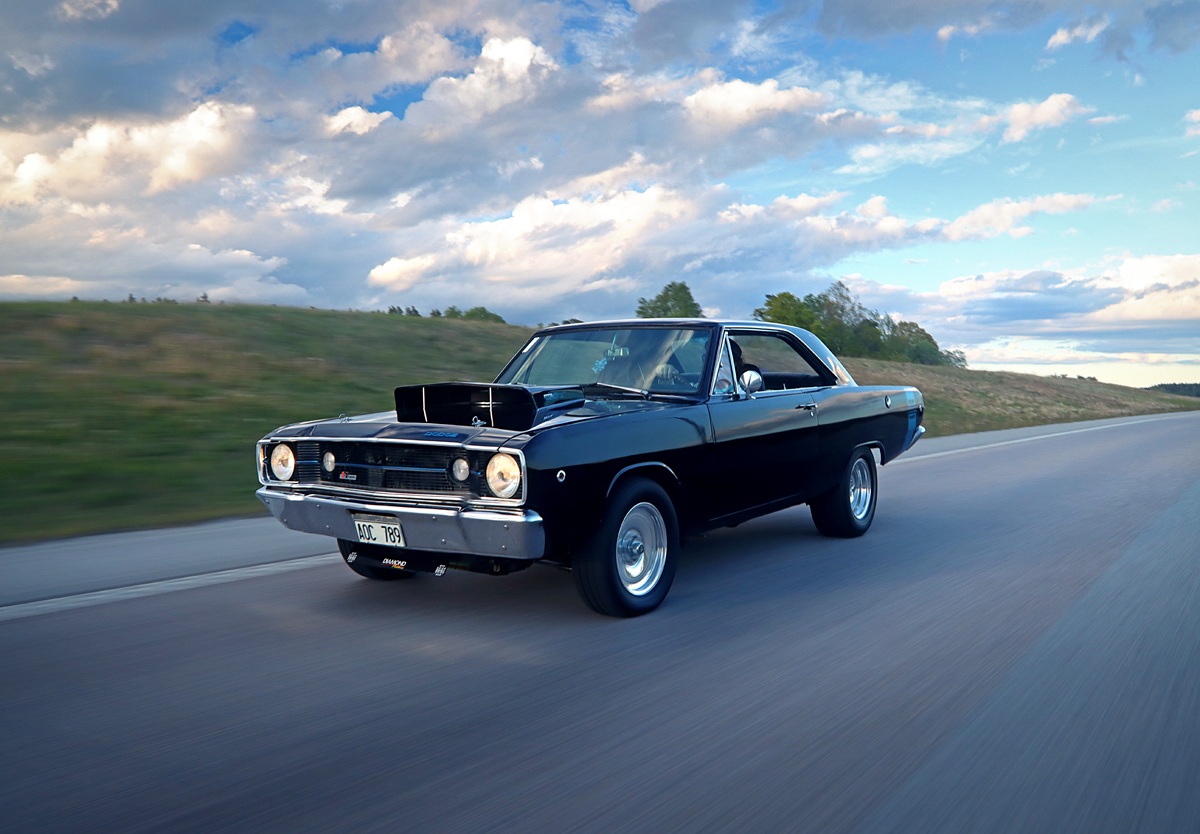
“With the adjustable coilovers, you can fine-tune a lot. I had a shop do a professional alignment, and now the Dart feels like a modern car. It doesn’t eat tires, and everything works as it should,” he says.
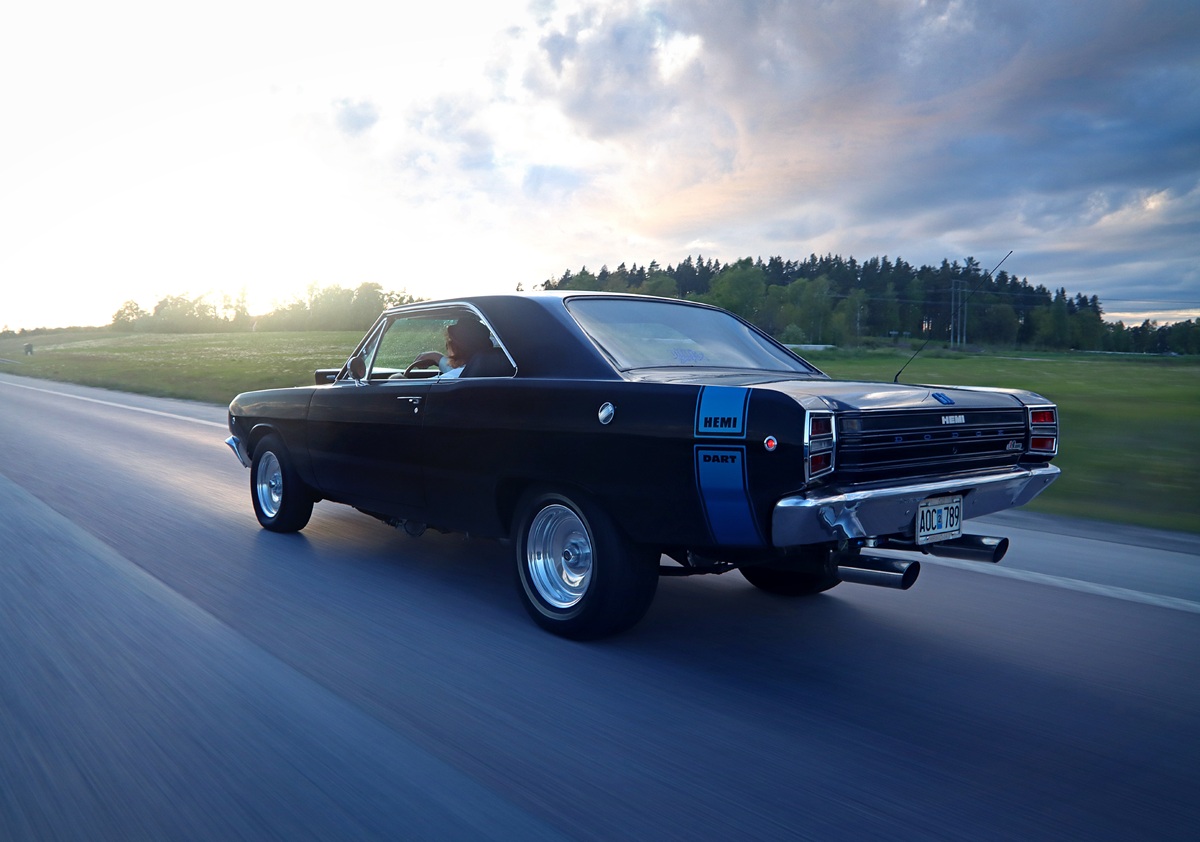
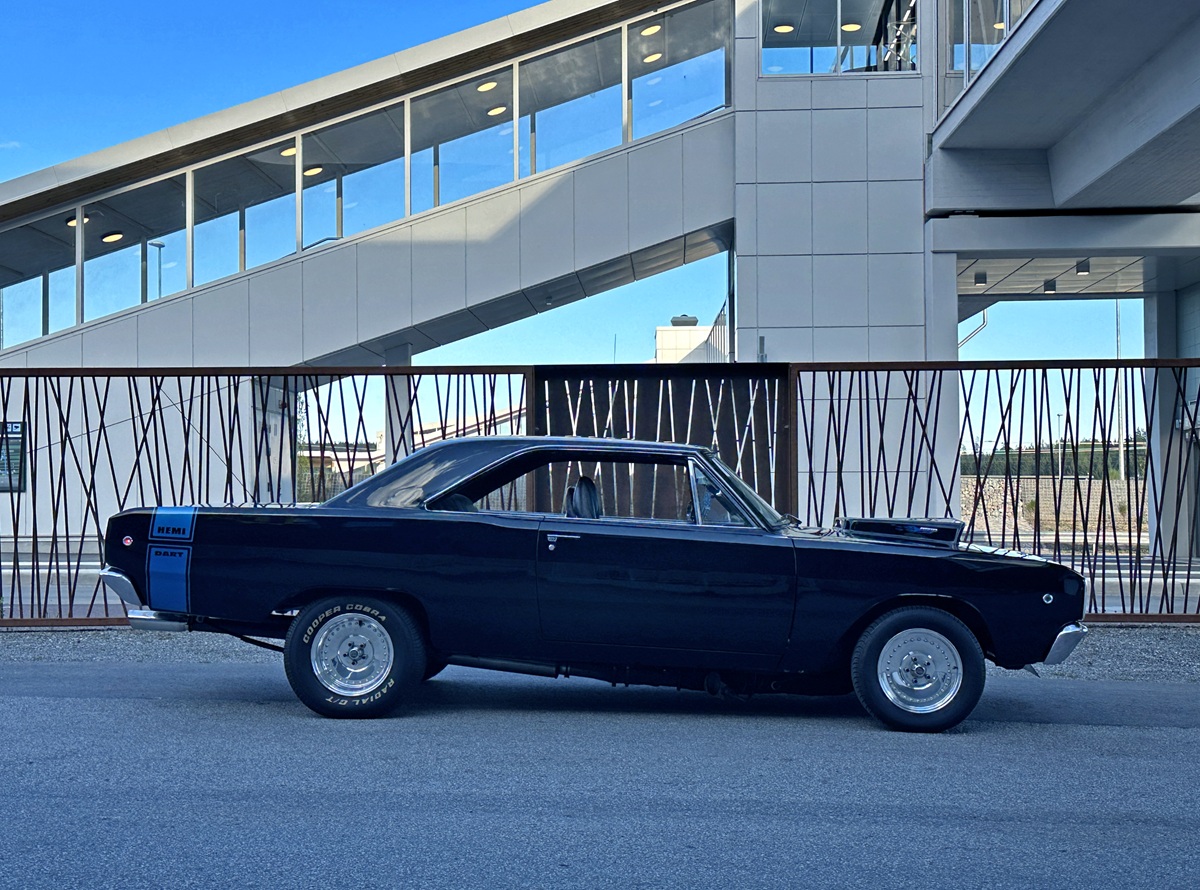
As previously mentioned, it’s not just the front end that’s been upgraded. Out back, the Dart now runs Super Stock leaf springs relocated into the frame rails for more tire clearance. The frame itself is reinforced with subframe connectors, improving rigidity and stability – especially under throttle.
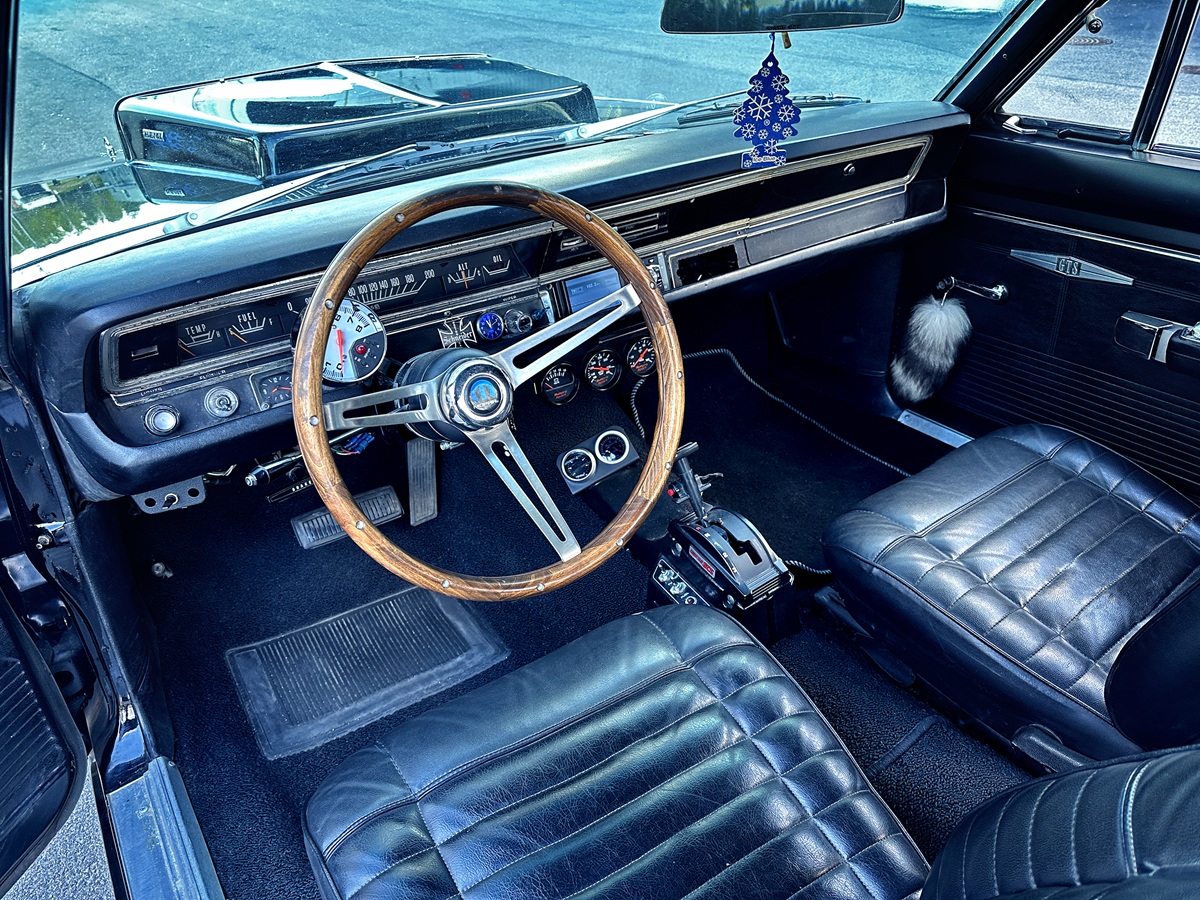
“I did my share of drag racing with my HEMI ’Cudas back in the day, so I’m done with that,” he says. “How the Super Stock springs behave? Well, it mostly spins when I hit the gas. I’d guess that if I had full traction and floored it, I’d probably twist the body. Better to let the tires scream than the sheet metal,” Thelin says with a grin.
Back to the HEMI engine and drivetrain. The V8 breathes through a Holley 950-cfm Double Pumper. There’s no windage tray in the oil pan, but there is a crank scraper that removes oil from the crank during rotation. Ignition comes from a classic MSD distributor.
“Power? Hard to say,” Thelin says. “It was supposed to make 610 horsepower, but Arrow Racing’s dyno read 585. After the cam swap, intake change and port-matching, 610 horsepower is probably a fair guess.”
He adds that the HEMI engine really pulls – but on street tires, it mostly spins when he gives it a proper hit of throttle.
As for the rest of the driveline – Thelin didn’t cut corners there either.
Starting with the transmission: it’s a 727 TorqueFlite, built and reinforced by Cope Racing Transmissions (CRT) to Pro Race II specification. It features a stronger sprag, reverse-pattern shift and a manual valve body.
“It’s the best you can get without stepping up to a full race transmission,” Thelin says.
The driveshaft is a Denny’s Driveshaft Nitrous Ready – the name says it all – and of course it uses large U-joints. Finally, between those Super Stock springs sits a Strange Engineering Dana 60 S60, custom-built for the Dart.
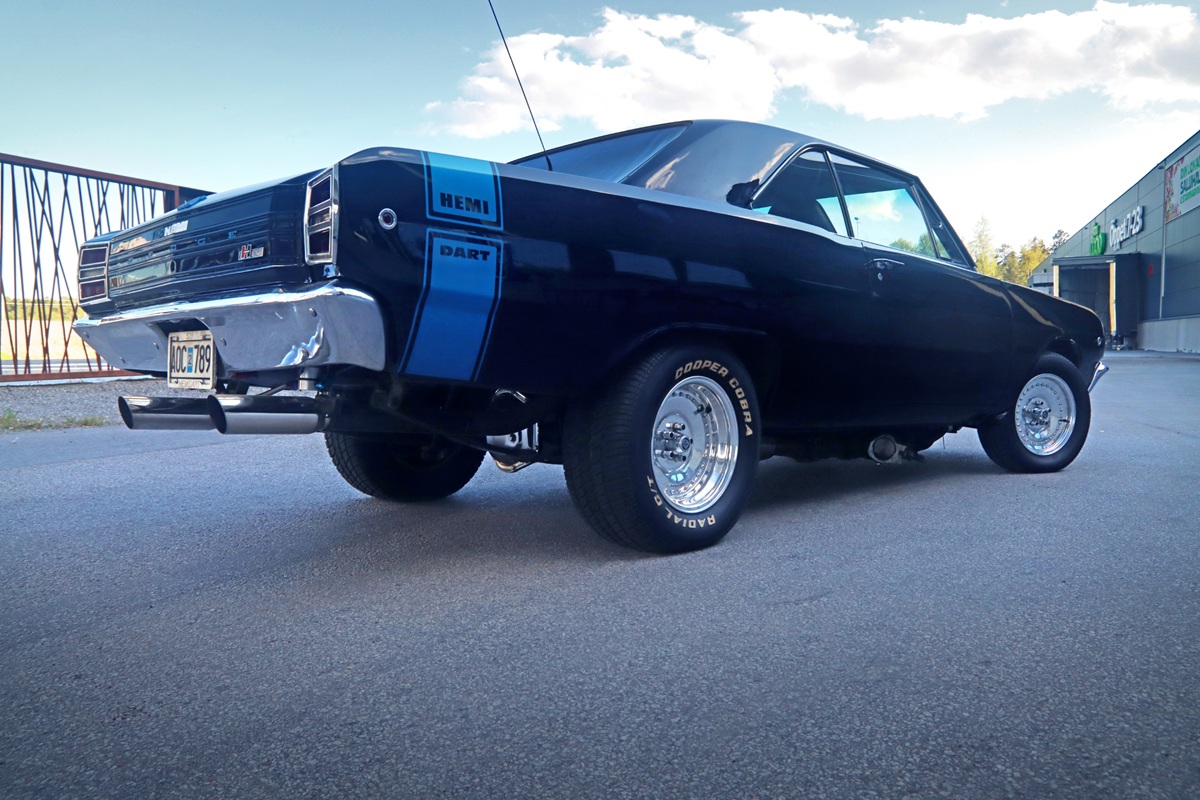
“It’s actually made to fit the Dart,” Thelin says. “The 3.54:1 gearing is perfect – about 2,500 rpm at 100 km/h (62 mph).”
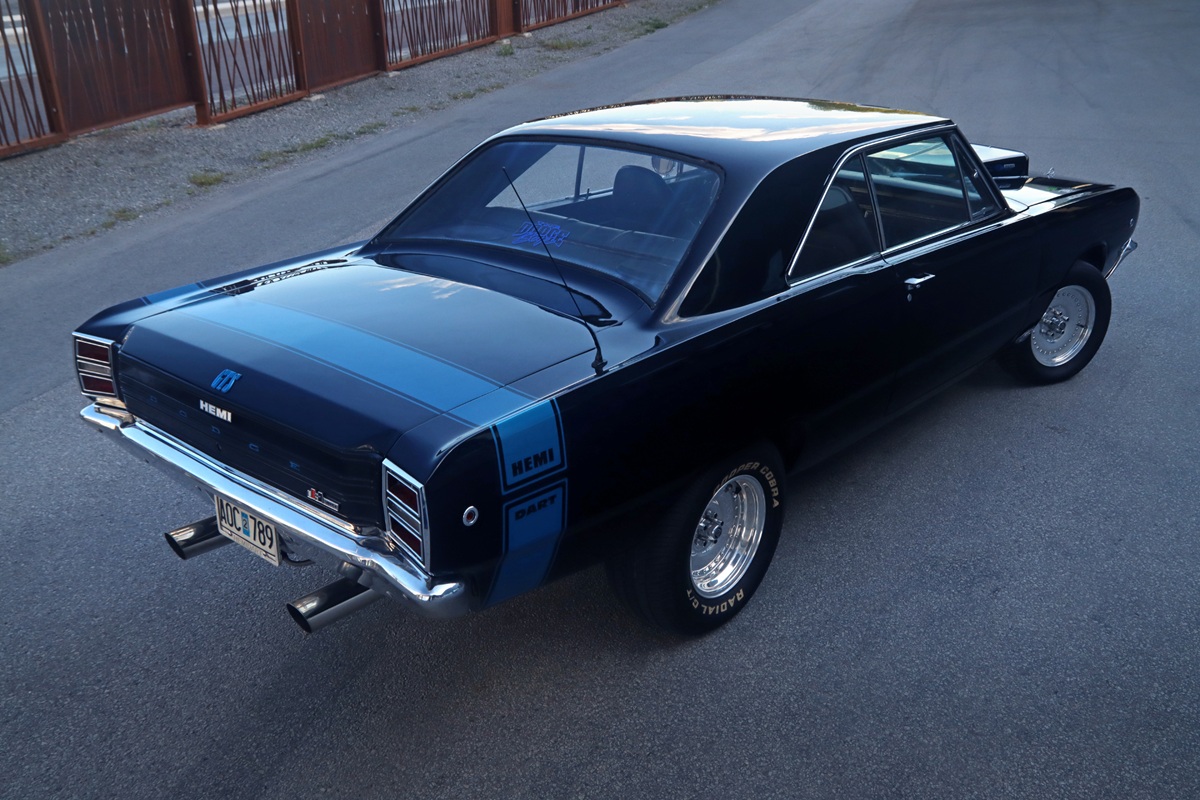
Thelin seems content – and understandably so. The HEMI Dart is something special: a true underdog, but no sleeper.
We finish the conversation where we began – with Thelin’s earlier muscle cars, and the question of why he fell for Mopar® in the first place.
“Oh!” he says, pausing for a moment. “I guess it started when I was a kid. I got interested in American cars early on, but HEMI cars were rare when I was growing up. I mostly read about them in magazines.”
As he got older, he ordered a car from Automotiv, a Stockholm-based importer specializing in American vehicles.
“I ordered a 1968 Dodge Charger with a HEMI,” he says. “Automotiv never found one in the U.S., but they did find a 1971 HEMI ’Cuda in the small Swedish village of Blomstermåla. It had its original matching-numbers HEMI, but nobody cared about that back then,” Thelin says, laughing.
He still put some love into it – restored the cut-out rear wheel openings and had it repainted in its original B5 Blue. And yes, there was mischief too – Thelin bolted on a Dyer’s 6-71 supercharger for good measure.
Today, that HEMI ’Cuda belongs to renowned Mopar collector Per Eriksson in Krylbo – a man who, besides this now fully restored and immaculate car, also owns seven Dodge Challengers, a Plymouth Superbird and two 1970 Dodge Chargers, among others.
As for Thelin, he’s perfectly content with his Dart. After all, it’s the car he ultimately chose – the one that triumphed over both the Road Runner and the ’Cudas. That’s how it should be. Follow your dream if you can.
0 Comments