
Across Europe in a Belvedere
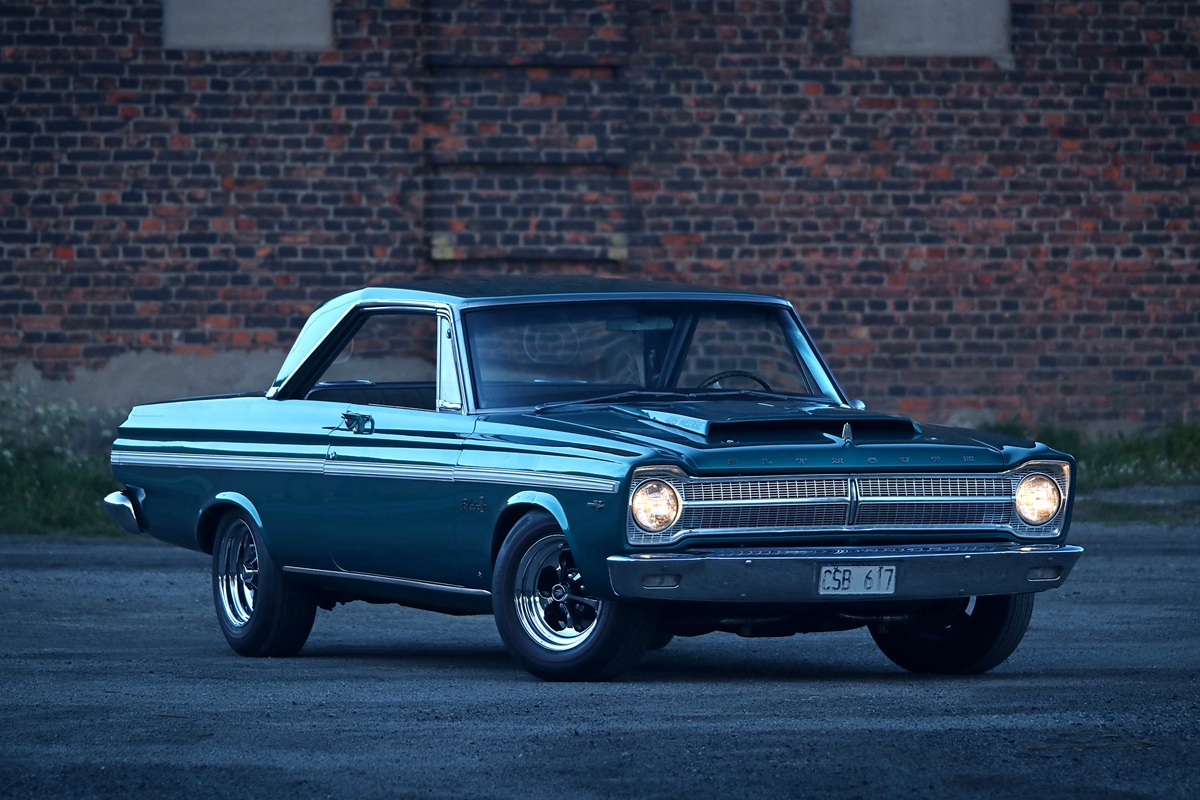
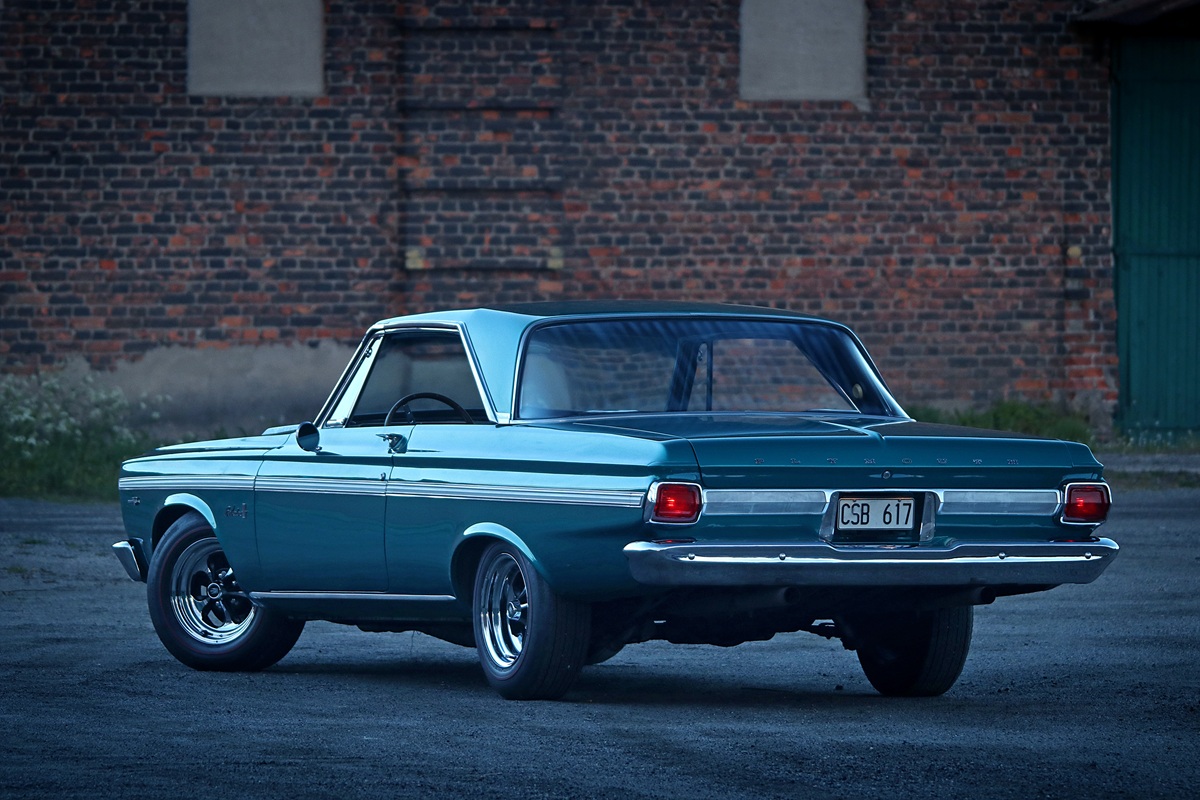
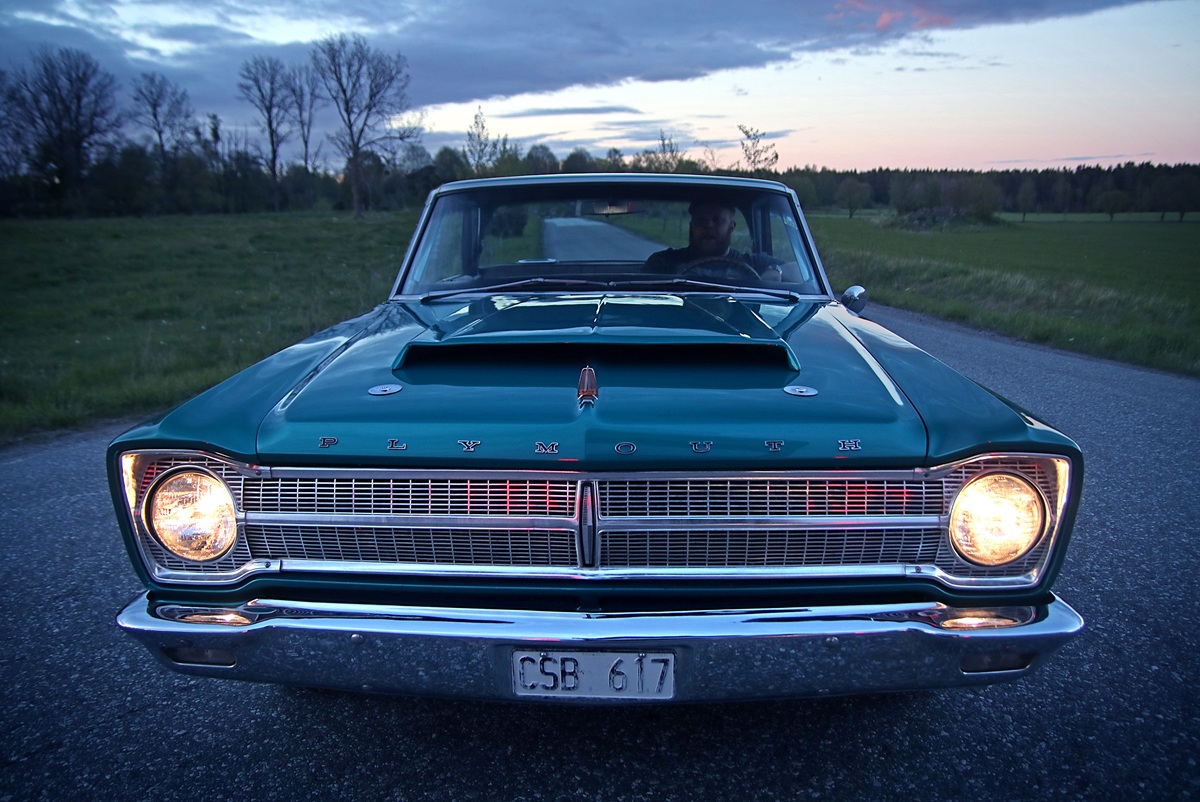
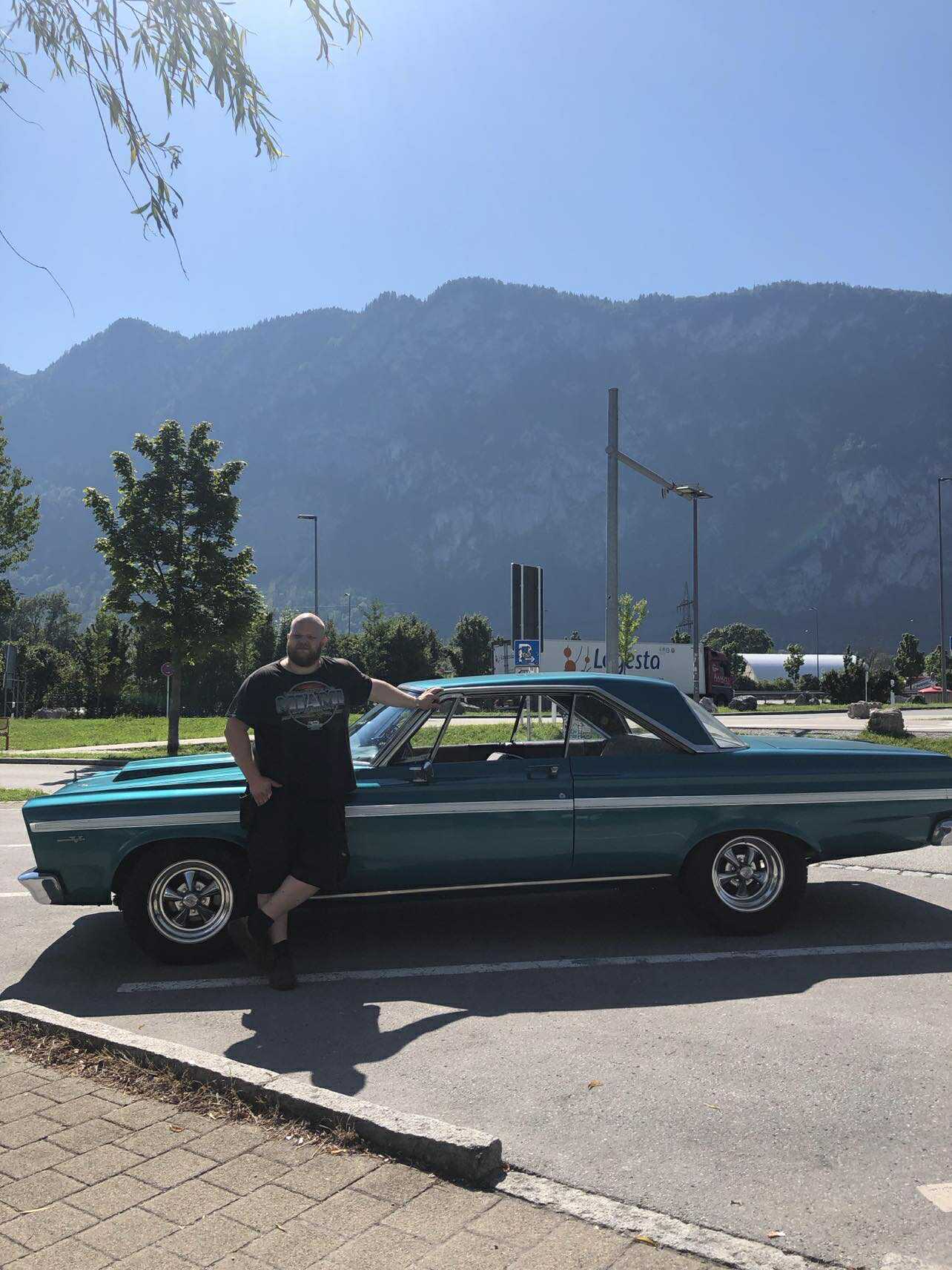
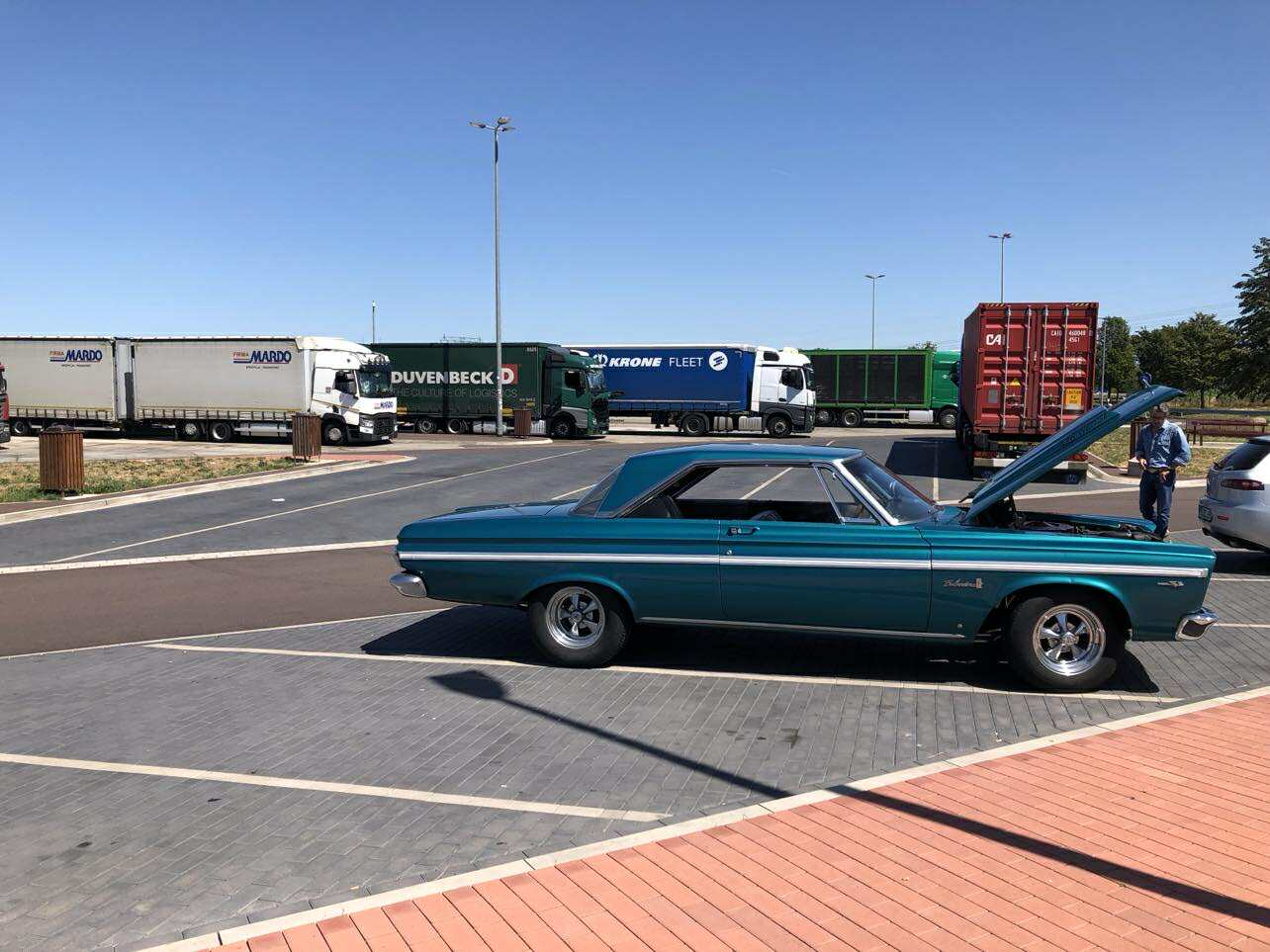
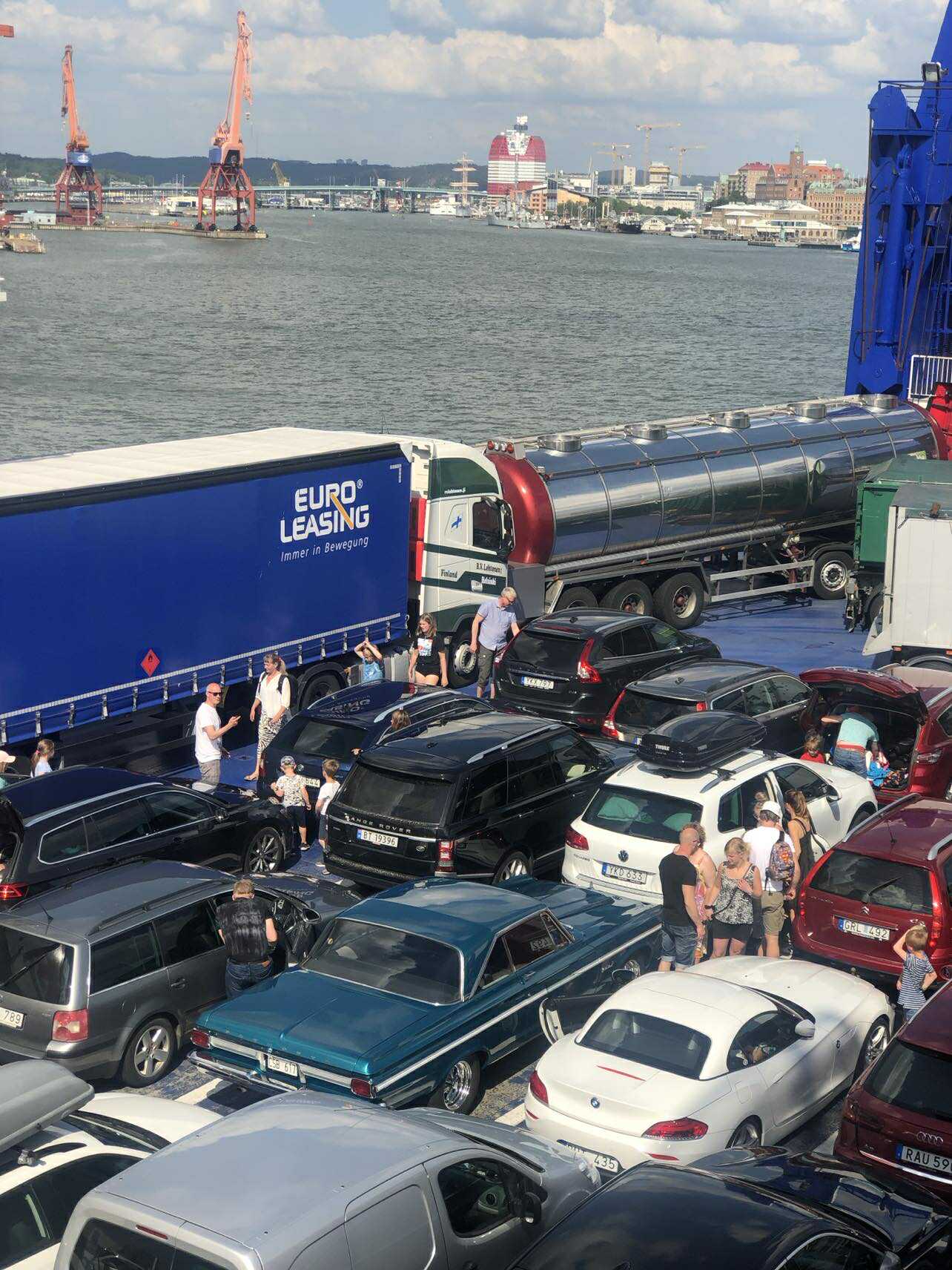
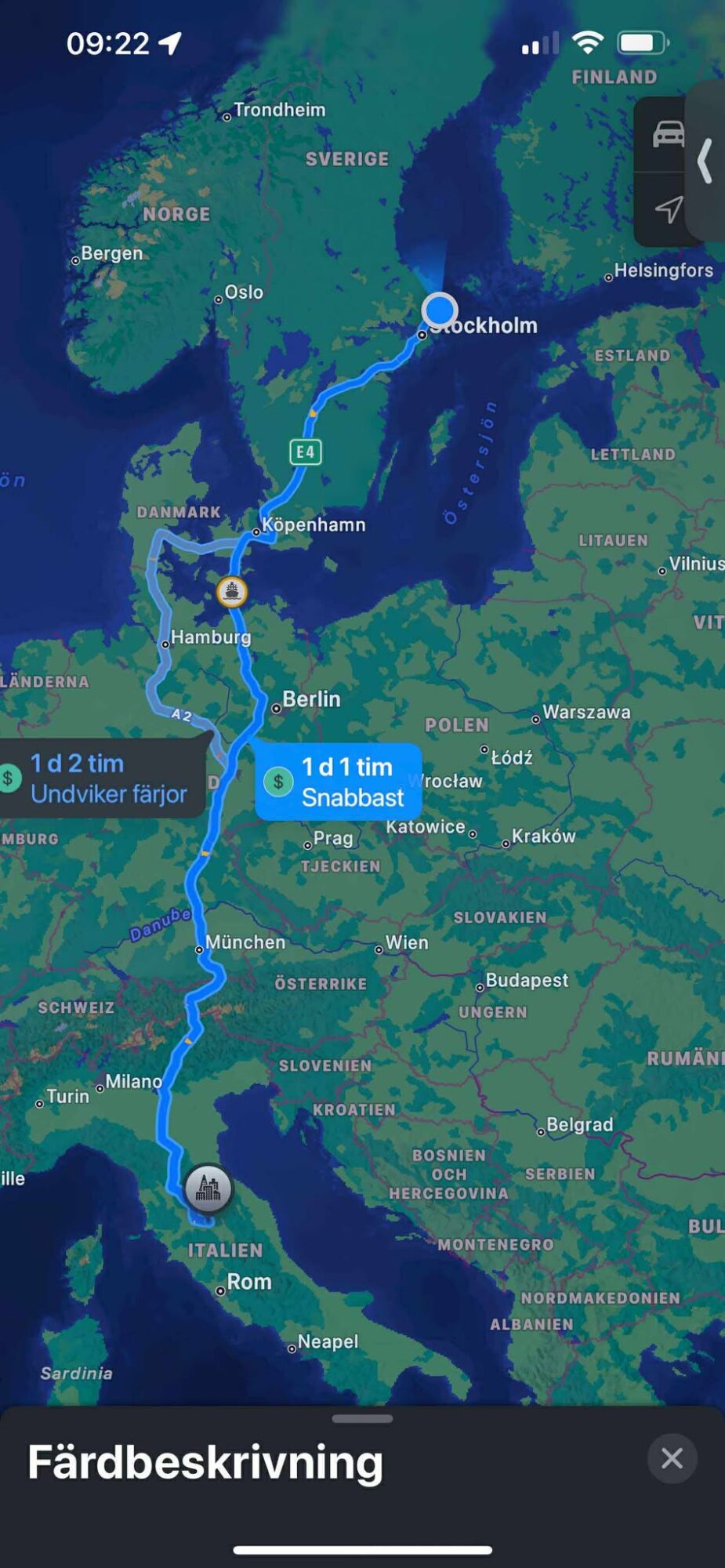
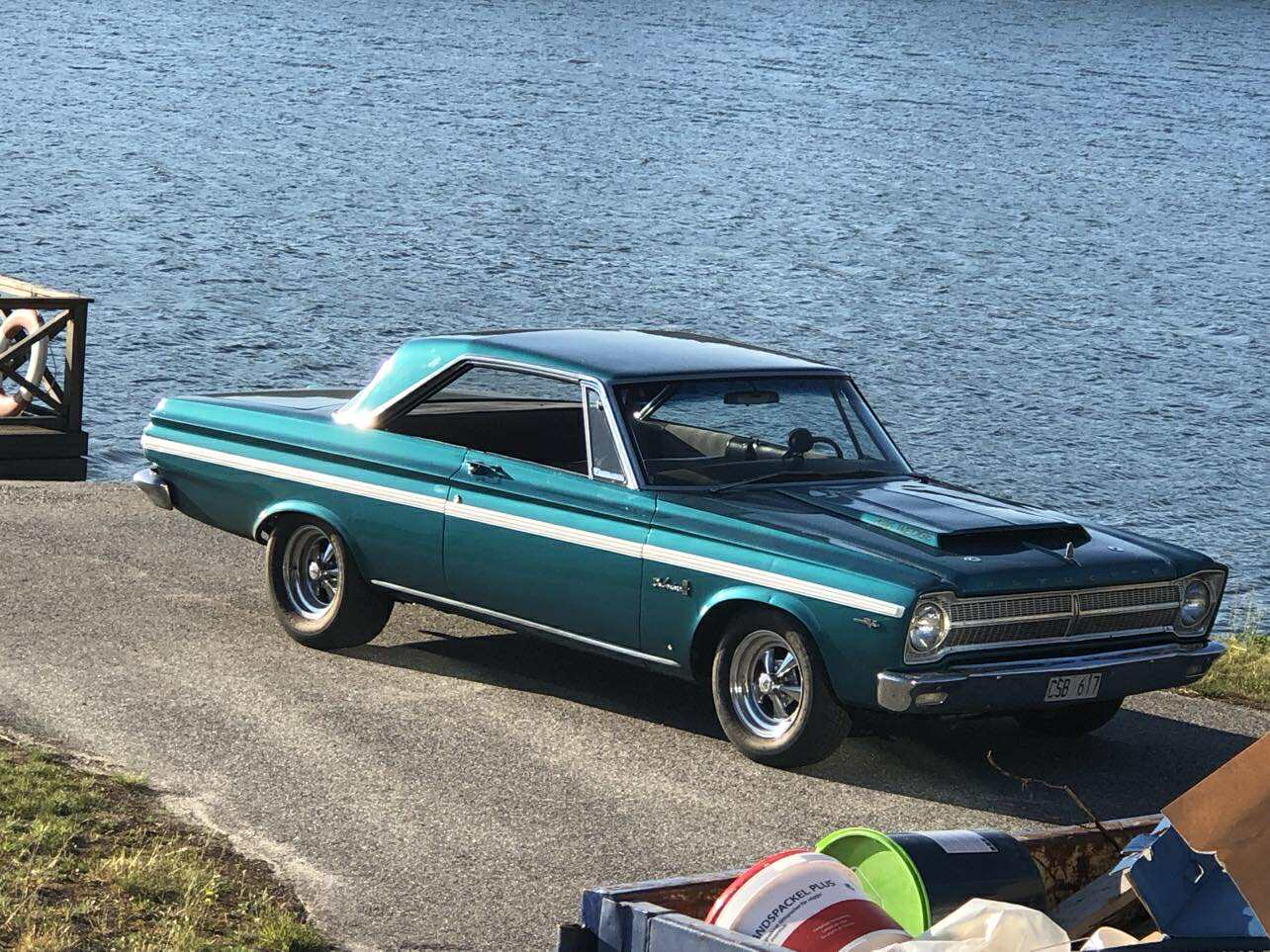
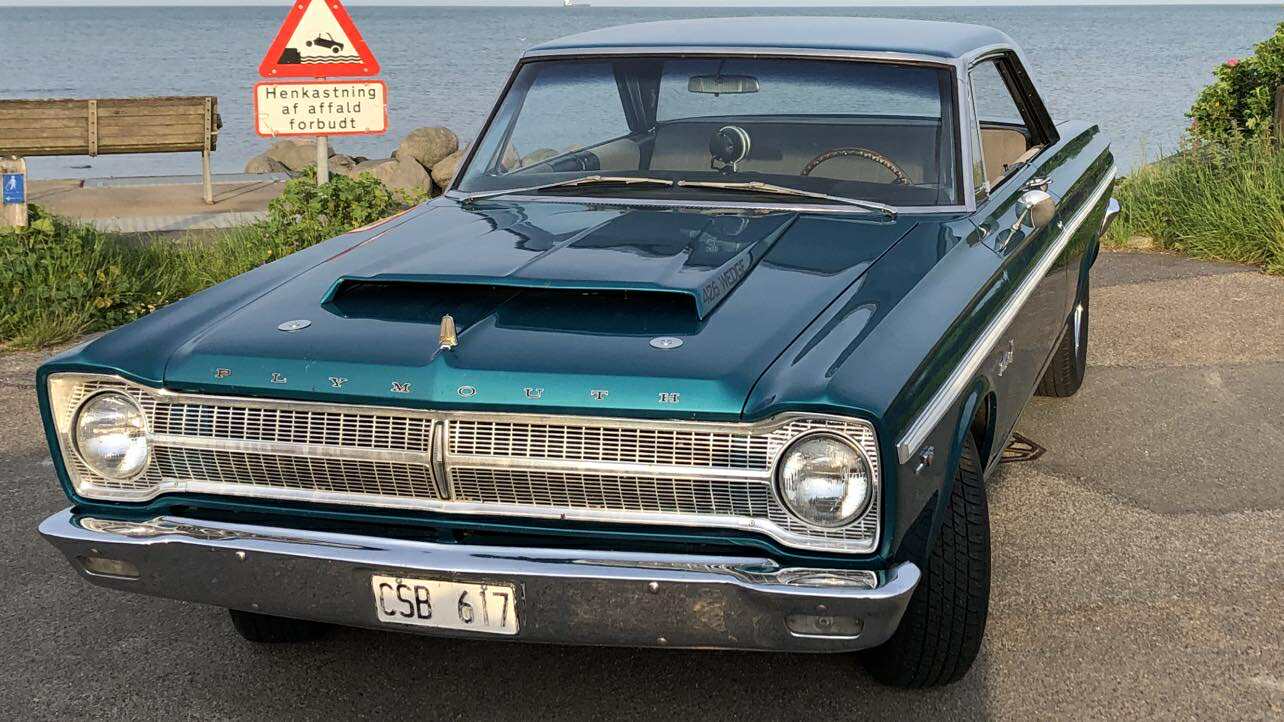
Some people drive 500 kilometers (around 310 US miles) in their classic car over the summer; others do ten times that. But Marcus Johansson isn’t satisfied with anything under five figures. A few years ago, he logged an incredible 27,000 kilometers in his 1965 Plymouth Belvedere – including a warm-up trip to Jyllandsringen in Denmark, and then a full round trip to Italy.
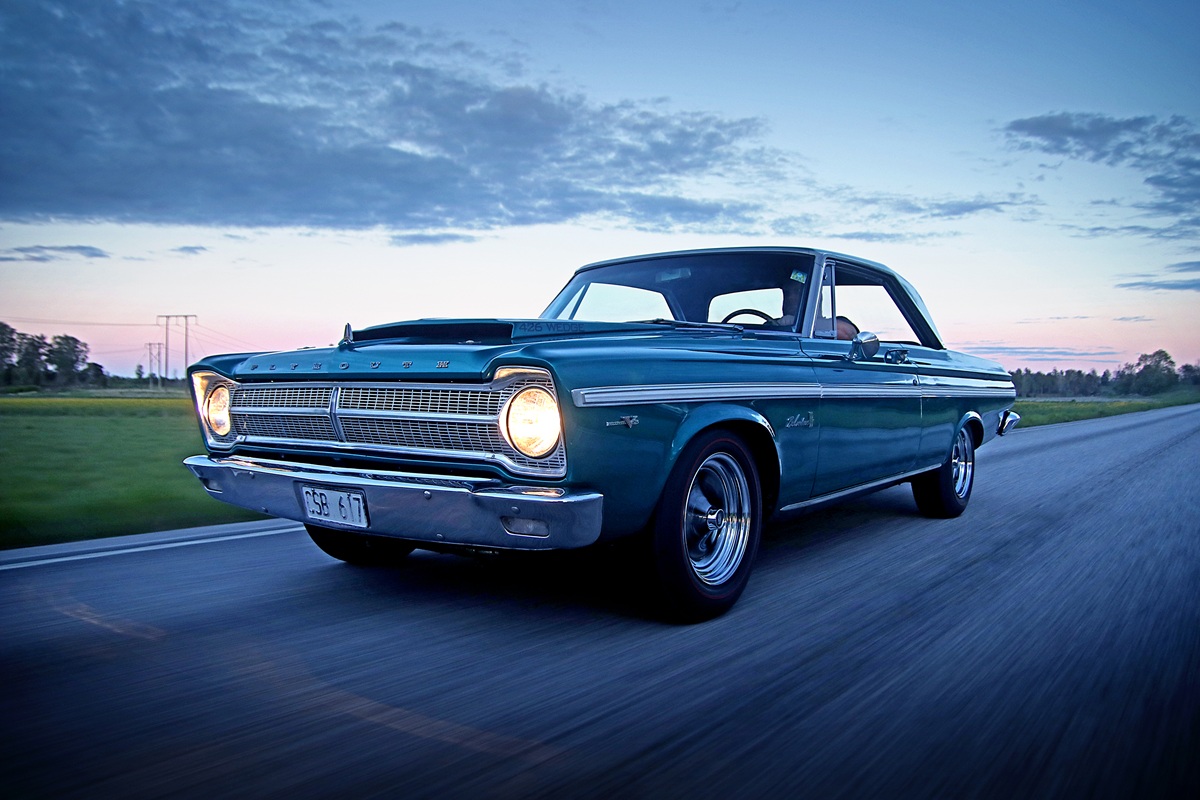
I don’t know how much time you spend behind the wheel of your V8 car, but when I manage to rack up 3,500-4,000 kilometers in one summer, I’m pretty content by October. I live well off the memories those miles create, all the way until spring.
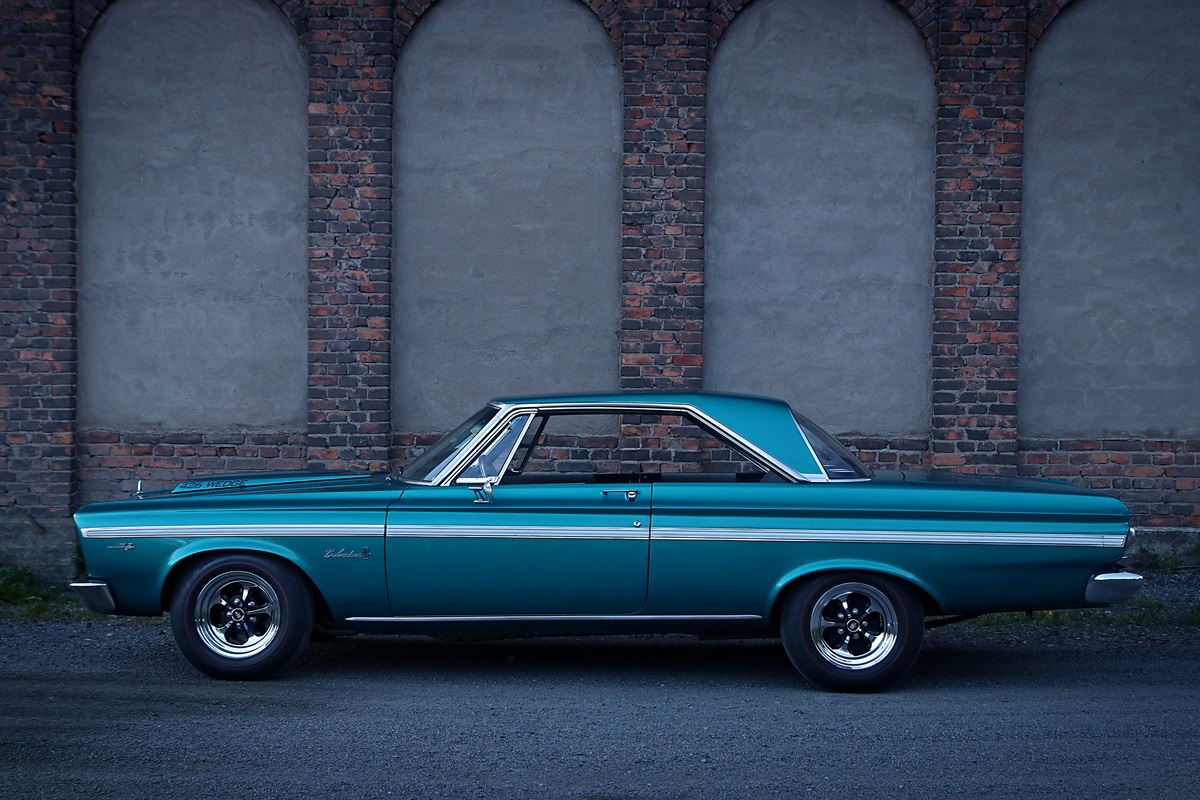
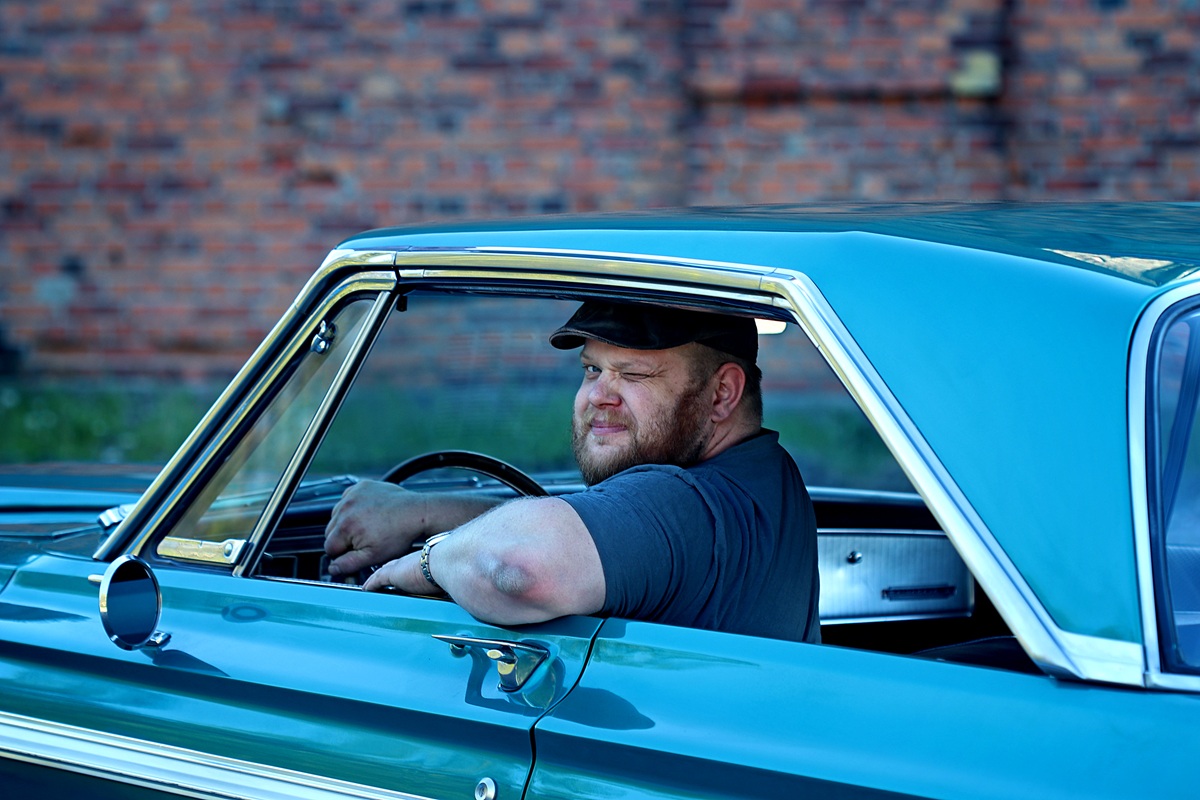
Johansson, a first-rate plumber from the Norrtälje area, clearly aims higher than that.
“I don’t really know where I got the idea,” he says. “But when you test those ideas on yourself, they always sound good. Nobody raises the tough questions then, or brings up what might go wrong. Why doesn’t everyone take trips like this? What’s the worst that can happen – a connecting rod peeking out somewhere in the Alps?” he adds with a grin.
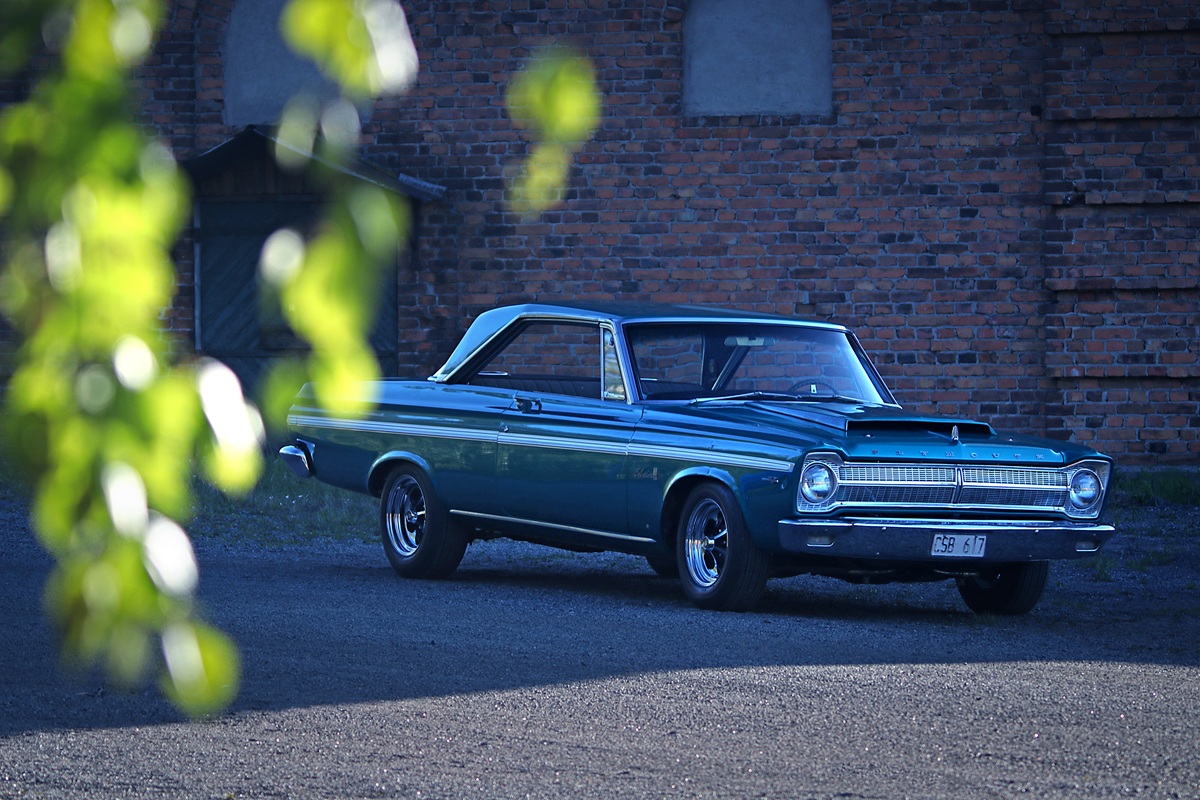
He bought the car as a reward for all the long days and late nights he had poured into getting his own plumbing business rolling.
“I looked at Chevelles and Torinos for a while, but then I found this Belvedere. I didn’t even need to drive it – just sitting in it once was enough. It felt perfect.”
In the midst of his new-car infatuation, there was plenty of research to do – reading up on Max Wedge engines and checking over the Belvedere’s condition. And then suddenly, it was summer.
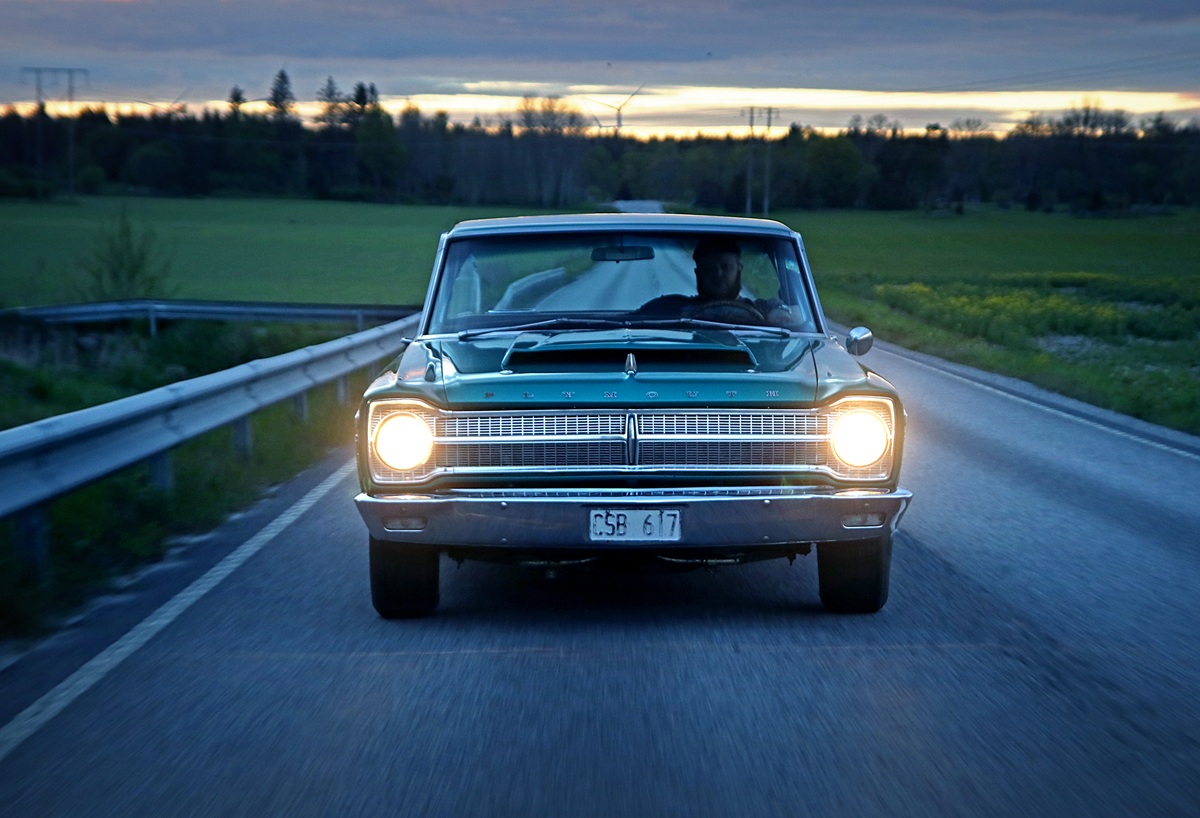
“What to do? I know – let’s go visit my uncle in Italy!”
Said and done. Already in the small Swedish town of Mjölby, the first refueling stop came, an 85-liter tank to fill.
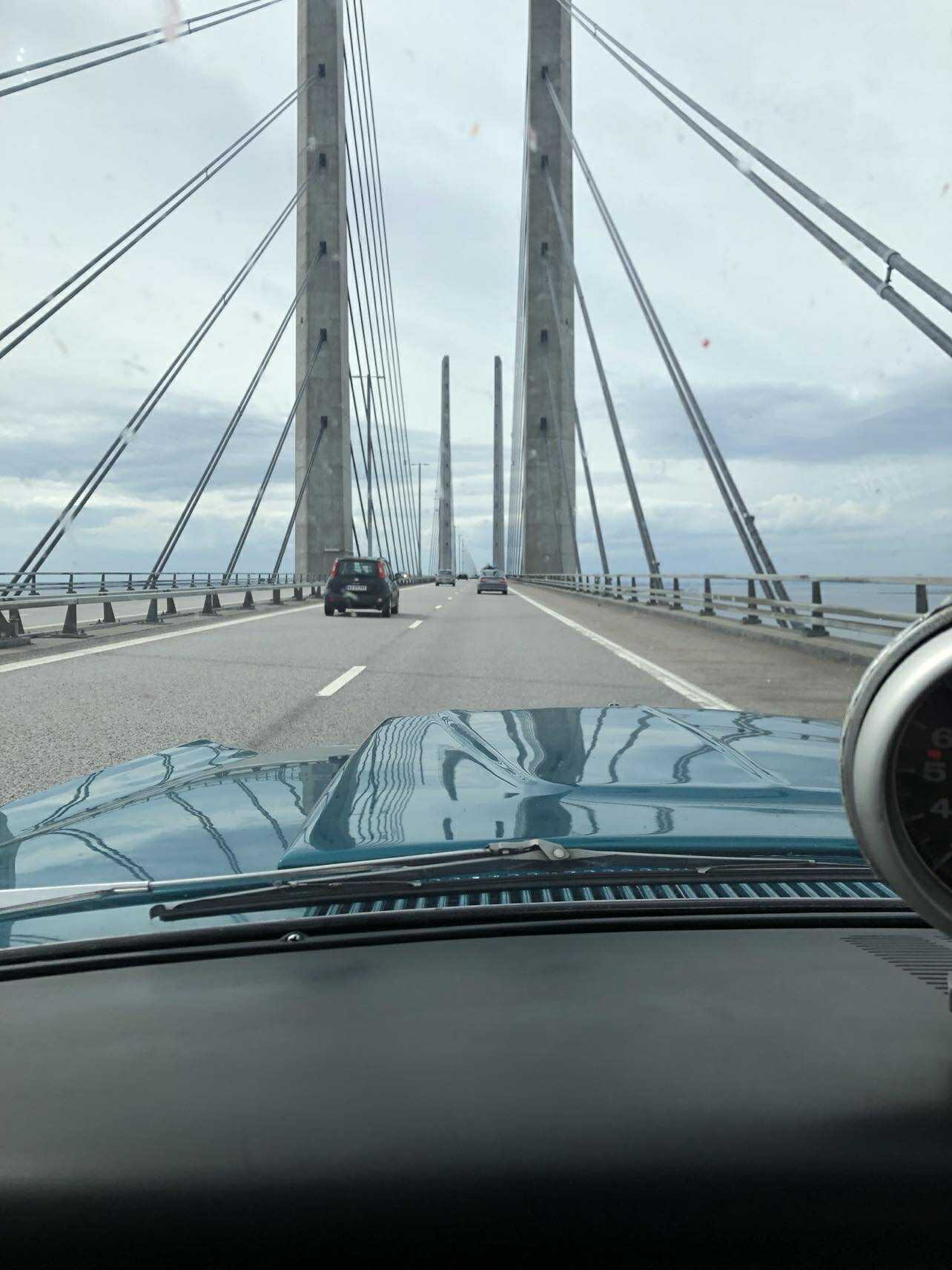
“I calculated that the car consumed two liters per 10 kilometers, so it wasn’t a fun number to keep track of. I decided not to save any receipts. But I did notice that once I crossed the Öresund Bridge, the fuel consumption dropped.”
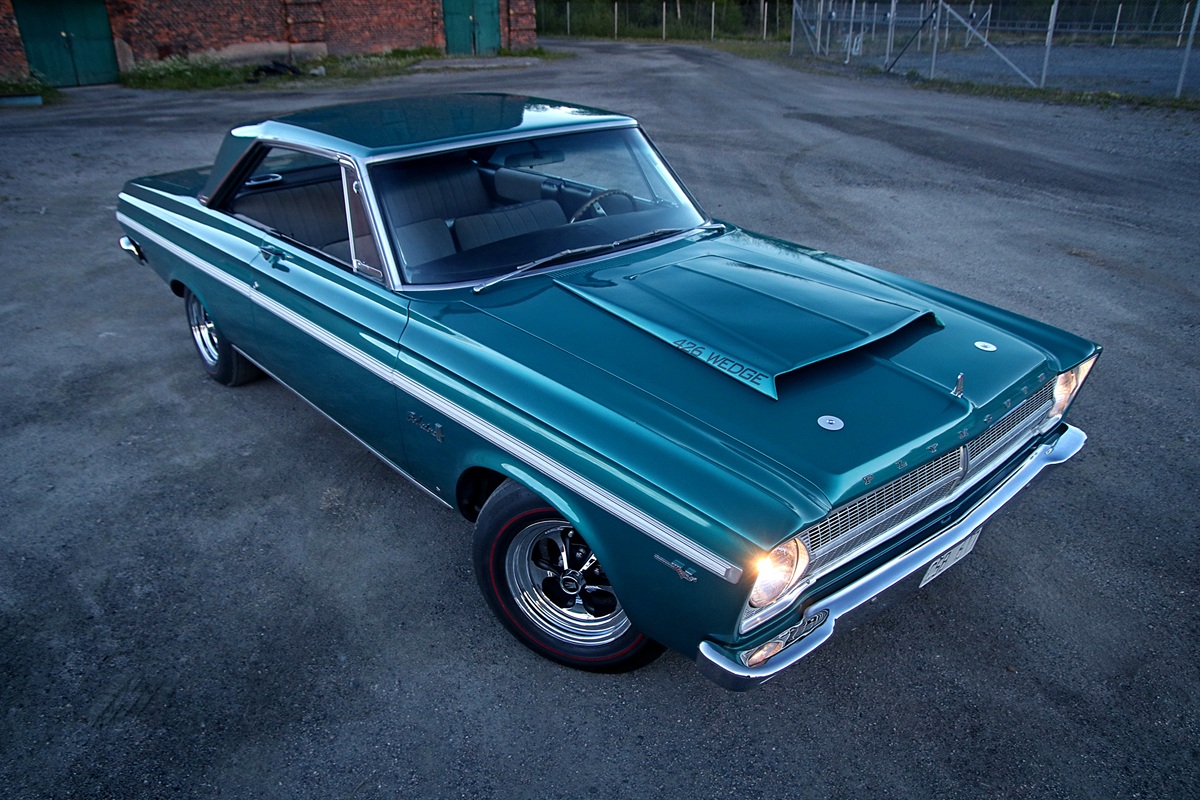
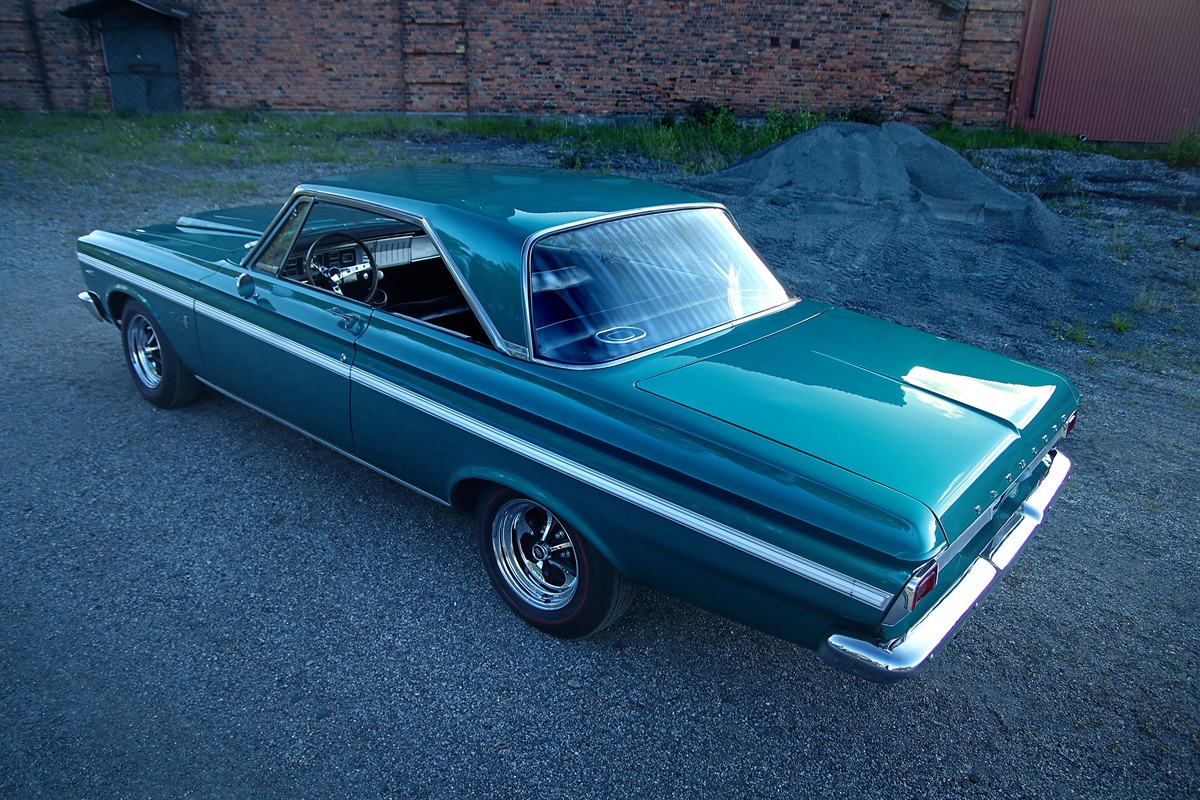
According to Johansson, the Belvedere drank about 25 percent less fuel on the continent.
“People said both diesel and gasoline are of higher quality down there,” he says. “They probably don’t mix in eco additives or tall oil. Just more punch, plain and simple. You could smell it, too, it stung the nose when you filled up. It’s rare to hear anyone mention how much extra fuel those so-called green additives actually make the car burn.”
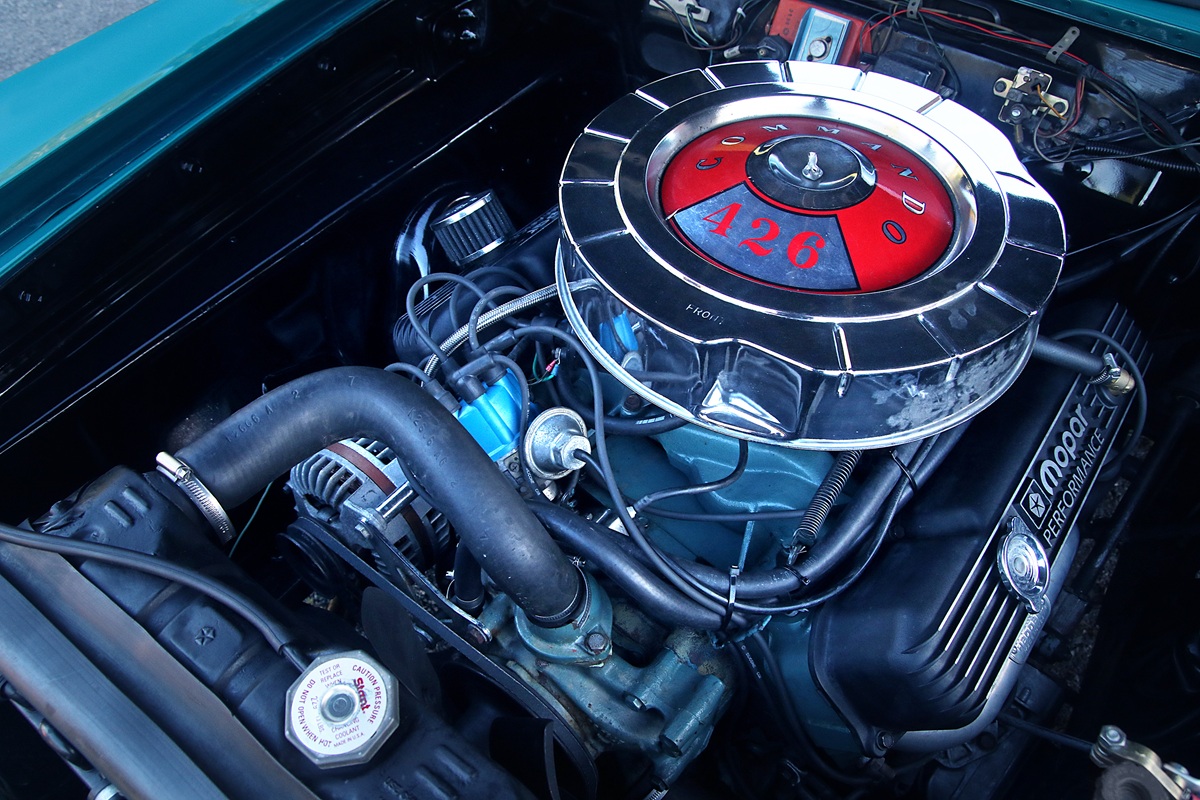
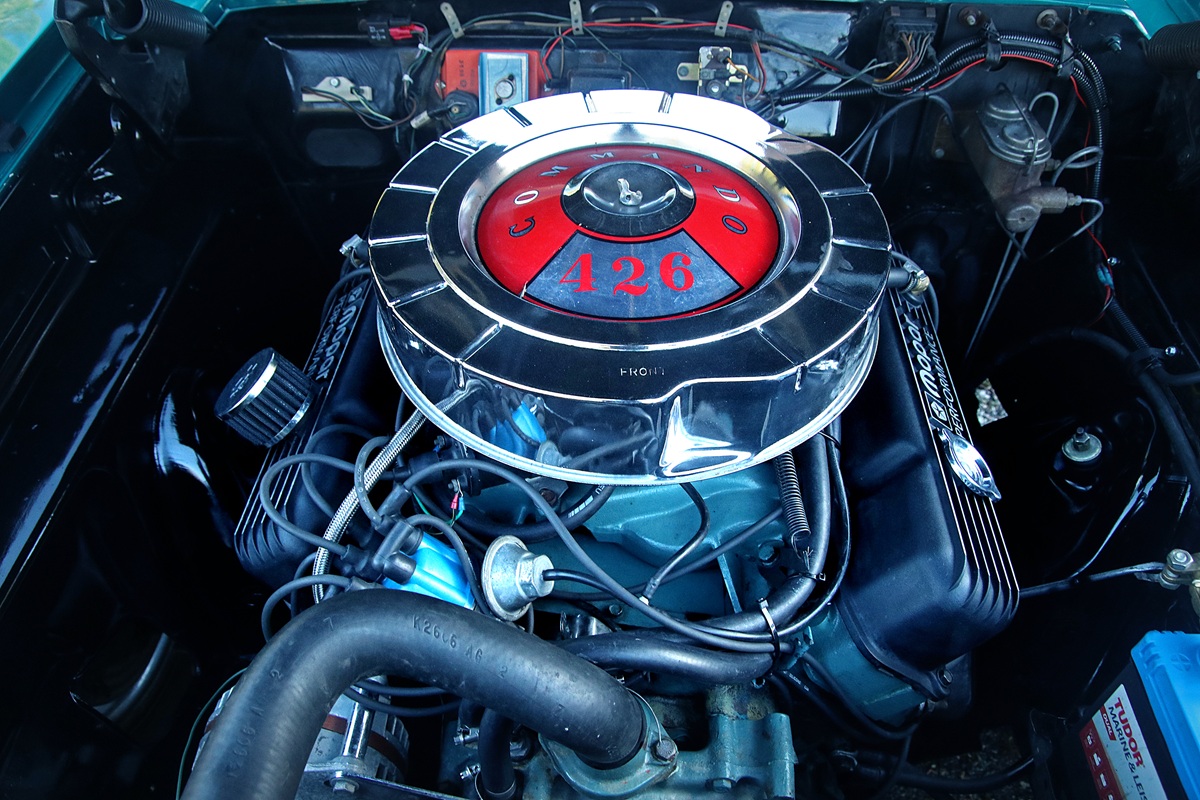
He concludes dryly that flying to Italy would have been cheaper – but nowhere near as exciting. Or beautiful.
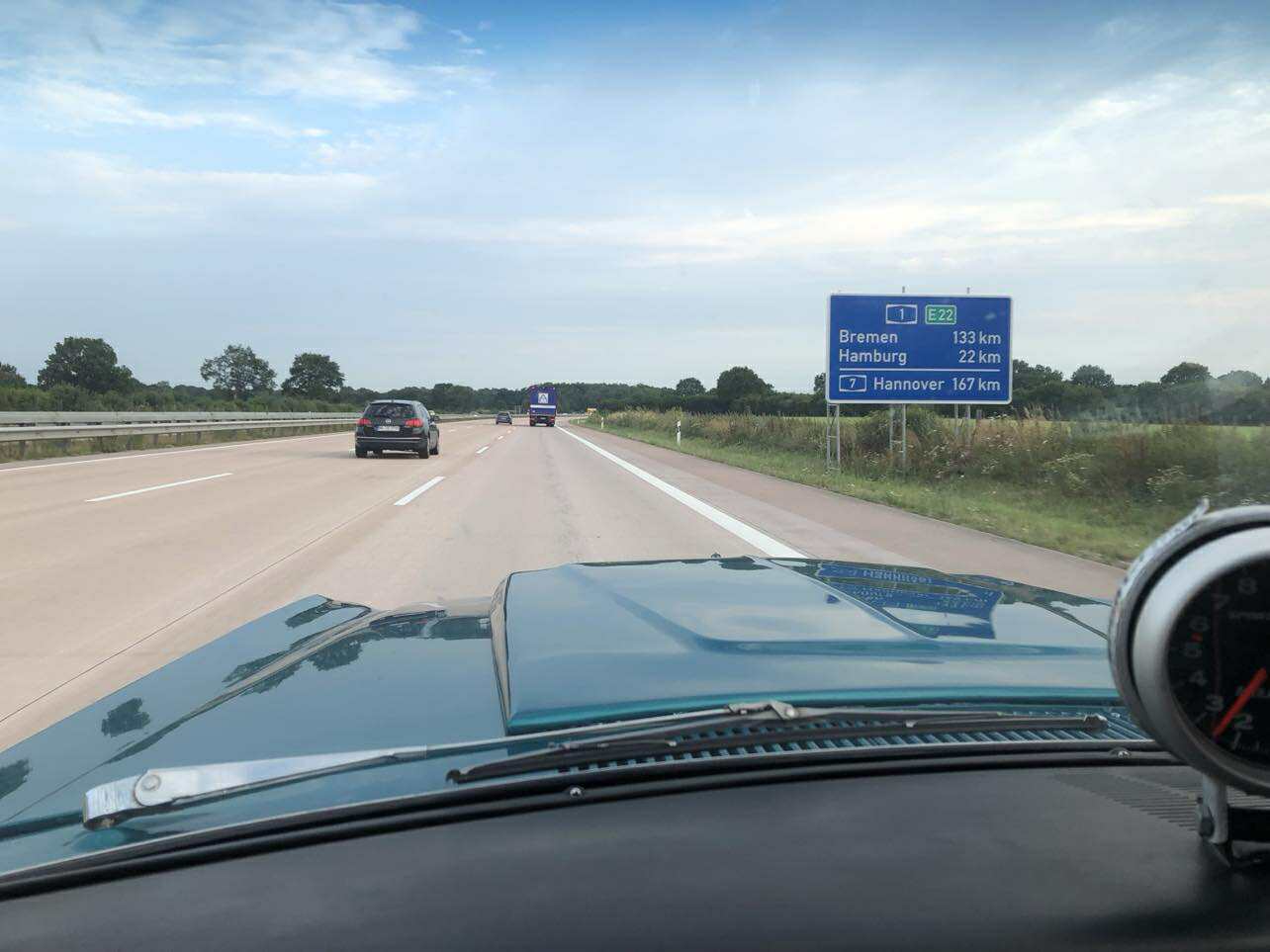
The first leg was Norrtälje to the German town of Hamburg, roughly 13 hours. Once there, Johansson got lost for a while.
“It was like driving around Östermalm in Stockholm. Every intersection split into two or three one-way streets, and the GPS didn’t care. German cities have tons of low-emission zones, and all I really know is that blue zones mean ‘electric cars only.’ The upside is that classics are usually exempt. And even if I had broken some rule, it might’ve been fine, at one place, café tables stood right out in the street, and people applauded when I rolled past.”
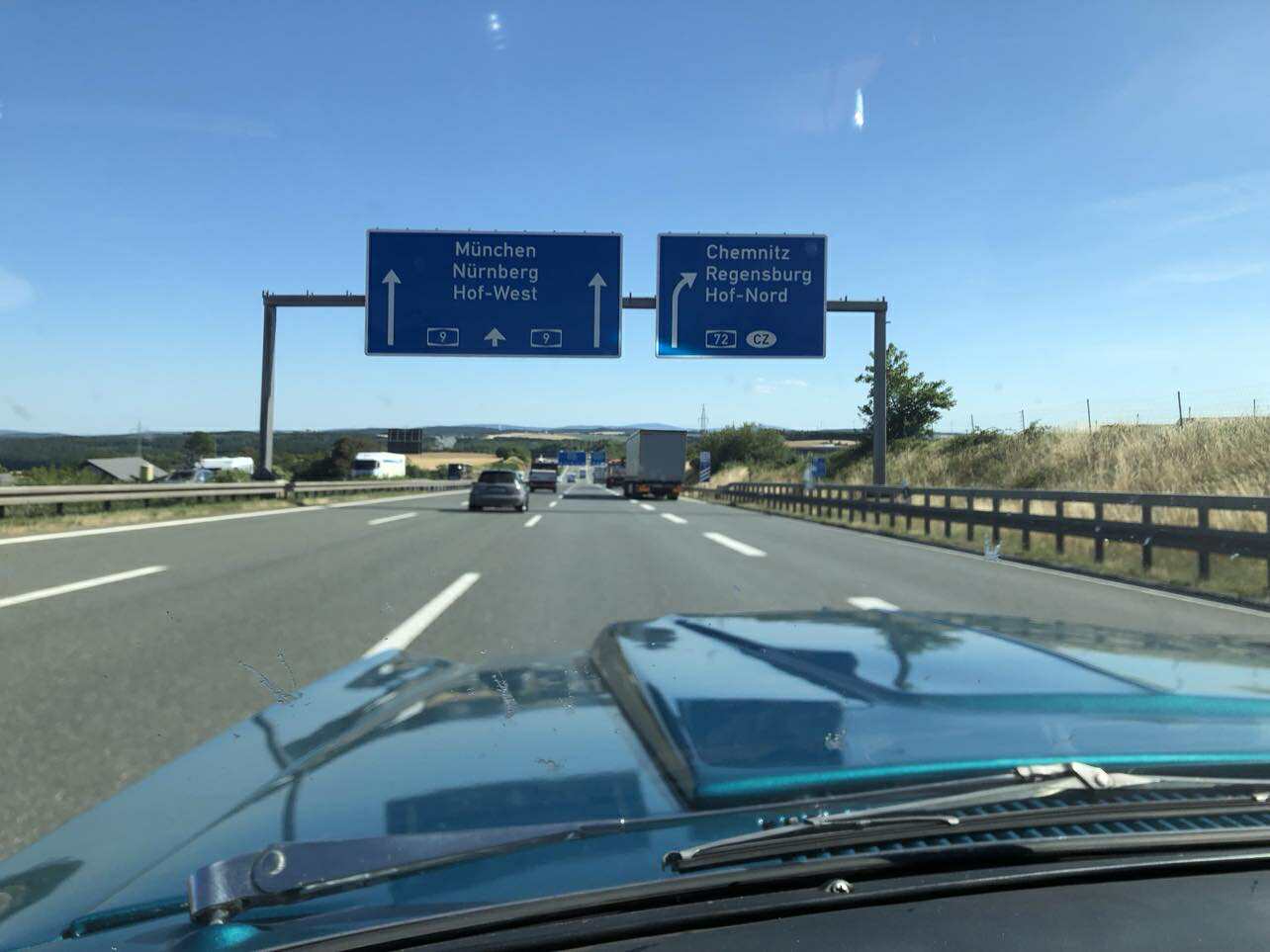
The next stretch, Hamburg to Munich, was uneventful – flat as a pancake.
“Every summer, they kick off new Autobahn construction projects, so it was often 60 km/h, sometimes a full stop. It was 35 degrees Celsius (95 Fahrenheit), no electric fan, but it all went fine. Well, until Leipzig, where the Berlin route merged – total gridlock for an hour. I took a ‘union five,’ shut off the engine and rested a bit. But the V8 never overheated.”
He describes dreamily what it felt like approaching Munich – the skyline rising across the horizon – and that’s when the real drive began.
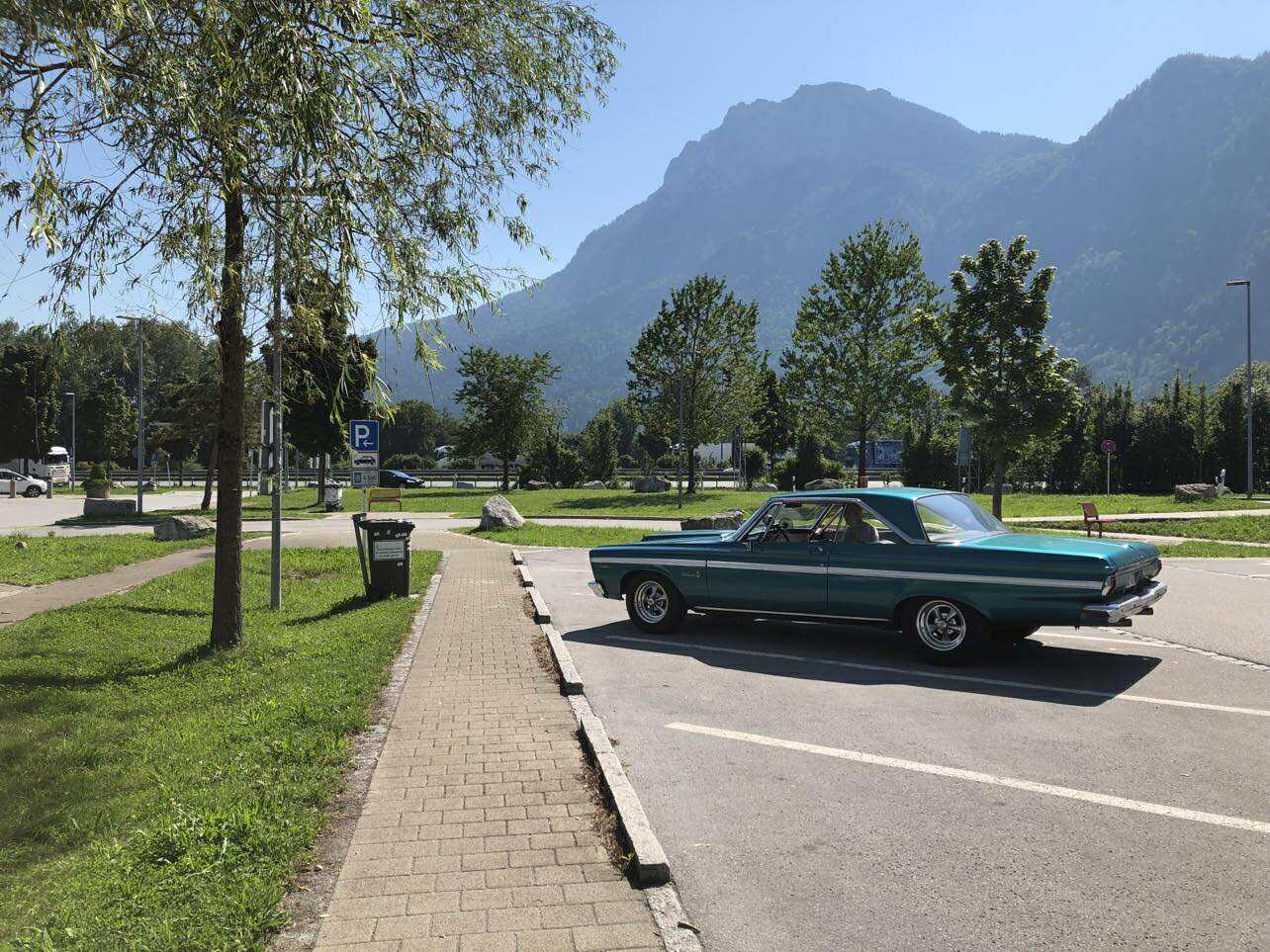
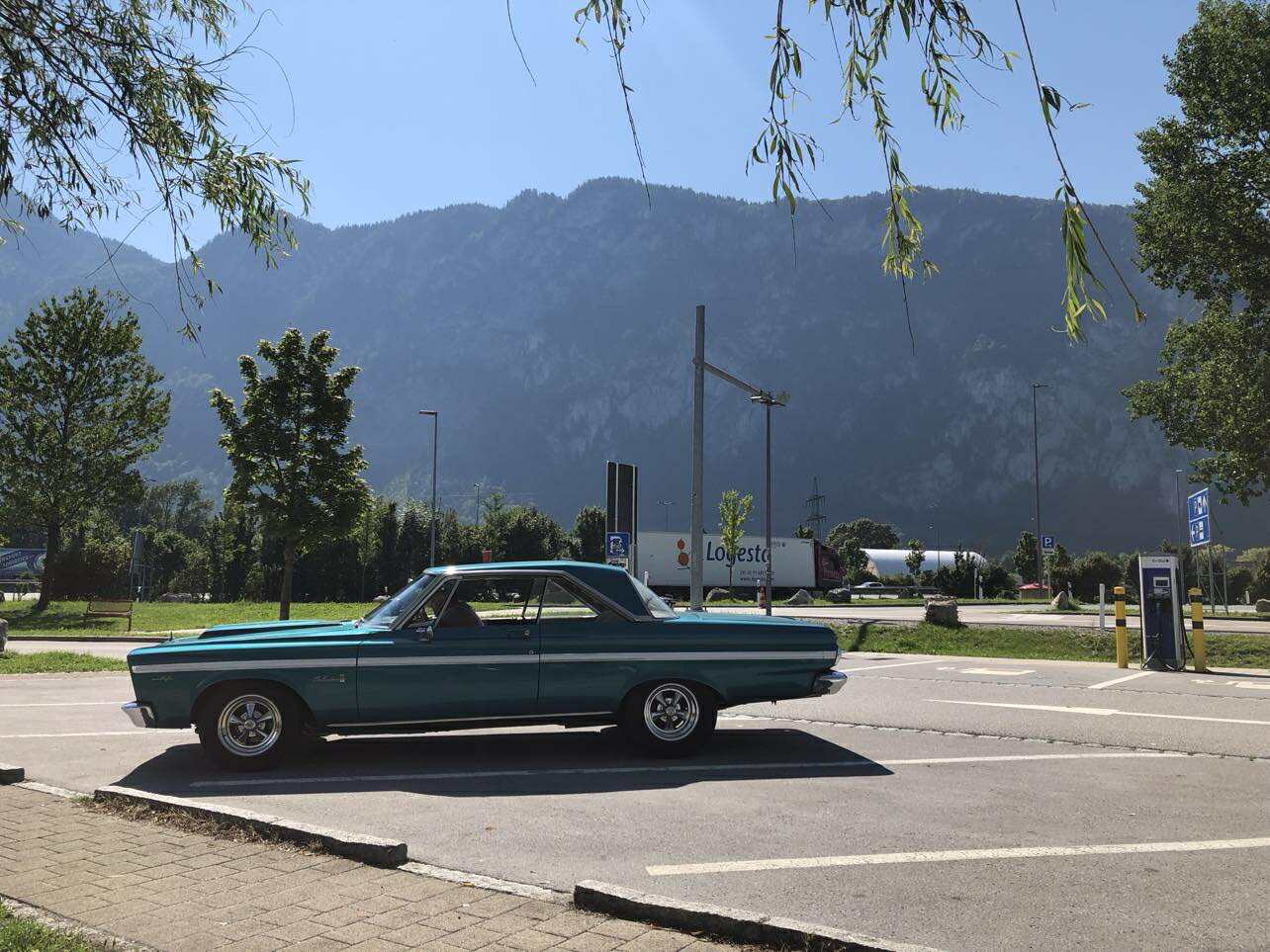
“I picked up my brother there; he flew in because he’s less into old cars than I am. After Munich, it was insane. You couldn’t take it in, like flipping through postcards. It couldn’t possibly look that beautiful, but it did. At times, you were literally driving above the clouds.”
Just before the Austrian border came a memorable encounter: a Swedish couple refueling to buy the required highway vignette.
“They had planned their ‘action-packed drive across the Alps’ down to the last detail. We chatted a bit, then they headed to their Ford Focus and I to my Belvedere. They just stood there watching me drive off – didn’t say a word. That feeling right there made the whole trip worth every minute and every dollar. After that, I could’ve handled an engine blow-up no problem.”
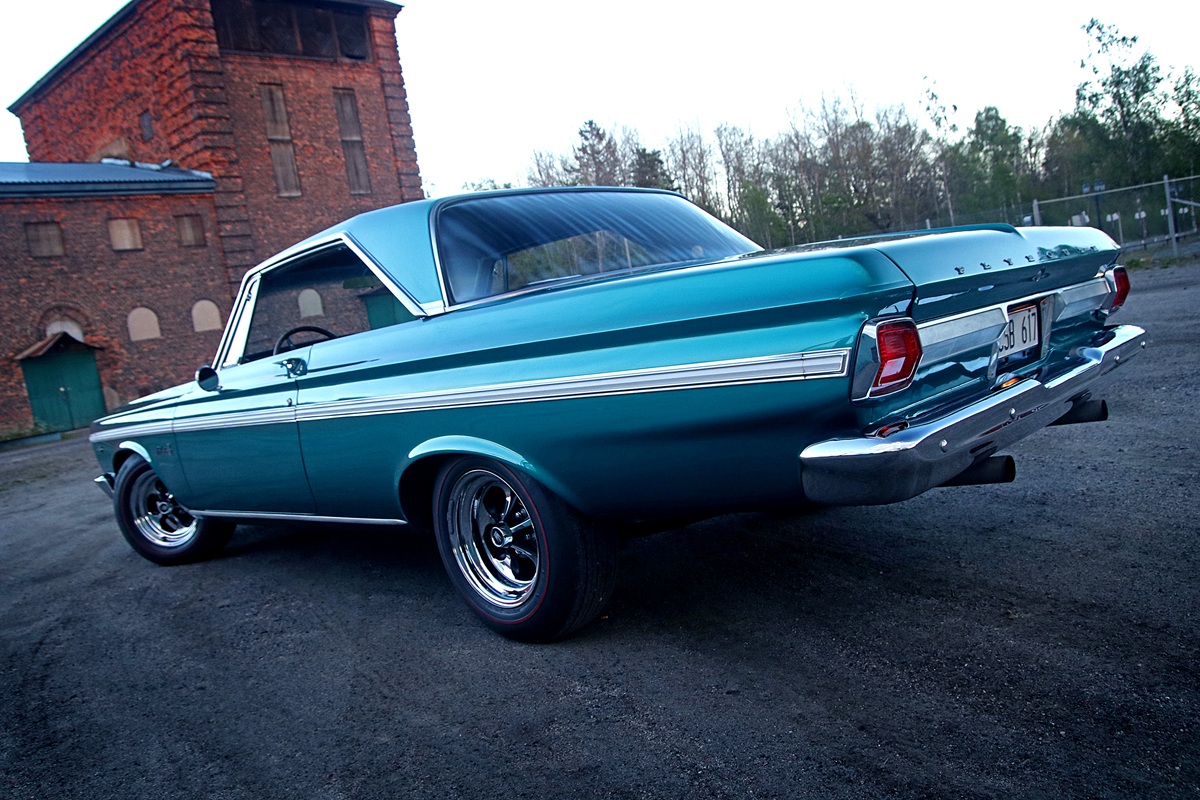
So – how was it blasting through Alpine tunnels and carving between peaks?
“Magical, of course,” he says. “Especially fun climbing Brenner Pass with the Plymouth. When it was steepest, I caught up to a Citroën 2CV with three French guys in it. You know, like the one James Bond drives in For Your Eyes Only. They were crawling along in first gear with trucks on their tail. What does one of those have – 15, maybe 20 horsepower? You could probably toss a sack of firewood in the engine bay and no one would notice the difference.”
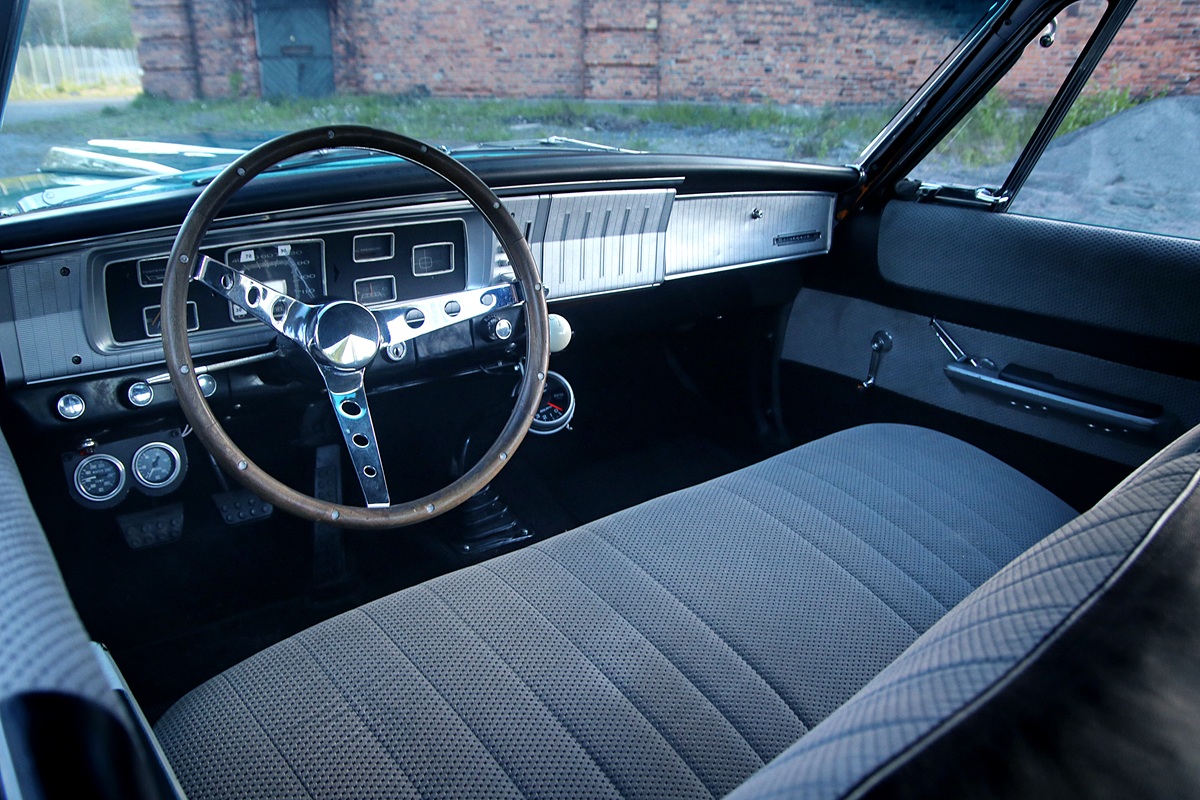
Once over the Alps, there came a long downhill stretch – and a new lesson.
“As I rolled down into Italy, the engine temp started fluctuating wildly, about 15 degrees up and down in 40-degree heat. My uncle, who rides motorcycles a lot, later explained that the turbulence behind trucks can be extreme. So on the way back, I stayed ahead of them instead. That fixed the problem.”
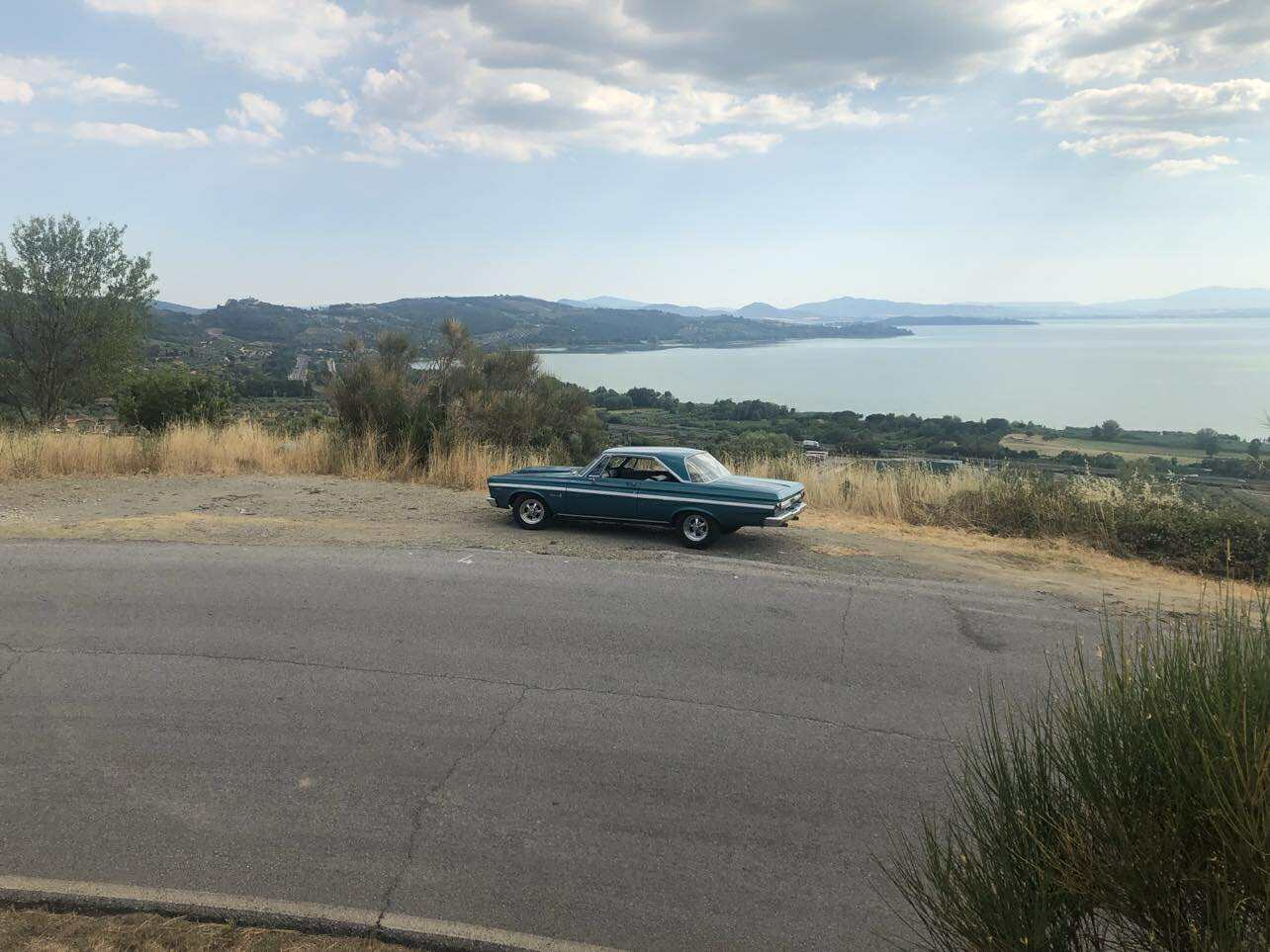
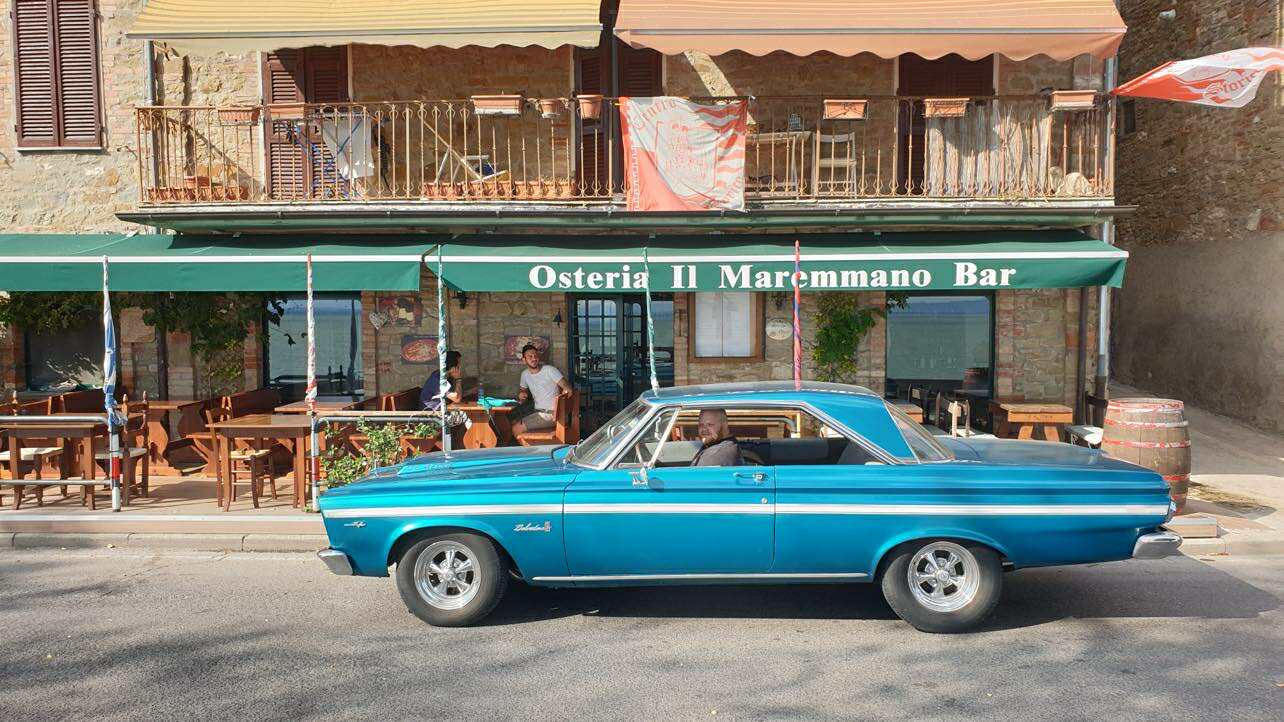
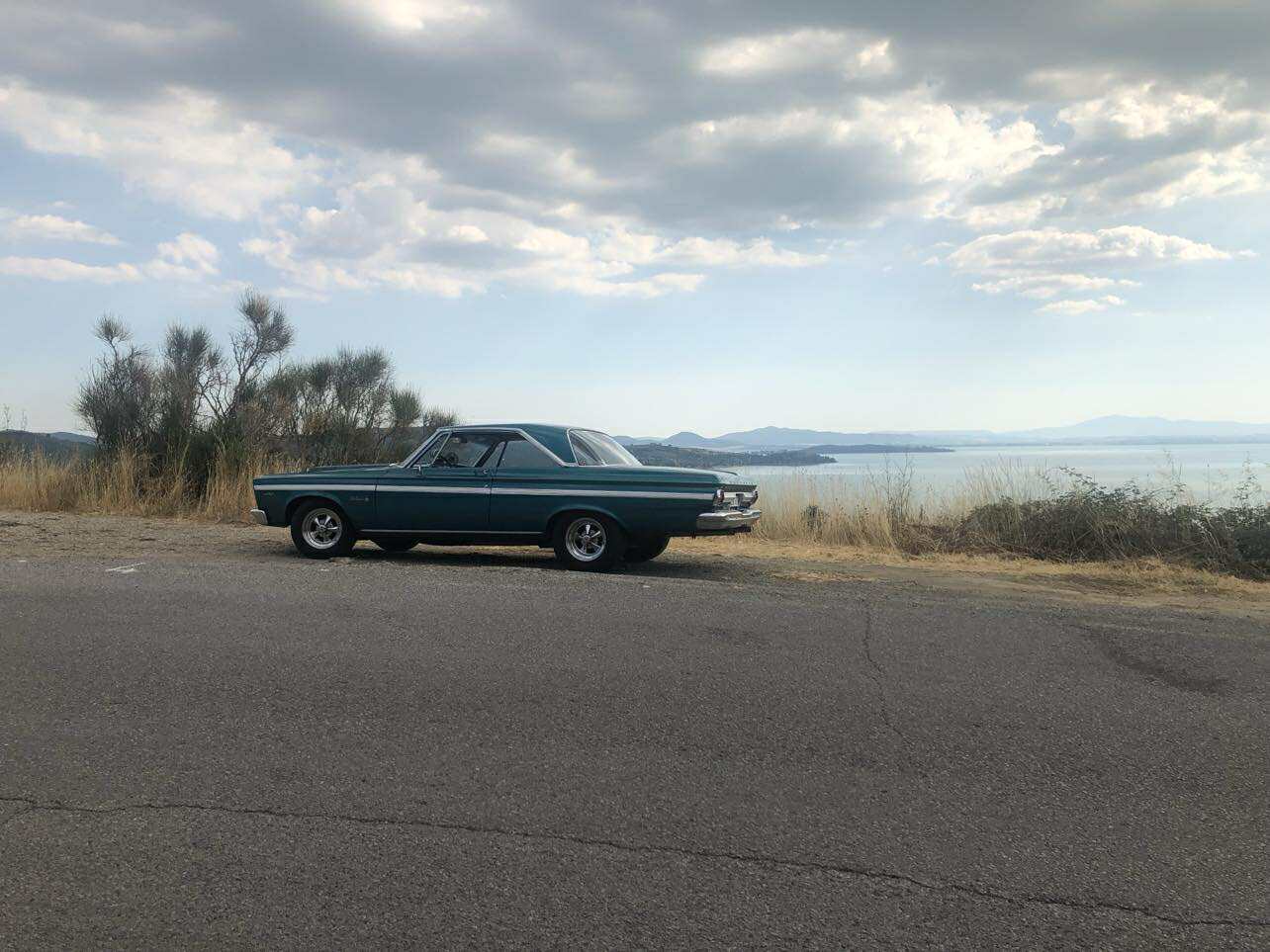
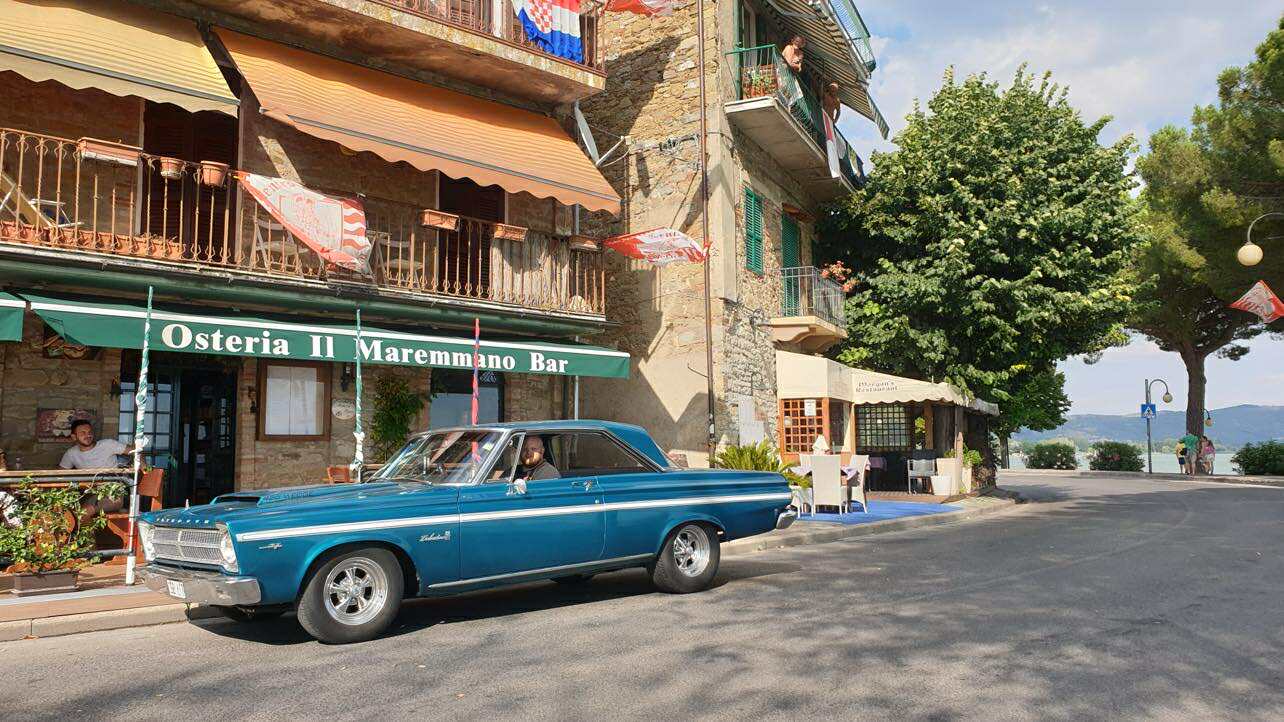
In Italy, Johansson stayed with his uncle and aunt near Lake Trasimeno. The food – a feast for any gourmand – tasted even better with bills half the size of what you’d pay back home.
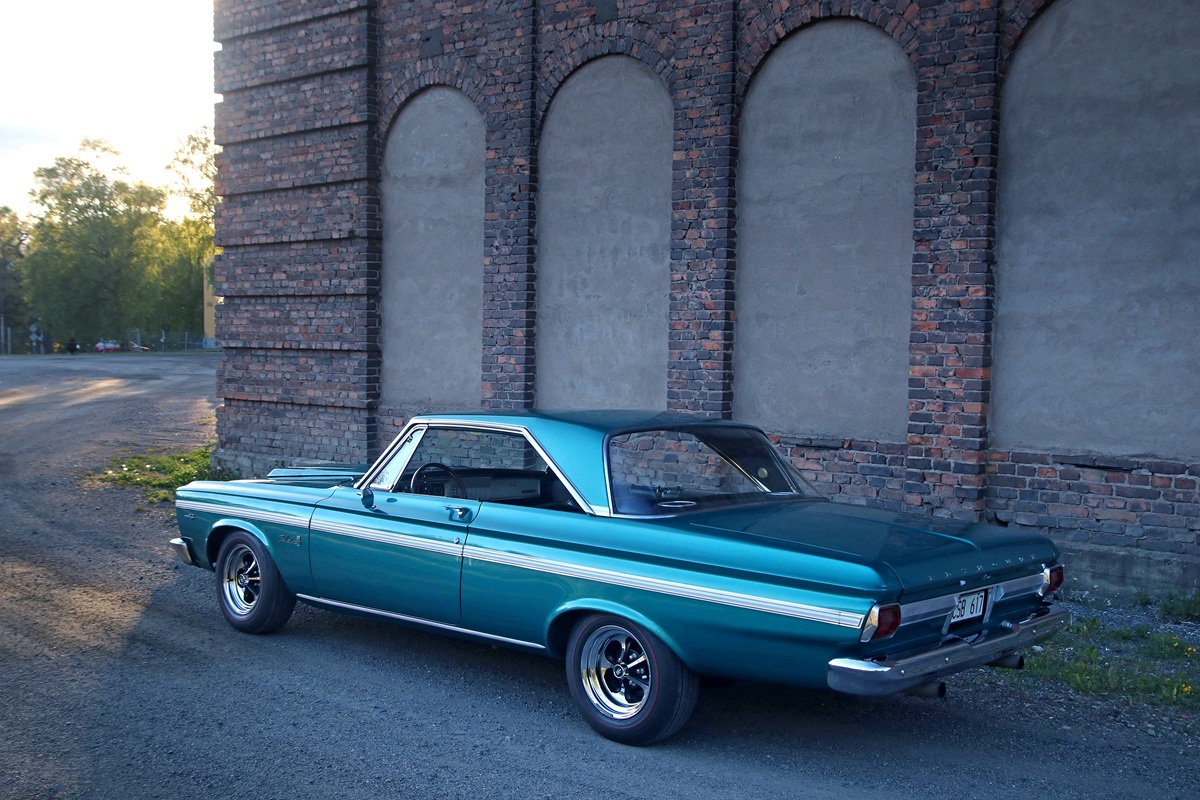
“There’s an unwritten rule that every Italian family, cousins included, eats out at least once or twice a week,” he says. “So they can’t exactly charge outrageous prices.”
The full round trip took about 14 days. Not once did anyone honk or shake a fist. Everywhere he went, people gave him thumbs up. Kids leaned halfway out of cars to film the Belvedere rumbling by. Many locals tried to strike up conversations at gas stations, though in the countryside, gestures and smiles replaced English.
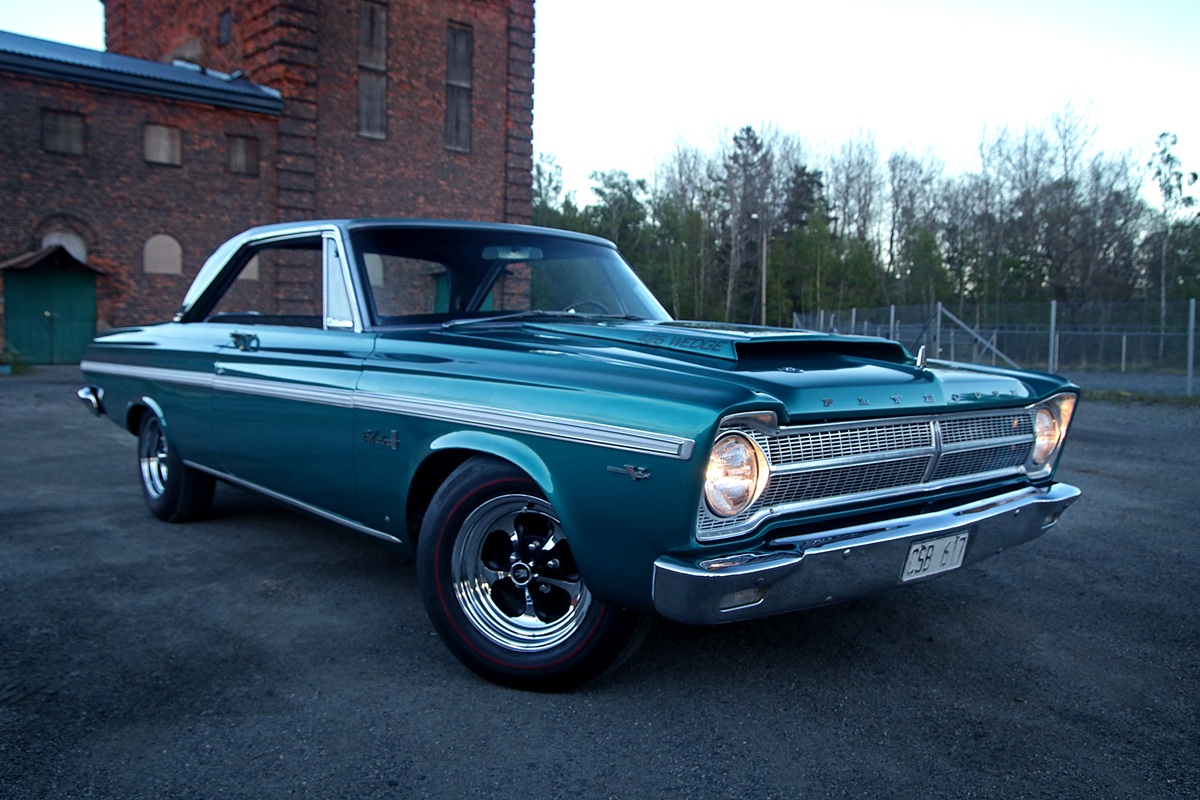
So how to sum it all up – the feeling of the road, the fragments of moments stitched together?
“On the way home, I hit some light rain in the Alps. The engine ran cooler, and the mist made everything even more beautiful. The clouds hung lower than ever, as if you were driving hundreds of meters above them. It was incredible. I can’t understand why more people don’t do this trip.”
0 Comments