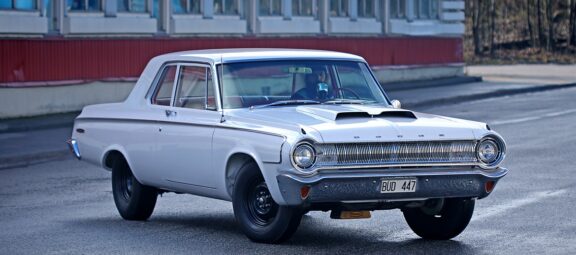
The Salty Dodge
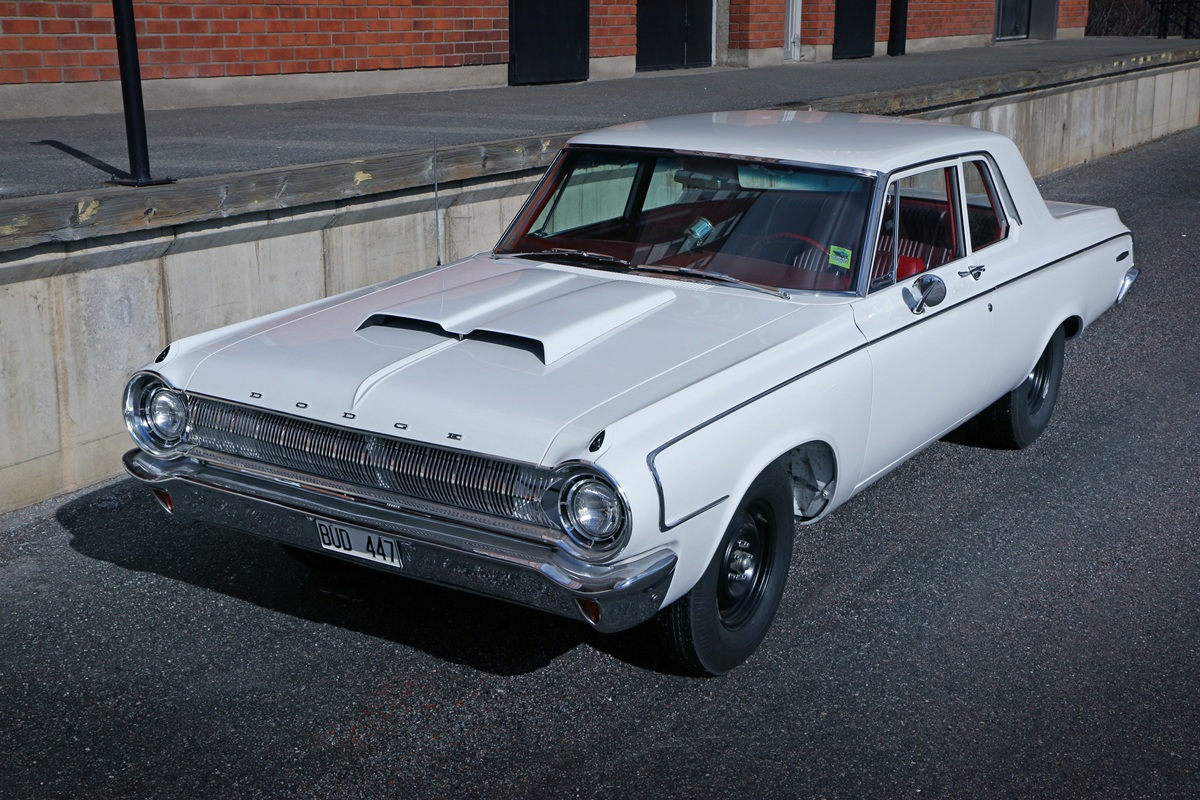
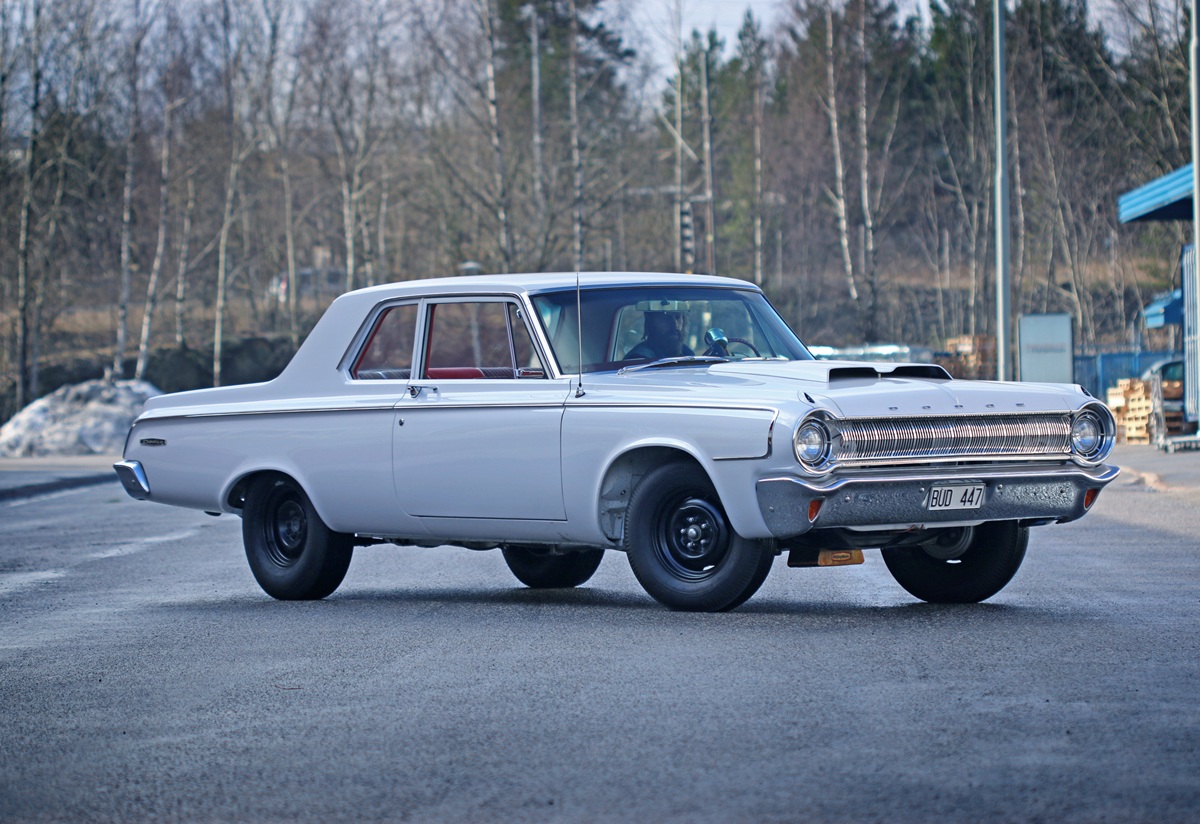
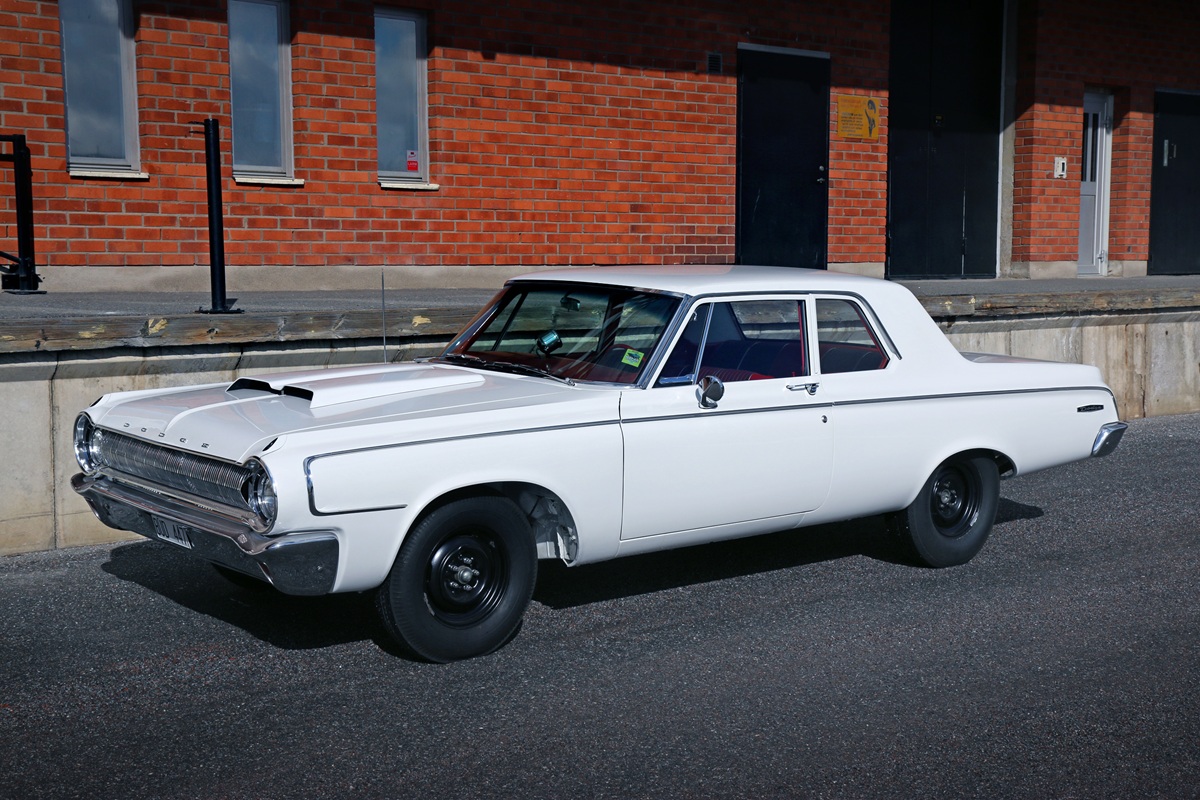
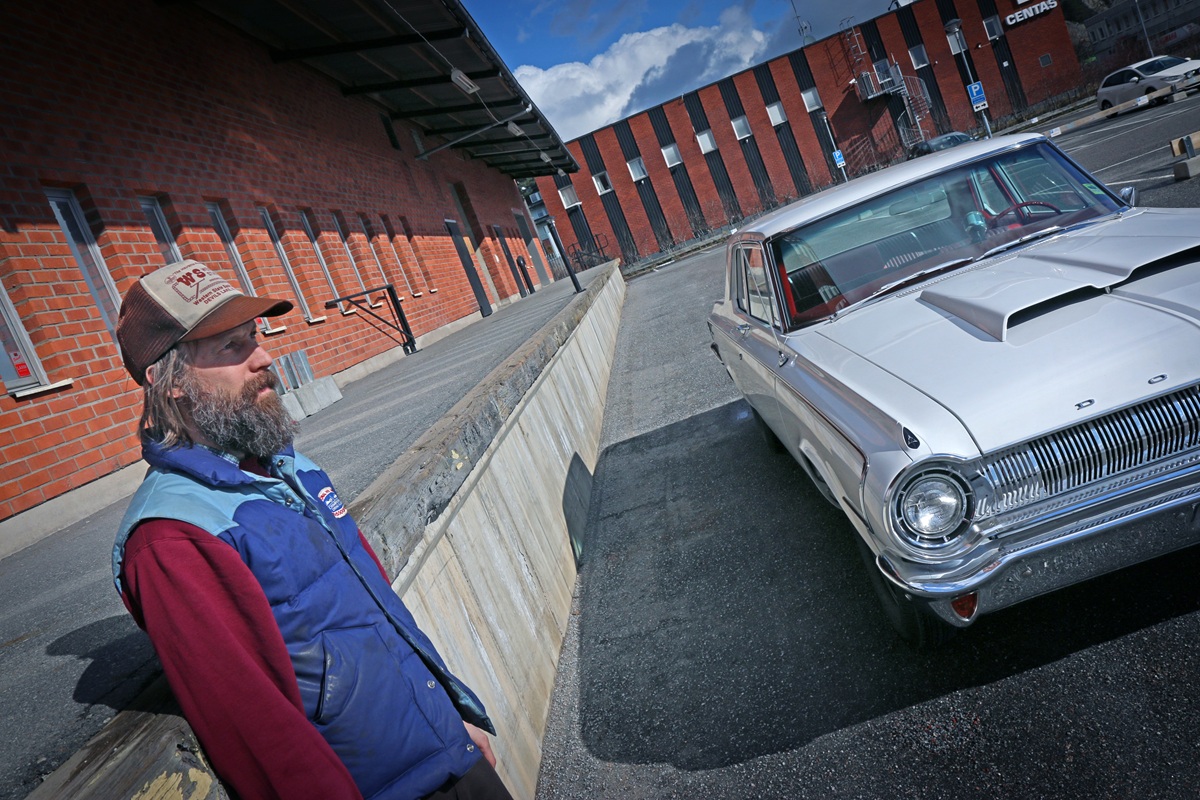
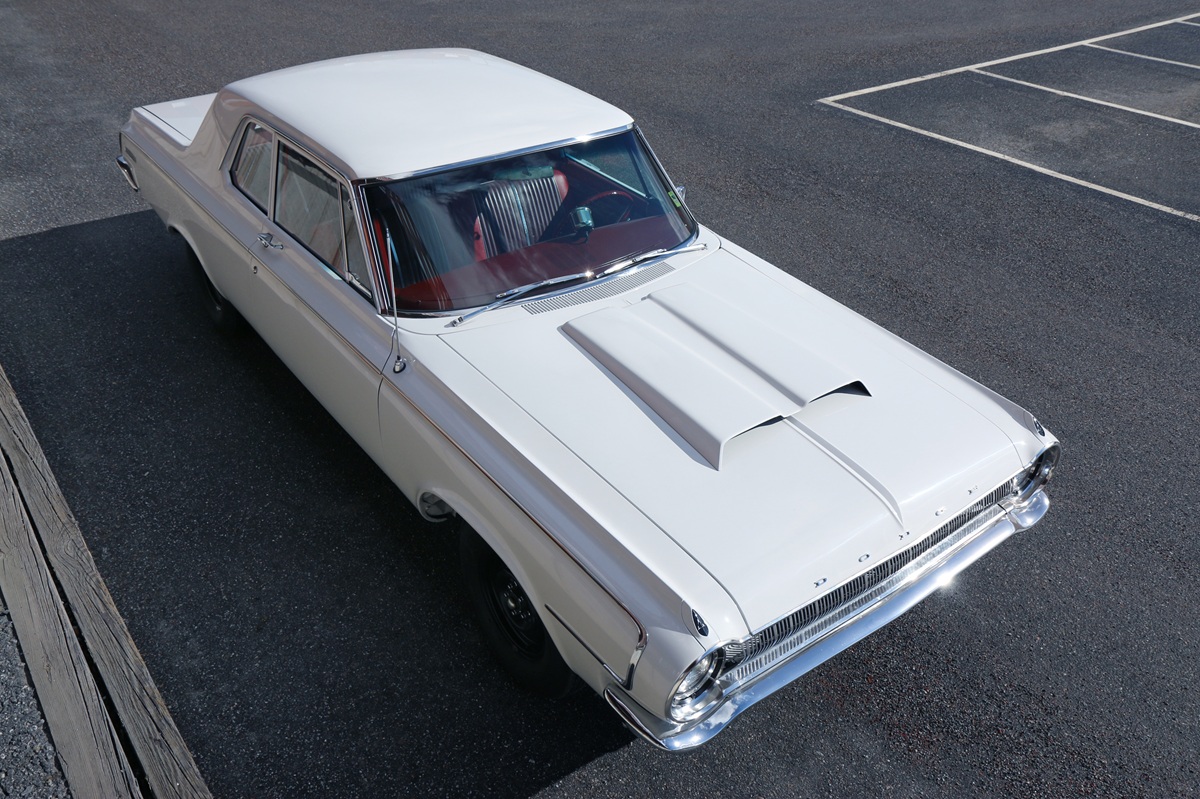
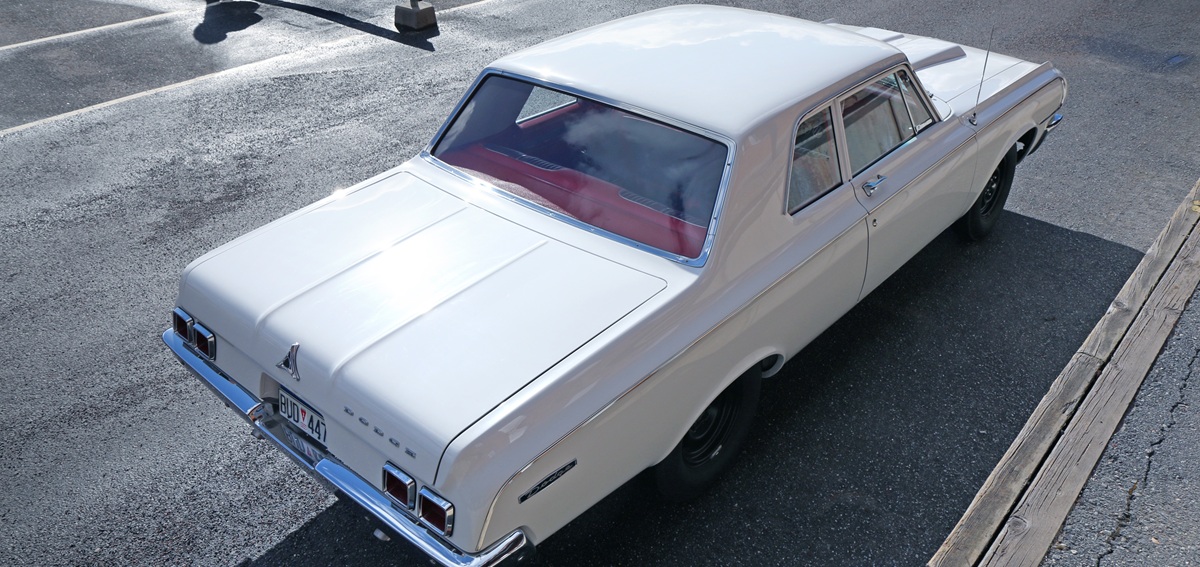
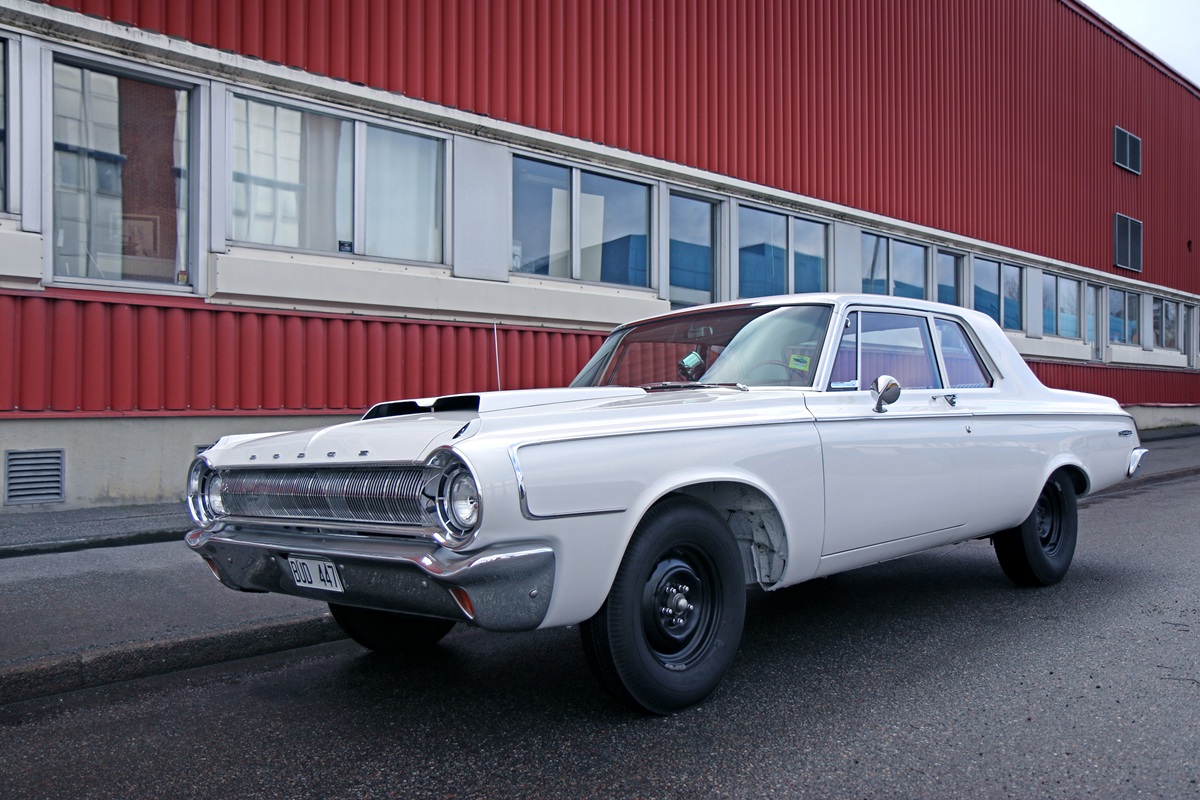
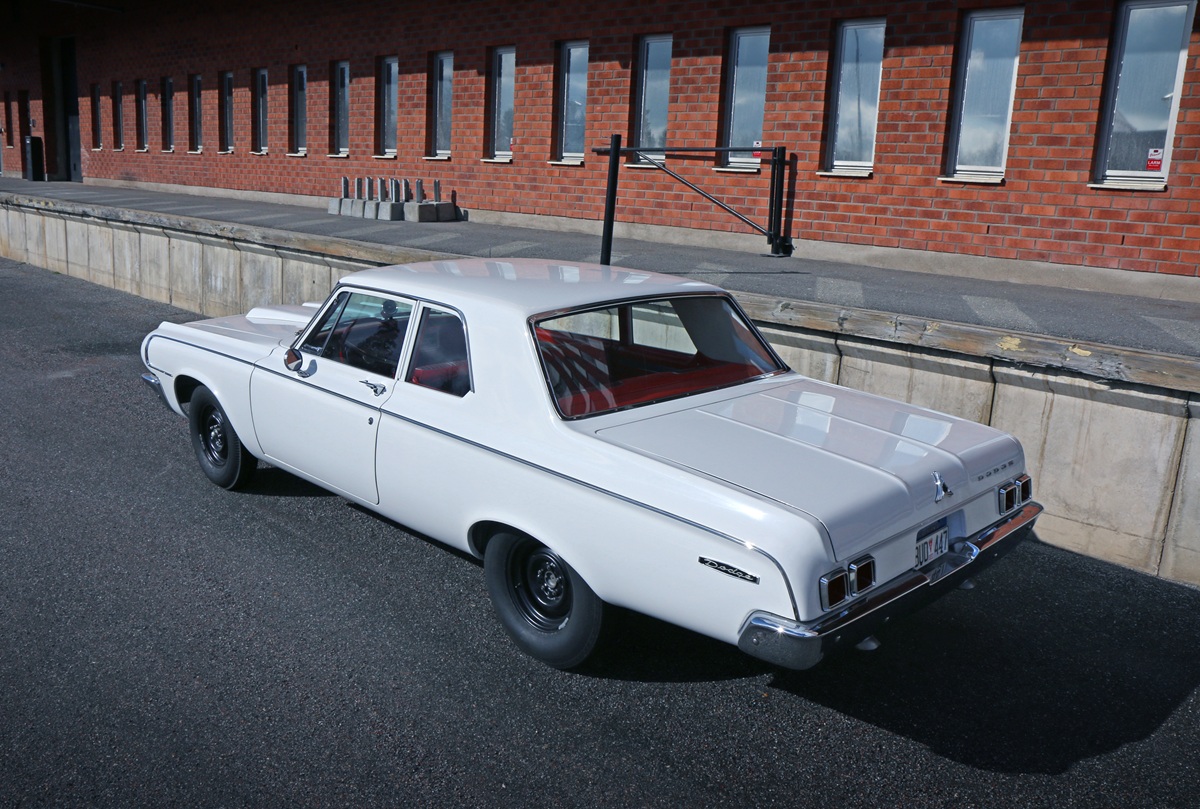
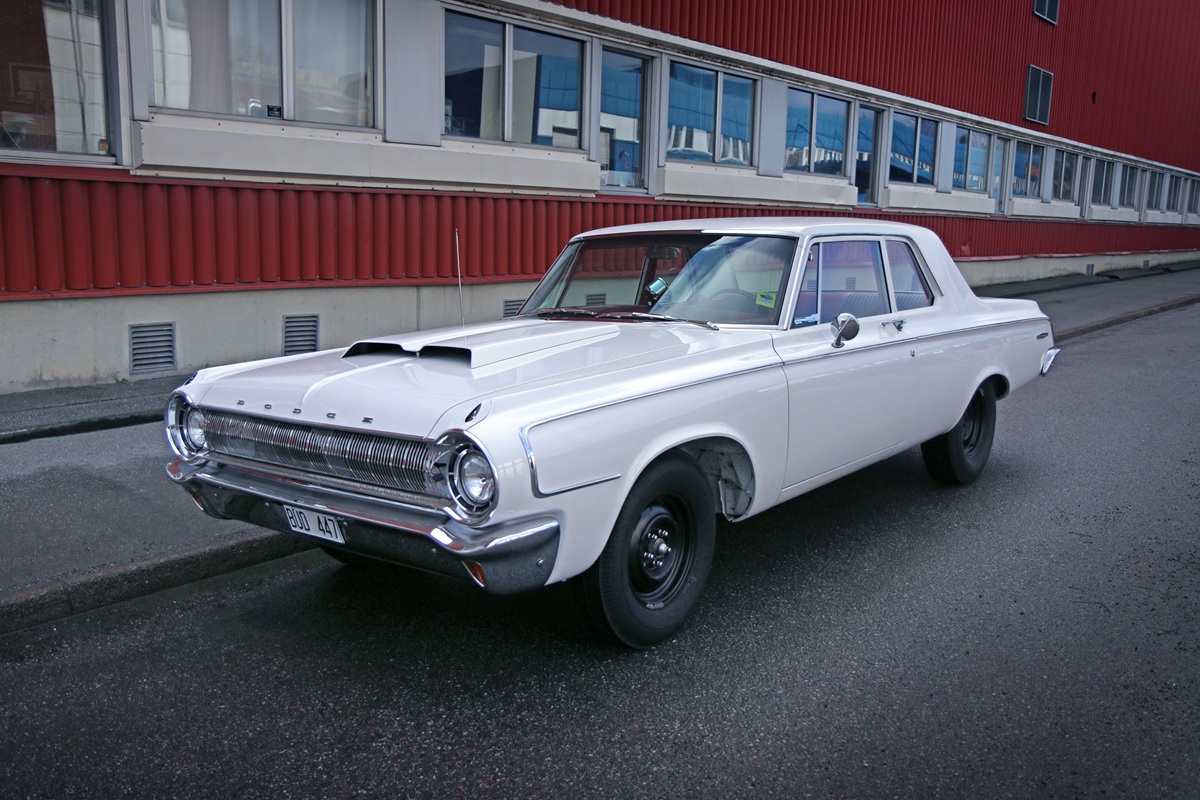
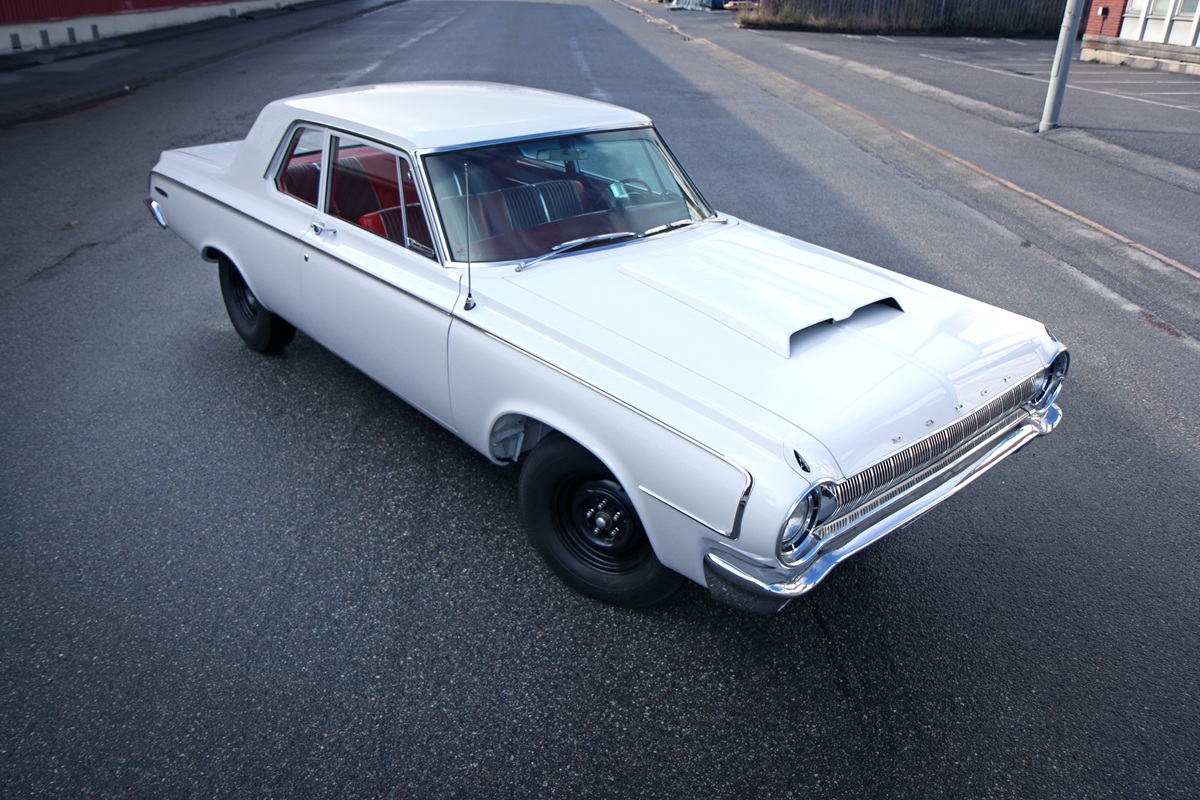
Massive tires, a weak converter and a herd of restless horses weren’t exactly the ideal combo for safe driving. And even though Anders Ohlin’s Dodge 330 looks gentle – almost like a grandpa’s car – it’s anything but timid. These days, Ohlin has refined both the wheels and the converter, so the real challenge lies in getting 554 horsepower and 650 foot-pounds of torque to the ground through a push-button automatic.
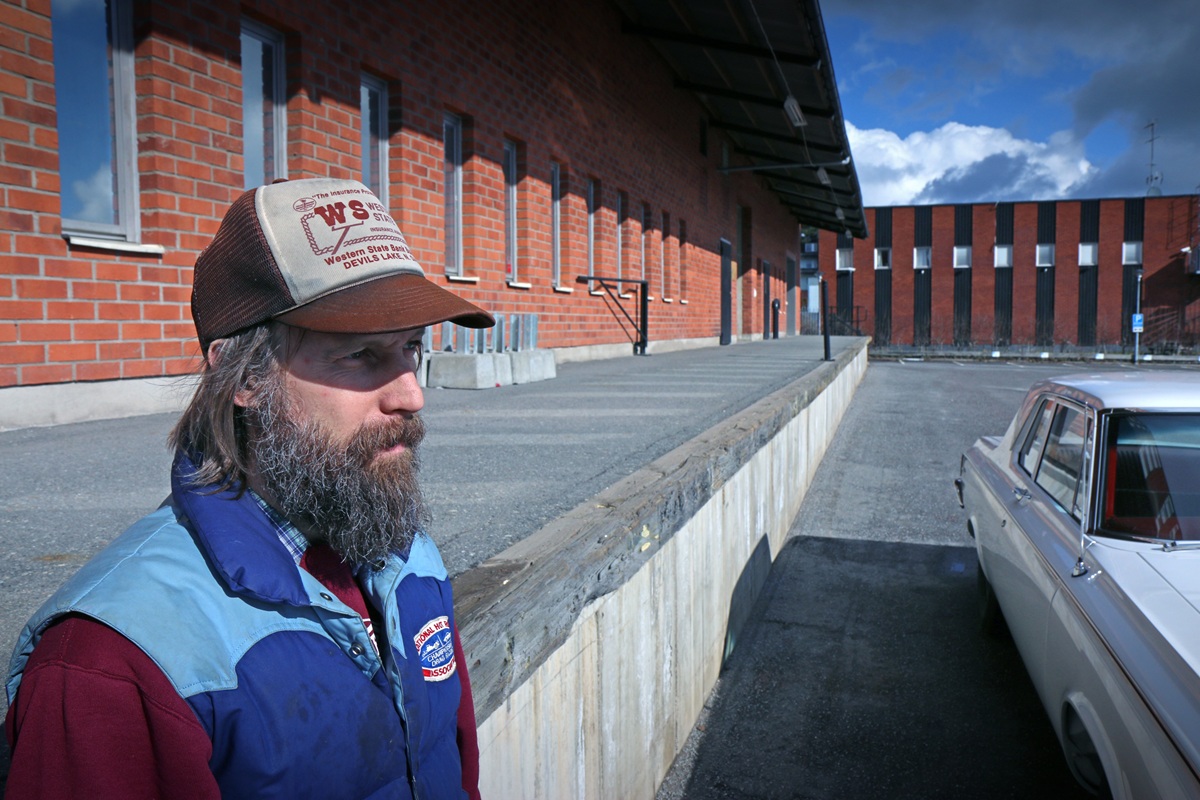
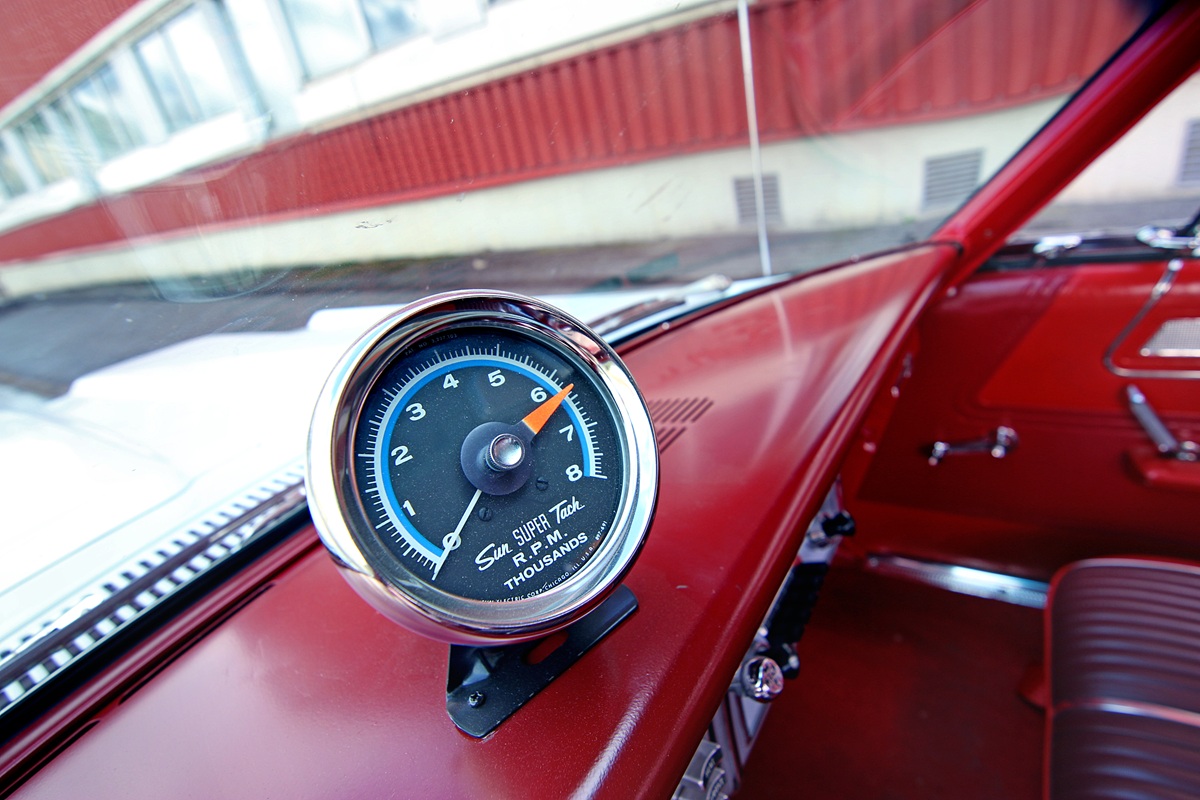
The package has arrived: a mechanical tachometer. From Jones.
Ohlin chuckles.
“Stahl and Jones – that’s who made the good stuff,” he says.
He keeps spinning stories about headers and tires. Stahl, again. He goes into rich detail about the technical bits, and I can’t help but be impressed by the man’s factual precision.
“If you’re genuinely interested in something, it’s insanely easy to learn,” Ohlin says with a laugh.
True enough. You could read about Ohlin’s ’65 Coronet here on DodgeGarage last August – the red one, the A990 Tribute, a proper Bob Mosher homage. It was during that story that Ohlin lifted the cover off his ’64 Dodge. That’s when I realized he didn’t just own one, but two gloriously wild Mopar® vehicles.
So why this particular affection for Chrysler’s 1964-65 models?
“It’s really about Mopars from ’62 through ’65. Two-door sedans with B-pillars. I wouldn’t mind a ’62 Dodge Dart with a 413 Stage 1 engine,” he says. “They’re a bit wild, though.”
How so?
“Yeah – wild in their looks, wild in their manners, which you kinda love. But they’ve got fins and all that. You love them and hate them at the same time. Like the 1970 Dodge Coronet with those ring-shaped headlights – ouch, how odd – and oh man, how gorgeous,” Ohlin says.
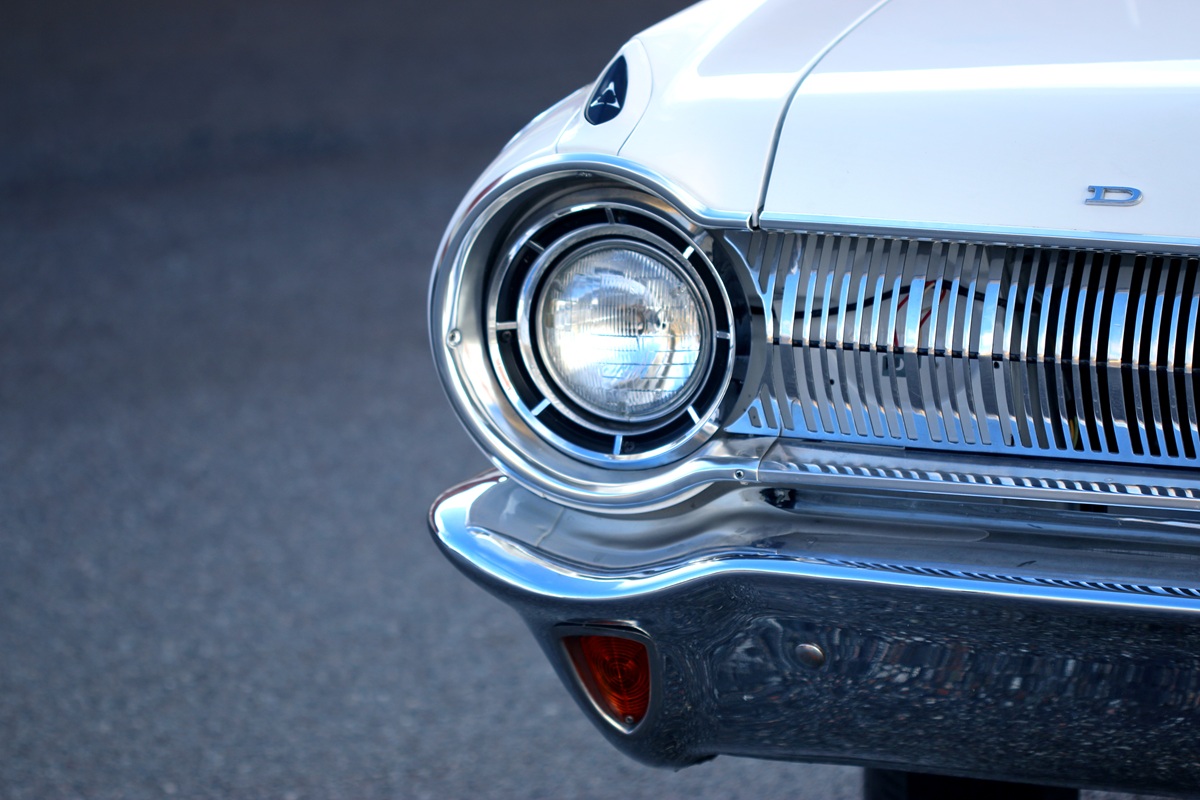
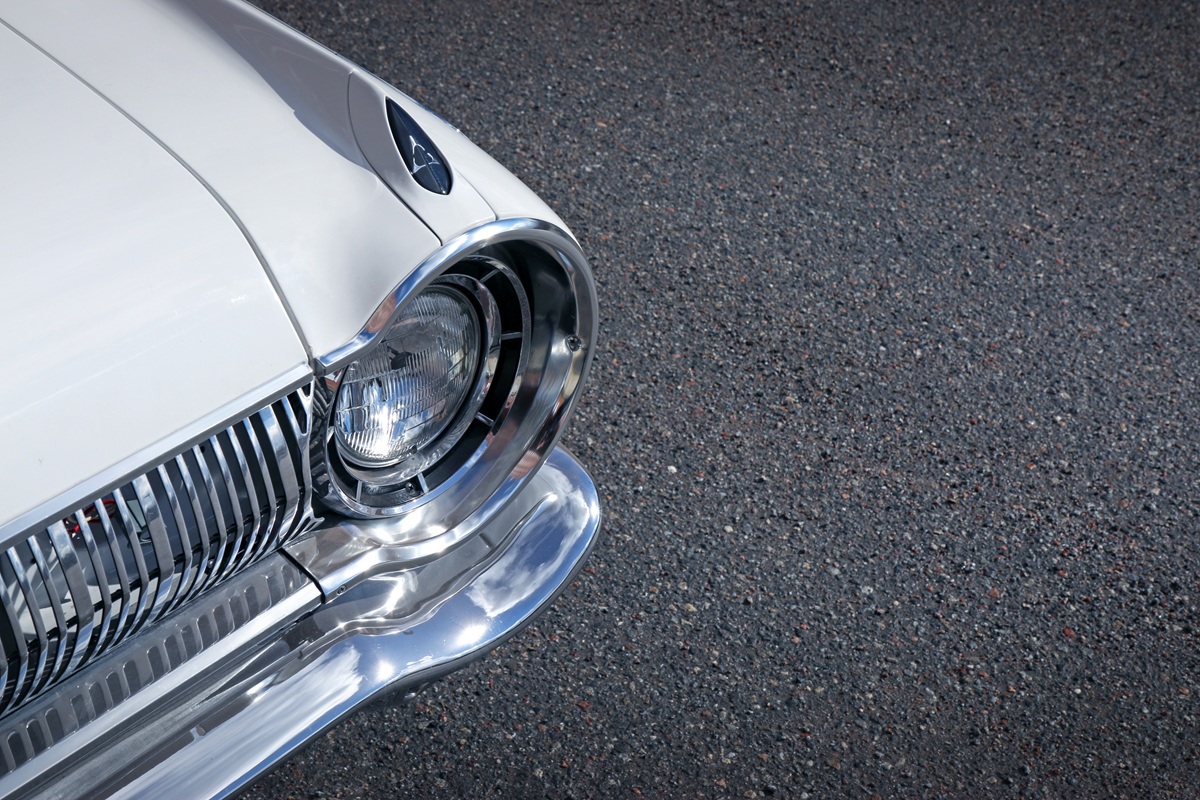
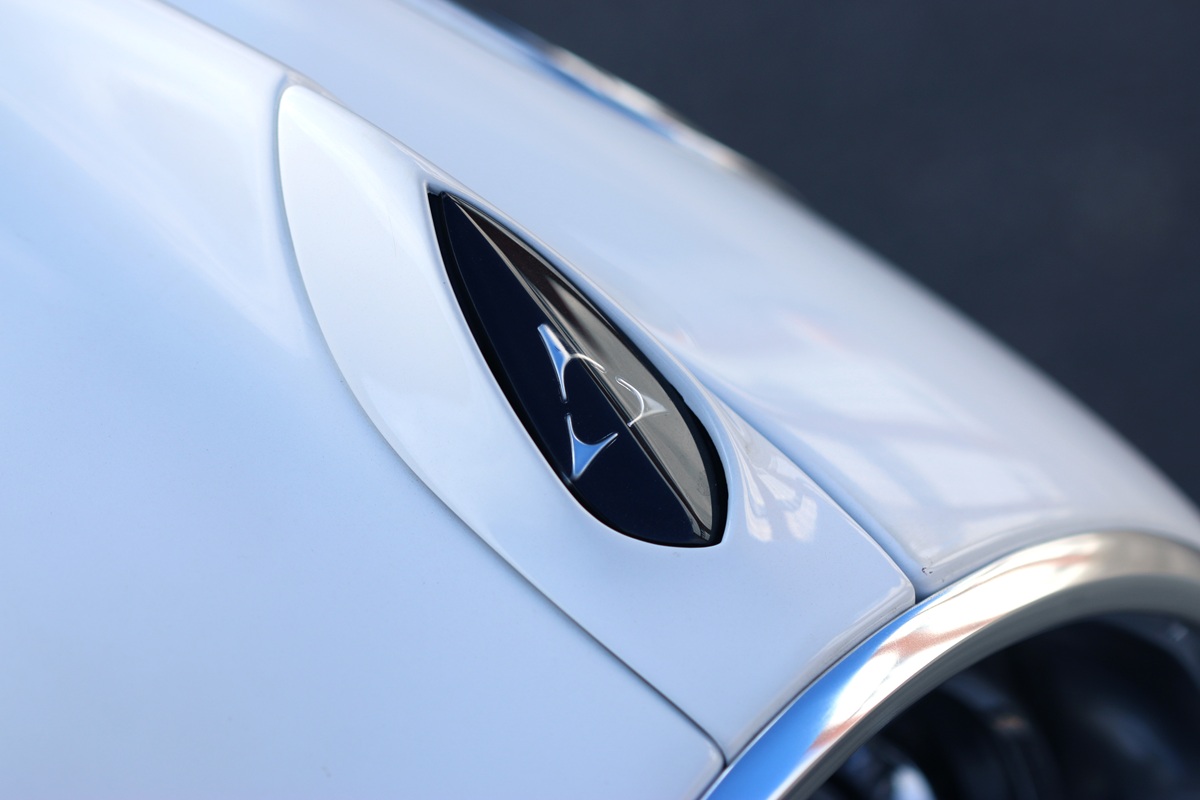
He adds that it’s F.A.S.T. racing – Factory Appearing Stock Tire – that really appeals to him.
“These days, people run nines on the strip with cars that look bone-stock on the outside,” he says, clearly impressed.
Rightly so. Fine-tuning every detail to hit those numbers is craftsmanship of the highest order.
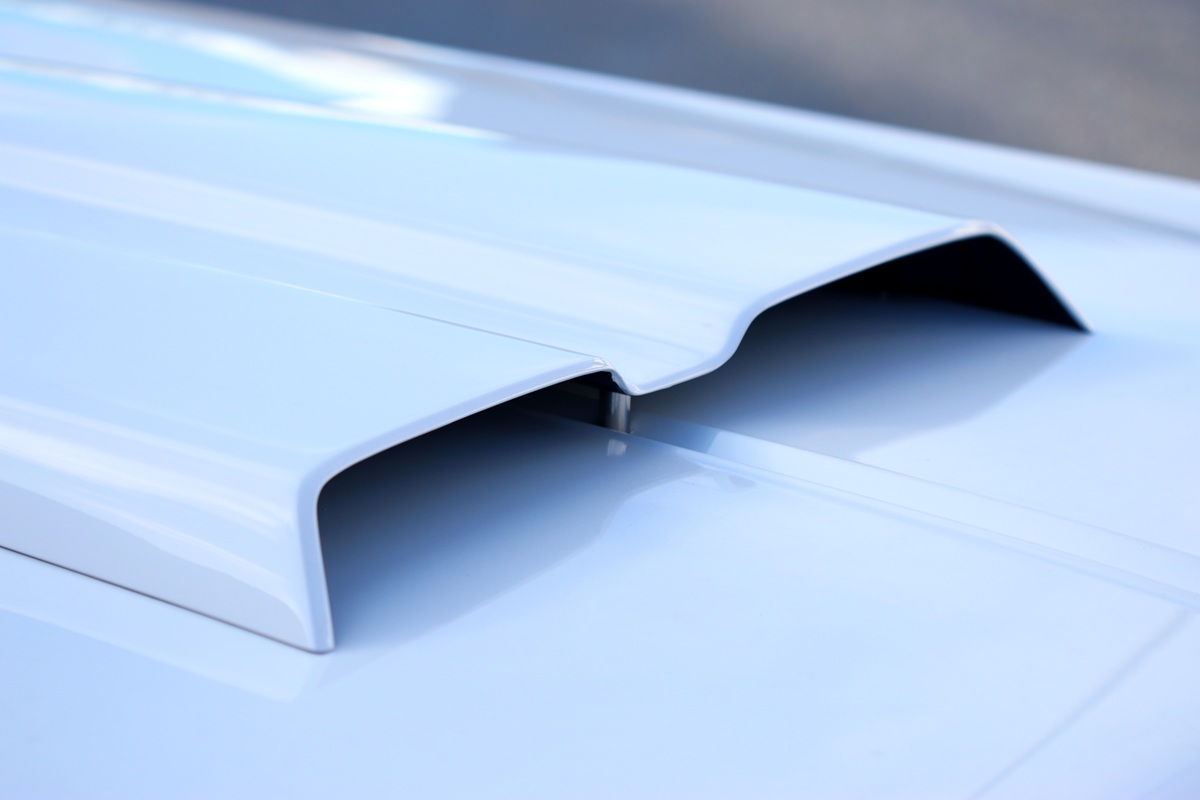
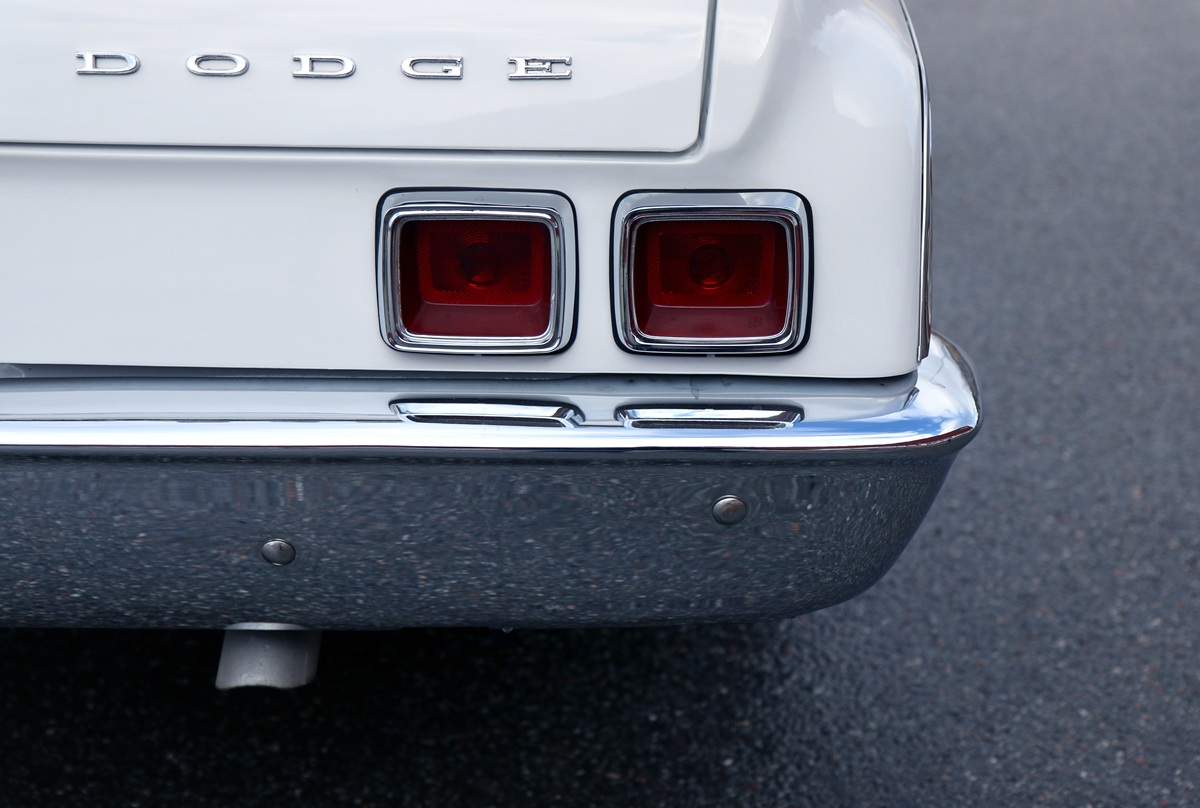
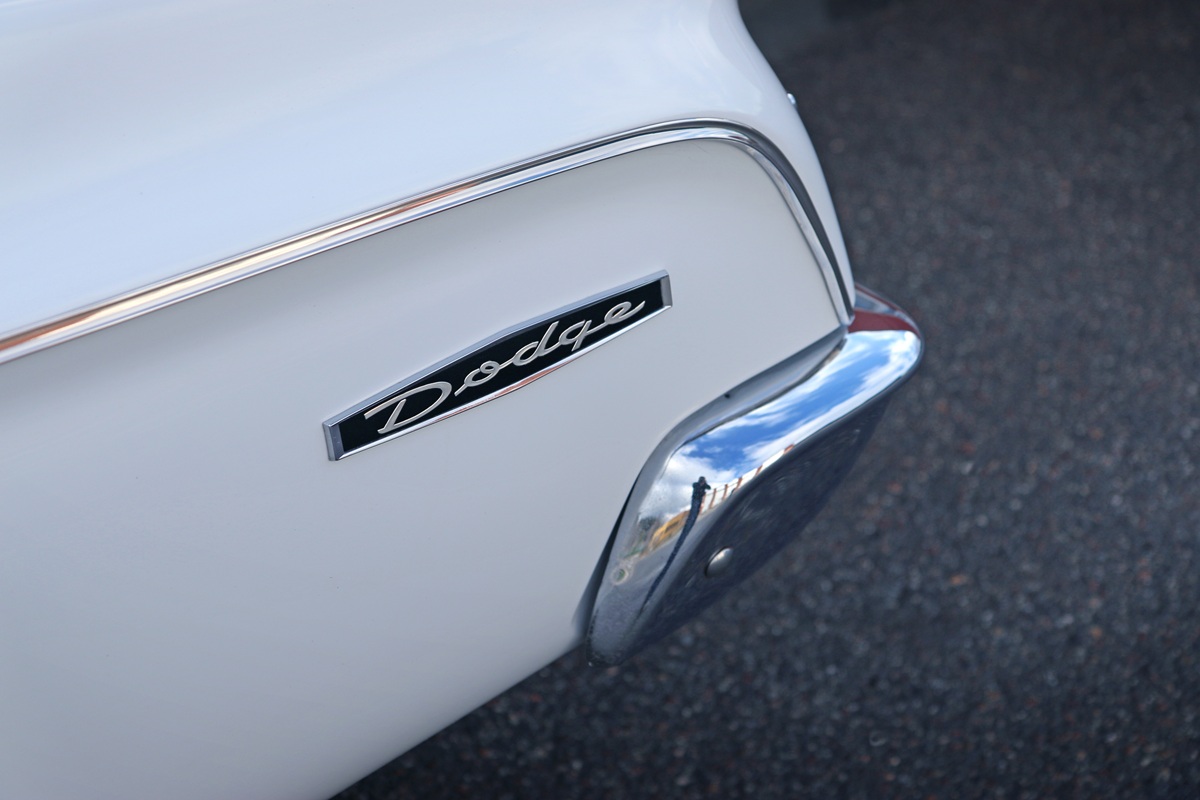
“Those are the cars with soul. A 426 Stage III with Max Wedge heads – that’s the dream. But a bigger engine is cool too,” Ohlin says.
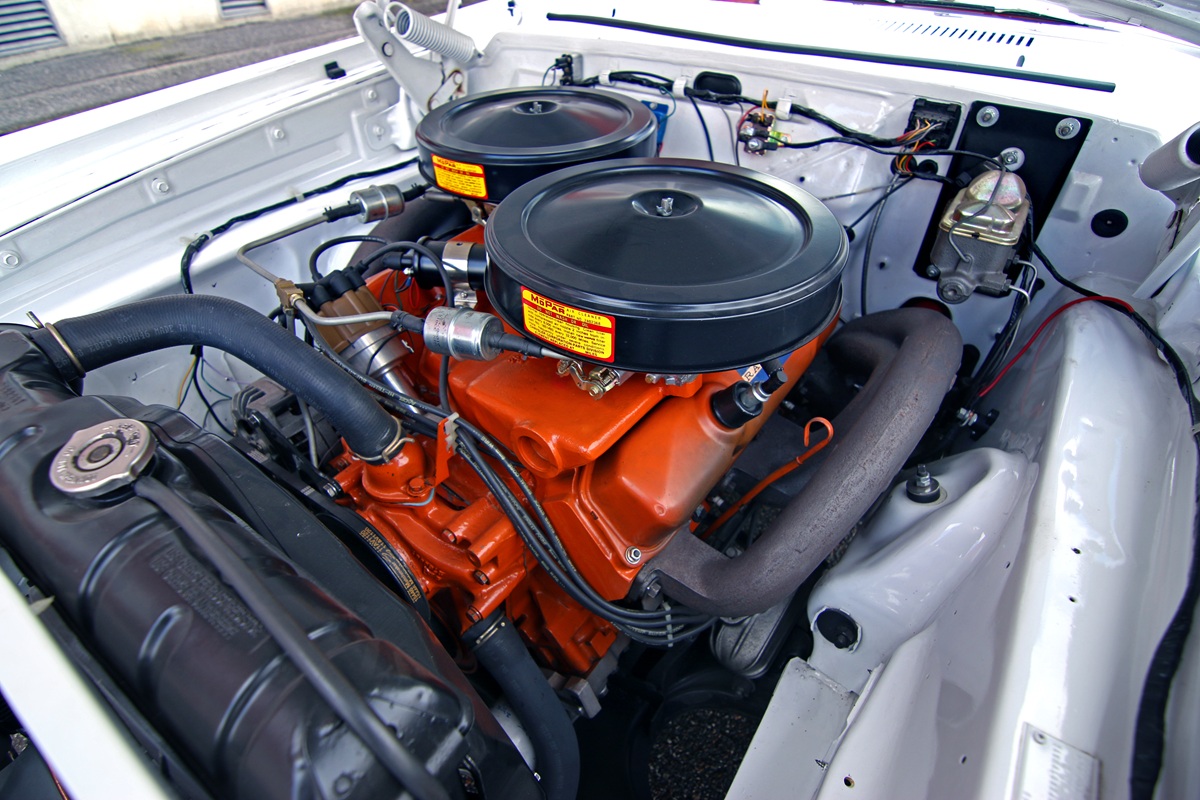
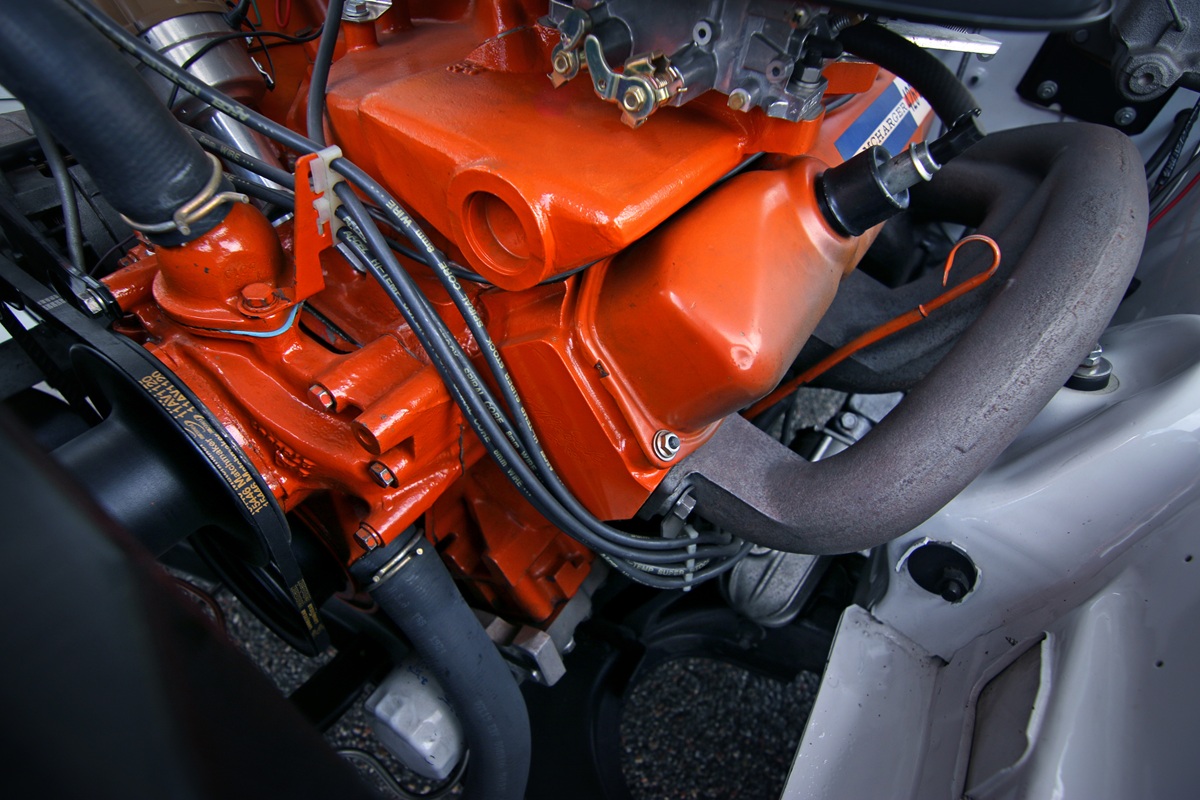
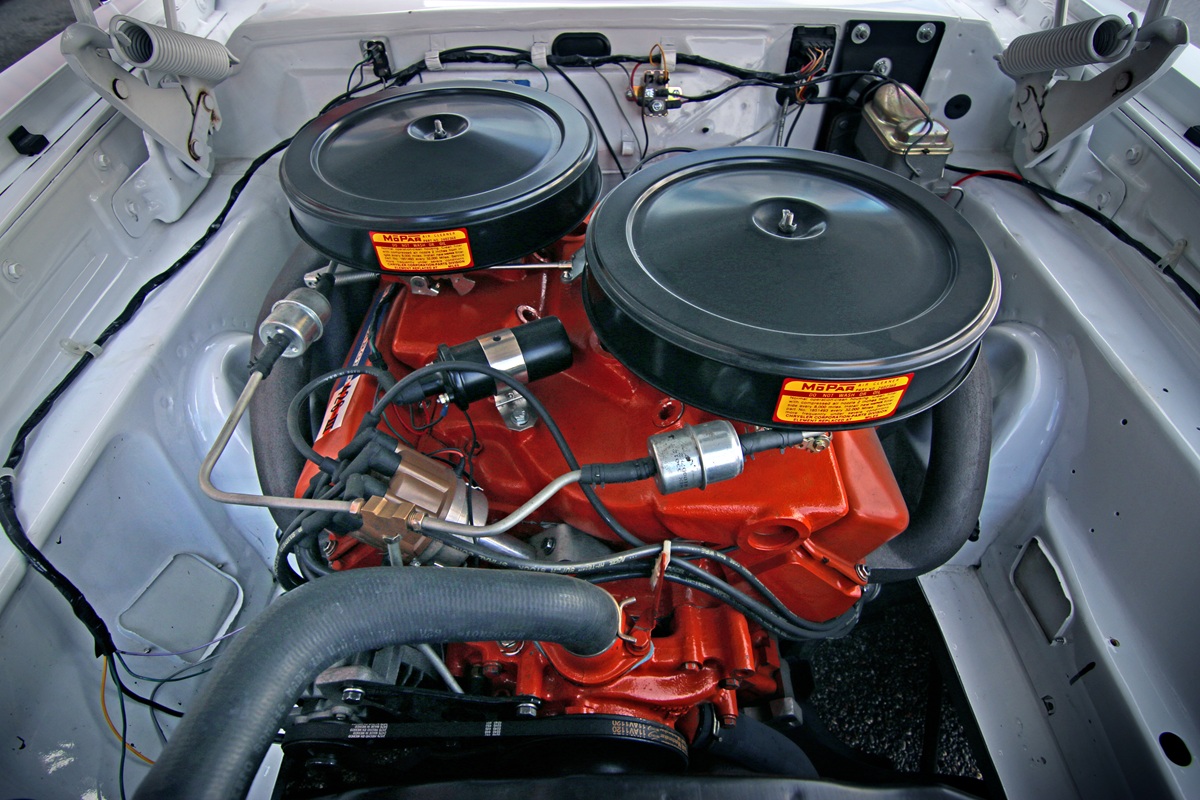
And yes, a big engine is exactly what sits in the ’64. It’s a stroked 440 – longer stroke, a bit overbored – now displacing 520 cubic inches.
“When I bought the Dodge, it had a 440 with a cross-ram intake. I ran it at the strip, and it did a 13.20 on the quarter. A bit disappointing, honestly,” he says.
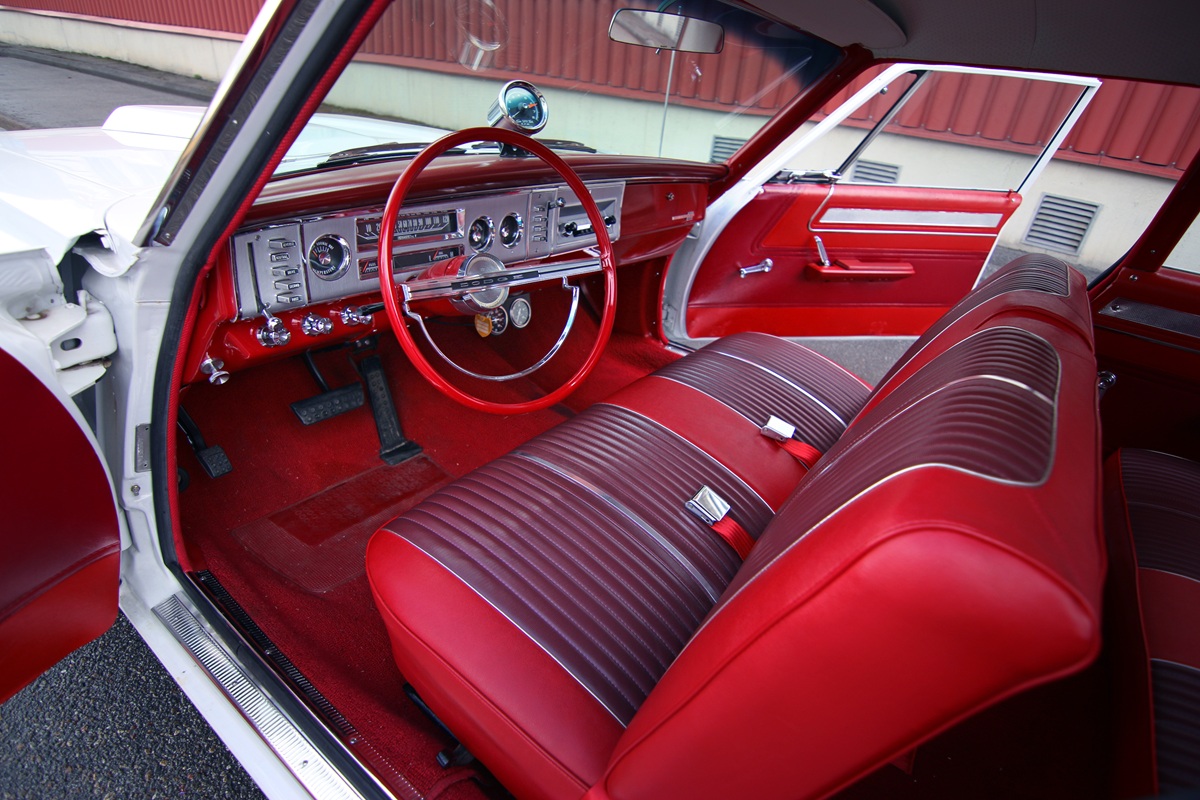
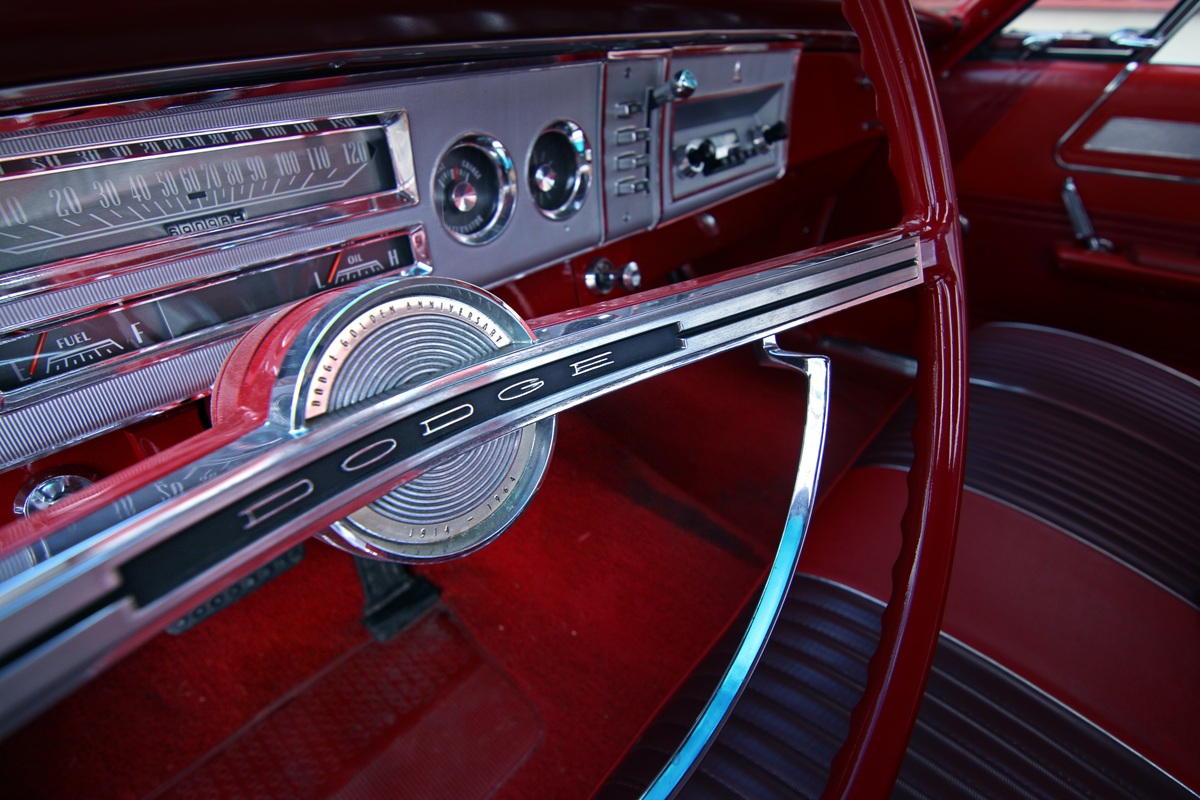
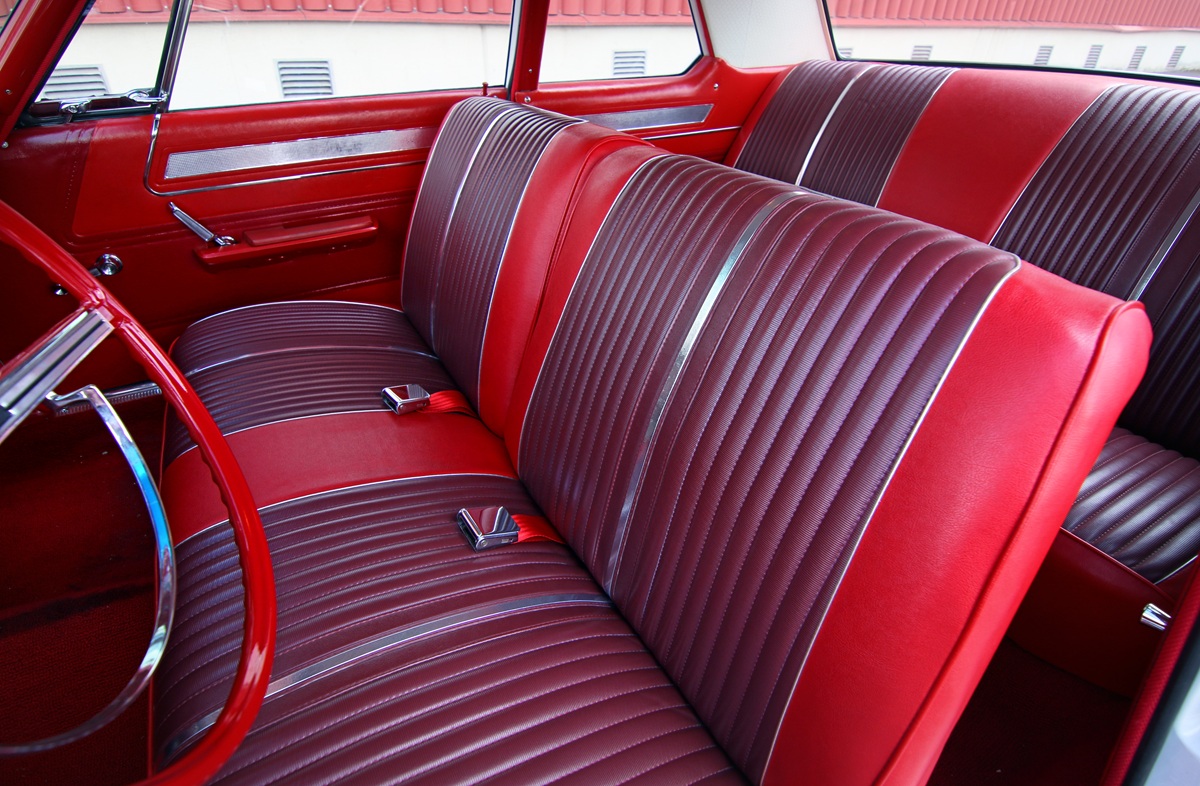
But when the 520-inch motor was swapped in from a Charger, the car came alive. Ohlin now covered the same distance in 11.84 seconds at 188 km/h trap speed. That’s 117 miles per hour.
That’s where the tires come in. You have to understand the context.
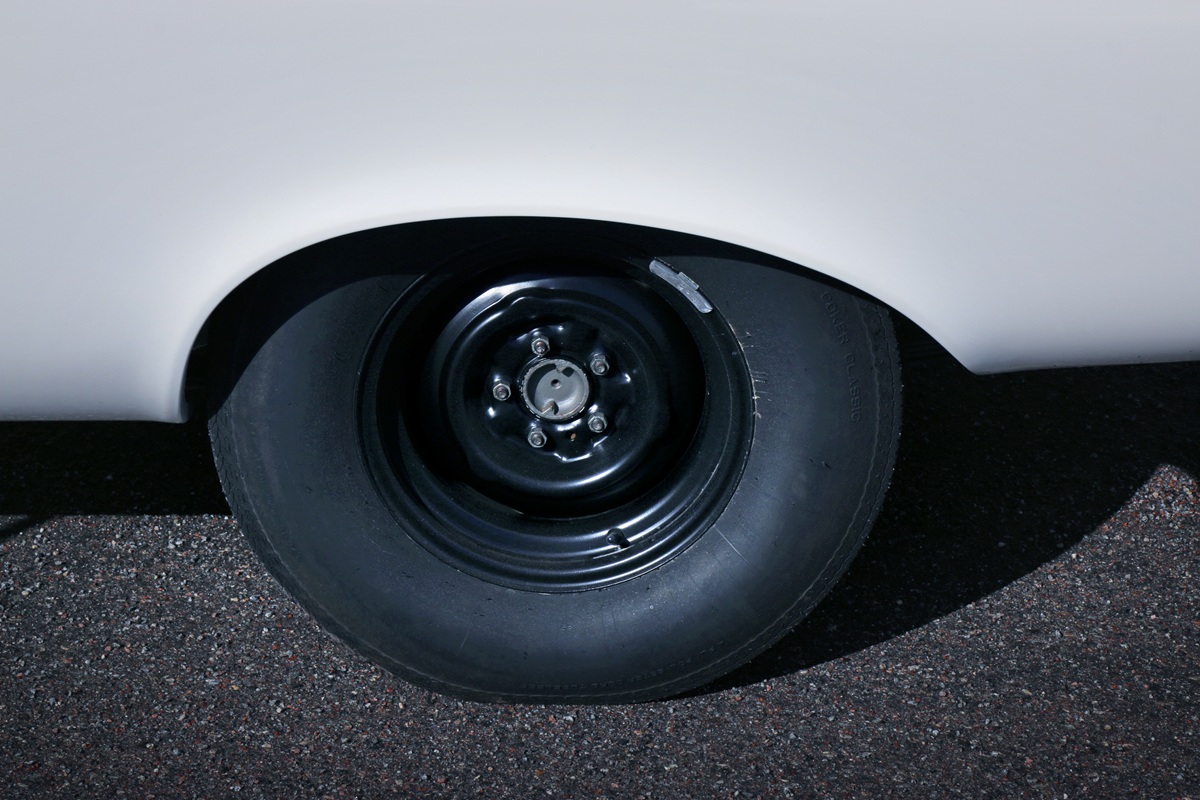
“That time was with Hurst Pie Crust Cheater Slicks, 29×9-15. How did it feel? Sketchy,” Ohlin says. “They weigh as much as truck wheels. When you do a burnout, don’t stop too suddenly or you’ll shear off the wheel studs, ha-ha. There’s like three or four centimeters of rubber on those tires – you could almost carve pie crusts out of them. After that pass, I switched to the snake tires – Coker L78-15s. They’re bias-ply, but with a bit of cord crisscrossed. Wide waist, narrow tread – just the way you want your tires.”
He bought his ’64 before the ’65 came into his life. The year was 2008.
“Kind of a funny story, actually. I was desperate for a pillar car and found it on Moparts. Lots of overpriced junk there, but this one was good – though crazy expensive. I emailed the seller, who cheerfully replied, ‘You’re welcome to come inspect the car.’ Since I live in Sweden and the car was in the U.S., that wasn’t exactly practical. And then he wanted references! I mean, I was the one buying it unseen, and he wanted references. Isn’t that hilarious?” Ohlin laughs.
After sending contact info for a guy in the U.S. from whom he’d once bought a Dodge Charger, the deal went through.
“He loved that car. But his wife had gotten cancer, and the hospital bills finally overwhelmed them. He even sent me a photo he’d made in Photoshop, with the 330 wrapped up like a gift. ‘I hope you will enjoy it!’ he wrote,” Ohlin says quietly.
The joy wasn’t immediate when the Dodge arrived in Sweden, though.
“No oil pressure in the engine. Had to tear it down. A few lifters had snapped,” he says.
Once replaced, the motor ran fine – but those sluggish 13-second passes prompted him to redo the bottom end.
Today, the 520 cid engine is a blend of parts that came with it and new components. The old cross-ram intake remains, but the carbs are now Edelbrock 600 cfm units. The Edelbrock heads pair with a hydraulic cam instead of the old Indy heads and solid lifter setup. Rockers with a 1.6 ratio deliver about .600 inch lift, Ohlin notes.
“Jari Konola ran it on the dyno – 554 horsepower, 650 ft-lbs,” Ohlin says.
I hear him, but my eyes are fixed on something else: the glorious exhaust headers.
“They’re Max Wedge headers. And by the way, did you know cutouts were even listed as an option by the Swedish Chrysler dealer?” he says.
He flips open a thick mid-’60s catalog. Sure enough, they’re there. Wicked cool.
Another wicked detail is that the car still runs its TorqueFlite 727 push-button automatic. Getting 554 horsepower to the ground via buttons on the dashboard’s left side – that’s both hardcore and strange.
“Dodge and Plymouth called it Dial-a-Winner,” Ohlin laughs.
Indeed, several racecars used push-buttons, including a HEMI® engine-powered car named The Prosecutor, a ’64 Dodge. Ohlin explains how racers bolted cabinet handles beside the buttons to hang onto when the G-forces hit – four fingers around the handle, thumb ready to jab the next gear.
“The trans is cable-operated, from 1965. That year matters – it’s the first where the transmission easily mates to the 1966-72 converter. The converter itself is a Turbo Action unit, ten inches, about 3,800 stall. Funny story about that one. The guy I bought the Dodge from said it had a race converter. When I peeked between engine and trans, it was just a regular stock converter – no surprise given how it behaved. Amazing it lasted as long as it did, really – and that it held up when I dumped 554 horsepower into it at the strip. Yeah, there was some explosion risk before I swapped it,” Ohlin says.
He adds that behind the transmission sits a rear end with 3.91:1 gears.
Since buying the car, Ohlin has done plenty of tinkering – besides the tires, he’s gone through the wheels too.
“Out back are widened A100 wheels from 1965 – 15-inch with big outer lips so you can snap on hubcaps. Up front, they’re actually Studebaker wheels. A tip from Bob Mosher – I email with him quite a bit,” Ohlin says.
Speaking of A100s, Ohlin has another story. He was supposed to get a set of A100 seats for his ’65 Coronet. The seats, now worth a bit, were free. They came from a farmer out in the sticks, so pickup logistics got creative. The farmer left them by the roadside so a friend of Ohlin’s could grab them easily. Unfortunately, there were garbage cans nearby.
“Yeah,” Ohlin sighs. “Then the garbage truck came. They must’ve thought they were doing a good deed, emptied the bins and took the seats.”
A car battery is just a car battery, unless you’re Ohlin. Then there’s a world of difference between one electrical accumulator and another. That becomes clear when he pops the trunk.
There sits a battery that looks vintage but isn’t.
“Old lead-acid batteries are just so darn beautiful. New ones are soulless. And if they’ve got an ugly profile, you’re toast,” he says.
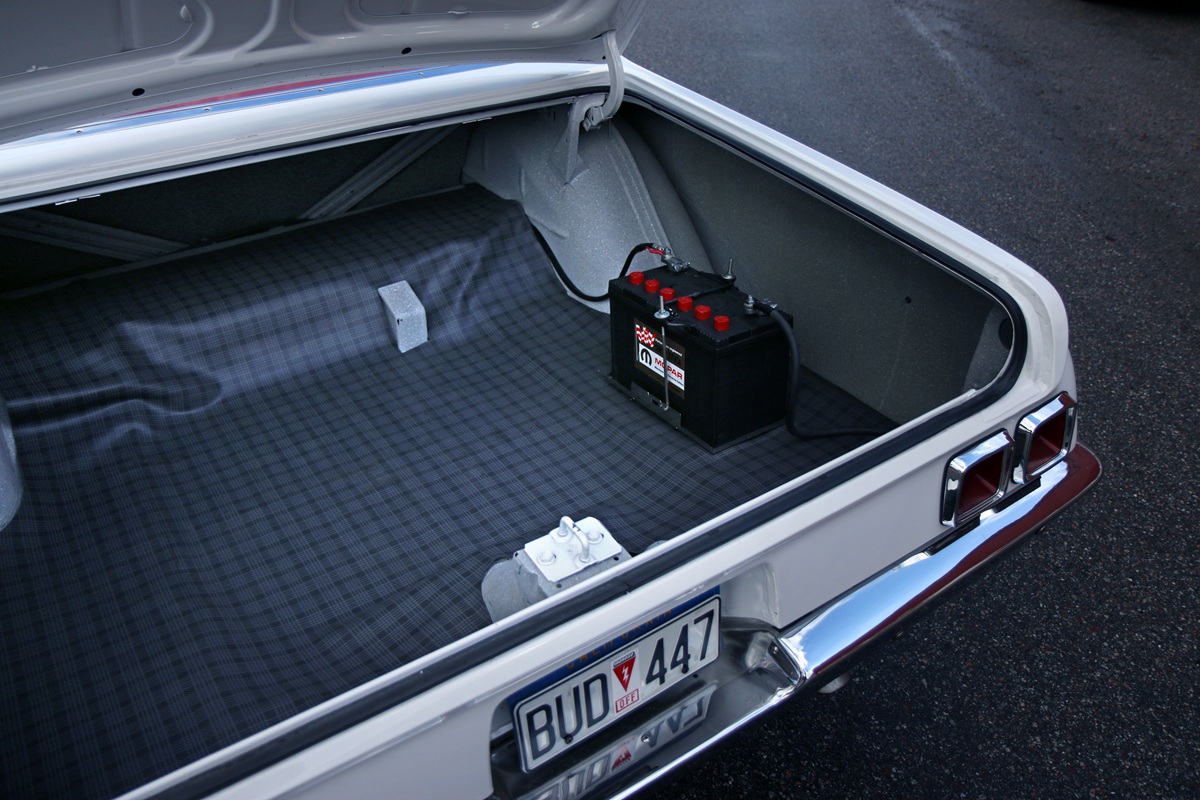
The trick is finding new, perfectly flat-topped batteries – then dressing them up.
“I remember roaming junkyards for battery caps. Finally filled a whole bag. If you buy Biltema’s Global knockoffs, they’re flat on top so you can add caps and Mopar Super Stock decals. They turn out gorgeous. When the battery dies, just peel the decals off carefully – they’re crazy expensive,” Ohlin says seriously.
He quickly adds that the battery is not something you leave to chance.
Speaking of electricity – and the eternal chapter of troubleshooting we all know too well – who hasn’t torn apart the entire cooling system, only to find the last replaced part was the culprit?
“The engine wasn’t getting enough current. I replaced practically all the wiring before realizing the starter relay was bad. When I opened it, it was full of greasy metallic sludge,” Ohlin says.
So what’s next for his two Coronets?
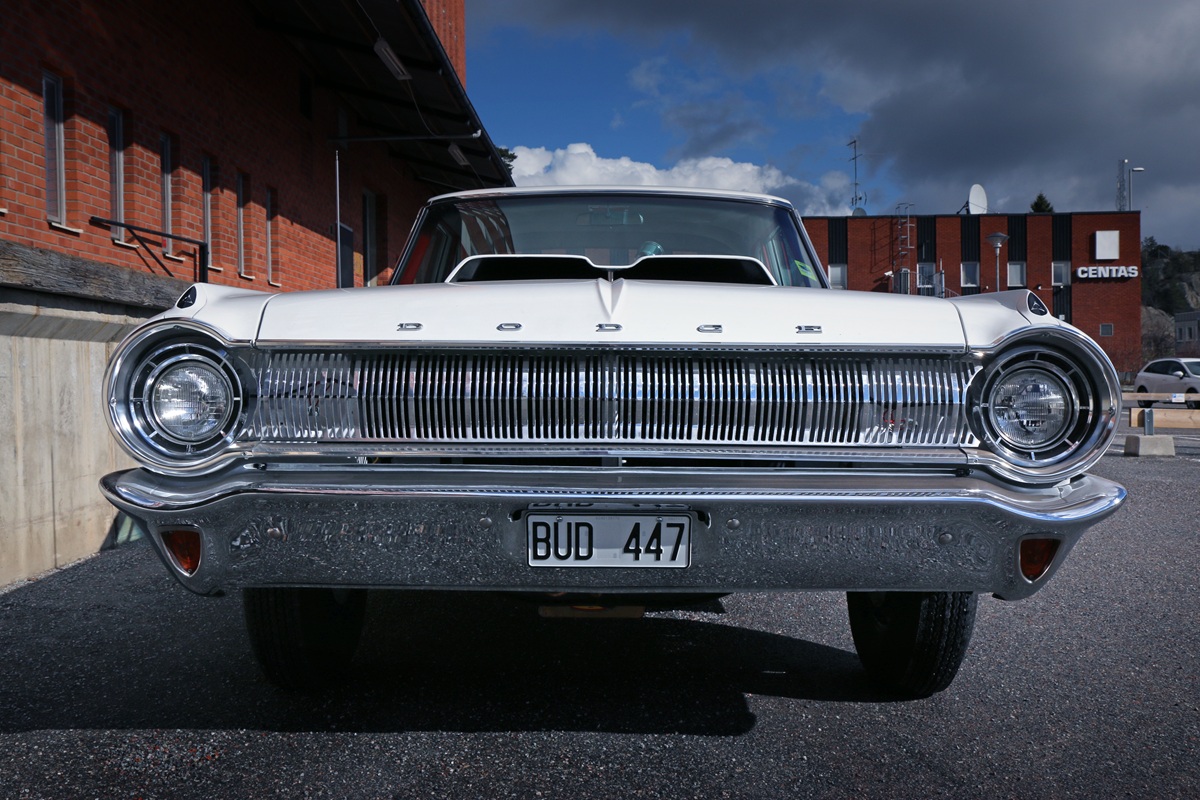
“I’m about to become a homeowner,” he says. “So I’ll probably turn into one of those guys – ‘Nice cars, yeah. I used to have ones like that. Back in the day…’ Soon I’ll be sipping rum on the lawn, building decks and mowing grass.”
Ohlin laughs.
“Nah, just kidding. I can’t live without trawling eBay for cool parts, worrying about shipping, getting the wrong stuff, starting over and stressing whether the damn car will even make it to the dragstrip,” he says, laughing again.
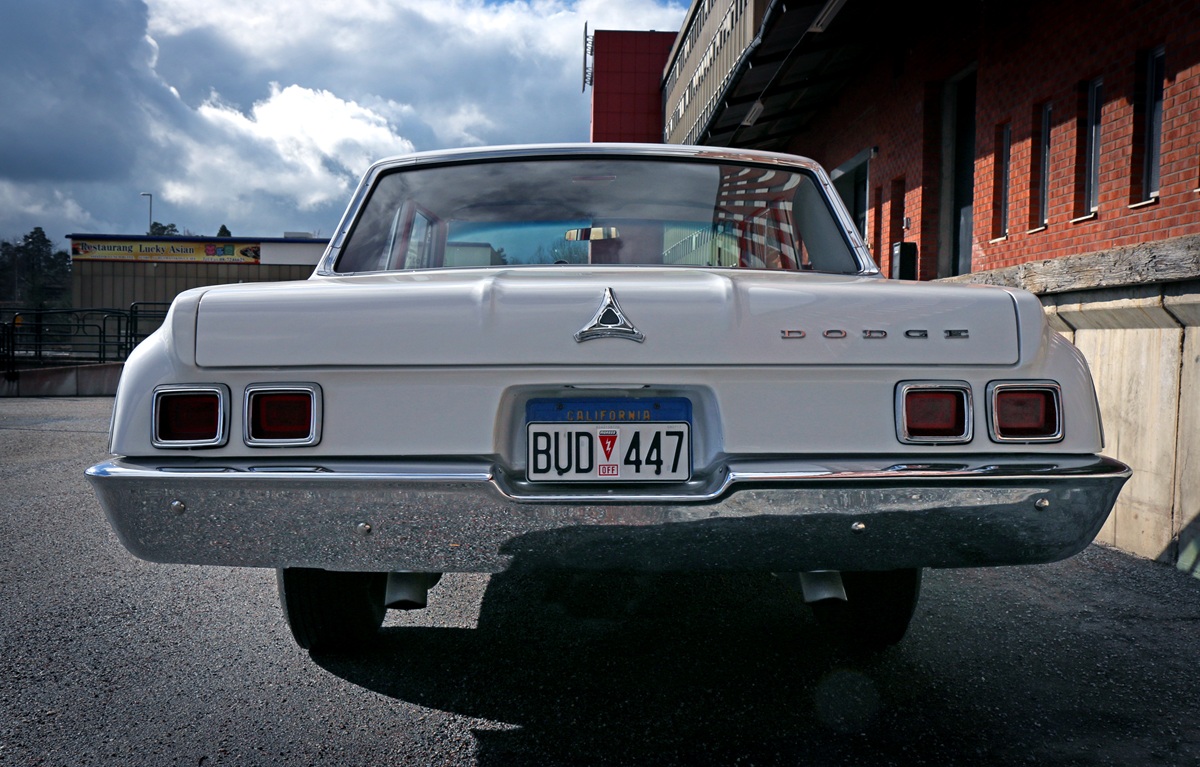
Then he notes it’s been a great chat – but time to get back to that mechanical tachometer waiting for him. The Jones gauge.
Goodbye, Ohlin. Hope we meet again soon.
0 Comments