
Grandiose GTX
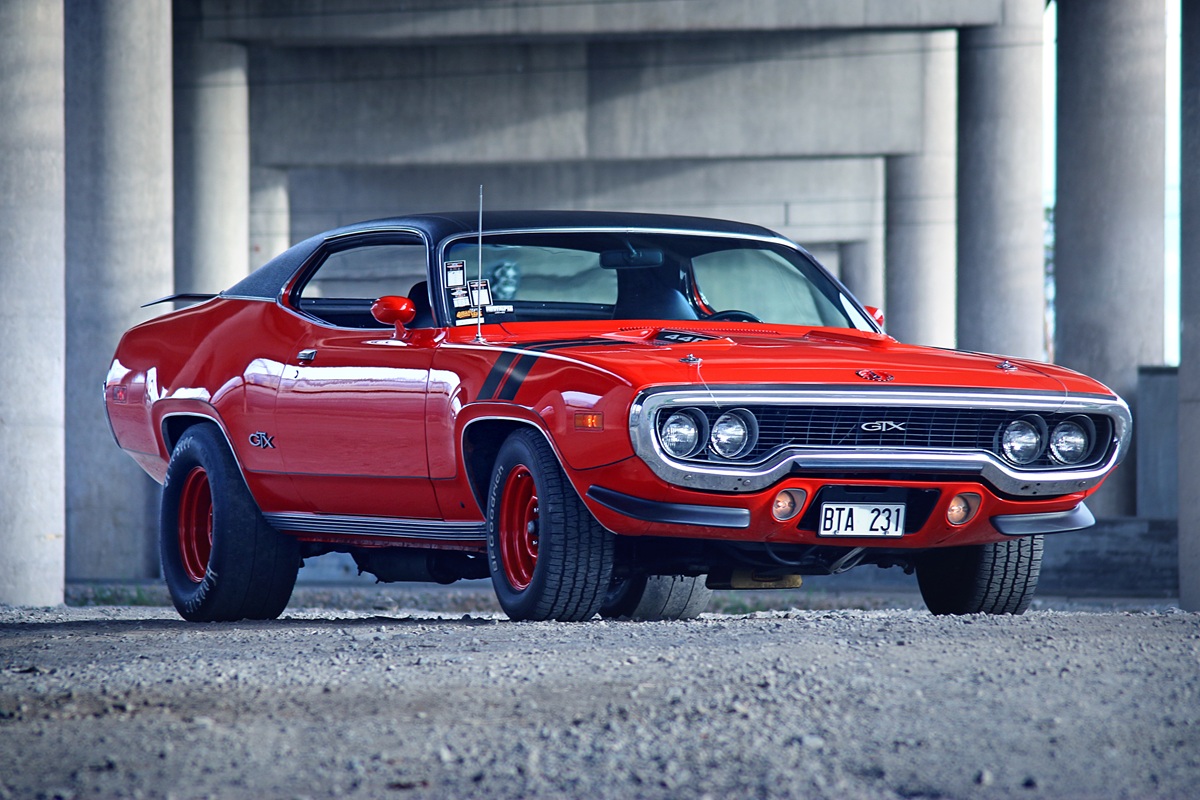
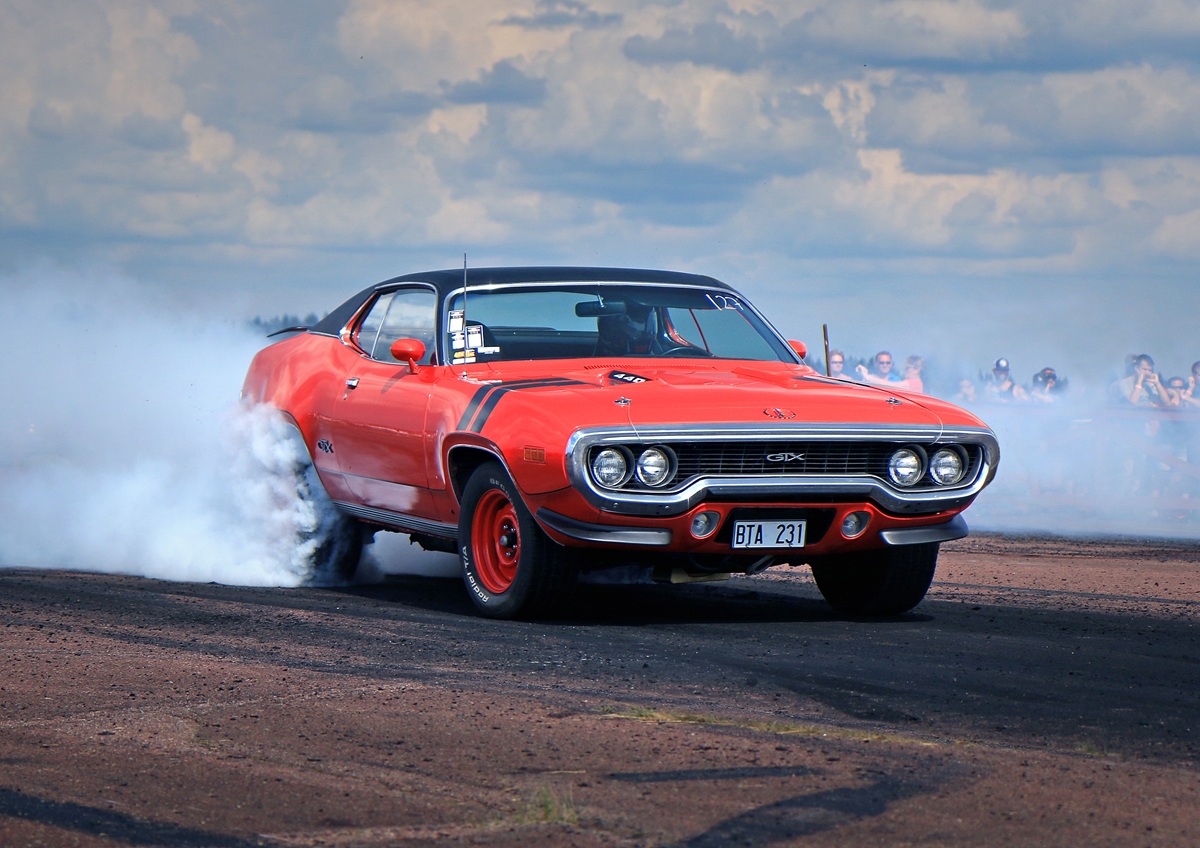
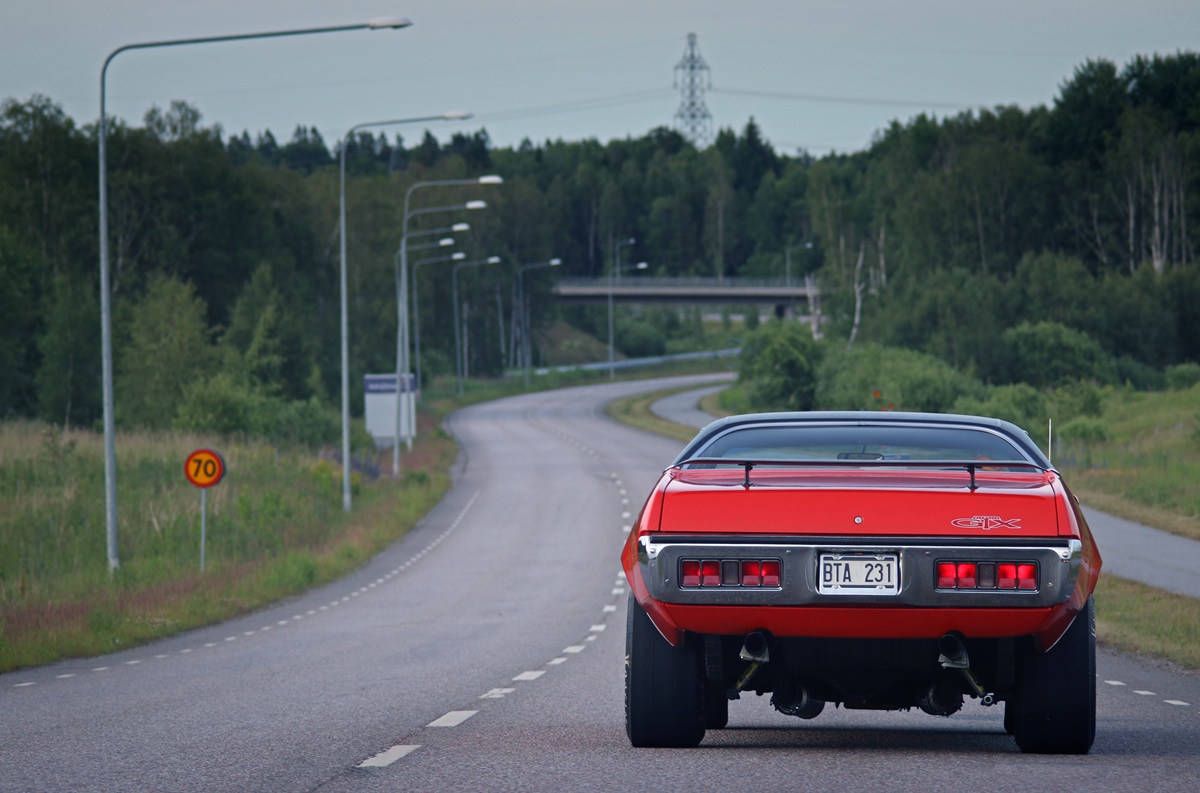
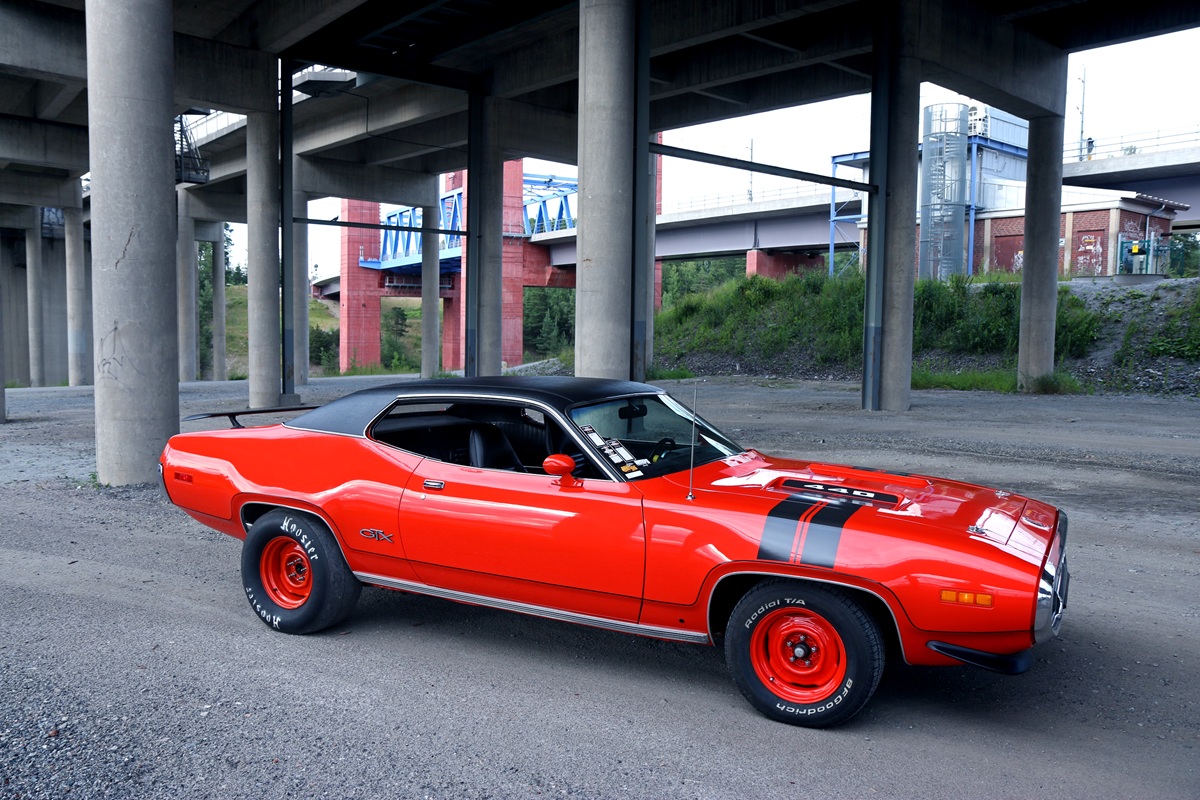
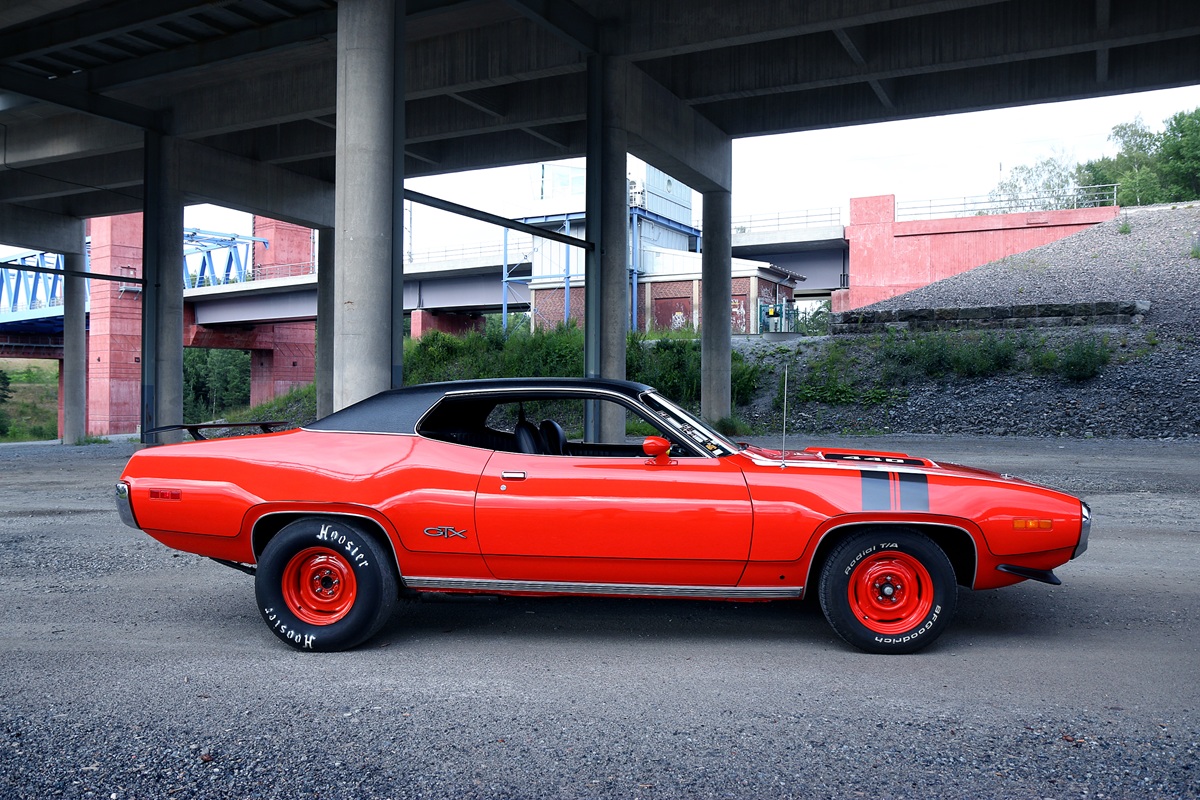
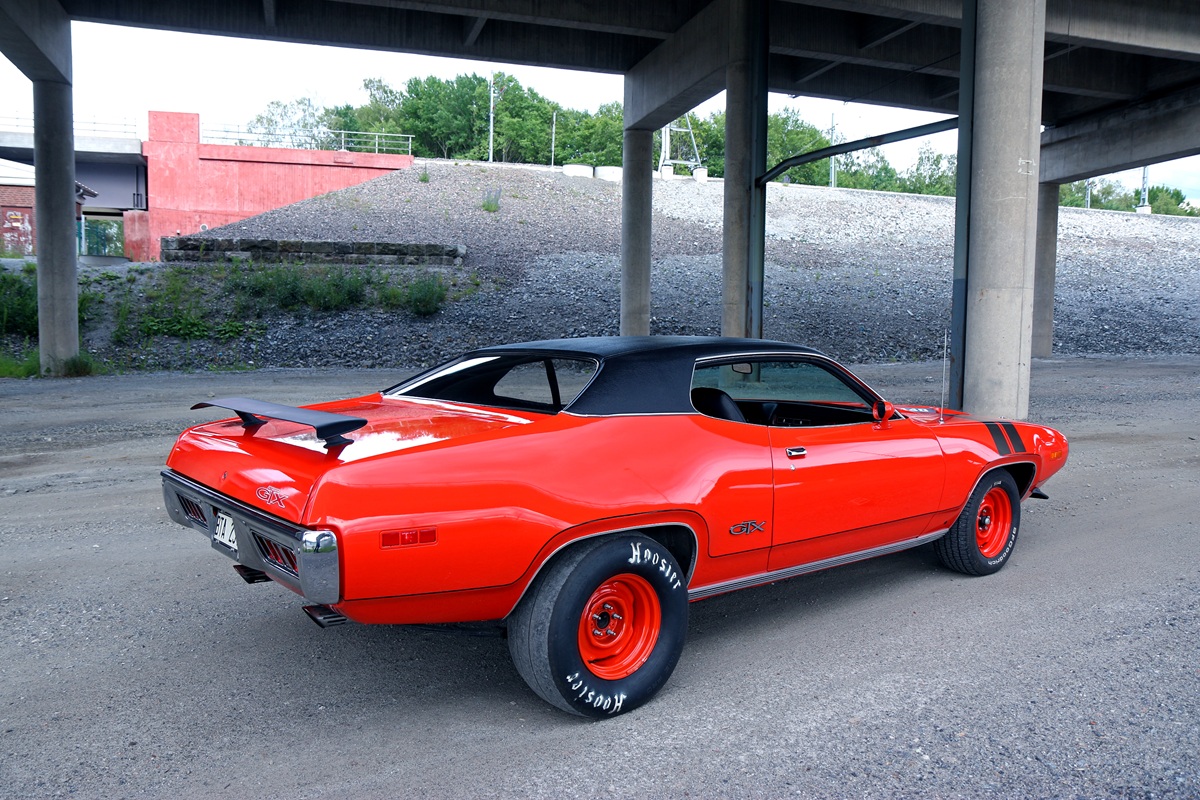
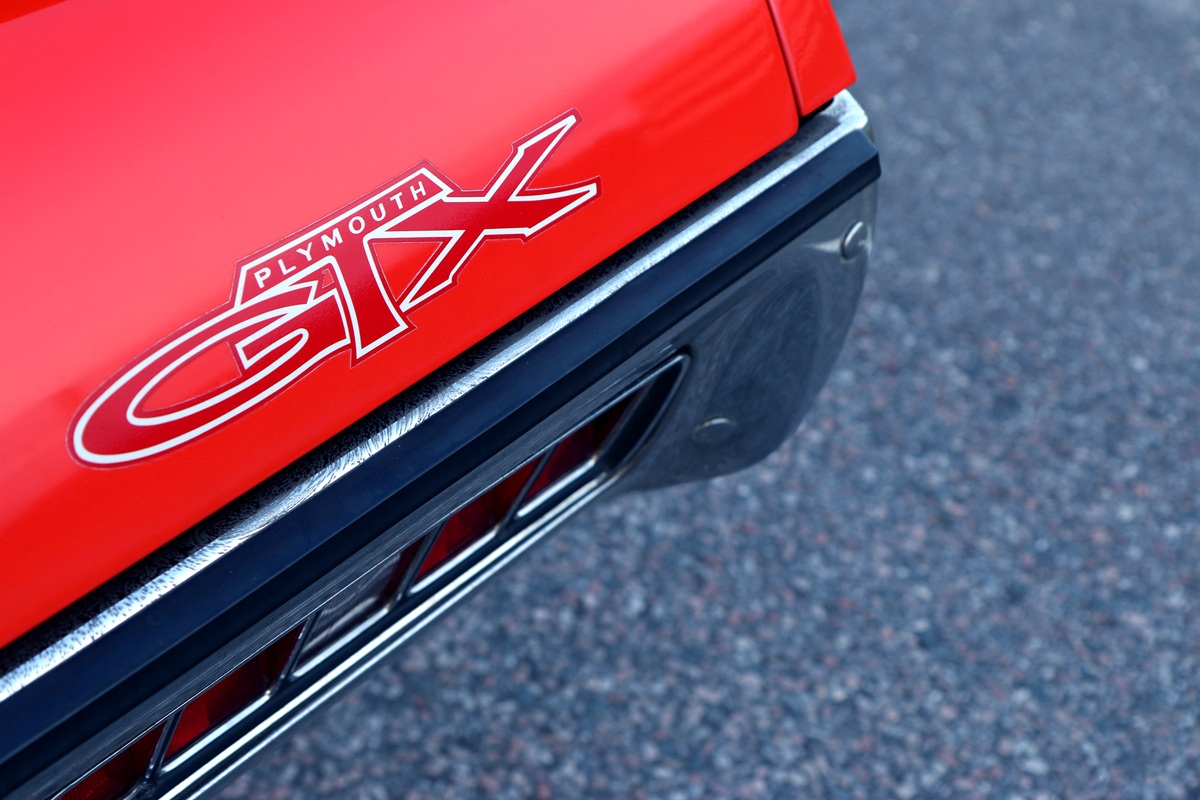
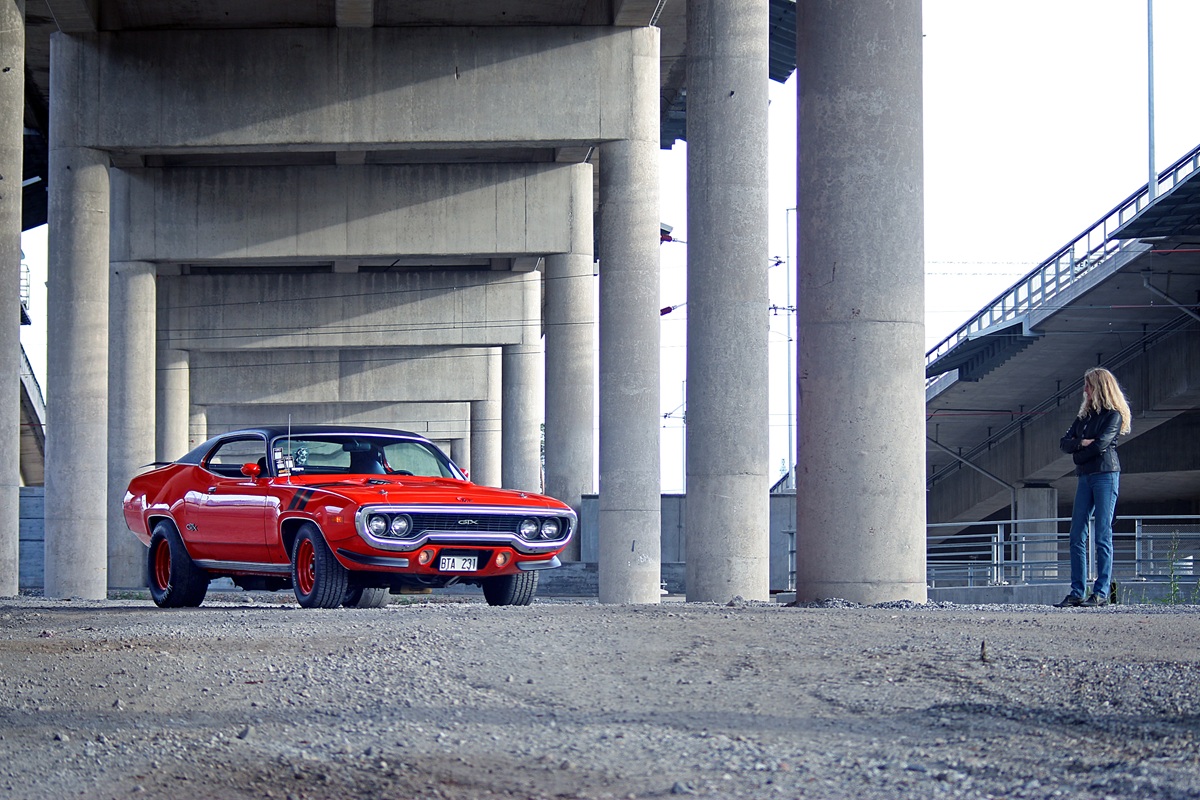
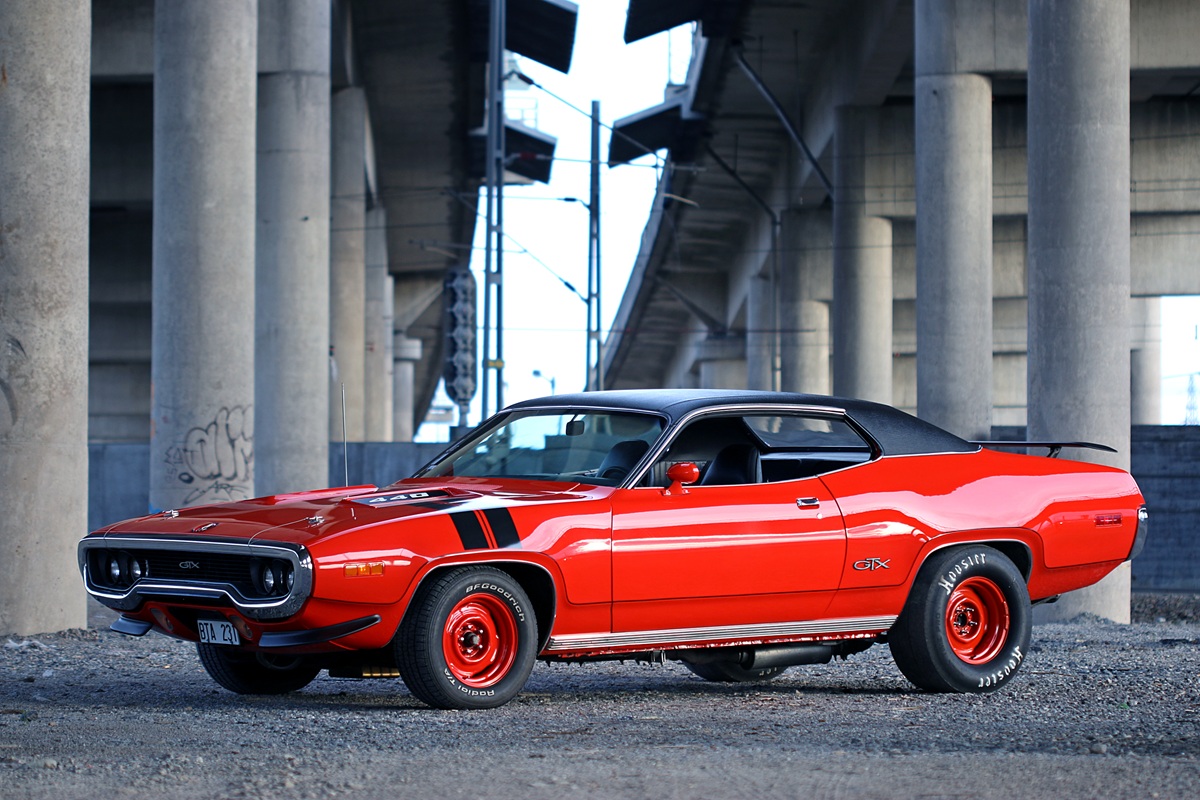
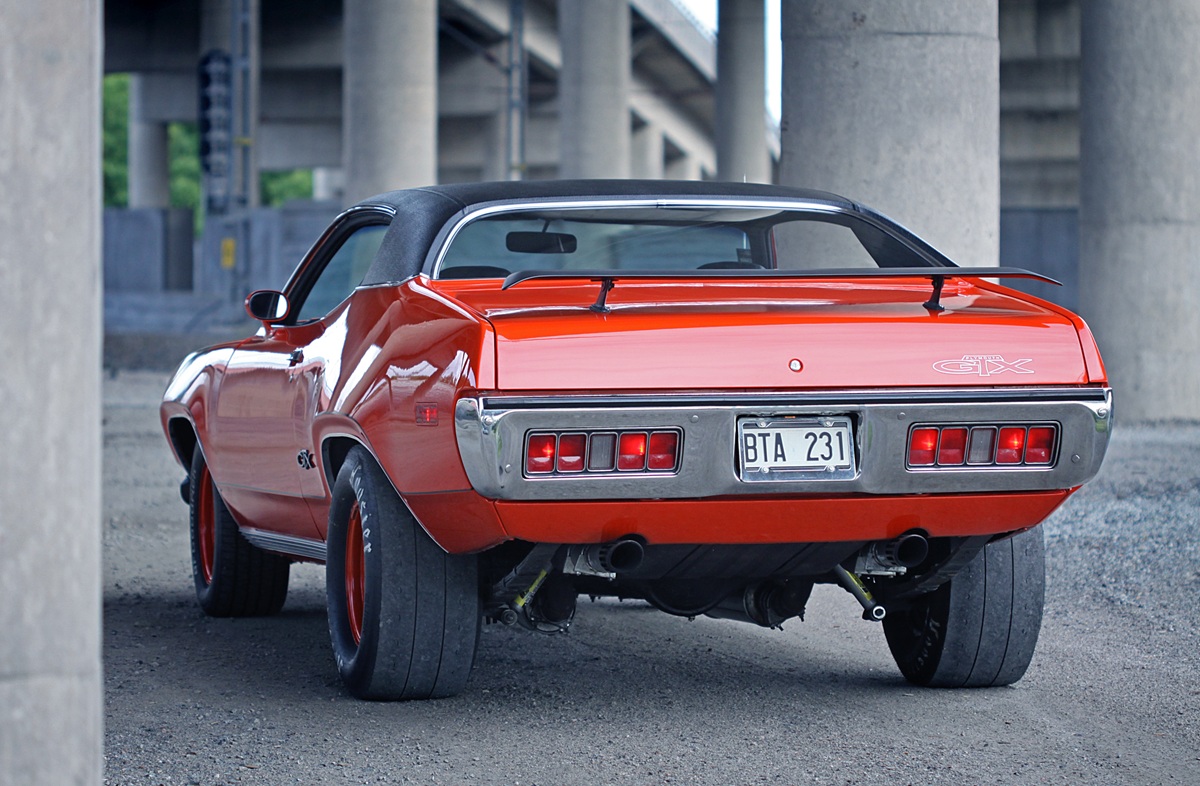
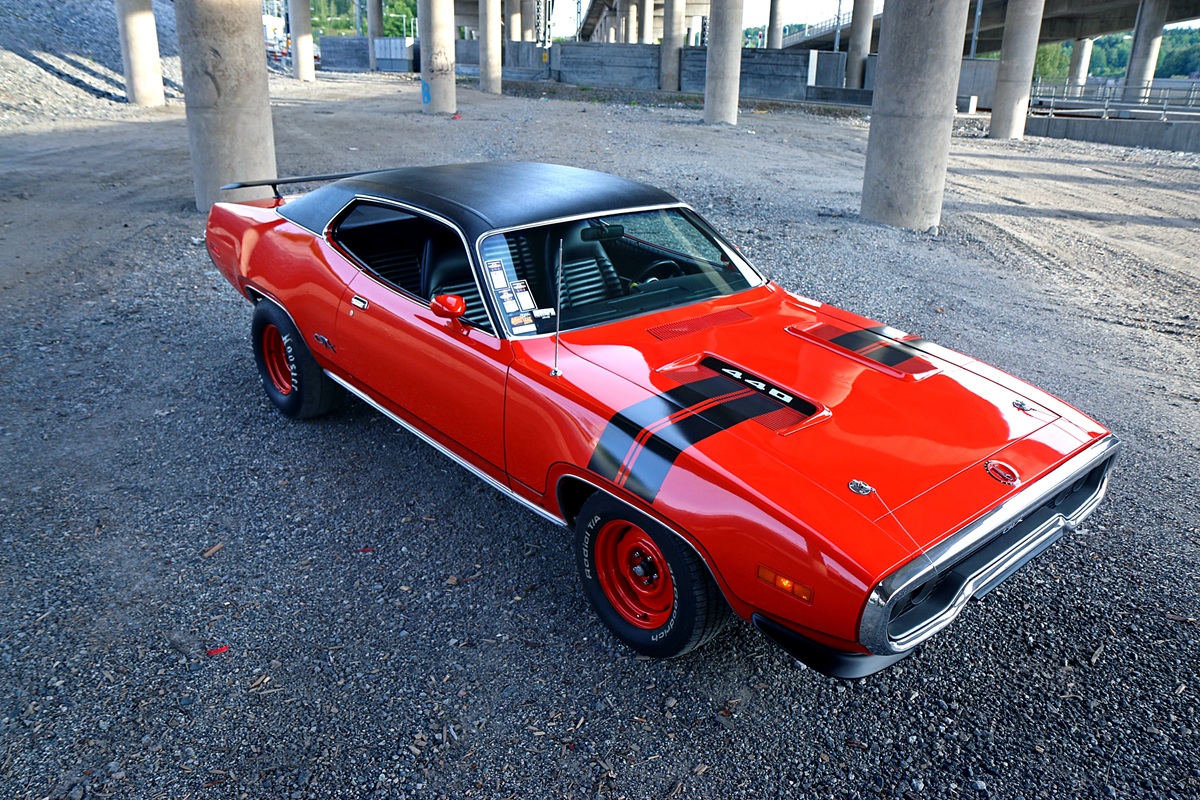
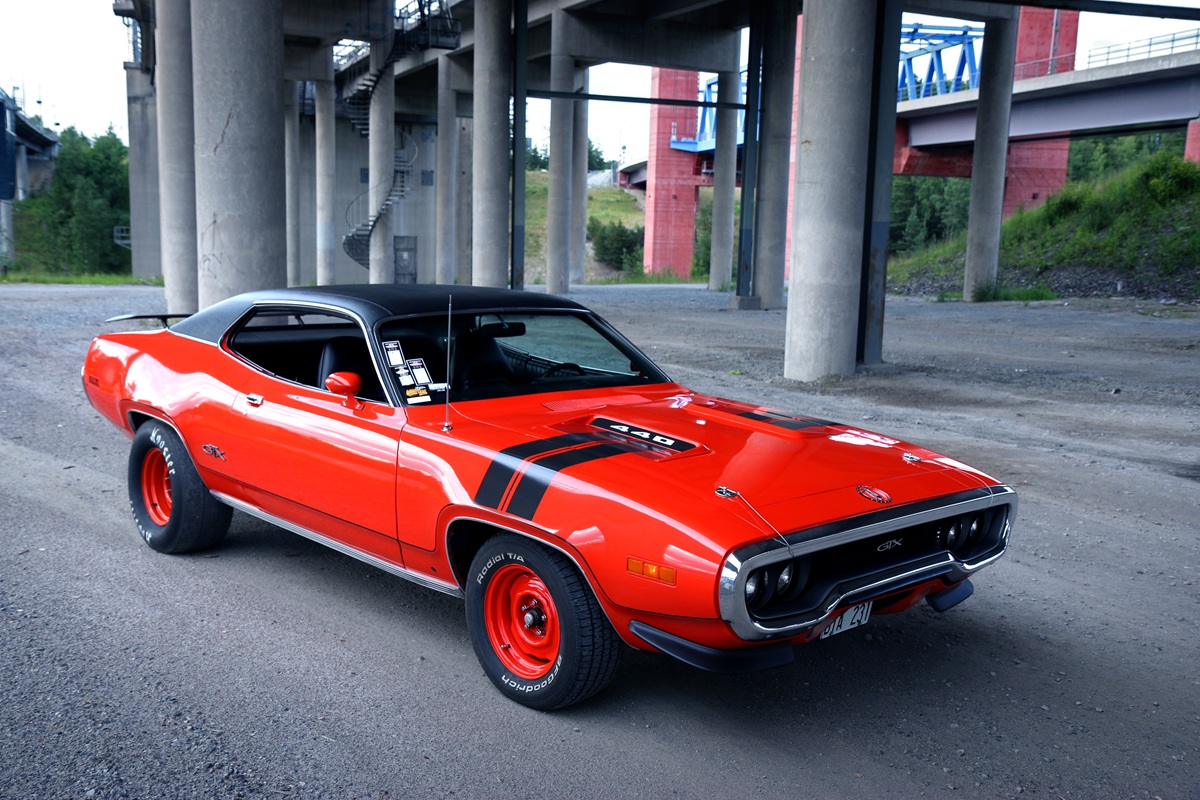
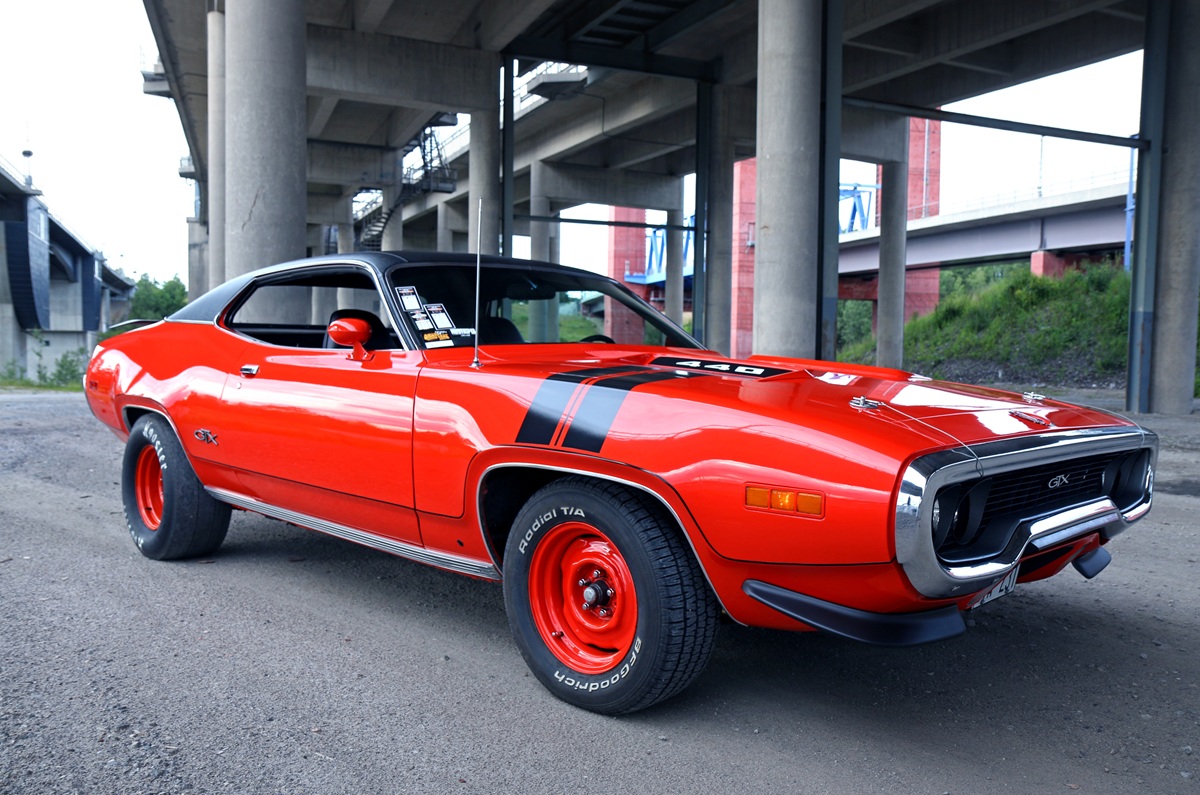
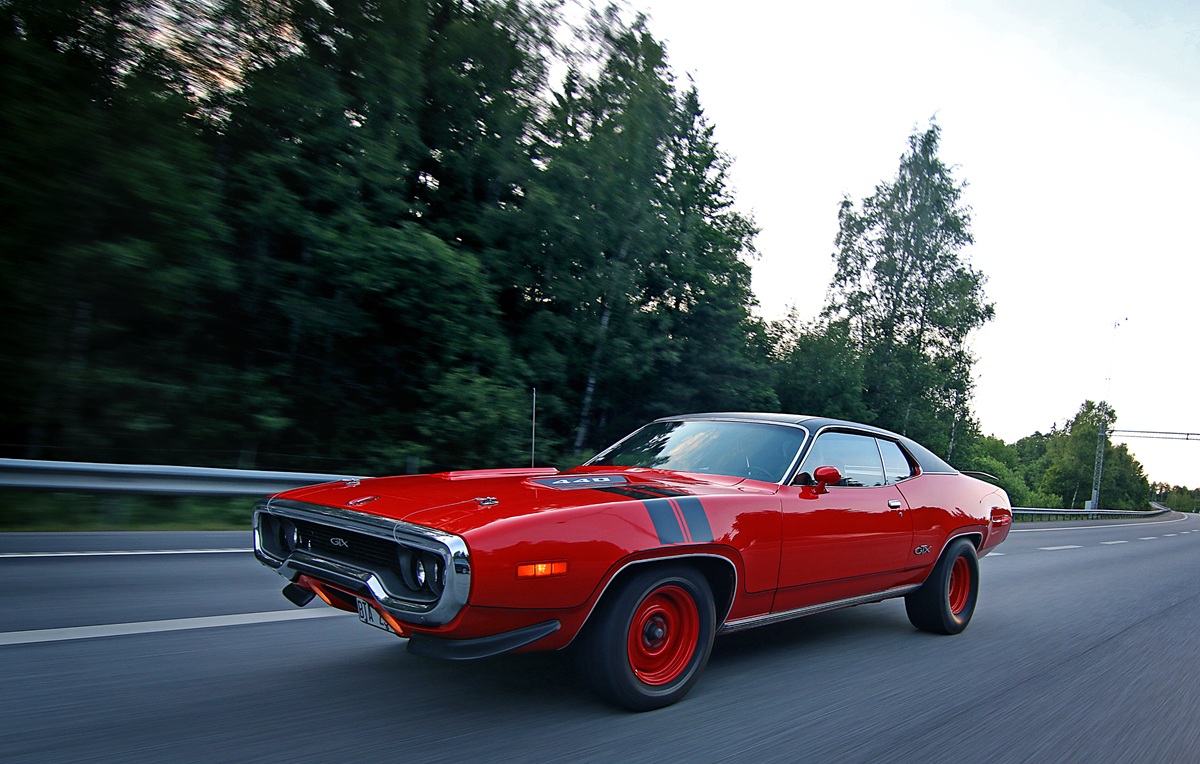
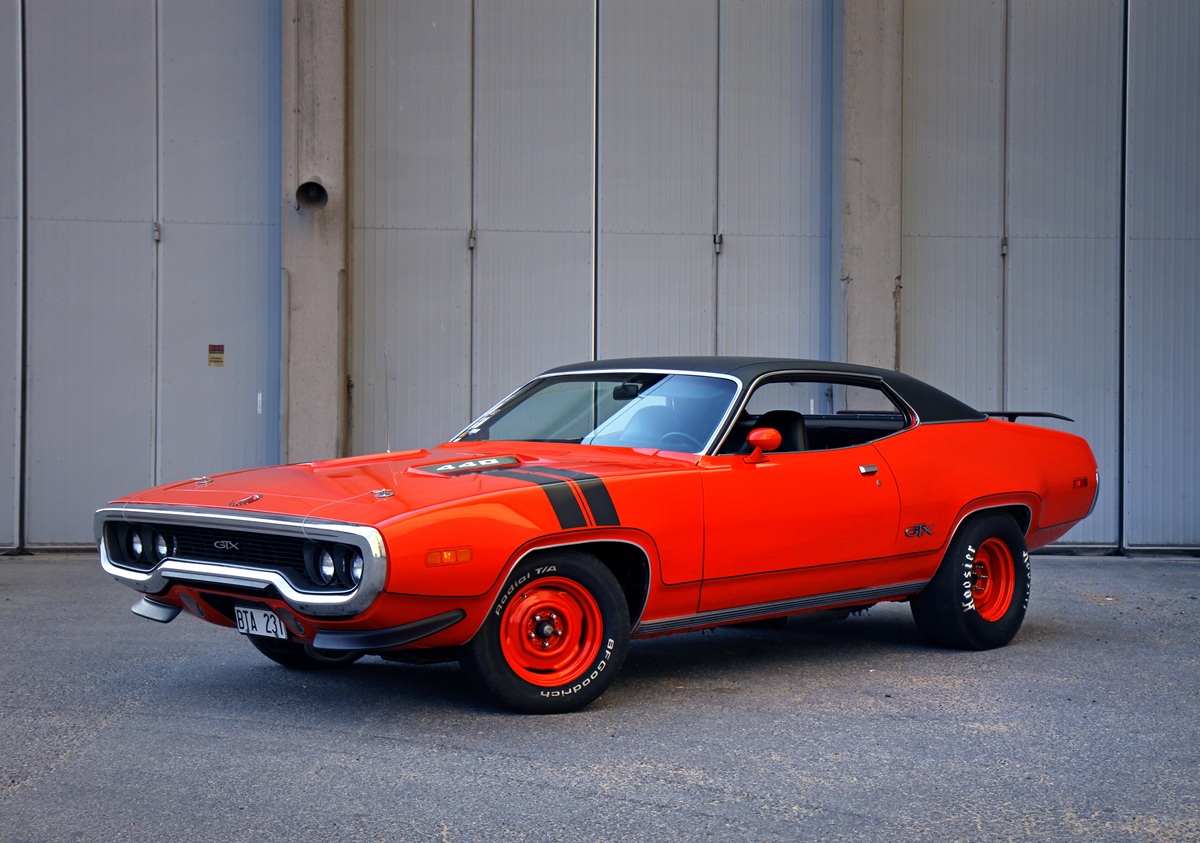
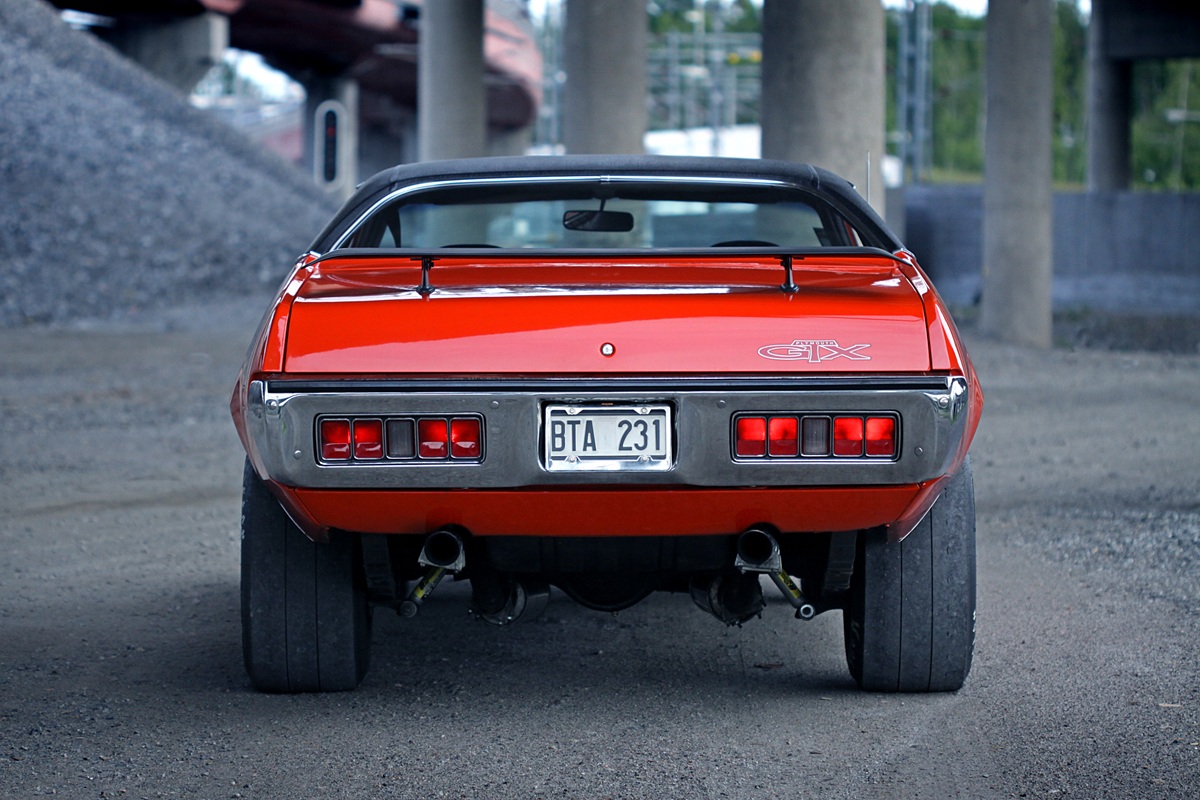
No matter how you look at it, the 1971 Plymouth GTX is one of the most striking machines of the entire muscle-car era. Fairly unique, distinctive, stately, magnificent and packed with horsepower straight from the factory – those are just a few of the GTX’s defining traits. So it’s hardly surprising that Ulla Adlén’s first choice was this model when it was time to rediscover the charm of her youthful automotive sins.
When exactly are our car interests born? Is there a specific moment?
Probably not. The interest usually grows slowly but surely, marked by a few clear milestones that fence in the passion.
For Adlén, the love of American iron starts with a father who bought Mopar® vehicles on payday and with a family that cruised around Södertälje in American cars.
“When did my interest in muscle cars awaken? Hm. Dad drove Mopars when I was a kid. Yeah, I grew up in a Dodge Lancer and a Plymouth Belvedere. Maybe that’s where it all began. I wanted a Volvo Duett when I turned 18, so I bought one and learned how to wrench. Then one day, I saw a 1971 Dodge Charger R/T while driving through town. Yellow. It was the coolest car I’d ever seen. I simply had to have one,” Adlén says.
And that was that. Adlén started saving money and eventually managed to buy the long-awaited Charger – a ’72 for 32,000 kronor (around $3,200). Not cheap, but not so expensive that it was impossible to scrape the money together. And above all, 32,000 kronor is a far cry from today’s heavily inflated prices.
“It’s tough for 20-year-olds today who want a cool muscle car. A nice one easily costs 250,000–300,000 kronor – or more. No wonder the kids drive Volvo 850 Turbos or BMWs. My ex-husband once bought a real AAR ’Cuda for 18,000 kronor back in the day. Completely insane,” Adlén says, laughing.
She earned her driver’s license in 1979 and smoked her way straight into the ’80s. With tires blazing, Adlén conquered Stockholm.
“We were out driving all the time. Wednesdays to Sundays. Half the night. You’d hang out at the Wenner-Gren Center, then head to Kistarakan or Örbyleden for street racing. Sometimes we’d run a ladder, and I raced against tons of well-known guys – among them Berra, rest his soul. Yeah, the one with the turquoise rod that absolutely screamed. He had a Plymouth Valiant back then. I raced a whole lot of illegal runs,” Adlén says.
She even competed in the Stockholm Open in the late ’80s before selling the Charger – swapping many horsepower for a horse with four legs.
“Then came another horse. It unfortunately got sick, and that’s when I decided to buy a new Mopar,” Adlén says.
The resale value of a sick horse isn’t exactly stellar, so once again she had to save and scrape together money for a car. But this time, the price tag was no longer 32,000 kronor for a punchy Mopar vehicle.
“And the seller in the U.S. wouldn’t budge on the price, either. But it was a 1971 Plymouth GTX that I wanted, and I realized the chances of finding one in Sweden were tiny. They’re rare here – maybe 15 cars total. I’ve only seen two myself and know where a third one lives,” Adlén says.
She adds that the seller, Kevin, was a bit skittish at first. He hadn’t realized she lived in Sweden and that the car would be shipped overseas.
“He suddenly didn’t want to give out a bank account number and then stopped replying. But the guy helping me over there, Pontus Billström, had contact with a well-known Mopar guru who could vouch for both him and me – confirm that we were serious. Then things worked out,” Adlén says.
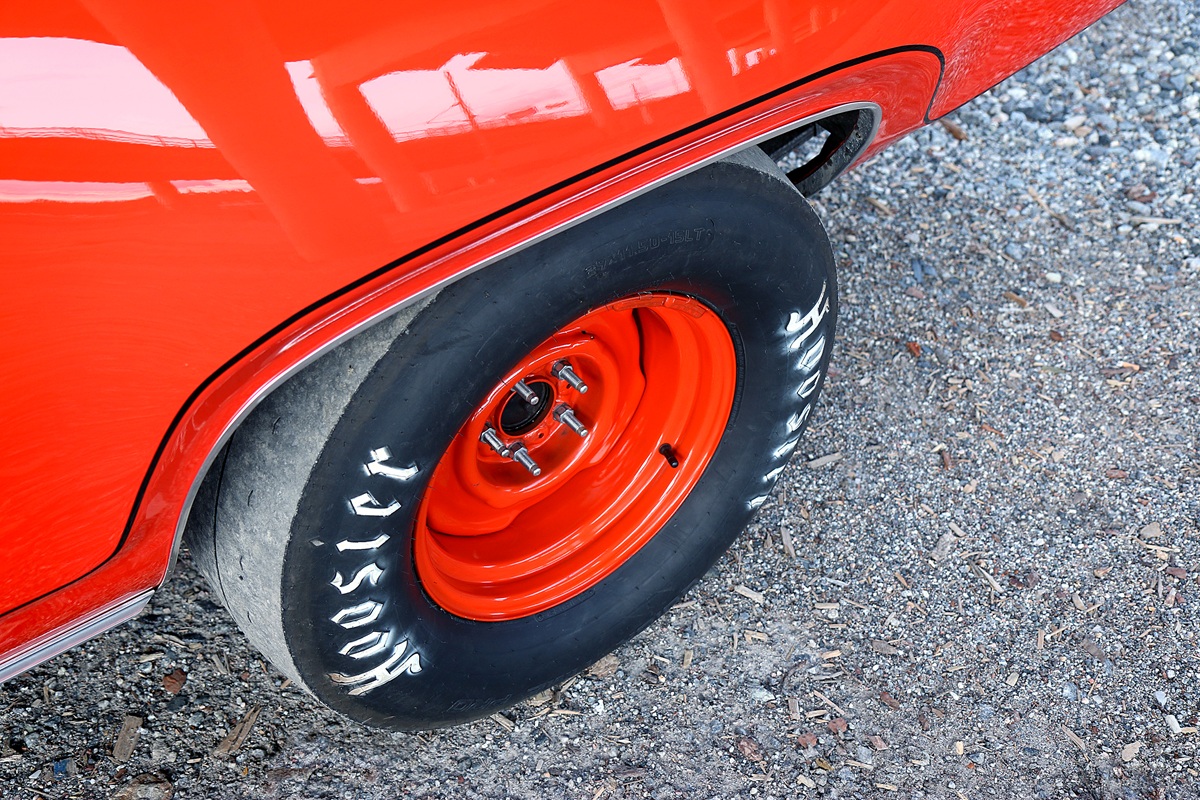
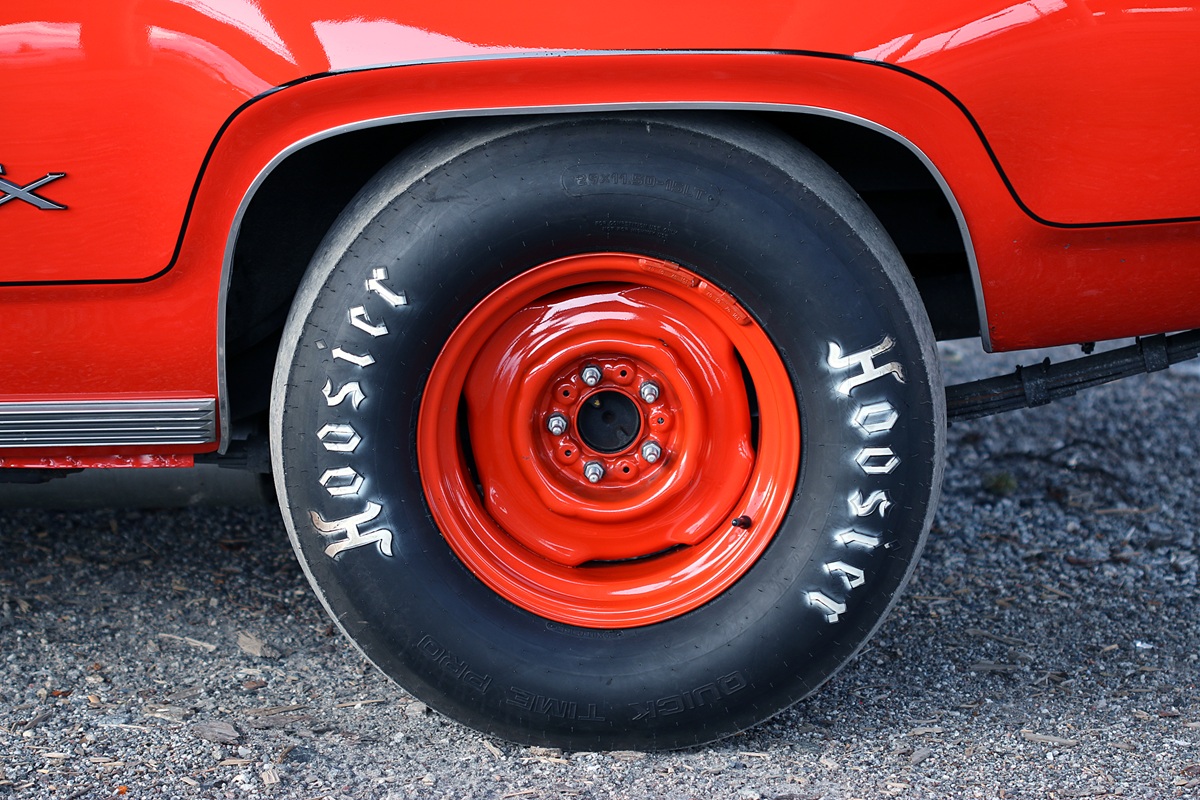
And so the GTX arrived in Sweden – in December 2009. Something of an anticlimax, considering the season.
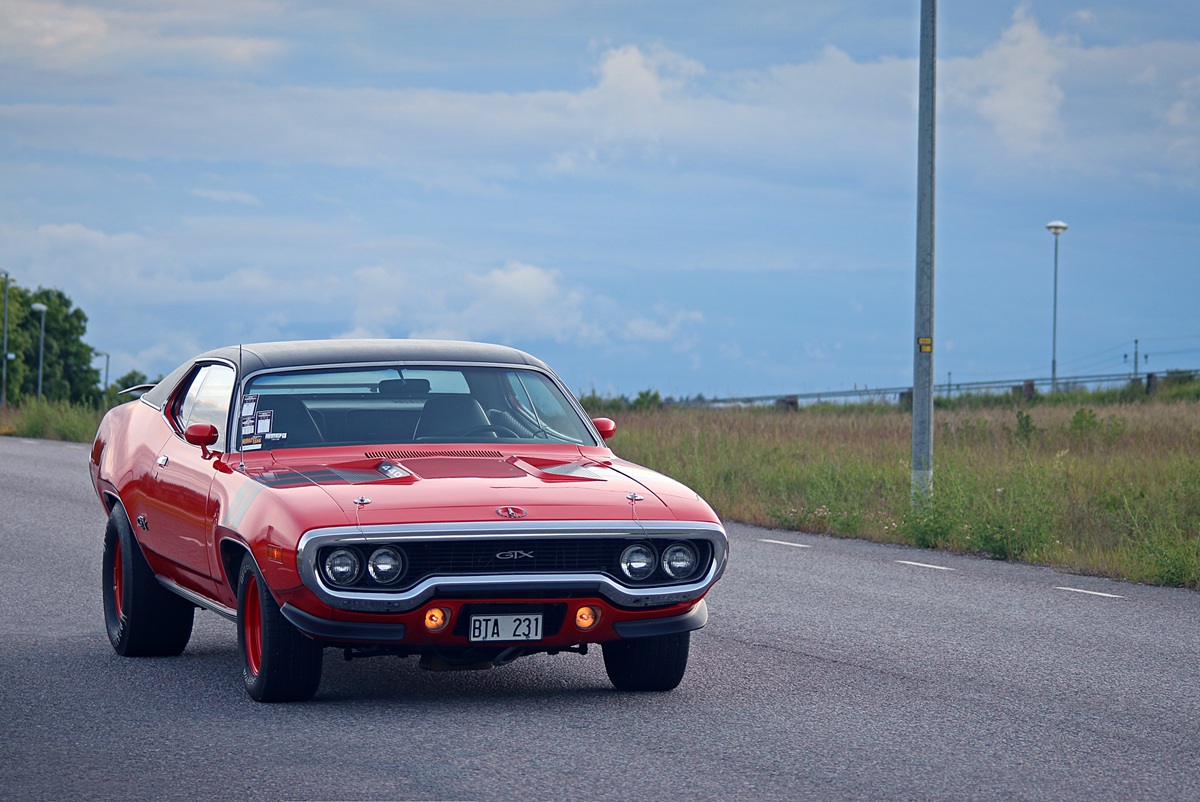
“I had to park it in the garage since it was winter. In April 2010, I could finally get it inspected and then drive it,” Adlén says.
She was pleased with the purchase. The GTX – a Road Runner in its dress-up suit – was in fine condition. The car had only about 54,000 kilometers on it, 3,200 of which Kevin himself had driven. In six years.

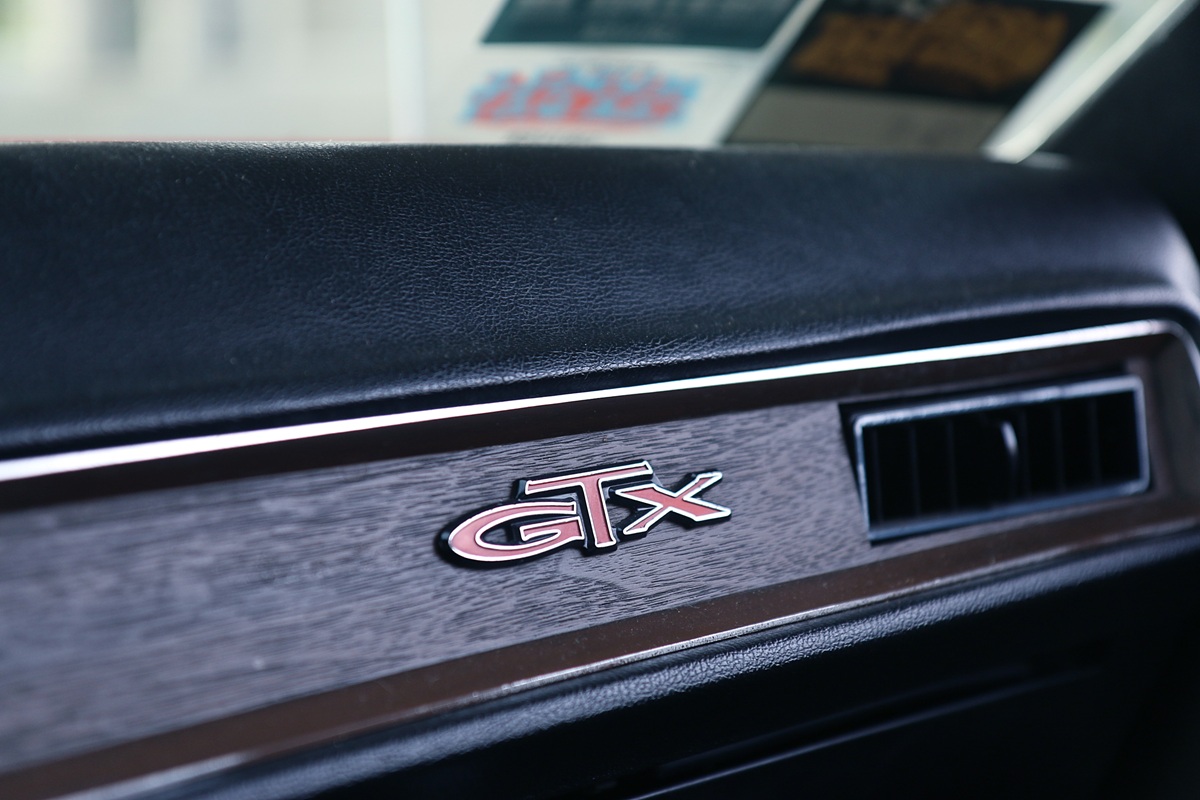
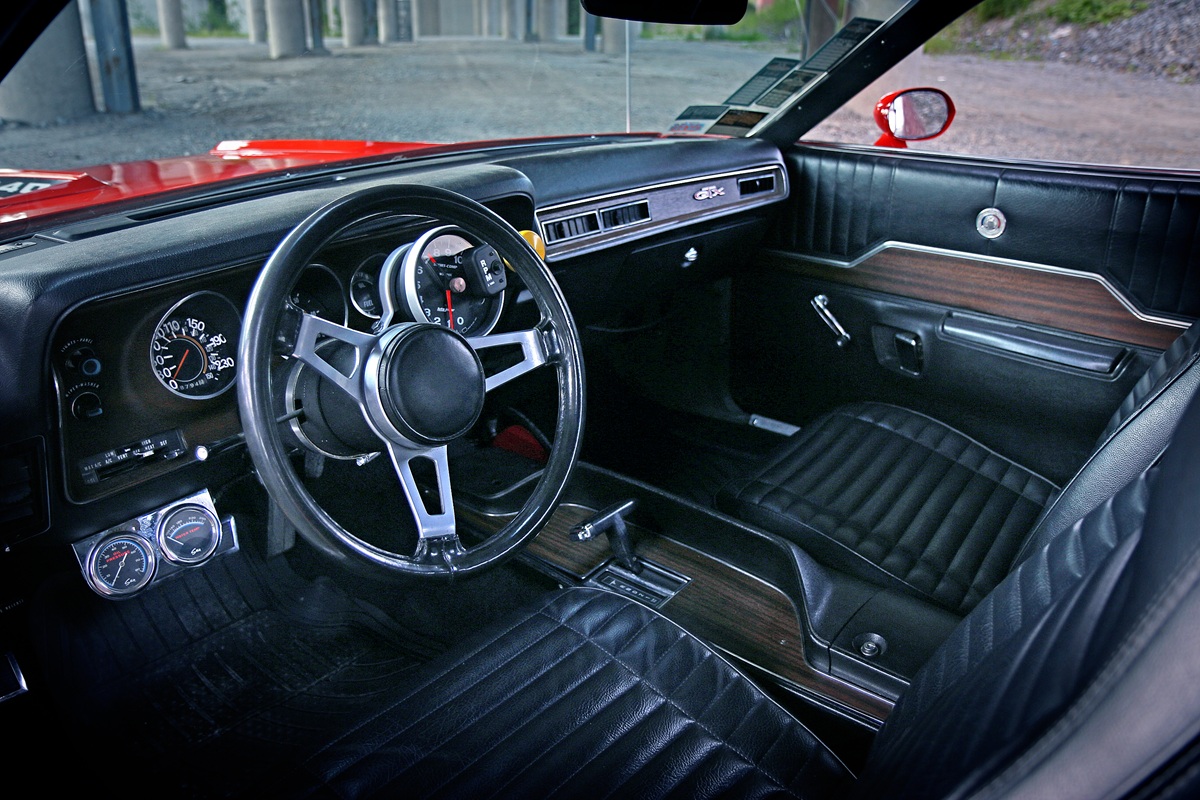
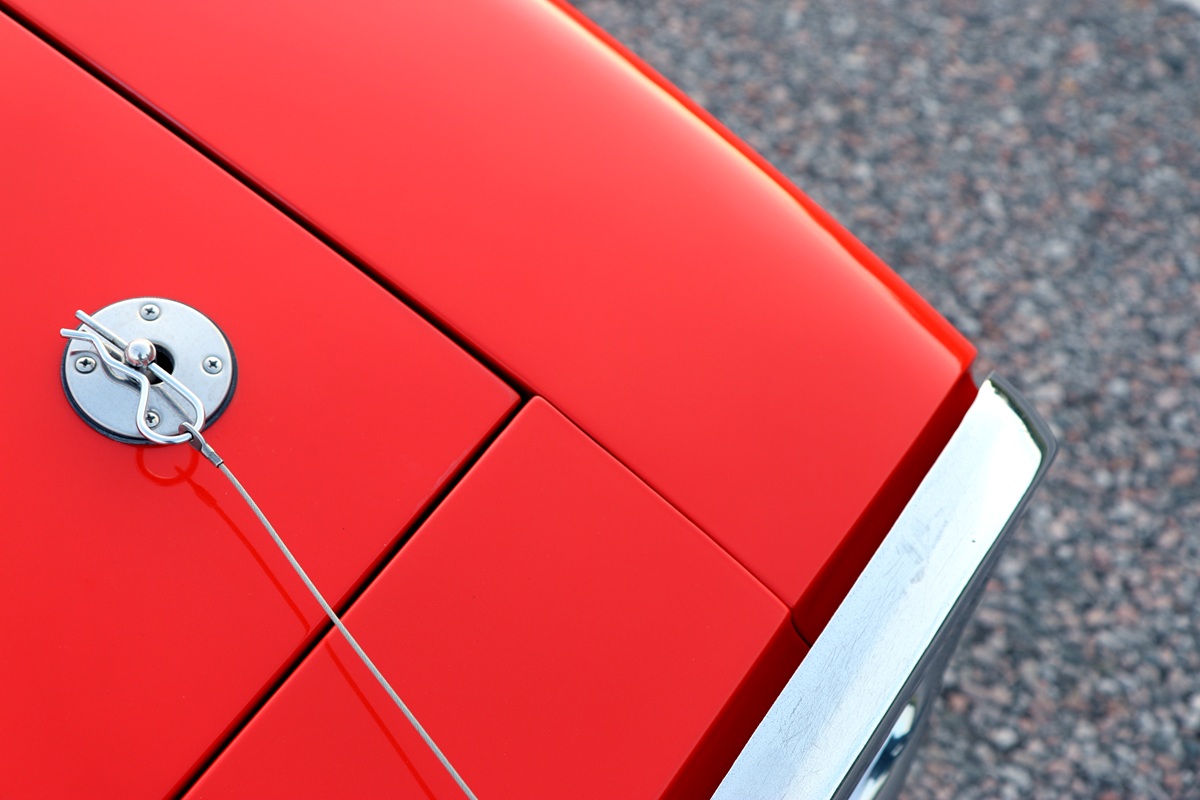
“Kevin is a painter by trade, and he had repainted the car, so both the paint and body were in great shape,” Adlén says.
The drivetrain was pleasant as well – for a while. Specifically, that first summer. After that, Adlén felt that another 100 horsepower or so wouldn’t hurt. So she started wrenching. Out came the 727 TorqueFlite, which Jackie at JH Automatlådor rebuilt, strengthened and fitted with a manual valve body.
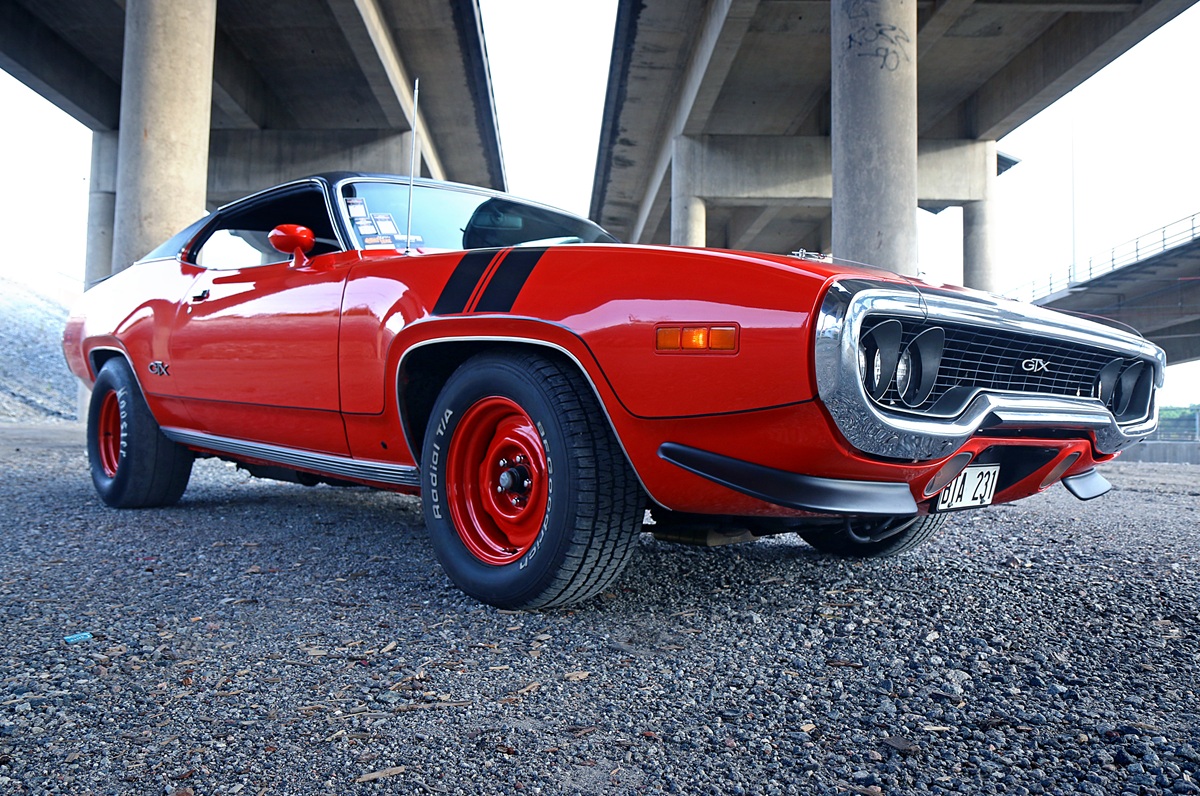
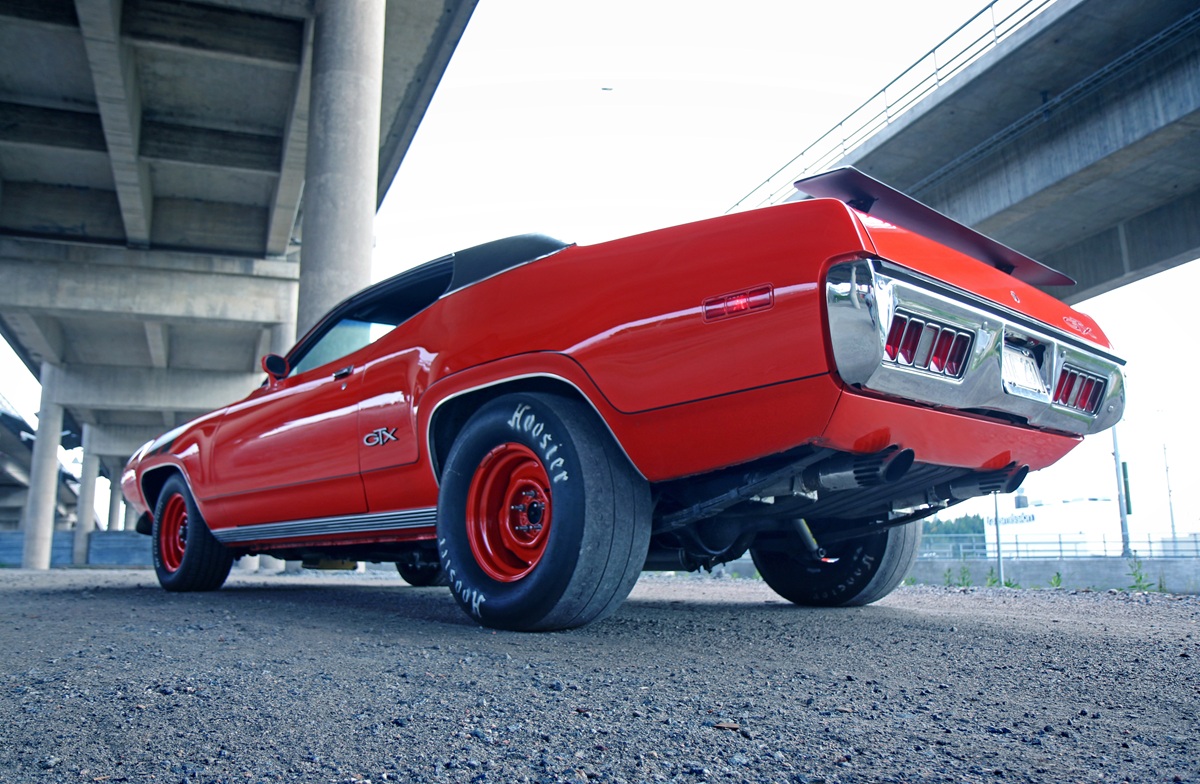
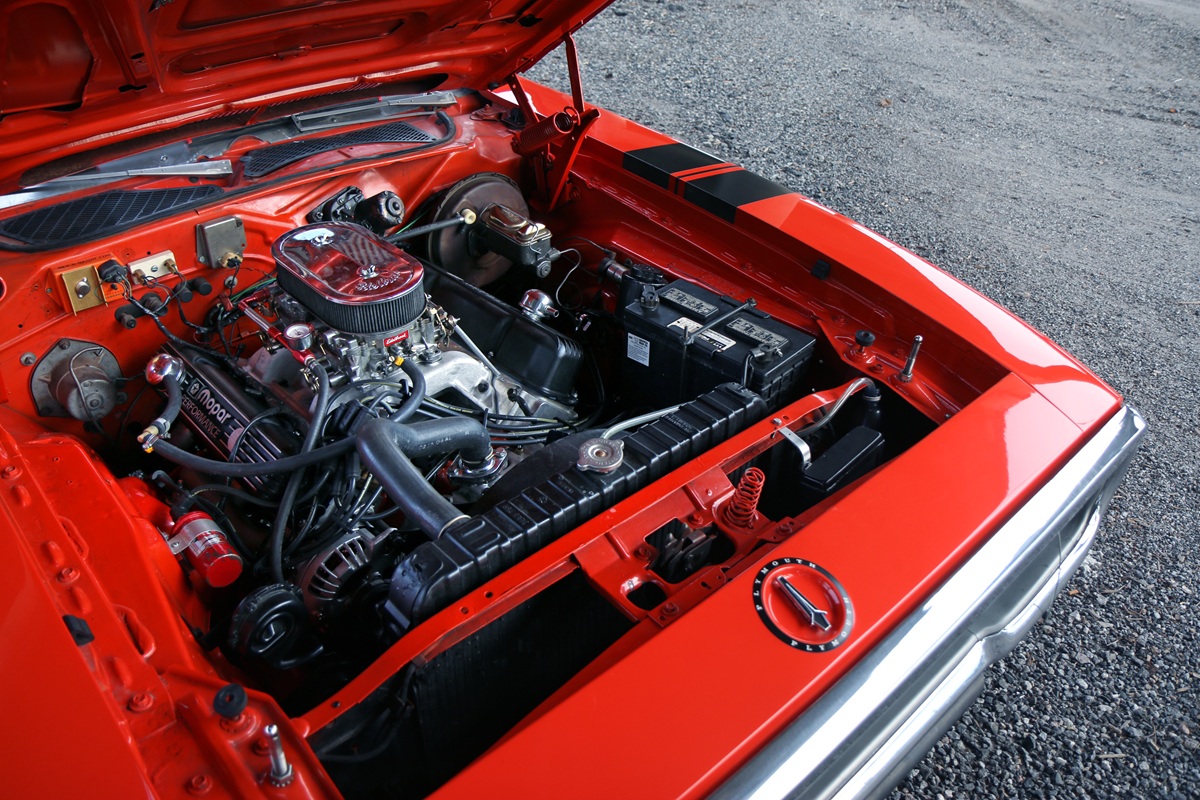
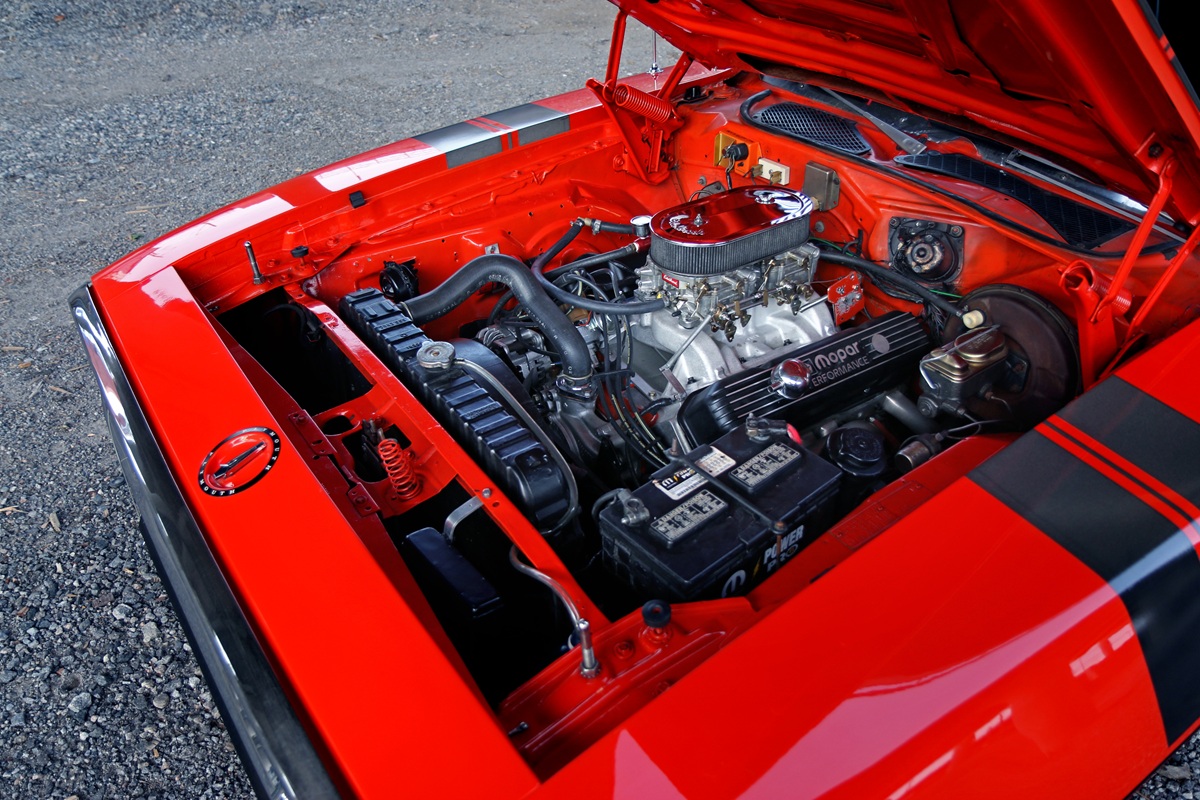
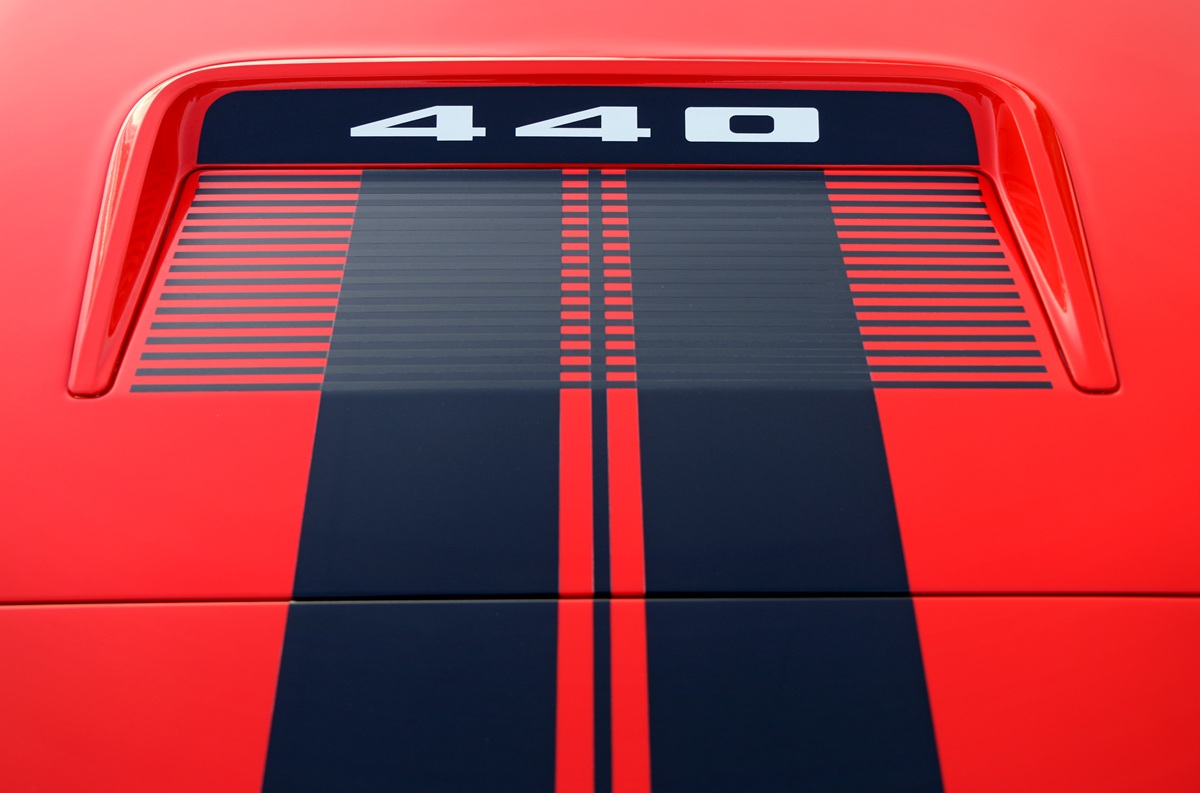
“It’s probably good for 1,000 horsepower today and works flawlessly. The engine is a 440 bored to 446 cubic inches,” Adlén says.
So what’s the recipe? Lightweight rods, four-bolt steel main caps, forged pistons, a moderately aggressive Lunati camshaft, a pair of 600-cfm Edelbrock carburetors, ported Edelbrock Performer RPM cylinder heads, a plug-and-play Revnator ignition system and a filled (concrete-reinforced) block.
“It works fine to run a filled block on the street, but I should say that I use an external oil cooler. It’s small, but the engine has never overheated. The bigger issue is the low-tension piston rings – they work best at wide-open throttle when they’re pushed against the cylinder walls, but less well under normal load on the street. They tend to foul the plugs with oil,” Adlén says.
She adds that the engine is fully balanced, the block is decked and compression is 10.1:1. As for the cam specs, Adlén says that’s her friend Sven’s department.
“He’s great with numbers, Sven. I think he has a mild case of camshaft autism,” Adlén says with a grin.
The goal for the dyno session with engine builder Appelgren was 500-plus horsepower.
“I landed at 495 horsepower. Annoying. But the engine simply wouldn’t rev past 5,400 rpm. Appelgren wasn’t sure whether the issue was the lifters or the valve springs. The engine just ran out of breath,” Adlén says.
Once she replaced the lifters – which is the easiest thing to test with the V8 still in the car – she noticed the difference.
“With the new lifters, the engine pulled through the rpm range and I could shift at 6,200 rpm. Since Appelgren says I’d gain another 20 horsepower if the engine could exceed 6,000 rpm, I should reasonably be past the 500-horse mark now,” Adlén says proudly.
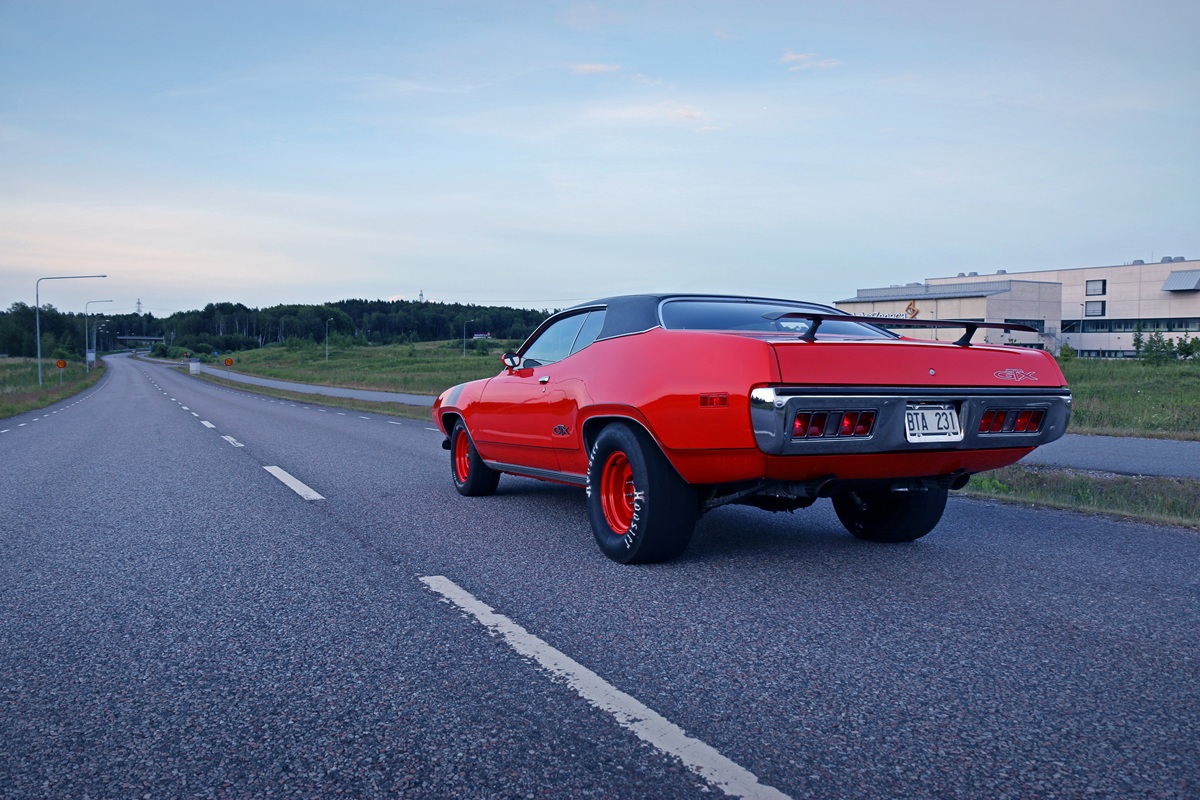
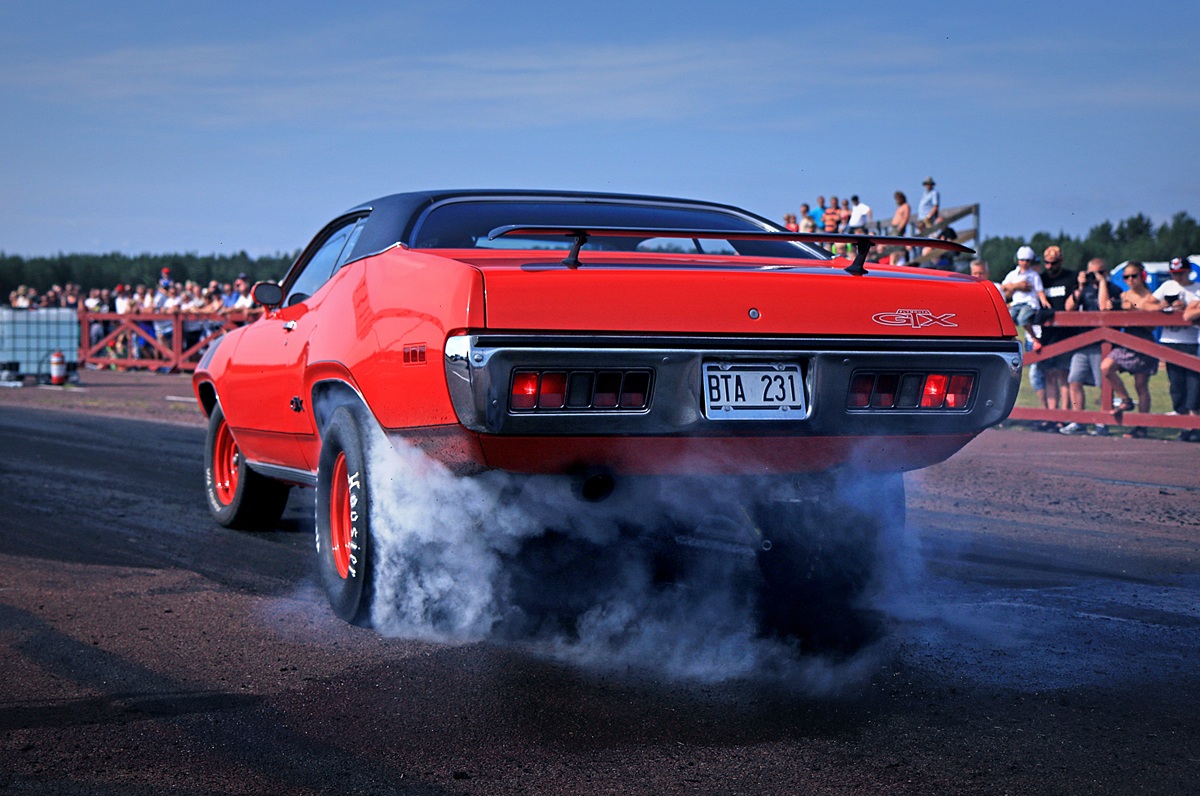
What spins behind the engine? A custom 10-inch torque converter built to match the car’s power, weight and gearing, producing a 3,400-rpm stall. Behind that sits the rebuilt transmission and finally Mopar’s classic 8¾ rear axle.
“I padded the floor with mattresses when I slid the chunk out to change the gear ratio. It’s a heavy brute. The new ratio is 3.73:1, which lets you both race and cruise,” Adlén says.
Cruising has turned into something else. These days, Adlén plays only on the strip – the stripes of the past have faded away. Rumor has it she once spanked Torino-Johan and his Ford on the street, and rumor also claims Johan later evened the score.
“But I’d love to challenge him at Kjula one summer – if he finishes his engine,” Adlén says, laughing.
0 Comments